Boards can help you plan, sort, and show ideas in a clear way. They can also make daily tasks feel easier to follow and share.
1. Mood Board
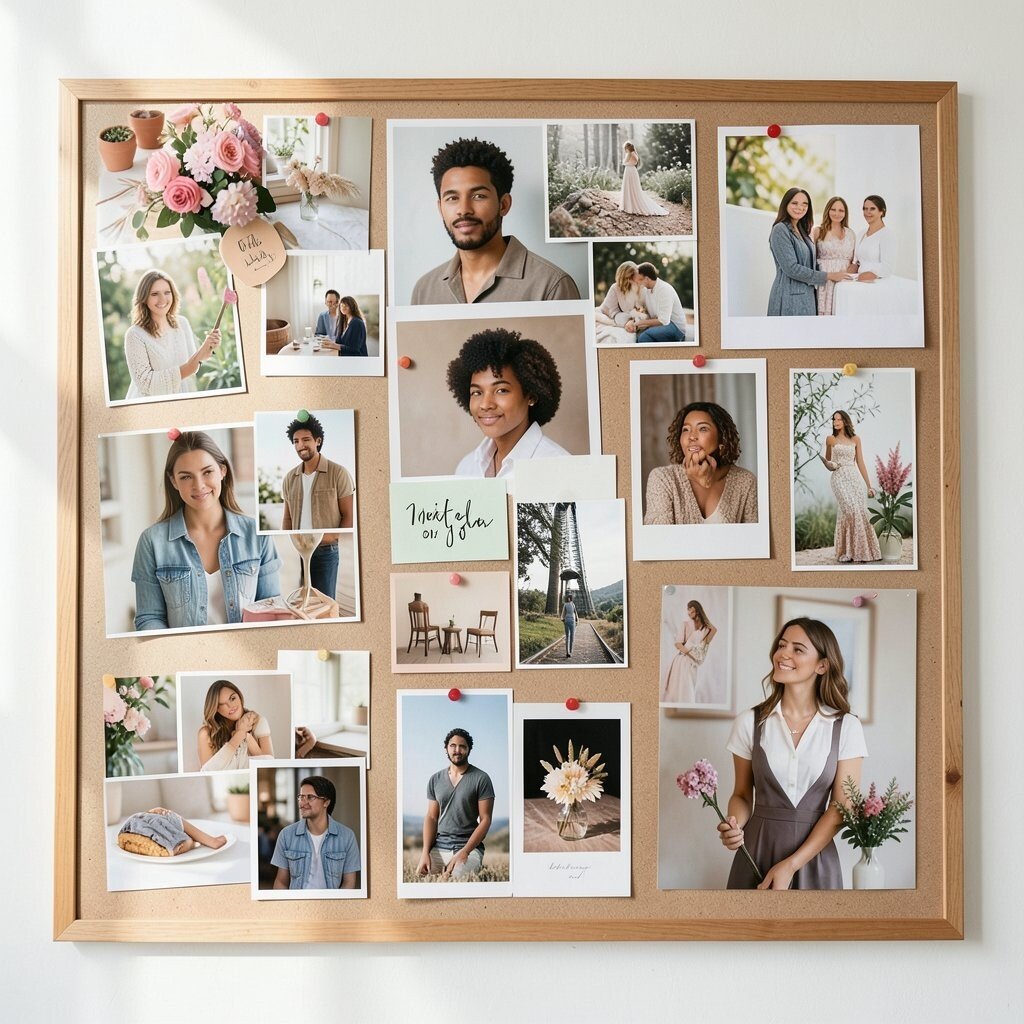
A mood board is a simple board filled with photos, colors, words, and small bits of paper that show a style or feeling. It often looks a bit messy in a good way, with images pinned close together so the whole board feels like one idea.
This type of board helps you gather thoughts before you start a project. It is useful for rooms, outfits, events, and art because it gives you a quick look at what fits together.
You can make one with a poster board, old magazines, printed photos, or even free online tools. A low-cost mood board can still look neat if you keep a clear color theme and do not add too many random pieces.
2. Vision Board
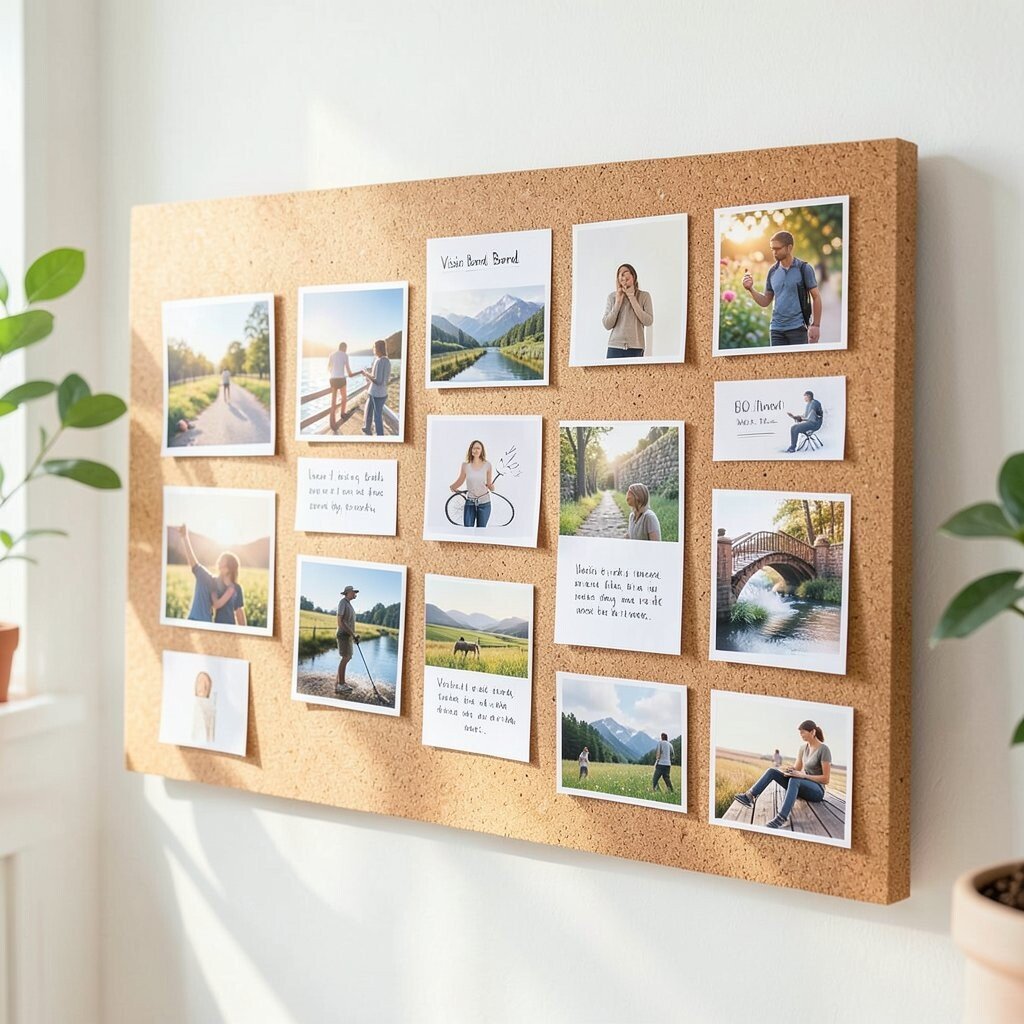
A vision board shows goals, plans, and things you want in the future. It often has images of places, jobs, habits, or hobbies, and the layout can be bright, calm, or simple based on your taste.
People like vision boards because they keep ideas in sight every day. They can help you stay focused on what matters and make it easier to plan small steps toward a goal.
You can make one on cork, foam board, cardboard, or a digital page. A personal touch like hand-written notes or your own drawings can make it feel more real and more useful.
3. Cork Board
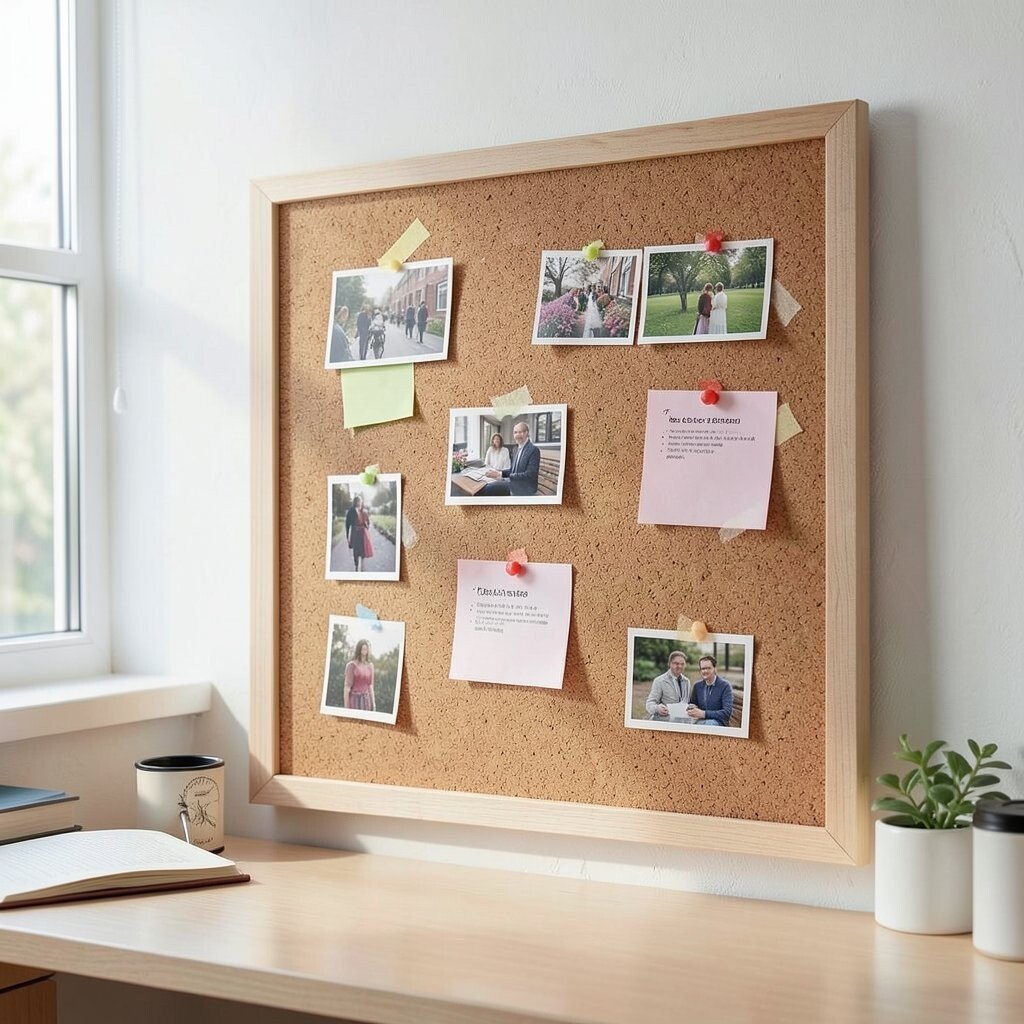
A cork board is a classic board with a soft surface that lets you pin notes, photos, and reminders. It usually has a plain look, but it can still feel warm and useful in a room or office.
This board works well for school, home, and work because it keeps small things in one place. It helps cut down on lost papers and gives you a spot for things you need to see fast.
You can leave it plain or cover the frame with paint, tape, or cloth to match your space. Cork boards are also a good choice if you want something cheap and easy to use for daily planning.
4. Whiteboard

A whiteboard gives you a clean space to write notes, lists, and quick ideas. It has a bright look and makes it easy to erase and start again when plans change.
Many people use whiteboards for school work, family plans, and office tasks. They are helpful because they keep important things in view and can make group work easier to follow.
You can add color markers, small boxes, or sections for different tasks. A small whiteboard is often low-cost, while larger ones can cost more, so size matters when you shop.
5. Chalkboard
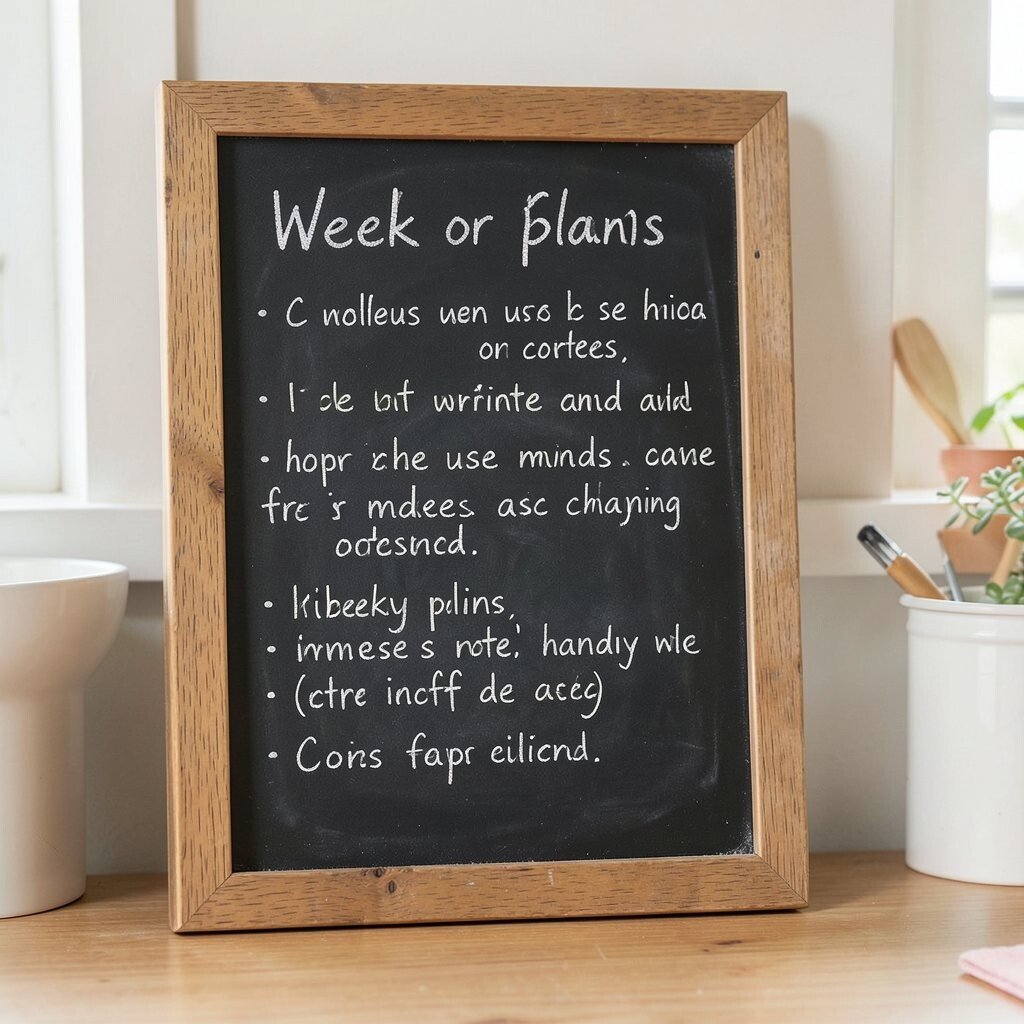
A chalkboard has a dark surface that makes white or colored chalk stand out. It gives a soft, old-style look that can feel cozy in a kitchen, classroom, or craft space.
This board is nice for menus, quotes, weekly plans, and kids’ drawings. It can be wiped clean and used again, which makes it handy for changing notes often.
You can frame it with wood or paint the edge for a more finished look. Chalkboards fit well with current home trends that use simple, handmade, and warm-looking pieces.
6. Kanban Board

A kanban board is a task board with columns such as to do, doing, and done. It usually looks neat and simple, with cards or sticky notes moving across the board as work gets finished.
This board helps you see your work at a glance. It is useful for school projects, home chores, team tasks, and personal habits because it shows what still needs attention.
You can make one with paper, a wall, a whiteboard, or an app. A good tip is to keep each task short and clear so the board does not get crowded and hard to read.
7. Storyboard
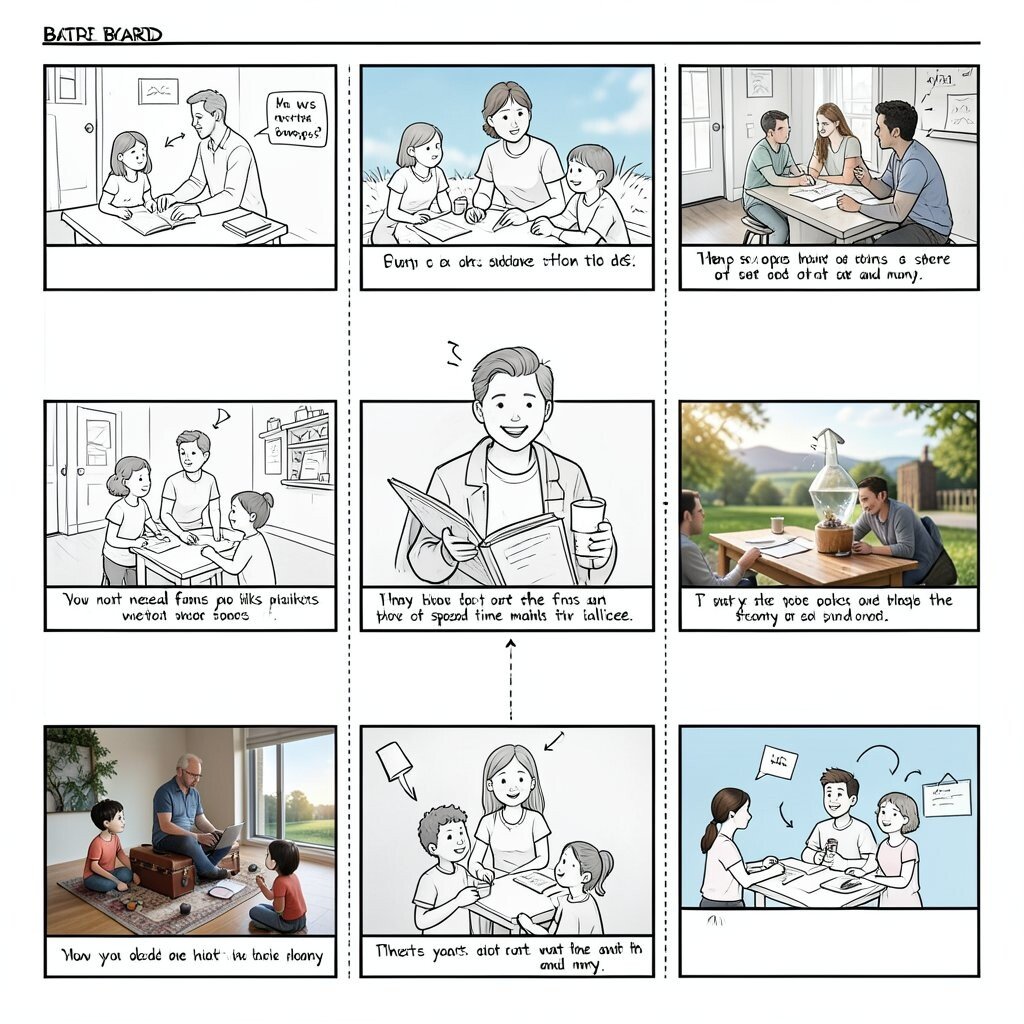
A storyboard shows a story in small boxes or sections. Each box can hold a sketch, a note, or a scene idea, so the whole board looks like a simple path from start to finish.
People use storyboards for videos, ads, comics, and school work. They help you plan the order of events and spot weak parts before you spend time making the final piece.
You do not need fancy art skills to make one. Simple stick figures, arrows, and short notes can do the job, and that can save both time and money.
8. Inspiration Board
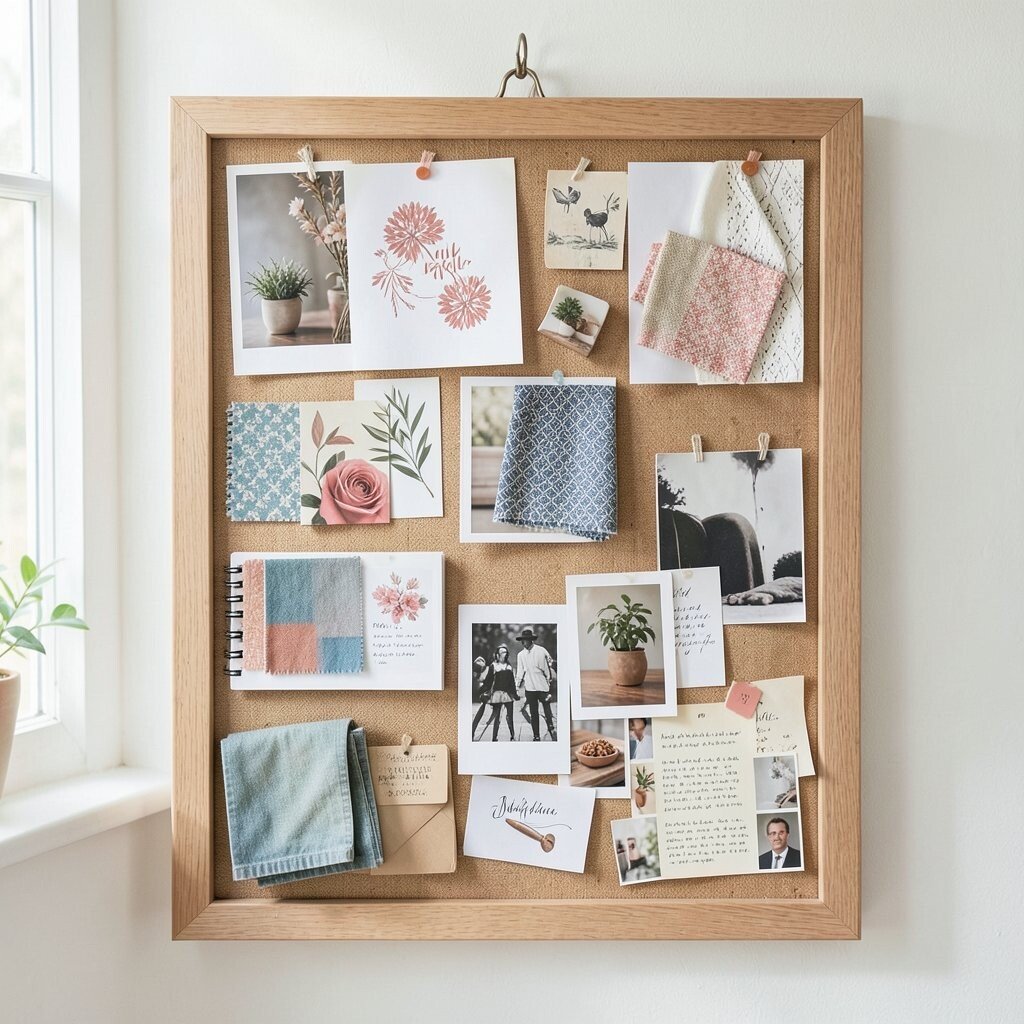
An inspiration board is a place to keep things that spark new ideas. It may include colors, fabric samples, photos, words, or small objects that you want to look at again later.
This board is helpful when you feel stuck or need a fresh start on a project. It gives you a quick way to gather pieces that fit your taste and build from there.
You can make the board match a room, a brand, or a hobby. A mix of printed items and hand-made notes can make it feel more personal and less like a copy of someone else’s work.
9. Recipe Board
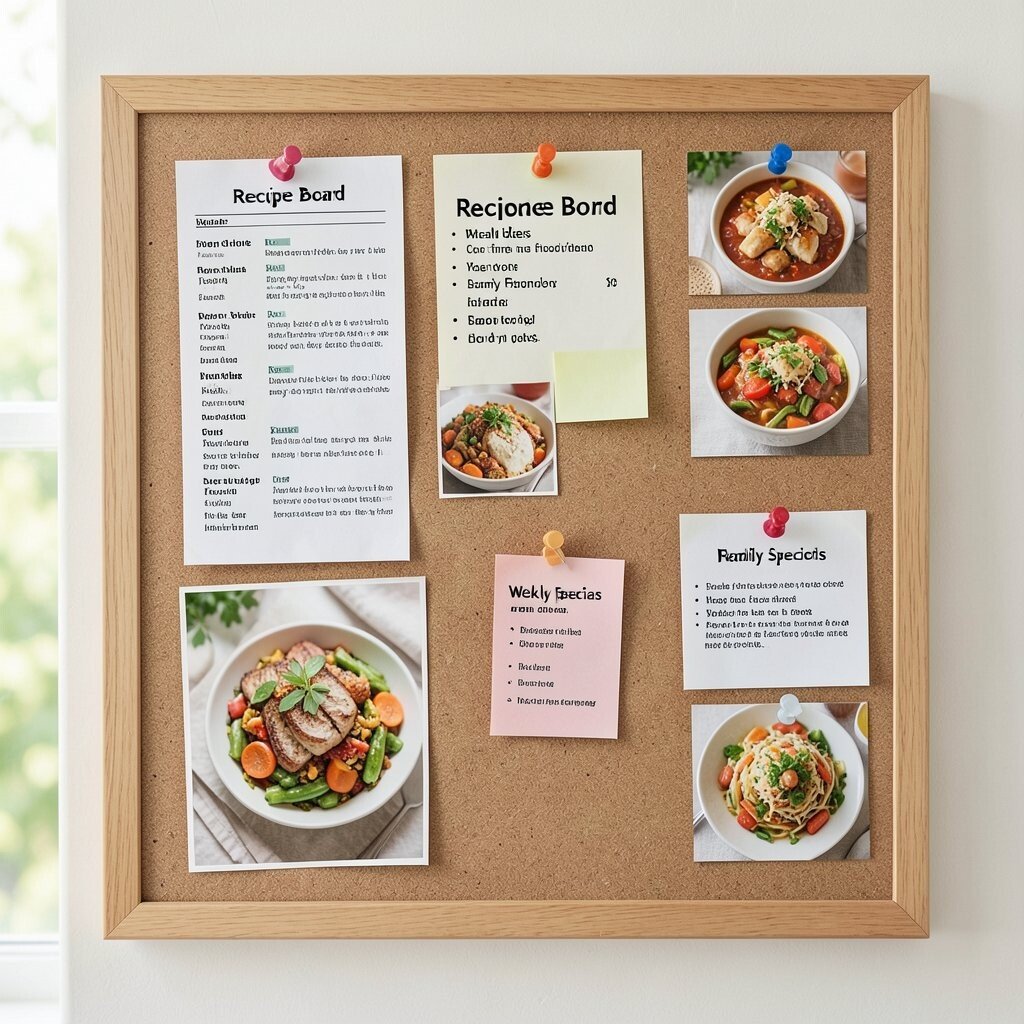
A recipe board is a board made for meal ideas, grocery notes, and cooking plans. It often looks practical, with recipe cards, clipped lists, or small photos of dishes.
This type of board helps people plan meals and save time during busy weeks. It can also cut down on food waste because you can see what you already have and what you still need.
You can use magnets, pins, or sticky notes to keep it easy to update. Some people like to add a small section for weekly specials, family favorites, or budget-friendly meals.
10. Family Calendar Board
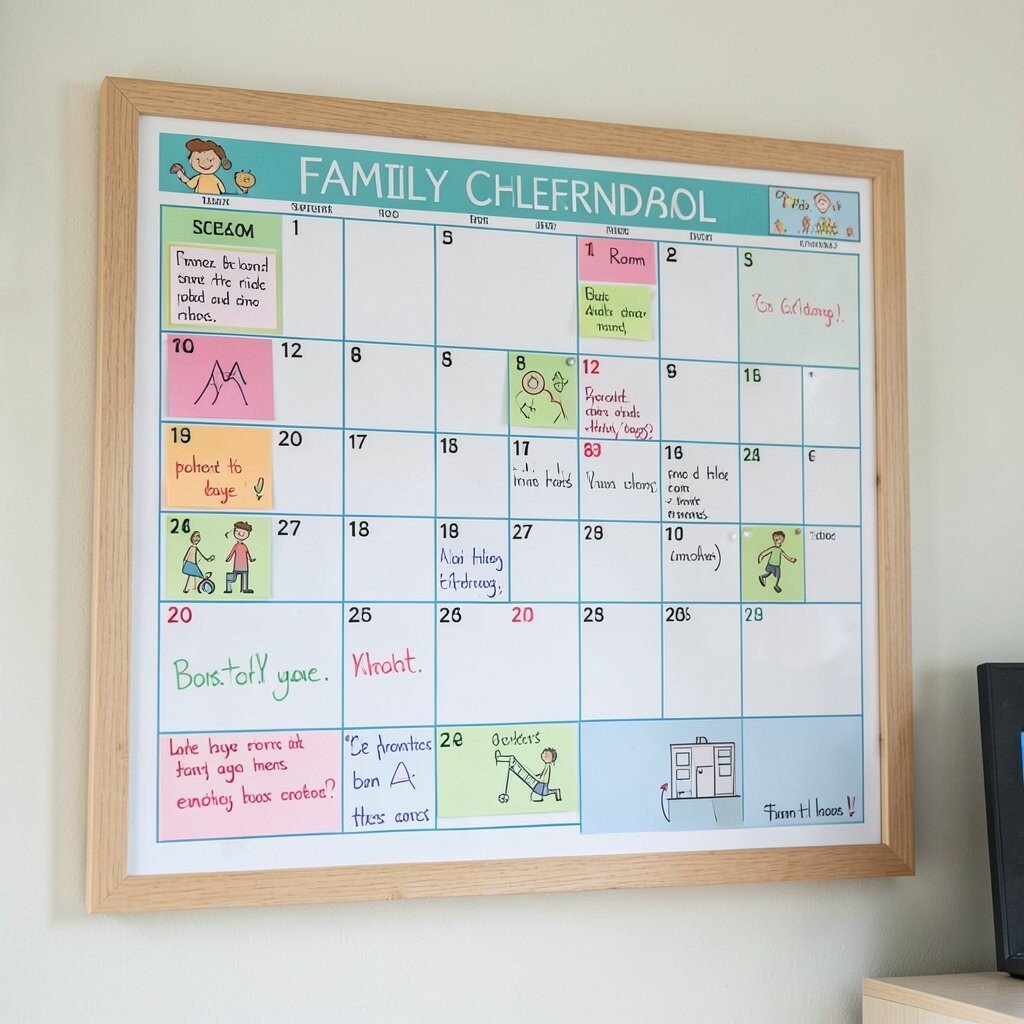
A family calendar board shows the plans for a home in one place. It often has boxes for days, notes for events, and room for school, sports, and chores.
This board helps everyone stay on the same page. It can lower mix-ups and make it easier to plan rides, meals, and busy days without extra stress.
You can use bright colors for each person so the board is easy to read. A wall calendar board is a simple trend in many homes because it keeps life clear and shared.
11. Travel Board

A travel board is a place to keep trip ideas, maps, tickets, and photos of places you want to go. It often has a fun look, with pins, labels, and bits from past trips.
This board helps you plan a trip in a clear way. It can show packing lists, route notes, and budget ideas, which makes the whole trip feel easier to handle.
You can keep it simple with paper items or add small keepsakes like hotel cards or stamps. A travel board can also be a low-cost way to enjoy memories before and after a trip.
12. Goal Board
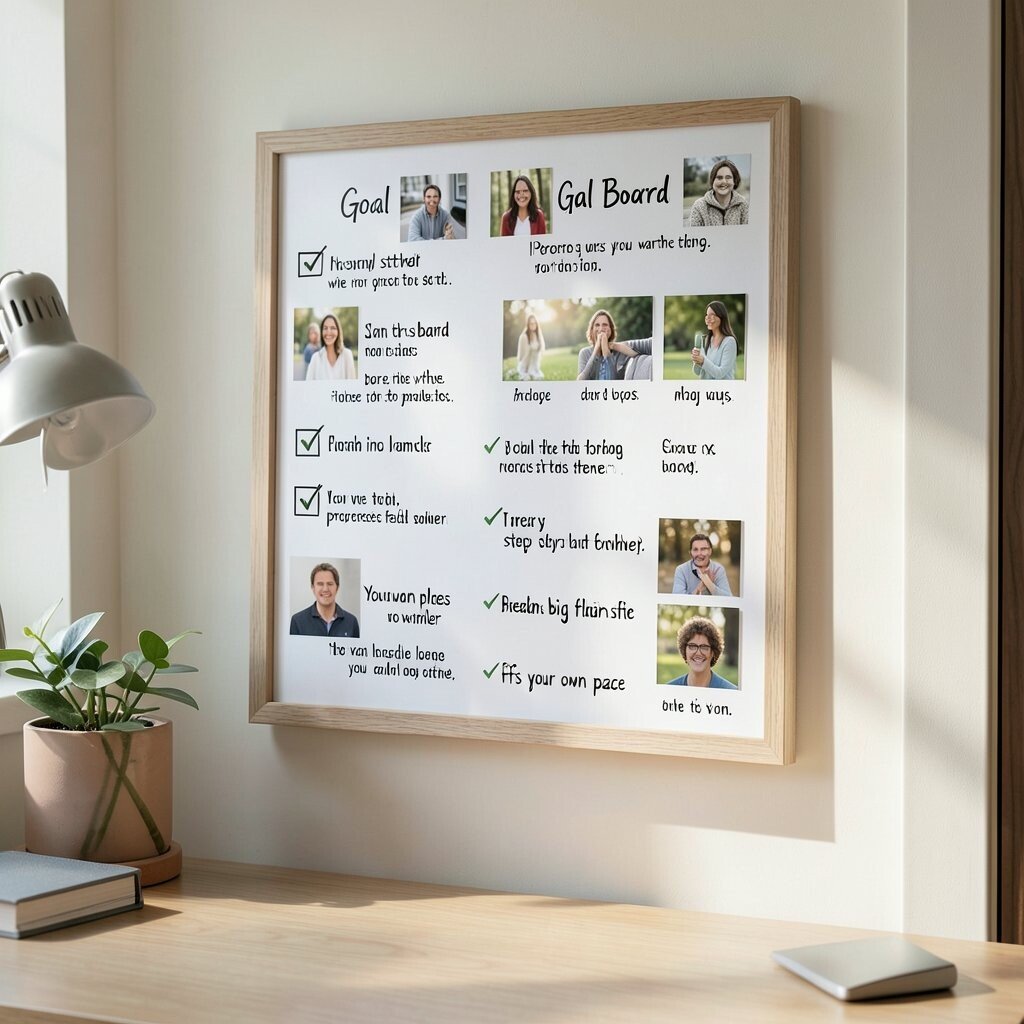
A goal board is made to show the things you want to work toward. It may have short notes, check boxes, photos, or words that remind you of the path you want to take.
This board helps you stay steady when progress feels slow. It can make big plans feel smaller by breaking them into clear steps you can follow one by one.
You can place the board near a desk, bed, or door so you see it often. A personal goal board works best when it uses your own words and fits your own pace.
13. Project Board
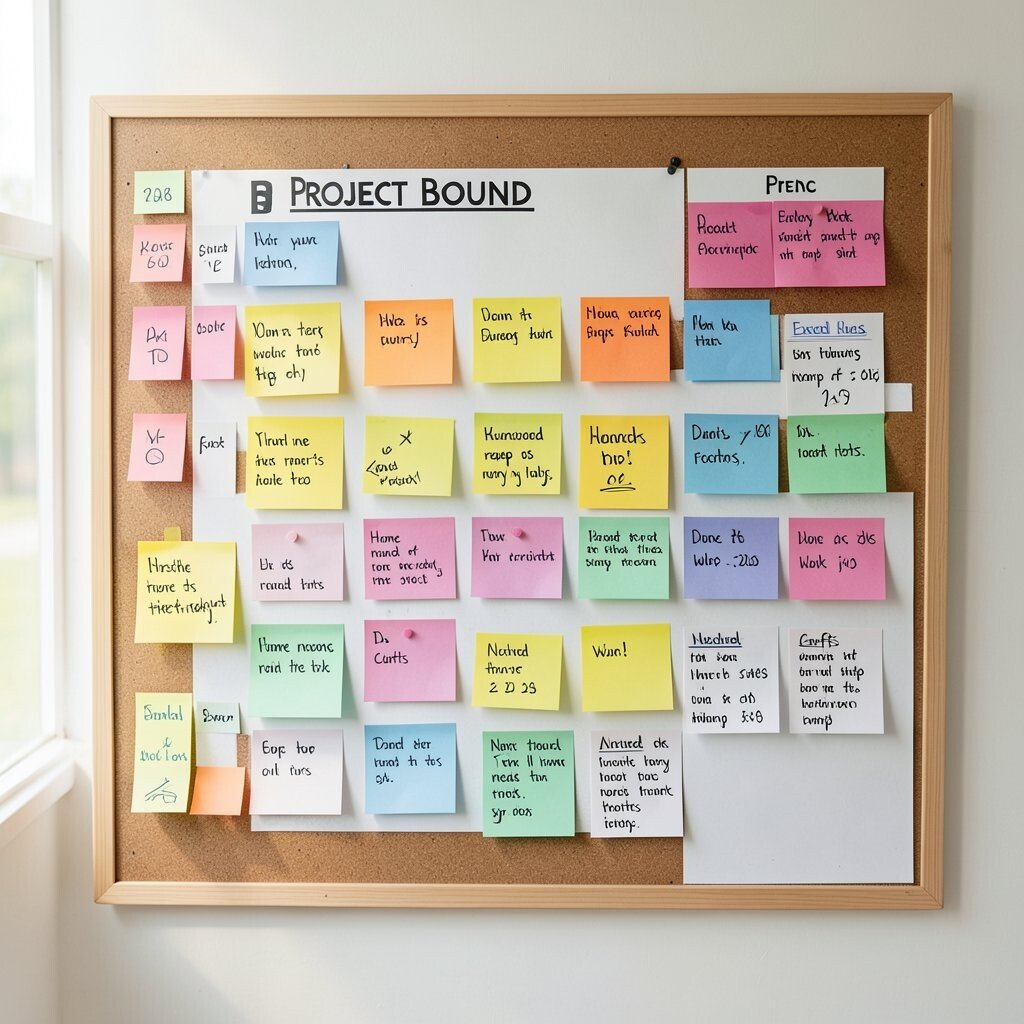
A project board helps you track a task from start to finish. It may show stages, due dates, notes, and needed items in a way that is easy to scan.
This board is useful for school reports, home repairs, crafts, and work jobs. It helps you keep track of what is done and what still needs time or help.
You can build it with sticky notes, index cards, or digital tools. A simple layout is often best, since too many colors or sections can make the board hard to use.
14. Photo Board

A photo board is a board full of pictures from life, trips, friends, and family. It often has a warm and personal feel, with images placed in a loose or even pattern.
This board is great for adding life to a room and keeping good memories close. It can also help a space feel more like you, which is one reason people still like it in home decor trends.
You can print photos in one size for a clean look or mix sizes for a more casual style. A low-cost photo board can be made with string, clips, or tape and still look nice.
15. Quote Board

A quote board uses words that matter to you. It may show short lines from books, sayings from family, or notes you wrote for yourself.
This board can help set the tone for your day. It is simple, easy to change, and useful for spaces where you want calm, focus, or a little humor.
You can write quotes by hand or print them in a clean font. Adding a few small drawings or color blocks can make the board feel more finished without much cost.
16. Classroom Board
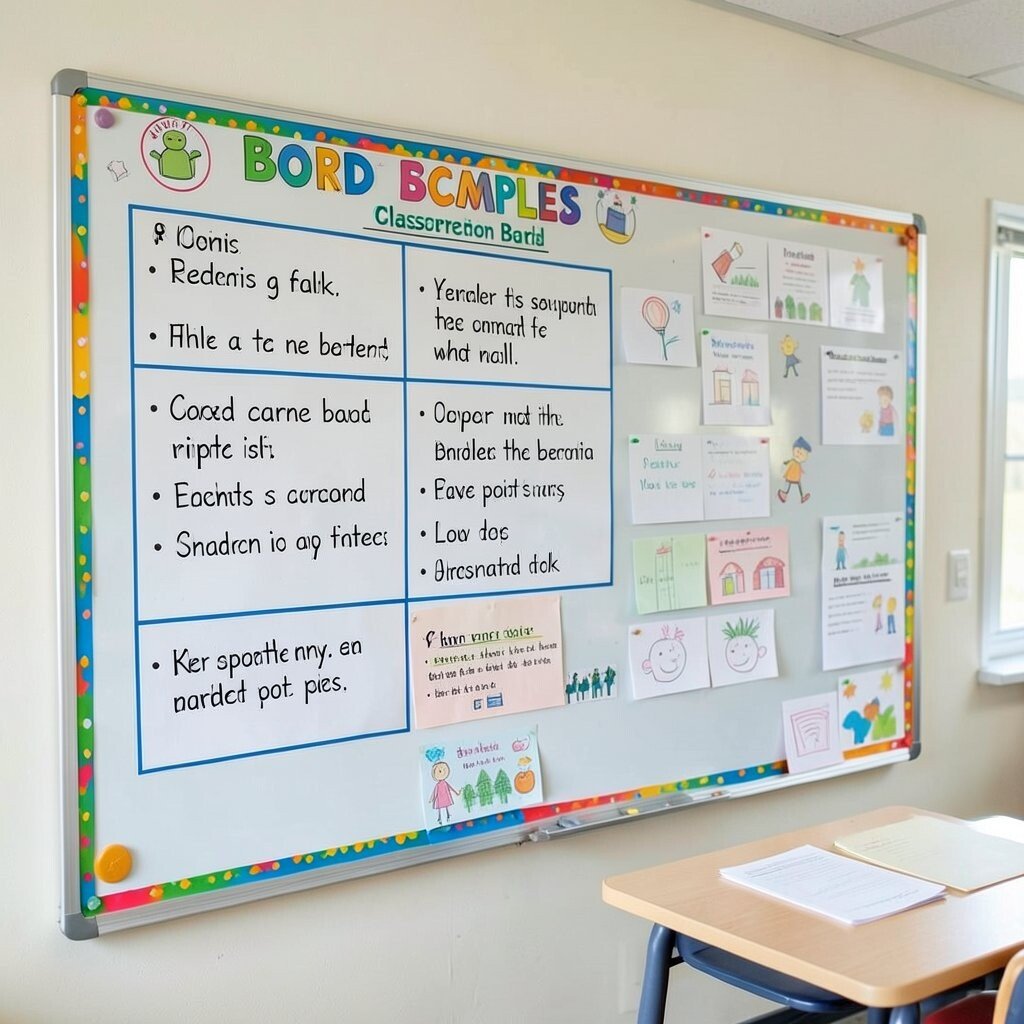
A classroom board is a board used to show lessons, rules, reminders, or student work. It often has a clear layout that makes it easy for many people to read at once.
This board helps teachers and students keep track of the day. It can support learning by showing what is next and giving a clear spot for useful notes.
You can make it more friendly with bright borders, simple icons, and student-made pieces. Many classrooms use boards like this because they are useful, low-cost, and easy to change.
17. Office Board
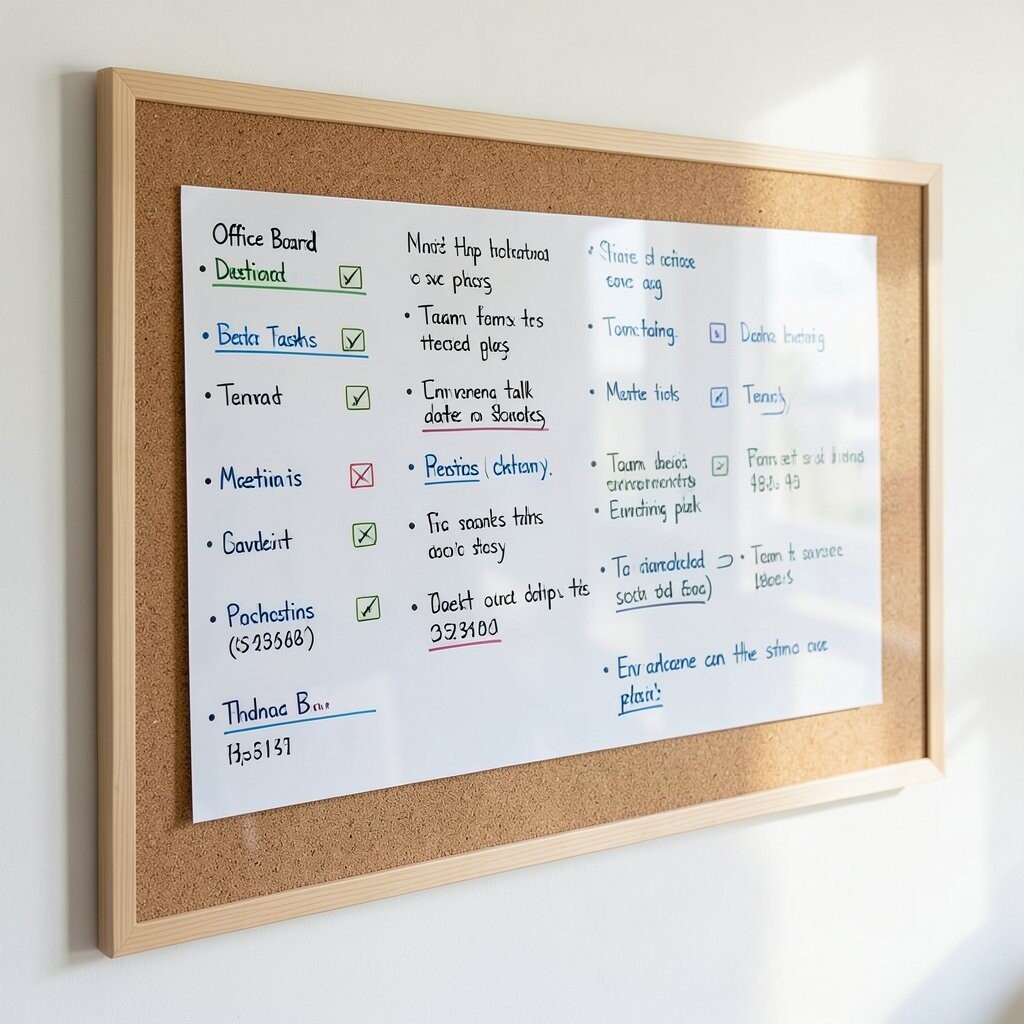
An office board keeps work notes in one place. It may show deadlines, team tasks, meeting times, or phone numbers, all arranged in a clean and tidy way.
This board helps workers save time because they do not need to search through many papers. It can also help teams talk better since everyone can see the same plan.
You can use a cork board, whiteboard, or glass board based on the look you want. A simple color system can help make the board easy to read without adding clutter.
18. Menu Board

A menu board shows food choices in a clear and easy way. It often has large writing, neat sections, and a style that fits a cafe, kitchen, or event table.
This board helps people read options fast and make choices without confusion. It is also useful for home meals, party food, and small food stands.
You can keep it plain for a clean look or add hand-drawn icons for charm. Menu boards are a strong trend in small shops because they feel simple, warm, and easy to update.
19. Bulletin Board
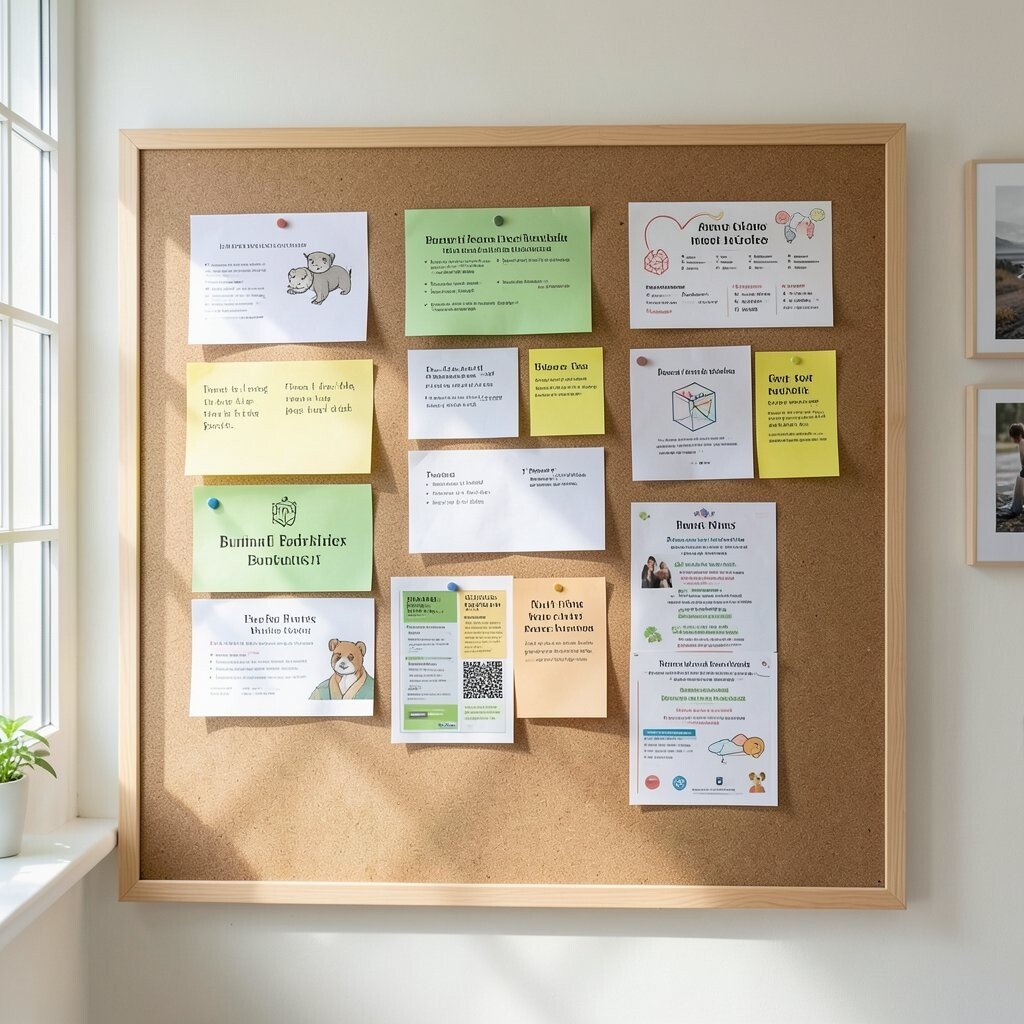
A bulletin board is a shared space for notices, flyers, and messages. It usually looks busy, but a good layout can still make it easy to use and follow.
This board is helpful in halls, schools, shops, and shared homes. It gives people one place to post news, event info, and reminders that others need to see.
You can sort items by topic, color, or date to keep the board from looking too full. A neat bulletin board can save time and help people find what they need faster.
20. Command Center Board

A command center board is a home board that holds many daily needs in one spot. It may include calendars, notes, keys, mail, chores, and meal plans all in one area.
This board helps busy homes stay organized without using many separate tools. It works well near a kitchen or entryway because people pass that spot often and can check it fast.
You can build one with a board, small trays, hooks, and labels. A good tip is to keep only the most used items on it so the space stays easy to manage.
21. Craft Board
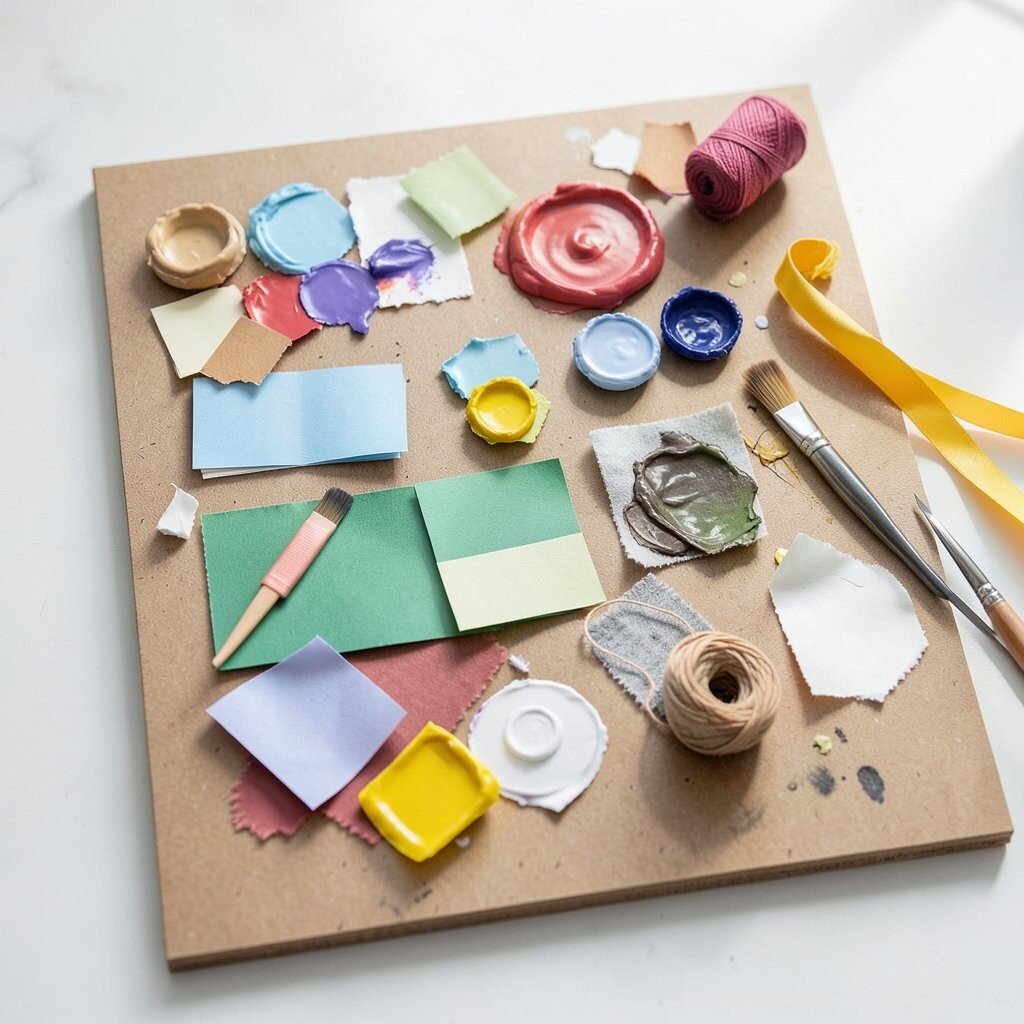
A craft board is made for art tools, project pieces, and idea samples. It often has a playful look, with paper scraps, color swatches, yarn, or fabric bits.
This board helps makers keep track of what they want to try next. It can also help with planning colors and shapes before cutting or gluing anything down.
You can make it fit your style by adding paint, ribbon, or washi tape. Craft boards are nice because they can be low-cost and still feel full of life and use.
22. Shopping Board
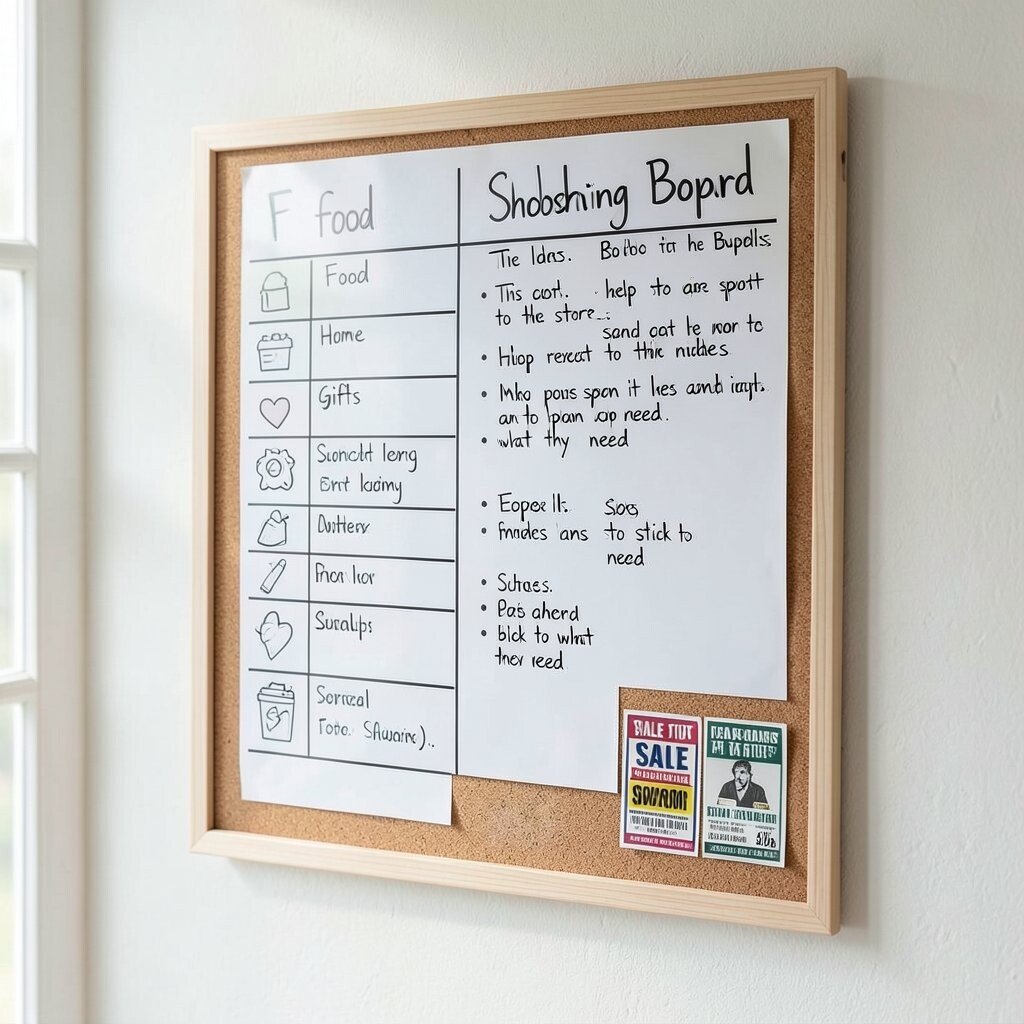
A shopping board keeps store lists, budget notes, and item ideas in one place. It usually looks simple and practical, with categories like food, home, gifts, or school supplies.
This board helps stop repeat trips to the store. It can also help people spend less by making it easier to plan ahead and stick to what they need.
You can use a dry-erase board, cork board, or a paper pad on the wall. A small section for sale items or coupons can make the board even more useful.
23. Homework Board
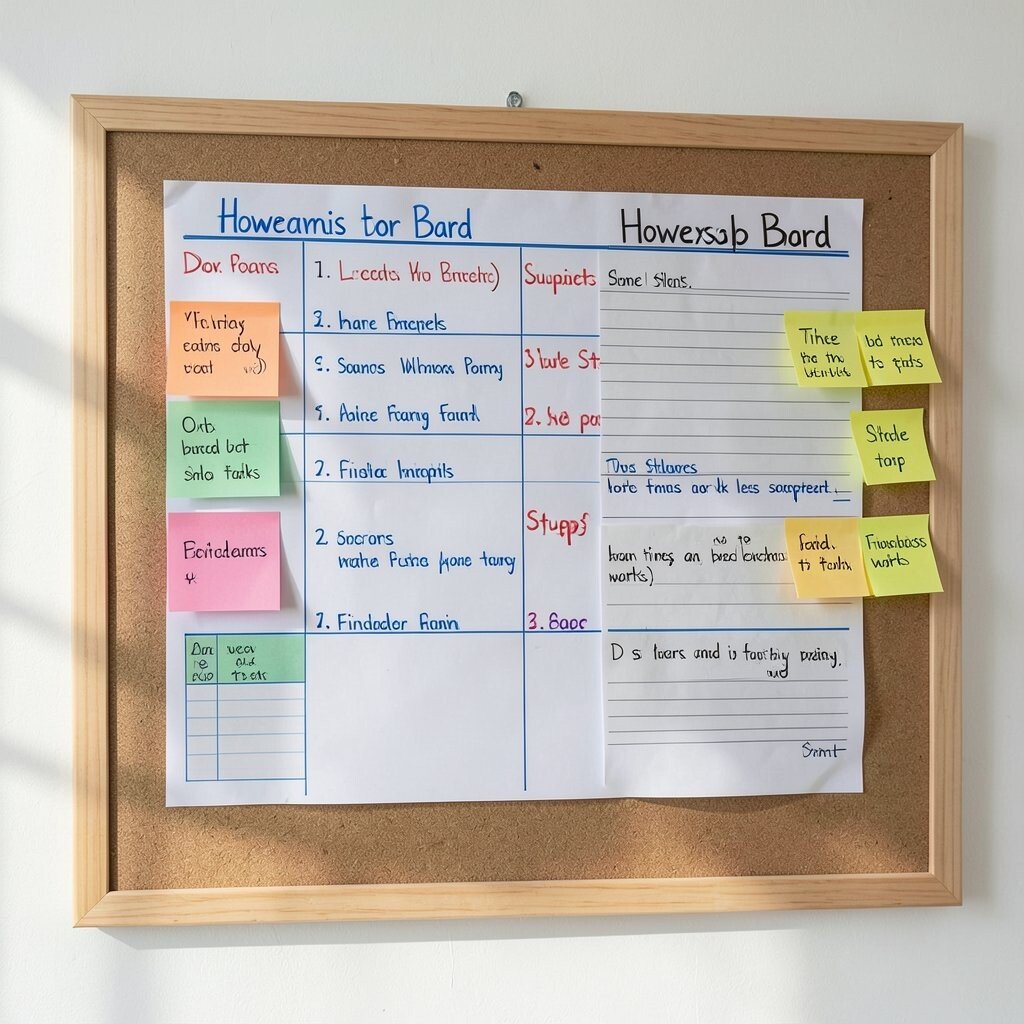
A homework board gives students a clear place to track school tasks. It may show due dates, subject names, study steps, and finished work in a simple layout.
This board helps make school work feel less scattered. It can also help students learn how to plan time and break big jobs into smaller parts.
You can use colors for each class so the board is easy to follow. A homework board can be made with low-cost supplies like paper, tape, and sticky notes.
24. Habit Board
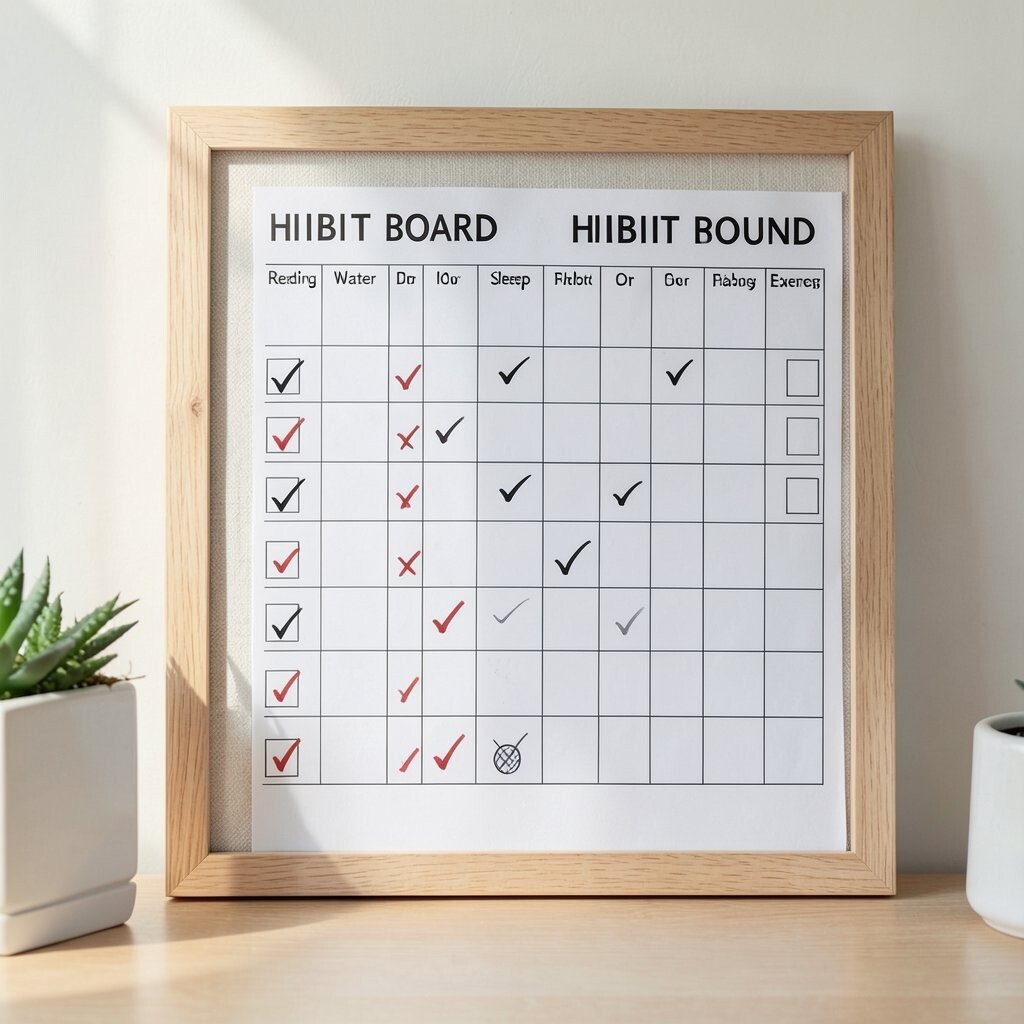
A habit board is used to track daily habits like reading, water, sleep, or exercise. It often has check marks, small boxes, or simple marks that show progress over time.
This board helps people stay steady by making habits easy to see. It can give a sense of progress without needing a long or hard system.
You can make it fit your life by choosing only a few habits that matter most. A habit board works best when it is simple enough that you will want to use it each day.
25. Memory Board

A memory board is a board that holds keepsakes from special days. It may include ticket stubs, notes, photos, cards, and small objects that bring back good moments.
This board helps save memories in a way that feels personal and easy to look at. It can also make a room feel more warm and lived in without costing much.
You can change the board over time as new memories come in. A mix of textures and sizes can make it feel more real and less flat.
26. Game Board Display
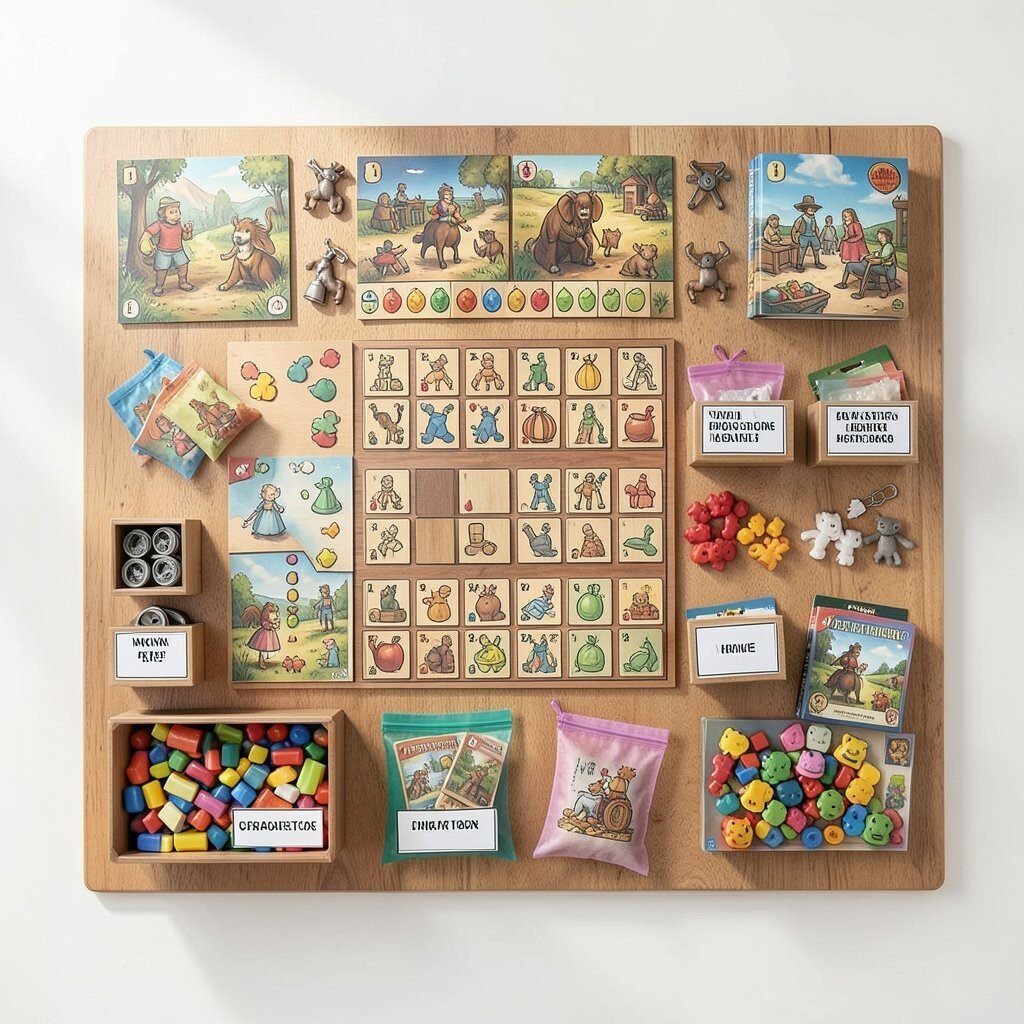
A game board display is a board used to show game pieces, scores, or game plans. It can also mean a board that holds board games in a neat and ready way.
This kind of board is useful for family nights, clubs, and game lovers who want better order. It helps keep pieces together and makes it easier to start playing faster.
You can use labeled boxes, small bags, or clips to keep parts in place. A clean display can also show off a favorite game in a way that feels fun and tidy.
27. Design Board
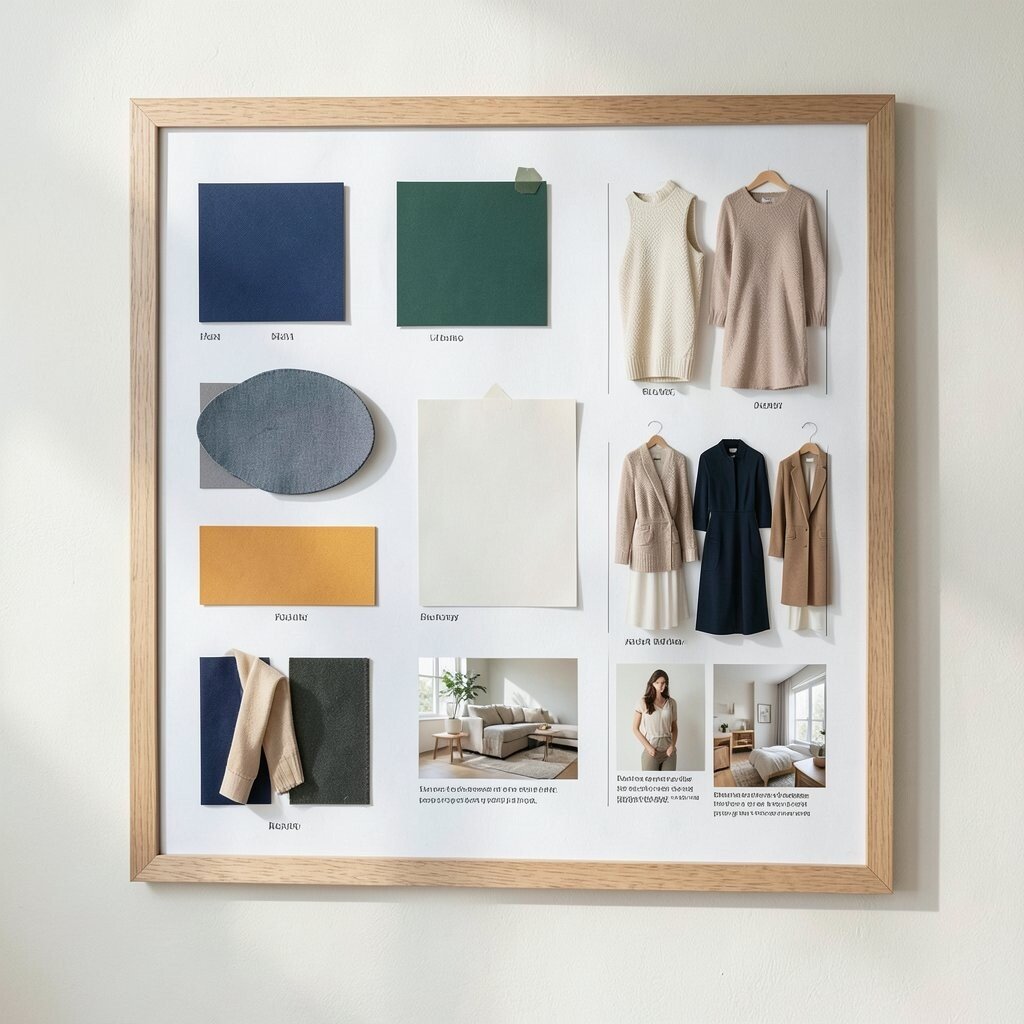
A design board is used to plan the look of a room, brand, outfit, or product. It often has color samples, shape ideas, text, and images placed to show a clear style.
This board helps you see if your choices work well together before you spend money. It can save time and cut down on mistakes because you can compare ideas in one spot.
You can make it on paper or on a screen, depending on what feels easier. A design board can look very modern when you keep the layout clean and use a few strong colors.
28. Wall Grid Board

A wall grid board uses a metal grid or wire frame to hold notes, photos, and small items. It has a light and open look that can feel neat without taking up much room.
This board is helpful in small spaces because it can hang items up instead of using a desk. It also fits many current home styles since it looks simple and flexible.
You can clip on pictures, cards, tools, or reminders and change them when needed. Adding plants, lights, or small baskets can make the board feel more personal and useful.
29. Digital Board
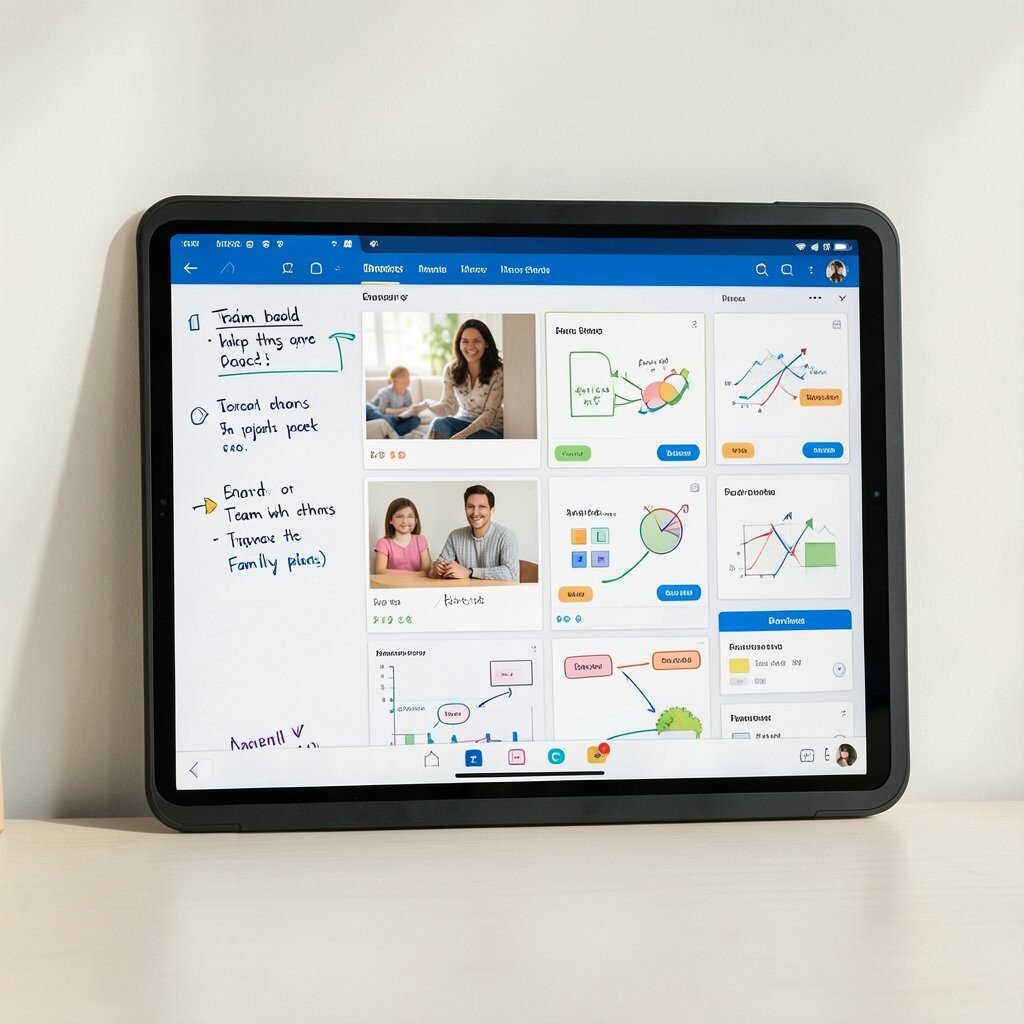
A digital board is a board on a screen, tablet, or app. It can show notes, plans, images, and tasks in a clean layout that is easy to move around.
This board is useful for people who like to keep things in one device. It can be shared with others fast, which helps with team work, family plans, and school projects.
You can use templates, color tags, and drag-and-drop tools to make it fit your style. A digital board is often low-cost or free, which makes it a good choice for many people.
30. Scrap Board
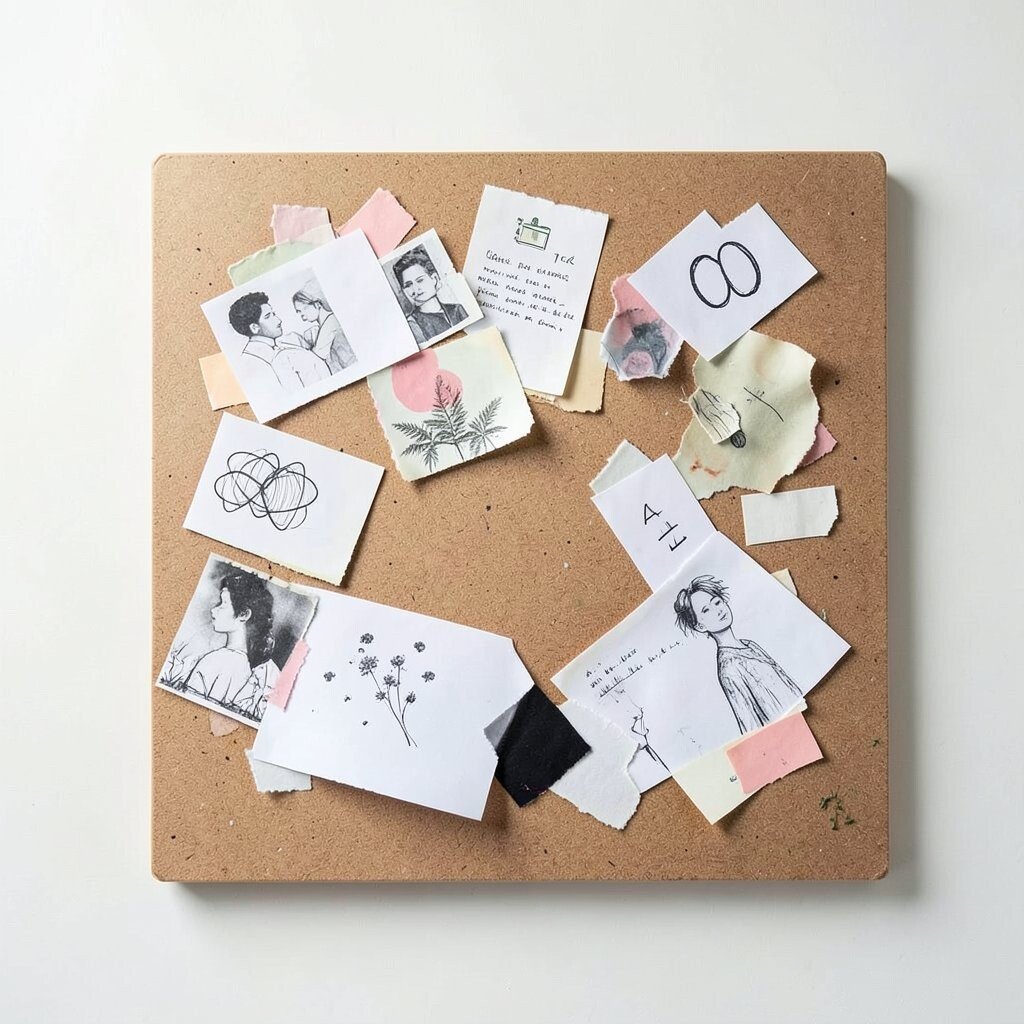
A scrap board is a playful board made from leftover pieces, test prints, and small bits you want to keep. It may look mixed and casual, but that is part of its charm.
This board helps you use extra materials instead of throwing them away. It can also lead to new ideas because random pieces sometimes work well in ways you did not plan.
You can keep one for color tests, art scraps, or notes that do not fit anywhere else. A scrap board is a good fit for people who like simple, low-cost, and hands-on ways to make ideas grow.