A wall can feel plain even when the color is perfect. Texture plaster adds depth you can see and touch, right away.
1. Venetian-Style Polished Marble Glow
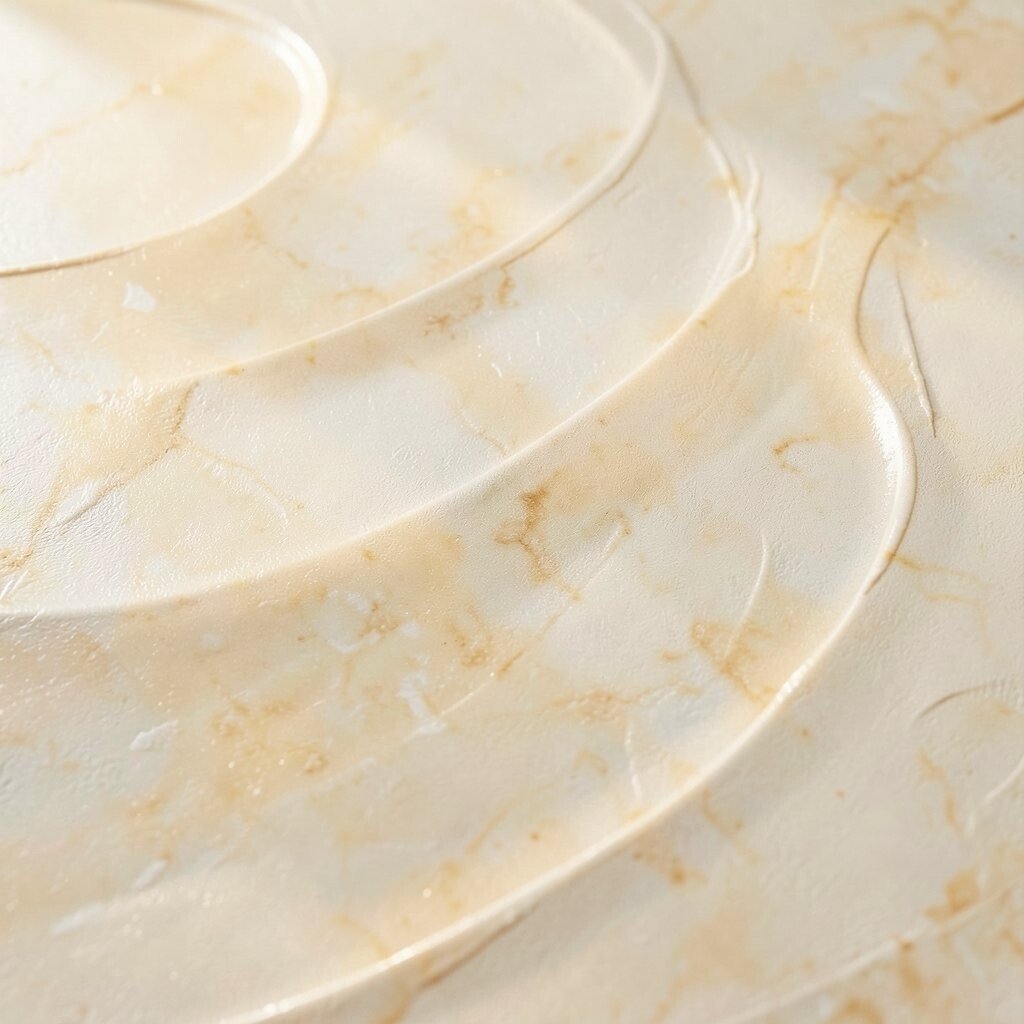
Picture a soft, luminous surface that looks like stone but feels warm and smooth. The fine trowel work creates delicate swirls that catch light across the day.
This look brings a calm, upscale vibe without needing heavy ornament. For best results, ask for a breathable base and apply in thin layers so the sheen stays even. Keep your lighting in mind; warm bulbs make the highlights look rich instead of flat.
2. Lime Plaster With Old-World Depth
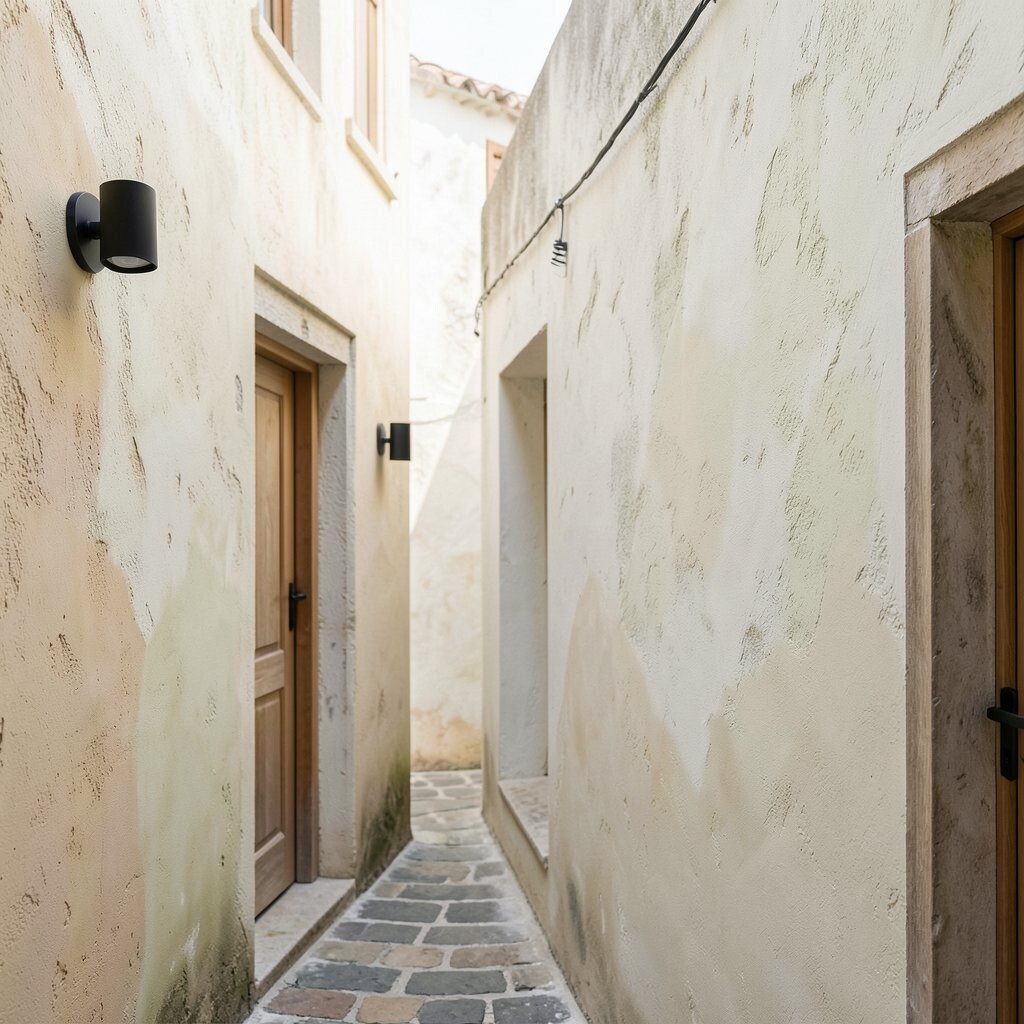
Think of sun-faded walls in a Mediterranean alley, but updated for modern homes. The cloudy, natural texture makes every section feel slightly unique.
Lime plaster is great if you love an imperfect, lived-in feel. Choose a lime-based system that suits your climate and wall type, and seal it properly for everyday cleaning. Pair it with natural wood and matte black fixtures for a balanced, stylish look.
If you want a more dramatic effect, vary the trowel direction on purpose. You can also test a small sample patch so the color depth matches your room’s light. This choice often costs less than high-end specialty stones while still delivering a signature look.
3. Smooth Micro-Trowel With Subtle Ridges
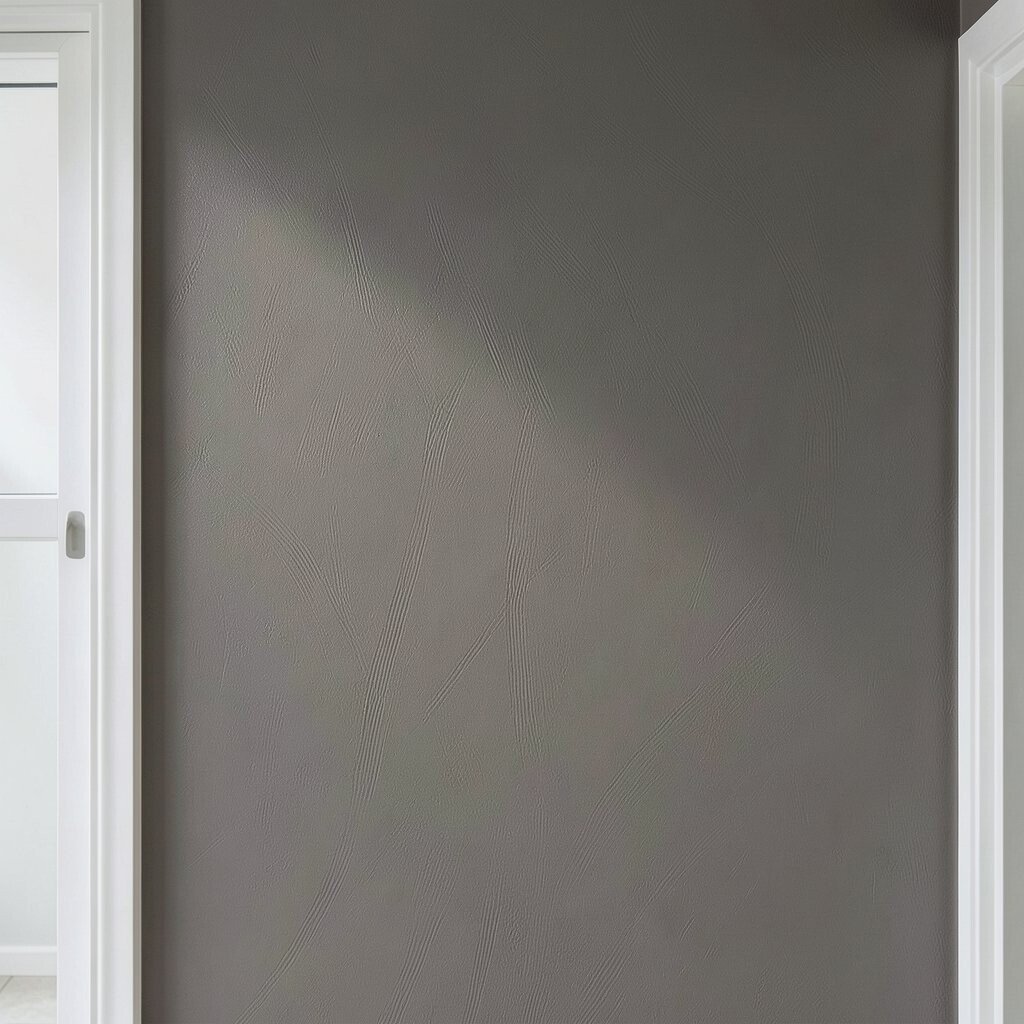
Imagine a nearly smooth wall that still shows whisper-thin lines when the light hits. Those tiny ridges give the surface a gentle, modern rhythm.
This idea is perfect when you want texture without a busy pattern. Use a consistent technique and a fine finish so the texture stays controlled. If you’re working with darker paint colors, keep the finish polished enough that the ridges don’t look like flaws.
To personalize the effect, request a sheen level that fits your style, from satin to near-matte. You can also combine this with crisp trim to frame doors and corners. It’s a smart way to get an elevated look while staying budget-friendly compared to more labor-intensive designs.
For longevity, make sure the wall is properly leveled before plastering. That preparation work is what keeps the surface looking sharp for years.
4. Knotted Rope Texture For Coastal Charm
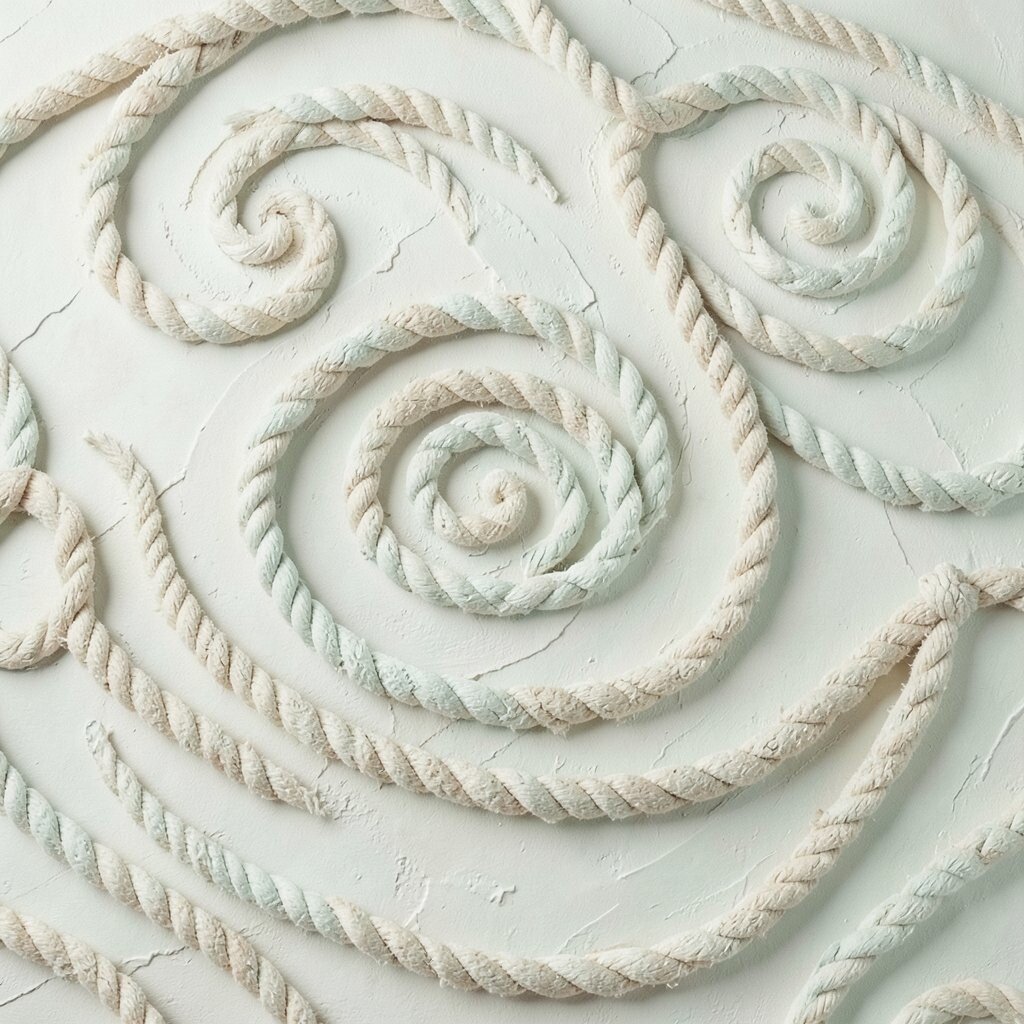
Visualize rope-like swirls pressed into plaster, creating a beachy, tactile swirl. The pattern feels playful, yet it can still look refined when kept to a clean color palette.
This texture works especially well in entryways and powder rooms. Use a flexible hand technique and a consistent spacing so the rope effect stays even. Keep the colors airy, like soft sand or pale seafoam, to keep the vibe light.
5. Spanish Lace Trowel For Soft Movement
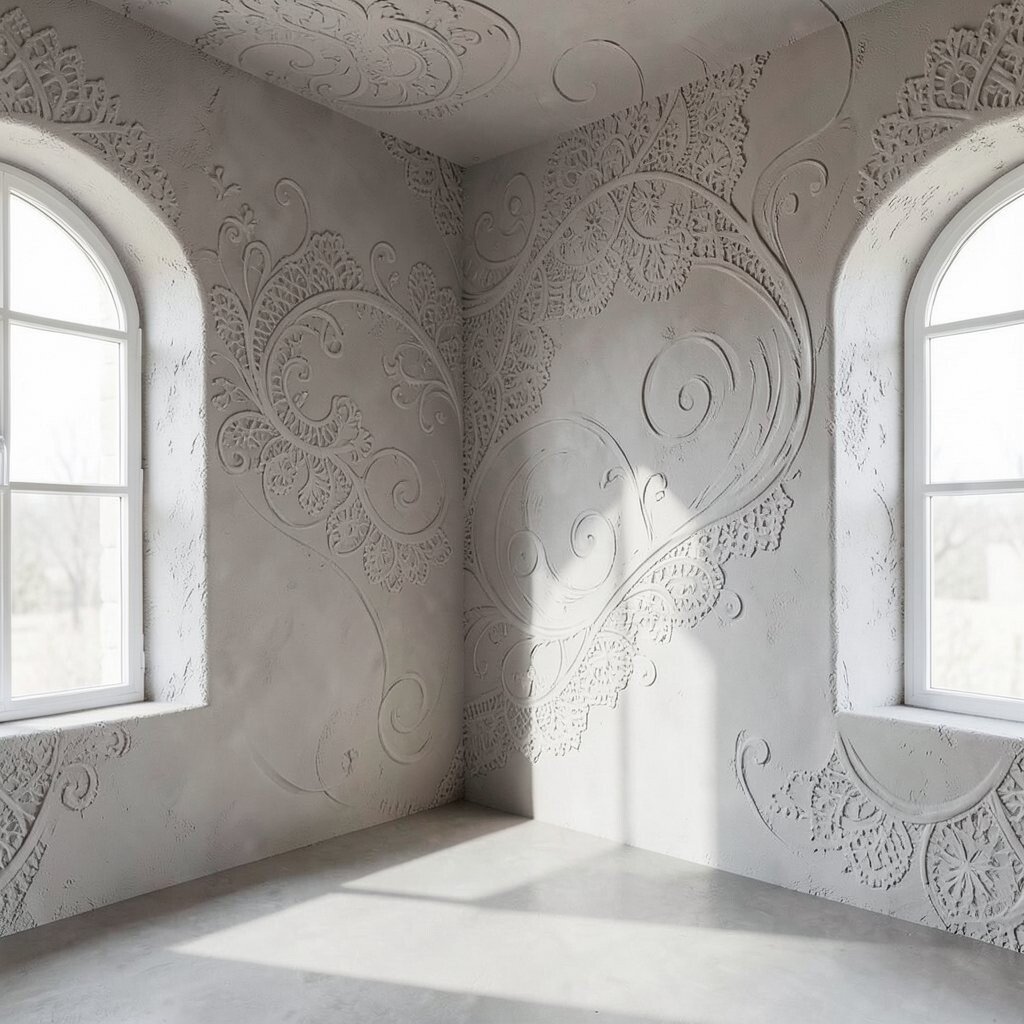
Picture a delicate lace pattern formed by careful trowel strokes. Up close it feels intricate, and from across the room it reads as dreamy texture.
This finish adds movement without looking loud. Ask your plasterer to map the pattern so it flows around windows and arches, not across them. For upkeep, choose a seal that protects against everyday scuffs while keeping the surface breathable.
Personalize it by shifting the design scale, from tighter “lace” for small rooms to broader swirls for larger walls. If you want a more modern take, keep the color warm gray instead of crisp white. The craftsmanship can raise cost, but the result is truly one-of-a-kind.
6. Sgraffito Scrape-Through Art Wall
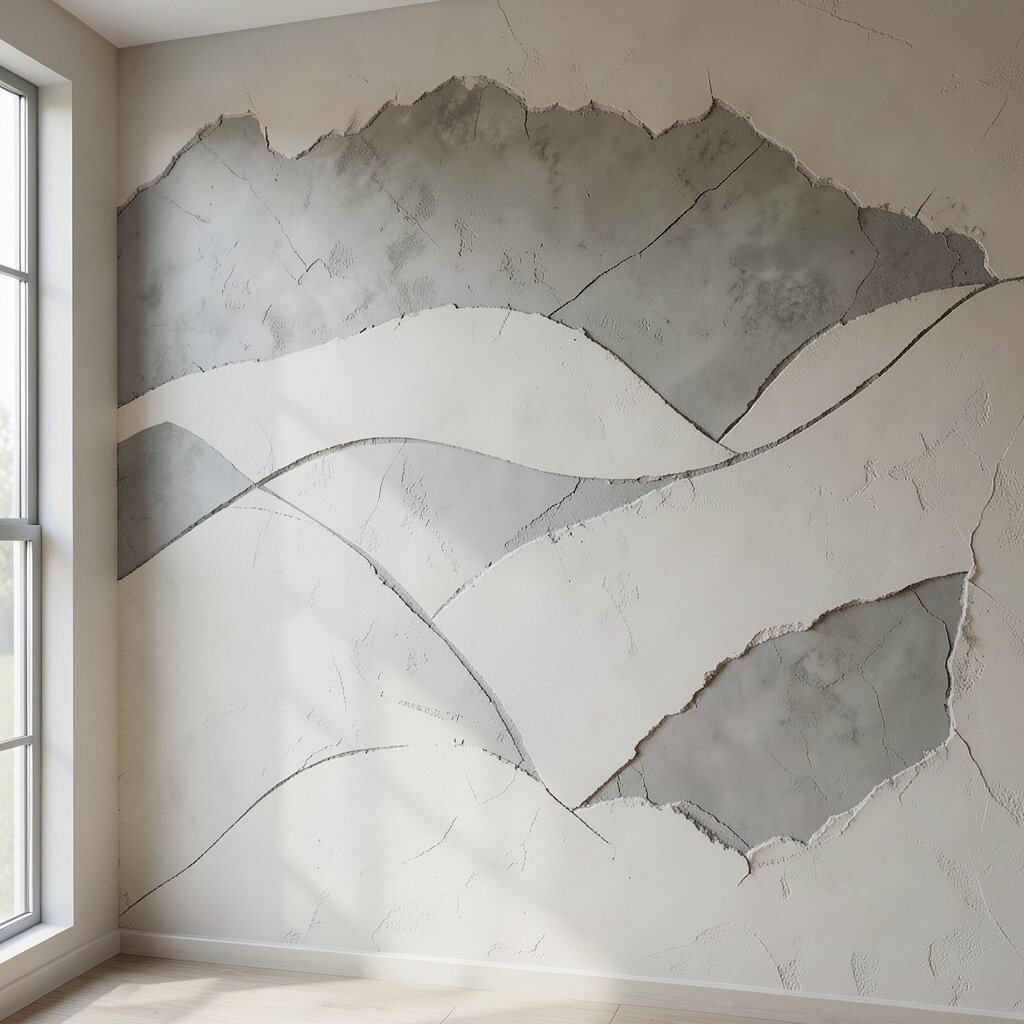
Imagine layered plaster where the top coat is scratched to reveal a darker or lighter underlayer. The effect feels like wall art, but it still belongs to the architecture.
This is a great way to add a focal point without hanging anything. Plan your shapes first, then create flowing lines that follow the wall’s natural angles. Keep the design simple if you want calm, or go bold with sweeping gestures if you love drama.
For personalization, use stencil ideas like botanicals or geometric arcs, then break the edges by hand. Because it’s more labor-intensive, it can cost more, but it also replaces the need for expensive artwork. A sealed finish helps it stay easy to clean, even in busy areas.
7. Roughcast Pebble Plaster For Studio Texture
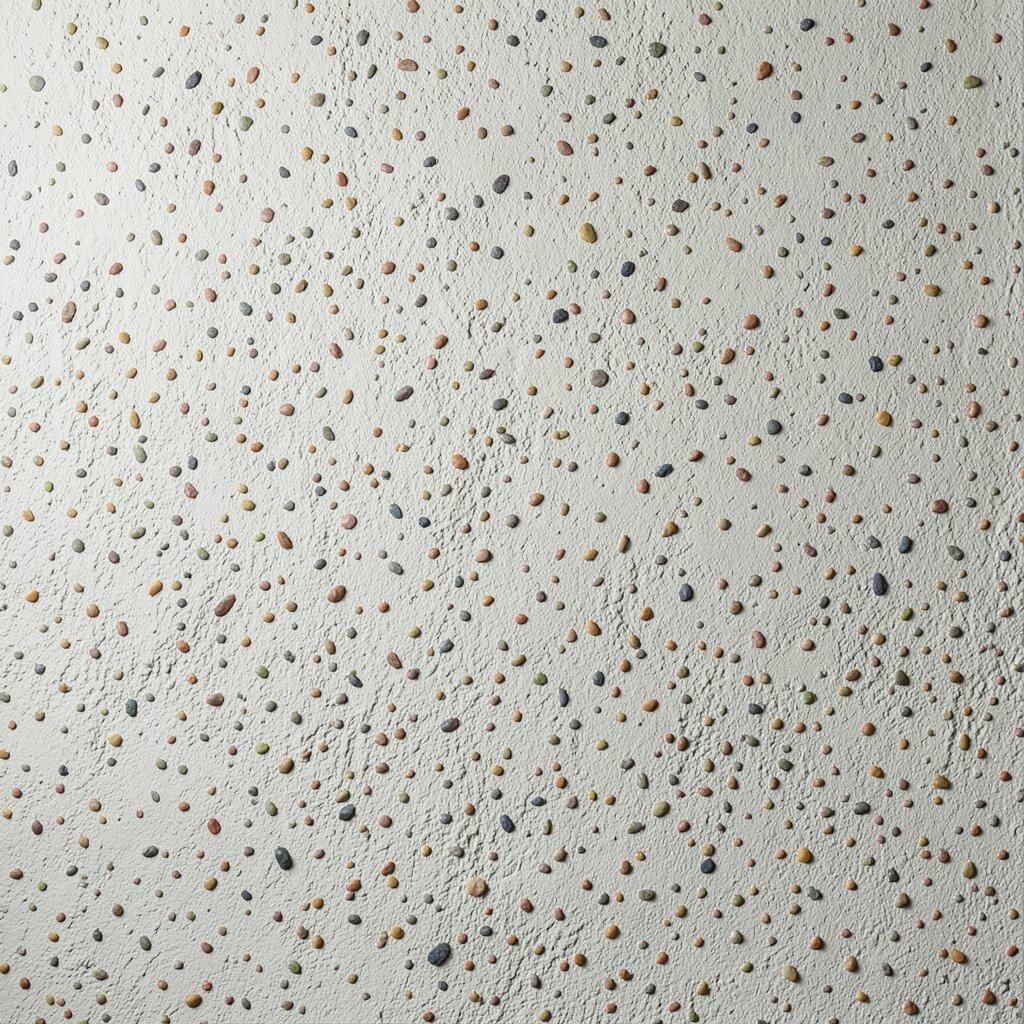
Think of tiny pebbles suspended in plaster that create a naturally speckled surface. From a distance it reads like elegant grain, and up close it looks full of character.
This texture brings a creative, studio feel while hiding minor wall imperfections. Use it on an accent wall to keep the room from feeling too rugged. For practical care, choose a finish that resists dirt and still holds up to light wiping.
Personalize with pebble size and color mix so the grain feels tailored to your space. A warm off-white base often looks timeless, while a greige mix can feel more modern. Costs vary based on aggregate size, so ask what options keep your budget while still looking premium.
Before committing, check how the texture looks under your home’s lighting, since speckle can shift tone. That small test can save you from surprise after installation.
8. Smooth Tadelakt-Inspired Water-Polished Walls
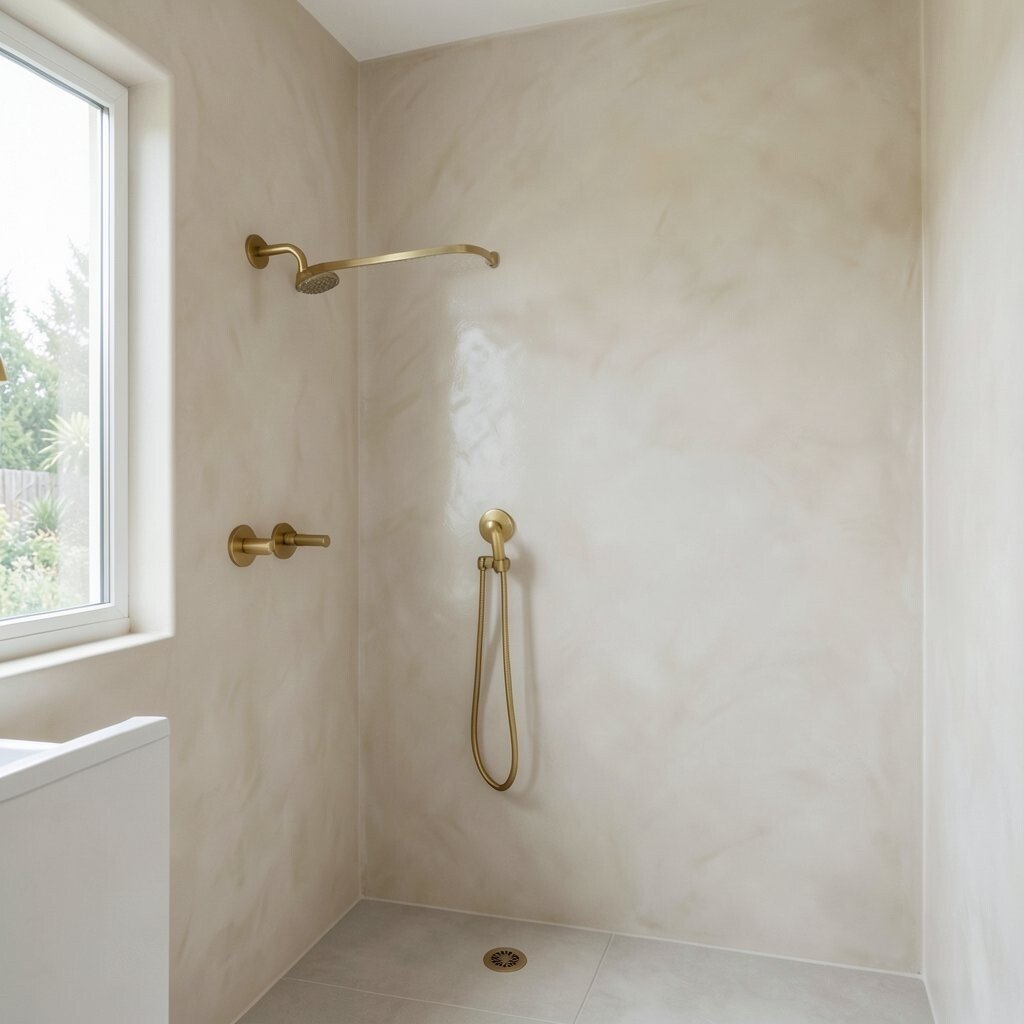
Imagine a plaster finish that feels silky and slightly curved, like it has been gently polished for years. It looks especially stunning in wet areas because it resembles natural stone.
Tadelakt-inspired plaster is a smart pick if you want elegance in kitchens and bathrooms. Request a system meant for moisture resistance and proper curing time. Pair it with simple brass or warm chrome hardware to highlight the glow.
9. Raked Vertical Striations For Tall Visual Lift
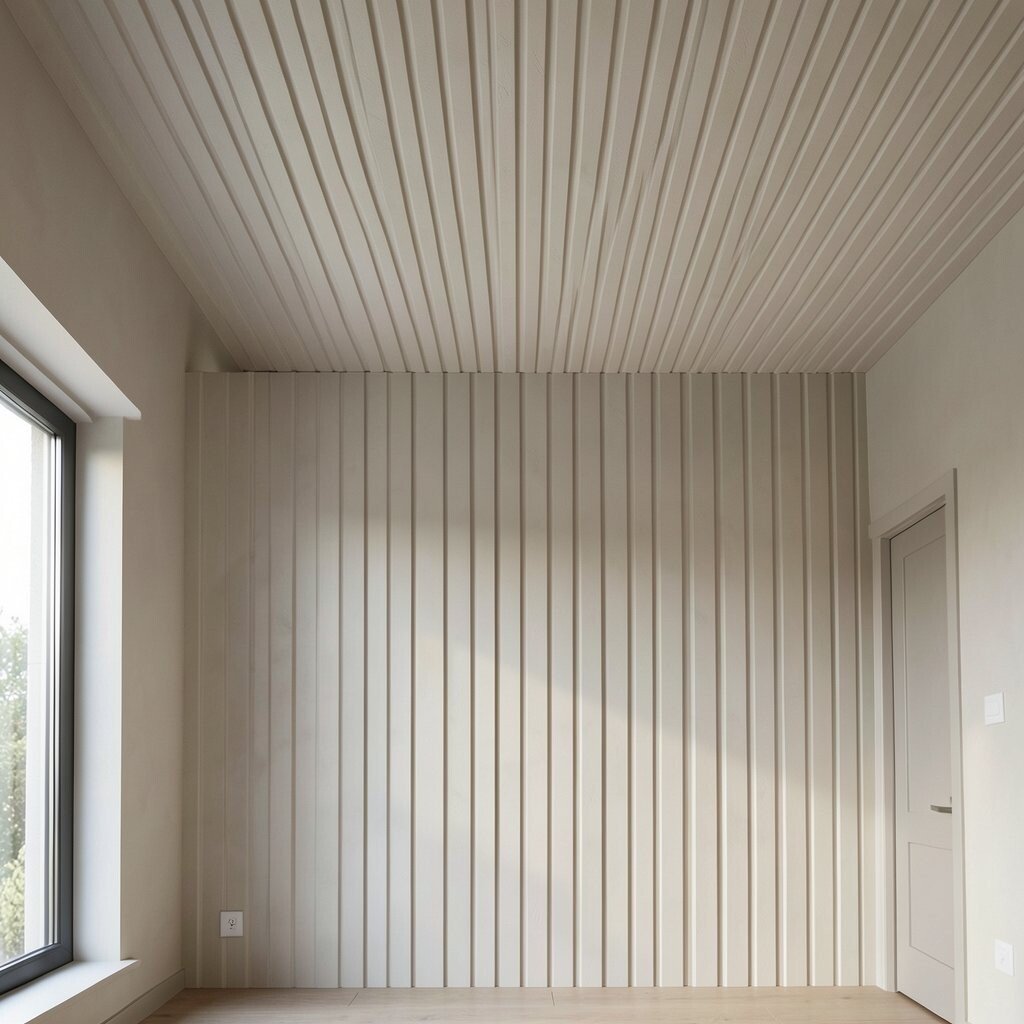
Picture tall, straight lines pulled through plaster, drawing the eye upward. The texture can make ceilings feel higher while keeping the design clean.
This finish is ideal for modern rooms that need structure without heavy patterning. Keep the lines straight around windows and doors so the wall feels intentional. A light neutral base works well because the vertical ridges create shadow depth, even with minimal decor.
Personalize it by adjusting how deep the raking is, from barely-there grooves to more obvious striations. If you want a softer look, choose a satin topcoat rather than high gloss. The cost usually stays reasonable because the method is efficient compared to intricate decorative plasterwork.
10. Geometric Micro-Relief Panels In One Continuous Surface
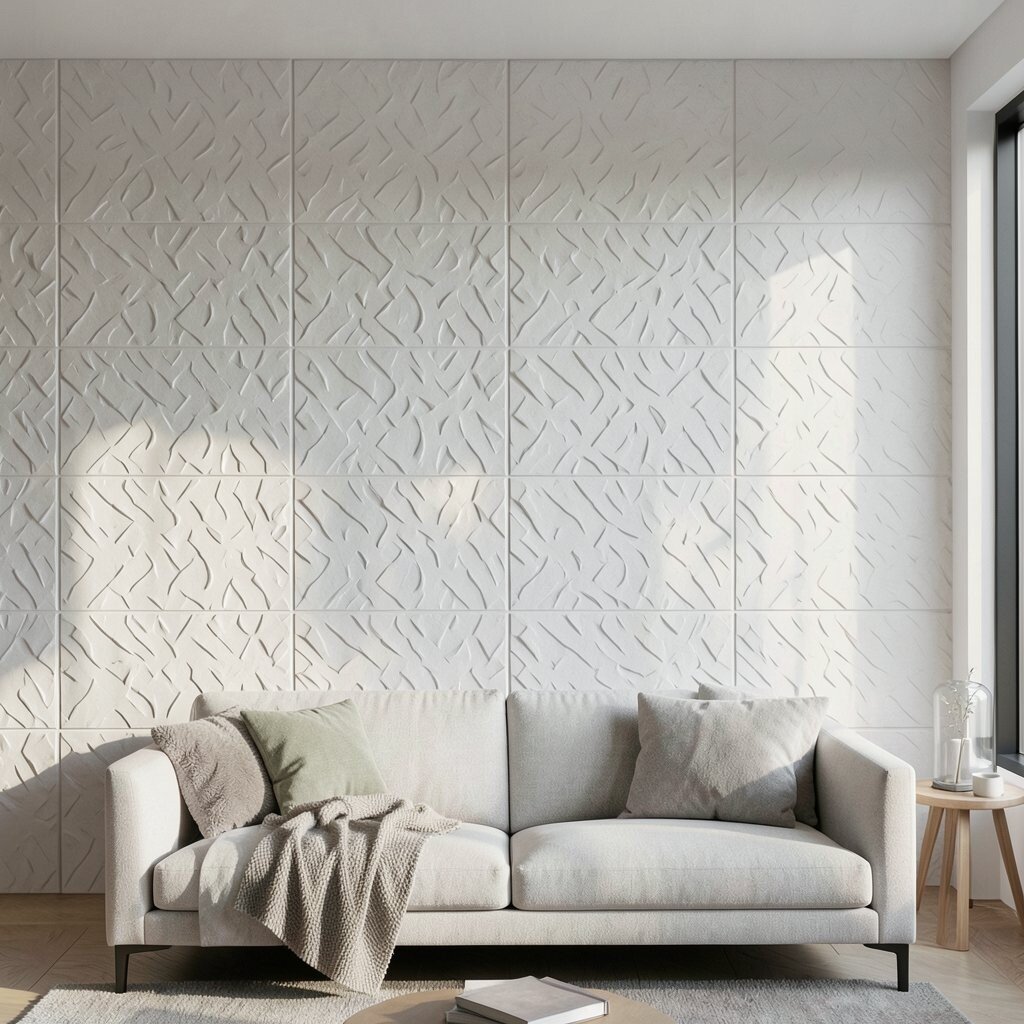
Imagine tiny raised shapes that repeat like a calm pattern, but without looking like wallpaper. The relief catches light in a way that makes the wall feel almost architectural.
This texture is perfect for people who love modern design and crisp edges. Use a guide system so the micro-relief stays aligned across the wall. Seal it well so the raised details stay easy to clean and won’t trap dust.
To personalize, pick a pattern rhythm that matches your furnishings, such as calm rectangles for minimal rooms or softer arcs for cozy spaces. You can also vary relief depth near focal areas like behind a sofa. While the build can cost more due to precision work, it creates a custom look that feels expensive.
11. Plaster Brick-Like Knockout Texture
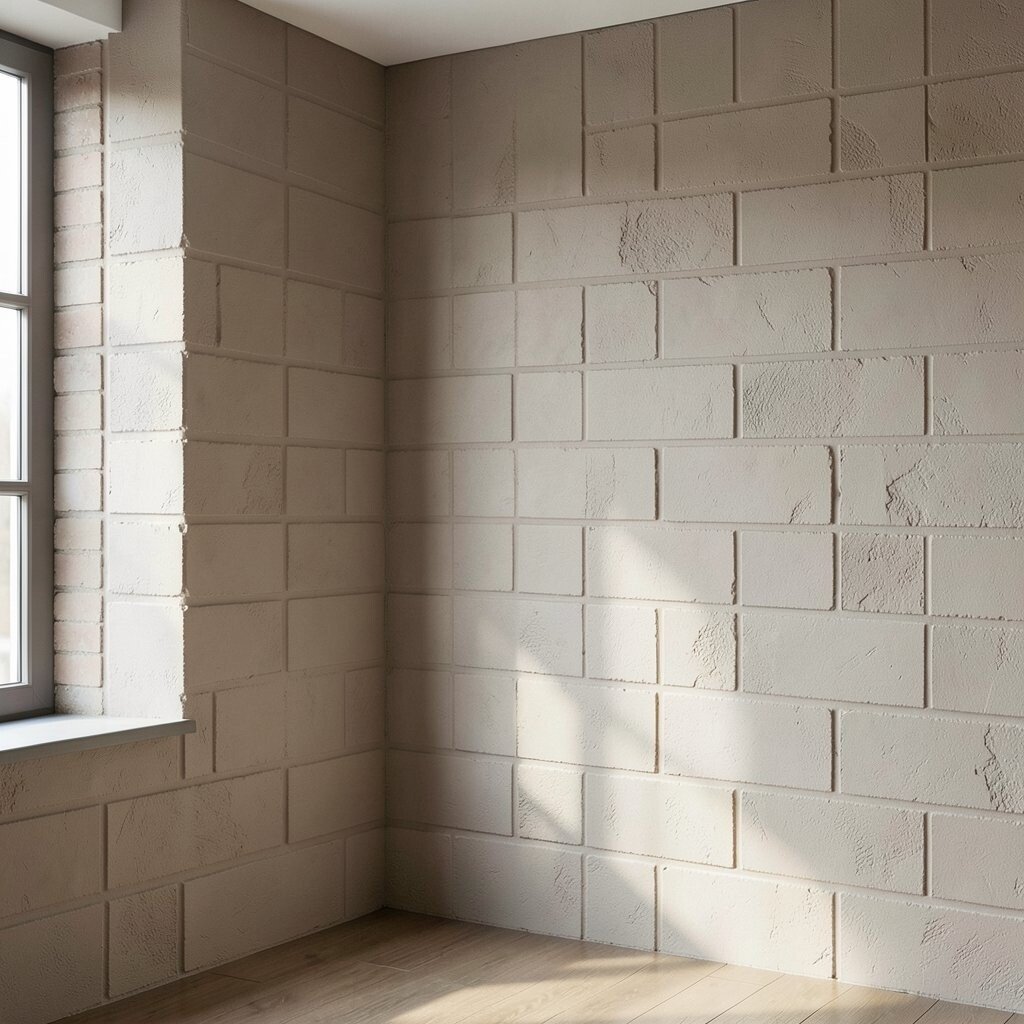
Picture a wall that hints at brick without showing real bricks, like a clever shadow play. The texture forms rectangular impressions that feel warm and solid.
This idea gives character to a room that needs structure, especially in loft-style interiors. Keep the “masonry” grid subtle so it doesn’t feel dated. Ask for a finish that still allows the wall to breathe, and plan the pattern so it lines up with corners.
Personalize it with uneven “mortar” width by hand for a more natural look. A muted color like warm clay or soft taupe makes the texture feel welcoming. Costs can be moderate, since you’re creating a plaster illusion rather than installing real brick.
If you want a more modern version, keep the grid tight and the color light. The wall will look fresh, not rustic.
12. Dune-Like Trowel Swirls For Cozy Texture Layers
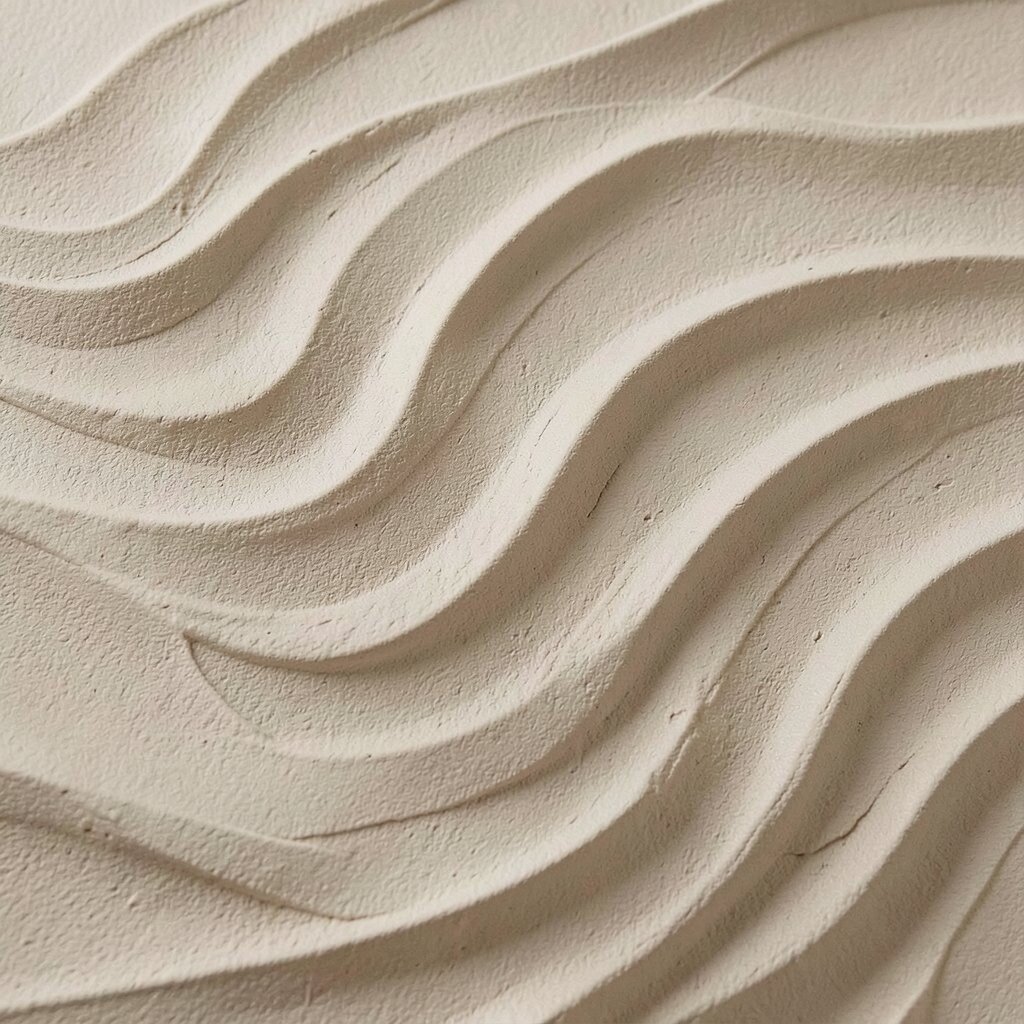
Imagine ripples that look like dunes shaped by wind, formed through layered trowel movement. The result feels soft, flowing, and comforting.
This finish adds warmth to living rooms and bedrooms without needing bold colors. Use a slow, steady hand so the swirls blend smoothly instead of looking streaky. For a practical approach, choose a neutral palette and let the texture do the work.
13. Ombre Glow Plaster With Gradient Depth
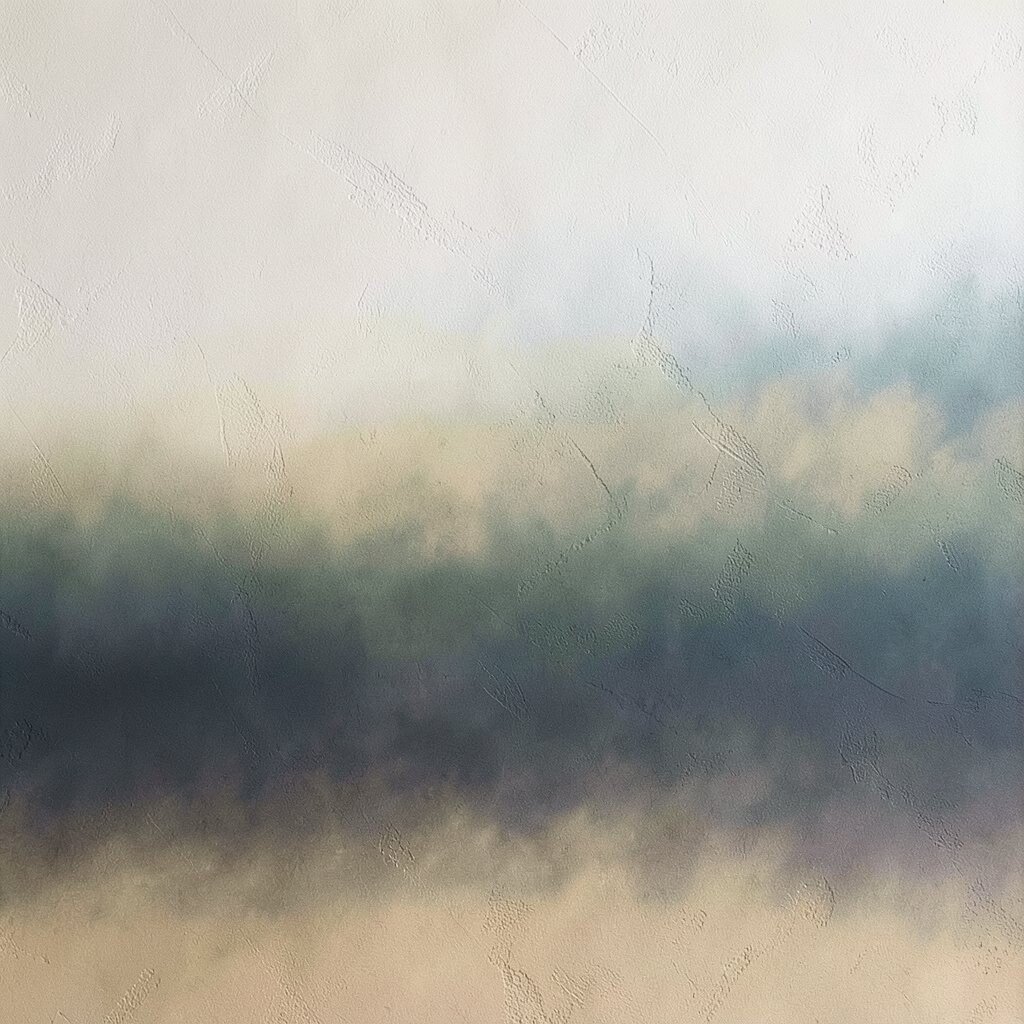
Picture a wall that shifts tone from light to deeper color, but still shows texture underneath. The surface looks like fabric with highlights that move as you walk by.
This idea feels artistic while staying classy, especially when you choose colors from the same family. Ask your installer about layering and blending technique so the gradient stays smooth where it matters. Sealing is important so the colors stay even and resist fading.
Personalize it by matching the gradient to your decor, like moving from creamy white near the ceiling to warm sand at the base. For cost planning, consider that multiple layers and careful blending may raise labor time. It’s often worth it because you get both texture and color without adding separate decor.
14. Sponged Texture For Vintage Softness
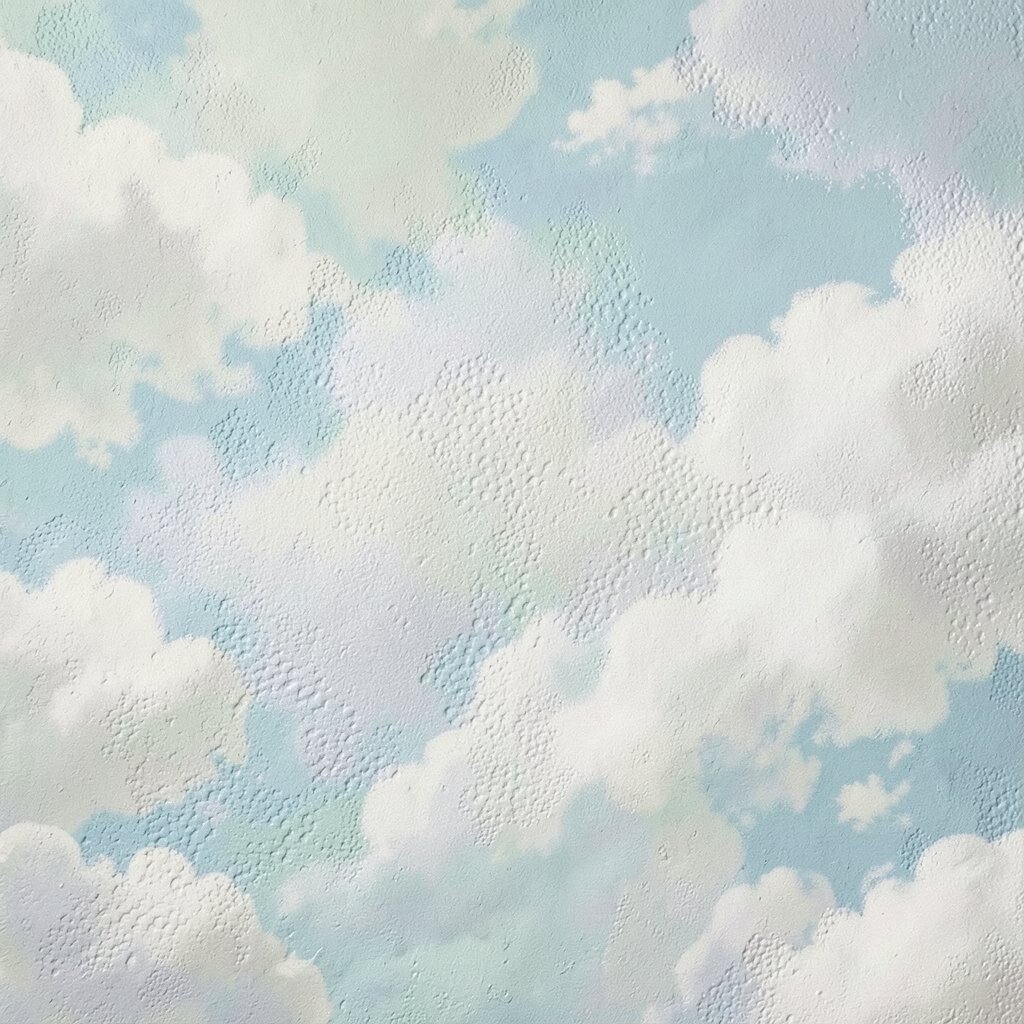
Think of a sponged effect that looks airy and vintage, like plaster kissed by gentle clouds. It’s a classic technique, but it can feel fresh when paired with modern colors.
This finish is great for creating visual interest while hiding small imperfections. Use a controlled sponge pattern so it doesn’t turn patchy or uneven. For personalization, pick a glaze or tinted topcoat that gives a subtle contrast rather than a strong stripe.
15. Metallic Clay Plaster For Evening-Ready Shine
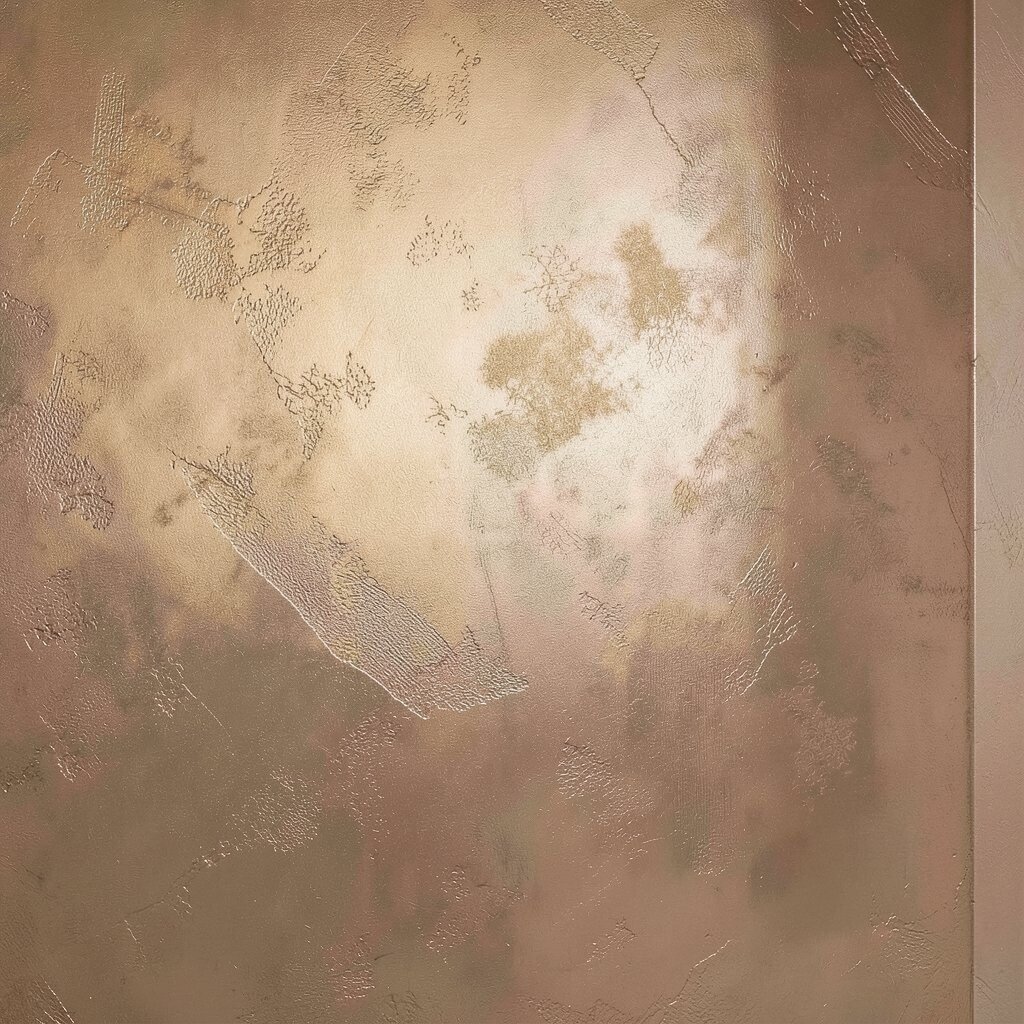
Imagine a plaster wall that glints softly, like warm metal catching candlelight. The texture makes the sheen look dimensional instead of flat.
This finish is ideal for dining rooms, home bars, and entryways where you want a little drama. Choose a metallic product designed for walls, then apply with the right tools for even coverage. Seal it properly so you can wipe fingerprints without dulling the glow.
Personalize it by selecting bronze, champagne, or muted copper tones that match your hardware. Consider cost carefully because metallic plasters can be higher priced, and application takes skill. If your budget is tight, use the metallic finish on one wall or behind a focal area for big impact.
When done well, it looks elegant even with minimal furniture. The wall becomes a quiet statement you notice more over time.
16. Thermal-Stamped Ripple For Modern Motion
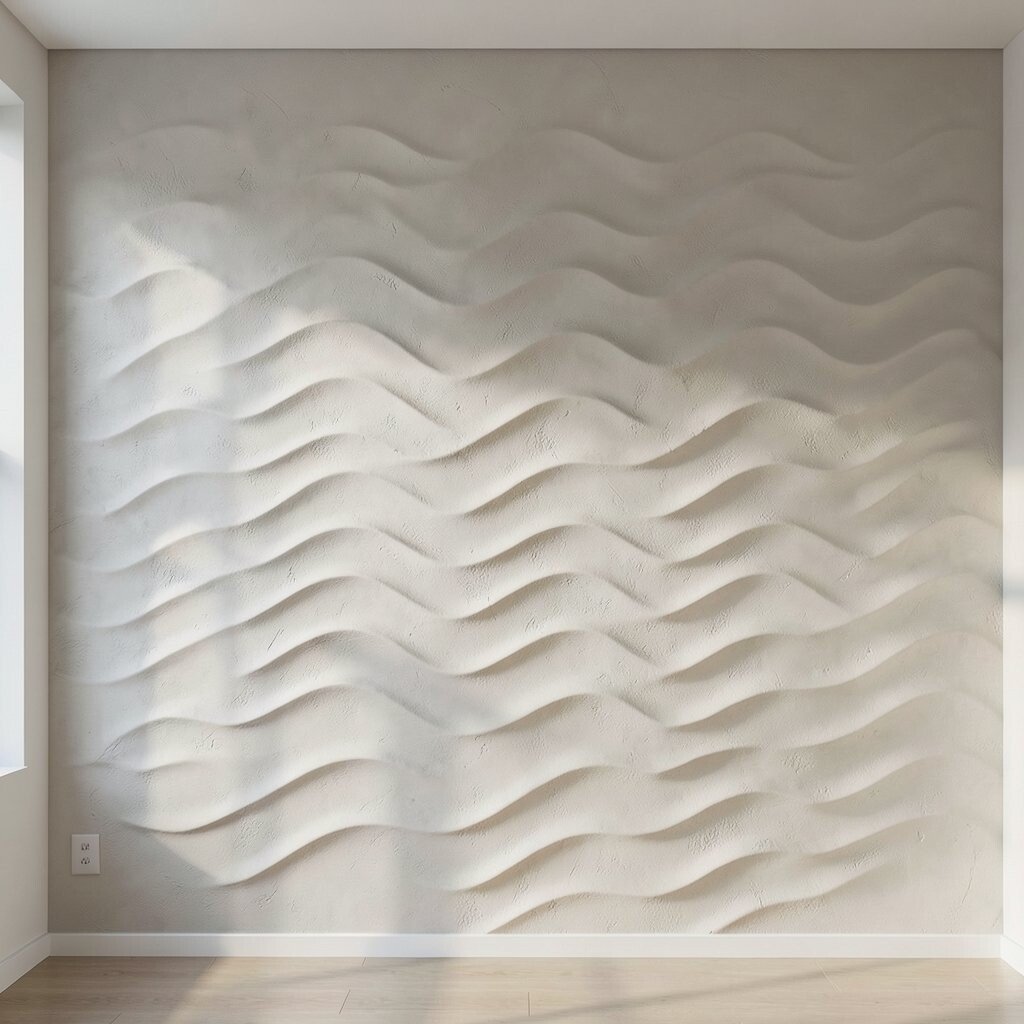
Picture ripples stamped into plaster like gentle waves frozen in time. The pattern feels modern, yet it still adds an organic mood to the room.
This texture is a great choice when you want movement with a structured rhythm. Ask for tools that create consistent depth so the ripples don’t look random. Keep the color simple and let the stamped surface create the shadow effects.
Personalize the mood by adjusting ripple size and spacing, which changes how bold the wall looks from far away. A matte finish reduces glare, making the texture feel calm instead of shiny. Cost depends on the stamping method and how large the installation area is, so plan to stamp an accent area first if you want flexibility.
17. Custom Monochrome Texture Blend In Zones
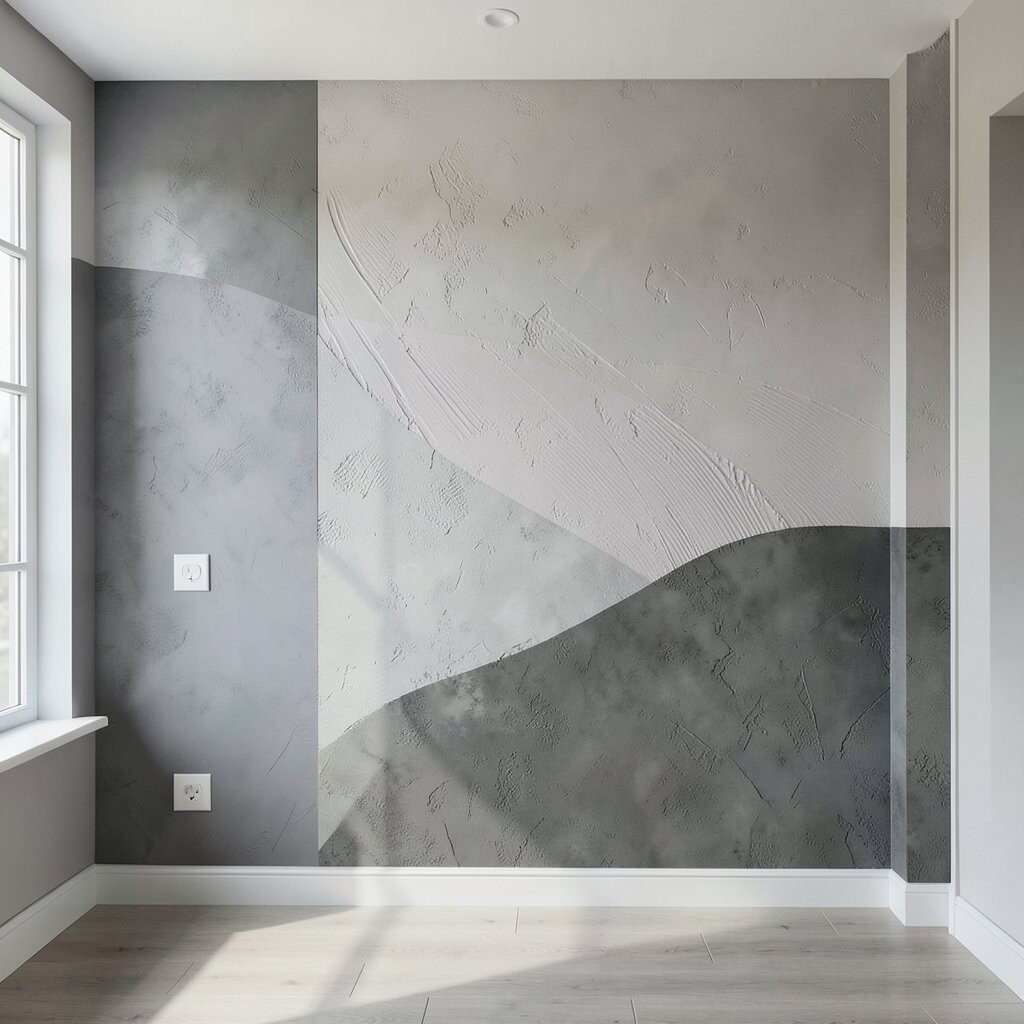
Imagine one wall that shifts textures in zones, all in the same color family. The transitions look intentional, like a single artwork made from plaster methods.
This approach is ideal for rooms with multiple functions, since different textures can mark space without building partitions. Plan the zoning early so textures meet at clean lines around trim, furniture height, and sightlines. Use compatible plaster systems so surfaces adhere well and cure correctly.
Personalize by blending one smooth technique with one more expressive texture, like polished subtle ridges next to a lime-inspired section. Choose a monochrome palette so the wall feels cohesive, even with multiple finishes. Cost can be controlled by keeping the more complex textures limited to key areas, while simpler textures cover the rest.
Before installation, request sample boards that show the transitions under your lighting. That step helps you confirm the final mood and makes personalization feel confident.