The right images can make your goals feel reachable. When your days feel busy, your vision board can act like a steady friend.
Pick ideas that match your personality, your budget, and your real life. Then let the board remind you what you want, even on ordinary days.
1. Mood Map From Places You Want to Live
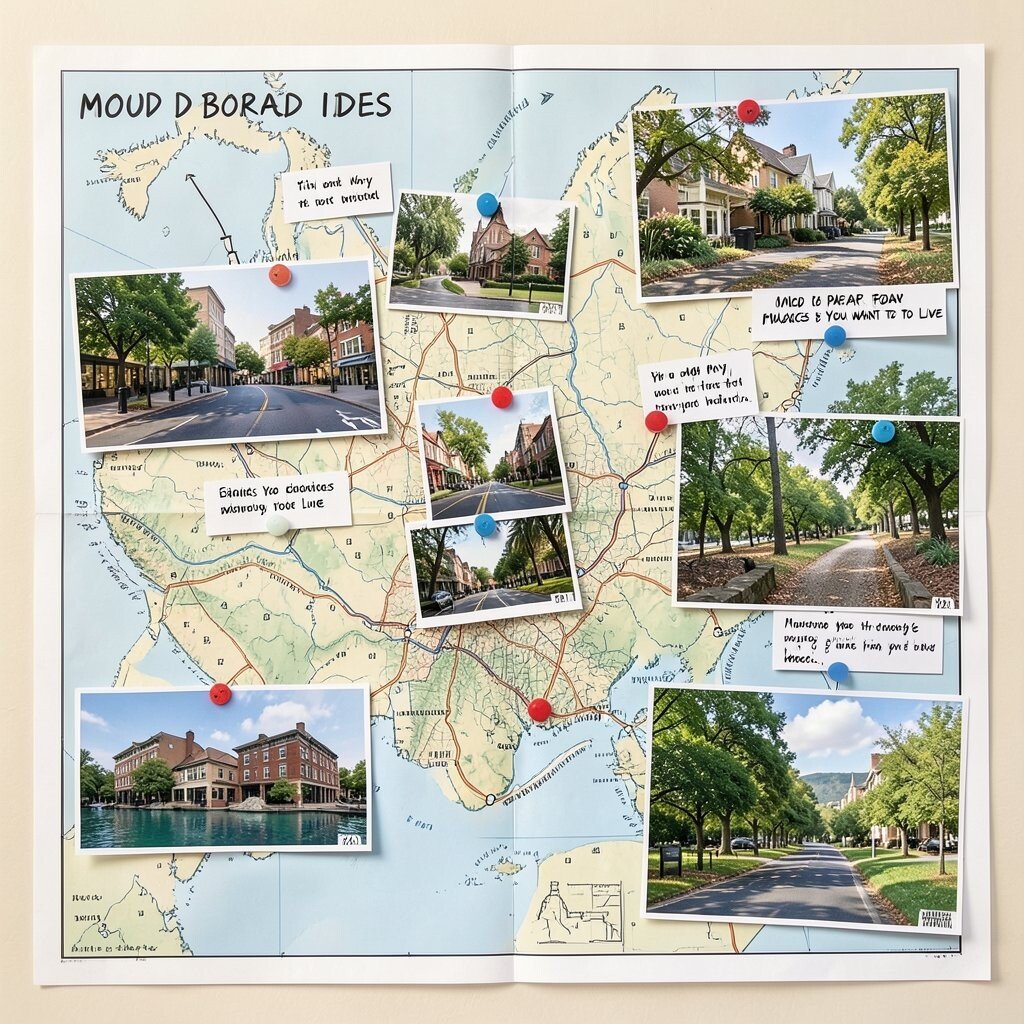
Start with a big map or a printed map background, then pin photos of neighborhoods, street scenes, and landscapes that make you feel calm or excited. Add small notes in your own handwriting like a coffee shop you want to visit or a park you want to walk in.
This creates a clear visual story for your future, not just a list of hopes. Seeing it often helps you notice choices that support moving closer to that life, like saving money or learning skills tied to your destination.
2. Goal Glow Board With Color-Coded Themes
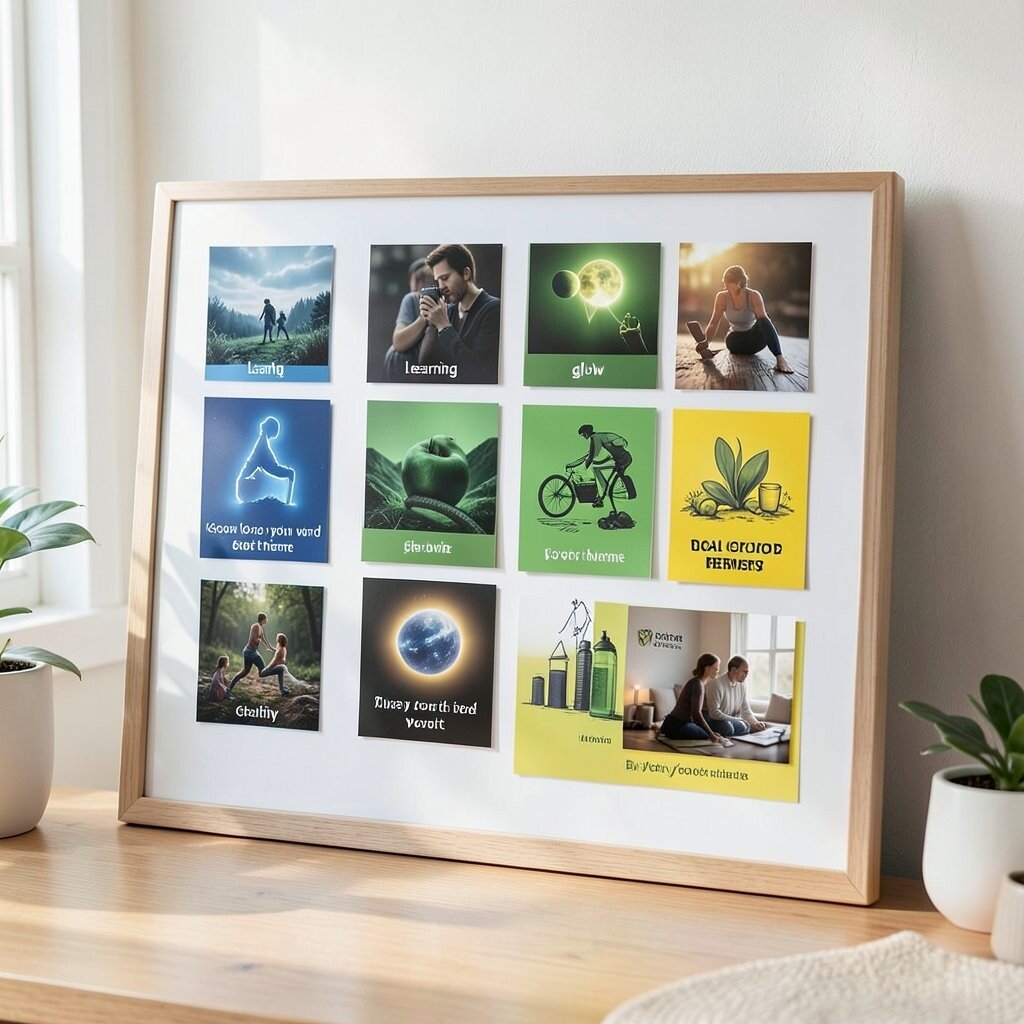
Choose a handful of goal areas, then assign each one a color, like blue for learning, green for health, and yellow for creativity. Print or cut images that match those colors and arrange them in sections that feel balanced.
You get a board that is easy to scan, which helps you stay focused when you feel scattered. Try adding one “glow” image per color that represents the outcome you want, then place it where you will see it first.
As a practical habit, spend a minute each morning matching your mood to a color theme. Replace one image every couple of weeks so it stays current and not stuck in the past.
3. Habit Tracker Collage for Daily Momentum
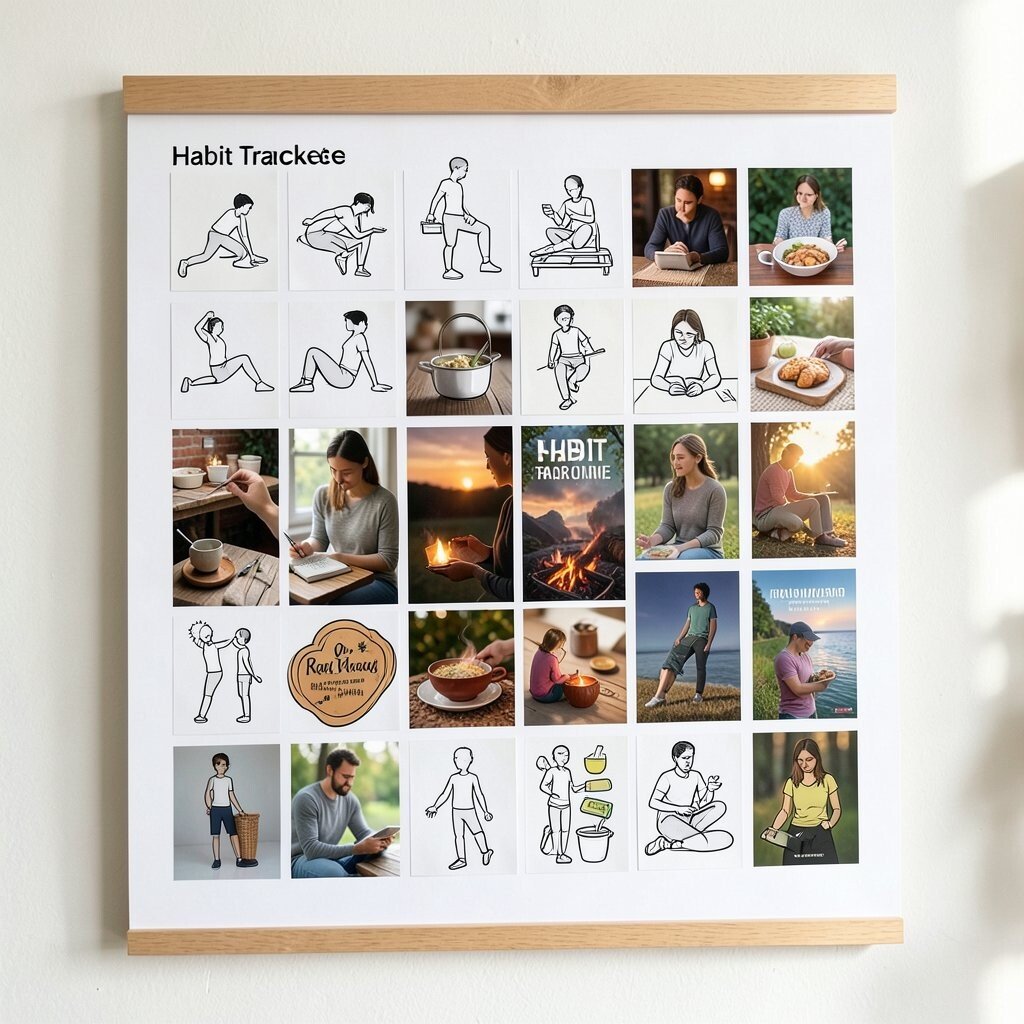
Make your board less about perfect days and more about steady ones by adding a grid of small images that stand for your habits. Use icons or photos for things like stretching, journaling, cooking at home, or getting outdoors.
That visual rhythm keeps you moving forward because you can feel progress, not just aim. Keep the setup friendly by designing it so it looks good even if you miss a day.
Try pairing one habit with a “reward scene” like a cozy evening, a favorite book cover, or a sunrise photo. Use different sizes of images to show which habits matter most right now, and update the grid when your priorities shift.
If you want a low-cost route, print simple black-and-white icons and add color with markers. The key is that your board looks like your real routine, not someone else’s fantasy.
4. Vision Board Storyline With a Timeline Arc
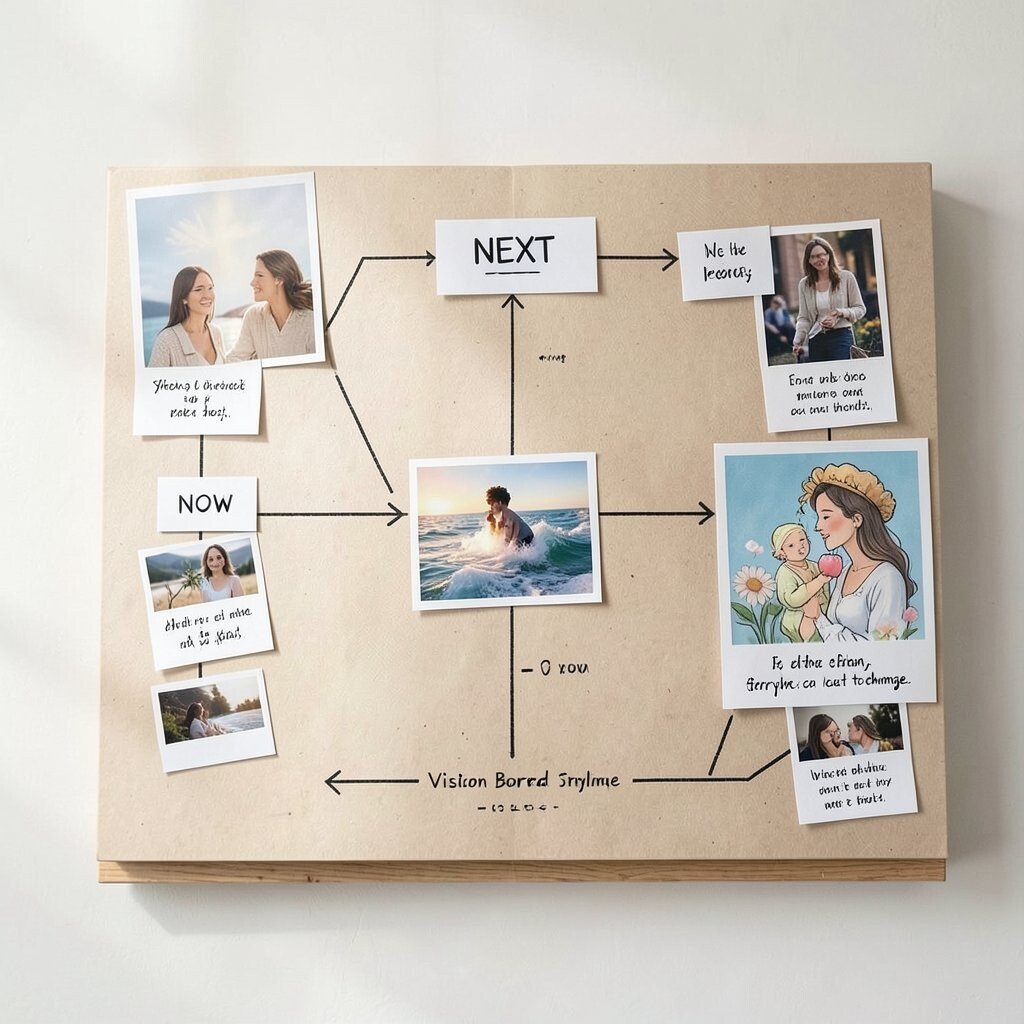
Instead of scattering pictures, connect them into a storyline that moves from “now” to “next.” Create an arc across the board, and place early steps on one side, turning points in the middle, and the final dream on the other.
This helps your brain feel direction, because the pictures show how effort can lead to change. For practical use, write tiny phrases on the back of cutouts so you can remember what each image means to you.
5. Capsule Wardrobe Dream Board for Personal Style Goals
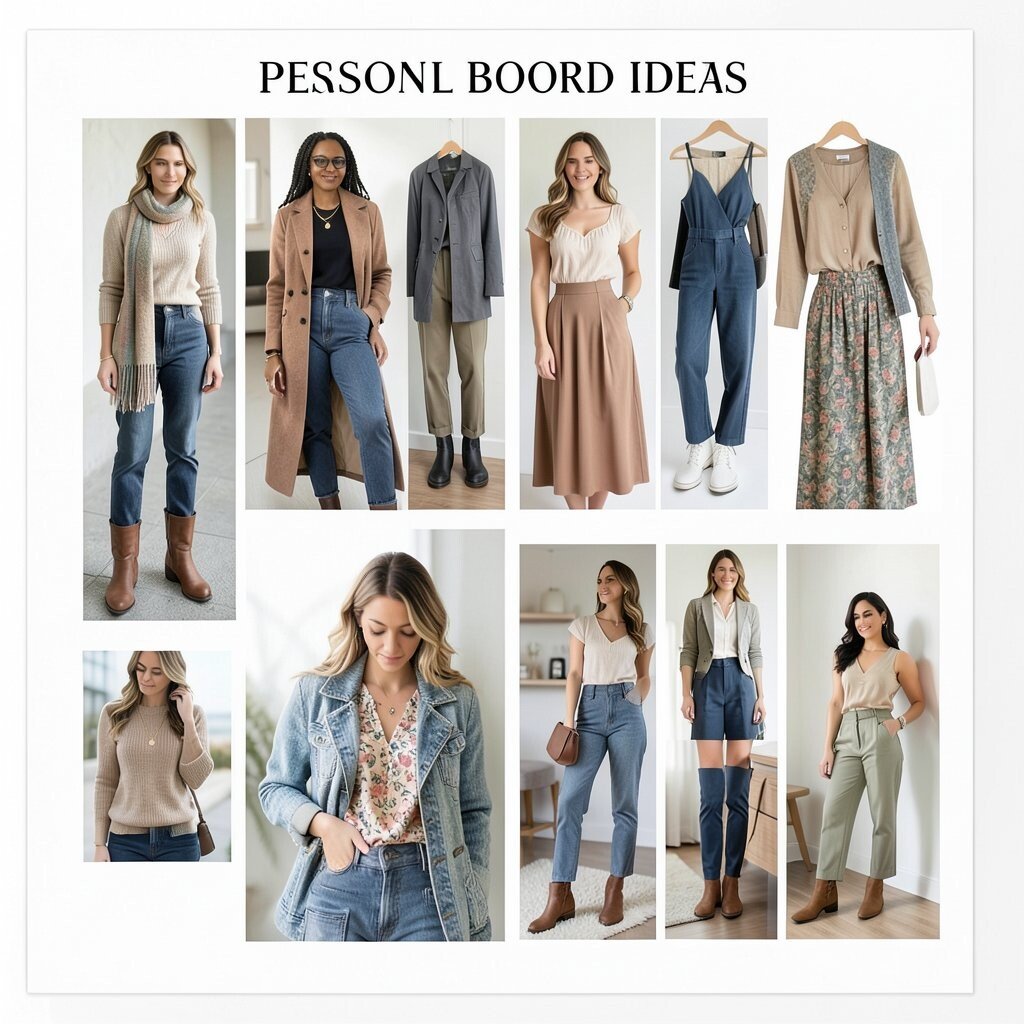
Collect images of outfits that match the vibe you want to wear in the life you’re building. Include colors, fabrics, and silhouettes you love, plus small details like boots, scarves, or jewelry that make you feel confident.
This type of dream board is unique because it links your goals to self-expression, not only achievement. When your clothing goals align with your identity, you’re more likely to keep showing up and taking care of yourself.
Keep it practical by adding photos of pieces you already own alongside wish list items, so the board becomes a bridge. Budget-smart options include thrift-store inspiration and print-at-home style references.
As a current trend, many people mix “real closet” photos with aspirational looks to avoid feeling overwhelmed. Update the board when seasons change and add one styling challenge image, like building a week of outfits around a single color.
6. Fitness and Energy Board With Performance Photos
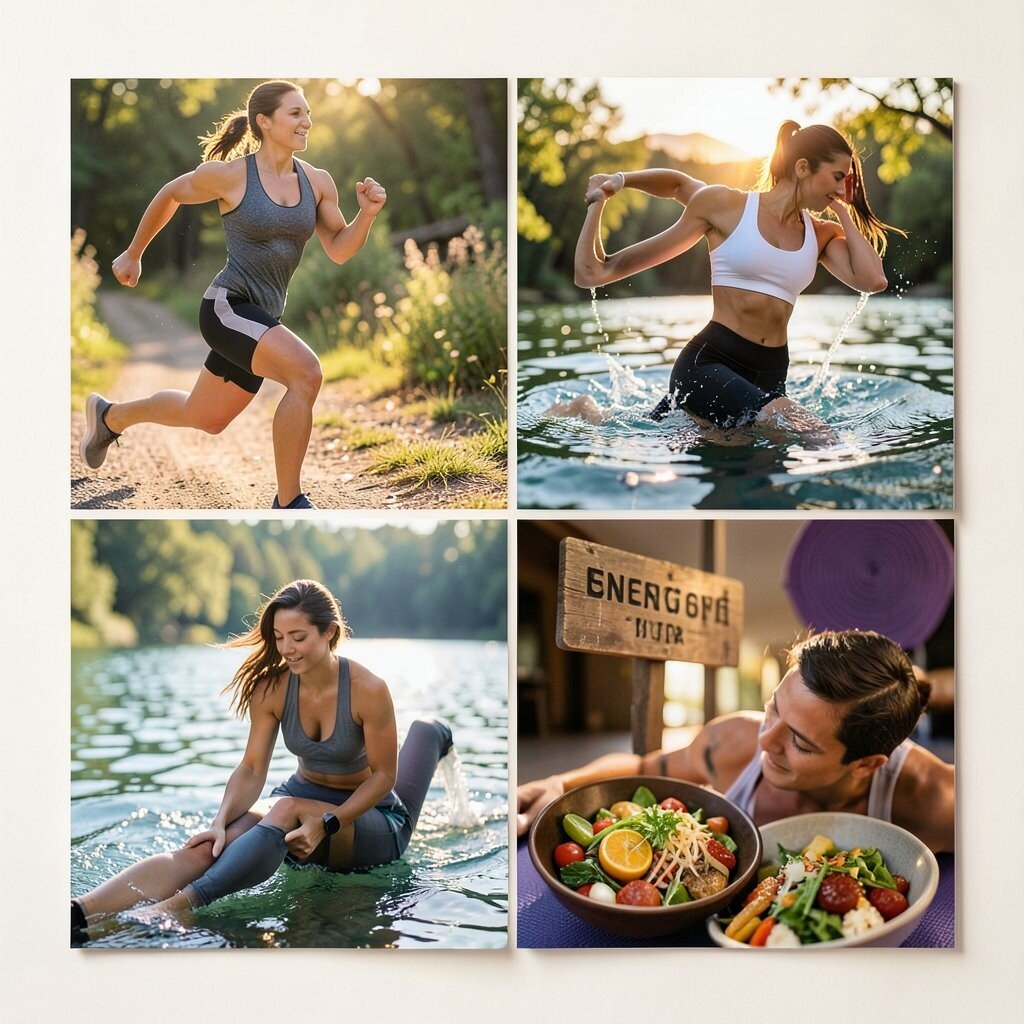
Create a board that focuses on how you want to feel, not just how you want to look. Place images of people running, lifting, swimming, or walking, then add one or two photos of meals that support your energy.
This kind of visual helps you make choices that support your future body and mind. When you see performance pictures near recovery scenes like stretching or calm nights, your plan feels more balanced.
For personalization, select activities that you actually enjoy and add details like a trail sign, a gym badge, or a yoga mat texture. Keep costs low by printing your own photos from workouts or saving screenshots from workouts you love.
7. Creative Dream Board With “Made By Me” Evidence
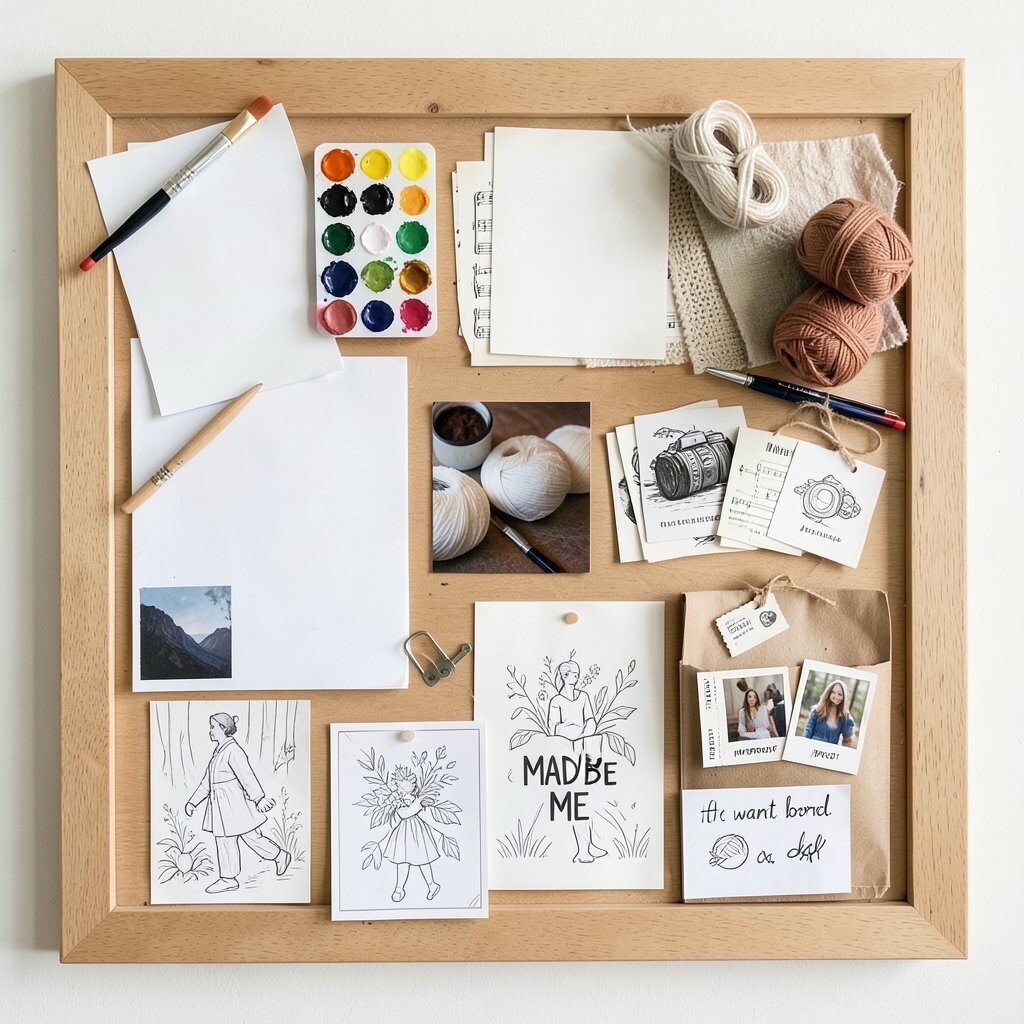
Fill the board with images of tools, textures, and finished projects that show your creative progress. Include blank paper, paint swatches, yarn, sheet music, or camera close-ups, then add a section for outcomes like posters, sketches, or handmade gifts.
This is powerful because it reminds you that creativity is a practice you can repeat. It also makes your goals feel real, since you can point to pieces you’ve already started.
Try adding a monthly “proof” pocket with small printed progress photos or ticket stubs from workshops. Keep it updated so the board doesn’t become a museum, and include one image that represents a style you want to learn next.
8. Career Clarity Board With “Day in the Life” Scenes
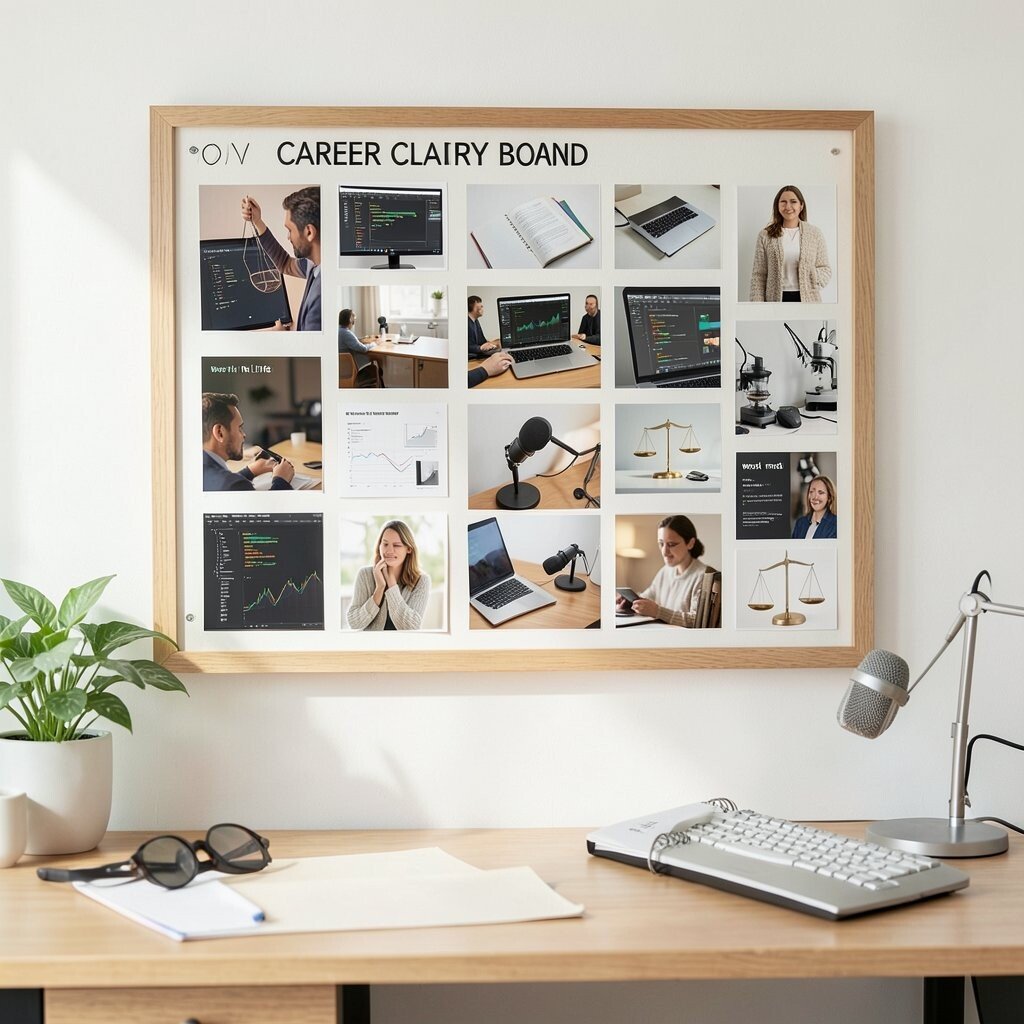
Choose photos that match what your ideal day looks like, including workspaces, commute vibes, or desk details. Add images of tasks you want to do, like coding screens, design software, microphones, lab equipment, or notebooks.
This board supports decision-making because it shows what skills and environments energize you. Seeing it often can guide your next steps, like signing up for a short course or sending one thoughtful message.
Make it unique by using small symbols for the values you care about, like a balance scale for fairness or a heart for community. For practical tips, place your favorite “work mood” image near where you keep your laptop or planner.
To keep costs low, use free stock photos, old magazines, and your own snapshots. Current trends favor authentic setups, so include your real desk situation and make the board feel attainable.
9. Relationship and Community Board With Shared Moments
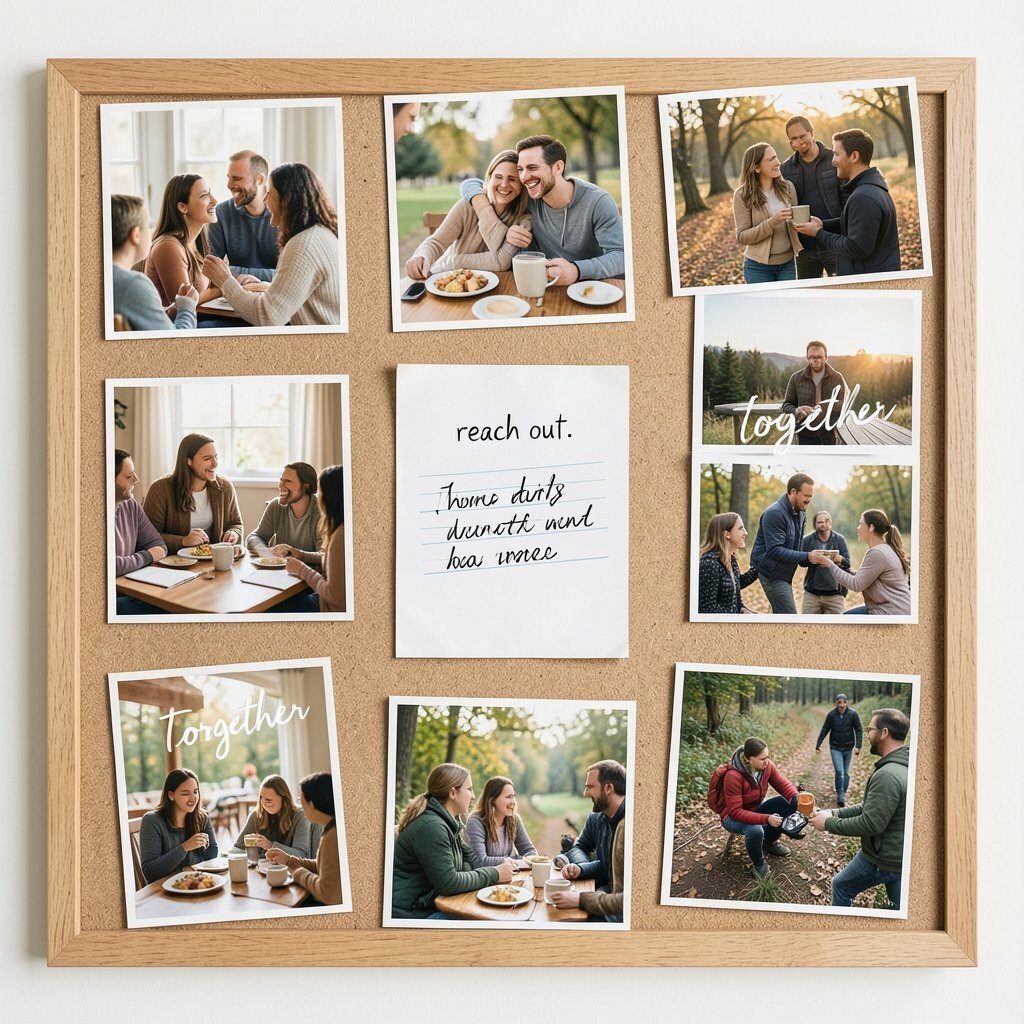
Build a board around the people and places that feel supportive and joyful. Add photos of gatherings, volunteering events, group study setups, or even simple moments like sharing a meal or hiking together.
This helps your goals grow beyond personal achievements into meaningful connections. When your board includes community scenes, you’ll remember to plan time with people who encourage you.
For personalization, select images that match your communication style, such as cozy coffee shop photos for talk-heavy friends or event flyers for action-first groups. Keep it practical by adding one “reach out” image, like a handwritten letter note or a phone icon, placed where you’ll see it weekly.
If you’re on a budget, use printed photos of your own life and pair them with magazine words like “together” or “home.” This makes the board feel like it belongs to you, not a generic template.
10. Money Vision Board With Calm Saving and Smart Spending
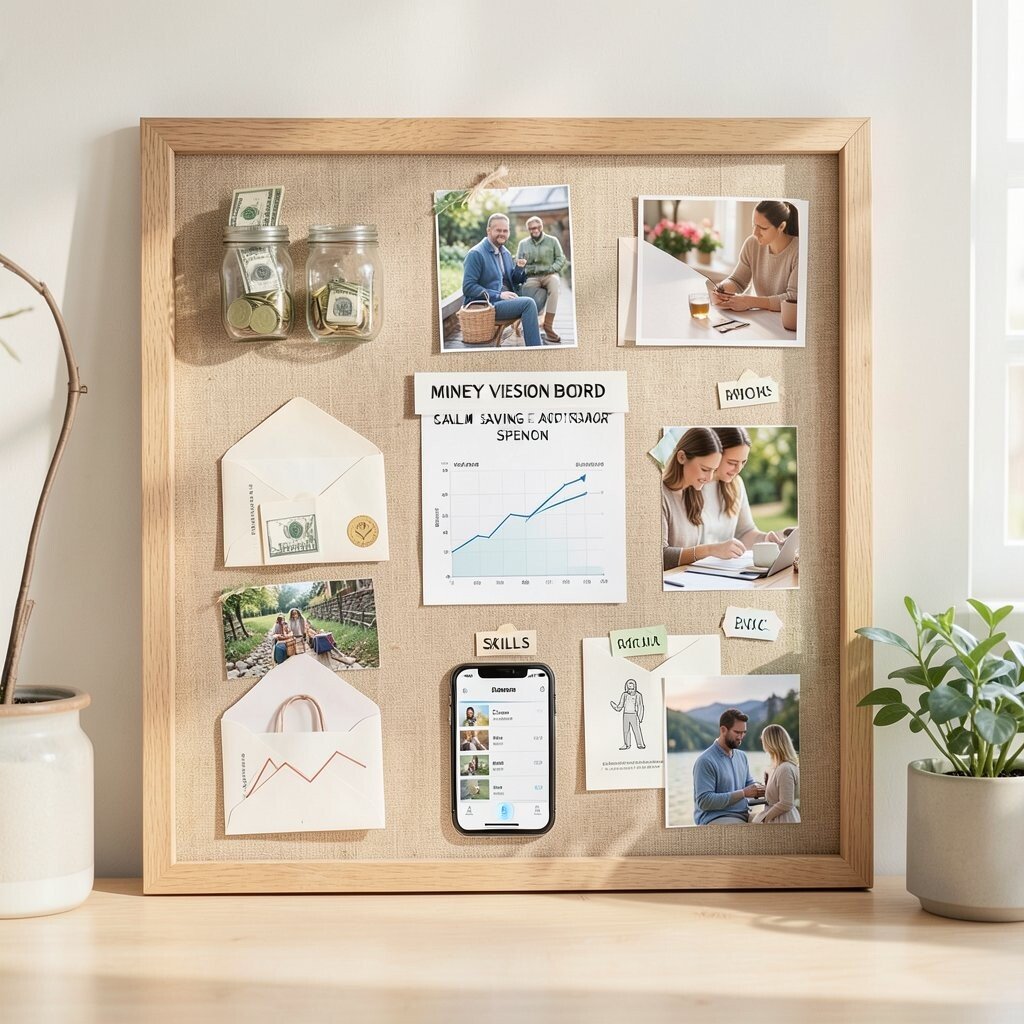
Make a money board that feels peaceful, not stressful. Use images of jars, envelopes, savings apps screens, or simple charts, and include scenes of purchases that truly matter to you.
This approach is unique because it connects spending choices to your real values and long-term comfort. When you see clear visuals, you can decide faster and avoid impulse habits.
Try adding categories through images rather than strict math, like travel photos near a savings jar and learning photos near a “skills” envelope. Keep cost considerations in mind by using printed shapes, stickers, and labels you write yourself.
As a current trend, many people use “envelope style” visuals or app-style screenshots as motivation. Update your board after every payday review so it stays aligned with where you are right now.
11. Learning and Skill Board With Tiny Proof Steps
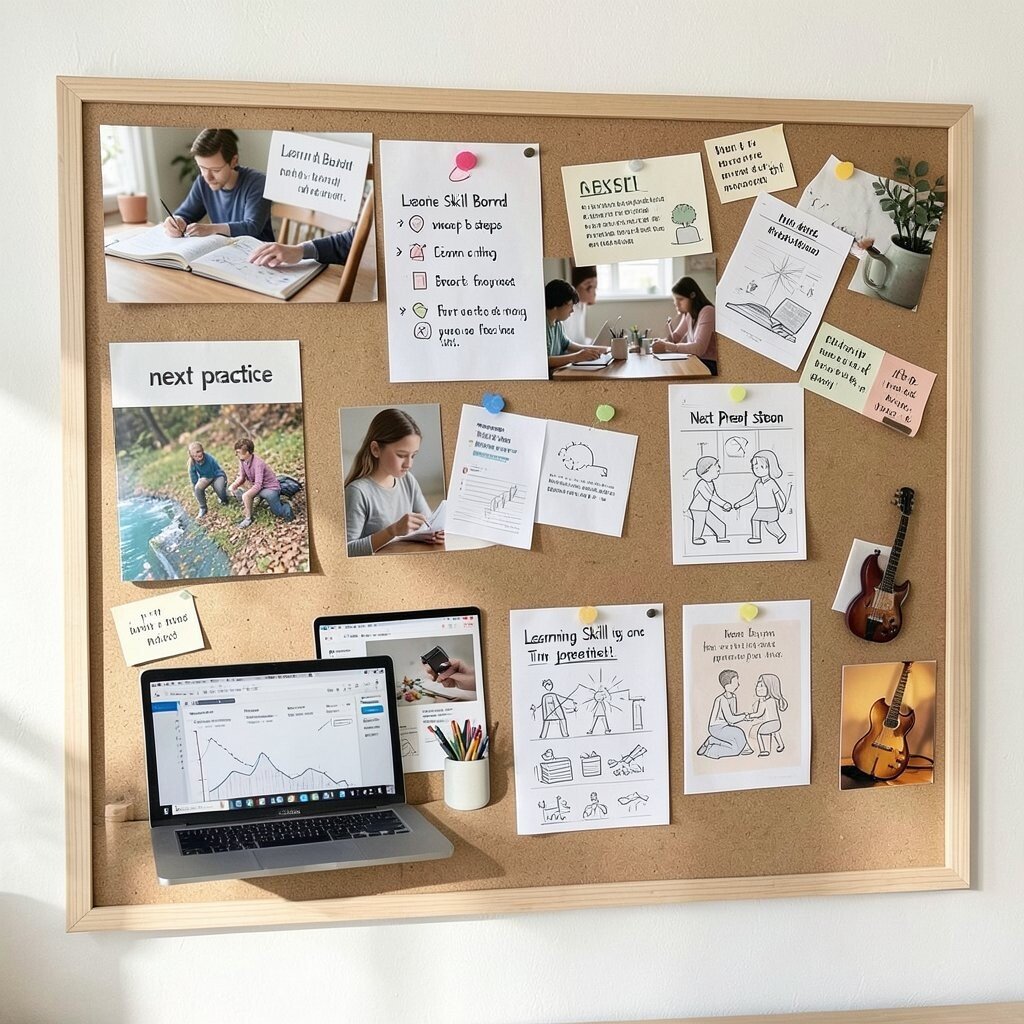
Choose one skill you want to grow and represent it with images of learning tools and small outcomes. Add photos of books, online courses on a laptop, practice worksheets, instruments, or art supplies.
This board keeps you moving because it makes progress visible in small pieces. You’ll also feel more confident when you can point to evidence that you’re improving.
For practical tips, create a “next practice” area on the board and add one image that matches your next session. Use personalization by writing short goals on small scraps, like a page you want to master or a project you want to finish.
If you want it budget-friendly, print worksheets or use free course screenshots as placeholders. The best boards update regularly, so rotate images as your skill level changes.
12. Seasonal Renewal Board With Fresh Themes Each Month
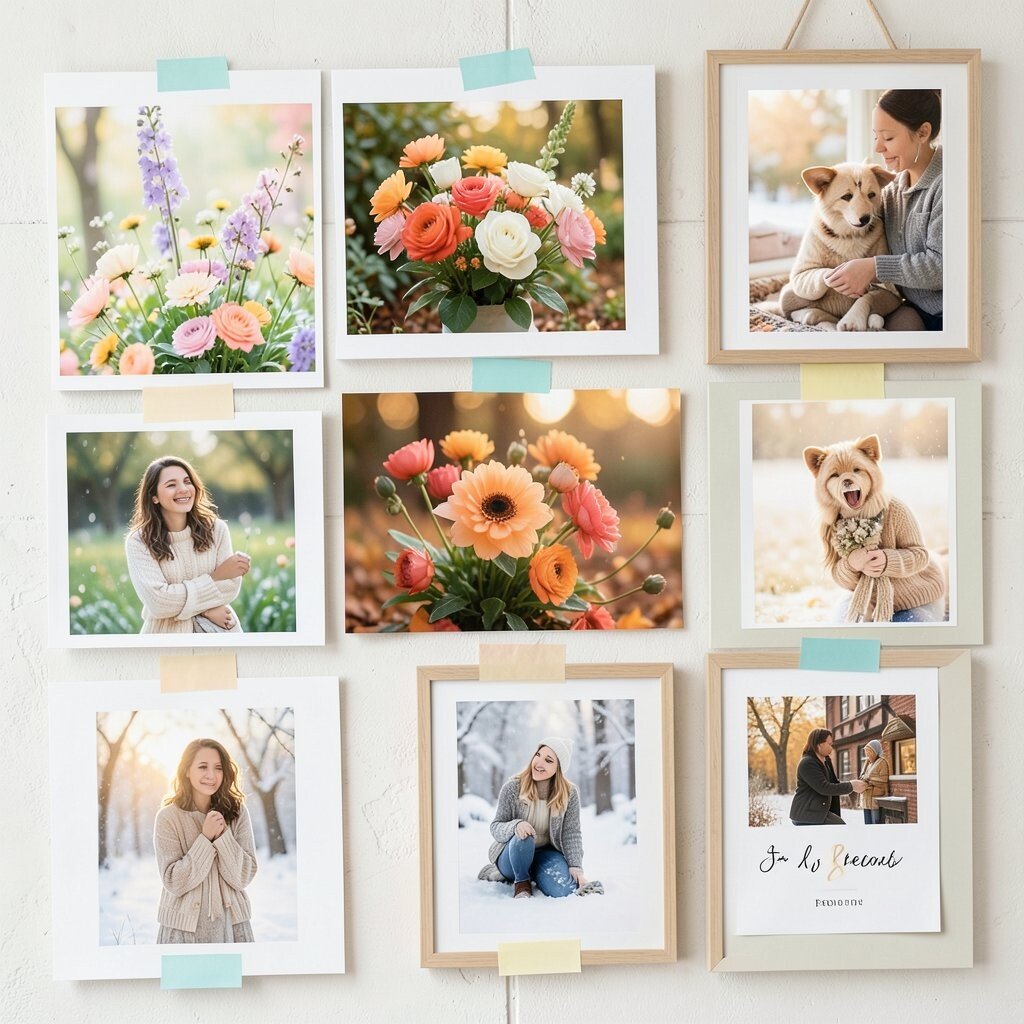
Design your dream board to match your seasons, so it stays lively and not stuck in time. Use a bright spring theme with flowers, a cozy autumn vibe with warm colors, or a winter theme with soft lights and calm textures.
This keeps motivation strong because your goals feel like they belong to the current moment. When life changes, your board can change too, which makes it feel supportive rather than demanding.
Make it actionable by setting a simple monthly swap routine where you replace a few images and add one new personal goal. Consider using removable materials like tape, washi tape, or frames so updates are easy and don’t damage anything.
For cost considerations, reuse last season’s materials by rearranging them, and print new images only when you truly need them. Current trends often highlight “slow productivity,” so a seasonal board fits perfectly with gentle, consistent progress.