
The easiest homes feel calm, not complicated. When design supports daily routines, life gets lighter.
1. Entryway That Works Like a Welcome Station
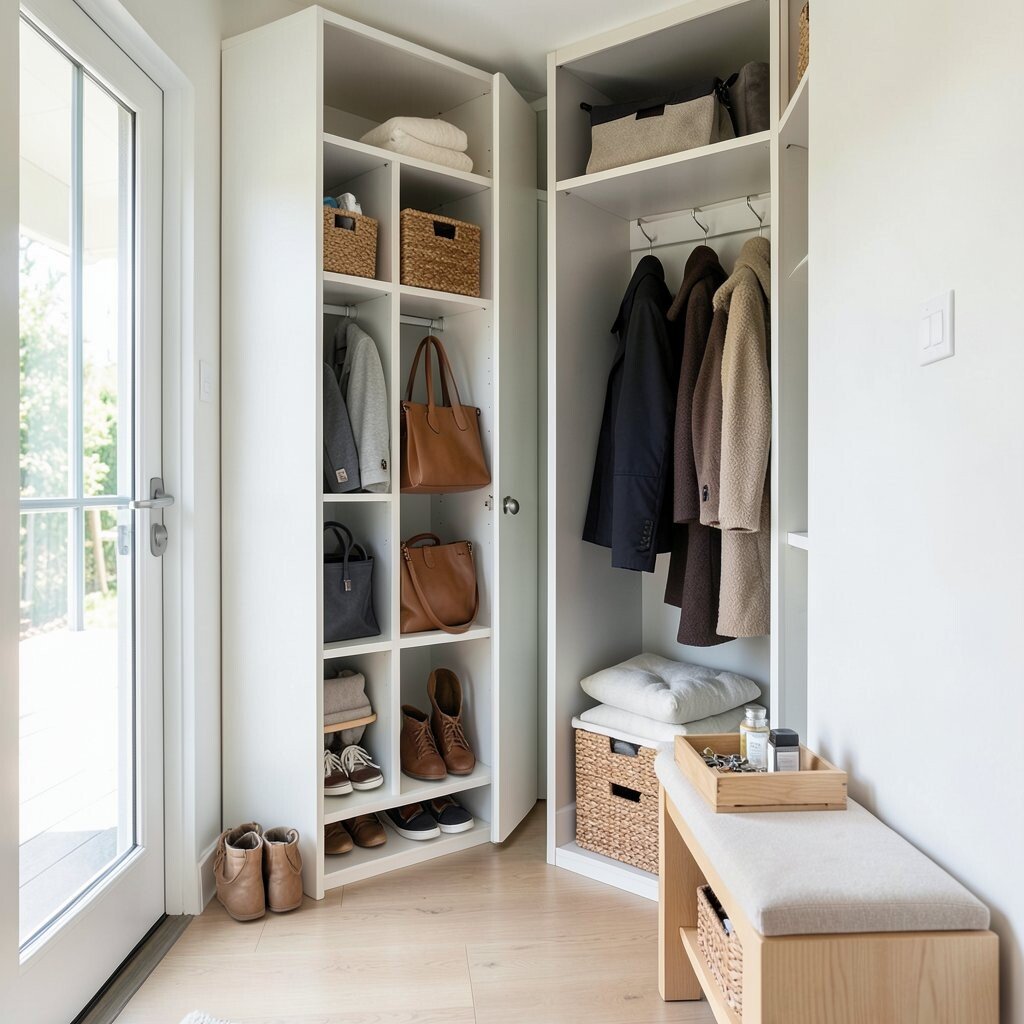
Picture stepping inside and seeing a tidy spot for shoes, bags, and coats. A functional entryway keeps clutter from spreading into the rest of the house.
Choose built-in storage with doors or baskets so items look neat even on busy days. Add a bench with a soft surface and a tray for keys and small essentials. Consider hooks at different heights so kids and adults can use them easily.
2. Built-In Storage Everywhere You Actually Need It
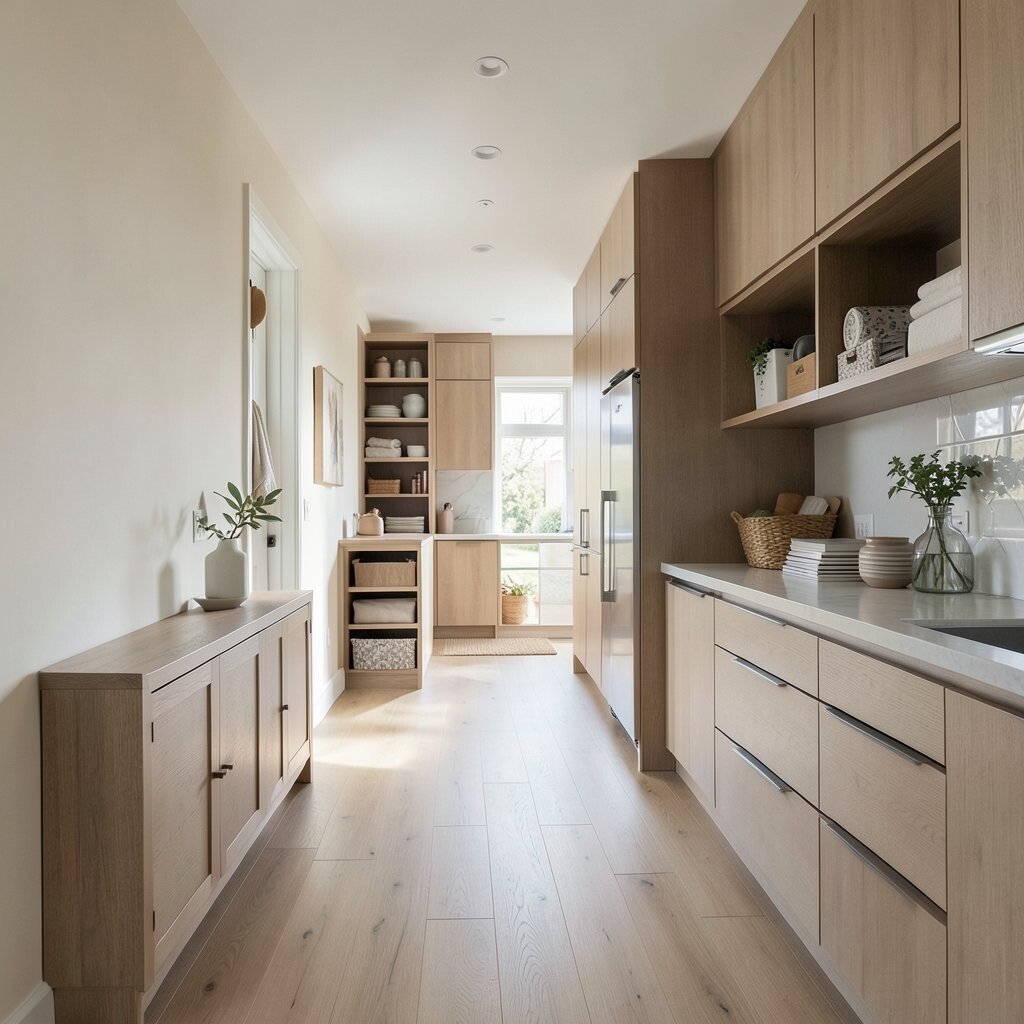
Imagine walls that do more than look pretty. Smart built-ins give you places for everyday stuff without stealing floor space.
Plan storage along common paths like hallways, stairs, and near the kitchen. Use a mix of closed cabinets and open shelves so you can hide mess and still show favorites. If your budget is tight, start with one high-impact area like a hallway console.
For current trends, many homeowners lean into floor-to-ceiling cabinetry and mix materials like wood tones with simple hardware. Personalize with a color-matched interior shelf or a patterned liner for drawers. Measure carefully before buying anything and reuse existing shelving if you can.
3. Kitchen Layout That Reduces Steps
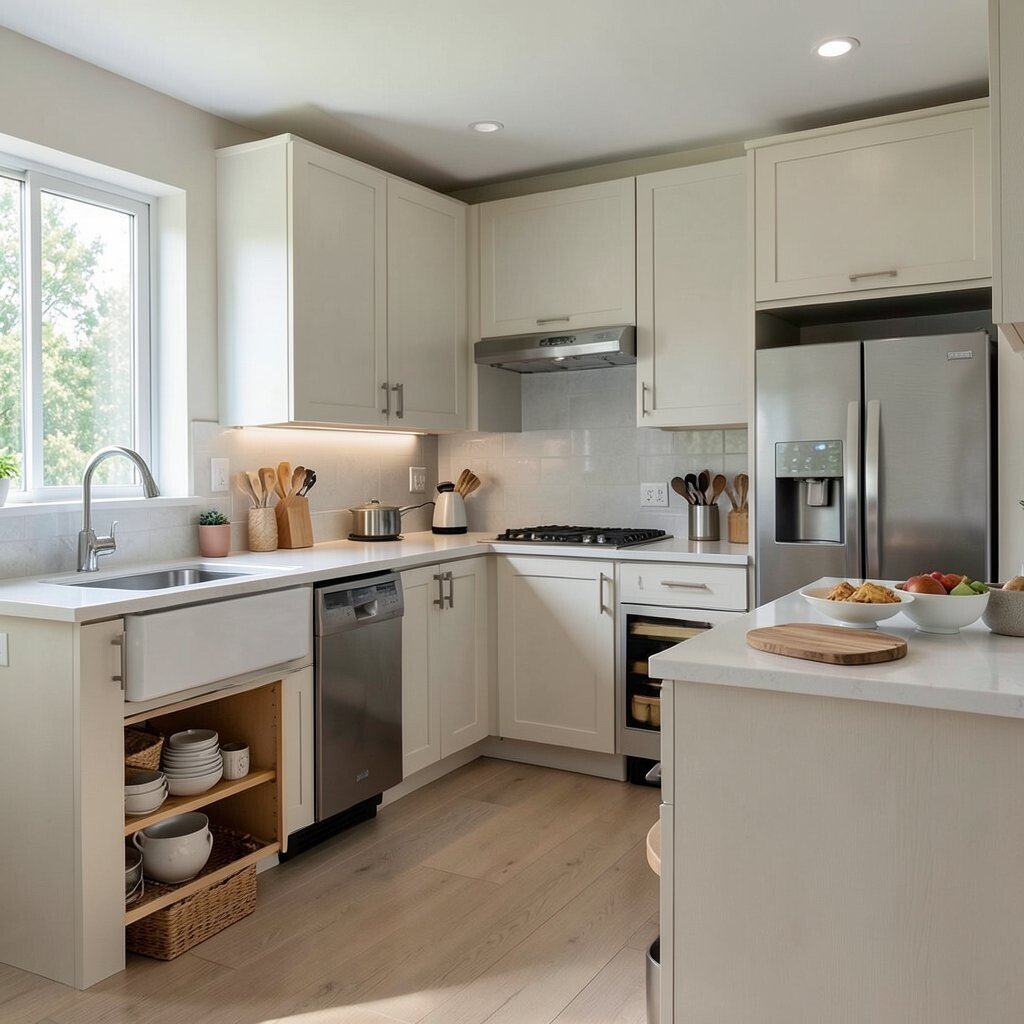
Think about how often you walk back and forth while cooking. A layout that shortens routes makes meal prep feel effortless.
Create a work triangle with the sink, stove, and fridge placed for smooth movement. Keep frequently used tools within easy reach, especially between counter height and waist level. Add a pull-out pantry or drawer to avoid deep bending and reaching.
If you love hosting, include a small “serve zone” with a dedicated counter area for platters. Choose durable countertops and easy-to-clean surfaces so the kitchen stays functional. When cost matters, focus spending on cabinets and storage since they offer the most daily value.
4. A Laundry Zone That Makes Chores Feel Smaller
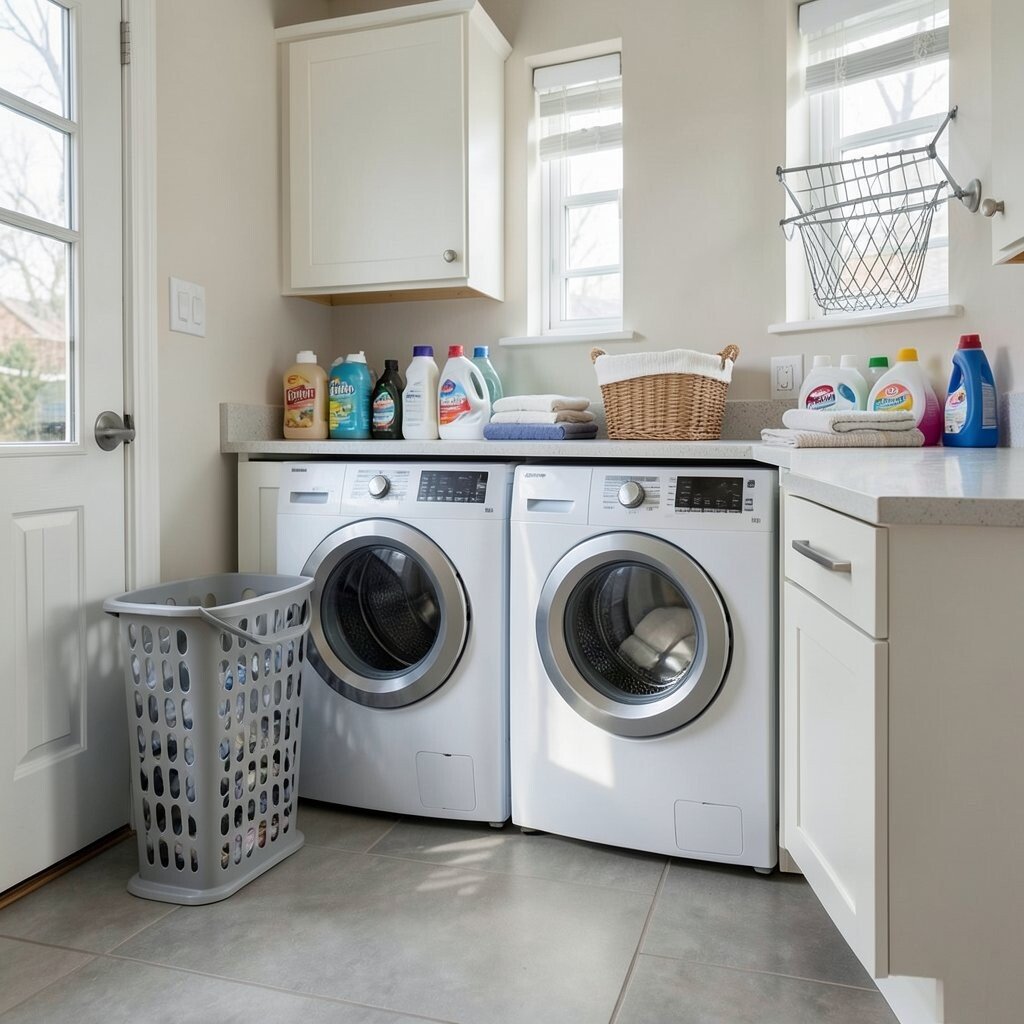
Picture laundry moving in a straight, simple line from hamper to wash to fold. When the setup is organized, chores feel less like a mountain.
Place a hamper near the entry of the laundry area and add a countertop for folding. Include storage for detergents, stain removers, and dryer sheets so everything lives in one spot. If space allows, consider a drying rack near a window or ventilated area.
5. Lighting Plan That Changes With Your Day
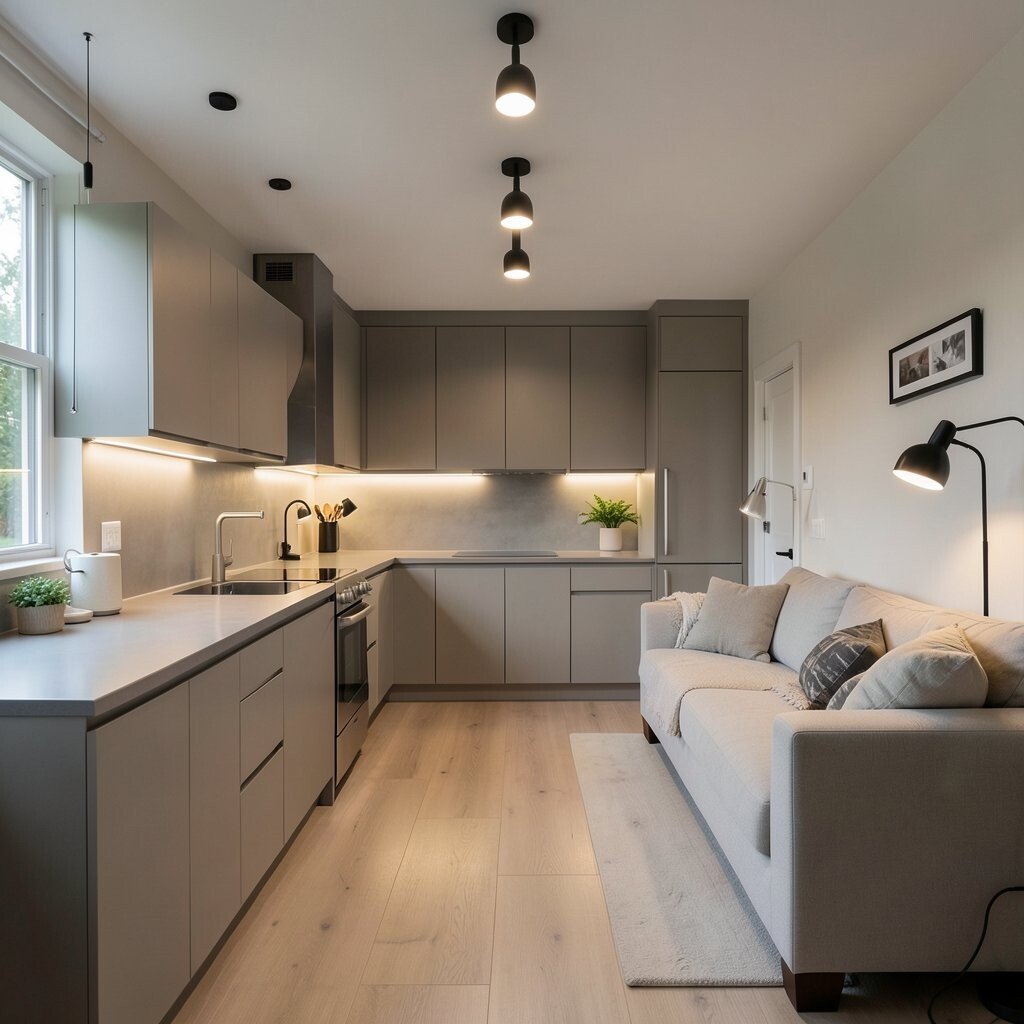
Imagine walking into a room and instantly feeling comfortable. Good lighting makes spaces look warm and helps you see clearly for tasks.
Layer your lighting with overhead fixtures, task lights, and gentle ambient options. Under-cabinet lights in the kitchen help you prep without glare. Use dimmers in living areas for cozy evenings.
Current trends often favor warm LED bulbs and sleek fixtures that look clean and modern. Personalize with a mix of finishes like matte black and brushed metal to match your style. If you want to keep costs low, begin with bulb upgrades and add simple plug-in lamps.
6. Bathrooms With Storage That Stays Neat

Think of a bathroom where toothpaste, lotion, and towels feel easy to find. A well-designed setup keeps the counter from becoming a catch-all.
Use a vanity with drawers and an extra cabinet for cleaning supplies. Add a medicine cabinet or wall shelf with doors to reduce visual clutter. Place items by routine, like face items near the sink and hair tools in a nearby drawer.
Choose simple organizers that can be adjusted as your needs change. For personalization, pick drawer dividers and tray colors that match your mood. If budget is limited, start with small upgrades like rotating storage and better hooks for towels.
7. Closets That Feel Like Personal Boutiques

Imagine opening your closet and finding everything in its right place. When clothing is sorted well, mornings become calmer and faster.
Use a layout that fits your life with sections for everyday wear, work clothes, and special items. Install double hanging rods to make the most of vertical space. Add a shelf near eye level for bags, folded tops, or small baskets.
Consider soft-close drawers or bins for accessories so small items stay contained. Personalize with labels inside drawers or color-coordinated hangers. For cost control, reorganize before you renovate, and add a few high-value upgrades like adjustable shelving.
8. Flexible Living Areas for Real Life

Picture a living room that can shift from movie night to quiet reading without drama. Flexibility helps your home keep up as routines change.
Choose furniture that can move easily, like lightweight chairs or a sectional with removable pieces. Use a storage ottoman so blankets and games stay out of sight. Add a wall-mounted media setup or a cabinet with doors to keep surfaces clean.
9. Windows and Shades Built for Comfort

Imagine rooms that stay bright without overheating. Thoughtful window choices make everyday comfort feel effortless.
Use curtains with light-blocking layers or install blinds that allow partial control. Consider shades that lift easily for cleaning and for adjusting during different seasons. Place window treatments high and wide to make rooms feel taller.
Current trends include layered textures and soft neutral tones that look modern and calm. Personalize by matching fabric colors to your upholstery or adding a subtle pattern. If you want a practical budget option, start with upgraded shades in the rooms you use most.
10. Stairways and Hallways That Use Every Inch

Think about the unused space along stairs and hallways. When you plan for it, these areas can become helpful instead of wasted.
Add drawers under stairs or built-in shelving along a narrow wall. Consider a gallery wall with ledges that can hold small items like frames and books. Keep paths clear by using slim storage units that don’t crowd walkways.
For a personalized touch, choose a consistent finish across storage hardware so the hallway looks intentional. Use hooks at the end of corridors for backpacks or seasonal items. If cost matters, focus on one feature like under-stair storage first since it offers a big payoff.
11. A Home Office Setup That Supports Focus
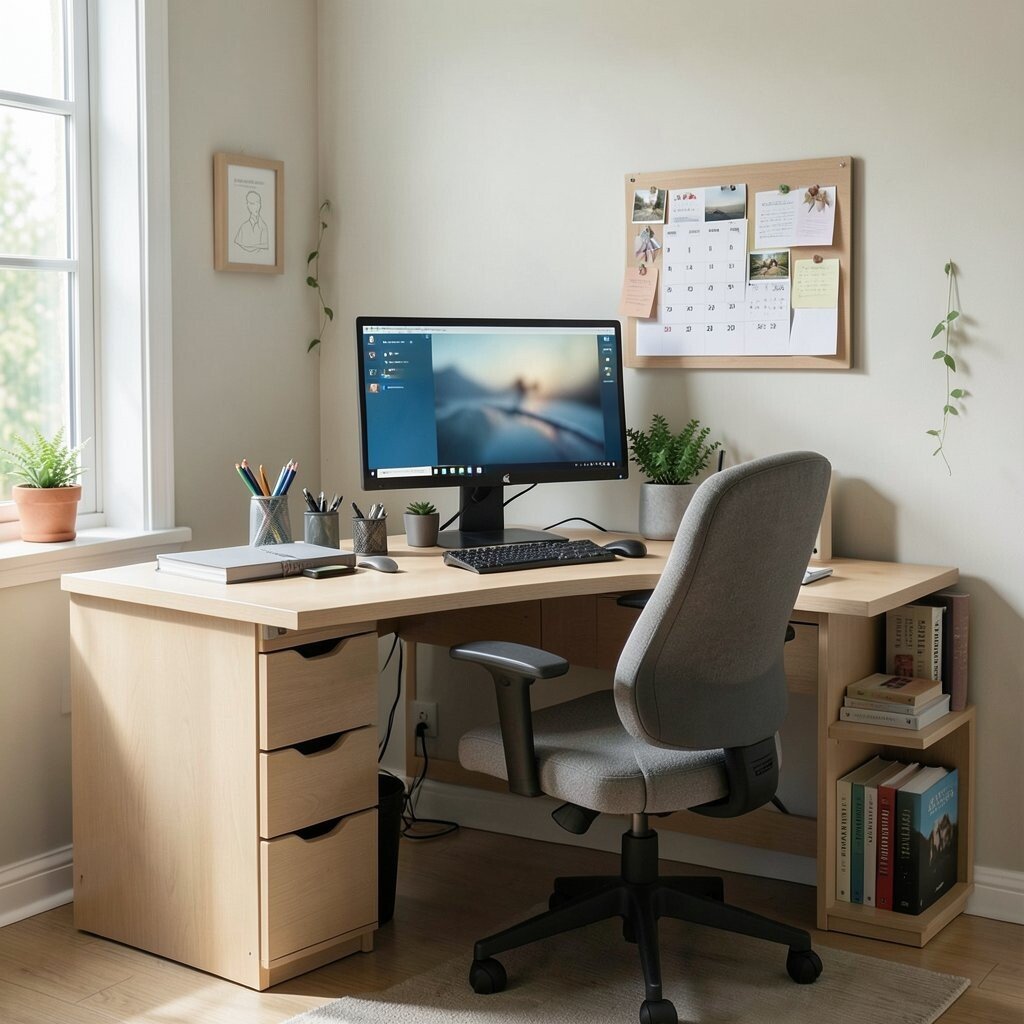
Imagine working in a space that helps you stay calm and organized. A functional office reduces distractions and saves time.
Choose a desk with enough surface for daily tasks and add drawers for supplies. Place your monitor so light doesn’t cause glare and reduce eye strain. Add a comfortable chair and a small side shelf for books or reference items.
For current trends, many people like quiet color palettes and natural textures to make work feel less stressful. Personalize by adding a wall calendar or a pinboard for reminders. If you are working with limited budget, use a simple desk and invest in ergonomic comfort first.
12. Smart Storage for Pet Life and Family Mess

Picture your home staying tidy even with daily spills and muddy paws. Pet-friendly design makes care easier and reduces constant cleaning.
Create a dedicated drop zone near doors for leashes, bowls, and cleaning tools. Add washable mats and storage bins so pet items don’t roam around the house. If you can, place a feeding station in a spot with easy access to water and storage.
Personalize with a color theme that blends pet supplies into your decor. For practical tips, keep a small caddy with poop bags and wipes so emergencies are quick to handle. Costs vary, so start with organizers and durable mats before upgrading furniture or flooring.
13. Entry-to-Kitchen Flow for Easy Hosting

Imagine guests moving smoothly from the front door to the kitchen area. A good flow helps hosting feel relaxed instead of stressful.
Keep a clear path with open sight lines so you can guide people without awkward bottlenecks. Add a small serving cabinet or cart that can roll out when you need it. Use a nearby counter for prep and a separate surface for serving.
In current home design, many homeowners prefer open but zoned spaces using rugs, lighting, and furniture placement. Personalize with a bar cart style that matches your kitchen hardware. To control costs, begin with a cart and a few organizing trays rather than major construction.
14. Durable Flooring With a Practical Layer Plan
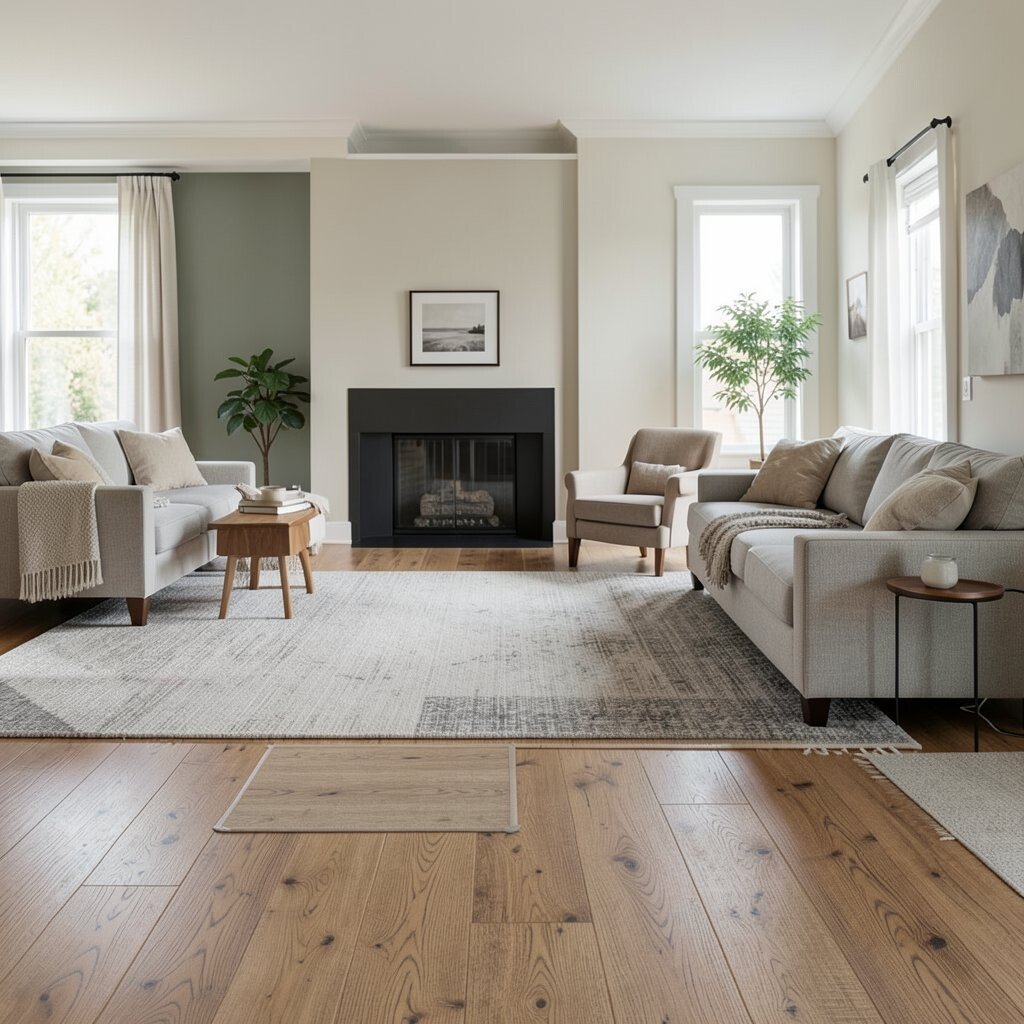
Think about how a home feels underfoot every day. Flooring that fits your lifestyle helps rooms stay inviting and easy to maintain.
Choose materials that handle daily wear like hardwood alternatives, luxury vinyl, or sealed surfaces. Use area rugs in living rooms and keep their edges secure with grippers. Plan transitions between rooms so movement stays comfortable and safe.
Current trends include warm wood looks and resilient materials that mimic natural texture. Personalize by selecting tones that match your wall colors and trim. If costs are a concern, consider refinishing existing floors or installing rugs and mats first.
15. Bedrooms With Calm Storage and Soothing Layouts
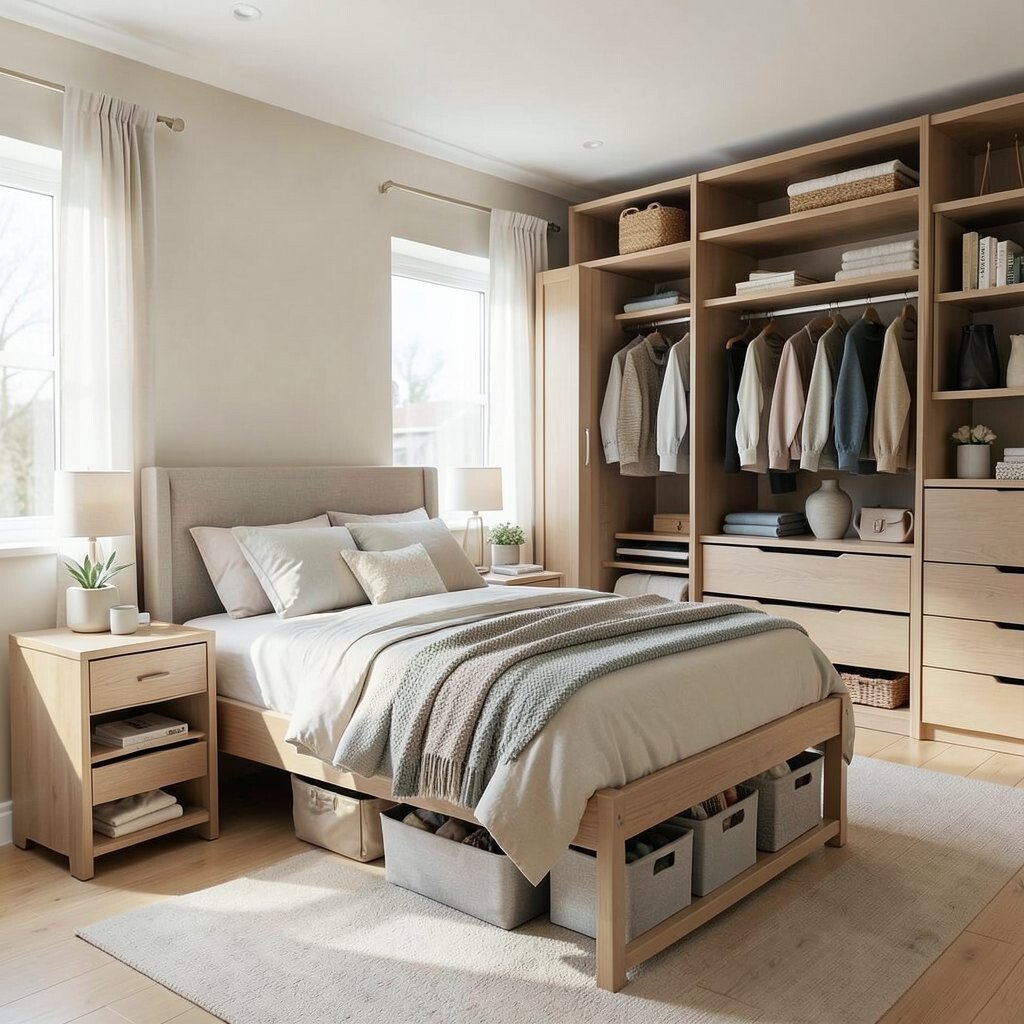
Imagine bedtime getting simpler because the room supports rest. A functional bedroom helps you unwind without searching for things.
Place nightstands within arm’s reach and use drawers for chargers, books, and bedtime items. Keep a wardrobe or dresser organized so clothing doesn’t spread onto surfaces. Add soft storage like bins for seasonal items under the bed.
Personalize with a color palette that feels calming to you, such as warm neutrals or gentle blues. For practical tips, store “morning items” near your routine so you don’t hunt in drawers. If budget is tight, focus on organization tools like drawer dividers and under-bed organizers.
16. Outdoor Spaces That Extend Daily Living

Picture opening the door and stepping into a comfortable outdoor room. A well-planned patio or balcony makes fresh air feel part of your routine.
Create zones for dining, relaxing, and storage using seating arrangements and weather-ready materials. Add planters or privacy screens for a cozy feel without adding clutter. Include outdoor lighting so evenings stay enjoyable.
Current trends include compact outdoor kitchens, modular seating, and easy-care materials. Personalize with outdoor cushions in colors that match your indoor decor. For cost considerations, start with a patio rug, a seating update, and shade solutions before larger upgrades.
17. Mudroom Style Systems for Weather and Shoes

Imagine coming home with wet coats and muddy boots and having a place ready for it. A mudroom prevents the mess from dragging through the house.
Install a bench with storage below and hooks for hanging damp items. Use a wipeable floor or add a durable runner that catches dirt at the door. Keep a small hamper for wet laundry so it stays contained.
Personalize by choosing hooks and bins that match your entryway style. For practical tips, add a small shelf for gloves and sunglasses so they don’t disappear. Costs can be managed by planning smart upgrades like a bench and mats first, then adding built-ins later.
18. Color and Materials That Make Maintenance Easier

Imagine a home where walls and surfaces resist daily wear. Choosing the right colors and finishes helps your space stay looking fresh.
Use paint colors that hide small scuffs and choose washable finishes in high-traffic areas. Select hardware and fixtures with finishes that match your cleaning habits and time. Consider countertops and backsplashes that wipe clean with minimal effort.
Current trends often lean toward warm whites, soft greige tones, and natural textures that look good even as decor changes. Personalize by using accents like cabinet pulls, framed prints, or textiles that can be swapped over time. For cost considerations, invest in finishes that last and keep small updates for later so you get long-term value.