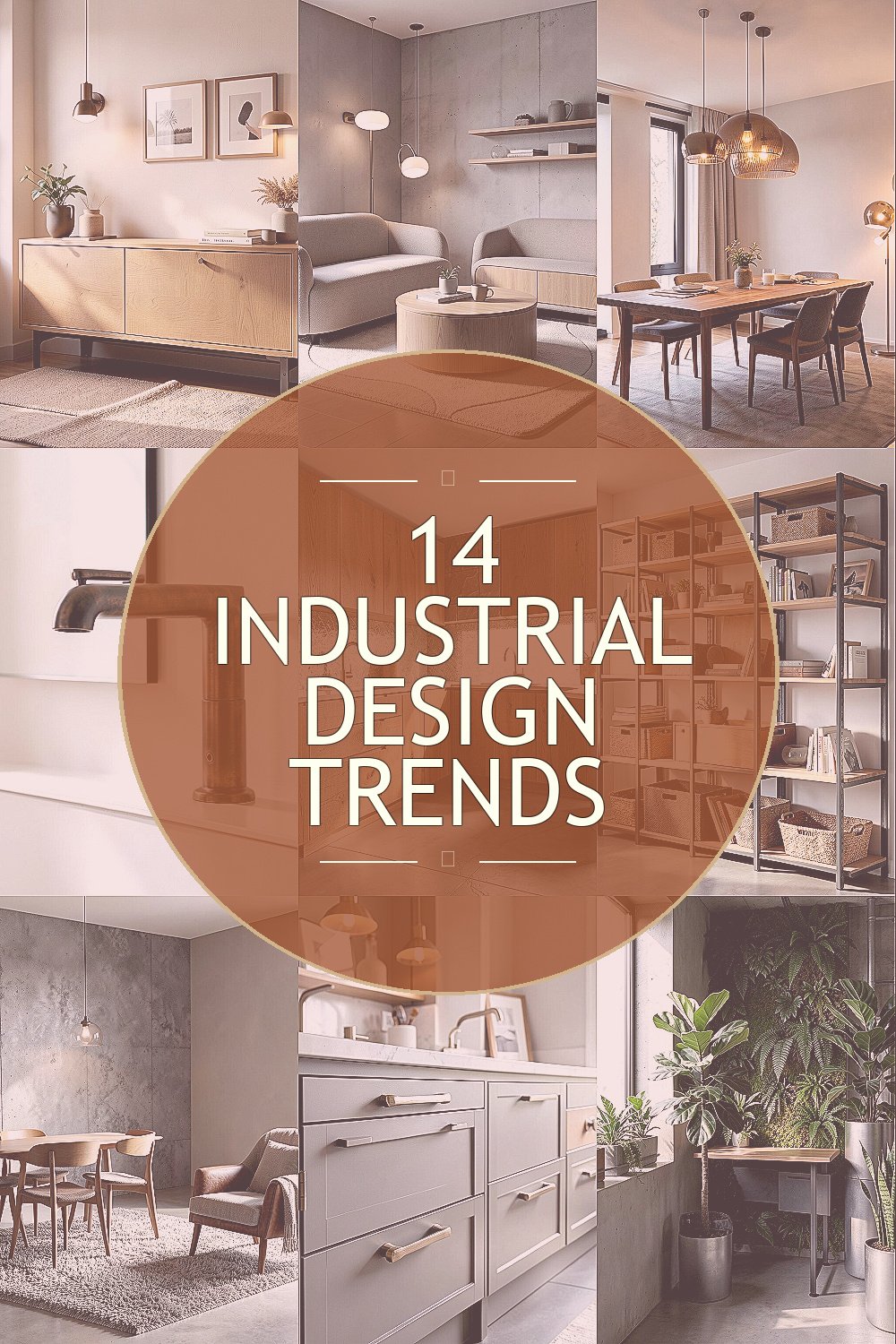
A room feels better when it tells a story you can see and touch. Small choices in form, color, and texture can make everyday living feel special.
Industrial design is full of smart ideas that still look stylish. When you blend practical needs with bold visual moments, your space starts working harder for you.
1. Warm Minimalism With Industrial Backbone
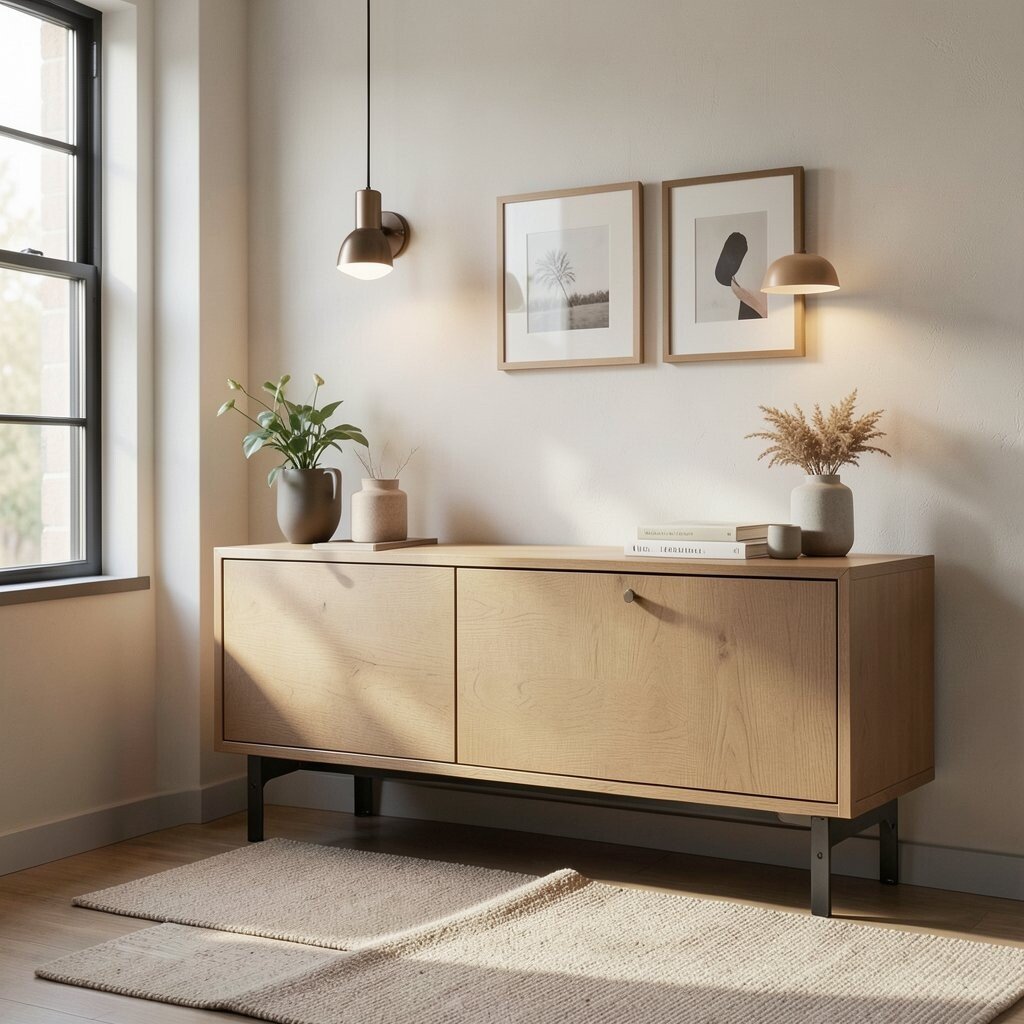
Warm minimalism keeps lines clean, but it adds inviting comfort through materials. You might notice matte wood, soft textiles, and muted tones paired with metal legs or exposed fasteners that feel honest and sturdy.
That contrast makes rooms look calm without becoming cold. It also helps you stay organized because fewer visual elements compete for attention. If you want this look, pick one main texture, one metal color, and then repeat them in small places like cabinet pulls, light fixtures, or picture frames.
2. Rounded Edges and Human-Friendly Geometry
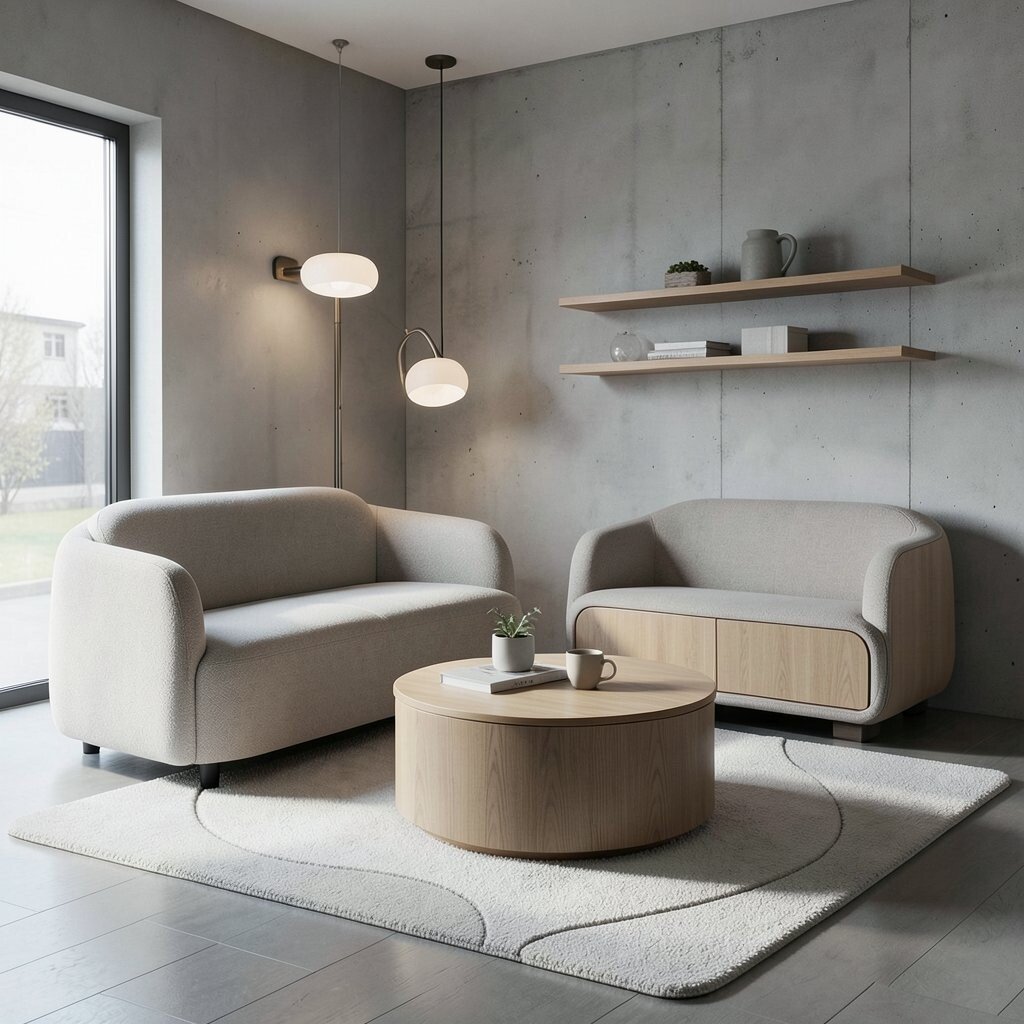
Industrial spaces can sometimes feel sharp, but rounded edges bring a friendlier mood. Think of a curved sofa arm, a softly arched cabinet door, or a rounded coffee table that visually smooths the room.
This trend feels especially good in homes with kids, pets, or busy traffic paths. Fewer hard corners reduce bumps and make the space easier to live in day to day. To personalize it, choose one rounded statement piece and echo the curve in other items like rugs with curved borders or wall shelves with smooth fronts.
For cost control, shop for affordable curved elements first, like lighting shades or chair styles, then spend more on the one piece that anchors the room. Look for durable shapes made from thick molded wood, metal tubing, or impact-resistant finishes.
3. Statement Lighting as the New Building Material

Lighting is becoming a design structure, not just a final accessory. You might see oversized pendants, sculptural wall sconces, or linear fixtures that frame a dining area like architecture.
Good lighting improves how a space works, from morning routines to evening hosting. It also makes small rooms feel taller when light is directed upward or layered with soft diffusion. If you want to try it without chaos, choose one main fixture and then add two supporting light sources, like a floor lamp and a dimmable task light.
To keep the look unique, pick a metal finish that matches your hardware and then contrast it with a warm glass or fabric element. Consider the long-term value of dimmers and smart bulbs so your lighting stays flexible as your tastes change.
4. Patina Metals and Aged Finishes
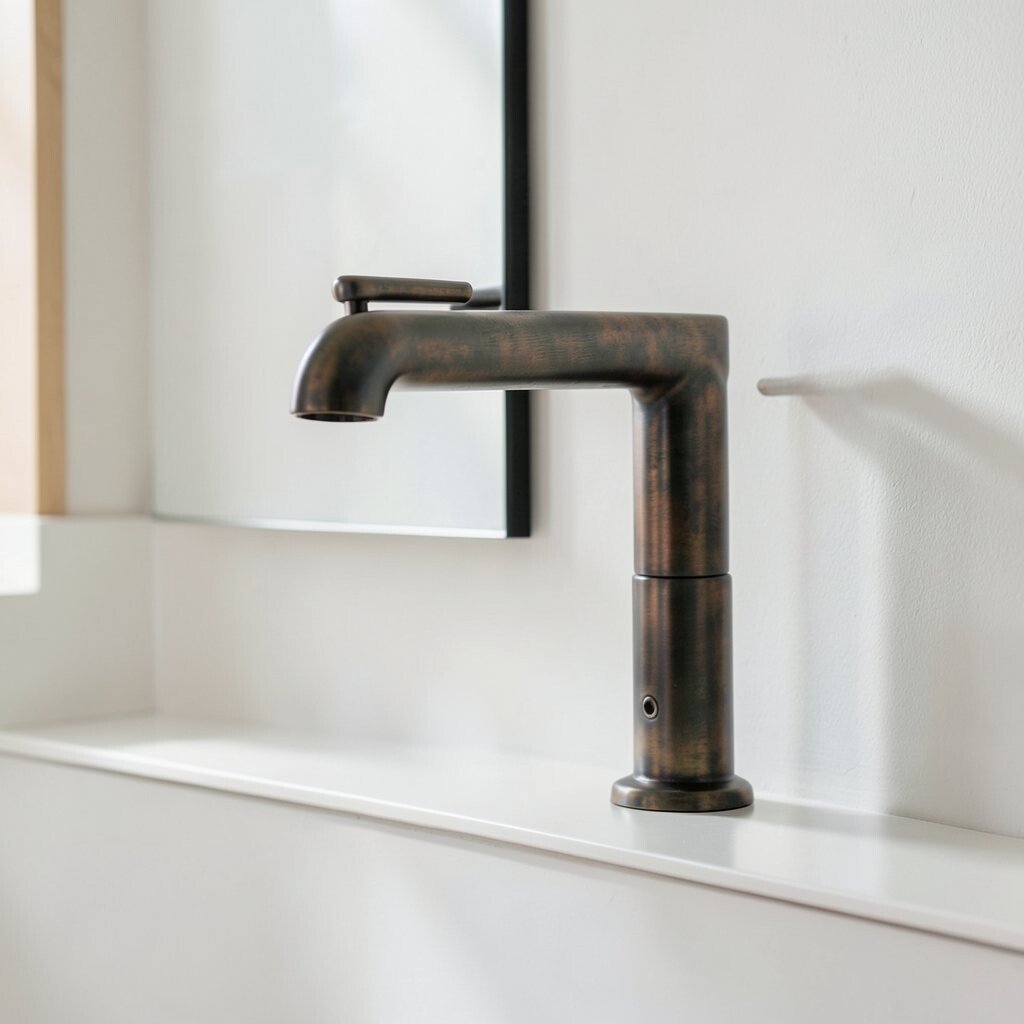
New metal can feel too perfect, so aged finishes are gaining fans. You may spot dark bronze, brushed steel, or copper that looks like it has lived a little longer, even when it is brand new.
This adds character fast because patina creates depth and soft highlights. It also helps your space hide small scratches and everyday marks better than high-gloss finishes. For practical styling, pair one patina tone with cleaner colors like cream, charcoal, or deep green so the metal stands out without overpowering everything.
If your budget is tight, focus on one high-visibility metal item like a faucet, cabinet handles, or a railing detail. You can keep the rest of the palette simple and let the aged finish do the heavy visual lifting.
5. Sustainable Materials That Still Look Tough
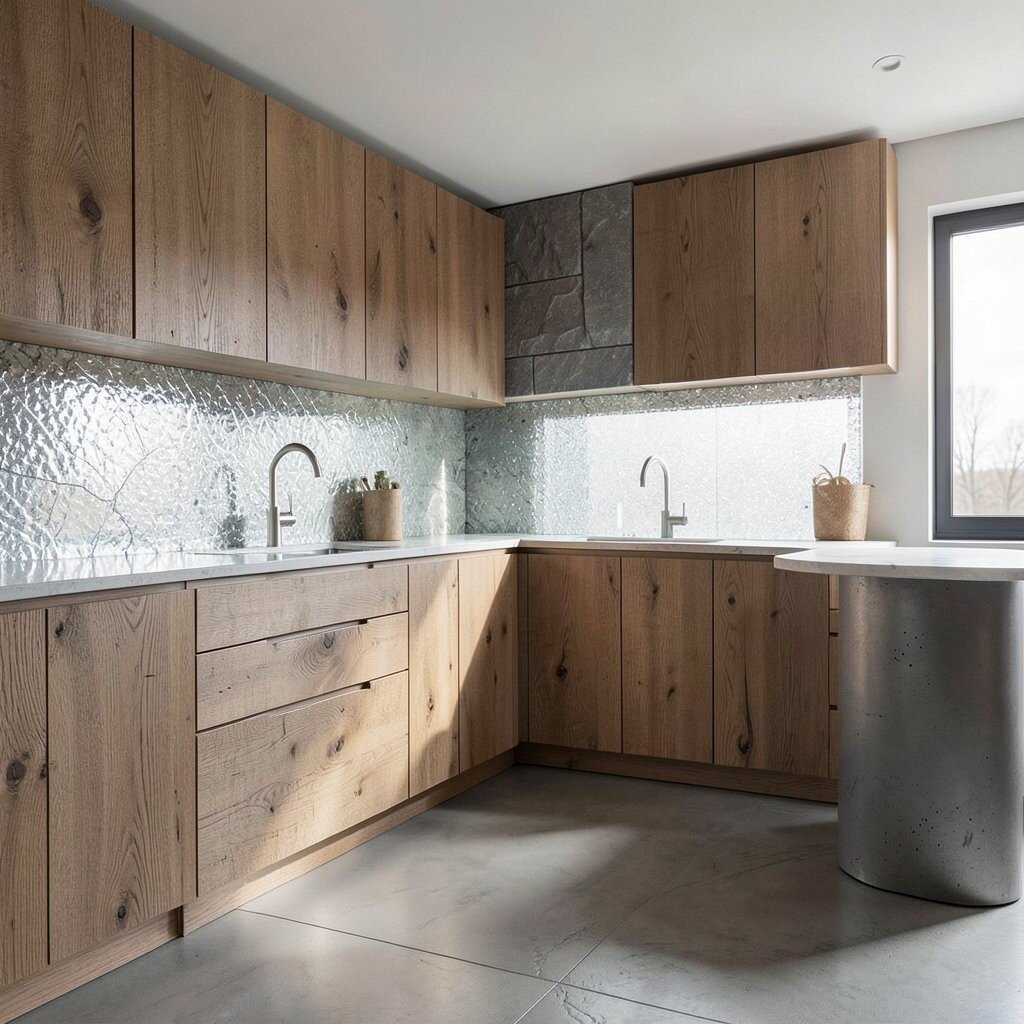
Durability and sustainability are merging into materials that feel strong and stylish. You might see reclaimed wood with a smooth finish, recycled glass backsplashes, or bio-based composites that mimic stone’s calm look.
These choices help you build a room that lasts and reduces waste, without sacrificing the industrial mood. They also give you unique surfaces, since reclaimed materials and recycled content rarely look identical. To make it personal, choose a material with a story you like, such as wood with knots, glass with specks, or a countertop with soft swirls.
When planning costs, measure your space and prioritize the most visible areas first, like flooring, a main counter, or a show-stopping wall panel. Lesser-used surfaces can still be recycled, but you can save money by using standard sizes where it counts.
6. Modular Shelving That Works Like a Layout System
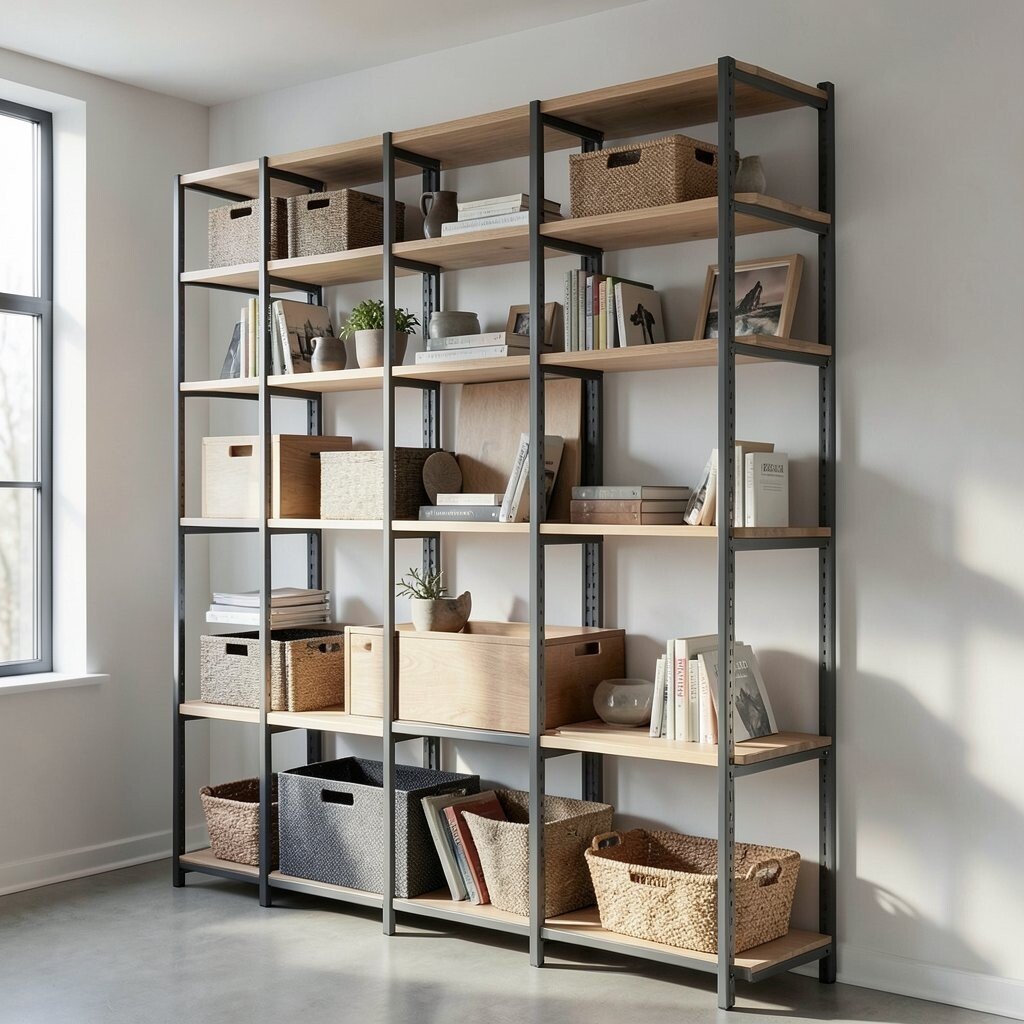
Industrial design is shifting toward modular shelving that feels built-in, but stays flexible. You may notice open grid systems, adjustable rails, or rail-mounted shelves that can move as your life changes.
This makes storage look intentional and reduces clutter because everything has a home. It also supports personalization because you can mix bins, books, art ledges, and display objects in one rhythm. For practical tips, start by planning vertical zones, then keep the spacing consistent so your shelves look neat even when they are filled.
If you want a budget-friendly approach, buy one modular unit at a time and expand later. Choose a frame finish you love and then mix affordable inserts like wood boards or fabric drawers for a softer feel.
7. Contrast Textures, From Concrete to Fabric
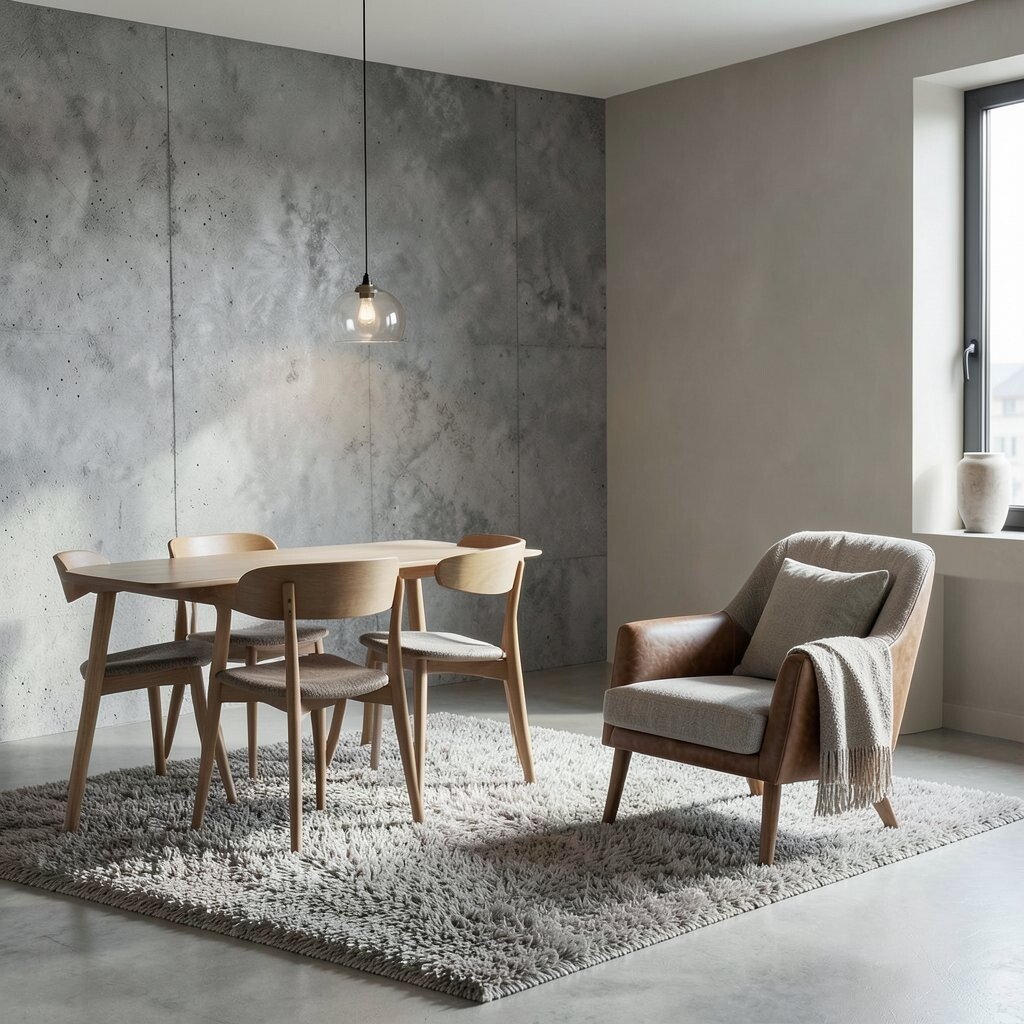
Stylish industrial rooms are leaning into texture contrast instead of color overload. You might see concrete-look walls with a thick wool rug, or matte plaster with a leather or linen chair.
This trend helps the room feel rich without getting visually busy. Texture also improves comfort, because hard surfaces look better when softened by touch-friendly materials. Try balancing one rough element with one plush element, like a wall finish paired with upholstered seating.
To personalize, match textures to the emotions you want in each zone. A dining area can feel sleek with a smoother tabletop, while a reading corner can feel calm with layered textiles and gentle lighting.
Cost-wise, you can fake expensive finishes through smart selections like peel-and-stick wall panels or budget-friendly faux concrete paint. Spend more on fabrics that you touch often, like cushions and rugs, because that’s where the comfort payoff is biggest.
8. Oversized Hardware and Elevated Function
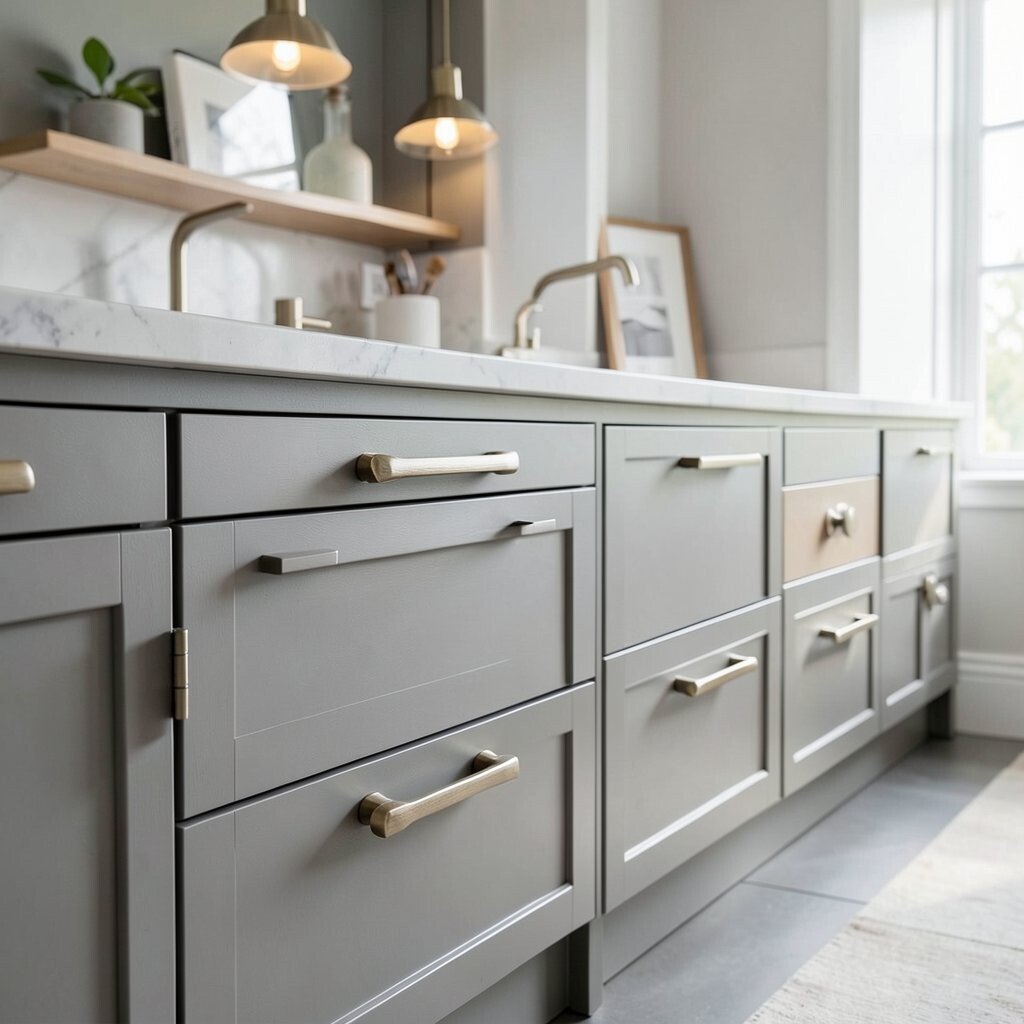
Hardware is taking center stage, and it is doing real work for style. Think long pulls on cabinets, bold hinges, thick drawer fronts, and oversized knobs in textured metal.
When hardware is visible, it makes the whole room feel more finished and intentional. It also lets you personalize quickly since small changes in shape and finish can shift the look a lot. A practical way to start is to swap out handles first, then repeat the same metal in lighting and faucets for a cohesive feel.
If you are worried about cost, measure your current hardware spacing and buy compatible sizes. You can also hunt for sets on sale, since hardware tends to be a cheaper upgrade than replacing cabinetry or countertops.
9. Biophilic Details in Industrial Clothing
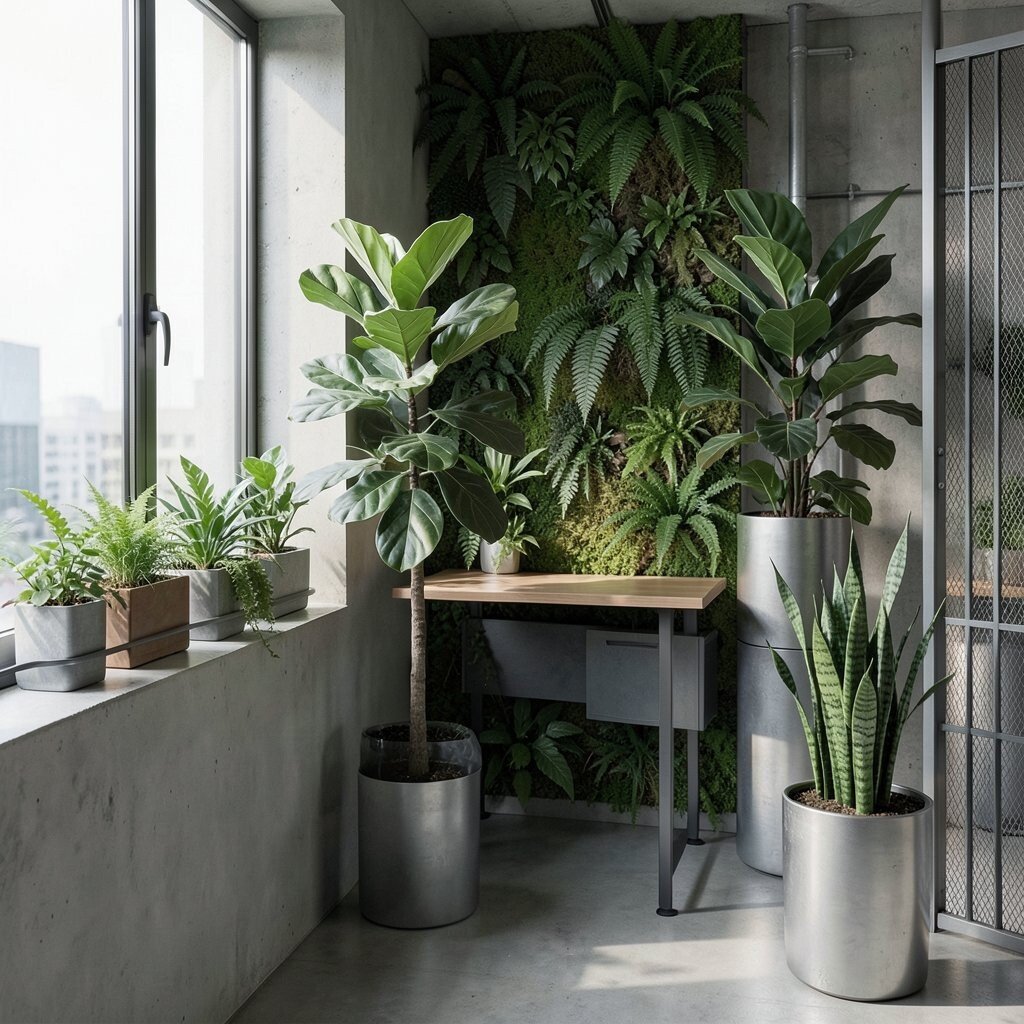
Plants and natural elements are fitting into industrial design more often, not less. You might see planters integrated into a window ledge, a living wall panel behind a desk, or a tall planter beside a metal screen.
Adding greenery improves mood and air comfort, and it also makes hard materials feel less heavy. It gives your space movement, because leaves and growth patterns change over time. For personalization, choose plants based on light and maintenance, then match planters to your metal tones so everything feels coordinated.
To keep it practical, use self-watering planters or add a waterproof liner where needed. If your budget is tight, start with one strong plant like a fiddle-leaf fig or a low-maintenance snake plant, then build your collection as your routine gets easier.
10. Flexible Zones With Privacy and Openness
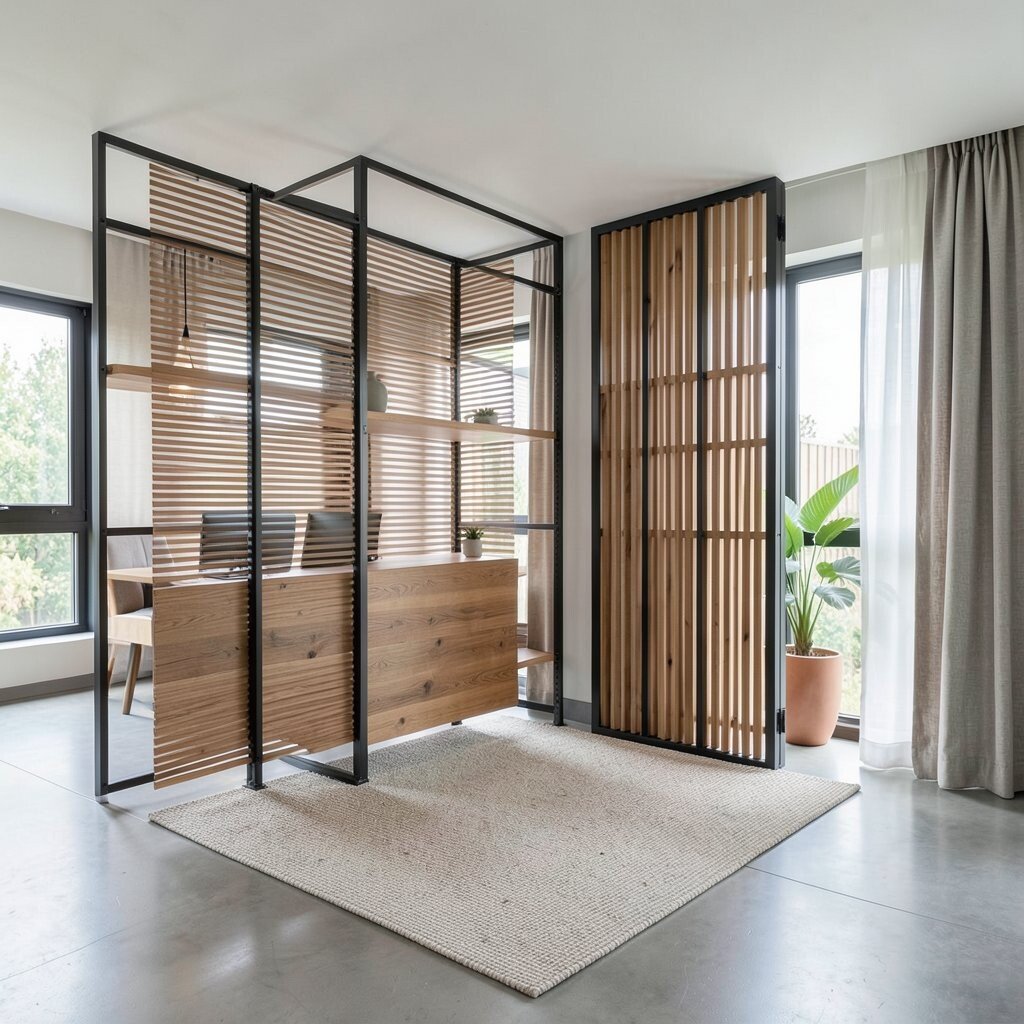
More homes are working as offices, schools, and hangout spots, so zones matter. Industrial design supports this with room dividers, slatted screens, and partially open partitions that still let light travel.
This helps you keep focus without closing yourself off completely. It also makes a space feel larger because the room can breathe while still offering boundaries. A smart approach is to choose a divider that matches your style lines, like a metal frame with wood slats or a freestanding shelf wall.
To personalize, add acoustic touches like a textured rug or soft curtains so the space sounds calmer. For cost considerations, freestanding dividers are often cheaper than construction, and they can move with you later.
11. Layered Flooring With Purposeful Materials
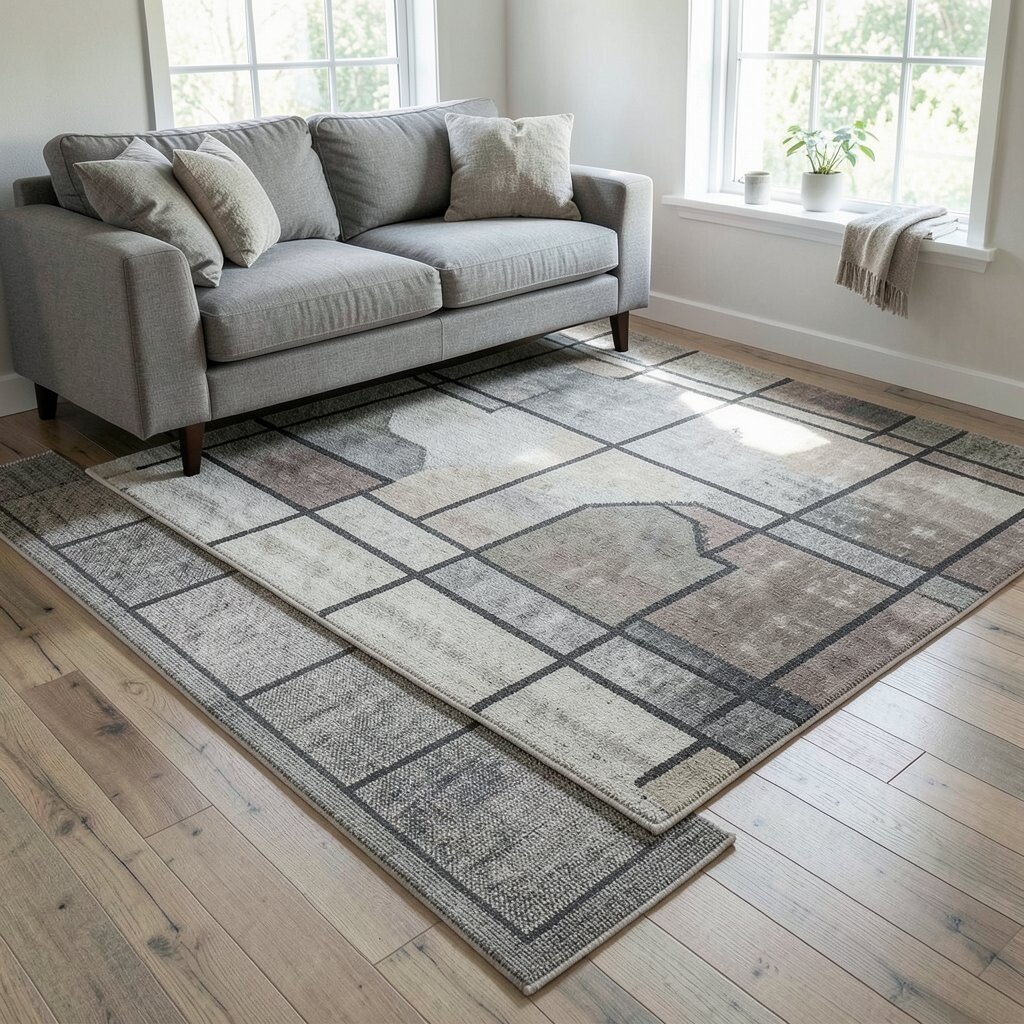
Flooring is no longer just one surface from wall to wall. You may see wide-plank wood paired with a patterned runner, or concrete-look tiles softened by a large area rug.
Layering helps define zones and makes rooms feel more styled without major renovation. It also supports comfort because rugs and underlay reduce noise and add warmth underfoot. If you want to try it, measure your zones first and pick rug sizes that extend beyond seating so chairs feel grounded.
For uniqueness, choose a rug pattern that reflects your personality, like a geometric grid that echoes industrial metalwork or a muted abstract that keeps the vibe calm. When thinking about cost, prioritize durable flooring in high-traffic areas, then spend on rugs because you can swap them later to refresh your space.
12. Built-In Looks Without the Big Construction
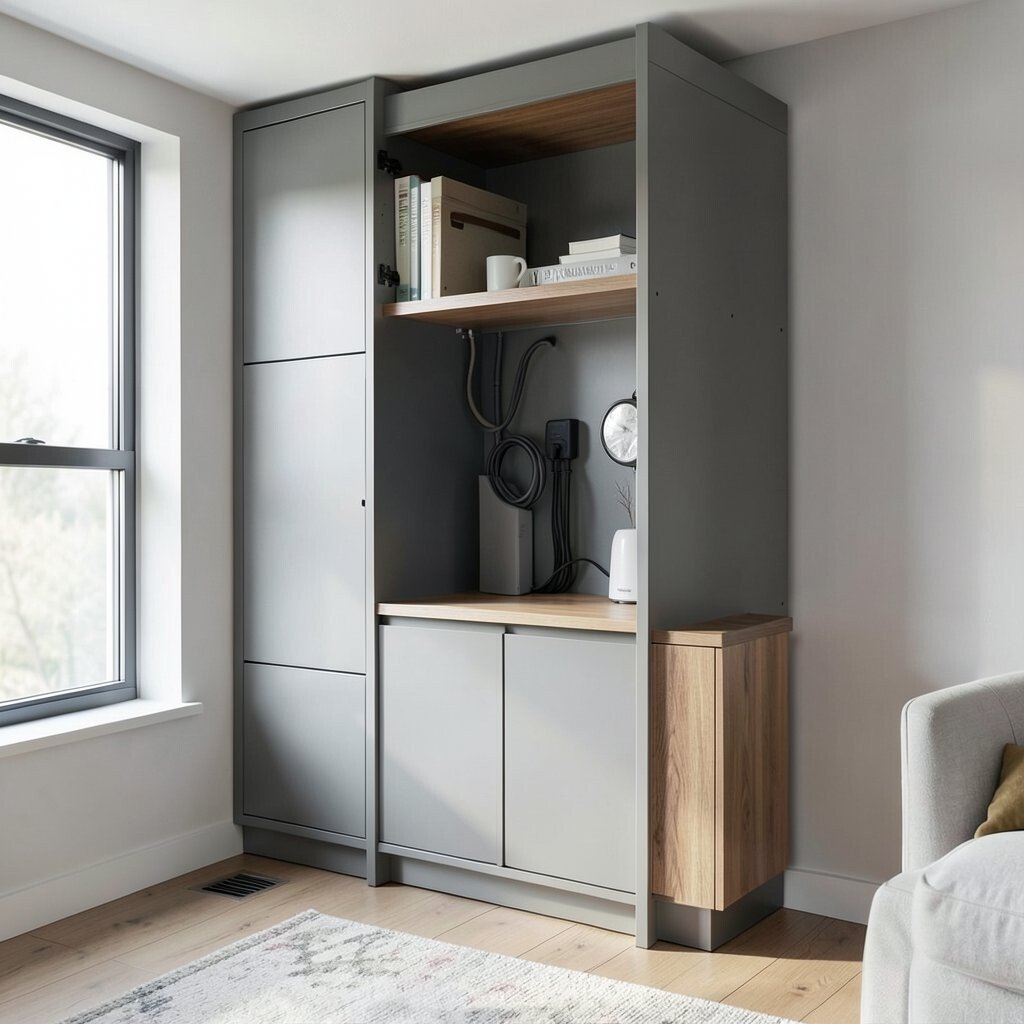
Many people want built-in style, but they do not want construction stress. Industrial design trends are leaning into freestanding units that look custom, with panels, matching trim, and cable-friendly backs.
This gives you a clean, designer look while still being easy to update later. It also helps you manage cords and storage, which keeps your space tidy and safer. To personalize, choose a unit height that matches your wall details and then add one custom touch like a different wood tone on the front face.
If you want to keep costs down, use off-the-shelf components and focus your spending on visible finishes. You can also paint or stain surfaces to match your overall palette so it reads as intentional rather than generic.
Consider practical upgrades too, like soft-close hinges and shelves that handle weight, so your built-in look stays useful for years.
13. Monochrome Palettes With One Bold Accent
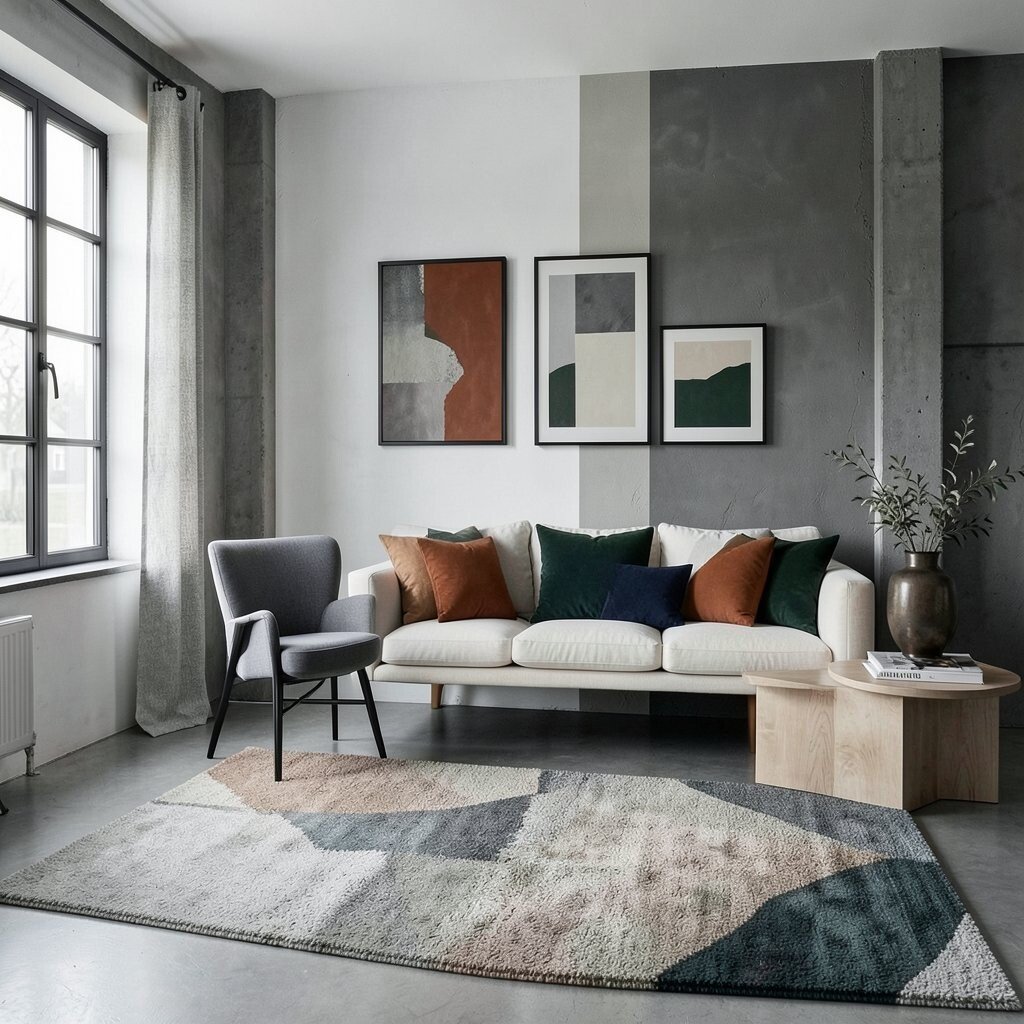
Industrial spaces often look best with a controlled palette, then one piece that breaks the pattern. You might see warm grays, blackened metals, and creamy whites, with a bold accent in rust, cobalt, or deep forest green.
This approach makes styling easier because everything works together. It also creates a focal point, which helps your eye rest instead of bouncing around the room. To personalize, pick an accent that matches your everyday favorites, like a color in your artwork, a favorite mug set, or a curtain fabric you already love.
For cost considerations, start with smaller items first, such as cushions, art frames, and a statement vase. If you later want bigger changes, you can scale the accent color into larger items like rugs or a feature wall without replacing everything.
14. Smart Storage With Hidden Everyday Organization
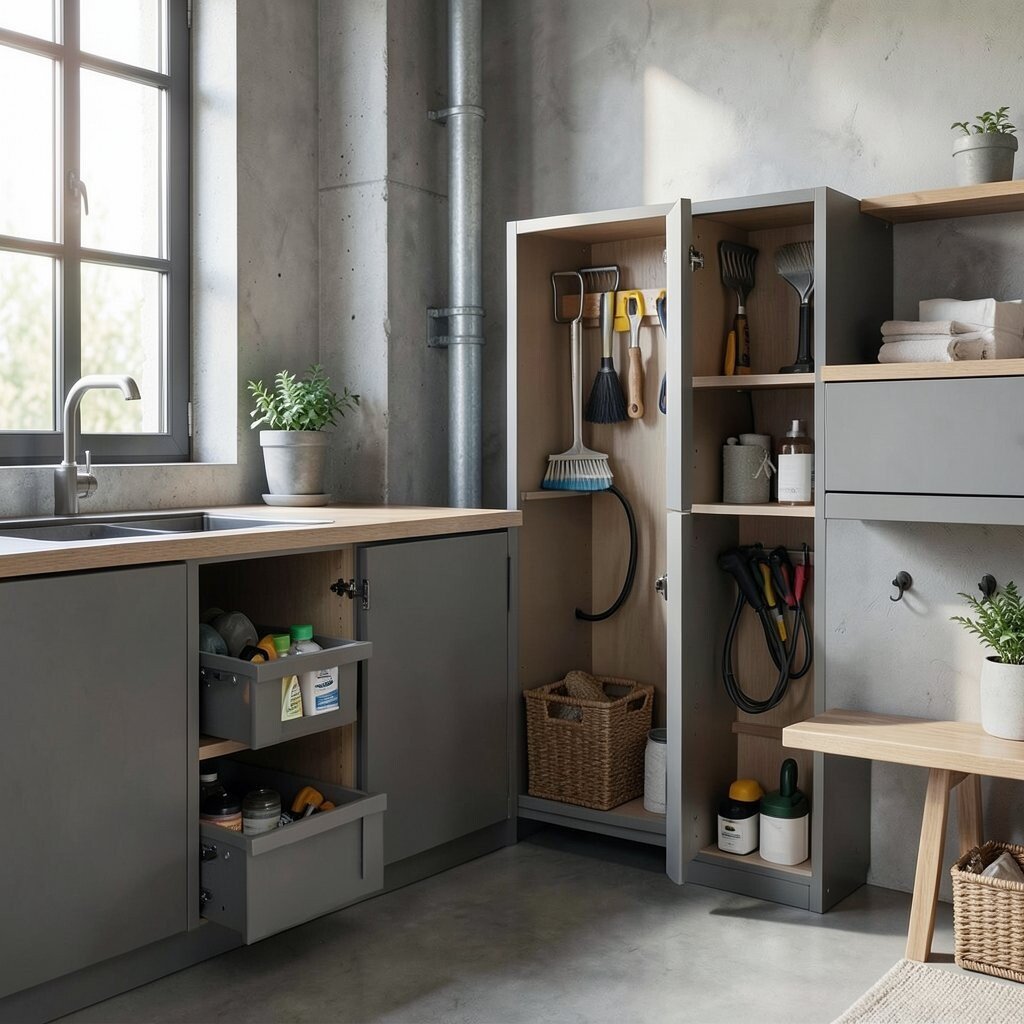
Stylish industrial spaces are getting smarter about where things live. You may spot pull-out bins in lower cabinets, lift-up storage in benches, and sleek doors that hide tools, chargers, or cleaning supplies.
This trend improves daily life because you can keep surfaces clear while still having everything close by. It also supports a clean visual style, since industrial interiors look best when the lines stay uncluttered. For practical tips, choose storage based on habits, like placing everyday items at elbow height and using vertical organizers for cables and small gear.
To personalize, match storage finishes to your hardware so hidden compartments still feel cohesive. When planning costs, invest in the storage areas you use most, then choose simpler upgrades elsewhere, like baskets or wall hooks. Smart organization can feel like a luxury upgrade even when you keep the spending focused.