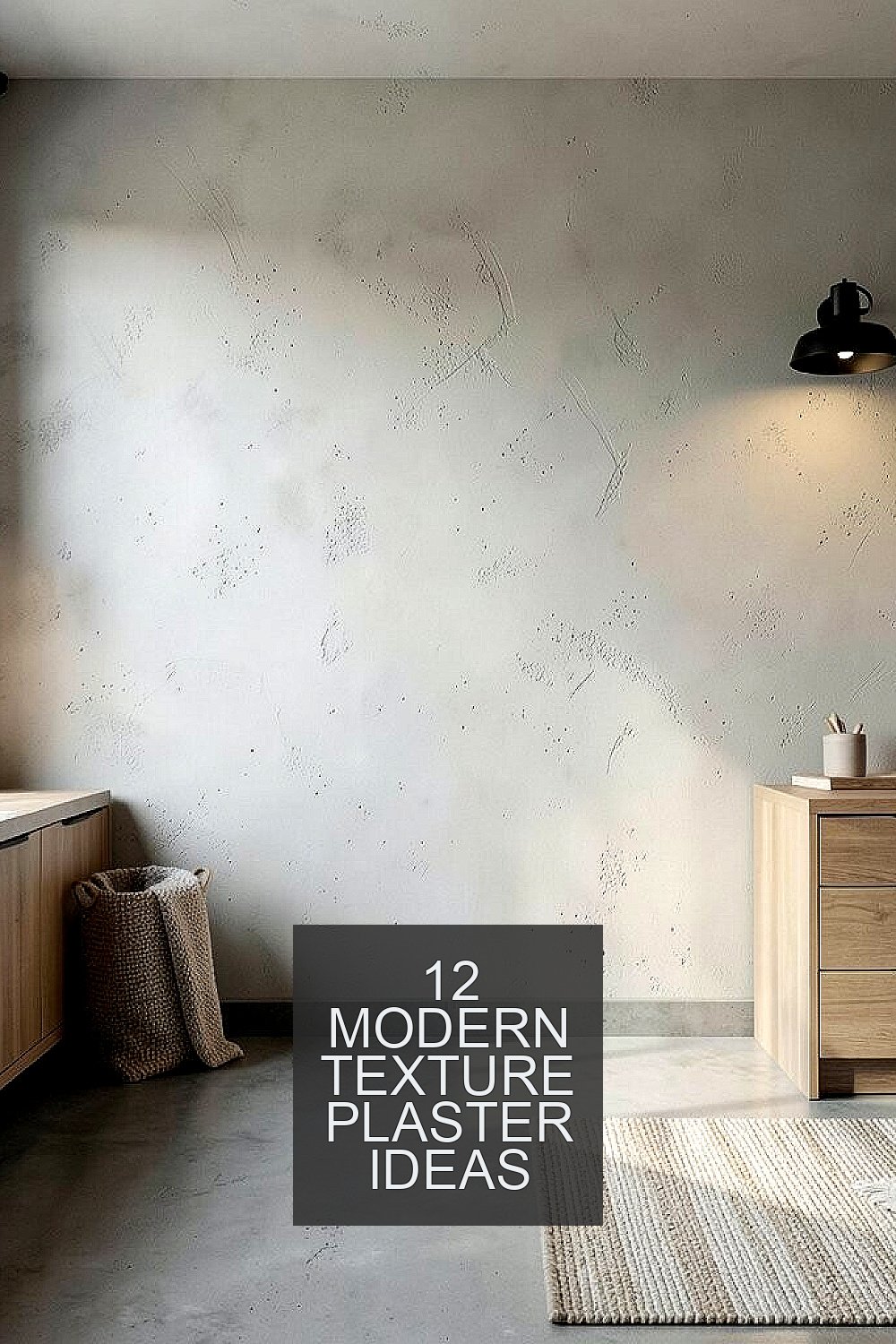
Walls can feel brand new without major renovations. A little texture can make even simple rooms look intentional.
1. Venetian-Style Polished Plaster With Soft Light
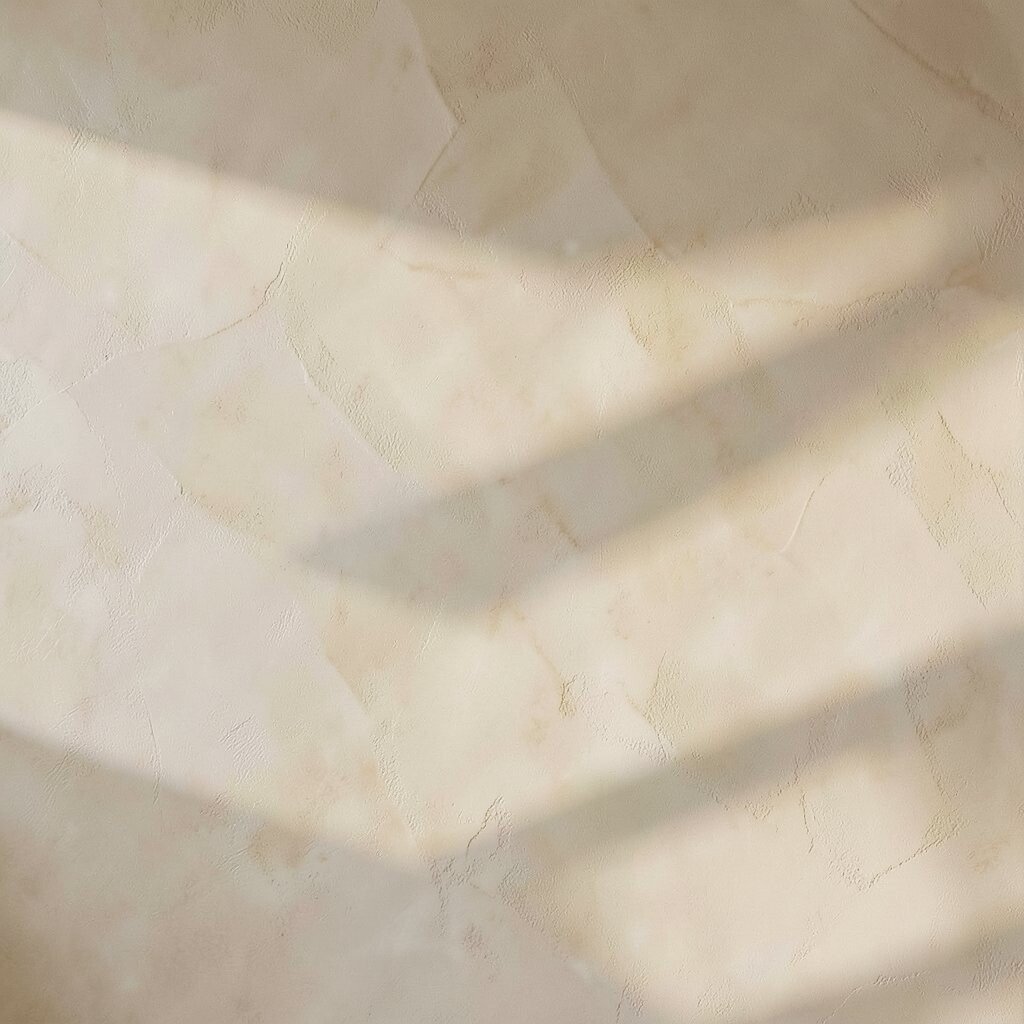
Imagine a wall that looks like warm stone, catching light in slow, gentle waves. When you run your eyes across it, the surface feels deeper than paint ever could.
Polished plaster creates a smooth, modern glow that works beautifully in living rooms and hallways. It also hides minor imperfections better than flat finishes, since the finish has subtle movement. For a practical start, ask for sample boards so you can judge sheen level in your room’s natural light. Keep the application consistent and plan for a curing period before you treat the surface like it’s already “done.”
2. Concrete-Look Texture Plaster For Urban Calm
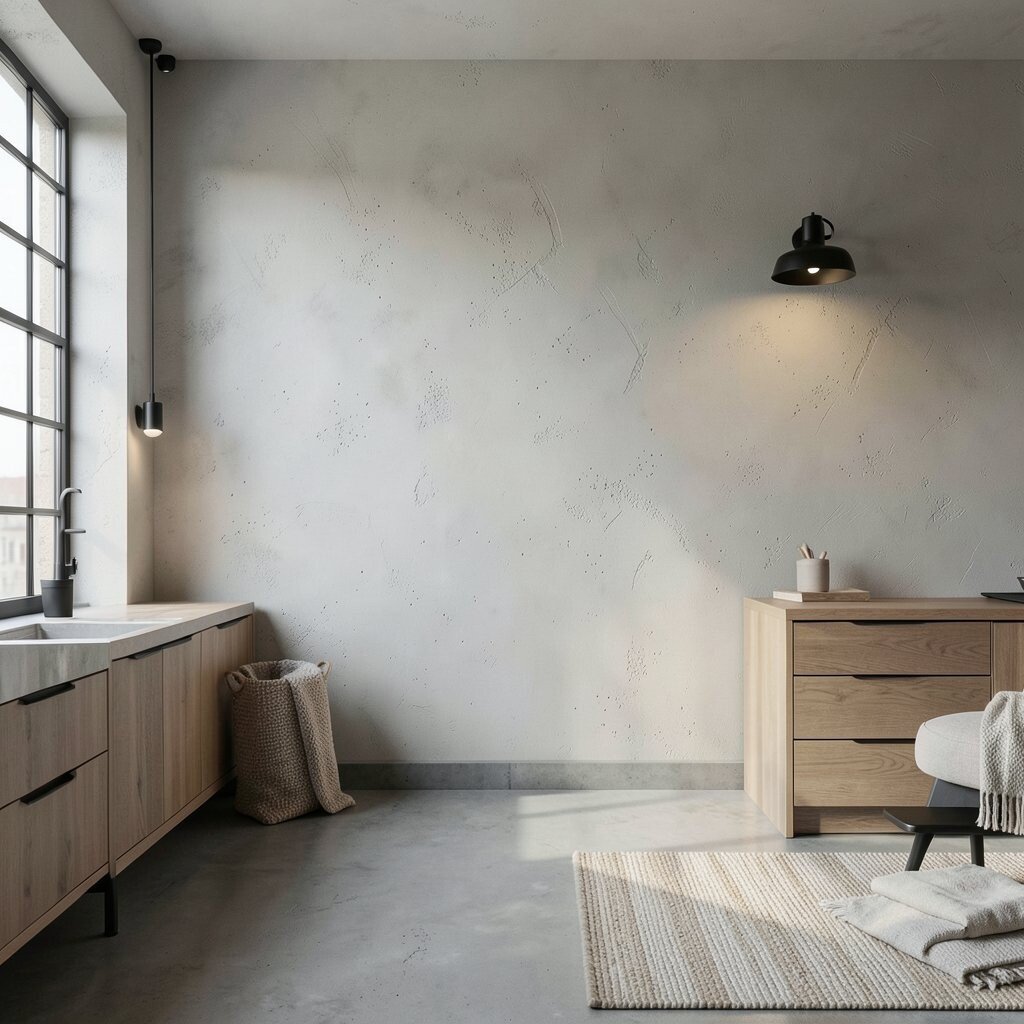
Think of a calm warehouse feel, but softened for everyday comfort. The surface shows tiny specks and faint trowel marks like real concrete, yet it still looks clean and designed.
Concrete-look plaster can make a modern space feel grounded and current. It pairs well with wood, matte black fixtures, and neutral textiles. If you want it more subtle, choose a lighter base so the texture reads as refined rather than heavy. For personalization, blend in warm undertones such as oatmeal or greige so it feels inviting instead of cold. Budget-wise, expect higher labor costs than simple paint because the finish needs careful technique and multiple steps.
To keep it looking sharp, wipe it gently and avoid harsh scrubbers that can dull the sheen. Sealers matter too, especially in kitchens or entryways where scuffs happen.
3. Microcement-Like Texture For Seamless Modern Surfaces
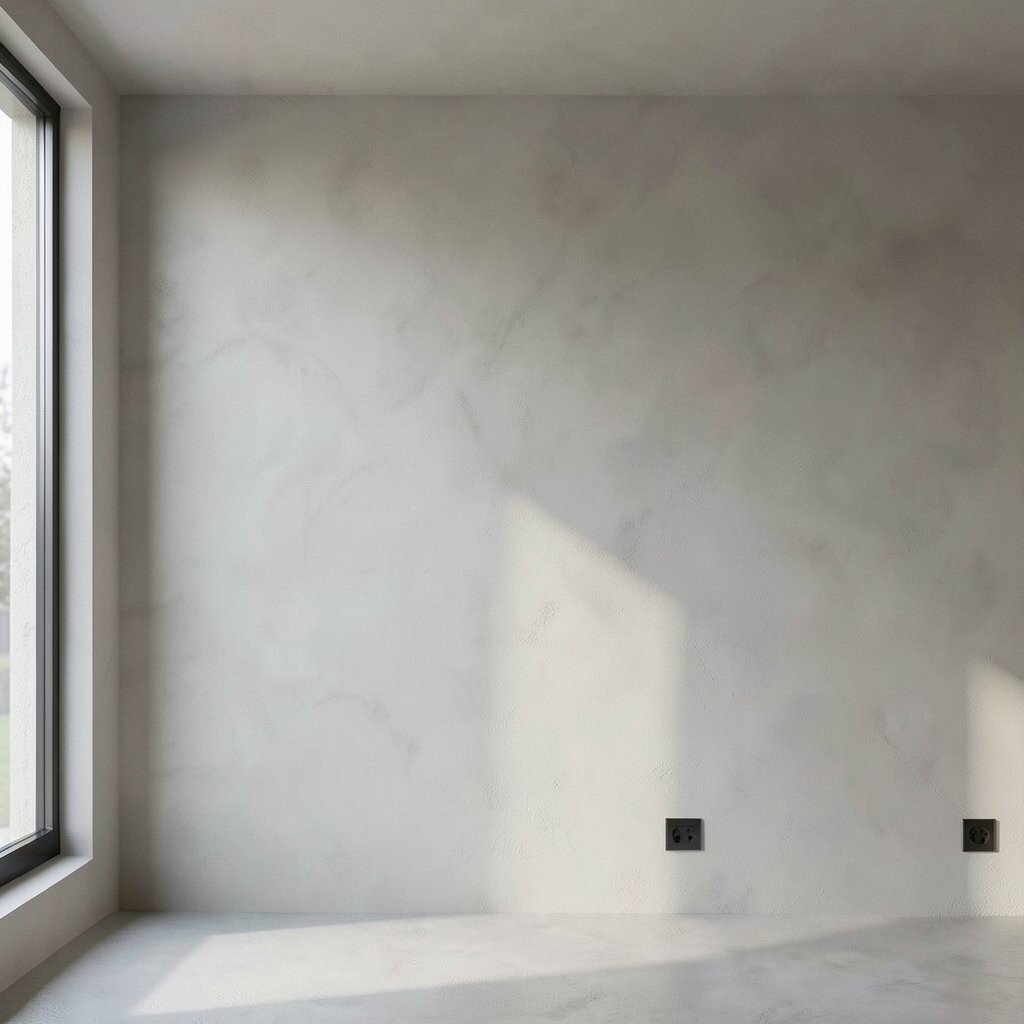
Microcement has that sleek, almost skin-like look, with a modern texture that stays elegant. Even from across the room, it feels smooth while up close it shows fine grain.
This style gives your walls a premium, architectural feel without looking overly busy. It’s also a great fit for open-plan homes because the finish reads as continuous and calm. For practical tips, make sure the wall is well prepared and truly level before the system goes on. Choose a matte or low-sheen sealer to reduce glare and highlight the subtle texture. Personalize by mixing colors in thin layers for gentle tonal shifts that look like natural stone.
If you’re planning around cost, understand that preparation and system quality often drive the price more than the color choice. When in doubt, pick a durable sealer so you get an easier maintenance routine.
4. Limewash-Inspired Plaster For A Lived-In Glow
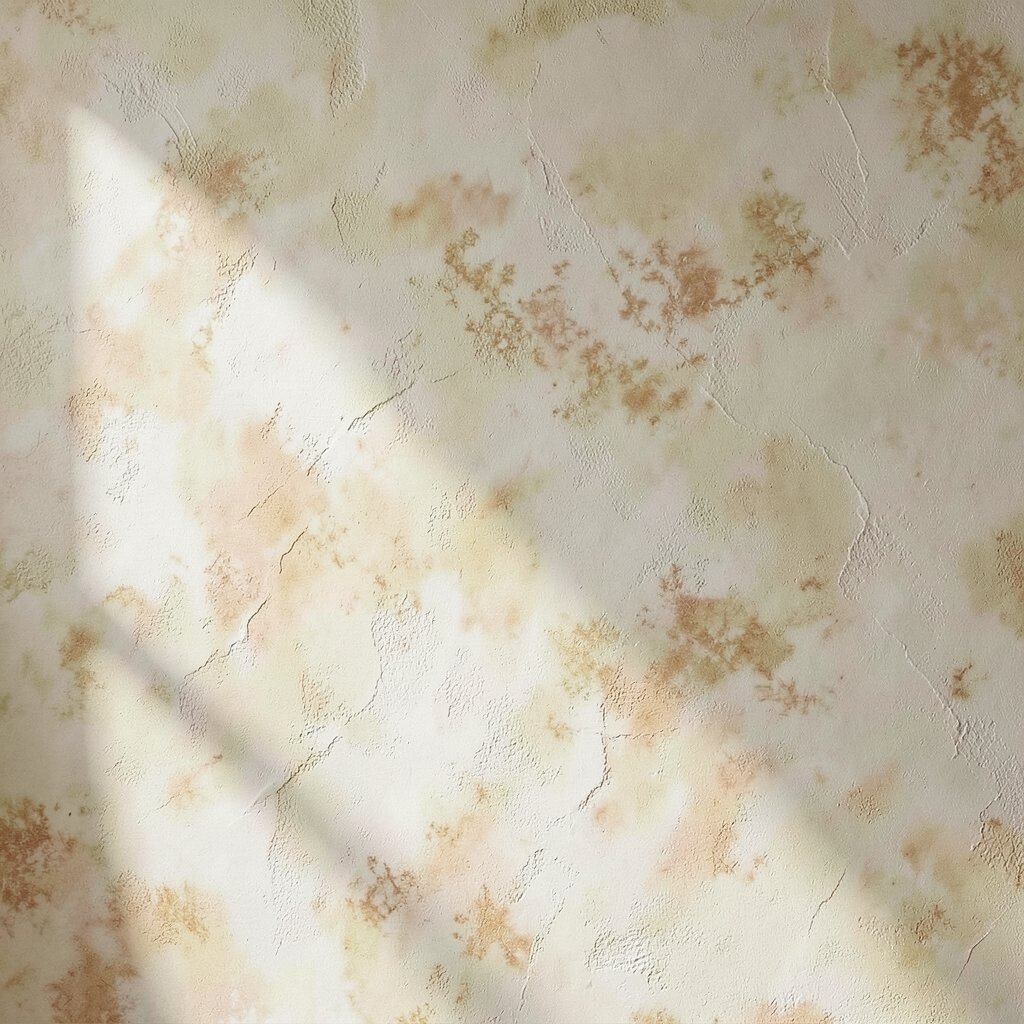
Limewash style texture brings a softly mottled, old-world charm that still feels modern. You can picture it like a sunlit wall, where color gathers in little pockets and fades with grace.
This finish adds depth that changes throughout the day, making your space feel warmer and more layered. It’s a popular choice in current design because it looks natural, not manufactured. To get the look you want, use a breathable plaster system and plan for an uneven, artistic finish rather than a perfectly uniform one. If you want personalization, experiment with earthy hues and keep the palette in the same family as your flooring.
5. Heavy-Trowel Sculptural Texture For Bold Character
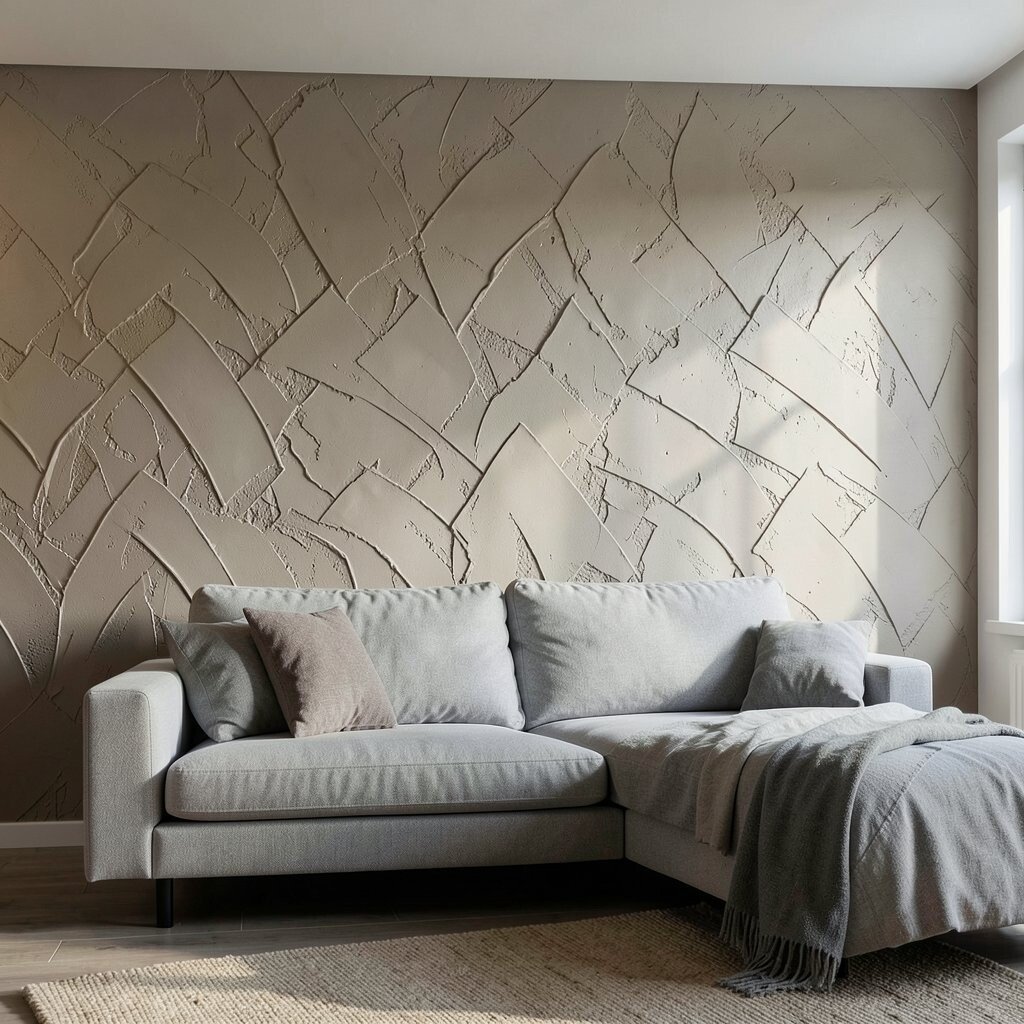
If you crave drama, heavy-trowel plaster delivers ridges and peaks you can actually feel with your eyes. The wall becomes a sculpture, catching light along every raised edge.
This option is perfect for creating a focal wall behind a sofa or bed, because it adds dimension even when furniture stays simple. It can also help define zones in open rooms without adding partitions. For practical results, decide on a direction for the strokes and keep that movement consistent across panels. A good pro will balance thickness so it looks intentional instead of messy.
In terms of cost, expect more time on-site, especially if you want clean lines and careful edges. Personalize by mixing two close tones so shadows look richer and the texture feels dimensional rather than flat. To protect the surface, use a suitable topcoat and avoid abrasive cleaning.
6. Spanish-Style Swirled Plaster With Gentle Motion
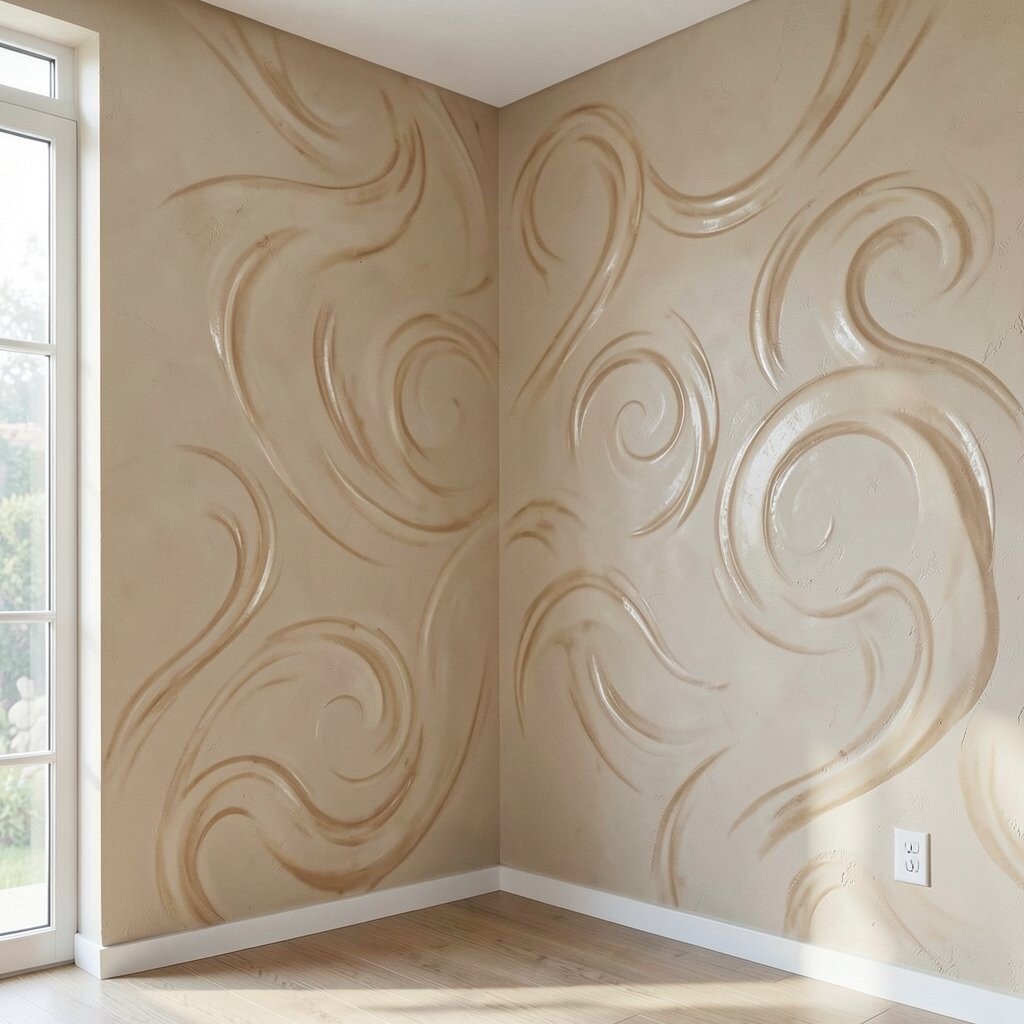
Spanish-style swirls create a rhythmic pattern that feels playful but still polished. From room corners, the wall reads like movement frozen in place.
This look brings a modern twist to classic artistry while staying friendly for daily living. It’s also a nice choice if you want texture without the extreme depth of deep sculpting. For personalization, choose a base color and then vary the finishing glaze so the swirls show up like soft highlights. When planning the design, think about wall height and scale since larger swirls can overpower small spaces.
Budget considerations matter because handwork time affects pricing, but you can often keep costs manageable by limiting the most detailed swirls to one or two walls. For durability, ensure the plaster system is sealed properly, especially in higher-moisture areas.
7. Oversized Texture Panels Using Plaster Layers
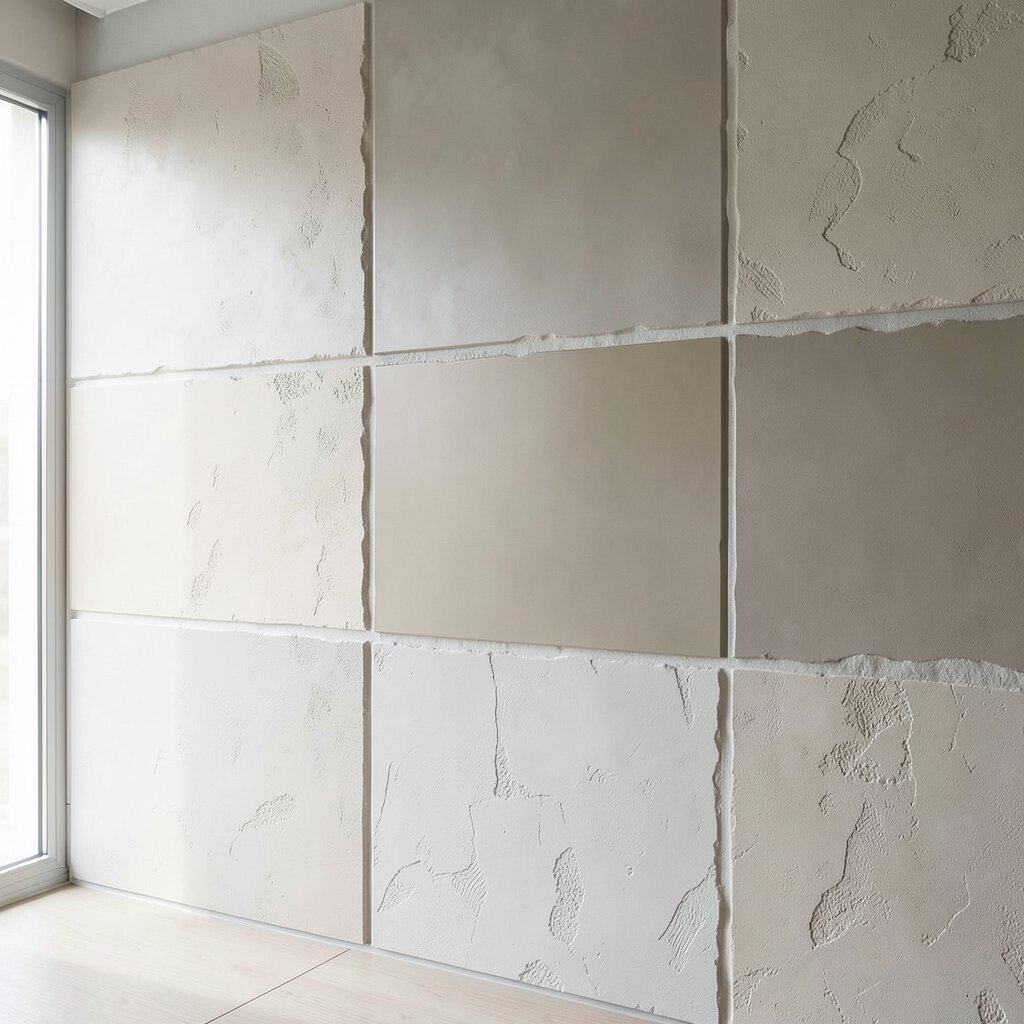
You can create a modern wall by building texture in planned sections, almost like artwork made from plaster. The idea is simple: layered finishes create panel-like depth without using actual panels.
This approach gives you the look of architectural detailing, even in homes with plain walls. It also helps hide unevenness because the edges and layers break up visual flatness. For practical tips, mark your grid lightly and keep the panel sizes consistent to avoid a chaotic feel. Personalize by choosing different textures or sheen levels between panels, like one matte section next to a softly polished one.
Cost can be controlled by repeating the same layering approach across the wall, which reduces setup time. If you want a modern current look, keep the panel spacing clean and choose a neutral palette so the texture becomes the star.
8. Color-Washed Texture Plaster For Soft Depth
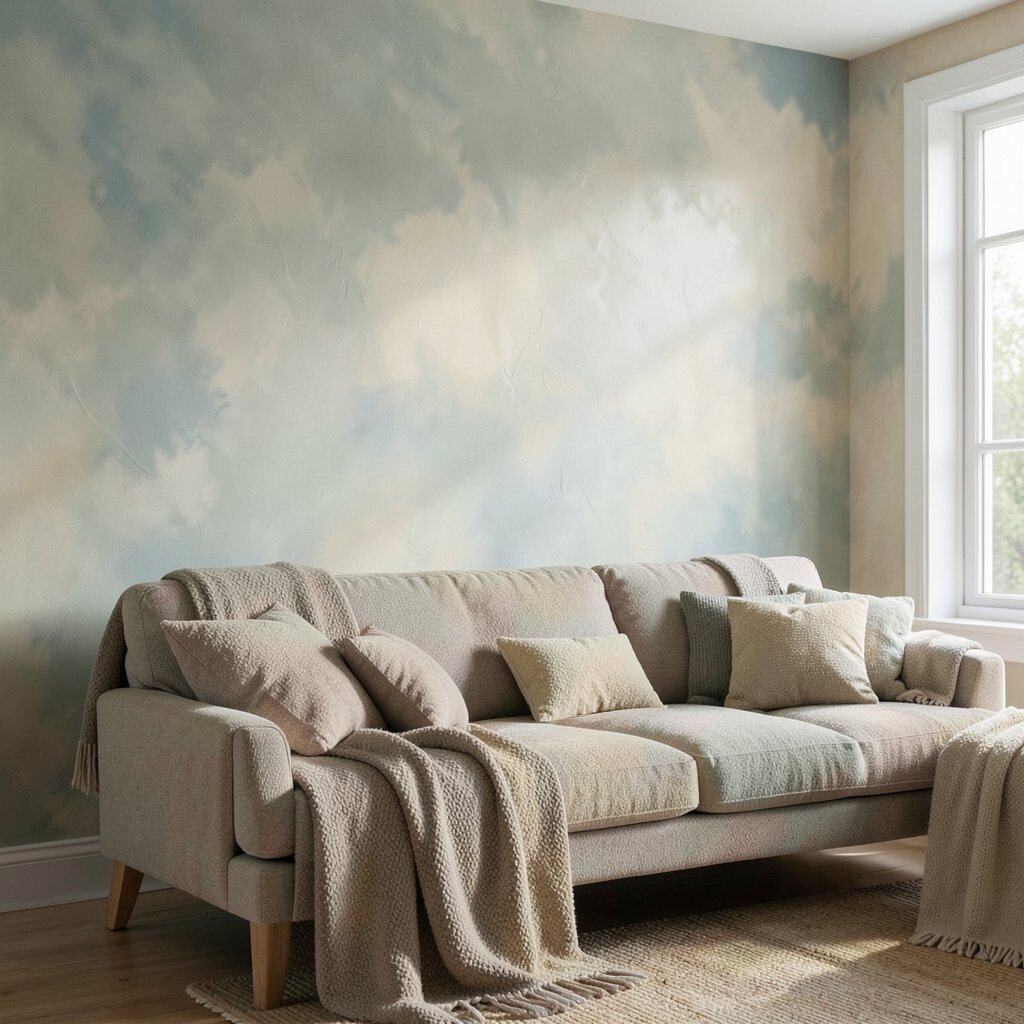
Color-washed plaster looks like paint, but with a richer, clouded depth that feels more natural. It adds that “expensive” look where the wall seems to have layers, not just coverage.
This finish works well for creating cozy rooms because it spreads color gently and avoids harsh stripes. It’s also great for people who want personalization without committing to bold patterns. For practical tips, consider glazing in thin passes so you can stop when it looks right instead of covering everything uniformly. Choose colors that match your textiles and keep undertones aligned so the room feels cohesive.
9. Rag-Roll Or Cloth-Pressed Texture For Everyday Modern Charm
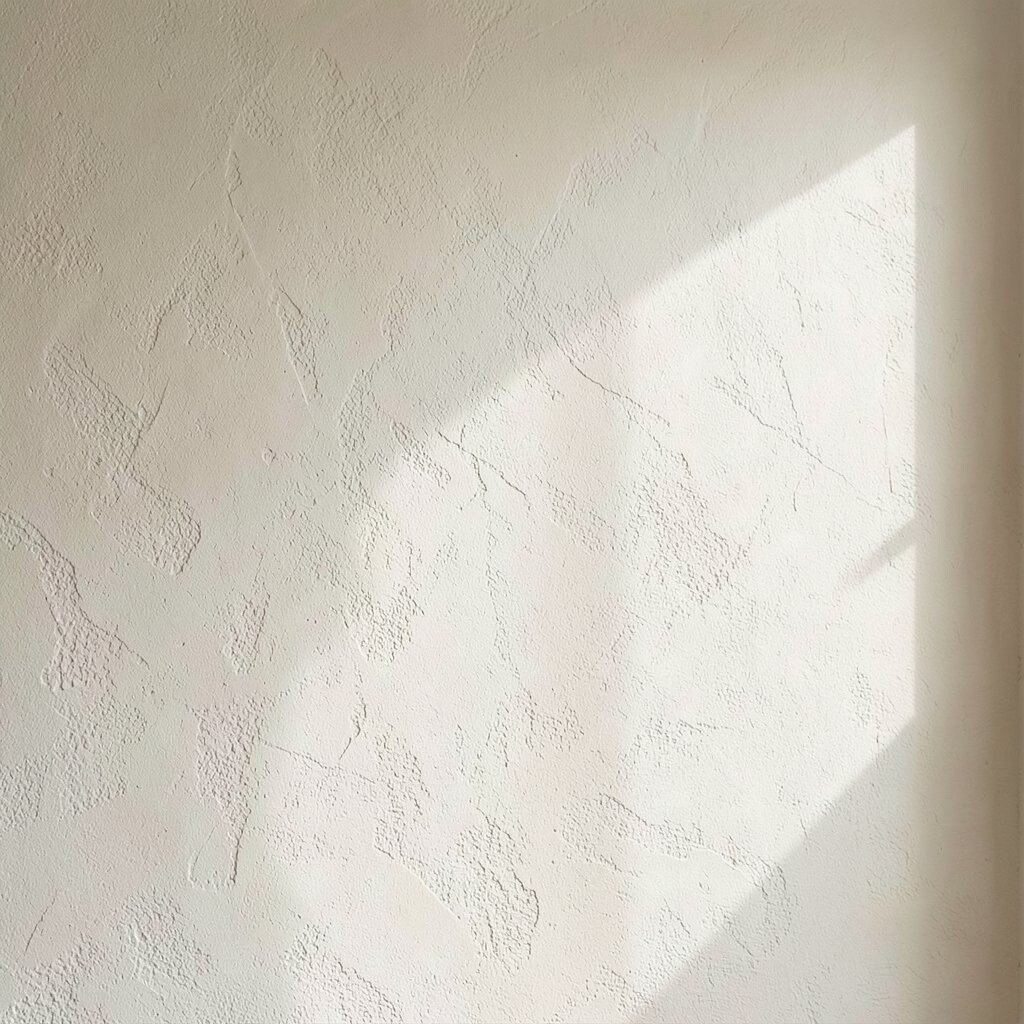
Cloth-pressed textures create a light, airy pattern that feels casual but still stylish. The surface shows tiny variations that make plain walls look handcrafted.
This option is often easier to maintain than highly ridged textures because the pattern stays subtle and doesn’t trap grime as easily. It also offers uniqueness since every application leaves slight differences that can’t be perfectly replicated. For practical tips, ask your applicator to match the pressure level so the texture stays consistent across the wall. Personalize by choosing a warmer base and then finishing with a gentle glaze for an elegant finish.
When thinking about cost, this texture can be more budget-friendly than heavy sculpting because the process typically uses fewer labor-intensive techniques. Still, you’ll want proper priming and a protective topcoat to keep the finish looking fresh. If your room gets direct sunlight, consider how sheen affects color and choose a finish that won’t glare.
10. Contrast-Edge Texture Plaster For Modern Lines
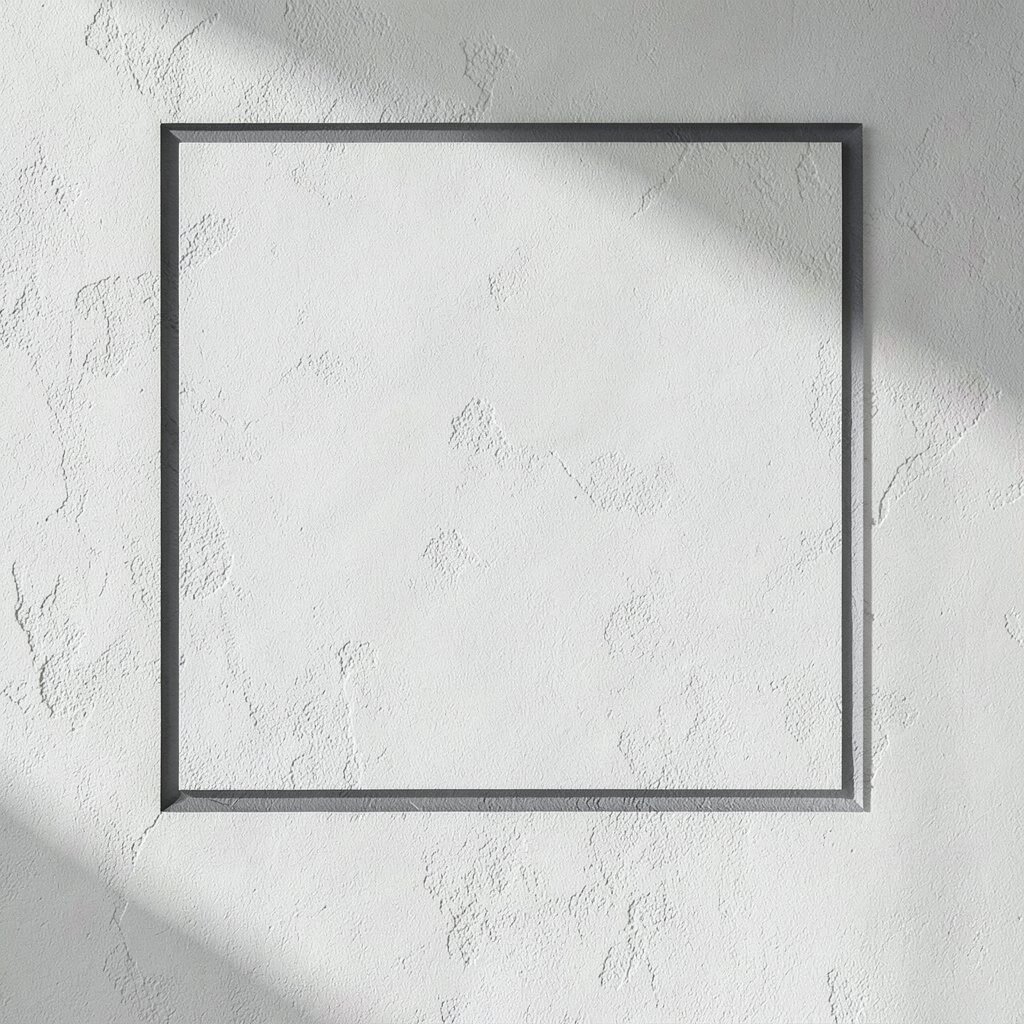
Contrast-edge plaster gives you a sharp, modern look where texture meets crisp outlining. Even a simple rectangular wall becomes eye-catching when the edges highlight the finish.
This style adds structure without relying on wallpaper or trim. It’s also a great choice for people who like modern geometry but still want texture for warmth. For practical results, keep the outline method clean and decide on the contrast before work begins so it looks intentional. You can personalize by choosing a slightly darker edge color or by matching the edge tone to your metal finishes.
11. Metallic Veil Texture Plaster For Subtle Glam
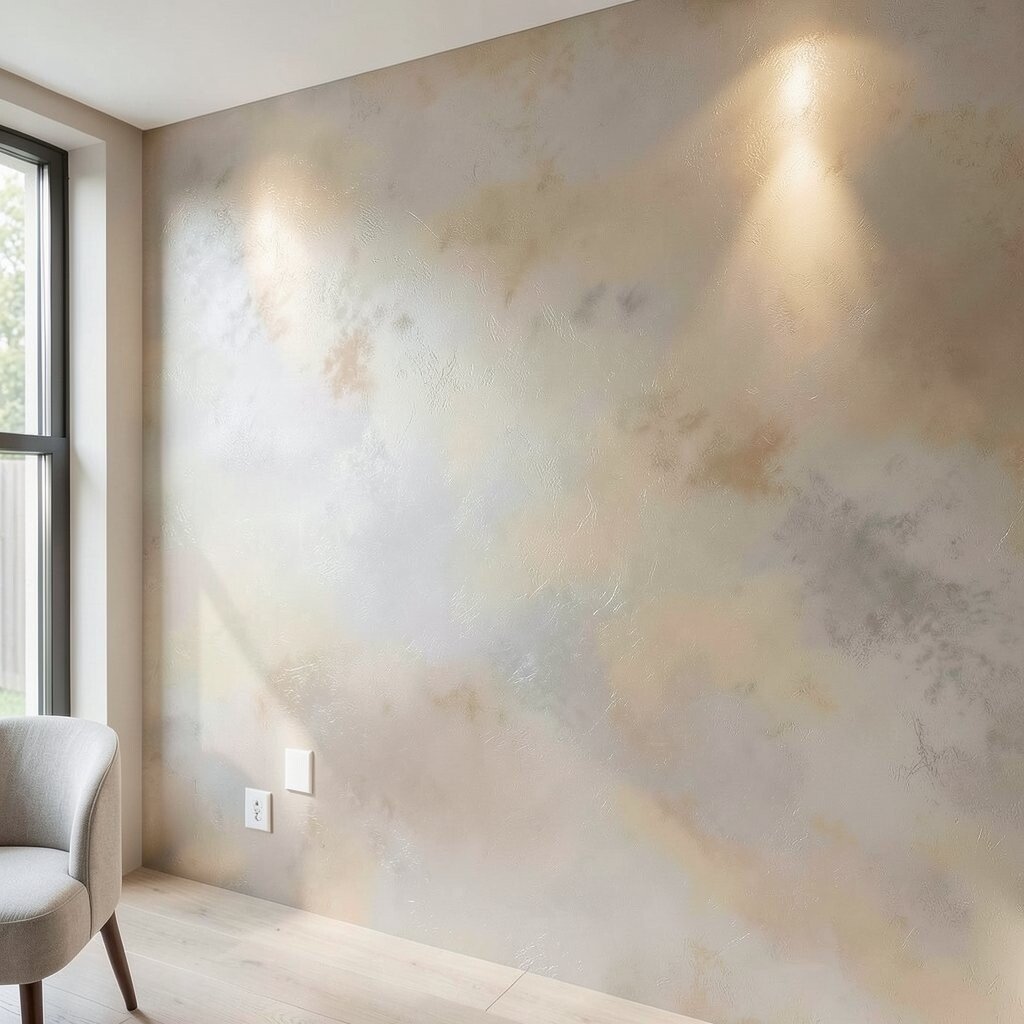
If you love shine but want it to feel grown-up, metallic veil plaster is a smart move. The wall looks softly luminous, like light caught under a thin film.
This finish adds a modern twist to luxe interiors and makes spaces feel brighter without turning the room into a disco. It also creates uniqueness because metallics behave differently depending on angle and how the plaster is burnished. For practical tips, use test samples to find the right amount of sheen since metallics can look stronger than expected once sealed. Personalize by blending metallic undertones such as champagne, bronze, or cool silver into a neutral base for balanced warmth.
Cost considerations are important because metallic systems often require premium materials and careful application. To protect your investment, seal with the right product so fingerprints and dust are easier to wipe away. Keep lighting in mind too, since wall washers and indirect LEDs can make metallic textures look their best.
12. Two-Tone Textured Plaster With Color Zoning
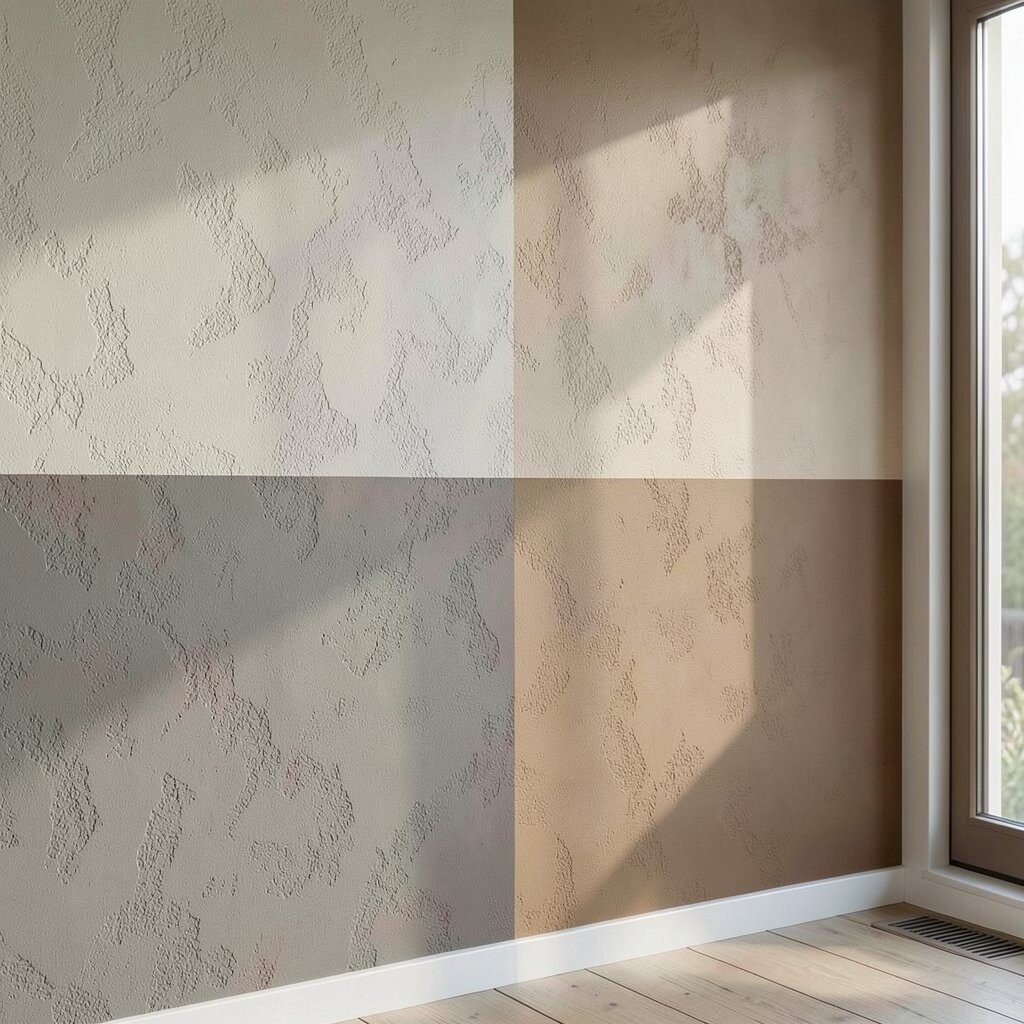
Two-tone plaster creates visual rhythm and makes a room feel thoughtfully planned. You can zone the wall with different textures or simply vary depth of color so the layout feels balanced.
This idea is especially helpful in open spaces where you want separation without building anything. It also supports personalization because you can match the tones to your decor, from calm neutrals to bold accent shades. For practical tips, decide where the color change lands and plan for clean edges, especially if you want the divide to look crisp. Consider using a slightly different sheen between zones so texture reads even when lighting shifts.
In terms of cost, two-tone work can raise labor time because masking and extra finishing steps take more care. However, you can manage budget by keeping the color change to one wall or using a simpler texture in the background zone. For current trends, soft contrast and earthy palettes remain popular, so choose shades that feel modern and timeless together.