Office spaces work best when they feel calm, clear, and easy to use. Good design can help people focus, move around with ease, and feel more at home at work.
1. Use Light Colors on the Walls
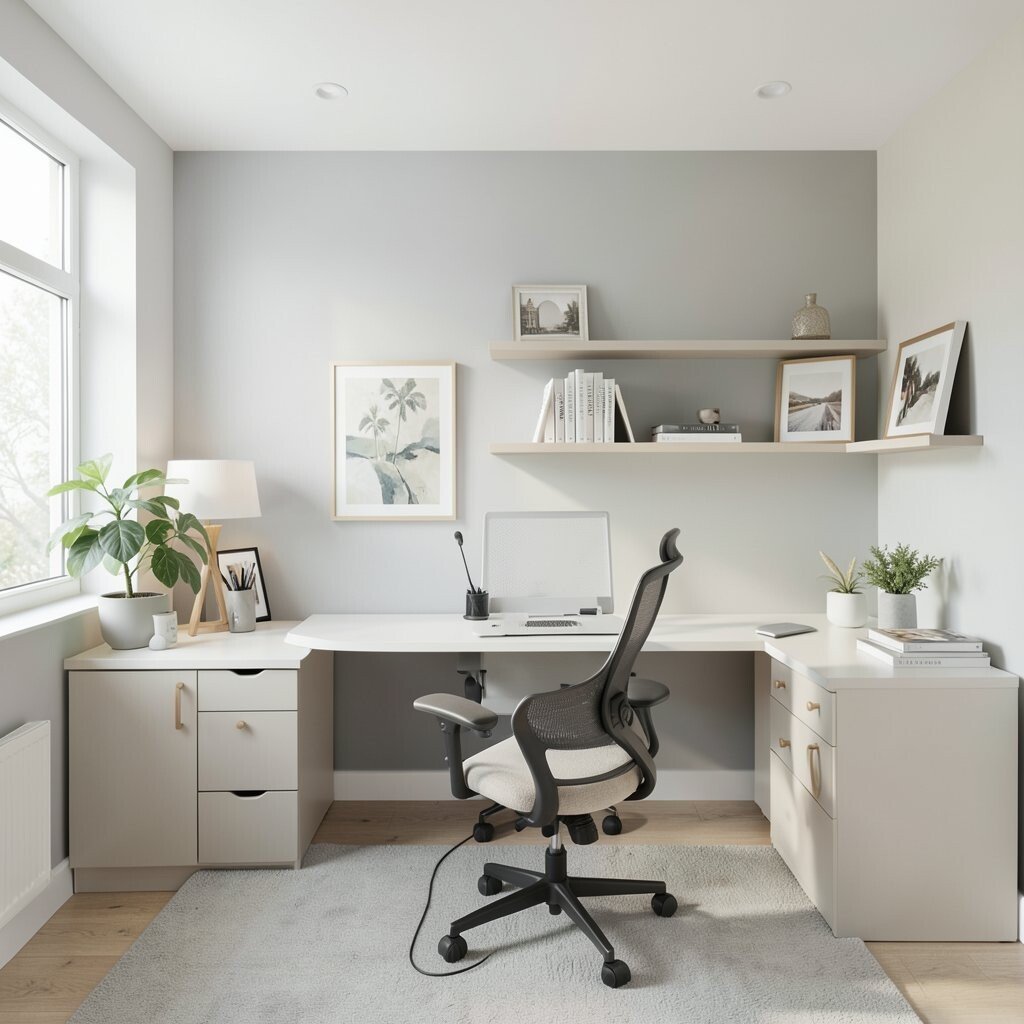
Light wall colors can make an office feel open and clean. Soft white, pale gray, and light beige also help reflect light, which can make the room feel brighter.
This is a low-cost change that can fit many office styles. It works well in small rooms, and it gives you a simple base for art, shelves, and other decor.
2. Add More Natural Light
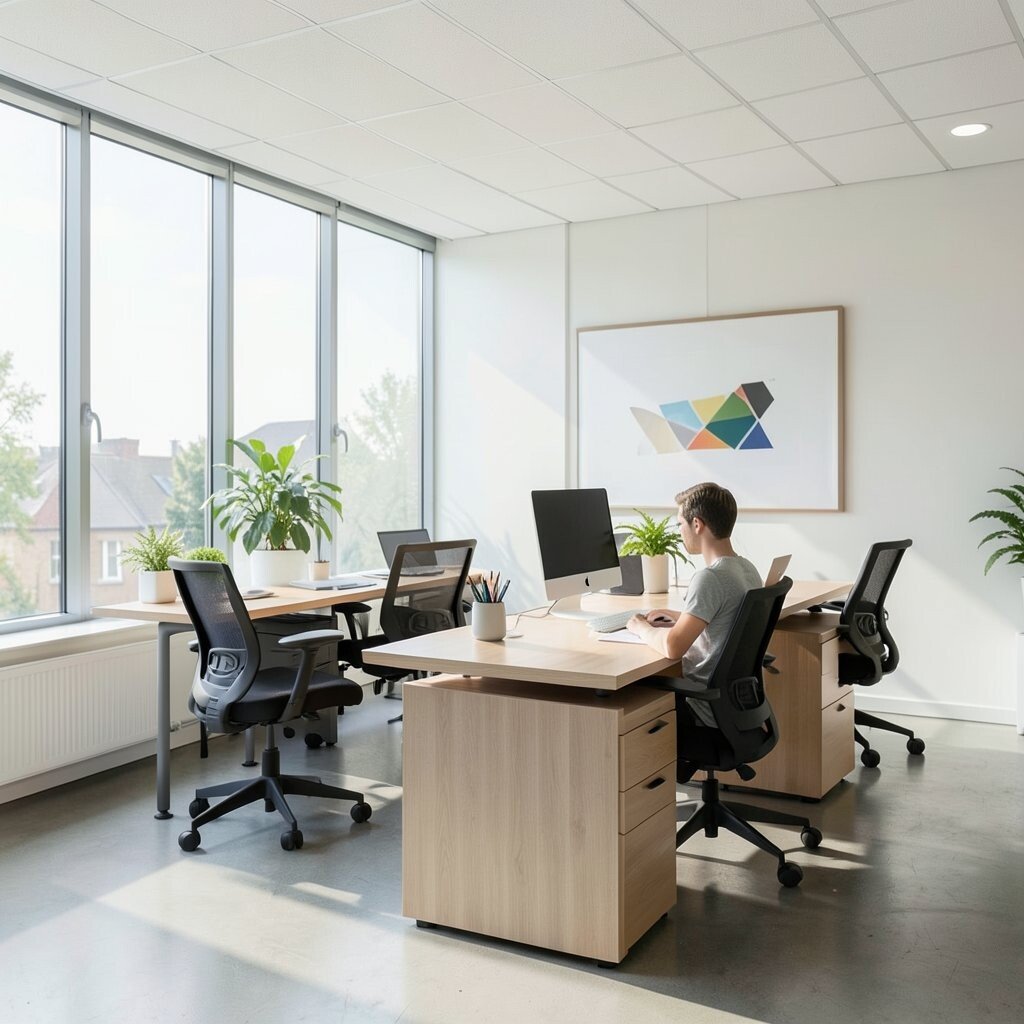
Natural light can make a work area feel fresh and easy on the eyes. If your office has windows, keep them clear of heavy shades and bulky furniture.
This choice can help people feel more awake during the day. It is also a smart trend in modern office design because it can lower the need for extra lamps.
3. Set Up Adjustable Desks

Adjustable desks let people sit or stand during the day. This can help with comfort and may support better posture for long work hours.
These desks can cost more than basic ones, but they are a useful long-term choice. They also fit well in offices that want a clean, modern look.
4. Make Space for Quiet Work
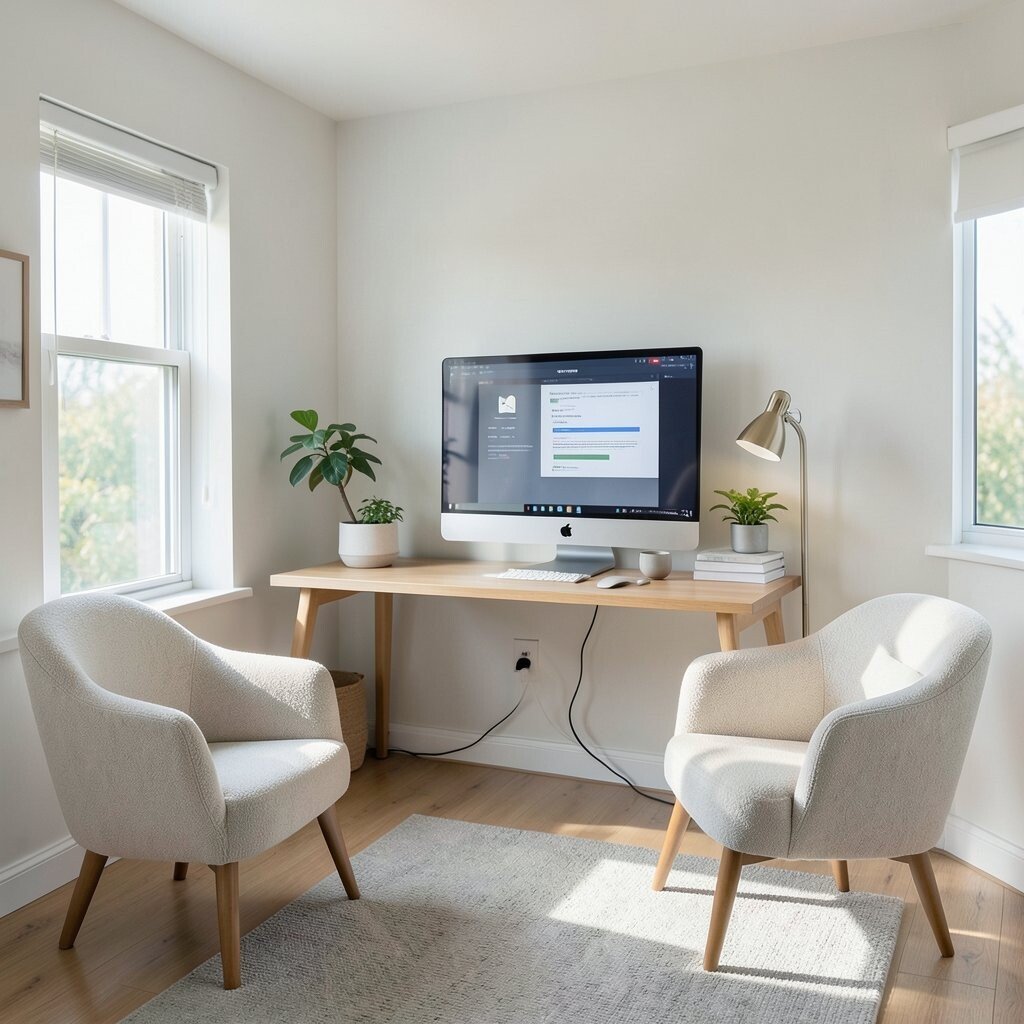
A quiet work spot can help people focus on tasks that need care and thought. You can use a small room, a screen, or a corner with soft chairs and simple decor.
This idea is helpful in busy offices with open layouts. It gives workers a place to step away from noise without leaving the office.
5. Add Plants Around the Room
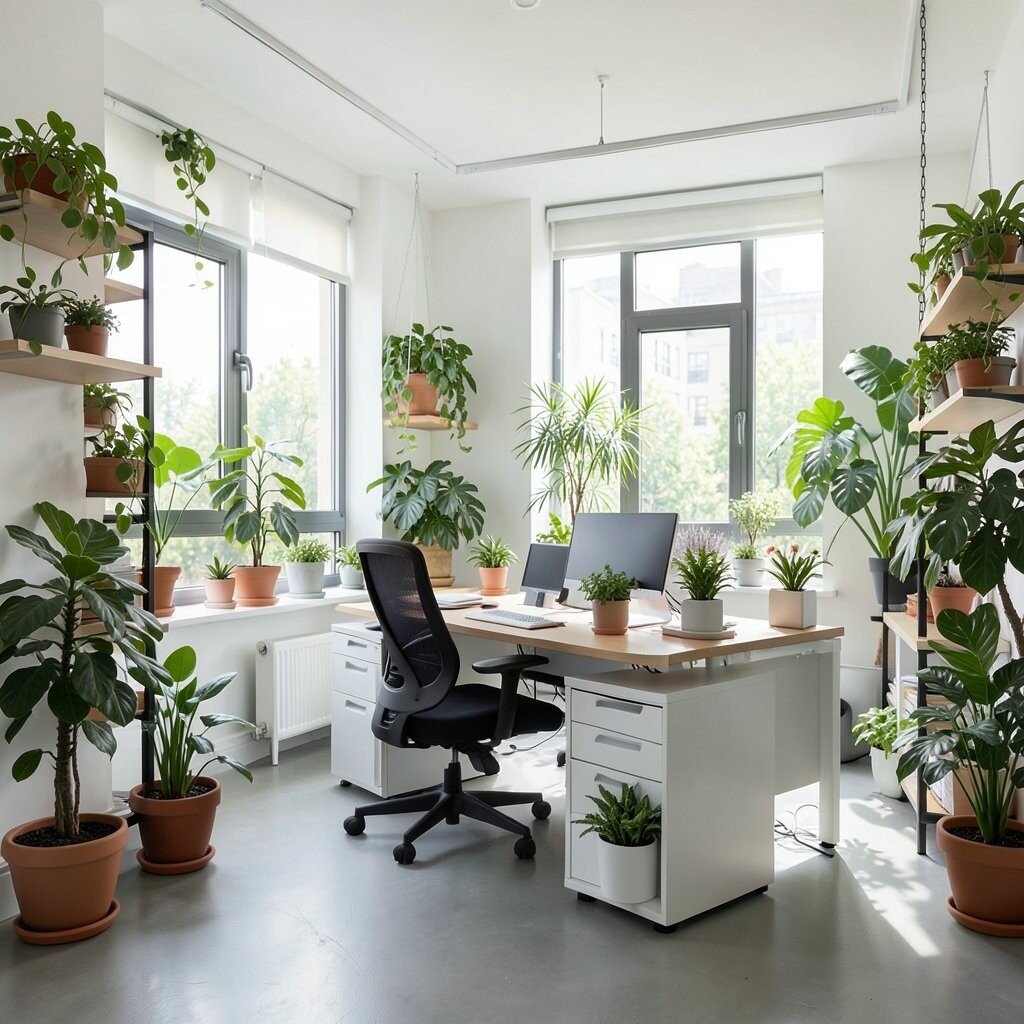
Plants can make an office feel warmer and more alive. A few small pots on desks or shelves can add color without taking up much space.
Many people like plants because they are simple and affordable. They also work well with current office trends that use natural shapes and soft textures.
6. Use Storage That Hides Clutter
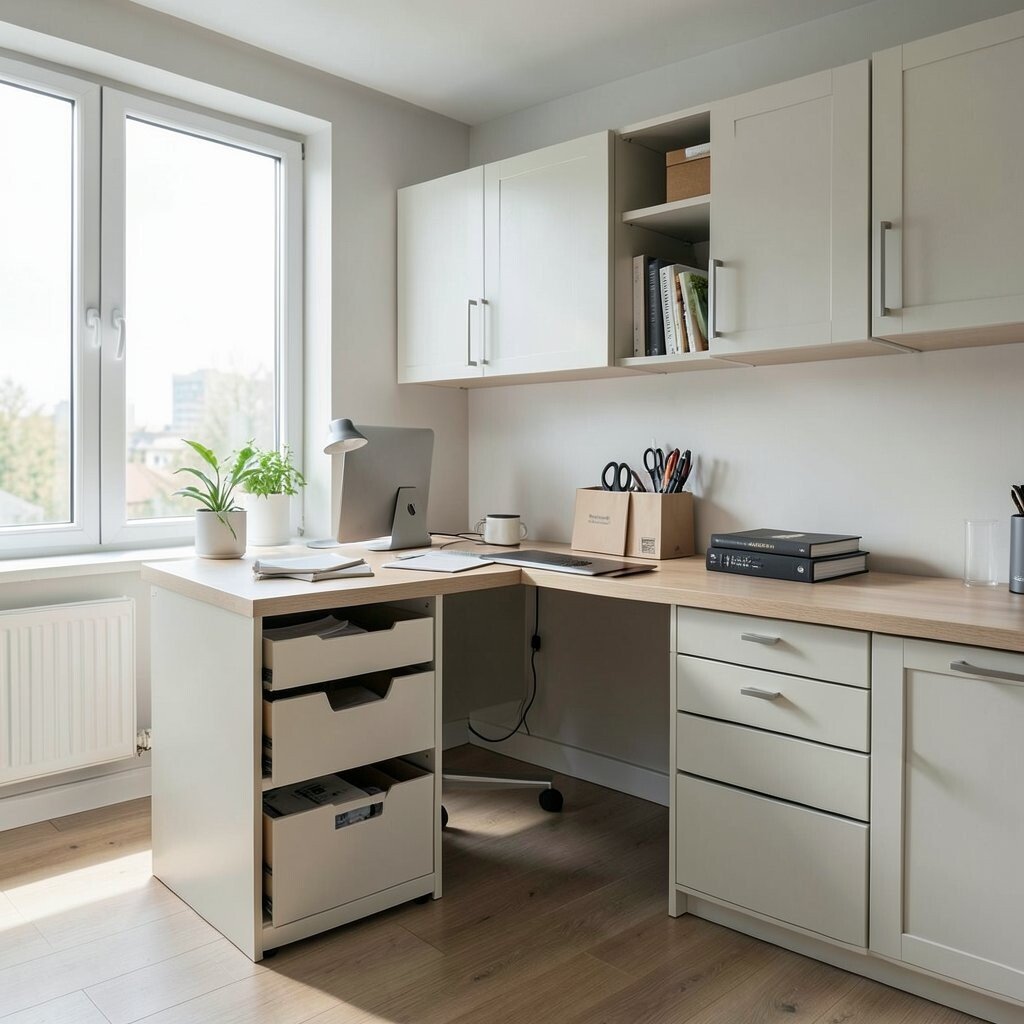
Closed cabinets, drawers, and boxes can keep papers and tools out of sight. A neat office often feels less stressful and easier to use.
This kind of storage can be found at many price points, so it can work for small or large budgets. It also gives the room a cleaner look than open piles and loose items.
7. Create a Strong First Look at the Entry
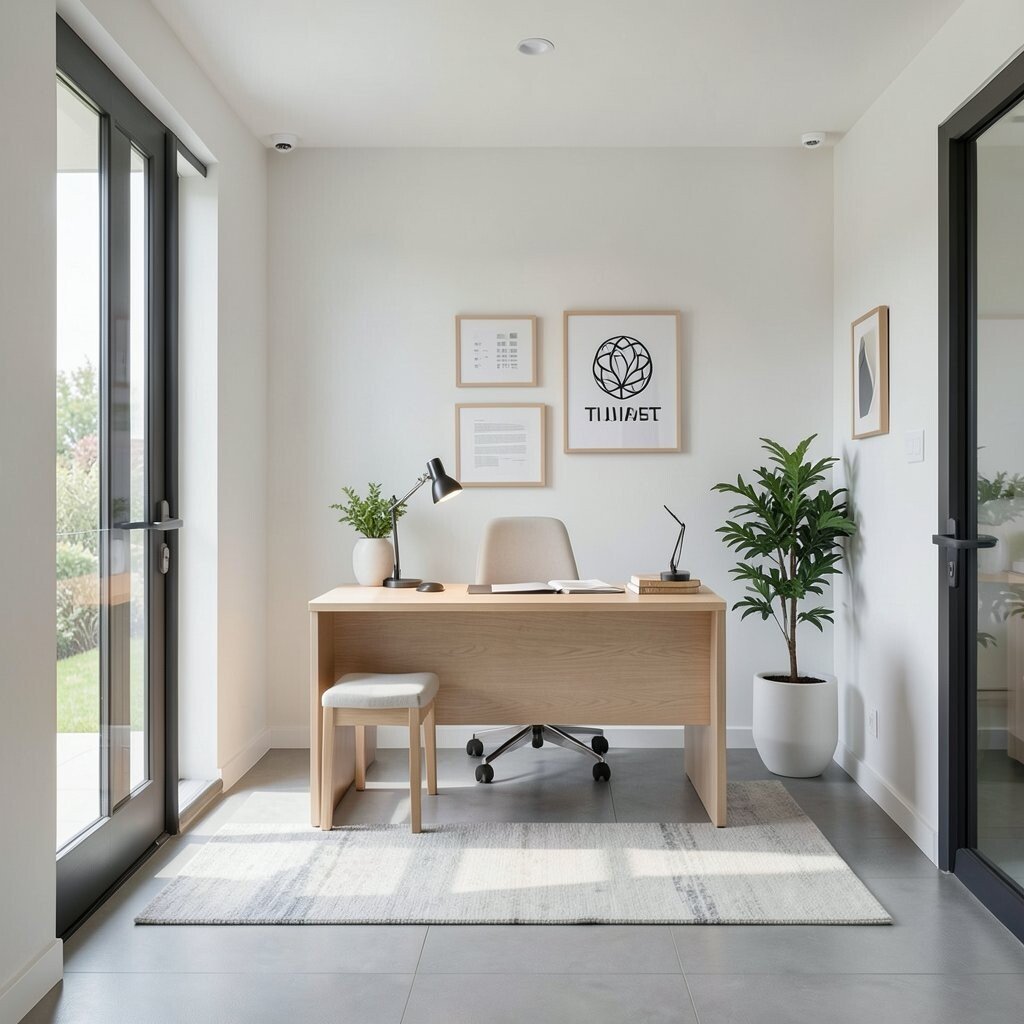
The entry area sets the tone for the whole office. A simple desk, a small bench, and a few neat wall pieces can make the space feel ready and organized.
This area does not need to cost a lot. Even small touches like a rug, a plant, or a logo sign can help the office feel more planned.
8. Choose Chairs That Feel Good to Use
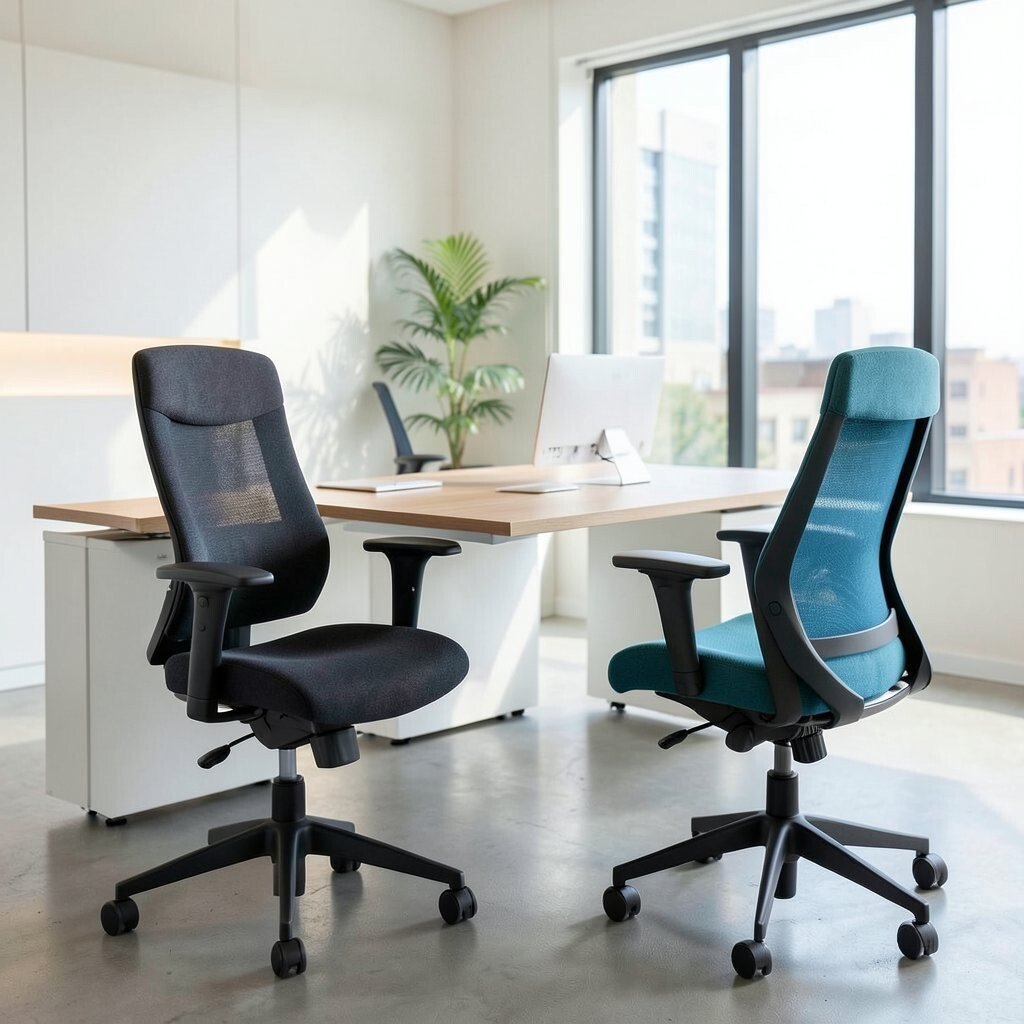
Good office chairs can make long days easier. Look for seats with back support, soft padding, and easy height changes.
Comfort matters, but style matters too. Many new chair designs come in simple shapes and colors that fit well in modern work spaces.
9. Use a Mix of Open and Closed Layouts
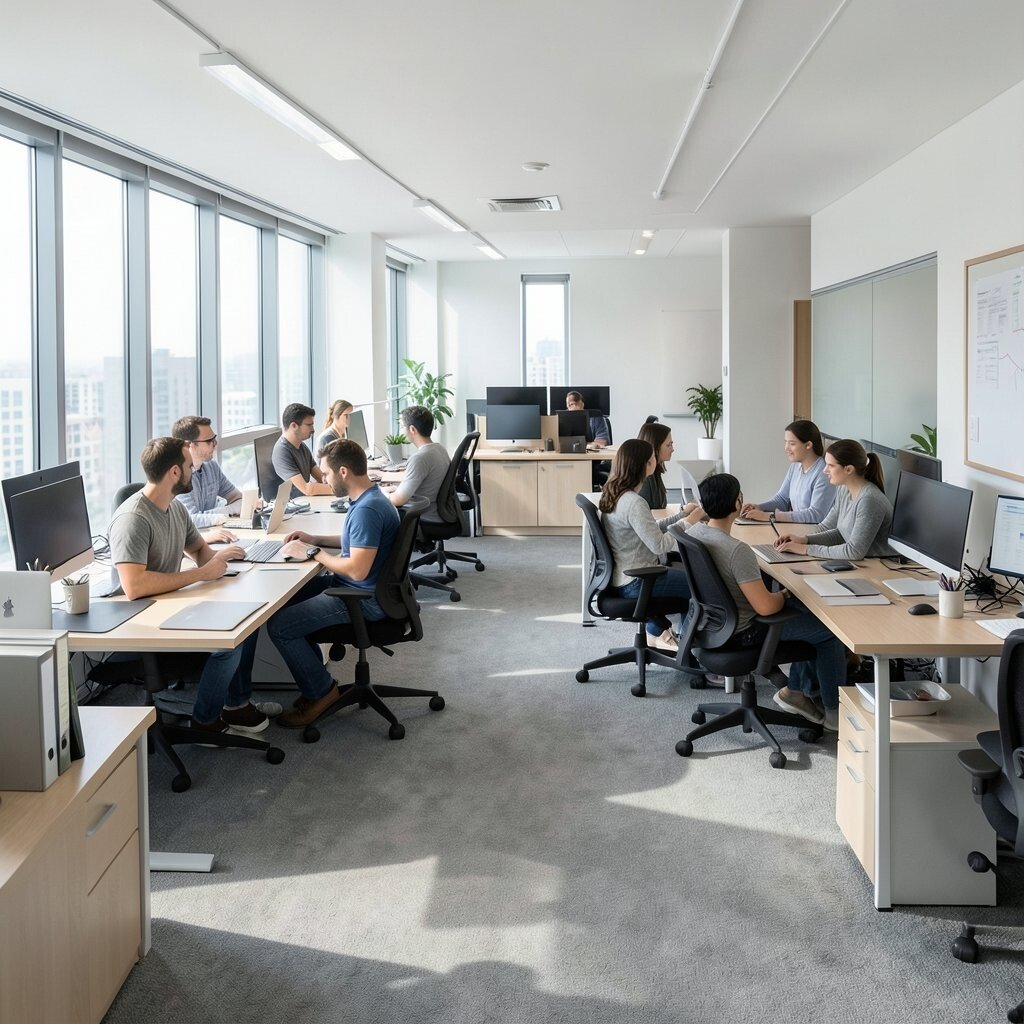
A mix of open and closed areas can help different kinds of work happen in one office. Open spots are good for group talk, while closed spots help with quiet tasks.
This setup can make the office feel more useful without making it feel crowded. It also gives you more ways to plan the room based on how your team works.
10. Add Wall Art That Fits the Team
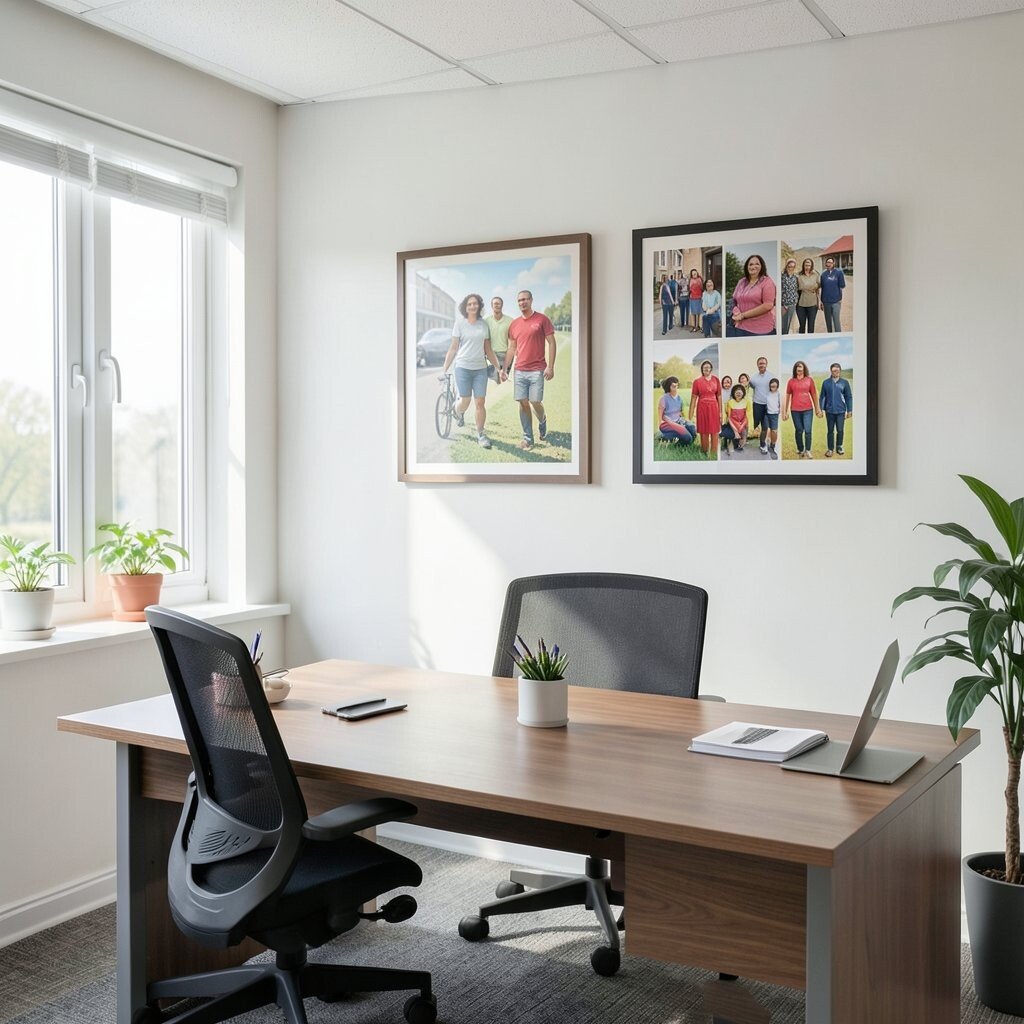
Wall art can give an office more character and make blank walls feel less plain. Simple prints, local photos, or team-made art can all work well.
This is a good place to show what the company cares about. It can also be a low-cost way to add color and make the room feel less stiff.
11. Use Glass for a More Open Feel
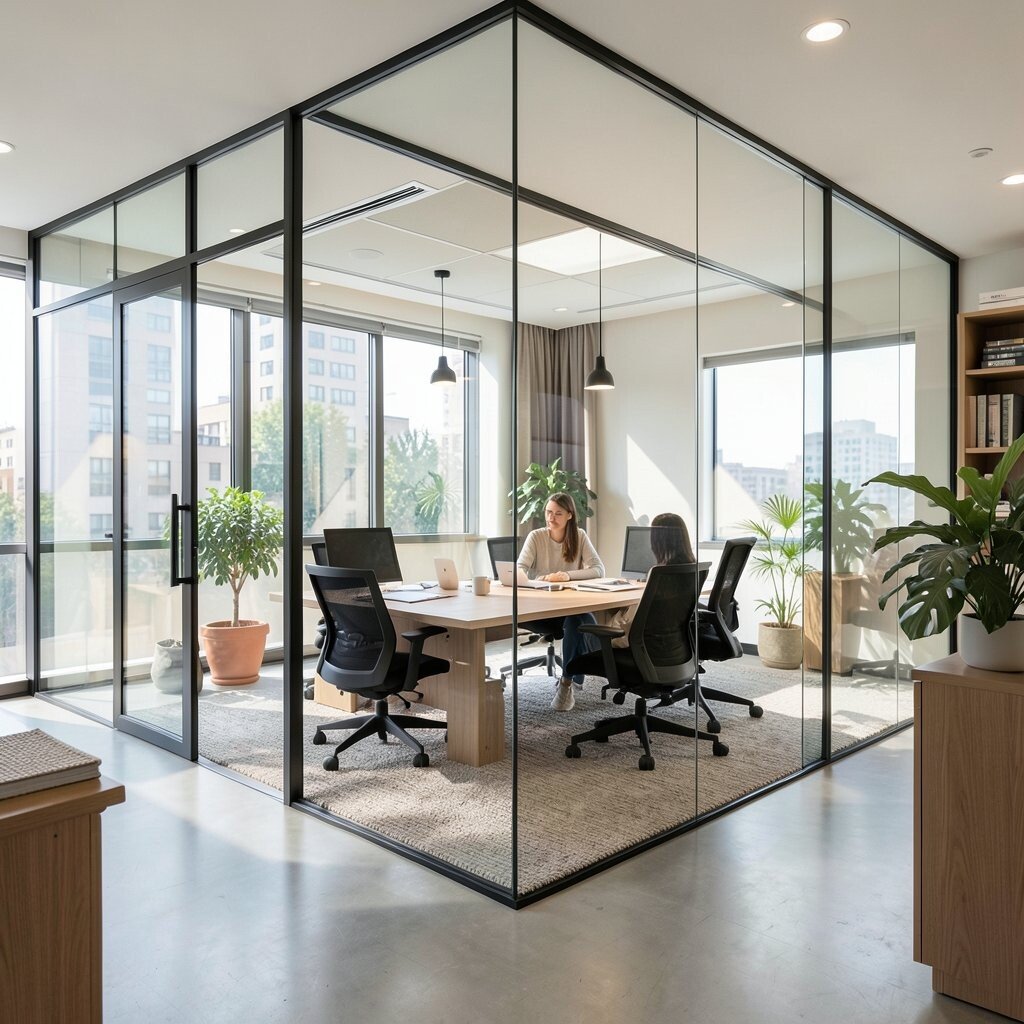
Glass walls or glass doors can help light move through the office. They also let people see each other more easily, which can make the space feel open.
This style is common in newer offices, but it can still feel warm if you add wood, fabric, or plants. It is a good choice for meeting rooms and small private spaces.
12. Make a Break Area People Want to Use
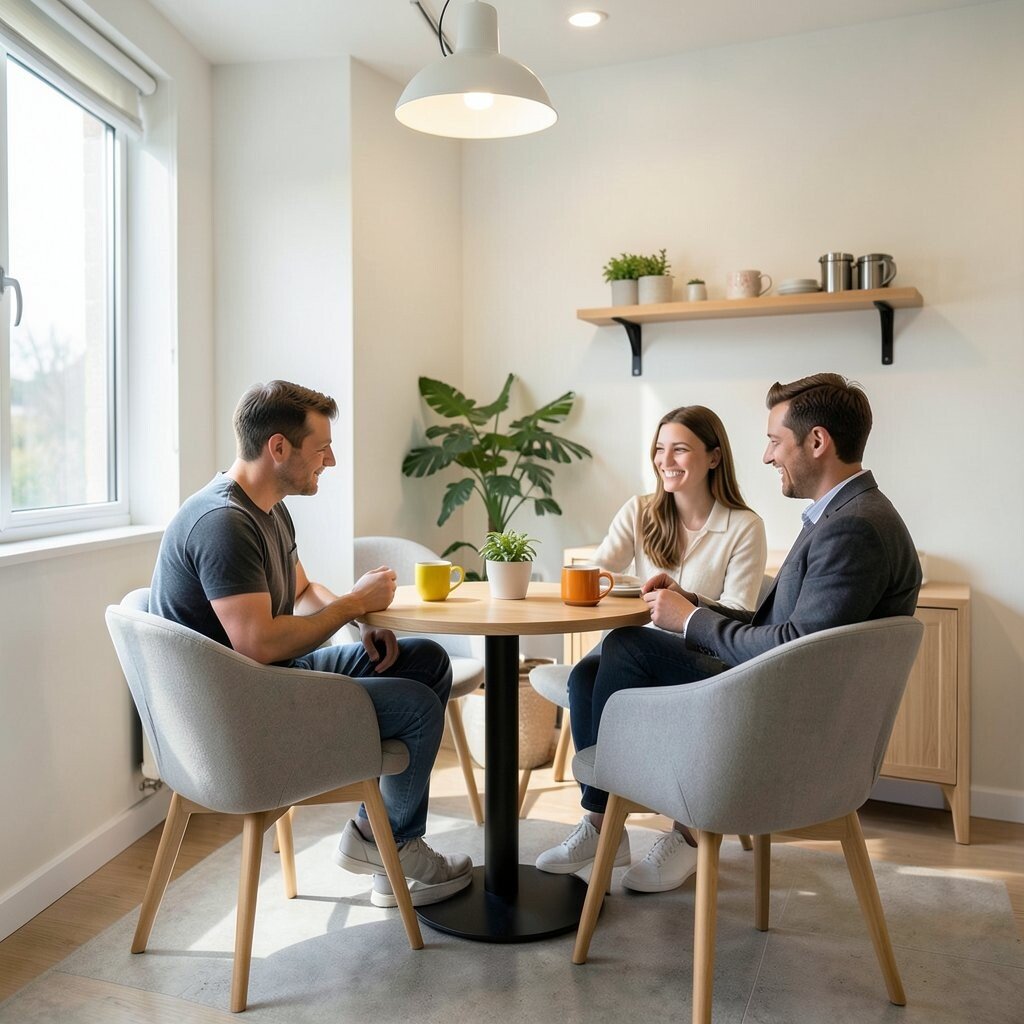
A break area should feel easy and relaxed. A small table, soft chairs, and a coffee spot can give people a place to rest and talk.
This space does not need a big budget to work well. Even simple items like bright mugs, a shelf, and good lighting can make it more inviting.
13. Add Sound Help Where Needed
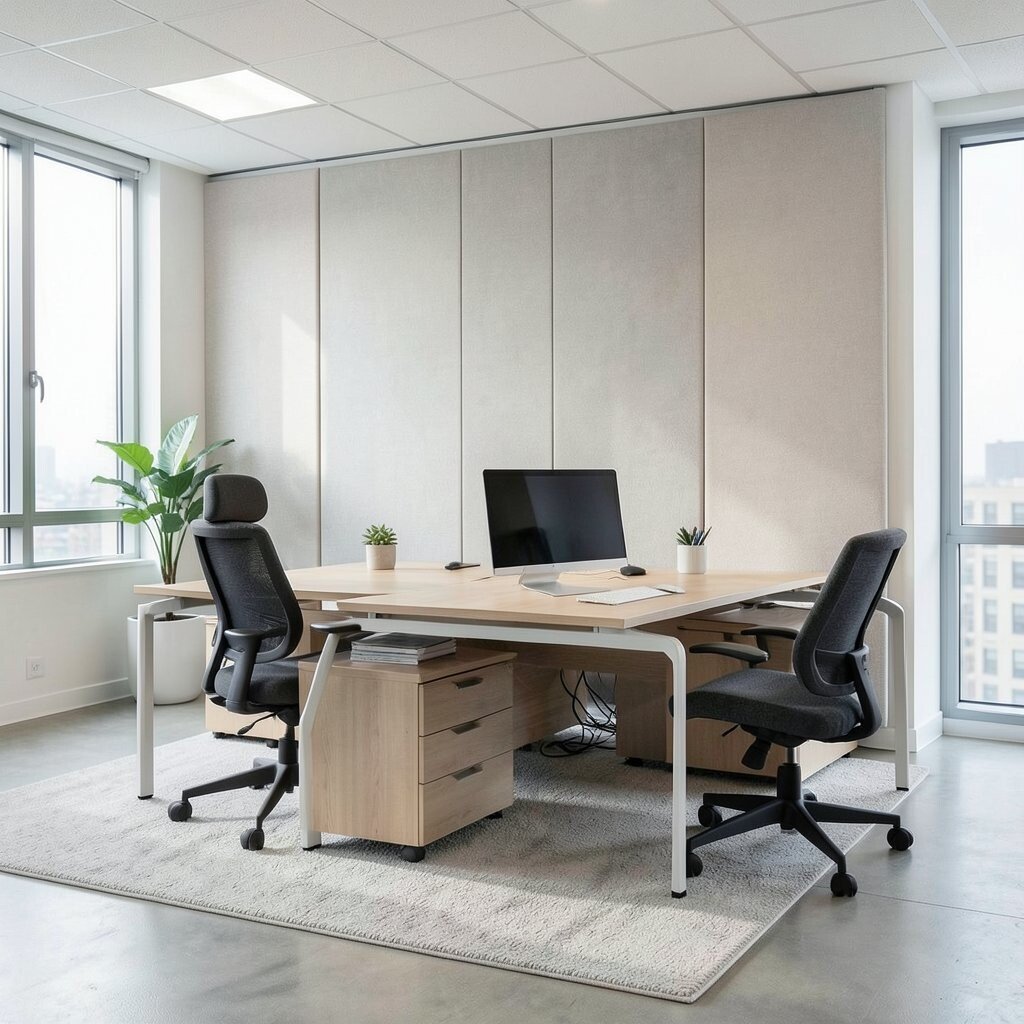
Noise can make it hard to focus in a busy office. Soft wall panels, rugs, and fabric chairs can help lower sound in a simple way.
This is a smart fix for open offices and shared rooms. It can make the space feel calmer without changing the whole layout.
14. Use Small Meeting Pods or Booths

Meeting pods or booths give people a private place for calls and short talks. They can be placed in open offices without taking up a full room.
These pieces are often seen in modern work spaces because they save space and add flexibility. Some can cost a lot, but smaller versions and used options can make the idea more reachable.
15. Pick a Simple Color Theme

A clear color theme can help an office feel balanced. You can use one main color with a few matching shades for chairs, shelves, and decor.
This makes the room easier to plan and keeps it from looking messy. It also helps when you want to add new items later, since they can fit the same look.
16. Make Use of Corners
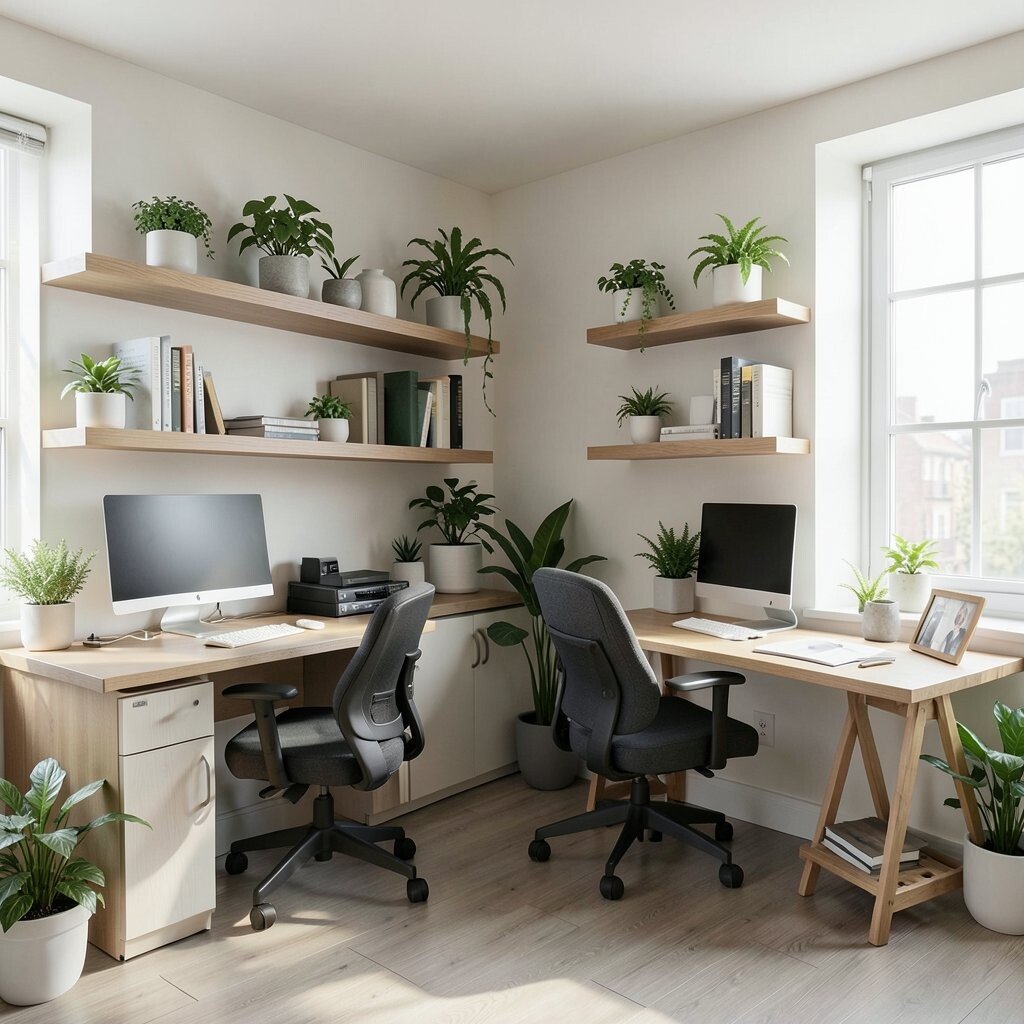
Corners are often missed, but they can hold shelves, plants, small desks, or reading chairs. Using these spaces well can help the office feel bigger and more complete.
This is a smart way to get more use from the room without adding much cost. It is also helpful in small offices where every bit of space matters.
17. Add Personal Touches for the Team
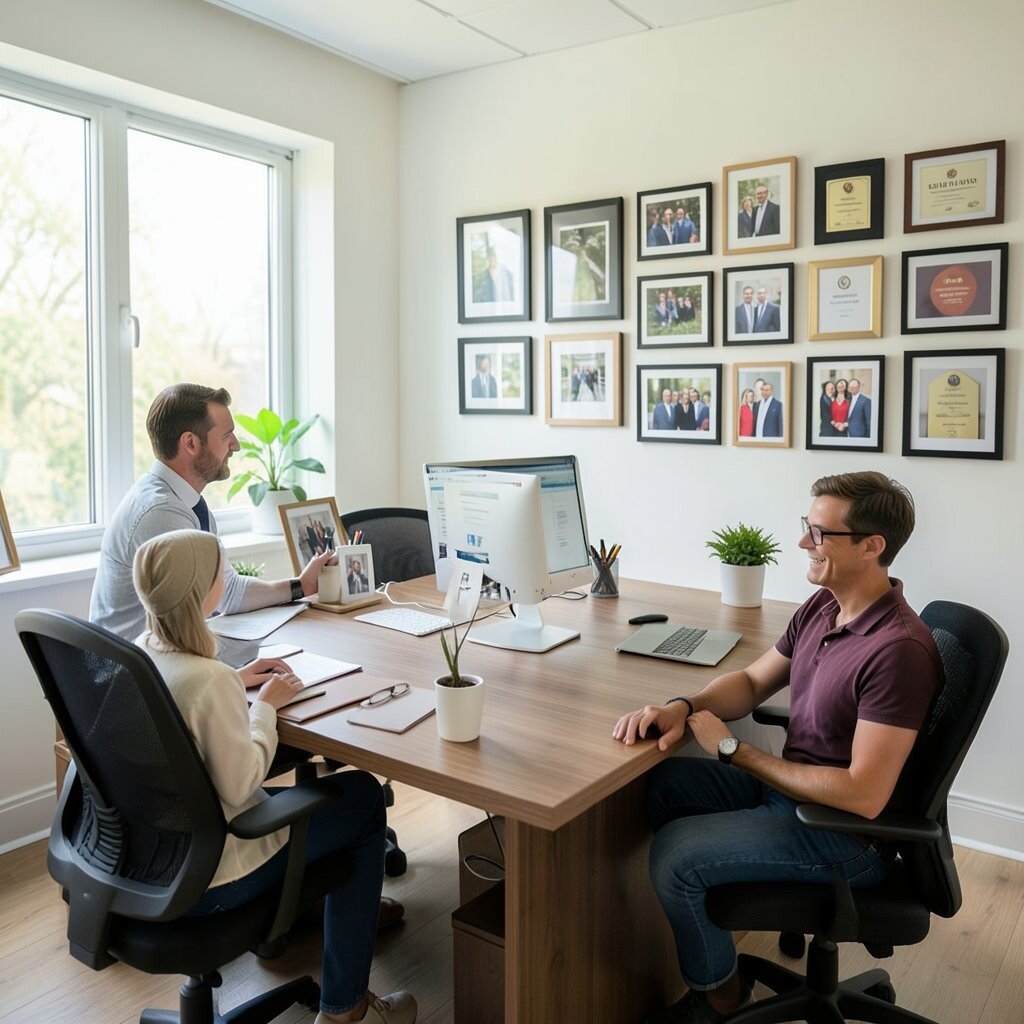
Small personal items can make an office feel more human. Framed photos, team awards, or a shared display wall can help people feel they belong.
These touches work best when they are neat and not too crowded. They can also make the office feel more friendly to visitors and new workers.
18. Keep Tech Easy to Reach
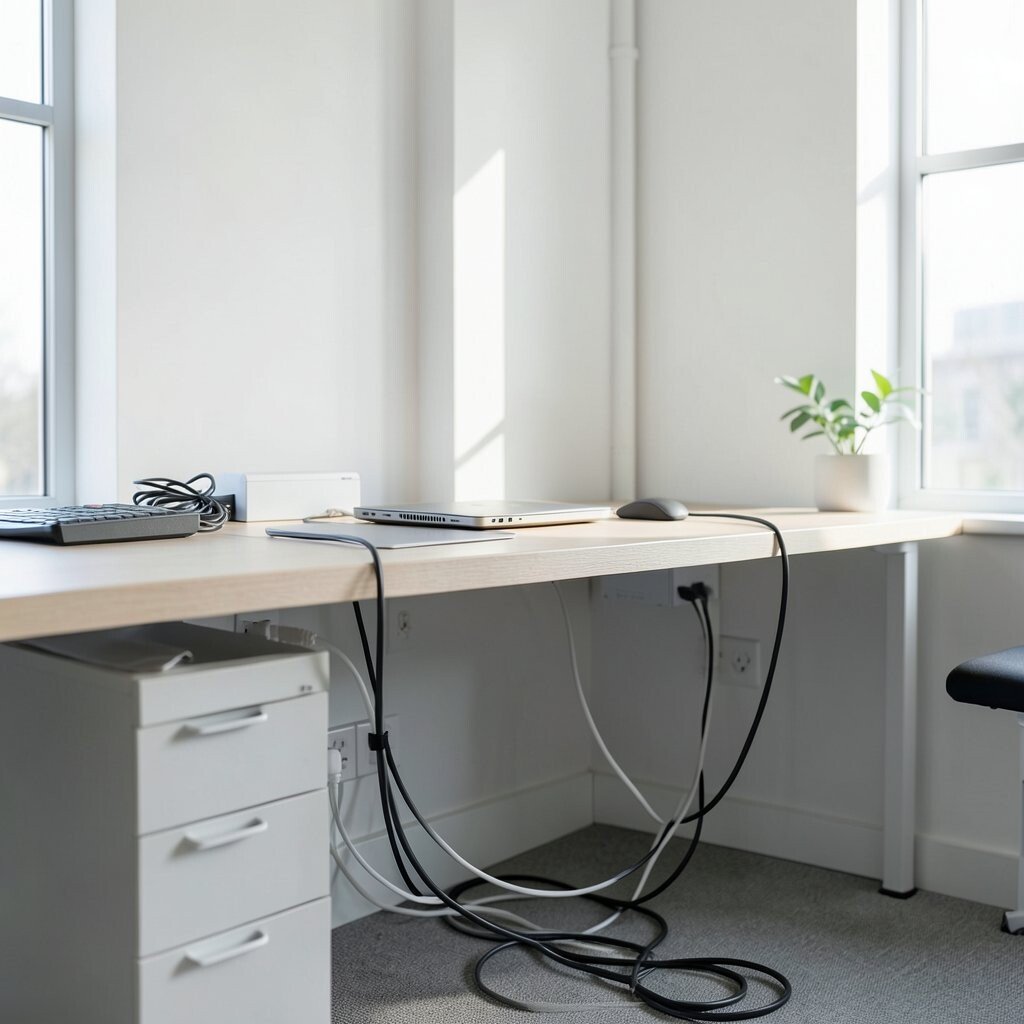
Power outlets, charging spots, and cable covers can make daily work smoother. When cords are kept in order, the office looks cleaner and feels safer.
This is a useful detail that people often notice right away. It may not seem fancy, but it helps the whole room work better.
19. Use Flexible Furniture
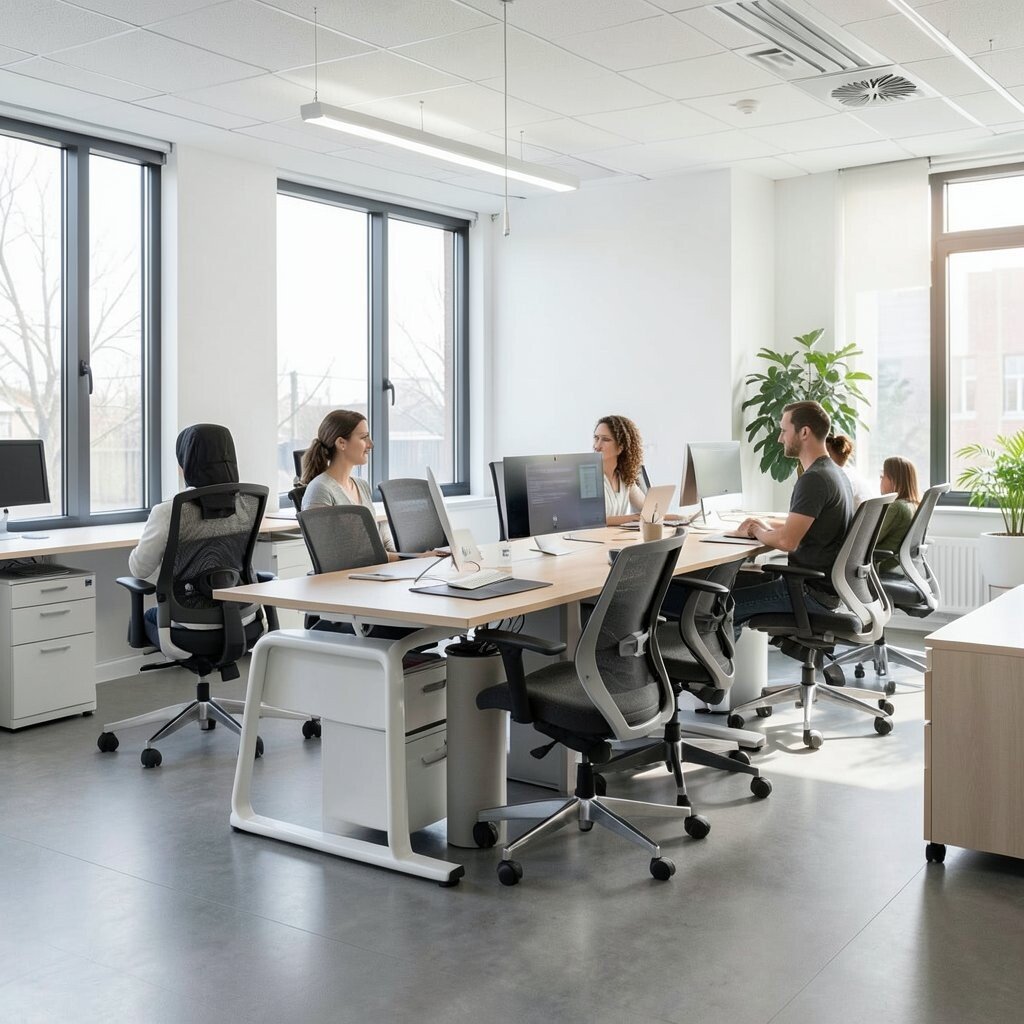
Flexible furniture can be moved when needs change. Light tables, rolling chairs, and stackable seats make it easier to shift the room for meetings or group work.
This is a good choice for offices that host many kinds of tasks. It can also save money over time because one piece can do more than one job.
20. Create a Clean Reception Desk
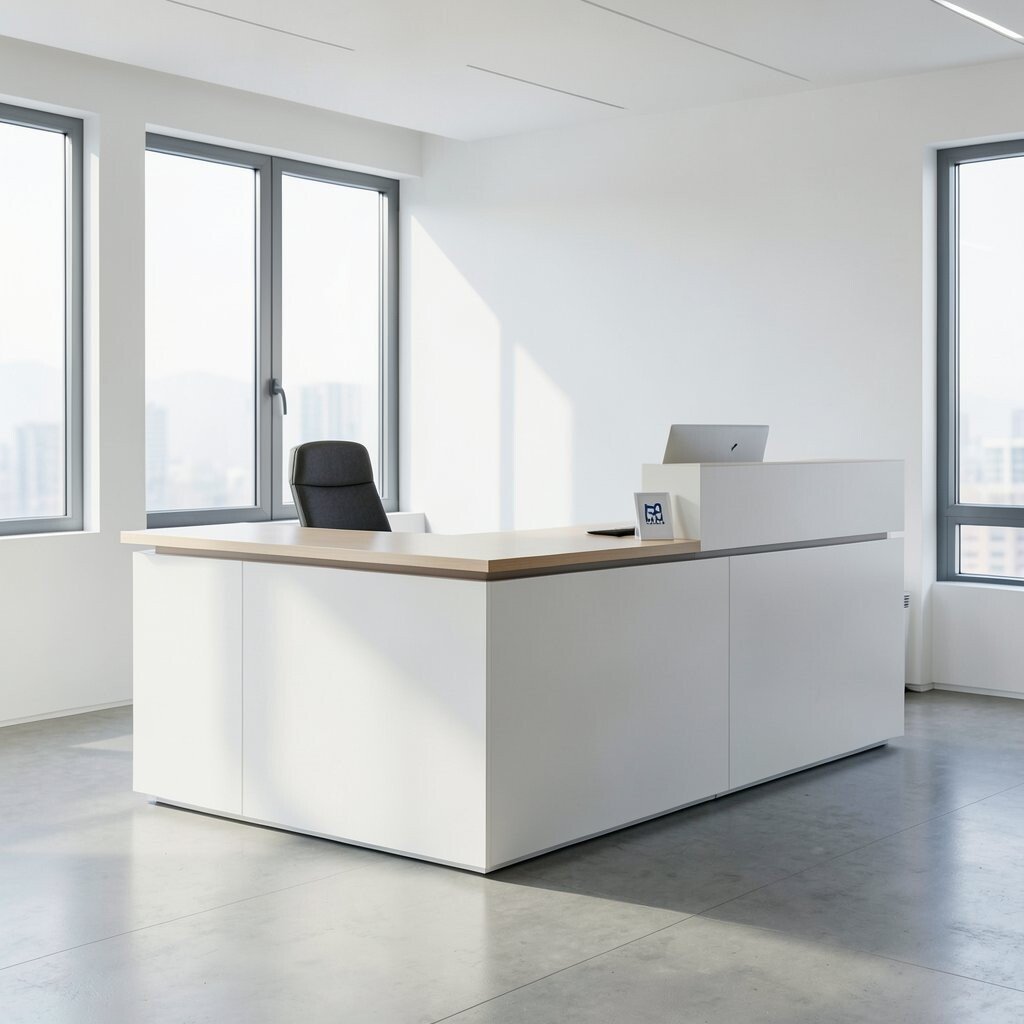
A neat reception desk can make the office feel organized from the start. Simple lines, a tidy surface, and a small logo sign can make a strong first look.
This area should be easy for staff to use and simple for guests to find. A clean desk also works well with many office styles, from basic to modern.
21. Add Warm Materials Like Wood and Fabric

Wood, cloth, and other soft materials can make an office feel less cold. A wood table, fabric chairs, or a woven rug can add warmth to the room.
These materials are popular in current office design because they feel calm and natural. They also pair well with light colors and simple decor.
22. Use Signs to Guide People
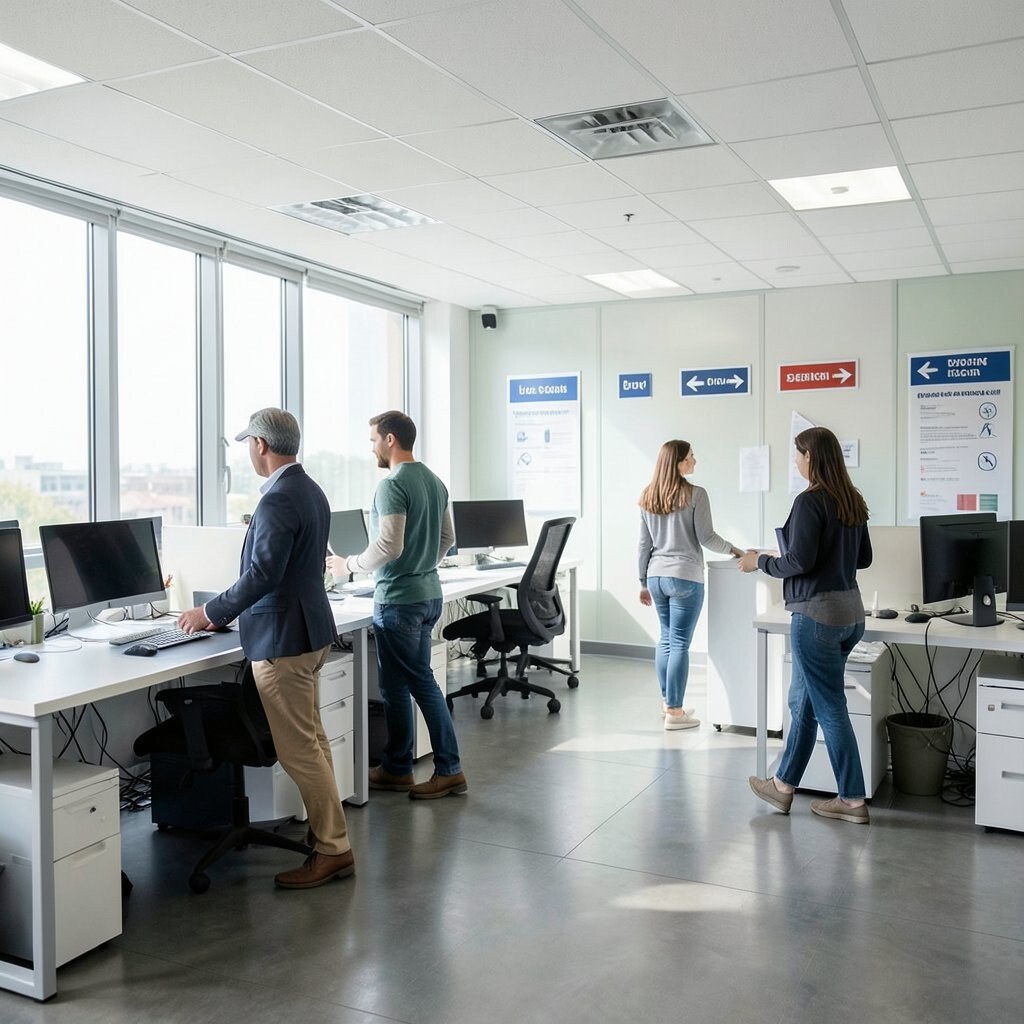
Clear signs can help people move through the office with less confusion. Room labels, direction signs, and simple icons can make the space easier to use.
This is especially helpful in larger offices or shared work spaces. Good signs do not need to be loud or fancy, just clear and easy to read.
23. Leave Room for Change
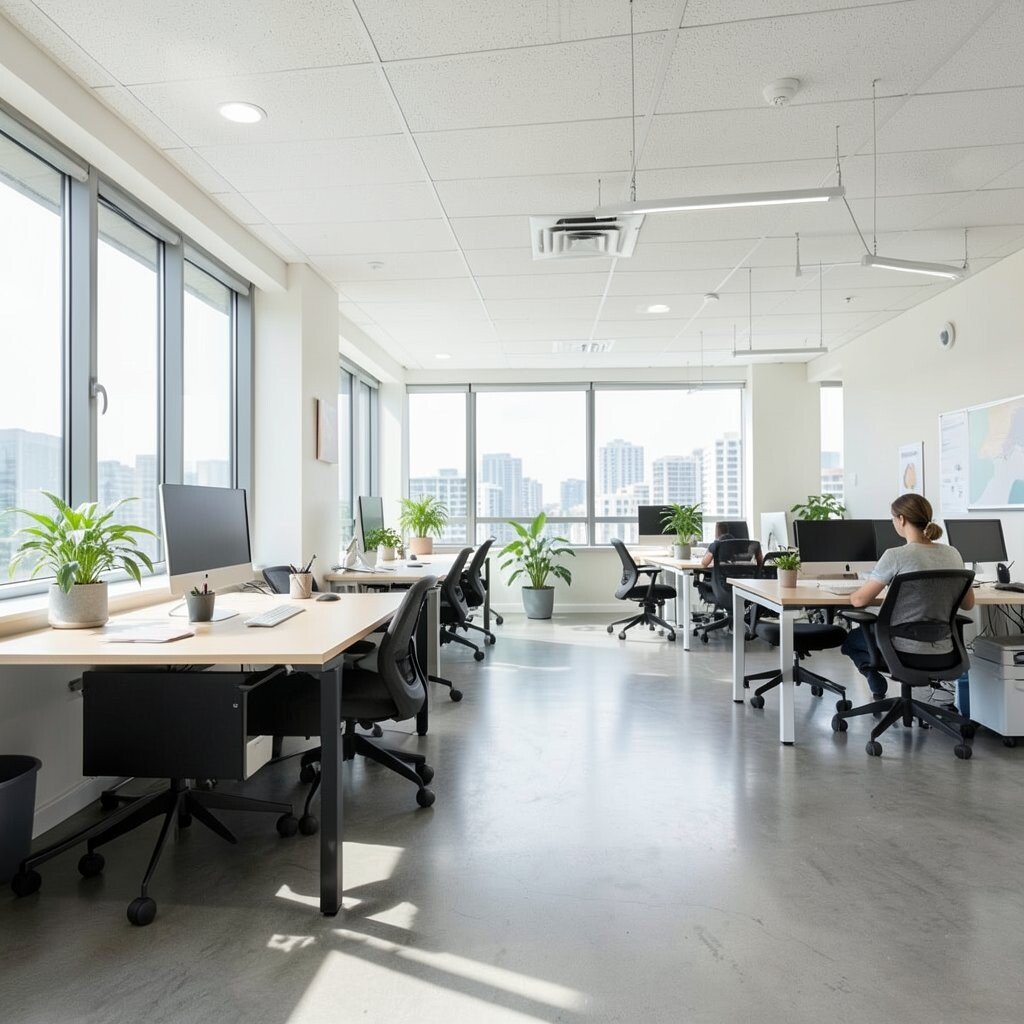
A good office should be able to grow and shift over time. Leaving open space for new desks, extra chairs, or new team needs can save time later.
This idea may not seem like a design feature at first, but it is one of the most useful. A flexible plan can help the office stay practical, fresh, and ready for change.