An office can feel calm and useful when the setup fits the way people work. Small changes in light, storage, and layout can make the room easier to use each day.
1. Use a Clean Desk Setup
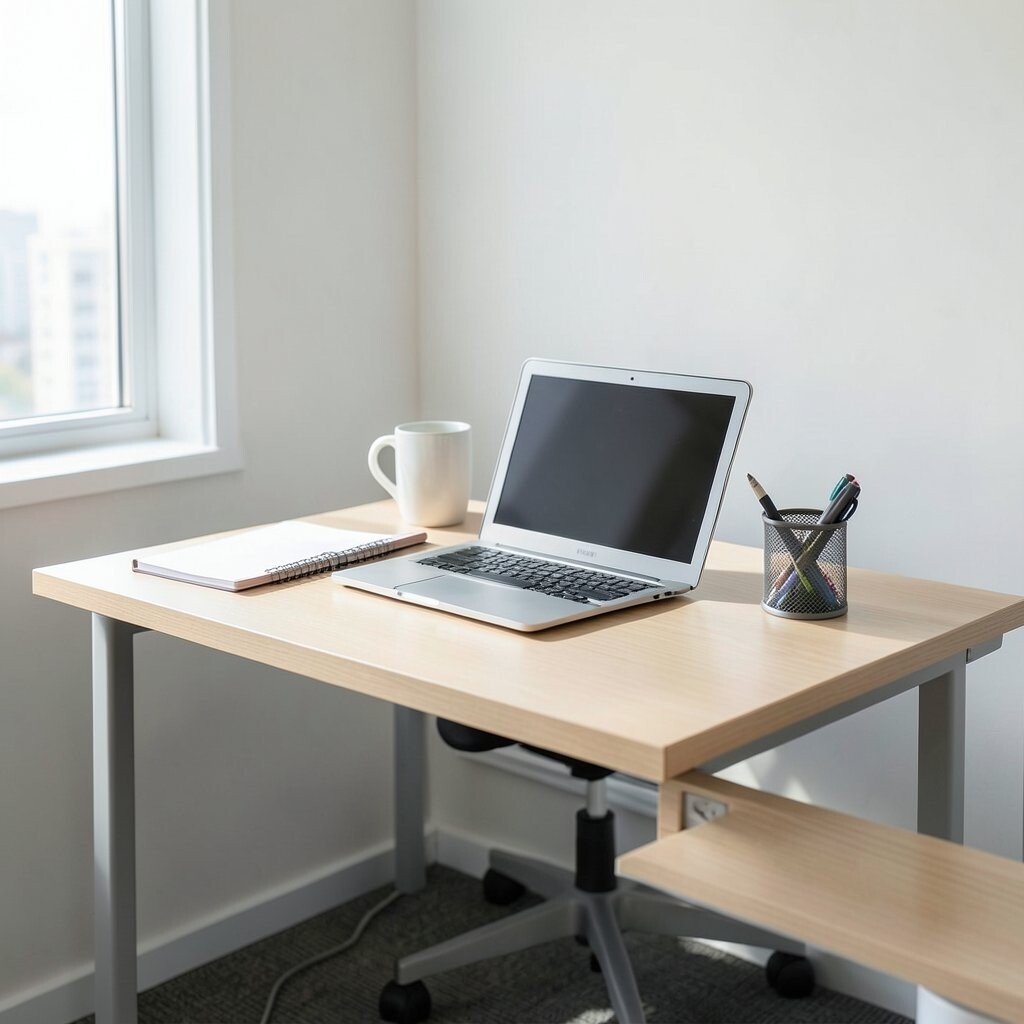
A clean desk helps the room look neat and makes it easier to find what you need. Keep only the items you use each day on top of the desk, such as a laptop, a notebook, and a pen holder.
This idea works well in small and large offices because it cuts down on visual clutter. It also costs very little since you may only need a tray, a drawer box, or a few simple bins.
Try to keep cords, papers, and spare office tools in one place so they do not spread across the room. A desk with a simple look can feel more open and can help you focus on the task in front of you.
2. Add Better Task Lighting
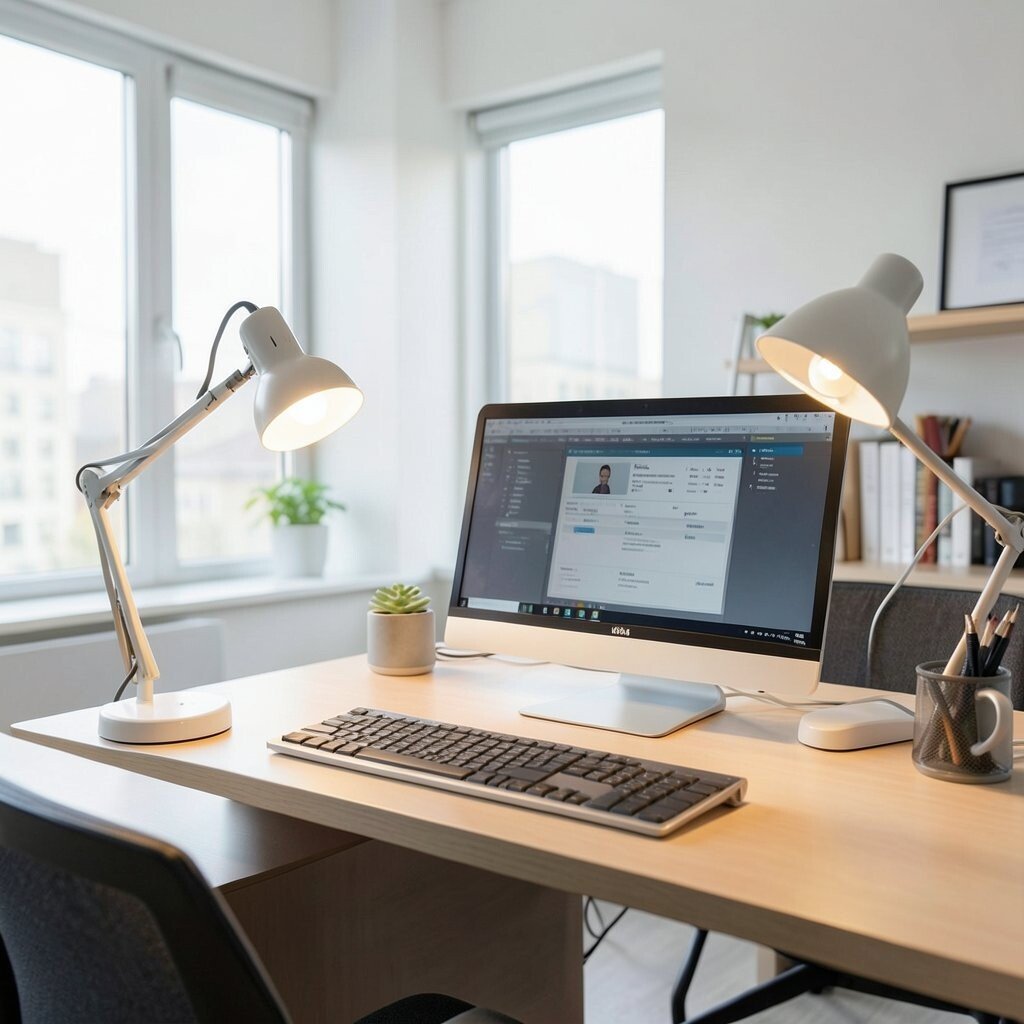
Good lighting can make work feel easier on the eyes and can help the room look brighter and more awake. A desk lamp with a soft white bulb is a simple way to add light where you need it most.
Many offices now use lamps with clean shapes and warm tones because they look calm and fit many styles. You can choose a low-cost lamp for a basic setup or spend more for one with dimming and a USB port.
Place the light so it does not shine right into your eyes or make a glare on your screen. If your office has dark corners, adding one or two small lamps can make the whole room feel more balanced.
3. Bring in a Few Plants
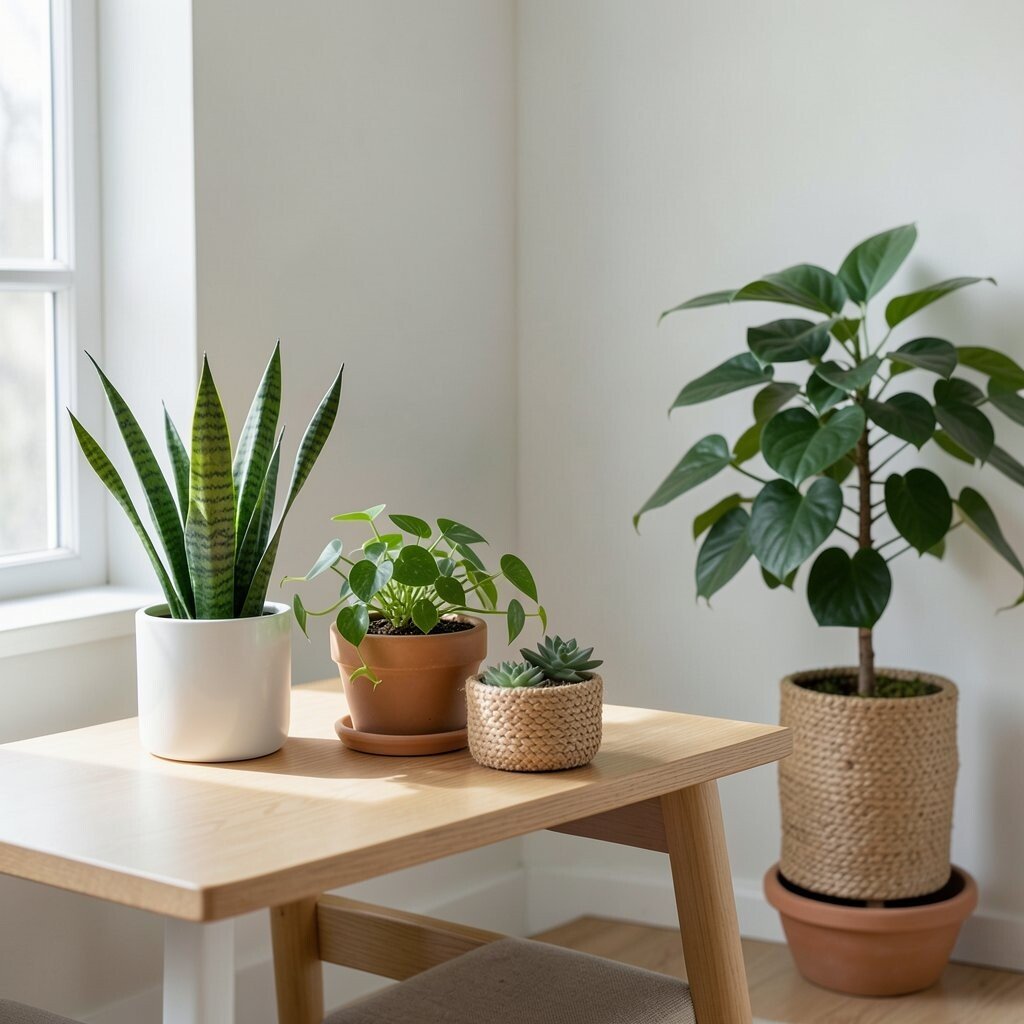
Plants can add color and life to an office without taking up much space. A small plant on a desk or a larger one in a corner can make the room feel less stiff.
Many people like easy-care plants such as snake plants, pothos, or small succulents because they do not need much work. These are also a low-cost choice, which makes them good for home offices and shared work areas.
Pick pots that match the room, such as plain white, clay, or woven covers. If you want a personal touch, choose a plant stand or pot in a color that fits your style.
4. Use Wall Shelves
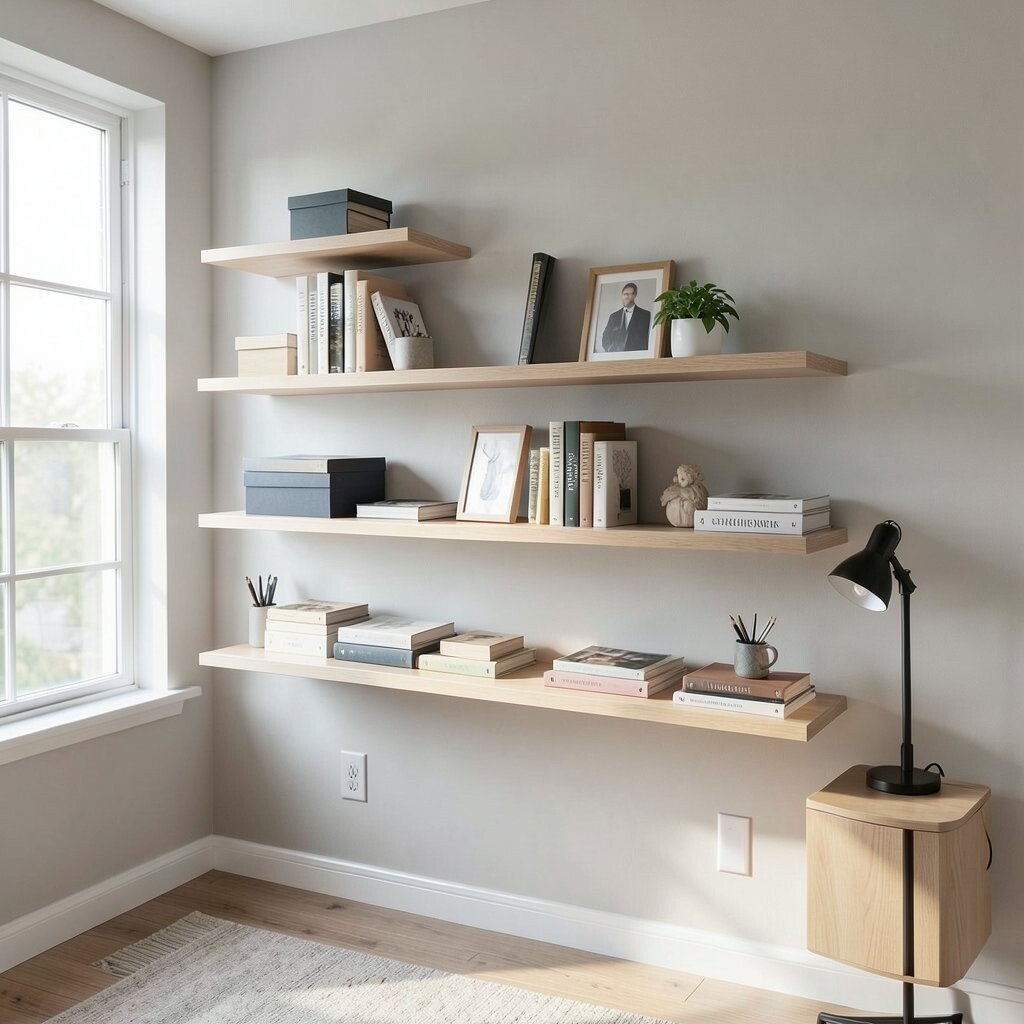
Wall shelves help clear space on desks and floors by giving books, boxes, and decor a place to sit. They can also make a blank wall look more finished and less empty.
This is a smart choice for small offices because it uses space that would often stay open. Floating shelves are a popular trend since they look light and simple, and they can fit many room styles.
Try mixing useful items with a few nice-looking pieces, like a framed photo or a small plant. Keep the shelves neat so they help the room feel calm instead of crowded.
5. Pick a Better Chair
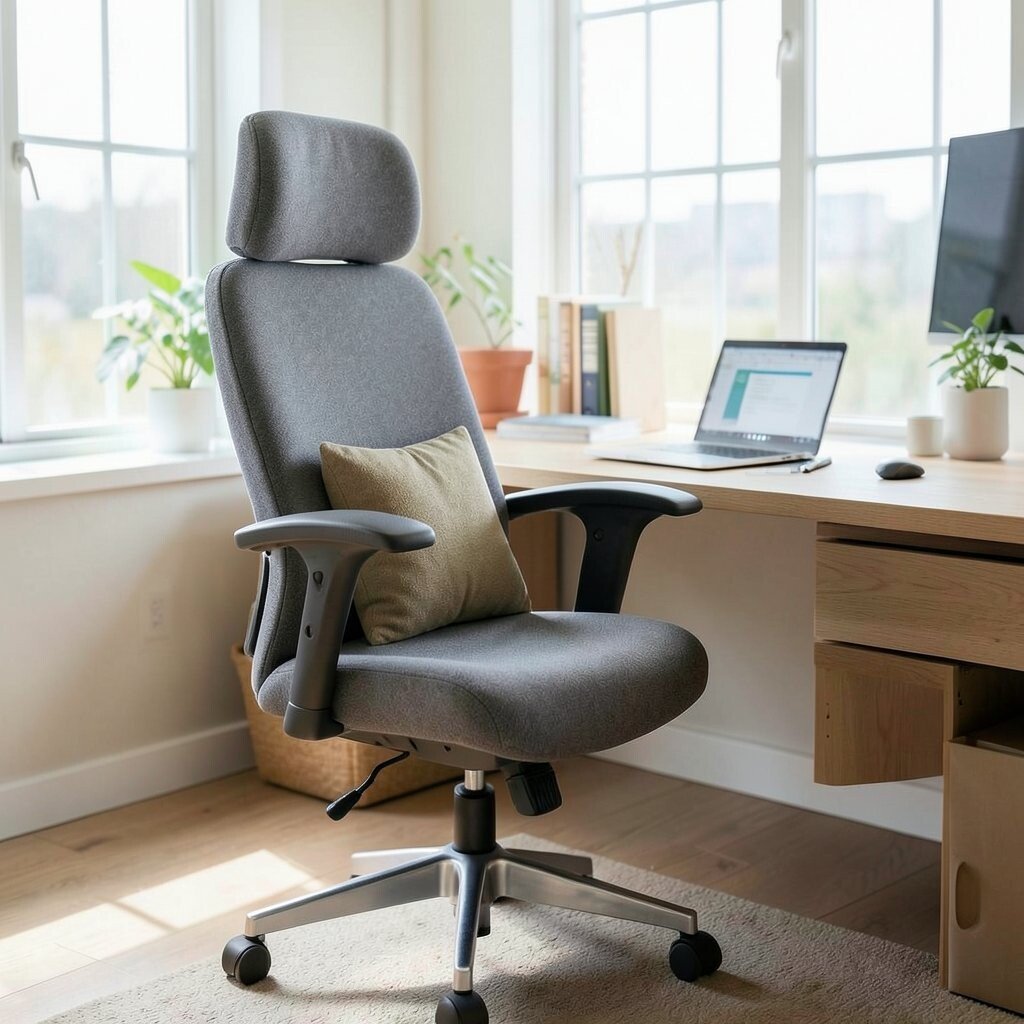
A good chair can help you sit more comfortably during long work hours. It can also support your back and make it easier to stay in one spot without feeling sore.
Office chairs come in many price ranges, from basic models to higher-end ones with more support and more ways to adjust them. A chair with soft fabric, smooth wheels, and armrests can be a good middle choice for many people.
Look for a chair that fits your body and your desk height, not just one that looks nice. If you want a personal touch, add a seat cushion or a small pillow in a color you like.
6. Add a Rug for Warmth
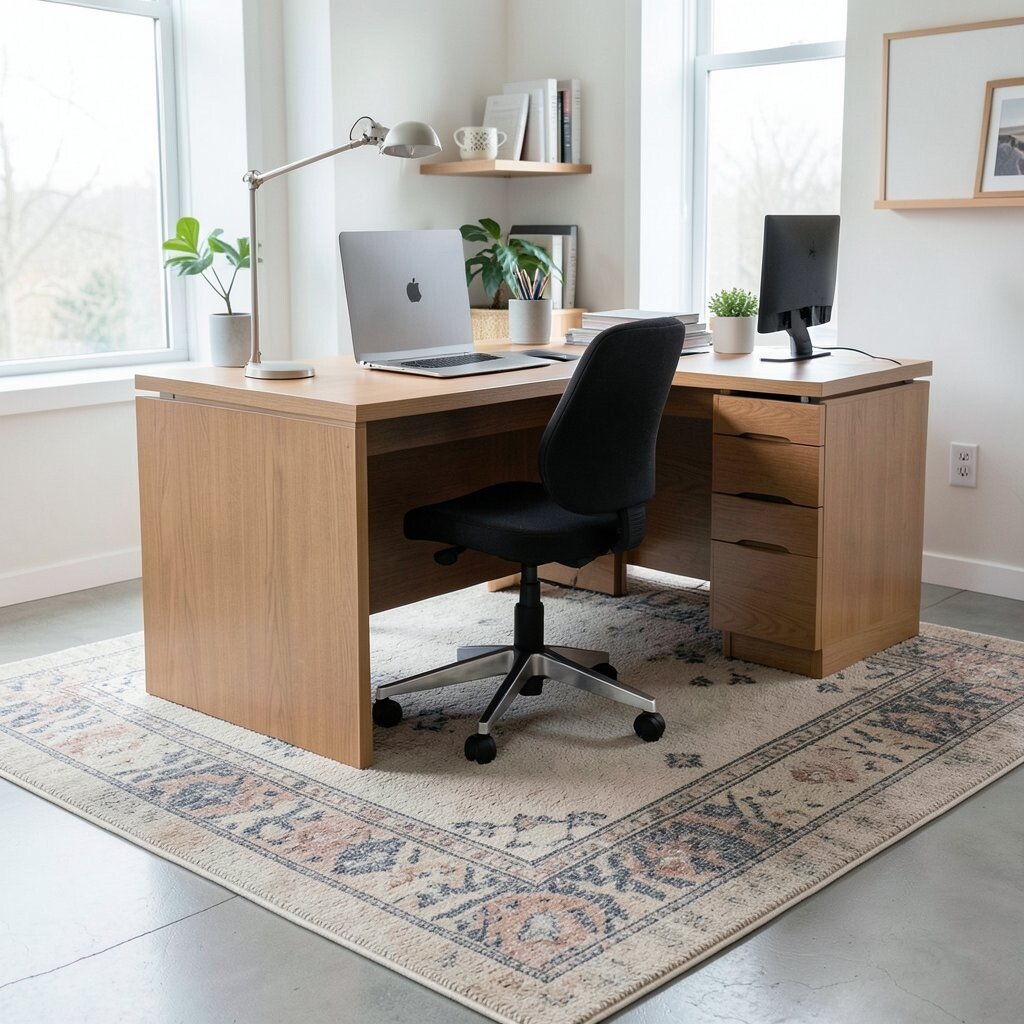
A rug can make an office feel more complete and can soften a room with hard floors. It also helps cut down on noise, which is useful in busy homes or shared work spaces.
Simple rugs in plain colors are still very common, but many people now choose soft patterns or natural textures. You can find rugs at many price points, so it is easy to match your budget.
Choose a size that fits the room and does not crowd the desk or chair. A rug can also help set the work area apart from the rest of the room if your office shares space with another area.
7. Make a Small Coffee Spot
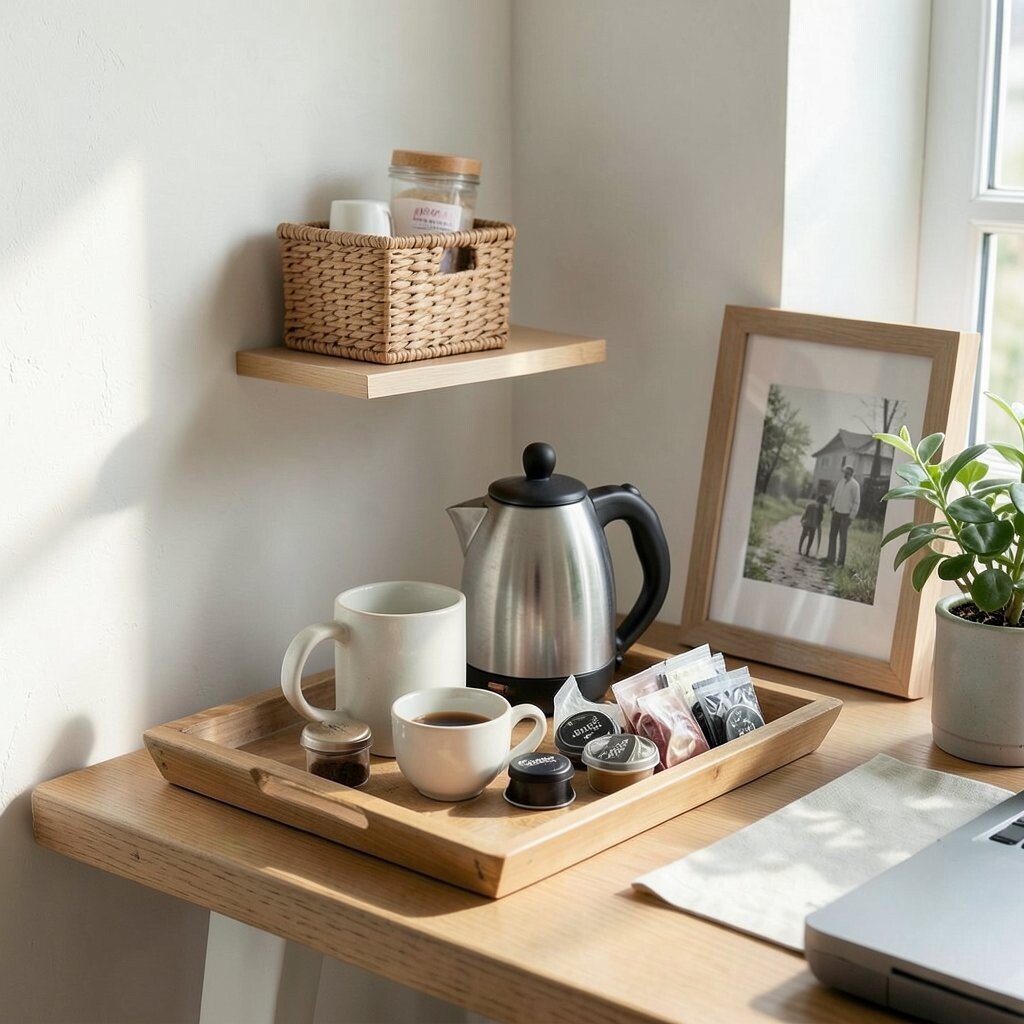
A small coffee spot can make a work area feel more ready for the day. It can be as simple as a tray with a mug, a kettle, and a few tea bags or coffee pods.
This setup is useful because it keeps drinks in one place and can save time during a busy morning. Many people like to add a small shelf, a basket for supplies, or a cup rack for a neat look.
You do not need much money to make this work, and you can fit it into a corner or on a side table. Add a plant or a framed print nearby if you want the spot to feel more personal.
8. Use Matching Storage Boxes
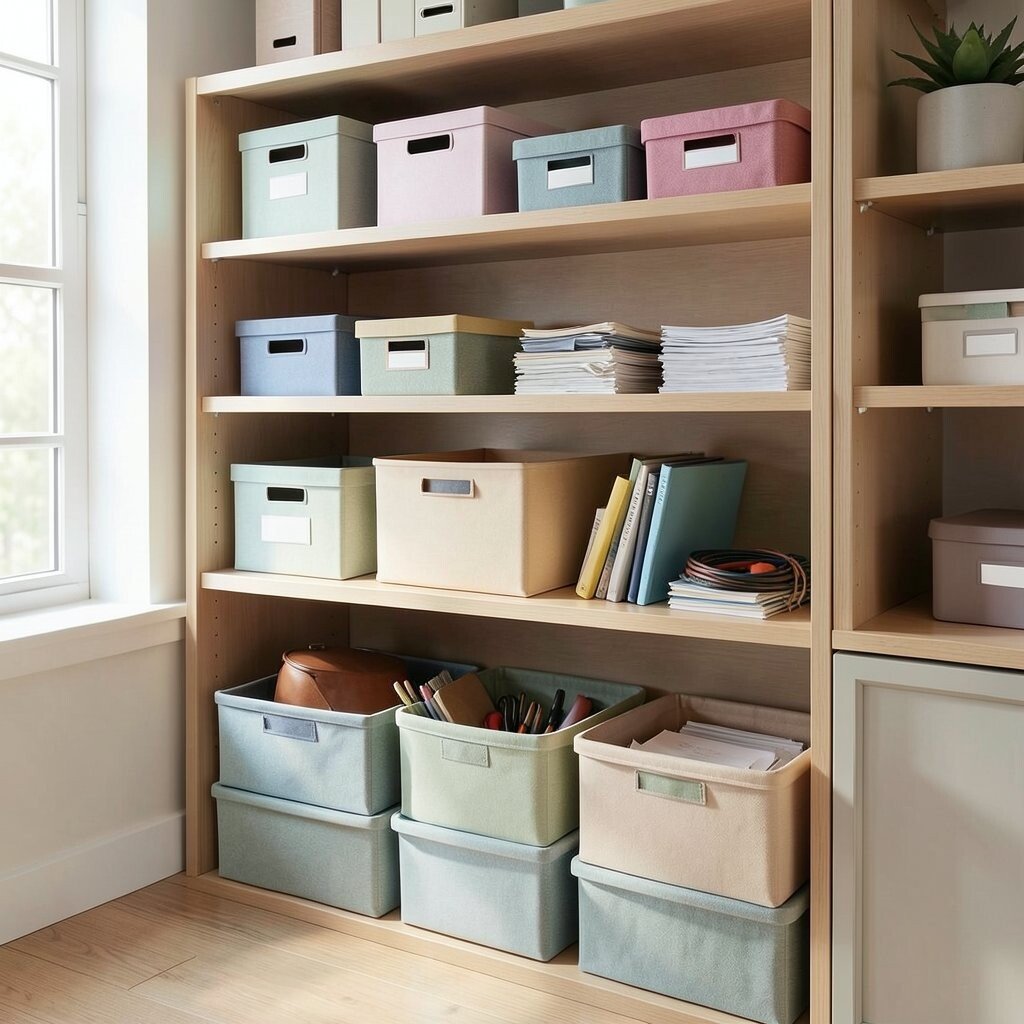
Matching storage boxes can make shelves and cabinets look clean and easy to use. They also help sort papers, cords, tools, and files so you can find them faster.
Many offices now use boxes with soft colors, fabric covers, or labels on the front. These are useful because they hide clutter while still looking nice on open shelves.
Choose a size that fits your items and your storage space. If you want to save money, mix a few low-cost boxes with simple bins you may already have at home.
9. Hang Simple Art
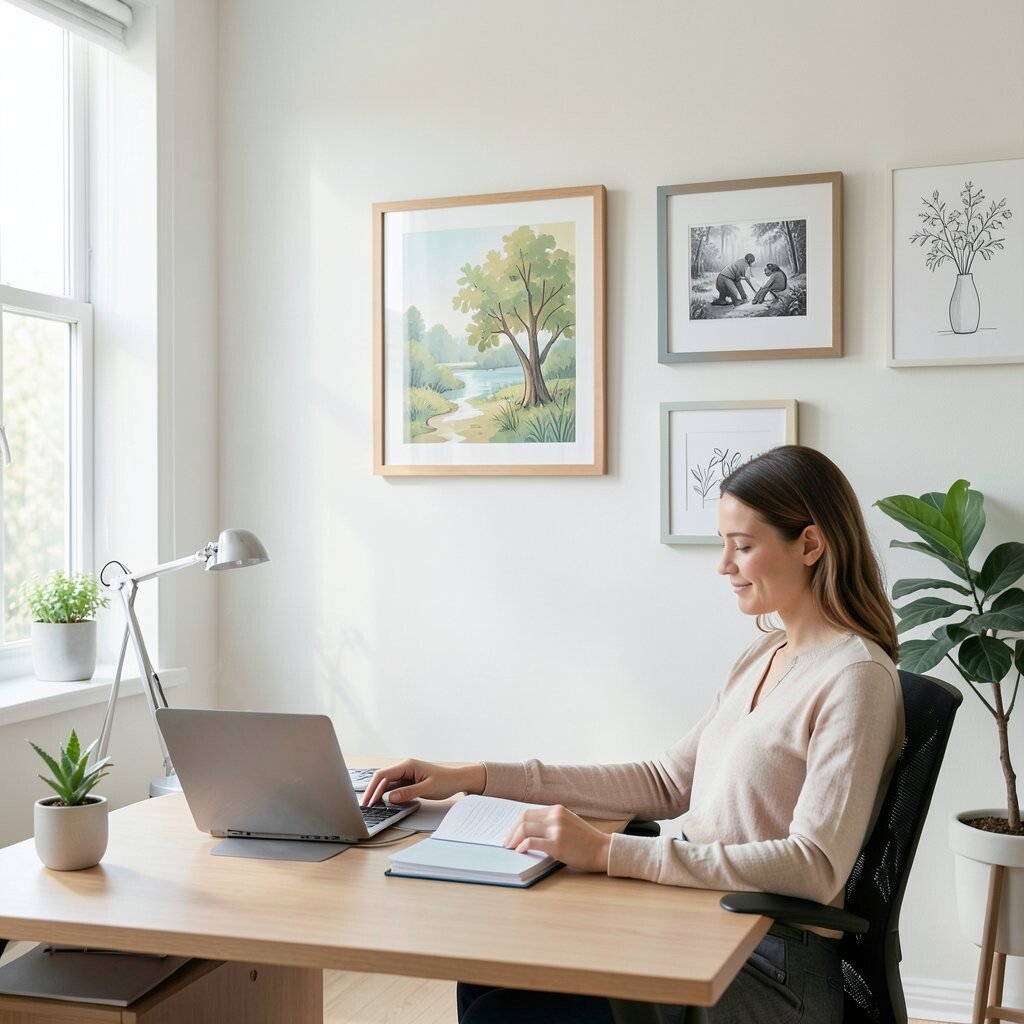
Simple art can give an office more style without making it feel busy. A framed print, a photo, or a line drawing can add color and help the room feel more finished.
People often use calm colors, black-and-white images, or nature scenes because they are easy to match with many office styles. This is a good way to show your taste without spending a lot of money.
Try hanging art at eye level so it feels natural when you sit at your desk. You can also make a small gallery wall with a few pieces that share the same frame color or theme.
10. Set Up a Standing Spot
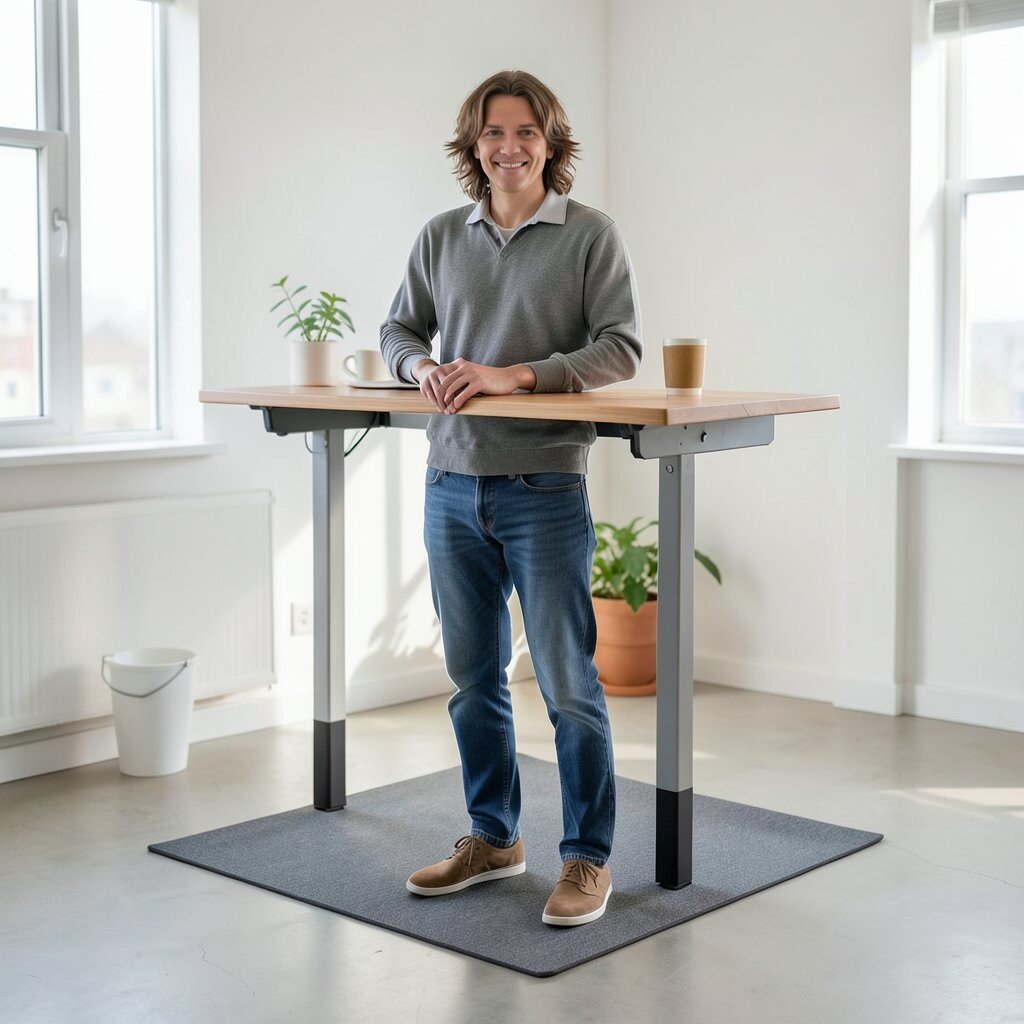
A standing spot gives you a place to work while you are on your feet for part of the day. This can help break up long sitting time and may help you feel less stiff.
You do not need a full standing desk to try this idea. A sturdy counter, a tall table, or a desk riser can work well and can cost less than a full new desk.
Keep the area simple with only the items you need for short work sessions. A mat under your feet can also help make the spot more comfortable and easier to use.
11. Add Cable Control
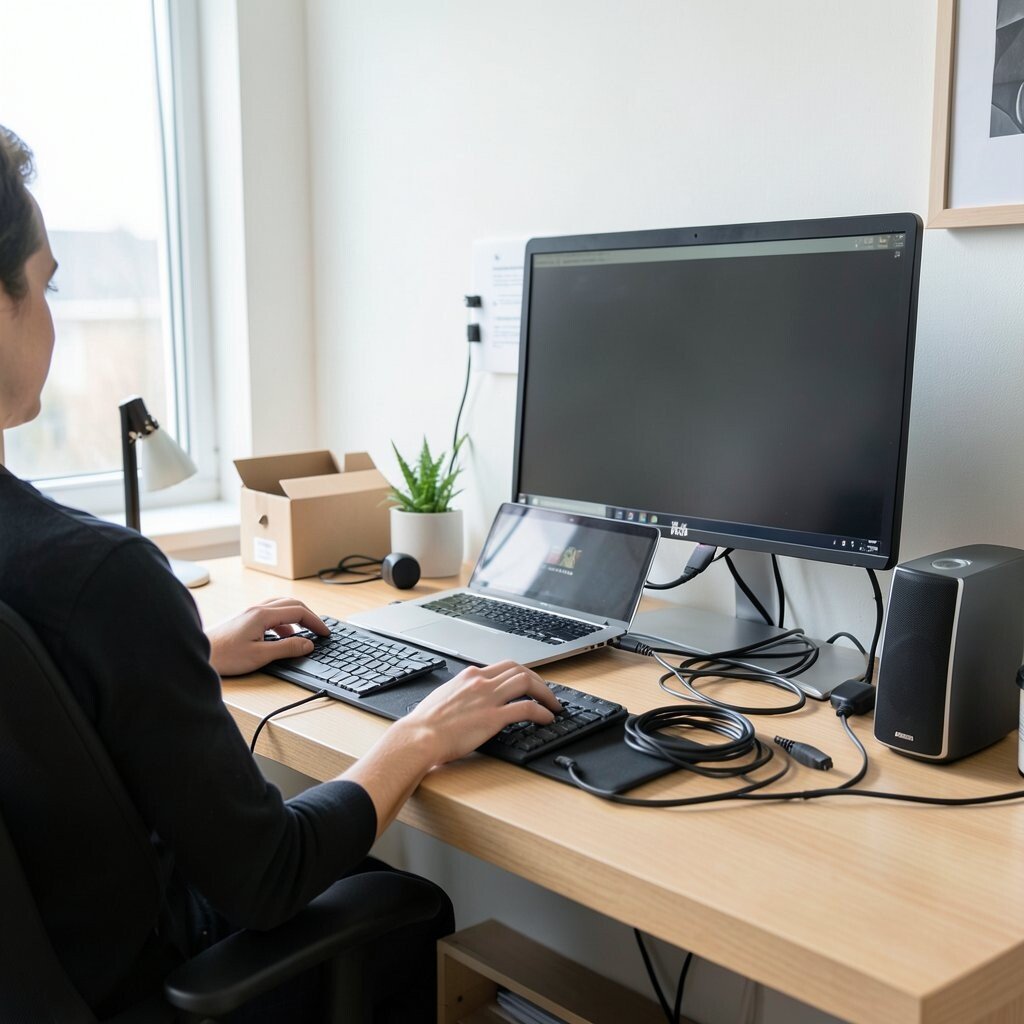
Loose cords can make an office look messy and can get in the way when you work. Cable clips, sleeves, and small boxes can help keep wires in one place and out of sight.
This is a small change, but it can make the room look much cleaner right away. It is also a useful trend because more people work with laptops, monitors, chargers, and speakers in the same space.
Start by sorting the cords you use every day and removing any that are not needed. Labeling the cables can also save time when you need to unplug or move something later.
12. Use a Pinboard or Cork Board
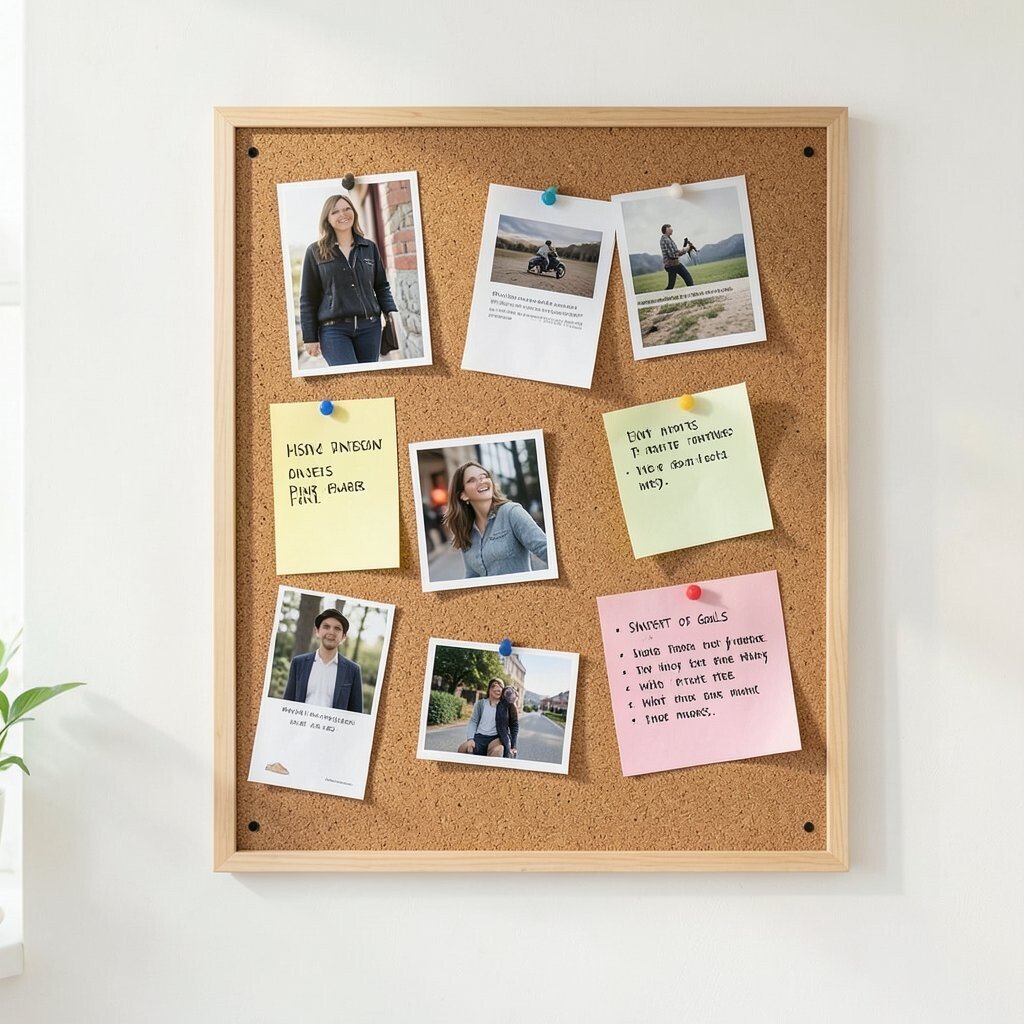
A pinboard gives you a place to keep notes, reminders, and small papers where you can see them. It can help cut down on desk clutter and make daily tasks easier to track.
Many people like cork boards, fabric boards, or metal boards because they are simple and useful. You can find low-cost options in many sizes, so this idea works for almost any budget.
Make the board your own by adding photos, color notes, or a short list of goals. Keep it neat and only pin what matters so it stays useful and does not turn into a mess.
13. Choose a Calmer Color Scheme
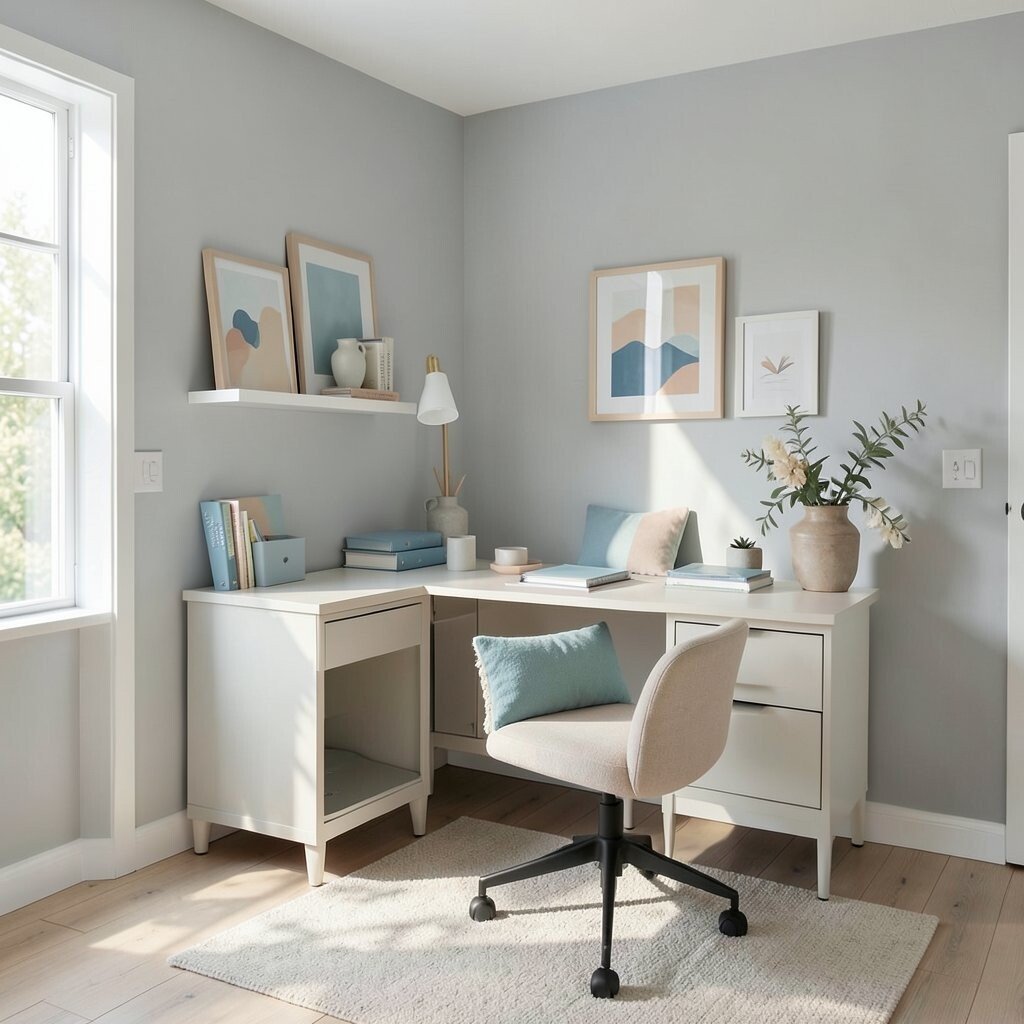
Soft colors can help an office feel more steady and less noisy to the eye. Light gray, warm white, soft blue, and beige are common choices that work well in many rooms.
This kind of color plan is easy to use because it gives the room a clean base. You can then add small bits of color through pillows, folders, art, or a chair.
If you want a more personal look, pick one accent color that matches your taste. A calm color scheme can also make a small office feel a bit more open and airy.
14. Add a Few Personal Items
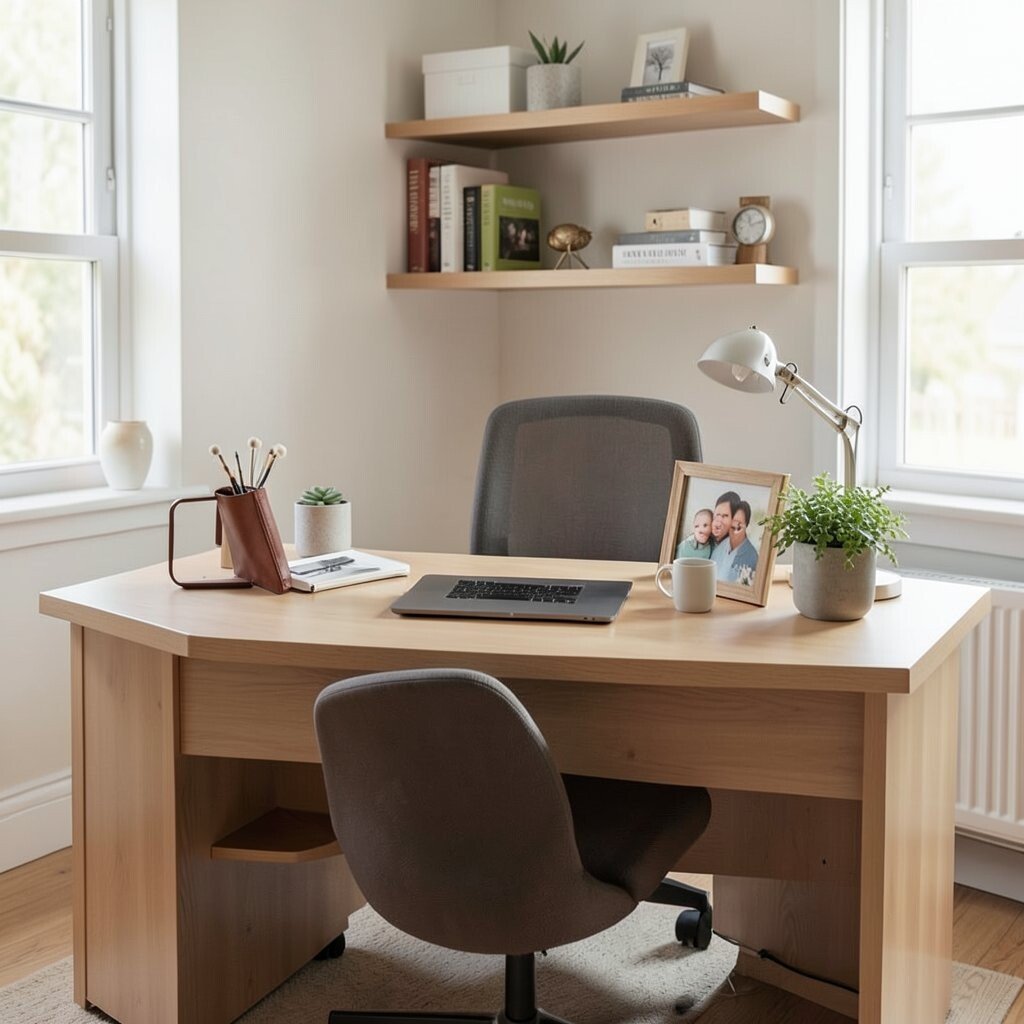
Personal items can make an office feel like your own space instead of just a work zone. A family photo, a travel item, or a favorite mug can add warmth without taking much room.
Keep the items simple so they do not take over the desk or shelves. The best setups often use just a few personal pieces that fit the room and still leave space for work.
This idea costs very little because you may already own the things you want to use. It also helps the room feel more friendly, which can make long work days feel less dull.
15. Make a Reading Corner
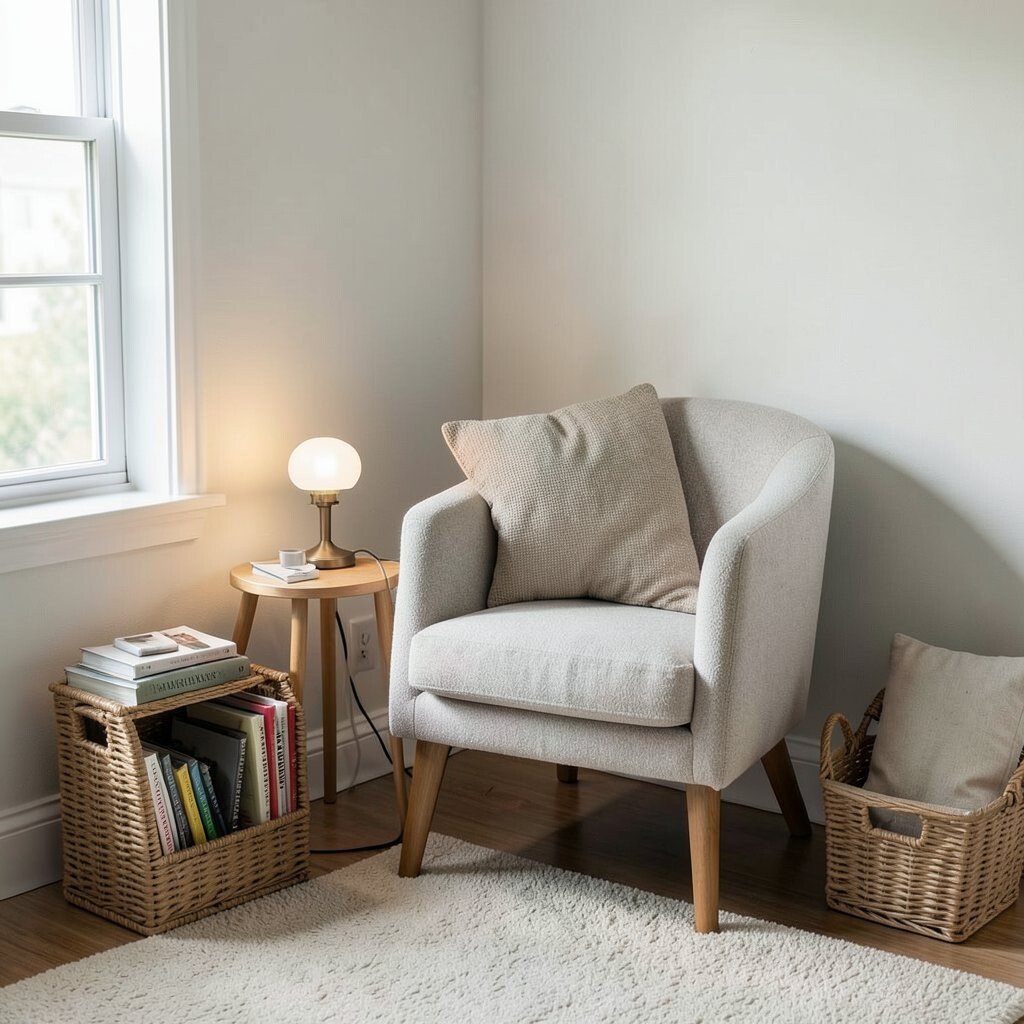
A reading corner can give the office a quiet place for notes, books, or short breaks. A chair, a small lamp, and a side table are often enough to build one.
This spot can make the room more useful because it gives you a place to step away from the main desk. Many people like soft chairs and small floor lamps for this area because they look cozy and do not take up much room.
Use a basket or shelf nearby to hold books and papers so the corner stays neat. If you want to spend less, use a chair you already have and add a pillow for comfort.
16. Try a Foldable Desk
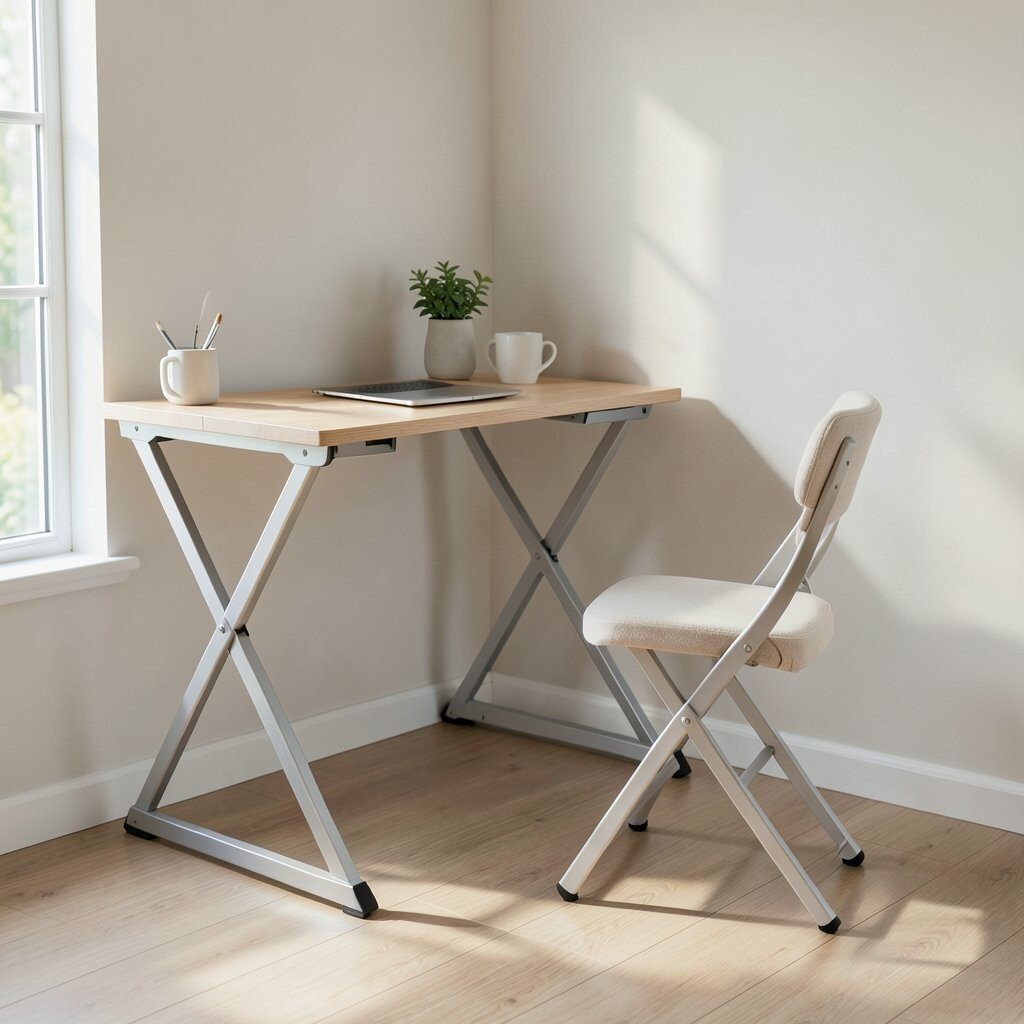
A foldable desk is a good choice when you need a work area that can change with the room. It can be folded away when not in use, which helps in small homes or shared spaces.
This type of desk often costs less than a large fixed desk and can still look clean and modern. Many newer styles use light wood, metal legs, or simple lines that fit current office trends.
Set it near a wall or window so the space feels open and easy to use. Pair it with a folding chair or a slim stool if you want the setup to stay easy to move.
17. Use a Desk Mat
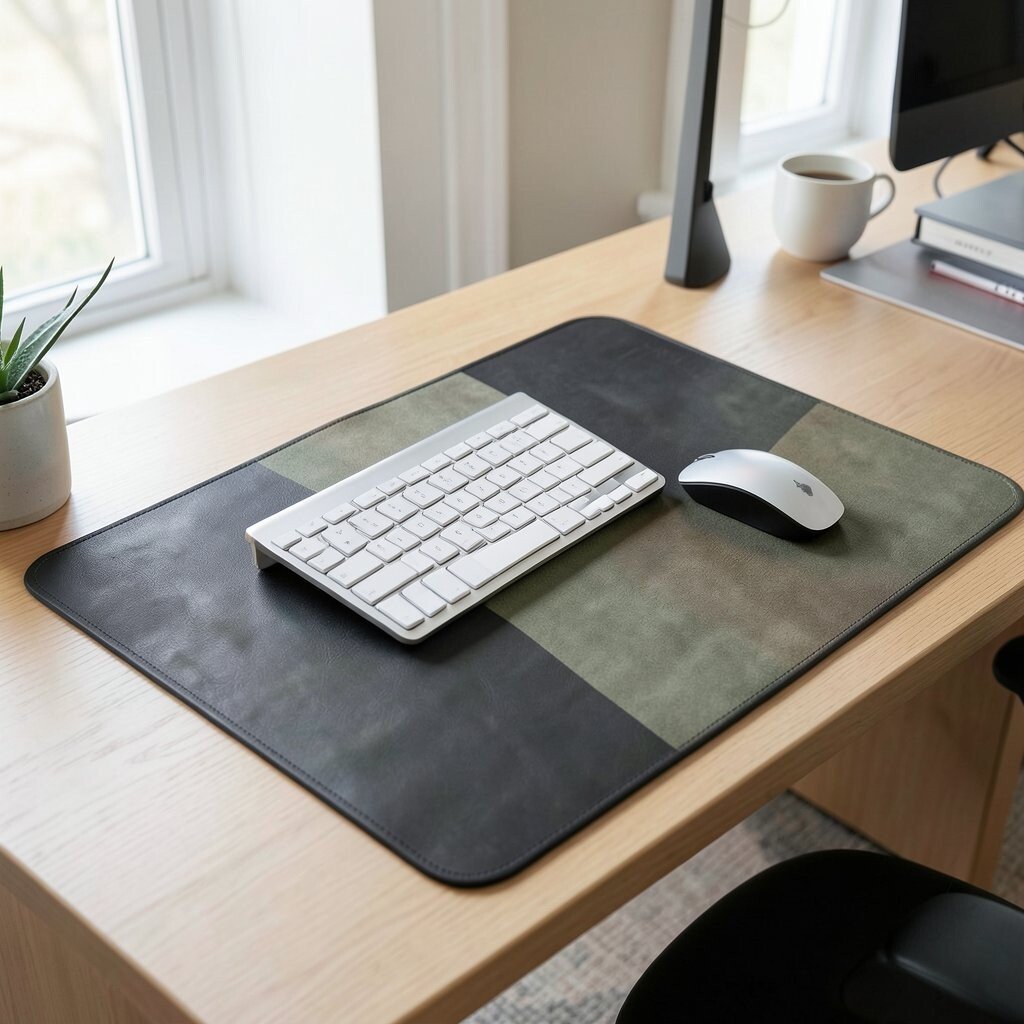
A desk mat can protect the desk surface and make the work area look more put together. It also gives your mouse, keyboard, and notebook a smooth place to rest.
Many desk mats come in leather, felt, or soft plastic, and each one gives a different look. This is a low-cost way to add style while also helping keep the desk clean.
Pick a color that fits the rest of the room, such as black, tan, gray, or soft green. A desk mat can also help mark out your work zone if you share the room with other people.
18. Add Better Window Coverings
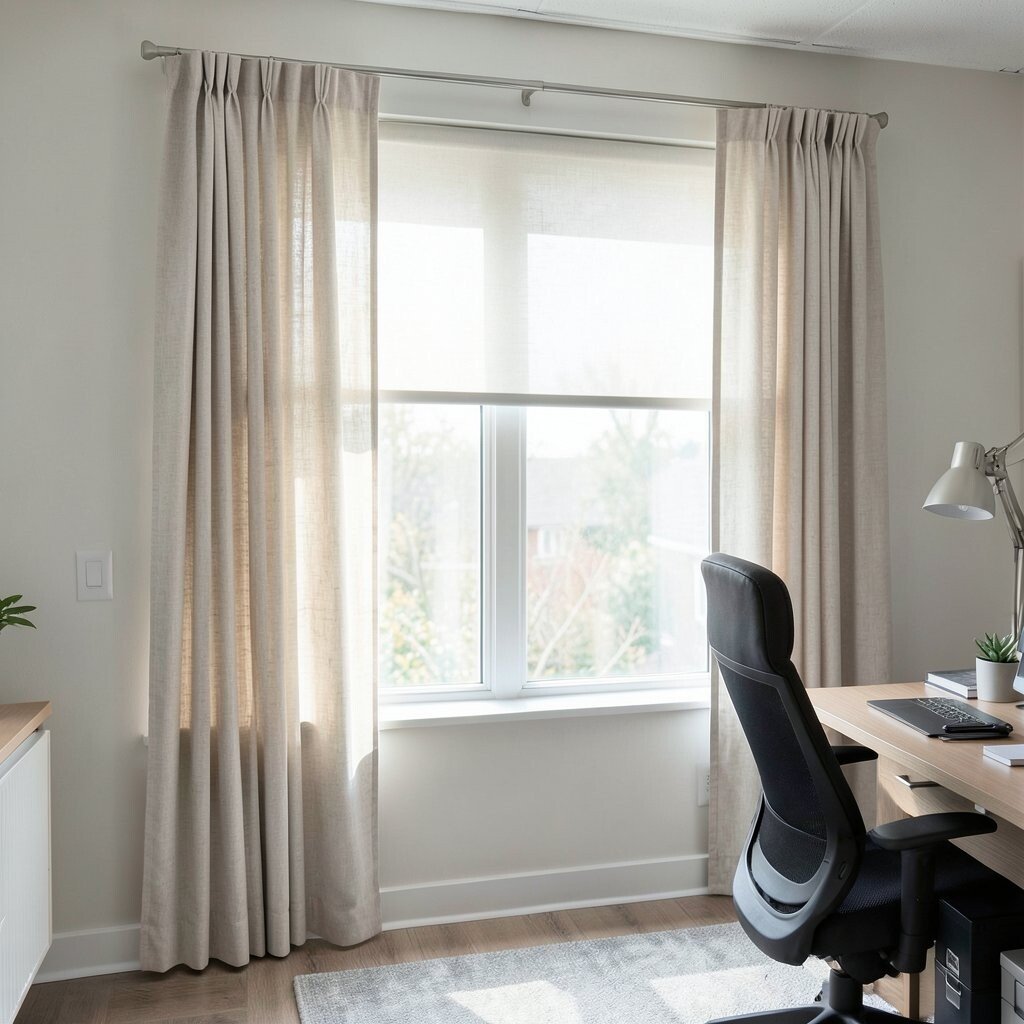
Window coverings can help control glare, keep the room cooler, and make the office feel more private. Light curtains, shades, or blinds can all work well depending on the room.
Simple linen curtains are still a popular choice because they look soft and let in some light. If you want a cleaner look, roller shades or flat blinds can be a good match for a modern office.
Choose a style that fits your needs and your budget. Good window coverings can make work easier during bright hours and can help the room feel more calm.
19. Create a Label System
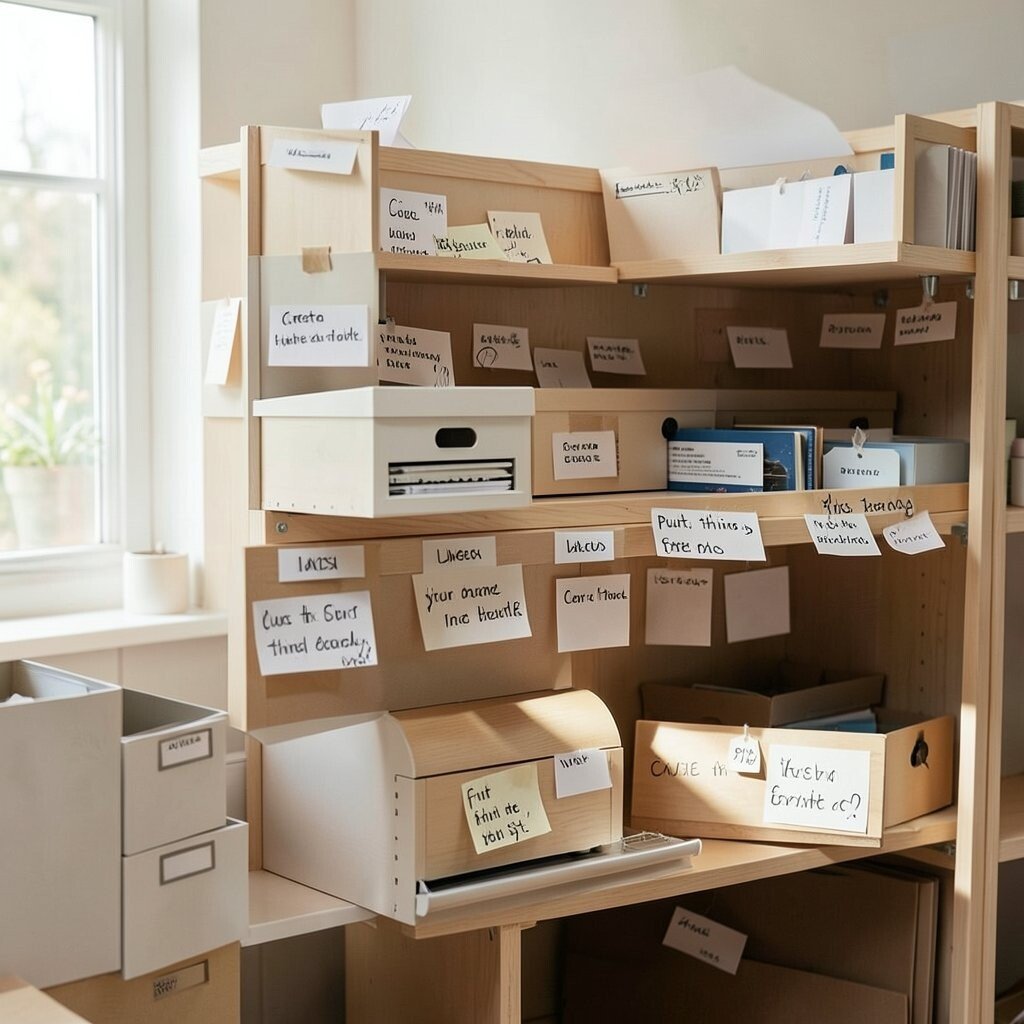
Labels can make storage much easier to use because you know where things belong. They work well on drawers, boxes, folders, and shelves in both home and shared offices.
This idea is simple but very helpful when many people use the same space. It also looks neat and can save time when you need to put things away or find them fast.
Use plain printed labels for a clean style or handwritten tags for a more personal feel. You can keep the look cheap and simple by using paper labels, tape, or small tag holders.
20. Bring in Natural Textures
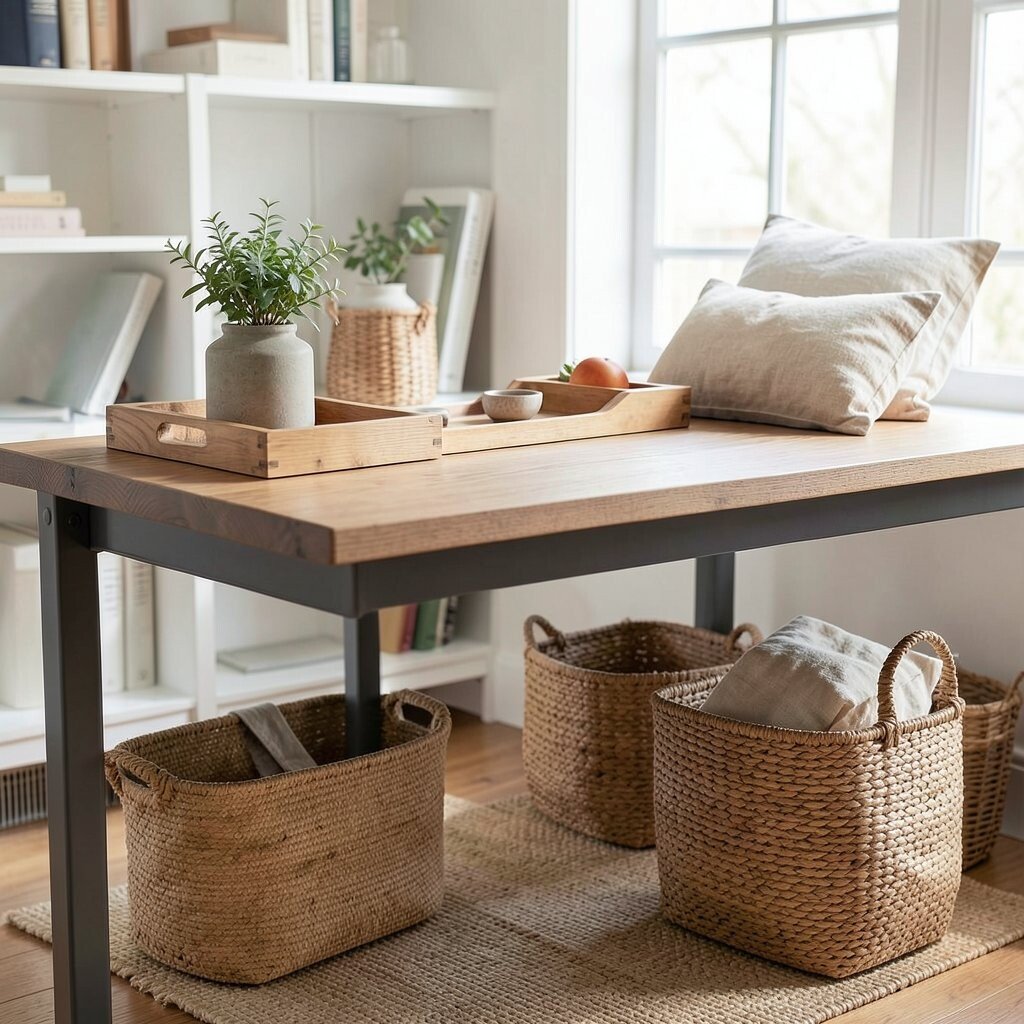
Natural textures can make an office feel warmer and less flat. Wood, rattan, cotton, linen, and woven baskets can all add a soft and lived-in look.
Many current office styles use these materials because they feel calm and easy to mix with other items. You do not need a full room makeover; just a few pieces can change the feel of the space.
Try a wood desk tray, a woven basket, or a linen cushion for a small start. These items often come in many price ranges, so you can match them to your budget.
21. Keep a Water and Snack Area
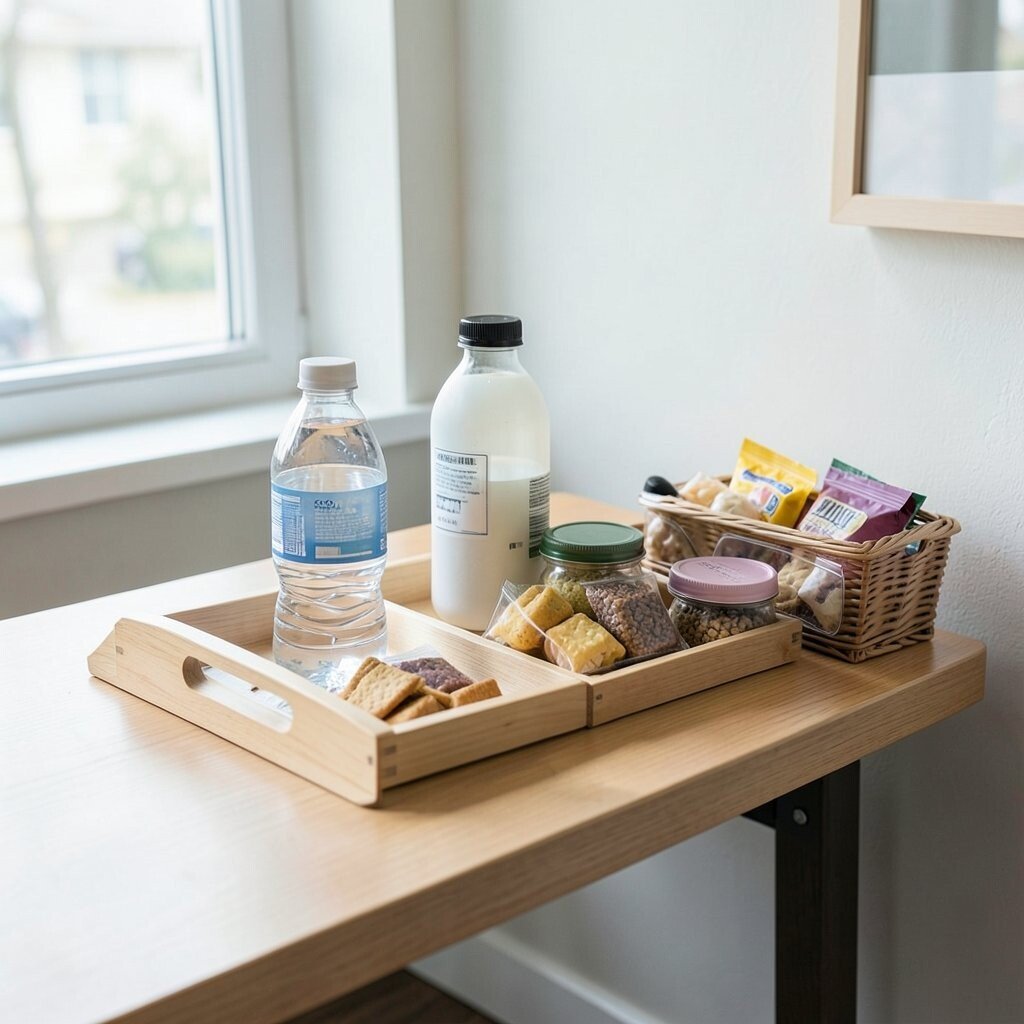
A small water and snack area can help you stay on task without leaving the room too often. A tray, a bottle, and a few simple snacks can be enough for a neat setup.
This idea is useful in busy offices because it keeps the desk clear and helps keep the work flow steady. It also makes the space feel more ready for long work days.
Use containers that close well so the area stays clean and easy to manage. If space is tight, a small basket on a shelf or side table can hold everything you need.
22. Add a Whiteboard
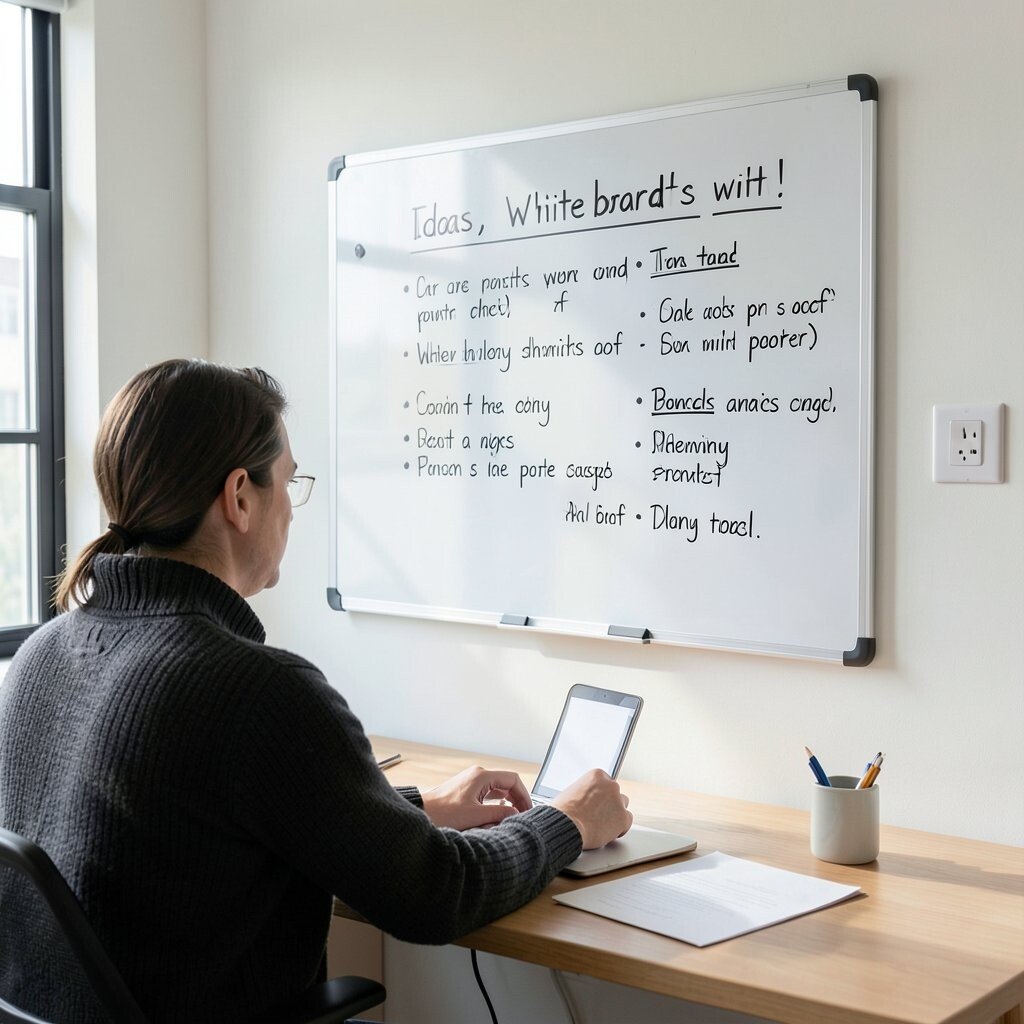
A whiteboard can help with planning, quick notes, and daily to-do lists. It gives you a clear place to write things down without filling up your desk with paper.
Whiteboards are common in both home offices and team spaces because they are easy to use and easy to clean. Some people like small wall boards, while others use tabletop boards or glass boards for a more modern look.
Keep the board in a spot where you can see it while working. Use it for short notes, weekly plans, or simple reminders that help you stay on track.
23. Use a Small Area for Supplies
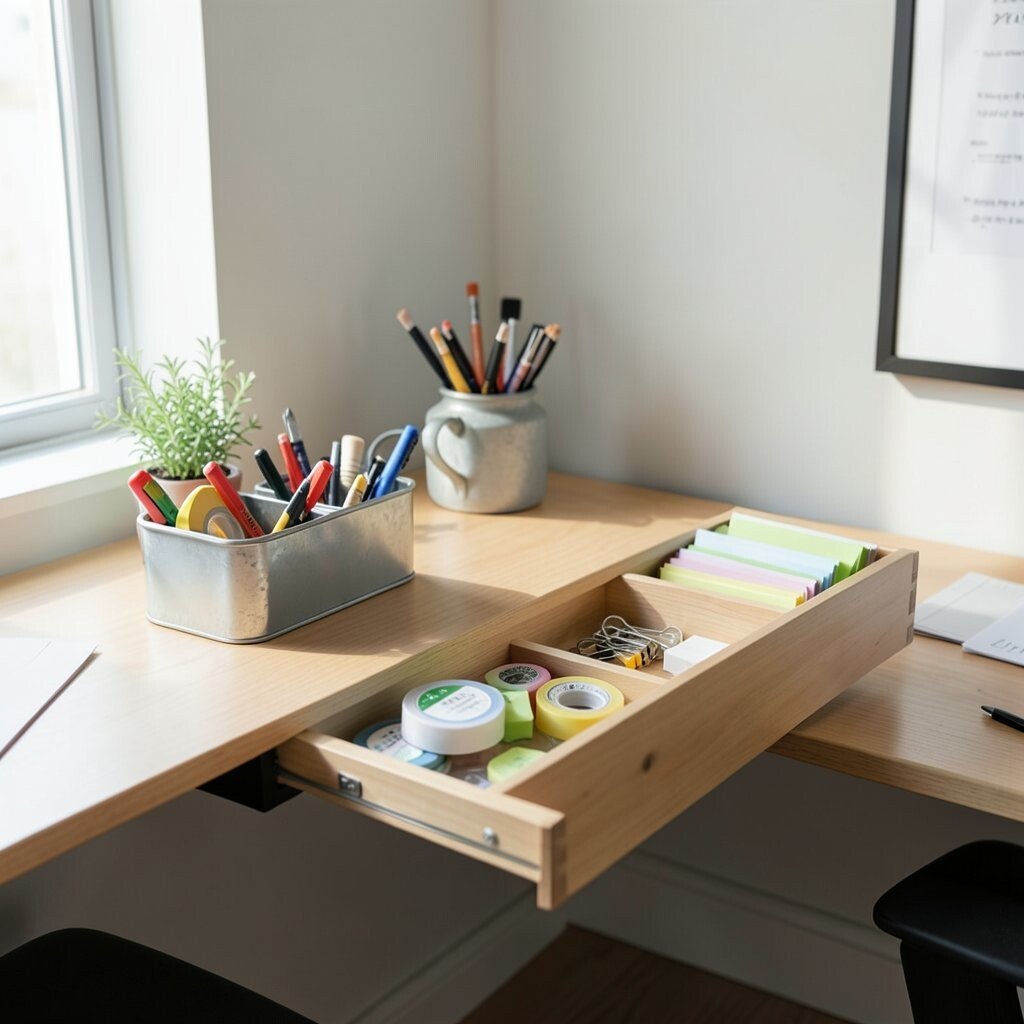
A supply area helps keep extra items in one place instead of spread across the room. Pens, tape, sticky notes, clips, and folders can all stay in a drawer, bin, or caddy.
This makes the office easier to use because you can grab what you need without searching. It also helps the desk stay clear, which can make the room feel less crowded.
Choose a container that fits your style, such as a metal caddy, a wood box, or a simple plastic tray. If you want a low-cost option, reuse a box or basket you already own.
24. Add a Small Sound Fix
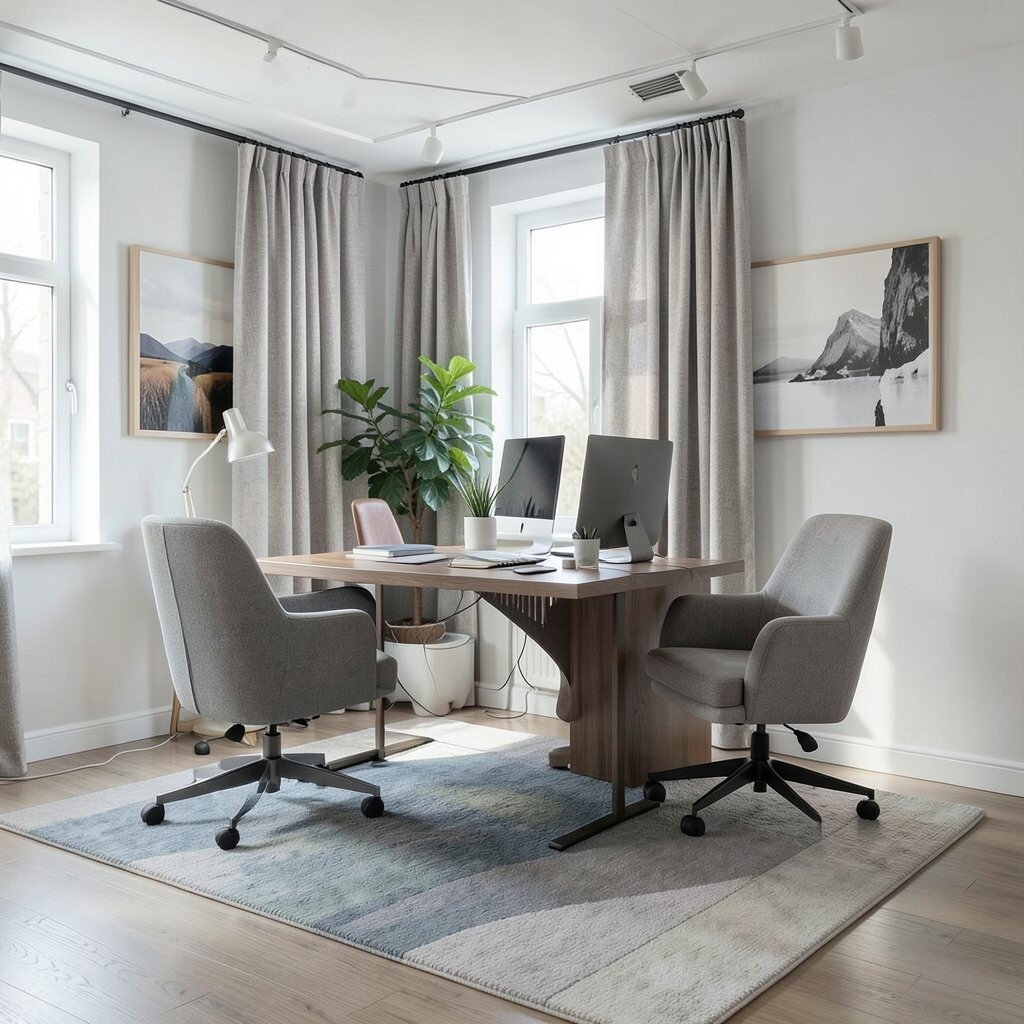
Some offices feel too loud, especially when walls are thin or the room has hard floors. Soft items like rugs, curtains, and fabric chairs can help cut down on echo.
This is a useful change because it can make calls, meetings, and focused work feel easier. Many people also use wall art or fabric panels as part of a quiet and modern office trend.
Start with one or two soft pieces and see how the room feels. You do not need to spend a lot to make the space more pleasant to work in.
25. Make Room for Movement
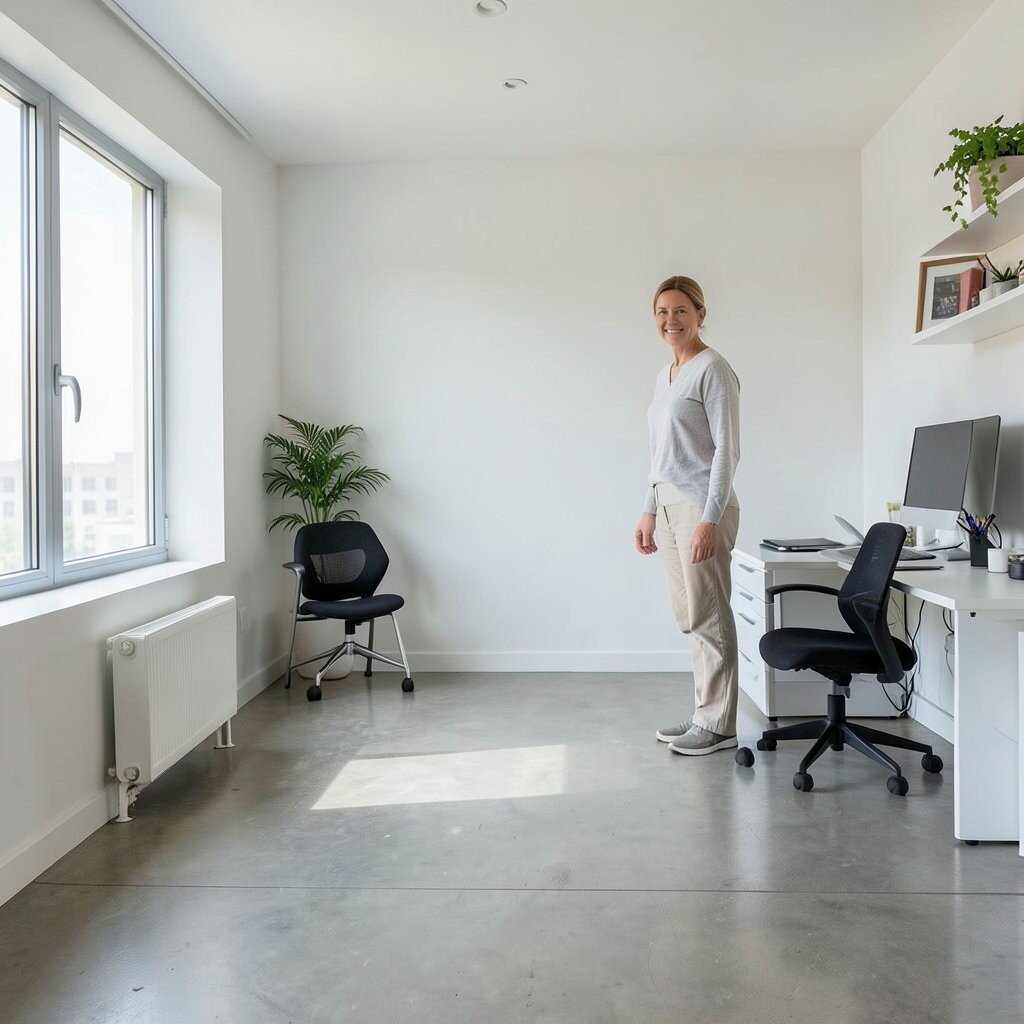
An office should leave some open space so you can stand, stretch, or move around without bumping into things. A clear path also makes the room feel less tight and easier to use.
This idea is helpful for both health and comfort because it gives your body a break from sitting still. It can also make a small room seem bigger when furniture is placed with care.
Try moving one chair, side table, or shelf if the room feels crowded. The goal is to keep the space simple enough that you can shift your position during the day.
26. Add One Strong Focal Point
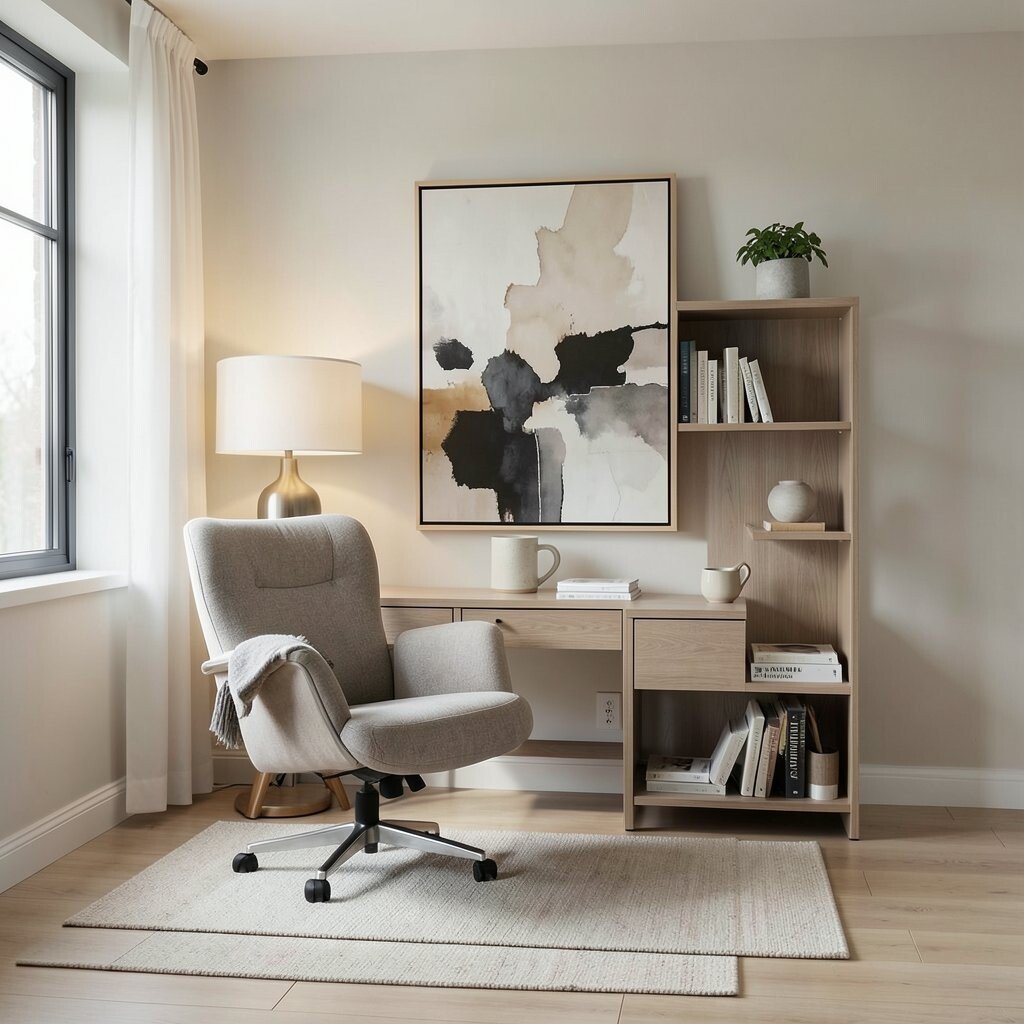
A focal point gives the office one main feature that stands out in a simple way. It might be a bold chair, a large piece of art, a nice lamp, or a clean bookshelf.
This can help the room feel planned and not random, even if the rest of the space stays plain. Many people like this trend because it lets them keep most of the office simple while still adding some style.
Choose one item that fits your taste and budget, then build the rest of the room around it. A strong focal point can help the office feel more personal and more put together without adding too much clutter.