
Walls can feel flat even when your home is full of personality. Sculpted texture plaster adds depth you can see and touch.
From soft curves to bold relief patterns, it offers a fresh look without needing to change your whole space.
1. Soft Waves That Feel Like Sea Air
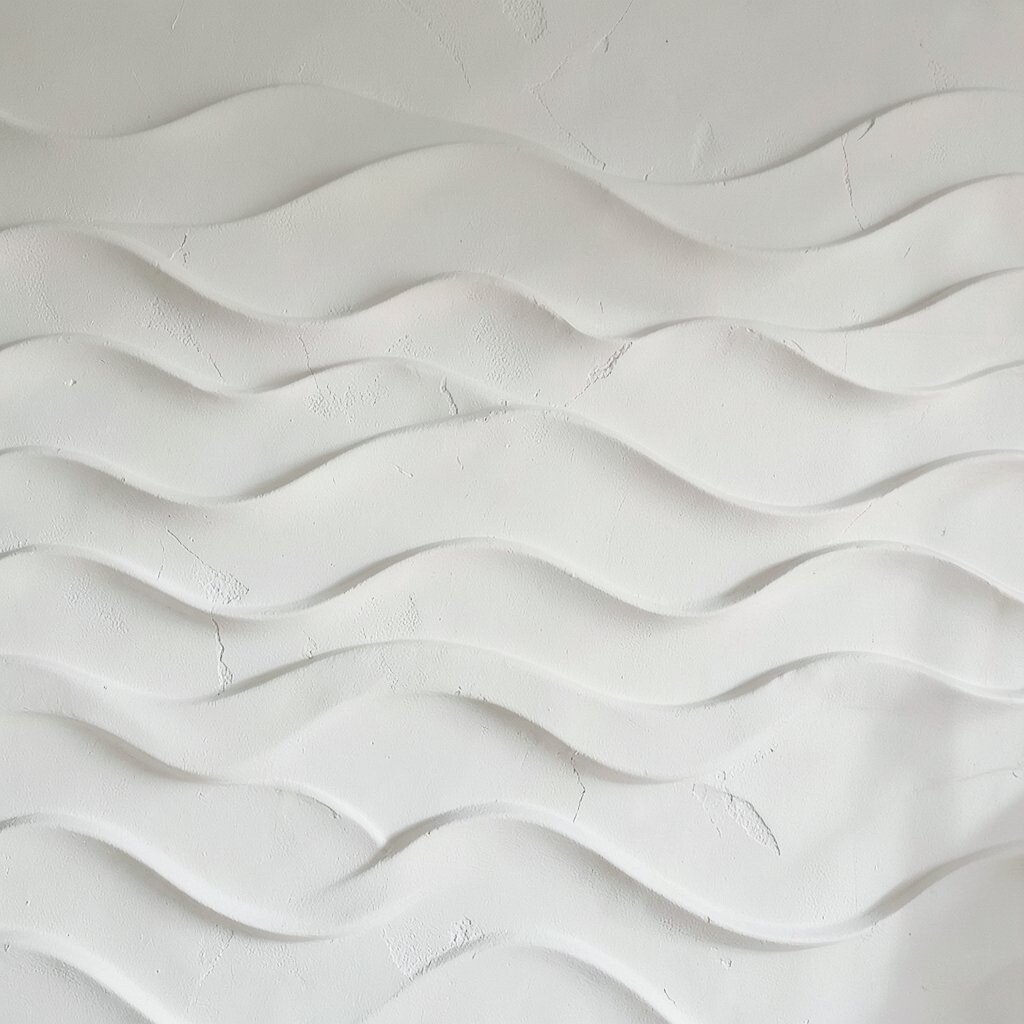
Imagine stepping into a room where the wall surface looks like gentle waves frozen in time. The plaster catches light along the ridges, creating a calm, airy mood that feels welcoming.
You’ll love how this texture hides small wall imperfections, making it forgiving for older surfaces. For best results, keep the waves subtle in smaller rooms and let them grow more dramatic in hallways where you can walk along them.
2. Venetian-Inspired Swirls With a Modern Twist
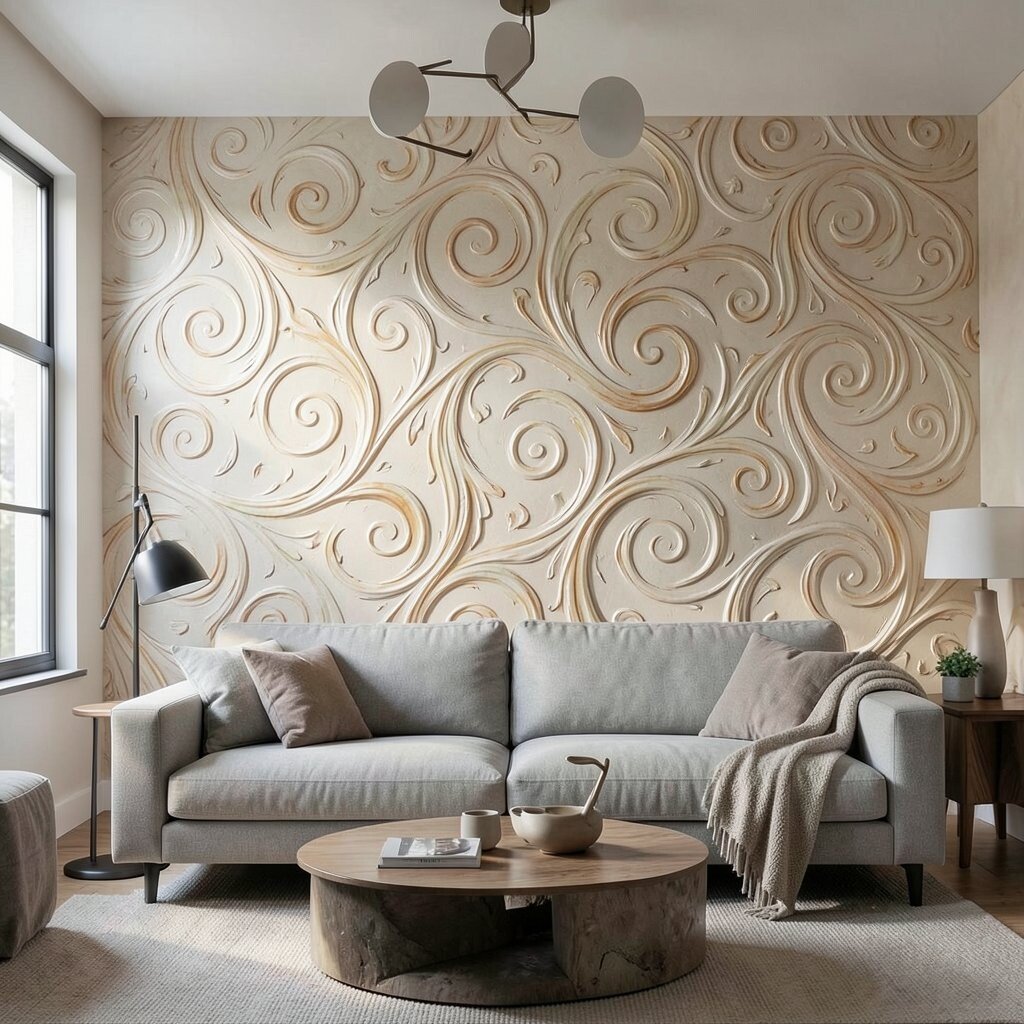
Venetian style can look fancy, yet it also feels warm and lived-in when you keep the movement fluid. Think of swirling color that looks hand-painted, with tiny highlights that shift as you move.
This finish can make even a plain living room feel styled and intentional. Choose a palette that matches your furniture tones, and use a few coats to build up depth without making the surface too heavy.
If you want it to feel current, pair it with matte fixtures and simple lines in decor. A practical approach is testing color samples on your actual wall area because light and undertones can change the final vibe.
3. Geometric Bas-Relief Panels for a Feature Wall
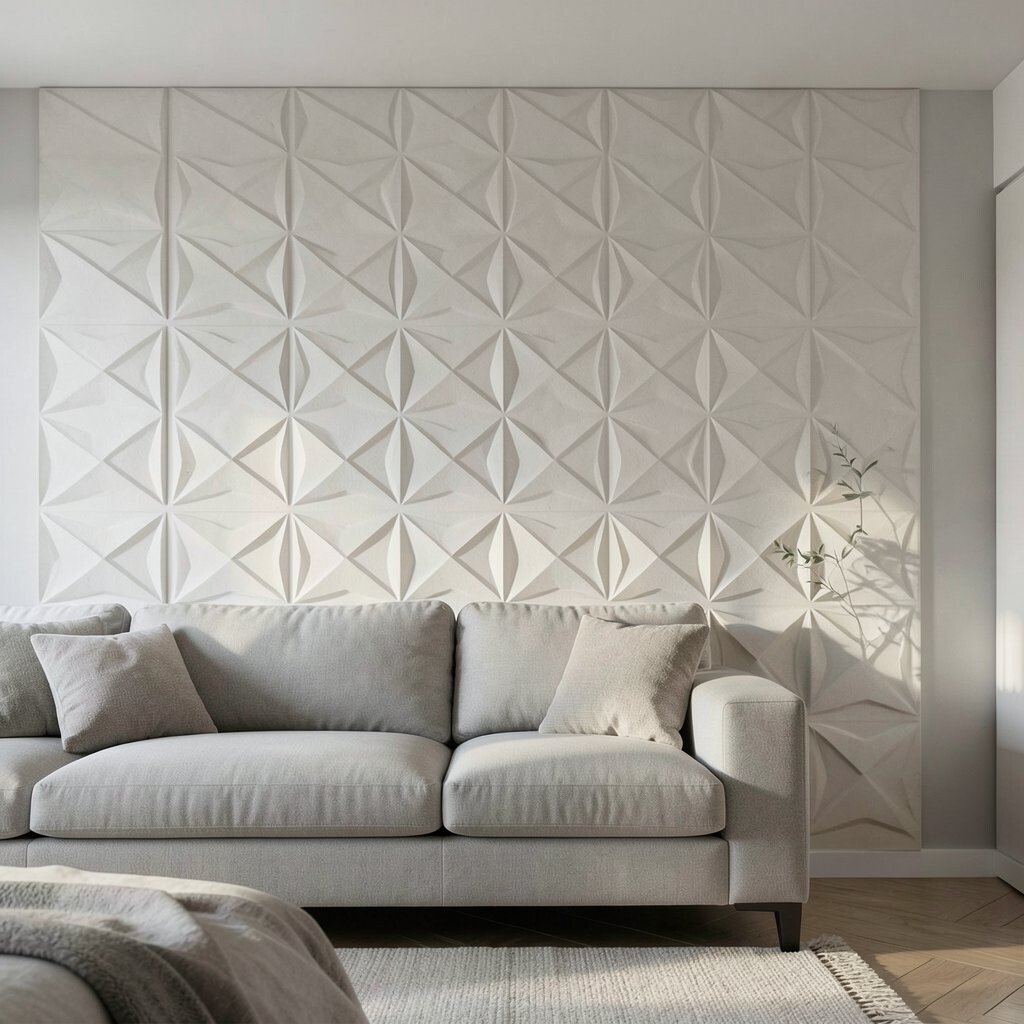
Picture clean shapes popping out of the wall like a calm architectural drawing. Sculpted plaster can form shallow panels, giving you the look of custom stonework without the weight.
This idea works especially well behind a sofa, bed, or console where you want focus. A big benefit is that the relief adds dimension without raising noise, so rooms still feel tidy and easy to live in.
To keep it stylish, choose one repeating pattern and repeat it consistently across the section. Consider using a low-profile design that won’t catch elbows when people pass by.
For cost awareness, think of the feature area as a budget anchor while keeping adjacent walls simple. You can also personalize by matching the pattern spacing to your wall size so it looks intentional rather than random.
4. Limewash Texture With Torn-Cotton Dryness
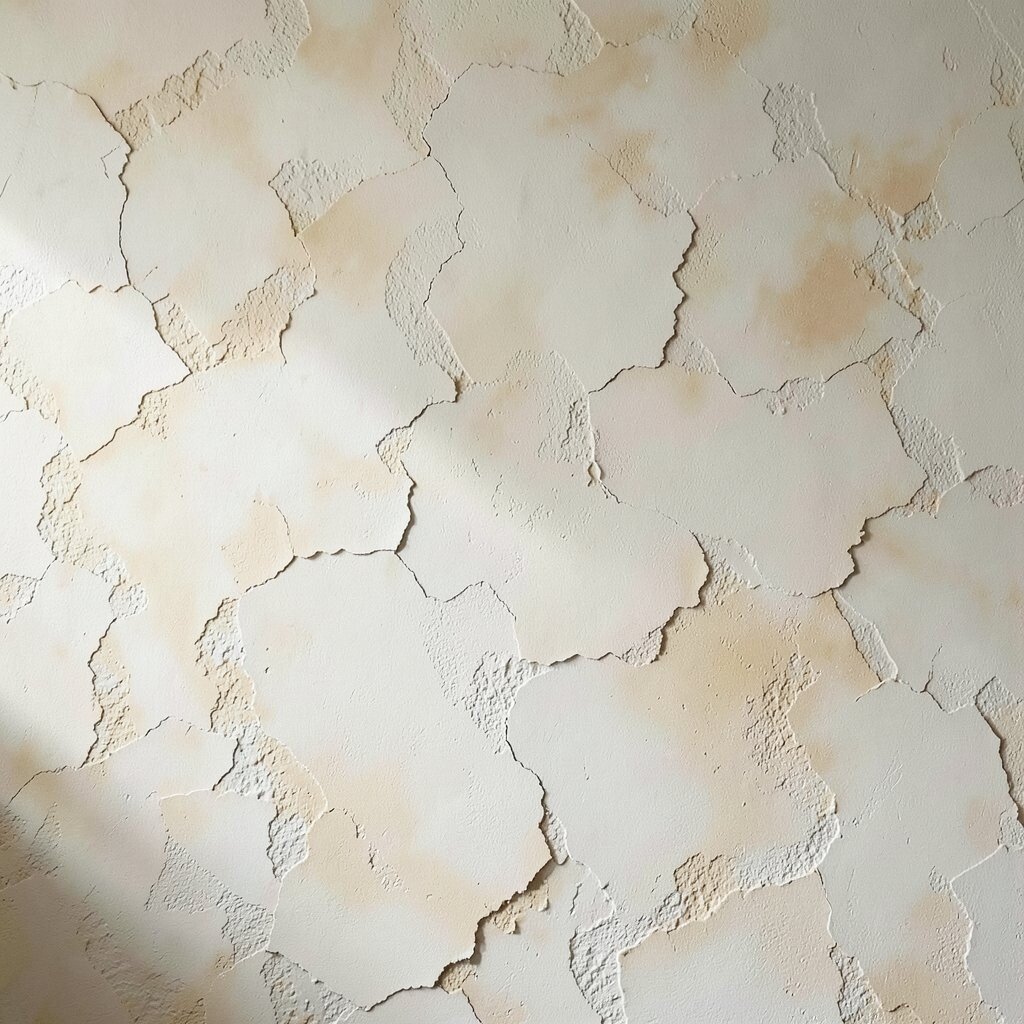
Limewash-inspired plaster has a natural, slightly mottled look that feels earthy and soft. Instead of crisp shine, it gives a gentle glow that feels like sunlight on old plaster.
This finish is great for rooms where you want warmth, especially bedrooms and dining areas. It also helps hide patchiness because the texture breaks up shadows.
When applying, aim for unevenness that still looks balanced, not accidental. You can personalize by choosing warmer whites, sandy grays, or pale clay tones that play nicely with wood and linen.
5. Vertical Ridges That Make Ceilings Feel Taller
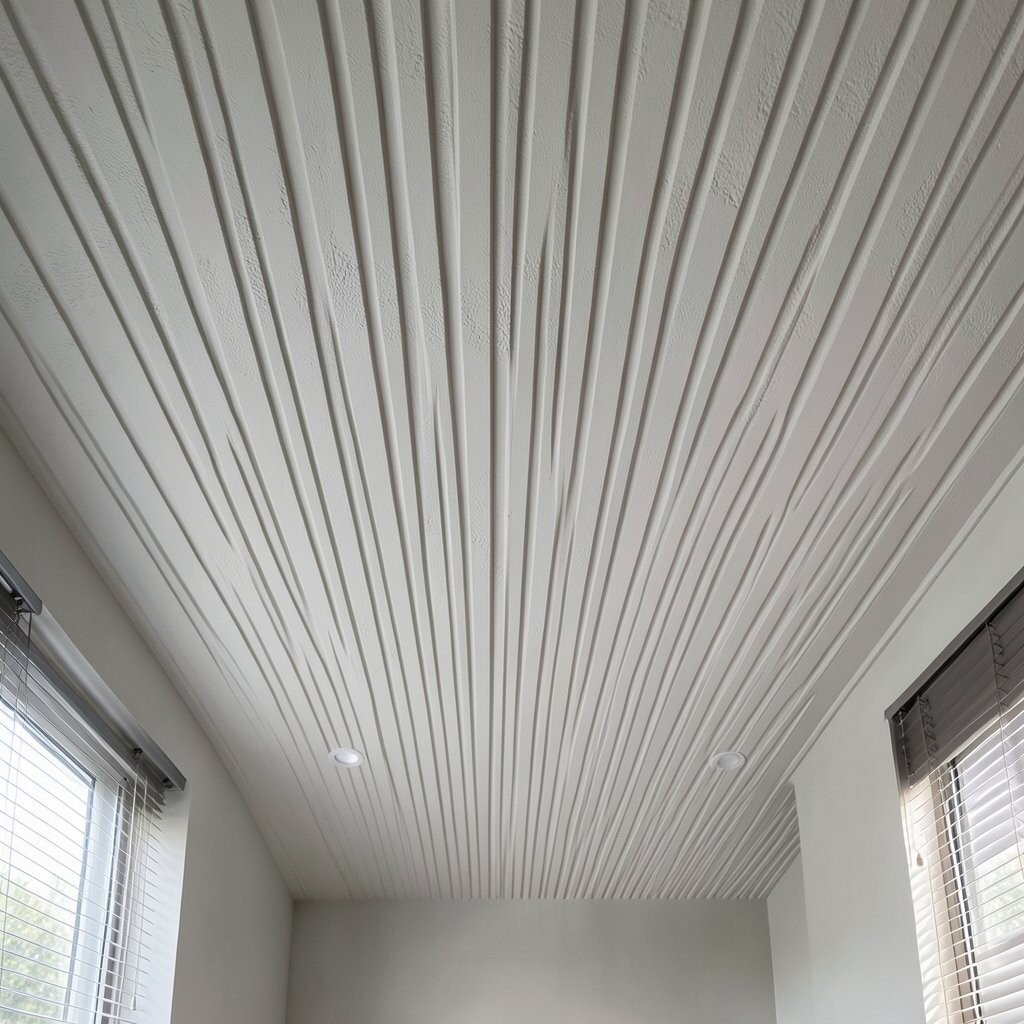
Vertical texture can create the illusion of height, like your walls are quietly stretching upward. Ridged plaster lines look crisp, and the shadow play makes the surface feel crafted.
This option is practical because it adds visual interest without needing a complex pattern. If you have low ceilings, keep the ridges fairly narrow and avoid heavy, deep grooves.
For a modern touch, combine vertical plaster with flat paint on the ceiling edge so the separation looks clean. If you want personalization, mirror the direction of ridges with the lines in rugs, blinds, or shelving.
6. Hand-Troweled Dune Texture for Cozy Rooms
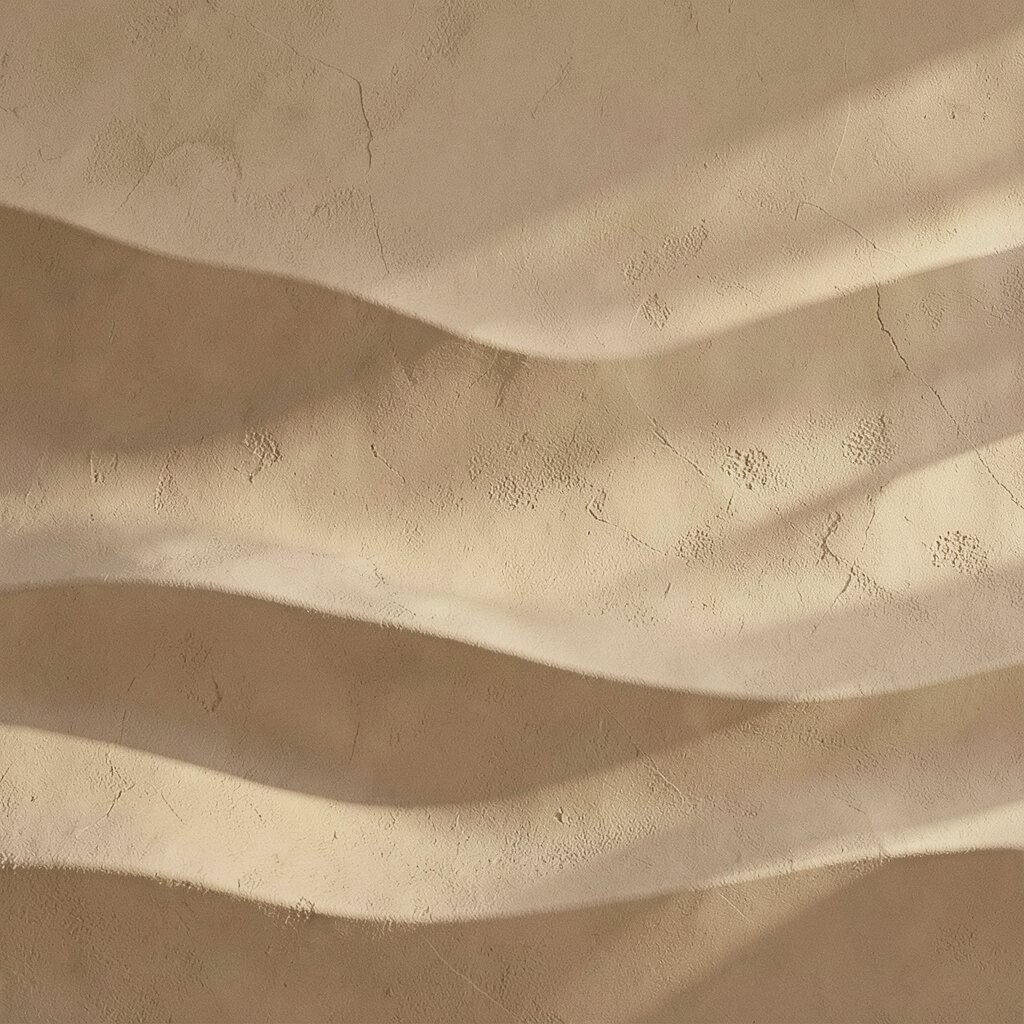
Think of a warm, sandy landscape translated into wall texture, with movement that feels soft and inviting. Dune-like plaster creates gentle hills and valleys that make light look more interesting.
This kind of finish is ideal for spaces where you want comfort, like a reading nook or family room. It also does a good job hiding tiny cracks and uneven spots.
For a practical approach, use a slightly darker base coat and then blend a lighter top layer so the ridges catch the light. You can personalize by choosing a color that matches your floor undertone, which keeps the room feeling pulled together.
Costs can stay reasonable because you can cover larger areas without installing separate panels. If you’re hiring a pro, ask about finish samples since labor time often depends on how many passes are needed to get the dune effect you like.
7. Sculpted Leaf Veins for an Organic Accent
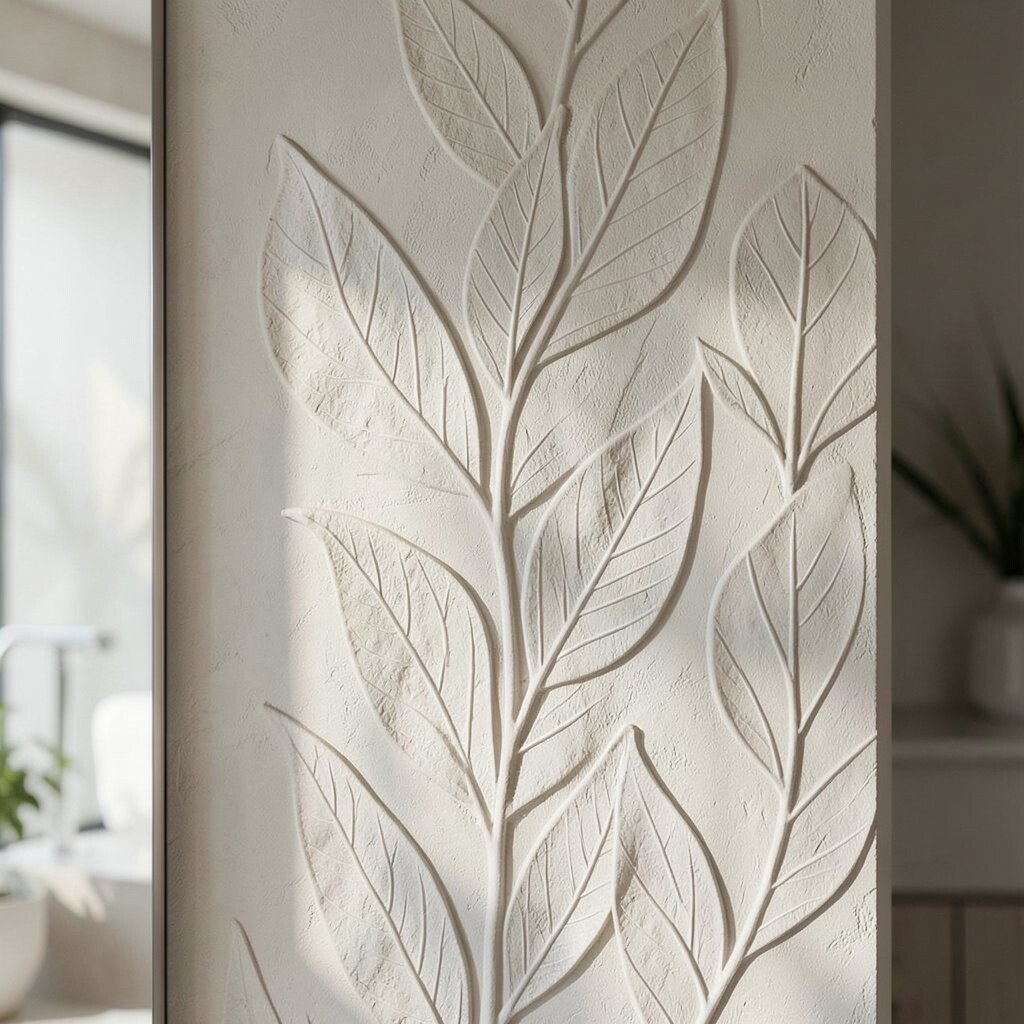
Imagine a wall panel that looks like leaf veins pressed into plaster, delicate but unmistakably botanical. The ridges can be shallow, yet they still create a dramatic pattern when light sweeps across.
This is a unique option for entryways, powder rooms, or spaces that need a little natural charm. It also helps soften a room with sharp corners because the design flows.
To keep it practical, limit the leaf design to one vertical section or around a mirror so it feels intentional. You can personalize the leaf shape to match your plants, like olive-like curves or broad tropical shapes.
If you’re watching cost, you can build a custom look without covering every wall. Start with a smaller featured area and scale up only if you love the result.
8. Ombre Texture Layers for a Gradual Color Story
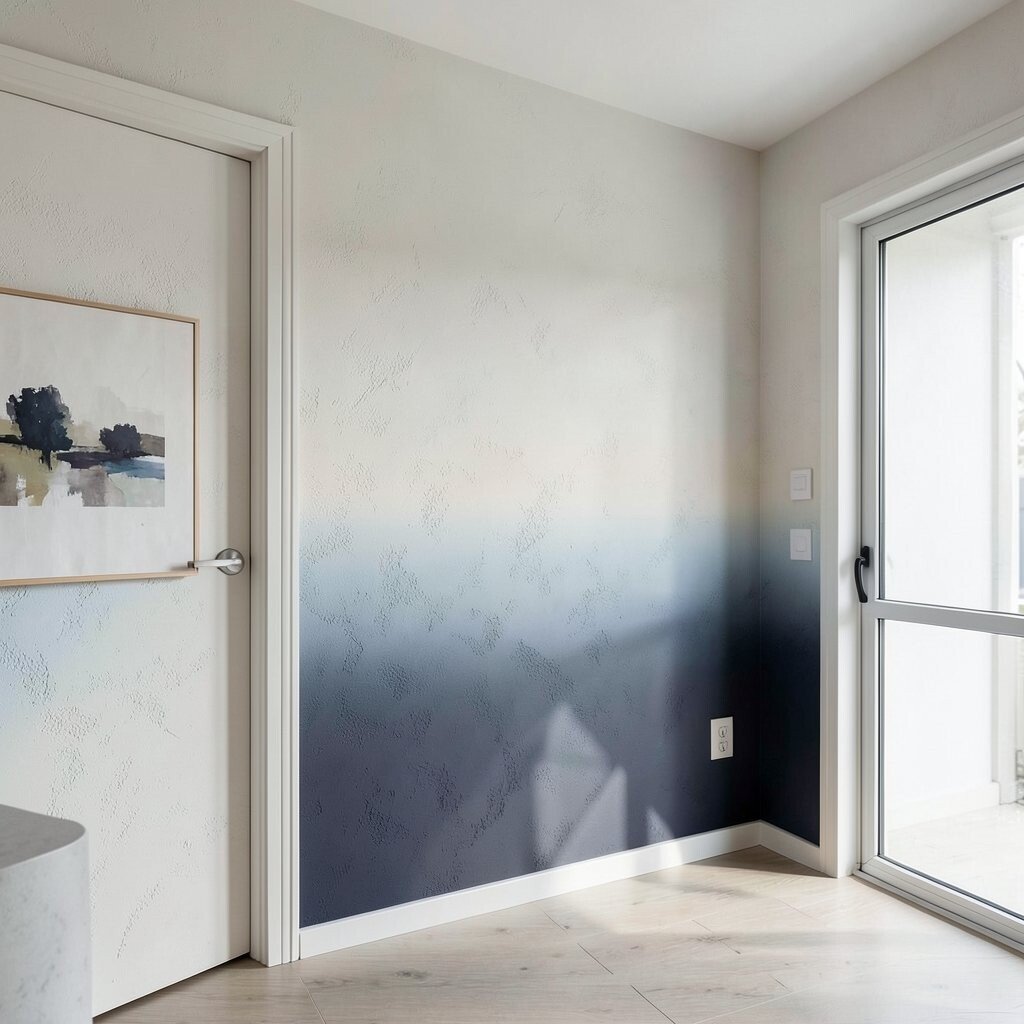
With sculpted plaster, you can blend both texture and color into a smooth gradient. As your wall moves from one tone to another, the raised areas make the color shift feel extra alive.
This idea brings a calm, artistic vibe that works well in bathrooms, bedrooms, and creative studios. It can also reduce the need for heavy decor because the wall already feels like a focal point.
For best results, plan where the darkest shade begins and keep it aligned with major features like doors or artwork. A personalization trick is matching the gradient direction to your room layout, so it visually guides you through the space.
9. Brick-Like Texture Without the Heavy Look
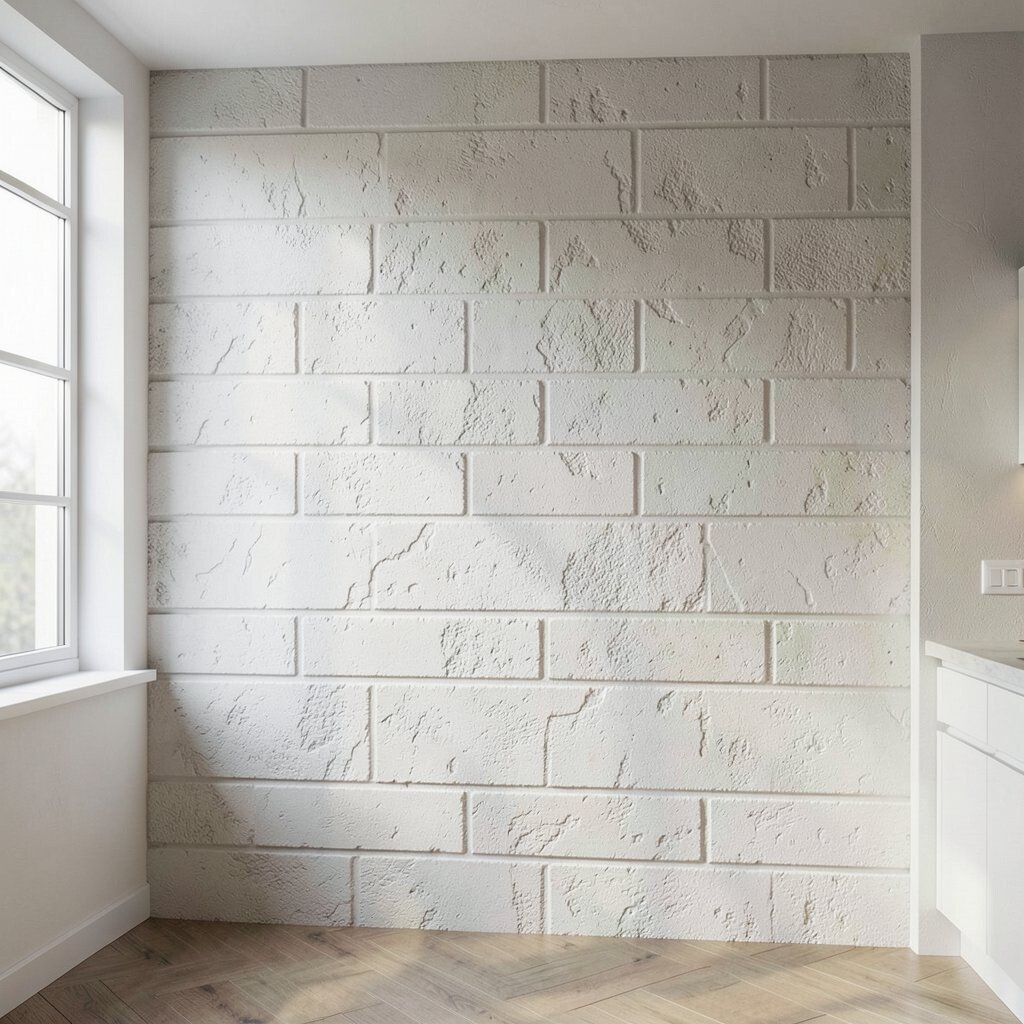
Not all textured plaster should look delicate, and brick-style relief is a great way to add grit without true masonry. Sculpted rows can mimic brick lines, including tiny variations that keep it from looking flat.
This finish is especially appealing for modern loft-inspired rooms and cozy kitchens. One benefit is that it can give you the warmth of brick while staying lighter and easier to refresh.
To keep it practical, choose shallow relief so the surface is comfortable to clean and won’t trap dust easily. You can also personalize by selecting an aged color palette or a crisp, painted white for a cleaner feel.
Cost considerations matter because detailing takes time, so consider limiting the brick relief to a single wall. If you want the look across multiple spaces, repeat a simplified version to keep labor more predictable.
10. Circular Medallion Relief Around Lighting
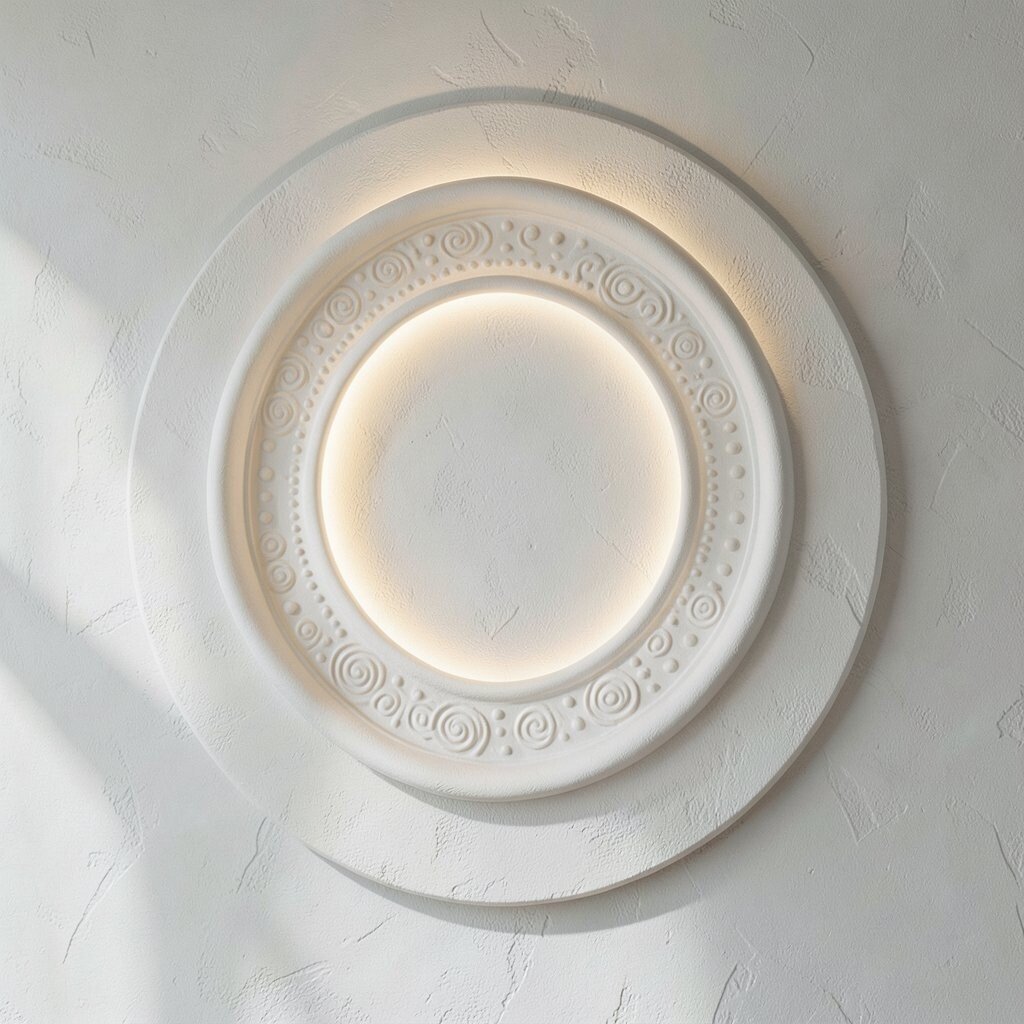
Picture a soft circular sculpted frame that surrounds a wall sconce or pendant spotlight. The raised ring adds a subtle halo effect, making lighting feel intentional and tailored.
This is a smart option for hallways because the texture adds interest without clutter. It also helps hide minor installation gaps since the relief can visually blend the edges.
For practical planning, measure the fixture and then size the medallion so it doesn’t feel too small or too overpowering. You can personalize with repeating small dots or spiral grooves inside the ring for a little extra sparkle when light hits.
If you’re budget-minded, do the medallion only where the light will hit most, rather than across every wall. A targeted approach often gives the most “wow” per dollar.
11. Textured Archways That Create Instant Style

Architectural arches can be expensive, but sculpted plaster can mimic the look with less disruption. A relief arch gives you the feeling of built-in design, even in spaces that have simple flat walls.
This idea feels great around doorways, niches, or beds where you want structure and comfort. The raised edges also make the wall feel richer and more layered.
For a practical tip, keep the arch height proportionate to the ceiling, especially in rooms with limited vertical space. Personalize by matching the arch curve to your existing trim style, like rounder curves for soft interiors or sharper curves for contemporary ones.
12. Ripple Texture With a Spa-Like Bathroom Feel

Bathrooms shine when the walls feel calm and spa-like, and ripple plaster does exactly that. The wave texture can look like water movement, especially when paired with warm lighting and simple tiles.
This finish can also make the room feel less sterile, because the surface texture adds depth rather than glare. It’s practical for creating a “featured wall” while keeping fixtures minimal and clean-lined.
To personalize, choose a pale neutral or cool misty tone and keep grout lines simple nearby. Ask your installer about moisture-friendly materials and sealing options so your texture stays beautiful in humid air.
Cost can vary based on surface prep and protective coatings, so get details in writing before work starts. A smart budget move is investing in proper sealing for longevity, since it protects the look you’re paying for.
13. Random Sculpted Craters for a Bold Artistic Look
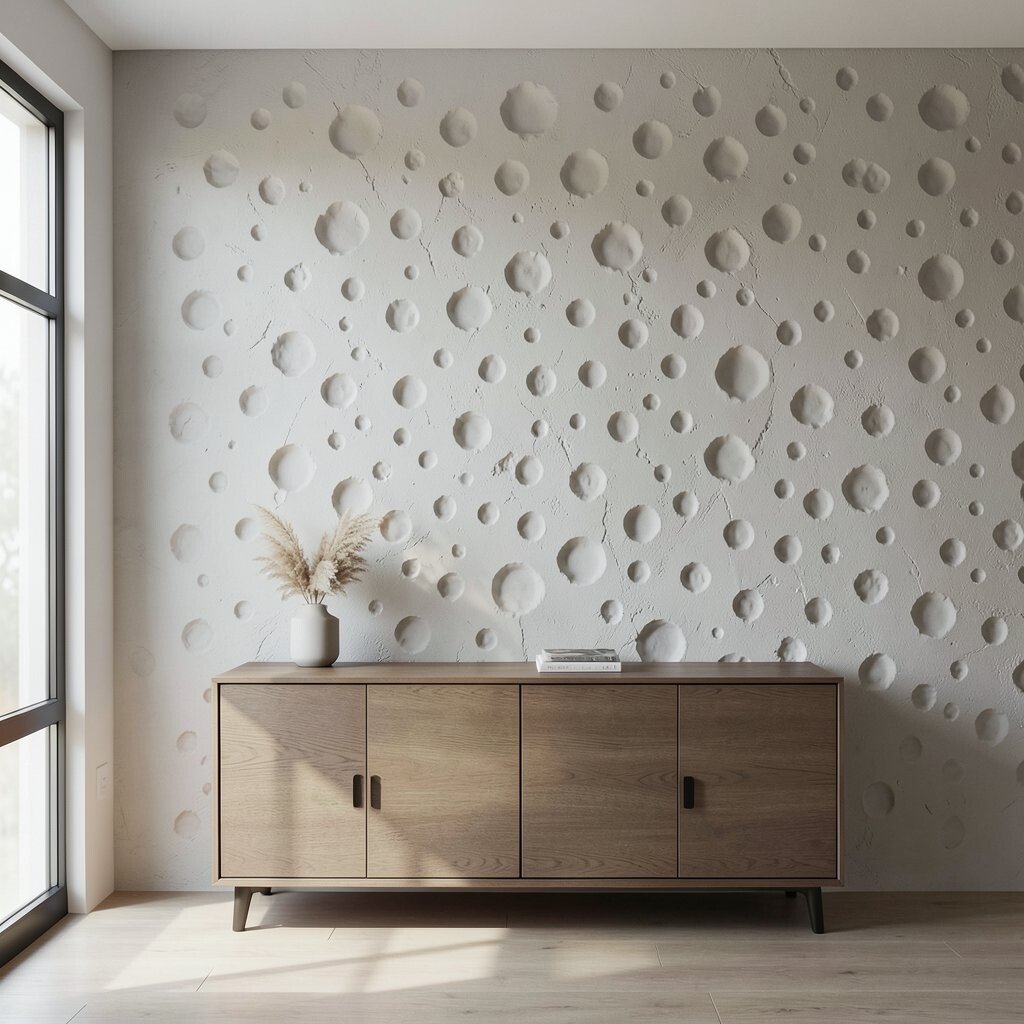
If you love modern art, crater-like texture can feel daring and stylish. Tiny divots and uneven bumps catch light differently across the day, so your wall never looks the same twice.
This option is highly unique and can make a plain room feel like a gallery. It also works well when you want texture without repeating patterns, which can sometimes feel too formal.
For a practical approach, keep crater texture to one wall or a section behind a console so it stays intentional. You can personalize by deciding whether the craters are tightly packed for drama or spaced out for a more relaxed look.
Consider cost carefully because irregular textures can take extra time to shape evenly. If you hire help, request a small test patch so you can judge the labor effort and decide if it matches your taste.
14. Smooth-Relief Texture That Looks Like Fabric
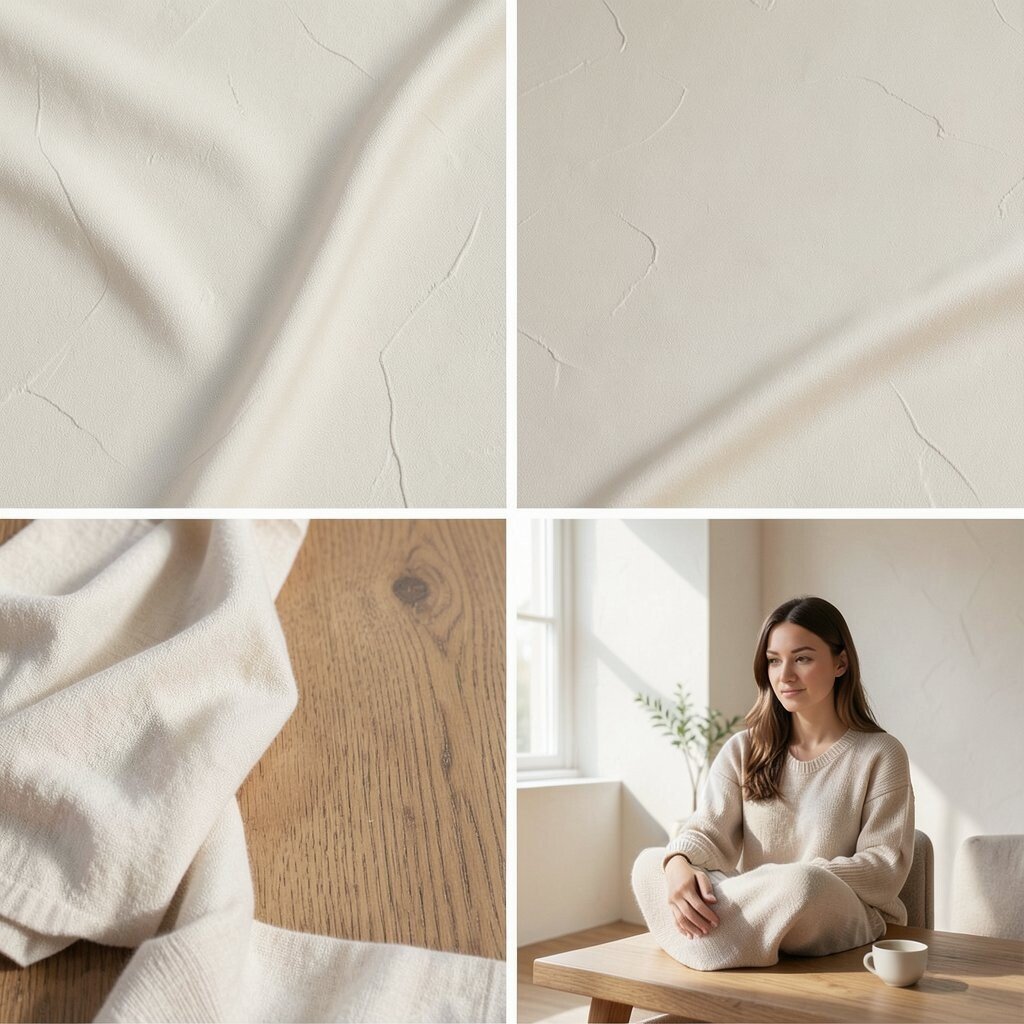
This finish uses sculpted plaster to create subtle folds, giving walls a fabric-like appearance. It can look soft and elegant, with gentle highlights that resemble silk or linen when light moves.
This idea brings a calm, high-end feel without requiring bold patterns. It also helps rooms look cozy because the texture is present but not loud.
To keep it practical, use a low-relief approach so the surface remains easy to wipe and maintain. Personalize by choosing a warm off-white or creamy beige that pairs well with wood tones and neutral textiles.
If you’re planning your budget, smooth-relief textures often require less deep carving than dramatic reliefs, which can help keep labor time under control. Bring home sample sheets and view them at different times of day, since fabric-like plaster changes with daylight.