Small changes can make your home feel brighter and calmer. Sustainable design can be practical, stylish, and surprisingly fun.
Your apartment is already a blank canvas, even if the layout feels tight. With the right choices, you can cut waste, save energy, and make every room feel more “you.”
1. Start With a Realistic Energy Audit
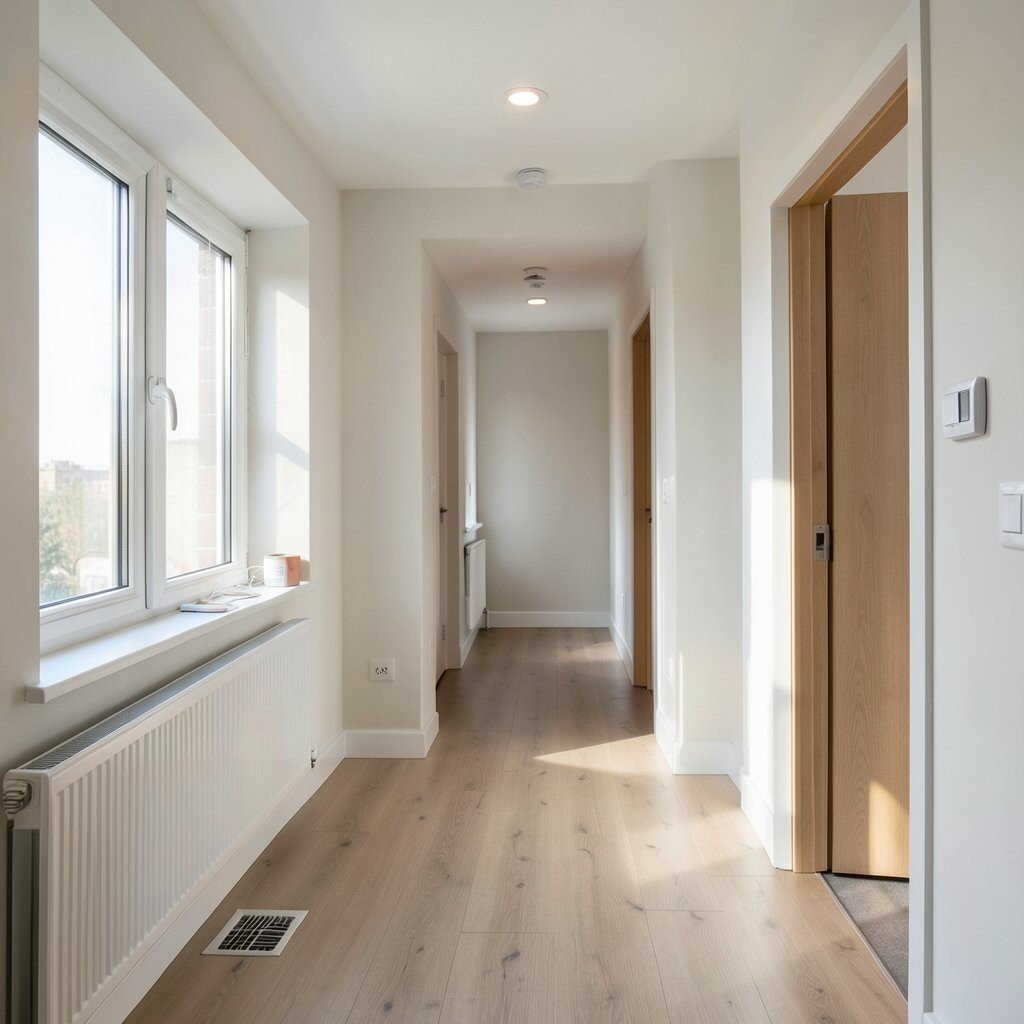
A quick energy check helps you spot the biggest leaks and waste spots. You might notice drafts near windows, a warm hallway, or rooms that never feel comfortable.
Look at utility bills, feel for airflow at door edges, and check how your thermostat behaves across the day. Then choose improvements in the order that gives the most comfort right away. This keeps you from spending money on things that look nice but don’t help much.
2. Upgrade to Low-E Windows and Better Seals
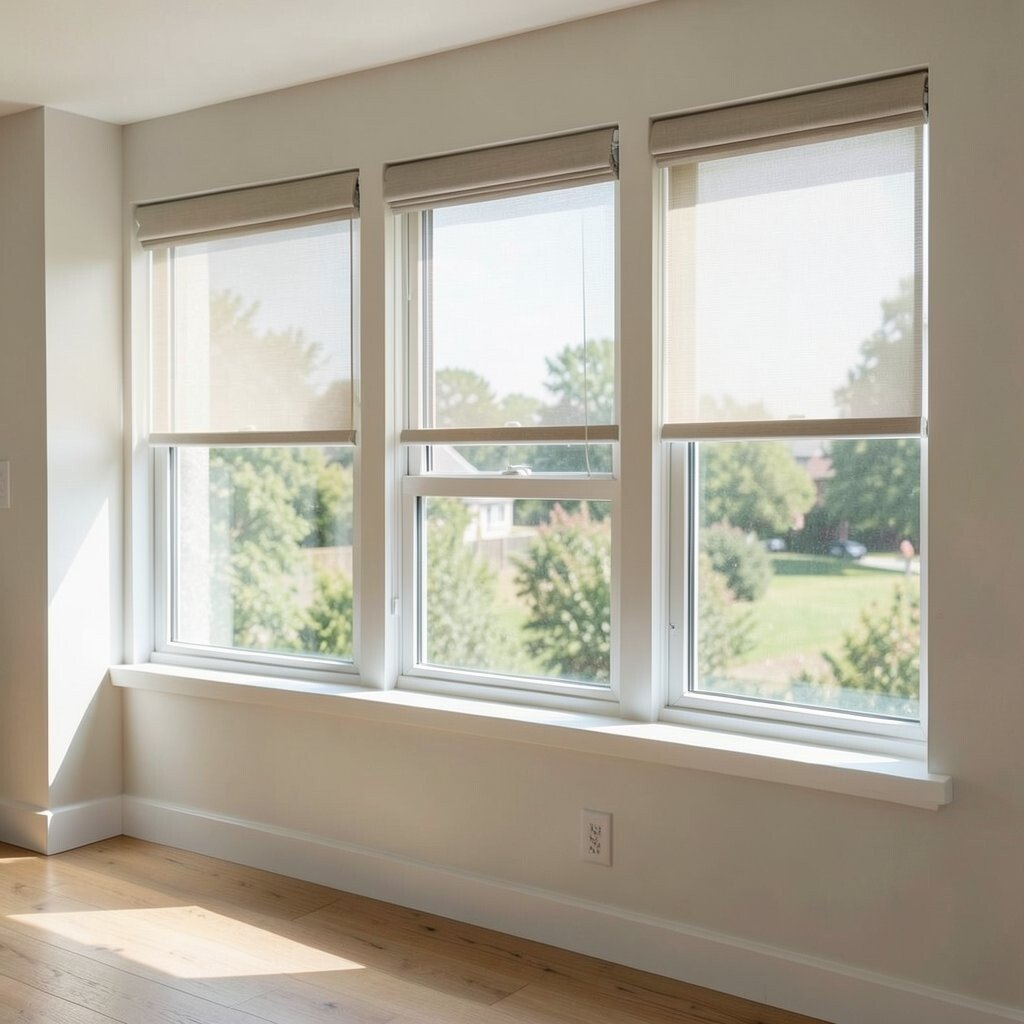
New or improved glazing can change the whole mood of a room. Sunlight stays gentle, and indoor temperatures feel steadier.
Pair window upgrades with weatherstripping and caulking so air doesn’t slip in around frames. If you can’t replace windows, add window film or draft guards for an easier start. This often reduces noise too, which is a big win in apartments.
Measure before you buy, and choose products that match your window type. You can also personalize the look using interior shades that suit your style while still blocking heat in summer. Many homeowners and renters now treat “comfort” as a design goal, not just an energy issue.
3. Choose a Heat Pump System for Quiet Efficiency
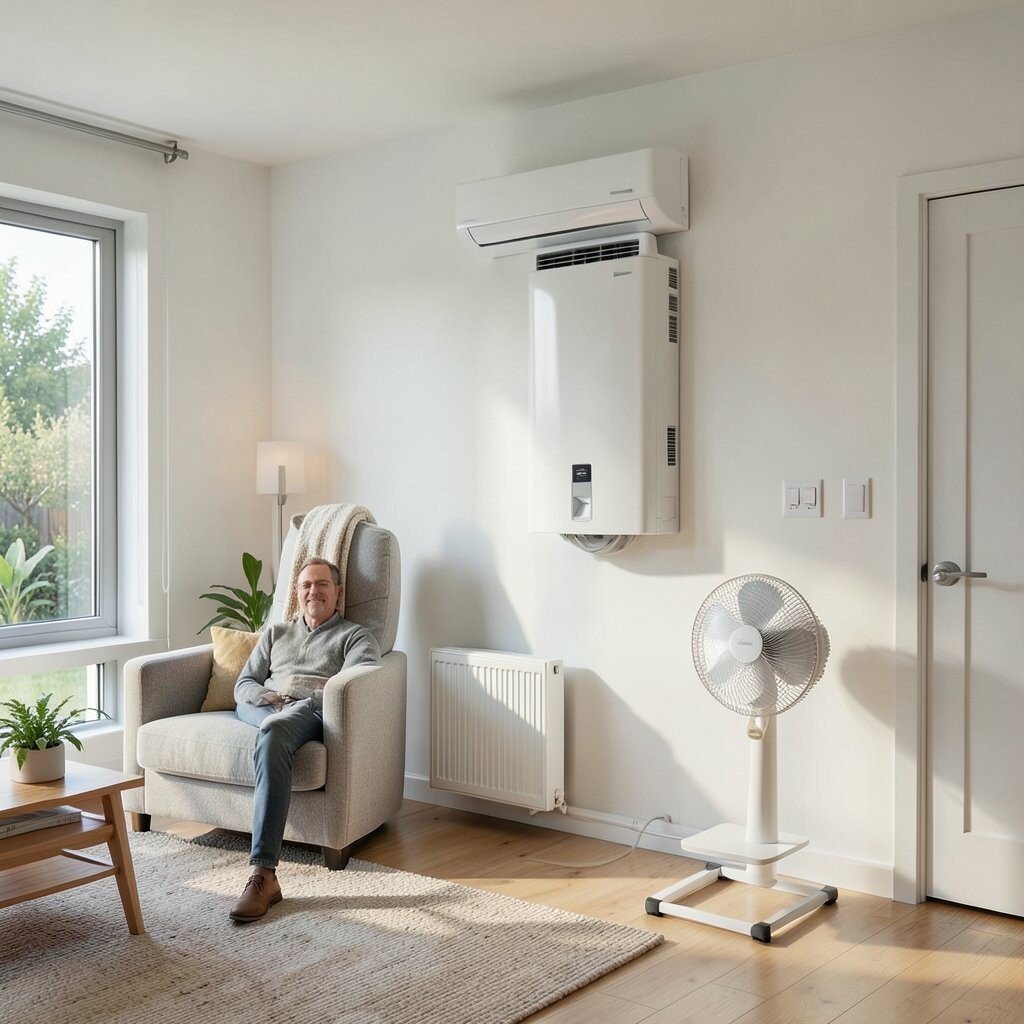
Heat pumps act like a smart comfort team, moving warmth where it’s needed. Indoors, you get more even temperatures with less noisy cycling than older systems.
Consider models suited to your climate and apartment setup, and ask about ductless options if installing ducts isn’t possible. Zoning, which means controlling different areas separately, can help you avoid heating empty space. This is especially useful for open plans where one thermostat can’t cover everything.
When budgeting, compare installation quotes, long-term energy estimates, and warranty details. You can also plan your airflow by keeping vents clear and using fans strategically. Many current designs use “quiet comfort” as a selling point, so you’re choosing what people now want.
4. Install Smart Thermostats and Simple Schedules
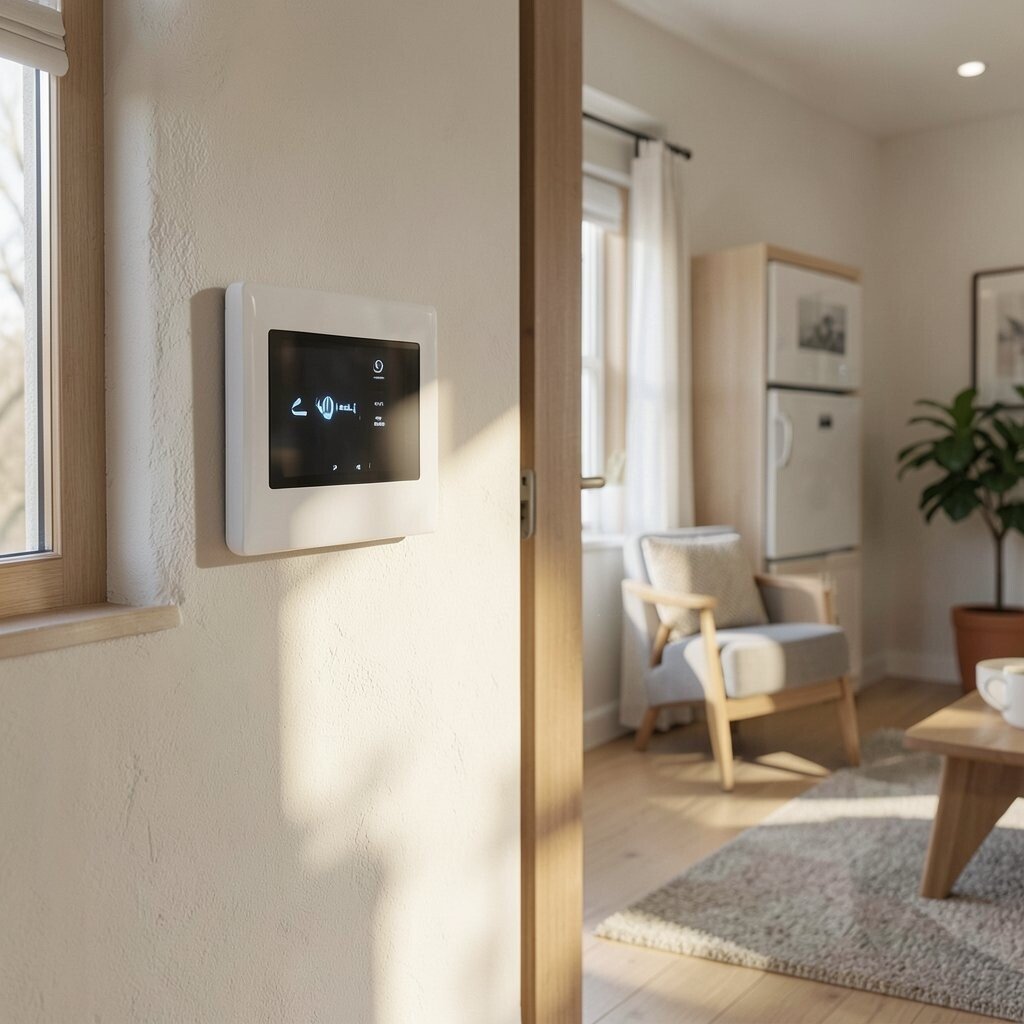
A smart thermostat can make your home feel comfortable without constant guessing. It learns your patterns and adjusts heating or cooling at the right time.
Create schedules that match how you actually live, like warmer mornings and cooler evenings. Use energy-saving modes when you’re away and let the system coast when it can. This helps cut costs while still keeping your apartment cozy when you come home.
5. Use Induction Cooking to Reduce Heat Loss
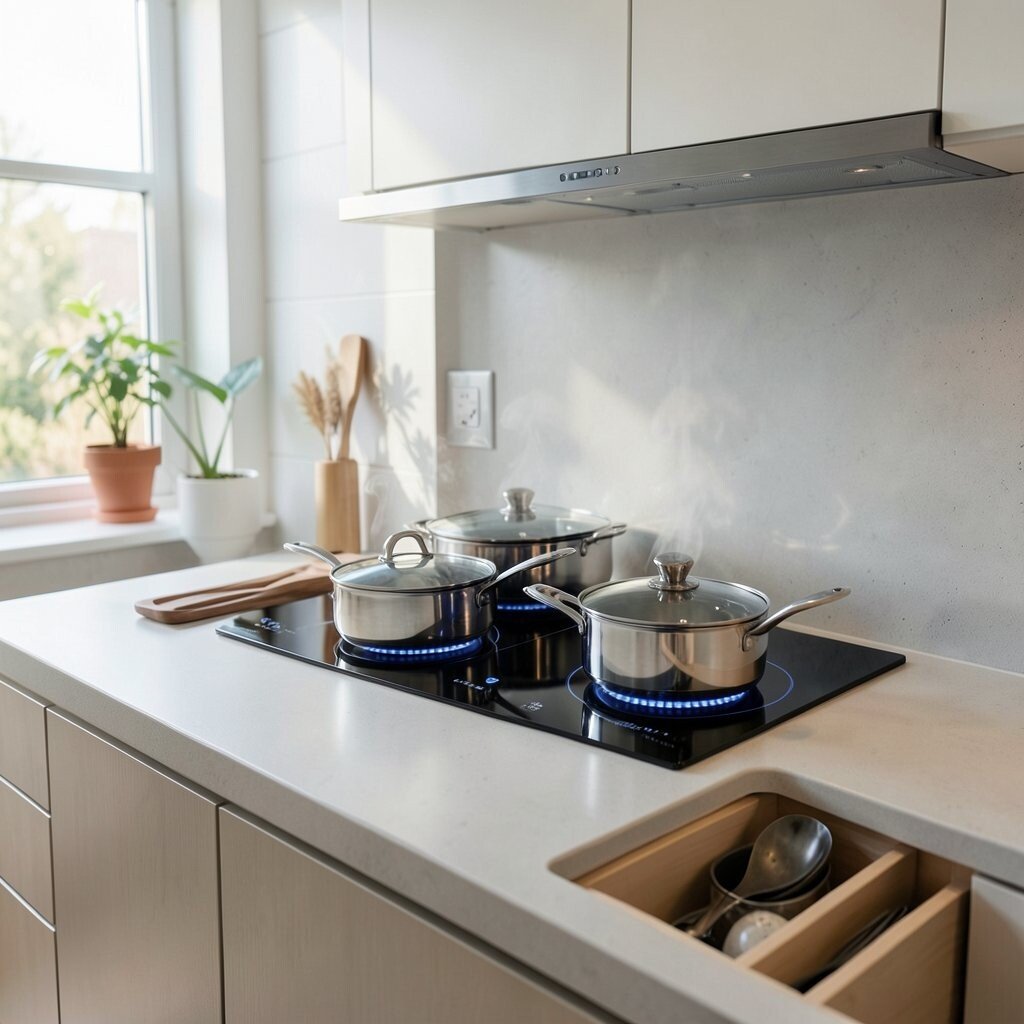
Induction cooktops heat cookware quickly, so less heat escapes into the room. That means faster meals and a kitchen that stays more comfortable during cooking.
Pick cookware that works with induction and choose a size that fits your routine. It’s also a good time to choose efficient lids so steam and heat stay where they belong. Many people enjoy the clean look of induction because it pairs nicely with modern counters.
For cost, consider how often you cook and whether you’ll keep the unit for years. You can personalize by matching finishes and organizing tools in drawer inserts that make daily cooking easier. This trend is growing because it feels sleek and practical at the same time.
6. Switch to Energy-Star Appliances Where It Matters
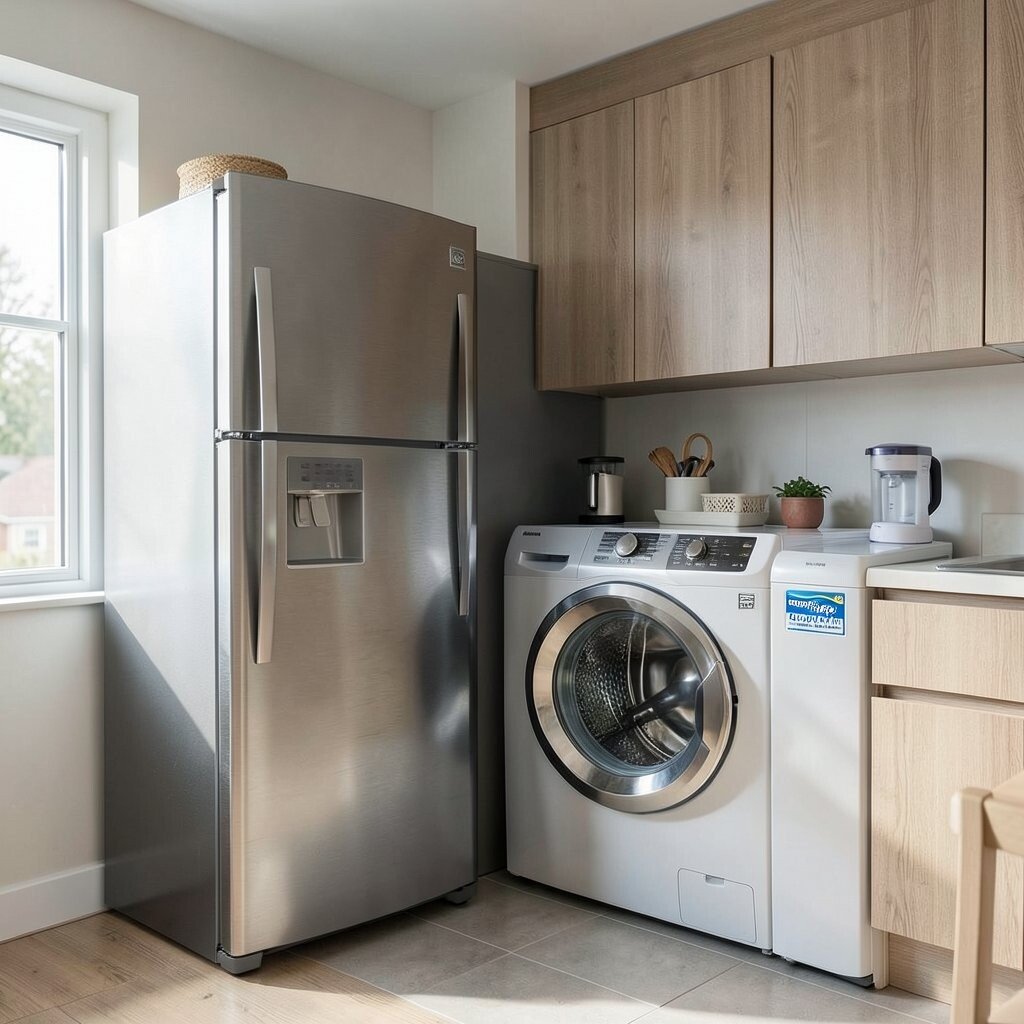
Appliance upgrades don’t all need to happen at once. Start with the items that run often, like your fridge, washer, or dishwasher.
Look for models with strong efficiency ratings and features that fit apartment life, such as quick cycles and better insulation. Efficient appliances tend to run smarter, using less electricity and hot water. You’ll usually notice the change in monthly costs faster than you expect.
Keep the look cohesive by choosing finishes you’ll enjoy for years. If you’re renting, focus on portable add-ons like efficient water filters or small energy-saving devices where allowed. This approach keeps spending realistic and still moves your home in the right direction.
7. Choose Low-Flow Showerheads and Faucet Aerators
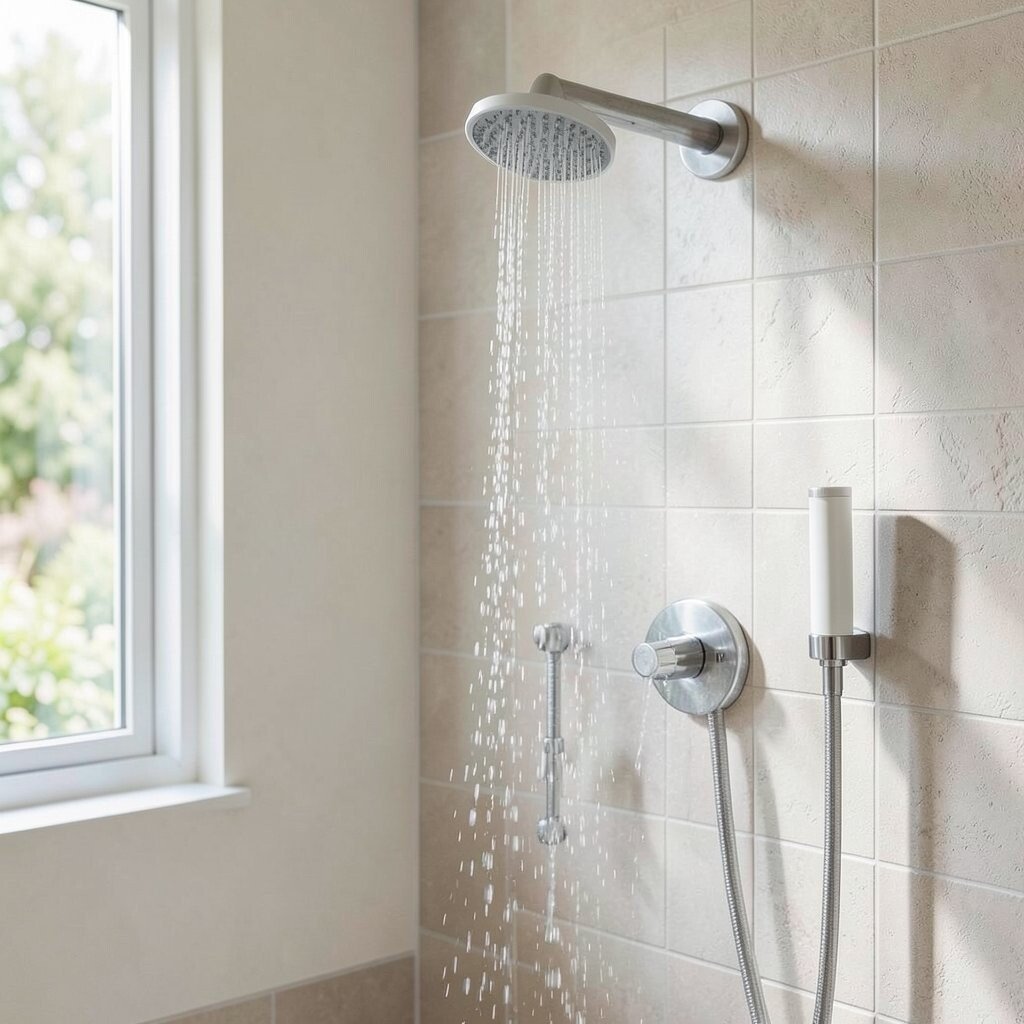
Small water savers can feel surprisingly luxurious. A well-chosen showerhead can make water feel full while using less.
Install low-flow showerheads and faucet aerators to reduce waste in everyday routines. You can also pick adjustable spray patterns so mornings feel energizing and evenings feel relaxing. These upgrades are often budget-friendly compared with larger renovations.
Clean the nozzles regularly to keep pressure strong and consistent. If you want personalization, match the finish to your fixtures and add a shower caddy that keeps everything tidy. Many renters now treat water efficiency as a comfort upgrade, not a sacrifice.
8. Reduce Water Waste With Leak Checks and Smart Habits
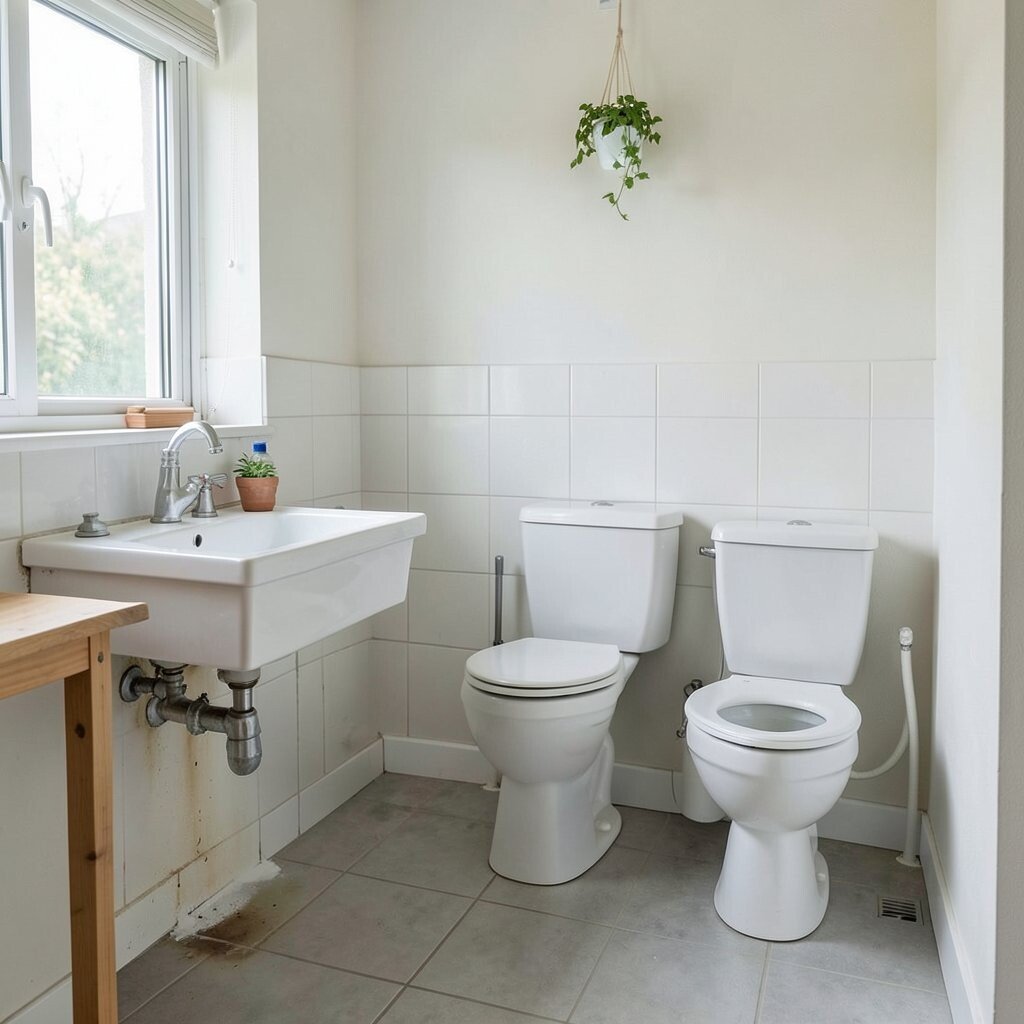
A tiny drip can waste a lot over time, and it often goes unnoticed. Catching leaks early also protects your walls from moisture and damage.
Check under sinks, around toilets, and behind appliances for damp spots or unusual smells. You can also look for toilet running sounds and confirm with a simple tank dye test if you’re comfortable. Build habits like turning off faucets fully and using a basin for quick rinses.
Budget-wise, small repairs are usually far cheaper than water damage cleanup. This idea feels unique because it blends easy daily actions with careful observation. You can make it personal by creating a small maintenance routine in your calendar.
9. Create a Drought-Tolerant Balcony Garden
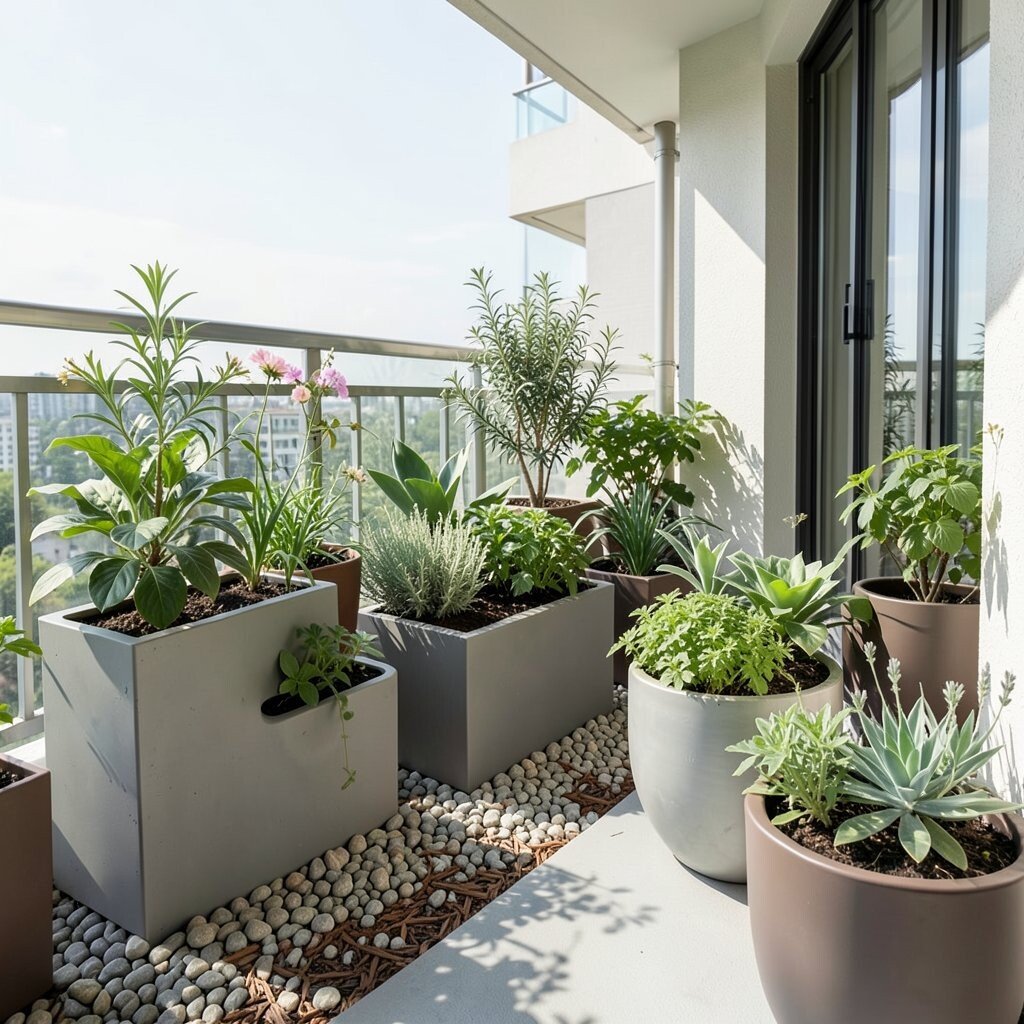
A balcony can be one of the greenest parts of an apartment. Even a few planters can bring color, scent, and a calmer mood.
Choose native or drought-tolerant plants, and use larger pots that hold moisture longer. Add a layer of mulch or decorative stones to reduce evaporation and keep soil from drying too fast. Self-watering planters can be a helpful modern option if you travel or work long hours.
For practicality, group plants by their water needs so you’re not guessing every day. Pick containers that match your interior style, like matte ceramics for a calm look. Many people now lean into “micro outdoor living” because it brings nature closer without major commitments.
10. Use Composting Smartly With Kitchen-Friendly Options
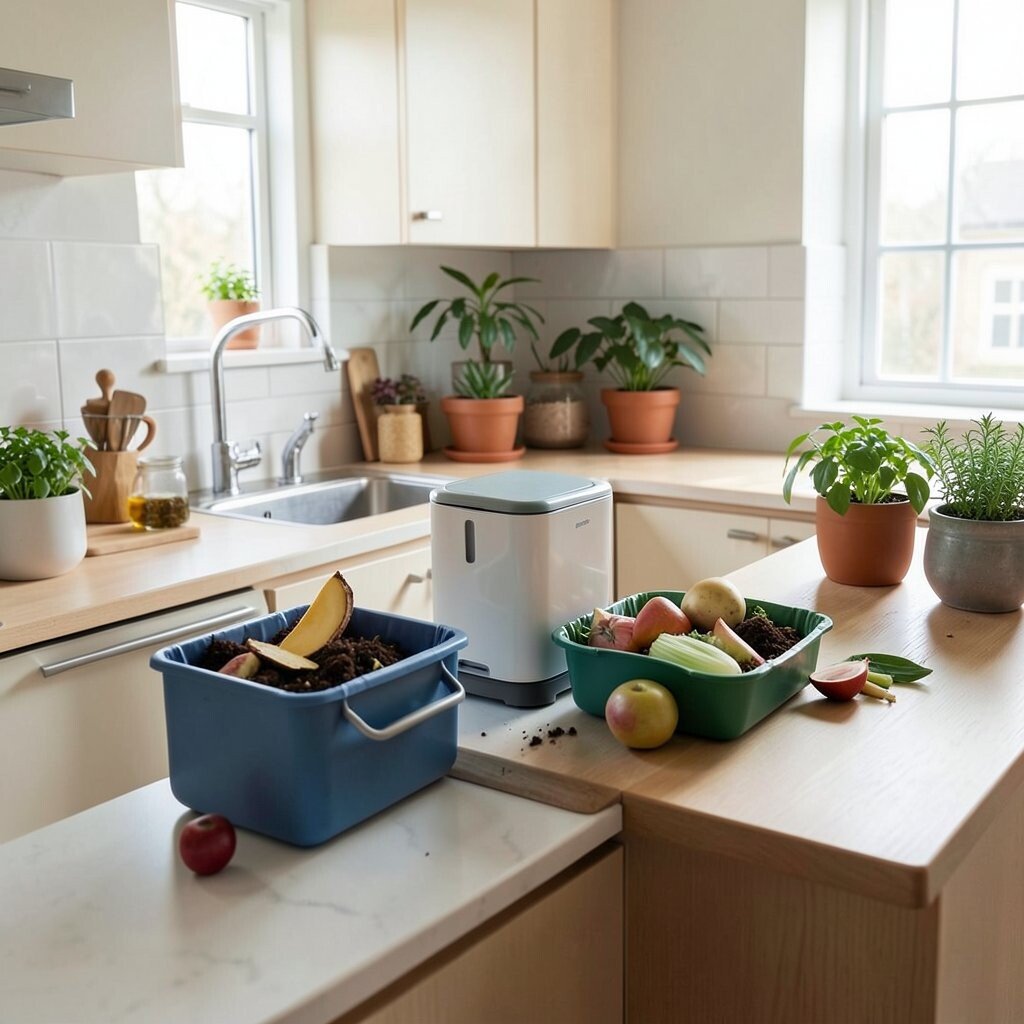
Composting can turn food scraps into useful soil support. It also cuts down how much waste goes into the bin.
If you’re in an apartment, choose compact countertop composters, small indoor units, or community programs where available. Use a system that fits your smell tolerance and your schedule, since the right routine matters. You can reduce odor by balancing wet and dry scraps and keeping lids closed.
Budget considerations are simple: you can start with a small bin and expand later if you enjoy it. Personalize your setup by choosing liners and containers that match your kitchen colors. This trend is popular now because it feels doable even in small spaces.
11. Bring in Natural Light With Sheers and Reflective Colors
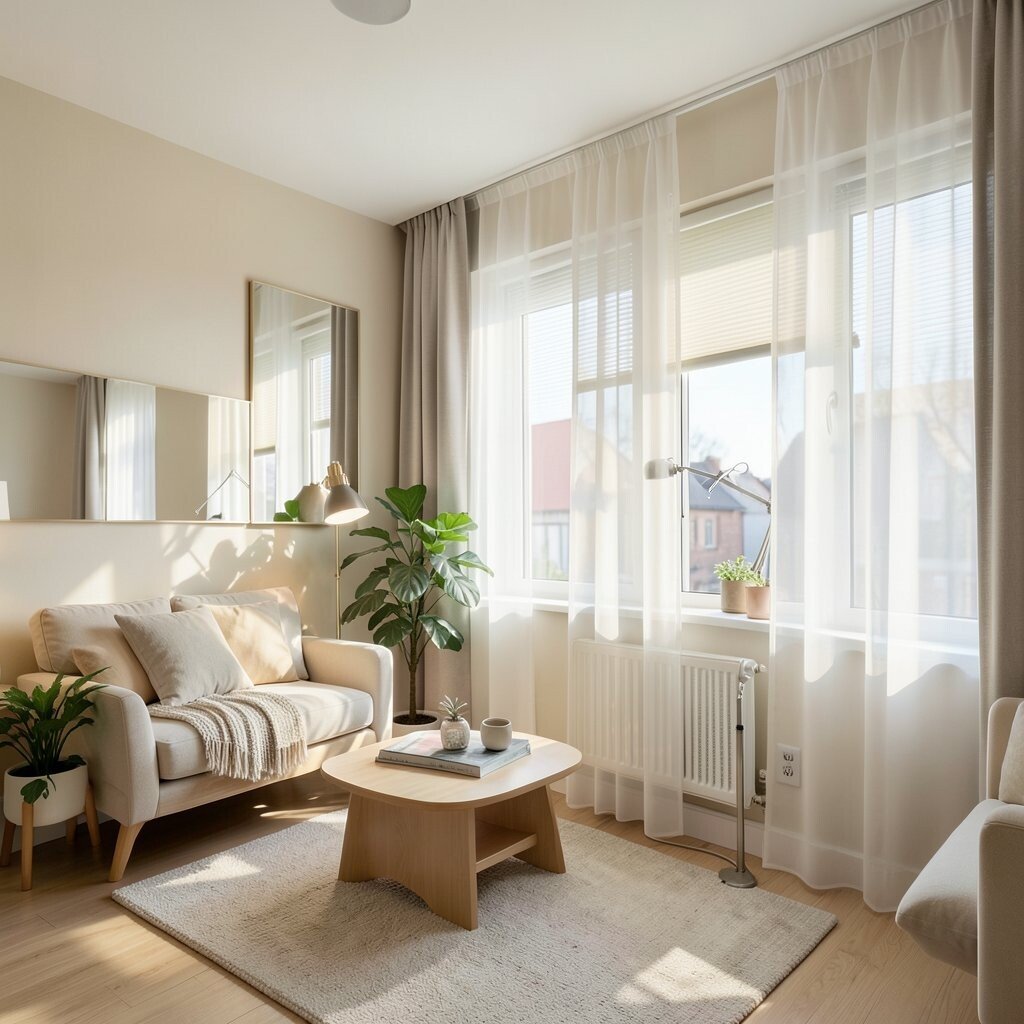
Light can make a space feel bigger, warmer, and more welcoming. When you manage it well, rooms feel lively without extra energy use.
Use sheer curtains, light-filtering blinds, and mirrors placed to bounce daylight around. Choose wall colors that reflect light, like soft whites, warm creams, or gentle pastels. These choices also help you see plants and textures more clearly, which makes everyday life feel nicer.
For practicality, place task lighting where you work instead of lighting the whole apartment. That means you can enjoy cozy brightness without overusing energy. This is a unique approach because it focuses on mood, not just efficiency.
12. Select Low-VOC Paints and Finishes
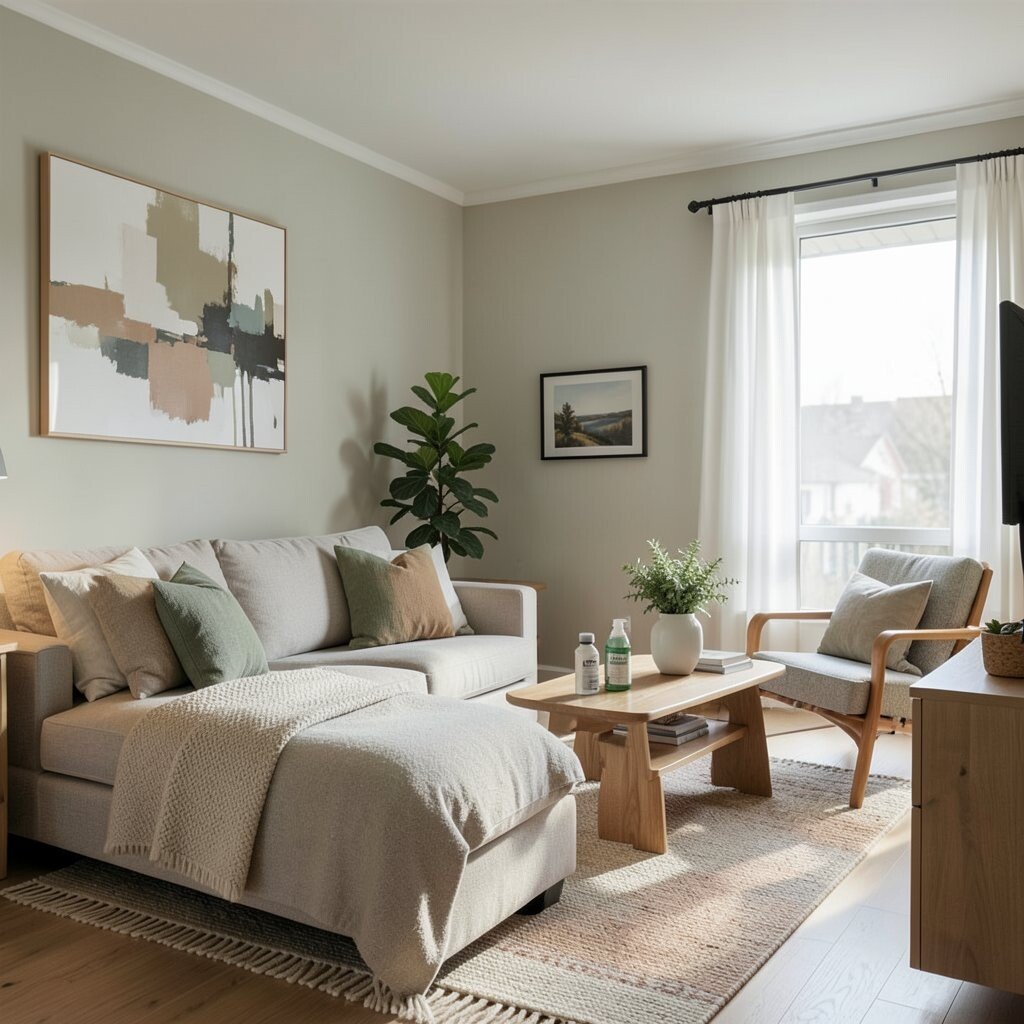
Air quality is part of sustainability, and paint is a common source of indoor chemicals. Low-VOC products can help keep your home feeling fresh and breathable.
Choose paints and sealants labeled as low odor and low emissions, especially for bedrooms and living areas. After painting, keep ventilation going and avoid heavy scent products for a while. This makes the apartment feel more comfortable and may help reduce headaches for sensitive people.
Cost-wise, low-VOC options can be slightly higher, but they often pay off through better comfort. Personalize by selecting a color story that matches your style, like earthy tones for calm or crisp colors for energy. Many homeowners and renters now care about “healthy home” details when choosing finishes.
13. Pick Sustainable Flooring With Long Lifespan
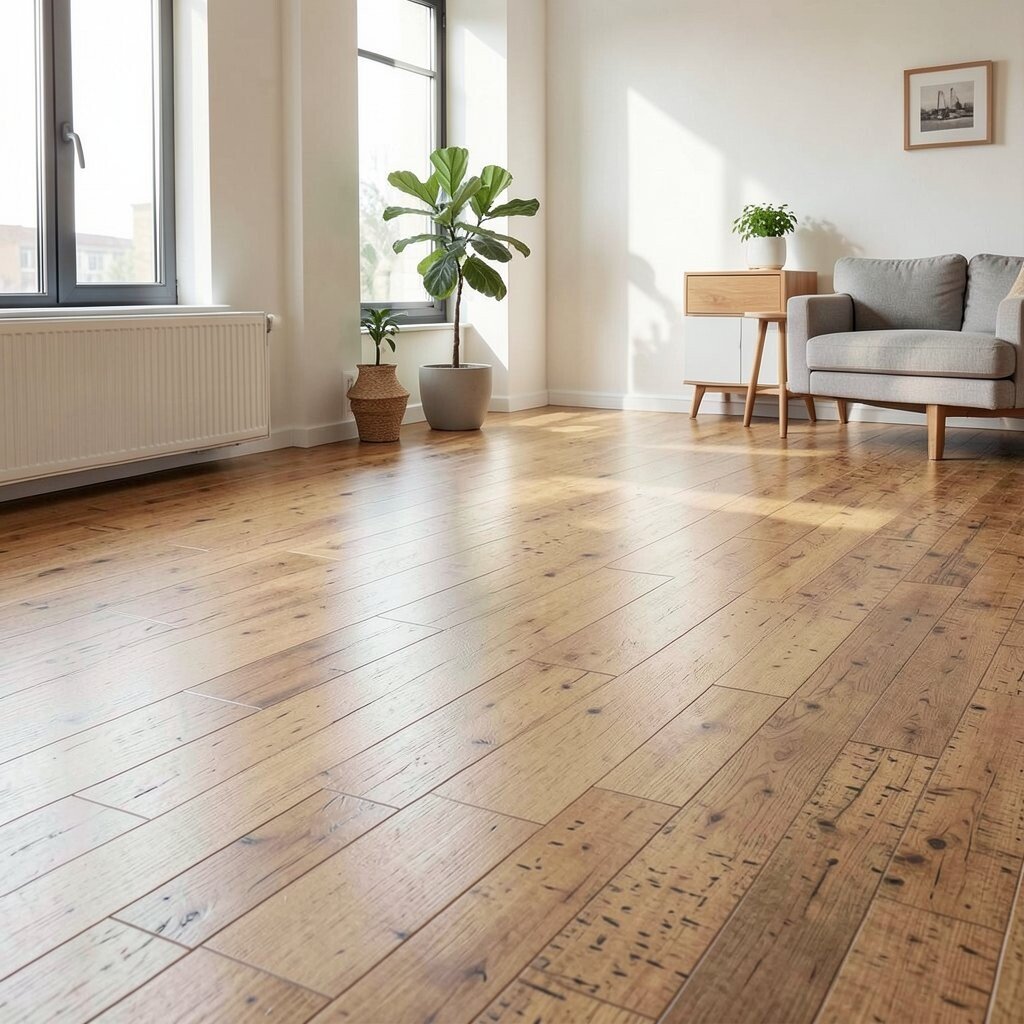
Flooring covers a lot of visual space, so it matters for both style and sustainability. Durable floors can last longer, which reduces waste over time.
Consider options like bamboo, cork, reclaimed wood, or resilient materials designed for longevity. If you’re renting, look for peel-and-stick tiles or removable planks that won’t damage the subfloor. Always check installation requirements and moisture limits for your specific space.
For budget planning, weigh upfront cost against lifespan, and remember that replacement is expensive. Personalize by choosing patterns that suit your lifestyle, like simple neutral tones for flexibility. Current trends favor natural textures and warm tones, which also pair well with eco-minded materials.
14. Choose Reclaimed or Secondhand Furniture You’ll Love
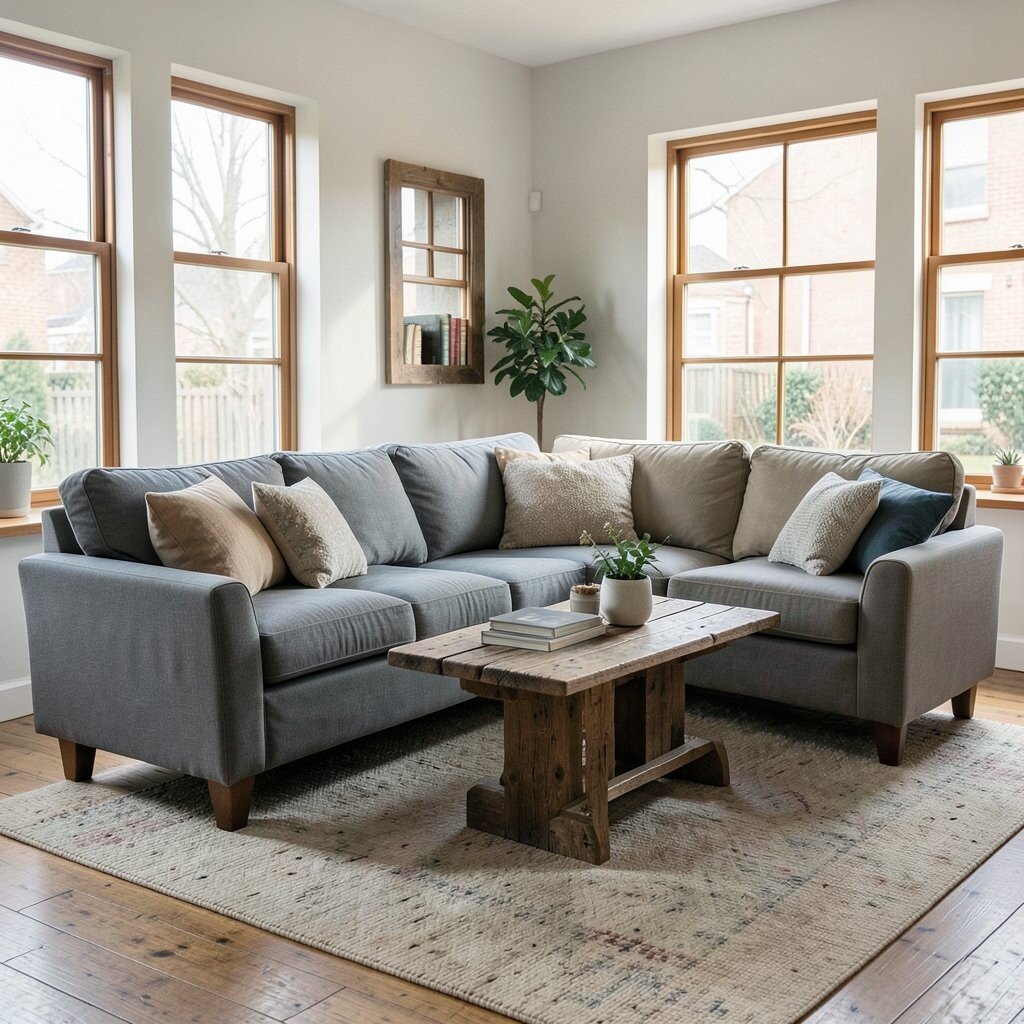
Secondhand furniture can feel richer and more personal than brand-new items. You’re also keeping perfectly usable pieces out of landfills.
Search for quality wood frames, sturdy upholstery, and timeless shapes that won’t feel dated quickly. Check for solid joinery, clean seams, and comfort that matches your body. When you find something, personalize with slipcovers, new cushions, or a fresh coat of paint in a safe low-odor product.
Cost is usually friendlier here too, especially when you buy from local resale shops or online marketplaces. Make your apartment feel unique by mixing reclaimed pieces with a few new items that reflect your current taste. This style approach is popular now because it looks curated rather than matchy.
15. Use Multi-Functional Storage to Cut Clutter Energy
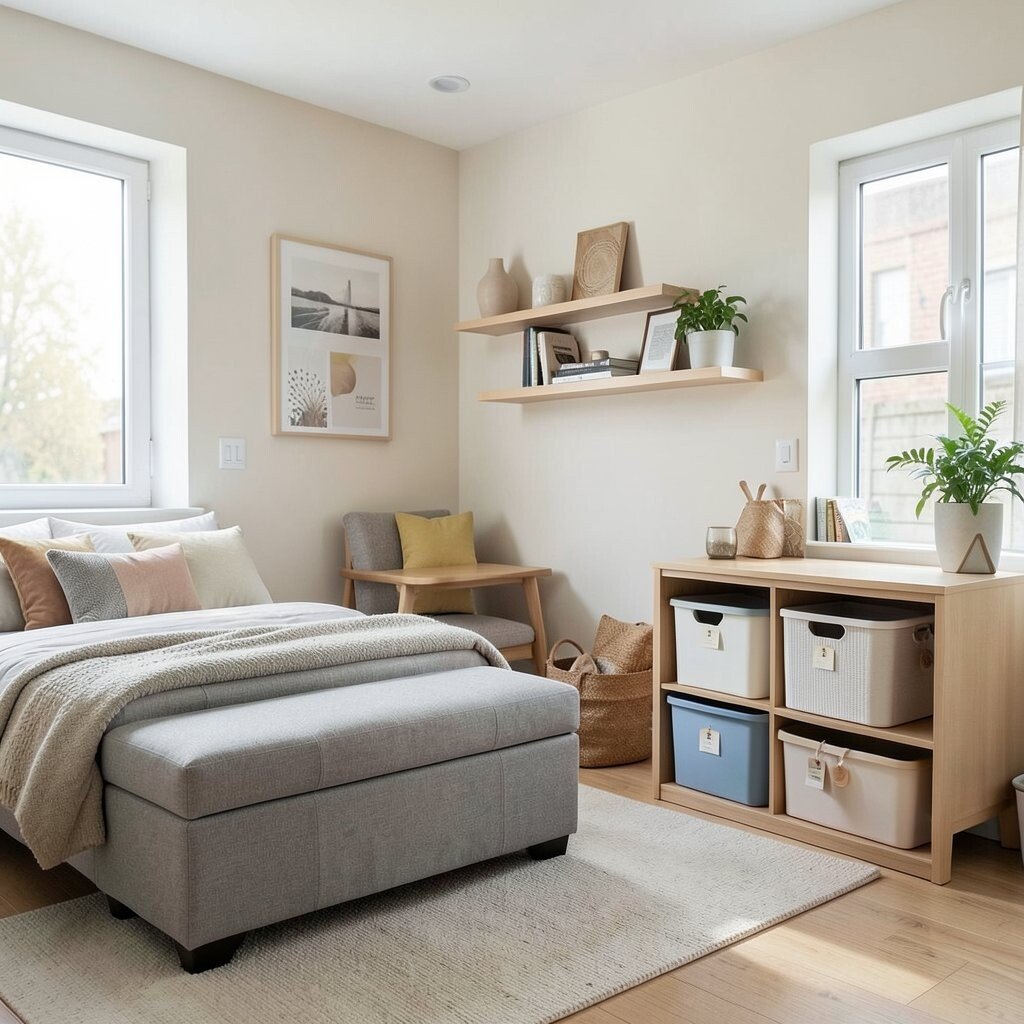
When your apartment stays organized, it’s easier to maintain a calm daily routine. Less clutter also helps you clean faster, which supports a more thoughtful lifestyle.
Choose storage that does more than one job, like ottomans with lids, beds with drawers, or wall shelves that double as decor. Use bins that stack neatly and label them with simple removable tags so you can adjust later. This reduces the need for constant replacements of “missing” storage pieces.
Budget-wise, multi-functional items can cost more upfront, but they replace several separate purchases. Personalize your setup by using colors or textures that match your living space. Many modern renters now treat storage as part of sustainability because it prevents wasteful overbuying.
16. Add Natural Fibers and Durable Textiles
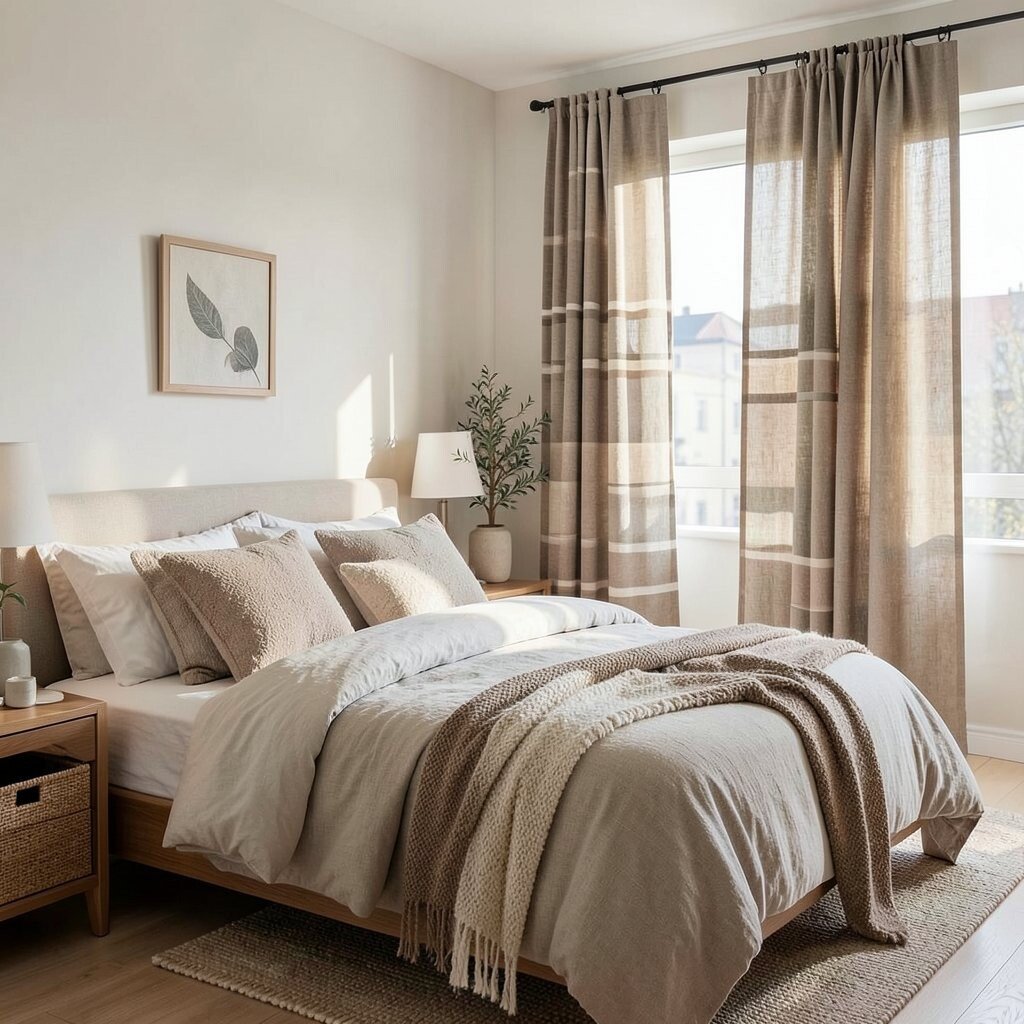
Textiles shape the feel of your apartment, from coziness to visual warmth. Choosing natural or long-lasting materials can make your home healthier and more comfortable.
Look for bedding and curtains made from cotton, linen, hemp, or wool blends that hold up well. Wash gently and follow care instructions so the fabric keeps its shape longer. Durable textiles mean fewer replacements, which is a smart sustainability move.
Cost considerations depend on quality, but you can start with one or two key upgrades like a linen curtain set. Personalize with patterns that reflect your mood, like stripes for energy or textured neutrals for calm. A current trend favors tactile, layered interiors that look warm and feel lived-in.
17. Insulate Pipes and Drafty Corners for Instant Comfort
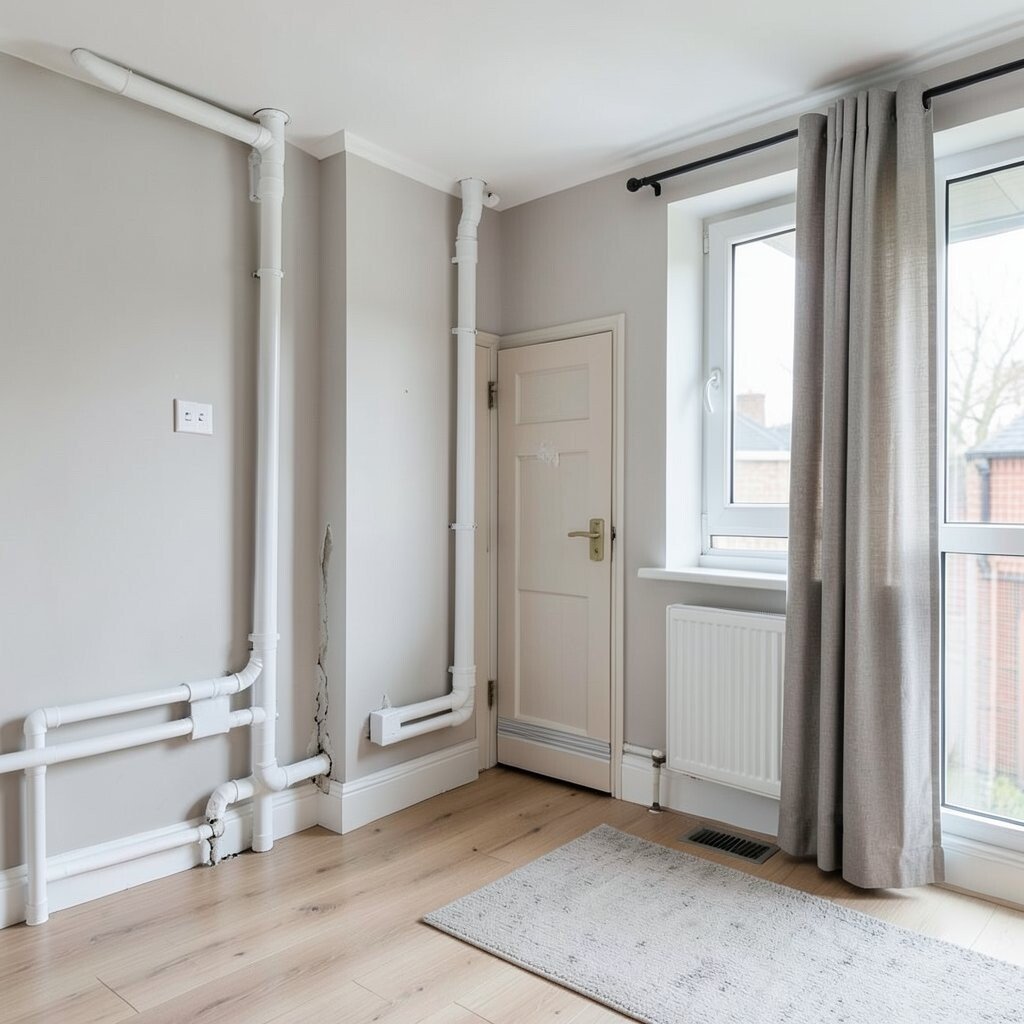
Drafts and temperature swings often come from small gaps and exposed lines. Sealing and insulating can make an apartment feel steady right away.
Insulate hot water pipes, add door sweeps, and use draft stoppers for windows and baseboards where air leaks show up. Pay attention to corners behind radiators or near plumbing walls. This simple work reduces strain on heating systems and can make rooms more usable.
It’s also a great budget-friendly move because many tools are affordable and quick to install. Personalize your look by choosing decor that covers drafts, like attractive curtains or indoor screens. This idea feels unique because it targets comfort details that people usually overlook.
18. Balance Sustainability With Beauty Through Thoughtful Decor
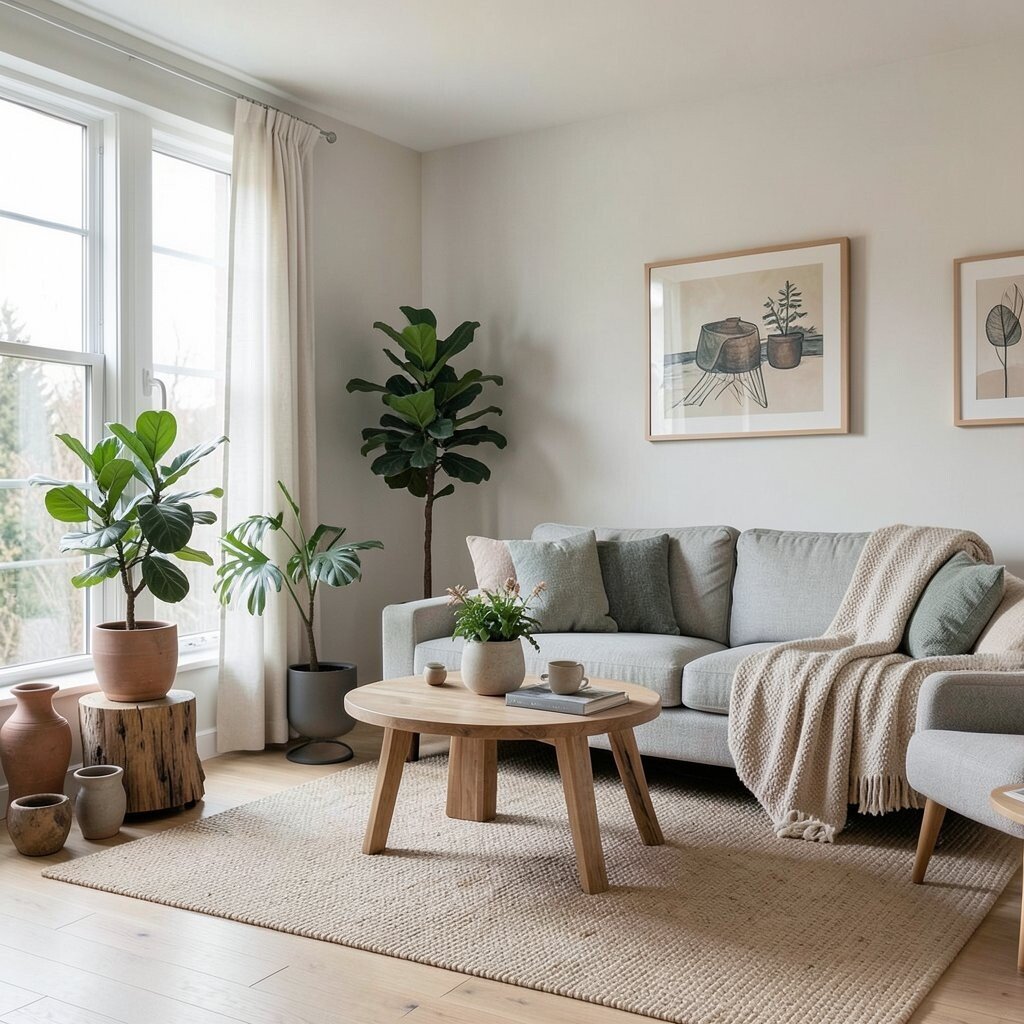
Sustainable design works best when it feels good to live with. When your space looks beautiful, you’ll take better care of it and keep it for longer.
Choose decor that supports your values, like handmade pottery, plant stands made from reclaimed wood, and art printed with safer processes when possible. Mix in a few timeless statement pieces so you don’t constantly swap things out. This helps you avoid waste and keeps your apartment feeling consistent.
For cost, prioritize what you touch and see daily, like lighting, textiles, and artwork. Personalize by building a color palette that matches your personality, then repeat it across small items for a cohesive look. Many current interiors focus on “slow style,” and it’s a perfect match for eco-friendly living.