The bathroom is where comfort meets everyday impact. Small design choices here can quietly cut waste while making the space feel better to live in.
From water savings to low-tox materials, a greener bathroom can still look polished, cozy, and personal.
1. Water-Saving Showerheads That Feel Luxurious
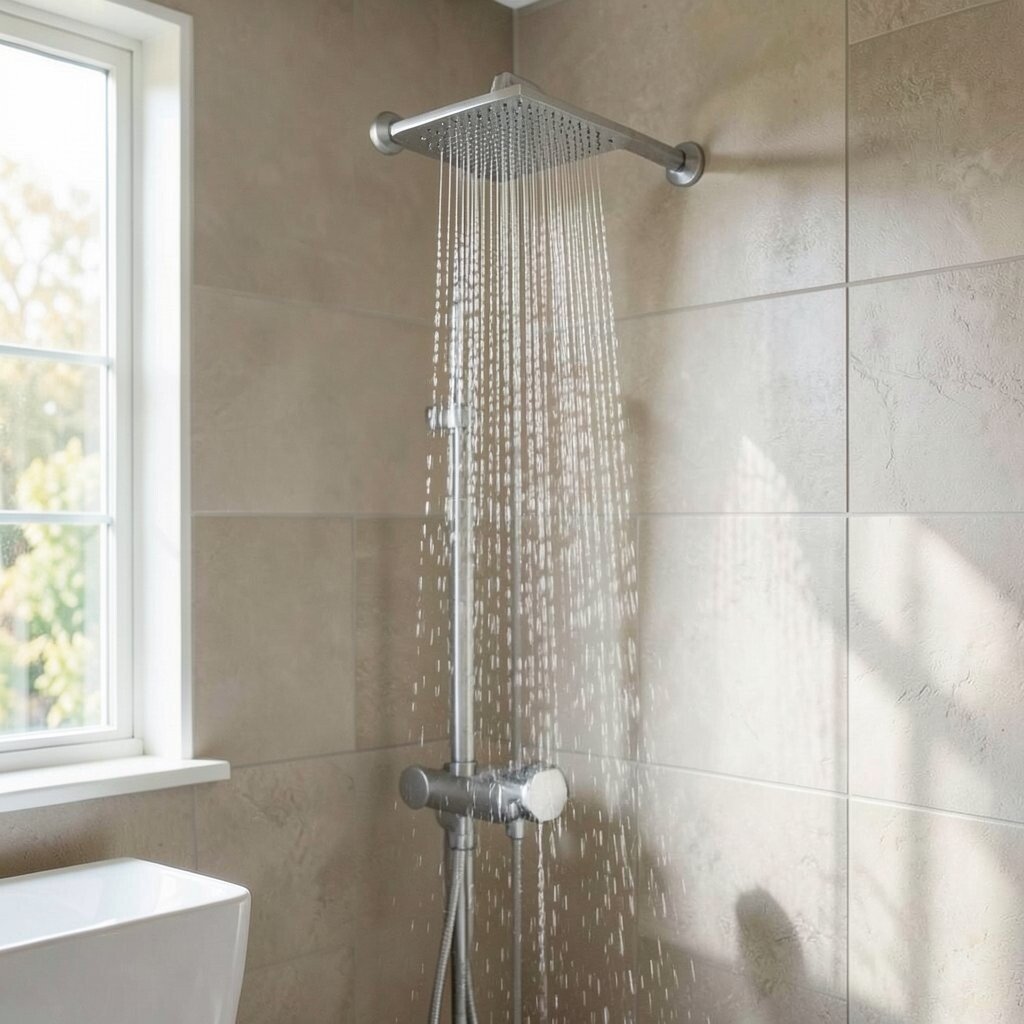
Swap in a high-efficiency showerhead that reduces flow without making your showers feel weak. You can picture a steady, soft spray that still covers your whole body.
Look for models with multiple spray patterns so you can match the mood of the day. Many also use smart flow control to limit water, which helps lower utility bills over time.
2. Dual-Flush Toilets For Smarter Every Flush
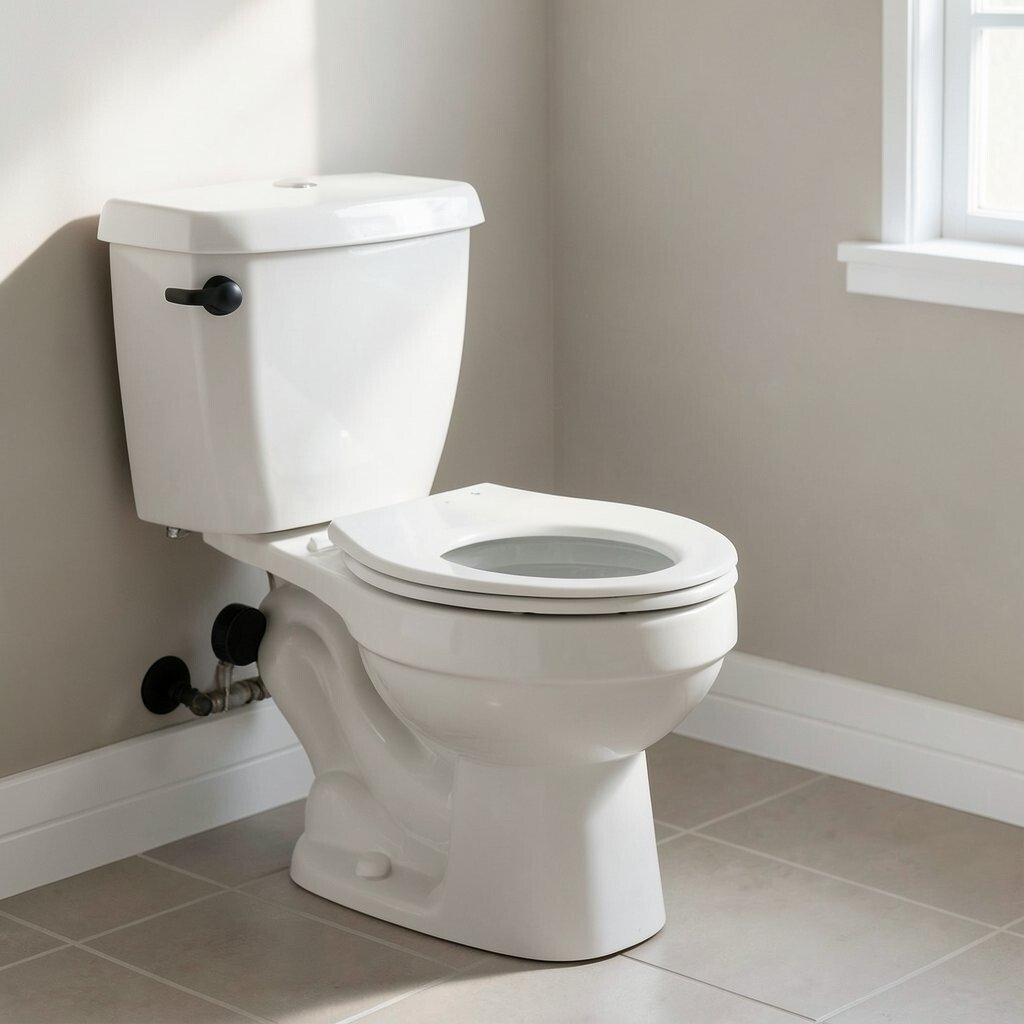
A dual-flush toilet gives you a small flush for liquid waste and a stronger flush for solids. The visual is simple, but the effect is big in how water moves through the system.
Choose a model with good bowl design so waste clears well even with a smaller amount of water. This can help your household use less water day after day while keeping performance solid.
If you want personalization, pick a style that matches your vanity finish, like matte black hardware or warm brushed nickel. Installation is usually straightforward, but it’s smart to check the rough-in size before buying.
3. Low-Flow Faucets With Aerators That Keep Pressure
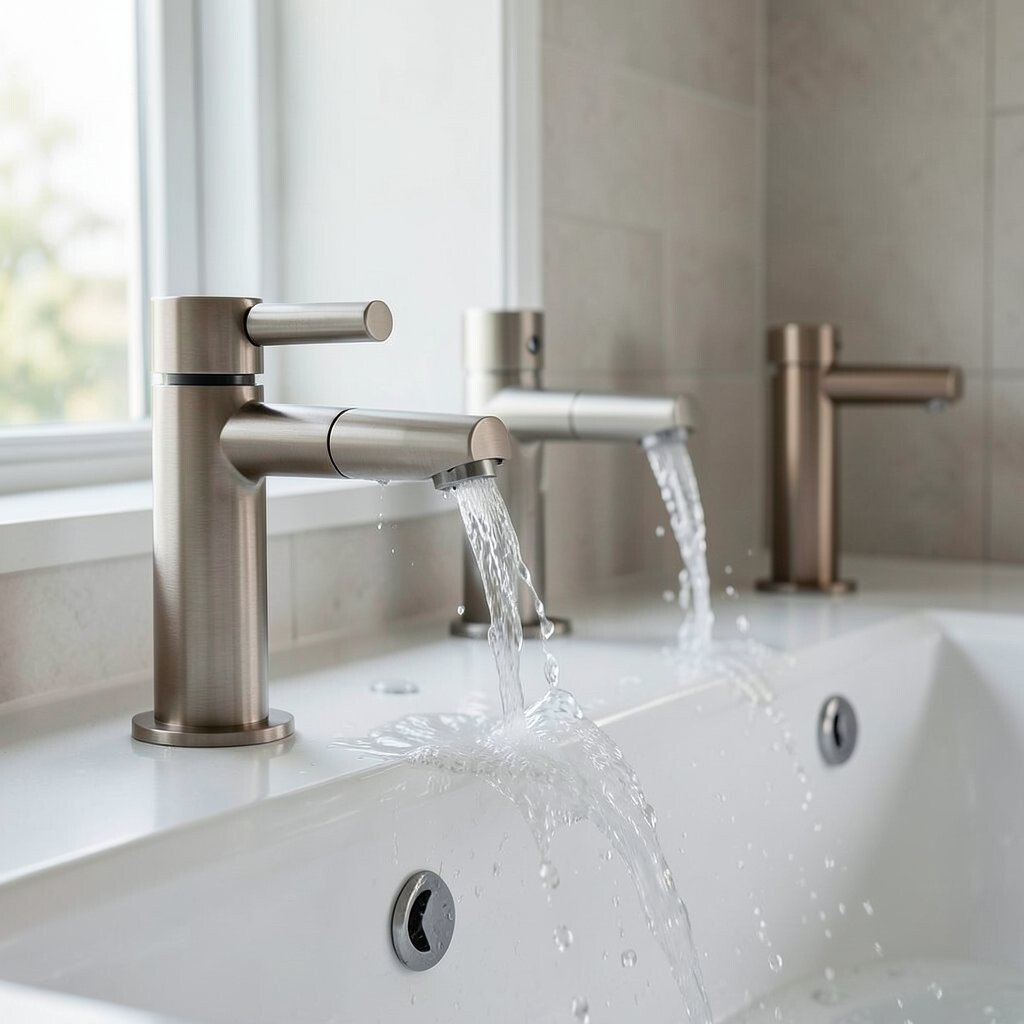
Faucets with aerators mix air into the stream so it feels full while using less water. You’ll notice a smoother flow, almost like a gentle rinse that doesn’t waste droplets.
These are a practical switch because you can often retrofit existing fixtures without major plumbing work. Pairing them with careful habits, like turning off the tap while brushing, makes the biggest difference.
For a trend-friendly look, choose modern faucet finishes such as brushed stainless, oil-rubbed bronze, or satin nickel. Many homes also enjoy touchless faucets for hygiene, but you can still keep water use low with smart controllers.
4. Greywater Options For Laundry and Cleaning Loops

Some homes can reuse lightly used water from showers or sinks for purposes like toilet flushing or landscape irrigation. The idea feels futuristic, but the visual result is just a well-run system behind the walls.
This can reduce the overall demand on fresh water, which is a strong sustainability win. Before you invest, check local codes and talk to a plumber, since rules vary a lot by region.
5. Leak Detection That Catches Trouble Early
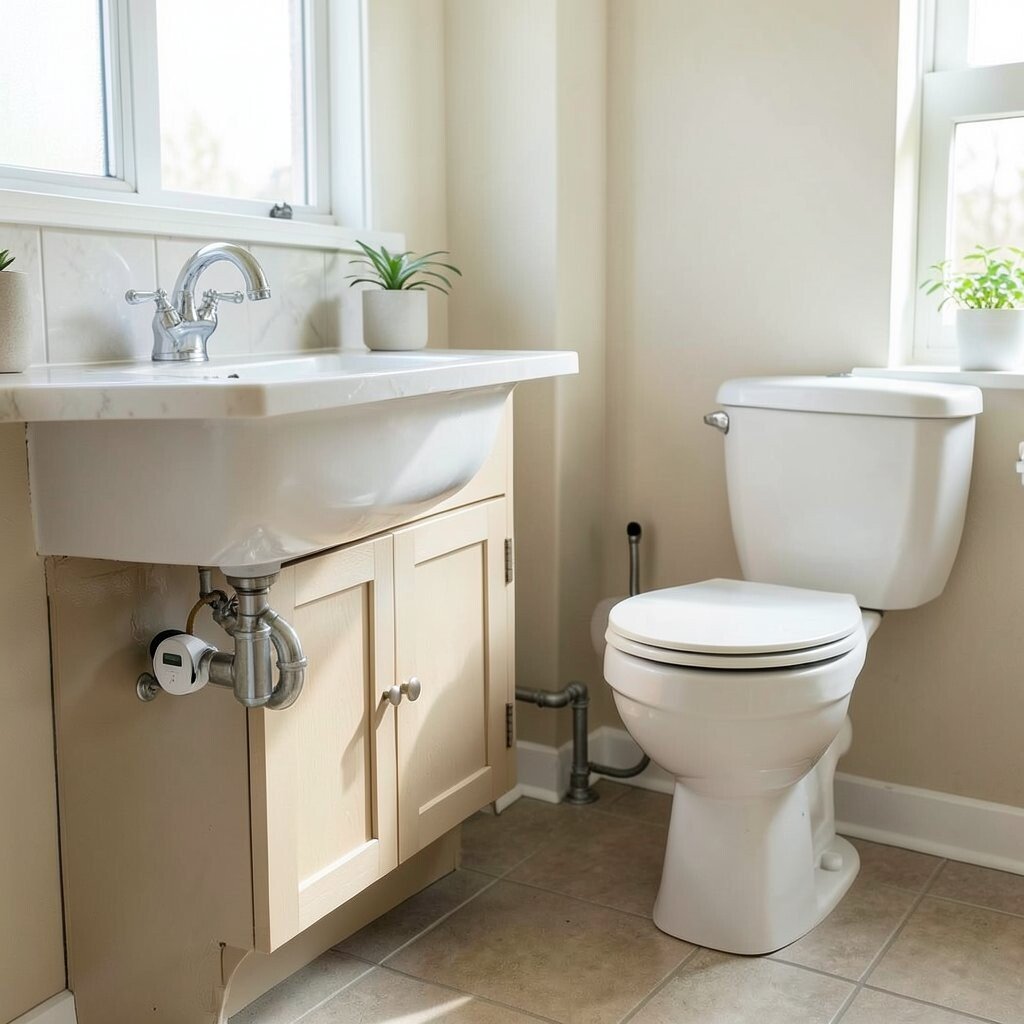
Install a simple leak detector under the sink and near the toilet supply line to catch drips before they grow. You’ll keep your floors drier and your cabinets safer from hidden damage.
Early detection helps prevent mold, which protects both your health and your wallet. Many devices now connect to a phone app, making it easier to act quickly without guessing.
For personalization, place sensors in spots that still let you access plumbing when needed. The upfront cost is usually small compared with repairs for water damage.
6. Smart Ventilation To Reduce Moisture and Mold
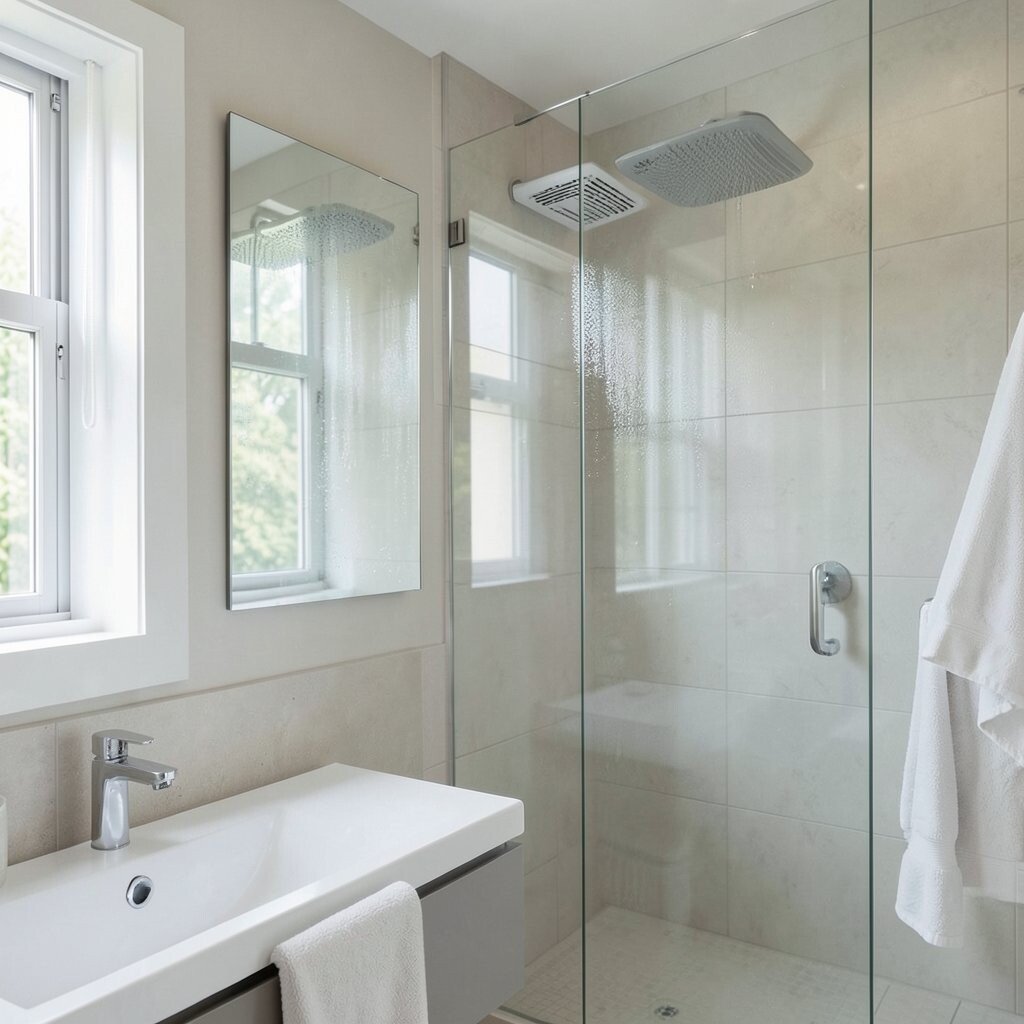
A bathroom exhaust fan with humidity control keeps moisture from lingering after showers. You can see the benefit as less fog on mirrors and less damp smell in the air.
Choose a fan sized for your room so it moves enough air without being too loud. Running it only when needed also saves energy compared with leaving it on during the day.
To make the system feel seamless, match the vent grille to your other hardware. Newer fans can be quiet and unobtrusive, which fits today’s clean, minimal bathroom trends.
7. Energy-Efficient Lighting That Flatters Skin Tones
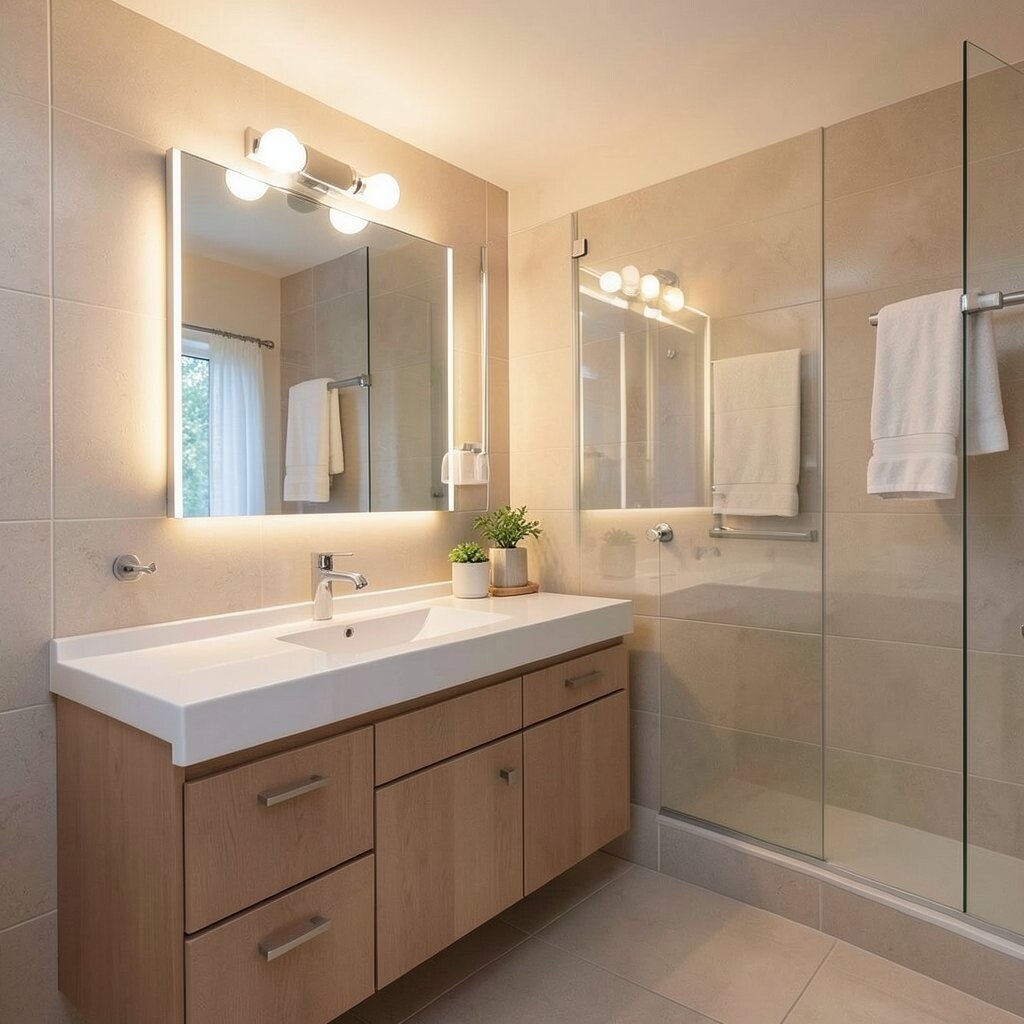
Switch to LED bulbs and fixtures that provide warm, even light across the whole room. In a mirror reflection, good lighting makes your face look naturally fresh and reduces shadows.
Pick color temperature carefully so the light feels comfortable, not harsh. LED lighting uses less electricity and lasts longer, which means fewer bulb changes and less waste.
Try layered lighting with a bright vanity area and softer accent light for evenings. Many homeowners also like dimmers, because they let you adjust mood while saving energy when you need less light.
8. Natural Light With Skylights or Clearstory Panels
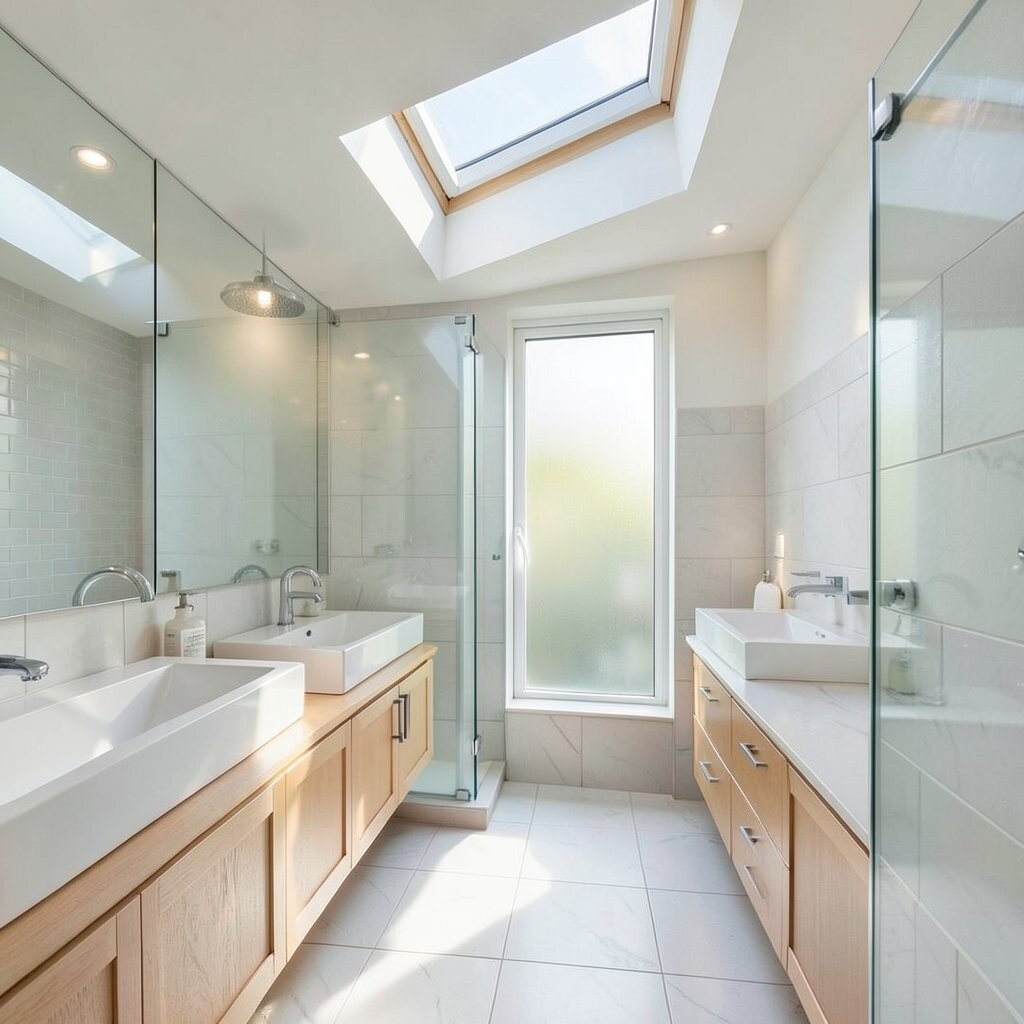
If your layout allows it, adding skylights or a small clearstory can make the bathroom feel bright all day. You’ll notice how the room looks lighter and cleaner without relying on electricity as much.
To avoid glare and privacy issues, use frosted glass or install a tint film. Proper sealing and insulation around skylights matter, because good framing helps keep heat where it belongs.
9. Heat-Preserving Insulation and Sealed Ductwork
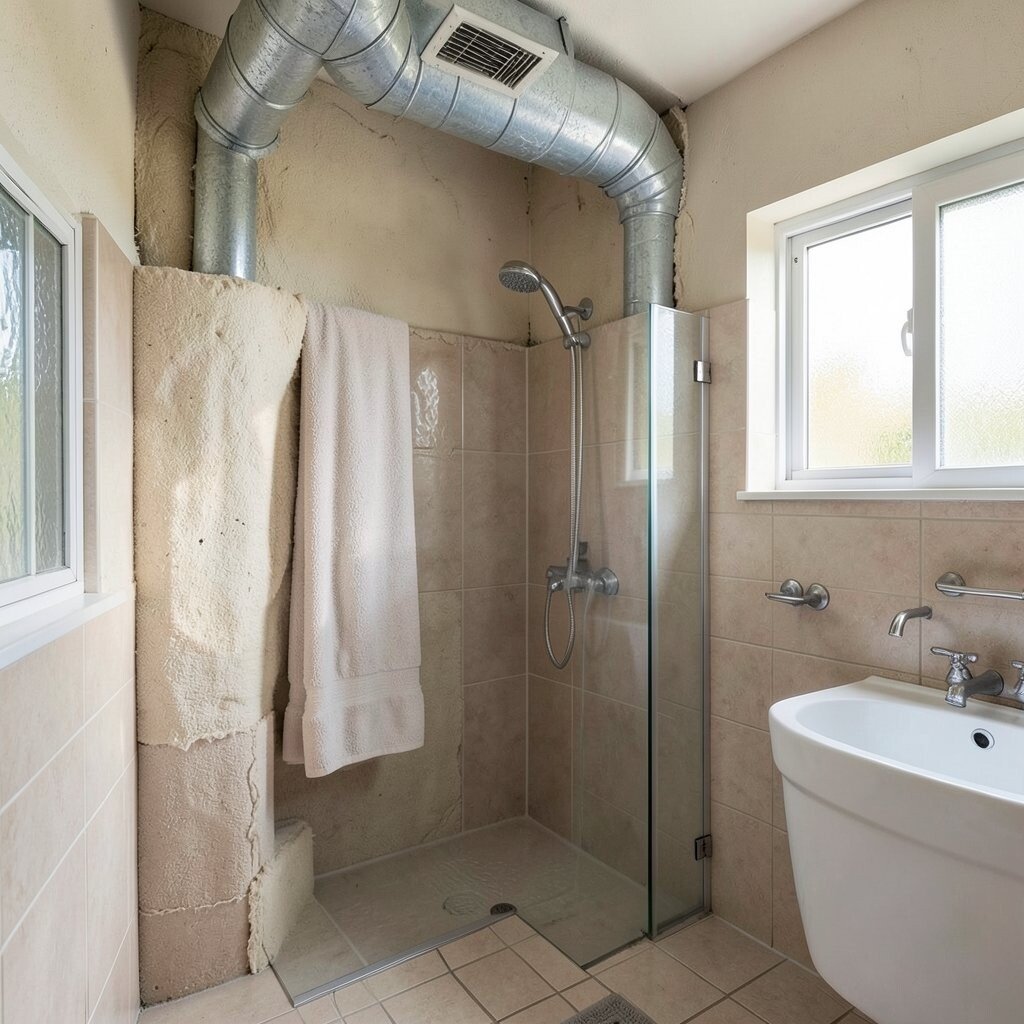
Keeping heat in the bathroom helps you run water and heating systems less often. You’ll feel it when towels dry faster and the air stays more comfortable after a shower.
Upgrading insulation in walls and around pipes reduces temperature swings, which can prevent condensation. Sealing ductwork and gaps also reduces energy loss, especially in older homes.
If you’re remodeling, this is a great place to pair sustainability with comfort. You can ask for an energy audit so you know where the biggest leaks likely are.
10. Reclaimed Wood Vanities With Modern Finishes
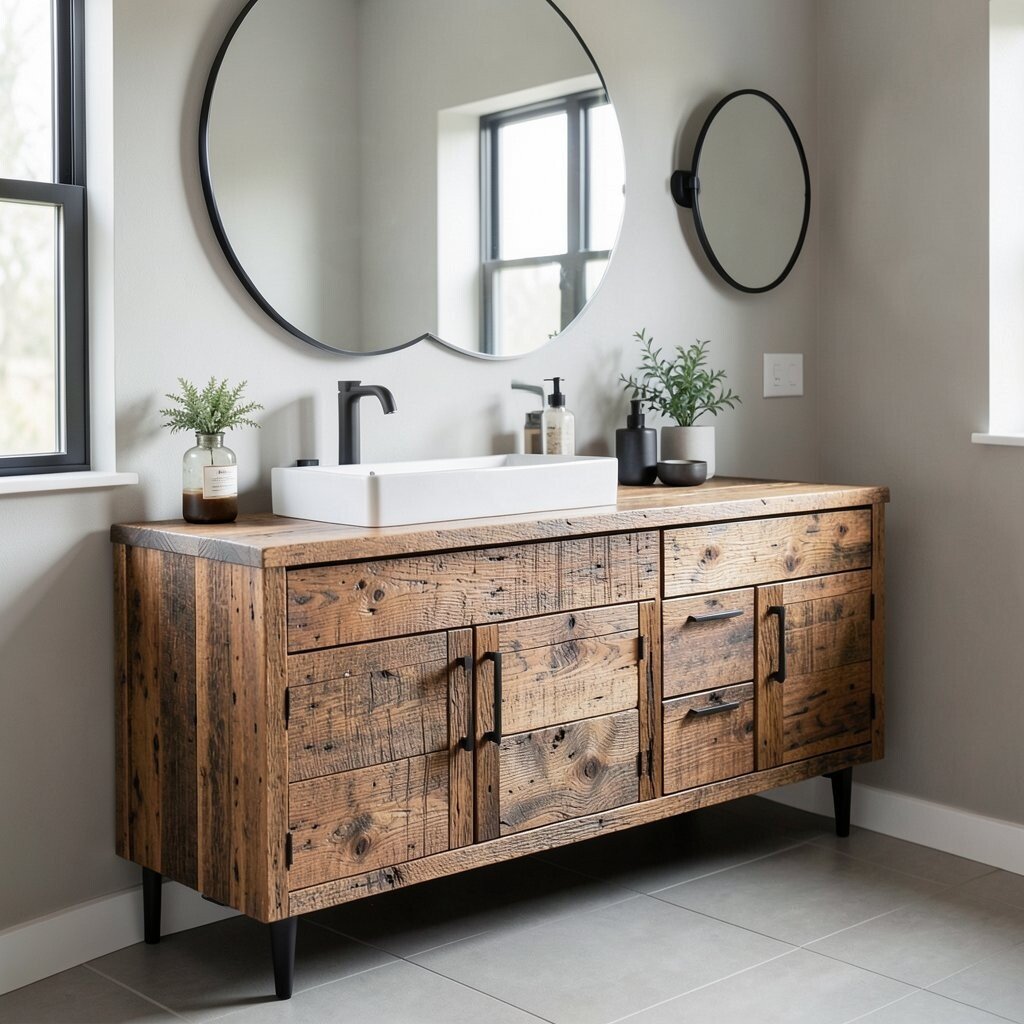
A reclaimed wood vanity adds character you can’t fake, with visible grain patterns and rich color variations. In the bathroom, it can look warm and grounded while still feeling up-to-date.
Choose finishes that are low in odor and made for high-moisture areas, such as water-based sealers. This helps the wood last and keeps maintenance realistic for daily life.
11. Recycled Glass or Porcelain Tiles That Look Stunning
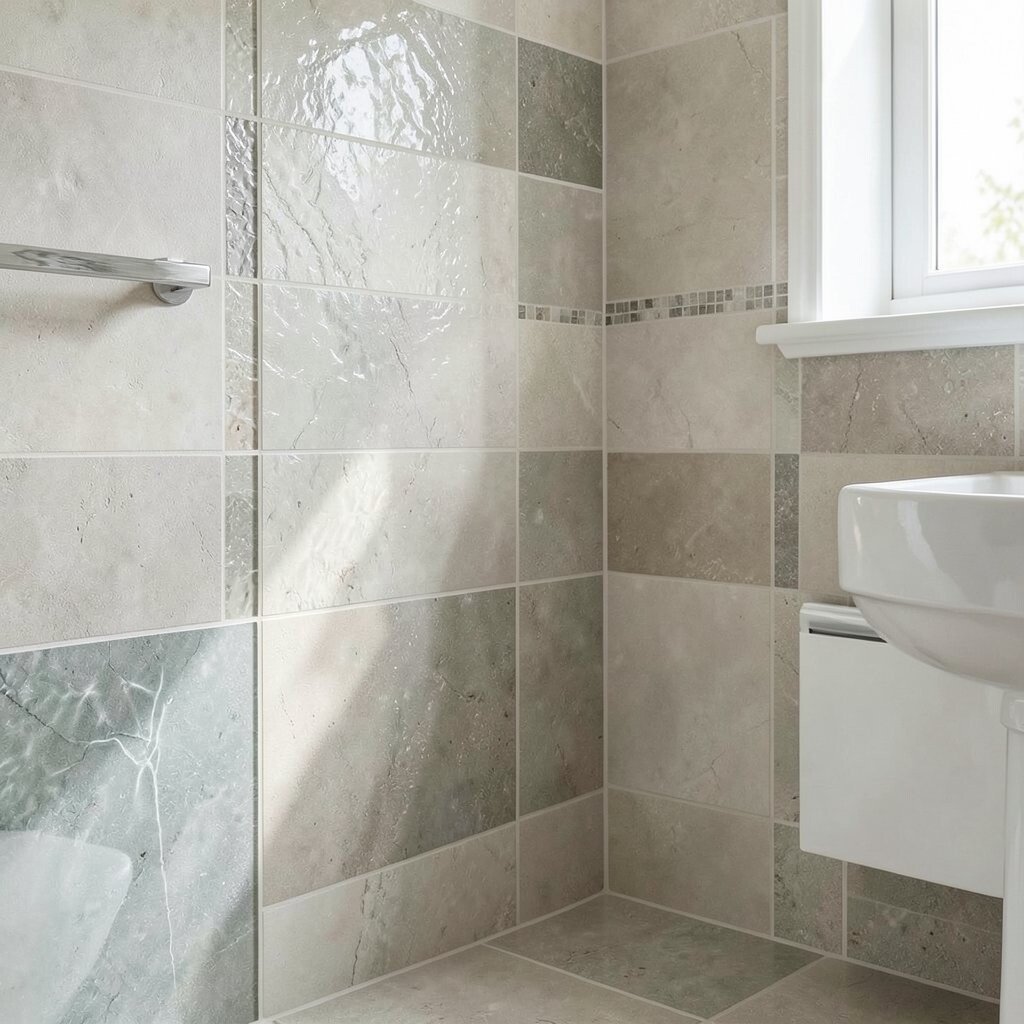
Recycled glass tiles catch light in a way that feels lively, like tiny reflections under water. If you prefer a softer look, recycled-content porcelain can mimic stone with a consistent finish.
Using tiles with recycled materials reduces the demand for new raw inputs. They’re also often durable, which matters for sustainability because long-lasting surfaces don’t need frequent replacement.
For personalization, mix a neutral base tile with a narrow accent strip that matches your fixtures. When ordering, buy a little extra for cuts and future repairs so you don’t end up with a mismatched batch.
12. Non-Toxic Paints and Low-VOC Finishes
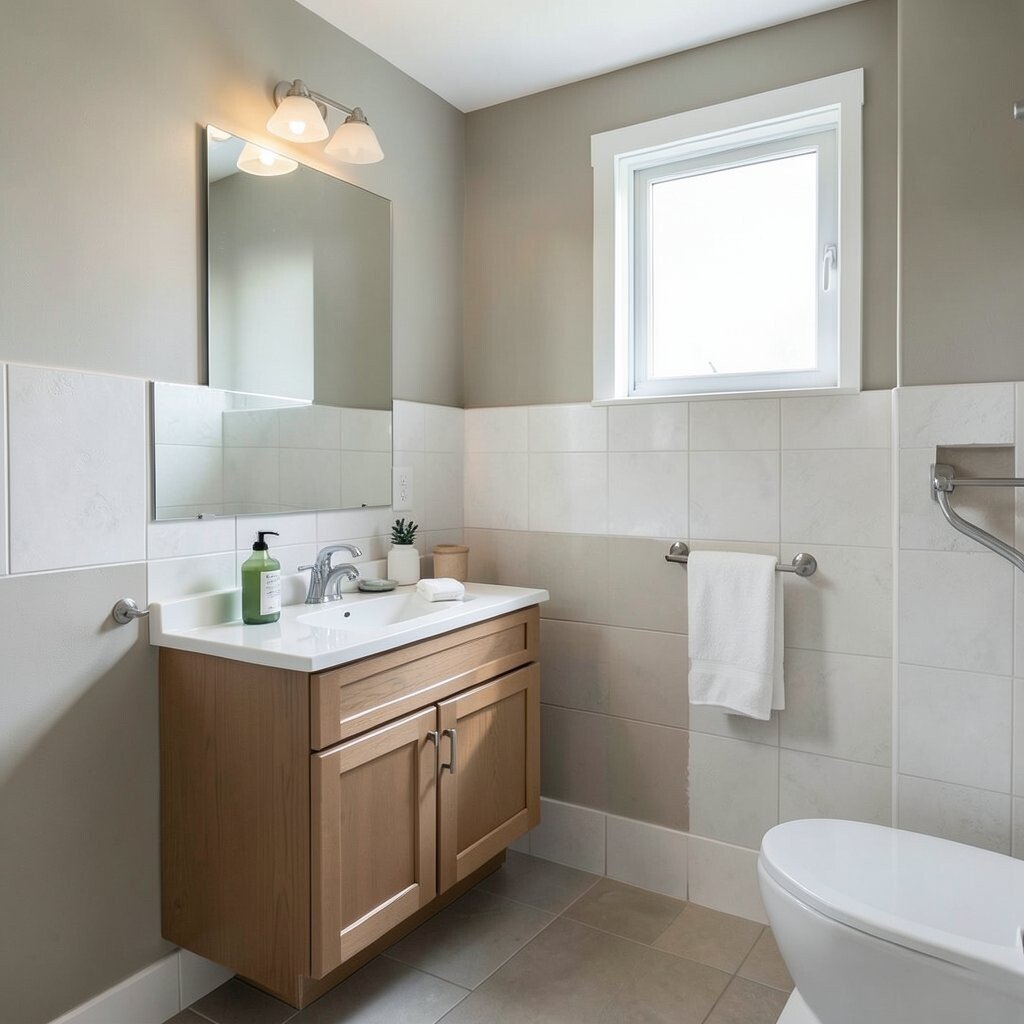
Choose low-VOC or zero-VOC paints to keep indoor air cleaner while you work. You’ll notice the room smells less strong after painting, and it feels nicer to breathe.
Look for moisture-resistant products made for bathrooms, since humidity can be tough on finishes. This choice supports your health and helps the walls hold up better over time.
13. Bio-Based Shower Systems and Natural Stone Alternatives
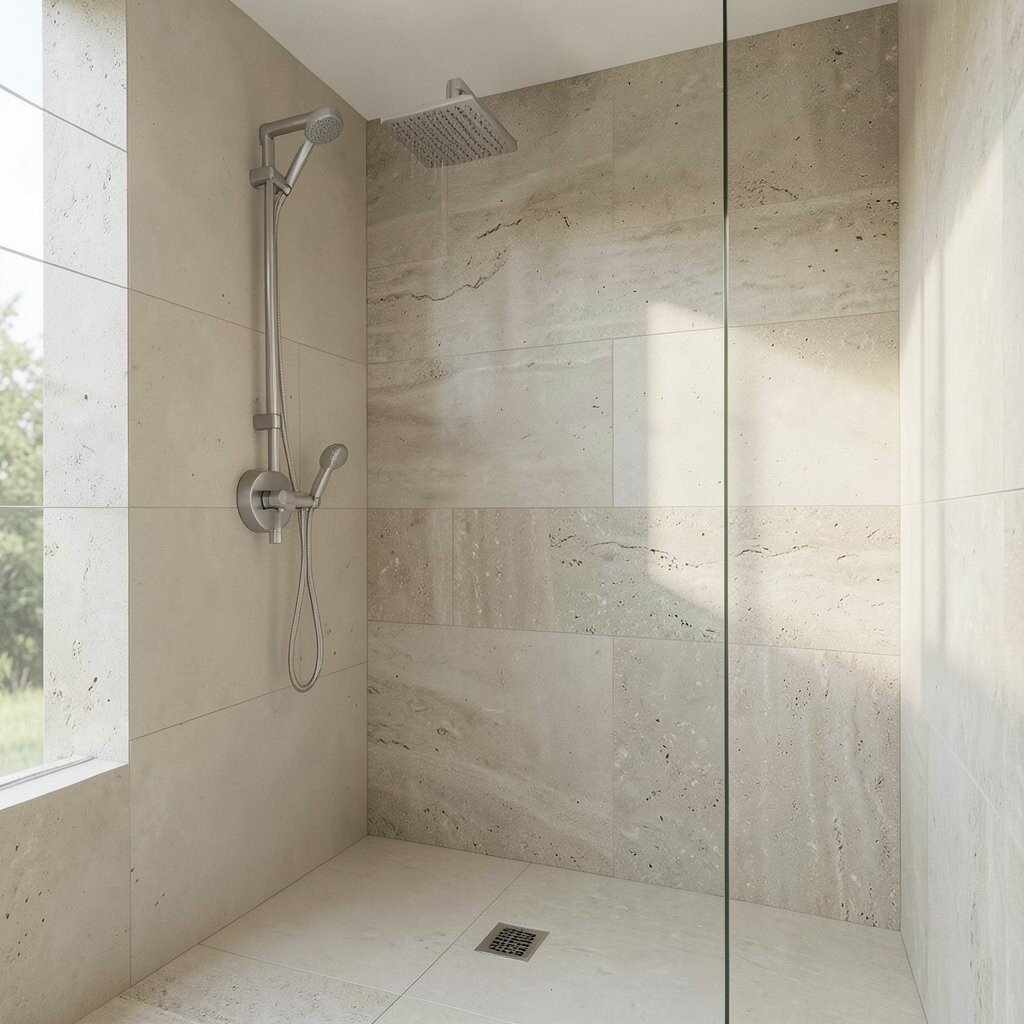
Some shower materials use bio-based resins or responsibly sourced components that reduce dependence on high-impact ingredients. The visual can still feel sleek, especially with smooth walls and clean lines.
Natural stone looks beautiful, but it often varies in how it’s sourced and finished. Bio-based or engineered alternatives can offer similar style with more predictable performance.
To make it practical, confirm cleaning needs and whether the surface resists hard water spots. If your home has hard water, pairing the finish with a gentle cleaner helps it stay attractive without harsh chemicals.
14. Sustainable Countertops Like Bamboo and Recycled Composite
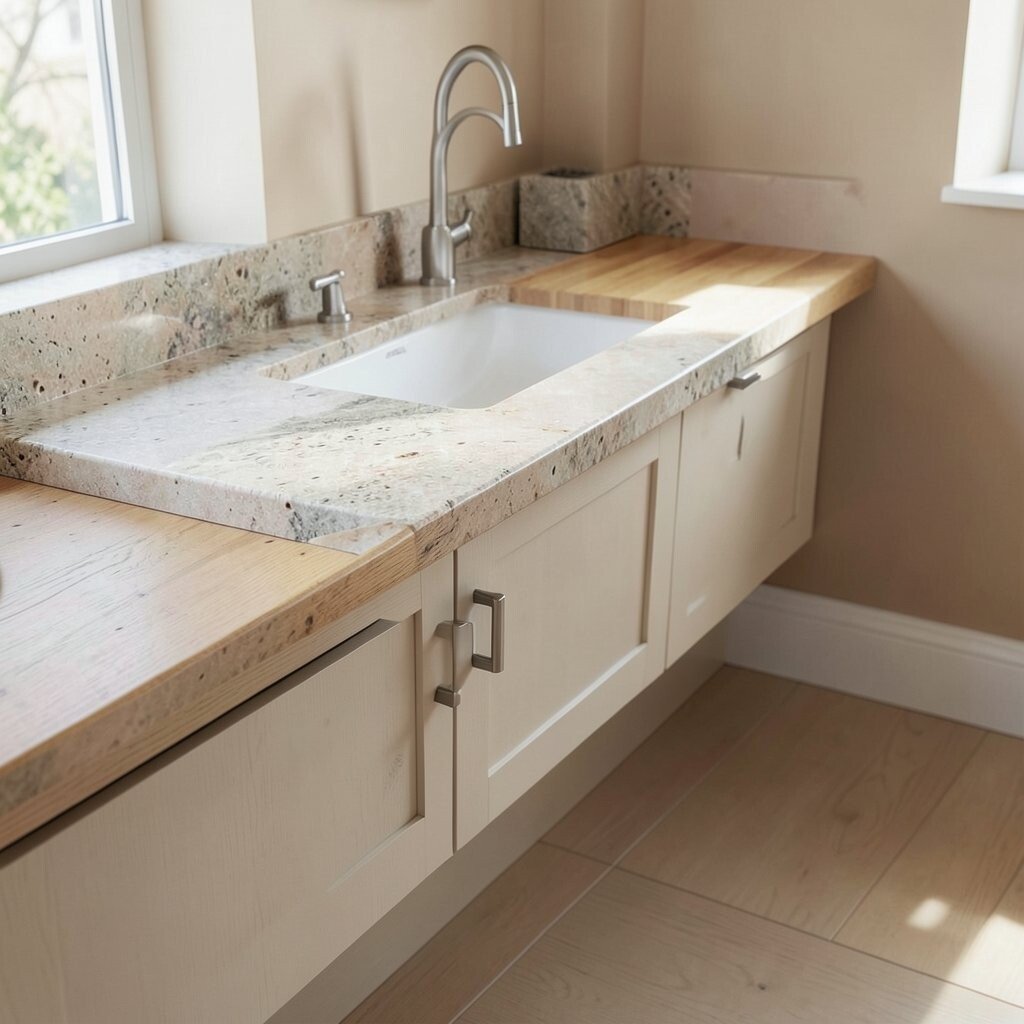
Bamboo countertops bring a bright, modern look, and they can also be a renewable choice when sourced well. Recycled composite surfaces can offer stone-like patterns with strong durability.
Pick finishes and sealants that suit wet environments so the countertop doesn’t absorb water at the edges. This helps the material last longer, which is one of the smartest sustainability moves.
For personalization, consider a countertop color that complements your floor, like light bamboo tones with warm beige walls. Budget-wise, composites can sometimes be easier to price than premium natural stone.
15. Smart Storage That Keeps Water Products Organized
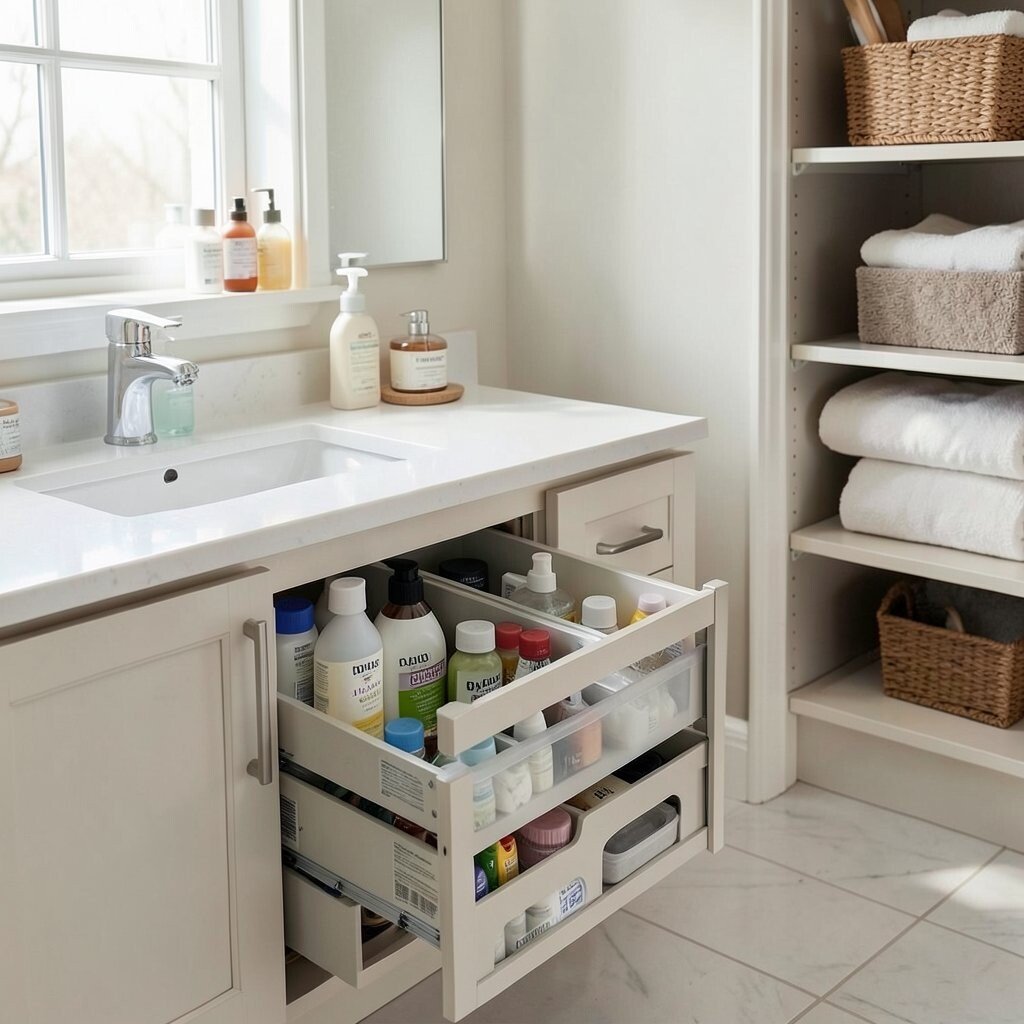
Thoughtful storage reduces waste by preventing forgotten bottles and expired refills. You’ll see the benefit as a neat countertop and fewer cleaning products scattered around.
Use pull-out organizers, drawer dividers, and a medicine cabinet that fits your items. When products are easy to find, it’s easier to use what you have and avoid buying duplicates.
Try a linen closet with adjustable shelves so you can plan for seasonal needs. This is a low-cost upgrade that makes daily routines smoother and helps you keep the bathroom tidy.
16. Reusable Bathroom Textiles and Quick-Dry Towels
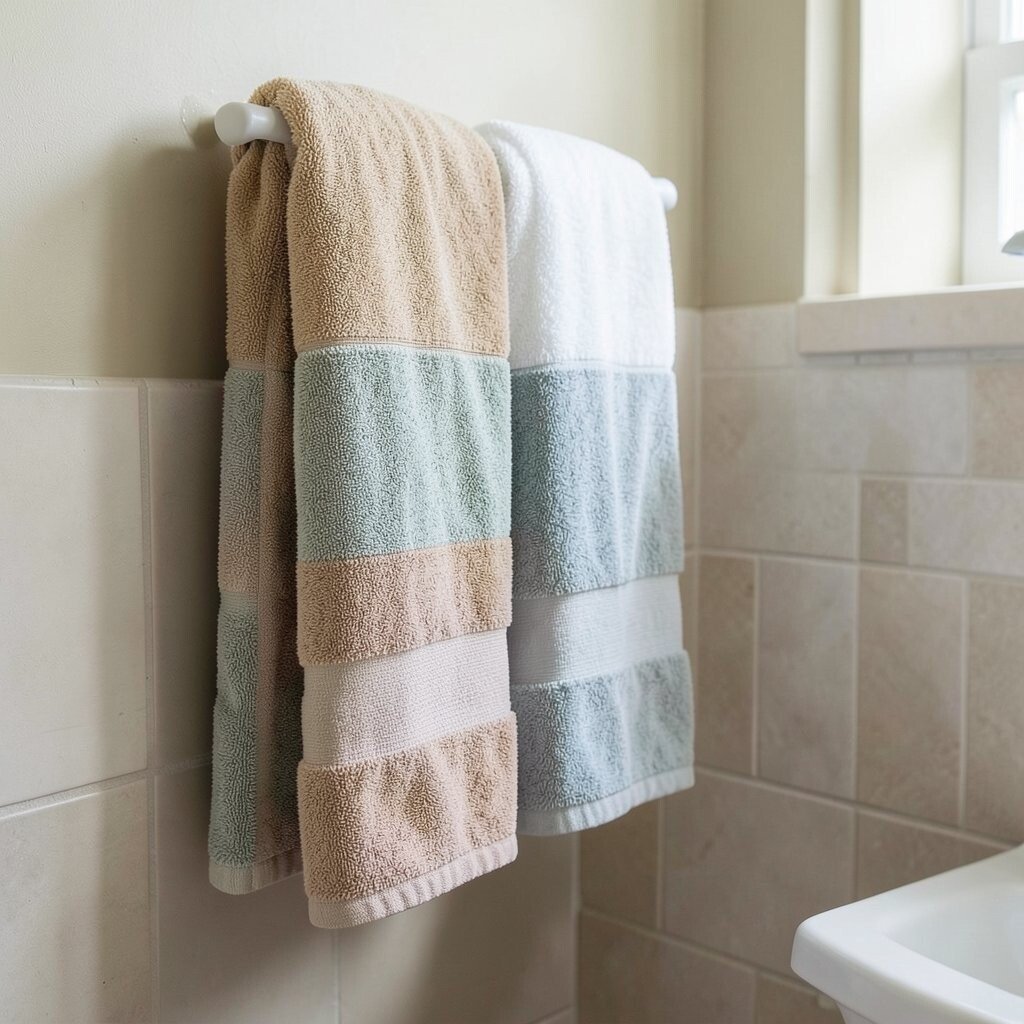
Choose towels made from durable fibers and buy in a way that supports long-term use. You’ll feel it when towels stay soft and absorbent instead of becoming rough after a few washes.
Quick-dry options can also reduce how long fabrics sit damp, which helps limit odors. Look for certifications and quality stitching so the fabric lasts through frequent washing.
For personalization, mix towel colors with your wall paint and tile accents. If you track costs, buying fewer, higher-quality towels often saves money over time.
17. Towel Warmers That Use Efficient Heating
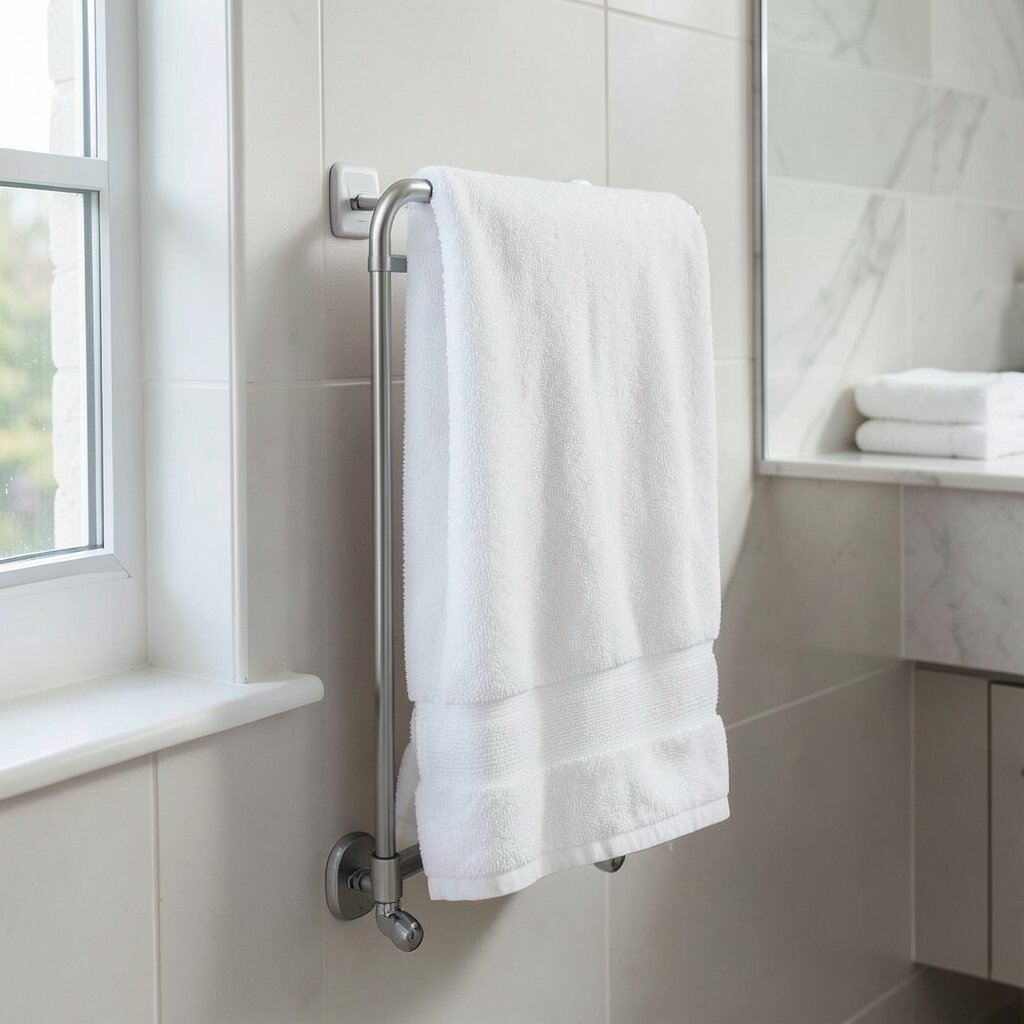
A towel warmer keeps your bath linens cozy without relying on a hot, dry room. You’ll notice the comfort right away, especially in colder months.
Choose energy-efficient models, and consider programmable timers so it heats only when you need it. Some designs are slim and blend well with modern bath layouts.
If you’re aiming for a greener home, check wattage and installation requirements before purchase. Many homeowners find that reliable heating reduces the need for extra dehumidifying steps in the bathroom.
18. Eco-Friendly Cleaning Tools and Refill Systems
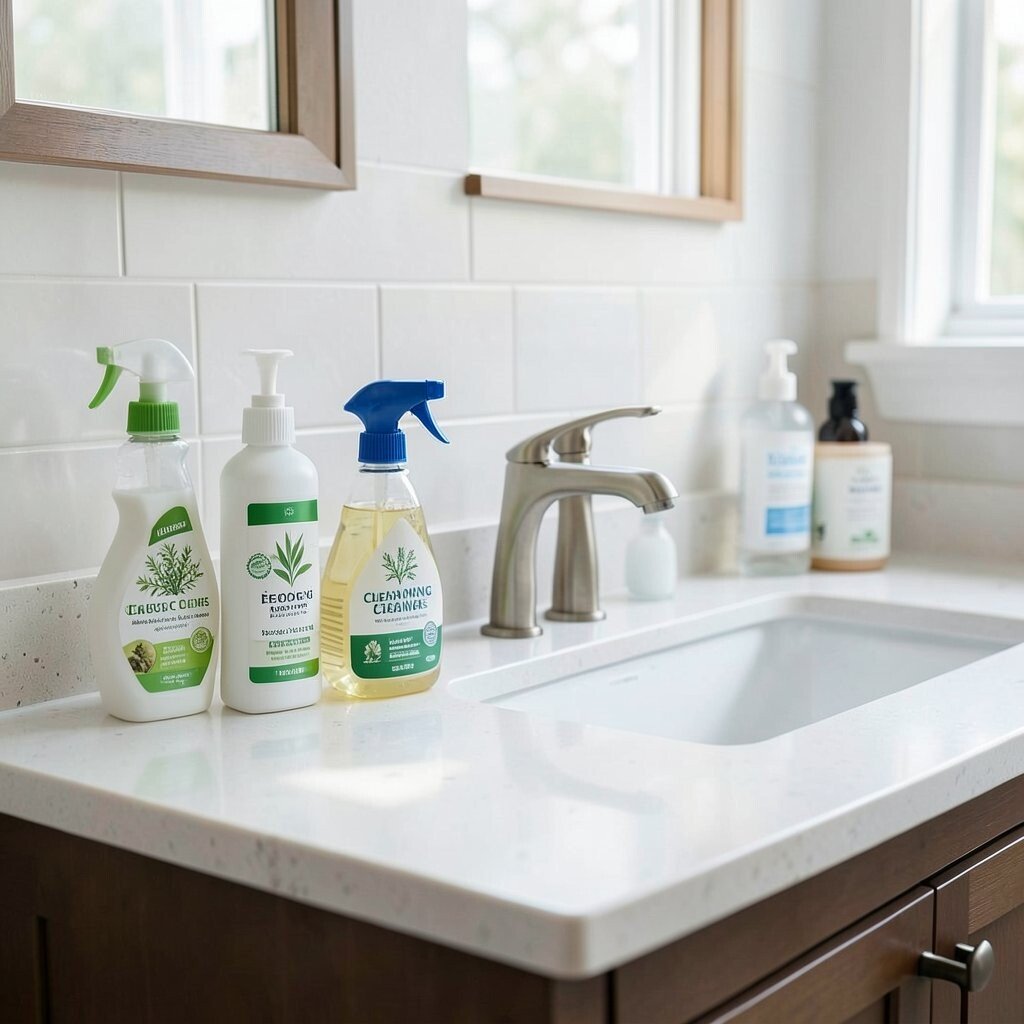
Switch to concentrated cleaners and refillable dispensers to cut down on plastic waste. Visually, your counter becomes calmer, with fewer bottles taking up space.
Pick plant-based formulas when possible, and keep them in clearly labeled containers for safety. Using the right amount matters, because concentrated products work well when measured carefully.
To personalize your setup, choose dispensers that match your hardware finishes. For cost, refills often lower the long-term price per use, especially when you commit to consistent refilling.
19. Efficient Water Tempering With Thermostatic Controls
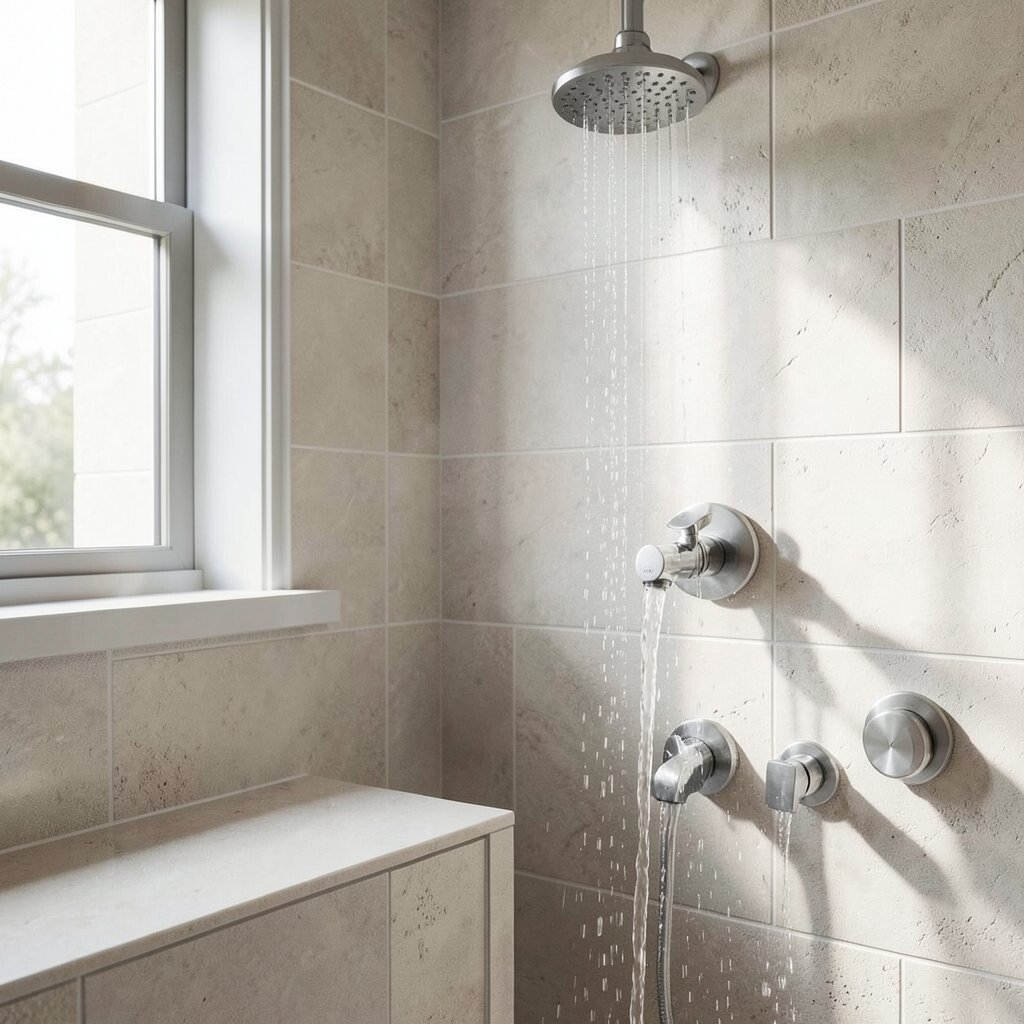
Thermostatic shower valves help reduce wasted water while waiting for the right temperature. You’ll see the benefit as less running water and a smoother start to your shower.
These controls can also make showers feel more comfortable by preventing sudden temperature swings. If you’re updating plumbing fixtures, this is a great time to choose water-saving hardware.
For personalization, match valve trim to your faucet and shower hardware so the whole room feels coordinated. The cost can be moderate, but it’s often worth it for both comfort and savings.
20. Low-Impact Flooring Options Like Cork and Linoleum
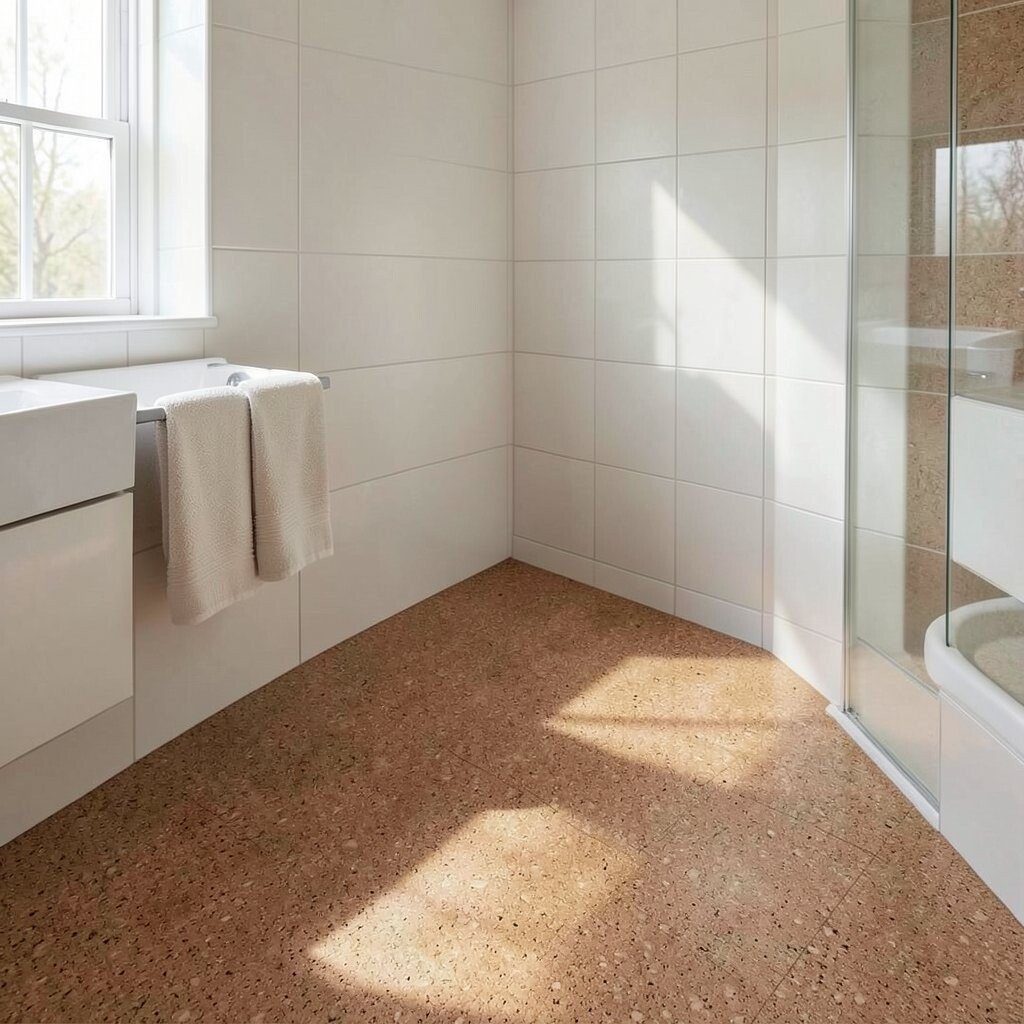
Cork flooring feels warm underfoot and adds a soft, natural texture to the bathroom. Linoleum made with natural ingredients can provide a classic look without the heavy footprint of some synthetic floors.
These materials can also support quieter footsteps, which makes the bathroom feel more relaxing. Make sure you choose products rated for moisture and pair them with proper sealing if needed.
For practical installation, consider whether you want full waterproof performance or just strong moisture resistance. Costs vary, but selecting a durable floor helps prevent early replacement, which is a major long-term savings.
21. Plant-Supported Privacy and Freshness With Safe Selections
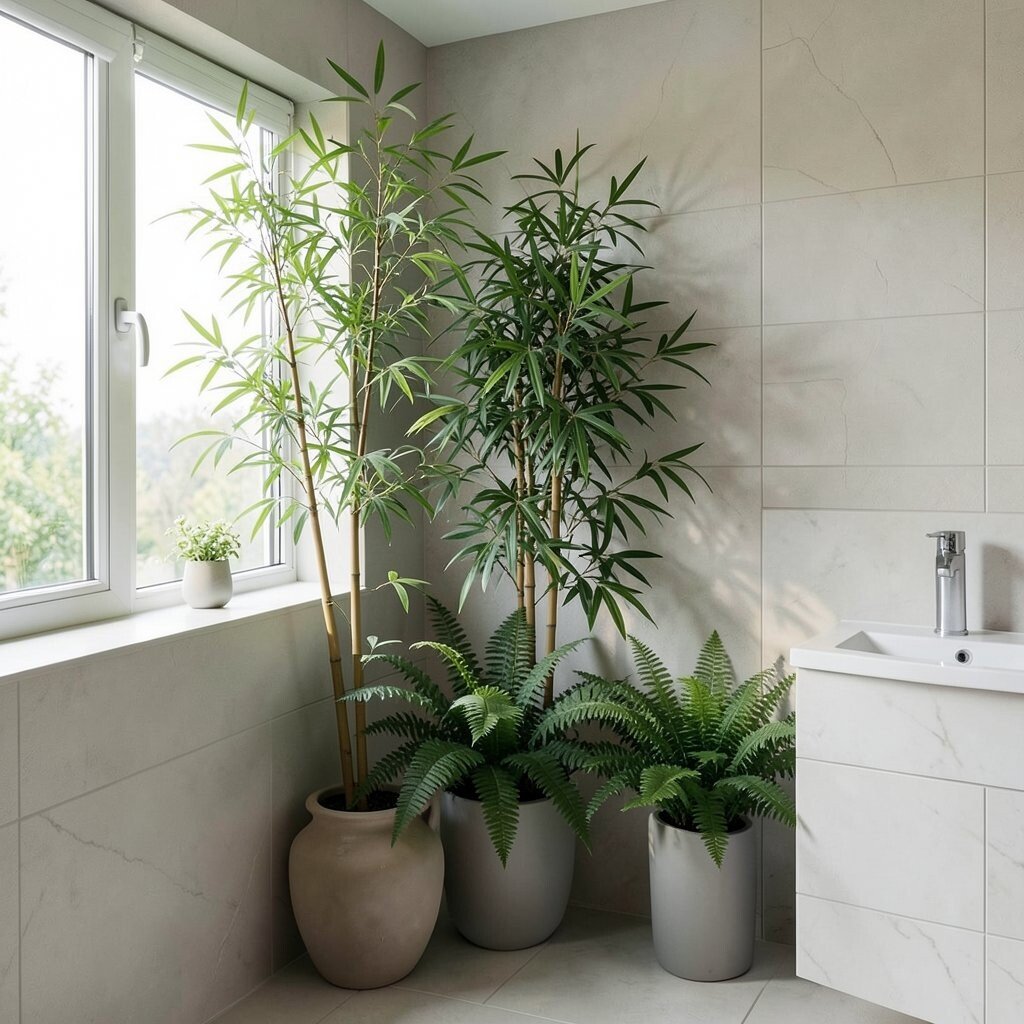
Adding bathroom plants can make the space feel alive and reduce the visual coldness of tile. You’ll enjoy the calming green tones, especially near a window or under gentle lighting.
Choose plants that handle humidity, like bamboo-like varieties or hardy ferns, and keep them safe from splashes. Proper placement also supports cleaning habits, since well-positioned plants are easier to water without mess.
22. Personal Style With Buildable Sustainability Choices
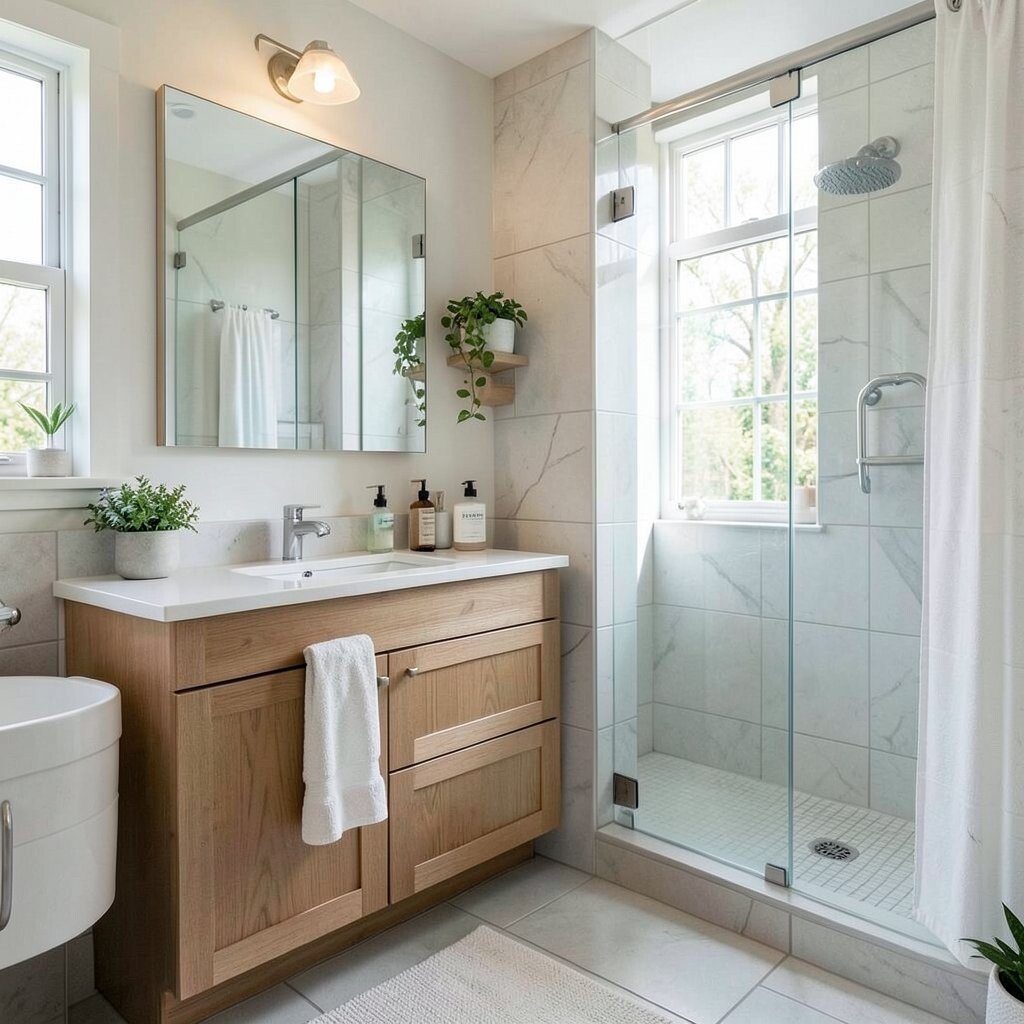
Your bathroom becomes truly greener when your choices match your routine and taste. Visual harmony comes from picking materials that you’ll love for years, not just ones that look trendy for a season.
Consider how you use the space every day, like where towels land, how often the mirror gets cleaned, and what products you actually finish. When your plan is personalized, you waste less and maintain more consistently.
For budgeting, prioritize changes that give both comfort and savings, then add smaller upgrades later. This approach keeps the project manageable while still creating a bathroom that feels special and environmentally smarter.