A vision board turns big dreams into something you can almost touch. When you see your goals every day, your motivation stops being a mystery.
Each example below shows a style, a vibe, and a practical way to build it with real-life materials. Use what fits your life, then personalize it so it feels like you.
1. Morning-Glow Dream Board
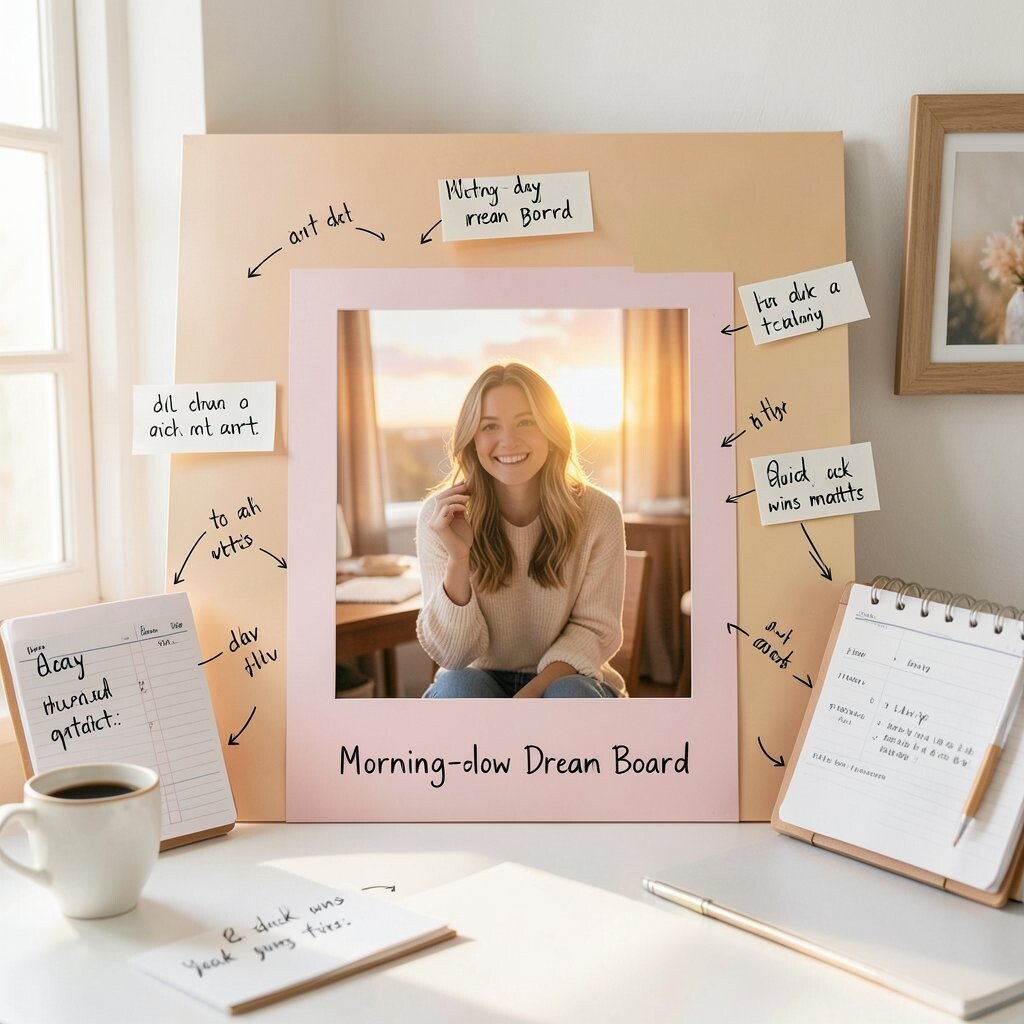
Picture a bright board that looks like sunrise. In the center, place your main goal photo, then surround it with soft colors like peach, gold, and light pink.
Use morning-light images such as a coffee cup beside a planner, a window with warm curtains, or a peaceful desk scene. Write one simple action for each day in small handwriting, and tuck those notes around your goal like supportive anchors. Keep the design clean enough that you can glance at it fast, because quick wins matter.
2. Goal-Map With Milestone Paths
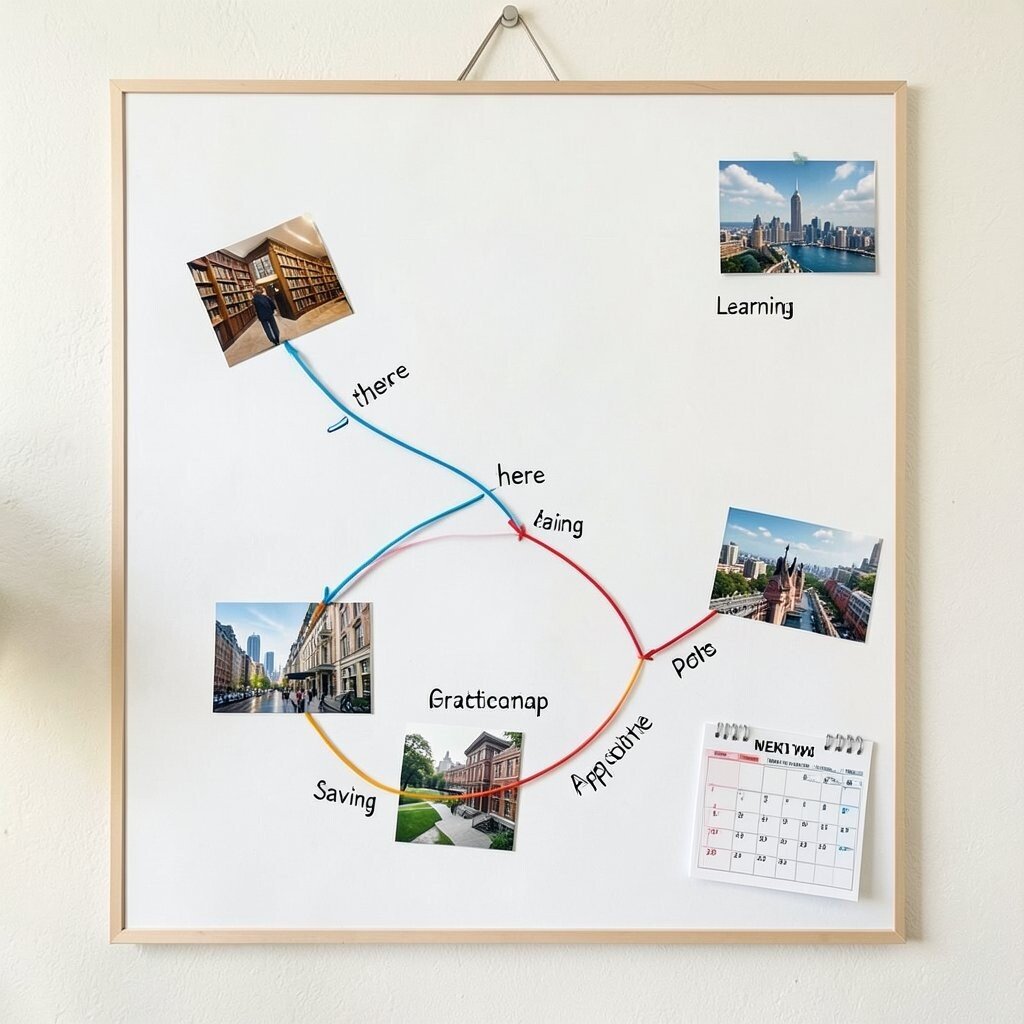
Imagine a map-style vision board with a winding path from “here” to “there.” Each bend in the path holds a small picture that matches a milestone you want to reach.
Choose icons for steps like learning, saving, practicing, or applying, then connect them with thin lines. This setup makes progress feel visible, which helps you stay steady when motivation dips. Add a tiny calendar page image to remind yourself to review your path weekly.
To personalize, swap generic landmarks for places that mean something to you, like your favorite library or a future city photo you love. Keep costs low by printing images at home and using colored string or marker to draw the route. If you follow current trends, try a “minimal route” look with lots of white space and only a few bold landmarks.
3. Health and Energy Glow-Up Board
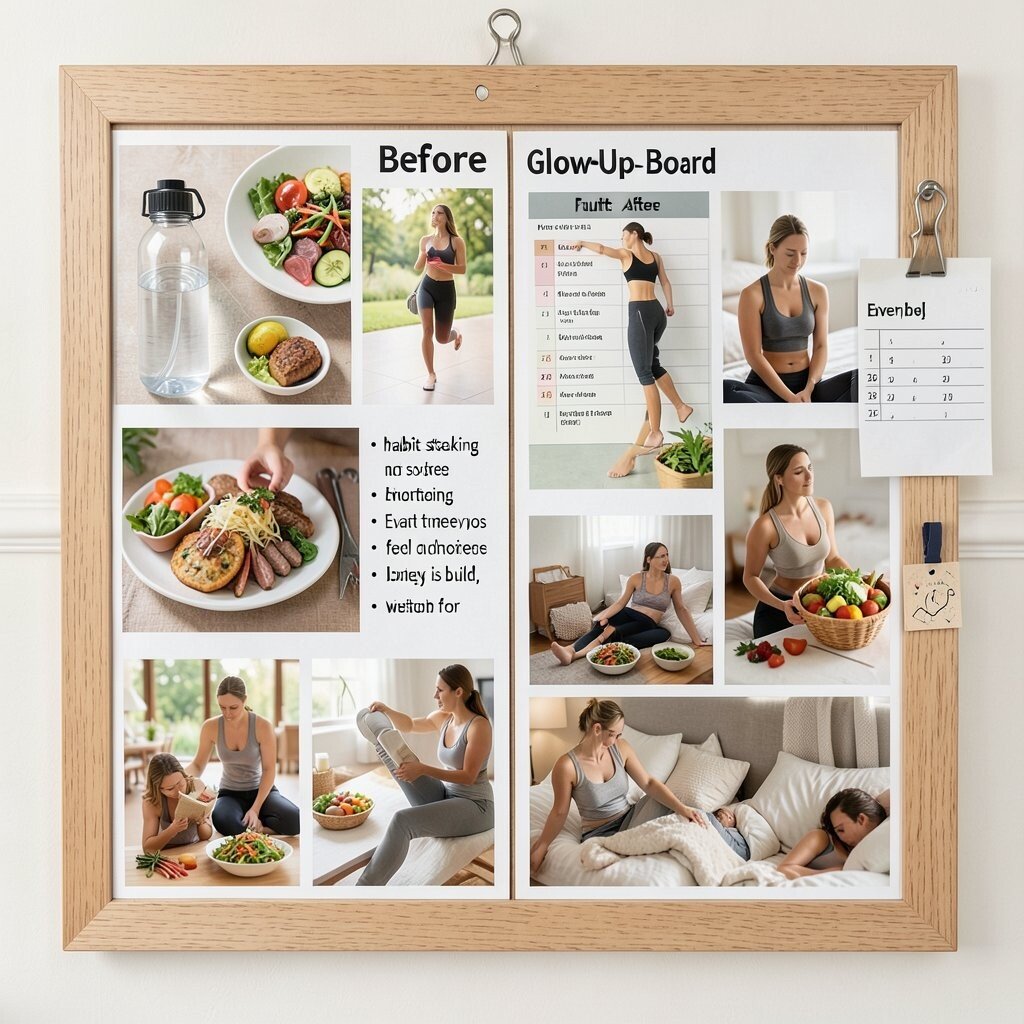
Think of a board that feels like fresh air and clean habits. Use photos of healthy meals, workout moments, and relaxing routines that make your body feel strong.
Place a “before and after” style layout by showing your current habits on the left and your future routine on the right. Include a water bottle picture, a grocery list style photo, and a cozy sleep scene to make the plan feel complete. Make it unique by adding small real objects like a fitness band tag or a tea bag label that matches your routine.
For practical tips, add a simple weekly tracker made from scrap paper and clip it at the side of the board. If you want a current trend, use “habit stacking” visuals by linking sleep, movement, and nutrition in a neat chain of images. When costs matter, focus on images you can take yourself and print only the key photos.
Every time you feel tempted to skip, your board becomes a reminder that energy is built, not wished for.
4. Career Growth Board With Skill Collage
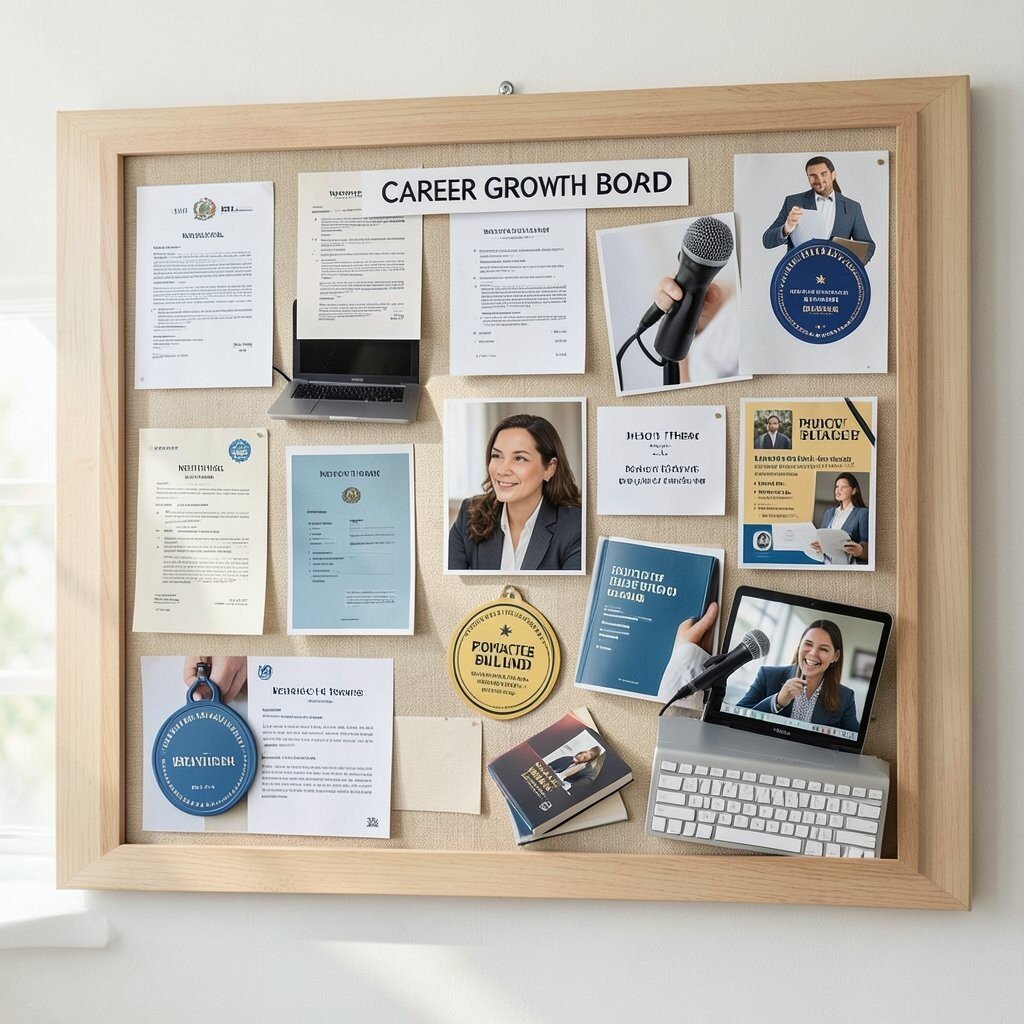
Picture your career goals turned into a collage of skills you want to build. You might use cutouts of resumes, laptops, books, and conference badges across the center.
Write the exact role you want and add supporting images for the tools you need, like a microphone for public speaking or a keyboard for project work. This style helps you link effort to identity, so you start acting like the person you’re aiming to become. Keep practical by setting one “practice theme” for the board, such as networking, portfolio building, or leadership growth.
5. Financial Calm Board With Simple Numbers
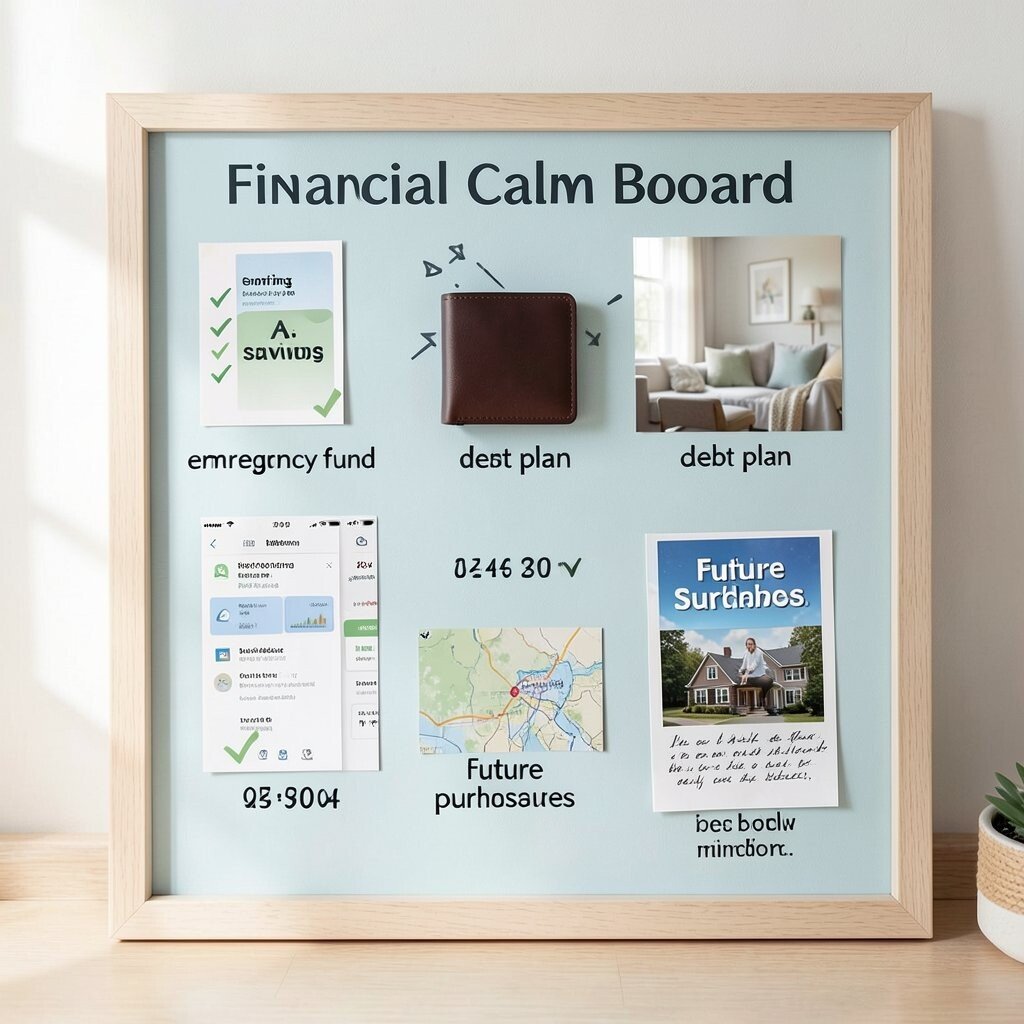
Envision a peaceful board using calm blues, soft greens, and clean checkmarks. Add images of your savings goal, a tidy wallet, and a quiet room where you can plan without stress.
Instead of clutter, include a few clear money targets like “emergency fund,” “debt plan,” and “future purchase.” Pair them with visuals of what those goals unlock, such as a house photo, a travel map, or a class brochure. Keep personalization close to home by using your own bank app screenshot-style printouts or your budget notes in your handwriting.
For cost considerations, use free resources like printable budget sheets and craft stores can be optional. If you’re following current trends, try a “capsule” approach using only a handful of strong symbols and one bold monthly reminder. The benefit is that your brain sees calm before it sees pressure.
6. Relationship and Connection Board
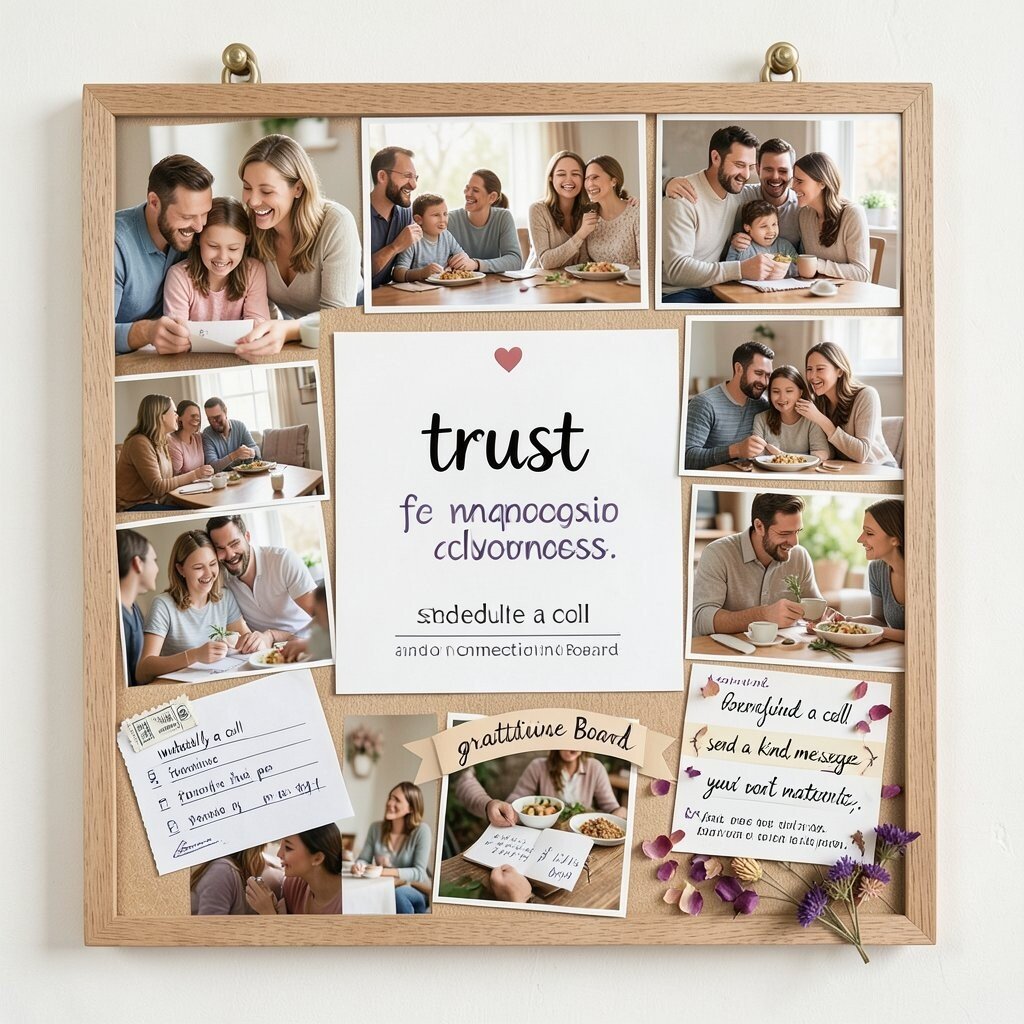
Imagine a board filled with heartwarming scenes that show the kind of relationships you want. Use photos of friends laughing, family moments, and simple gestures like handwritten notes and shared meals.
Center your board on a word that represents the feeling you want, like trust or closeness, and surround it with pictures that match it. Add one small weekly plan such as “schedule a call” or “send a kind message” to make it actionable. This helps you turn good intentions into real connection habits.
Make it unique by including ticket stubs, dried flower petals from a meaningful gift, or a photo of the table where you want to gather again. You can keep costs low by using what you already have at home and printing only a few photos. If you like current trends, create a “gratitude ribbon” using short quotes that rotate each month.
7. Creative Spark Board for Artists and Makers
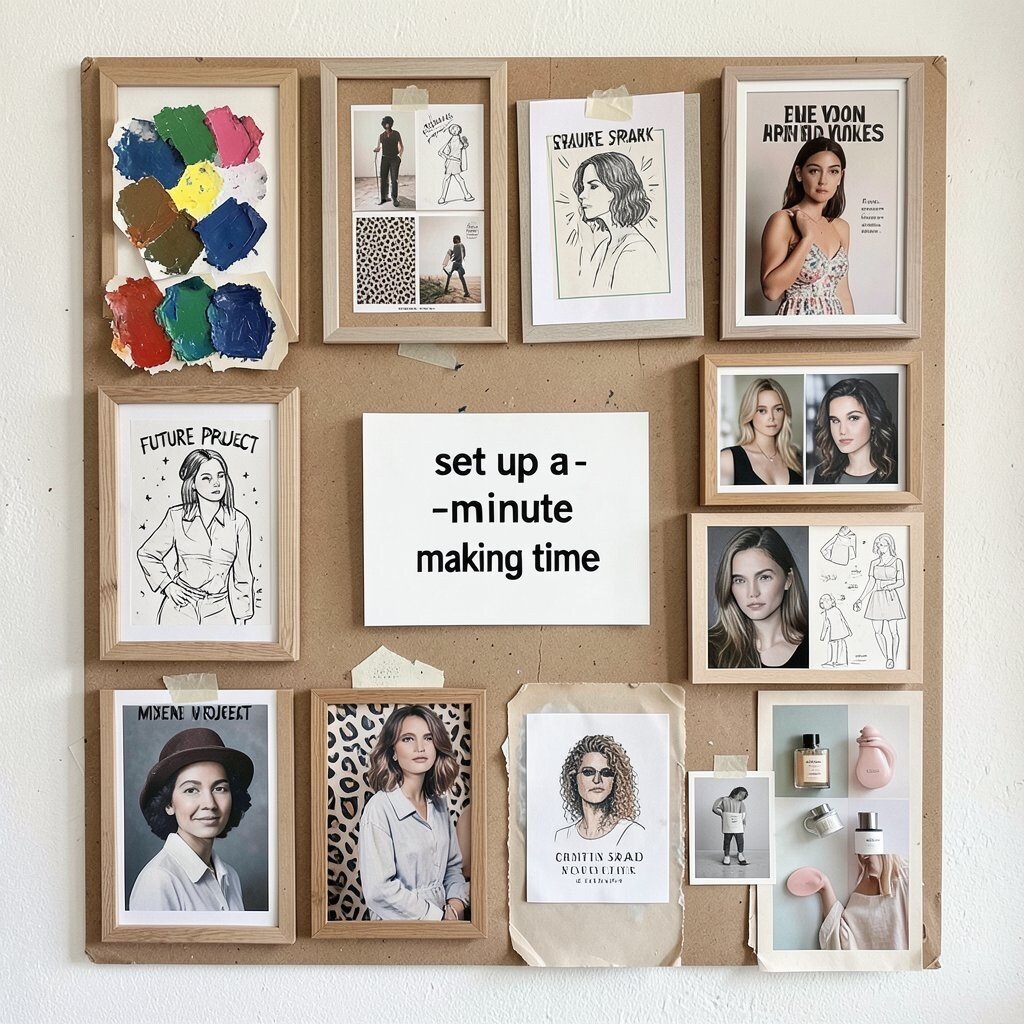
Picture your vision board as a studio wall with texture and energy. Use paper scraps, paint swatches, sketch images, and bold headlines that feel like your inner voice.
Add a “future project” image collage showing the style you want to create, such as portraits, patterns, or product mockups. Include one practical step like “set up a 30-minute making time” and place it near the center so it’s hard to ignore. This uniqueness builds momentum because you see your work as a process, not a performance.
For cost considerations, use thrifted frames, recycled cardboard, and free inspiration images from your own camera roll. If you want a current trend, try a “mixed media grid” where photos and materials overlap lightly. It makes the board feel alive, just like your creativity.
8. Travel Freedom Board With Route Feelings
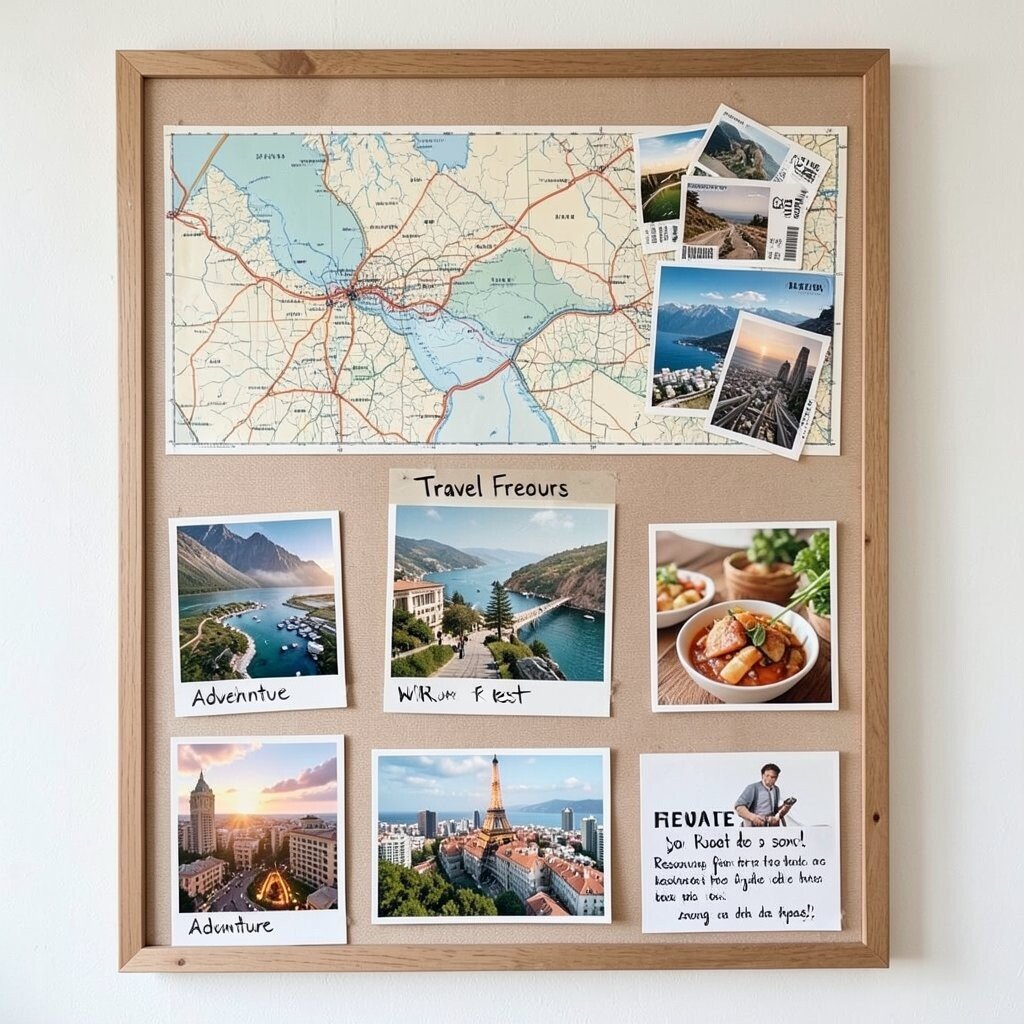
Imagine a board where destinations look like dreams you can plan. Use maps, plane tickets, city photos, and postcards that bring back real emotions.
Create sections for the feeling of travel, like “adventure,” “rest,” and “food,” then add images that match each feeling. Add a practical tip by writing one action you can do soon, such as researching flights or learning a few phrases. This gives your board a purpose beyond daydreaming.
9. Study Focus Board With Homework Rhythm
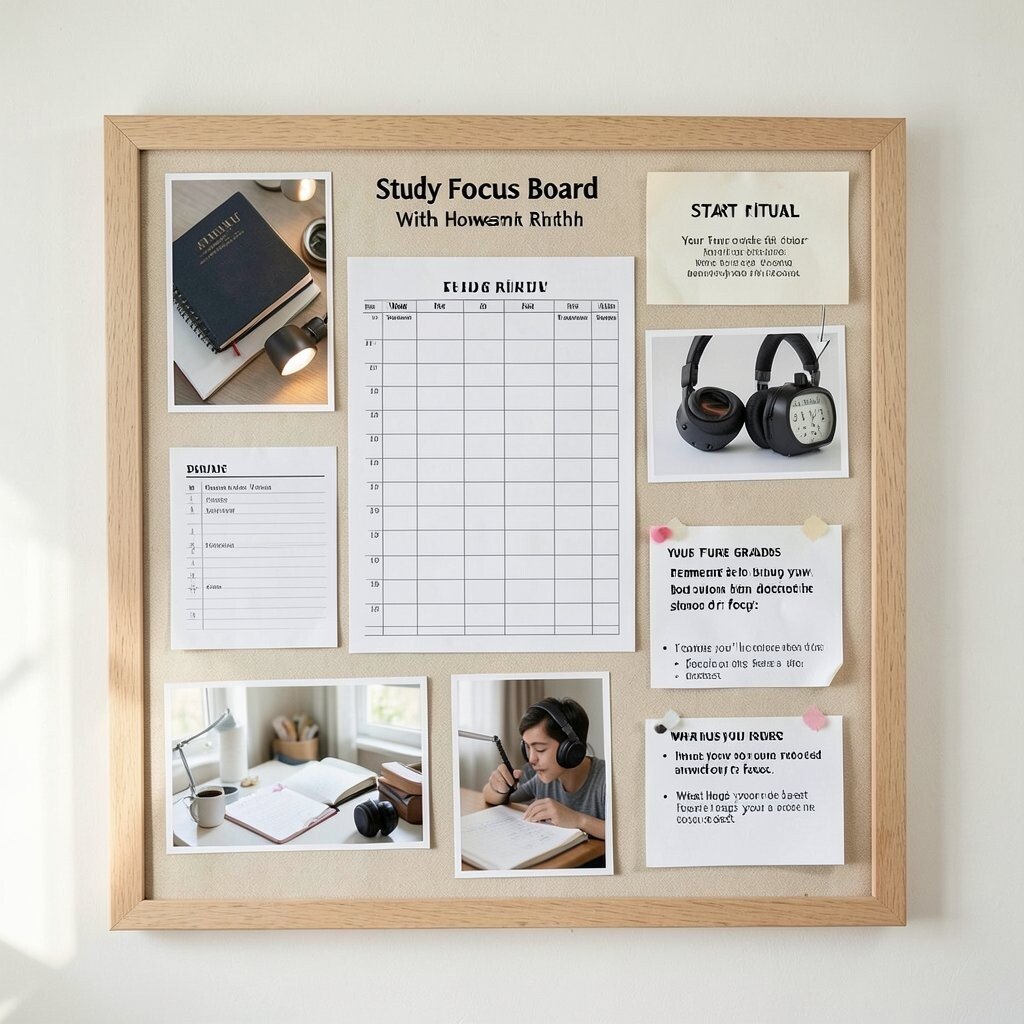
Picture a board with a tidy layout that feels calm and doable. Use high-contrast images like textbooks, study lights, and a notebook page filled with neat headings.
Place a study schedule visual across the board, then add smaller images for each subject or skill. Include a practical tip by adding a “start ritual” image, like headphones, a timer, or a favorite bookmark. The benefit is simple: you’ll remember how to begin when distractions show up.
Make it unique by adding a photo of your study spot and a small list of what helps you focus best. If costs are a concern, print only the key pages and use scrap paper for the rest. A current trend is “study aesthetic” using soft backgrounds and one consistent font style on cutout text.
Your future grades feel closer when your board sets the mood for focus.
10. Fitness Goals Board With Strength Symbols
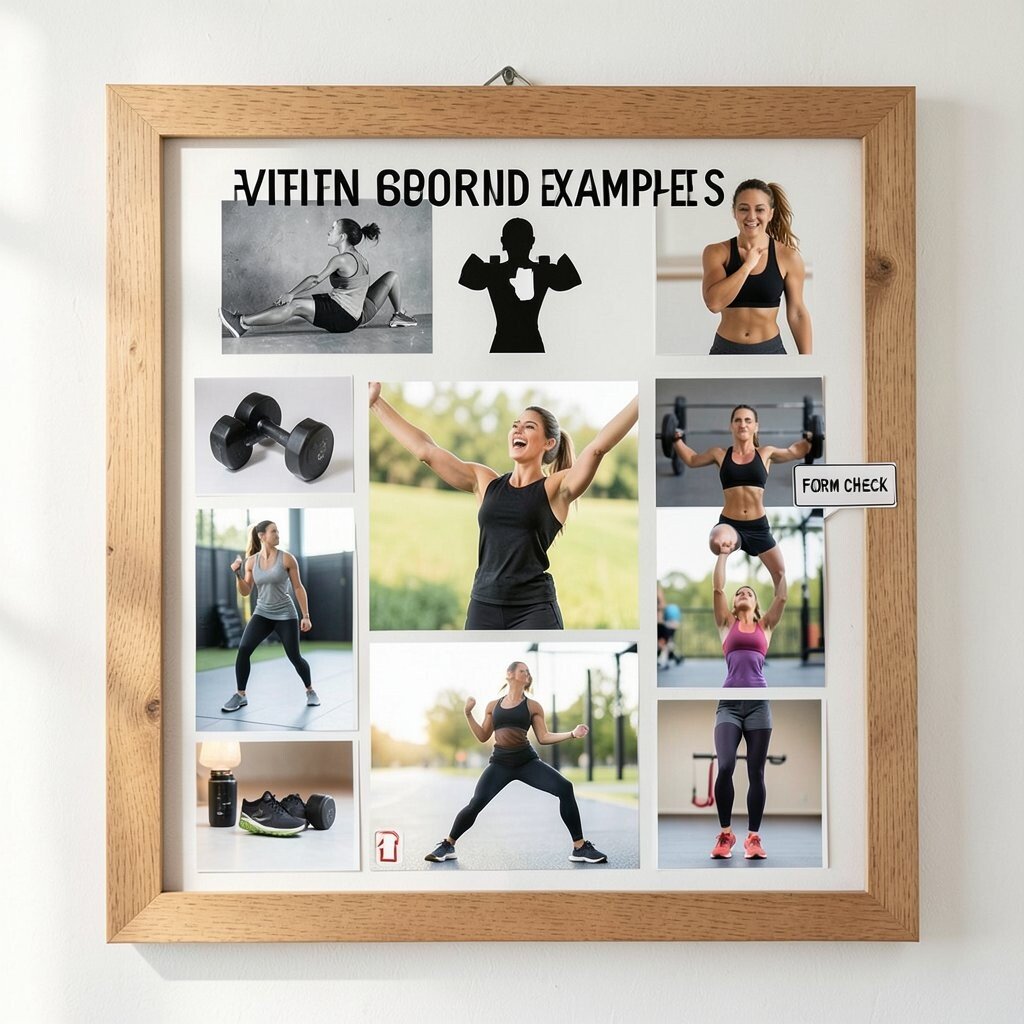
Think of a board with strong shapes, clean fonts, and images that show real training. Use photos of you moving, stretching, and celebrating progress, even if it’s small.
Choose symbols that match your goals, like dumbbells, running shoes, or a silhouette that represents your body and confidence. Add a practical tip by placing a “form check” reminder near your workout images. This helps you train with purpose rather than only chasing intensity.
11. Home-Life Comfort Board With Cozy Details
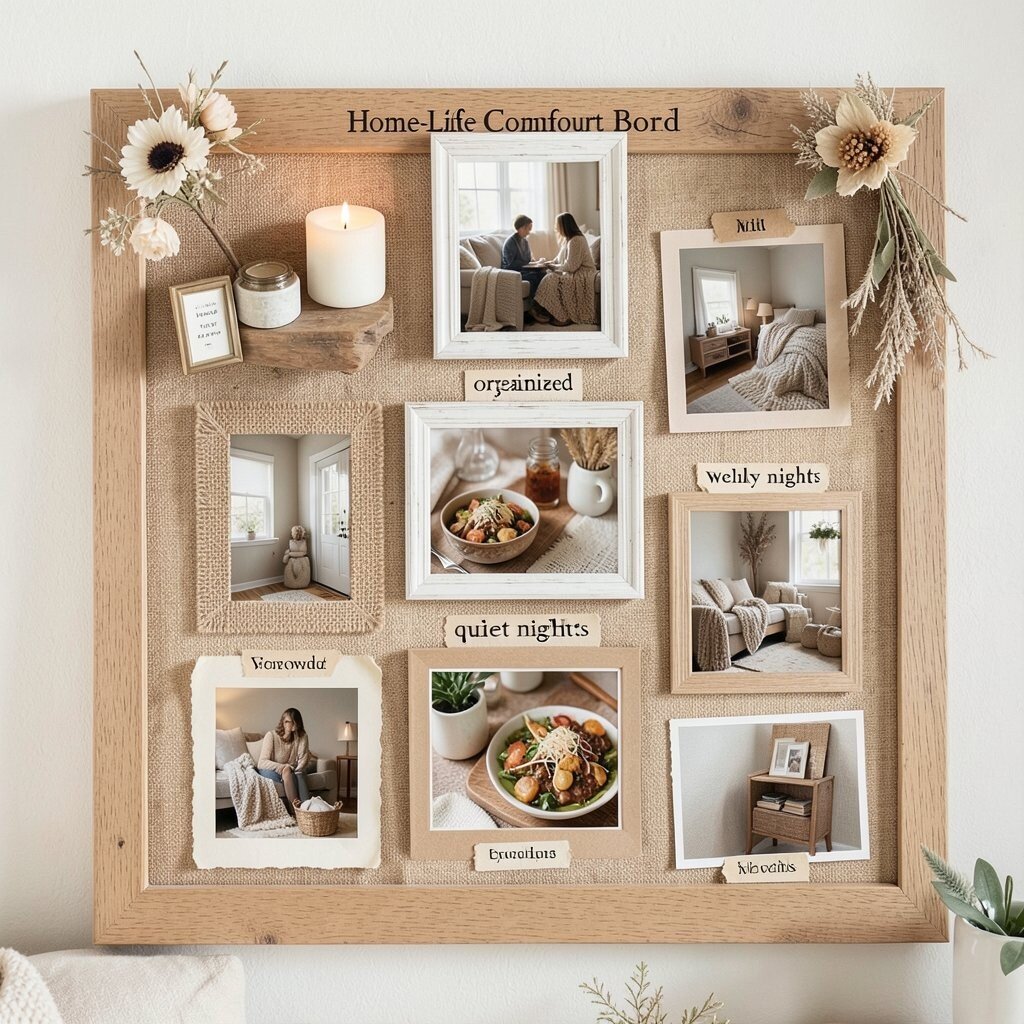
Picture a board that feels like warm blankets and safe routines. Use cozy interior photos, scented candle images, soft lighting, and little reminders of calm.
Center your goal on a specific home feeling, such as “organized,” “welcoming,” or “quiet nights.” Then add pictures of routines you want, like a weekly meal plan, a tidy entryway, or a reading nook. Personalization can be as simple as using your favorite color theme from your space.
For cost considerations, thrift frames, use fabric scraps, and print photos on plain paper. If you want a current trend, try warm neutrals and natural textures like jute, kraft paper, and linen-like patterns. The benefit is that your board nudges your daily life toward comfort.
12. Confidence and Self-Worth Board
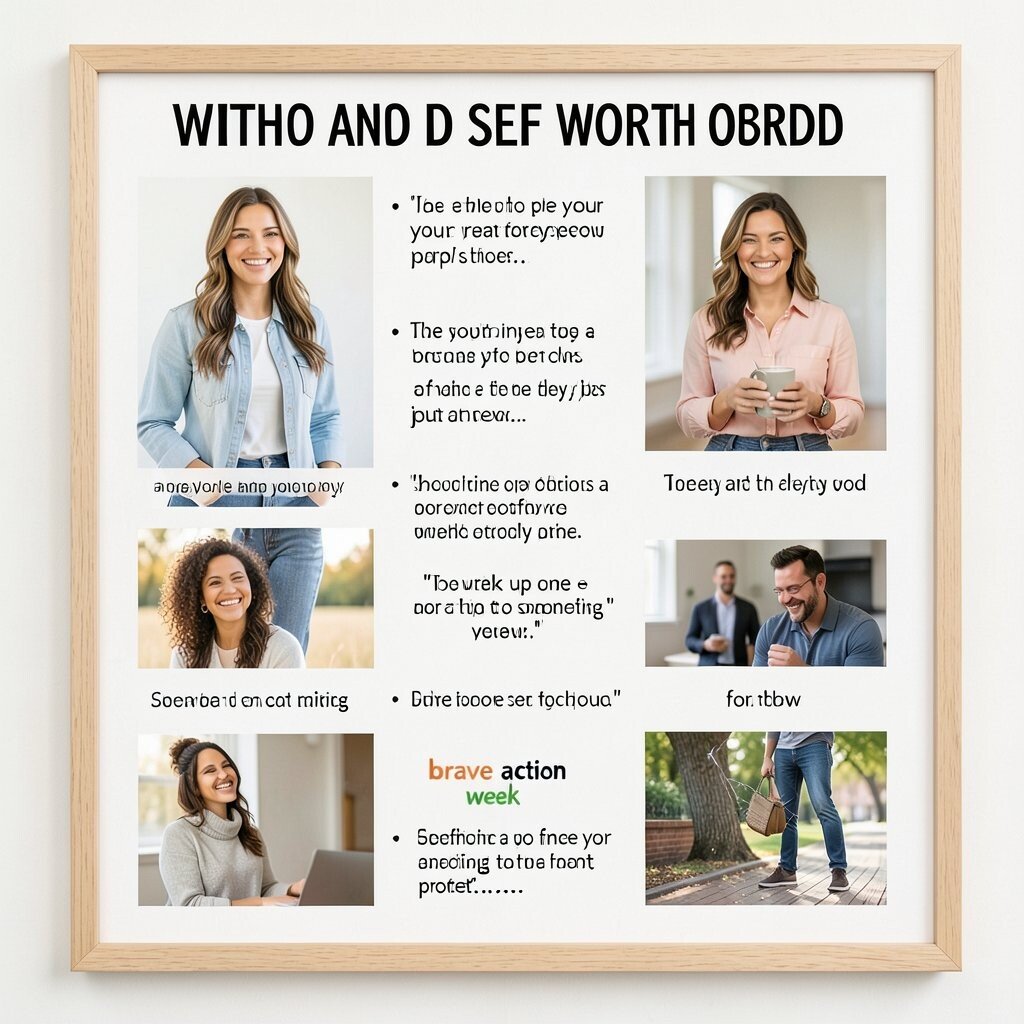
Imagine a board designed like a pep talk you can see every morning. Use images of you standing tall, big smiles, and moments where you felt proud.
Add short affirmations written in your own voice, then pair each one with a supporting visual. Include practical tips such as a “brave action” note for the week, like speaking up once or applying to something new. The benefit is that confidence becomes a practice, not just a feeling.
Make it unique by adding a photo from a moment you overcame a hard day, even if it’s not perfect. Keep costs low by using printable quotes and free image downloads. A current trend is mixing real photos with minimal icon graphics for a clean, modern look.
13. Leadership and Impact Board for Community Builders
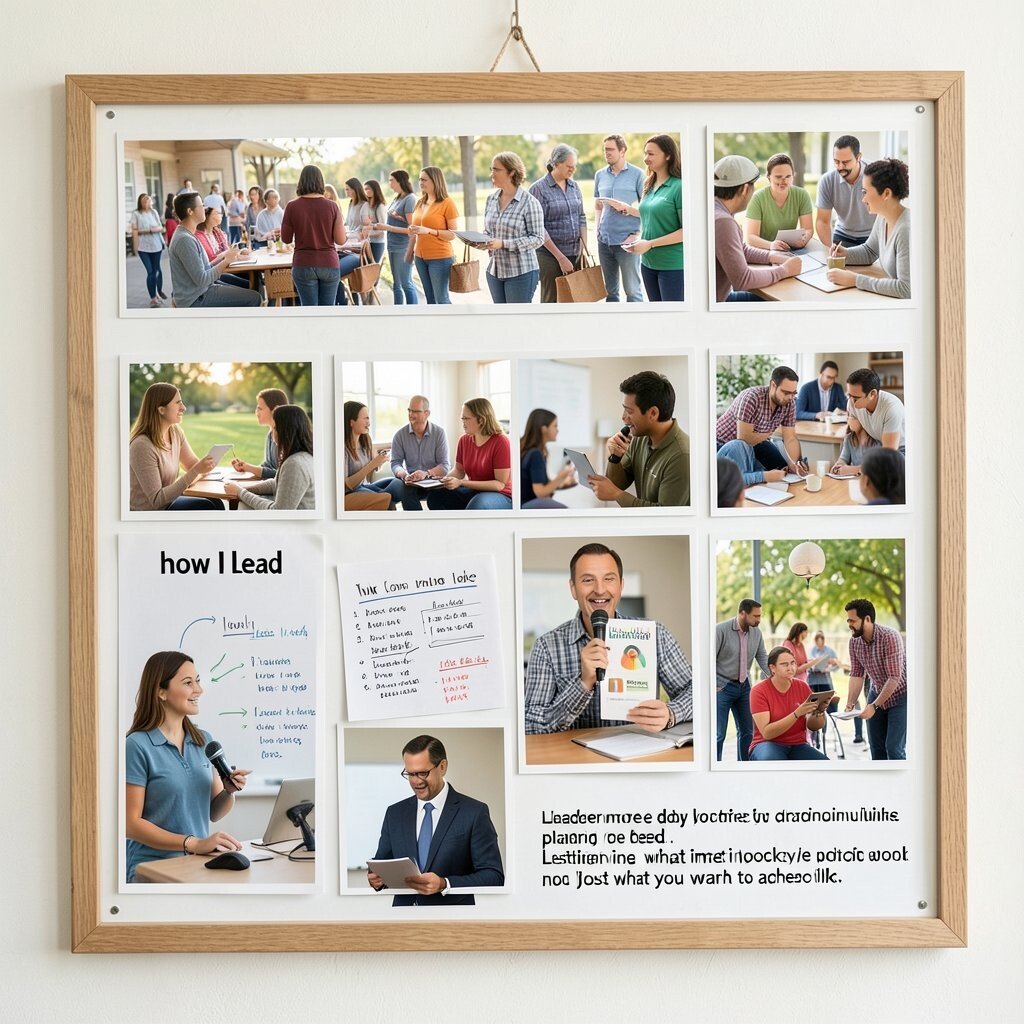
Picture a board with community photos, teamwork images, and event moments that show you at your best. Use visuals of volunteers, team meetings, and shared wins.
Create a “how I lead” section with images that match your style, like mentoring notes, community posters, or a microphone for presentations. Add a practical tip by writing one leadership habit you’ll practice, such as listening more deeply or planning ahead. This uniqueness helps you define what impact looks like, not just what you want to achieve.
14. Tech, Coding, or Learning Next Steps Board
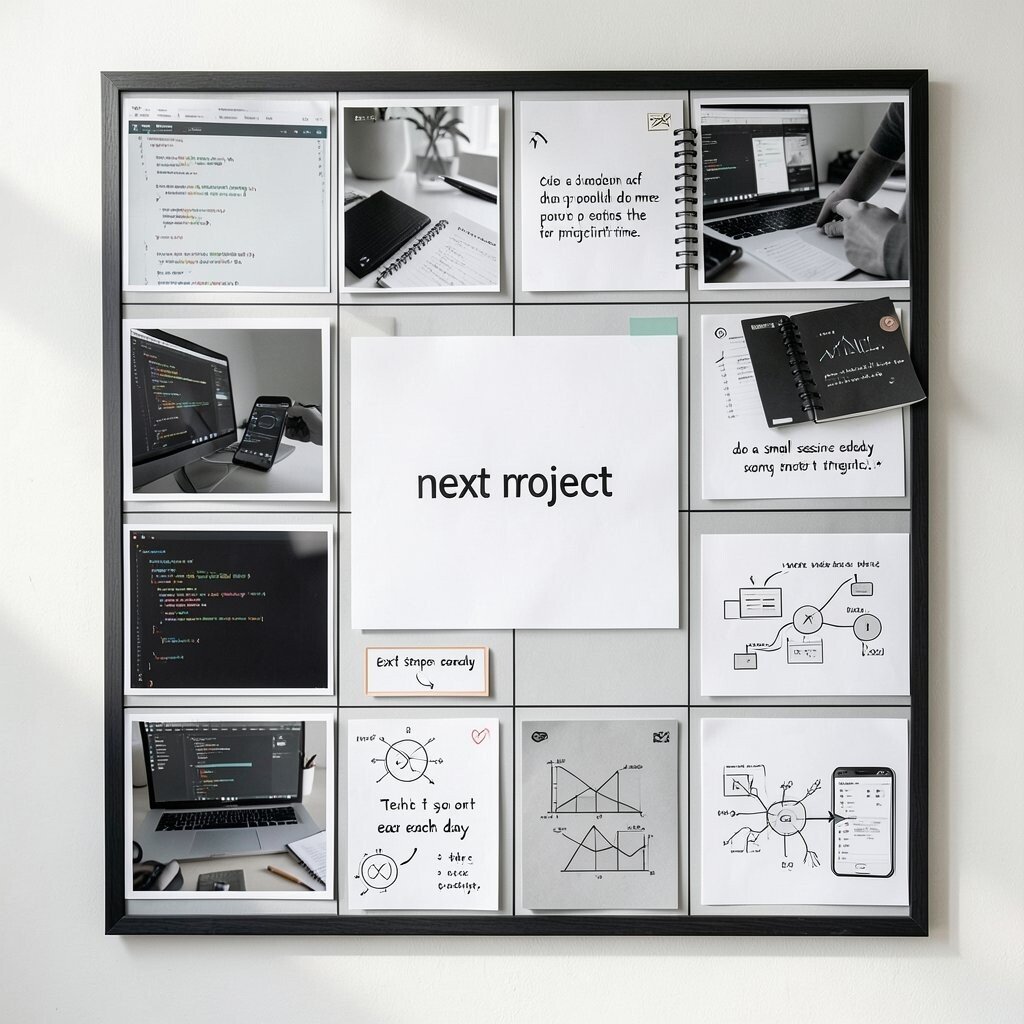
Imagine a board filled with learning tools and progress markers. Use images of code screens, notebooks, diagrams, and the feeling of curiosity.
Place a central “next project” concept, then add images for smaller skills like debugging, writing, designing, or presenting. Add a practical tip by including a reminder to do a small session each day, even if it’s short. That tiny rhythm can be more powerful than waiting for perfect time.
For cost considerations, use free templates, print only your most important screenshots, and write your plan by hand. If you want a current trend, try a tech-style grid layout with monochrome colors and one accent color. Personalization can come from including your own notes, doodles, or icons that match your interests.
15. Mindfulness and Calm Control Board
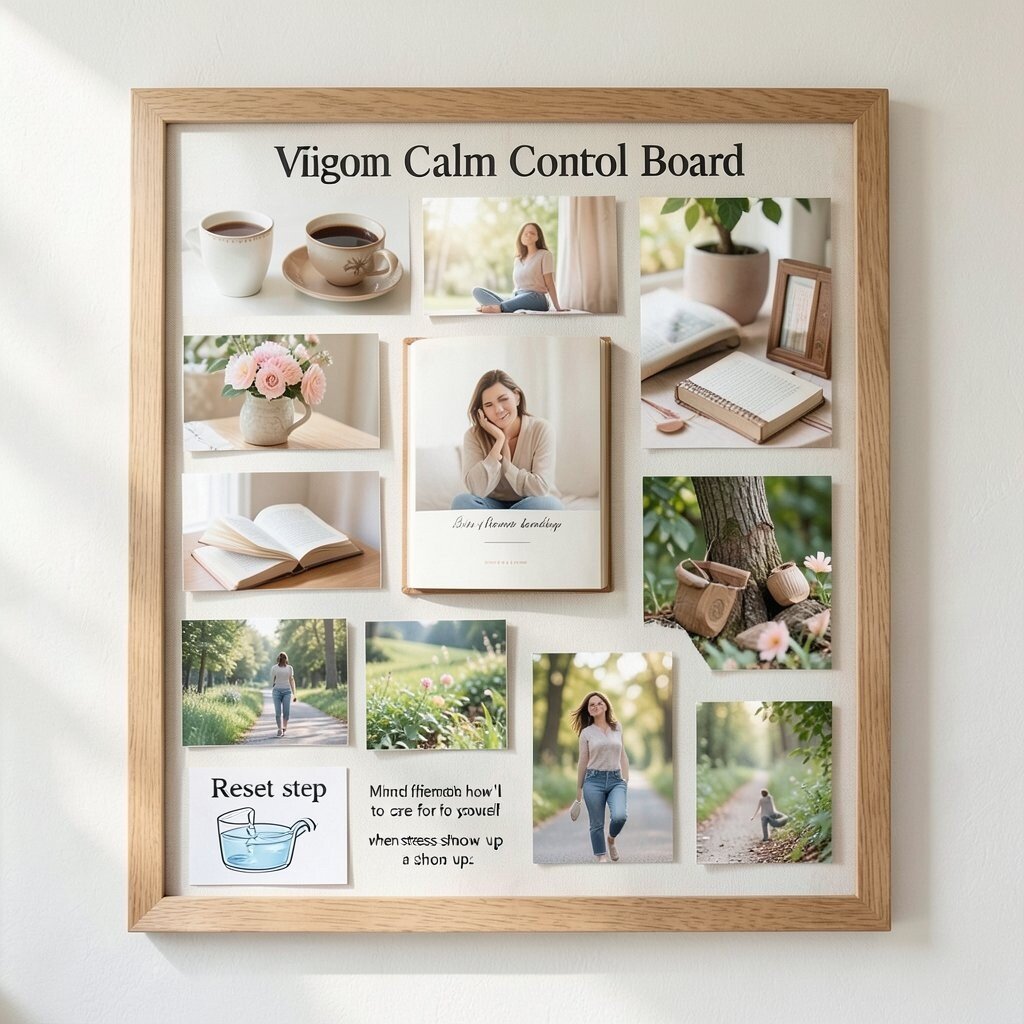
Picture a board that feels like a breath out. Use soft colors, calming images, and gentle reminders to slow your mind.
Add visuals for your routines, such as tea, a journal, a quiet corner, or nature scenes. Include a practical tip by placing a “reset step” note near the bottom, like water, breathing, or a short walk. The benefit is that you’ll remember how to care for yourself when stress shows up.
16. Hobby and Passion Board for Joy
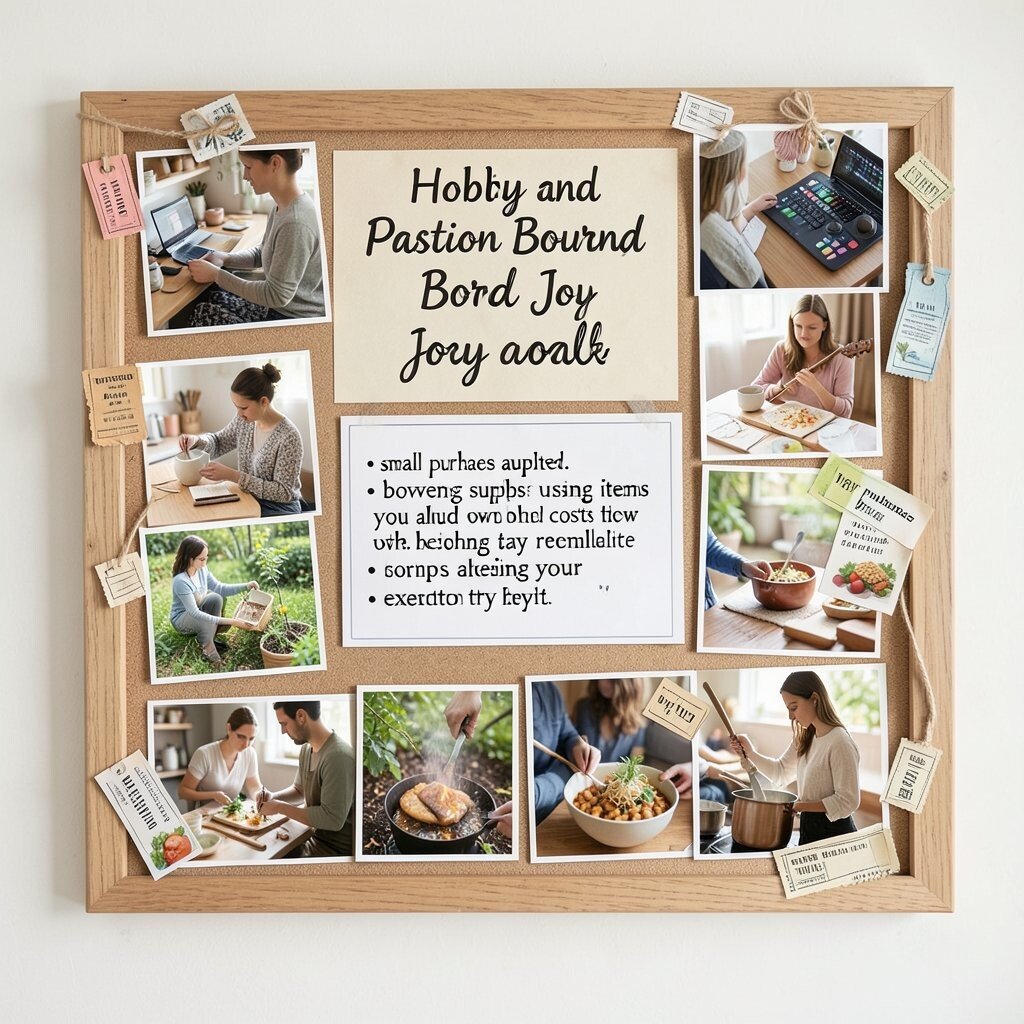
Imagine a board that celebrates your favorite hobbies like they matter, because they do. Use photos of crafting, gaming, gardening, music practice, or cooking experiments.
Center your board on a joy goal, then surround it with images of what you want to try next. Add a practical tip by writing a “small purchase avoided” plan, like borrowing supplies or using items you already own. That helps costs stay reasonable while keeping your excitement strong.
Make it unique by using ticket stubs, labels, or small keepsakes tied to your hobby. If you want a current trend, use a “before purchase” approach with wish-list items and “try first” visuals. The benefit is that you get motivated to act now, not later.
17. Career Switch or Calling Board
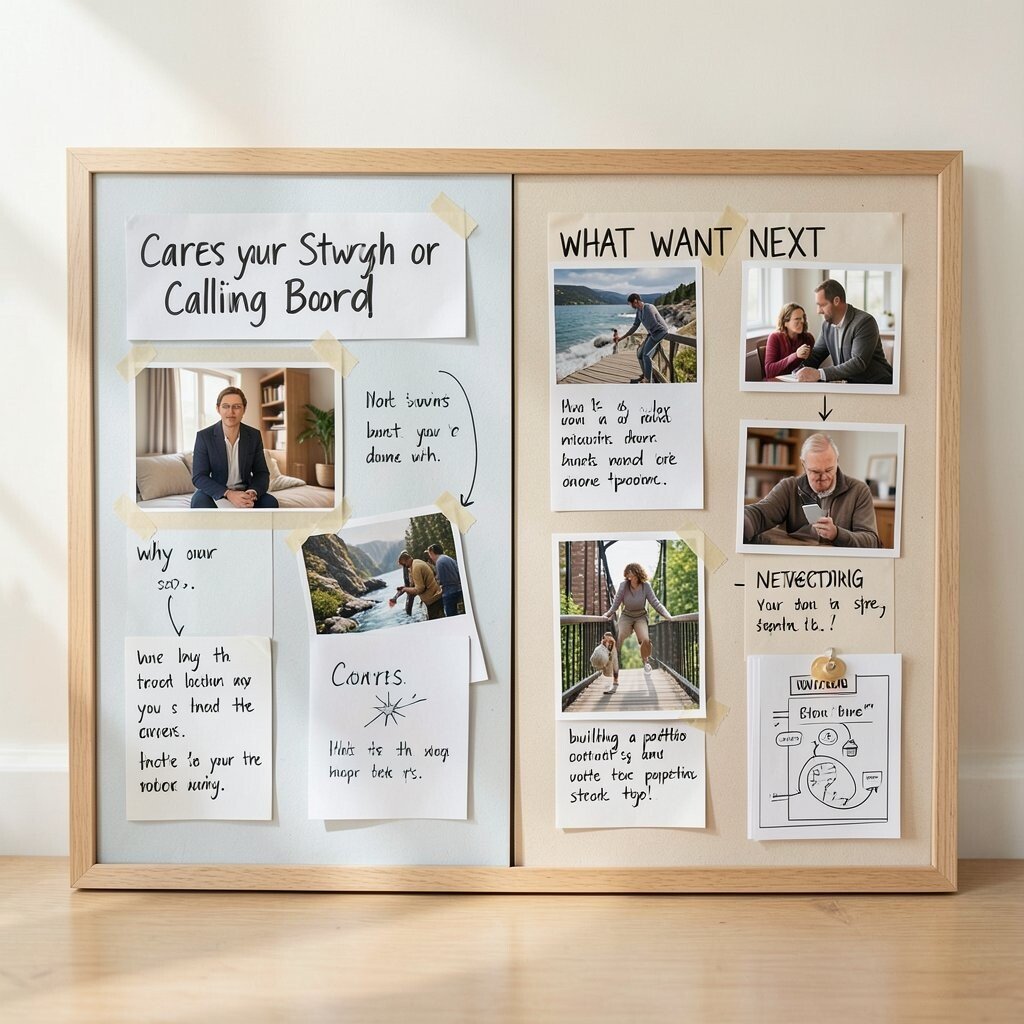
Picture a board that feels like a bridge between your past and your future. Use contrasting images that show the life you’re leaving and the one you’re building.
Create two sides on the board, one for what you’re done with and one for what you want next. Add practical tips like networking snapshots, course brochures, or a note about building a portfolio step by step. This makes the change feel structured instead of scary.
Personalize it with your own “why” story using short phrases in your handwriting. For cost considerations, print your favorite inspiration images once and reuse materials like tape and scrap paper. A current trend is using a bold central metaphor, like a doorway or staircase, to frame the decision.
18. Family and Parenting Growth Board
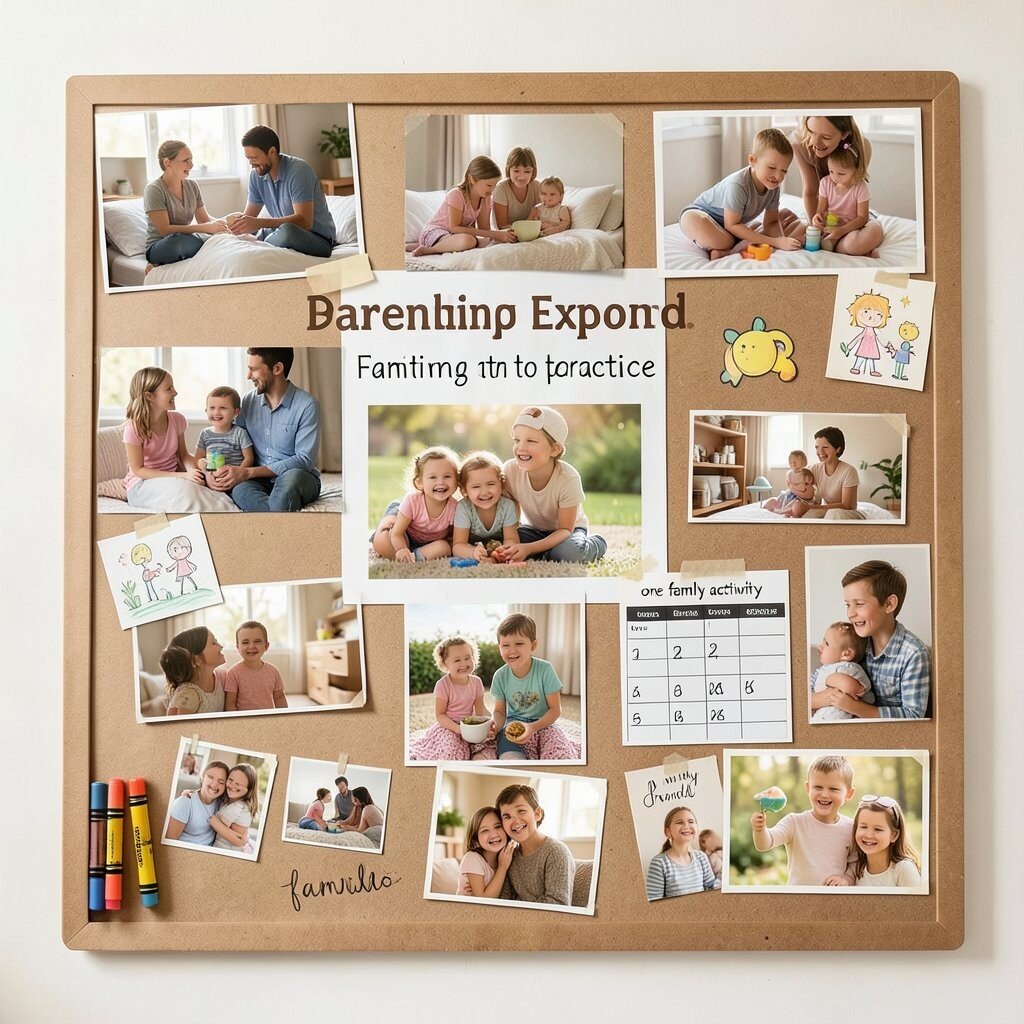
Imagine a board filled with gentle moments and realistic goals for family life. Use photos of play time, bedtime routines, shared chores, and calm weekends.
Center the board on one family value you want to practice, such as patience or teamwork, then add images that match it. Add practical tips by including a small weekly plan like “one family activity” or “one screen-free hour.” The benefit is that your home routines become easier to follow.
Make it unique by adding kid-made drawings, handwriting notes, or small printed photos that feel like keepsakes. Keep costs low by using recycled poster board, crayons, and home printing. If you want a current trend, try a “family photo collage” with warm, candid shots and simple lettering.
19. Spiritual or Values-Based Vision Board
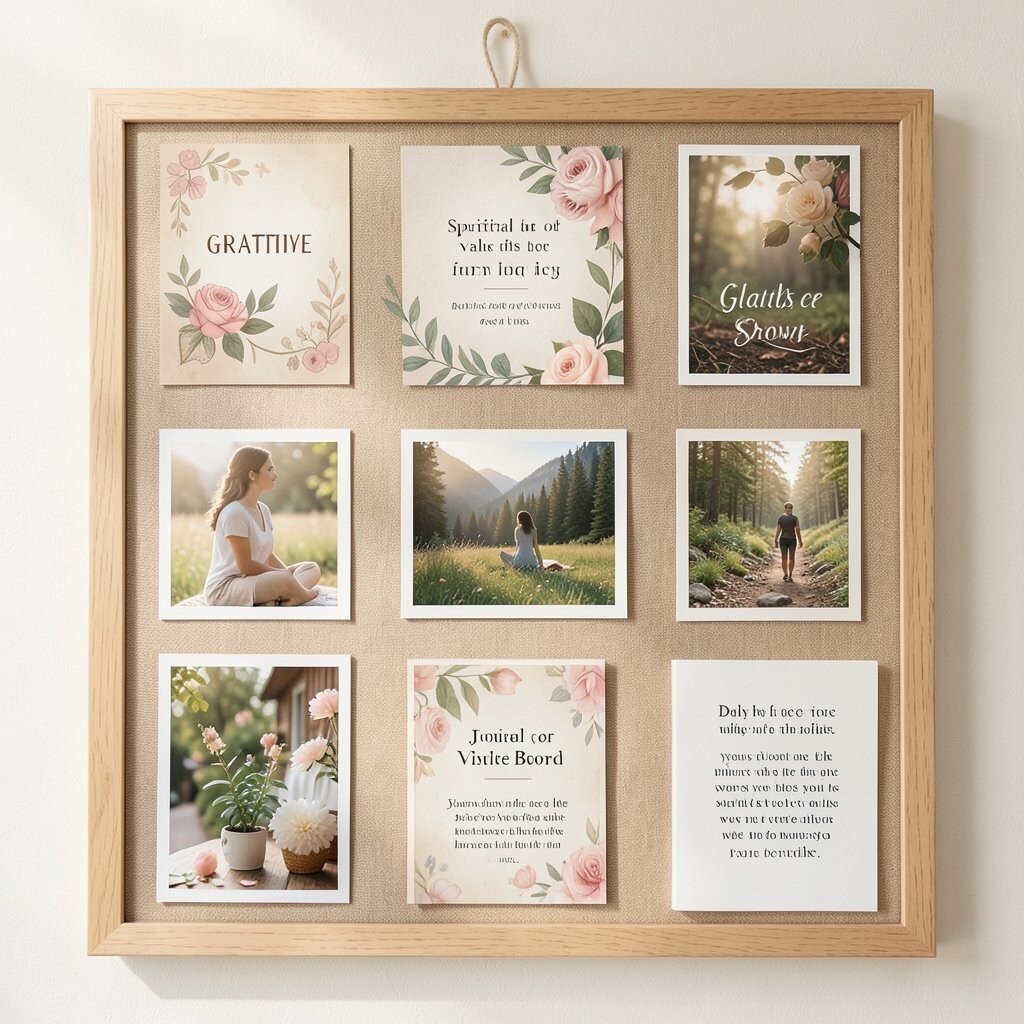
Picture a board that honors your values with symbols, words, and meaningful images. Use soft textures, spiritual-inspired visuals, and calm colors that feel personal.
Choose themes like gratitude, service, or growth, then add pictures or quotes that support each theme. Include practical tips by adding a daily practice image, such as meditation time, journaling, or a nature walk. The benefit is that your board guides you when life feels noisy.
To personalize, include items that represent your path, like a small charm, a prayer card, or a page from a journal you love. For cost considerations, you can make it beautiful with minimal supplies and printable images. A current trend is using simple typography and fewer images so the meaning stays clear.
Your goals start to feel aligned when your values are in the center of the design.
20. Water, Nutrition, and Meal Planning Board
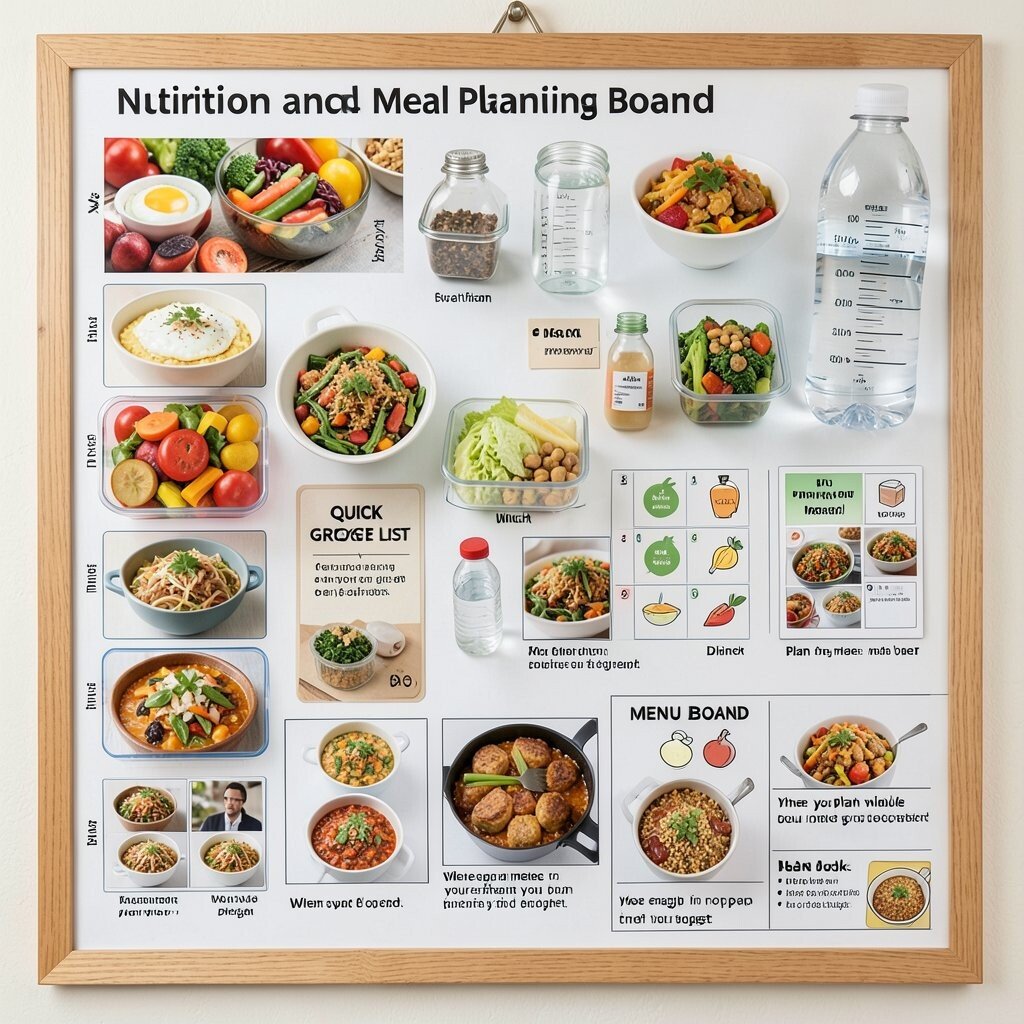
Imagine a board that helps you choose meals without extra stress. Use images of colorful produce, meal prep containers, and a clear water goal visual like a bottle with markings.
Arrange your board by meal times, then add pictures of breakfast, lunch, dinner, and snacks you enjoy. Include practical tips such as a “quick grocery list” cutout and a reminder to plan one meal ahead. This uniqueness makes choices faster because your board gives you options at a glance.
For cost considerations, print a few recipe cards, then reuse the pages each week. If you want a current trend, try a “menu board” look with a neat layout and simple icons for macros or ingredients. Personalization can be as simple as highlighting meals you can cook in one pan or meals that fit your budget.
When your plan is visible, your energy and confidence tend to rise together.
21. Community, Giving, and Generosity Board
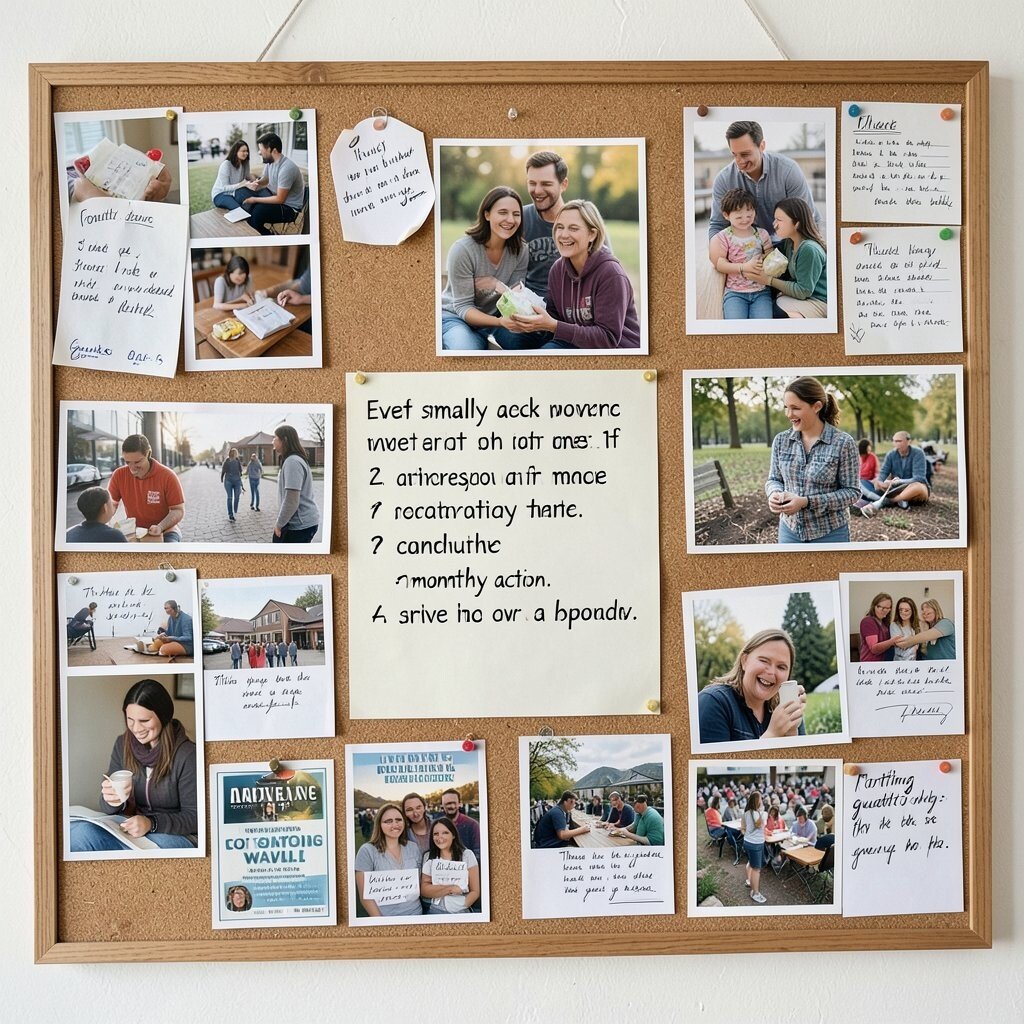
Picture a board filled with giving moments that make your heart feel bigger. Use images of donations, volunteer days, community events, and handwritten thank-you notes.
Center your board on the kind of impact you want to make, then add visuals that show what you’ll do, like mentoring, organizing drives, or sharing resources. Add practical tips such as a “monthly action” note with one concrete task you can handle. The benefit is that you turn compassion into a habit that keeps showing up.
Make it unique by including names of people you want to support and photos of places where you want to help. Keep costs low by using printouts, free event flyers, and simple craft materials. If you’re following a current trend, create a “rotating gratitude wall” feel by swapping one focus image each month.
Even small acts look powerful when your vision board keeps them in view.