Sometimes your home can feel like it’s buzzing with too many thoughts. A simple wellness board turns that noise into calm, one small choice at a time.
When you set things out visually, your body seems to remember what helps you feel good. It’s a gentle way to guide your day without demanding perfection.
1. Morning Reset Board
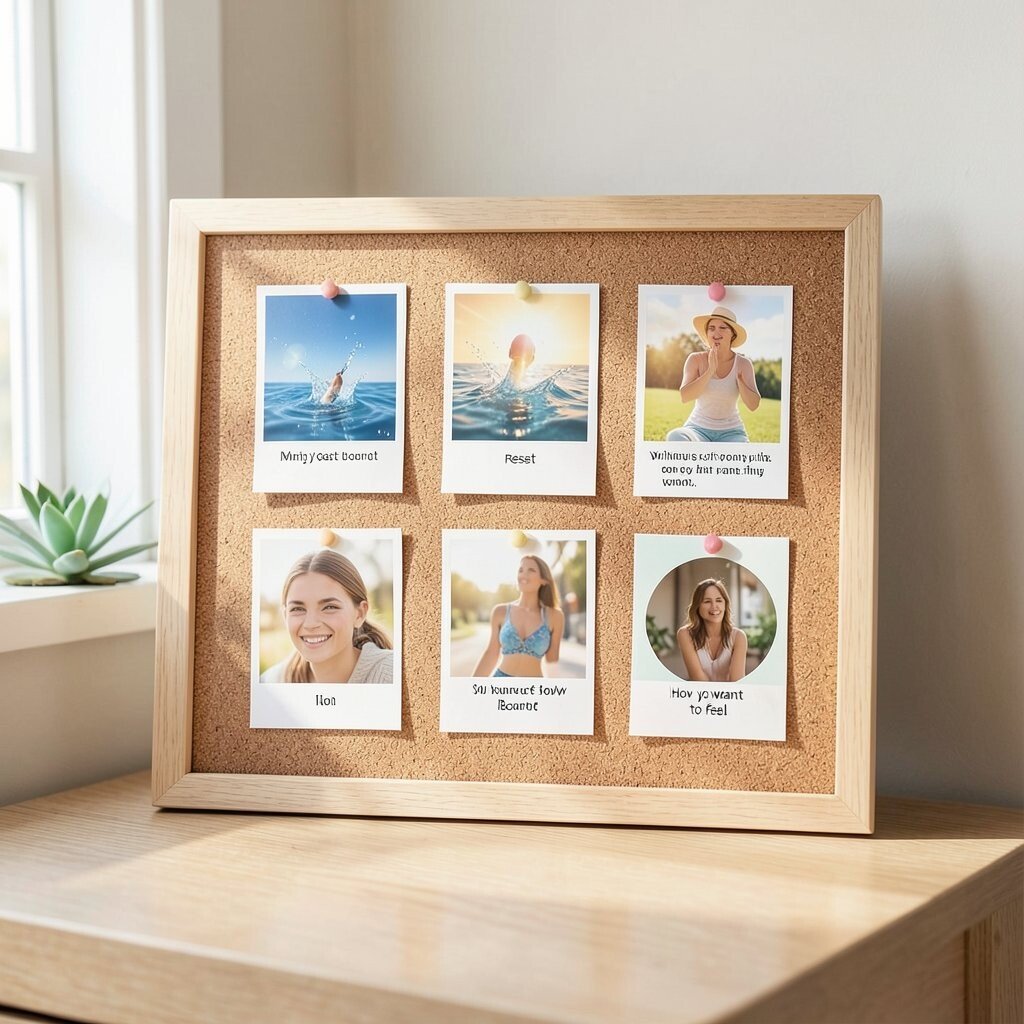
Picture a small cork or felt board by your coffee area, with a clean layout and soft colors. Each morning you glance at it and feel a quiet “ready” signal in your mind.
Add three or four pinned cards that guide you through a short reset like water, sunlight, and two minutes of slow breathing. You’ll likely notice less rushing and more steadiness as the day begins. Keep it simple by using one card for what you’ll do first, another for movement, and a third for how you want to feel. If you need personalization, swap in your own cues like a favorite affirmation or a gratitude photo.
2. Gratitude + Kindness Board
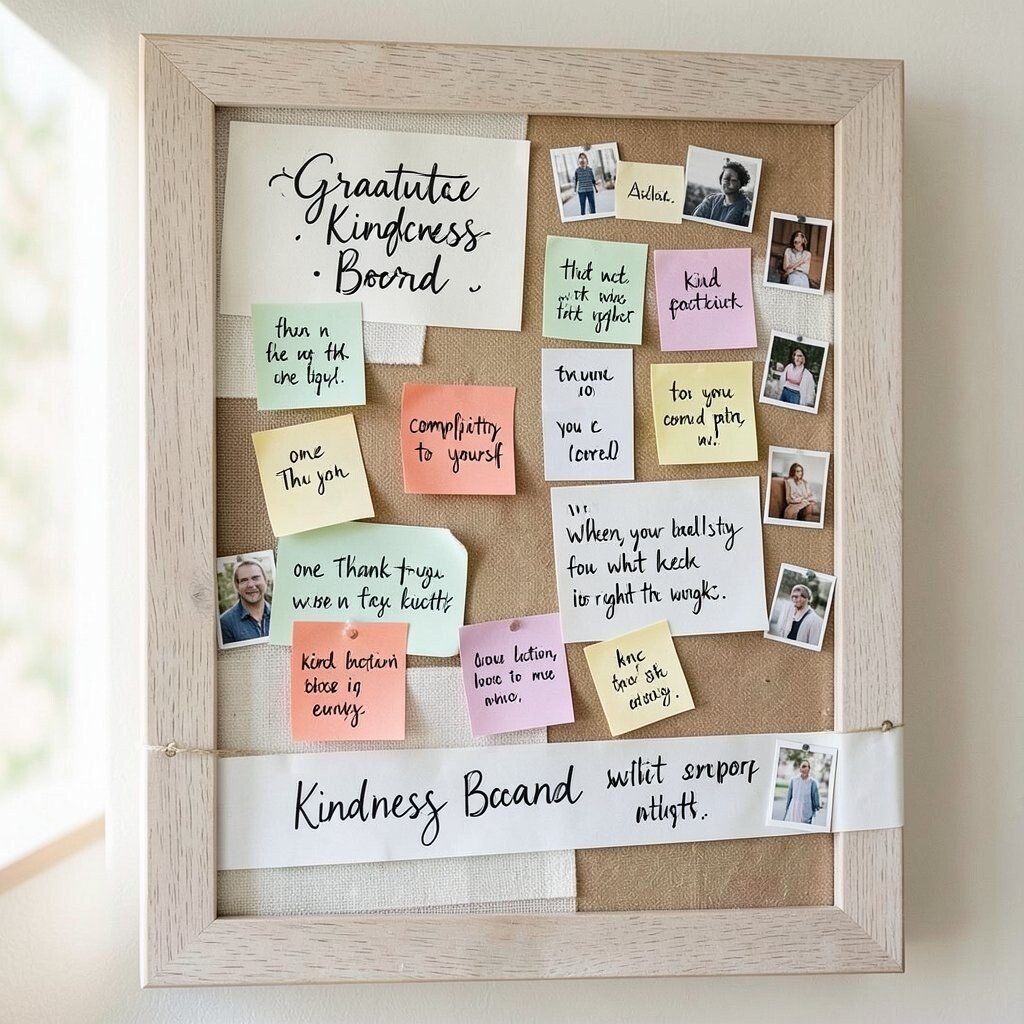
Imagine a board filled with warm handwriting, sticky notes in different shapes, and a few small photo magnets. It looks inviting, like a mini journal you can see at a glance.
Use it to practice gratitude and kindness with daily prompts such as one thank-you, one compliment to yourself, and one kind action you can do right away. Many people feel lighter when they keep these thoughts in front of them every day. Make it unique by adding a “kindness chain” strip of paper that you move forward as you complete small acts. For practical setup, use erasable markers on a wipeable sheet so you can change messages without clutter. If you want lower cost, repurpose an old picture frame backing and cover it with fabric or scrapbook paper.
For current trends, consider mixing text with short affirmations in a cozy hand-lettered style that matches your favorite social media aesthetics. Let your board reflect what you truly like, not what someone else says should work. When your board feels pretty to you, you will check it more often and stick with it longer.
3. Sleep Wind-Down Board
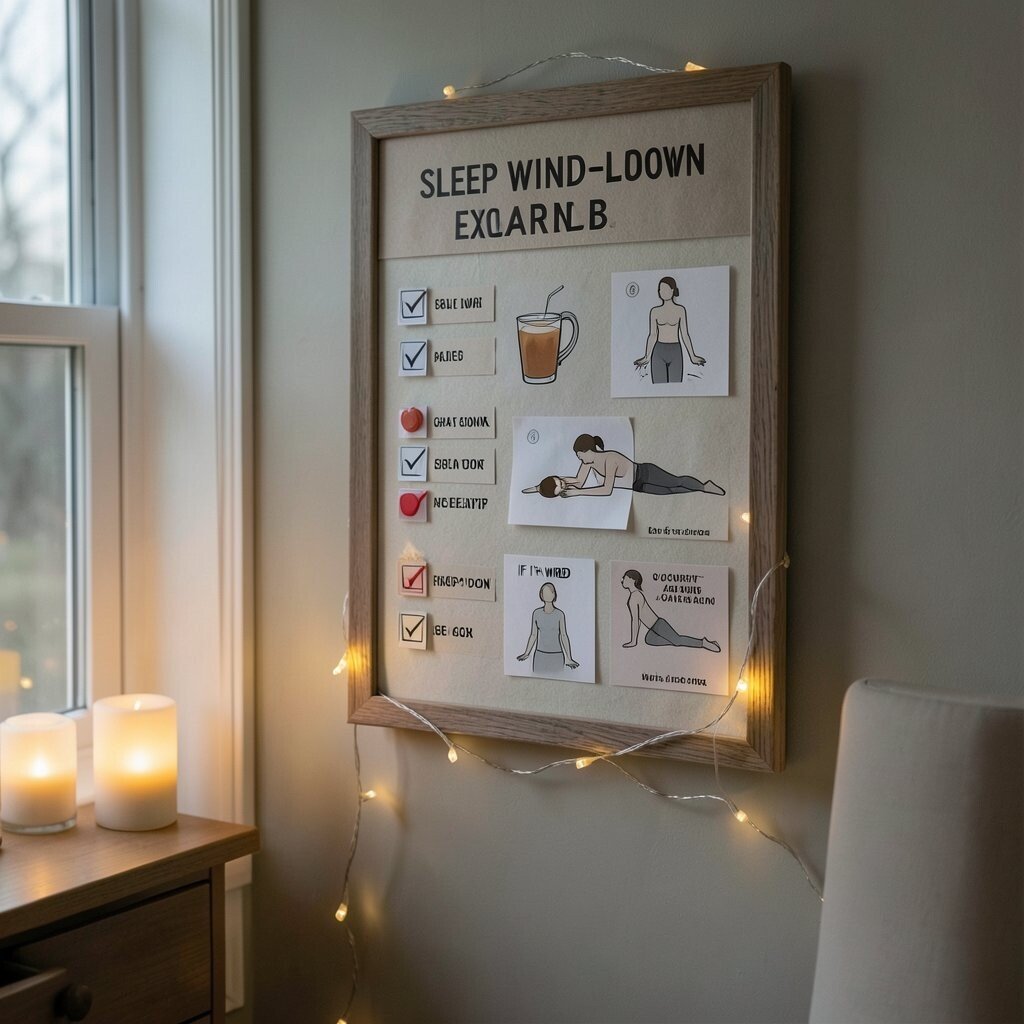
Visualize a board near your bedroom door with dim, calming tones and a few warm lights or nightstand reminders. It gives off a bedtime vibe that says the day is finally letting go.
Pin a short wind-down sequence like screen dimming, a warm drink, gentle stretching, and a breathing pattern. A lot of people find that having a visible plan reduces decision fatigue at night. Make it practical by using checkboxes on small cards so you can mark each step as you complete it. To personalize, include a “if I’m wired” card with your go-to method such as a calming audio track or a quick body scan. Choose materials you can control easily, like magnetic strips for your phone reminders or soft fabric pouches for calming items.
For cost considerations, a thrifted frame plus some felt and string lights can create a soothing setup without spending much. If you like trends, look for soft “night routine” layouts and minimalist lists that feel calming instead of busy. The goal is to make sleep feel like a guided landing, not a struggle.
4. Hydration and Movement Board
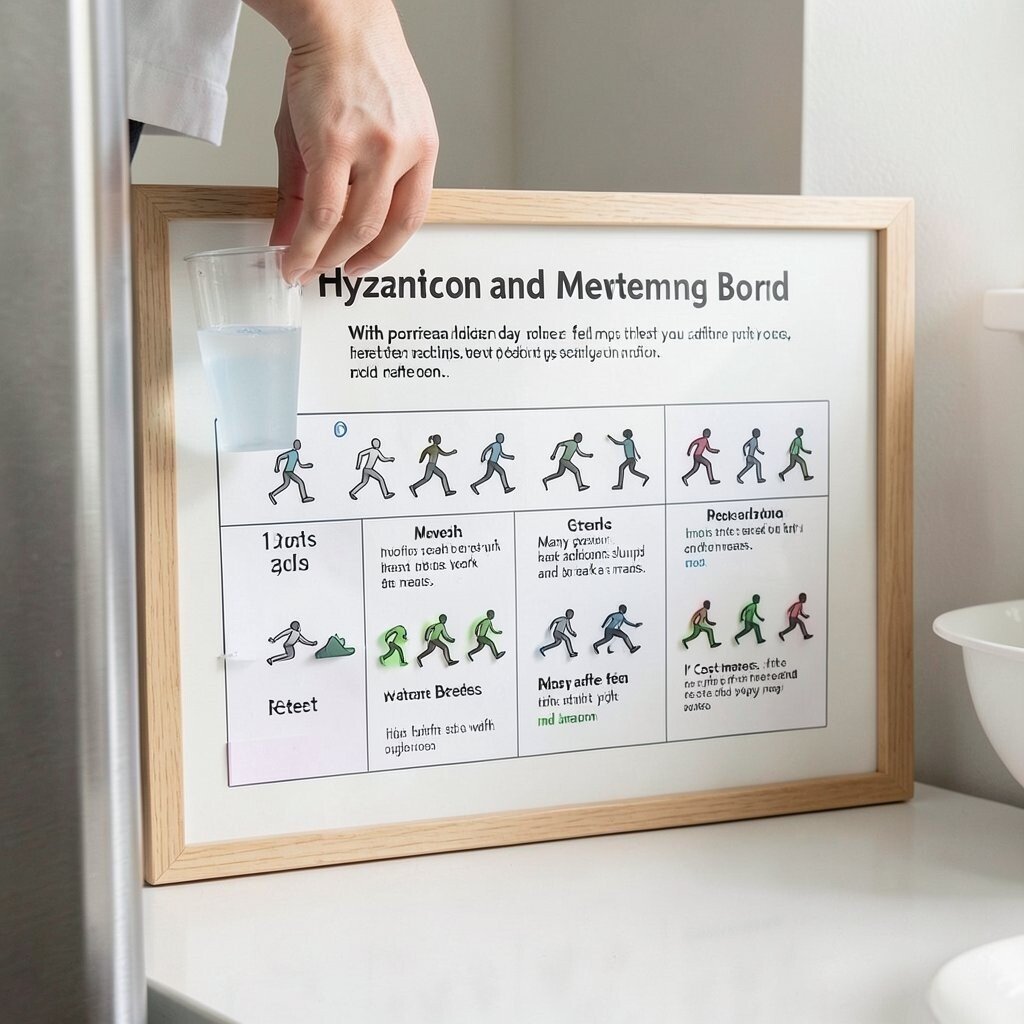
Picture a board with a simple water tracker, plus a row of tiny icons for stretches and walks. It instantly makes your day feel more organized, like you’re steering it with care.
Post your personal hydration goal and pair it with movement breaks such as ankle rolls, desk stretches, and a short walk after meals. Many people notice fewer afternoon slumps when they break up sitting with gentle motion. For uniqueness, use color-coded magnets that match how you want to feel, like a “reset green” for light stretches. Keep it practical by placing the board where you already check things, like near your fridge or where you grab your shoes. Personalize by tying the plan to real times you live with, such as right after breakfast and mid-afternoon. If cost matters, you can print icons for free and use scrap paper instead of buying new supplies.
5. Stress Weather Board
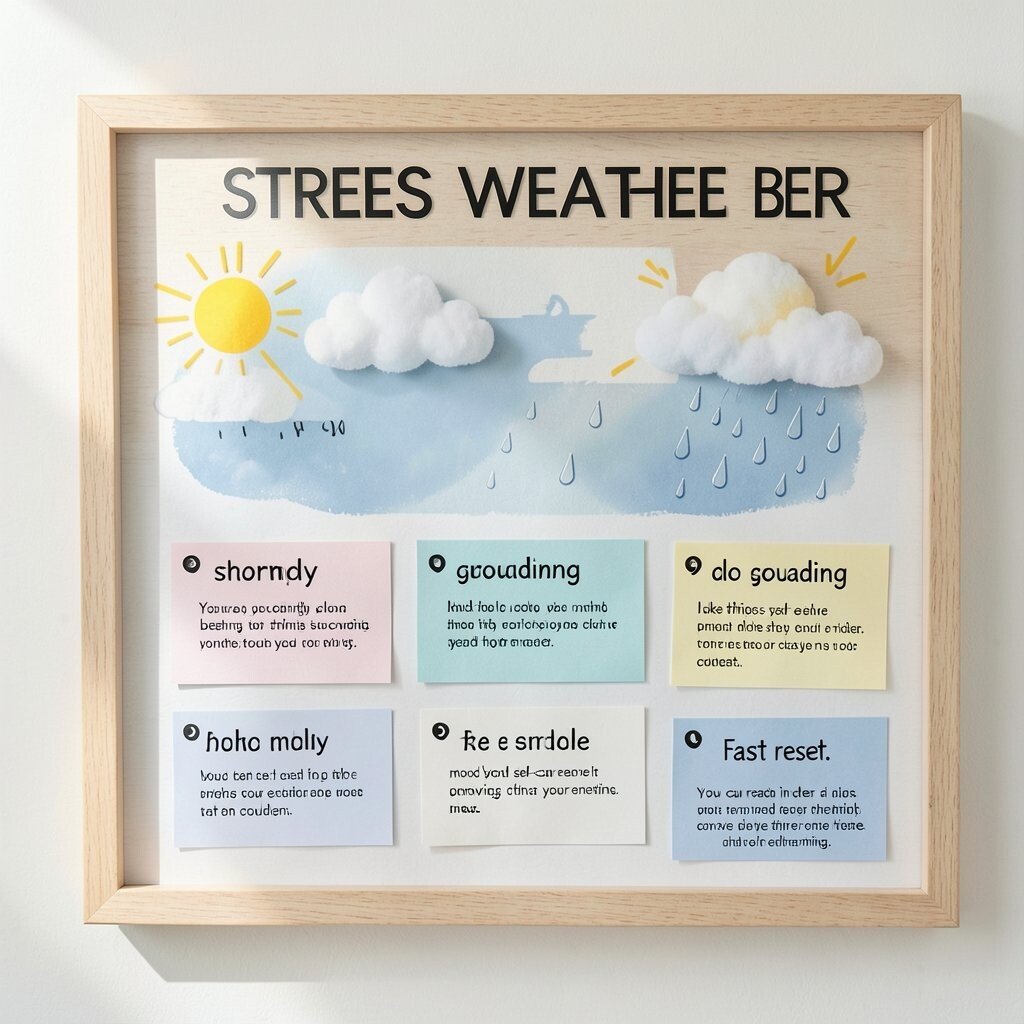
Imagine a board with a “weather” style theme, using clouds, sunshine, and rain swatches to match your mood. It feels playful, but it also gives you a clear way to respond to stress.
Create a simple system that helps you match tools to your day. For example, when it’s cloudy you might choose slow breathing, when it’s stormy you might do grounding like five things you can see, and when it’s sunny you might take a social or creative break. This can help you feel more in control because you’re not guessing what to do next. To make it personal, use your own mood words and add one “fast reset” card you can reach in under a minute. If you want practical tips, keep the cards short and easy to follow, and place them in the exact order you’ll use them.
For current trends, mood-based self-care planning is showing up everywhere, and boards make it easier than scrolling. A low-cost version uses colored paper and a clip chart, so you can update without buying. Your board becomes a friendly weather report that helps you steer your emotions toward calmer skies.
6. Food Feeling Board
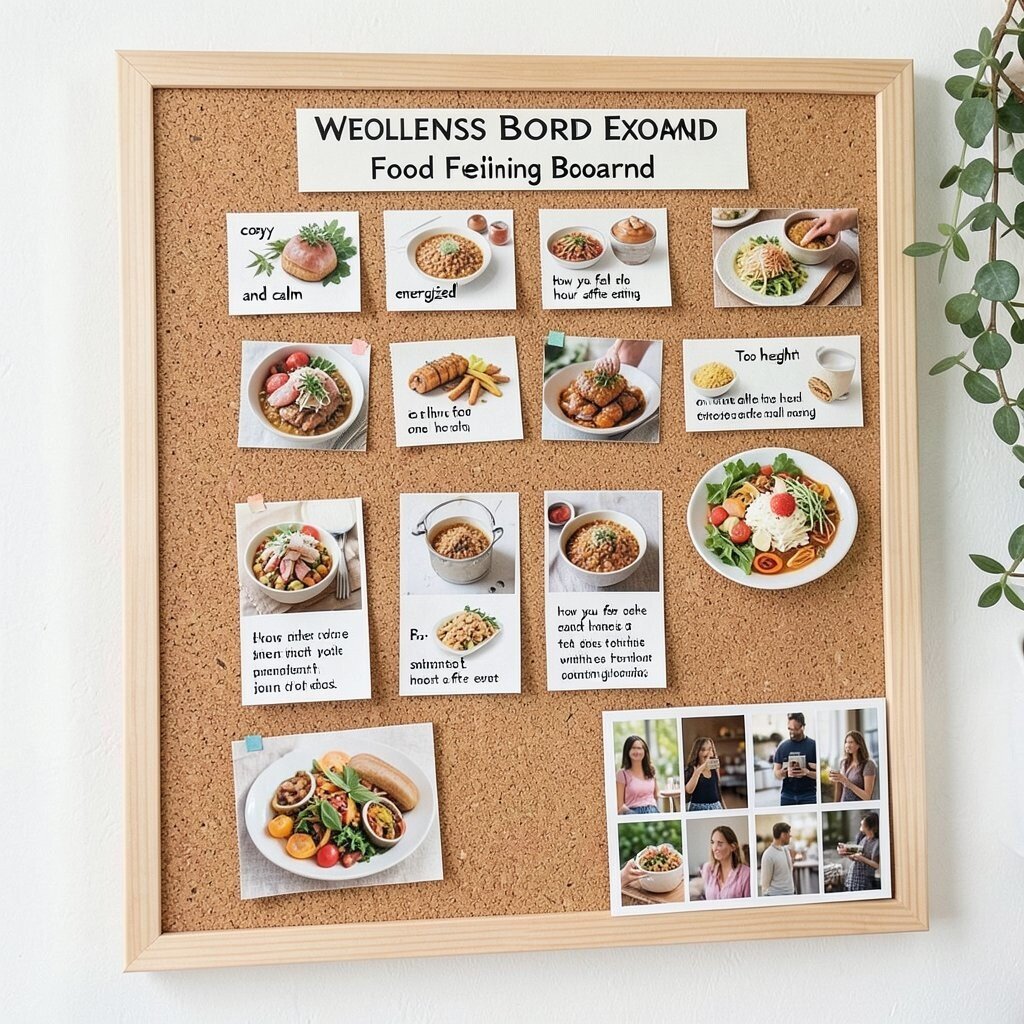
Picture a corkboard that pairs meals with how your body feels, using stickers and small notes. The visual link between food and comfort makes your choices feel less confusing.
Pin categories like “cozy and calm,” “energized,” and “too heavy,” then add simple prompts such as how you felt one hour after eating. Many people appreciate that this board helps them notice patterns without judgment. Keep it practical by tracking only a few meals each week instead of everything. Personalize it by adding your cultural favorites and your common “treat” foods so the board reflects real life. For uniqueness, you can add a small mini “snack gallery” with photos of what you actually enjoy.
Cost considerations are usually easy here because you can use index cards, old magazine cutouts, and a marker for quick updates. If you like current trends, try the “intuitive eating” style of noticing signals rather than strict rules. The board helps you pick foods that support your energy and mood, not foods that make you second-guess yourself.
7. Vision + Values Board
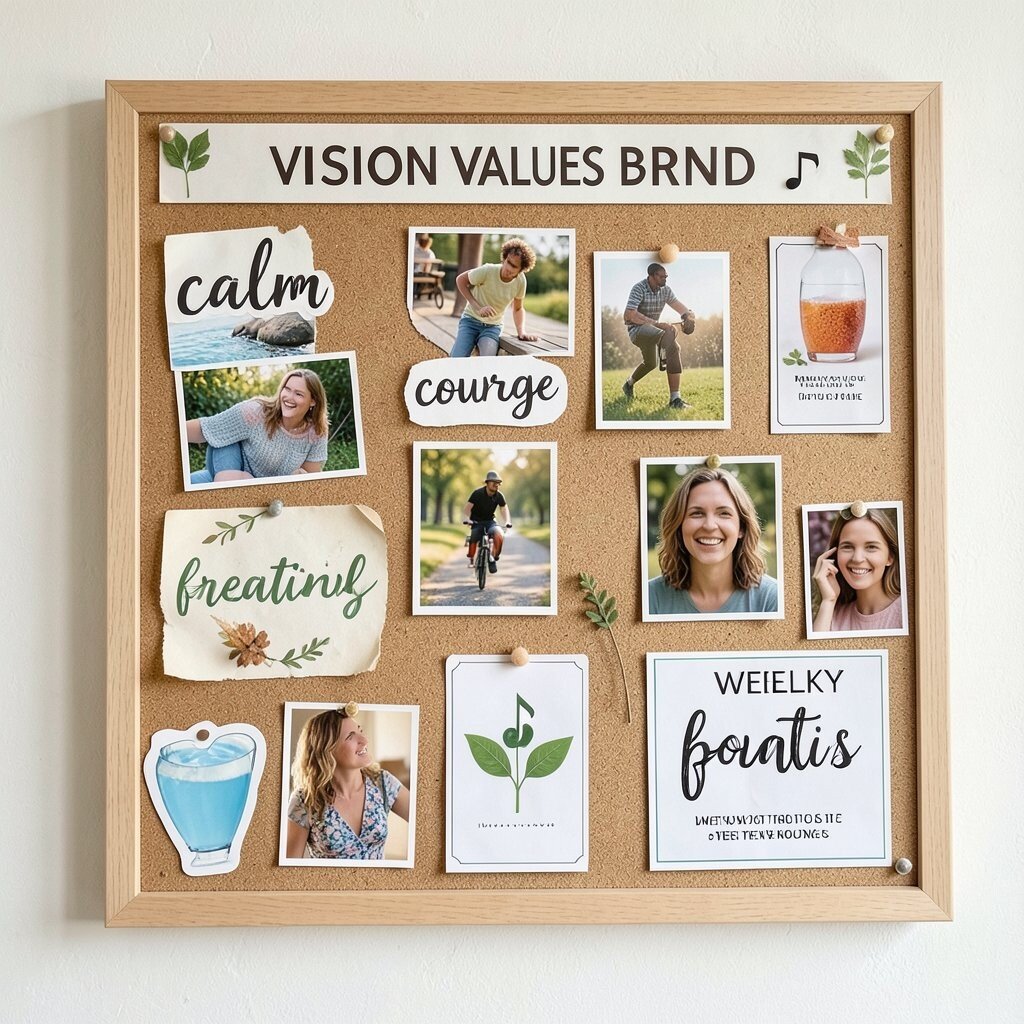
Imagine a board covered with words like calm, courage, family, and creativity, plus photos that feel like you. It’s visually bold but still soothing, because it focuses on what matters.
Use it to connect your daily wellness habits to your values. If your value is health, pin a reminder of one habit you’ll do, like taking a short walk or drinking water. Many people feel more motivated when their goals are tied to who they want to be, not just what they want to achieve. Make it practical by limiting it to a few values and one weekly focus card. Personalize by adding small personal symbols, like a leaf for growth or a music note for joy. If you want cost-friendly materials, use a foam board and print cutouts you love instead of buying expensive posters.
8. Creative Joy Board
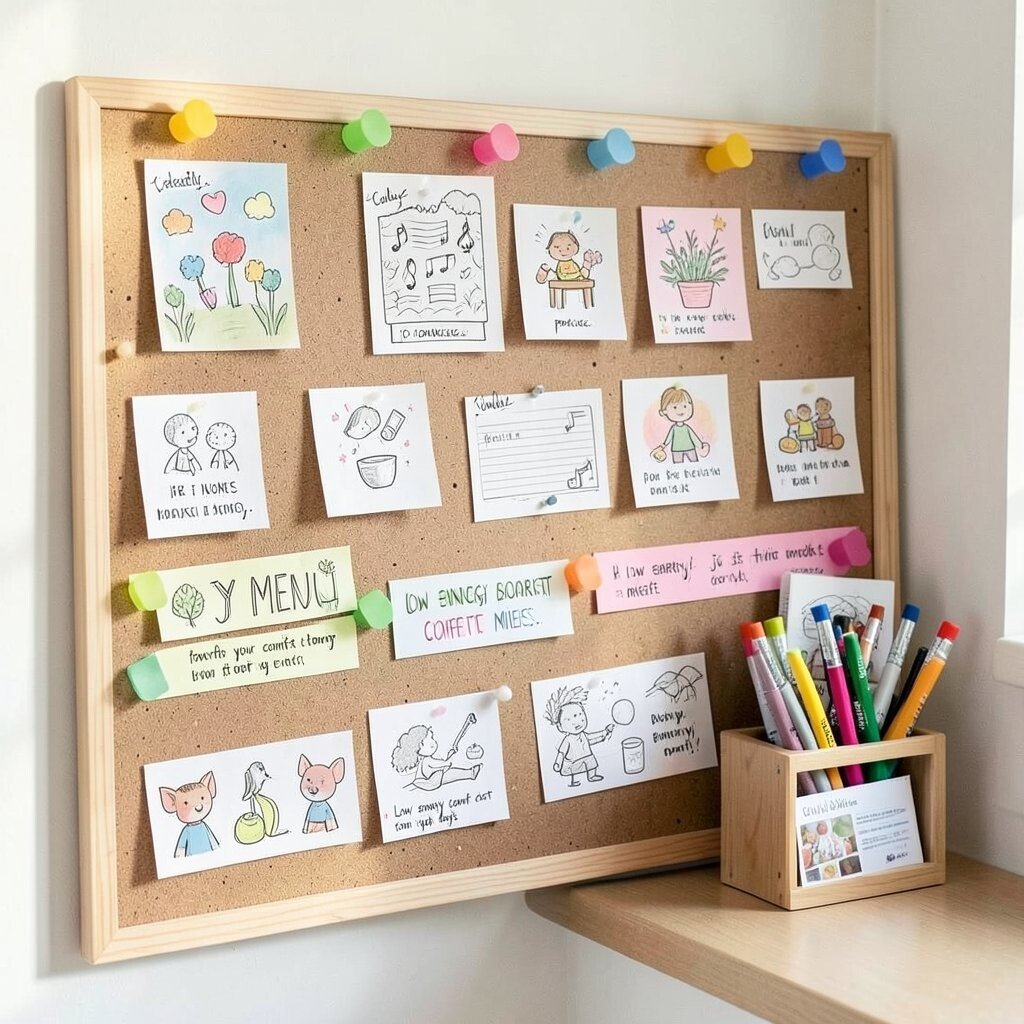
Picture a board with bright sticky tabs, doodles, and a small display of art supplies you keep within reach. It makes creativity feel like something you can grab, not something you have to schedule perfectly.
Pin tiny creative prompts such as color practice, a page of journaling, or a short sketch of something you notice today. This helps your brain shift from stress to play, which can improve mood and attention. For uniqueness, keep a “joy menu” strip where each choice is just five to fifteen minutes. To make it practical, include prompts that match your energy levels, like “low-energy comfort craft” for tough days. Personalize it by using themes from your life, such as music, nature, or favorite characters. If cost considerations matter, repurpose cardboard, use free printable prompts, and borrow tools you don’t own yet.
9. Breath and Body Calm Board
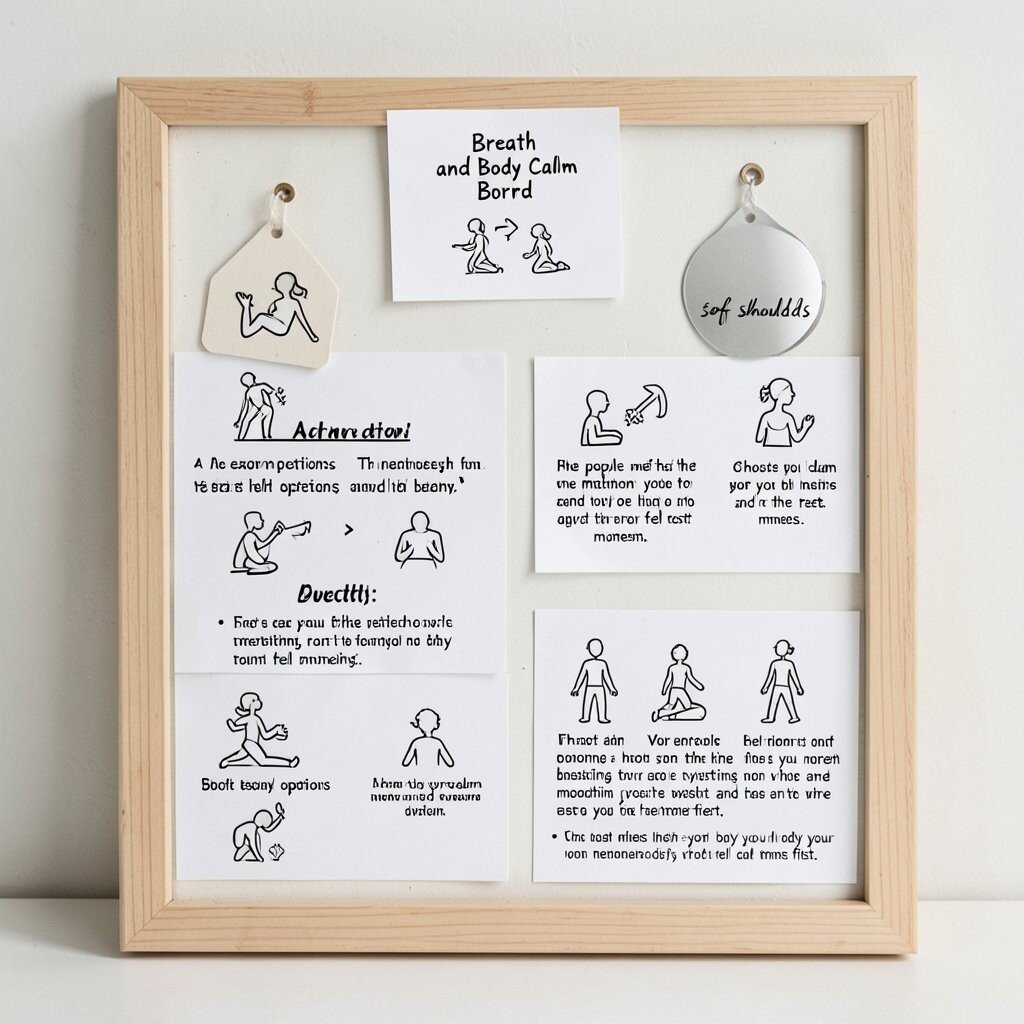
Imagine a board with simple icons that show how your body wants to breathe and move. The visuals feel like a gentle coach, not a strict instructor.
Create cards that teach a few easy breathing options and a short body calm sequence. Many people benefit from having one method for anxiety moments and another for rest moments. Make it unique by adding a small mirror tag or a posture reminder, like “soft shoulders” written in your own style. Keep it practical by placing one card on top that matches your current plan, and rotate the other cards when you feel different. Personalize by choosing words that feel kind to you, and include a reminder about where you feel tension first. For cost considerations, you can print simple shapes and cut them out with scissors you already have.
For current trends, many routines now include quick nervous-system tools, and a board makes them easier than remembering. When you see the breathing options visually, you’re more likely to use them right away and feel calmer faster. The board becomes your body’s quiet instruction guide.
10. Social Connection Board
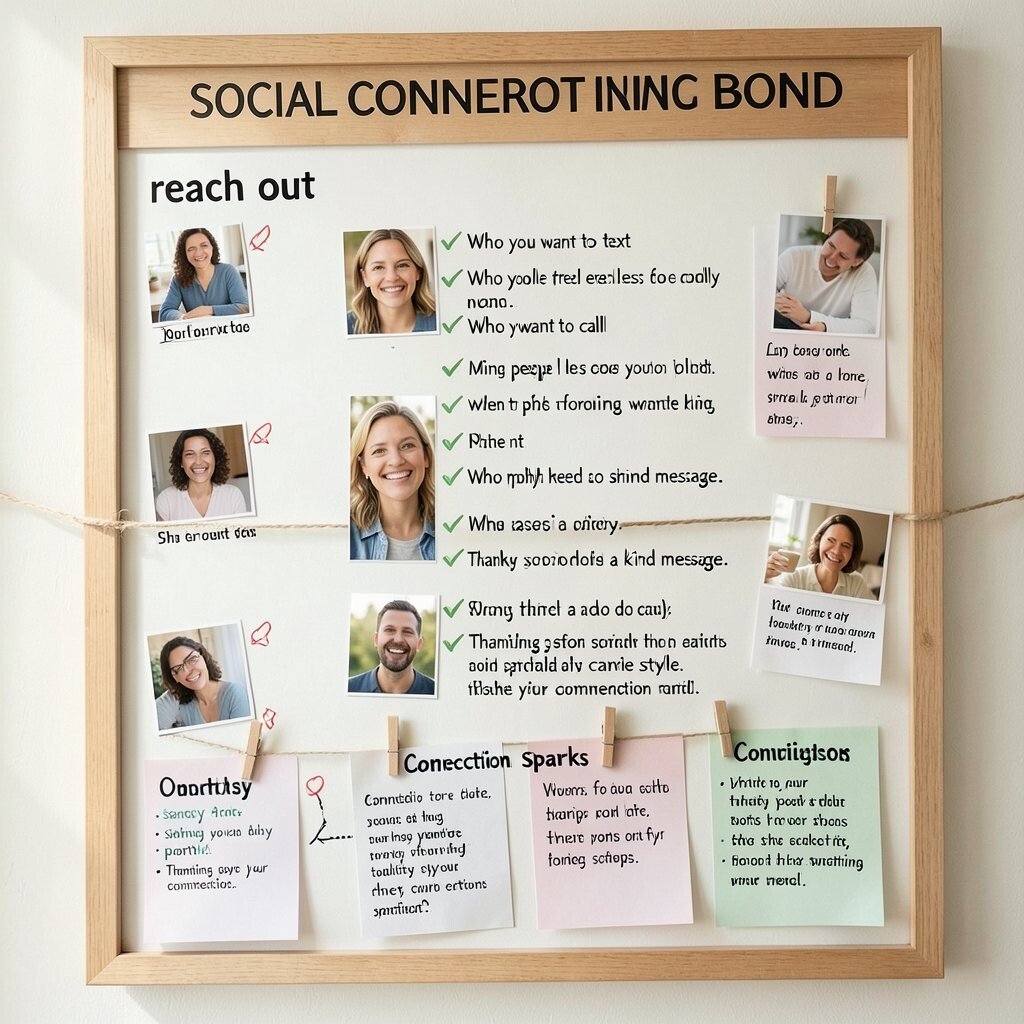
Visualize a board that includes a “reach out” section with friendly names, photos, and small check marks. It looks warm and human, like a reminder that you’re not meant to do everything alone.
Pin prompts such as who you want to text, who you want to call, and who might need a kind message. Many people feel less lonely when they plan connection in small, realistic steps. Keep it practical by setting one easy action you can do daily, like sending a meme, sharing a photo, or thanking someone for something specific. Personalize it by including people you truly care about and tasks that fit your communication style. If cost considerations matter, use free printable templates or simple paper cards clipped to a string line. For uniqueness, add a “connection sparks” section with your favorite conversation starters written like casual notes.
11. Digital Detox Focus Board
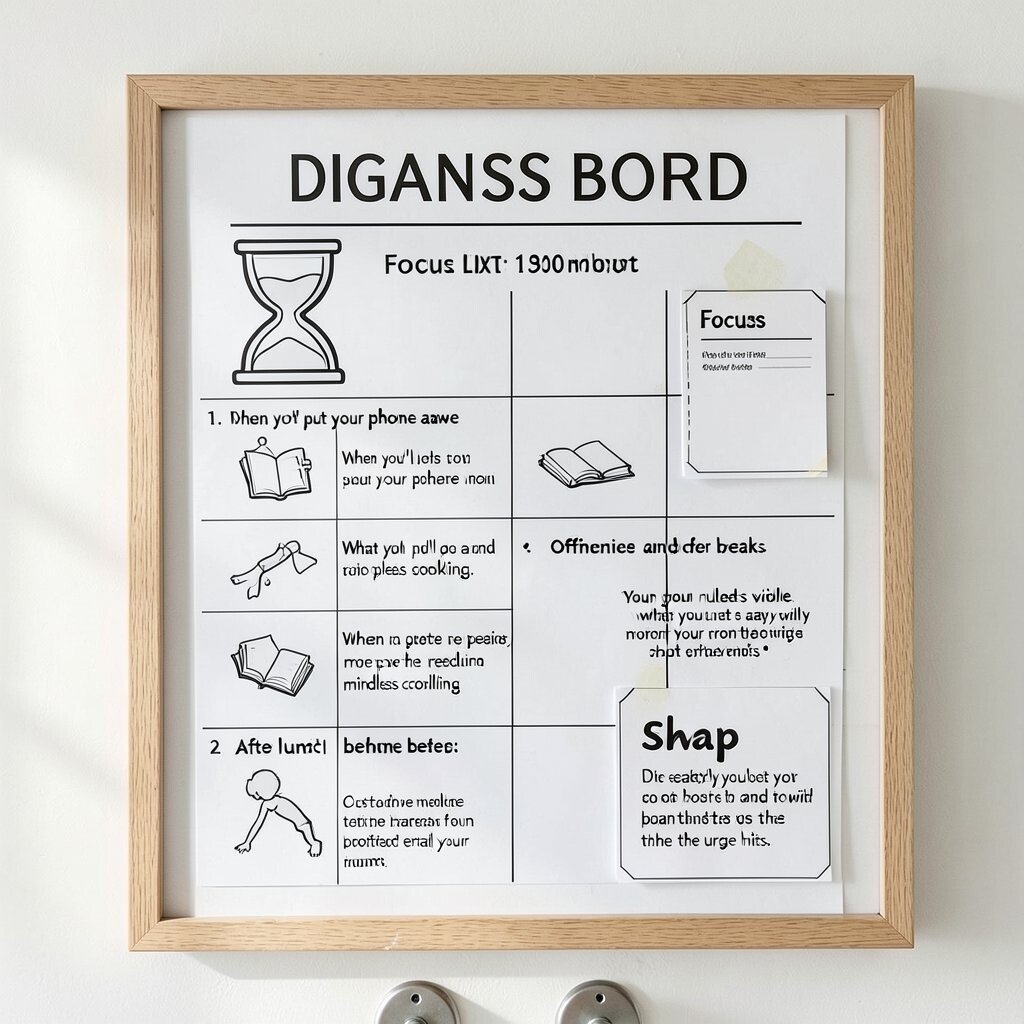
Imagine a board that shows your phone-free plan with clear symbols like hourglass shapes and a small “focus list.” It gives your space a calmer feel because your attention has a home.
Create a schedule that includes when you’ll put your phone away, plus what you’ll do instead. People often notice more peace and better sleep when they reduce mindless scrolling. Keep it practical by choosing two simple phone breaks, such as after lunch and before bed. Personalize it by adding your go-to offline activities like reading a physical book, stretching, or doing a puzzle. For uniqueness, add a “swap” card that tells you exactly what your hands will do when the urge hits. Cost considerations are easy since you can use tape markers and printable timers without buying extra gadgets.
For current trends, many wellness spaces now use “attention hygiene” language, and a board is an easy way to make it real. When your rules are visible, you don’t have to argue with yourself in the moment. Your board becomes a gentle boundary that protects your focus.
12. Home Harmony Board
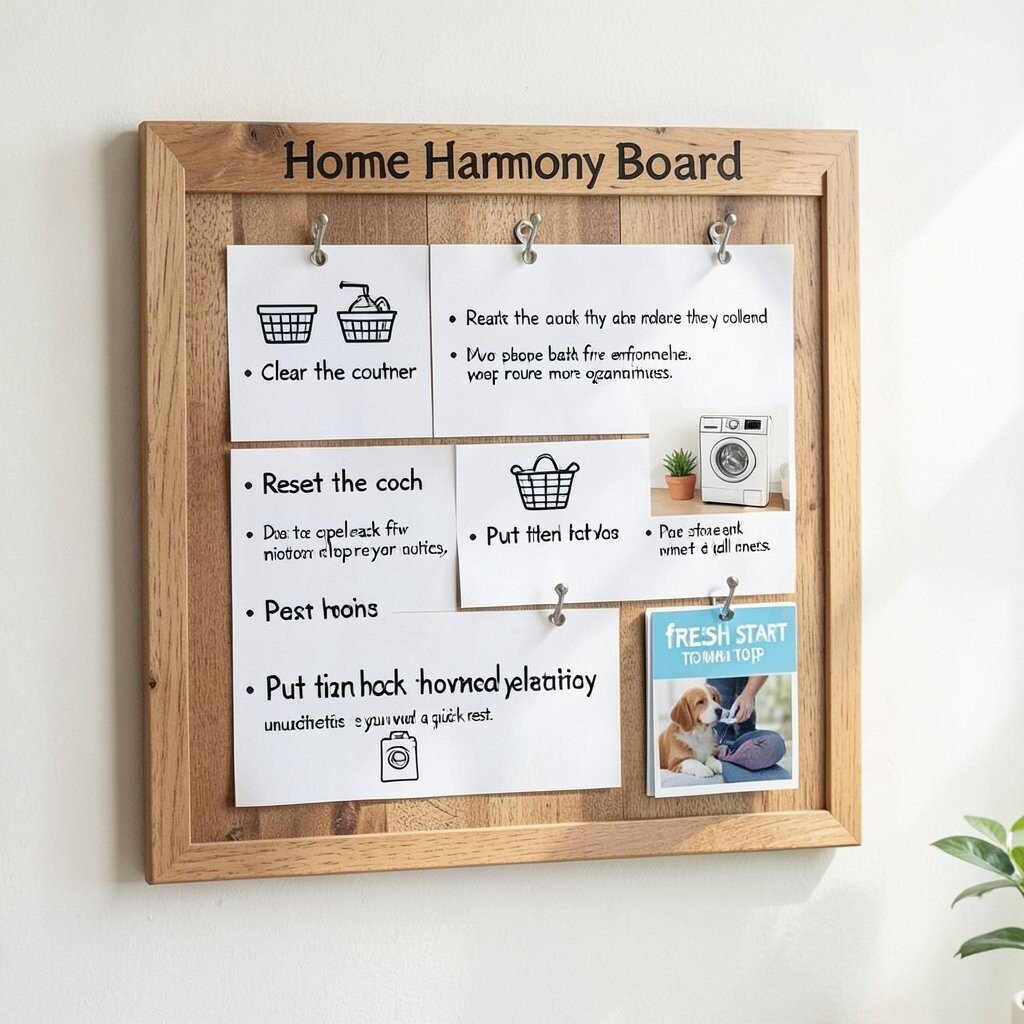
Picture a board in a shared area with mini zones for tidy habits, like a basket icon for surfaces and a laundry symbol for floors. It turns cleaning into a calmer rhythm instead of a stressful task.
Pin small daily actions such as clear the counter, reset the couch, and put items back where they belong. Many people find that a tidy environment helps their mind feel quieter and more organized. Keep it practical by choosing tasks that take only a few minutes, and rotate the list so it doesn’t feel endless. Personalize by matching tasks to your home realities, like pet hair care if you have pets. For uniqueness, add a “fresh start” card that you move to the top when you want a quick reset. Cost considerations are usually low because a board can use scrap paper, command hooks, and cards you design yourself.
13. Mindfulness Attention Board
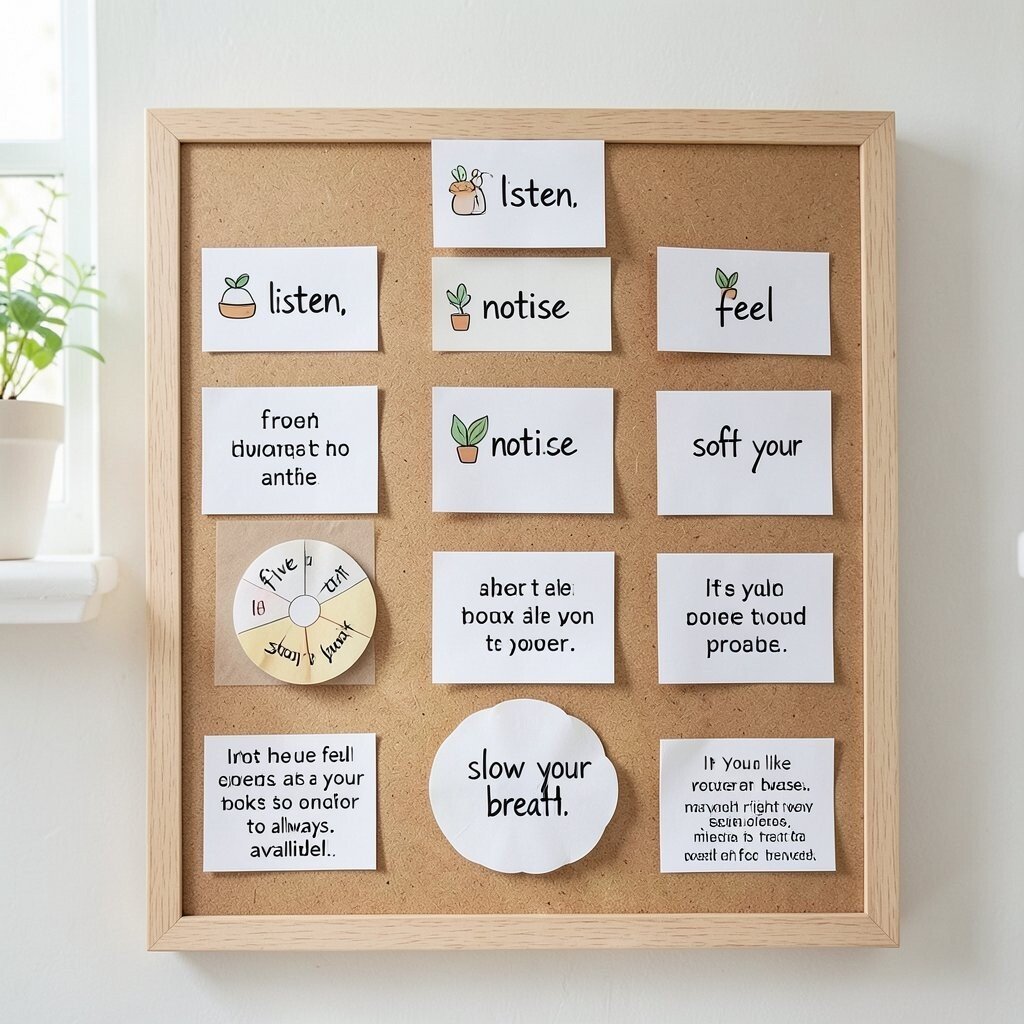
Visualize a board filled with grounding prompts like “listen,” “notice,” and “feel,” each with a small icon. It looks like a calm reminder that the present moment is always available.
Create short cards that guide your attention during busy times, such as before meals, after a meeting, or when you feel rushed. Many people benefit from simple prompts because it’s easier to come back to themselves. Make it practical by placing one prompt card at the top and letting the others stay for later. Personalize it by writing the prompts in your own words, like “soft eyes” or “slow your breath.” For uniqueness, add a tiny “five senses” wheel made from paper circles. Cost considerations are easy since handmade tools work well and feel special. If you like current trends, sensory mindfulness is popular right now, and boards are a great way to keep it in reach without a screen.
14. Personal Boundaries Board
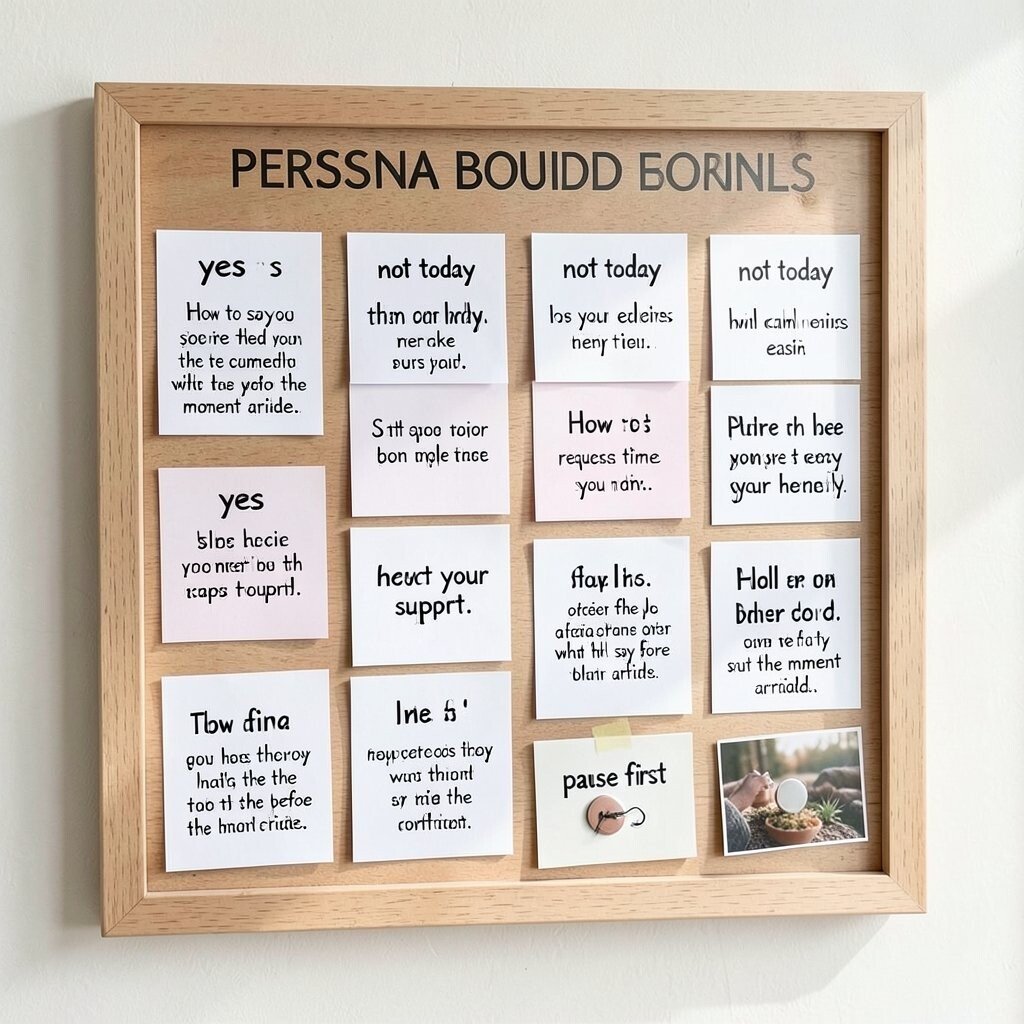
Imagine a board that uses kind language and clear “yes” and “not today” ideas. It feels empowering because it helps you protect your energy with calm honesty.
Pin scripts that make boundaries easier, like how to say you need time, how to request support, or how to decline gently. People often feel less anxious when they plan what they’ll say before the moment arrives. Keep it practical by making the scripts short and realistic so they don’t feel hard to use. Personalize it by reflecting your voice and comfort level, such as more direct phrases or softer ones. For uniqueness, add a “pause first” button concept using a small magnet or photo of your favorite calming scene. Cost considerations are low because you can create this with index cards, magazine words, and simple tape.
15. Exercise Habit Board
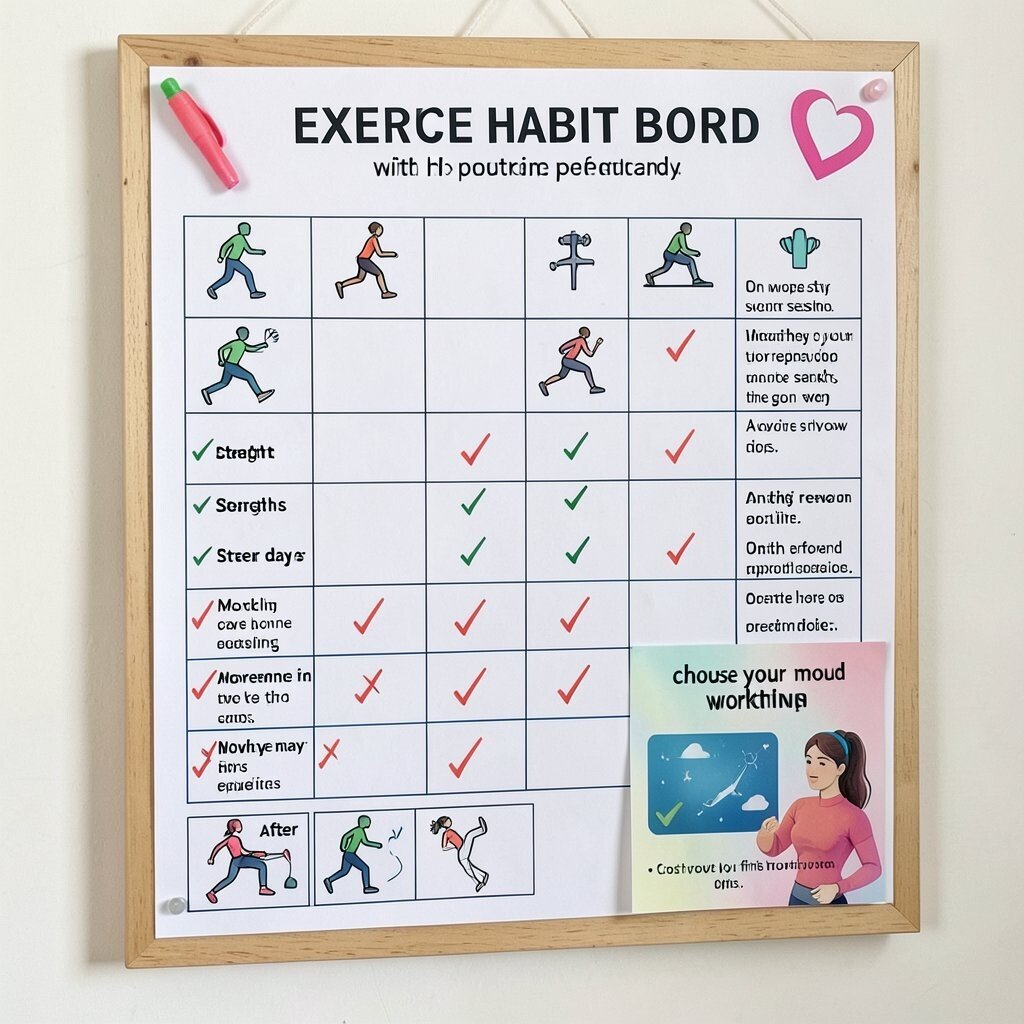
Picture a board with a simple weekly layout and a set of icons for walking, strength, yoga, or anything you actually enjoy. It looks motivating because it celebrates effort, not perfection.
Create a habit plan with small steps, like one movement session and one stretch day. Many people stay consistent when the goals are doable and visible. Keep it practical by tracking time or check marks instead of forcing numbers that feel stressful. Personalize it by adding your preferred activities and the “after” reward you like, such as a hot shower or a favorite show episode. For uniqueness, include a “choose your mood workout” card so the plan fits how you feel. Cost considerations are easy since you can print a weekly grid for free and use colored pens.
For current trends, lots of people now focus on “movement snacks,” and this board can support that style with tiny check-ins. When you see your progress, you’re more likely to keep going even when motivation dips. The board becomes a cheerleader made of paper and color.
16. Nature + Outdoor Intake Board
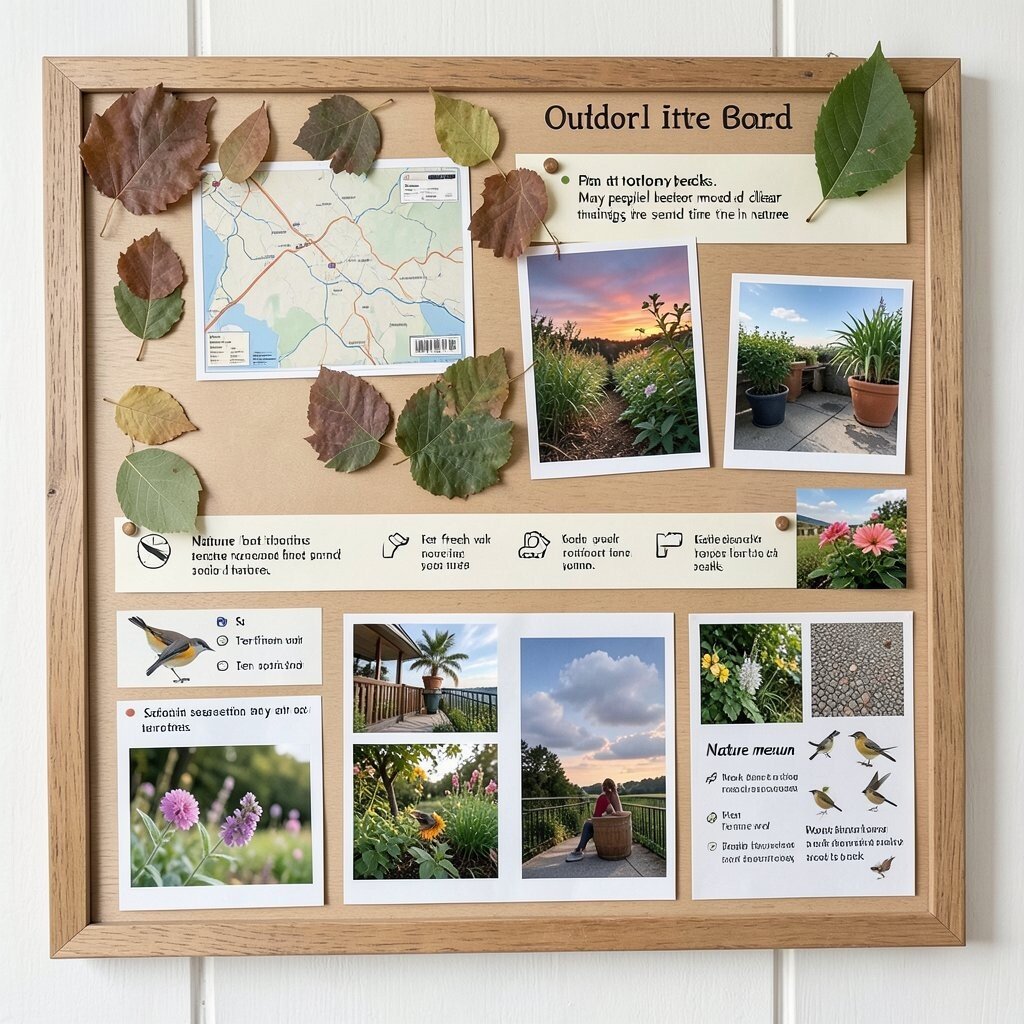
Visualize a board with pressed leaves, a small map of nearby trails, and photos of sky colors you like. It feels refreshing just to look at it, like you’re already outside.
Pin reminders to get fresh air, notice plants, and plan simple outdoor breaks. Many people report better mood and clearer thinking when they spend time in nature. Keep it practical by adding easy options like a ten-minute walk, a balcony sit, or watering plants. Personalize it by selecting seasons that match your area and adding your favorite local spots. For uniqueness, include a “nature menu” with small observations like bird sounds, cloud shapes, and sidewalk textures. Cost considerations are low because you can gather leaves, print photos, and reuse frames. If you like current trends, micro-nature routines and “green therapy” ideas are popular, and a board makes the habit stick.
17. Journal Prompts + Mood Tracking Board
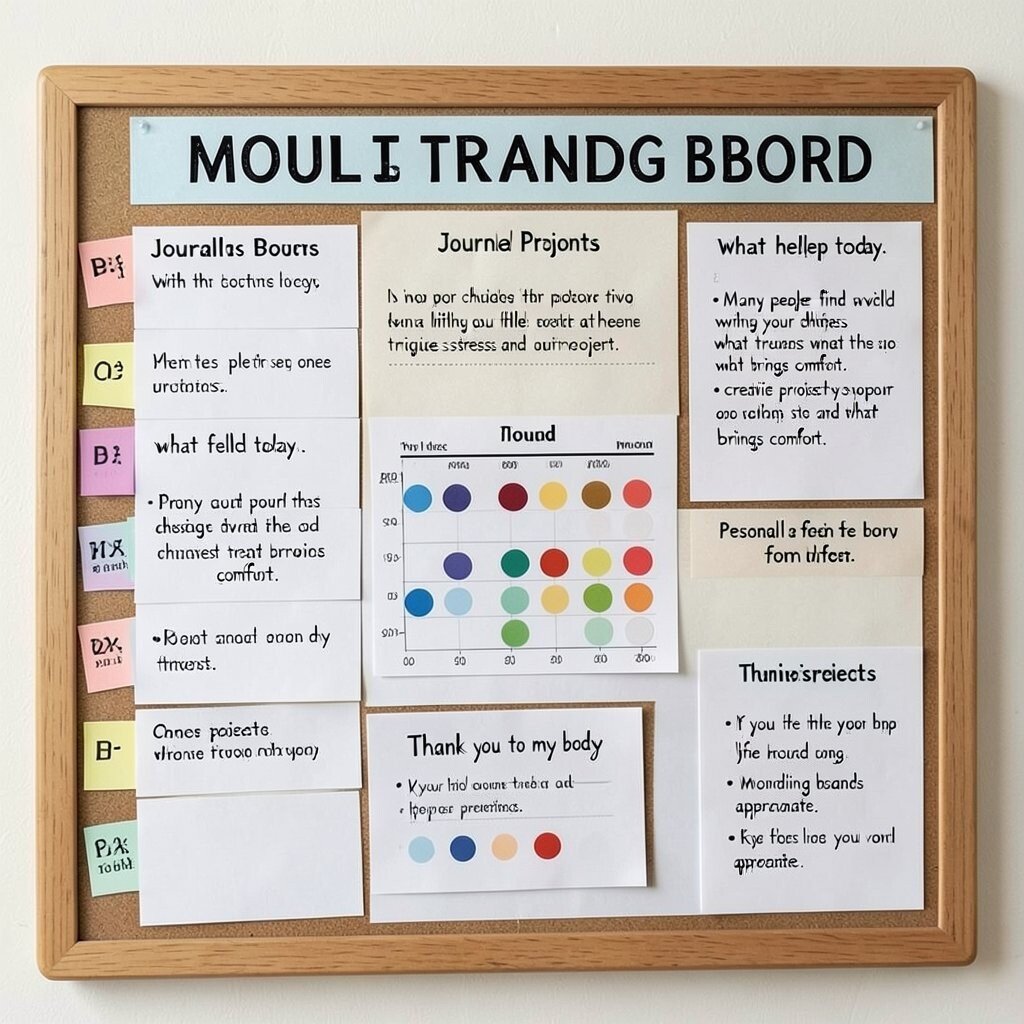
Imagine a board with tabs for journal topics and a simple mood chart using color dots. It feels like a safe place to notice your inner weather without judgment.
Create a small system where each day you choose one prompt and one mood color. Many people find that writing even a little helps them understand what triggers stress and what brings comfort. Keep it practical by using one-minute prompts such as “what felt heavy” or “what helped today.” Personalize it by writing prompts that match your life, like work stress, family changes, or creative projects. For uniqueness, add a “thank you to my body” card where you list one physical thing you appreciate. Cost considerations are friendly since printable mood dots and paper tabs are inexpensive. If you’re into current trends, mood tracking paired with reflection is a common wellness approach, and boards make it feel less clinical and more personal.
18. Money + Stress Relief Board
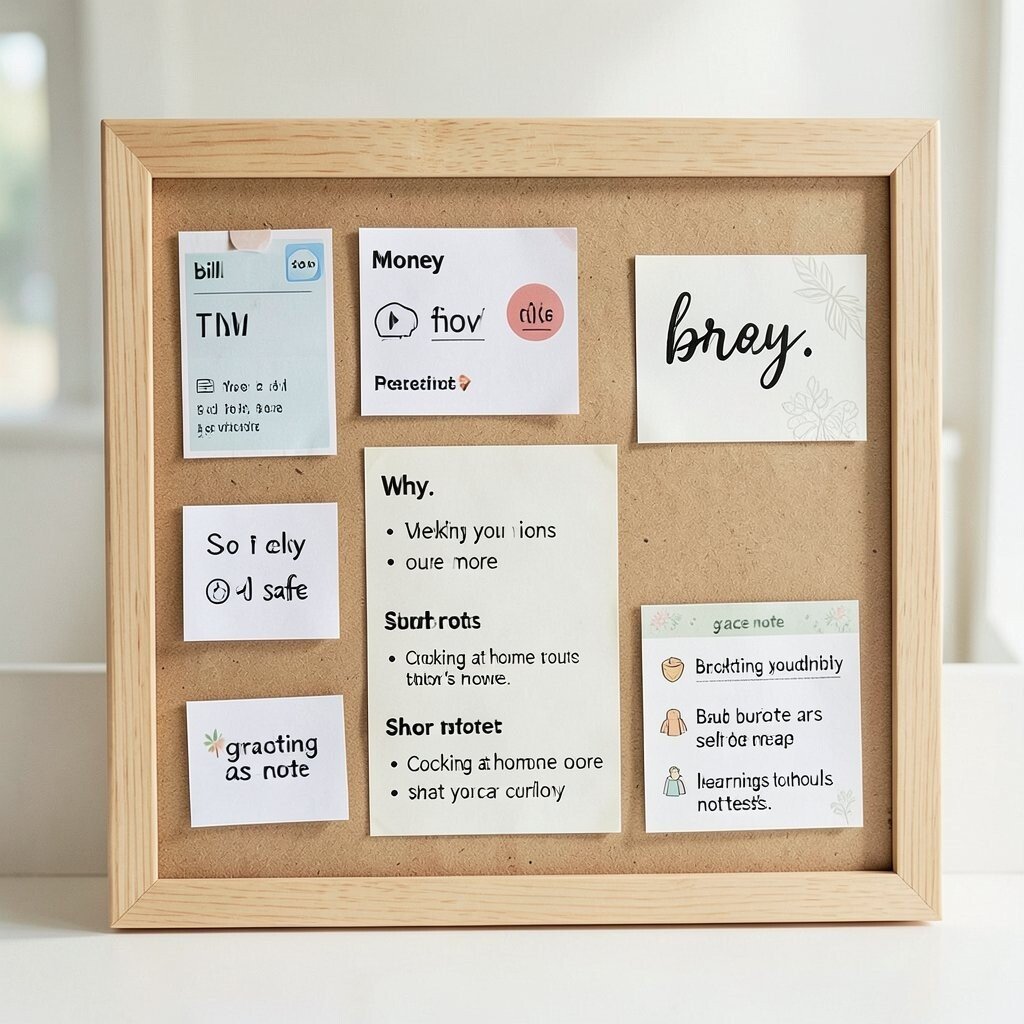
Picture a board that keeps your financial worries calm and organized, with a few clear goals and a small “breathe” space. It looks reassuring because it makes money thoughts feel manageable.
Pin practical goals like a bill reminder time, a weekly savings target, and a short list of tiny money habits such as cooking at home once more or checking subscriptions. Many people feel less stress when they know what’s coming and what they can control. Keep it practical by using just a few items so the board stays friendly instead of overwhelming. Personalize it by adding your “why,” like “so I can feel safe” written in your own tone. For uniqueness, include a “grace note” card to remind you that budgets are learning tools, not tests. Cost considerations are low because you can use free budgeting apps alongside a paper board for the visible part. If you want trends, “budgeting as self-care” is showing up more, and this board fits that idea well.
19. Hygiene + Self-Care Routine Board
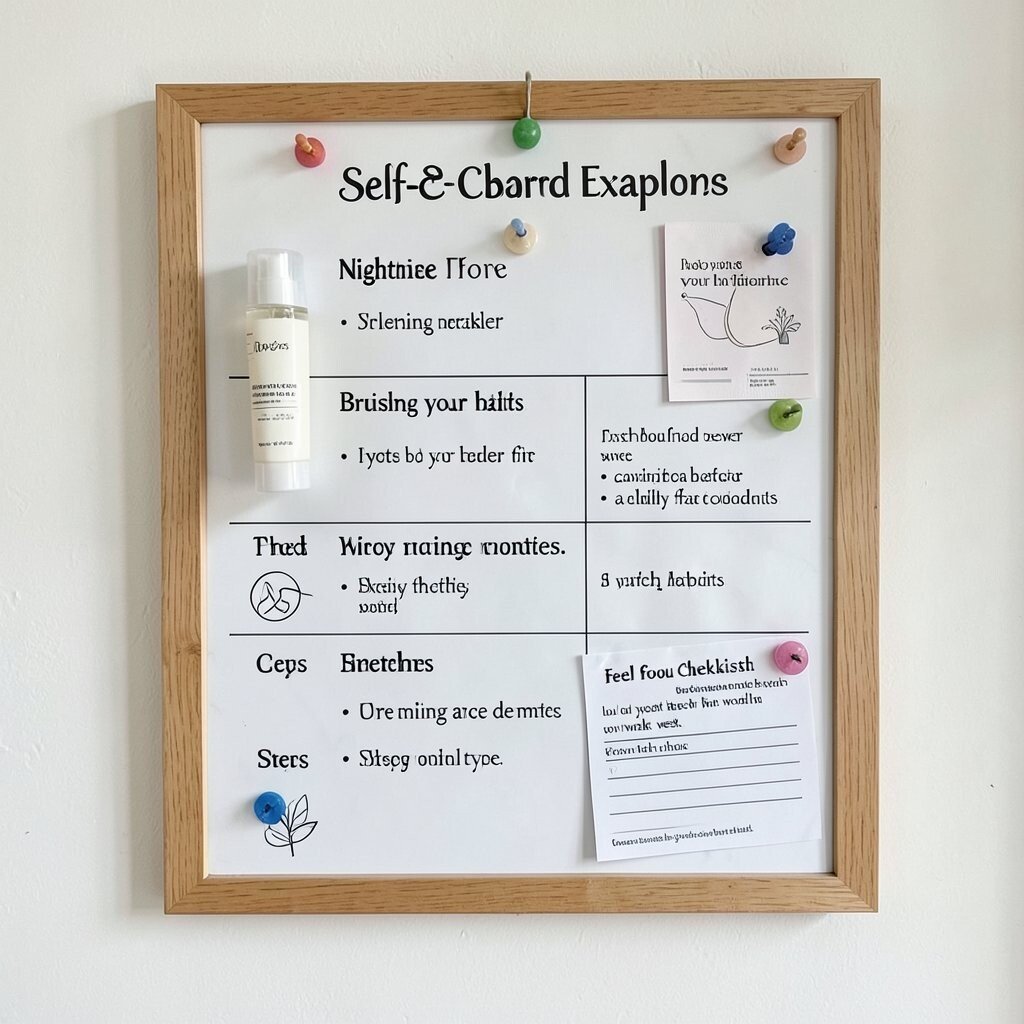
Visualize a board that lists your nightly and morning self-care steps with neat magnets or clips. It looks welcoming, like your own small spa at home.
Create a routine that supports your body and your confidence, such as skincare, brushing habits, stretching, and a calming washcloth moment. Many people feel better when these steps become simple and routine instead of a daily debate. Keep it practical by choosing steps that fit your actual schedule and skipping anything that feels too complicated. Personalize it by adding items you love, like a specific lotion scent or a favorite face mask type. For uniqueness, add a “feel good checklist” card that you update based on what worked last week. Cost considerations can stay low by using what you already own and adding only one or two upgrades if you want them. Current trends favor simple routines and gentle consistency, and a board supports that with a visible plan.
20. Gratitude Photo + Moments Board
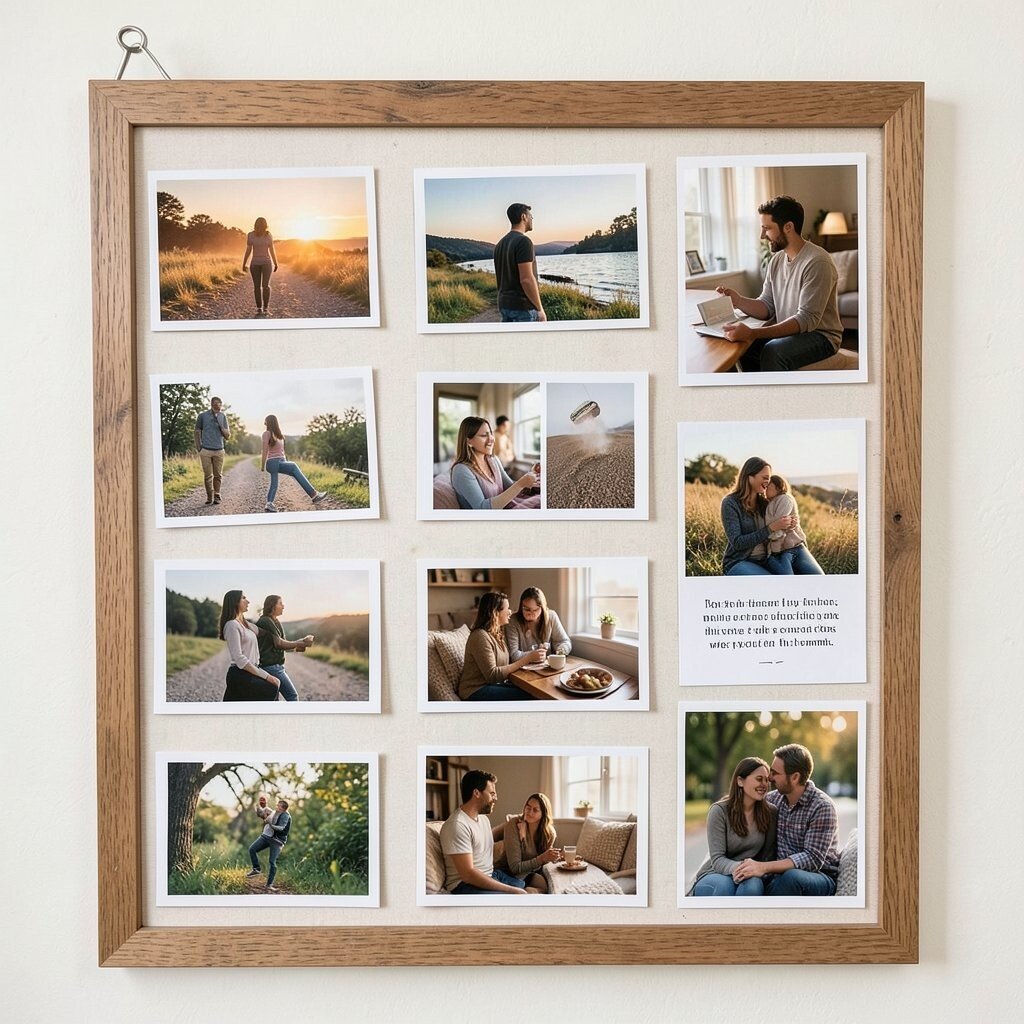
Imagine a board covered with printed photos from ordinary days, like a sunrise walk, a friend’s message, or a cozy corner you love. It looks emotionally rich, because it captures real proof of good moments.
Create a place for “moments” you want to remember, and rotate them when you need a mood lift. Many people feel more hopeful when they see evidence that life can be kind. Keep it practical by printing just a few photos each month and adding them in the easiest spot for you. Personalize it by choosing photos that match your comfort, such as quiet activities instead of big events. For uniqueness, add a small card beside each photo with one line about what you felt in that moment. Cost considerations are moderate, but you can lower them by using free printing services or printing only favorites. If you follow current trends, memory boards and “slow living” visuals are popular, and this is a sweet, wearable version of that idea.
21. Goal Sprint + Recovery Board
Picture a board that mixes goal focus with recovery, using two columns like “effort” and “rest.” It looks balanced, like you’re honoring both action and healing.
Create a short cycle where you pick one small goal and plan recovery time right after. Many people struggle when they push too hard, so pairing effort with rest can protect your energy. Keep it practical by using a weekly sprint idea with check marks, and add a “recovery plan” card like stretching, hydration, or a low-key evening. Personalize it by matching goals to your life, like a work project, a study habit, or a creative piece you want to finish. For uniqueness, include a “learn” card where you write what you’d do differently next sprint, which reduces guilt. Cost considerations are low because you only need paper, a board, and your own writing. For current trends, people now talk more about recovery, burnout prevention, and sustainable productivity, and this board fits right into that mindset.
22. Community Resource + Support Board
Visualize a board with helpful local information like clinic names, hotline cards, and reminders of who to contact in hard moments. It looks steady and caring, like you’re building a safety net.
Pin resources for mental health support, wellness classes, and emergency contacts in a clear, easy-to-find layout. Many people feel safer and calmer when help feels organized and nearby. Keep it practical by checking dates and updating info, and store any sensitive details carefully. Personalize it by adding names you trust, like a therapist office contact method, a friend you can text, or a support group meeting time. For uniqueness, add a “one step” card that tells you the first action you’ll take if you feel overwhelmed. Cost considerations can stay low because many community resources are free, and you can print contact cards from official sites. If you like current trends, resource mapping and peer-support culture are growing, and a board helps you keep it simple when you’re stressed.
Let your board look warm and respectful, not cold and official. When your support is visible, you can move from panic to action more quickly and with more care.