
A dog station can make daily care feel calm and easy. A good setup also helps your pup know where to eat, rest, and get ready for the day.
1. Feeding Zone

A feeding zone is the heart of a dog station. It can look neat with two bowls on a mat, a small shelf above, and a clean wall behind it.
This zone helps keep food in one place, which makes cleanup faster and cuts down on mess. Many people like raised bowls, but simple floor bowls can work well and cost less.
You can make this space fit your home by using a mat in a color that matches the room. Some owners add a name tag or a small sign so the area feels special without taking up much space.
2. Water Zone
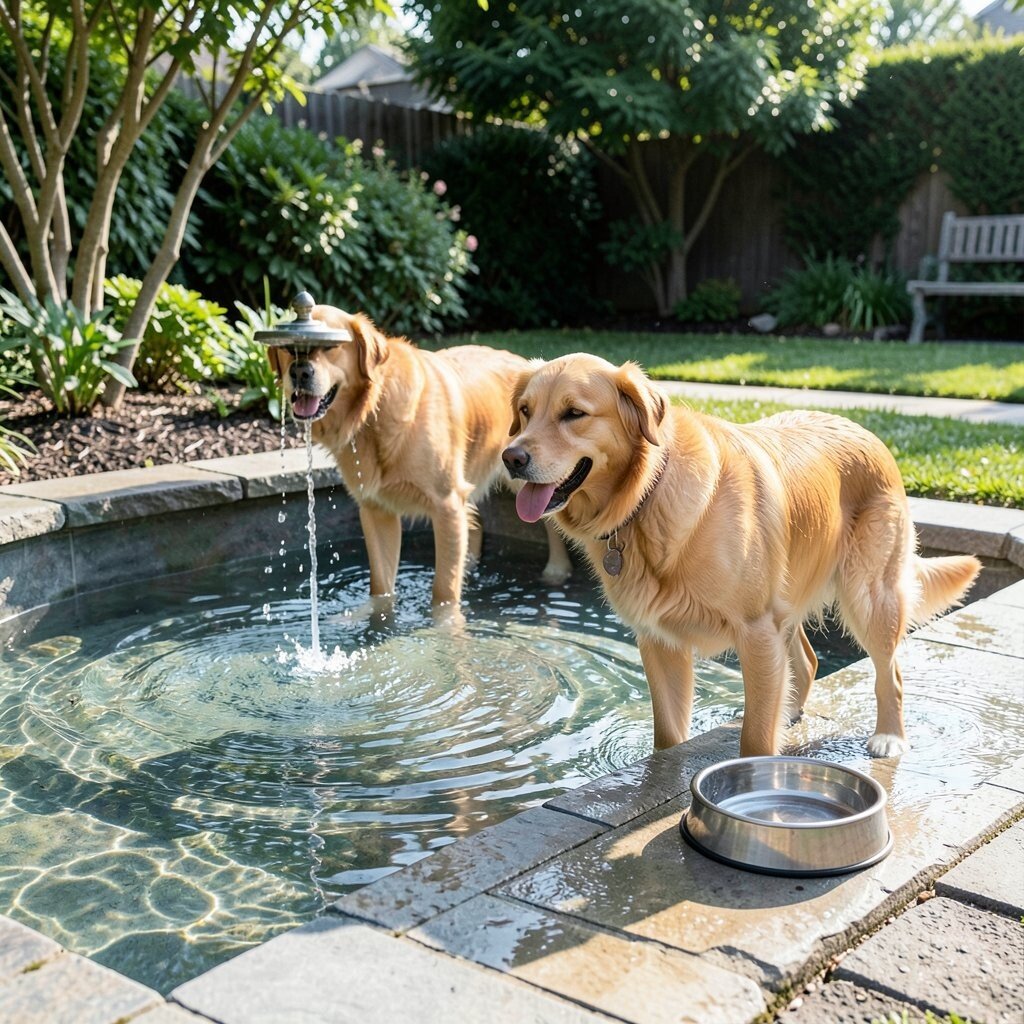
A water zone gives your dog a fresh drink spot that is easy to find. It can sit next to the feeding area or stand on its own if your dog likes a separate place for water.
This zone is useful because dogs need water all day, not just at meal time. A spill-proof bowl or a heavy bowl can help stop wet floors, which is handy in busy homes.
Some people now use water fountains for pets, since moving water can be more fun for dogs to use. If you want a low-cost choice, a plain steel bowl works well and is easy to wash.
3. Treat Zone
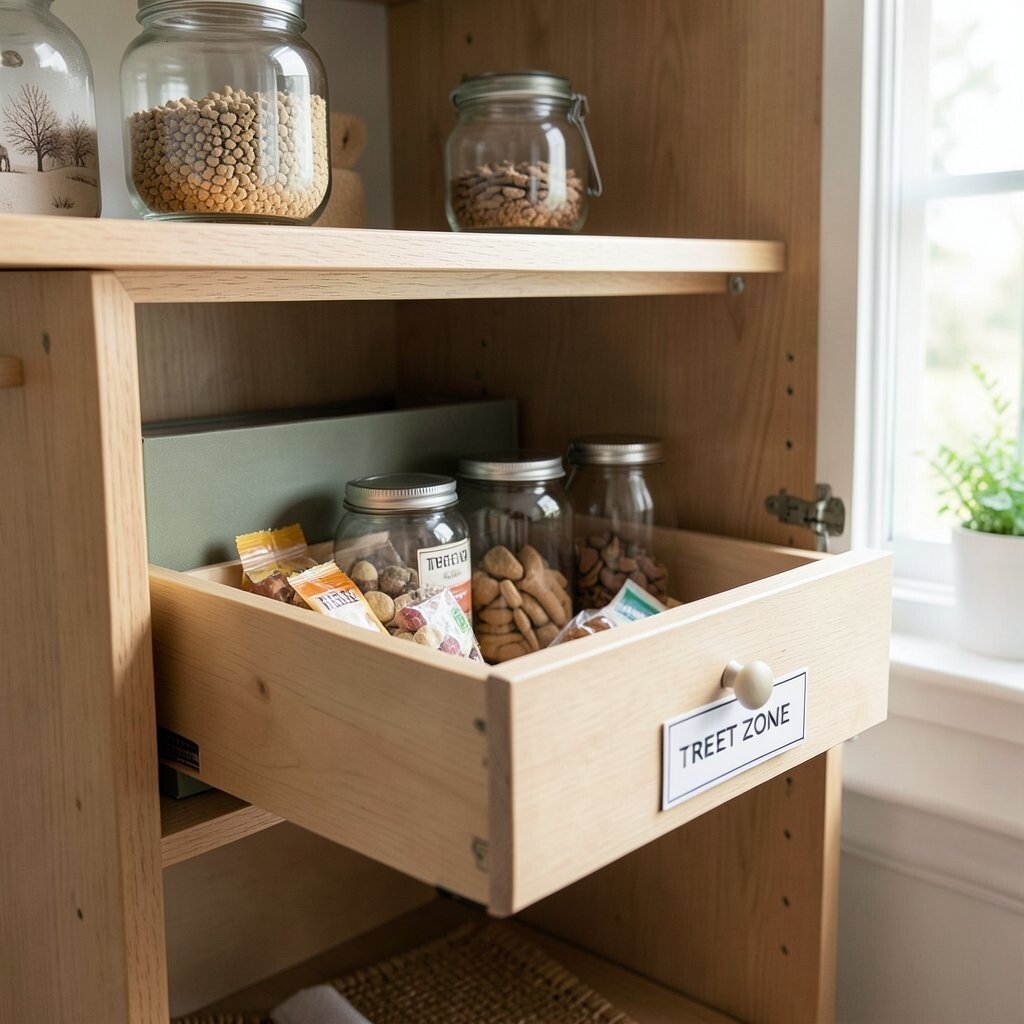
A treat zone is a small spot for snacks, training rewards, and quick bites. It can be a jar on a shelf, a basket in a cabinet, or a drawer with a label on it.
This area helps you keep treats in one safe place so they do not get lost or stale. It also makes training time smoother because you can grab a treat fast when your dog does something good.
Clear jars can look nice and let you see when you need more treats. If you want a more hidden look, use a simple box or bin that matches your room style.
4. Toy Zone

A toy zone gives your dog a place for balls, ropes, and chew toys. It can be a low basket, a bin with holes, or a small shelf with easy reach.
This zone helps cut down on clutter and keeps toys from ending up all over the house. It also makes play time easier because your dog can learn where toys belong.
Many homes use woven baskets or fabric bins because they look soft and warm. If your dog likes to chew, choose a strong bin that can handle rough use and still stay safe.
5. Grooming Zone
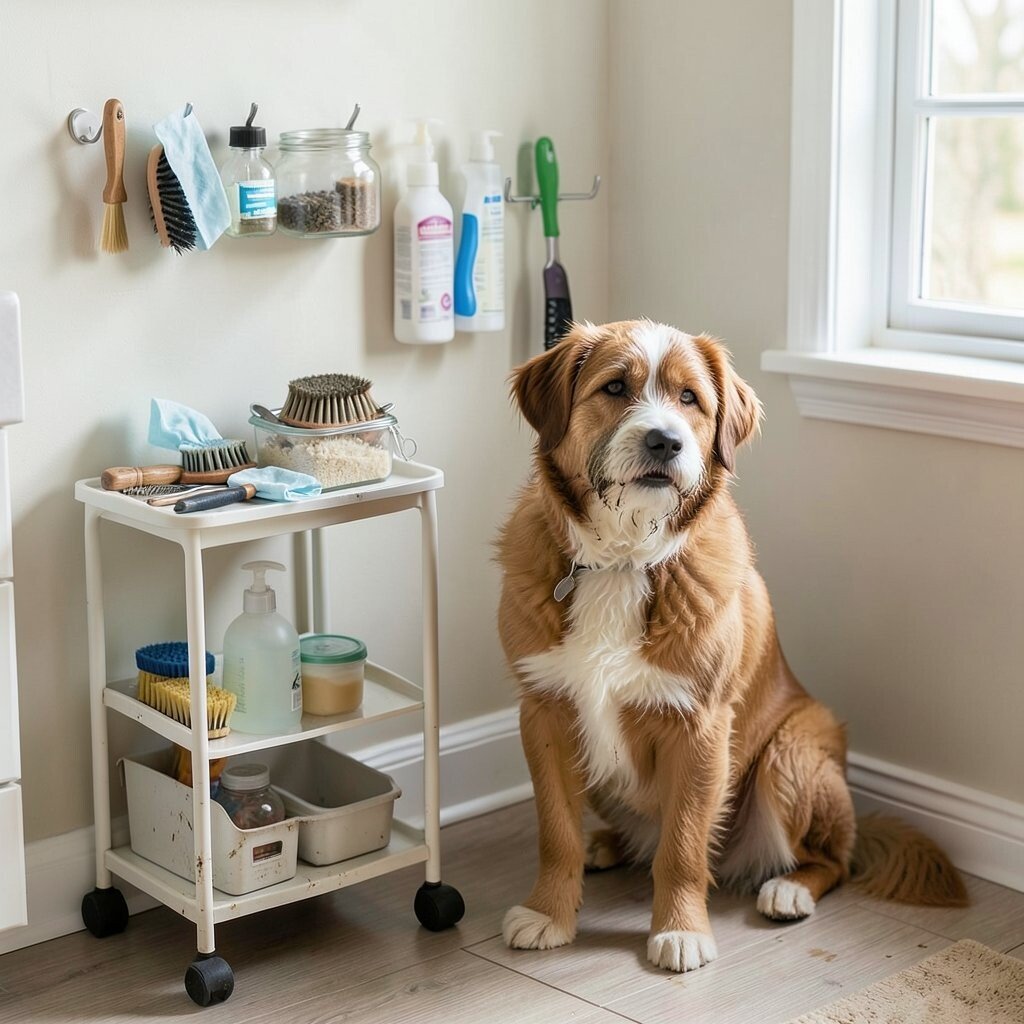
A grooming zone is a spot for brushes, wipes, nail tools, and shampoo. It can sit in a bathroom, laundry room, mudroom, or even on a small cart.
This area helps you stay ready for quick cleanups after walks or play outside. It also saves time because you will not need to search for tools when your dog gets muddy or sheds a lot.
Some people use wall hooks, clear jars, or a rolling cart to keep items close by. If you want to spend less, start with only the basics and add more tools when you need them.
6. Rest Zone
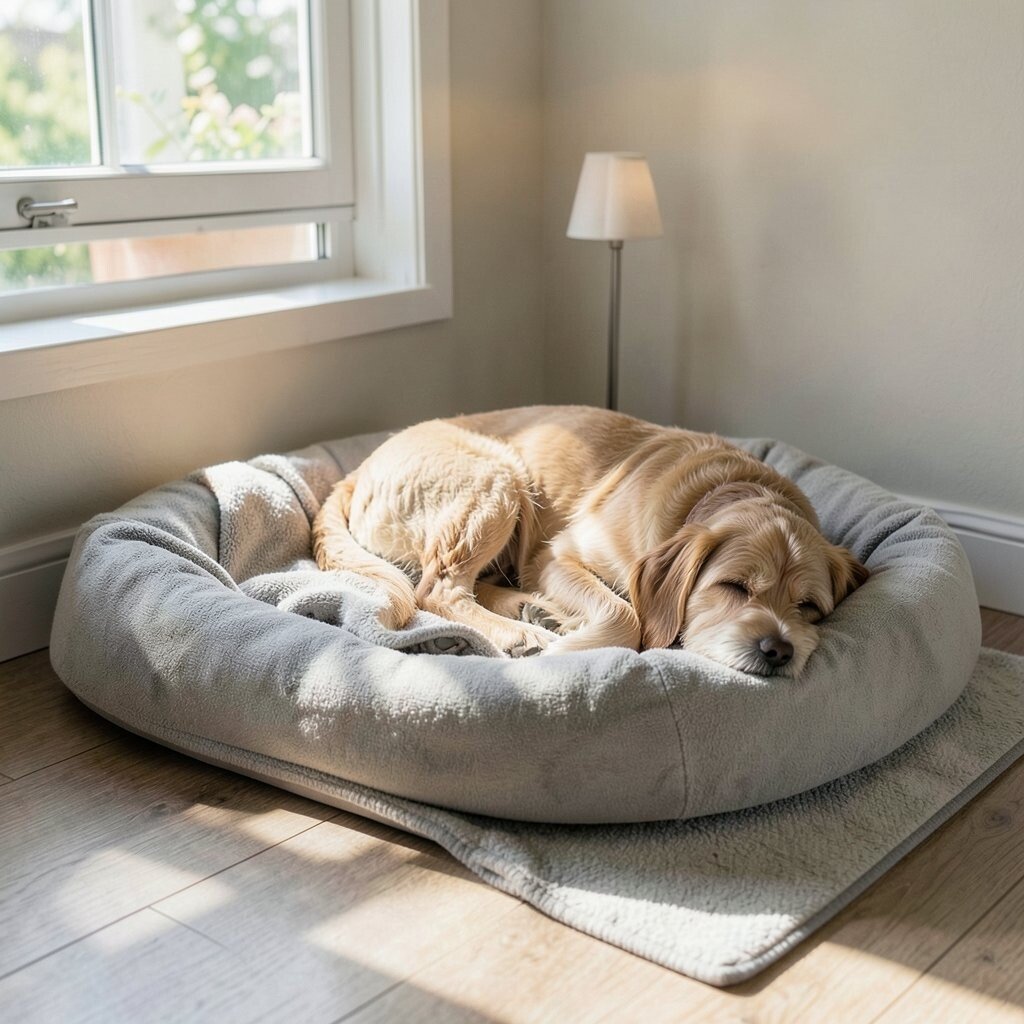
A rest zone is a quiet place where your dog can sleep and feel safe. It may include a bed, a blanket, and a soft light nearby.
This zone is helpful because dogs need calm time during the day, just like people do. A rest spot can also help a shy dog feel more settled when guests come over or when the house gets loud.
You can make the area more personal by choosing a bed that fits your dog’s size and sleep style. Some dogs like a round bed with sides, while others like a flat mat that is easy to clean.
7. Training Zone
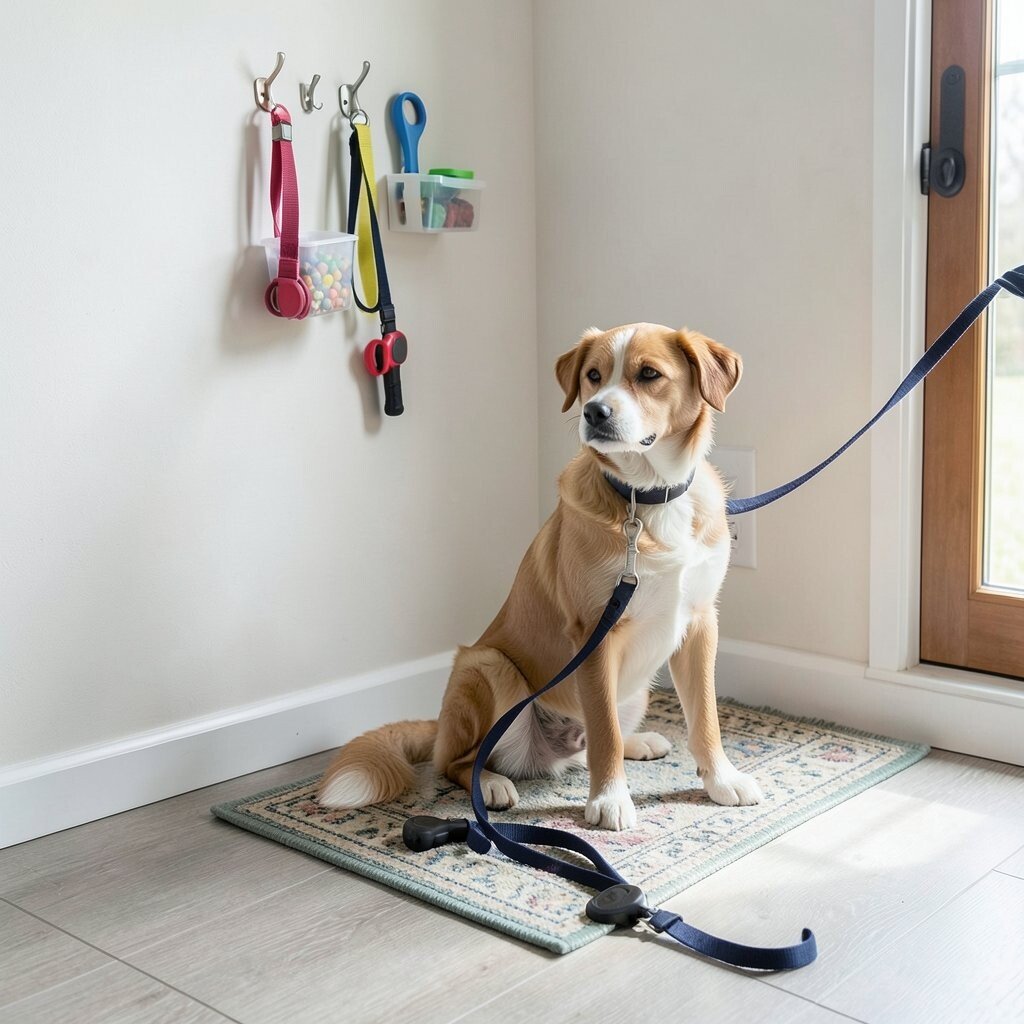
A training zone is a small open area where you can work on sit, stay, and leash skills. It can be a corner of a room, a hallway, or a clear spot near the door.
This zone helps your dog learn in a calm space with fewer things to distract them. It also gives you a set place to keep a leash, clicker, and treat bag close at hand.
Many people now use simple wall hooks and small bins to keep training tools neat. If you have a tight budget, you can make this zone with just a mat and a hook on the wall.
8. Cleaning Zone
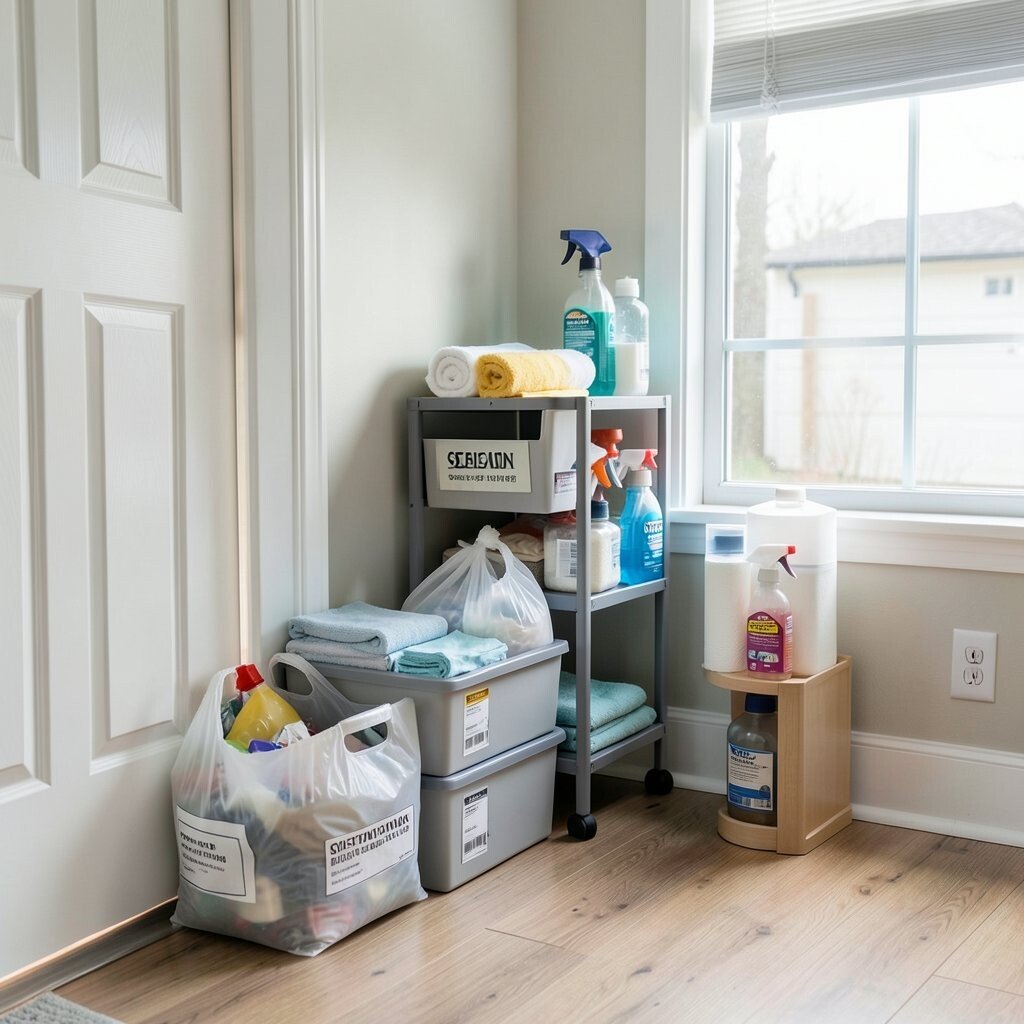
A cleaning zone keeps wipes, towels, poop bags, and stain spray in one place. It may sit near the door, in a mudroom, or by the garage if your dog comes in from outside a lot.
This zone is useful because messes are easier to handle when supplies are close. It can also help keep your home fresh by making it simple to clean paws, fur, and small spills right away.
Some owners like a small caddy with handles so they can carry supplies from room to room. If you want a tidy look, use closed bins or a cabinet with labels on the front.
9. Outdoor Gear Zone

An outdoor gear zone is a place for leashes, harnesses, coats, boots, and travel items. It often works best near the front door so you can grab what you need before a walk.
This zone helps make outings faster and less rushed. It also keeps wet or dirty gear in one spot, which can help protect floors and keep the rest of the house clean.
Wall hooks, a bench, and a small shelf can make this area both neat and easy to use. If you like a modern look, try matching bins and simple black hooks for a clean style.
10. Travel Zone
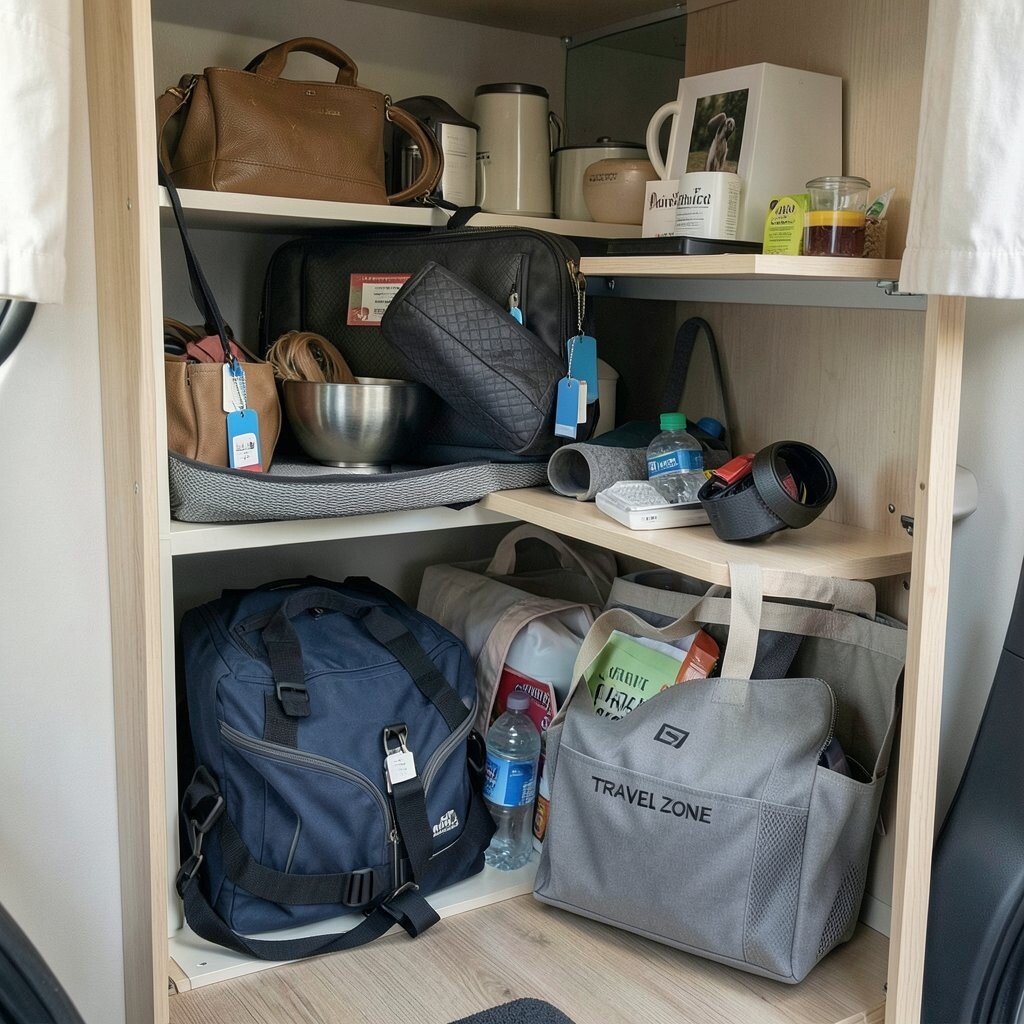
A travel zone is a spot for car gear, ID tags, travel bowls, and a dog seat cover. It can live in a closet, a mudroom shelf, or a trunk organizer in the car.
This zone helps you leave home with less stress because the things you need are already packed. It is also good for trips to the vet, park, or a friend’s house.
Some people keep a ready-to-go bag with extras like water, wipes, and a backup leash. If you travel often, you may want stronger gear, but a simple tote can work well for many families.
11. Calm Zone
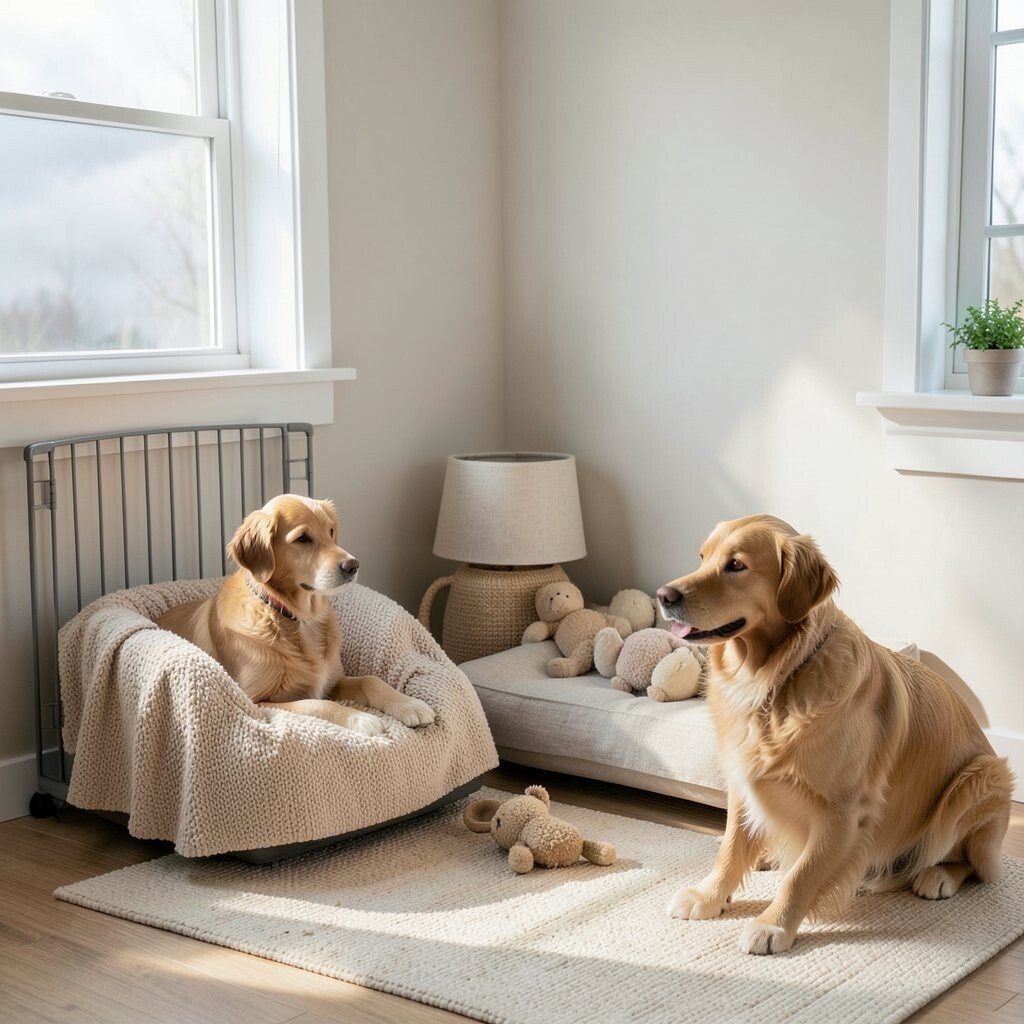
A calm zone gives your dog a quiet place to settle when life gets busy. It can be a crate with a soft cover, a bed in a corner, or a small nook with low noise.
This zone is helpful for dogs that get nervous with guests, storms, or loud sounds. It gives them a safe place to rest and can make the whole home feel more peaceful.
You can make the space feel personal by adding a blanket with your dog’s scent or a toy they like. Many people now use soft lights, simple shades, and plain colors so the area feels calm and easy on the eyes.