
Dog walks can be calm, fun, and good for both pets and people. A good path can make each outing feel safe, easy, and worth the time.
1. Neighborhood Sidewalk Loop
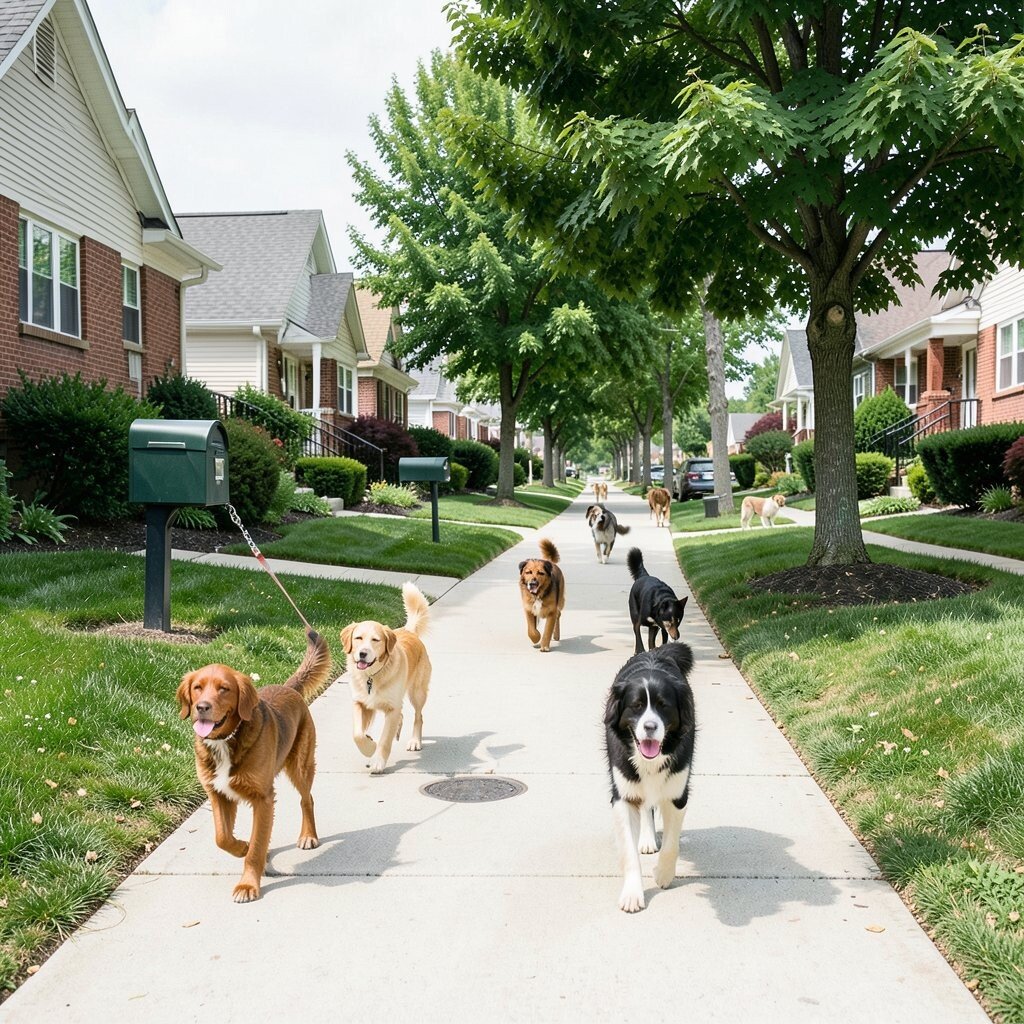
A neighborhood sidewalk loop is one of the easiest paths for daily dog walks. You can see houses, trees, mailboxes, and other dogs, which gives your pet a lot to watch without too much stress.
This kind of route is good for short walks and busy days. It costs nothing to use, and you can make it fit your time by choosing a small loop or a longer street path.
It also helps dogs learn calm walking habits near real-life sights and sounds. If your dog gets nervous, try the same loop often so the path feels familiar and safe.
2. Park Trail With Shade
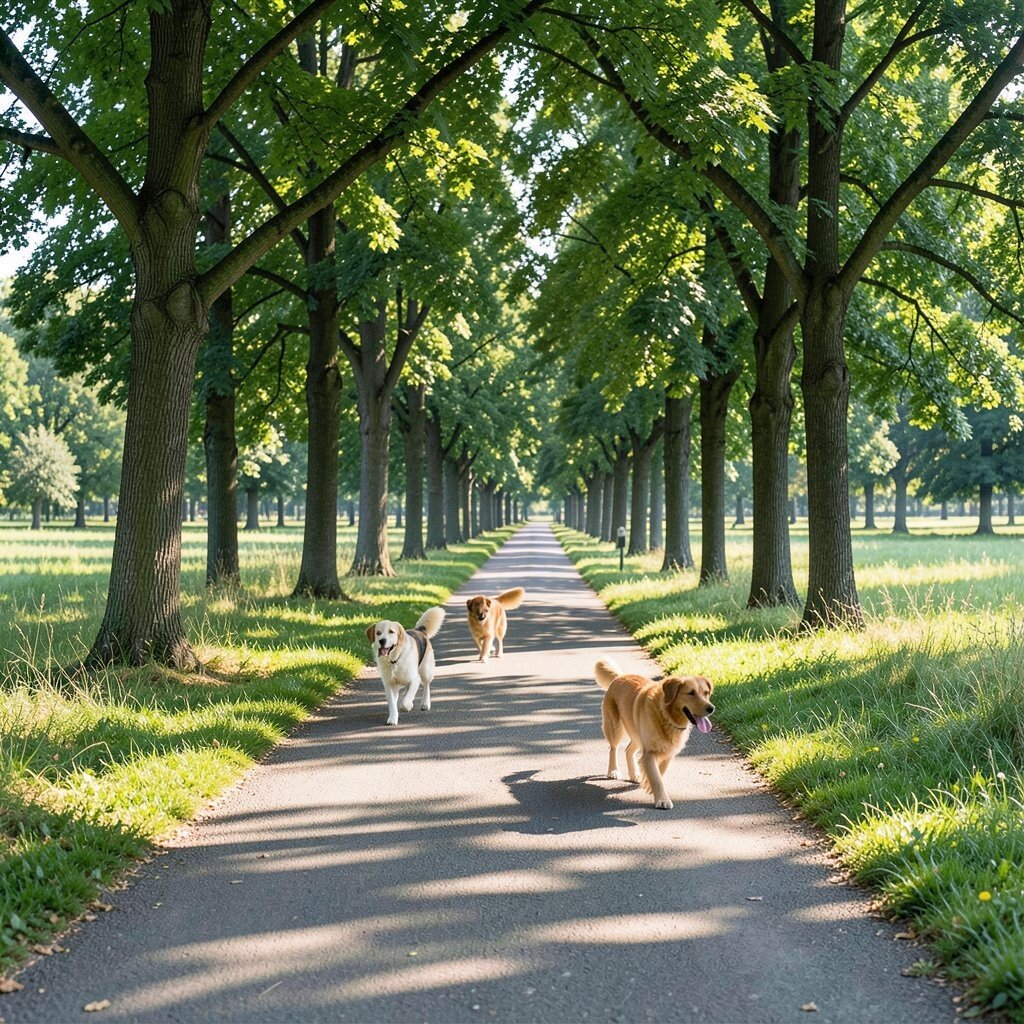
A park trail with shade feels cool and easy on warm days. Tall trees, soft grass, and wide paths can make the walk look and feel more relaxed.
This type of path is nice for dogs that need a little more room to move. It can help with better exercise, and it is often free or low cost if the park does not charge entry.
Many people like shaded trails because they work well in current walking trends that focus on calm, nature-based time. If your dog is older, pick a flatter trail and go at a slower pace.
3. Riverfront Walkway

A riverfront walkway gives you water views and open space at the same time. The path often has smooth ground, benches, and clear edges that make it easy to follow.
Dogs may enjoy the sounds of water and the smell of the air near the river. This can help them stay interested on longer walks and keep their minds busy.
Some river paths are free, while others may have parking fees or nearby paid lots. Bring water and keep your dog on a leash if the area has bikes, runners, or ducks.
4. Forest Edge Path
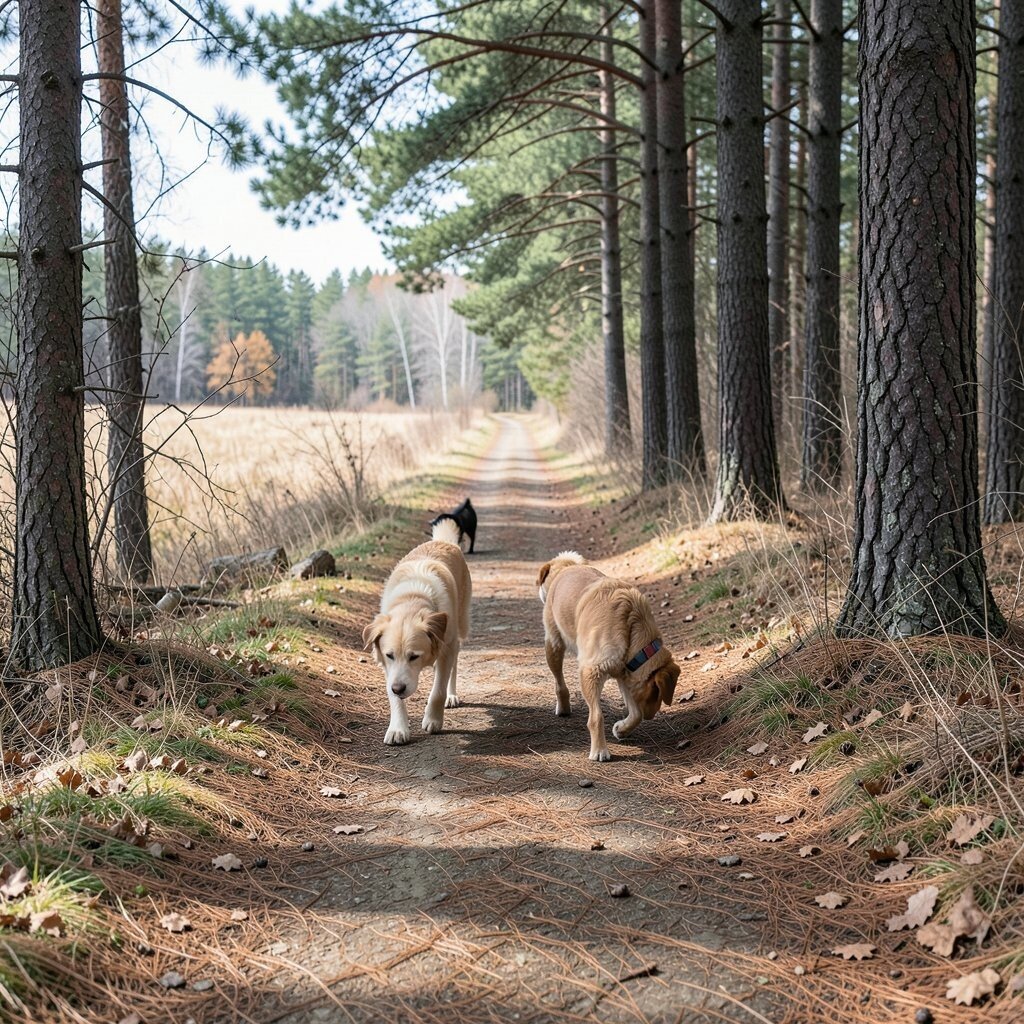
A forest edge path sits between open land and trees, so it can feel quiet but not too closed in. You may see leaves, birds, pine needles, and small animals along the way.
This path is a good choice for dogs that enjoy smells and slow sniffing time. It can help with mental work, which is just as useful as a fast walk.
Try this path if your dog likes a calm setting with fewer people. The cost is often low or free, but some forest areas may ask for a pass or parking fee.
5. Beach Boardwalk Route
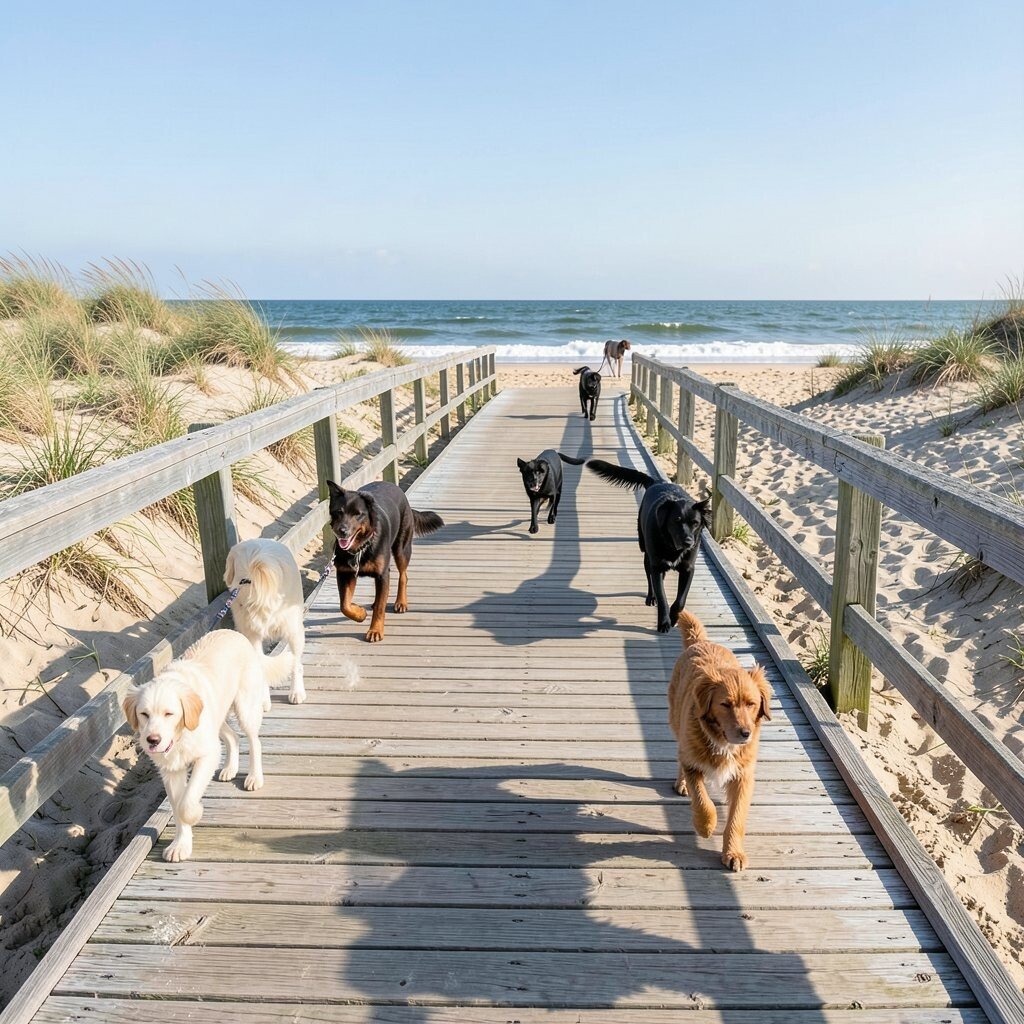
A beach boardwalk route gives a bright, open view with sand, water, and moving air. The wood or paved surface is often easy on paws and simple to walk on.
Many dogs like the extra smells and sounds near the shore. This can make the walk feel new each time, even if you use the same route again and again.
Check local rules before you go, since some boardwalks allow dogs only at certain times. If your dog has trouble with heat, choose early morning or late day walks and bring fresh water.
6. School Track Path
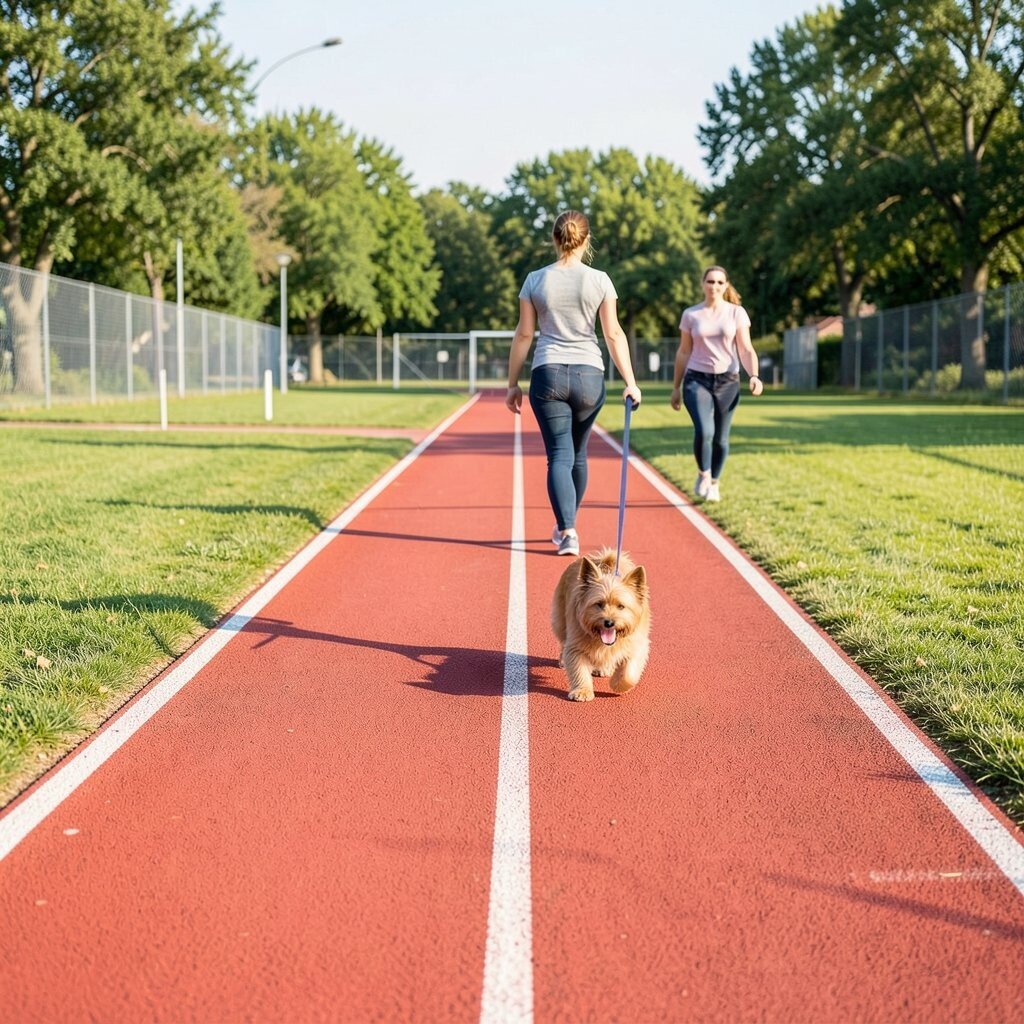
A school track path is often flat, smooth, and easy to follow. It can be a smart choice for steady walks when you want a clean, simple route.
This kind of path is useful for dogs that need regular exercise without too many turns or surprises. It may also help you keep a steady pace if you are working on leash skills.
Most school tracks are free when open to the public, but rules can change by place and time. If your dog likes routine, this can be a strong pick because the path looks the same each time.
7. Downtown Window-View Stroll
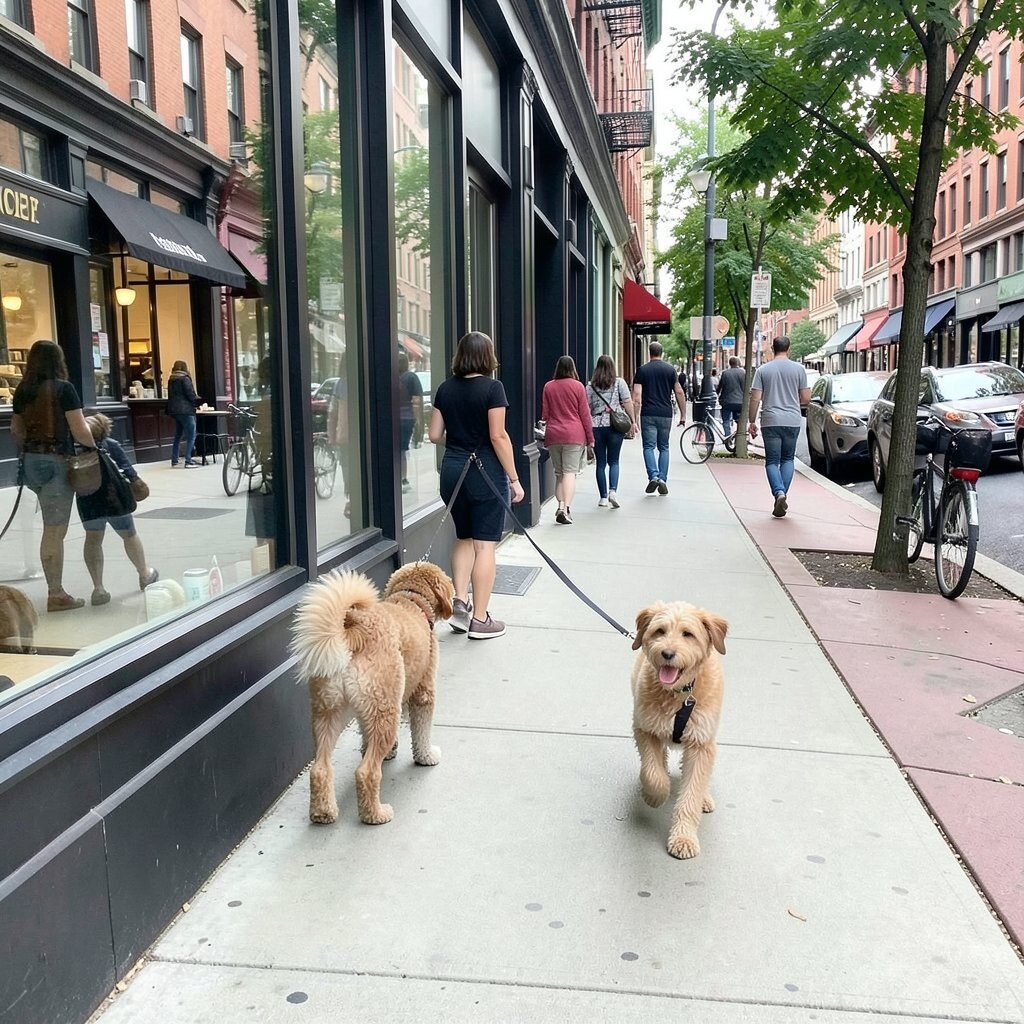
A downtown window-view stroll can give your dog a lot to look at. Storefronts, people, bikes, and street trees can make the walk feel lively without needing a long route.
This path is good for dogs that are learning to stay calm around noise and movement. Short city walks can help build trust and make leash time easier over time.
Some downtown routes cost nothing, while parking may be the main cost. If your dog gets too excited, keep the walk short and pick a quieter side street for part of the route.
8. Lake Loop Trail
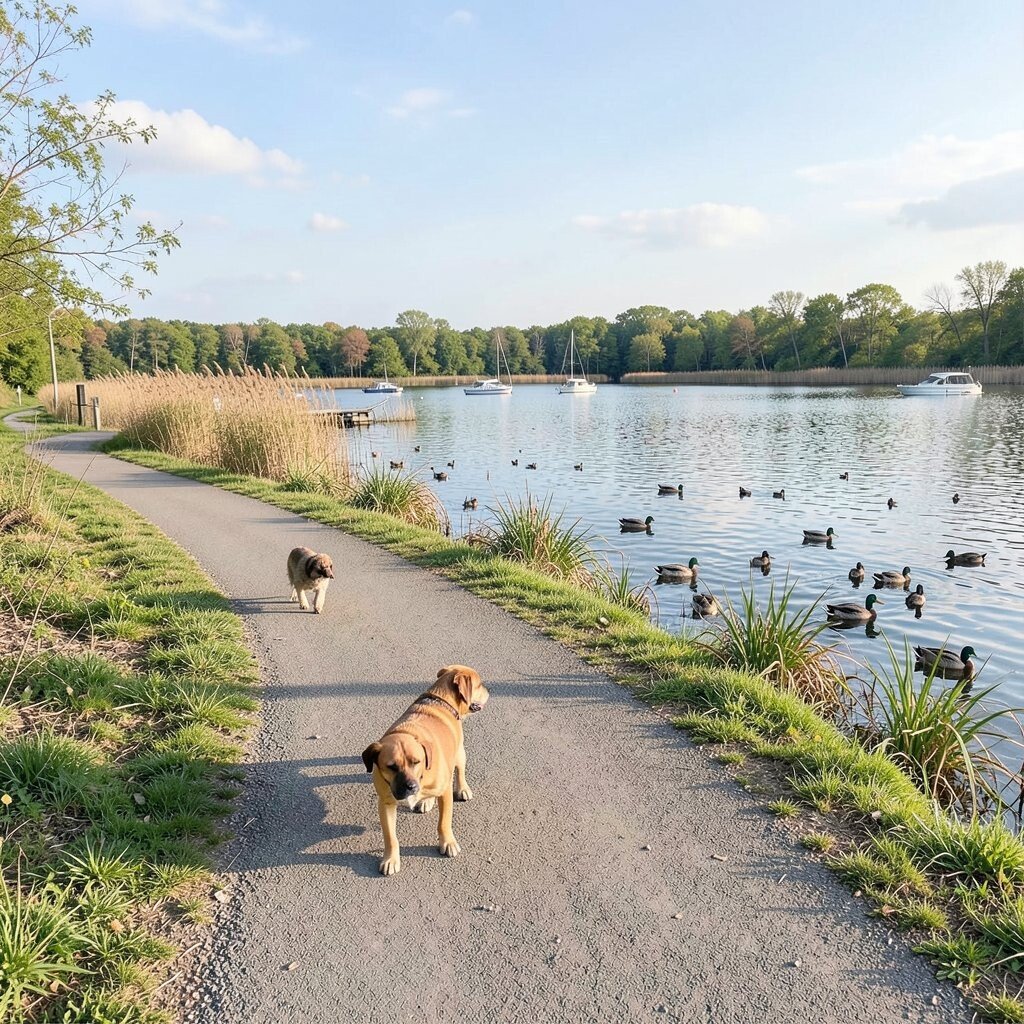
A lake loop trail often has wide views, soft light, and a gentle path around the water. It can feel open and peaceful, with ducks, reeds, and boats adding small points of interest.
This route is nice for dogs that enjoy a mix of calm and movement. The loop shape also helps because you do not need to turn around and head back the same way.
Many lake trails are free or low cost, but some parks may charge for entry or parking. If your dog likes to stop and sniff, plan extra time so the walk does not feel rushed.
9. Hill Path for Strong Legs
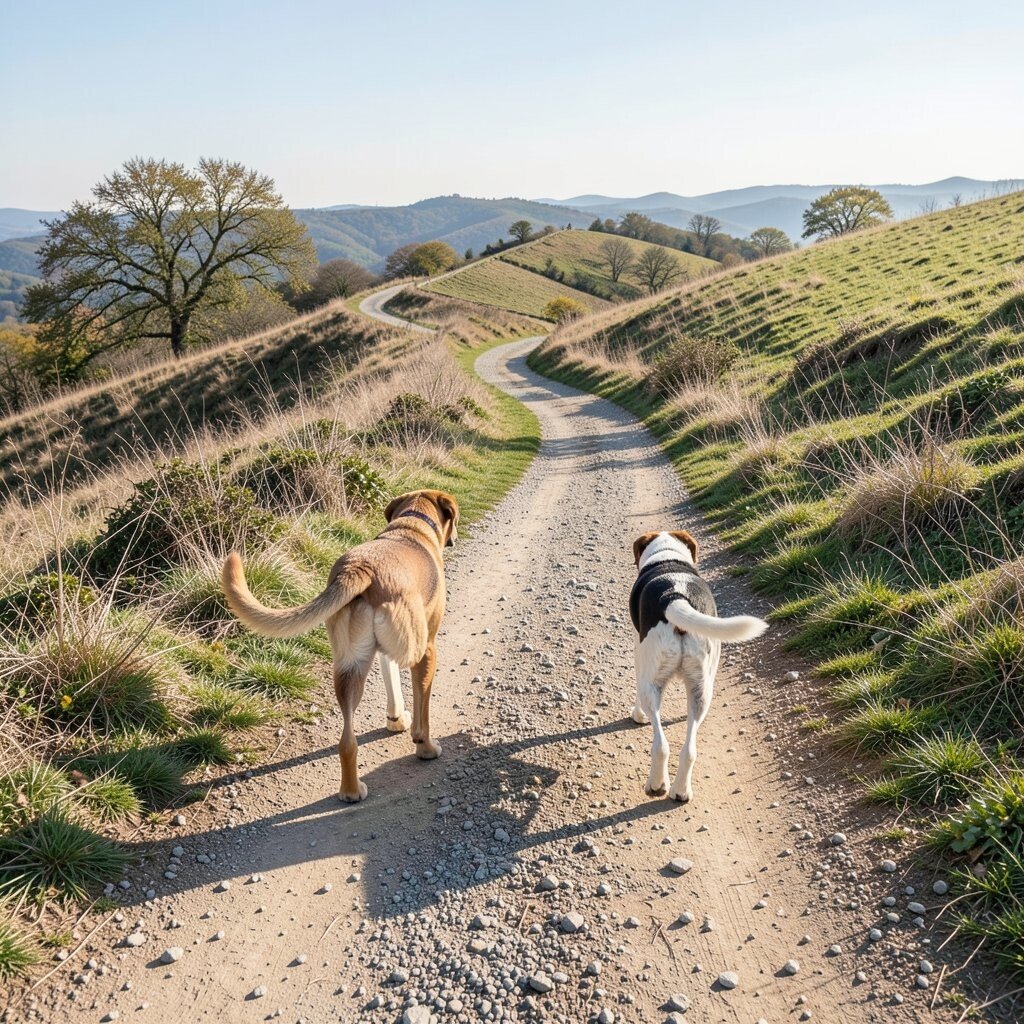
A hill path can give your dog a better workout than a flat street. The view from the top can also make the walk feel different and more fun for both of you.
This path is useful for active dogs that need more challenge. It can help build strength and burn extra energy, but it is best to go slow at first.
Pick a hill with a safe surface, like dirt or smooth gravel, instead of loose rocks. If your dog is small, old, or has joint pain, choose a gentle slope and keep the walk short.
10. Farmers Market Walk
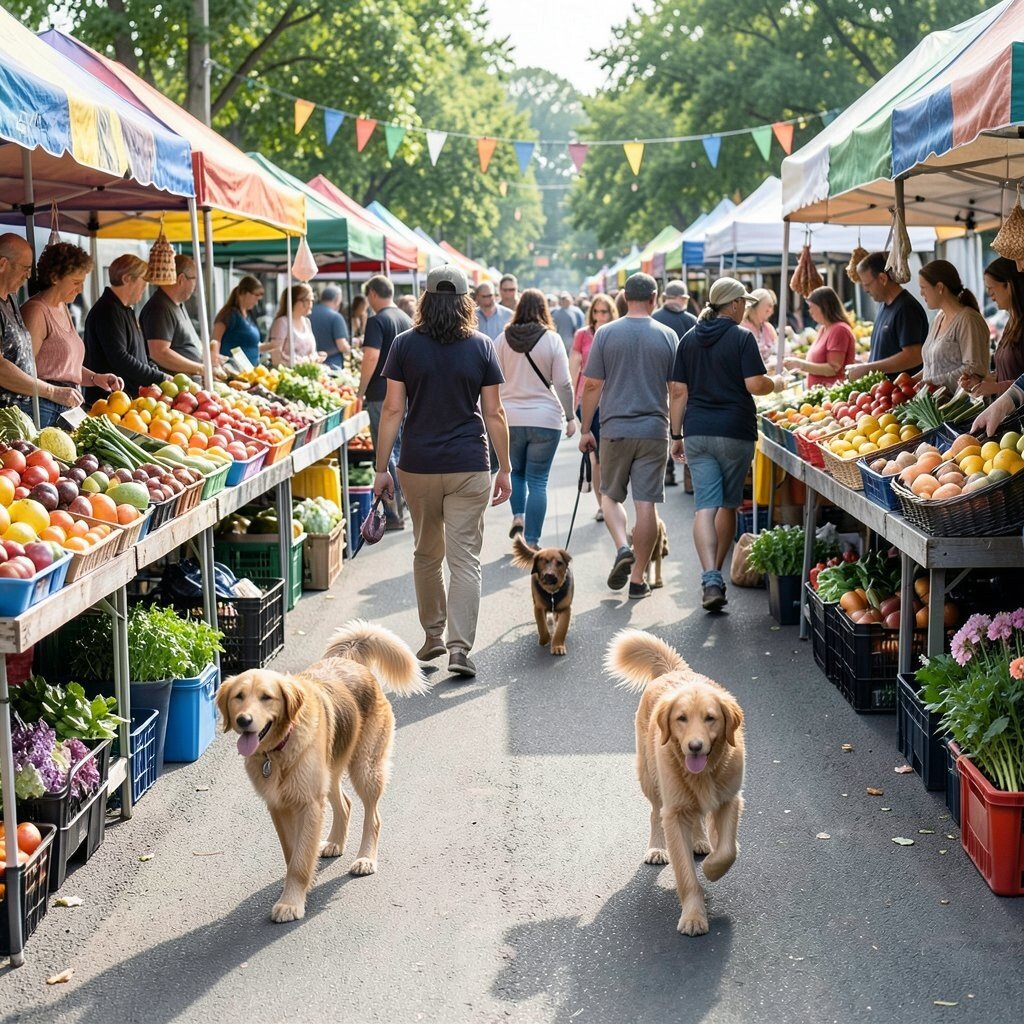
A farmers market walk gives your dog a mix of people, smells, and sights in one place. Colorful fruit stands, flowers, and music can make the route feel busy but still friendly.
This is a good choice for dogs that are calm around crowds and new sounds. It can help them learn good manners in a real setting where many things are happening at once.
Some markets allow dogs only on outer paths, so check the rules before you go. The cost is often free for walking, but you may spend money if you stop for food or parking.
11. Nature Preserve Boardwalk
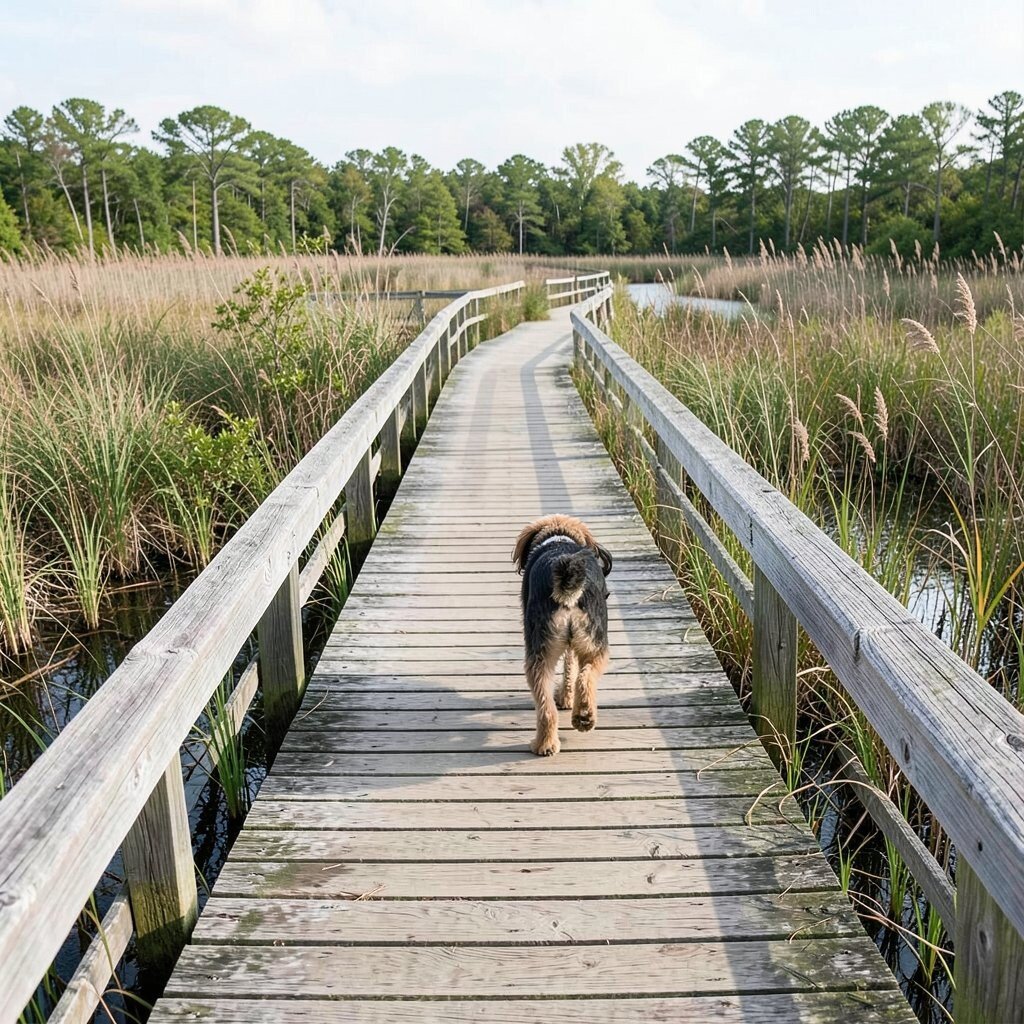
A nature preserve boardwalk keeps your dog above wet ground while giving you a close look at plants and wild spaces. Wooden paths, marsh views, and tall reeds can make the walk look neat and clean.
This route is great for dogs that need a calmer place with fewer hard surfaces. It can also help protect the land, since boardwalks keep paws off soft or fragile ground.
Many preserves are free or low cost, though some ask for a small entry fee. If your dog is new to boardwalks, let them walk slowly so they can get used to the sound of the wood underfoot.
12. Mixed-Surface Adventure Path
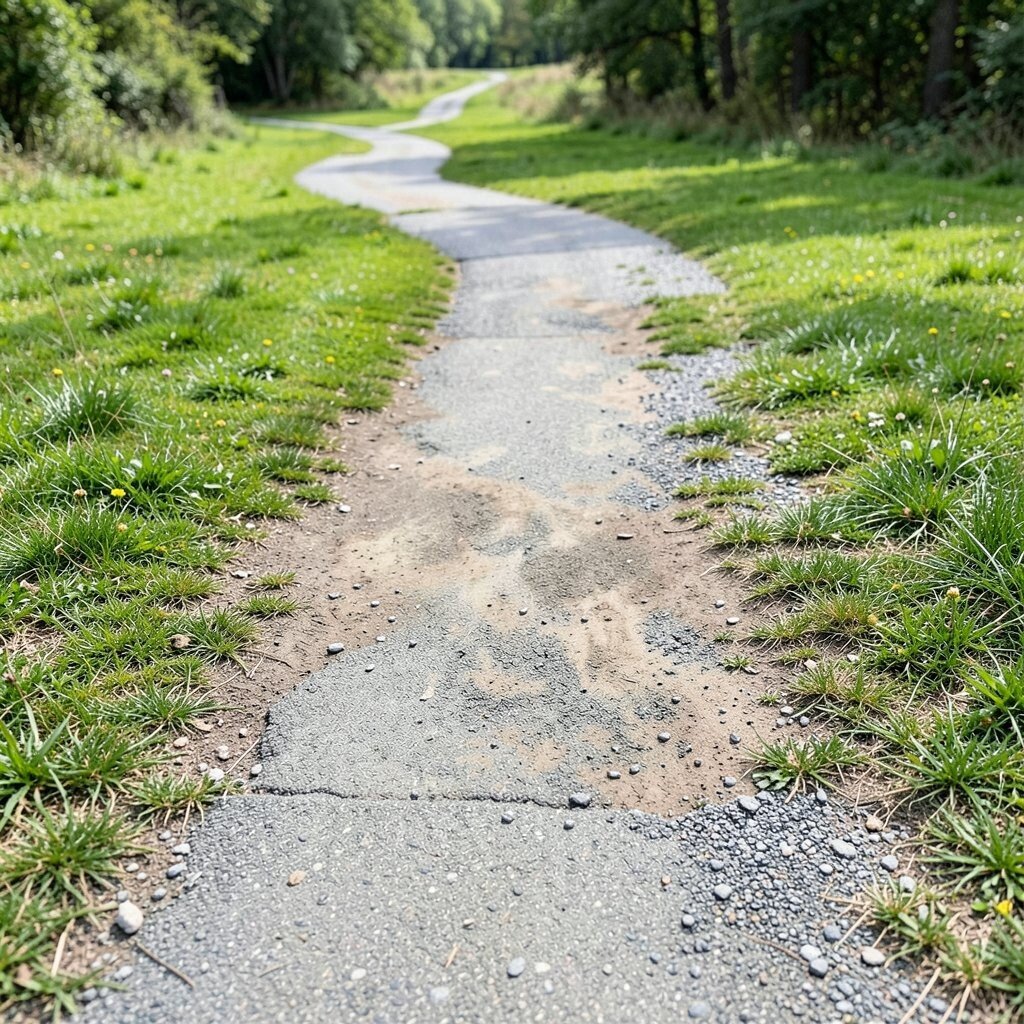
A mixed-surface adventure path uses a few kinds of ground, like pavement, dirt, grass, and gravel. This gives your dog a fresh feel under the paws and keeps the walk from getting boring.
It is a flexible choice because you can make it short or long based on your day. Many people like this style now because it gives both exercise and a little variety without needing a special trip.
Try to match the path to your dog’s needs, age, and energy level. If your dog likes new things, add a new turn or extra block, but keep the walk safe and simple enough to enjoy.