
House training can be hard when a dog has old habits, stress, or health issues. These stories show calm steps, small wins, and steady work that helped dogs learn a new routine.
1. The Apartment Dog Who Learned a Bell
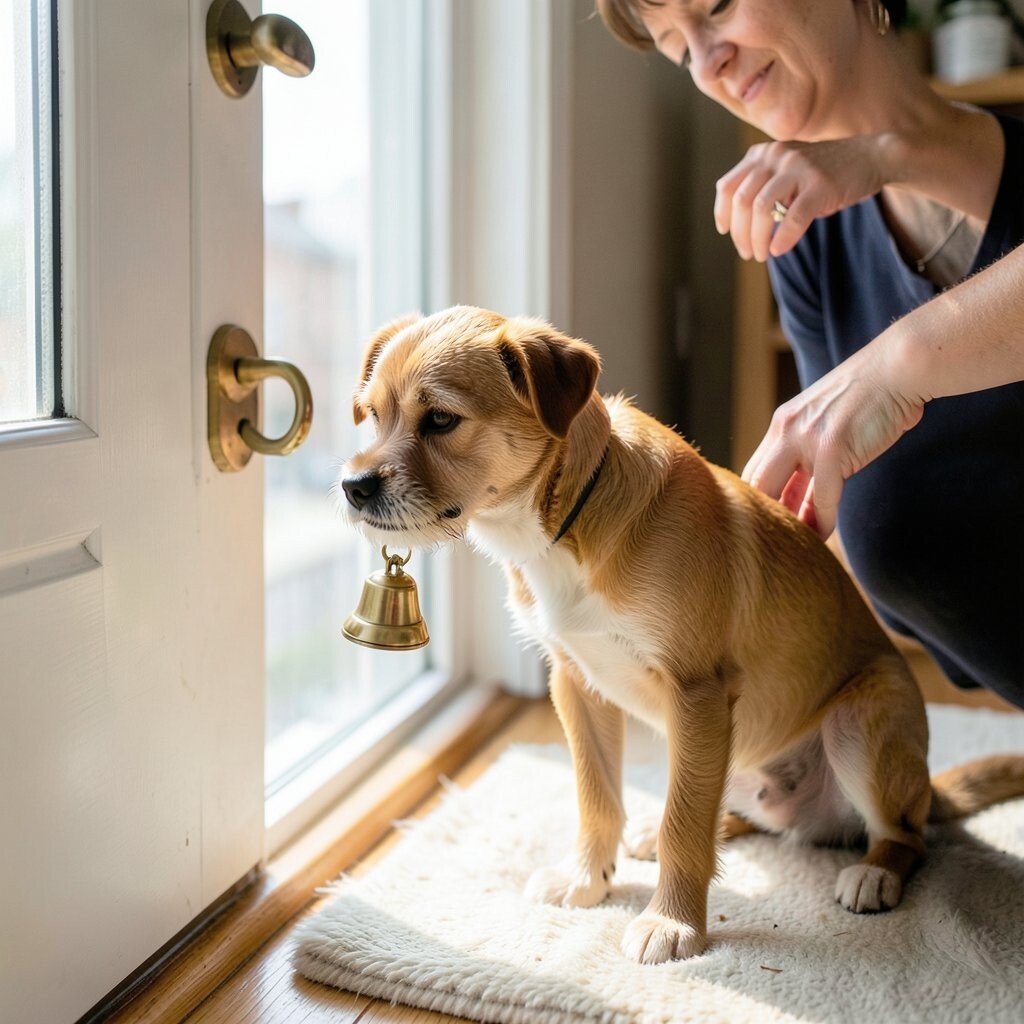
A small rescue dog in a city apartment used to have accidents near the door because he did not know how to ask to go out. His owner added a bright bell on a short strap and hung it low enough for the dog to bump with his nose.
At first, the bell sound was soft and odd, but it gave the dog a clear job to do. The owner rang it before every trip outside, then praised the dog when he touched it on his own.
The change was not fast, and the owner had to keep a close eye on the dog for many weeks. Still, the bell helped make the routine easy to see, and that made the whole home feel calmer.
2. The Senior Dog With a New Schedule
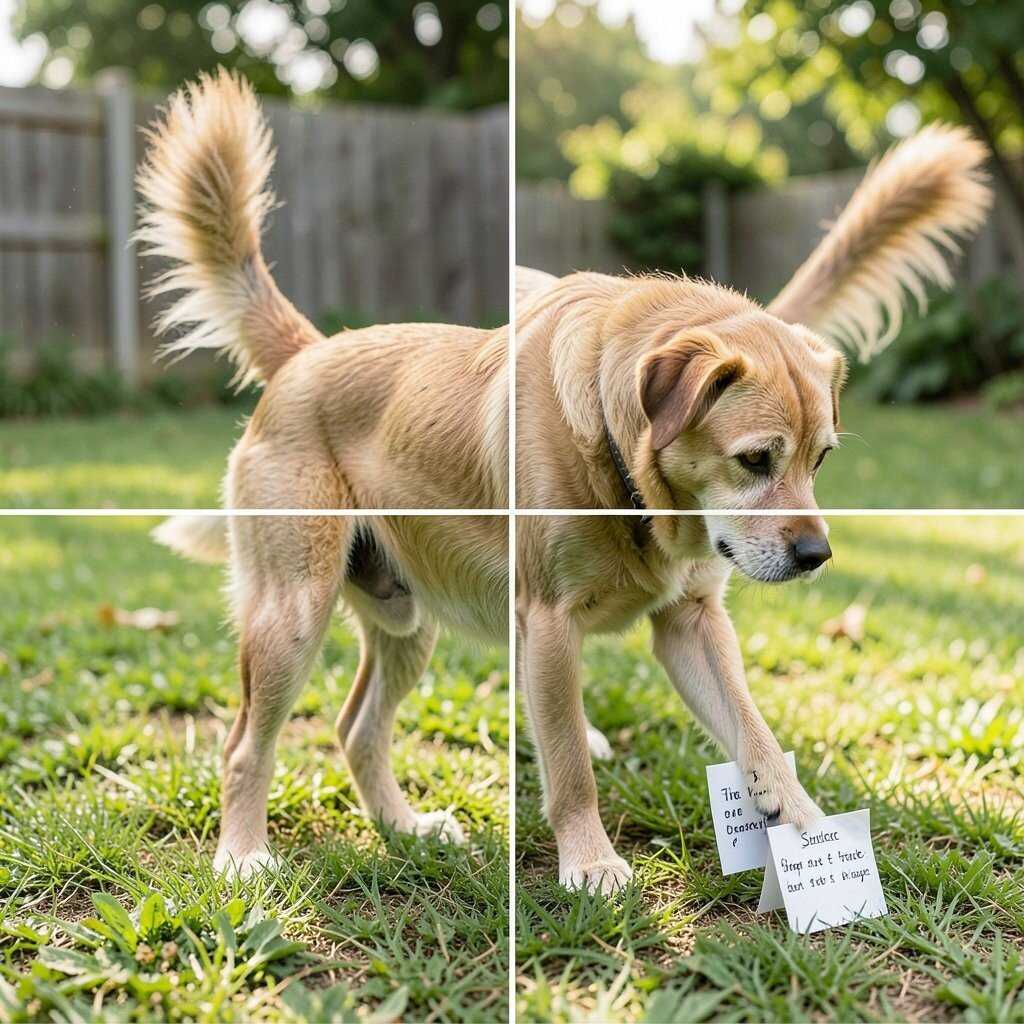
An older dog with weak legs had trouble holding it for long periods, so the family stopped blaming him and started using a set schedule. They took him out soon after waking, after meals, and before bed, which made the day feel more steady.
The family also kept a simple log on paper to spot patterns. That low-cost habit helped them learn the best times for the dog to go out, and it kept them from guessing.
Because the dog was older, the family used short walks and a quiet spot in the yard. The gentle pace fit his needs and showed that house training can work best when it matches the dog’s body and age.
3. The Nervous Foster Dog Who Needed a Safe Spot
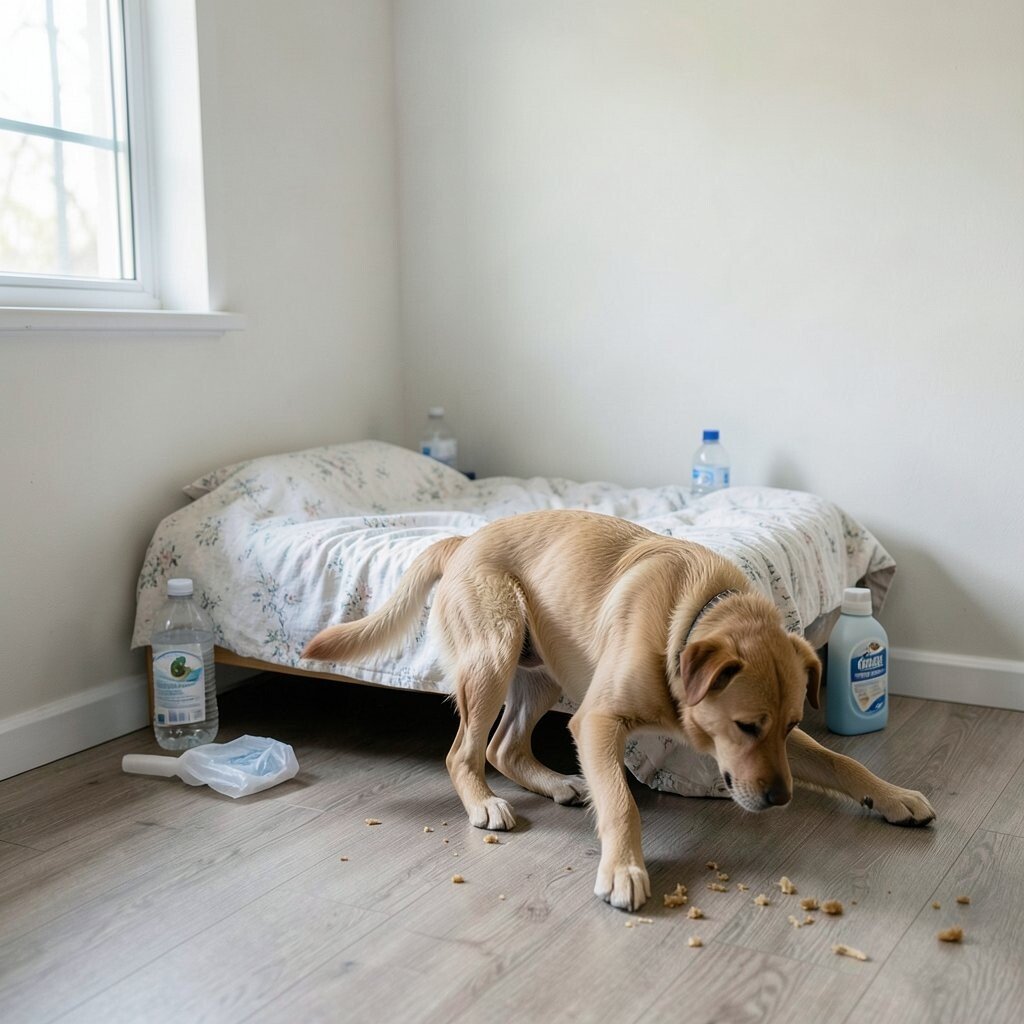
A foster dog from a busy shelter seemed scared of the whole house and had accidents when people moved too fast. The foster home made one small room feel safe with a bed, water, and easy cleaning supplies.
They kept the room simple and calm, with no loud noise or extra traffic. That made it easier for the dog to relax and notice the new routine without feeling pushed.
The foster family used short, quiet trips outside and gave the dog time to sniff. This slower style helped the dog feel more sure, and the clean floor showed that less stress can lead to better habits.
4. The Puppy Who Did Better With Crate Time
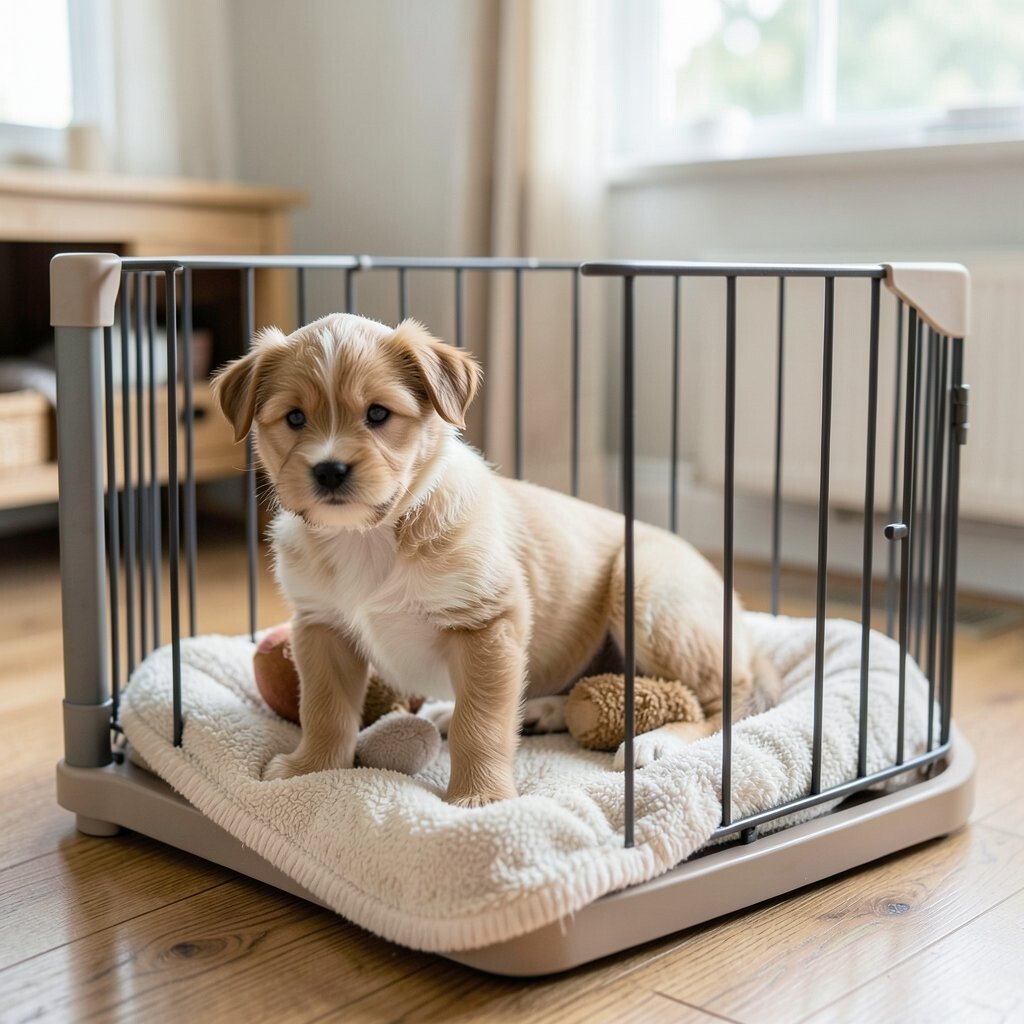
A young puppy had too much freedom and kept making messes in different rooms. The owner started using a crate that was just big enough for the puppy to stand, turn, and lie down.
They made the crate a nice place with a soft blanket and a chew toy. The puppy began to see it as a rest spot, not a punishment, which made the whole plan work much better.
Crate time helped the owner watch the puppy’s needs more closely and take him out before accidents happened. It also saved time and cleaning costs, since fewer mistakes meant less work on the floors and rugs.
5. The Dog Who Learned by Going Out Often
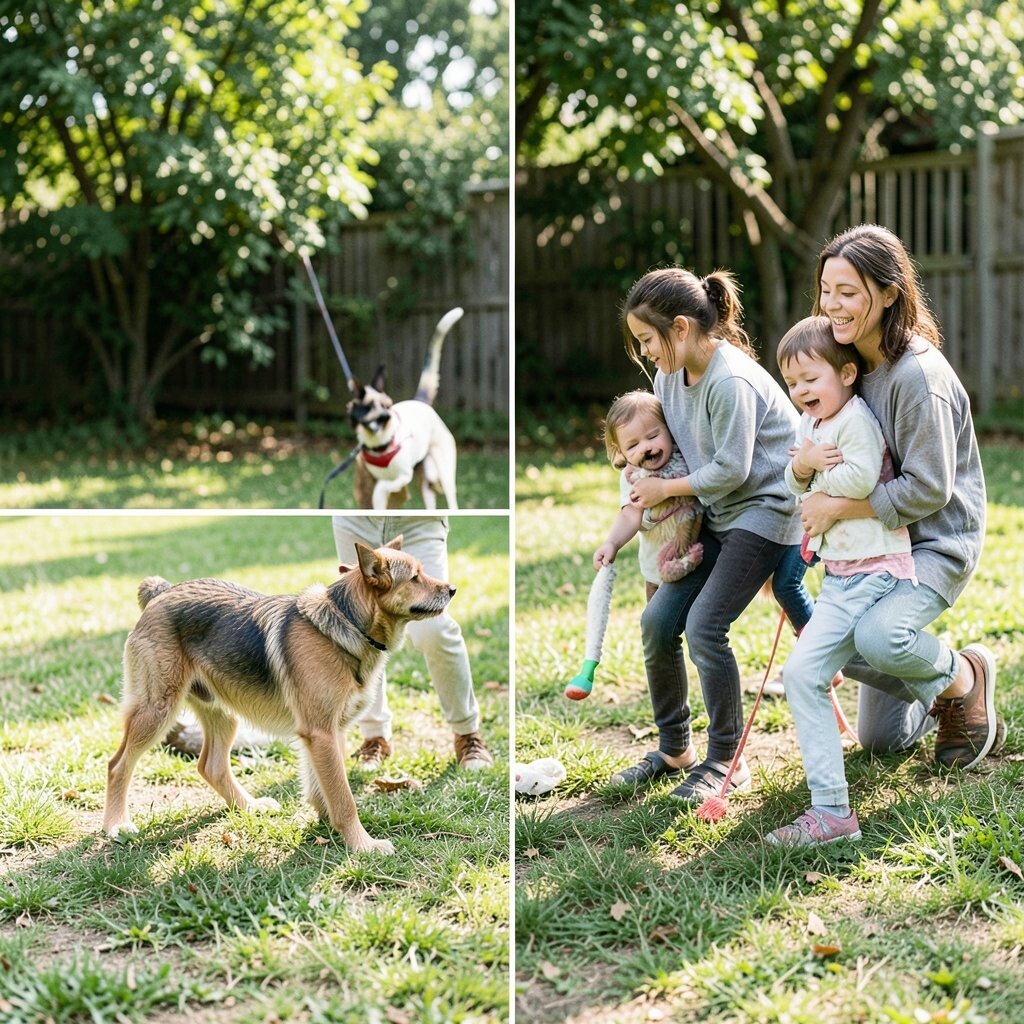
One family had a dog who never seemed to ask to go out, so they stopped waiting for signs and used a simple routine. They took the dog outside often, especially after sleep, play, and meals.
The yard was plain, but it gave the dog a clear place to do the right thing. The family kept the trips short at first, then slowly gave more freedom as the dog got better.
This plan worked well because it was easy to repeat and did not cost much. It also matched a common trend in training, where steady timing matters more than big rewards or fancy tools.
6. The Rescue With Past Bad Habits
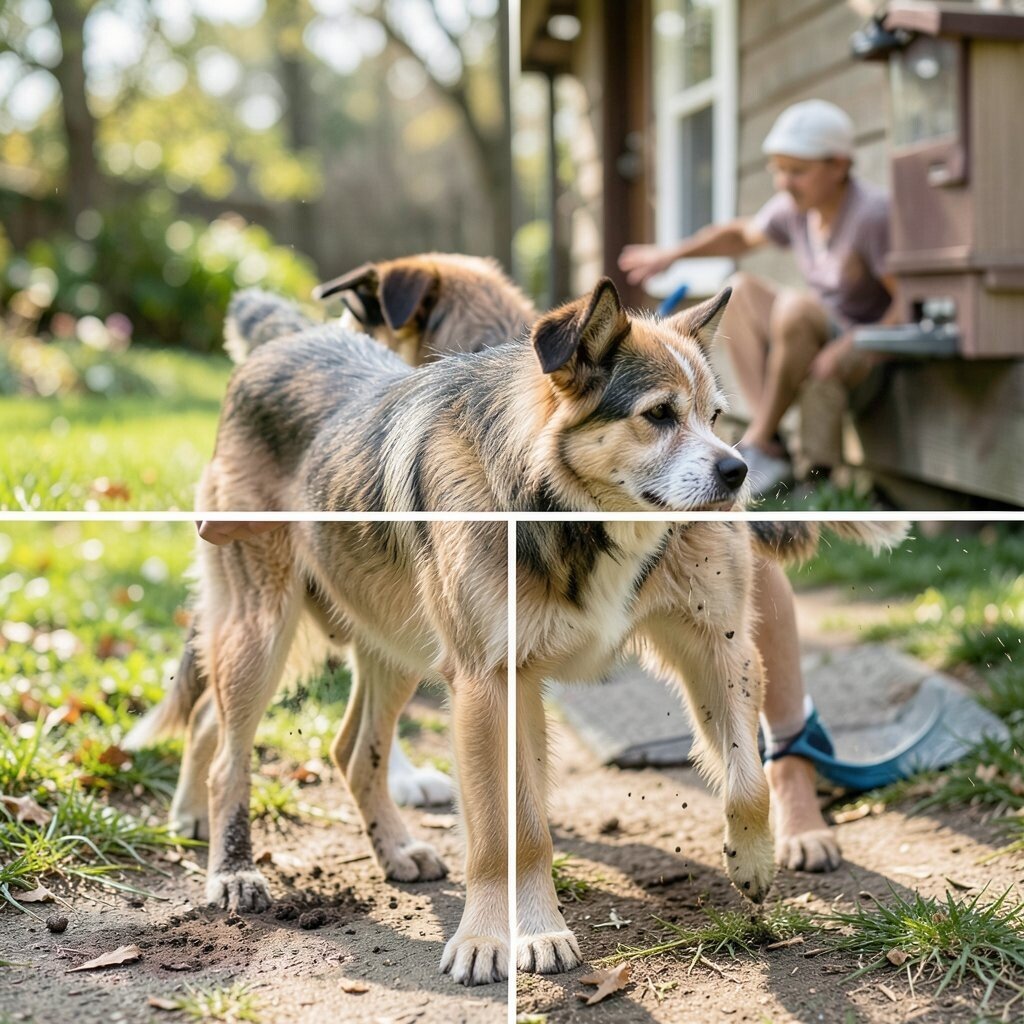
A rescue dog came from a place where he had little chance to stay clean, so he did not see the house as a place to avoid messes. The new owner had to start from the very beginning, even if the dog seemed grown.
They used fresh air breaks, close watching, and quick praise when the dog went outside. The owner also cleaned old spots well so the dog would not keep using the same place again.
What made this story stand out was the patient start over. It showed that a dog with a rough past may need a new way of learning, not punishment for old habits.
7. The Tiny Dog Who Needed a Better View
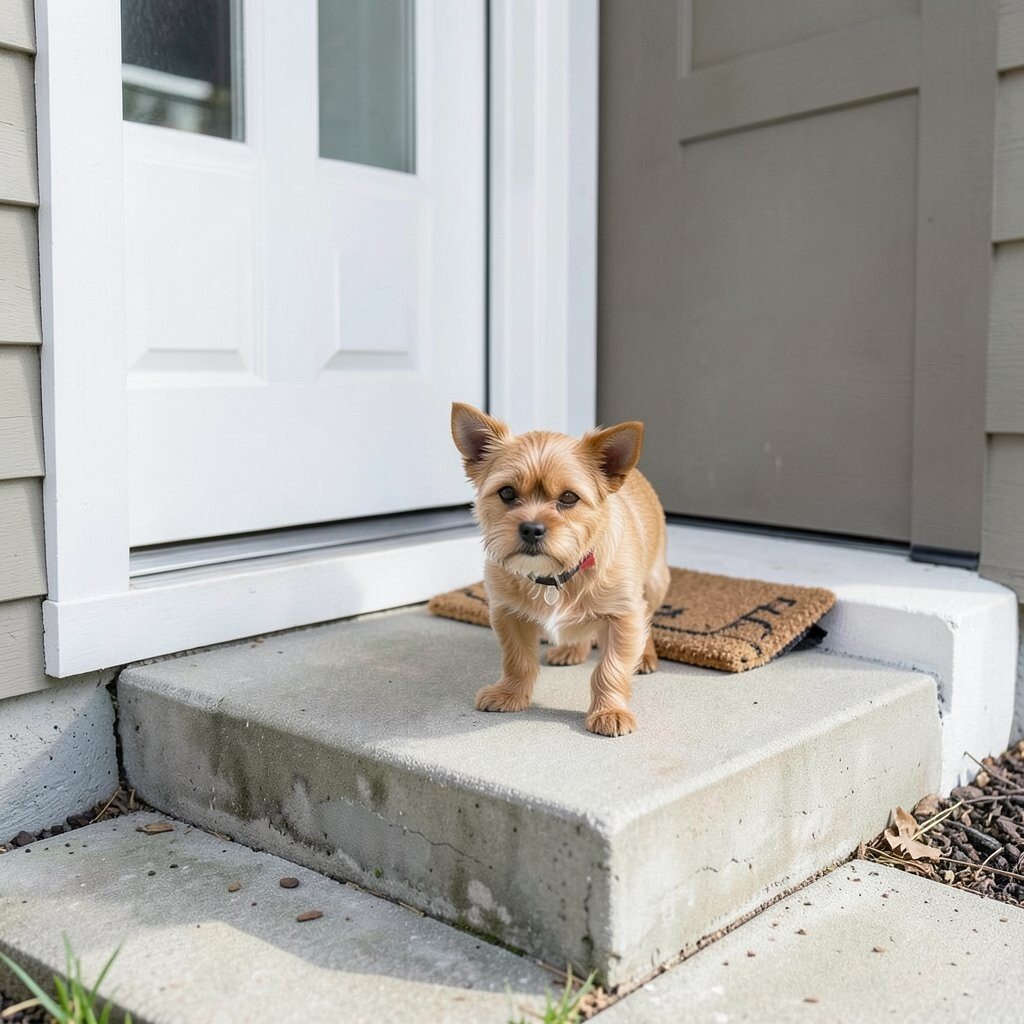
A tiny dog had trouble with house training because the outside steps were too hard and the door was too high. The owner added a small ramp and a low mat by the door so the dog could move with less strain.
The setup looked neat and simple, and it made the home safer too. The dog could get outside faster, which lowered the chance of accidents inside.
This fix was personal to the dog’s size and body, which is a key part of good training. It also showed that a small cost can bring a big gain when the right tool fits the dog well.
8. The Busy Family That Used a Shared Plan
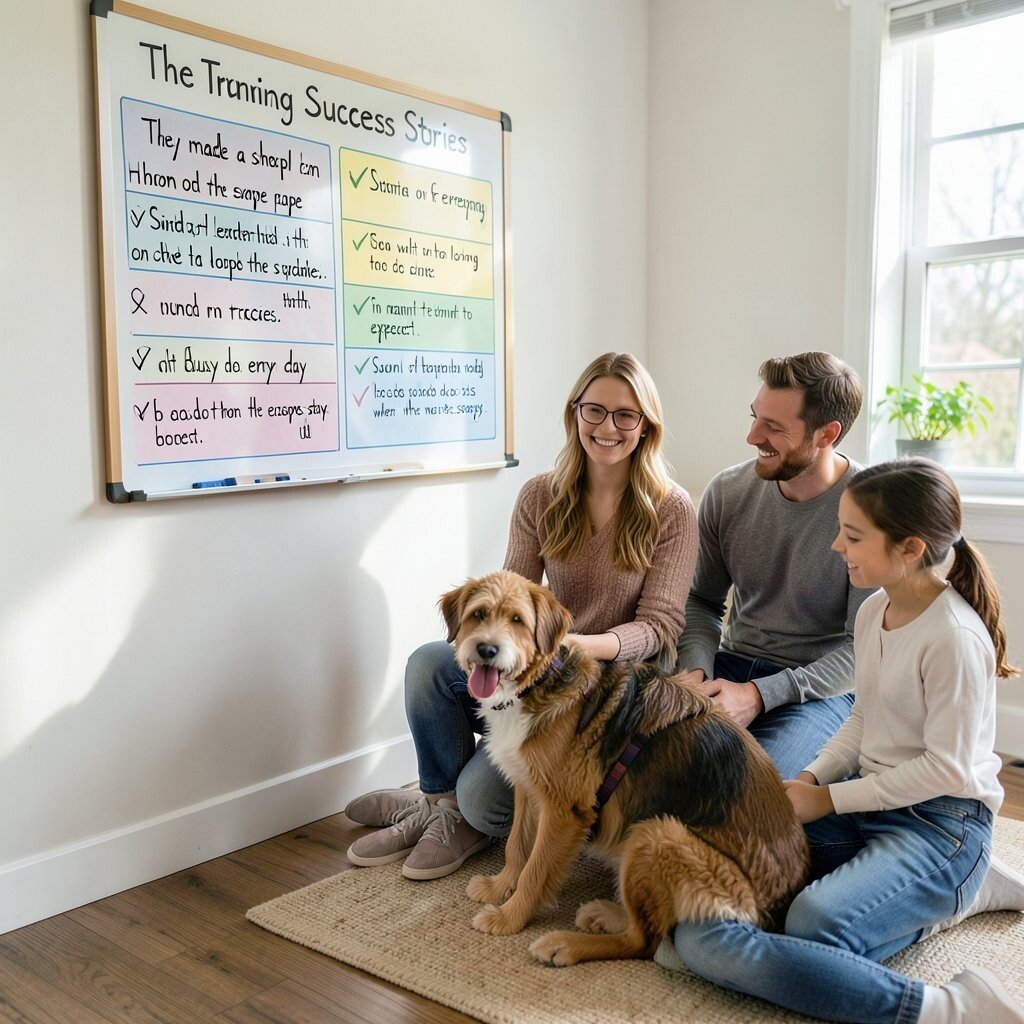
A large family had a dog who got mixed messages because each person used a different routine. One person waited too long, another forgot the leash, and the dog could not tell what to expect.
They made a shared plan on the fridge with the same words for everyone. That simple chart helped the whole home stay on the same page and cut down on mistakes.
The dog soon learned that the same rules applied every day, no matter who was home. This kind of teamwork is a strong trend in training because dogs do best when the message stays clear.
9. The Dog Who Needed Better Clean-Up
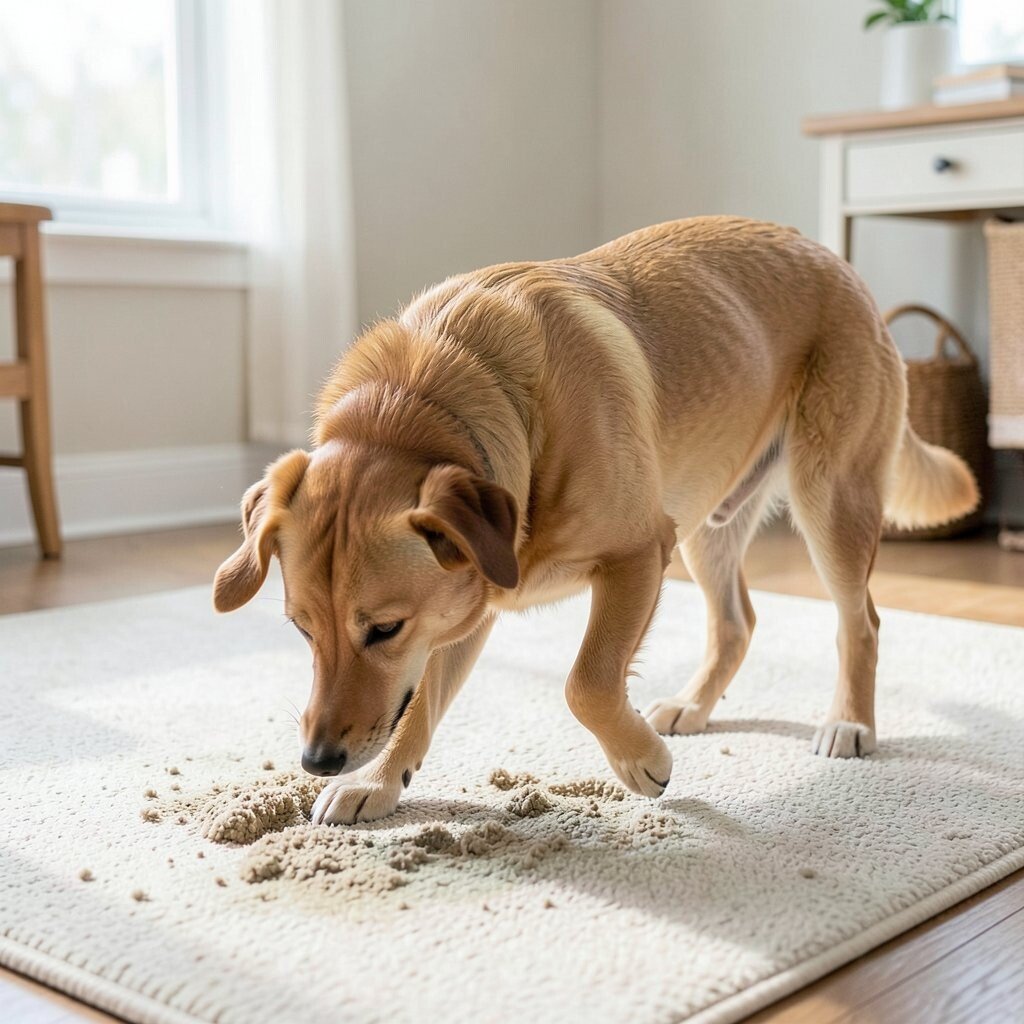
One dog kept going back to the same carpet spot, even after the family cleaned it. The problem was the smell, so they switched to a cleaner made for pet messes instead of a plain soap mix.
The new cleaner cost a little more, but it helped remove the scent that kept calling the dog back. The family also blocked off the spot for a while so the habit could fade.
This story shows that house training is not only about the dog, but also about the home. Good clean-up can save time later and make each new lesson stick better.
10. The Rainy-Day Dog Who Used an Indoor Patch
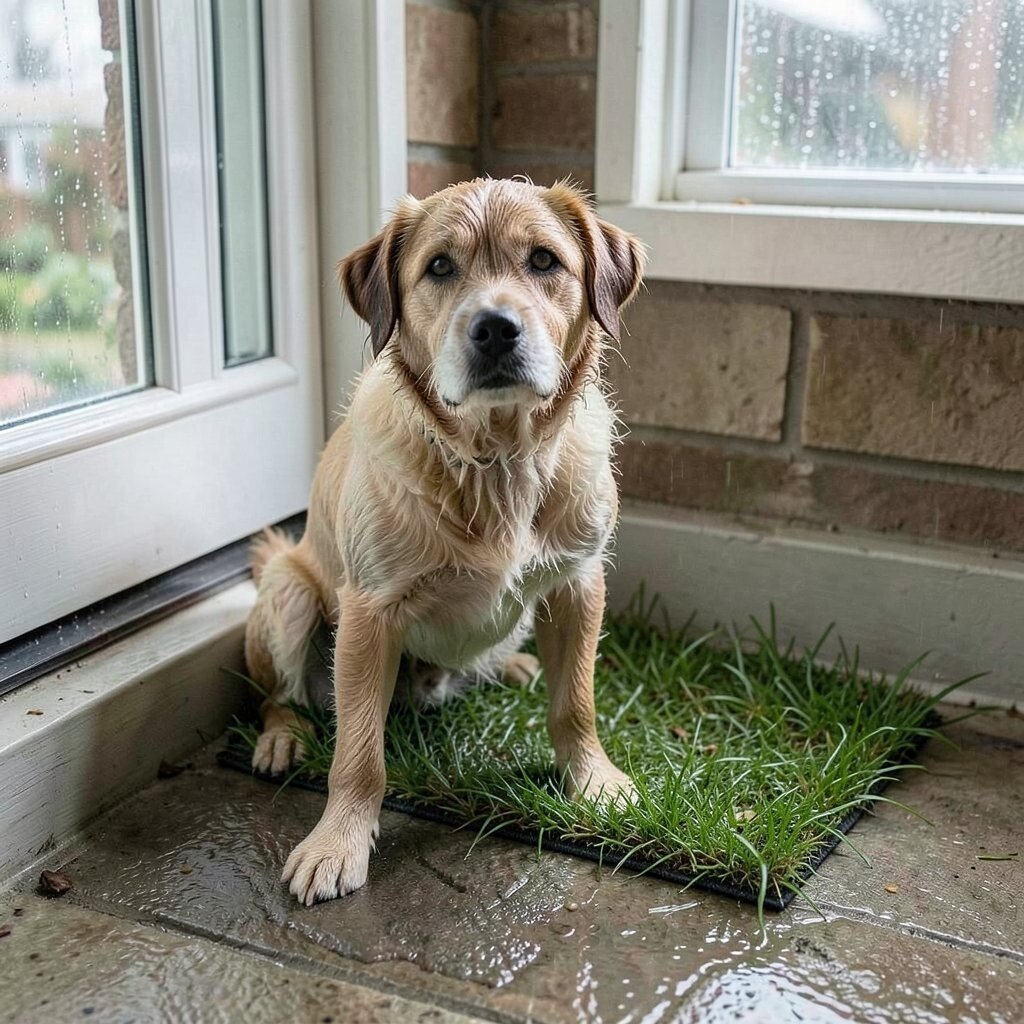
A dog in a wet climate had a hard time on long rainy days, so the owner set up a small indoor grass patch near the back door. It looked like a tiny green mat, and it gave the dog a clear backup place.
The owner still kept outdoor trips as the main goal, but the indoor patch helped on days when the weather made things hard. That kept accidents down and gave the dog a place to succeed.
This idea fit a newer trend where people use indoor potty aids for special cases. It can be useful for apartment homes, bad weather, or dogs with limited movement.
11. The Dog Who Learned From Short Praise
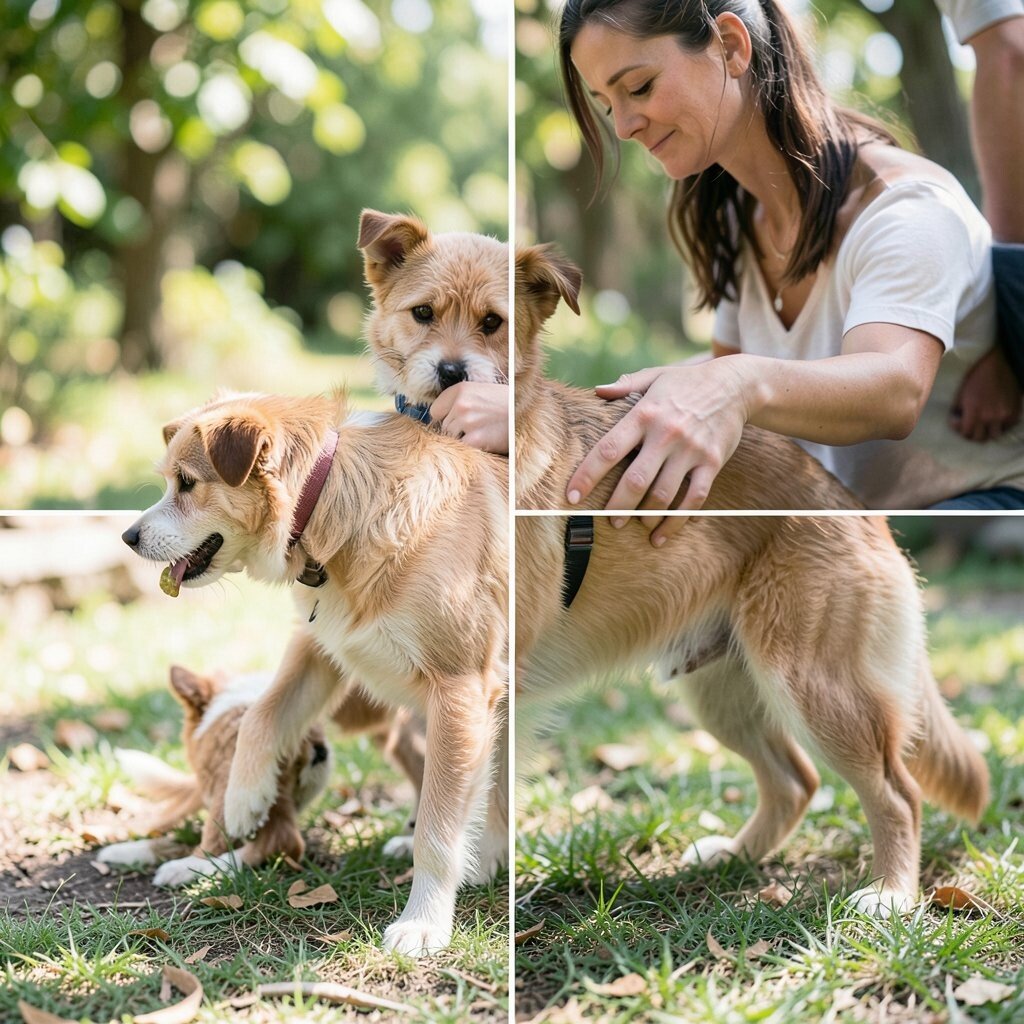
A dog did not respond well to loud praise or big treats, so the owner tried a softer style. They used a calm voice, a small snack, and a quick pat after each good trip outside.
The dog seemed less tense with this approach, and that helped him learn faster. The owner also kept the praise short so the dog could stay focused on the job.
Personal fit matters a lot here, because not every dog enjoys the same reward. A quiet dog may do better with calm support, while a bolder dog may like more energy and play.
12. The Multi-Dog Home That Used Separate Break Times
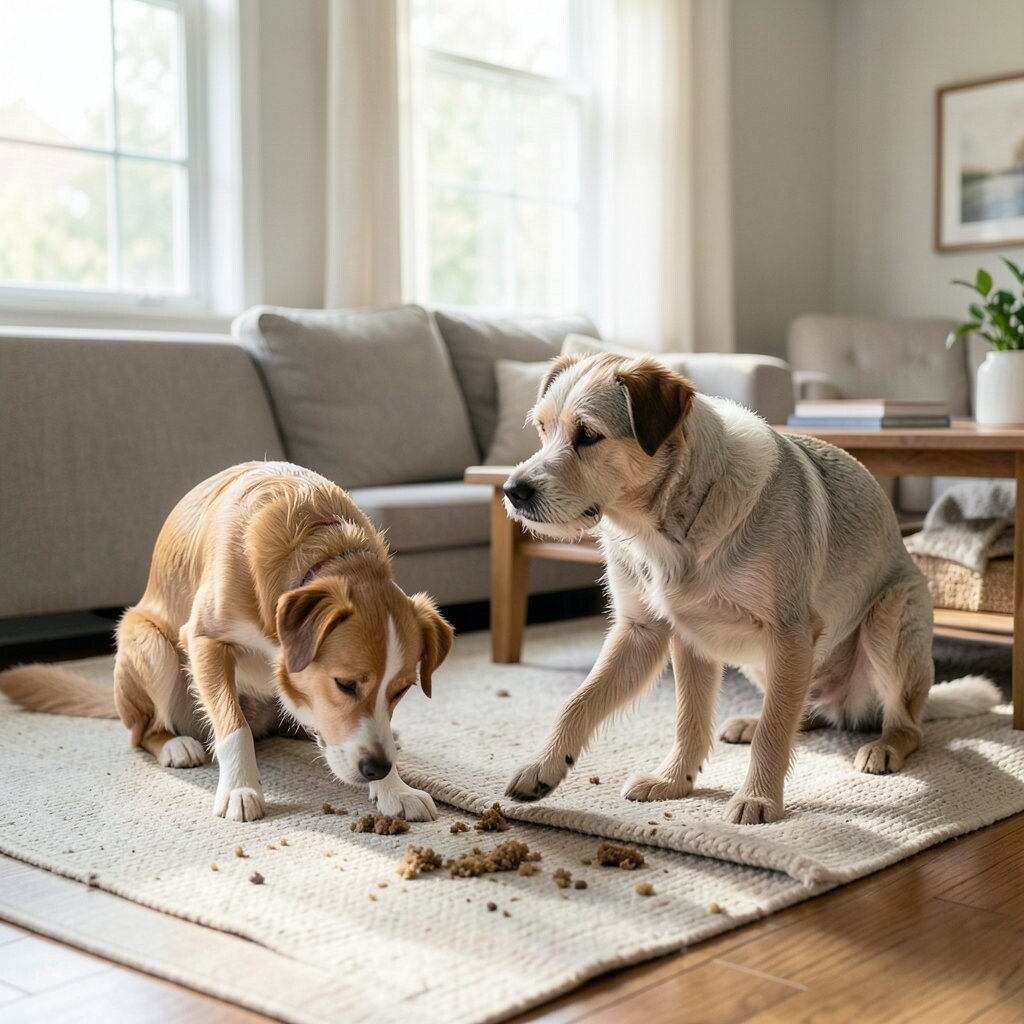
In a home with two dogs, one dog kept copying the other and making messes in the same spots. The family stopped taking them out together all the time and began giving each dog a separate break.
That change made the routine easier to watch and less noisy. It also helped the family notice which dog needed more help and which dog was already doing well.
The cost was low because the family only changed the timing, not the whole setup. This story shows that small changes in routine can make a big difference in a busy home.
13. The Dog With a Health Check First
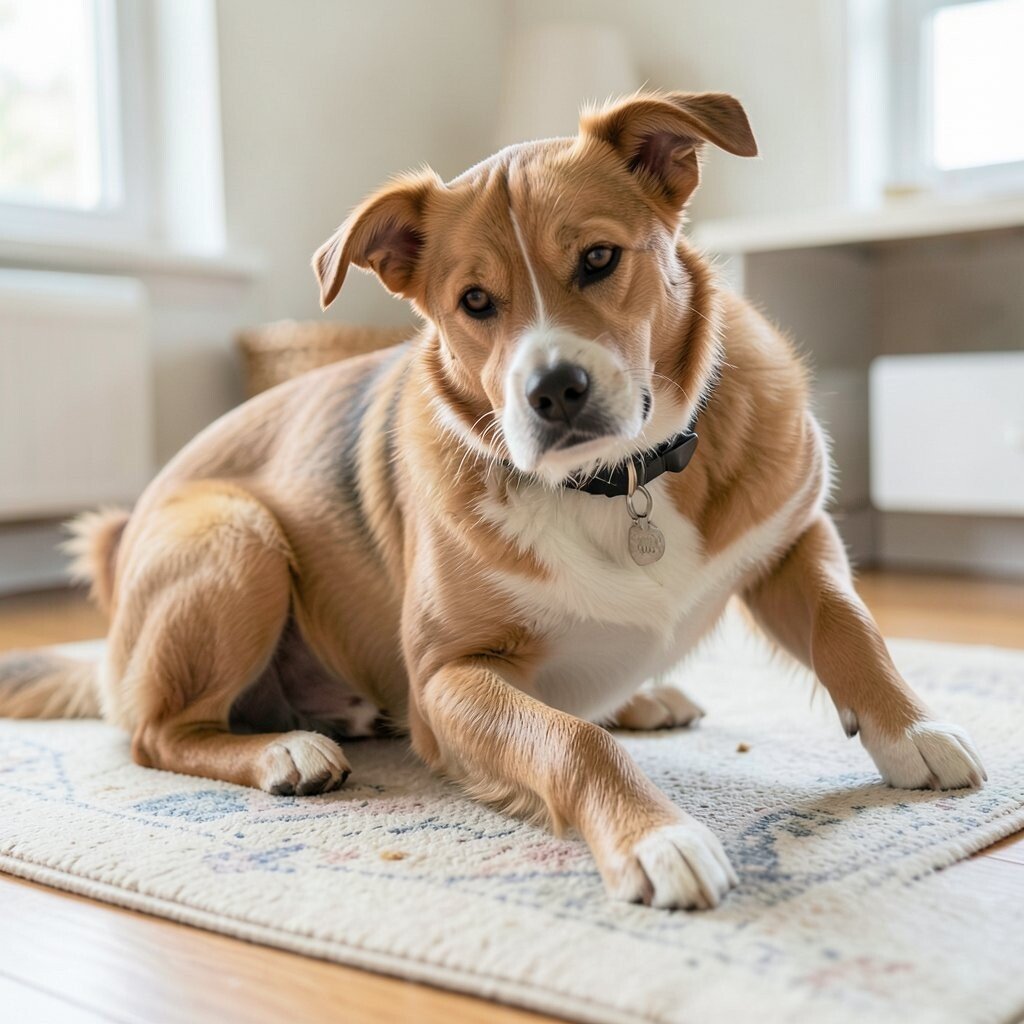
A dog kept having accidents even after the family tried many training steps, so they took him to the vet. The visit found a health issue that had been making it hard for the dog to hold it.
Once the dog got care, the family could work on training with a much better view of the problem. The home plan got simpler because they were no longer fighting a hidden medical issue.
This case is a good reminder that house training trouble is not always a behavior problem. A vet visit can save time, money, and stress when the real cause is inside the body.
14. The Long Slow Win With Daily Habits
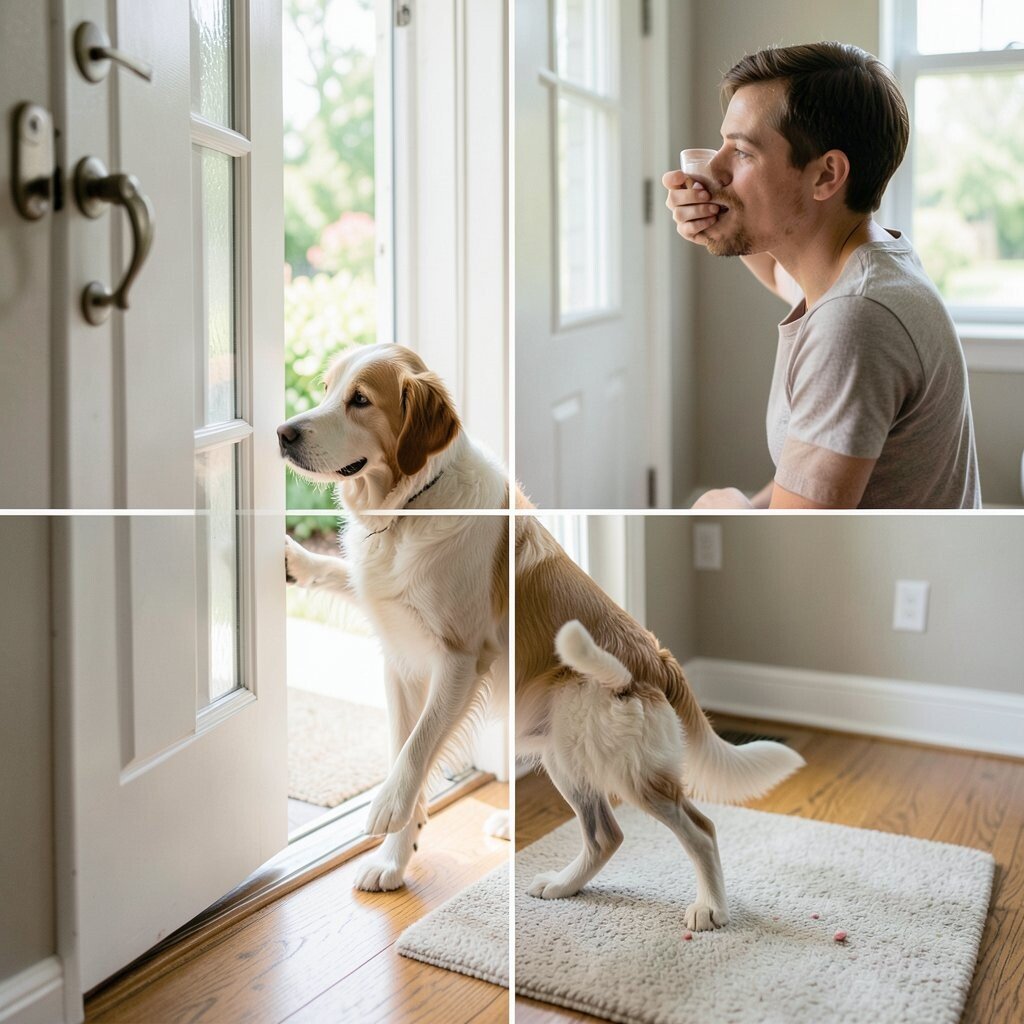
One difficult case took a long time, but the owner kept the same basic habits day after day. They used a set meal time, regular potty breaks, careful watching, and calm praise for every good try.
The home slowly changed from a place of worry to a place with a clear routine. The dog began to wait by the door, and the owner could see the pattern in his body and face.
This story stands out because it was not about one big fix. It was about steady work, small choices, and a plan that fit the dog, the home, and the family’s real life.