House training can make daily life calmer and cleaner for pets and people. A steady plan helps your pet learn where to go and helps your home stay in good shape.
1. Set a Clear Bathroom Routine
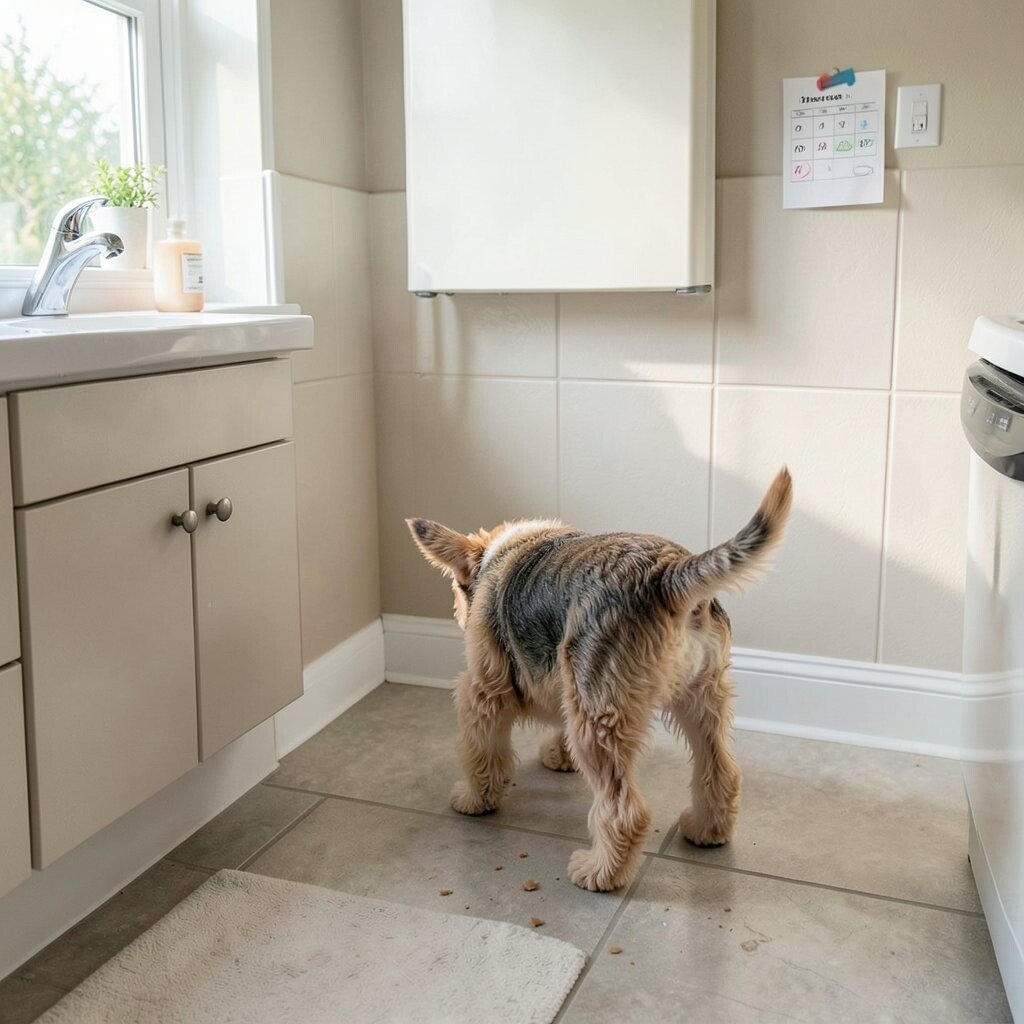
A clear bathroom routine gives your pet a simple pattern to follow each day. Take your pet out at the same times, like after sleep, after meals, and after play.
This kind of routine can help cut down on accidents and make training feel more normal. It is also low cost, since it mainly needs your time and care.
Many pet owners like to keep a small chart on the fridge or use a phone note. That small visual tool makes it easier to spot patterns and see what times work best.
2. Pick One Spot Outside
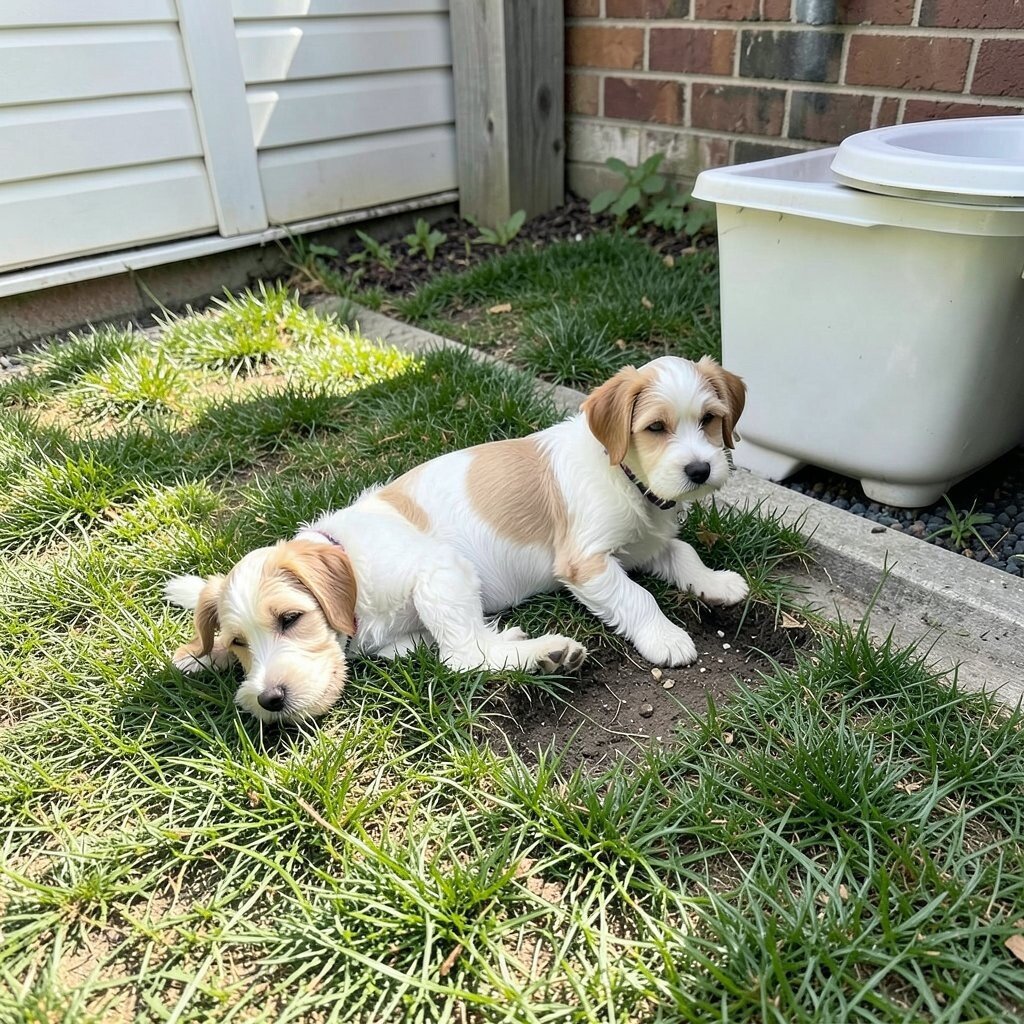
Choose one bathroom spot outside and use it each time. A steady place helps your pet link that area with the right job.
Keep the spot easy to reach and safe to walk on. If you live in a busy area, a quiet corner can help your pet stay calm and focused.
This simple step is one of the most useful parts of house training. It also fits well with a clean yard or a neat patch of grass that looks easy to use.
3. Watch for Early Signs
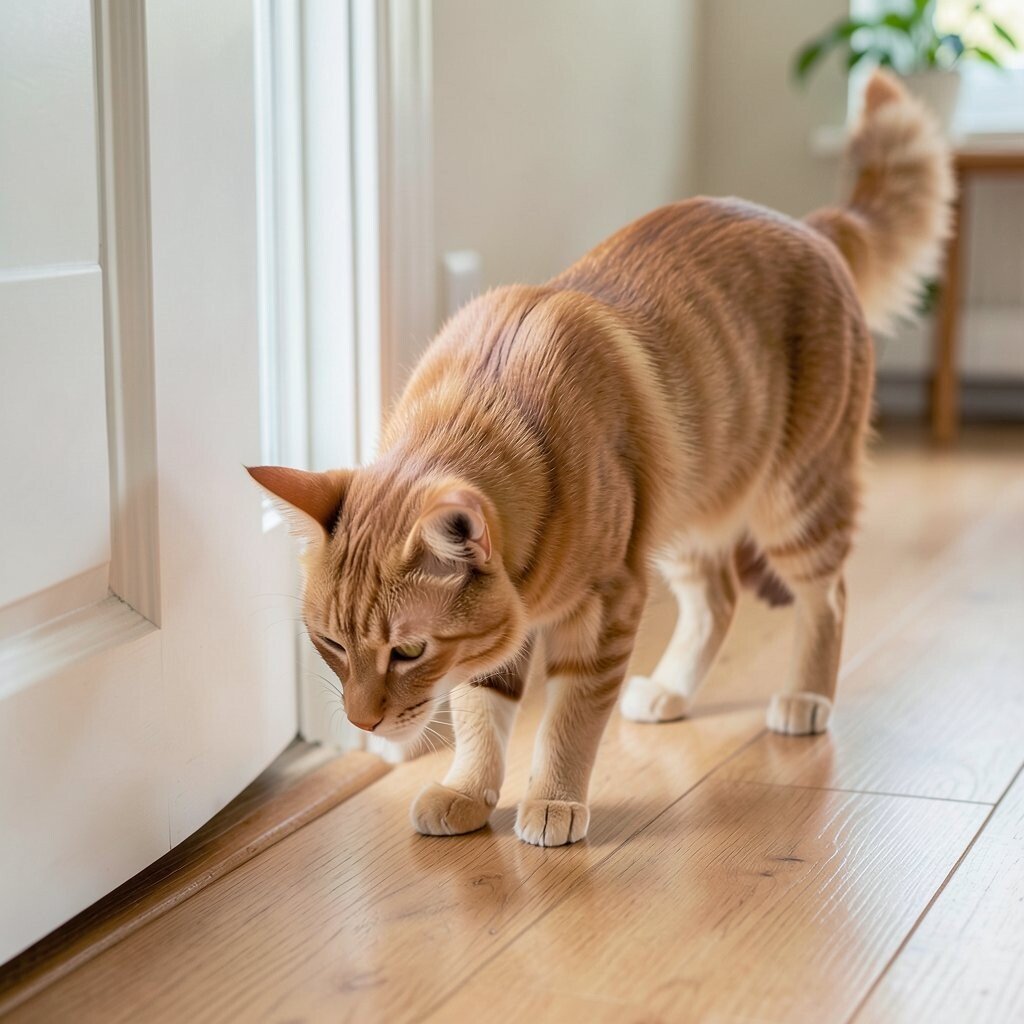
Learn the signs that your pet needs to go out. Common signs can include sniffing, circling, pacing, or standing near the door.
When you notice these signs, act fast and take your pet out right away. Quick action can stop many accidents before they happen.
It helps to keep your eyes on your pet during busy times at home. This close watch can make training feel more personal and can help you learn your pet’s own habits.
4. Use Simple Praise
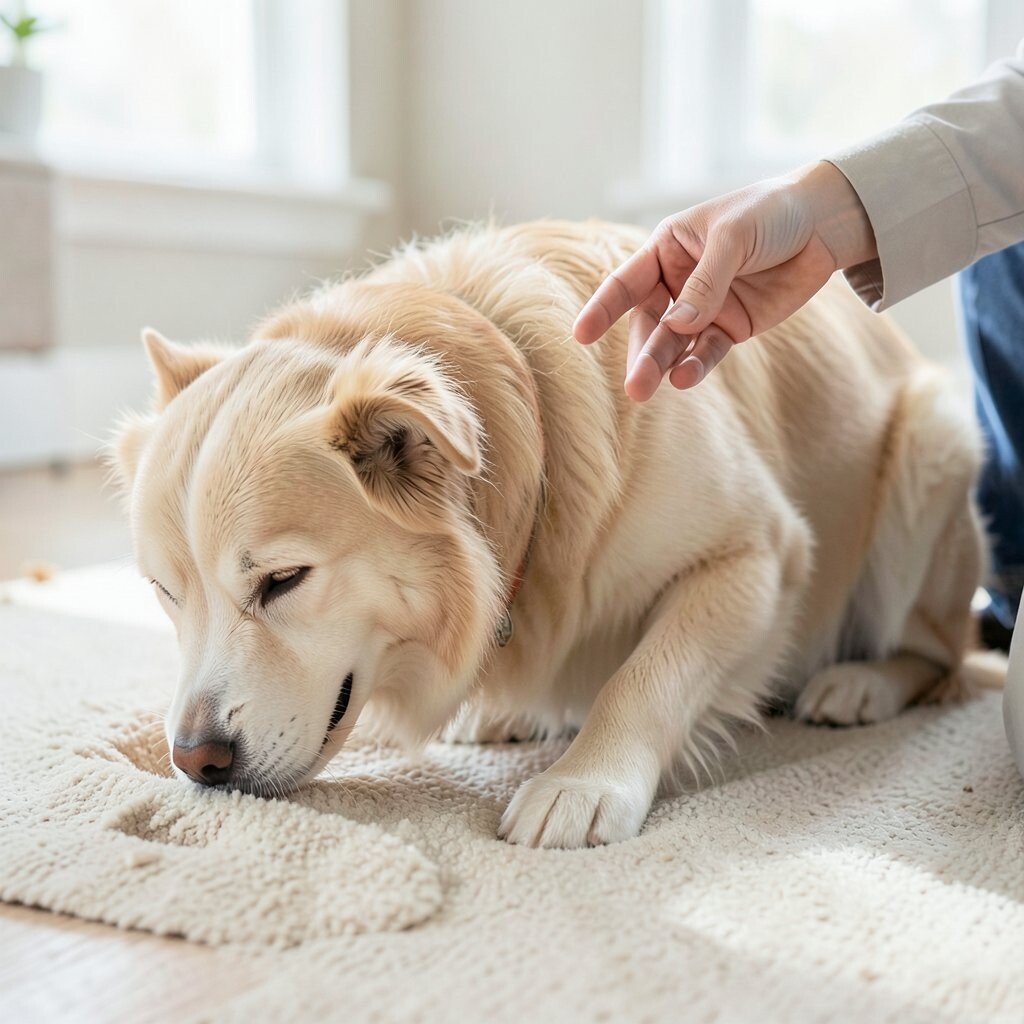
Give calm praise right after your pet goes in the right place. A kind voice, a smile, or a small treat can help your pet know what went well.
Keep the praise short and clear so your pet can link it to the action. This is a low-cost method that still works well for many homes.
Some people also use a small hand signal or a happy word each time. That small personal touch can make the lesson feel more steady and easy to repeat.
5. Keep Meals on a Schedule
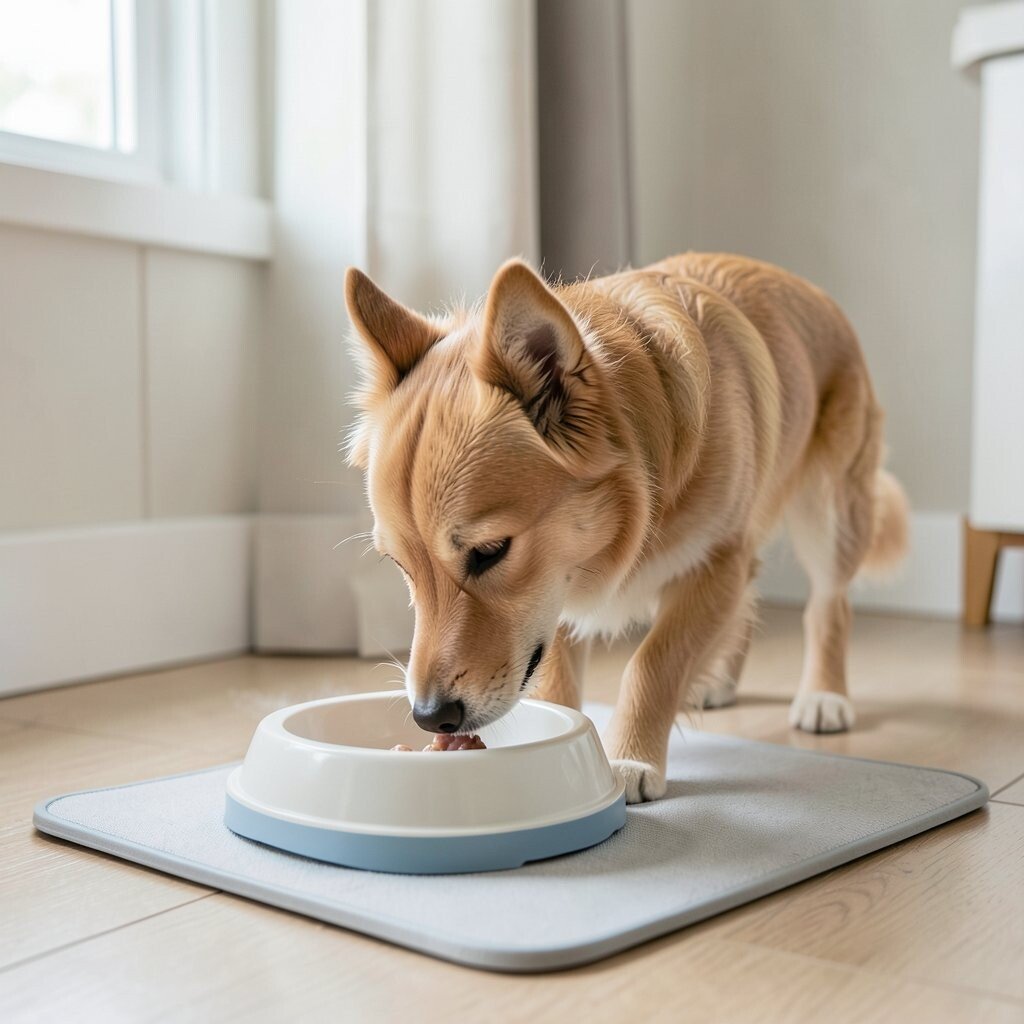
Feeding at set times can help make bathroom times more regular. When meals are steady, it is easier to guess when your pet will need to go out.
Try not to leave food out all day unless your pet truly needs that setup. A regular meal plan can help with both house training and daily health.
Many homes now use simple feeding mats or easy-clean bowls, which fit well with current pet care trends. These items can also help keep the feeding area neat and easy to wipe down.
6. Make a Crate a Safe Place
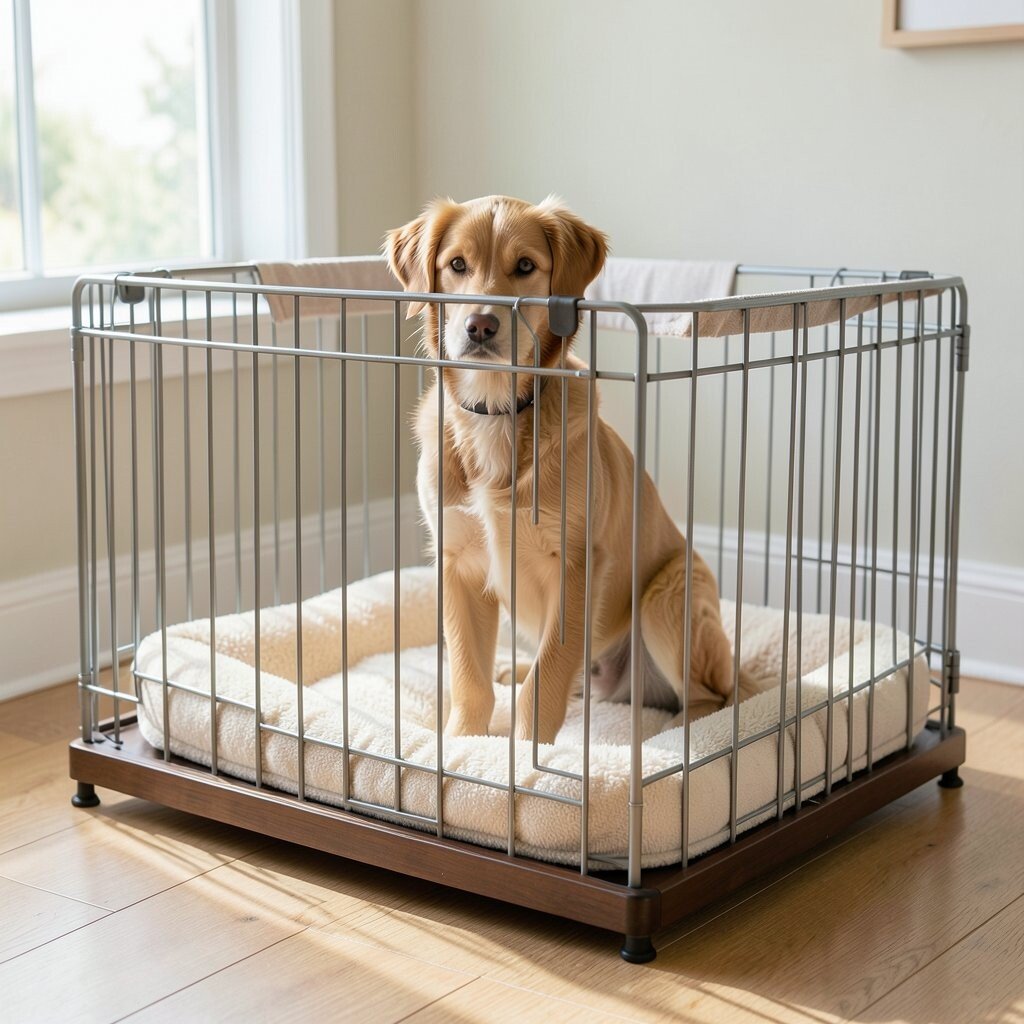
A crate can help with house training when it is used in a kind and careful way. It should feel safe, not like punishment.
Choose a crate that is just big enough for your pet to stand, turn, and lie down. If it is too large, your pet may use one side as a bathroom spot.
Add a soft bed, but keep the space simple and easy to clean. Many people like crates with a clean metal look or a soft fabric cover that matches the room.
7. Clean Accidents the Right Way
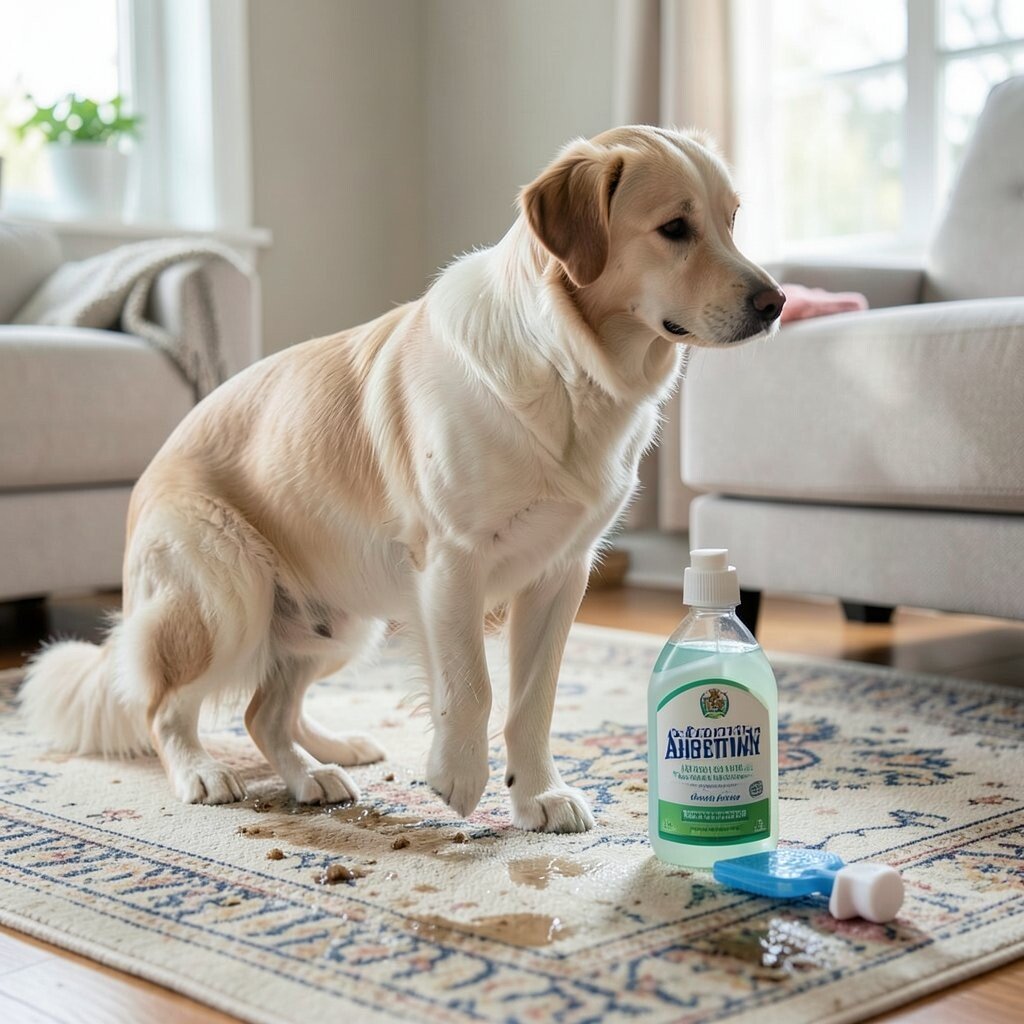
When accidents happen, clean them well right away. Use a cleaner made for pet messes so the smell does not stay behind.
If the smell stays, your pet may go back to the same spot. A good cleaner helps break that habit and protects rugs, floors, and furniture.
This is one place where cost matters, since some cleaners are cheap and some are not. A bottle that works well can save time and protect your home better than a weaker one.
8. Keep a Training Log
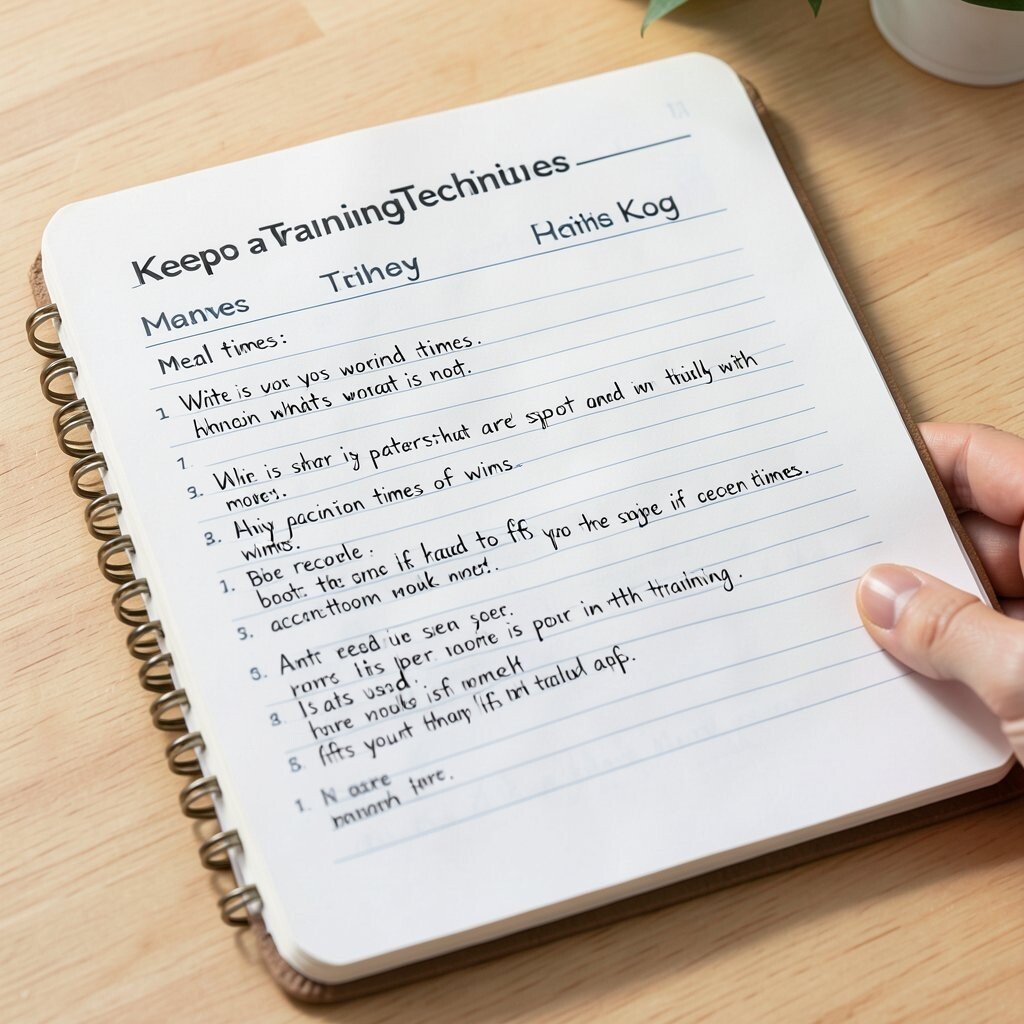
A training log can show you what is working and what is not. Write down meal times, bathroom times, and any accidents or wins.
This record can help you see patterns that are hard to spot in the moment. It is also useful if more than one person helps with training.
Some people use a paper notebook, while others use a phone app. Both can work well, and the best choice is the one that fits your daily life.
9. Make the Door Easy to Use
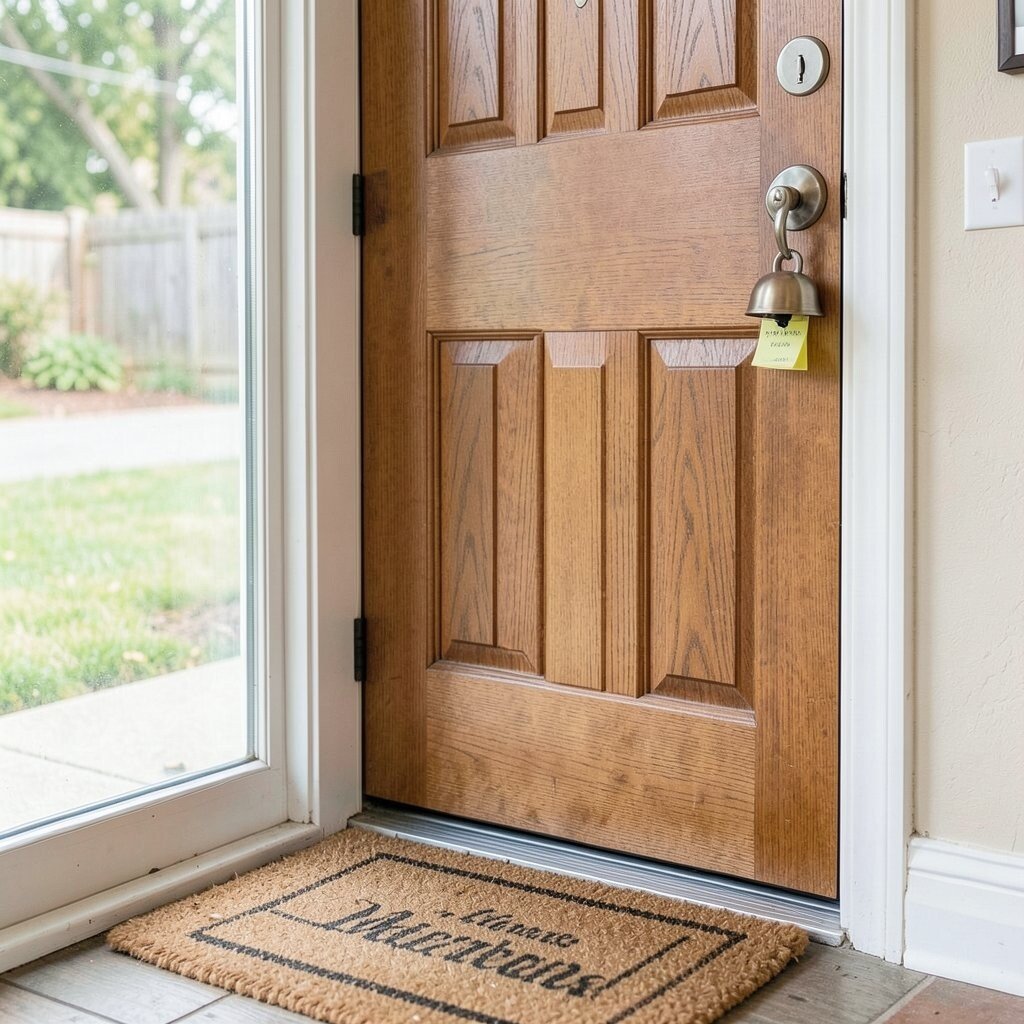
Keep the door area clear so your pet can go out fast. A blocked door can slow things down and lead to accidents inside.
You may want to use a bell, a mat, or a sticky note near the door as a reminder. These small tools can help your pet learn that the door means outside time.
Many homes now use simple door bells for pets because they are easy to hear and easy to use. They also add a neat visual touch to the training area without costing much.
10. Stay Calm During Mistakes
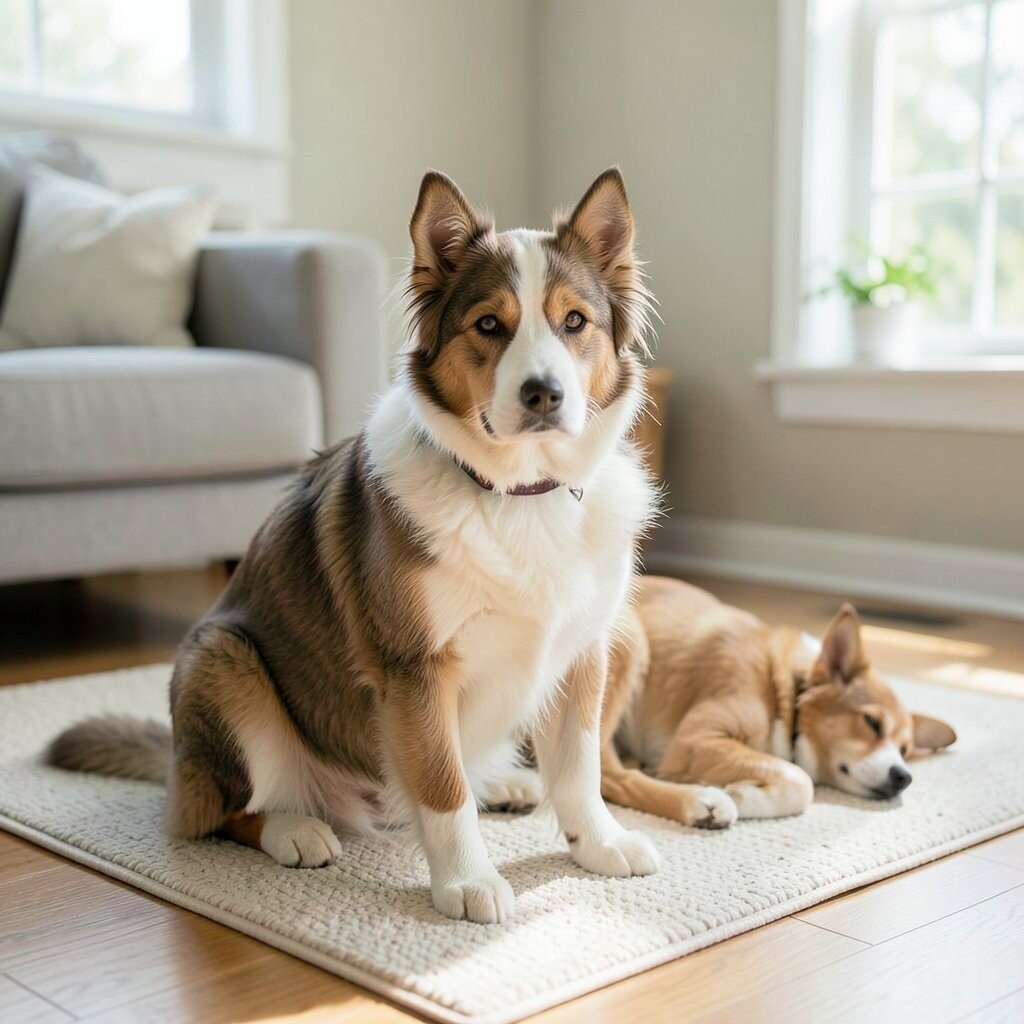
Accidents can happen, even with good training. Try to stay calm and avoid yelling or harsh moves.
Pets learn better when the home feels safe and steady. A calm response helps your pet trust you and makes the next lesson easier.
This approach is simple, but it is also one of the most important. It keeps the mood in the home steady and helps everyone feel less stressed.
11. Use Short Training Breaks
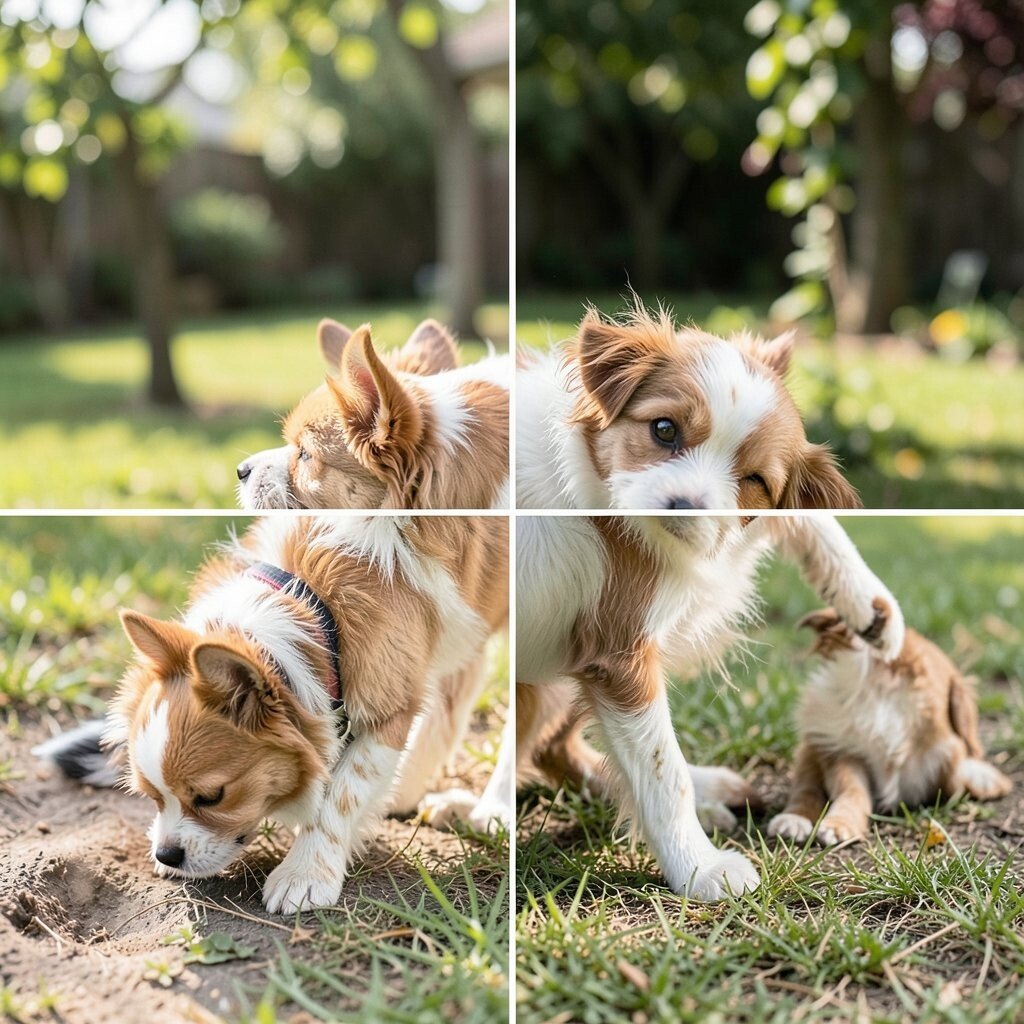
Short training breaks work better than long, tiring lessons. A quick trip outside or a few minutes of watchful time can be enough for one round.
Pets often learn best when the steps are small and clear. That makes the process feel less hard for both the pet and the person.
You can fit these breaks into daily life, like after a meal or before bed. This simple rhythm is easy to keep up and does not cost extra money.
12. Match the Plan to Your Pet
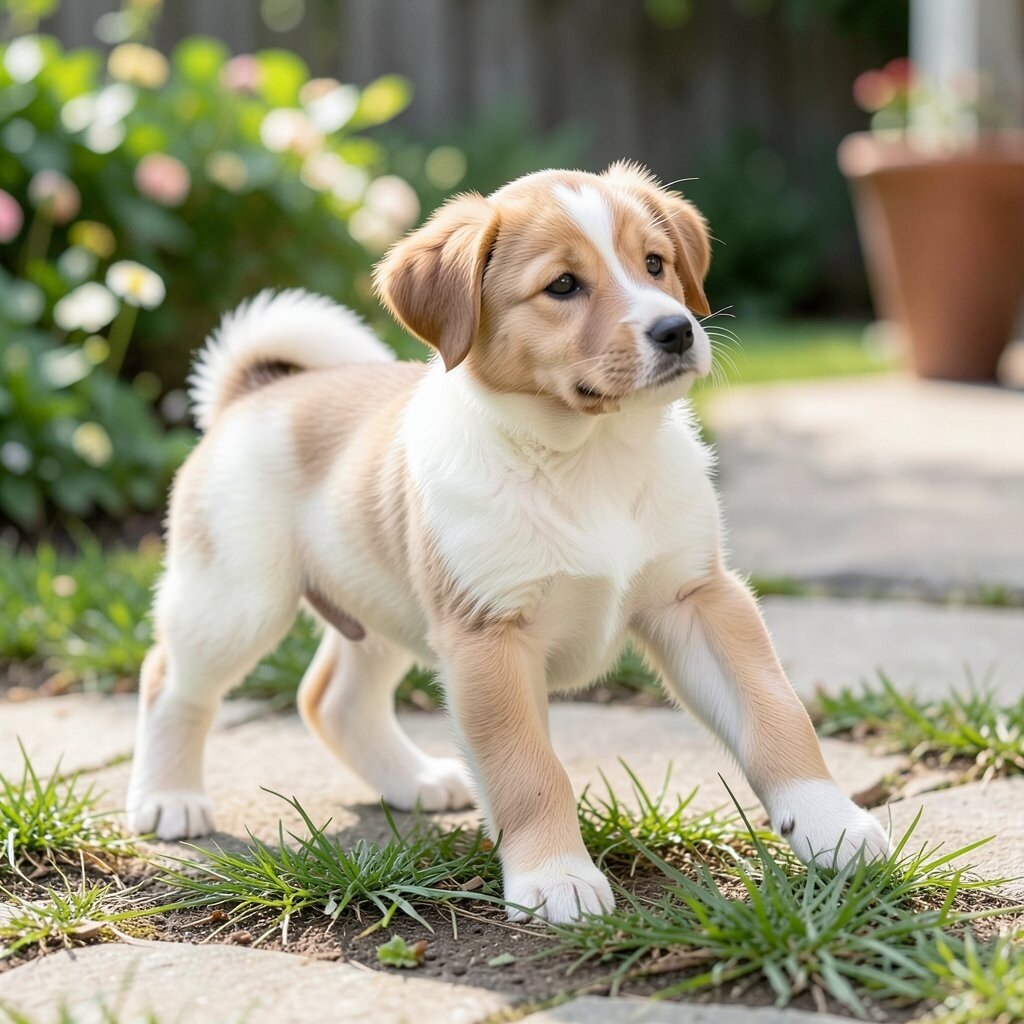
Every pet is a little different, so the plan should fit your pet’s age, size, and habits. A young puppy may need more trips outside than an older dog.
Some pets need more praise, while others do best with fewer changes at once. Personalizing the plan can help training move at a pace that feels right.
This is one reason house training is not the same in every home. A plan that fits your pet can make the whole space feel more peaceful and easier to manage.
13. Use the Right Indoor Tools
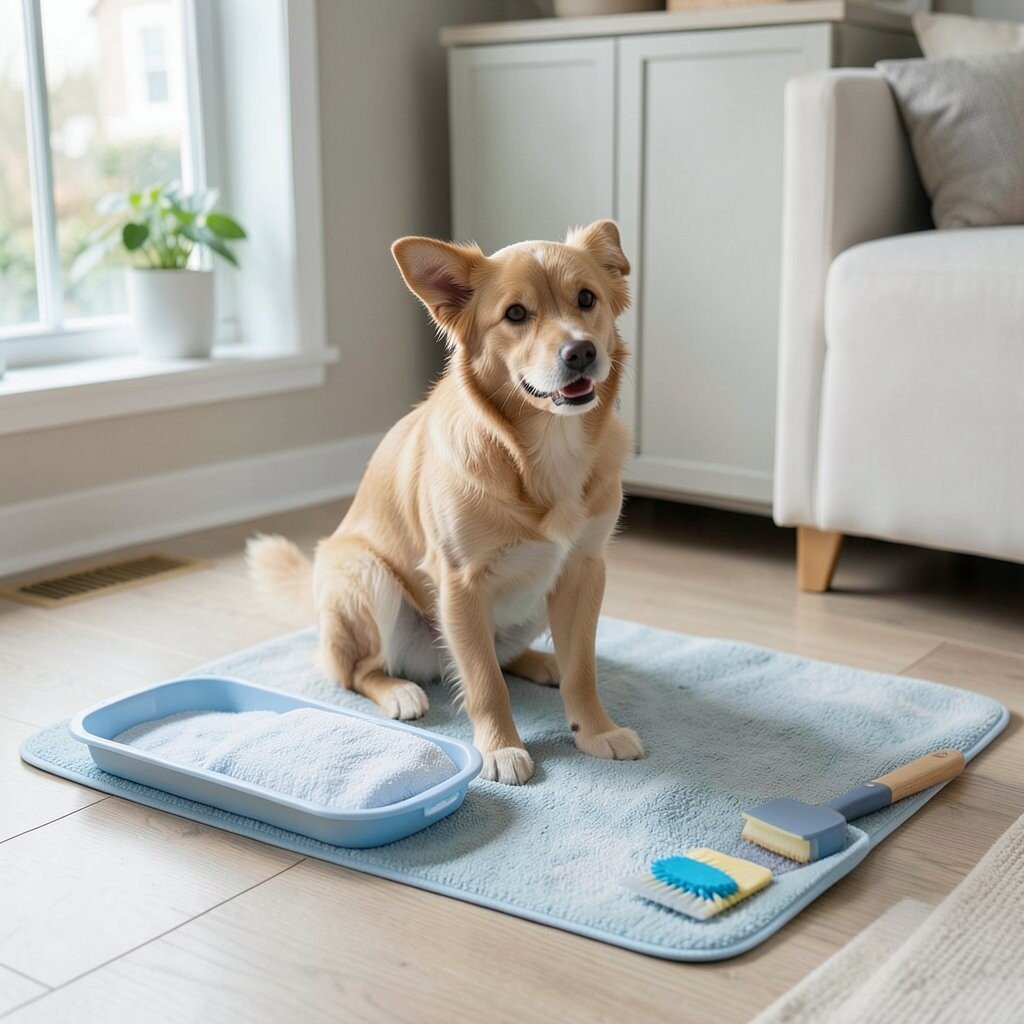
Indoor tools like pads, trays, or washable mats can help in some homes. They are useful for people who live in apartments, work long hours, or have limited yard space.
These tools should be placed in one steady spot so your pet knows where to go. A tidy setup also makes the room look more organized and less messy.
Many of these items come in simple styles that match modern home trends. Some are made to be easy to wash, which helps save time and keep costs under control.
14. Keep Family Rules the Same
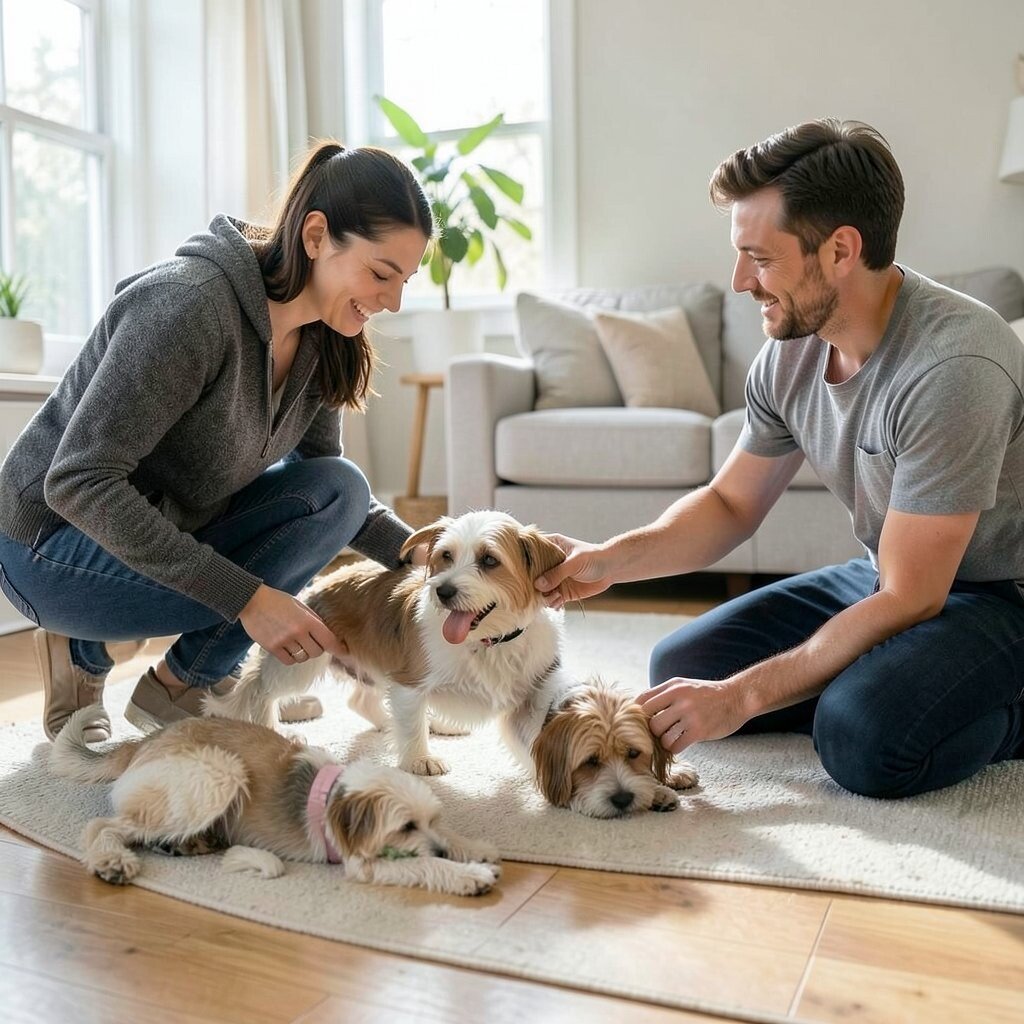
Everyone in the home should follow the same training rules. If one person gives a treat for the right spot and another ignores it, the pet may get mixed messages.
Talk through the plan so each person knows when to take the pet out and how to respond to accidents. This shared plan can make the home feel more steady.
It also helps the pet learn faster because the same steps happen each time. A united routine is simple, but it can make a big difference in daily life.
15. Add Small Rewards That Fit Your Pet
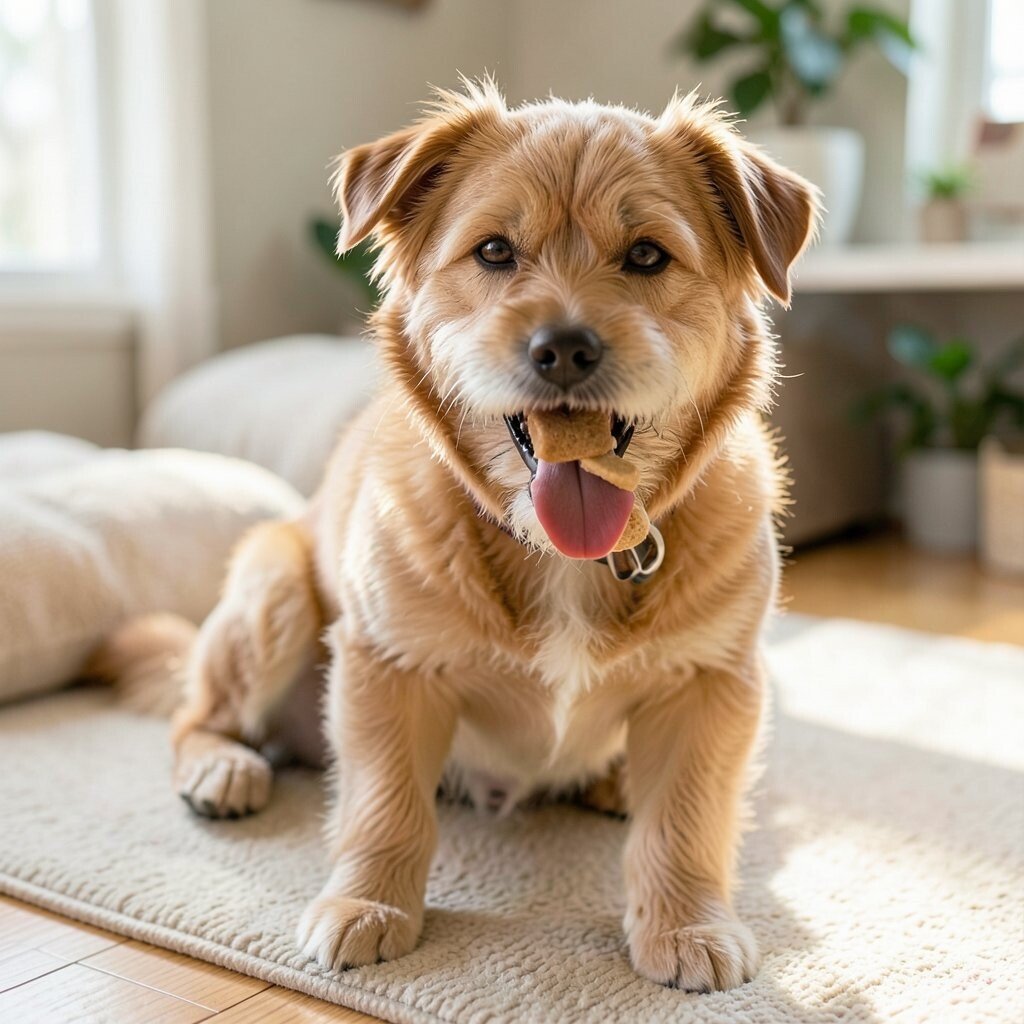
Small rewards can help your pet repeat the right behavior. A tiny treat, a short play break, or a kind word can all work well.
Keep rewards small so your pet stays healthy and does not expect too much food. The goal is to make the right choice feel good and easy to repeat.
Some owners use a mix of treats and praise, while others use toys or a quick walk. Personal rewards can make training feel more special and can fit your pet’s own likes.
16. Be Patient and Keep Going
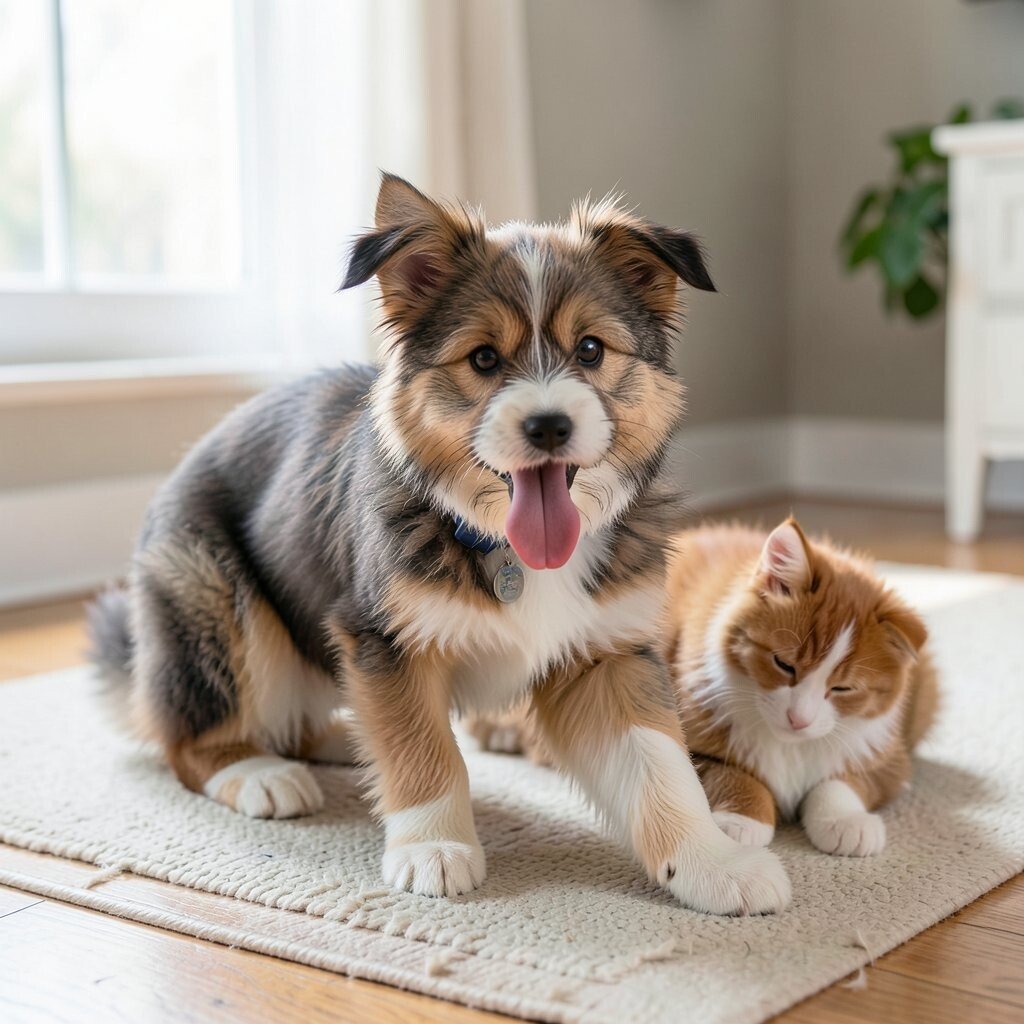
House training takes time, and slow progress is still progress. Some days will go well, and some days may not.
Keep using the same steps, even when the results are not perfect right away. A steady plan helps your pet learn and helps your home stay more comfortable.
This final habit costs nothing, but it matters a great deal. Patience gives your pet room to learn in a safe way and helps build a happy home for everyone.