Repurposed items can save money and add charm to a space. But some choices can cause more work, waste, or regret.
1. Skipping a Close Look at Wear and Damage
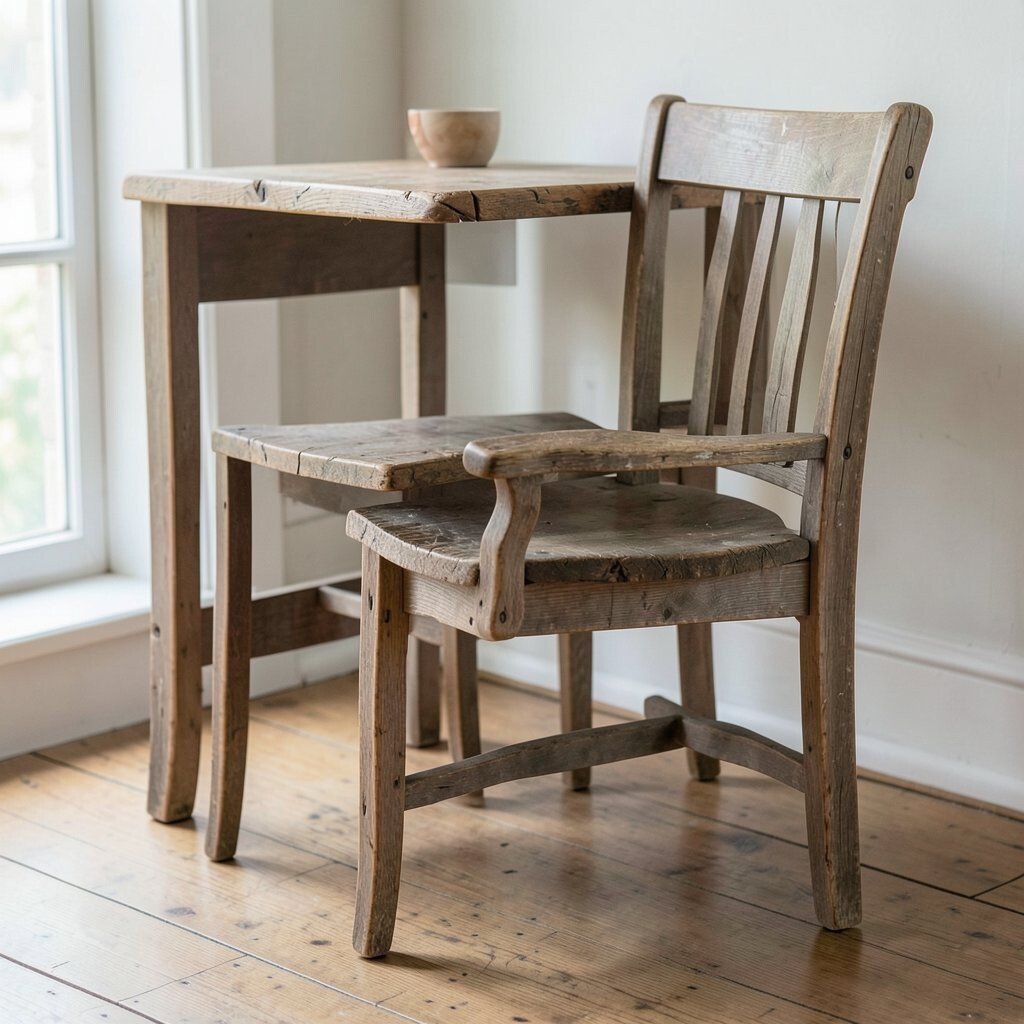
One big mistake is buying an item before checking it well. A chair, table, or shelf may look fine from far away, but close up it can have cracks, loose joints, stains, or hidden mold.
This matters because damage can make the item unsafe or hard to use. A good rule is to look at all sides, touch the weak spots, and ask how it was stored.
Repurposed pieces often have more age than new ones, and that can be part of their charm. Still, you want the item to be solid enough for daily use, not just nice in a photo.
2. Buying Without Knowing the Item’s Past Use
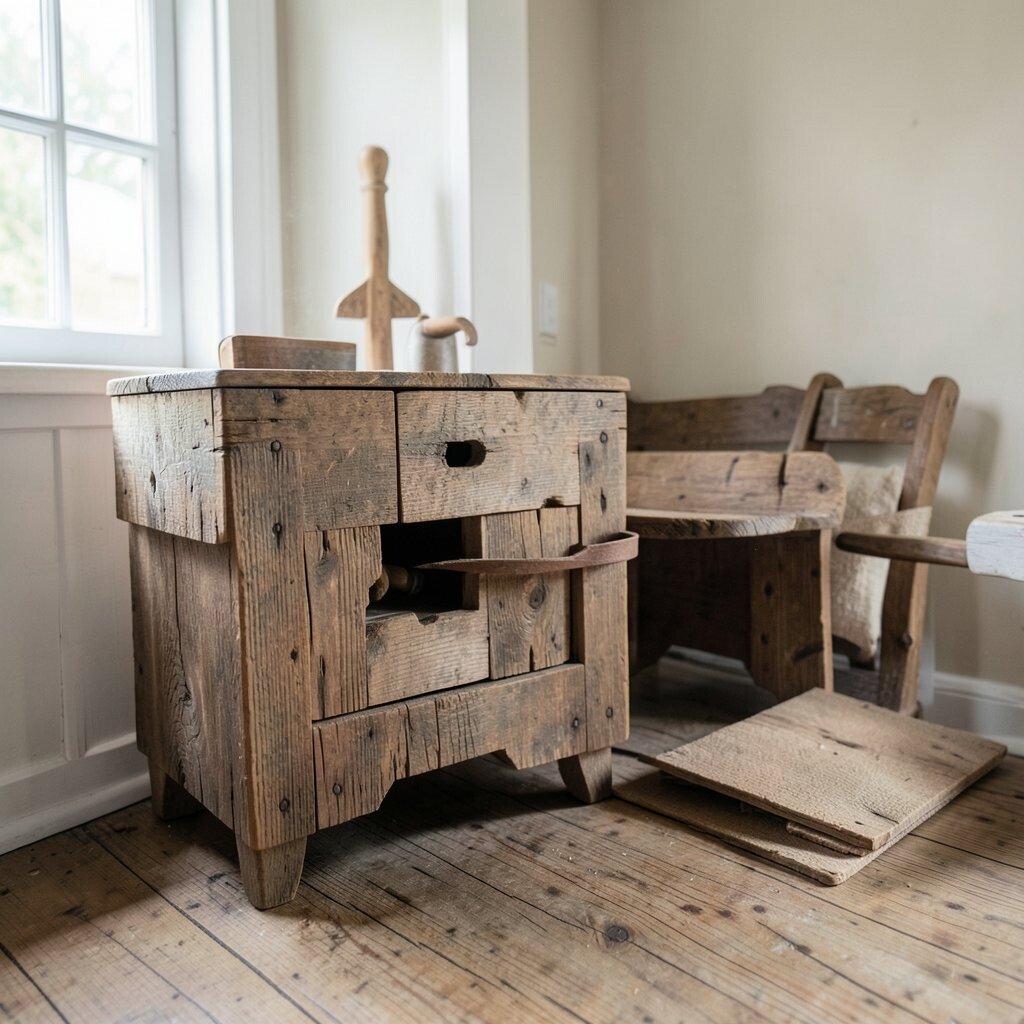
Another mistake is not asking what the item was used for before. A piece made for a dry indoor room may not work well if it spent years outside or in a damp garage.
The past use can affect smell, strength, and safety. For example, wood from an old barn may be full of character, but it may also need deep cleaning or repair before it fits in a home.
Knowing the history also helps you make a better choice for your space. Some people like items with a clear story, while others want something simple and plain.
3. Ignoring Size and Shape Before You Buy
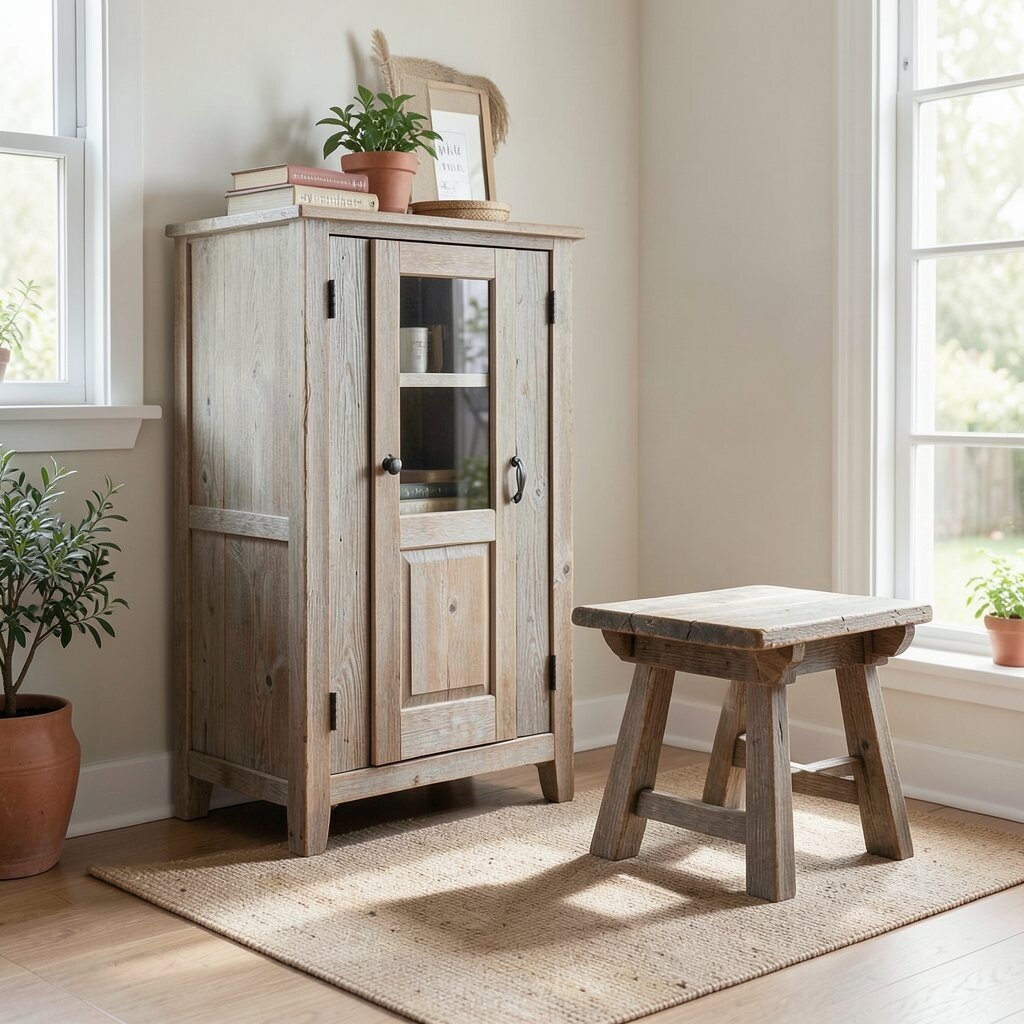
Many people fall in love with a repurposed item and forget to measure it. A cute cabinet or old bench can look great in a store, but it may be too tall, too wide, or too deep for the room.
Size matters because repurposed items are often one of a kind. You may not find another piece that matches, so it helps to measure your space first and bring those numbers with you.
Shape is important too, since odd corners or thick legs can change how an item fits. A small table with a bulky base may take up more room than you expect.
4. Forgetting the Cost of Repairs
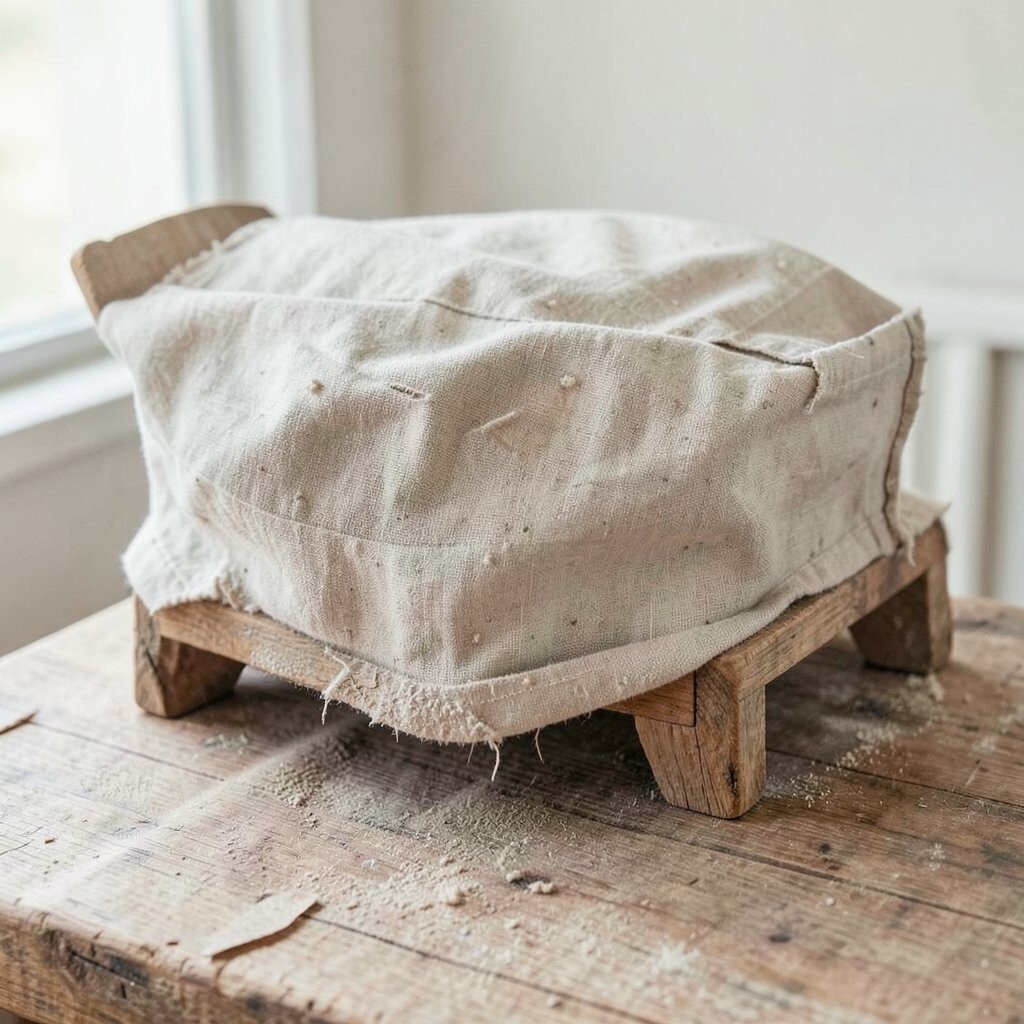
Some buyers focus only on the low price tag and forget what comes after. A cheap repurposed item may need sanding, paint, screws, new fabric, or a full fix before it is ready to use.
Those extra costs can add up fast. It is smart to compare the total price of the item plus repair supplies with the cost of a ready-to-use piece.
Repurposed items can still be a good deal, but only if the math works. If the repair bill is too high, the bargain may not be a bargain at all.
5. Choosing Style Over Daily Use
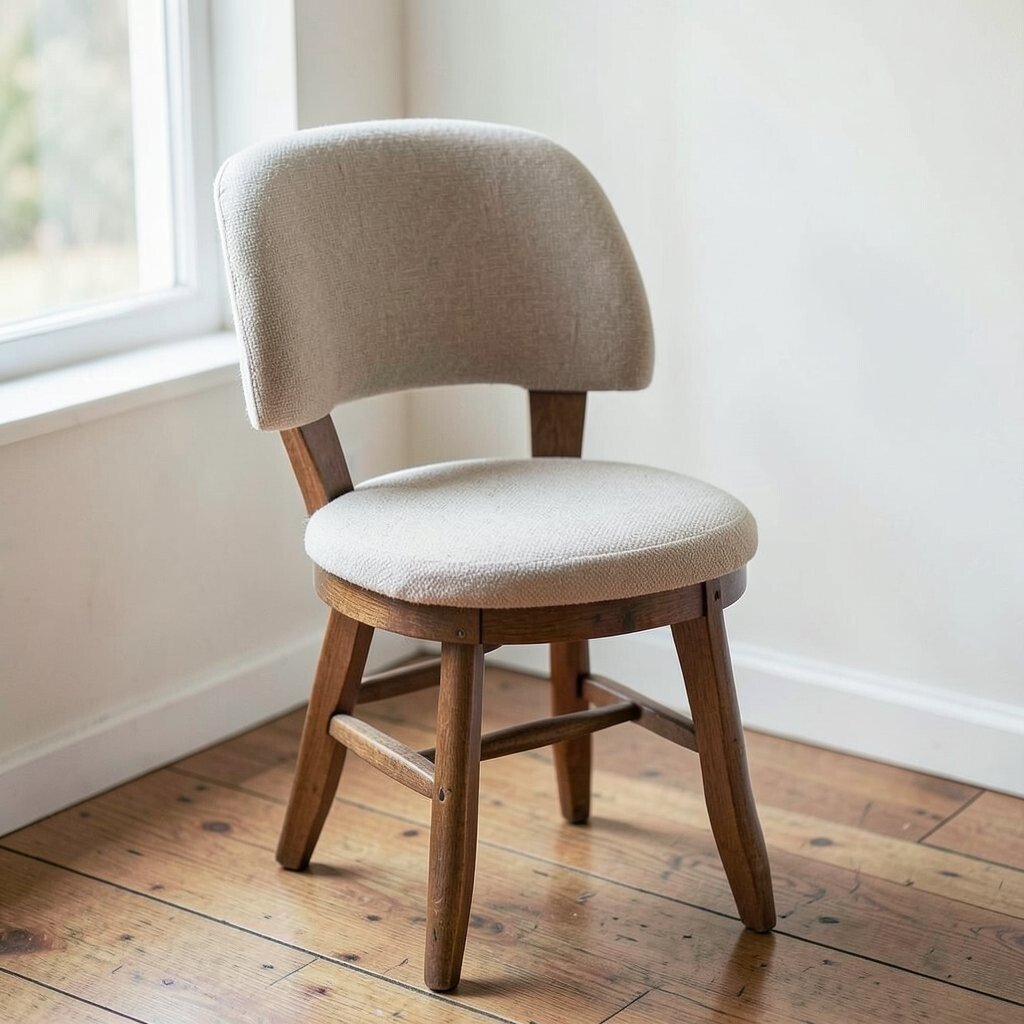
A lot of people pick an item because it looks cool, but they do not think about how they will use it. A pretty chair may have a hard seat, or a vintage shelf may not hold the weight of your books.
Good repurposed items should fit both your style and your life. If you need a kitchen stool for daily use, comfort and strength matter more than a fancy look.
It helps to ask simple questions like, “Will I use this often?” and “Will it still work next month?” That keeps you from buying something that looks nice but does not fit your needs.
6. Overlooking Safety Problems
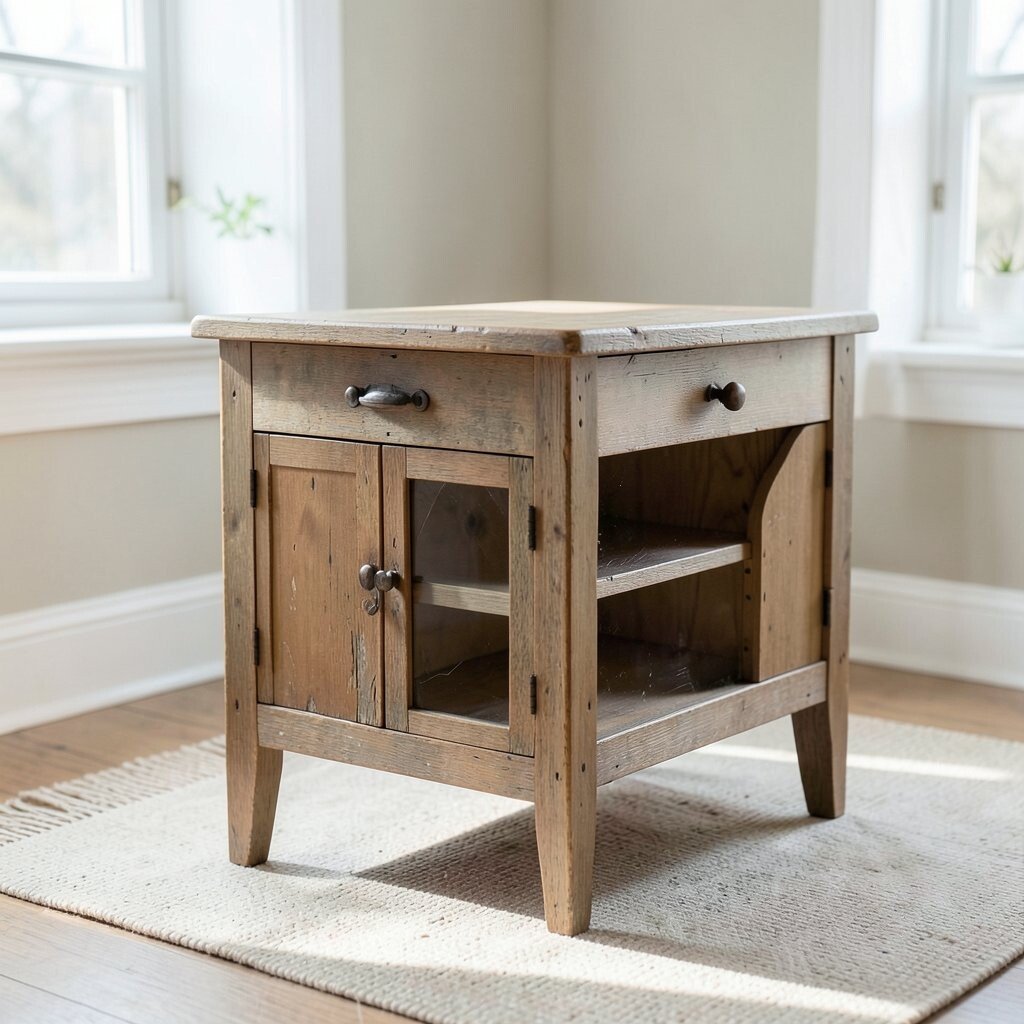
Safety is easy to miss when an item has a nice shape or a fun old look. Loose nails, sharp edges, broken glass, peeling paint, and wobbly legs can all cause trouble.
This is very important for homes with kids or pets. A repurposed item should be checked for things that can scratch, pinch, tip, or break under normal use.
If the item needs fixing before it is safe, plan for that before you buy. A little care can help you enjoy the piece without worry.
7. Not Thinking About Cleaning Needs
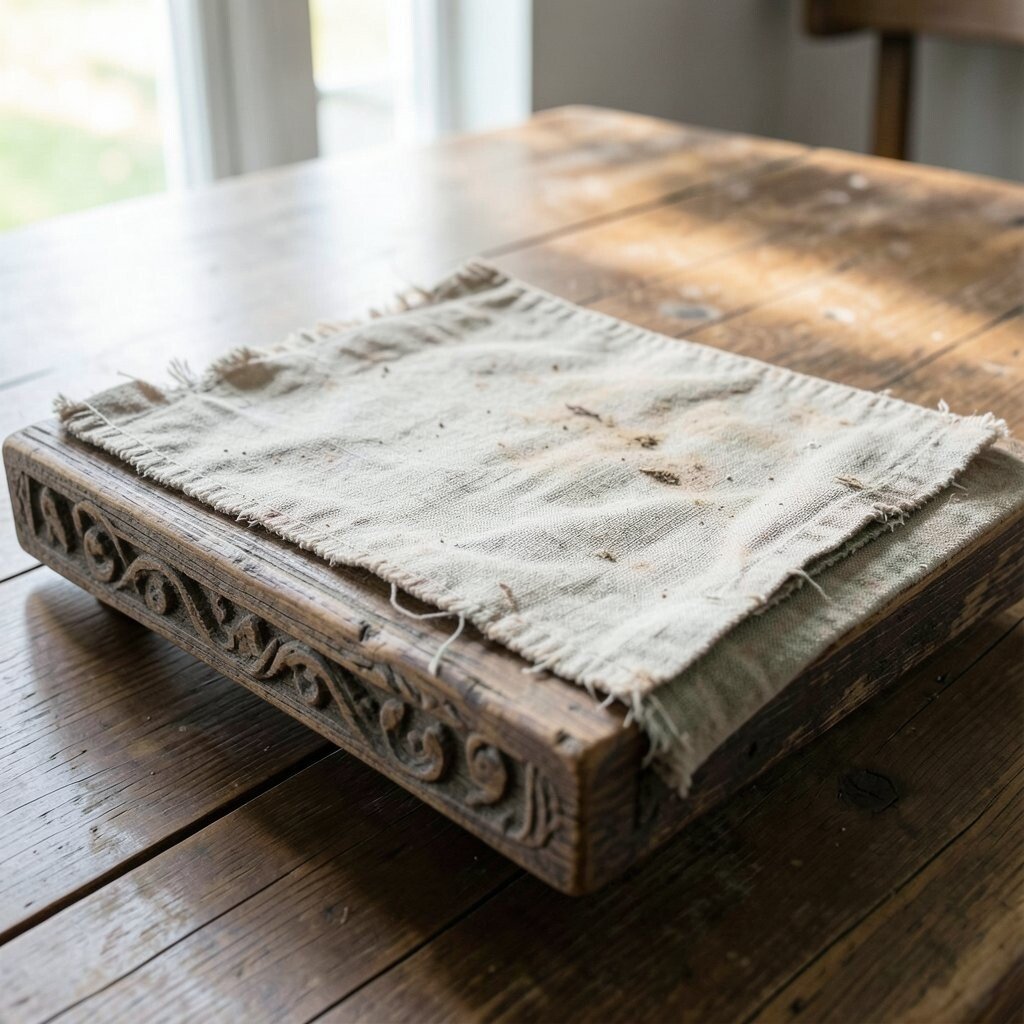
Some repurposed items are easy to clean, but others take time and effort. Old fabric, carved wood, metal parts, and rough surfaces can hold dust, dirt, or smells.
If you do not think about cleaning, you may end up with a piece that looks good at first but is hard to keep nice. This is a common issue with items from basements, sheds, or storage rooms.
Try to choose items that match the time you want to spend on care. A smooth table may be easier to use than a piece with many small cracks and hard-to-reach spots.
8. Missing the Chance to Add Your Own Style
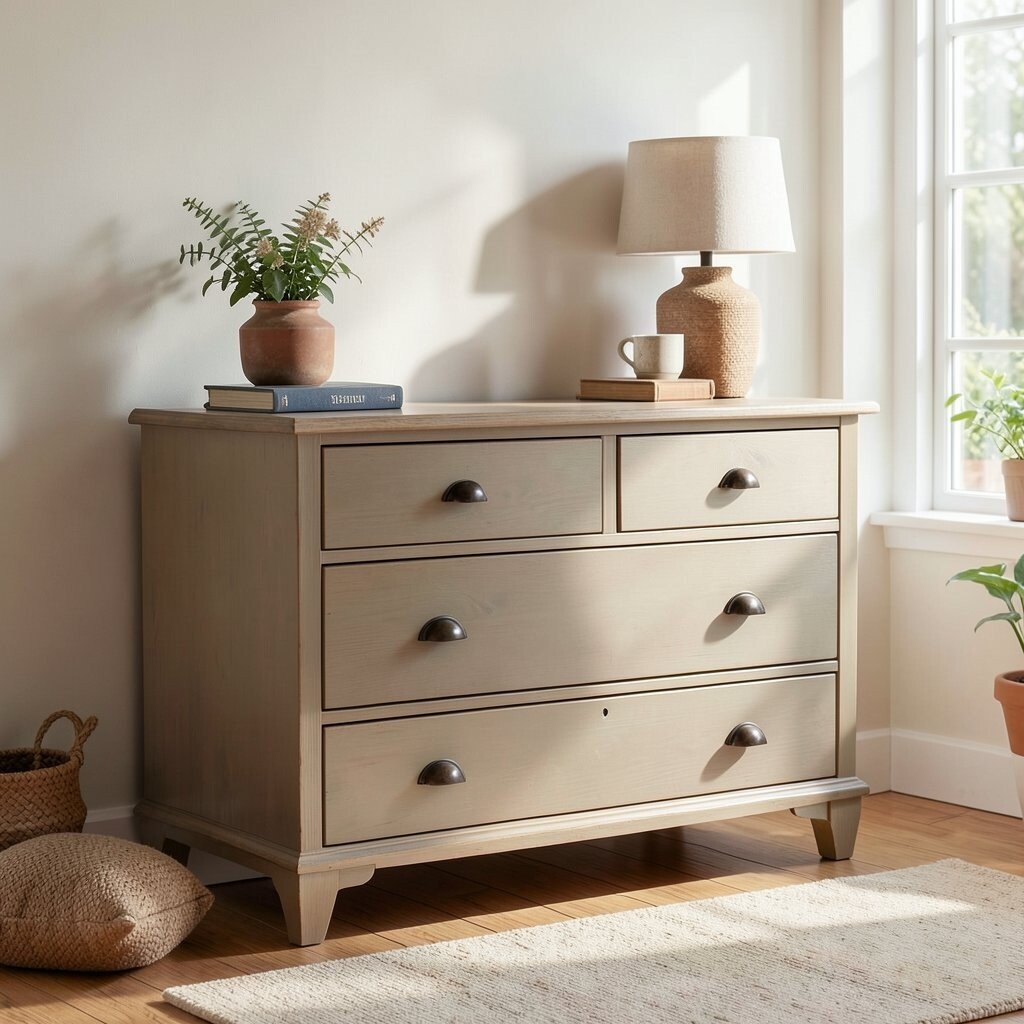
Repurposed items are often best when they feel personal. A plain old dresser can become a warm part of the room if you paint it, change the handles, or add a new top.
Some buyers make the mistake of leaving the piece as is, even when a small change would help it fit better. Personal touches can make the item feel more like yours and less like something used by someone else.
This does not mean you need to change everything. Small updates can help keep the item unique while still matching your home and taste.
9. Buying Something That Does Not Fit the Room’s Look
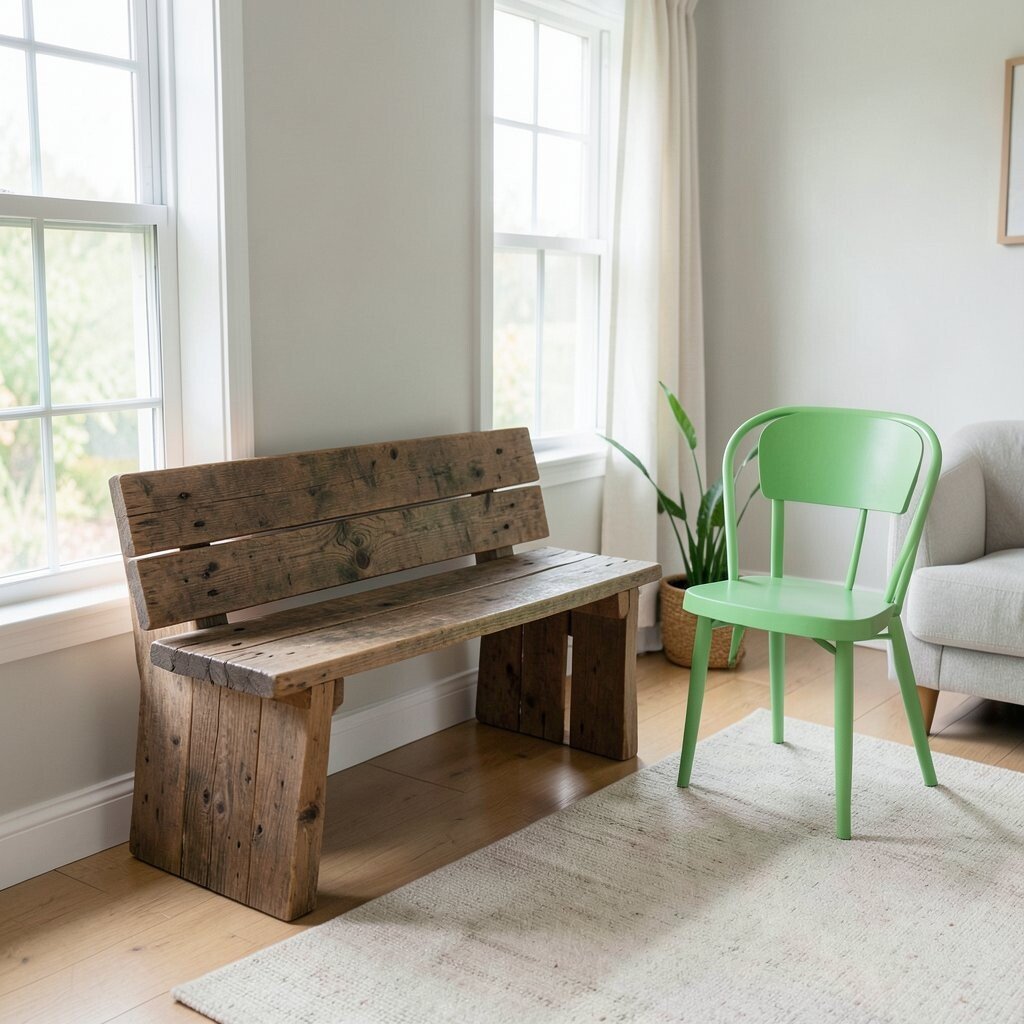
A repurposed item can be full of charm and still feel out of place. A rustic wood bench may clash in a clean modern room, or a bright painted chair may stand out in a soft neutral space.
It helps to think about color, shape, and finish before you buy. You do not need a perfect match, but the item should feel like it belongs in the room.
Many people like repurposed items because they add character. That works best when the piece fits the rest of the space instead of fighting with it.
10. Forgetting How Hard It Will Be to Move
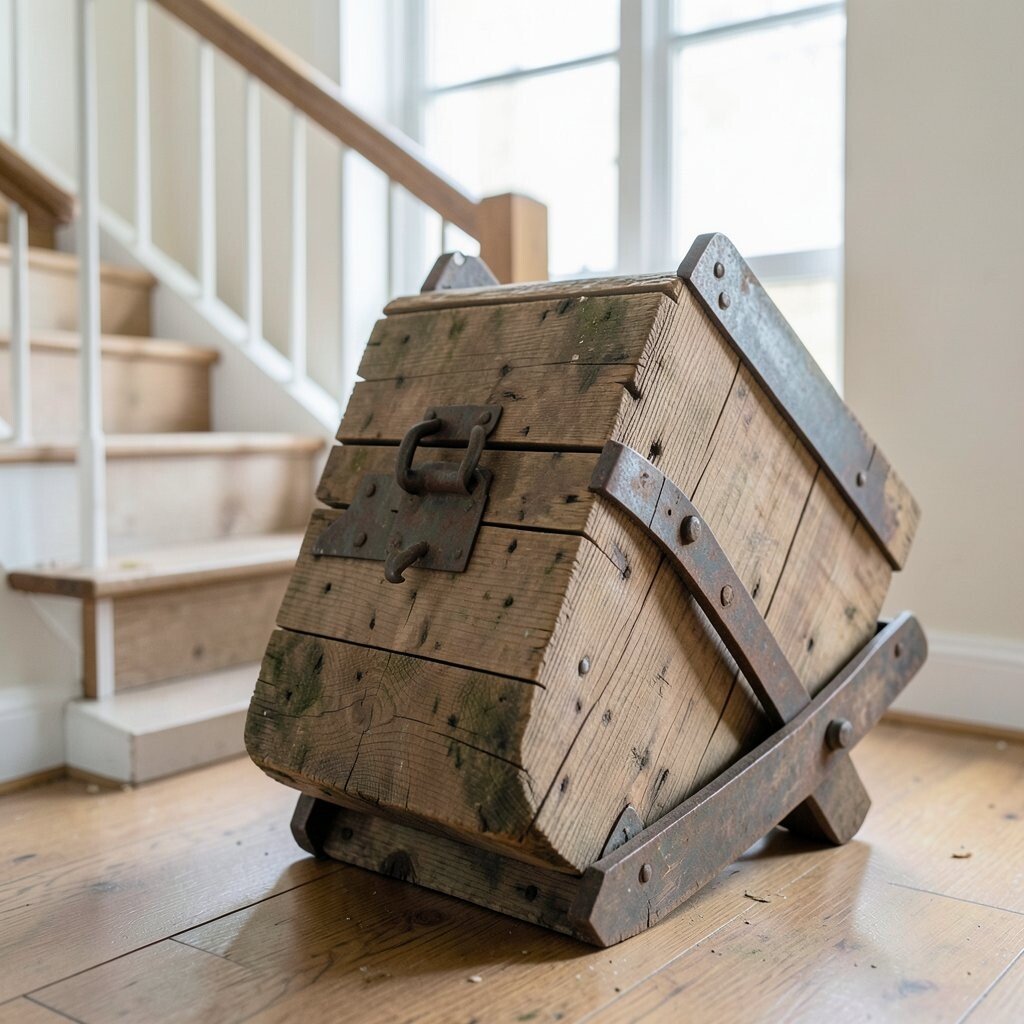
Some repurposed items look small in a photo but are heavy, awkward, or hard to carry. Thick wood, old metal, and odd shapes can make moving them a real task.
This can matter if you live upstairs, have narrow doors, or need to move the item often. A piece that is hard to lift may cost you more time and help than you planned.
Before you buy, think about stairs, hallways, and car space. A good fit is not only about style; it is also about getting the item home without stress.
11. Not Checking for Strong Materials
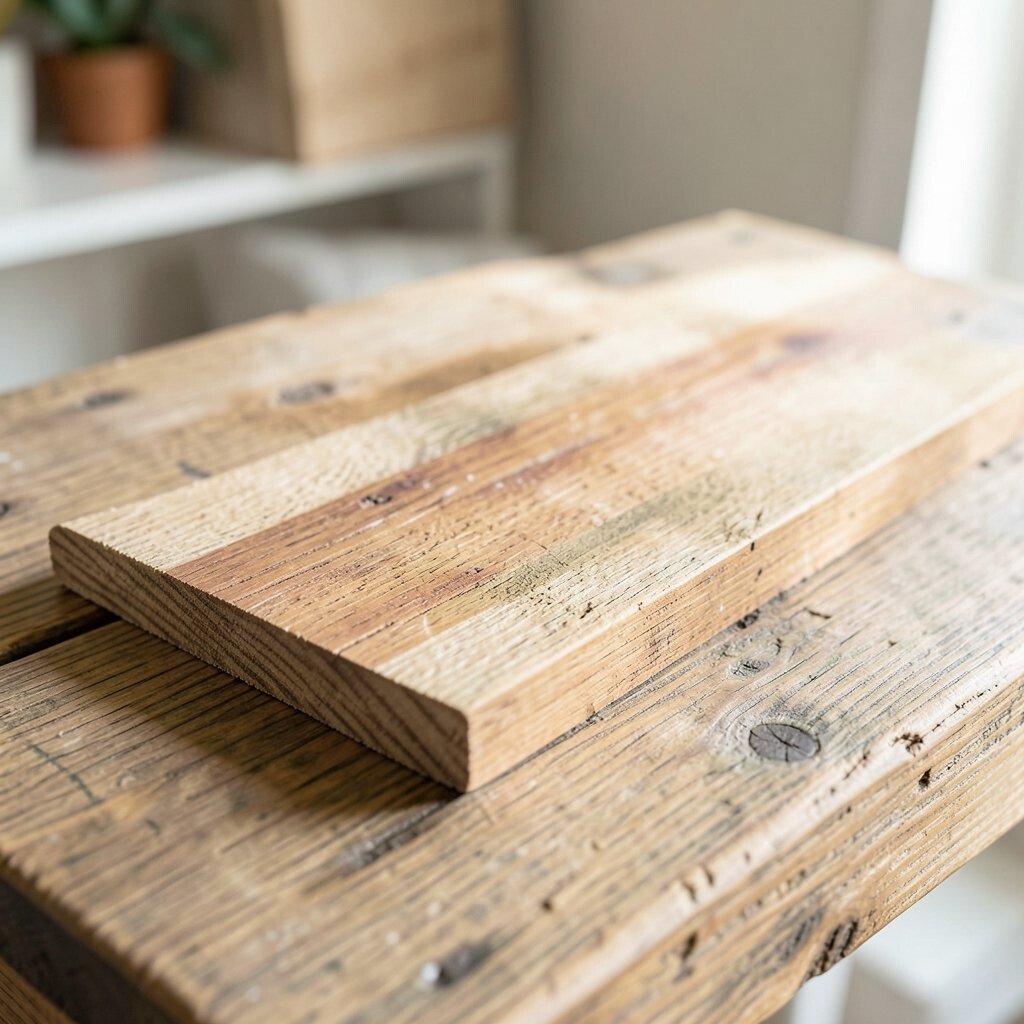
Repurposed items can be made from many kinds of materials, and not all of them last the same way. Thin particle board, bent metal, or weak glue may not hold up as well as solid wood or strong steel.
It is easy to get pulled in by a nice finish and miss the base material. If the core is weak, the item may sag, split, or break sooner than you want.
Strong materials often cost more, but they can save money over time. A sturdy piece can be used again and again, which is one reason many people like repurposed goods in the first place.
12. Focusing Too Much on Trends
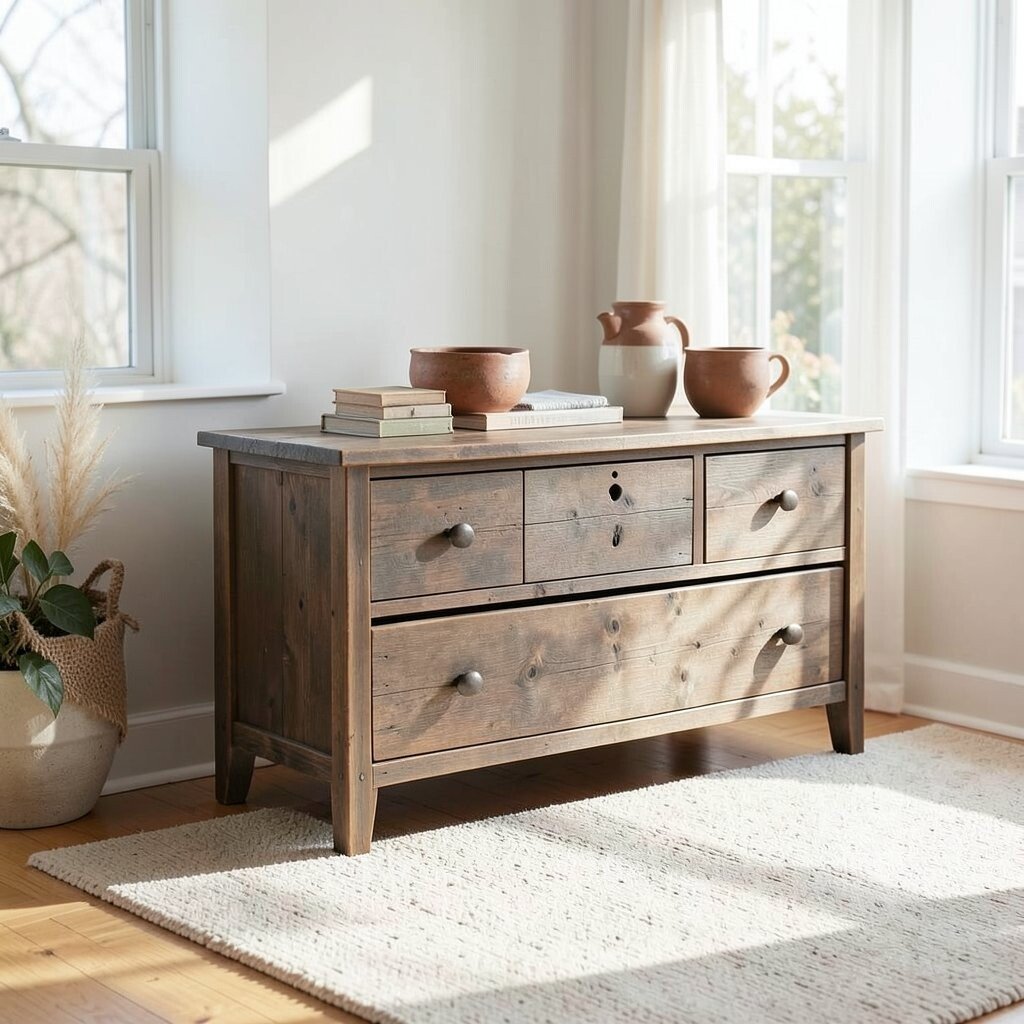
Trendy repurposed items can be fun, but they may not stay in style for long. A color, shape, or finish that is popular now may feel old very soon.
If you buy only for the trend, you may stop liking the piece before it wears out. That can lead to waste and extra spending, which goes against the point of repurposing.
It is better to choose items that you truly like and can use for a long time. Trendy touches are fine, but the main piece should still work for your home later on.
13. Not Planning for Repairs You Can Do Yourself
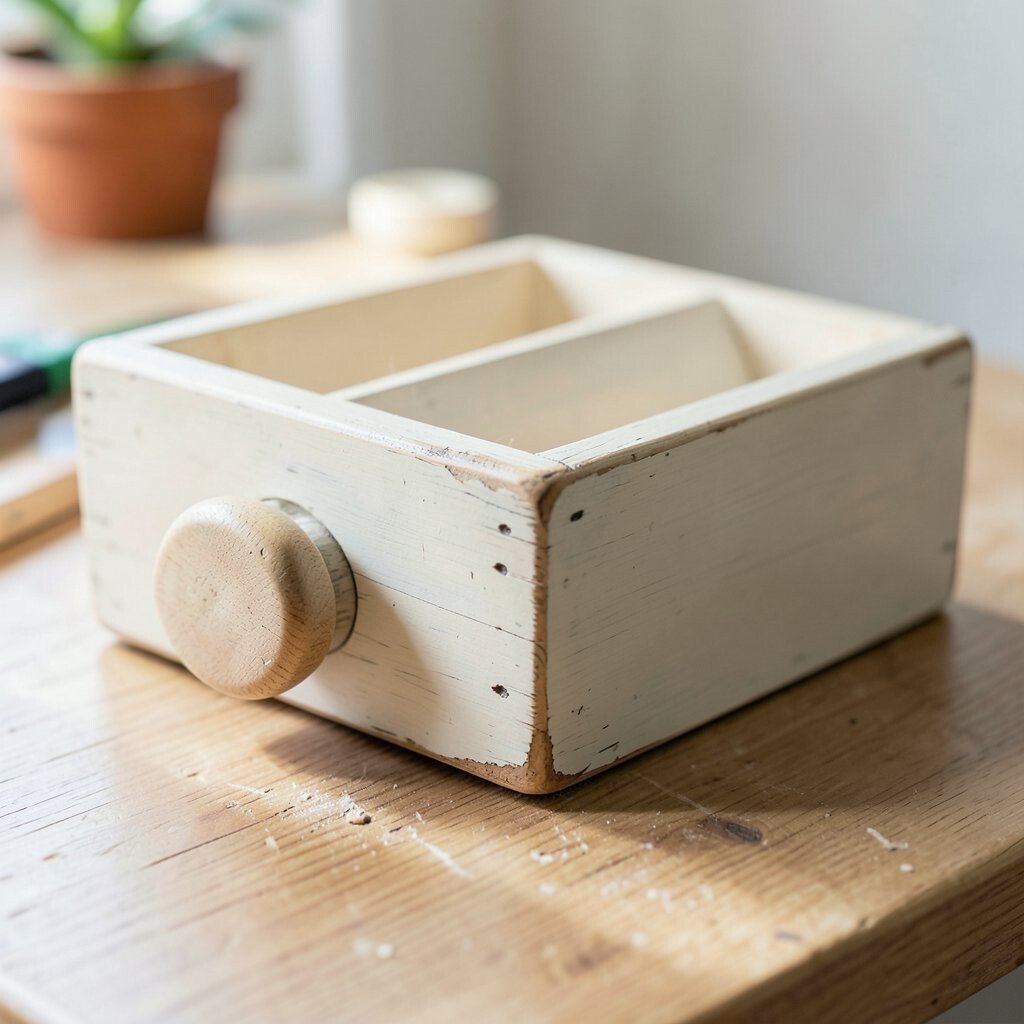
Some buyers skip good pieces because they need small fixes. A loose knob, faded finish, or chipped edge may look like a problem, but it can often be handled with simple tools and basic care.
At the same time, you should know your own limits. If a repair needs special skills or tools you do not have, the project may cost more than you thought.
It helps to match the item with your own comfort level. A small fix can be a nice way to make the piece feel personal and save money at the same time.
14. Buying Without Thinking About Long-Term Use
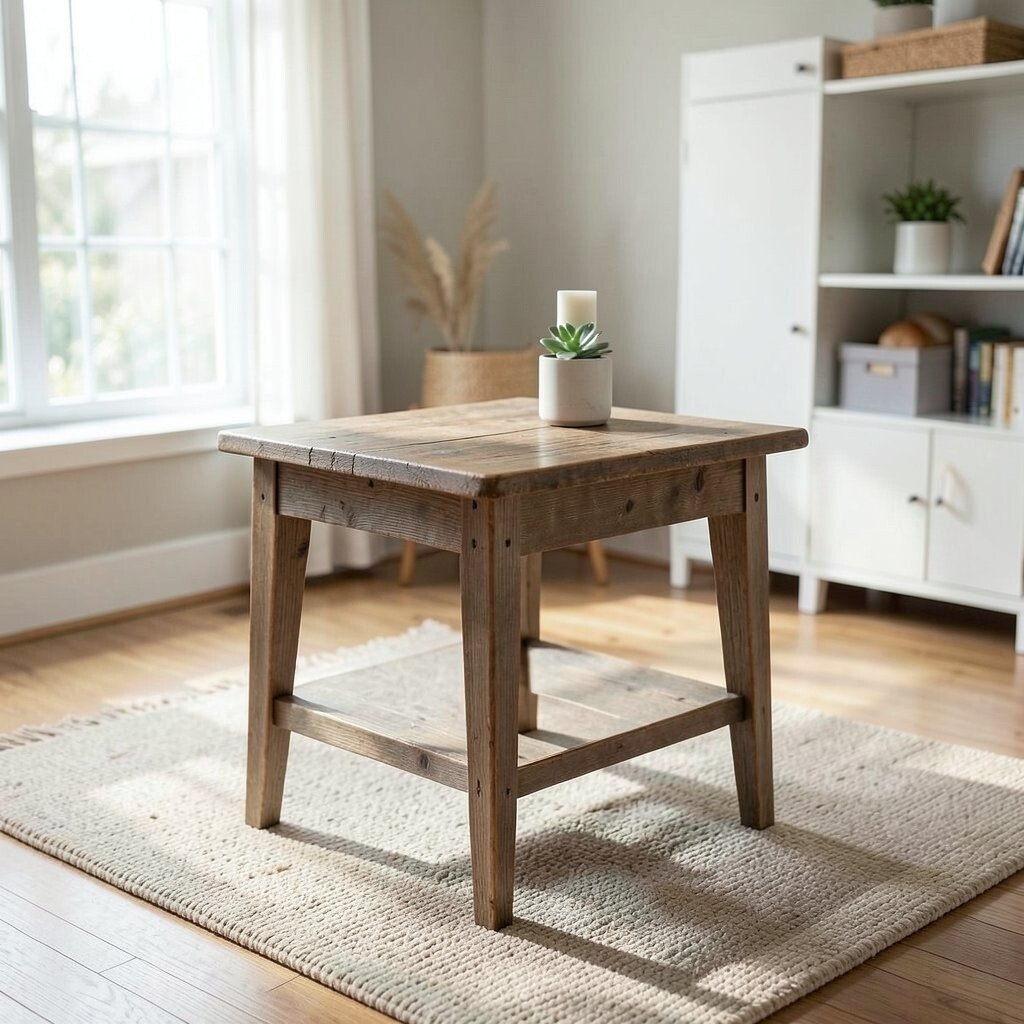
The last mistake is choosing an item for the moment only. A repurposed piece should fit not just today, but also how you plan to live with it over time.
Ask if the item will still work if your needs change. A small table may be fine now, but a family room, home office, or growing storage need may call for something more flexible.
Long-term use also includes care, cost, and how often you will enjoy the item. When you think ahead, you are more likely to bring home something useful, unique, and worth the effort.