
Pet cushions and traditional beds can both give pets a soft place to rest. The right choice can help with sleep, comfort, and daily care.
1. Soft Feel and Surface Comfort

Pet cushions often feel soft right away and can fit the shape of a pet’s body. They can make a cozy spot for cats and dogs that like to curl up or stretch out.
Traditional beds may feel firmer and more shaped, with raised sides or thick foam. Some pets like that more solid feel, while others may want a softer pad that feels easy and open.
If your pet likes to knead, turn, or nest before sleep, a cushion can be a nice pick. If your pet likes a more set shape, a traditional bed may feel more steady and familiar.
2. Shape and Space Use

Pet cushions are often flat, light, and easy to place in many spots. You can slide one under a table, in a crate, or by a sunny window without much trouble.
Traditional beds usually take more space and may have a fixed shape. That can be good if you want a clear sleep spot, but it can be harder to fit in small rooms.
For homes with little floor space, a cushion can be a smart choice because it is easy to move. For larger rooms, a bed can act like a set pet corner that stays in one place.
3. Ease of Cleaning
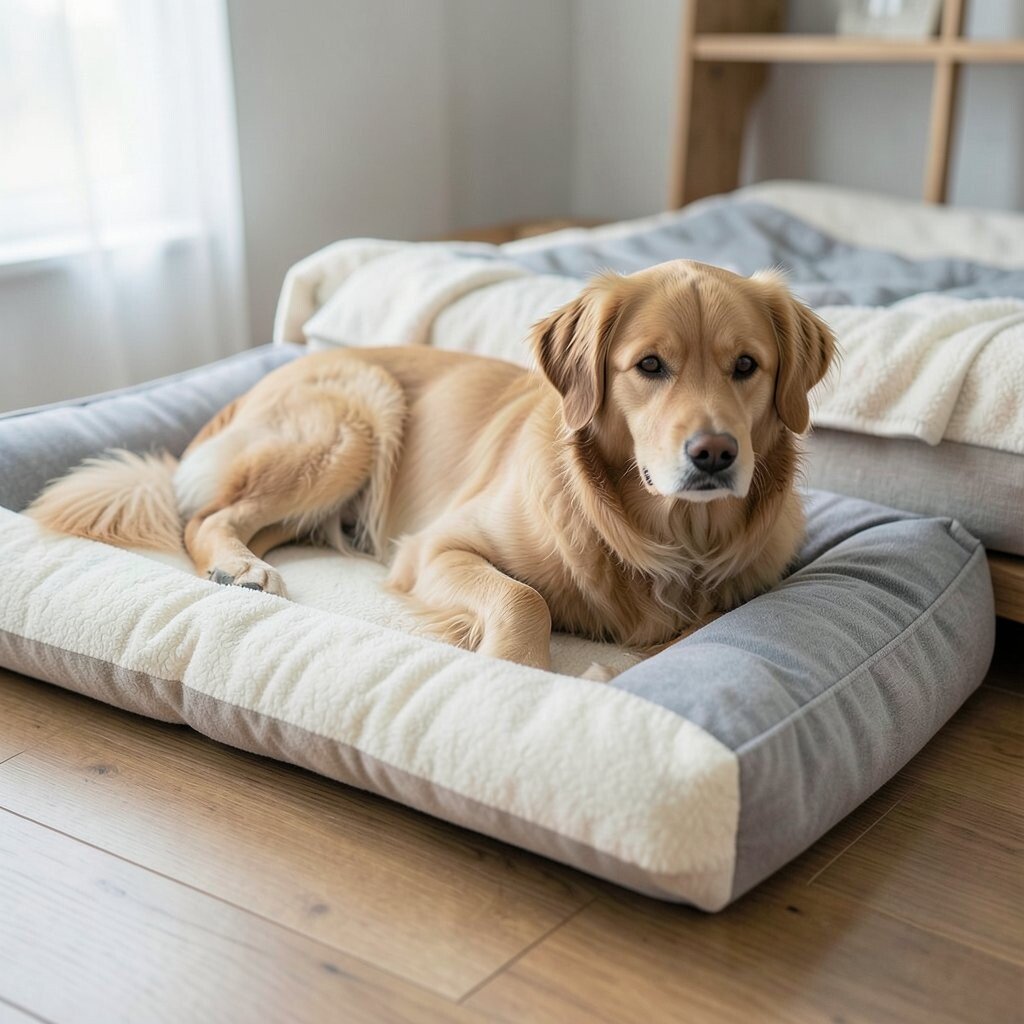
Many pet cushions are simple to shake out, spot clean, or toss in the wash. That makes them handy for pets that shed a lot or bring in dirt after walks.
Traditional beds can also be washed, but they may have more parts, thicker foam, or covers that take more time to dry. Some styles need extra care so they keep their shape.
If you want a low-fuss option, a cushion may fit your routine better. If you do not mind a bit more care, a traditional bed can still be a good long-term pick.
4. Support for Older Pets
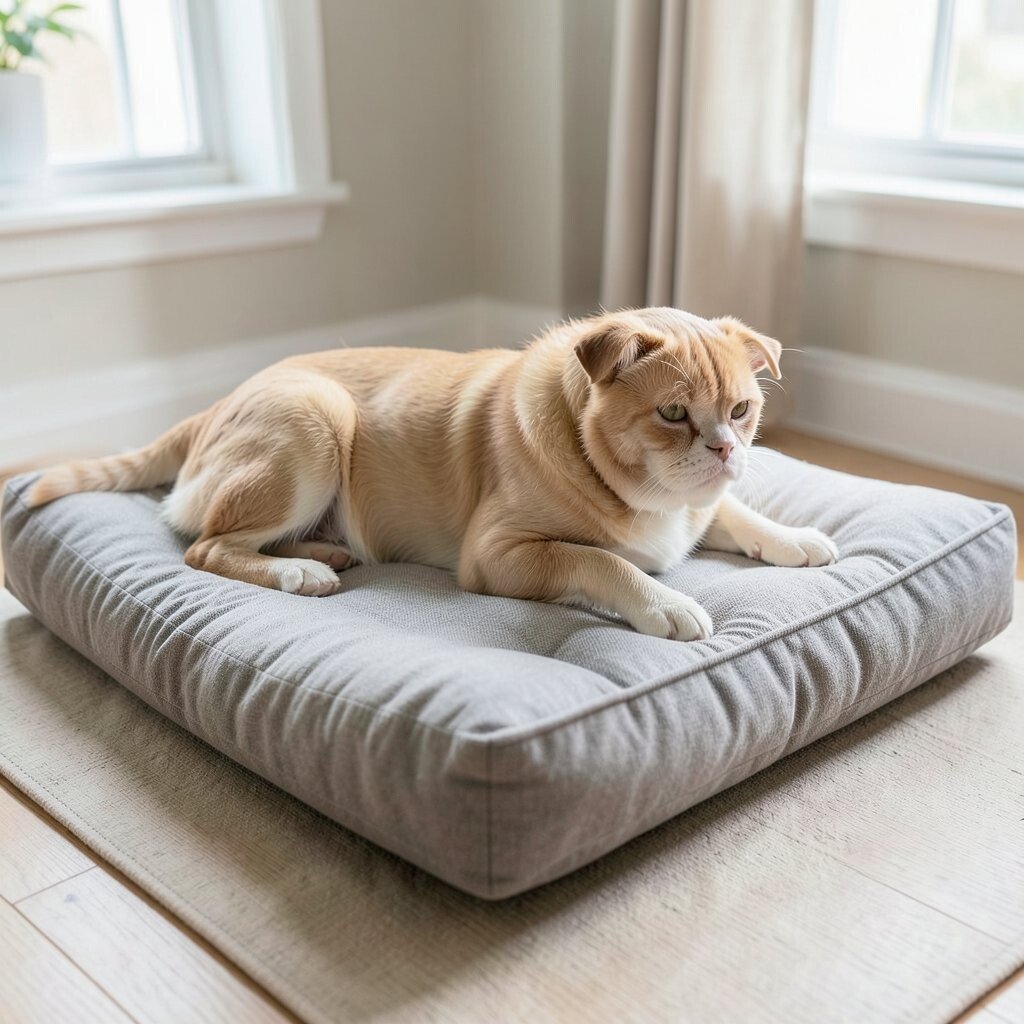
Older pets often need more support for sore joints and stiff legs. A traditional bed with thick foam or raised sides can help them feel more steady when they get up and lie down.
Pet cushions can still work well if they have enough padding and stay in place. A flat cushion is easy to step onto, which can help pets that do not want to climb into a deep bed.
For pets with age-related pain, it helps to check how soft or firm the fill is. A simple test with your hand can show if the surface feels too thin or if it gives enough support.
5. Warmth and Cozy Nesting
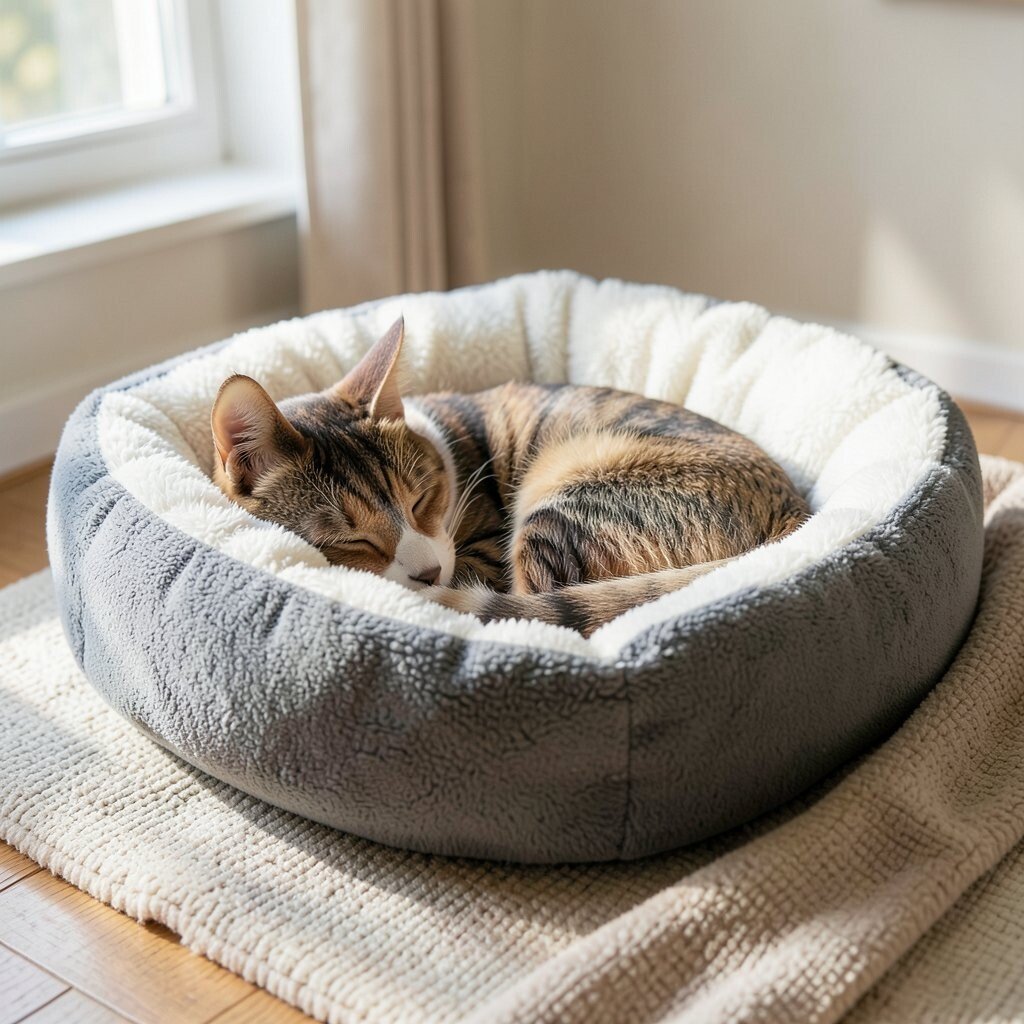
Pet cushions can feel warm when they are made with plush fabric or fleece. Pets often like to curl into the soft edges and make a small nest of their own.
Traditional beds may trap warmth even better if they have bolsters or a hooded shape. That can help pets who like to sleep in a tucked-in space during cool weather.
In colder months, many pet owners add a blanket to either style. This simple touch can help make the space feel more personal and more inviting.
6. Style in the Home
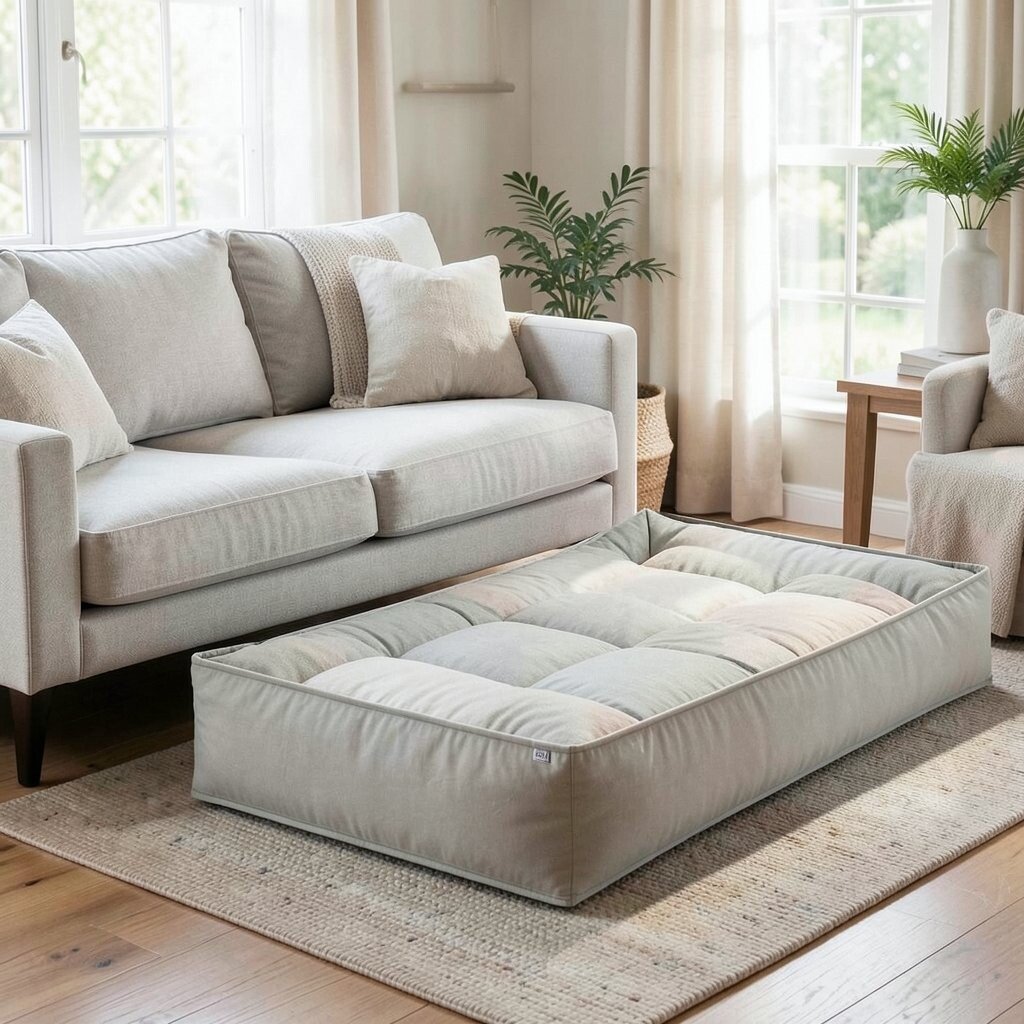
Pet cushions often have a simple look that blends into a room without much effort. They can come in plain colors, soft prints, or calm shades that match your home.
Traditional beds can look more like pet furniture, with raised edges, wide frames, or bold shapes. Some people like that clear pet look, while others want the bed to stay more quiet in the room.
If you care about home style, try matching the fabric or color to your sofa, rug, or curtain. A small change in color can make either choice feel more neat and put together.
7. Cost and Budget
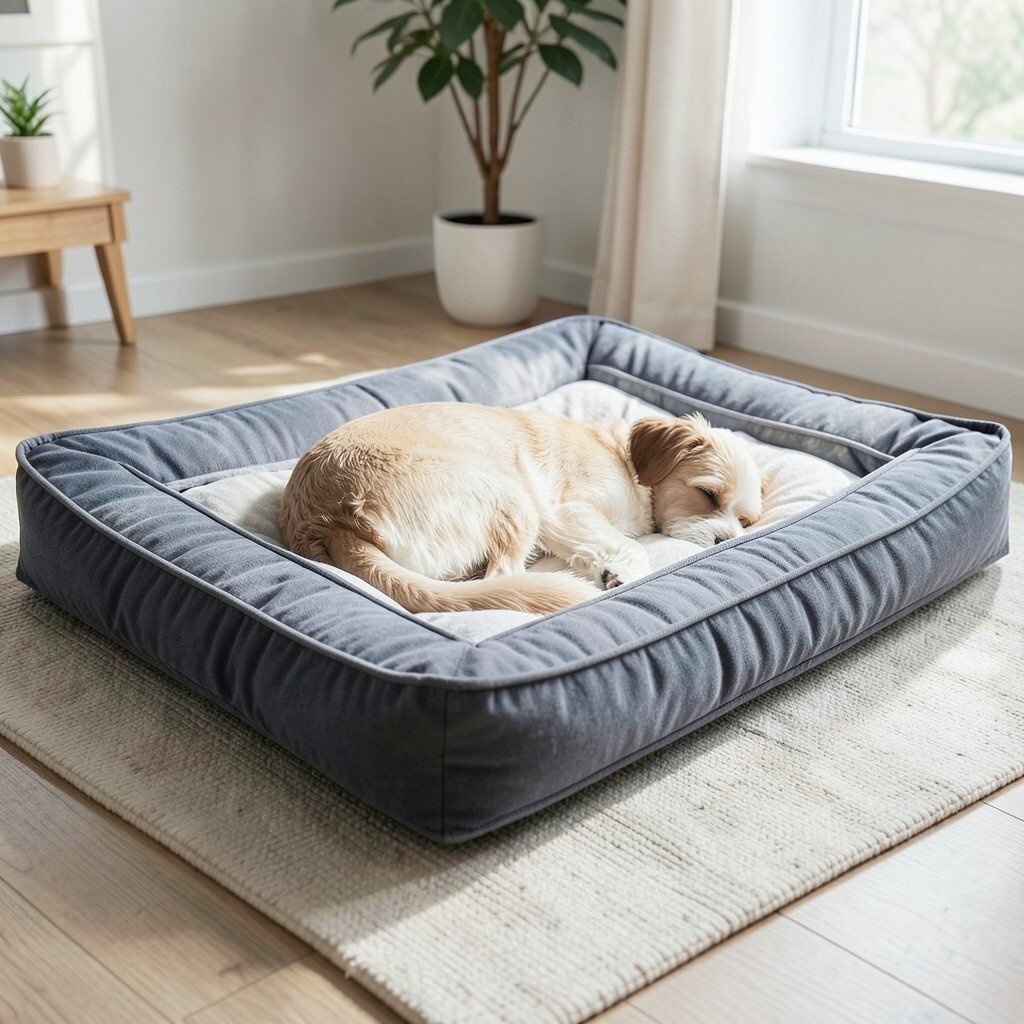
Pet cushions are often less costly than large traditional beds. That makes them a good pick if you want to try a new sleep spot without spending too much.
Traditional beds can cost more because they may use thicker foam, stronger frames, or more fabric. Some high-end beds also come with special covers or extra support layers.
If you are buying for a growing pet or a pet who changes sleep spots a lot, a cushion can be a low-risk choice. If you want one main bed for a long time, a higher cost bed may still be worth it.
8. Travel and Move-Around Use

Pet cushions are light and easy to carry from room to room or on trips. They can fit in a car seat, crate, or travel bag with little trouble.
Traditional beds are harder to move because they are often bigger and heavier. That can make them better for one fixed spot at home, but less handy for travel.
If your pet stays with family, visits a sitter, or goes on road trips, a cushion can help keep a familiar smell and feel nearby. That small comfort can make new places feel less strange.
9. Safety and Stability
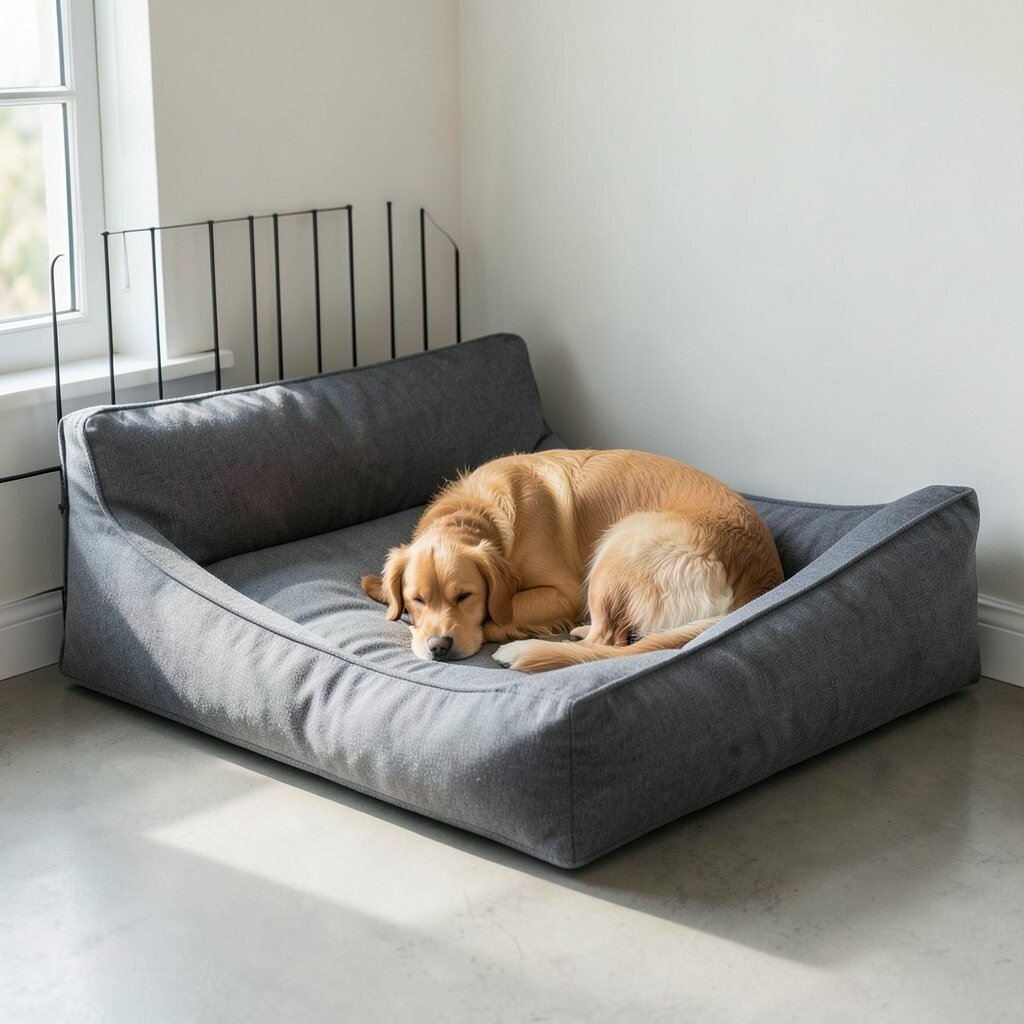
A pet cushion can stay safe if it has a non-slip bottom or sits inside a crate or corner. Without that, it may slide on smooth floors when a pet steps on or off.
Traditional beds often stay in place better because they are heavier and have more shape. Raised sides can also help some pets feel secure, like they are in their own little spot.
For active pets, check for loose stitching, thin fabric, or fill that clumps up fast. A well-made piece can help keep your pet calm and reduce wear over time.
10. Fit for Different Sleep Styles

Pets sleep in many ways, and that can help guide your choice. Curlers may like a cushion they can sink into, while stretchers may want a wider traditional bed.
Pets that love to lean may enjoy a bed with sides they can rest on. Pets that sprawl out may do better on a flat cushion with plenty of open room.
Watching how your pet sleeps is one of the best ways to choose. A pet that changes spots a lot may enjoy both styles in different rooms.
11. Trends and Personal Touches
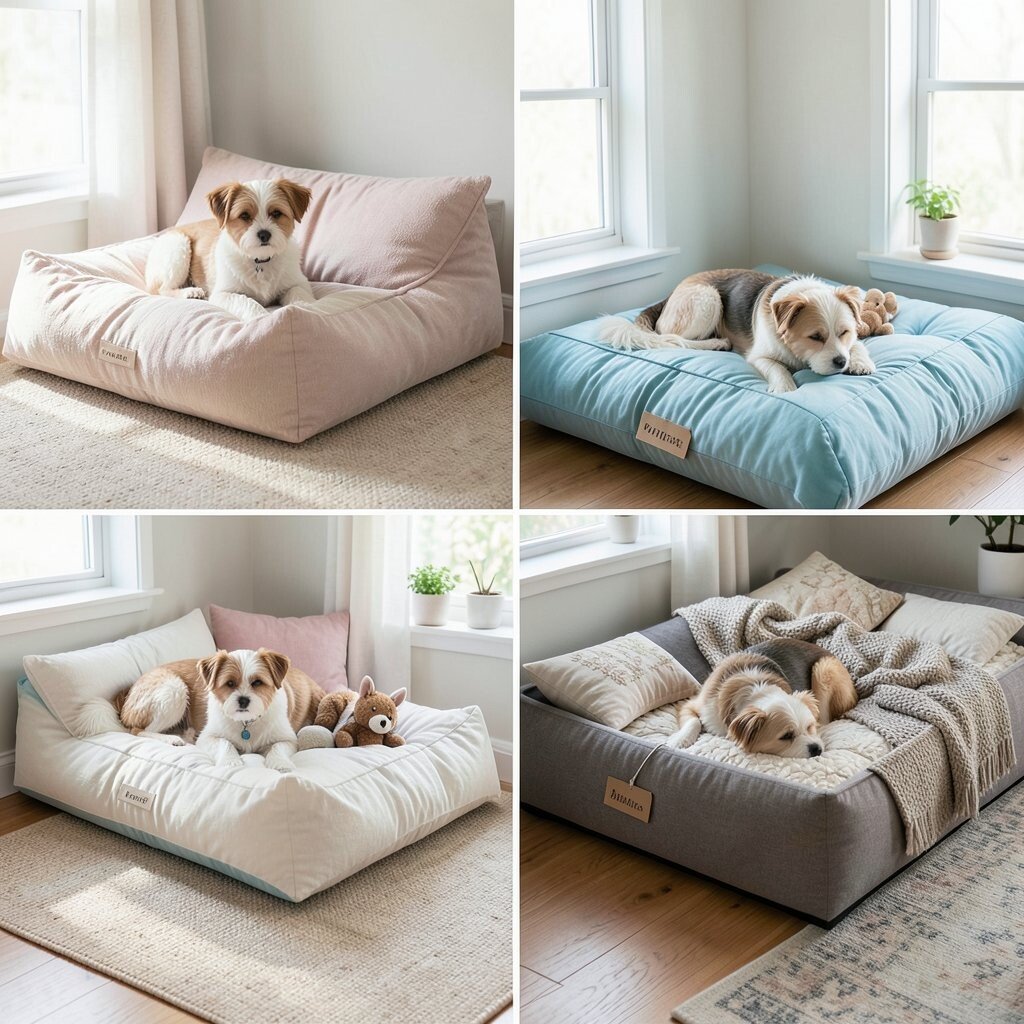
Many pet owners now look for simple, clean styles that fit the home and feel easy to use. Pet cushions are popular in this trend because they can look neat, soft, and light.
Traditional beds are also changing, with more color choices, washable covers, and eco-friendly fills. Some people like to add a name tag, blanket, or toy to make the bed feel more personal.
If you want a fresh look, try mixing a cushion in one room and a traditional bed in another. That can give your pet more choice and help you see which style they use most.