
Pet feeding spots can help keep a home neat and make daily care easier. A good setup can also fit the room and match your style.
1. Corner Feeding Mat Setup

A corner feeding mat is a simple way to keep food and water in one small spot. It works well in a kitchen corner, laundry nook, or mudroom where traffic is light.
This setup can be low cost because many mats are cheap and easy to find. You can pick one with a plain look, a bright color, or a pattern that fits your home.
The best part is that it is easy to clean after each meal. If your pet tends to splash water or push bowls around, a mat helps catch the mess and keeps the floor dry.
2. Built-In Cabinet Feeding Nook
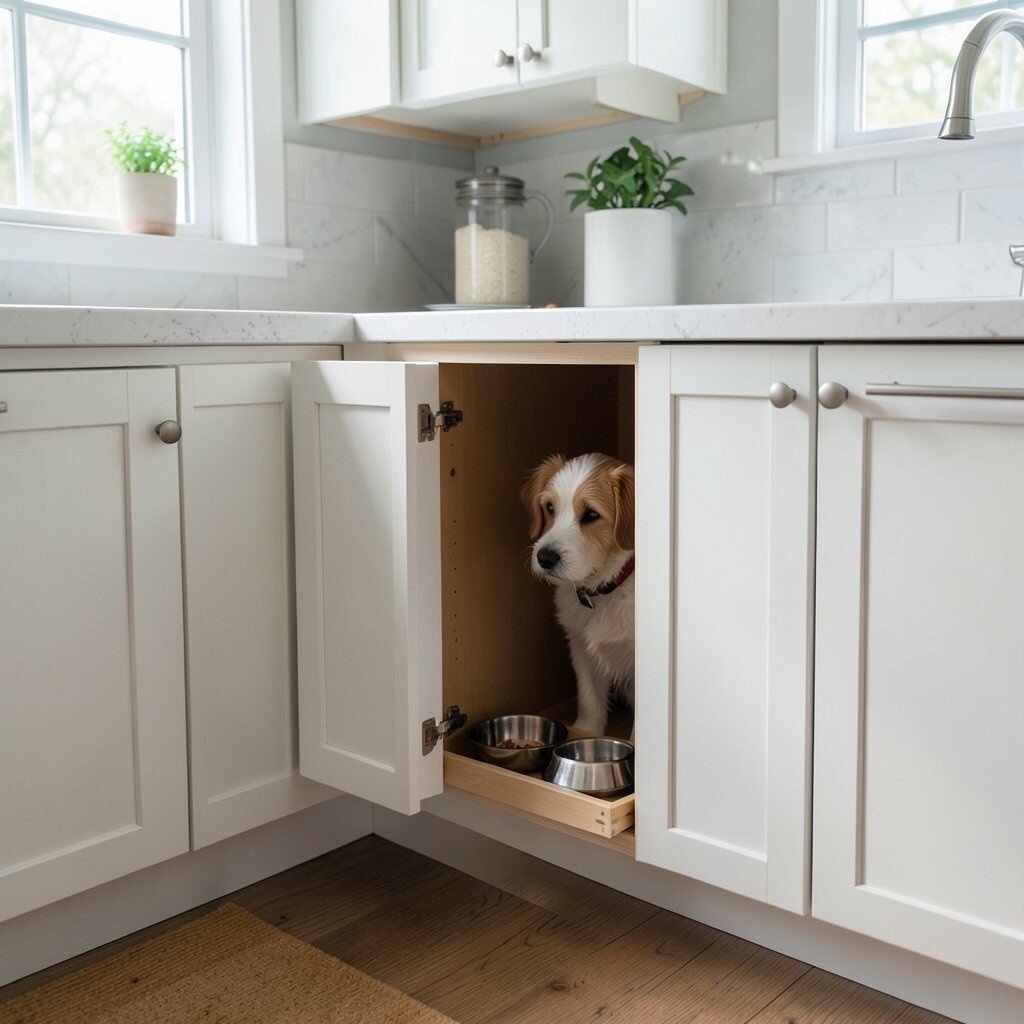
A built-in feeding nook inside a cabinet can make the area look neat and tidy. Some homes use a lower cabinet door that opens to a small pull-out tray for bowls.
This idea is useful if you want pet items out of sight when not in use. It can also help keep pets from walking through the kitchen with wet paws and food crumbs.
Built-in spots may cost more than a simple mat, but they can add a clean, finished look. Many people like this style because it feels calm and blends in with the rest of the room.
3. Raised Feeding Station
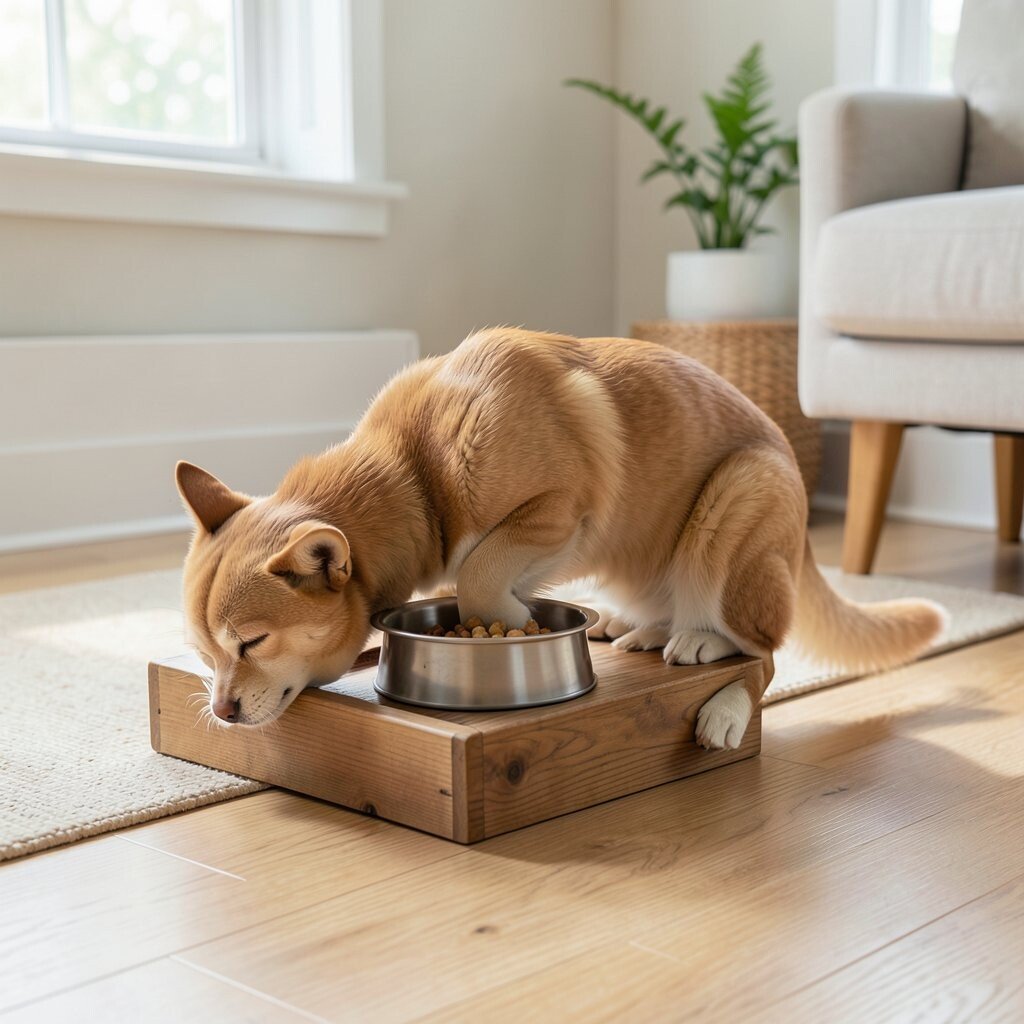
A raised feeding station lifts bowls off the floor and can make mealtime feel more organized. It often looks neat because the bowls sit in a stand made of wood, metal, or plastic.
This type of setup can help pets eat in a more steady way. It may also be easier for some pets to reach their food, and it can cut down on spills around the bowl.
You can buy one ready-made or make one at home with simple tools. Many people choose a style that matches other furniture so the feeding area feels like part of the room.
4. Wall-Mounted Bowl Shelf

A wall-mounted bowl shelf saves floor space and keeps the feeding area in one clear spot. It can work well in a small home where every inch matters.
This setup can look clean and modern, especially with simple lines and soft colors. It also helps keep bowls from sliding across the floor during meals.
If you want a custom feel, you can paint the shelf to match your walls or trim. The cost can stay fairly low if you use basic wood and simple hardware.
5. Under-the-Stair Feeding Zone
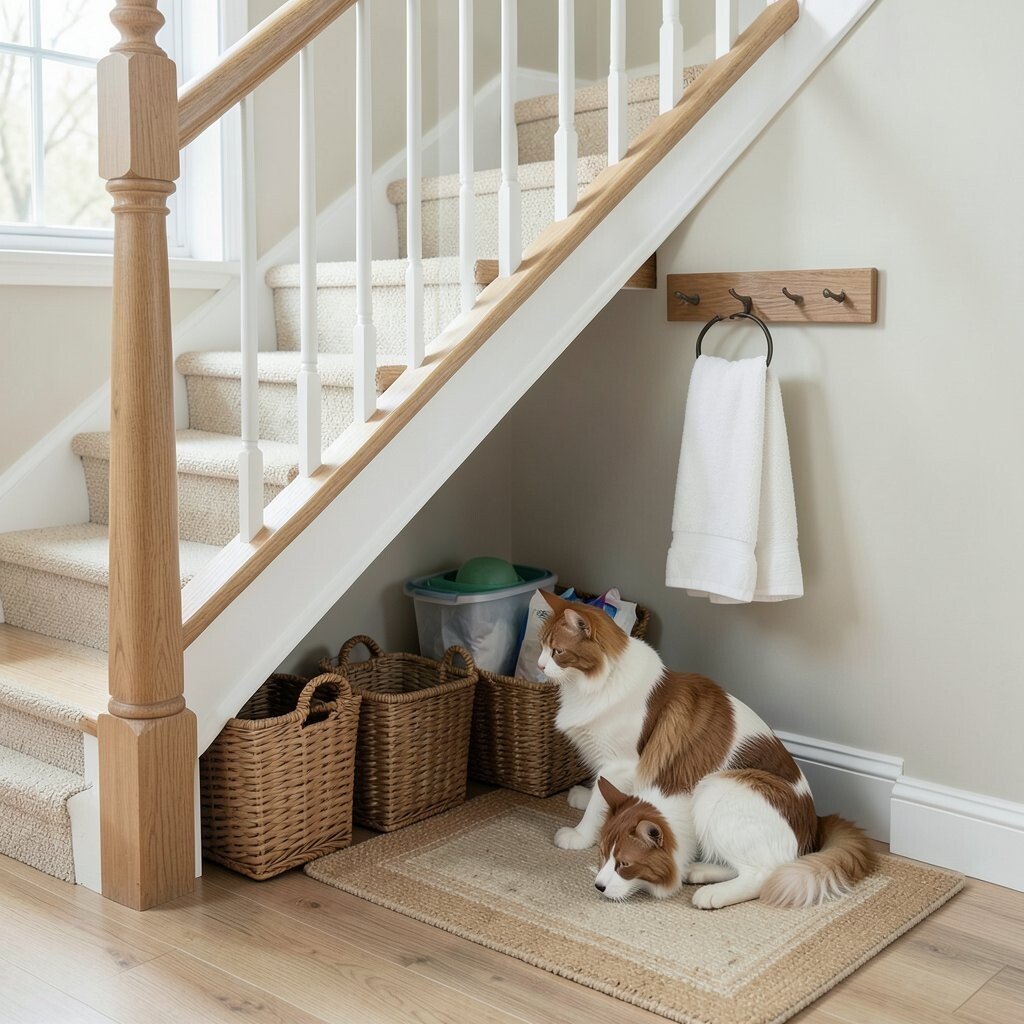
The space under the stairs can be a smart place for pet feeding. It is often unused, so it can turn into a quiet spot that stays out of the way.
This kind of area can help keep food bowls away from busy paths and foot traffic. It also gives your pet a calm place to eat without too much noise.
Many homes use baskets, mats, or small shelves in this space to keep things neat. You can make it feel special with a small sign, a hook for towels, or a bin for food bags.
6. Laundry Room Feeding Spot

A laundry room feeding spot can be a good choice because floors there are often easy to wipe clean. It also keeps pet items away from the main living areas.
This spot is handy if you want to store food, treats, and bowls in one place. You can use a cabinet, shelf, or bin to keep everything close by.
Many people like this option because it keeps the kitchen less crowded. It can also work well for homes with more than one pet, since you can set up a small feeding line with little mess.
7. Kitchen Drawer Pull-Out Tray

A pull-out tray inside a kitchen drawer can make feeding time quick and tidy. You slide it out when needed, then push it back in when mealtime is done.
This idea is neat because it hides bowls when not in use. It can also help keep the kitchen floor open and clear, which is useful in small homes.
You may need some carpentry help, so the cost can be higher than simple pet mats. Still, many people like the clean look and the way it keeps pet gear tucked away.
8. Mudroom Feeding Station

A mudroom feeding station can handle dirt, water, and food crumbs well. Since mudrooms are made for mess, they are a natural fit for pet meals.
This setup can include a mat, a shelf for food, and hooks for leashes or towels. It keeps all pet care items in one place, which can save time each day.
You can make it match the room with simple bins and labels. A small rug or tray can add color and help catch spills, which makes cleanup easier.
9. Hidden Feeding Cabinet
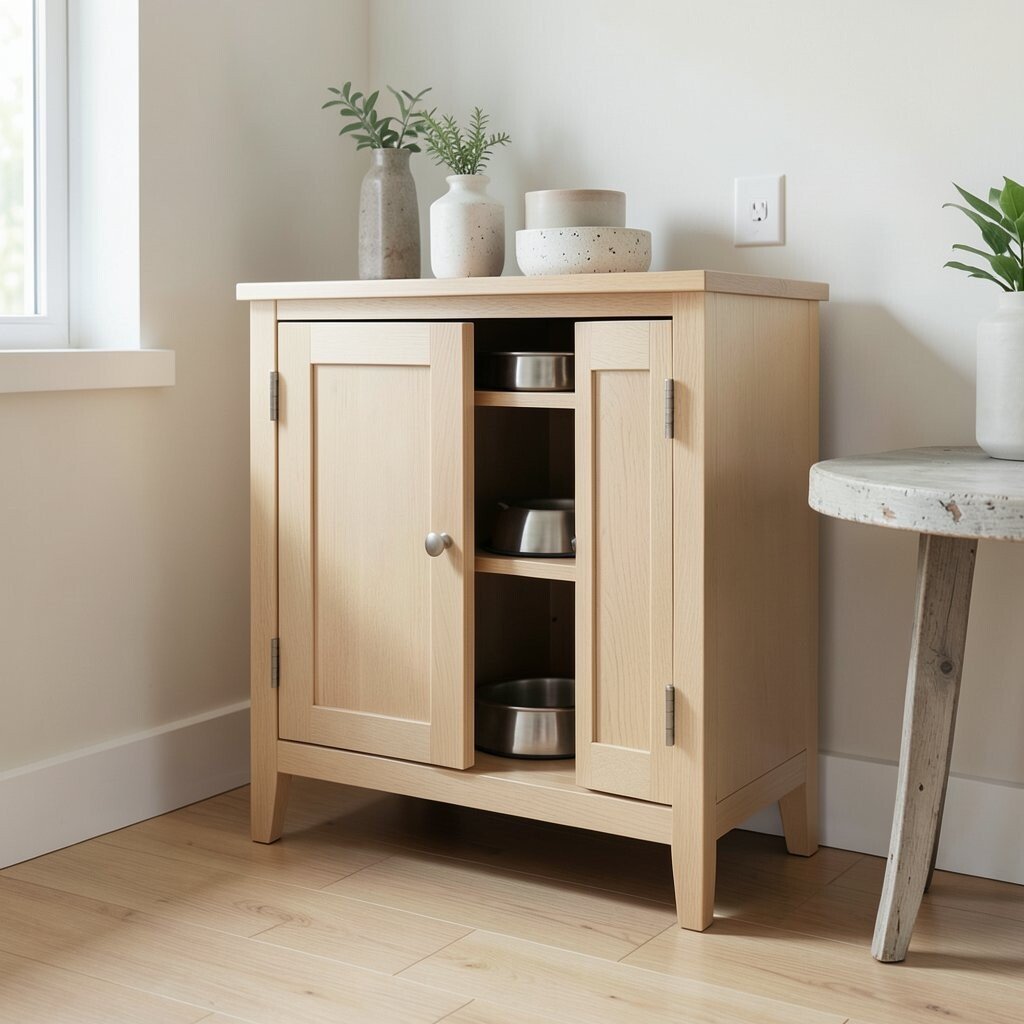
A hidden feeding cabinet keeps pet bowls behind closed doors. It is a good choice if you want a clean room look with no bowls left out.
This style can be made from a small cabinet, a bench, or even a repurposed side table. It gives the home a tidy feel and can help keep pets from getting into food between meals.
Hidden cabinets are a popular trend in many homes because they mix pet care with home style. The cost can range from low to high based on the size and finish you choose.
10. Window Nook Feeding Area
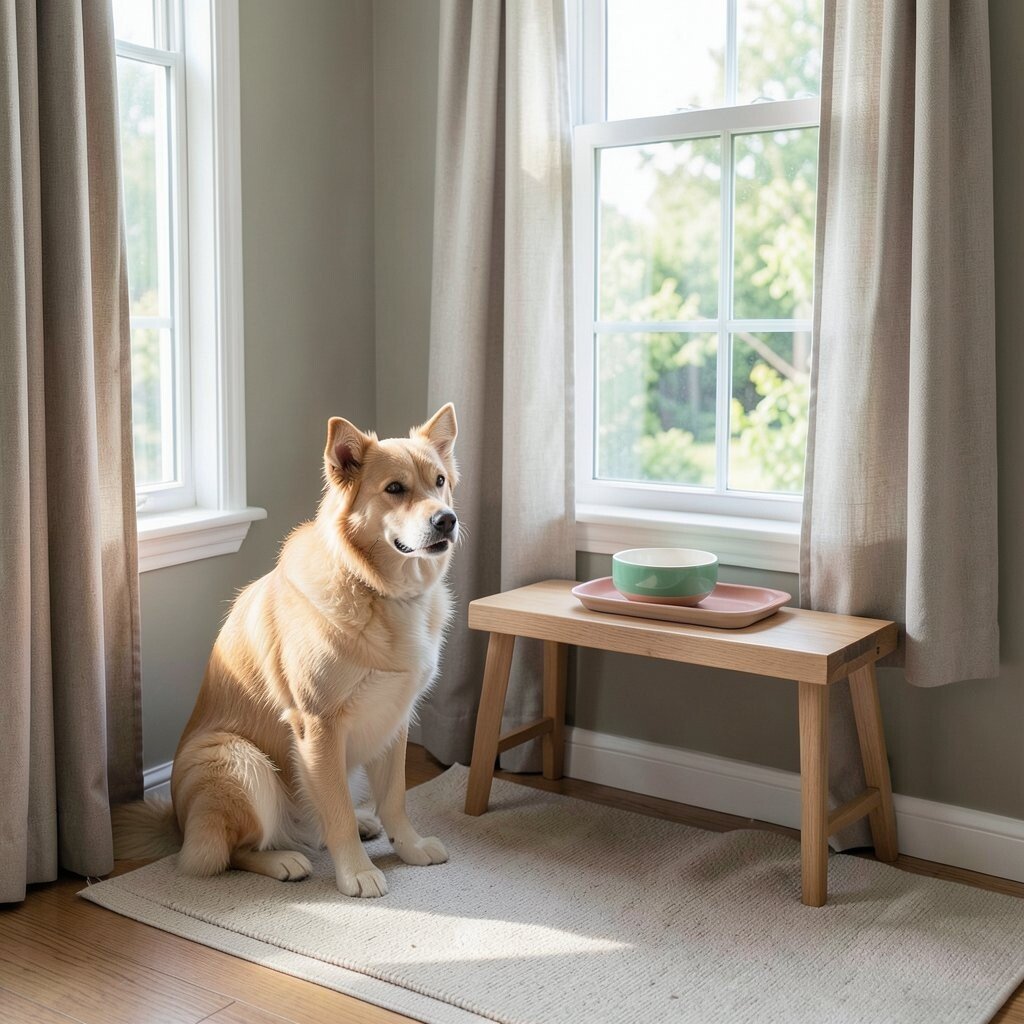
A window nook can be a bright and calm place for pet feeding. Pets often like to sit near light, and the area can feel pleasant without taking up much room.
This setup can look charming if you use a small bench, tray, or shelf under the window. It can also make the room feel more open because the feeding spot uses a space that might otherwise stay empty.
You can add a washable mat to protect the floor and make cleanup simple. If you want a personal touch, try a bowl set in a color that matches the curtains or wall paint.
11. Outdoor Covered Feeding Spot
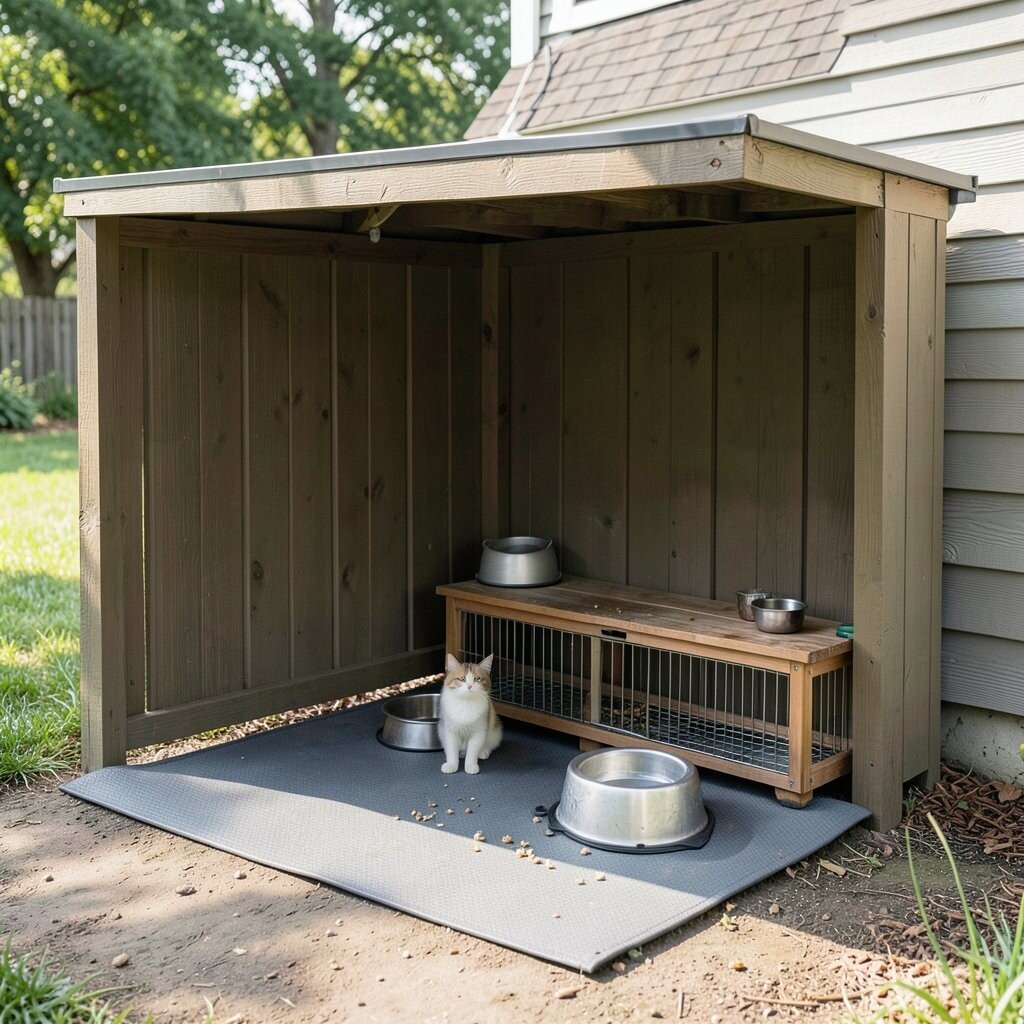
An outdoor covered feeding spot can be a good pick for homes with a porch, patio, or yard area. It keeps food outside while still giving your pet a dry, shaded place to eat.
This setup can help cut down on indoor mess, which is useful for pets that shed a lot or drop food. It can also be nice in warm weather when you want to keep the house cooler and cleaner.
To make it work well, use a sturdy mat, bowls that do not tip easily, and a small cover or shelf to block rain. The cost can stay low if you use items you already have, and the look can be simple or styled to match your outdoor space.