
Play can help people think in new ways and feel more at ease with their work. Small design changes can make a room, desk, or project space feel fresh and useful.
1. Color-Block Wall Panels

Color-block wall panels use large shapes of paint or peel-and-stick pieces in two or more colors. They make a plain wall look bold without needing a full room redo.
This idea works well in a work space, play room, or study corner because the colors can help set a mood. Bright tones can feel lively, while soft shades can help people stay calm and focused.
The cost can stay low if you use paint and tape, and it can fit many styles. You can also match the colors to your brand, favorite art, or the items you already own.
2. Magnetic Idea Boards

A magnetic idea board gives you a clean place to post notes, sketches, and small images. It often looks neat and simple, with a flat metal surface or a painted board.
This setup helps keep ideas where you can see them, which can make planning easier. It is also easy to change, so you can move things around when your thoughts shift.
You can make one with a metal sheet, framed board, or store-bought panel. Many people add color, labels, or small magnets that match their style, which makes the board feel more personal.
3. Window Light Corners

A window light corner uses natural light to make a spot feel open and fresh. You can place a chair, small table, or art supplies near the window and keep the setup simple.
Good light can help people read, draw, or think with less strain. It also makes colors look nicer, which is useful when you are working on design tasks or testing new ideas.
This idea can cost very little if you already have a window and a few basic items. A soft curtain, a small plant, or a bright cushion can make the area feel more inviting without much effort.
4. Patterned Floor Rugs

A patterned rug can add shape, color, and a clear focal point to a room. It can make a plain floor feel more lively and help separate one area from another.
Rugs can also help with comfort, since they soften hard floors and make a space feel less cold. In a shared room, a rug can mark a creative zone where people know to sit, work, or play.
Many rug styles are popular now, from soft line art to bold checks and simple retro prints. You can pick one that fits your room size and use a low-cost rug if you want to try the look first.
5. Open Shelf Displays
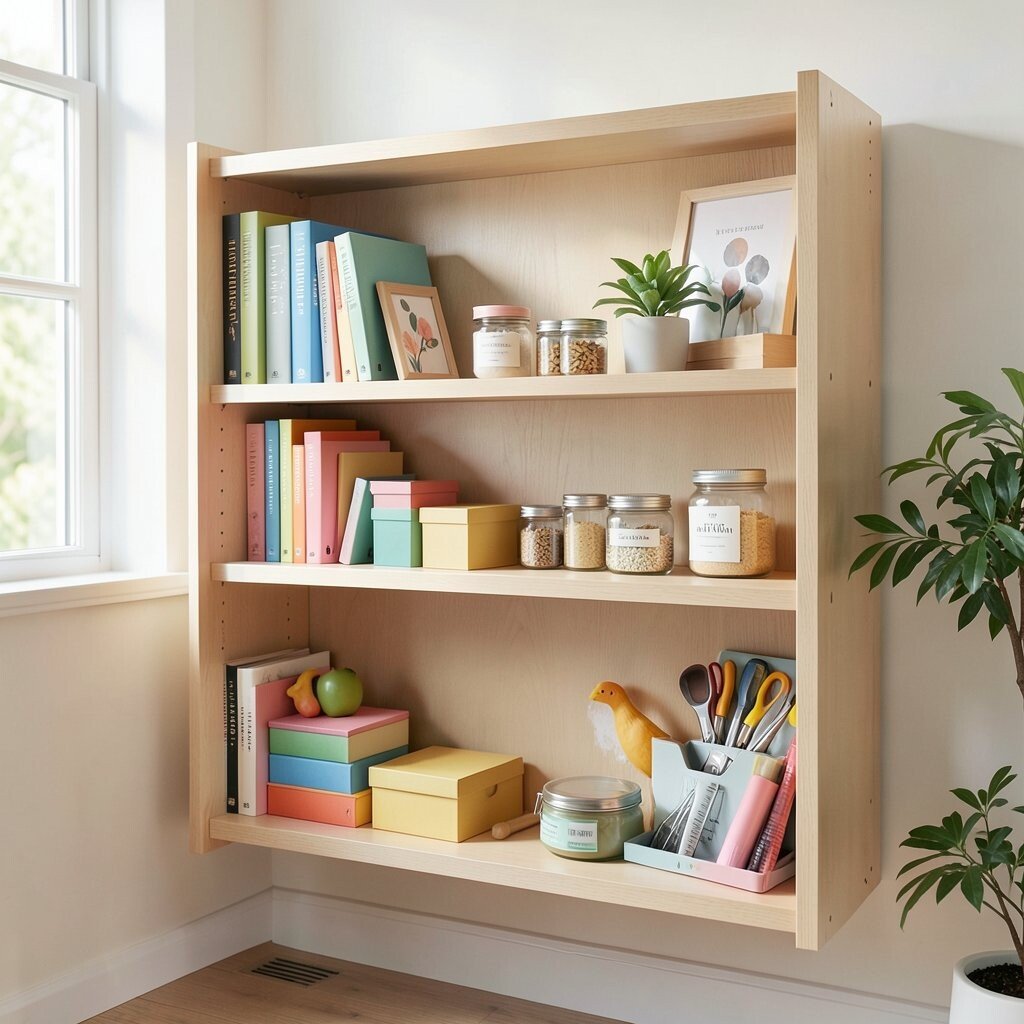
Open shelves can hold books, samples, jars, and small art pieces in a way that feels neat and easy to use. They also turn useful items into part of the room style.
This setup helps people keep tools close by, which can save time during a project. It can also make a space feel more open than heavy closed storage.
You can group items by color, size, or use to make the shelf look calm and clear. A few small boxes, a plant, or a framed print can add a personal touch without making the shelf feel crowded.
6. Chalkboard Paint Zones

Chalkboard paint turns part of a wall, door, or cabinet into a place for notes and quick sketches. The dark surface gives a strong visual contrast and feels playful in a simple way.
This can help with planning, since people can write reminders, draw ideas, or test layouts right on the wall. It is useful for kids, teams, and anyone who likes to think out loud on a surface.
The cost is often low, and the paint can work on many small areas instead of a whole wall. You can frame the section with tape or wood trim to make it look tidy and more finished.
7. Desk Tray Layers

Layered desk trays use stacked trays or boxes to keep papers, tools, and small items in order. They look neat and can add a bit of shape and height to a desk.
This idea helps cut down on mess, which can make it easier to focus on design work. It also saves time because you do not need to search for pens, cards, or notes.
You can use wood, plastic, or metal trays, depending on the look you want and how much you want to spend. Small labels, colored paper, or matching containers can help the setup feel more personal and easy to follow.
8. Mirror Accent Spots

Mirror accent spots use one or more mirrors to bounce light and make a room feel larger. They can also add a clean, shiny look that works well in many modern spaces.
Mirrors can help brighten dark corners and make wall colors stand out more. This is useful in small rooms, shared studios, or any place that needs a bit more light.
You do not need a large or costly mirror to get this effect. A thrifted frame, a round mirror, or a group of small mirrors can give the space a unique look at a lower price.
9. Fabric Pin Walls

Fabric pin walls use cork, foam, or soft boards covered with fabric for notes and images. The surface feels warmer than plain board and can add texture to the room.
This kind of wall is helpful for mood boards, sketches, and planning pages because items are easy to pin and move. It can also make a work area feel more like a studio and less like a plain office.
You can choose fabric that fits your room, such as linen, cotton, or a simple print. If you want to keep costs down, use leftover fabric or a cheap remnant from a shop.
10. Modular Storage Cubes

Modular storage cubes are square units that you can stack, move, and arrange in many ways. They often look clean and simple, which makes them easy to fit into different rooms.
These cubes help keep supplies in order and can make cleanup faster after a project. They also let you change the layout when your needs change, which is useful for growing spaces.
Some people use open cubes for easy access, while others add bins or doors for a tidier look. You can use labels, color coding, or small decor items to make the storage fit your own style.
11. Desk Plant Clusters
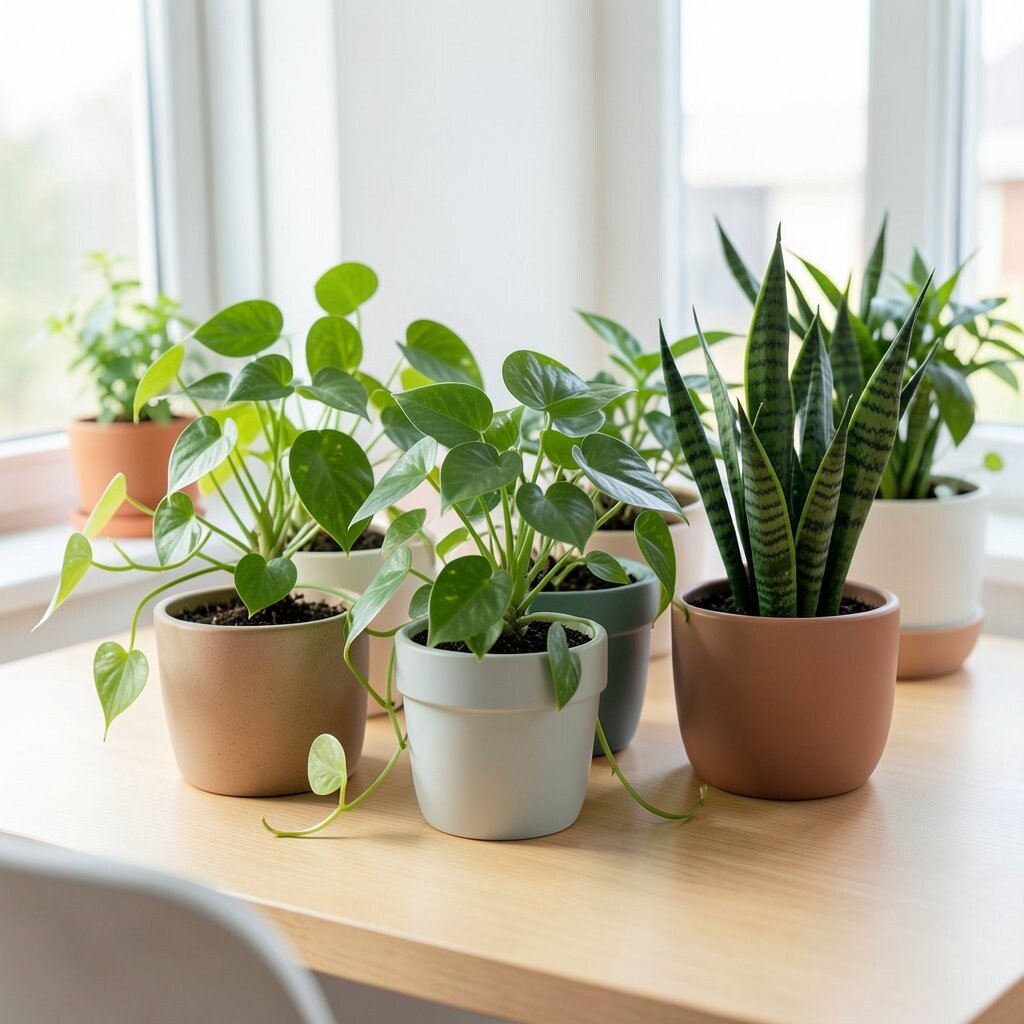
Desk plant clusters group a few small plants together in one spot to make a work area feel fresh. The mix of leaf shapes and pot colors can add life without taking up much room.
Plants can help a space feel calmer and more pleasant to sit in for long periods. They also give the eye a break from screens, papers, and other hard surfaces.
This trend works well with low-cost pots, cuttings, or easy-care plants like pothos and snake plants. You can use pots in the same color family for a clean look or mix styles for a more playful feel.
12. Hanging Clip Lines

Hanging clip lines use string, wire, or a slim rod with clips to show art, photos, and notes. They create a light visual line that can make a wall feel less empty.
This setup is easy to change, which makes it great for people who like to swap out their work often. It can help keep fresh ideas in view and make a room feel active.
The cost is usually low, and the materials are easy to find in craft or home stores. You can use colored clips, wood beads, or small tags to make the display feel more like your own.
13. Soft Corner Seating

Soft corner seating uses cushions, a small bench, or a floor chair in a quiet corner. It can make a room feel more relaxed and give people a place to sit and think.
This kind of spot is helpful for sketching, reading, or talking through ideas with others. A cozy corner can also make a large room feel more welcoming and less empty.
You can keep the setup simple with one rug, two pillows, and a small side table. If you want a more personal look, add a throw blanket or a cushion in a color that matches your room.
14. Reused Object Decor

Reused object decor turns old jars, boxes, ladders, or frames into useful design pieces. It gives a room a one-of-a-kind feel and can help cut waste at the same time.
This idea is good for people who want a creative look without spending a lot. Old items often have shapes, marks, or textures that make them more interesting than new store items.
You can paint, wrap, or stack reused pieces to fit your space and taste. Many current design trends use thrifted and found items because they add character and feel more personal.
15. Changeable Mood Corners

Changeable mood corners are small spots that you can update with new colors, art, or objects when you want a fresh feel. They can be as simple as a shelf, stool, and wall area that shifts with the season or your mood.
This idea helps keep a space from feeling flat because it gives you room to try new looks. It can also help with creativity, since small changes often lead to new thoughts and plans.
The cost can stay low if you use items you already own and rotate them around. You can make the corner feel personal with favorite books, handmade art, or pieces that remind you of a good time.