
Cat stair walls can look simple at first, but they bring a lot of small details that many people miss. They can help your cat move around more easily while also changing the look and use of your wall space.
1. They Are More Than Just Cute Wall Decor
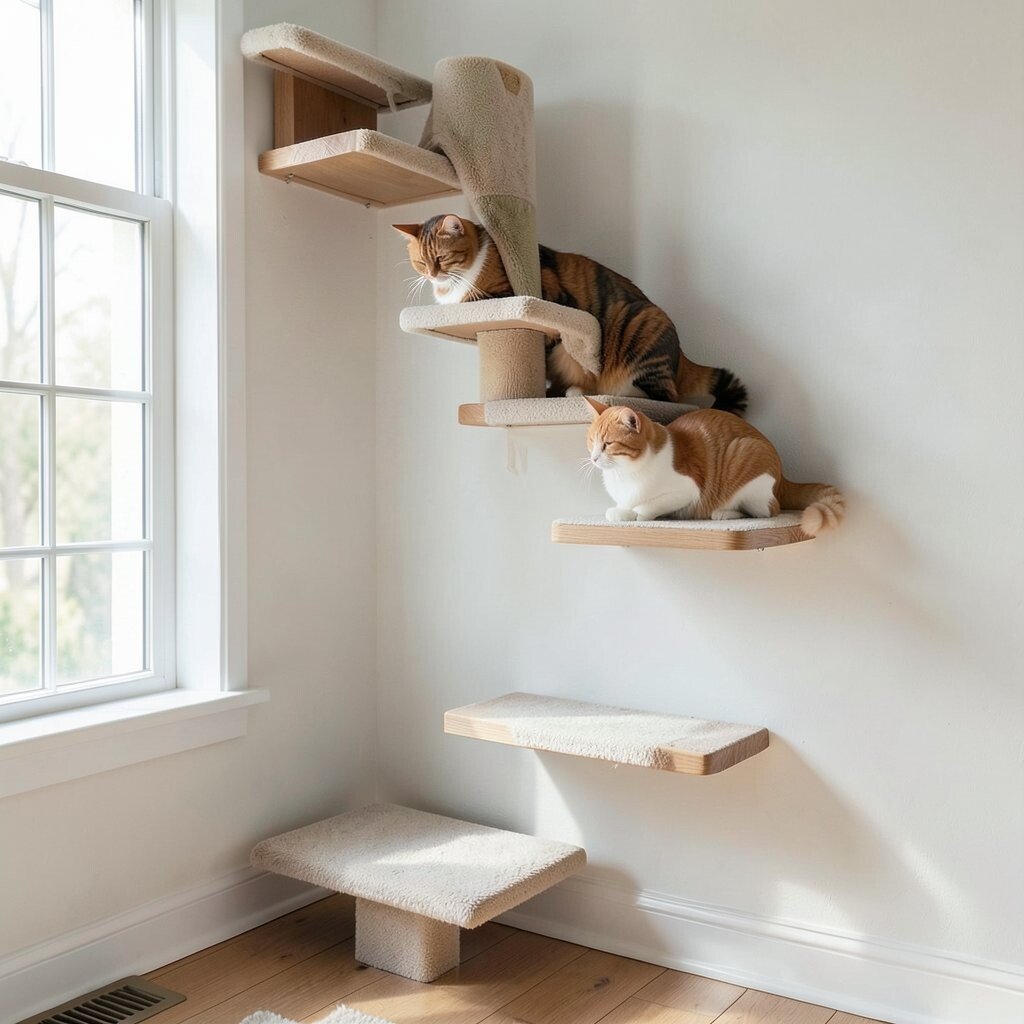
A cat stair wall can look like a fun design choice, but it does more than sit on the wall. It gives your cat a path to climb, rest, and watch the room from above.
Many people first notice the style, like wood steps, soft pads, or small ledges. But the real value is in how it fits into daily life for both you and your cat.
It can also make a room feel more active and lived in. Instead of a plain wall, you get a space that has use and personality.
2. Cats Often Use Them Right Away
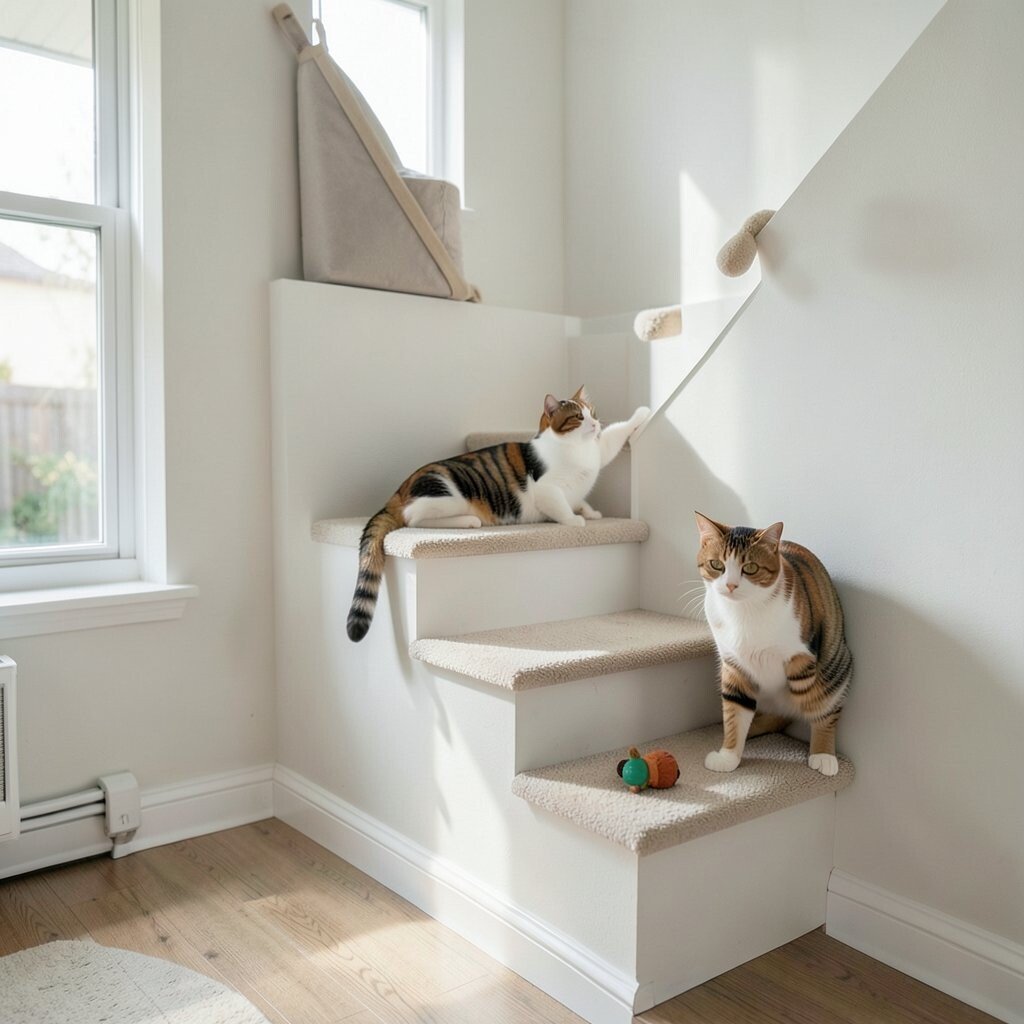
Some owners think cats need a long time to get used to wall stairs. In many homes, cats start checking them out fast, since cats like high places and new spots to smell.
A cat that already likes shelves, beds, or window perches may take to the stairs with little help. A shy cat may need time, treats, or a toy to feel safe.
It helps to place the steps in a way that feels easy and open. If the path is too high or too close to a loud area, your cat may wait before using it.
3. The Wall Must Be Strong Enough
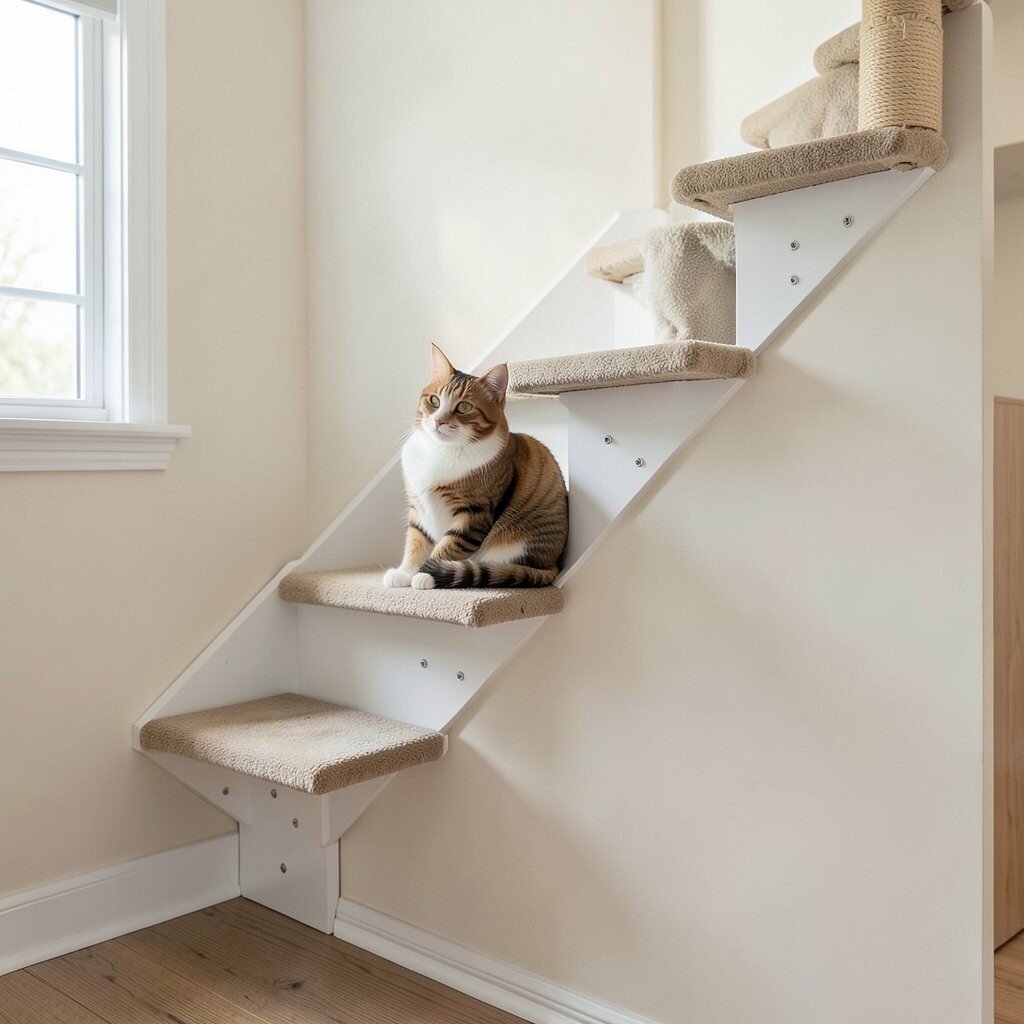
One thing people often miss is that the wall itself matters a lot. Cat stair walls need solid support, not just a nice-looking surface.
If you hang steps on weak drywall without the right anchors, the whole setup can shift or fail. That can be unsafe for your cat and costly for you.
Before you buy, check the wall type and the weight limit for each piece. If you are not sure, ask a pro or use hardware made for heavy wall items.
4. The Look Depends on the Room
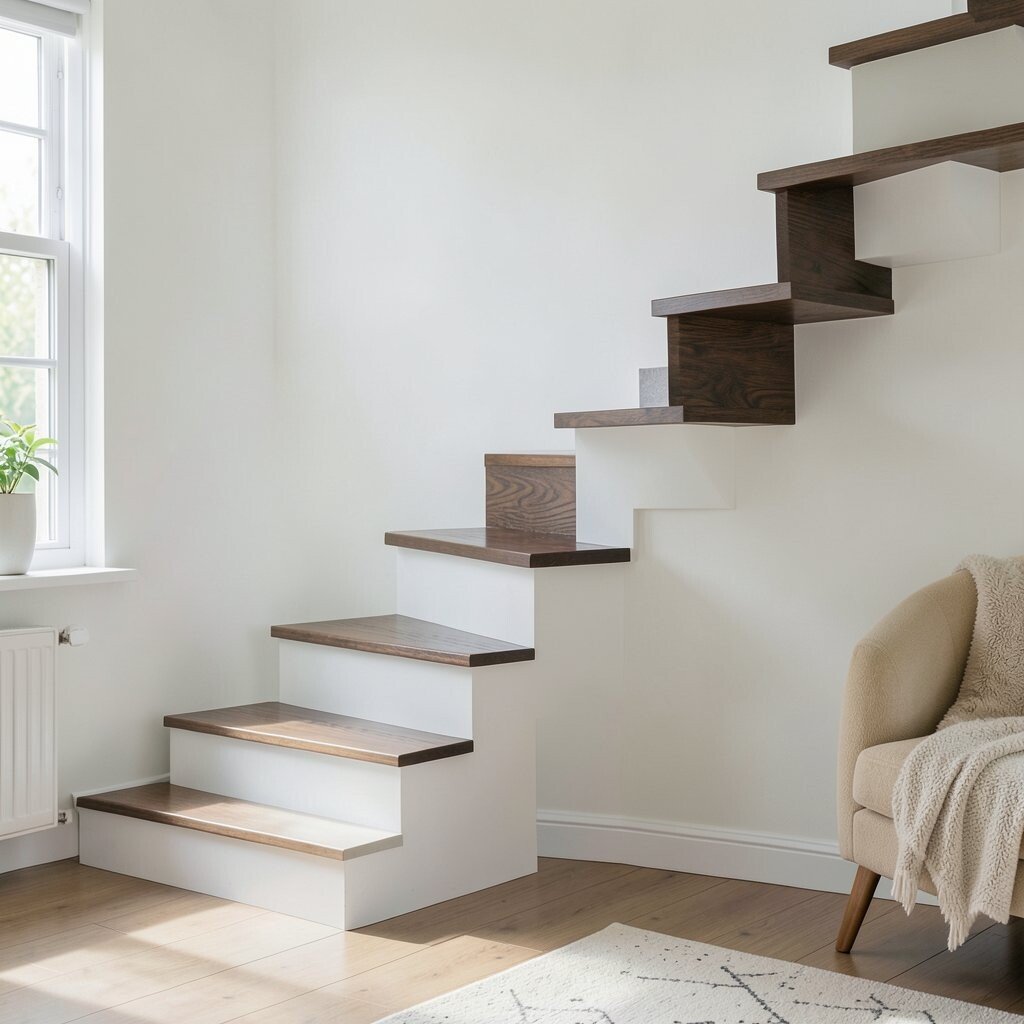
A cat stair wall can match a room in many ways, from plain white steps to dark wood or bright painted pieces. The same setup can feel calm in one home and bold in another.
People often make it fit the wall color, floor, and nearby furniture. Some choose a clean style, while others like a more playful look with mixed shapes.
This is where personal taste matters a lot. You can make the wall feel like part of the room instead of a pet item that seems out of place.
5. Cats Like High Paths for a Reason
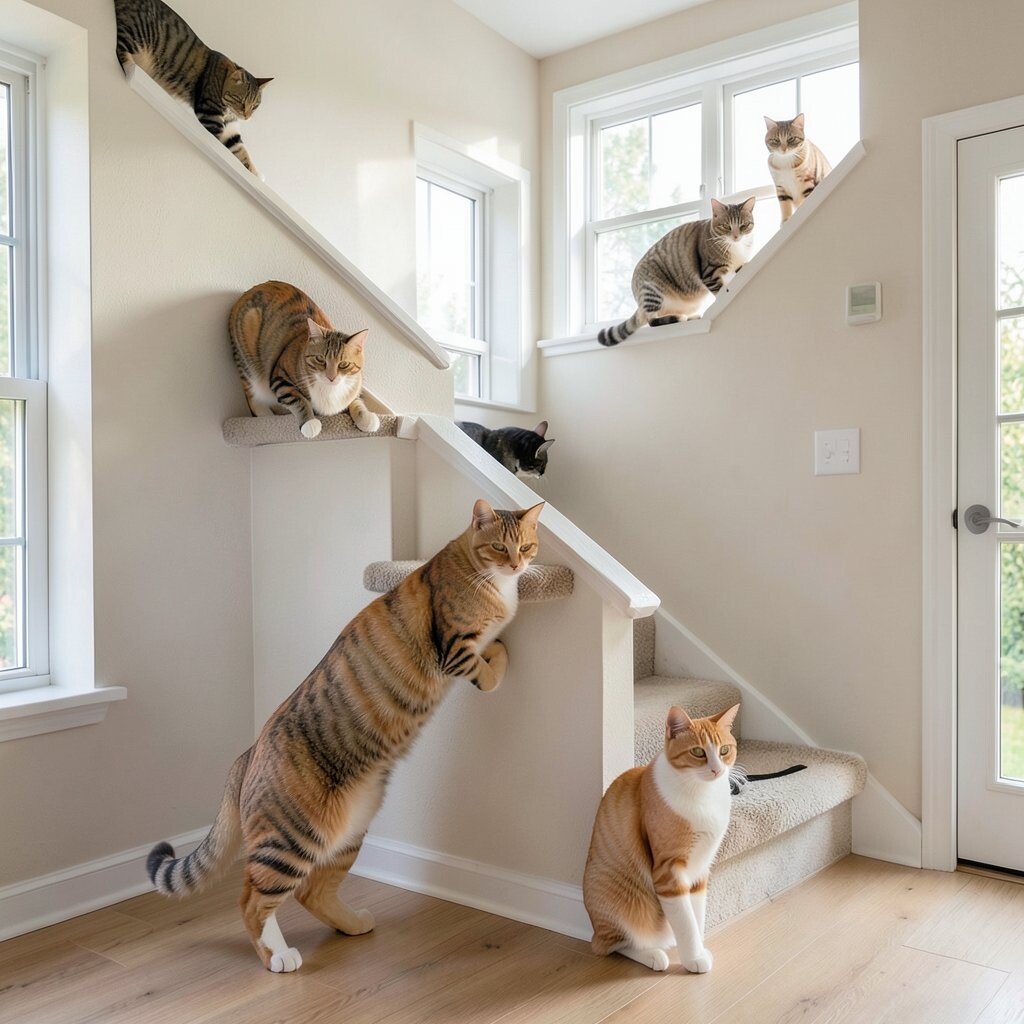
Cats feel safer when they can see what is going on around them. A stair wall gives them a high path to move through the room without walking on the floor.
This can help a cat avoid stress when guests come over or when another pet is nearby. It also gives your cat a spot to rest above the daily noise.
Many cats use these paths to check windows, doors, and family life from a better view. That simple habit can make the stairs feel useful every day.
6. Small Spaces Can Benefit the Most
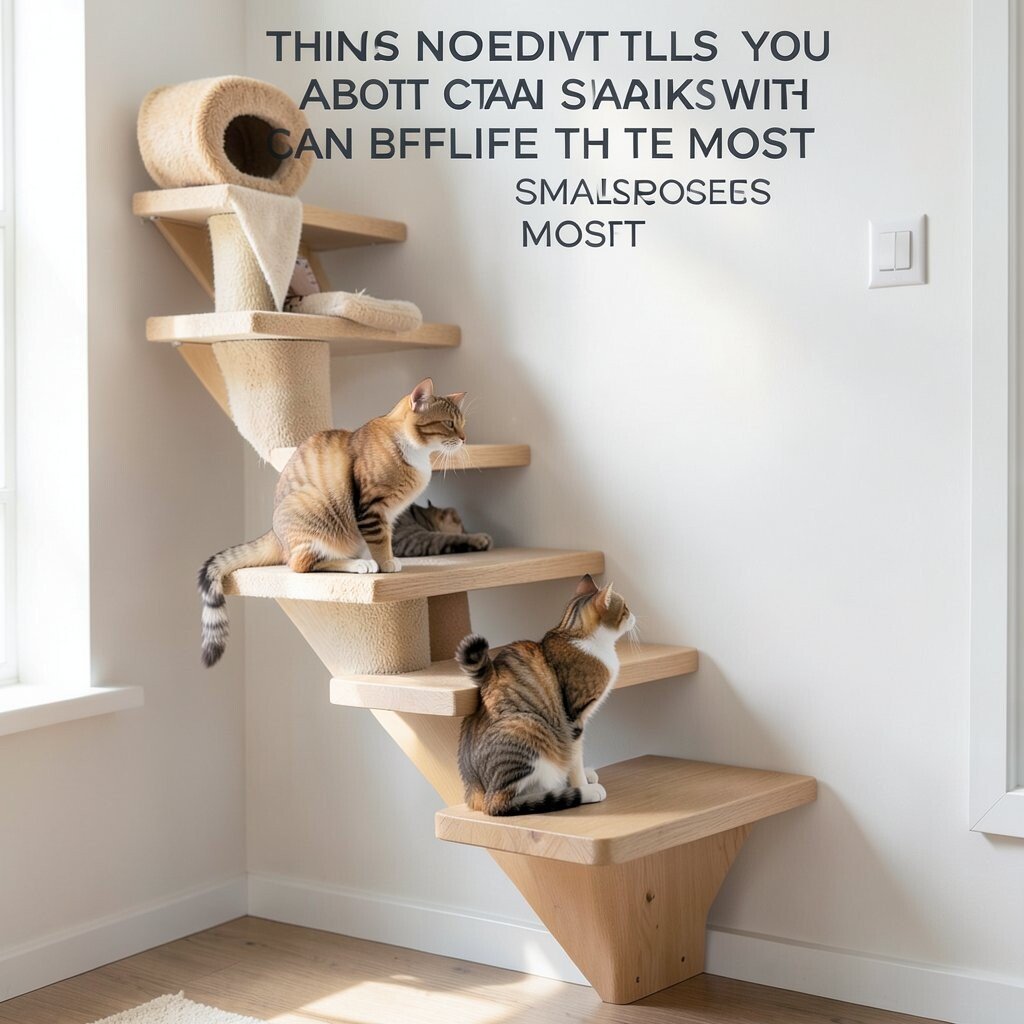
Cat stair walls are a smart choice when floor space is tight. They use the wall area that often sits empty and turn it into a path for your cat.
This can help in small homes, apartments, and shared rooms where a big cat tower would feel crowded. You still give your cat a place to climb without taking up much of the floor.
That is one reason they are so popular in modern homes. People want pet items that work well and do not make a room feel packed.
7. The Cost Can Range a Lot
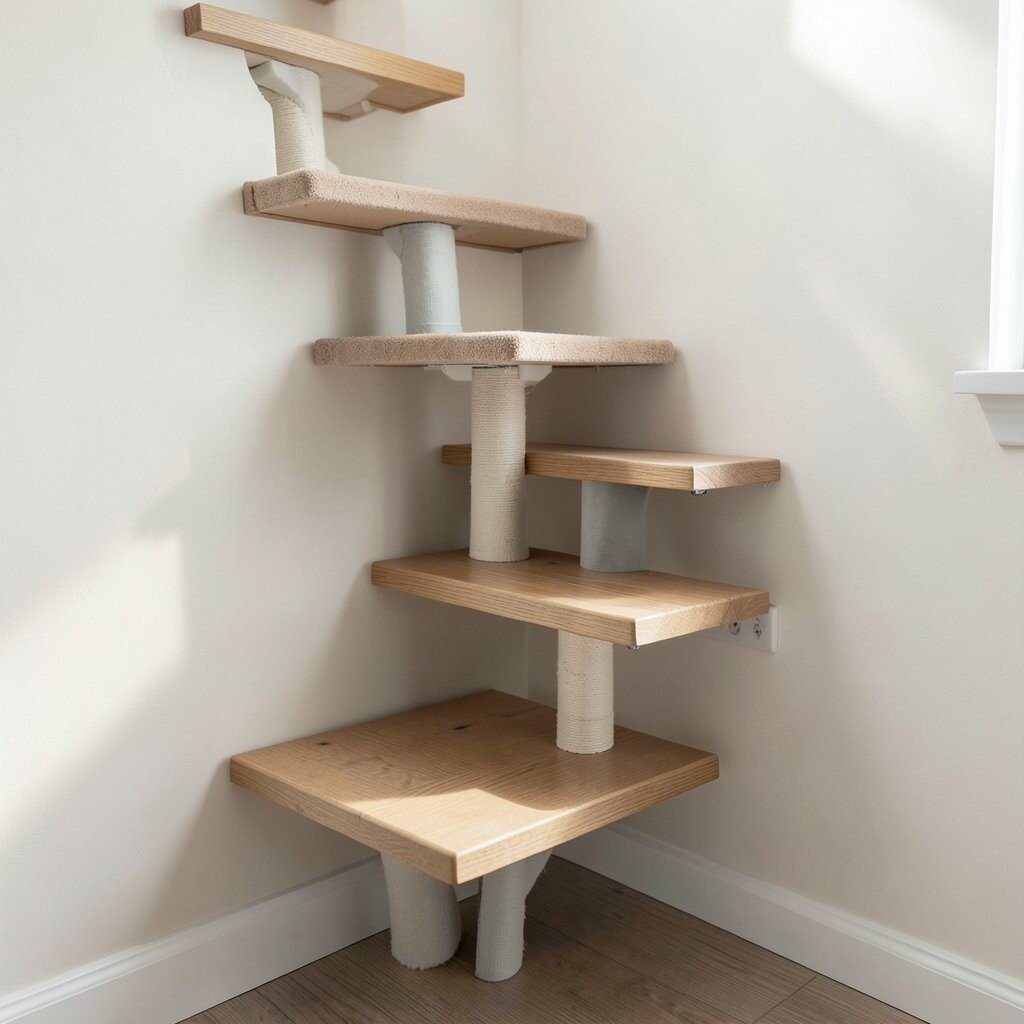
The price of cat stair walls can be low or high based on the parts you pick. Simple steps with basic hardware may cost much less than a full custom setup.
Wood type, finish, padding, and design all change the price. Some people also pay for help with drilling and mounting, which can add to the total.
If you want to save money, start with a small wall path and add more later. That way you can see what your cat likes before you spend too much.
8. Placement Is Just as Important as Style
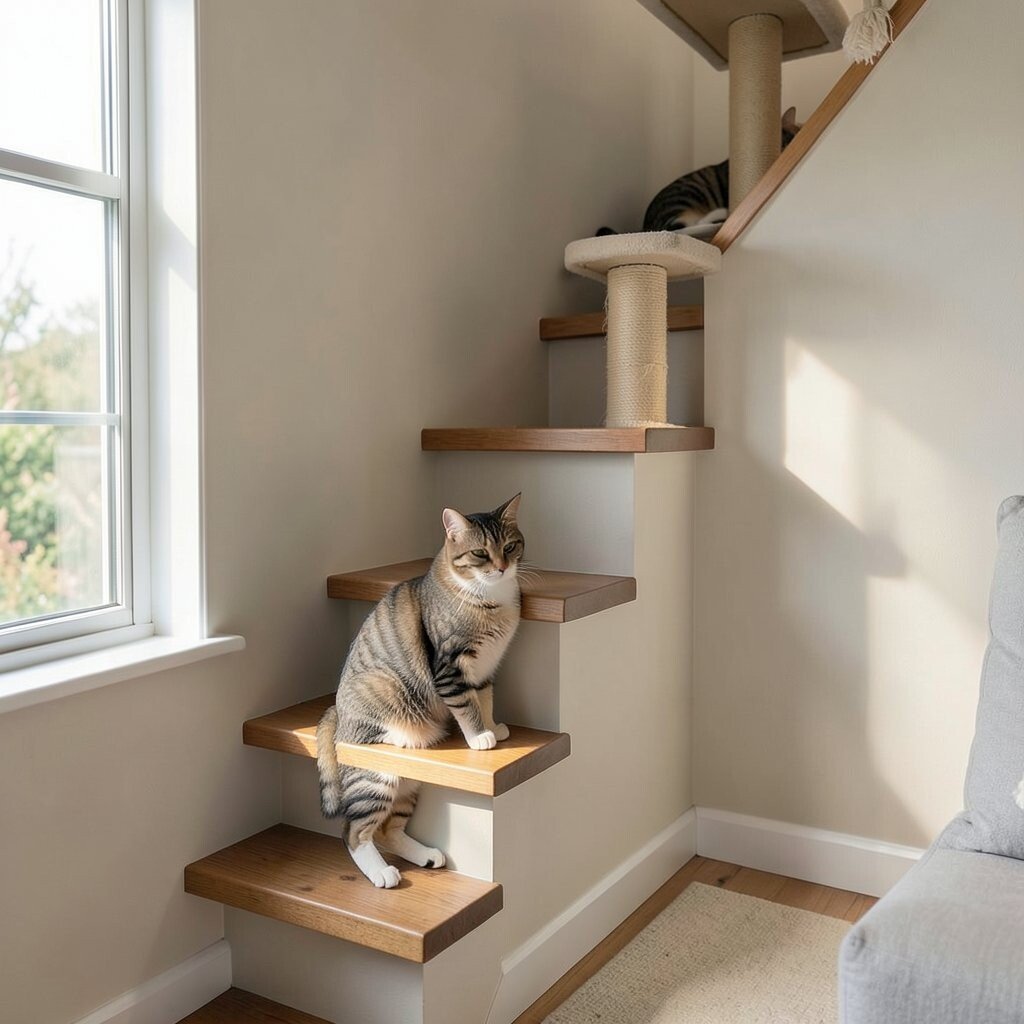
Where you put the steps can change how often your cat uses them. A good path should feel easy to reach and should lead somewhere useful, like a shelf, bed, or perch.
Many people place stairs near a window, couch, or favorite resting area. That makes the path feel like part of the cat’s normal route through the home.
It also helps to keep the path clear of sharp corners and busy walkways. If people bump into the steps all the time, your cat may avoid them.
9. Cleaning Is Simple, But Not Free of Work
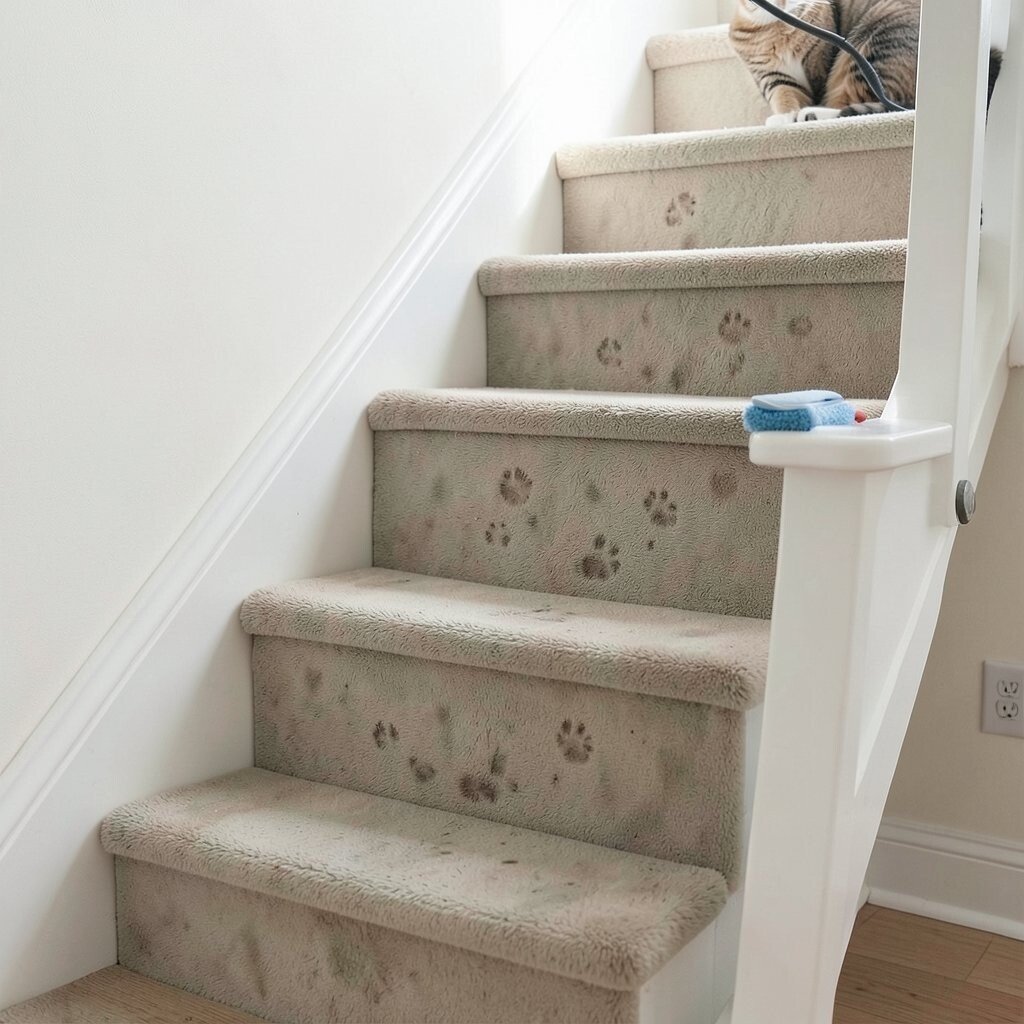
Cat stair walls do not take the same cleaning as a floor bed, but they still need care. Dust, fur, and paw marks can build up on steps and ledges over time.
Soft cloths, a small vacuum tool, or a lint roller can help keep them neat. If the steps have fabric pads, you may need to wash or replace them now and then.
It is smart to pick materials that are easy to wipe down. That saves time and helps the stairs stay nice for longer.
10. Safety Details Matter More Than Most People Think
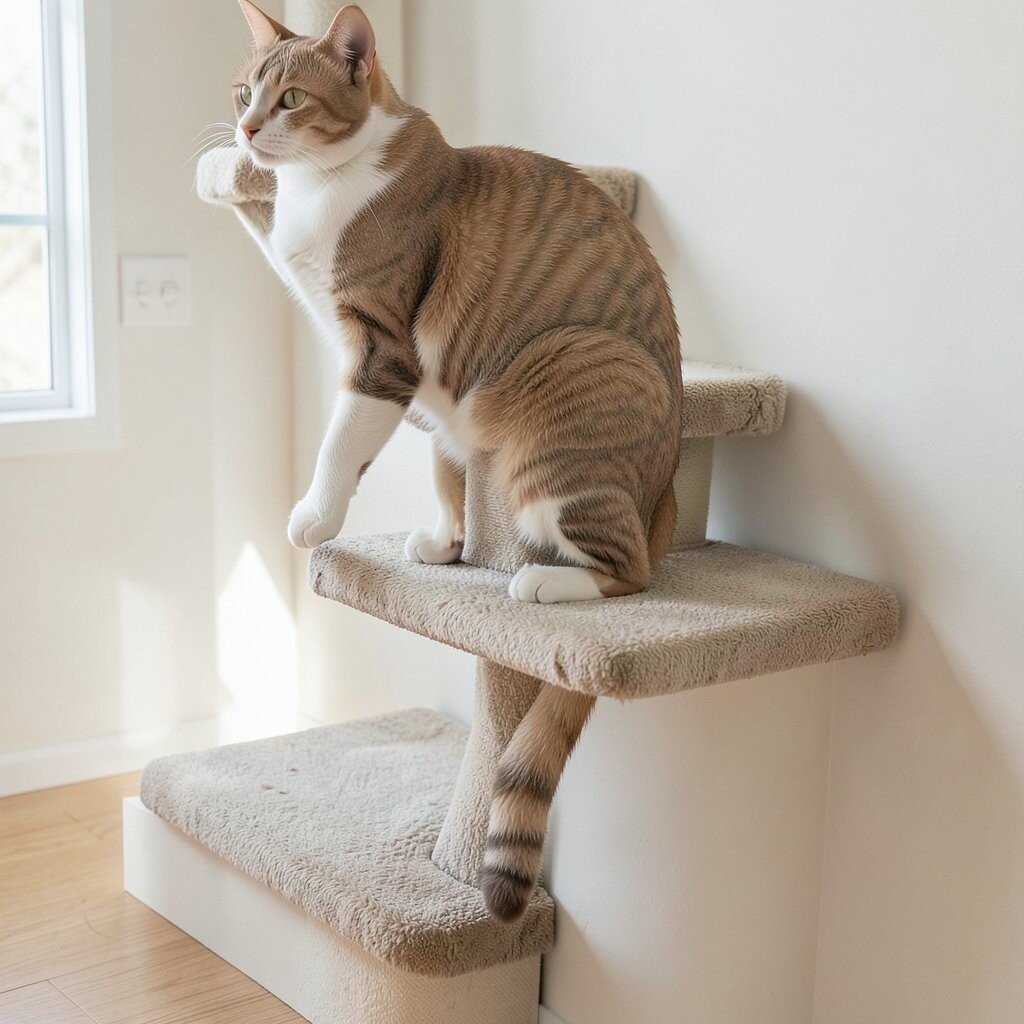
A cat stair wall should feel steady every time your cat steps on it. Loose parts, sharp edges, or slippery surfaces can turn a nice setup into a problem.
Many owners add non-slip pads or textured finishes to help with grip. This is useful for kittens, older cats, and cats that are still learning the route.
You should also check each piece from time to time. A quick look for wobble or wear can help you fix small issues before they grow.
11. They Can Fit Many Home Styles
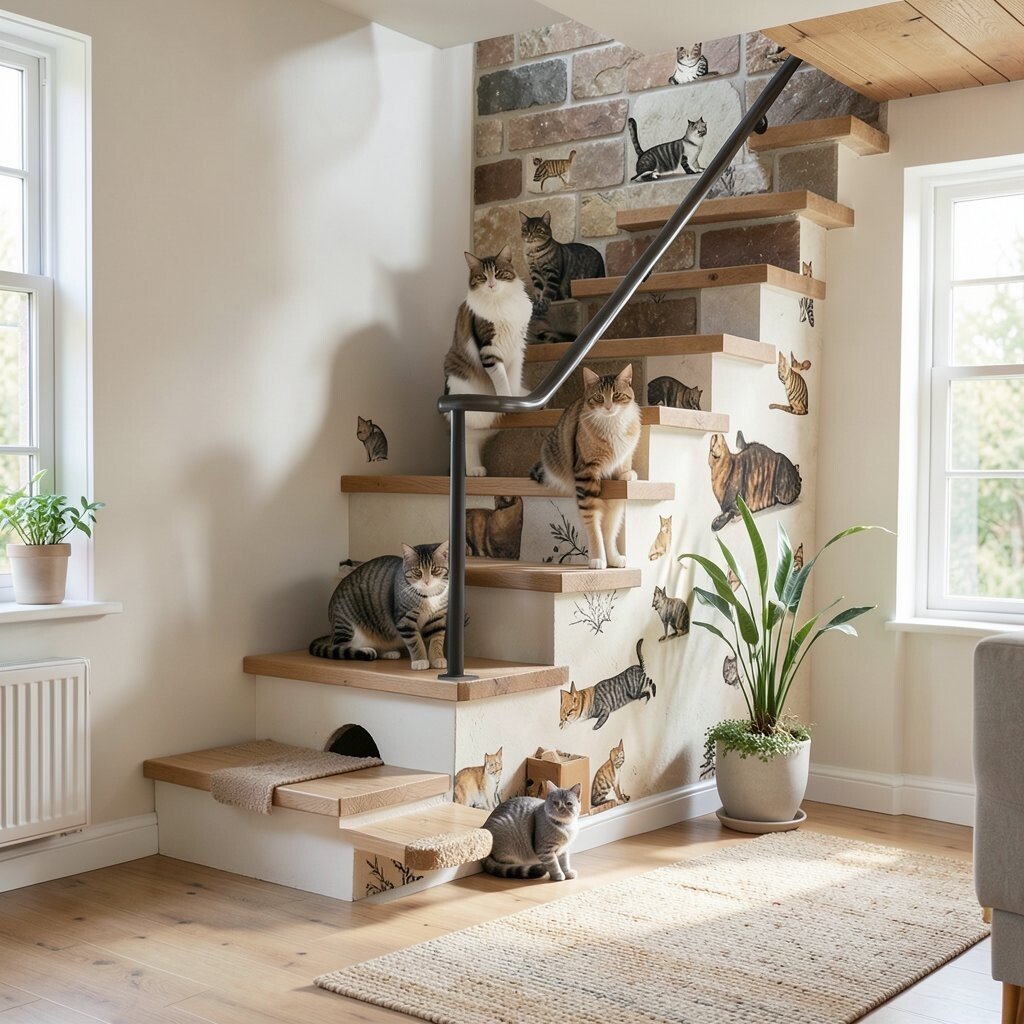
Cat stair walls are not just for one kind of home. They can fit modern rooms, rustic rooms, simple rooms, and even bright family spaces.
Some people like smooth lines and hidden hardware, while others want the steps to stand out. There are also many colors and shapes, so the setup can match your taste.
This flexibility is one reason they have become a trend. People want pet items that feel like part of the home, not just extra gear.
12. Your Cat’s Age Changes What Works Best
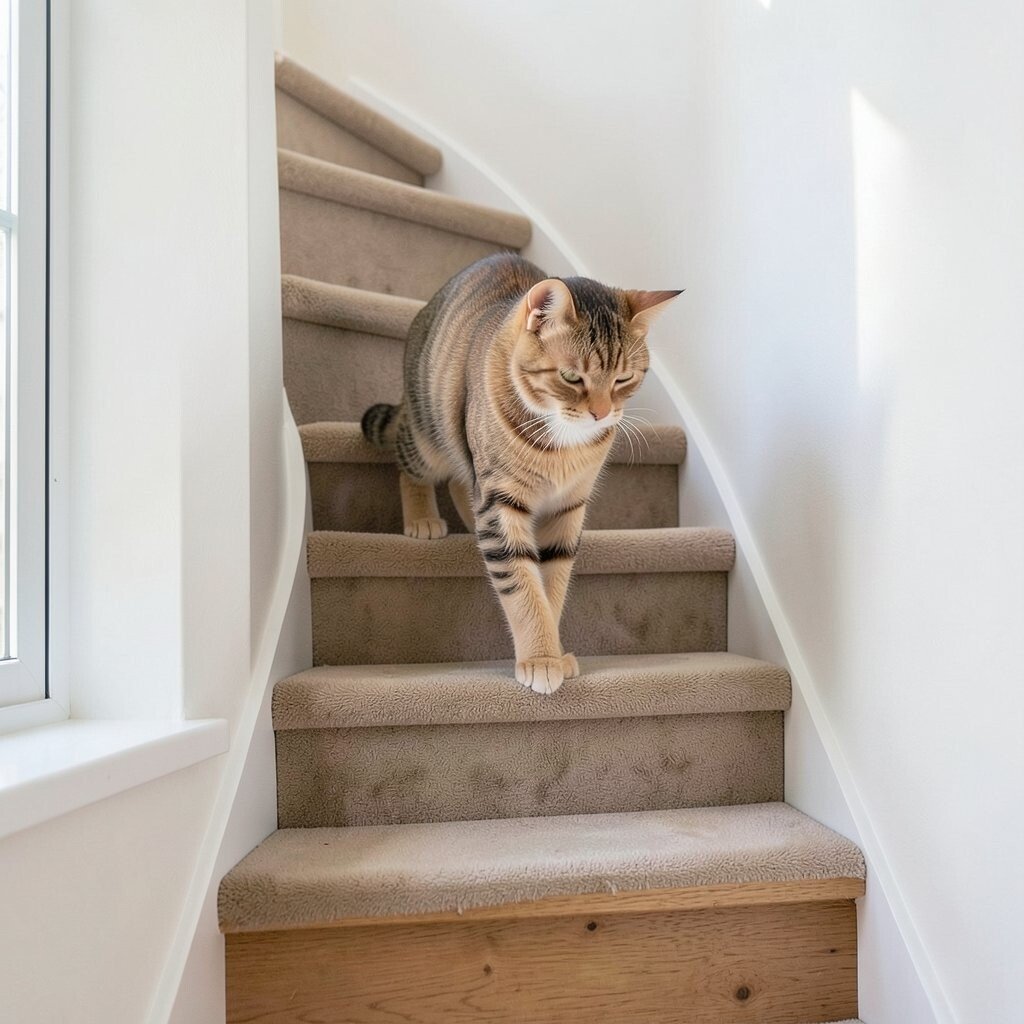
Young cats may jump on and off the stairs with ease. Older cats may need wider steps, lower gaps, and softer surfaces to feel safe.
If your cat has joint pain or limited movement, the layout should be gentle and easy. A long, hard climb may not be a good fit.
It helps to watch how your cat moves now, not how you think they should move. That can guide you toward a setup that feels right for their body.
13. You Can Make It Personal
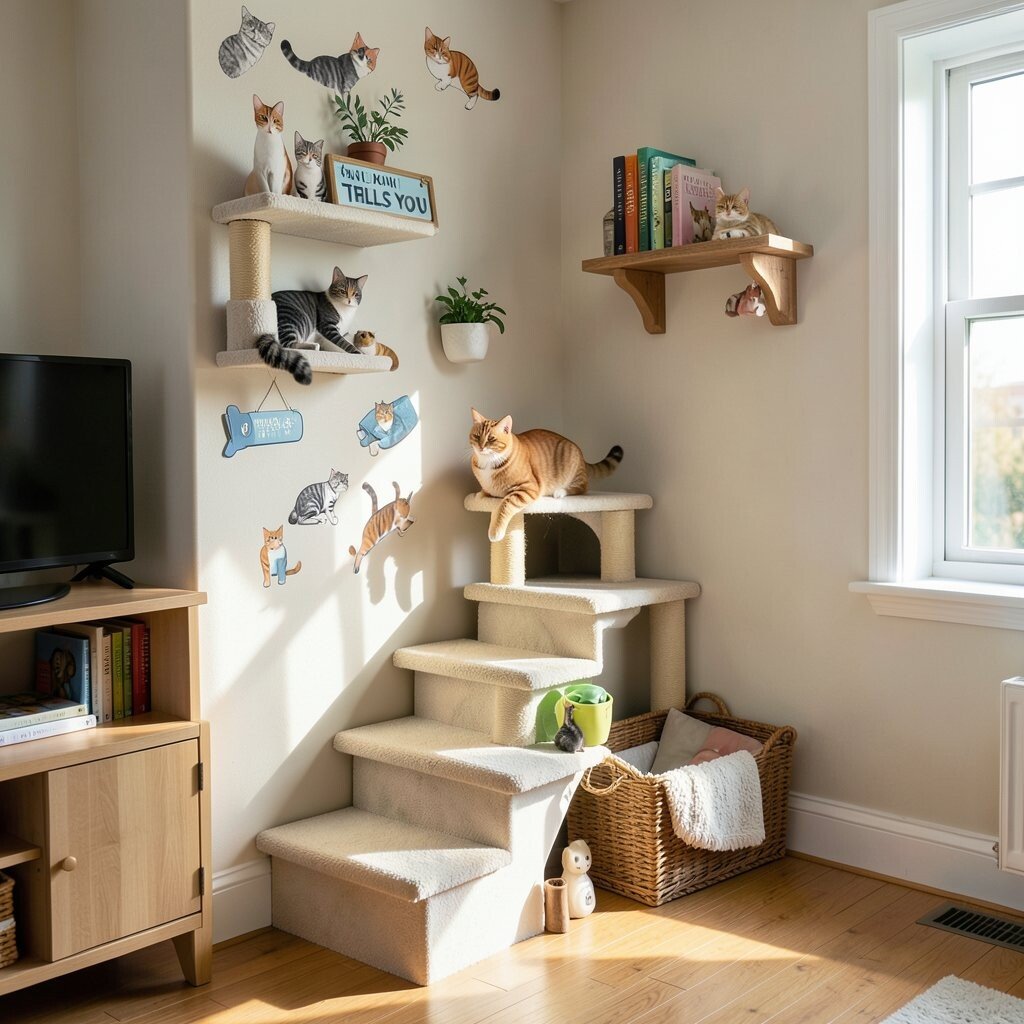
Cat stair walls can be made to fit your cat’s habits and your own style. You might add a perch near a sunny spot, a bed near a window, or a step that leads to a favorite shelf.
Some owners choose names, colors, or shapes that match their home. Others build a path that works around a TV, art wall, or bookshelf.
This kind of personal touch makes the wall feel special. It also helps the setup work better for the cat who will use it every day.
14. Trends Keep Moving Toward Clean, Open Designs
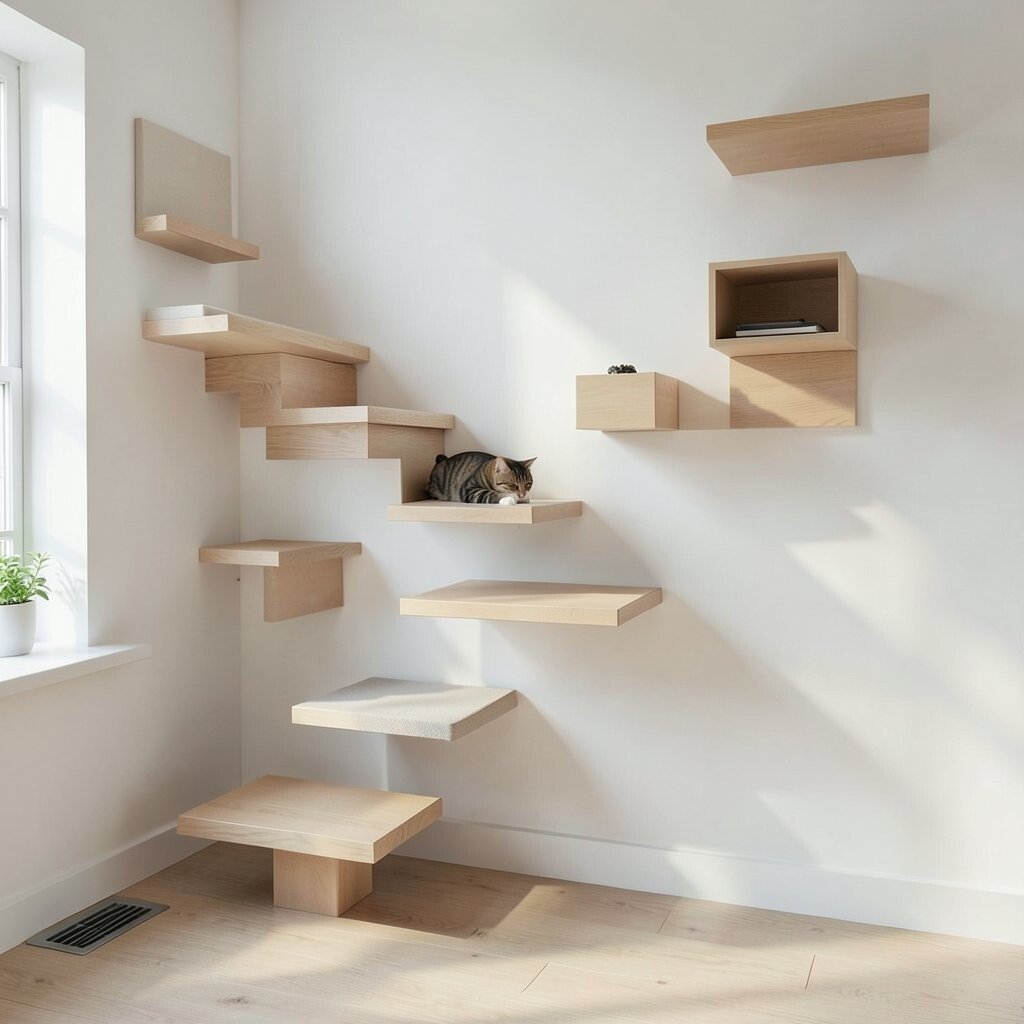
Right now, many cat stair walls lean toward simple shapes and soft colors. People often want items that look light, neat, and easy to fit into a room.
Open wood, small pads, and floating steps are common choices. These styles can make the wall look less crowded while still giving the cat a full path.
Some owners also mix in shelves, bridges, or resting boxes. That makes the wall feel more like a small cat route than a plain set of steps.
15. The Best Setup Is the One Your Cat Actually Uses
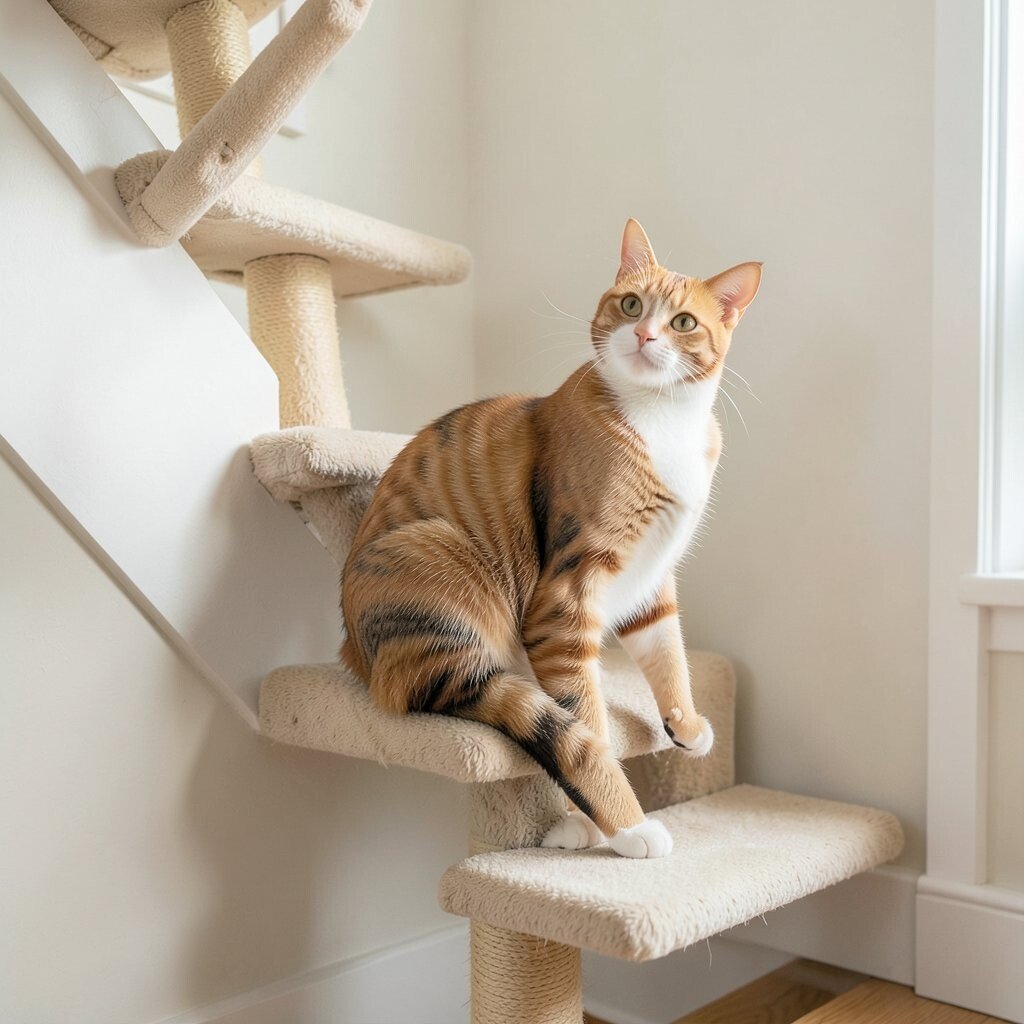
It is easy to focus on looks, cost, or what is popular online. But the best cat stair wall is the one your cat walks on, rests on, and enjoys day after day.
That may mean changing the height, moving a step, or adding a softer pad. Small changes can make a big difference in how safe and useful the wall feels.
When you watch your cat and make simple changes as needed, the wall becomes more than a design piece. It becomes a part of daily life that helps both you and your pet.