
Good animal care starts with small choices you make every day. When a clinic plans well and listens to people, pets tend to feel safer and get the right care.
1. Clear Check-In With Simple Forms
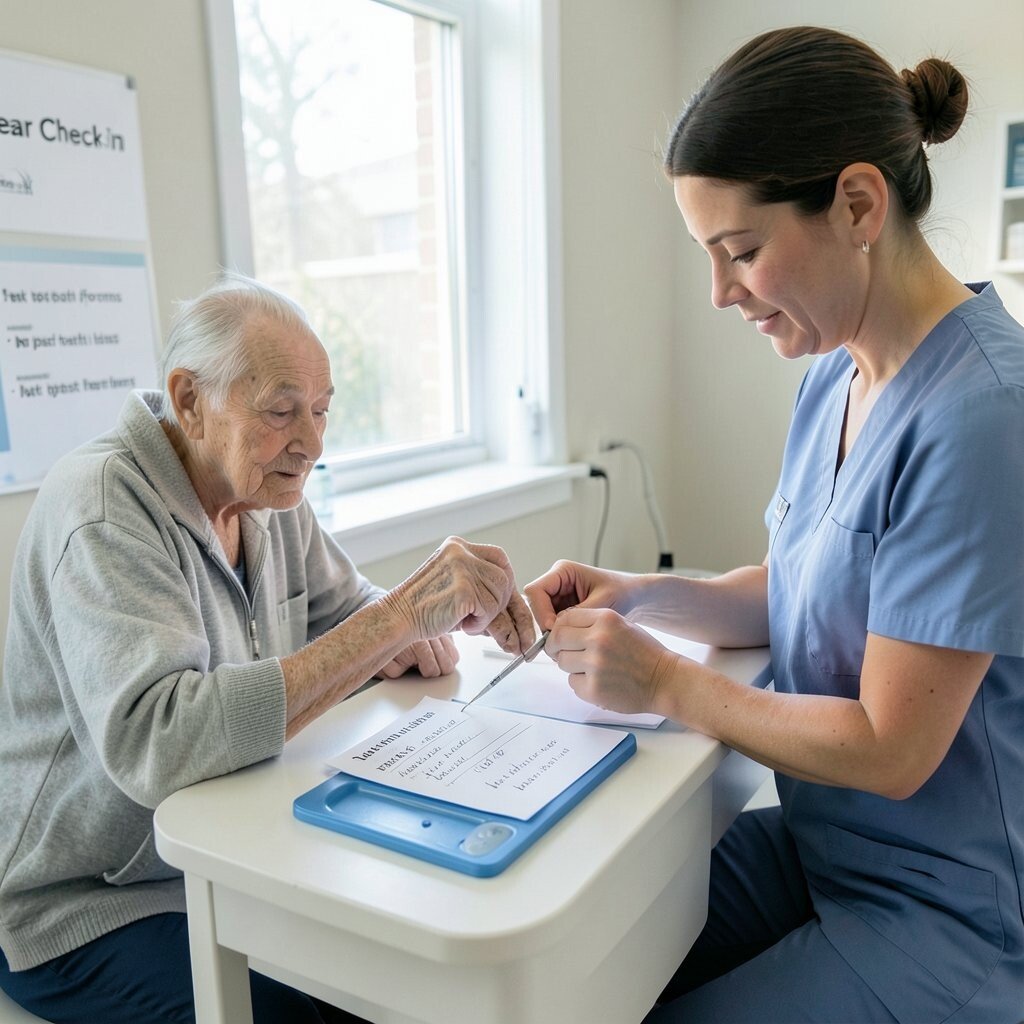
Make check-in fast and easy to follow. Use short forms that ask for the pet’s name, age, food, and any past health issues. Add a spot for the owner to write what they see at home.
When staff can read the info quickly, they can ask better questions. This can save time during the visit and help the vet focus on the pet. A clear start also helps new clients feel less worried.
2. A Calm Waiting Room With Pet-Friendly Spaces
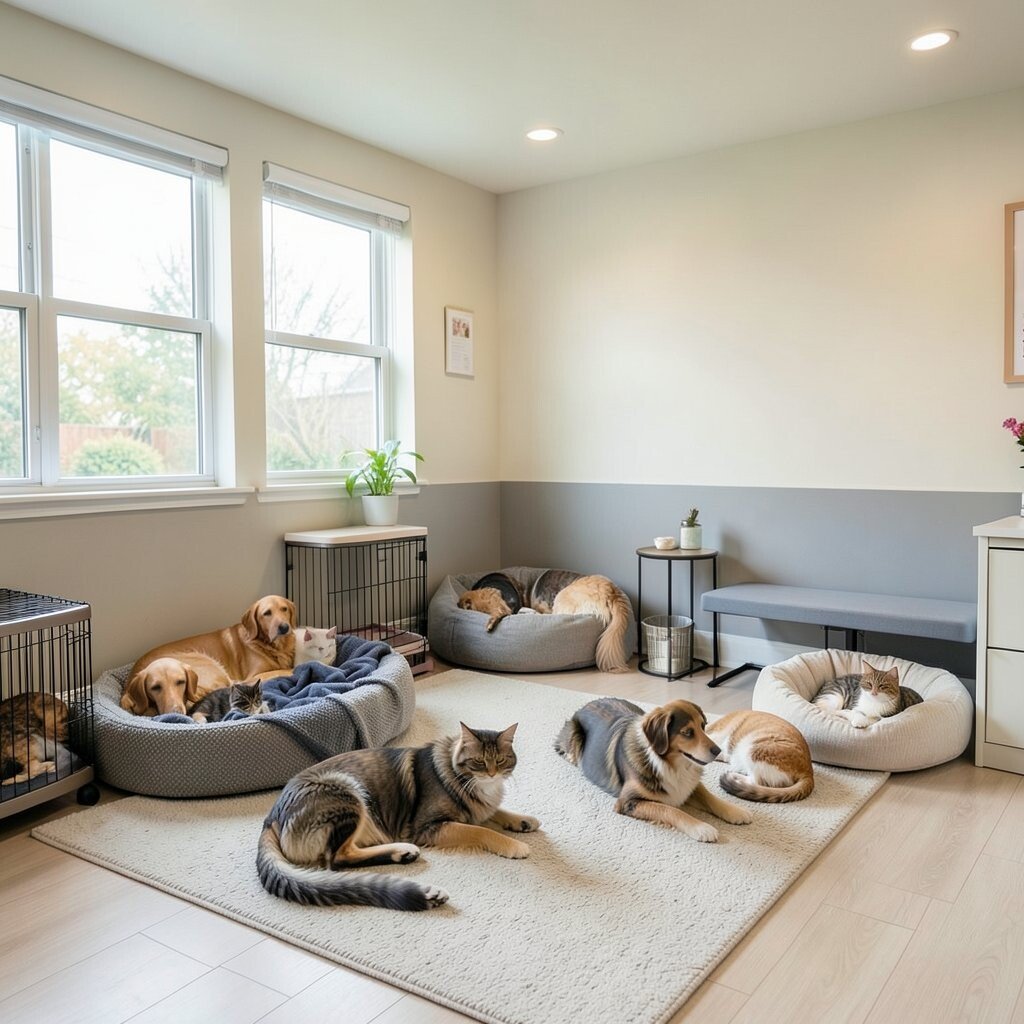
Set up the waiting room so pets do not feel crowded or stressed. Use softer lights, keep noise low, and separate dogs from cats when you can. You can add comfy pet beds or blankets so many pets settle faster.
Staff can also use simple habits like speaking in a low voice and keeping doors closed. This can reduce barking and scratching. Pets that feel calm often get exam steps done with less struggle.
For cost, you can start with low-priced fixes like rugs, calming scents, and a quiet corner. Over time, you can upgrade by adding extra crates or a small play area for gentle pets. Many clinics now use fear-free style tools, and clients like the look and feel.
3. Friendly Team Communication From Start to Finish
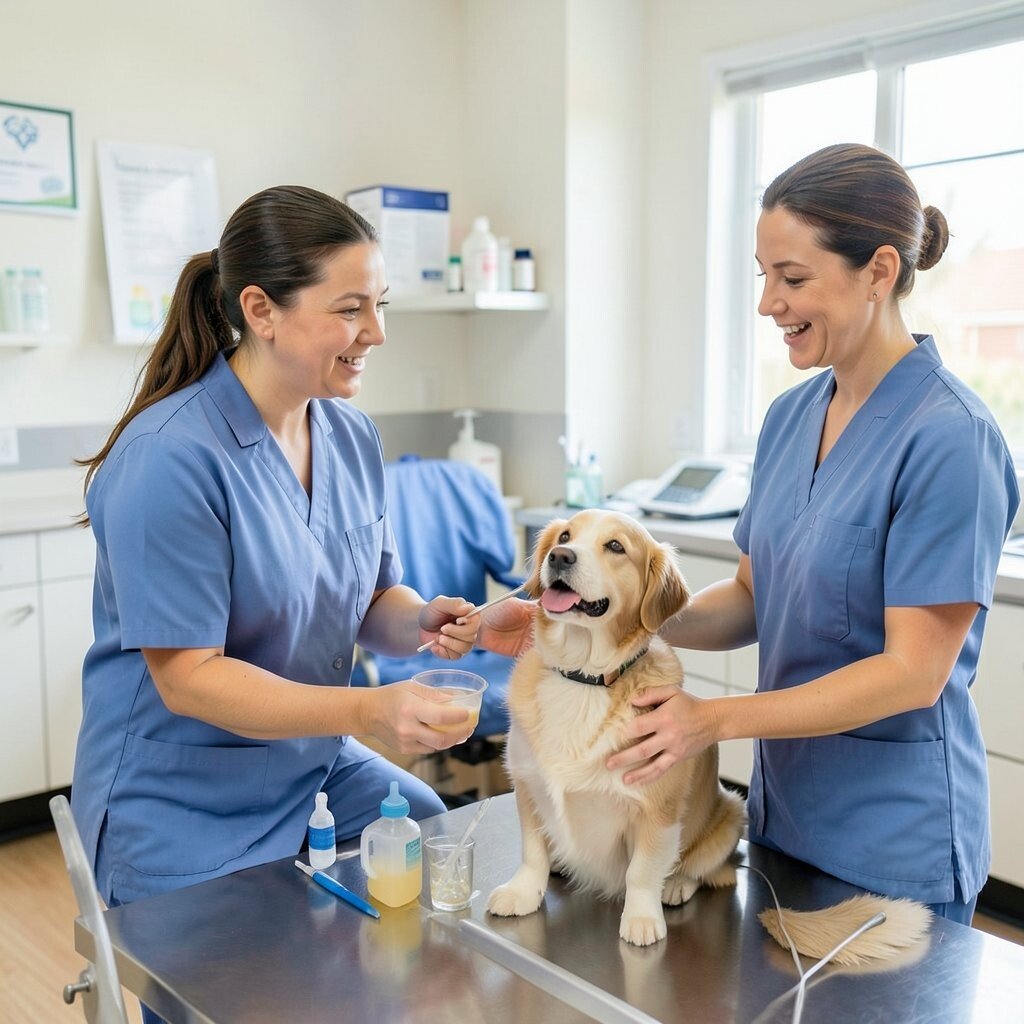
Train every person to speak the same way during the visit. Use the pet’s name, say what you plan to do next, and keep details simple. When clients know the steps, they ask fewer questions out of stress.
Good talk also helps with trust. A pet owner who feels heard is more likely to share diet changes, past meds, or new symptoms. That extra info can guide better exams and faster care.
4. Better Exam Flow With Short, Focused Steps

Plan the exam so it moves in a smooth way. Staff can start with vitals, then skin and ear checks, then a heart and lung check. This helps reduce wait time and keeps the pet from getting more scared.
You can also use a “one room, one goal” idea during the visit. For example, a tech gathers history in one spot, then moves to the exam table with clear steps. This is a way to cut confusion and missed tasks.
Personalization matters here too. Older pets may need slower handling, while young pets may need shorter exam moments. The clinic can adjust the pace based on the animal and the owner’s comfort.
5. Clear Treatment Plans With Plain Language

Explain the plan in easy words, not long medical terms. Use simple labels like “today,” “next week,” and “later.” Show what the medicine does and how to give it, step by step.
Many clinics are using new tools like printed one-page care sheets and phone follow-up texts. This helps owners remember and reduces call backs. It can also help with cost because owners avoid mistakes that lead to extra visits.
Try to include a “why this matters” note for each main choice. That way owners understand the goal, not just the orders. Some clinics also offer a quick cost range before tests, which can help families plan.
6. Photo and Record Systems That Are Easy to Use

Use a record system that helps staff see the pet’s past notes fast. Take clear photos when you treat a skin issue, a wound, or an eye problem. Store them in the pet’s chart with the date.
Visual proof helps everyone. It helps the vet track how things look over time, and it helps the owner see changes at home. This can improve care because it supports better follow-up decisions.
For cost, you do not need fancy gear at first. A good phone camera can work well with bright light and steady focus. Many clinics now use secure cloud records, which is a growing trend for fast access.
7. Gentle Handling and Fear-Aware Tools

Use fear-aware methods when you handle nervous pets. Staff can start by letting the pet sniff, using calm voices, and moving slowly. If needed, you can use soft leashes, pet wraps, or harnesses that fit well.
Visual details matter. You can picture staff in plain scrubs, kneeling at eye level, with a soft towel ready and treats in small cups. That calm look can help the pet feel safer and can calm the owner too.
Personalize the tools based on the pet. A cat that hates carriers may need carrier training steps, while a dog that panics at touch may need a slow exam plan. This approach can lower stress and help staff work faster with less strain.
8. Vaccines and Parasite Plans Tailored to Local Risk

Do not use the same schedule for every pet. Many clinics now match vaccines and parasite care to local risks and the pet’s daily life. Ask about parks, walks, other animals, and travel.
When the plan fits the pet, owners often feel less worried about “extra shots.” This can also help with cost because it avoids care that the pet may not need. Clear charts that show when the next dose is due can help families budget better.
You can add simple tips like “use a tick check after walks” or “store meds in a safe spot.” These small habits often make a big difference. The clinic can also share local trend info, like more ticks in certain seasons.
9. Strong Dental Care Programs for Long-Term Health
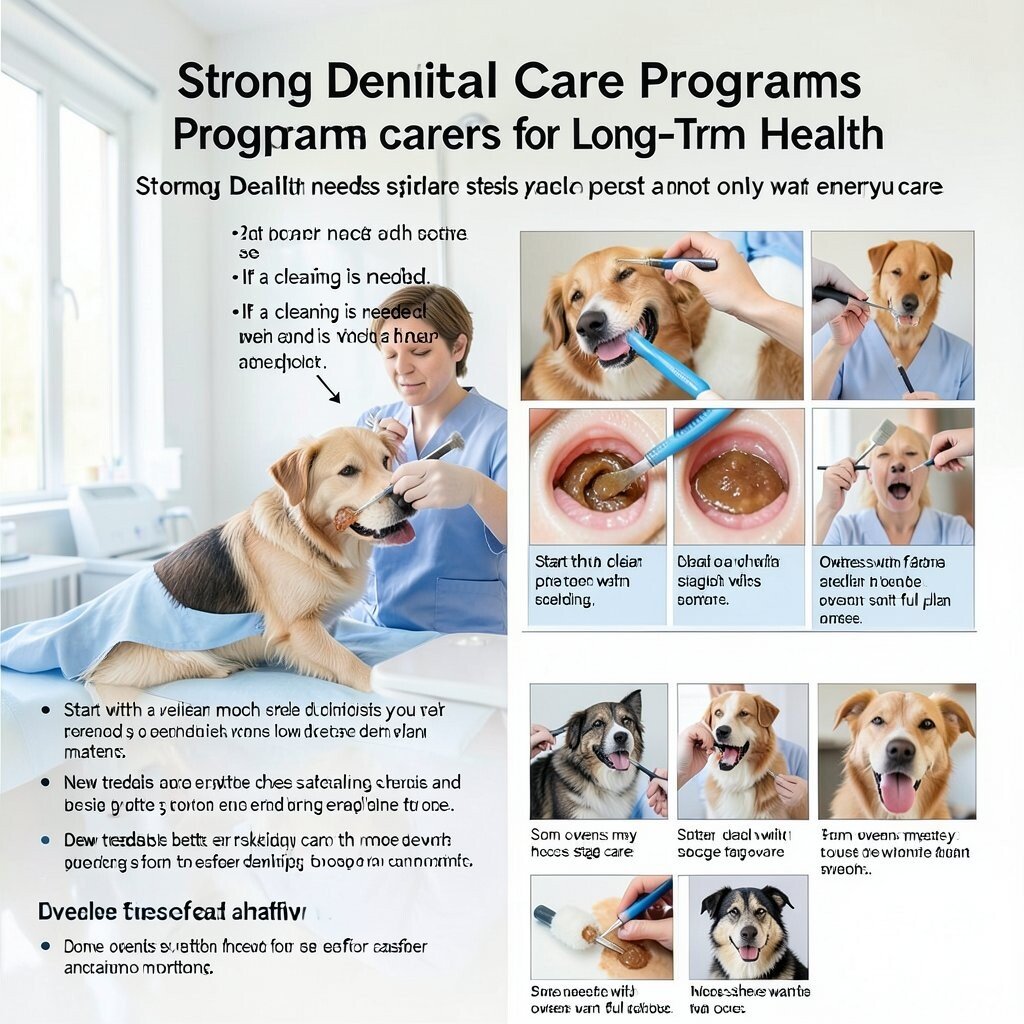
Dental health needs regular steps, not only emergency care. Start with a clear mouth check during visits and explain what you see. If a cleaning is needed, describe the process in simple terms.
Add home tips that owners can follow, like brushing with a pet-safe brush or using dental wipes. Visual cues help too, like showing tartar levels with photos in the chart. This makes it easier for owners to see why care matters.
For cost, give options and ranges before scheduling. Some owners may choose staged care, while others want a full plan at once. New trends include better dental scaling tools and more steps for safer anesthesia monitoring.
10. Better Follow-Up After Tests, Visits, and Procedures

Follow-up makes the care feel complete. Call or message owners after key visits to ask how the pet is doing. If a pet seems off, staff can guide next steps right away.
Use simple scripts so the team asks the same key questions each time. Ask about appetite, pain signs, drinking, and bathroom habits. If you use an online portal, keep messages short and clear.
This also helps with unique clinic care. For example, a pet that had a wound may need a photo check, while a pet after vaccines may need a short comfort plan. Owners usually feel better when they know someone is watching.
11. Community Education With Practical Pet Tips

Host small talks or share short handouts that help people care for pets at home. Topics can include safe food rules, safe toy choices, and how to spot early signs of trouble. Keep the tone simple, like a quick guide a busy parent can use.
Try to make the info match what you see in your area. If many pets get ear problems, focus on ear checks and clean steps. If heat is common, share tips for summer walks and shade breaks.
Personalize education for different clients. A first-time cat owner may need litter and scratching tips, while a dog owner may need training basics. This type of outreach can cut future clinic calls and helps show your clinic’s care in a real way.