Have you ever wondered what your pet is trying to tell you with that funny look? There’s an entire world of animal communication waiting for you to notice. Let’s journey into the fascinating ways animals share their thoughts and feelings.
1. Observe Body Language

Animals speak volumes with their bodies. Just like a dance, their movements can tell you if they’re happy, scared, or curious. Notice the wagging of a dog’s tail, it might be saying they’re excited.
Observing these cues helps you connect more deeply. Next time, watch how your cat flicks its tail or how a bird tilts its head. It’s like reading a secret language!
Spend some time watching animals at a park. It’s free, fun, and you’ll learn lots about what they’re saying without words.
2. Listen to the Sounds

Each animal has its own soundtrack. Birds sing, dogs bark, and cats purr, each sound carries a message. Think of it like music; there’s always a story behind the notes.
Listening helps you know when your pet needs attention. A chirpy bird might be calling a friend, while a meowing cat could be asking for dinner. Try recording these sounds to play back and understand better.
The best part? You don’t need any special equipment. Just your ears and a bit of patience.
3. Notice Eye Contact

Eyes can be windows to the soul, even for animals. A dog’s loving gaze or a cat’s slow blink can mean they trust you. It’s like a warm handshake.
Learning what different looks mean helps build trust. Next time, try returning your pet’s gaze to strengthen your bond. It’s a silent conversation filled with love.
All it takes is a quiet moment together. No cost involved, just mutual respect and understanding.
4. Pay Attention to Scent

Animals use scents to communicate more than we know. Dogs sniff to learn about their surroundings, and some animals mark territory with their scent. It’s like leaving a note.
Understanding this can help you manage pet behavior. Try using scent to comfort your pet by wearing a piece of clothing with your smell or using calming sprays.
Many calming products are affordable and can make a big difference in your pet’s comfort.
5. Respect Personal Space
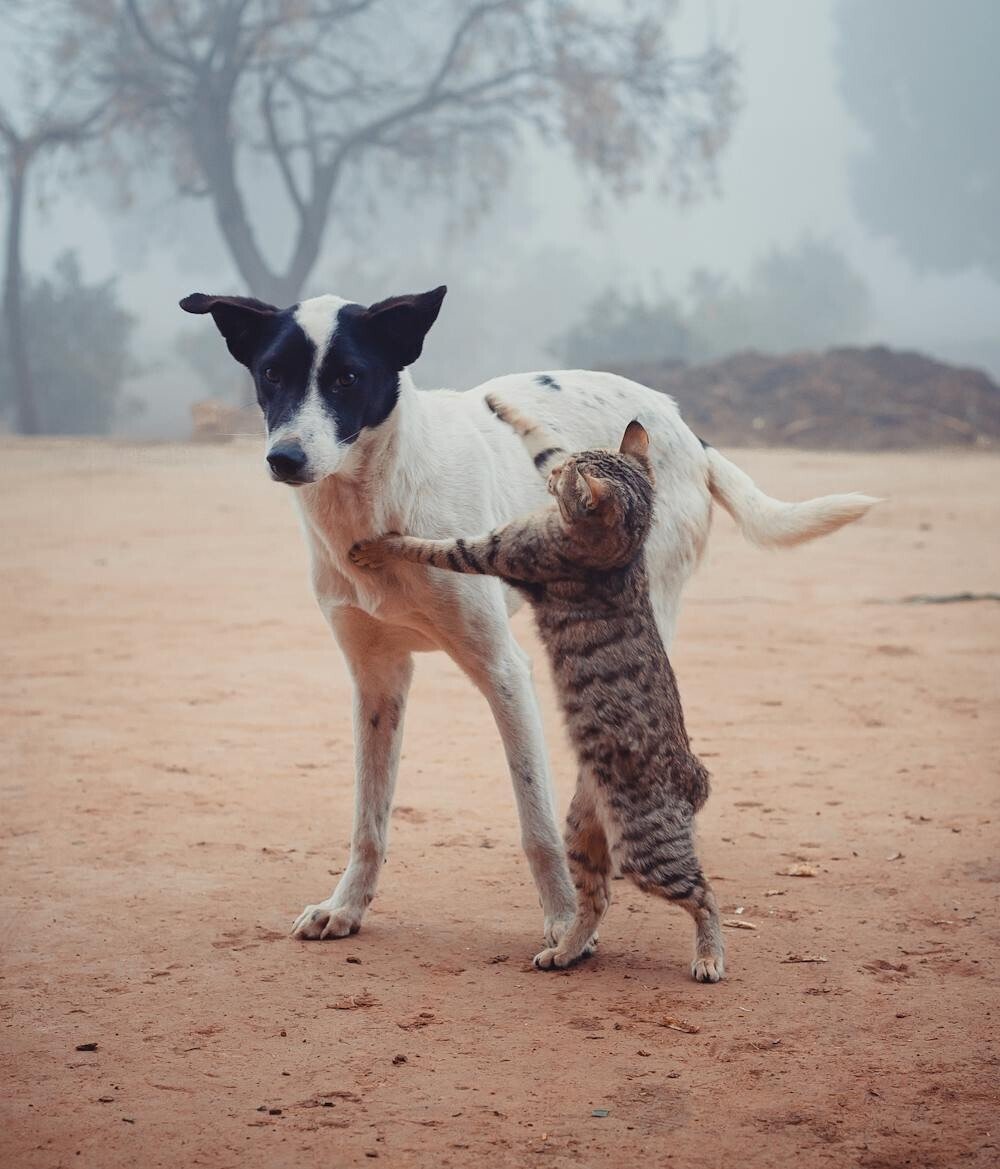
Just like people, animals have their comfort zones. A cat might need its own space, while a dog might enjoy a cuddle. Recognizing this is key to good communication.
Giving animals their space shows respect. Watch for signs like a cat’s ears back or a dog’s tail tucked. It’s their way of asking for a little distance.
All it requires is your attention and kindness, which are always free and abundant.
6. Understand Territorial Behavior

Some animals are very protective of their space. Dogs might bark at intruders, and cats might hiss. It’s like putting up a “Do Not Disturb” sign.
Knowing this helps you avoid conflicts and keep pets happy. Try creating safe spaces for them to retreat when they feel threatened.
A cozy bed or a quiet corner can work wonders and doesn’t have to cost much at all.
7. Use Positive Reinforcement

Animals respond well to rewards. A treat for good behavior is like a high-five. Dogs and dolphins love this kind of encouragement.
Using rewards helps train pets and strengthens your relationship. Try giving a treat when your pet does something good. It’s a win-win!
Treats are affordable and can turn learning into a fun game.
8. Learn Specific Signals

Each animal has unique signals. A rabbit thumping its foot or a cat arching its back means something specific. It’s like learning new vocabulary.
Understanding these signals helps you respond correctly. Watch videos or read books to learn more about your pet’s unique language.
Many resources are free or inexpensive, making learning easy and accessible.
9. Engage in Playtime

Play is a universal language. A dog fetching a ball or a cat chasing a string is pure joy. It’s like laughter in action.
Playing together builds trust and understanding. Set aside time each day for fun with your pet, you’ll both enjoy it!
Toys can be simple and inexpensive but bring hours of happiness.
10. Practice Patience

Understanding takes time. Like learning any new language, patience is key. Animals appreciate your calm presence.
Being patient helps you notice small details. Give your pet time to show you what they mean.
Patience doesn’t cost a thing but offers big rewards in connection.
11. Be Consistent
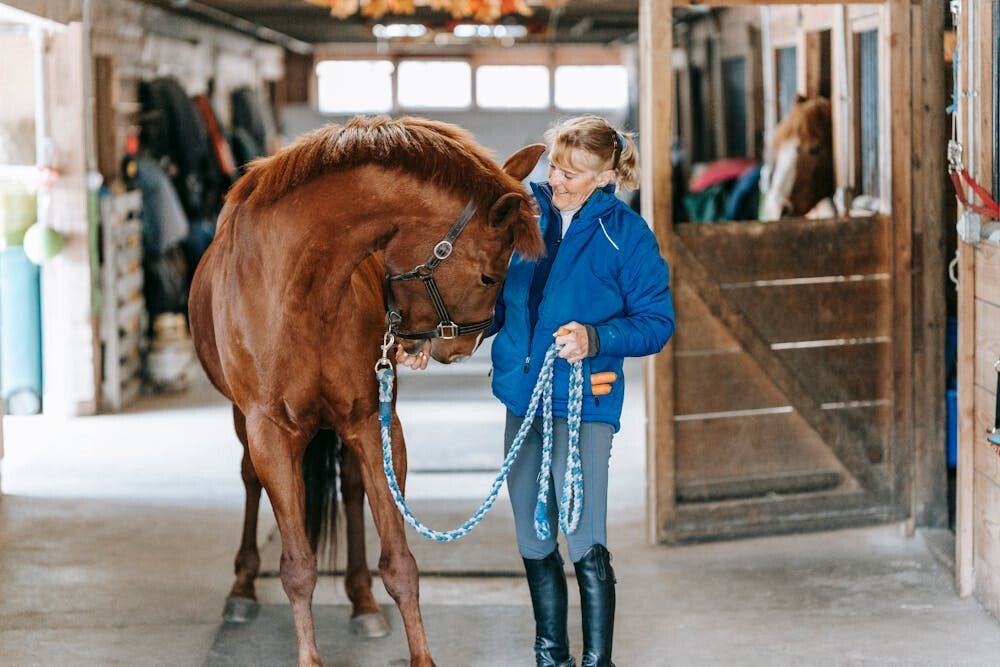
Animals thrive on routine. Regular feeding times or walks help them feel secure. It’s like having a schedule.
Consistency builds trust and reduces anxiety. Try to keep a regular routine with your pet.
This tip is all about love and attention, which are always free.
12. Educate Yourself

The more you know, the better you can communicate. Books, videos, and classes offer insights into animal behavior. It’s like opening a treasure chest of knowledge.
Education empowers you to understand and connect with animals deeply. Try exploring different resources to find what works for you.
Many educational tools are available online for free or at a low cost.