
Animal rescues need steady help from people in real life. Small actions add up and can stop harm before it starts.
1. Volunteer at Intake Hours
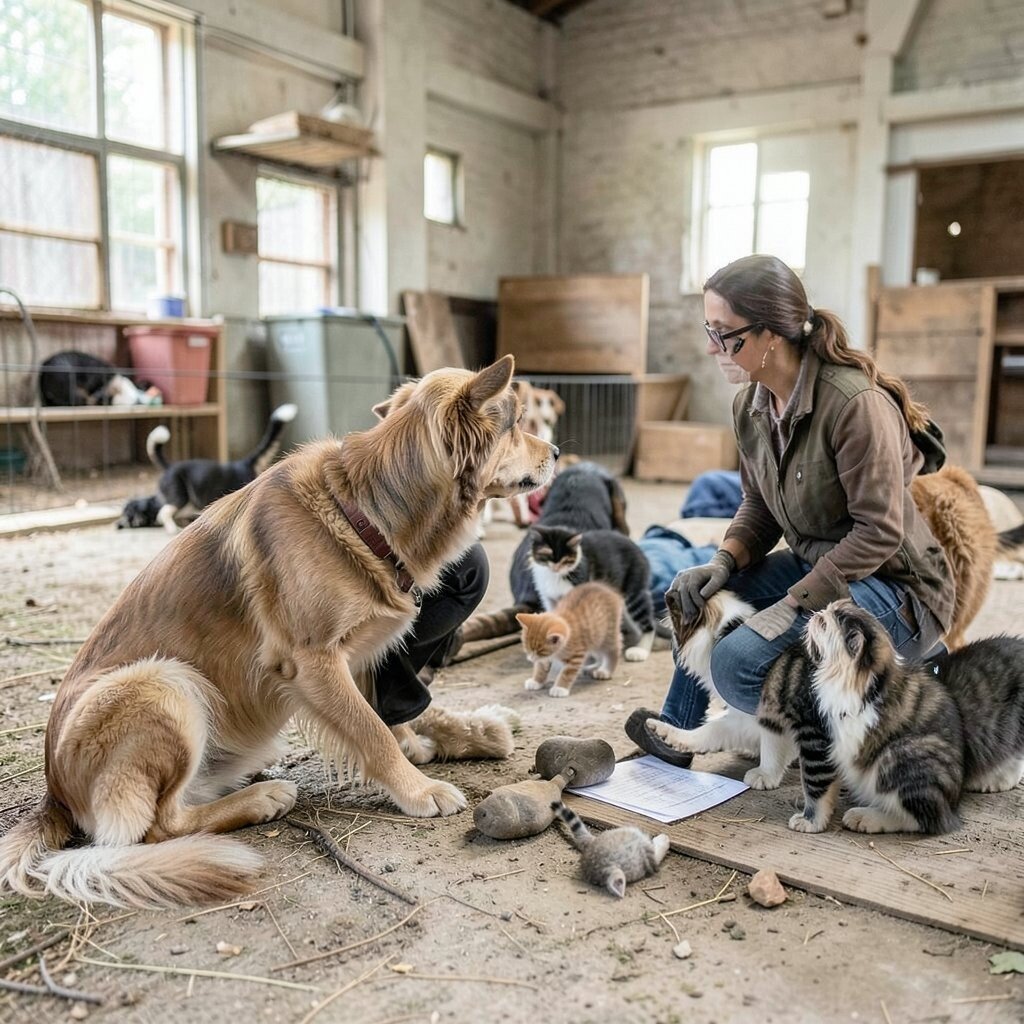
Many shelters need help when animals first come in. You can greet dogs or cats, help with paperwork, and keep things calm. A simple job at the start can make the whole day run smoother.
You will also learn what animals need right away. Staff can show you safe ways to handle them, and you can ask questions on the spot. This is a good way to build real skills without spending much money.
If you want to personalize your role, pick one animal group to focus on, like kittens or senior dogs. You can also share your comfort level and take tasks that match you. Try a short shift first so you can see what fits.
2. Foster a Small Group of Animals

Fostering means you bring an animal to your home for a set time. You help it rest and learn safe routines while it waits for its next step. Even one foster spot can free space at a shelter.
You can also help with training and social time. For example, you can practice leash walks, teach basic crate time, or set up safe play. Many animals do better when they live in a quiet home for a while.
Cost can be low if you plan ahead. Ask the shelter what they cover for food and supplies, and keep a list for anything you may need. Some people also join a foster supply group to share items.
3. Fund a “Wish List” and Follow Through

Rescues often share a wish list with things they need right now. Items might include food, litter, blankets, leashes, and cleaning tools. Giving what a rescue asks for is a clear way to help.
It also helps reduce stress for staff and volunteers. When supplies are ready, animals can eat, rest, and stay clean. That can help prevent sickness caused by poor conditions.
To make it personal, choose one animal type and buy items they will use fast. You can also match the list with seasonal needs, like winter coats or summer cooling mats. Keep your receipts if the rescue asks for records.
4. Transport Animals to Vet Visits
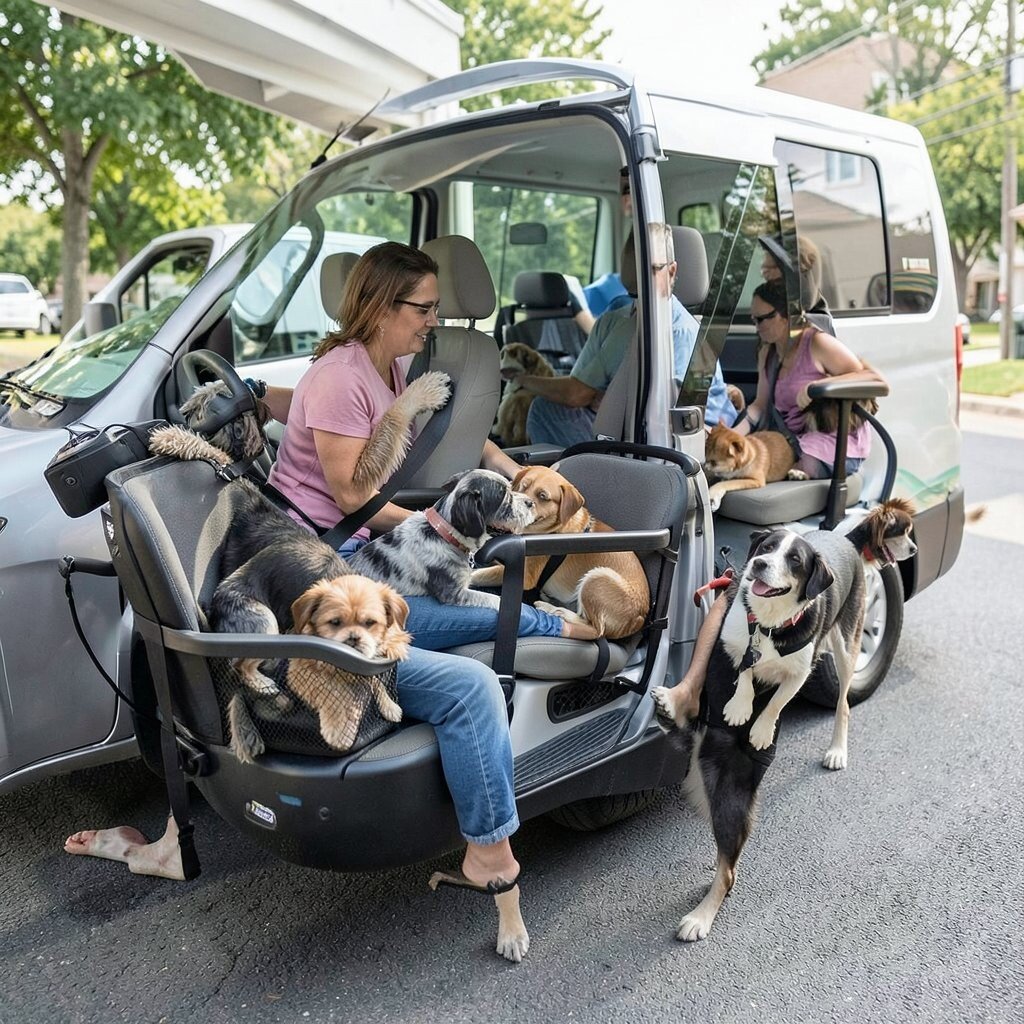
Some animals need rides to a vet, a spay or neuter clinic, or a new foster home. If you can drive safely, you can be a big part of the rescue chain. You may help an animal get care that would not happen on time.
Good transport also matters for health. Keep travel carriers clean, use a seat belt or stable carrier setup, and avoid long delays. Staff can share the right steps based on the animal’s needs.
Costs are mostly gas, and you can lower it by doing rides in a planned route. Ask the rescue if they can reimburse some expenses. You can also offer to drive during set days so it is easy to schedule.
5. Host a Low-Cost Pet Supply Drive
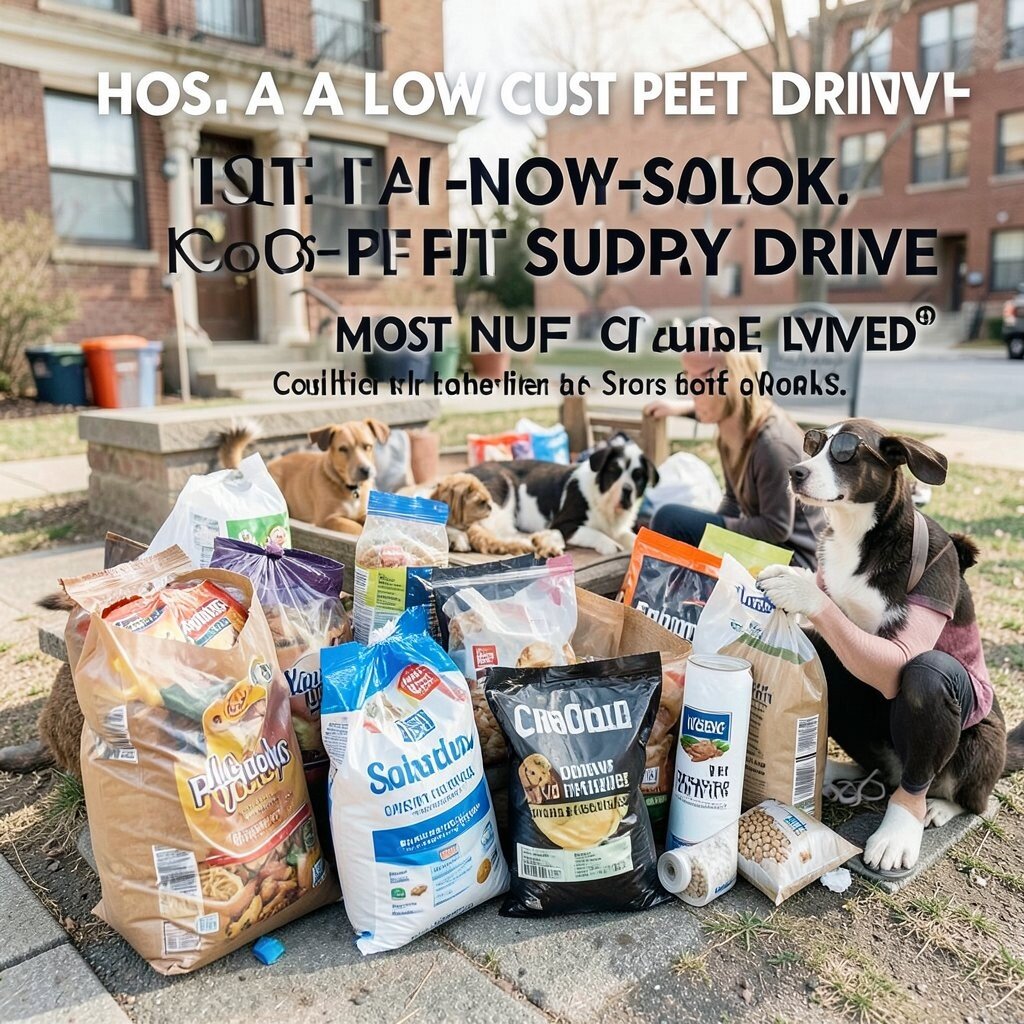
You can set up a simple drive at a school, group, or local shop. Collect items like dry food, cat litter, trash bags, and baby wipes. These small items help rescues handle daily tasks.
A supply drive gives people a clear action. It also brings new helpers into the rescue scene. When neighbors see a real need, they often want to help right away.
To make your plan stronger, set a short drop-off window and share a clear list. You can also add a “most needed” note so donors know where help matters most. Track what comes in so you can report results back to the rescue.
6. Learn Basic First Aid for Pets
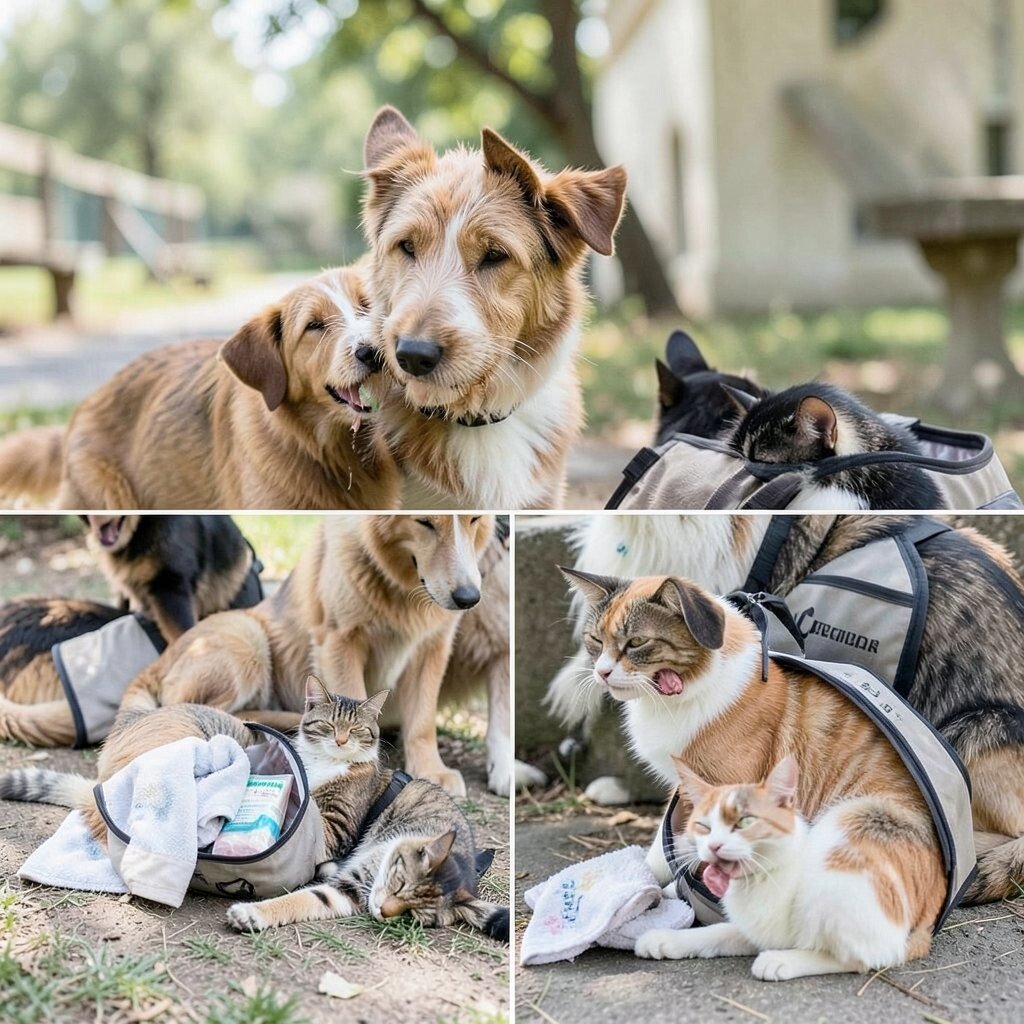
Many animals need help before a vet visit, like after a bite or a fall. Basic first aid can help you keep them safe and calm. It also helps you notice danger signs early.
Try to take a simple pet first aid class with a trusted group. Then practice what you learn in a safe way, like how to check breathing and watch gum color. The goal is not to replace a vet, but to give safe care during waiting time.
Personalize your kit to the animals you meet most. If you handle cats, include a small towel for gentle restraint and a carrier cover. Keep your kit near where you volunteer, and check dates on supplies.
7. Help With Trap-Neuter-Return Programs

Community cat programs often use trap-neuter-return to stop more kittens and reduce suffering. Volunteers help set traps, check recovery, and return cats safely. This work can protect outdoor cats over time.
You can also help with small tasks around the process. For example, you can set up a quiet recovery area, watch for signs of trouble, and provide food at return sites. Staff and leaders share steps to keep the cats safe.
Costs can be shared by grants or partner groups, but you may need simple supplies. Keep a list of what your program provides and what you need to bring. A good tip is to ask for a schedule so you can plan your time.
8. Share Pet Adoption Posts That Get Real Calls
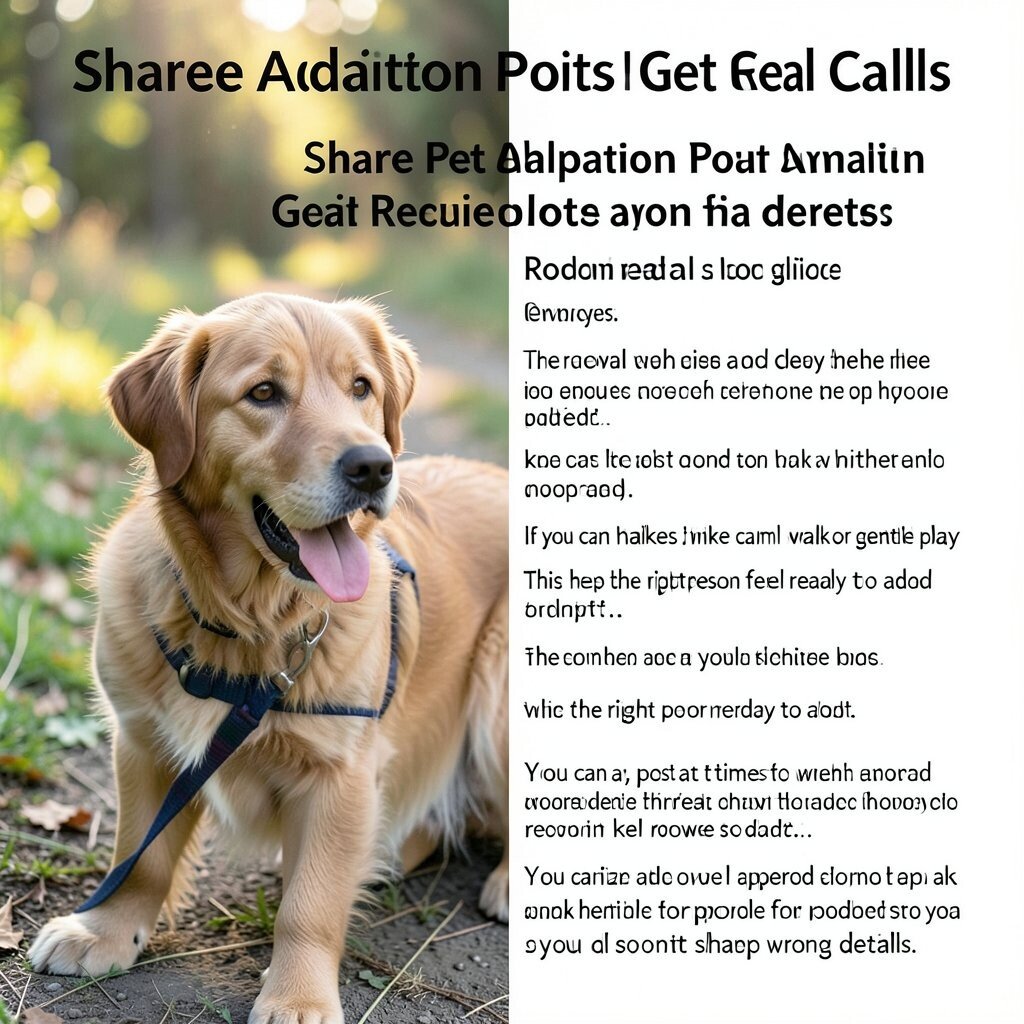
Many rescues lose good homes because their posts do not reach the right people. You can help by sharing photos and updates in local groups. A clear post can lead to calls and meet-and-greets.
Try to add basic facts in a simple way, like age, size, and known needs. You can also note what the pet likes, like calm walks or gentle play. This helps the right person feel ready to adopt.
Personalize your sharing by using local keywords and clear photos. If you can, post at times when people browse most. You can also ask the rescue for approved text so you do not share wrong details.
9. Make “Match Sheets” for Best Fit Homes
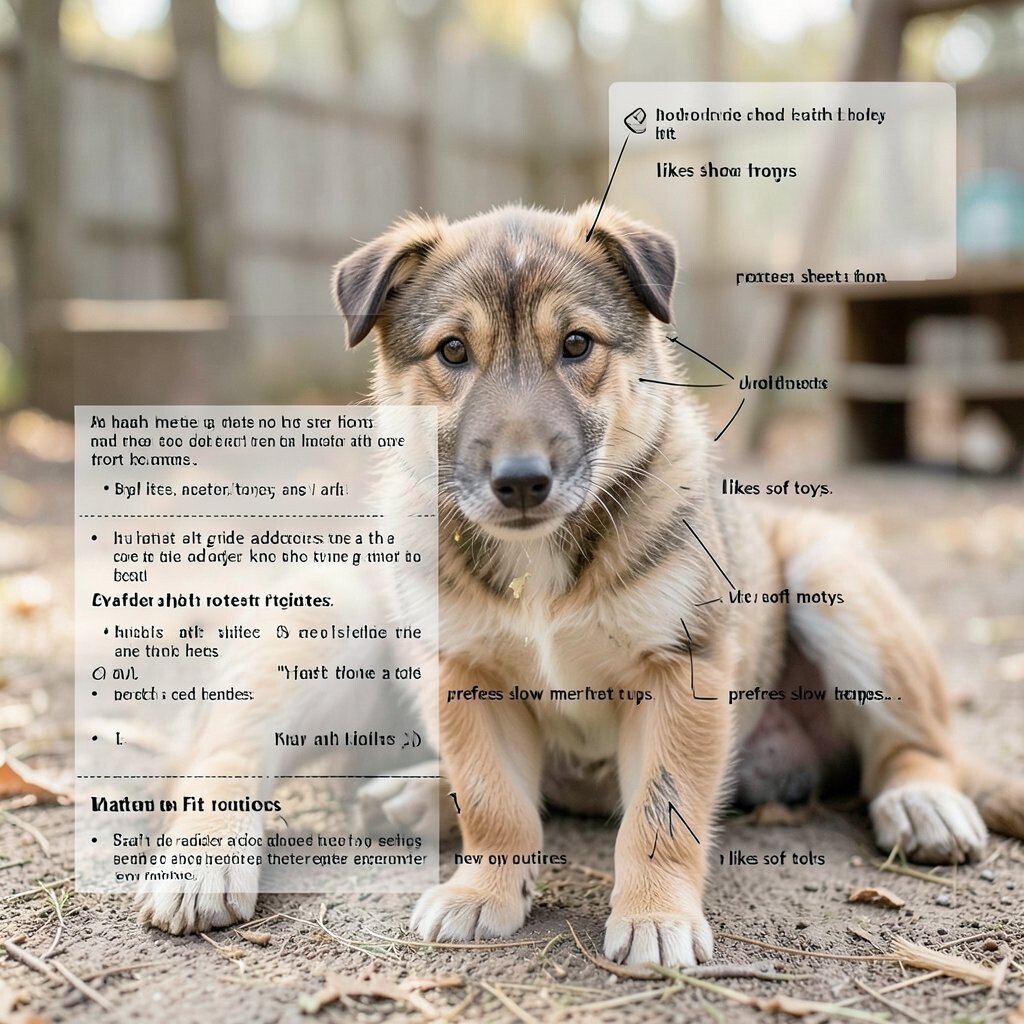
Some pets do best with the right home setup, and a match sheet can help. A match sheet is a short note that lists habits, favorite toys, and any limits. It can guide adopters toward a good fit.
Visual description matters here. Include simple details like “likes soft toys” or “prefers slow meetups.” Staff can add notes about triggers, like loud noises, so the adopter knows what to expect.
This idea is unique because it makes adoption feel more clear and fair. It can also reduce returns by setting up better expectations. Keep it short and update it as the pet learns new routines.
10. Start a “Meet and Greet” Safety Day
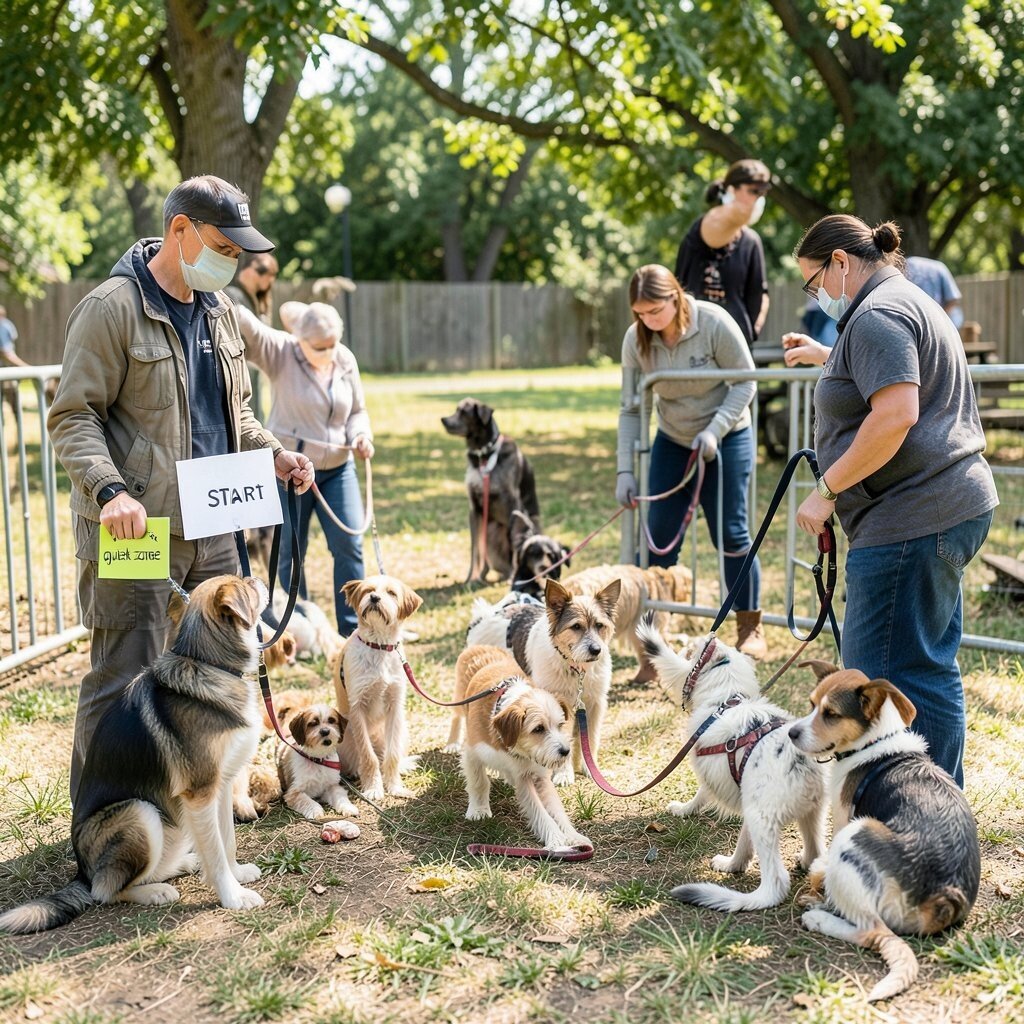
Some shelters and rescues use safe meeting days to help animals connect with people. You can set up a calm area and follow posted rules. A well-run event helps both pets and adopters feel safe.
Use simple signs like “quiet zone” and “one person at a time.” Staff can guide people, and you can help keep lines moving. This also helps animals avoid too much noise or too many hands at once.
To keep costs low, use items the rescue already has, like leashes and gates. You can ask for donated treats for a short reward session. A good tip is to plan extra time for shy pets so they are not rushed.
11. Help With Grooming for Health and Comfort
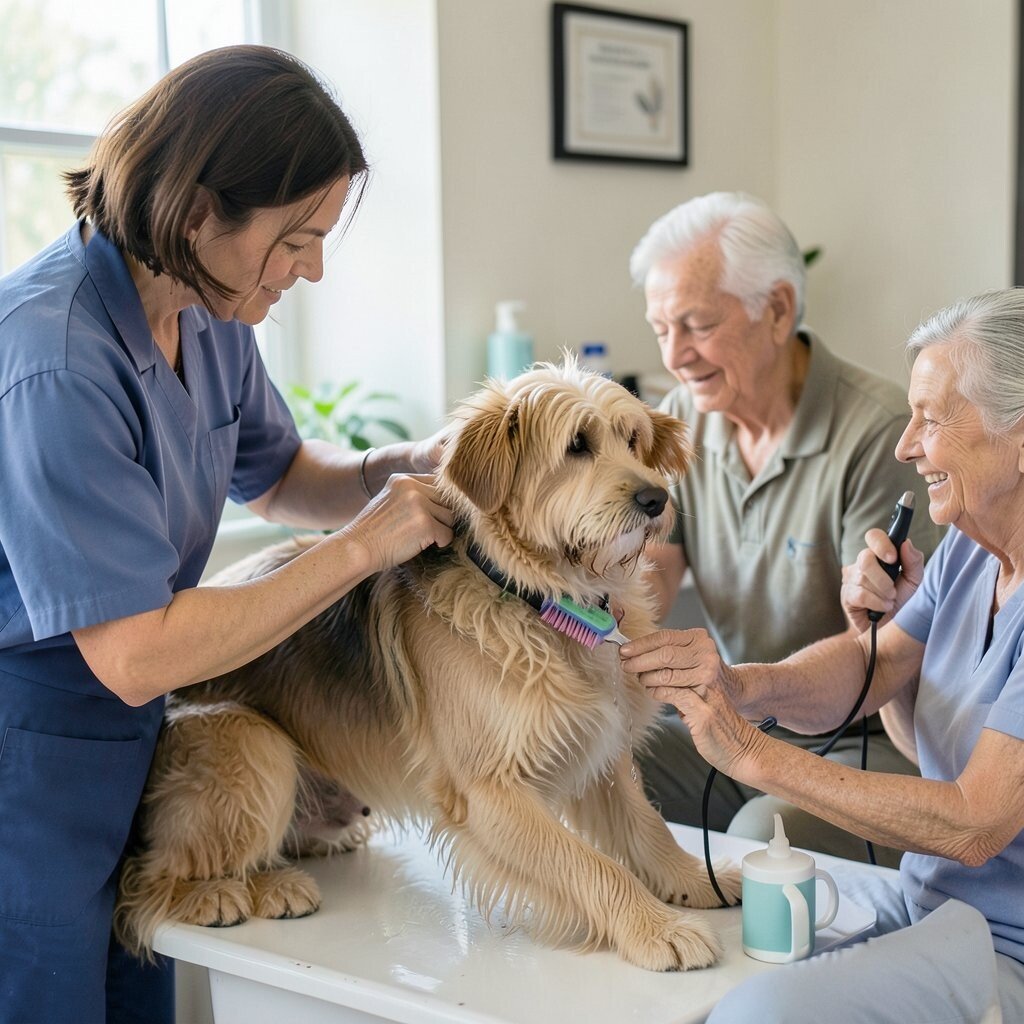
Grooming is not just about looks. Brushing helps remove mats, and clean ears can help spot early issues. For many pets, a gentle bath can also help them feel more at ease.
You can volunteer at a grooming day or learn safe brushing for specific coat types. Staff can show you how to use the right tools and stop if the pet feels pain. Clean nails can also reduce scratches during handling.
Personalize this by focusing on one need, like senior pet care or long-haired mats. Cost can be low if you borrow tools or use donated items. A trend in rescues is low-stress handling, so calm methods fit today’s best practices.
12. Set Up a Microchip and ID Check Event

Many lost pets can be returned fast if they have ID tags or microchips. A rescue can host a simple check event to make sure records are up to date. You help people confirm their pet’s info is correct.
You can also provide reminders about updating contact info after moves. This small step can lead to faster reunions and fewer days of fear for an animal. It also helps families avoid repeat problems.
Cost can be low if your group can partner with a clinic. Ask local vets if they can help with low-cost chip services. Use a simple sign-up form so the event stays organized.
13. Create a “Senior Pet Care” Support Plan
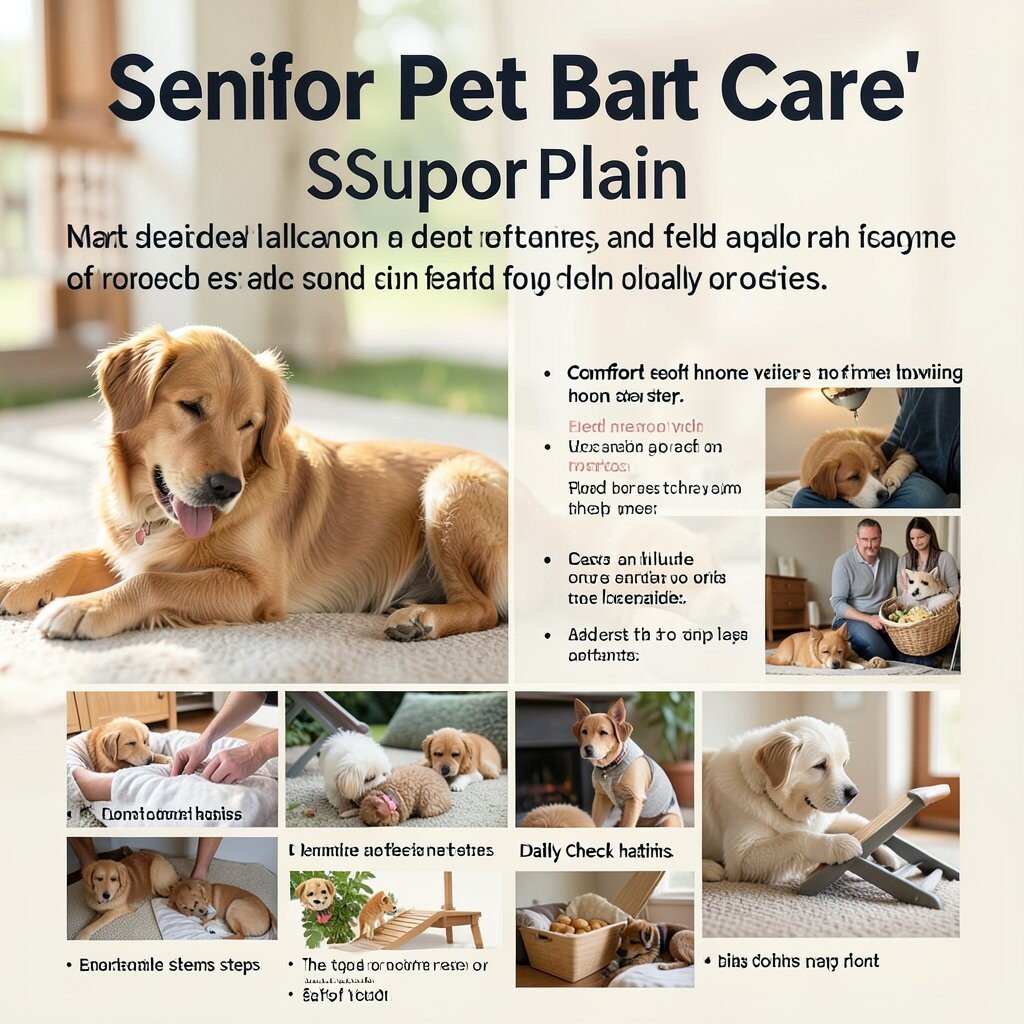
Senior pets often need more visits, gentler handling, and softer daily plans. You can help by making a support plan for adopters or fosters. This plan can include comfort steps and daily check habits.
Visual description helps here, too. For example, note if a dog moves slowly, sleeps more, or needs easier steps. Small details can help a home prepare and feel more confident.
To personalize, match the plan to the pet’s real routine, not just general advice. Cost can include soft bedding, easy food, or simple ramps, but you can ask the rescue what they provide. This trend is growing because people now see senior pets as loving companions, not “last options.”
14. Organize a “Cat Room” Makeover With Real Needs
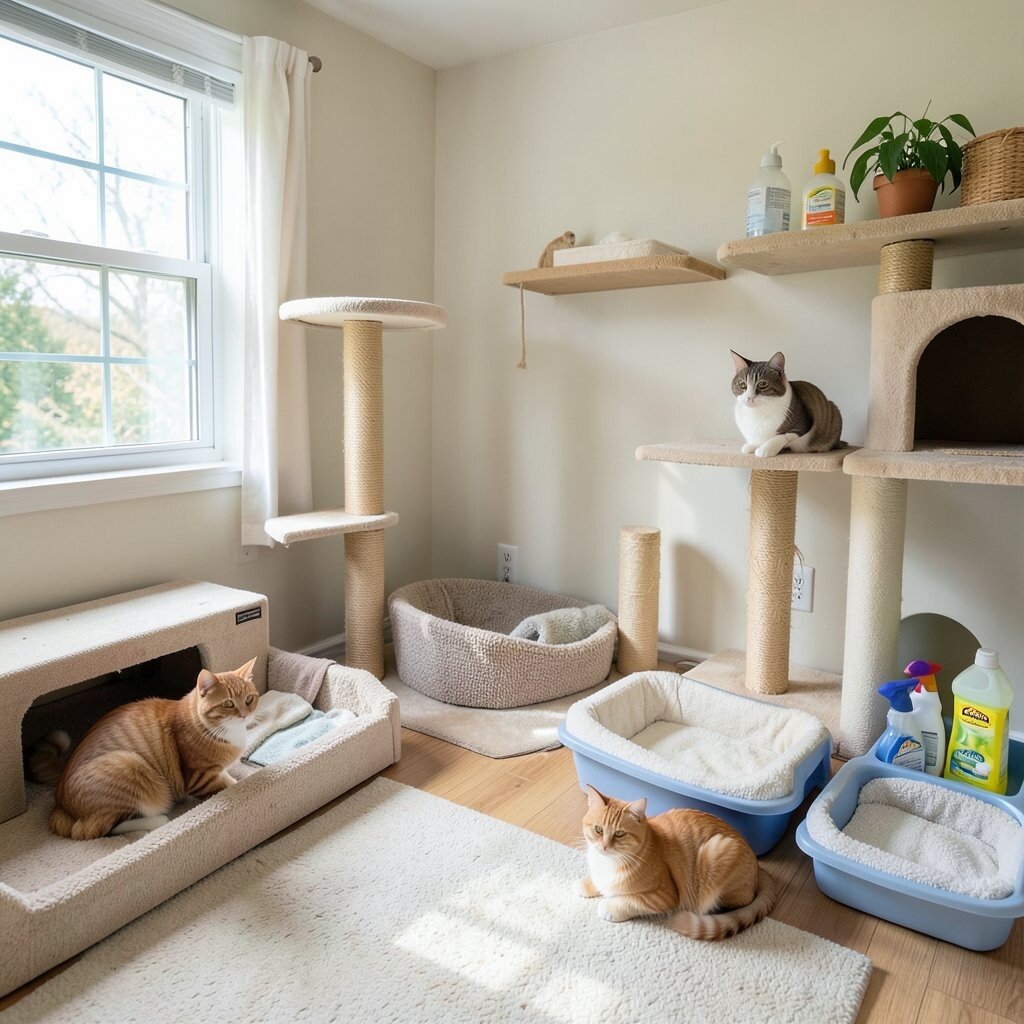
Cats in shelters often need space that feels calm and safe. A cat room makeover can mean adding hiding spots, fresh bedding, and clean litter setups. It can also mean simple layout changes that reduce stress.
Use visual description when planning, like placing perches near windows or adding shelves for safe climbing. When cats have routes to move away from people, they often act less fearful. Better comfort can help cats eat and rest.
This idea is unique because it focuses on daily life, not just medical care. Cost can be controlled by using donated items and cleaning supplies. A good tip is to ask for “must-have” items first, then add nice extras later when funds allow.
15. Build a Simple Community Volunteer Calendar
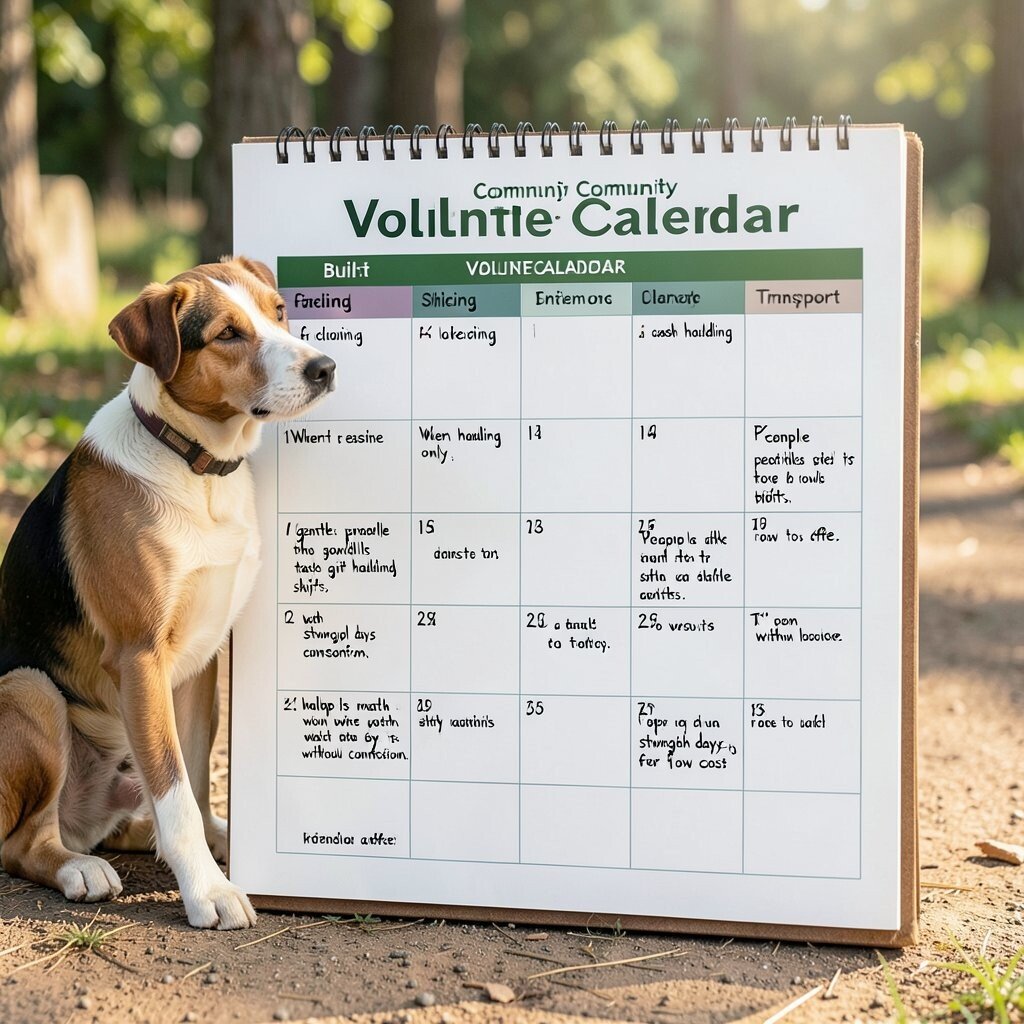
A lot of help fails when schedules are unclear. A community volunteer calendar can list shifts for feeding, cleaning, walks, and transport. When people see a clear plan, it is easier to join.
It also helps match volunteer skills to tasks. For example, someone who is good with shy animals can take quiet handling shifts. People can also switch days without confusion.
To personalize the calendar, add notes for each shift, like “gentle handling only” or “wash bowls after.” Keep the calendar easy to read on a phone. Costs are usually small, since many platforms are free or low cost.
16. Run a “Rescue Story” Photo Session With Consent
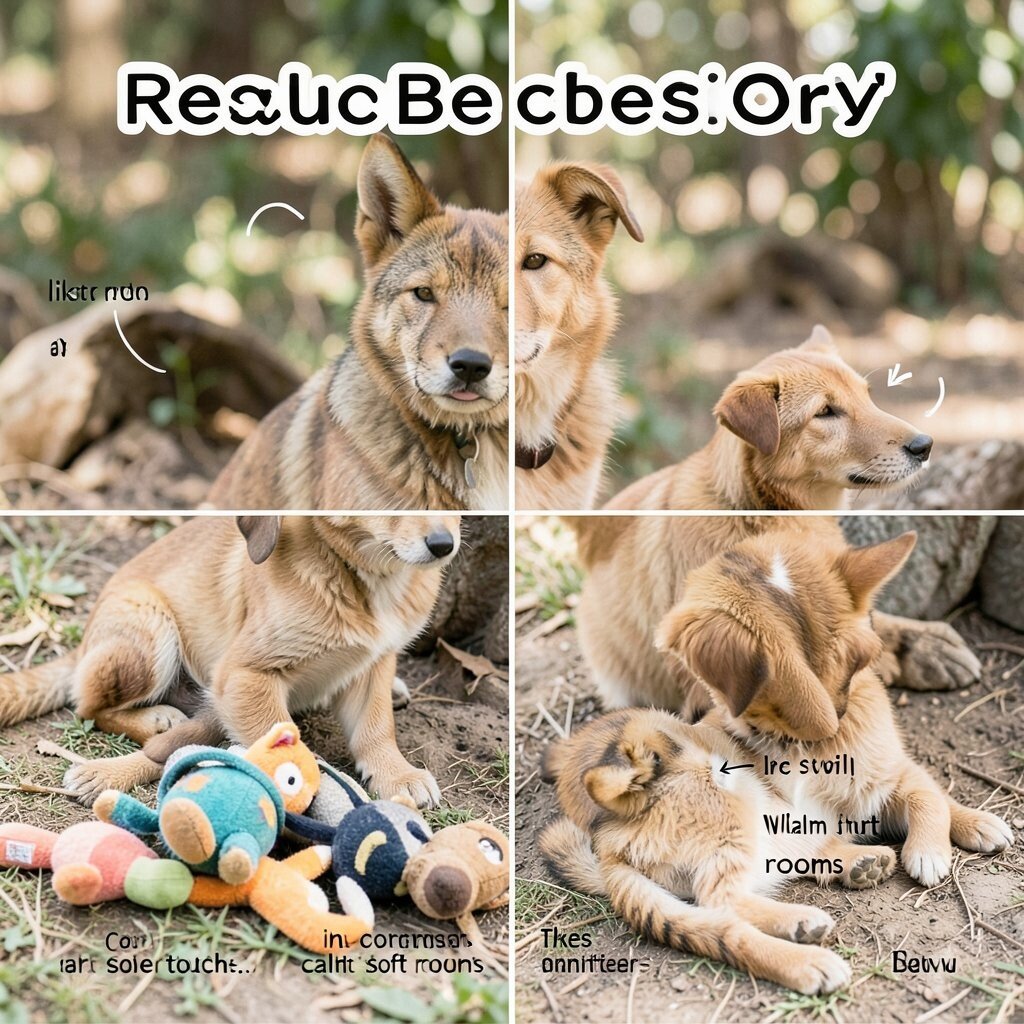
Photos can help animals get seen by more people, but they must be done with care. A rescue story photo session can show calm portraits and clear activity shots. This can help adopters understand the pet’s real vibe.
Visual description matters a lot. Take photos of the pet next to a favorite toy, sitting in a safe spot, or resting after a gentle walk. Add simple notes about what the pet does well, like “likes soft touch” or “calm in short rooms.”
This idea is unique because it mixes respect with clear information. You can do it with low-cost tools like a phone and good light, and still get strong results. A tip is to get consent from the rescue and follow handling rules so animals stay safe and stress stays low.