
Every cat has a way to ask for things. You can help by paying attention to how your cat meows and then you can reply in a calm way.
1. Listen to the whole sound

Try to notice how your cat meows, not only that it meows. Some meows are short, some are long, and some sound more worried. When you listen closely, you can spot a pattern. This can make your answers fit what your cat needs.
For a visual clue, watch your cat’s face and body when the meow happens. A raised chin and steady eyes can mean a normal ask. A tense body and slow blink can mean stress. Matching the sound to the body helps you avoid wrong guesses.
2. Check the time and routine
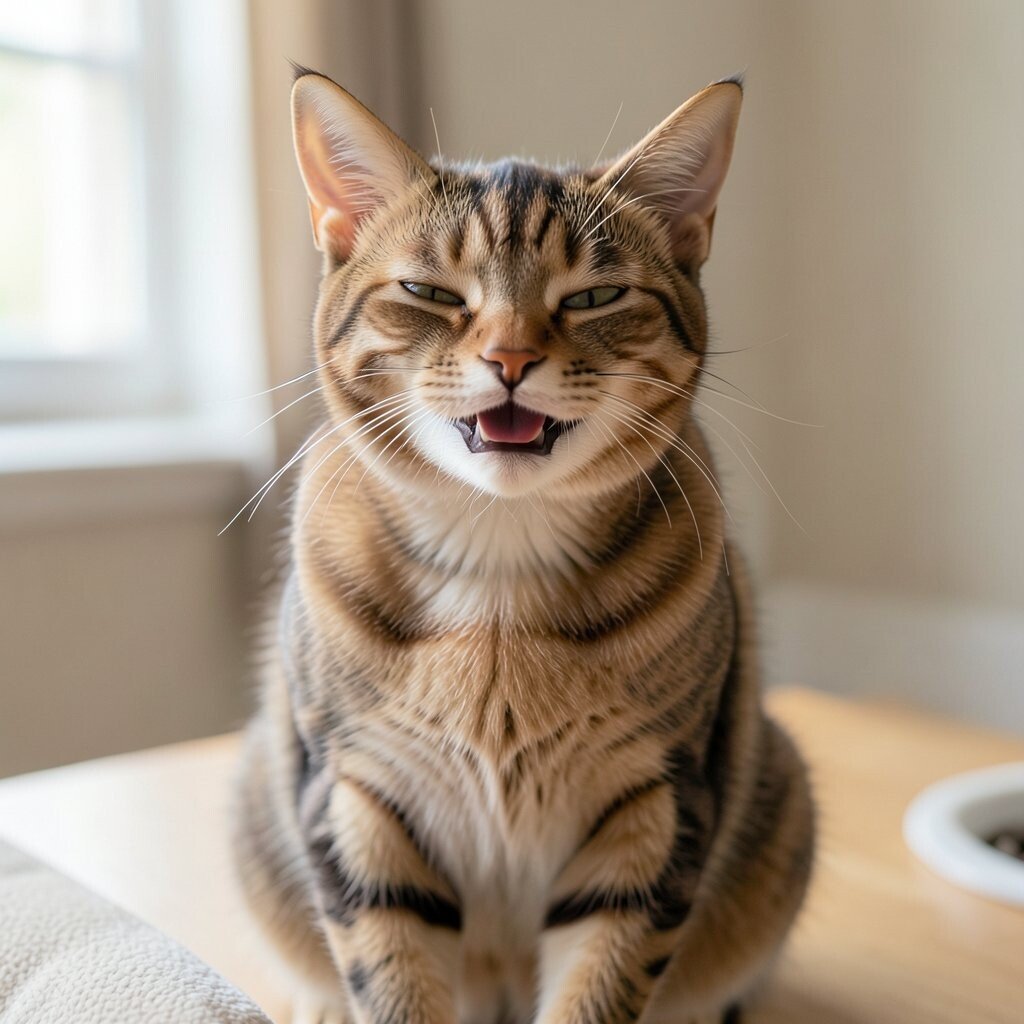
Look at when the meow happens. If it shows up near meal times, your cat may be saying it wants food. If it comes after the litter box is used, it may be asking for comfort or play. This helps you act faster and in a better way.
You can keep it simple by using your own notes. Write down the day and time and what was going on. Use a phone note or a small paper list. Over time, this can help you see trends in your cat’s needs.
3. Learn the “food” meow
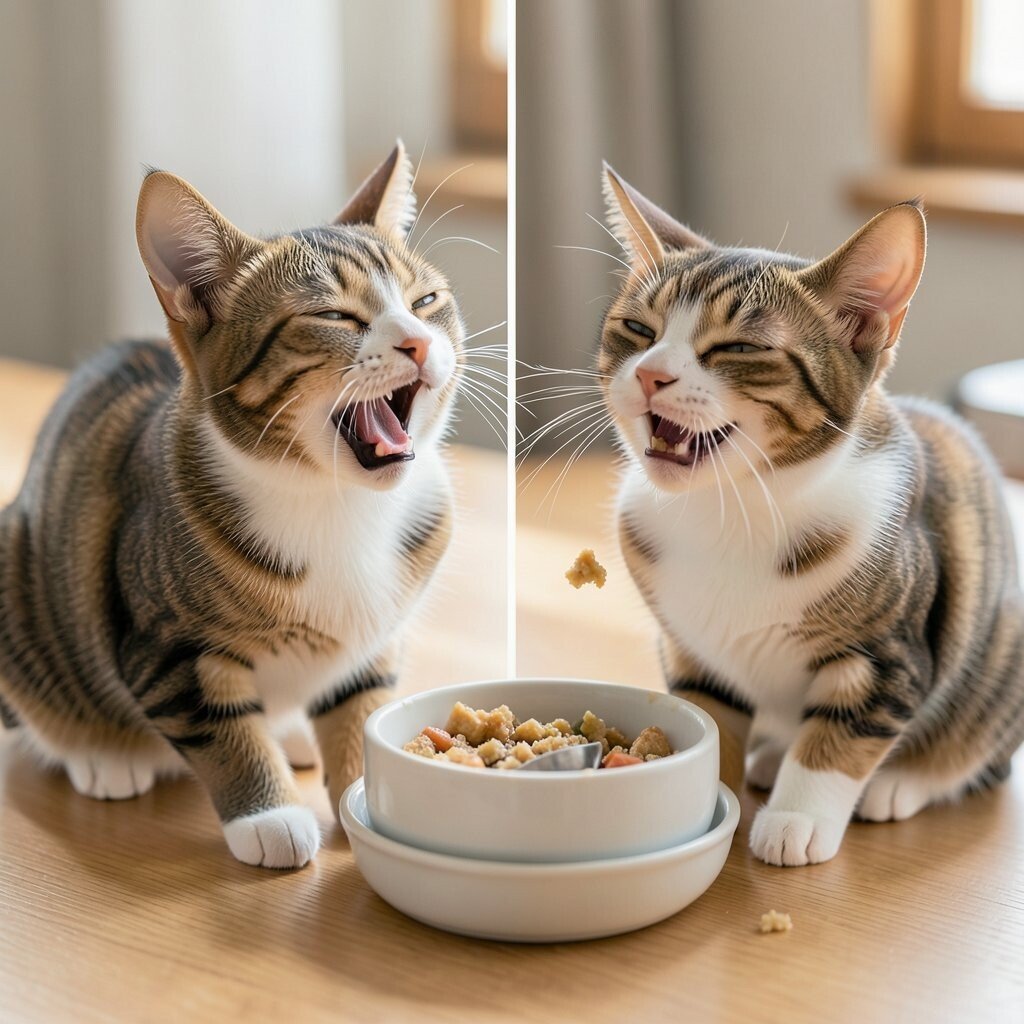
Many cats make a certain meow when they want food. It may sound sharp or quick, like a fast request. Watch your cat go from the bowl area to you, then meow again. That back-and-forth is a clear sign.
To help, feed on a steady schedule if you can. If you need to change the time, do it bit by bit. When you respond to the right meow with food at the right time, your cat may meow less. The benefit is less stress for both you and your cat.
Cost can stay low here. You can use your usual food and bowl. If you want more control, try a small food scoop so you stay consistent. That small step can make communication clearer.
4. Learn the “attention” meow
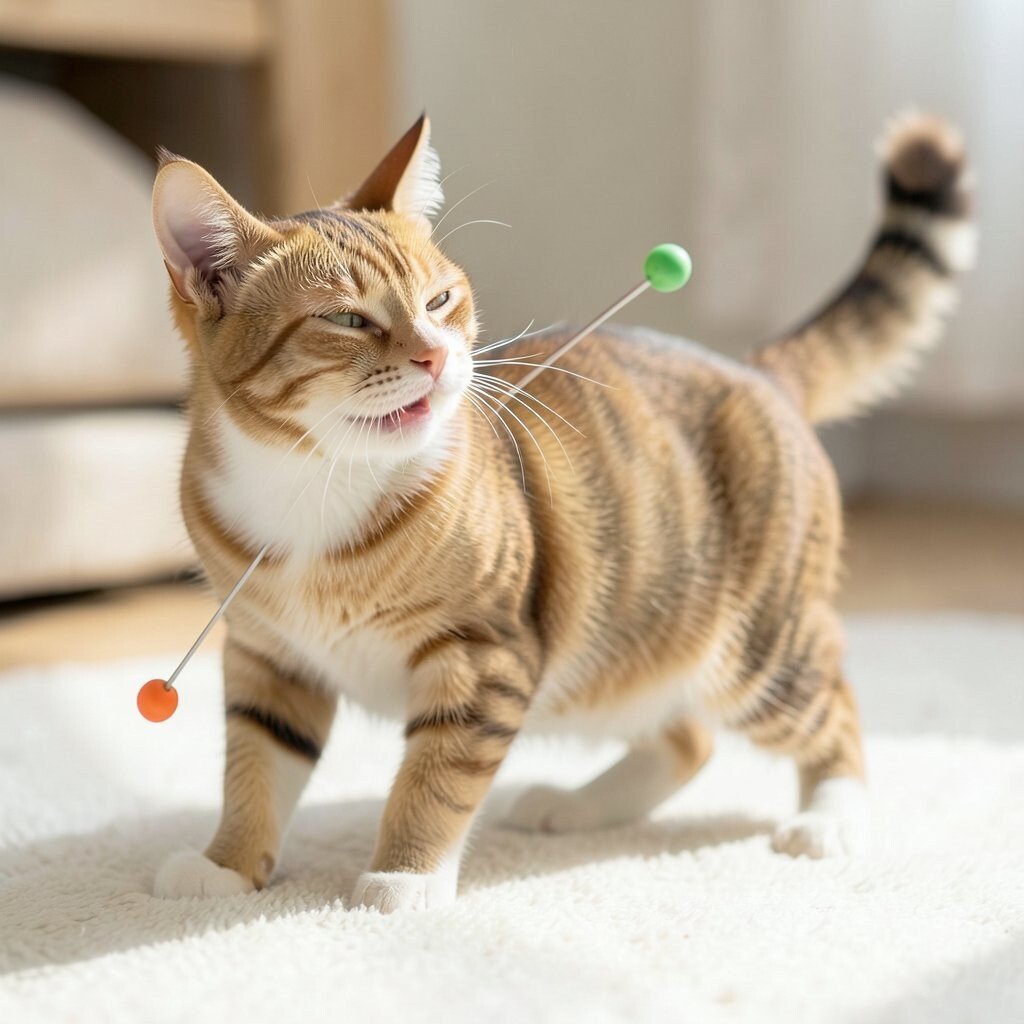
Some meows mean “watch me” or “come play.” The sound may be more steady, and your cat may move around you. A visual clue is tail up or tail swishing in a relaxed way. This often shows your cat wants time with you.
Try to respond with a quick play session. Use a wand toy or a small ball, and keep it short at first. When you start play right after the attention meow, your cat learns what works. Over time, meows may change from long asking to short signals.
Personalize this by learning what your cat likes. Some cats like chasing, and some like gentle touch. If you try one toy for a few days, you can see which one gets the best response. That helps your cat feel heard.
5. Learn the “bathroom” meow
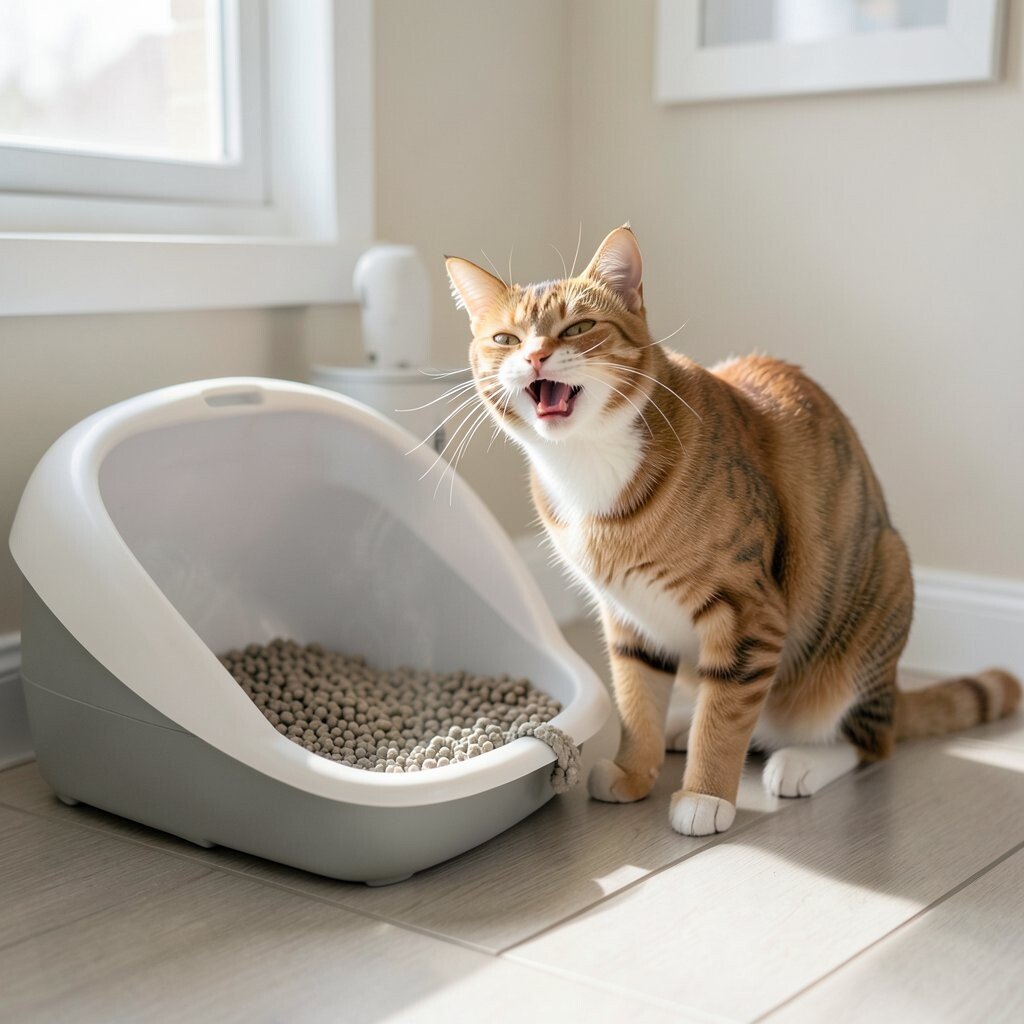
Bathroom meows can be urgent. Your cat may go to the litter area, then meow at you as if to ask for help. Sometimes the meow comes right after a sniffing tour of the room. Watch for the litter box route and the body posture.
To help, keep the litter box clean and in a calm spot. Cats like privacy, so don’t place it right by loud machines. If you hear this meow often, check the litter type and depth. Small changes can reduce stress and improve communication.
It can cost a bit if you change litter, but it may be worth it. Try to choose litter that your cat uses well. You can also add a second box if your home is bigger. That can lower stress and lead to fewer urgent meows.
6. Use a calm reply, not a loud one

When your cat meows, you might feel rushed to answer right away. Try to stay calm and speak in a soft tone. If you shout or move fast, your cat may get more upset. A calm reply helps your cat trust you.
You can also use a steady routine of cues. For example, say the same word before you feed or start play. Cats may not understand words like people do, but they can learn the pattern. This can make future meows more clear.
7. Add visual cues with the same pattern
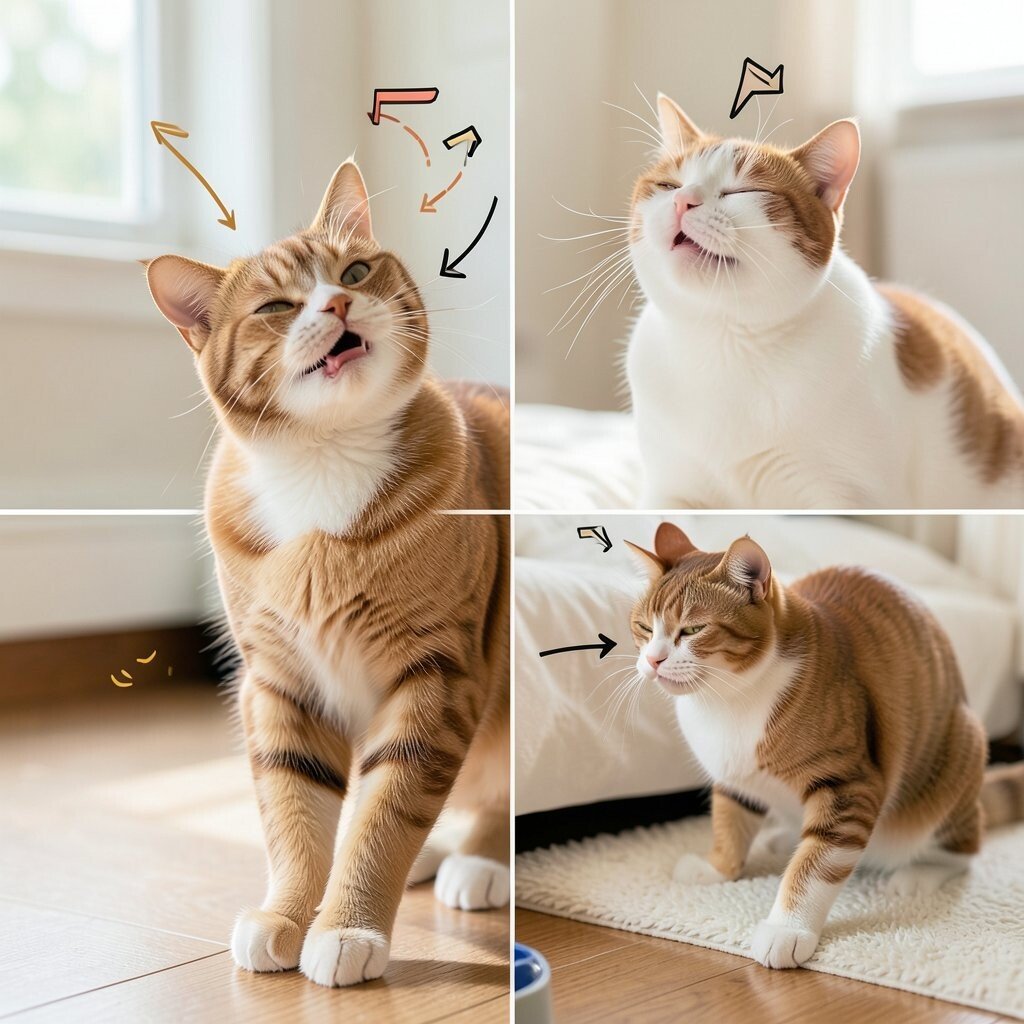
Visual cues can help your cat link the meow to what you do next. If your cat meows and you always walk to the bowl, that is a strong link. If you meow back and then do nothing, it can confuse your cat. Try to keep actions consistent.
Make it easy by using small signals. For example, put on your shoes before a short play time, or sit by the cat bed when it asks. This can guide your cat without extra effort. It also helps you notice the right time to respond.
8. Try short training with positive rewards
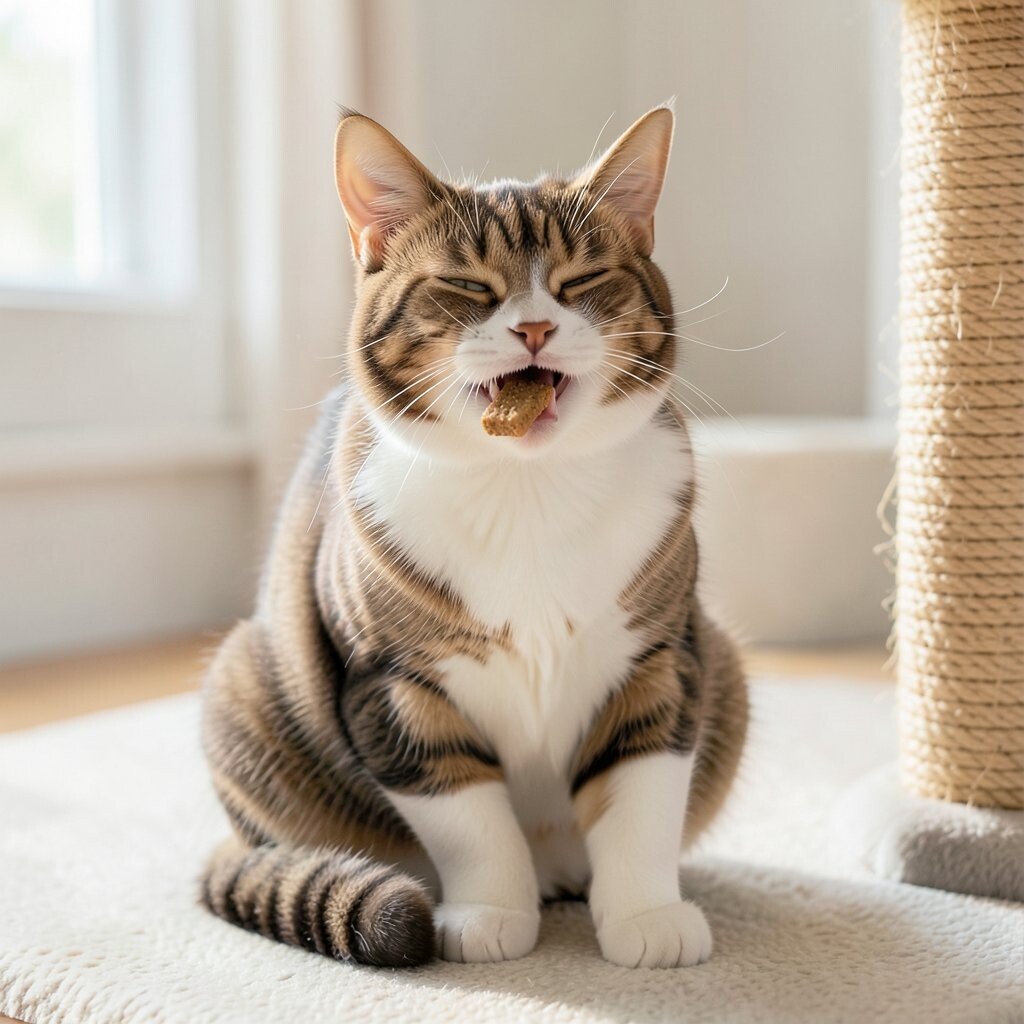
Training can improve how your cat signals needs. Use a treat to reward the right action, like using a scratch post or coming when called. Keep sessions short so your cat stays interested. This can lower anxious meows over time.
Visualize it like this: your cat does a wanted action, then you show a small treat. The meow may come, then the action happens, and the reward follows. That link helps your cat learn faster. Personalize it by choosing treats your cat likes.
Cost depends on treats and tools. You may already have a treat pouch at home. If not, you can pick a simple, low-cost treat type. A small training plan can still help.
9. Use the right litter box setup
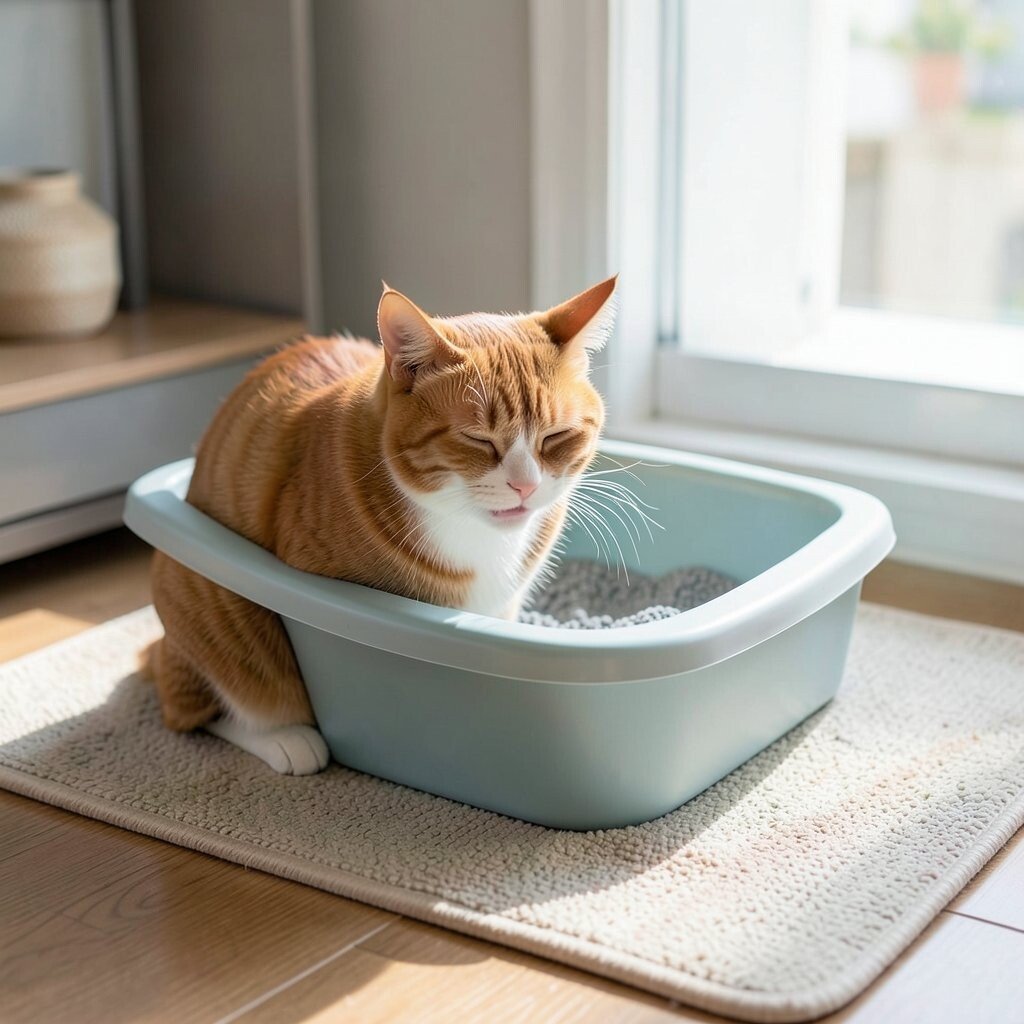
If the litter box is not a good fit, your cat may meow more often. Your cat can feel unsure if the box is too small or too loud. Watch how your cat acts before using it. Hesitation can show you that something needs change.
Try to place the box where your cat feels safe. Keep it away from strong smells and busy traffic. Add a mat if it helps reduce mess. These small changes can make your cat feel better and meow less.
10. Respect space during stress
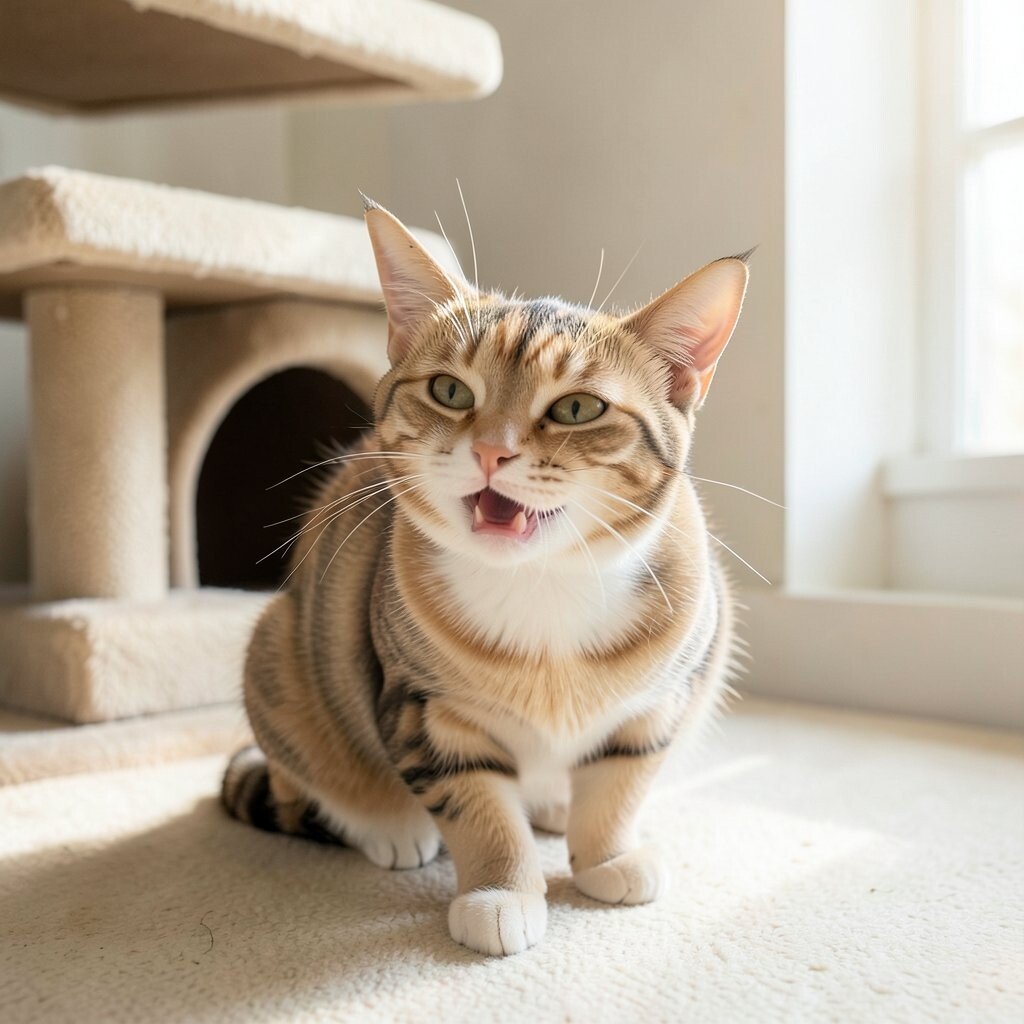
Some meows happen when your cat feels scared or crowded. The body may crouch, ears can move back, and the eyes may look wide. If you see this, give your cat space rather than pulling it close. This helps your cat calm down and communicate more clearly later.
You can add a safe spot like a cat bed or a high perch. This does not need to cost much if you use what you have. A cardboard box can also work as a hiding spot. The benefit is that your cat may use one place to feel safe instead of meowing from fear.
11. Adjust for age and health
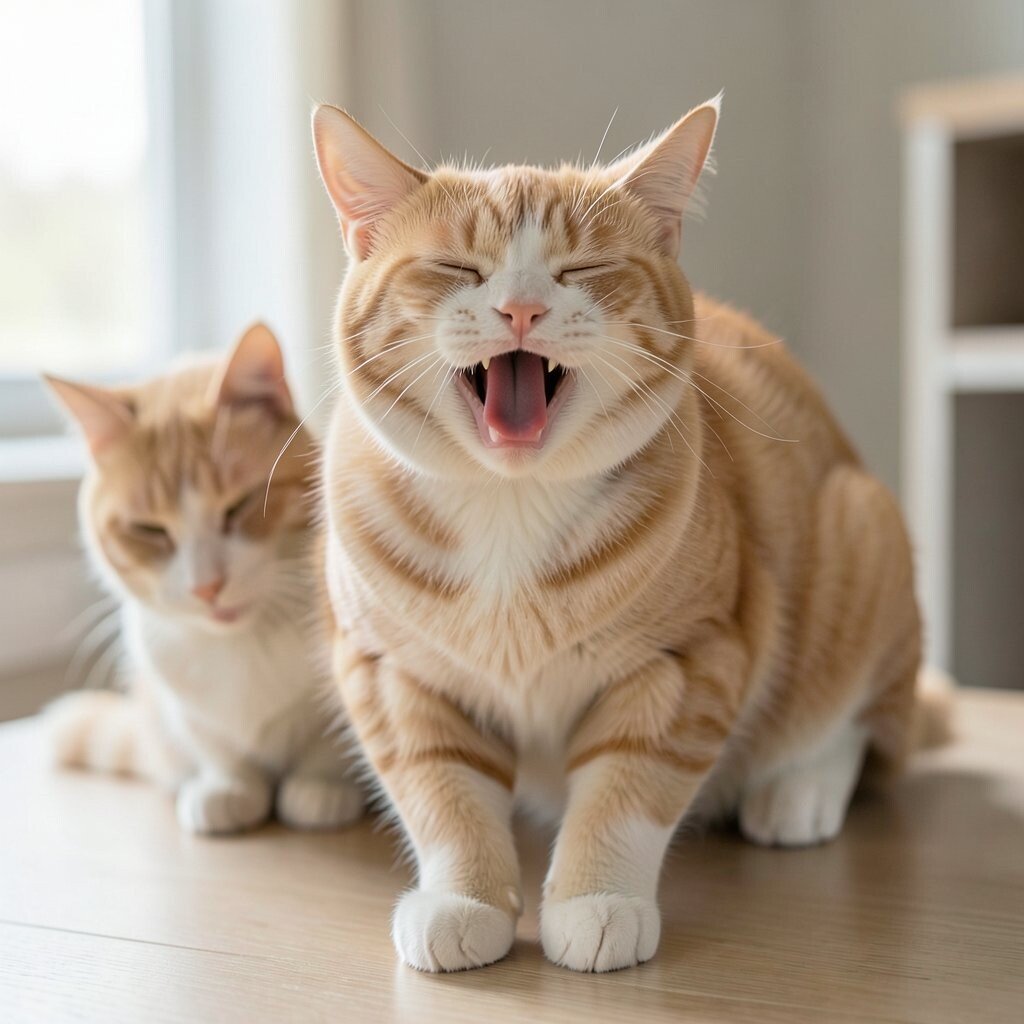
Older cats and cats with pain may meow more. The meows can sound different, and your cat may move slower. If the meows are new or more frequent, it is smart to check for health issues. A vet visit can help you rule out pain and stress causes.
In the same week, watch for other signs like low food use or changes in bathroom habits. A visual clue is a hunched back or less grooming. When health is better, communication often becomes clearer. This can reduce worry for you too.
Health checks can cost money, but it can be the best step. If your cat meows at night or seems restless, it may be urgent to get help. Taking care early can also help you avoid bigger issues.
12. Give enough play and rest
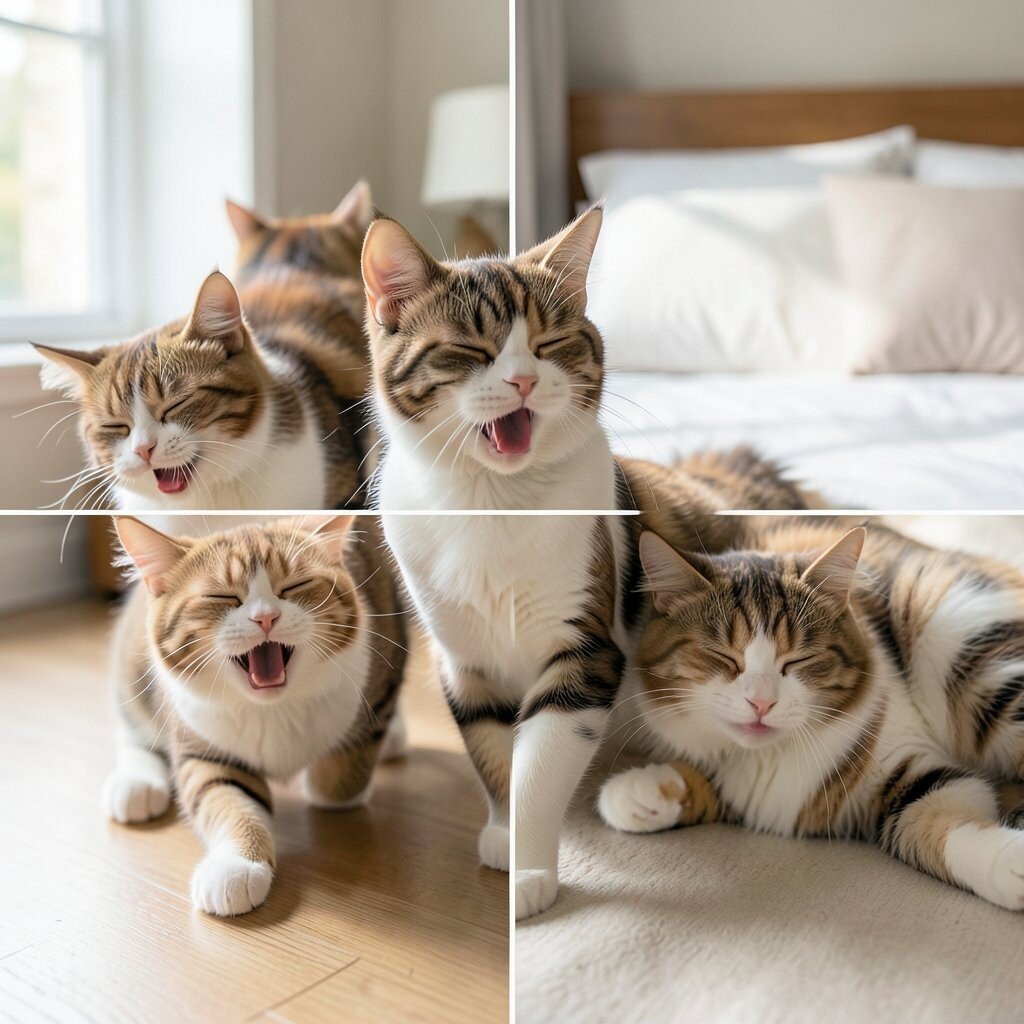
Many cats meow when they are bored. A visual clue is pacing and looking at you, then quick bursts of energy. If your cat has no play time, meows may grow into stronger demands. Meeting play needs can reduce this.
Try a simple routine that fits your day. Use short play bursts in the morning and evening. Then help your cat rest by keeping quiet near the bed. When rest is built in, your cat may stop asking for attention so often.
13. Try “respond then wait” timing
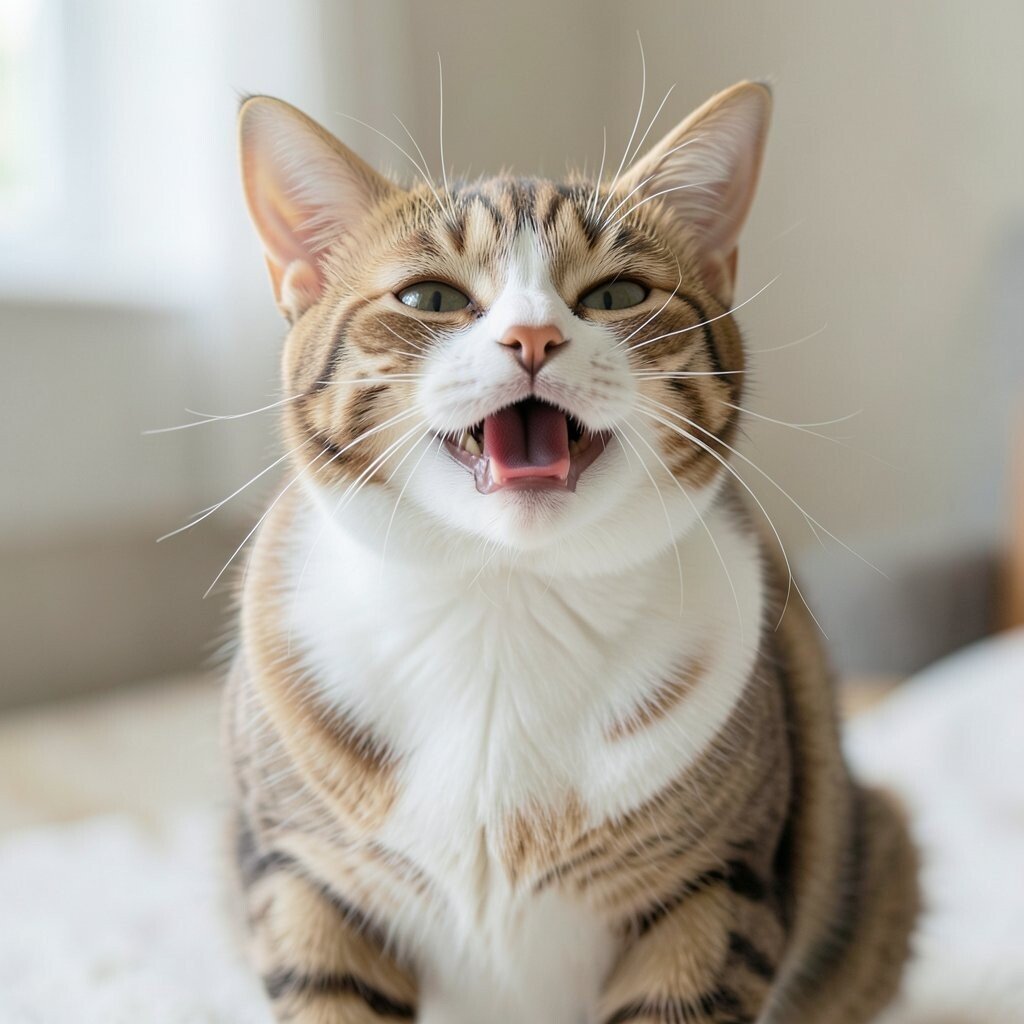
Sometimes cats meow as a way to check if you will react. If you respond right away every time, your cat may keep asking in a loop. Try responding, then waiting a short bit to see what happens. This can teach your cat that it does not need nonstop meows.
For example, if your cat meows for food, give food and then step back. If the meow continues, check what else may be going on. If it stops, you learned that timing was the key. This also keeps you from feeding out of stress.
14. Use the same person when possible
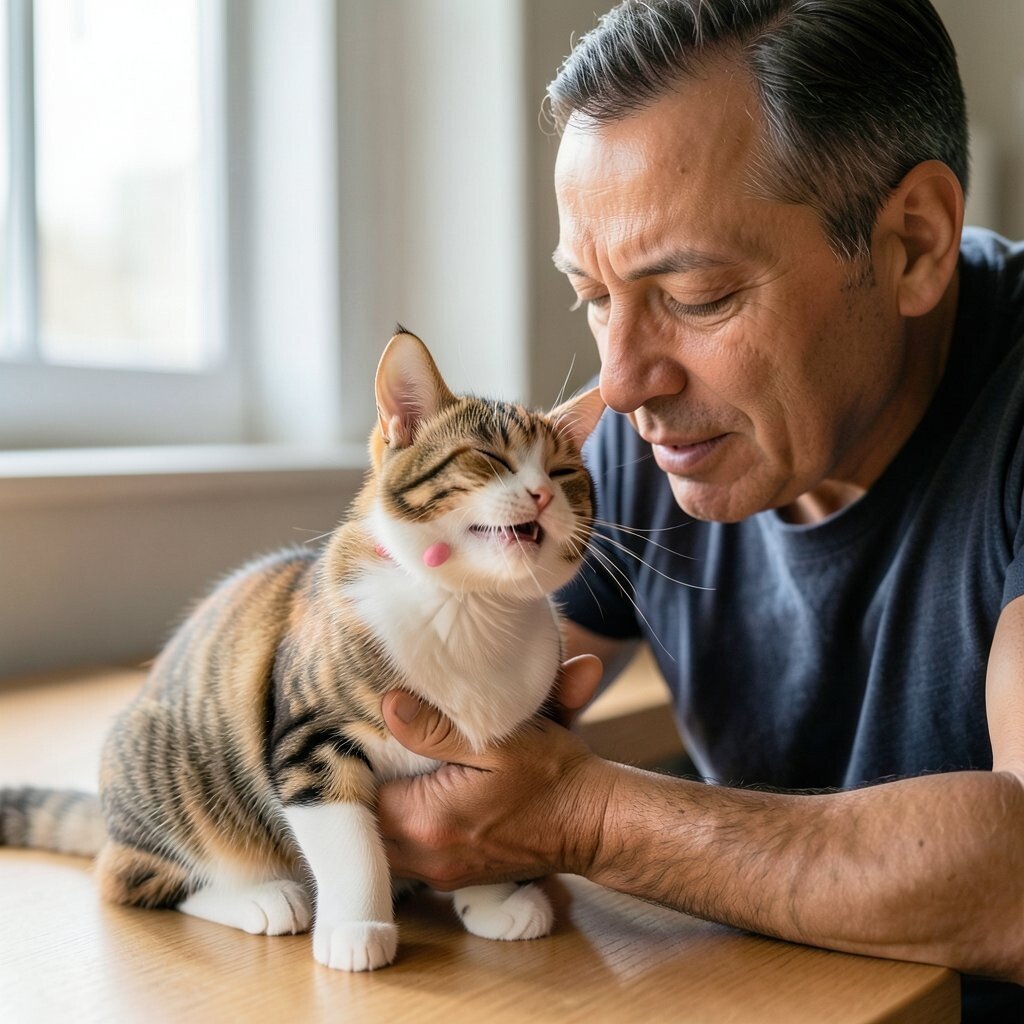
Cats often build a bond with certain people. If one person feeds, plays, and comforts the cat, communication can get steadier. If many people care for the cat in quick changes, the cat may meow more. This can happen because your cat is not sure what will come next.
Try to keep the main care tasks in one or two hands if you can. That does not mean others can’t help. It just means the cat gets clearer signals about who does what. The benefit is less confusion and more calm meows.
15. Create a “meow to action” plan you can follow
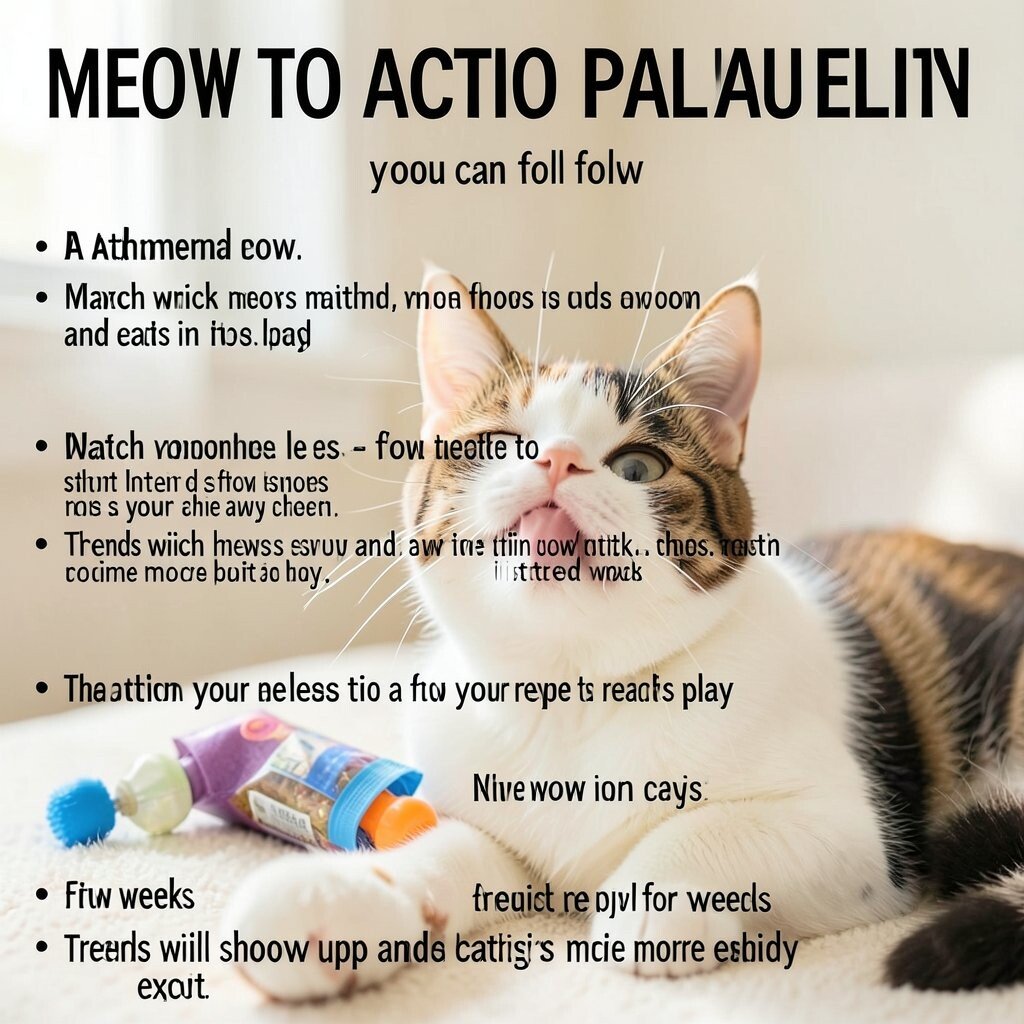
Make a simple plan that you can repeat each day. For instance, you can decide that a food meow leads to food, and an attention meow leads to play. A bathroom meow leads to a quick litter check. Keep this plan in your head so you react in a steady way.
Personalize the plan by using what your cat already shows. Watch which meows match which actions. Then stick to the same reply for a few weeks. Trends will show up, and your cat’s meows may become more exact.
This plan can be low cost because it is mostly about timing. You may just need small tools like a toy, a treat pouch, and a note app. Even without extra buys, the steps can help your cat communicate better.
16. Record meows and compare them
If you want clear proof, record short clips of meows on your phone. Do it when you see a clear moment, like before meals or right before bedtime. Later, you can play the clips and compare the sounds. This can help you spot which meow is about food and which meow is about attention.
As you compare, write down the situation next to each clip. Over time, you may see trends in the pattern. For example, some meows may rise in the evening, and others may show up at dawn. This helps you personalize your responses without guessing as much.
Cost is usually low since a phone is already used daily. You can also use free note apps to track results. This step can make your cat’s communication feel more clear and more fair.