
Animal care can start with small steps that fit your life. These ideas help animals today in ways that are clear, fair, and practical.
1. Support a local shelter every month

Pick one shelter near you and send help on a set schedule. You can give money, supplies, or both. This helps staff plan ahead and cover costs like food, bedding, and vet visits.
Look at the shelter website for a wish list. You may see items like towels, litter, puppy pads, or kitten food. If you want, choose one animal group like seniors or cats.
You can also share their posts in your feed to bring in more adopters. Many shelters do better when more people know they exist.
2. Foster an animal for a short time

Fostering means you care for an animal in your home until it finds a forever place. This can be short, like a few weeks, depending on the group. You help an animal stay calm and safe.
Foster animals often learn simple routines like eating on time and using a safe space. The shelter can use its kennel space for new animals. Some fosters also help with social skills for pets that need extra time.
When you foster, ask the shelter what they need from you. You can set up a small room with a bed, food, and a quiet corner. This is a good way to try animal care without making a forever promise.
3. Adopt through a rescue, not a backyard ad

Try to adopt from a real rescue or shelter with checks and clear rules. Many rescues have health info and a plan for the pet’s needs. This can lower the chance of surprise medical bills.
Before you adopt, ask about age, past care, and any known behavior issues. You can get a clear view of what life with that pet may look like. If the rescue uses meet and greets, take part in them.
A good rescue will also ask you questions. They want to know about your home, your schedule, and your yard setup. That care can protect the animal and help you feel ready.
4. Use a safe spay or neuter plan
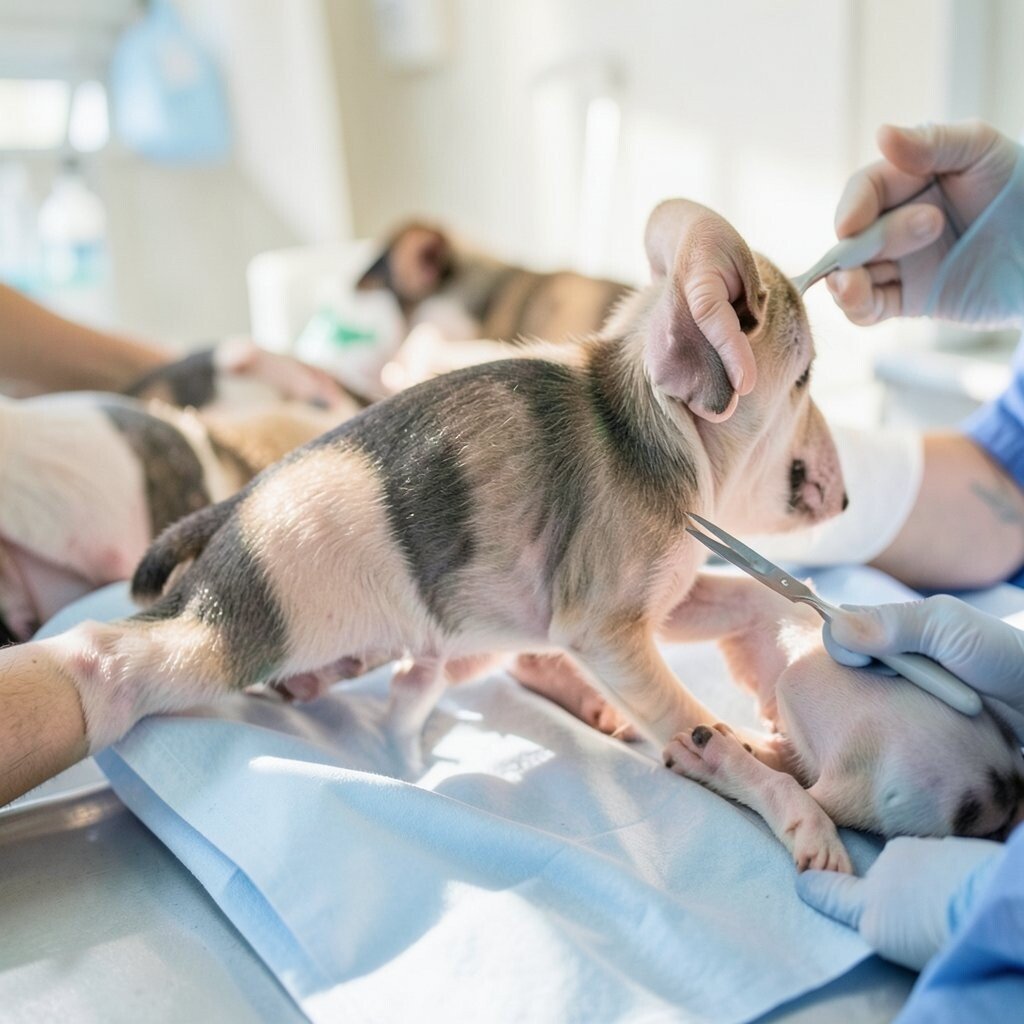
Spay and neuter work is one of the most direct ways to cut suffering. It can help stop unwanted litters and reduce stress on shelters. It also helps many animals avoid some health risks linked to mating.
Some groups offer low-cost clinics. You can also look for local days where vets do many surgeries in one week. This saves money and makes it easier to act fast.
If money is tight, ask about payment plans or grants. You can also volunteer to help with rides or check-in at the clinic. Every bit of support helps.
5. Report neglect with clear facts

If you see signs of neglect, write down what you notice. Include the date, the place, and what you saw or heard. Keep it simple and do not add guesses.
Next, contact the right local office like animal control or a humane group. Many places have a hotline or an online form. Your notes can help them act with care.
If you feel safe, you can also take photos from a safe distance. Visual proof can help show the real issue. Try not to put yourself at risk.
6. Choose cruelty-free products for pets

When you buy pet shampoos, cleaners, and treats, check for cruelty-free labels. You can look for brands that test in safer ways or do not test on animals. This choice helps reduce harm in supply chains.
In your home, you can also use basic, gentle cleaners for floors and bowls. Plain soap and warm water work for many tasks. Less harsh stuff can still keep your pet area clean.
For visual ideas, think of a clean counter with a bottle labeled “no animal testing.” It feels normal, like a normal buy, not like a big project. You can make it a habit when you shop.
7. Make your yard safer for wildlife
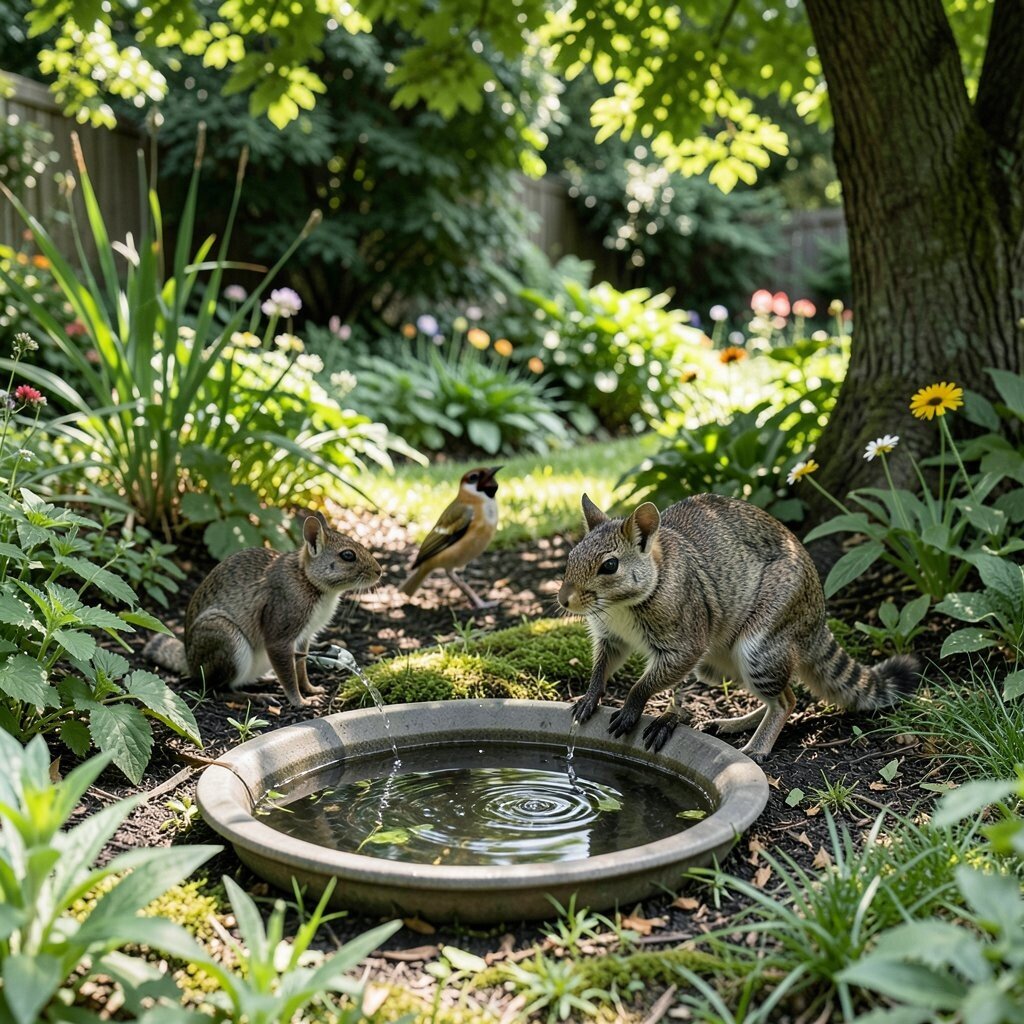
If you have outdoor space, you can help birds, frogs, and other small animals. Use fewer chemicals and pick safer options. A safer yard means fewer poisons that can harm animals by mistake.
Add simple items like fresh water in a shallow dish. Add plants that give shade and shelter. This can bring more wildlife and help them rest.
Be careful with pesticides and rodent traps. These can also harm pets or wild animals that live nearby. Small changes can lower risk while still keeping your yard neat.
8. Switch to humane pest control

For bugs and pests, try humane traps or prevention first. Seal cracks, fix screens, and keep food in closed bins. This reduces the need for harsh chemicals that can hurt other animals.
If you need a trap, choose one that is designed for quick, humane action. Then check it often so the animal does not sit in stress. A visual sign of a good trap is clear steps and safe openings.
You can also call a local pest service that uses gentle methods. Ask what they use and how they handle captured animals. Your questions can help push the market toward better choices.
9. Foster empathy with community education

You can help animals by teaching people in your area. Share simple facts at school events, park days, or local groups. This can help people act sooner when they see harm.
Try a small talk about leash rules, feeding, and water needs. Explain why stray animals need care and respect. Many people act better after they hear clear steps.
If you like doing things in small groups, start a monthly “pet basics” chat. You can talk about adoption, spay and neuter, and safe pet care. This builds trust over time.
10. Donate towels and supplies that help right now
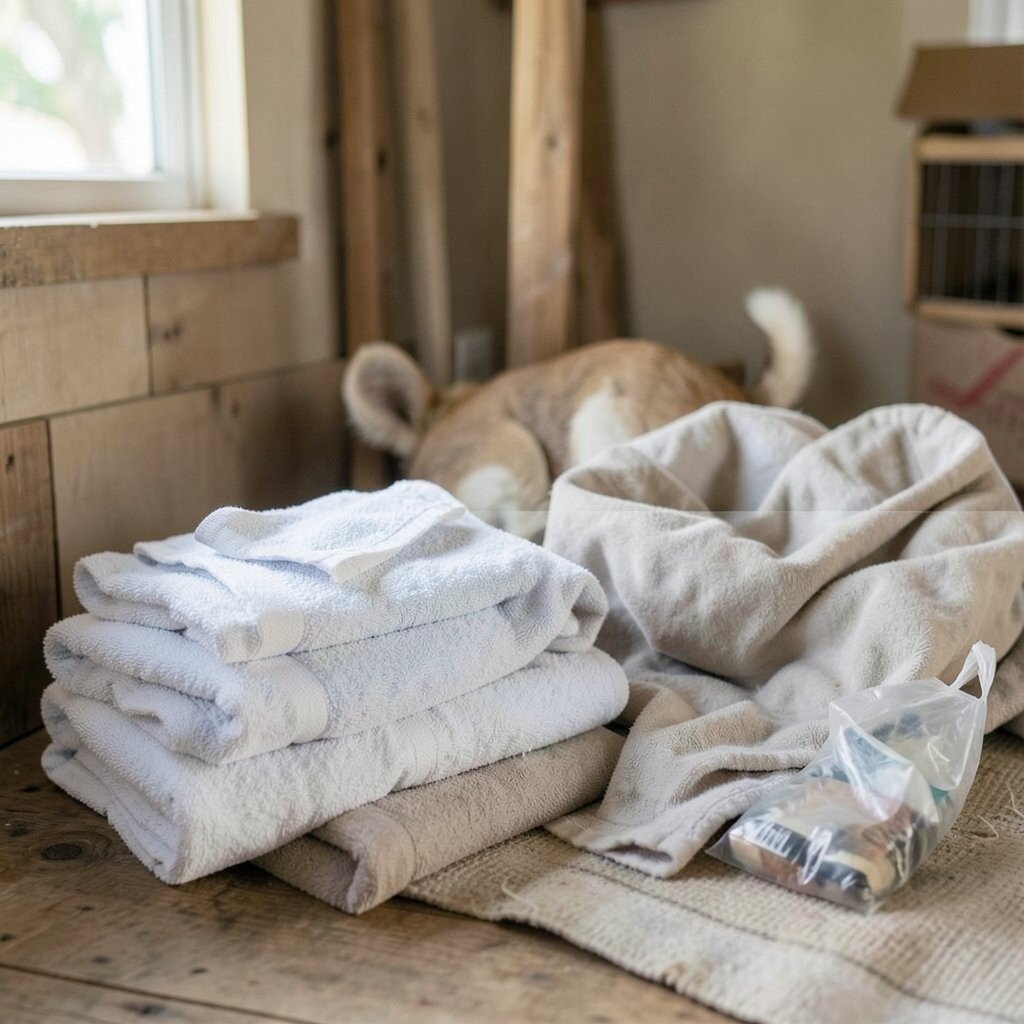
Shelters often need everyday items that people do not think about. Clean towels, blankets, and dish soap for washing bowls can make a real difference. These supplies are used daily, so they help right away.
Pick items that match what the shelter asks for. Some shelters need towels cut in strips for cages. Others may need puppy pads or trash bags for waste cleanup.
For personalization, keep a small box at home for donations. Add new items as you buy them. This makes it easy to help without stress.
11. Support vet care with a pet fund or ride help

Many animals suffer because of cost, not because of lack of care from people. You can help cover exam fees, shots, or basic treatment through a local fund. Some groups also need rides to clinics.
If you have time, offer to drive someone to a low-cost vet day. This helps when a person does not have a car or cannot get time off work. It can also help reduce panic for the pet.
You can also donate gift cards for vet visits if the group allows it. A visual benefit is a pet leaving a clinic with bandages and a clean plan. That is a clear win for both the animal and the owner.
12. Report illegal wildlife trade and unsafe handling
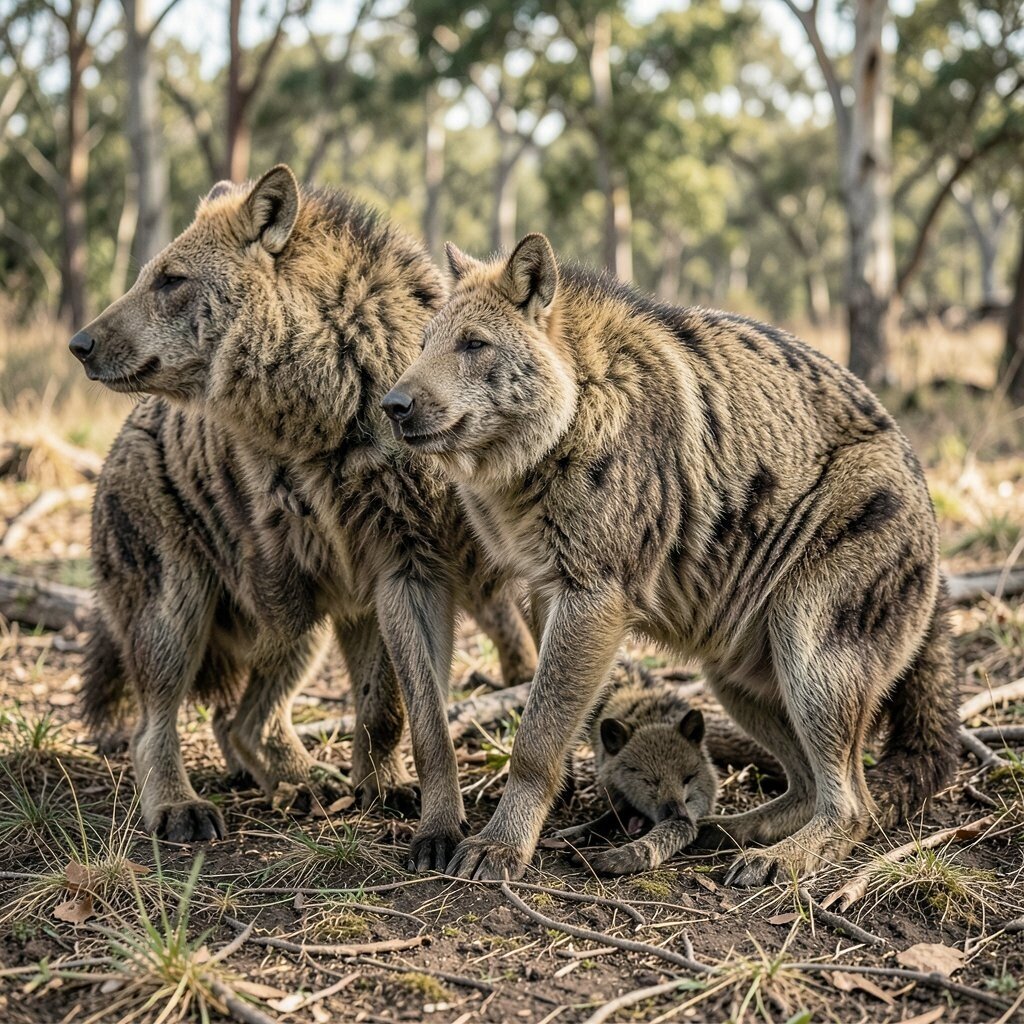
Wild animals need space and proper care, not handling for profit. If you see a sale that seems shady, keep note of the place and details. Do not confront people if it feels unsafe.
Contact local wildlife or humane groups that handle these reports. They may have ways to check permits and track crimes. Your clear notes can support action.
If you see online ads, save the link and basic info. A screenshot can help if posts get taken down quickly. This can slow illegal sales and protect animals.
13. Choose ethical riding and working animal rules

If you see horses or other working animals used for rides, pay attention to their care. Look for signs like clean water, rest breaks, and safe routes. Animals should not be pushed when they are tired or in pain.
A good operator keeps animals healthy and treats them with care. They also avoid harsh training and rough gear. If you notice stress, ask questions or choose a different provider.
You can share your notes with local groups that track animal welfare. Some areas post tips for better choices. This can change what businesses see as “normal.”
14. Push for better animal rules in your city

Local laws can help animals in many ways, like leash rules and trap rules. You can contact a city office and ask for stronger animal welfare steps. This can include enforcement and clear reporting steps.
Try joining a public meeting when it is about animal control or shelter funding. Speak in a calm way and share one real example you have seen. People tend to listen when you keep it simple.
If you like writing, you can send a short email to a council member. Mention a specific problem and a clear fix. This is often easier than bigger plans.
15. Help your pet stay safe without harm

Good pet care can prevent suffering even when you are not saving animals directly. Use a safe leash, keep pets on a schedule, and avoid cheap unsafe gear. This helps prevent accidents and fear.
If your pet runs outside, check fences and add secure gates. You can also provide a shaded spot and fresh water in hot weather. A simple visual is a water bowl placed in the cool shade.
If your pet shows stress, try gentle training and calm spaces. You can ask a vet or a trainer for advice. This keeps your pet safe and reduces the need to rehome.
16. Share your results and try one new habit

Pick one idea and keep it going for a bit. Then tell a friend what worked for you, like a shelter you like or a clinic you used. Small stories can help other people act too.
For trends, you may notice more groups using low-cost care and online wish lists. Many people also share “what I did” posts instead of just asking for likes. This helps real action grow.
You can also personalize your plan by matching it to your budget and time. Keep a simple list: one monthly help, one supply drop, and one safety check. Then update it when life changes.