
Good obedience training helps your dog feel safe and clear about what to do. It also makes daily life easier for you and your family.
1. Start With Simple Rules
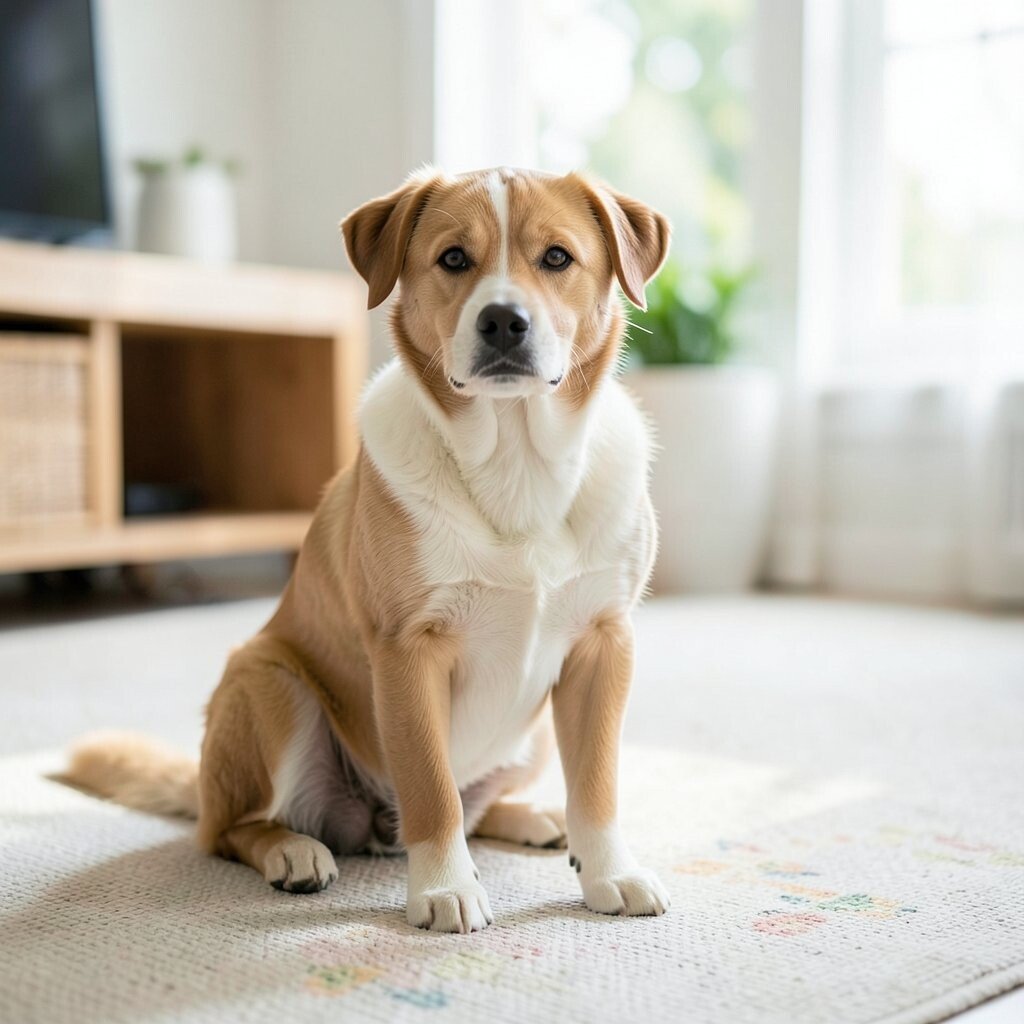
Pick a few rules you will use every day. Good first rules are sit, stay, come, and leave it. Keep them short and clear so your dog can learn faster.
Use the same word for the same action every time. For example, always say “sit” when your dog should sit. This helps your dog know what you want, not guess.
When you use simple rules, you can also see progress sooner. You may notice your dog reacts more quickly in the home and on walks. That is a real win you can build on.
2. Use Treats Your Dog Likes
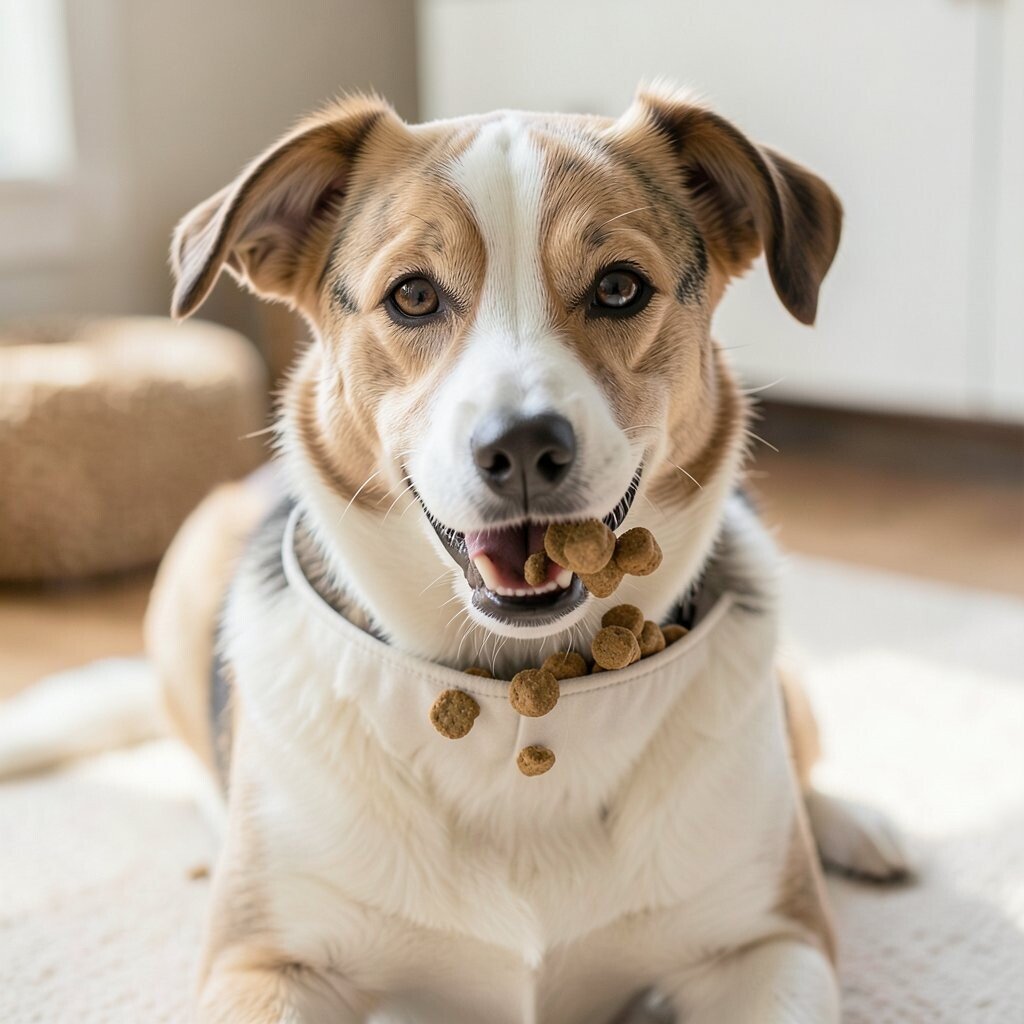
Choose small treats your dog really enjoys. Soft treats are often easy for dogs to chew and swallow fast. You can also use bits of kibble if your dog works well with it.
Keep treats in a pocket or treat pouch so you can grab them quickly. Quick timing matters because your dog learns best when you reward right away. Try to reward within a second or two of the good choice.
Be careful not to overfeed. If you use many treats, take them from your daily meal. This keeps training fun and helps your dog stay healthy.
3. Reward the Correct Choice Every Time
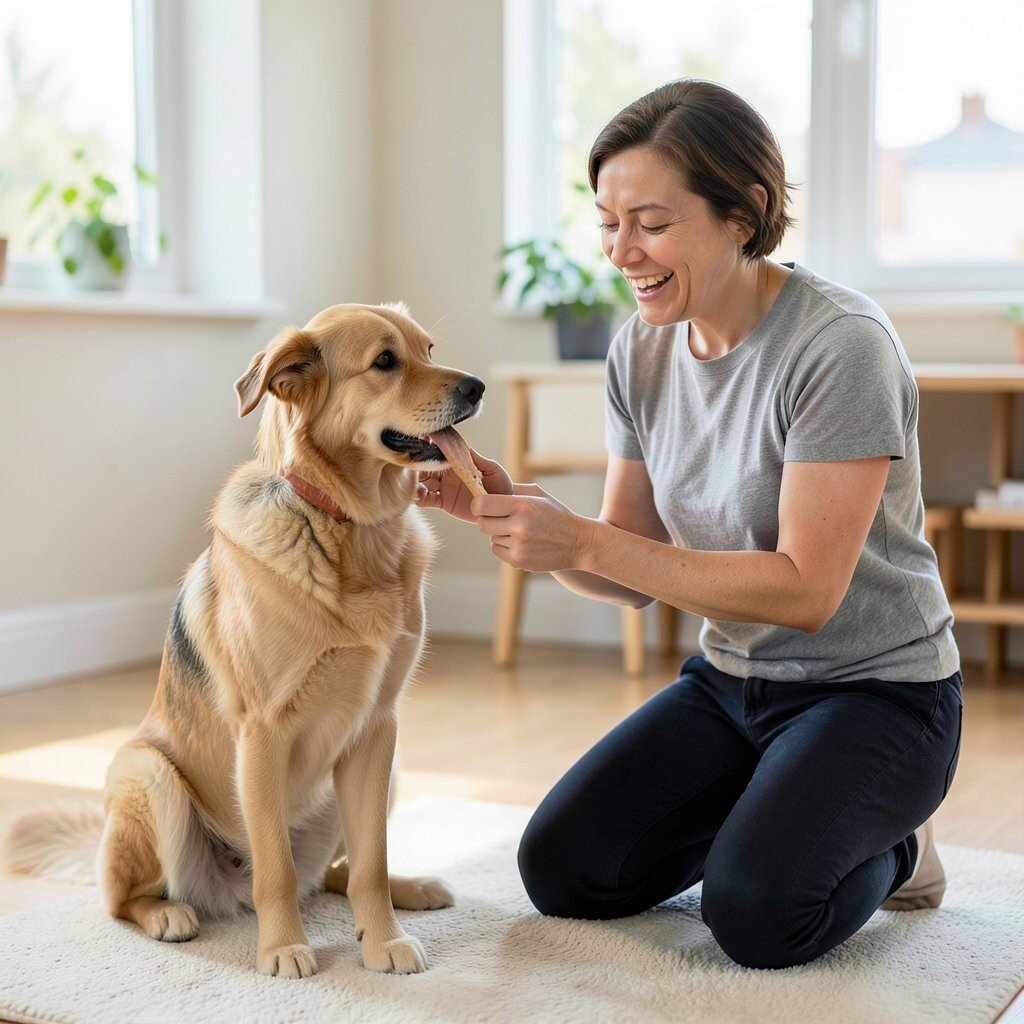
When your dog does the right thing, reward it. If you wait too long, your dog may learn the wrong link. For example, reward a sit as soon as your dog sits, not after you ask again.
At first, reward more often so your dog learns the pattern. Later, you can reward on and off while still praising. This helps your dog stay focused without needing a treat every moment.
Use clear body language too. Stand or kneel to be easy to see, and keep your hands calm. A steady tone and quick praise can feel like support to your dog.
4. Keep Sessions Short and Calm
Training works best when you keep it short. Aim for a few minutes at a time, then stop before your dog gets tired. Many dogs learn better with repeat practice than long drills.
Pick a quiet space with fewer distractions. A hallway or a small room can work well. If your dog gets excited, lower the difficulty and try again later.
End each session with a win. For example, go back to a skill your dog already knows. This helps your dog end on a good mood and look forward to the next try.
5. Use a Consistent Training Schedule
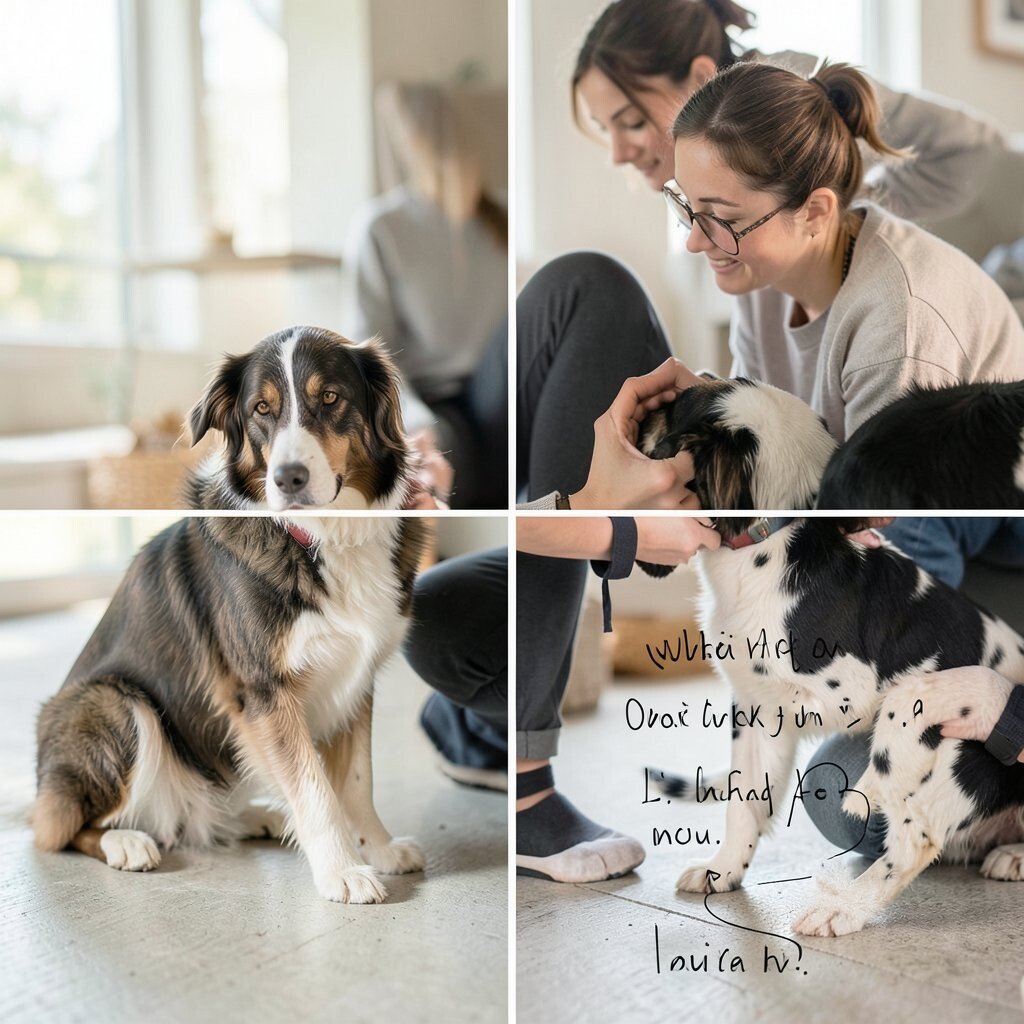
Set a simple routine so training does not feel random. You can train a little in the morning and a little in the evening. Even small practice helps the brain learn and store the skill.
Try to keep the timing similar each day. Dogs pick up patterns, and that makes it easier for them to follow. You also stay more steady because you do not forget what you planned.
Write down what you worked on if you like. A short note helps you see what is improving and what needs more time. This is also useful if more than one person trains your dog.
6. Teach “Sit” Before You Expect “Stay”
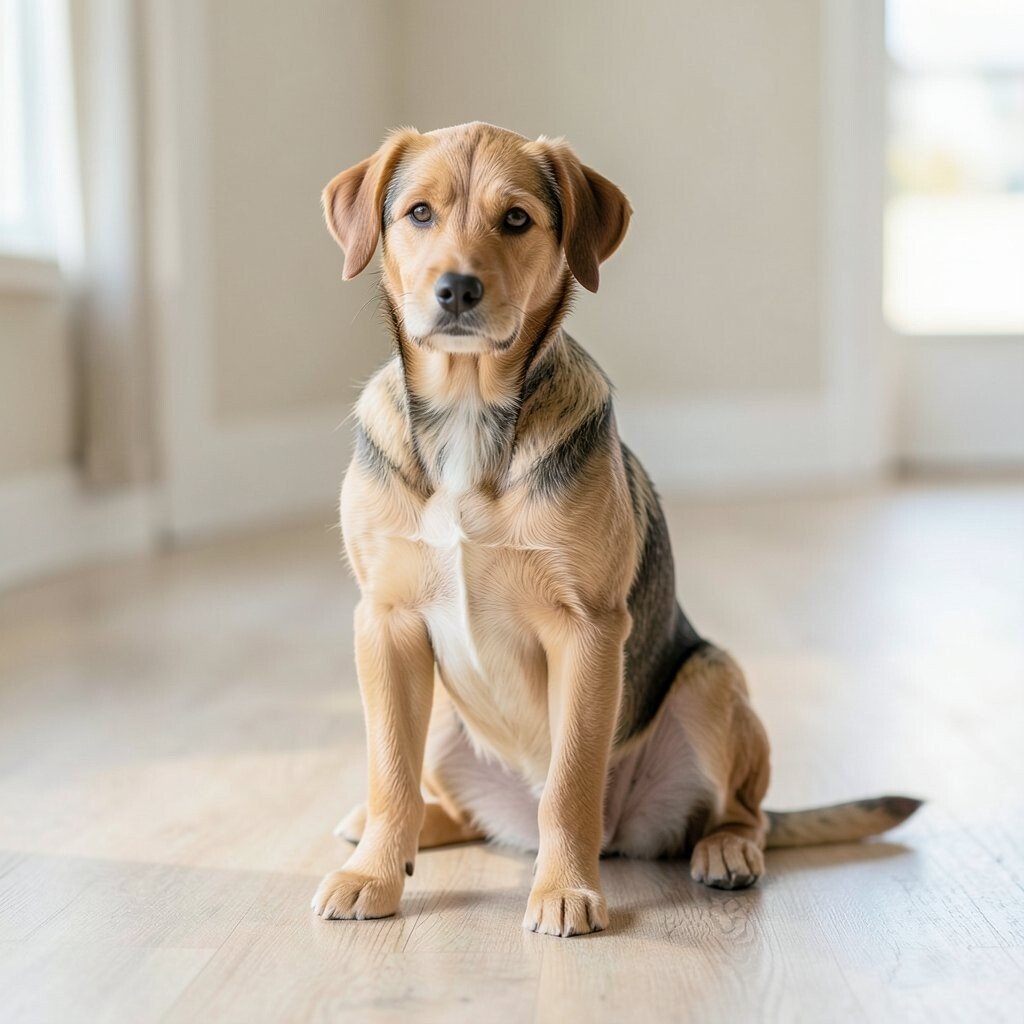
“Sit” is a good base skill for many other cues. When your dog can sit on cue, you can add “stay” step by step. Trying “stay” too soon can lead to confusion and stress.
Start by asking for sit, then reward right away. Next, pause for a short moment and reward again. Gradually add time and distance only when your dog stays calm.
Visualize it like building blocks. Each small step makes the next step easier. Your dog learns to hold still, not just move around while waiting.
7. Practice “Come” in Safe Low-Distraction Places

Teach come where your dog feels safe and focused. A fenced yard or a quiet hallway is a good start. Avoid busy parks until your dog can respond well.
Say the cue in a clear tone and move in a friendly way. When your dog comes, reward quickly and cheerfully. If your dog does not come, do not repeat the cue again and again.
Instead, make the next try easier. You can shorten distance or use a leash to guide the dog. This builds trust and keeps the learning steady.
8. Teach “Leave It” for Real Life Moments

“Leave it” helps with trash, shoes, and odd items on the ground. Start with a treat in your hand and close your fist. When your dog stops trying and looks away, reward with a different treat.
Then try it on the floor with two treats. Place one treat where your dog can see it, and cover it at first. When your dog chooses not to grab it, reward from your other hand.
This skill brings real benefits on walks. You can reduce pulling and stop problems before they start. It also helps you feel calmer when your dog sniffs at things.
9. Use Positive Timing, Not Harsh Corrections

Focus on rewarding what you like, rather than punishing mistakes. Dogs learn faster when they know what behavior earns a reward. Harsh corrections can lead to fear or shut down learning.
If your dog does something wrong, calmly reset the moment. Move a step back, lower the challenge, and try again. Many dogs do better when you make the path to success clear.
Try to set up training so mistakes are less likely. For example, keep distractions away at first. When your dog succeeds, reward and build from there.
10. Read Your Dog’s Body Language

Watch for signs your dog is stressed or too excited. Signs can be panting, stiff body, wide eyes, or turning away. When you see these signs, pause and give your dog a break.
Also look for signs of good focus. These can include loose body, soft eyes, and quick attention on you. When you see calm focus, reward and keep going.
Over time, you will learn your dog’s unique cues. Some dogs show stress by barking, while others hide or freeze. Personalizing your response helps training feel more fair.
11. Make Training Fit Your Home and Schedule
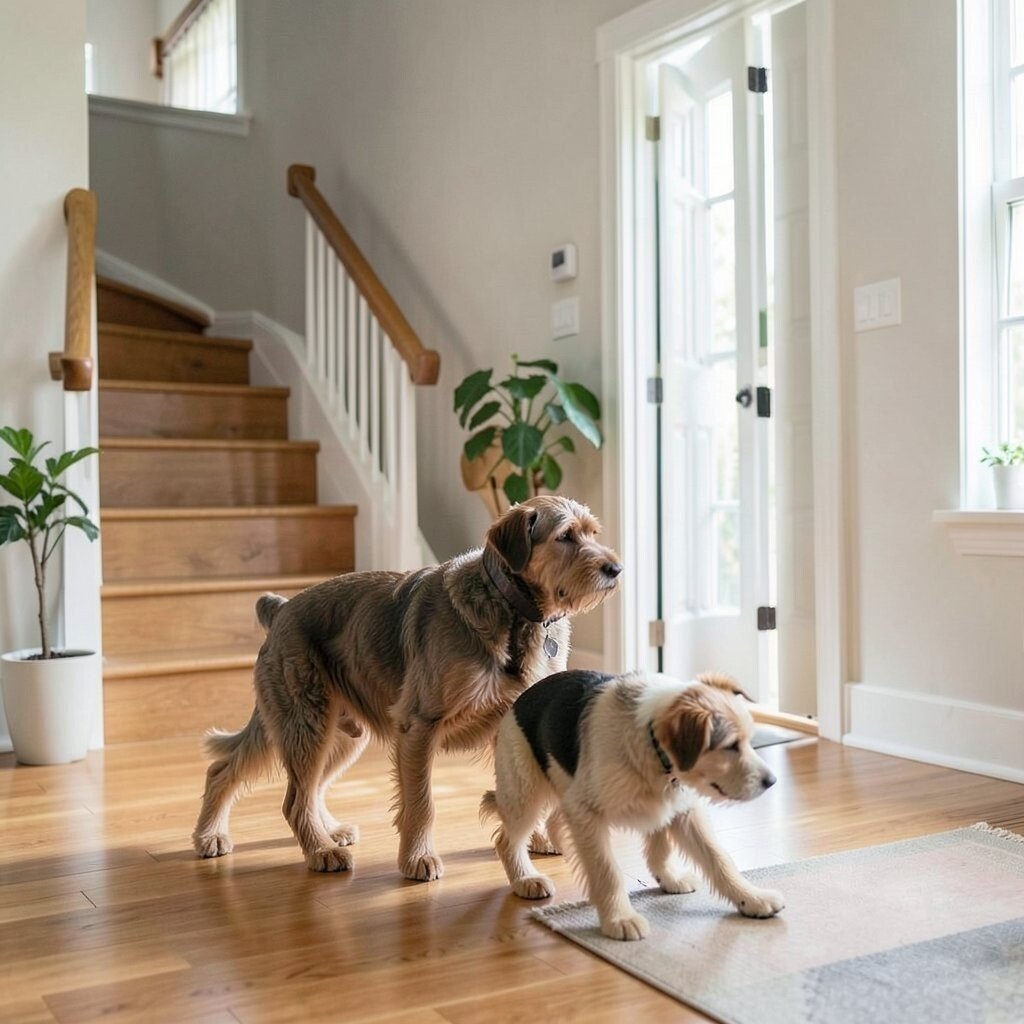
Use training plans that match your real life. If you work long hours, you may need shorter sessions. If you live in a small place, use indoor training games.
Think about your home layout. Stairs, slippery floors, and busy hallways can change how your dog moves. If you plan around these facts, you can prevent mishaps.
Use daily moments as practice too. Waiting for a door to open, calmly greeting you, or walking next to you can all be training. This keeps costs low because you use what you already have.
12. Keep Equipment Simple and Safe
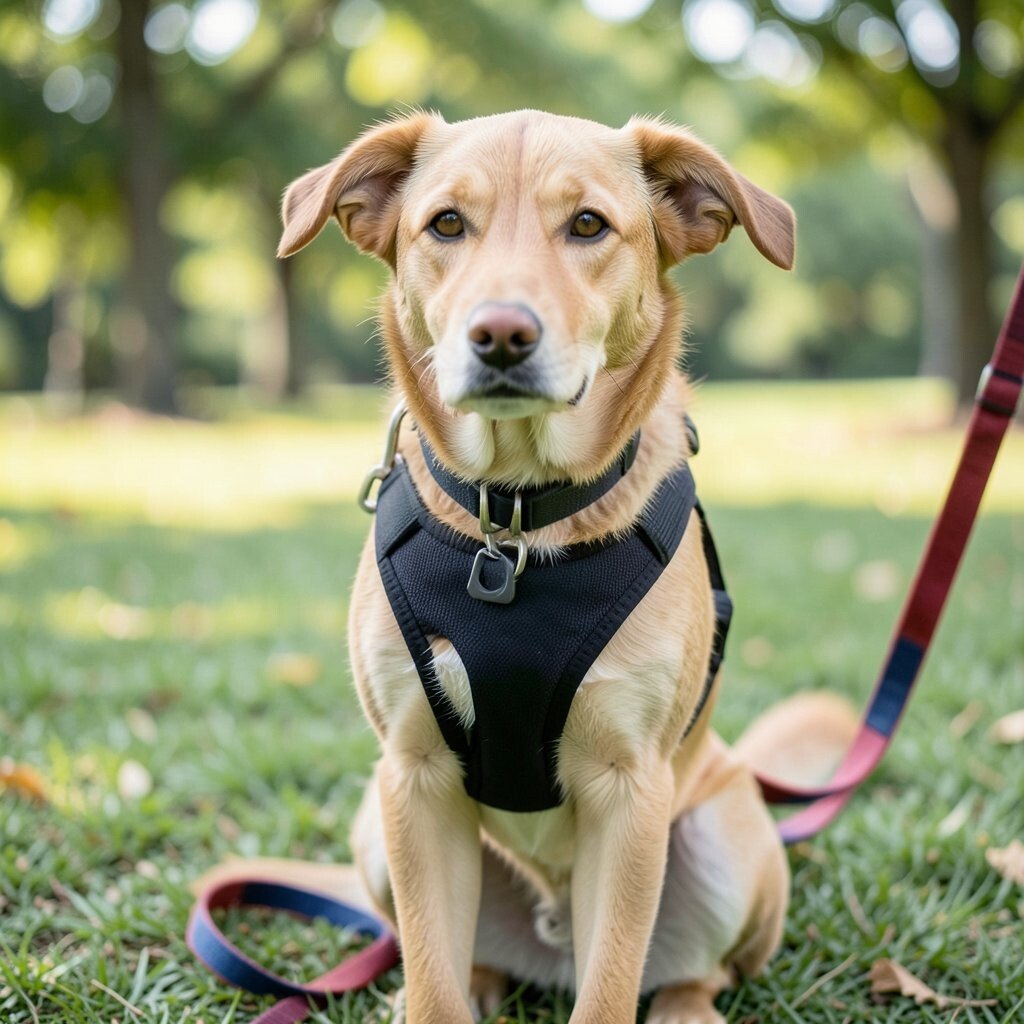
You do not need a lot of gear to train well. A flat collar or a well-fitted harness and a leash are often enough. Choose equipment that fits right and does not rub or choke.
A clicker can help some dogs, but it is optional. If you use a clicker, pair it with treats at first. That way, the sound means good things are coming.
Do a quick safety check before you train. Make sure the leash is not twisted and the harness straps sit correctly. Safe tools help you train with confidence and avoid sudden pulling.
13. Try a Variety of Rewards

Many dogs like more than one kind of reward. Use treats sometimes, and also use praise and play. Some dogs enjoy a short tug toy game, but only for a brief session.
You can also reward with sniff time on a walk. If your dog likes it, allow a short controlled sniff after a good choice. That can feel like a big reward without extra cost.
Try to match the reward to the day. If your dog is too excited, treats may work better than play. If your dog is calm, praise and gentle petting can fit well too.
14. Track Progress With Simple Notes
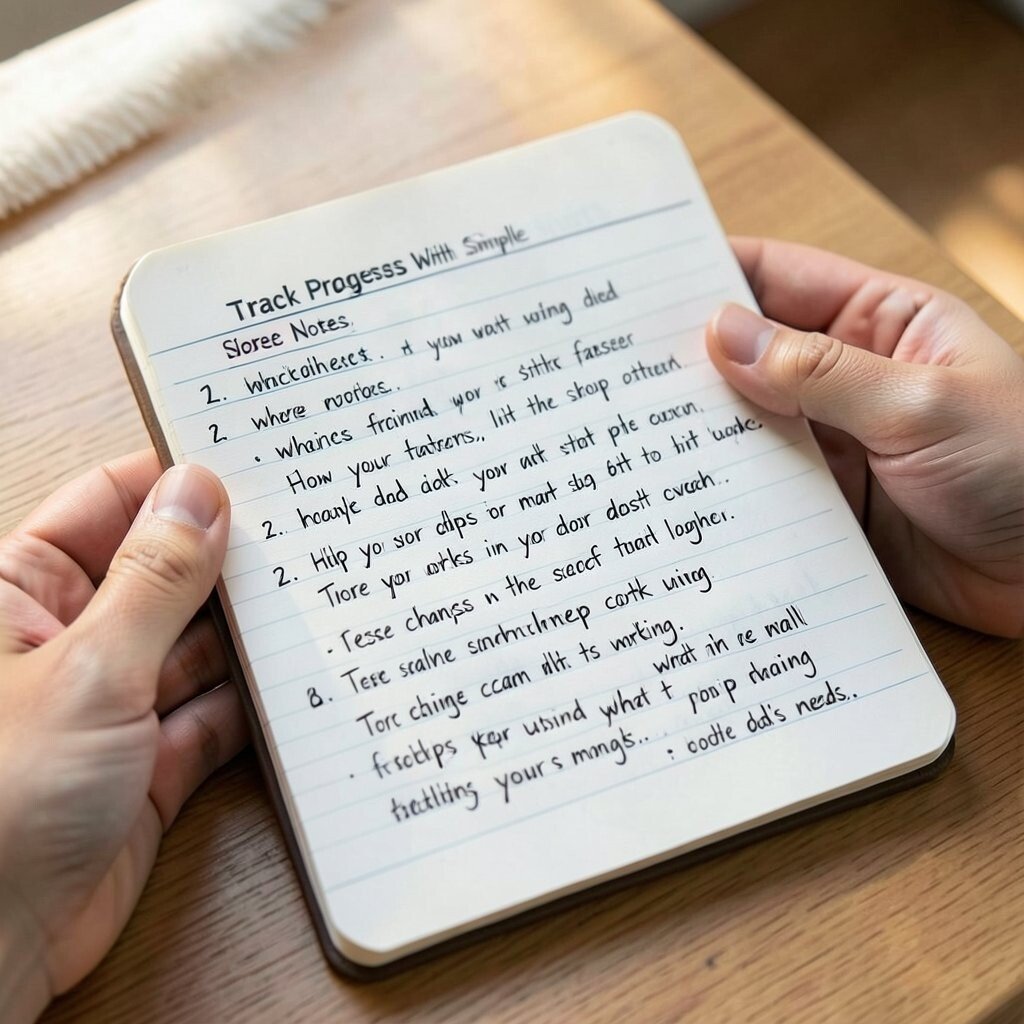
Use a small notebook or notes app to track what you practice. Write down the cue, where you trained, and how your dog did. Short notes help you spot patterns, like what works in the yard but not outside.
Look for small wins each week. For example, your dog may start sitting faster or staying a bit longer. These changes can seem small, but they add up over time.
Tracking also helps with cost control. You can avoid buying too many new products and instead keep using what is working. This keeps training practical and keeps your money for your dog’s needs.
15. Follow Current Training Trends, But Keep the Basics

Training trends change, but the basics still matter. Many trainers today focus on reward-based methods and clear cues. You can use modern tools, like video practice or online classes, while keeping the core skills solid.
For uniqueness, try a simple theme that fits your dog. Some people do short “game” sessions, like touch training or target work. Others focus on daily life skills, like calm greetings and walking politely.
If you join a class or follow tips online, compare them to what your dog needs. Pick methods that match your dog’s age, health, and comfort. Personalizing training helps you avoid costly mistakes and keeps progress steady.