Birds act calmer when they have good places to sit. Small changes to perches can help your bird move, rest, and stay busy.
1. Natural Wood Branch Perch
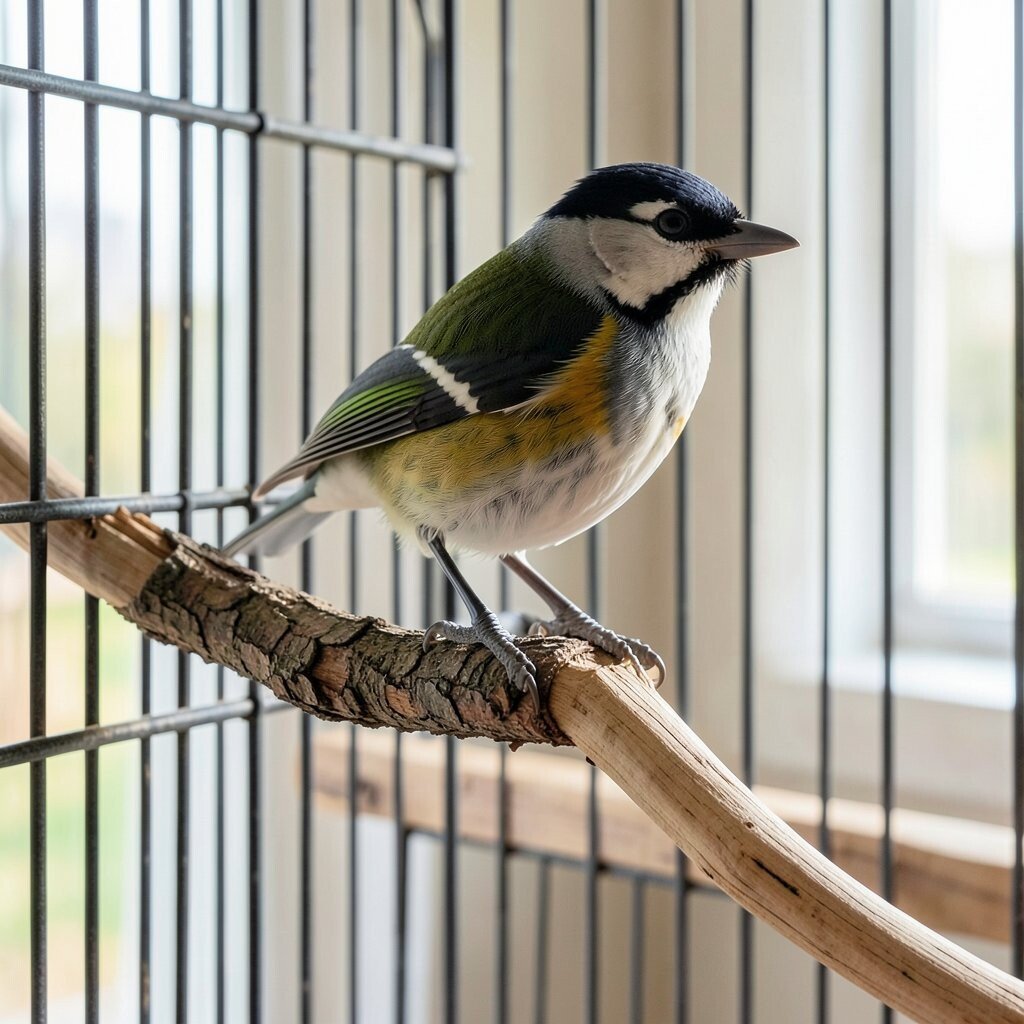
A natural wood branch perch looks and feels real. It can have a gentle curve and a bark texture that birds seem to like. Many bird owners notice their birds choose it for longer breaks.
Use a branch from a safe tree and cut it to fit your cage. Pick wood that is not treated with chemicals. Sand any sharp spots so your bird does not get scratched.
For cost, it can be low if you find a clean branch. Add it so the bird can reach it easily from favorite spots. A trend right now is using simple, wood-like textures that look natural in the home.
2. Rope and Sisal Swing Perch
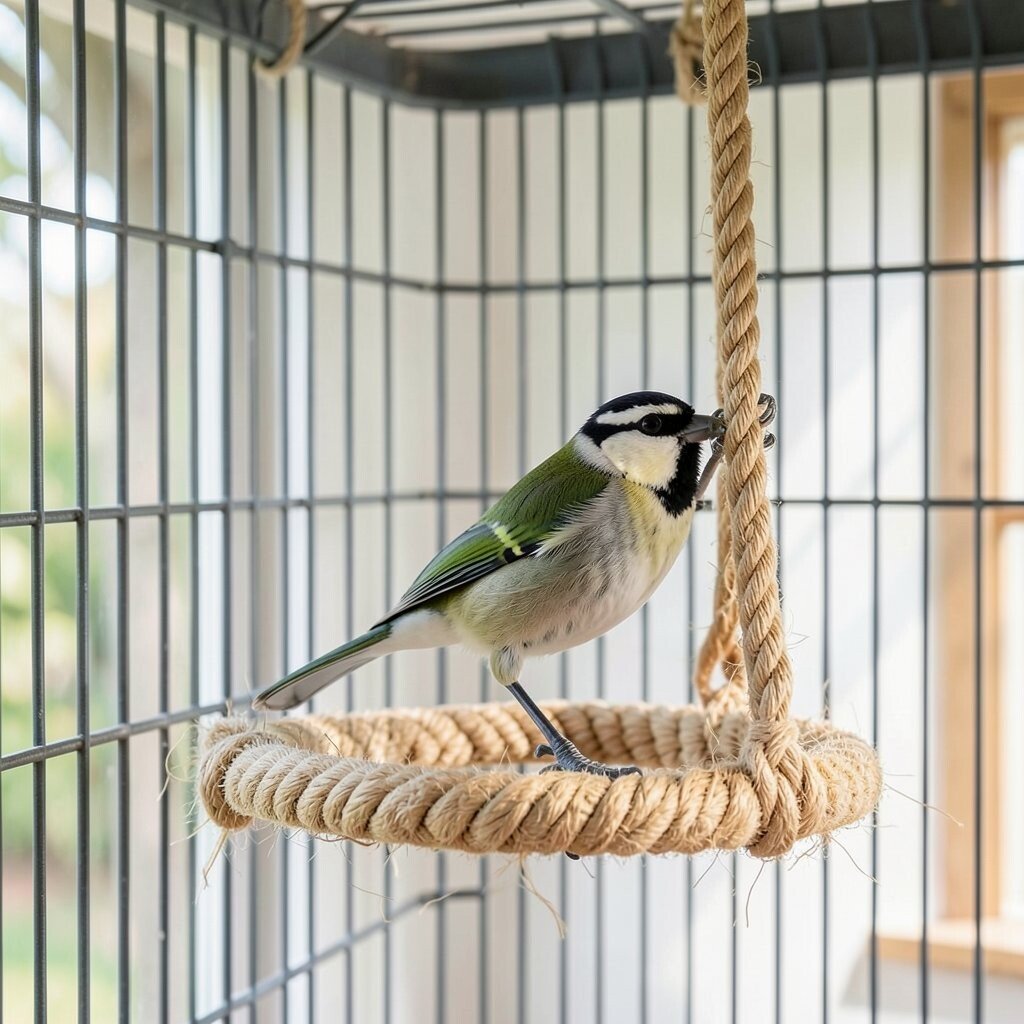
A rope or sisal swing perch adds a fun, light feel inside the cage. You may see your bird hold on with its feet and shift its body as it balances. This can feel like a small adventure even when the bird stays in one place.
Choose a perch that is sturdy and tightly tied. Check the rope often for fray. Place it where your bird has space to move, but not so close to food or water that it gets messy.
This option can be a mid-range cost, depending on size. Personalize it by picking a style with a safe frame and a soft grip area. Some owners like to swap it out on a schedule so it stays fresh.
3. Cork Bark Perch for Gentle Grip
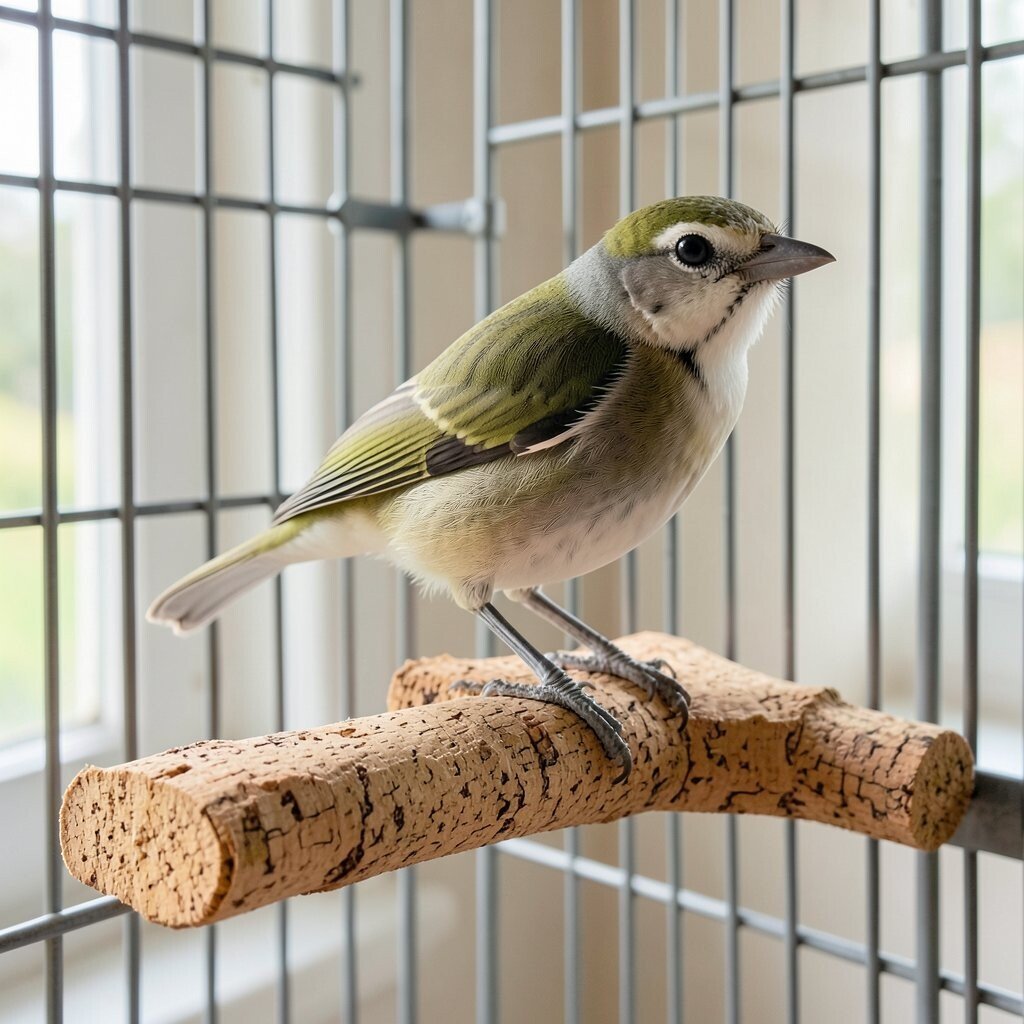
Cork bark has a rough, soft surface that many birds grip well. It can look like a piece of nature that you can hang inside the cage. You might notice your bird relax its toes when it sits on it.
Use cork from bird-safe sources and clean it well before putting it in the cage. Mount it so it does not swing too hard. Give your bird a clear line to it from the main perch.
This is often a lower cost option compared to some fancy toys. The uniqueness is in the look, with natural curves and small specks. A tip is to place it near a favorite light or window spot, so your bird enjoys it more.
4. Flat Wooden Perch With Different Thicknesses
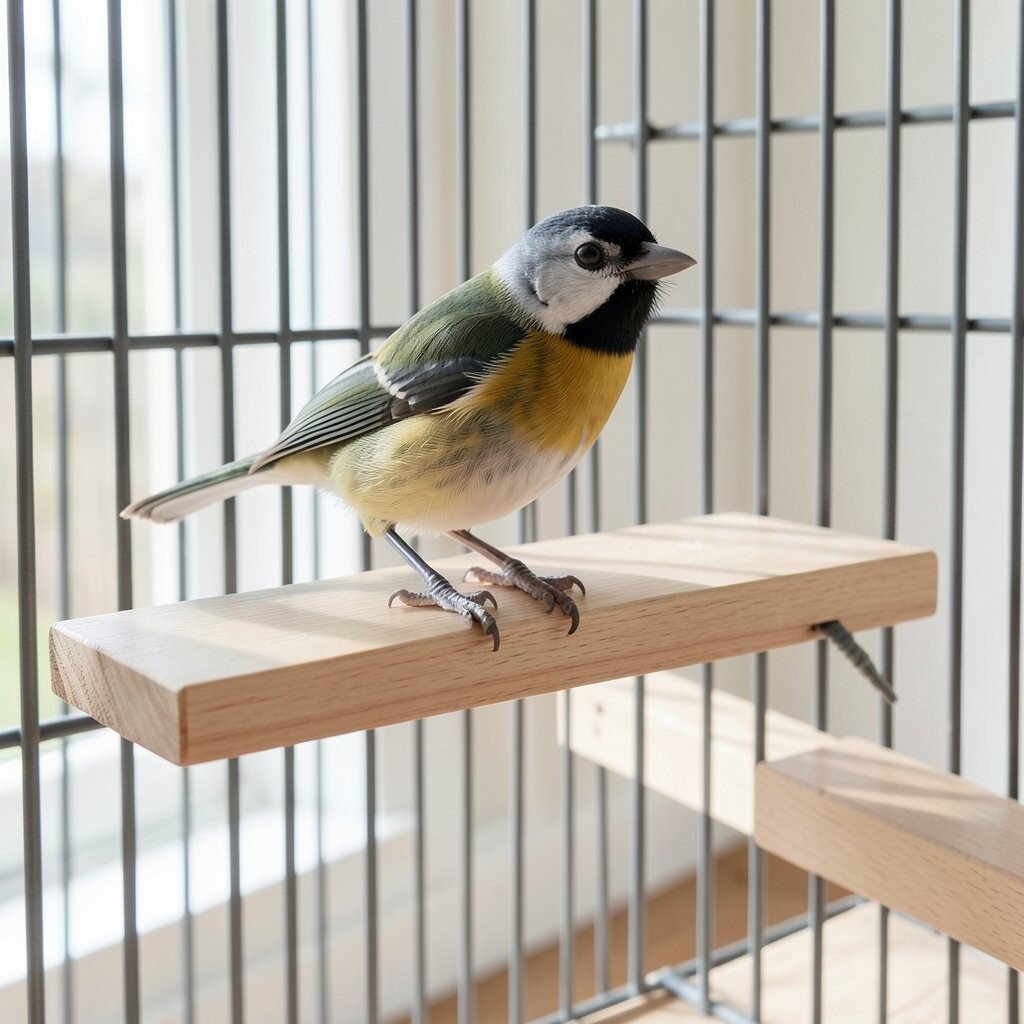
A flat wooden perch is simple and easy to set up. It can help your bird rest with good foot support. If you add more than one thickness, your bird can switch grips during the day.
Pick smooth, untreated wood and avoid pieces with peeling varnish. Offer one thicker perch for comfort and one thinner perch for grip practice. Make sure both are at a safe height from the cage floor.
This idea is cost-friendly and easy to find in many stores. Personalize it by adding a few small sizes that match your bird’s feet. Many people also like this setup because it looks neat and clean in the cage.
5. Branch-Style Perch With Natural Forks
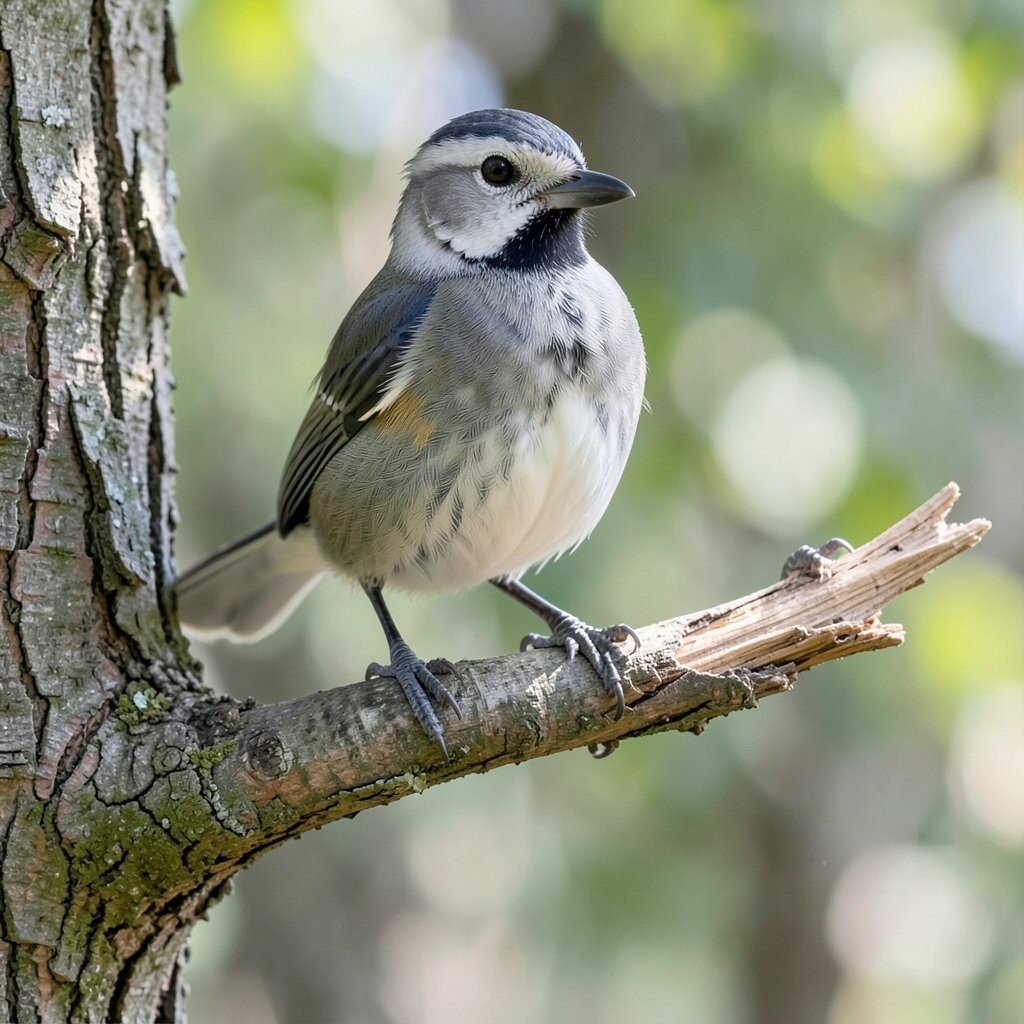
A forked branch perch gives your bird a spot that feels like a safe tree spot. The two arms can help your bird stand in a more natural stance. When birds like a layout, they often return to it often.
Choose a branch that is thick enough and not too smooth. Clean it and remove dust, then check for cracks. Put the fork so your bird can sit without leaning too far.
This perch can be unique because it shows the shape of real trees. Cost can vary, but it can be low if you source your own wood. A helpful tip is to place it near a calm area so your bird can sit for longer periods.
6. Stone or Mineral Perch for Foot Changes
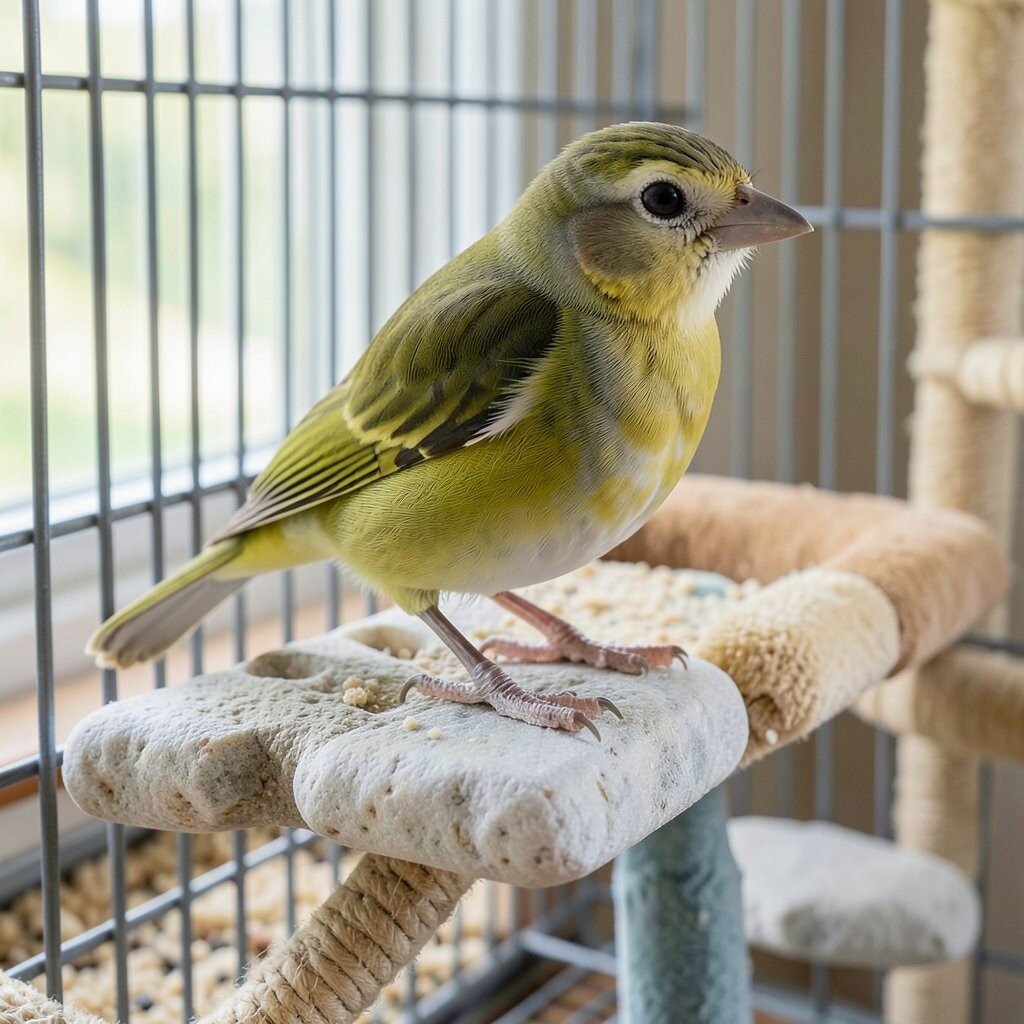
A mineral perch can add a different feel to your bird’s feet. It often has a steady surface that helps some birds keep their nails in good shape. Many owners like how it changes the texture in the cage.
Use only bird-safe mineral products and follow the store directions. Check your bird’s feet for signs of irritation. If you see rubbing or redness, reduce use or swap it out.
This can be higher cost than plain wood, but it lasts a long time. Personalize by mixing it with softer perches so your bird gets both comfort and texture variety. A trend is adding different surfaces to help birds stay active and balanced.
7. Ladder Perch for Climbing Practice
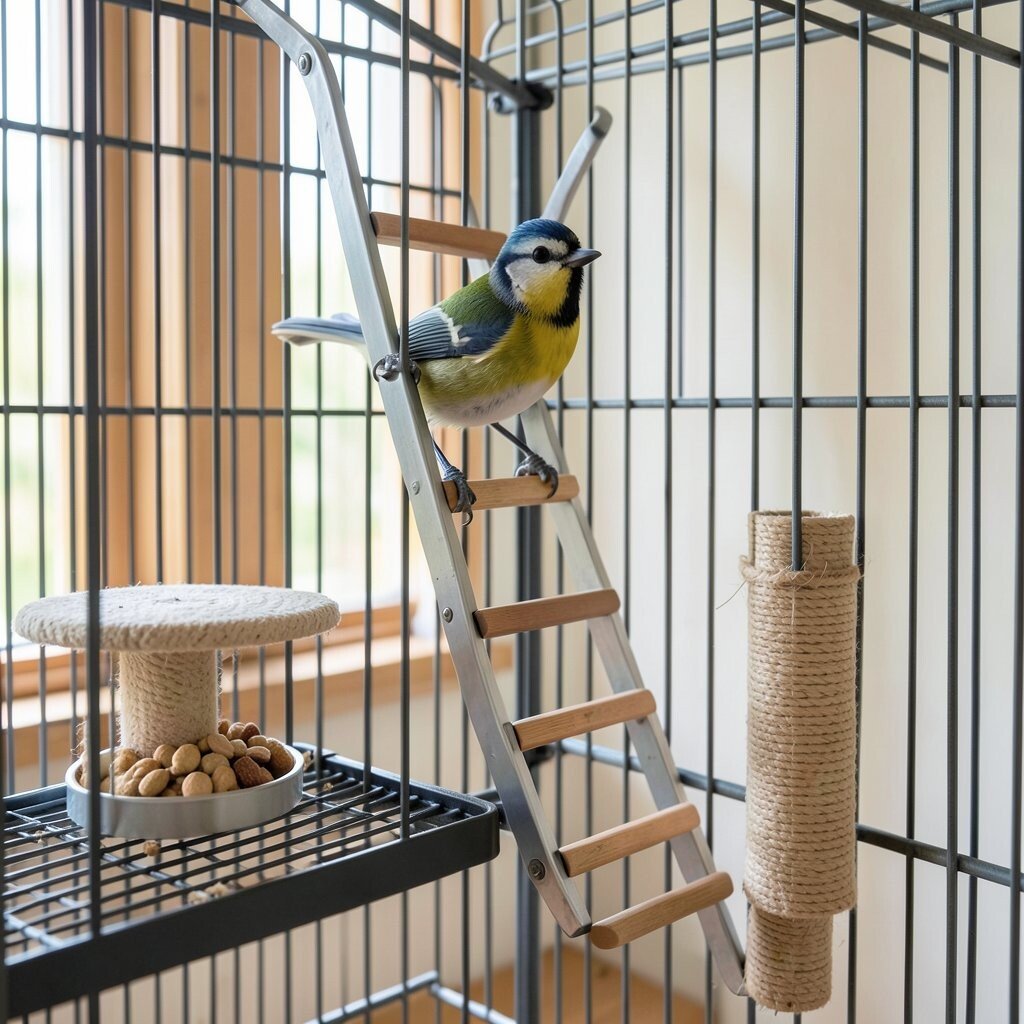
A ladder perch helps your bird climb and move in small steps. It can look like a tiny set of bars inside the cage. You may see your bird test each rung and hop along in short bursts.
Choose a ladder with safe spacing and secure joints. Make sure it is not too steep and does not wobble. Keep it away from the cage top where birds may bump their heads.
This is often a mid-range cost and easy to find. Personalize the setup by placing it between two favorite perches or near a treat spot. For tips, add the ladder gradually and watch your bird’s comfort during the first few days.
8. Acrylic or Stainless Stand With Quiet Surfaces
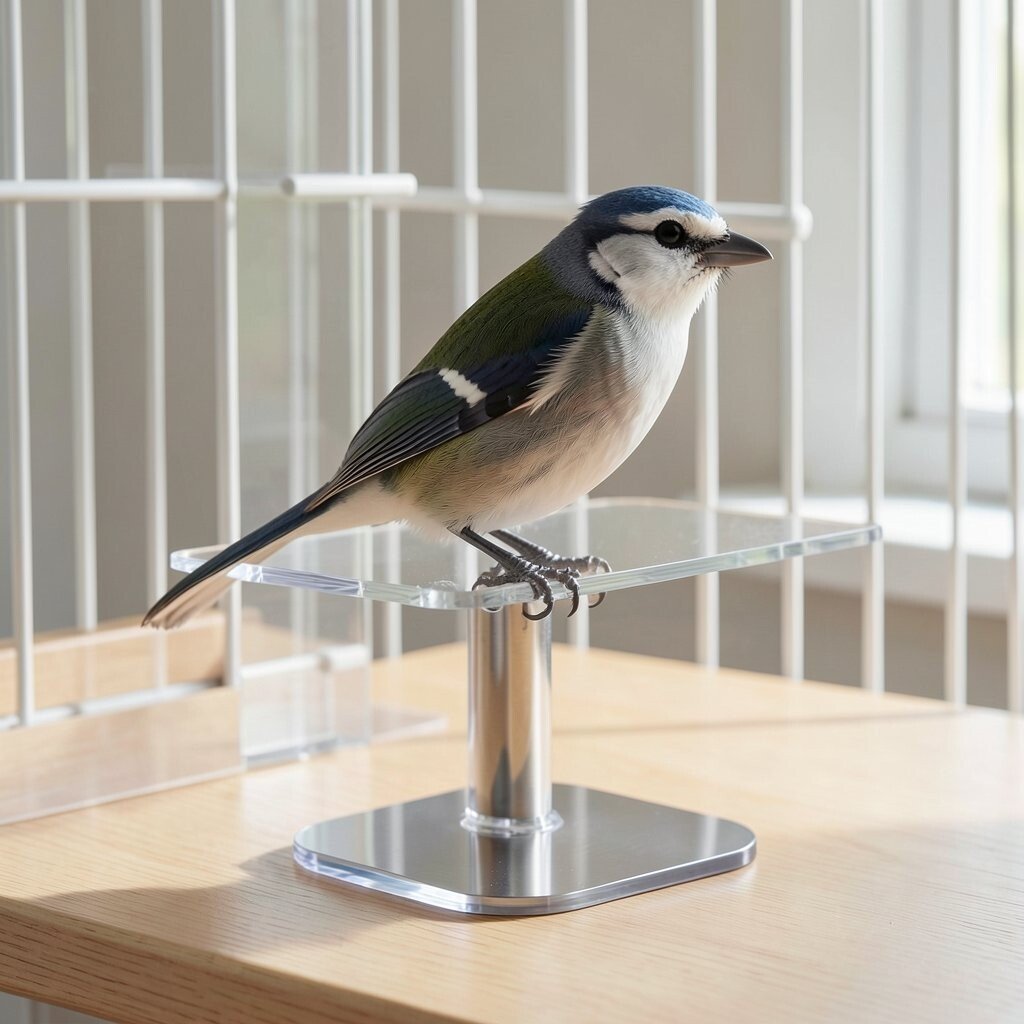
An acrylic or stainless stand perch can feel smooth and clean. This type can be good if you want easy cleanup. Your bird may use it more for quick stops between activities.
Pick pieces that are made for birds and do not have sharp edges. Wash with safe soap and rinse well. Keep it dry so your bird does not slip.
The cost can be higher, but the upkeep is often simple. The uniqueness is in the clear, modern look inside the cage. A trend is toward clean, low mess setups, especially for busy homes.
9. Natural Cotton Rope Perch Wrapped on a Frame
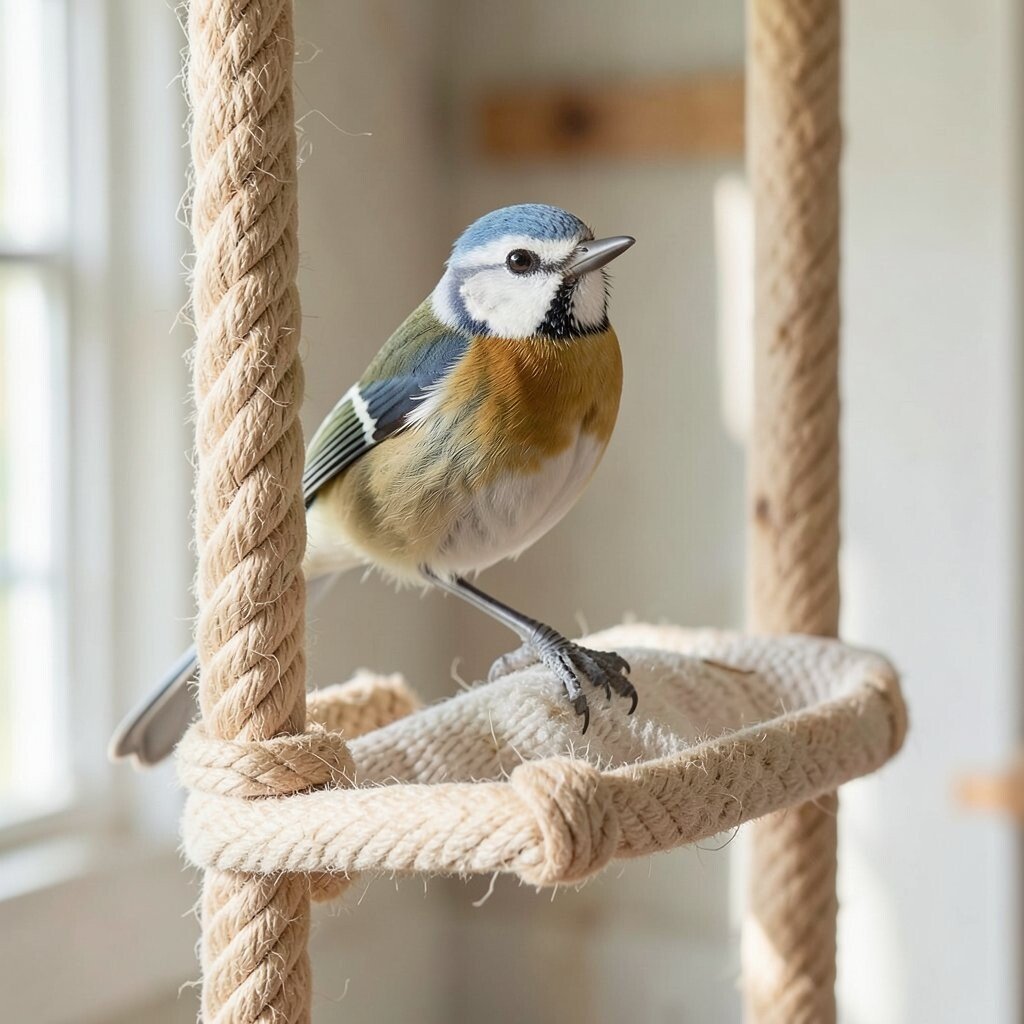
A cotton rope perch wrapped on a frame can look soft and cozy. Your bird can grip it and shift its feet as it sits. Some birds like the way rope gives a gentle hold.
Choose bird-safe rope and a strong base. Trim any loose ends and check ties often. Place it where it will not get wet from toys or water spills.
This can be a lower to mid-range cost. Personalize it by choosing wrap thickness that fits your bird size. A tip is to rotate it with another perch so your bird does not wear one spot too fast.
10. Ceramic or Clay Tile Perch for Flat Resting
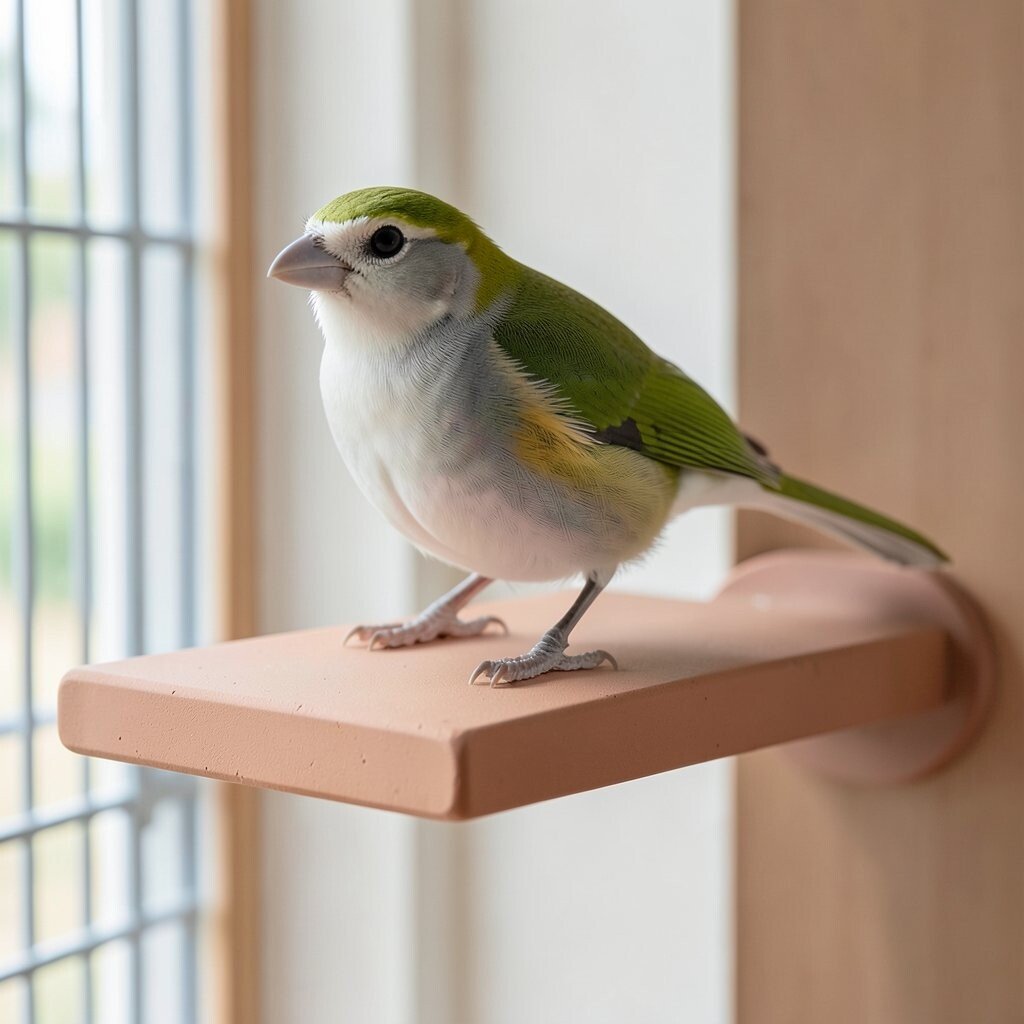
Ceramic or clay tile perches give a hard, flat spot for resting. They often have a smooth surface and a nice color that stands out. Some birds like to sit still for a while on this type.
Use a bird-safe perch that is made for cages, not a random kitchen tile. Make sure it has a secure mount and cannot crack easily. Place it where your bird can reach it without jumping too far.
This option can be a higher cost but it can last a long time. The uniqueness comes from the look, with matte color and clean lines. A trend is matching cage parts with simple colors for a tidy home setup.
11. Foraging-Style Perch With Small Holders
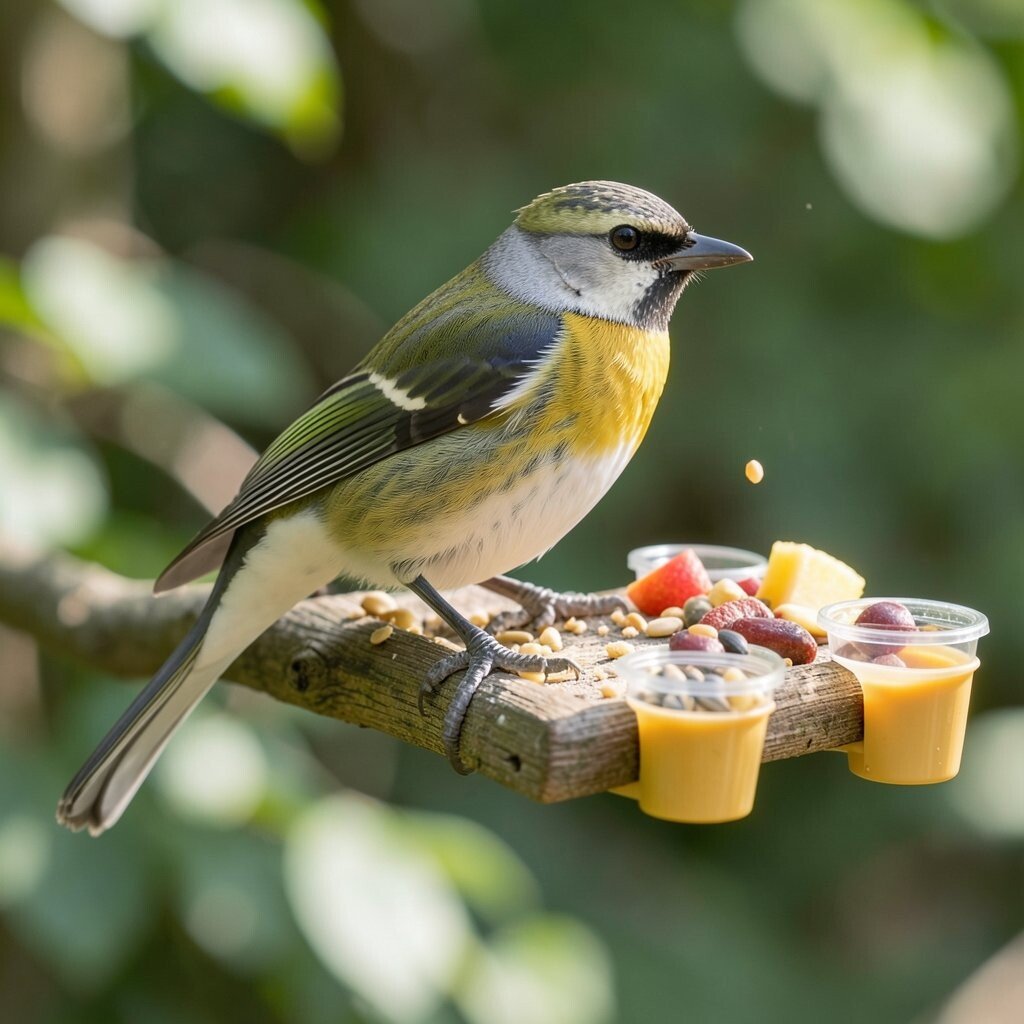
A foraging-style perch adds small spaces for treats and bits of food. It can look busy, with little cups or holders along the perch. Many birds stay more active because they have to work for rewards.
Choose a design that is safe and easy to clean. Add food in small amounts so it does not spoil fast. Watch how your bird eats so it does not drop too much mess.
This can cost more than basic perches, but it can cut down boredom. Personalize it by using treats your bird already likes, like small fruit pieces or favorite seeds. A tip is to start with easy access, then make it a bit harder after your bird learns the routine.
12. Mix-and-Match Perch Wall Inside the Cage
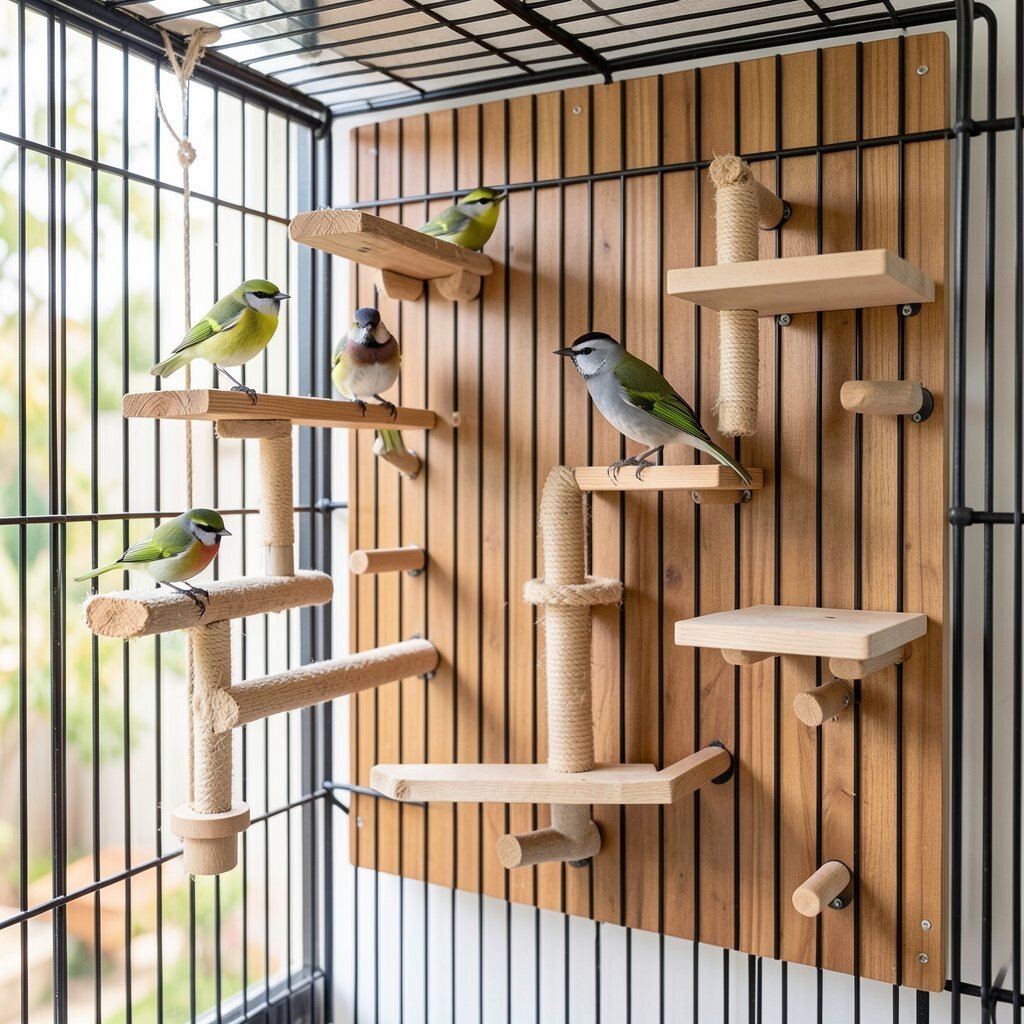
A perch wall is when you add several small perches to one side of the cage. It can look like a mini playground, with different heights and shapes. Birds often enjoy hopping between spots and checking each one.
Plan the layout so each perch is reachable. Use secure mounts and leave space for movement, not just sitting. Aim for a mix of textures, like wood, rope, and one smooth surface.
This can fit many budgets because you can start with a few perches and add more over time. Personalize the wall by matching perch heights to your bird’s comfort and favorite spots. A trend in bird care is making richer spaces that give birds more choices in their daily routine.