Choosing the right toy can help your dog stay busy and feel safe at home. When your pup has fun, you may see better calm time and less chewing on things you do not want.
1. Stuffed Squeaky Animal
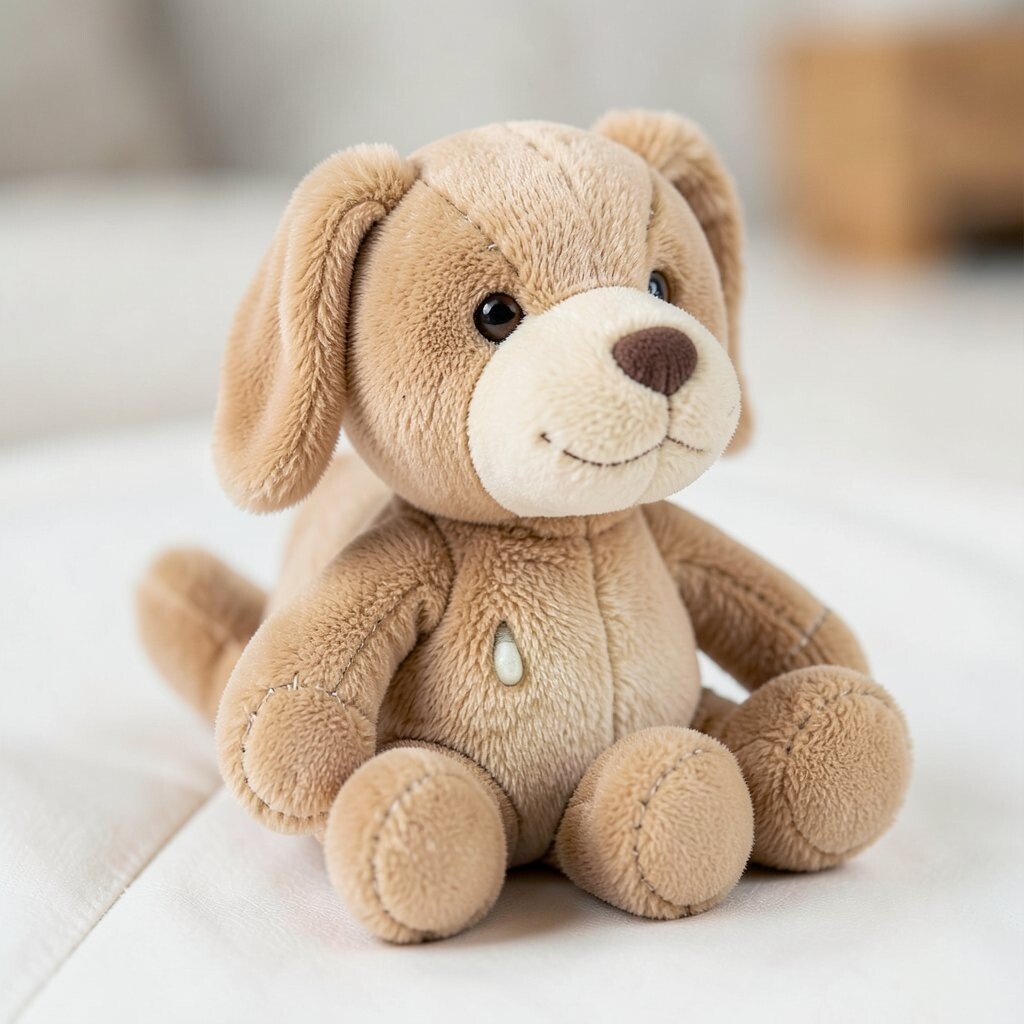
A stuffed animal with a squeaker can feel like a small buddy for your pup. The toy looks soft and cute, with stitched seams and a hidden sound maker inside.
This toy can help with play in short bursts. It also gives your dog something to hold, carry, and shake instead of grabbing socks or pillows.
Pick a size that fits your dog’s mouth. If your dog is a strong chewer, choose tougher stitching and watch the toy for tears. For personalization, you can pick the animal your pup seems to like most, like a dog, bear, or rabbit.
Cost is usually mid range, and you may need to replace the toy when it gets worn. A tip is to rotate it with other toys so it stays interesting. Some people also follow a simple trend by buying toys with softer fabrics and less strong smells.
2. Rope Tug Toy
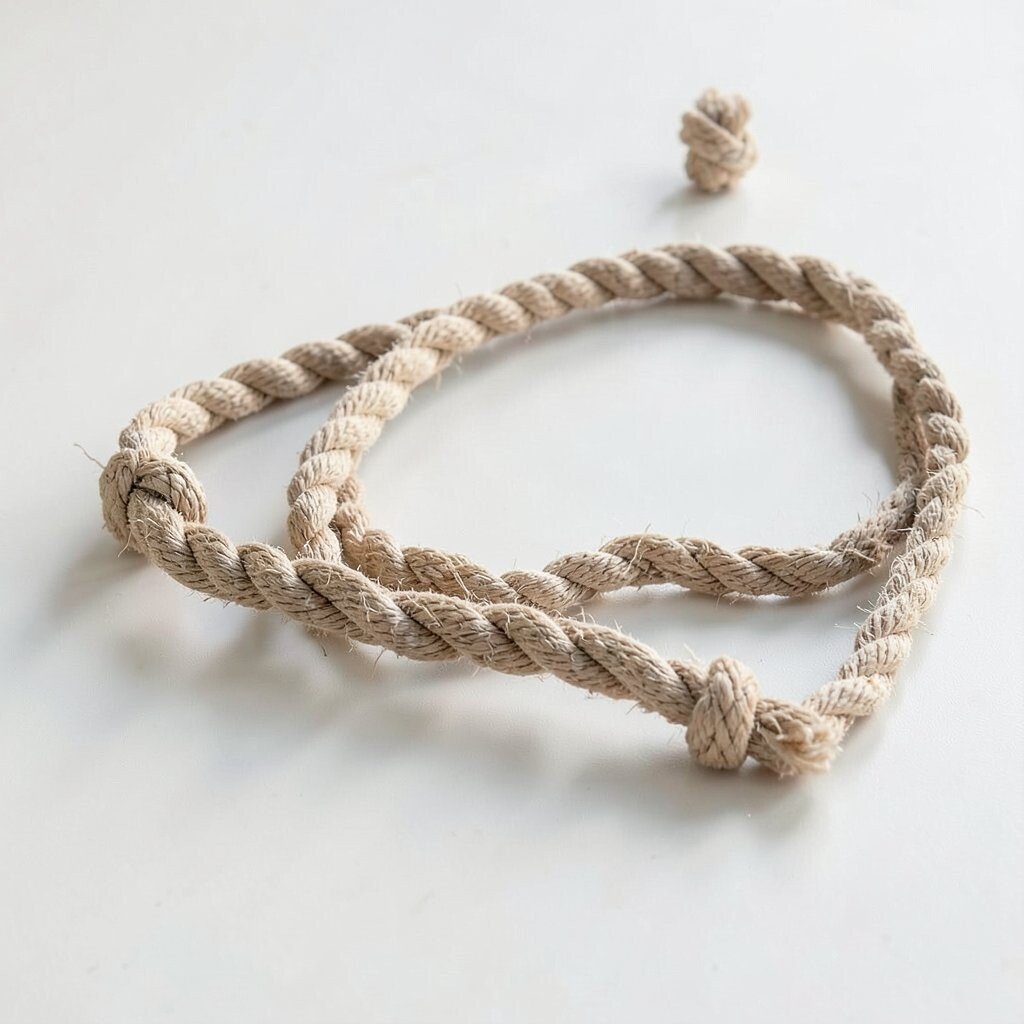
A rope tug toy has long twisted strands that are easy to grab. You can picture it as a thick rope with knots at the ends for better grip.
Rope toys help with active play and can teach gentle tug rules. Many dogs like the feel of rope, and it can make them move more instead of pacing.
Use it for short games, like a few rounds, then stop before your dog gets too hyped. Choose rope that is firm but not too stiff, and make sure it does not have tiny loose parts. Personalize the game by using a simple cue like “tug” and then “trade” to swap toys.
3. Rubber Chew Ball
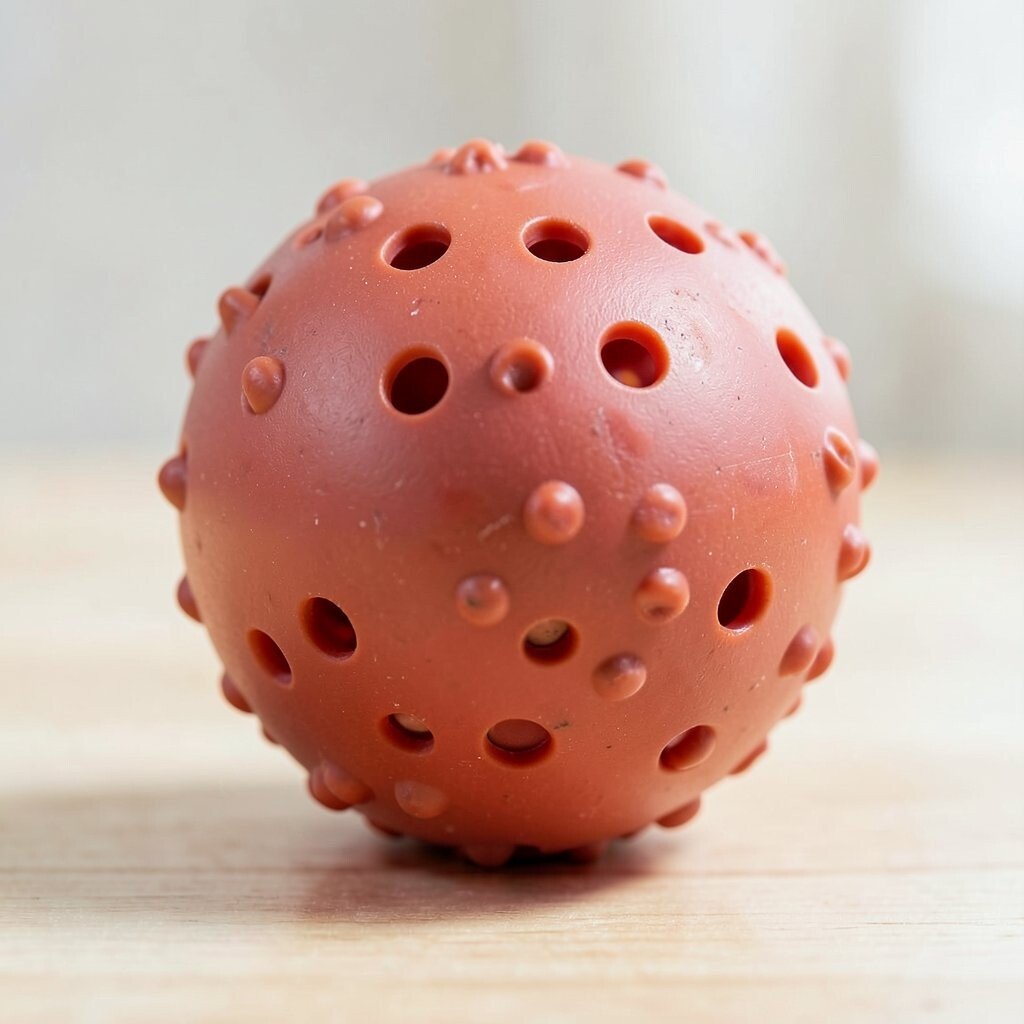
A rubber chew ball is round, sturdy, and made to handle bites. Many have small holes or bumps that your dog can chew and rub with their teeth.
Chew balls can help with mouth work when your pup needs a safe outlet. They can also support better chewing habits by keeping focus on the toy.
Try a medium ball for most dogs, then adjust if your pup is small or large. A good tip is to keep an eye on how fast your dog wears it down. If you want personalization, pick a ball with a scent like beef or chicken, but only if your dog does not get upset by new smells.
Rubber chew balls are often a good value because they last longer than many soft toys. A trend in pet stores is adding more grip bumps and tougher rubber layers, which can help with busy chewers.
4. Treat-Dispensing Puzzle Toy
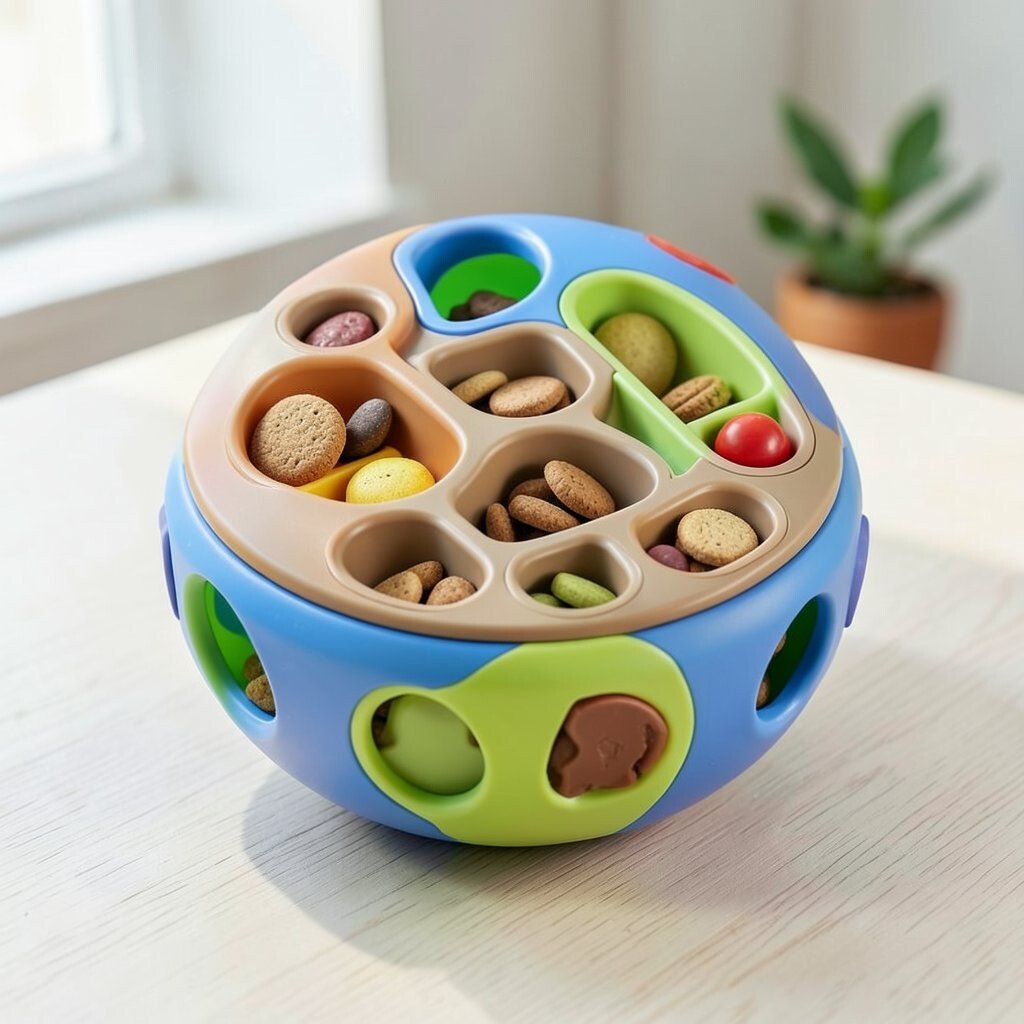
A treat puzzle toy is usually a plastic or rubber maze shape with sections that hold food. It can look like a small board or a ball with openings that slowly release treats.
This kind of toy adds a thinking game to play time. Many dogs enjoy it because they have to work to get the reward, and that can help with boredom.
Start with easy levels, like bigger openings and fewer steps, so your pup can succeed. Offer small treats so your dog stays focused and does not overeat. For personalization, match the toy to your dog’s skill and try different treat shapes, like kibble pieces or soft paste.
Cost can be higher than basic toys, but you often get more play time per session. A helpful trend is using safer food-grade materials and designs that are easier to clean.
5. Flying Disc for Gentle Fetch
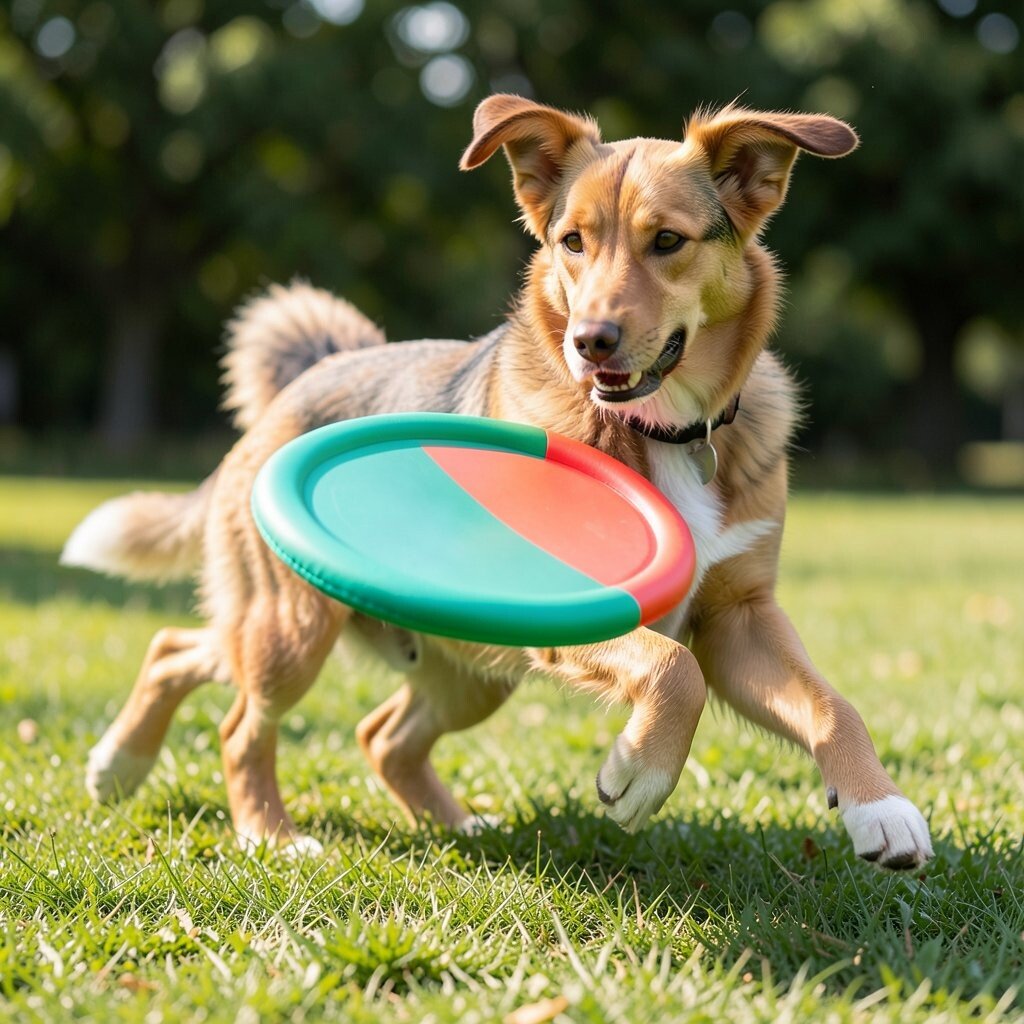
A flying disc toy is like a flat pad that you can toss and catch. It often comes in bright colors, with a soft edge for comfort.
This toy helps with outdoor play and can add movement without making the game too rough. It also supports training because you can teach your dog to chase and bring it back.
Use a disc made for dogs, not a hard frisbee made for people. If your dog is still learning, start with short tosses and toss it on grass or a soft area. Personalize play by using your dog’s favorite tone of voice for “fetch” and “bring.”
6. Scent Mat for Nose Work
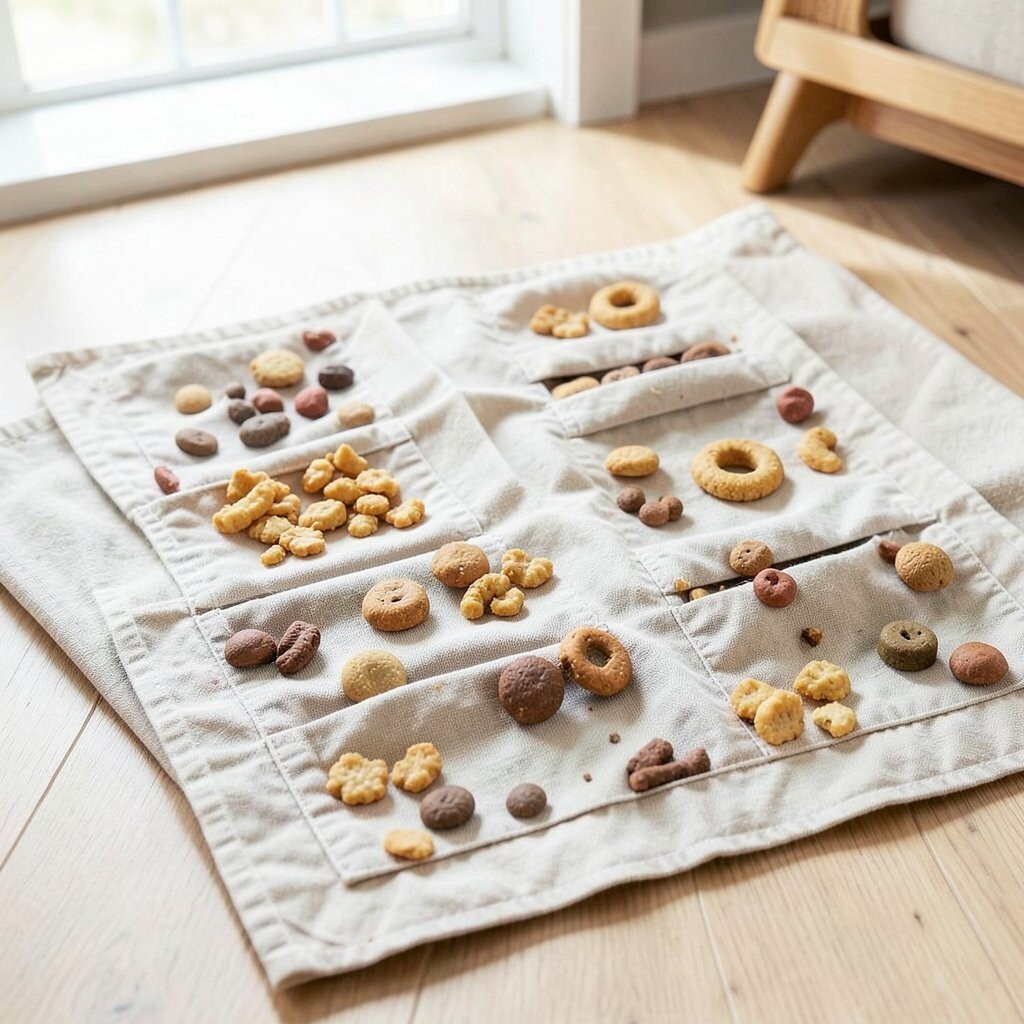
A scent mat is a fabric mat with strips that hide small bits of food. It can look like a flat rug with many folds and pockets for your dog to search.
Scent work can help tired minds and calm bodies. Many dogs enjoy using their nose, and that can reduce restlessness at home.
Try hiding small treats under a few strips at first. Pick a mat that is easy to shake out and wash, since this toy gets used often. Personalize the mat by hiding different foods, like crunchy bites or soft training treats, based on what your dog likes.
Scent mats can cost less than some puzzle toys, and some can last for a long time. A trend you may see is more people using quiet nose games in daily routines, especially for dogs who do not like loud toys.
7. Interactive Ball Launcher Starter Kit
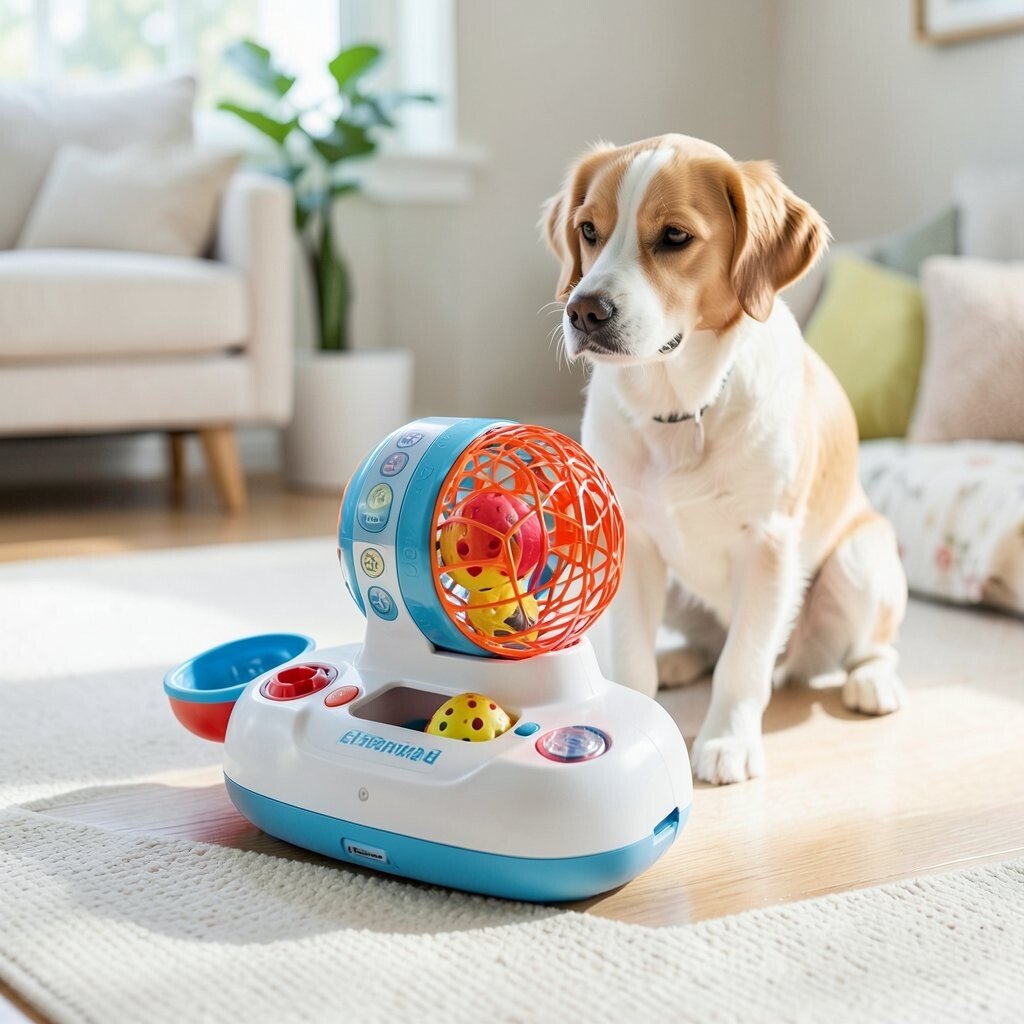
An interactive ball launcher starter kit is made to send a ball farther with less effort from you. It looks like a base machine with a slot where the ball goes.
This toy can help when you want safe fetch without repeated throwing. It can also keep play going longer while you sit or stand in one spot.
Follow the speed and distance settings so it fits your space. Use a ball made for the launcher and the right size for your dog. For personalization, set a slower speed for training days, then adjust on days your dog seems ready.
These kits can cost more upfront, but they can save energy for you. A trend is choosing launchers that have clear safety guards and easy cleaning parts.
8. Water-Ready Floating Toy
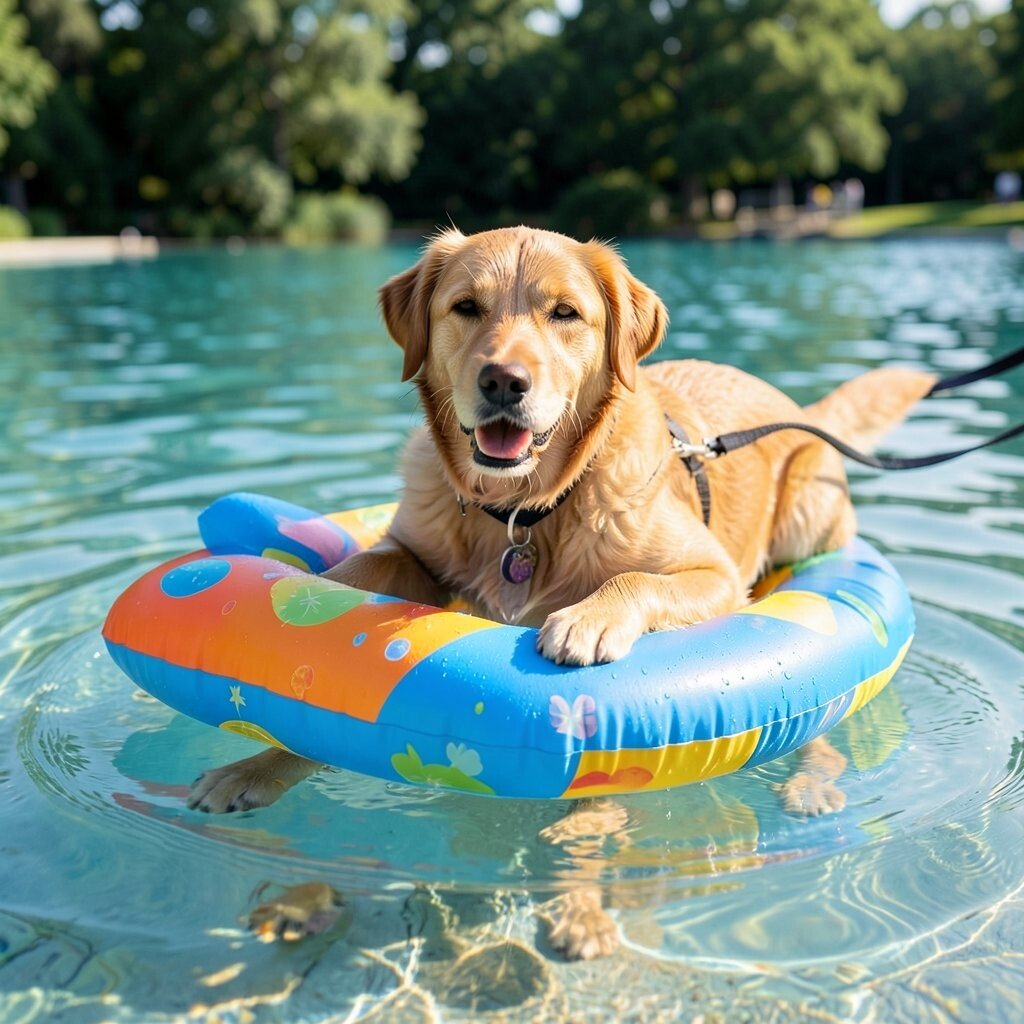
A water-ready floating toy is often a foam or rubber item that stays buoyant. You may see it as a soft shape for pools or lake days.
This toy can help dogs enjoy swim time and fetch in water. It is also useful if your dog likes to carry toys around and you want a safer choice near water.
Use it in a calm spot with a leash if needed. Check the toy for any rough edges, and rinse it after use to avoid strong smells. Personalize by picking a bright color your dog can spot well in the water.
Cost can be mid range, and quality matters for how long it lasts. A trend is more toys made to dry fast and resist water smell.
9. Chew Stick Alternative from Nylon
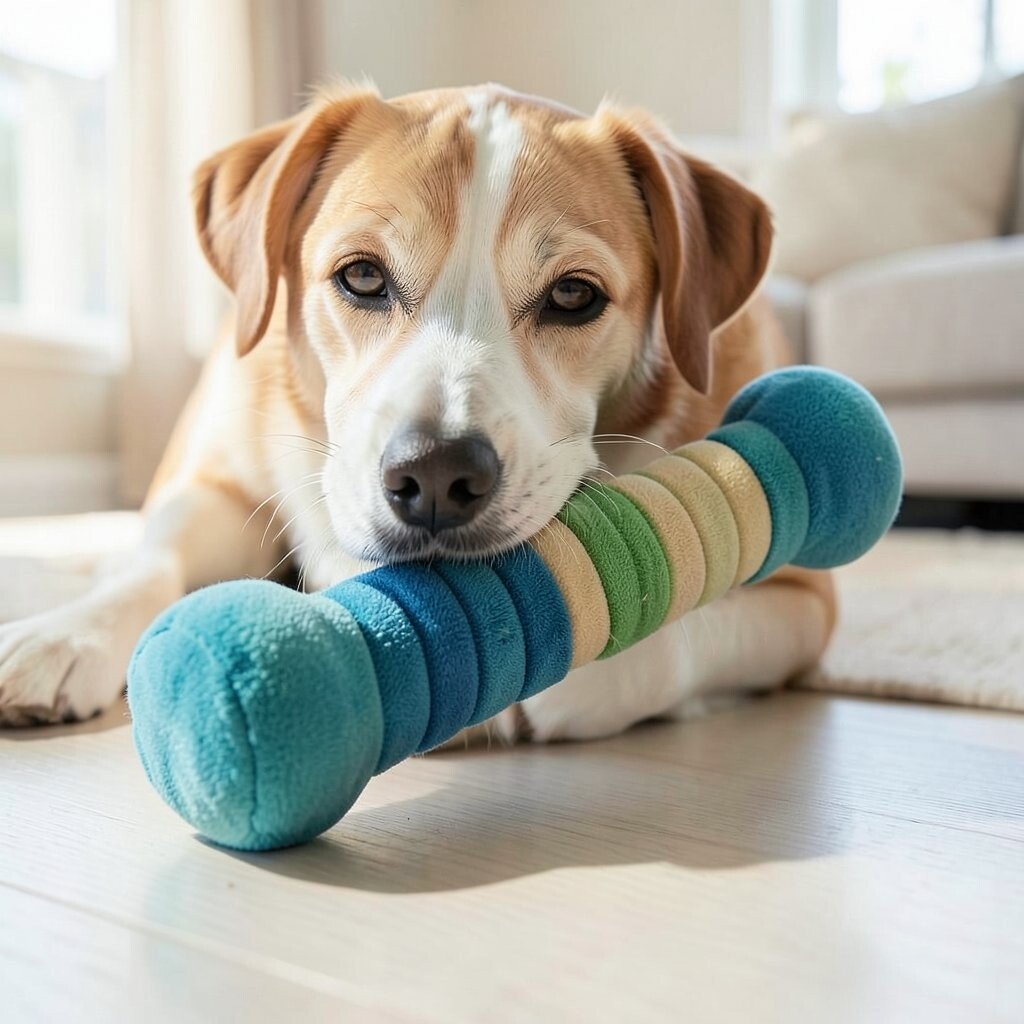
A chew stick alternative made from nylon is a long bar with a textured surface. It may look like a tough bone shape that holds up to many bites.
Nylon chew toys can help with steady chewing when you want something more durable than soft snacks. They can also keep your dog busy during quiet hours.
Pick the right length so your dog can chew safely without getting stuck. Try it with supervision at first, especially if your dog has a fast chewing style. Personalize by choosing a chew with a shape that matches how your dog likes to hold toys, like a ribbed bar or a bone curve.
These toys can be a good cost choice because they last longer than many treats. A trend is using safer dyes and improving texture so it grips better but stays easy to clean.
10. Cooling Gel Teething Toy
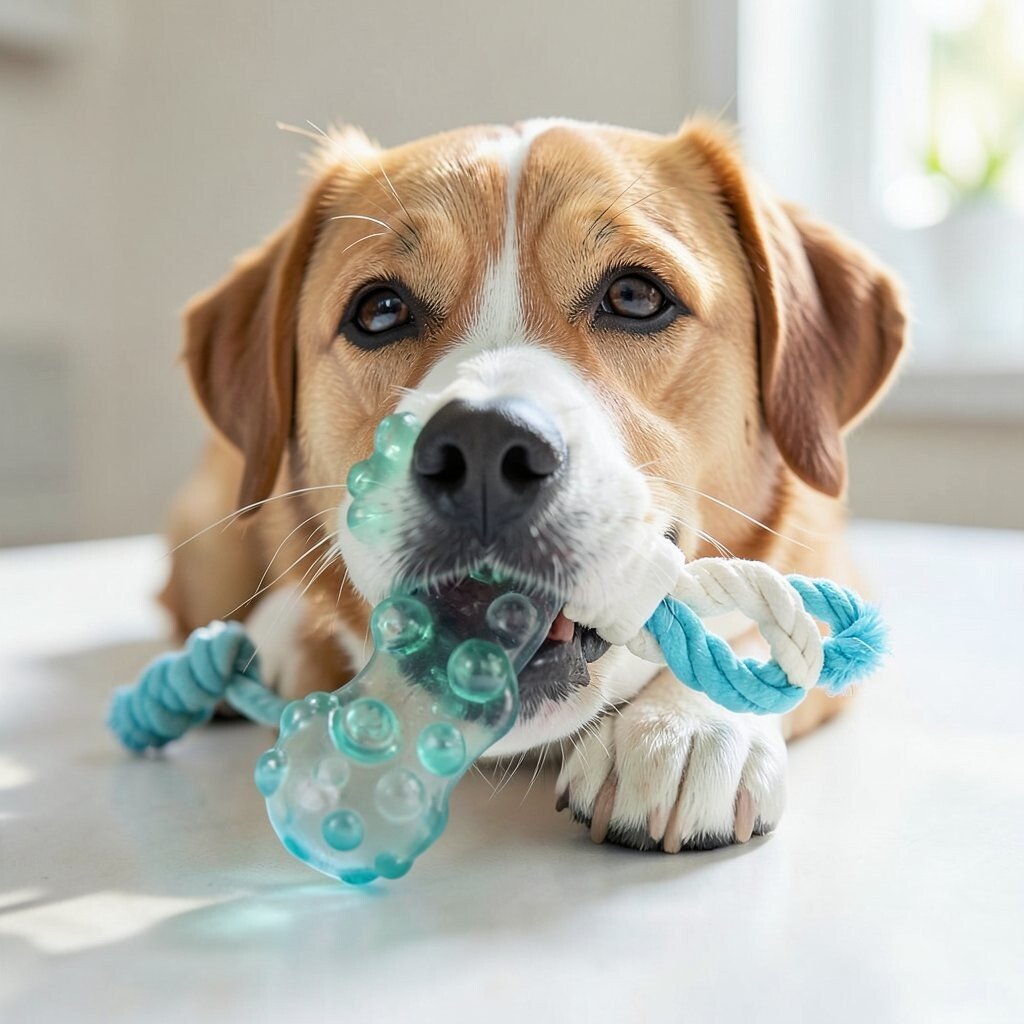
A cooling gel teething toy is usually a chew item that you can place in the fridge. It often has a bumpy surface and a gel core inside.
Cooling toys help when your dog feels itchy or wants relief while teething. They can also help on warm days by making chewing more comfortable.
Keep it cold, not frozen solid, so chewing feels safe and smooth. Use a cover or bag if your fridge smells, then wash the toy after each use. Personalize by choosing a flavor or shape that matches your dog’s chewing style, like a pacifier-like form or a rope handle.
11. Build-Your-Own Toy Bundle
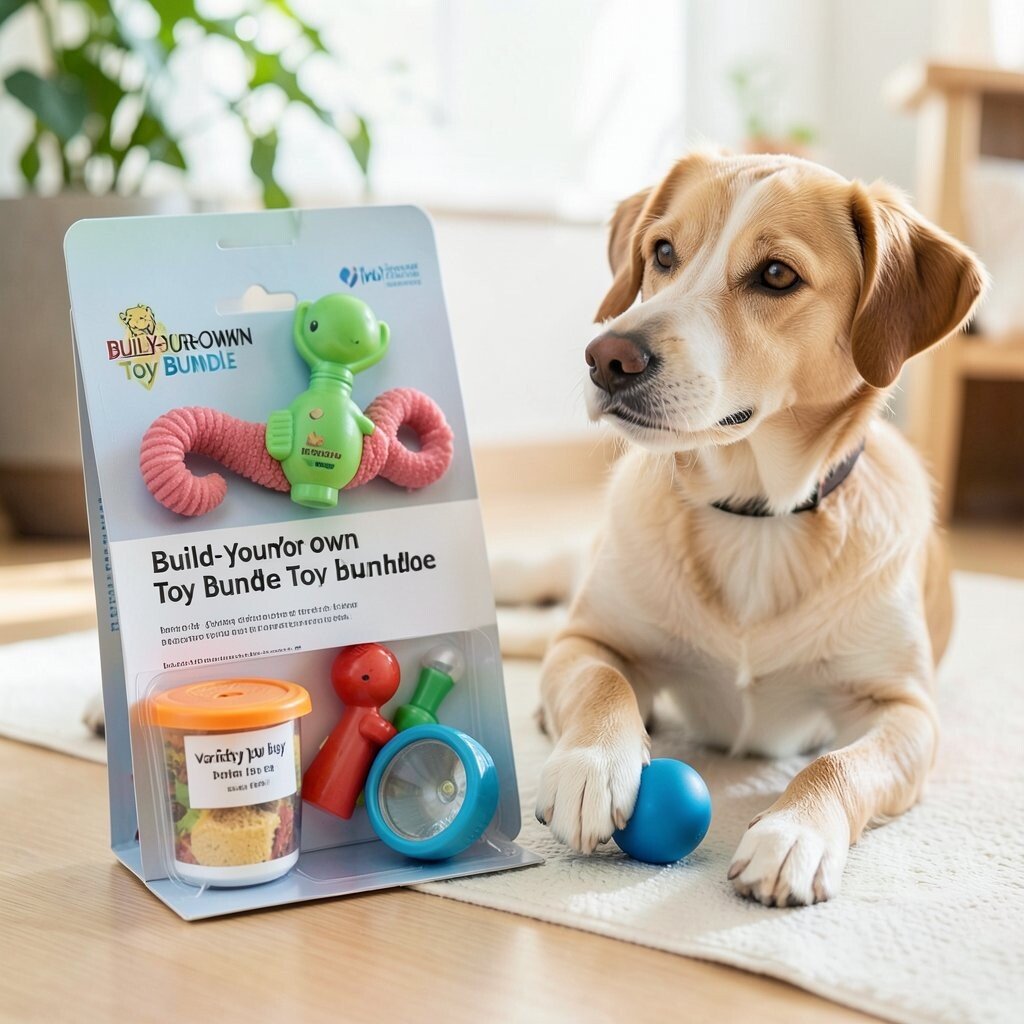
A build-your-own toy bundle means you pick a few toys that match different needs. It can look like a small set with one chew toy, one tug toy, and one puzzle or scent toy.
This works well because dogs often need more than one type of play. One toy may help with chewing, while another may help with thinking or nose work.
Try a simple mix based on your day, like a chew toy for calm time and a tug toy for quick energy release. Personalize by swapping toys based on what your dog likes that week, not what worked months ago. Cost can stay under control because you can buy one small item at a time and set a budget.
A trend in pet care is “variety play,” where owners rotate toys to keep dogs from losing interest. A tip is to label your toy bins by type so you can grab the right one fast.