
Boredom can make time feel slow, and it can also make your mind feel stuck. Small changes in what you do can help you feel busy in a good way.
1. Do a Ten-Minute Cleanup Sprint
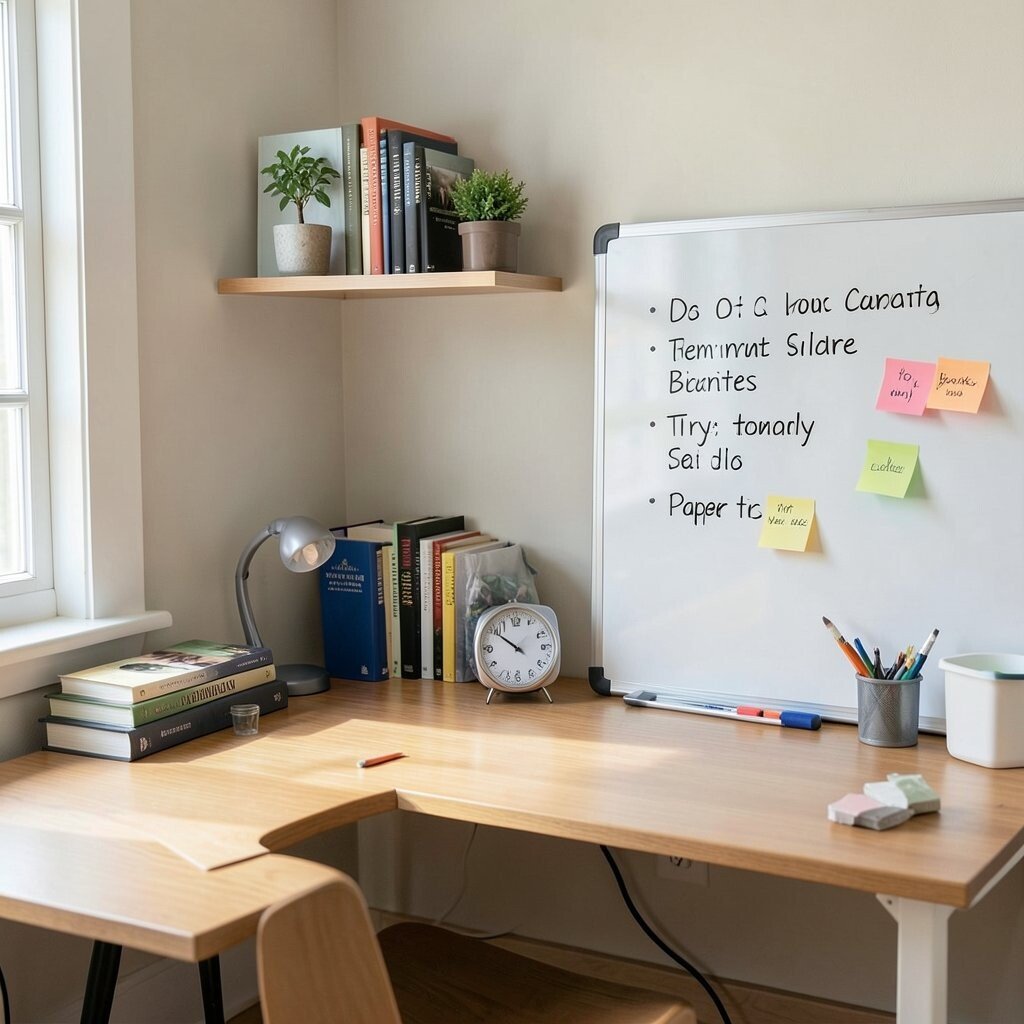
Pick one small area, like your desk, a shelf, or a table. Set a timer for ten minutes and focus on only that spot. You can line up items, throw trash away, and move things to their right place.
You will see the area look better right away. This can help your brain feel calmer because the mess is smaller. Try a simple rule: if you touch it, decide where it goes.
For personalization, choose a theme like “books only” or “paper only.” If you want it to feel fresh, use a whiteboard or sticky notes to list what you will do. Cost is low since you might already have what you need, like a trash bag and a small bin.
2. Make a Snack Map of Your Day
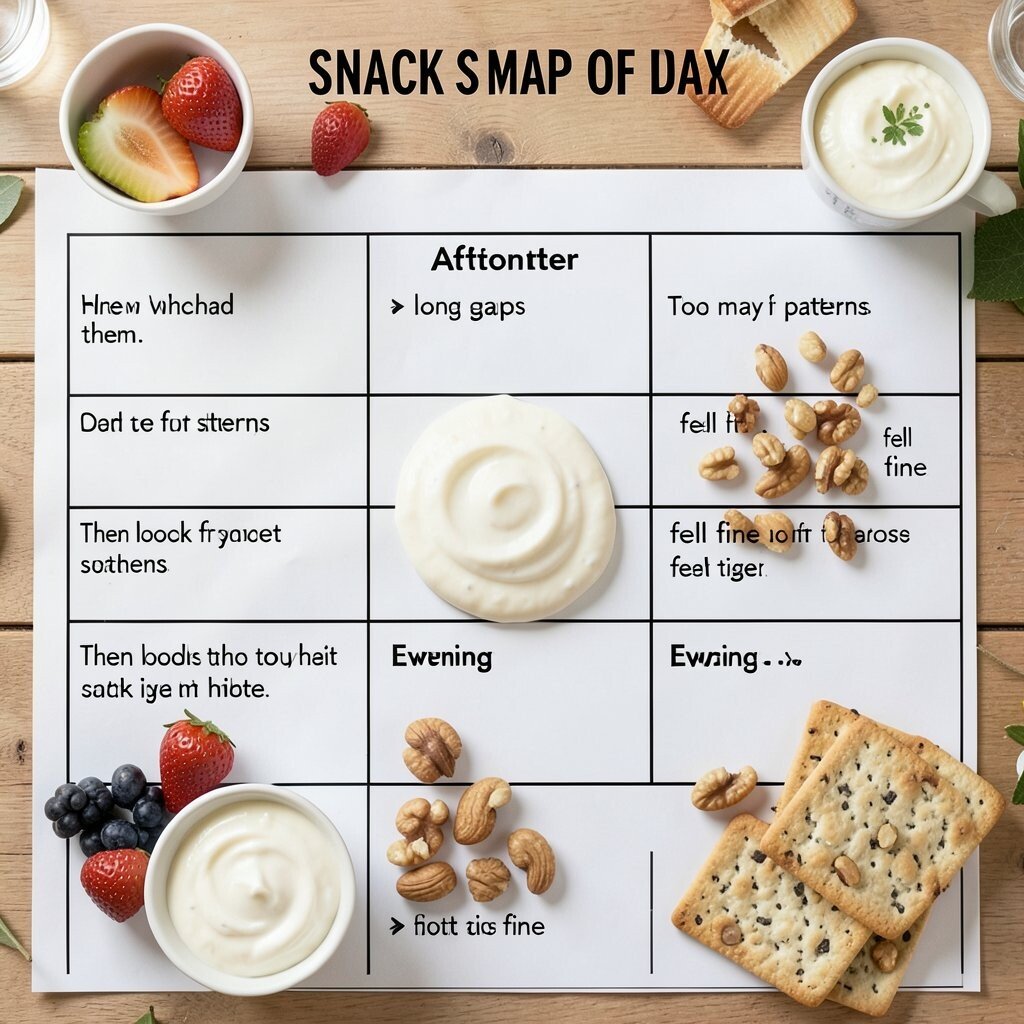
Think about what you eat and when you eat it. Write down your snacks and the time you had them. Then look for patterns, like long gaps or too many sweet snacks late at night.
A snack map can help you plan meals that fit your day. It also helps you notice how you feel after food, like if you get tired or hungry soon. This is a small habit you can use at home or at work.
For a fun visual, draw a simple chart with morning, afternoon, and evening boxes. You can also add notes like “felt fine” or “felt tired.” Cost is up to you, but you can use fruit, yogurt, nuts, or crackers that are already in your kitchen.
3. Try a “One New Thing” List
Pick one subject you like, such as games, animals, sports, or cooking. Write one new thing you will try today, even if it is small. It can be a new way to play, a new recipe step, or a new route to walk.
This helps because you stop repeating the same routine. You also build a habit of trying, which can make time feel more interesting. You can keep it simple and pick one thing only.
Personalize it by making the list match your mood. If you feel tired, choose an easy new thing, like watching a short video or learning a quick fact. Trends can help too: try a small food idea from what people share online, but keep it practical and safe.
4. Rearrange Your Space Like It’s a Game
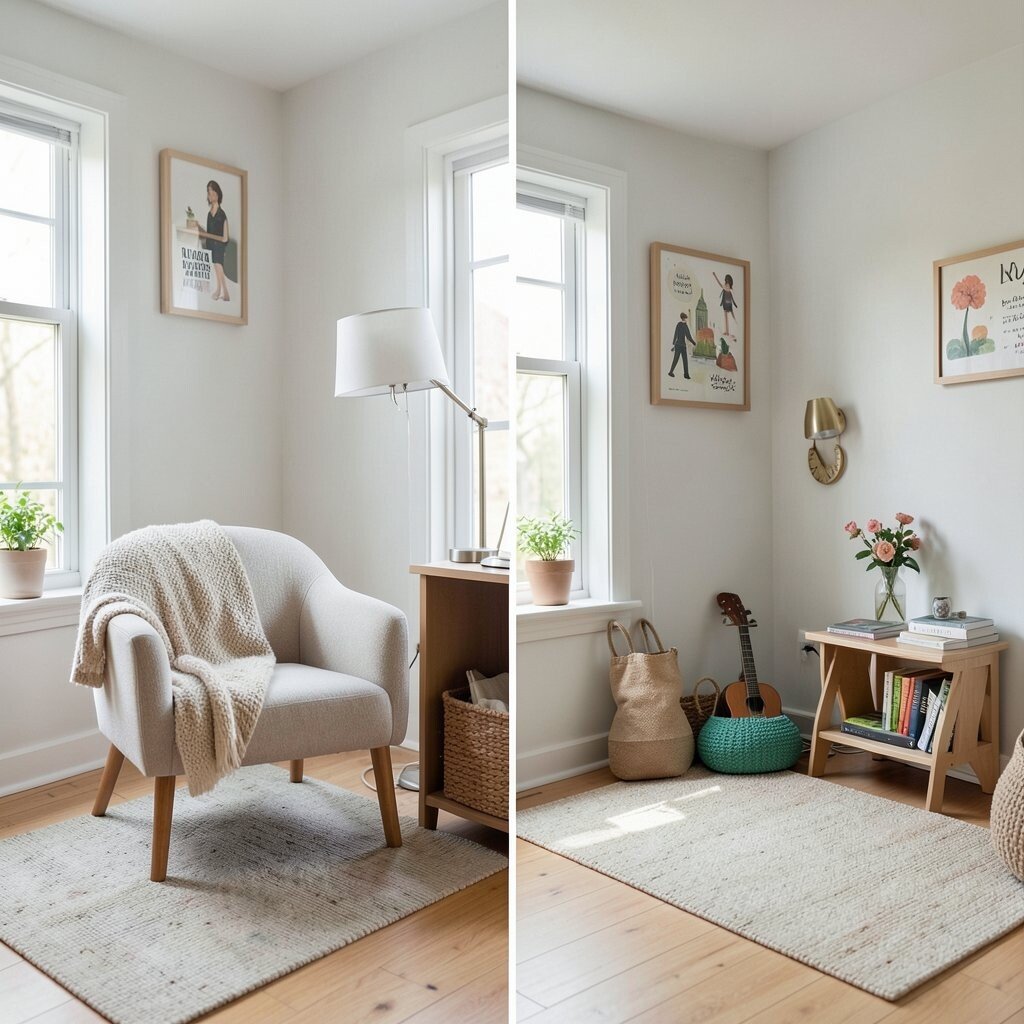
Look at the room and pick one area to change. Move a chair, swap the places of a few items, or switch where the lamp sits. Try to keep it safe, but feel free to try a new layout.
You will notice your space looks different right away. That quick change can make you feel ready to do other tasks. It also helps you see what you own, since you will spot items you forget.
For personalization, set rules like “nothing new,” “only small moves,” or “one wall only.” If you want a visual, take a quick photo before and after. Cost can be zero if you only move what you already have.
5. Write a Short “If This Then That” Plan
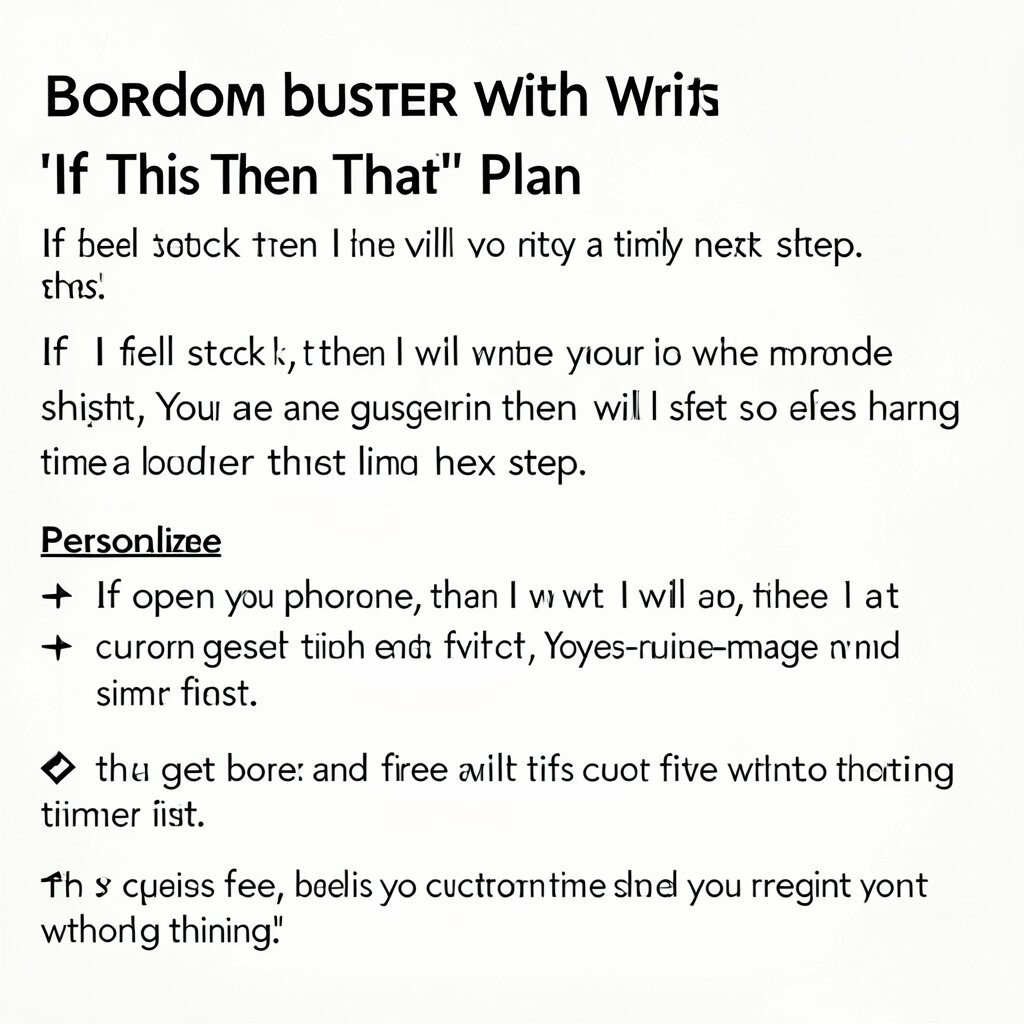
Pick one habit you want to make easier, like starting work or taking breaks. Then write a plan that links actions to events. For example: “If I feel stuck, then I will write a tiny next step.”
This style helps because it gives you a clear move when your mood shifts. You are not guessing in the moment, so it feels less hard. It also helps you manage time without long thinking.
Personalize it with your own words and your usual issues. If you get bored by scrolling, write “If I open my phone, then I will set a five-minute timer first.” This idea is free, and it also fits current trends like quick routines and simple self plans.
6. Do a Photo Story Walk

Go for a short walk, even inside your home if needed. Look for small things that stand out, like colors, signs, shadows, or textures. Take a few photos and try to make them match a story.
This can keep your mind busy because you are looking closely. It also helps you notice details you miss on normal days. When you review the photos, you can feel proud that you made a mini story.
For uniqueness, pick a theme like “blue things” or “round shapes.” You can also add short captions, like “morning light” or “quiet corner.” Cost is low since you only need your phone, and it is a simple trend that many people enjoy right now.
7. Cook One Simple Thing With a Twist

Choose one easy food you can make fast, like toast, soup, eggs, or a bowl meal. Add one small twist, like a new spice, a new topping, or a different sauce. Keep the steps simple so you do not feel rushed.
This helps your brain feel active because you are making something. You also get a reward you can taste, which helps you feel satisfied. It is a clear way to use boredom energy in a good direction.
Personalize it based on your tastes and what you have at home. Try a twist that uses what is in your fridge, like adding herbs, nuts, or a squeeze of lemon. Cost depends on your food choices, but many twists use items you already own.
8. Make a “Small Skills” Practice Session

Pick one small skill, such as typing faster, learning chords, drawing a shape, or folding a shirt neatly. Set a short time and focus on one tiny part of the skill. Do not aim for perfection, just do steady practice.
Short practice can help you feel progress even if your day feels slow. It also teaches you that boredom can turn into practice time. You can feel more confident as you repeat the skill.
For personalization, match the skill to what you want later. If you like art, practice one line style. If you like tech, practice one shortcut. Cost can be low if you use what you already have, like a notebook, a guitar you own, or a free online tool.
9. Play a “Guess the Item” Sorting Game

Gather a few random items, like coins, buttons, hair ties, socks, or kitchen tools. Make a small pile and sort them by one rule you choose. You can sort by size, color, shape, or what they are used for.
This game keeps your hands busy and your mind focused. It also helps you learn where things fit in your life. You may even find items you forgot you had.
Personalize it by changing the rule each round, like “by texture” or “by how often I use it.” For a visual, line up the groups in rows. Cost is almost nothing, and this kind of sorting game matches current trend ideas like simple at-home activities.
10. Create a “Routine Swap” for Your Break

Think about how you usually spend breaks, like scrolling, sitting still, or watching the same videos. Then swap it for a new small routine. For example, drink water, stretch your shoulders, walk one room, or read one page.
This helps because your body gets a change, and your mind can reset. You also avoid getting stuck in long screen time. A new routine can make your breaks feel fresh without taking extra time.
Personalize it with what your body needs today. If you feel stiff, do gentle stretches. If you feel stressed, try slow breathing for one minute. Cost is low, and it fits trends like short wellness habits that people share online.
11. Make a Mini Budget Check With Real Numbers

Open your notes app or a simple paper page and list your basic costs for this month. Add rent or bills, food, and any regular plans. Then write one or two items you can watch more closely.
This can help you feel more in control when money feels tight. It also helps you spot waste, like a habit purchase you do without thinking. You do not need fancy apps to start.
For personalization, set goals that match your life, like “save a little each week” or “cut one expense.” Keep it visual by using a simple list with check marks. Cost is free since you use what you already have, and this is a trend people talk about a lot because it is practical.
12. Start a “Question Jar” for Future You
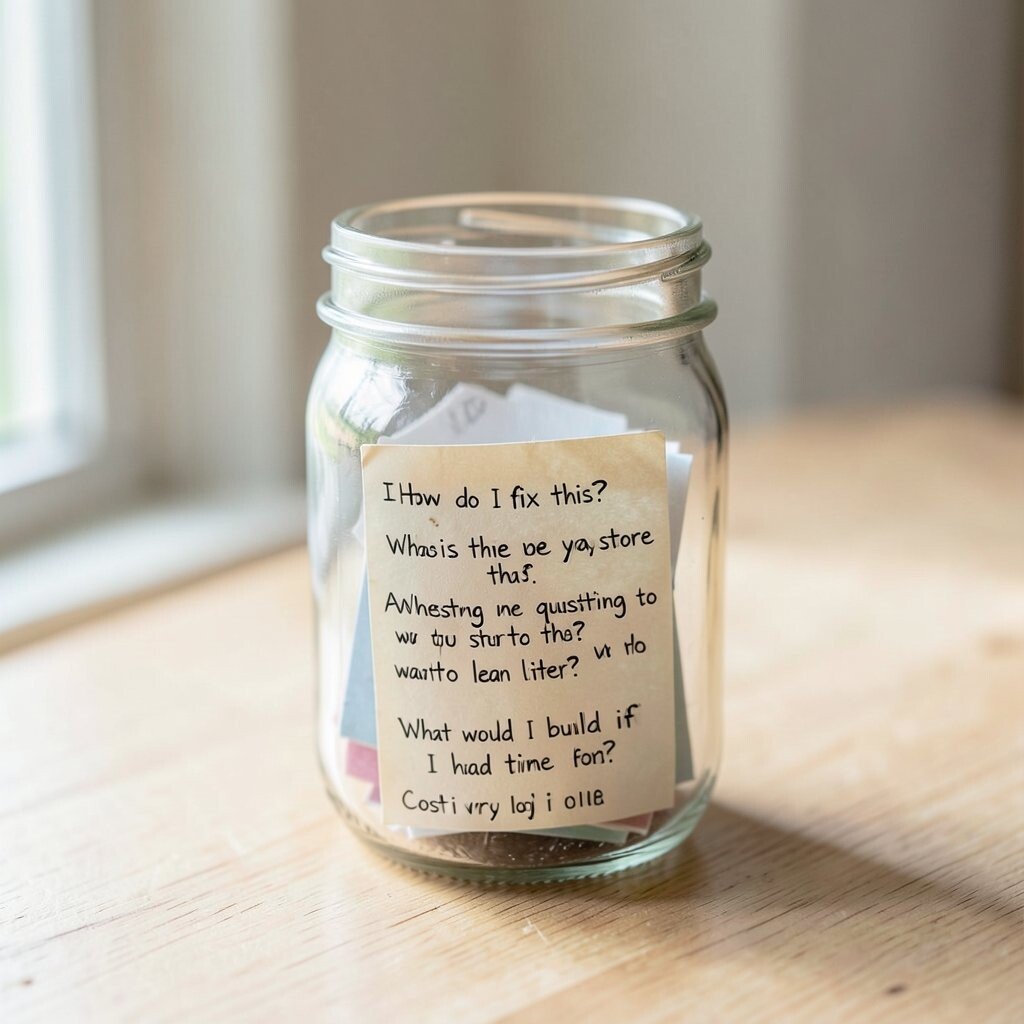
Write down questions you have or things you want to learn later. Use small slips of paper and put them in a jar, a cup, or a box. Each time you feel bored, pick one question and answer it for a short time.
This keeps boredom from turning into waste time. You also build a list of topics that match your interests. Answering one question can help you feel curious again.
Personalize your questions so they feel real to you, like “How do I fix this?” or “What is the best way to store that?” You can also include fun ones like “What would I build if I had time?” Cost is very low, and it fits trends like small journaling and simple home projects.
13. Try a Tiny Creative Challenge With One Tool

Pick one creative tool, like crayons, a notebook, a phone camera, or a simple music app. Set a rule for the challenge, such as making one drawing, writing a short scene, or recording a short sound clip. Keep it small so you can finish in one sit-down.
This helps because you give your mind a clear goal. You also get a finished piece, even if it is not perfect. It can make time feel like it moves faster, since you are working toward an end.
For uniqueness, pick a rule that matches your style, like “draw only circles” or “write only three lines.” You can also share it with a friend if you want, or keep it for yourself. Cost depends on the tool, but many people can do this with items they already have.