If you want to help others, you do not need to be perfect or famous. Small rescue actions and good choices can make a real difference in many daily situations.
1. Make a Simple First Aid Kit at Home
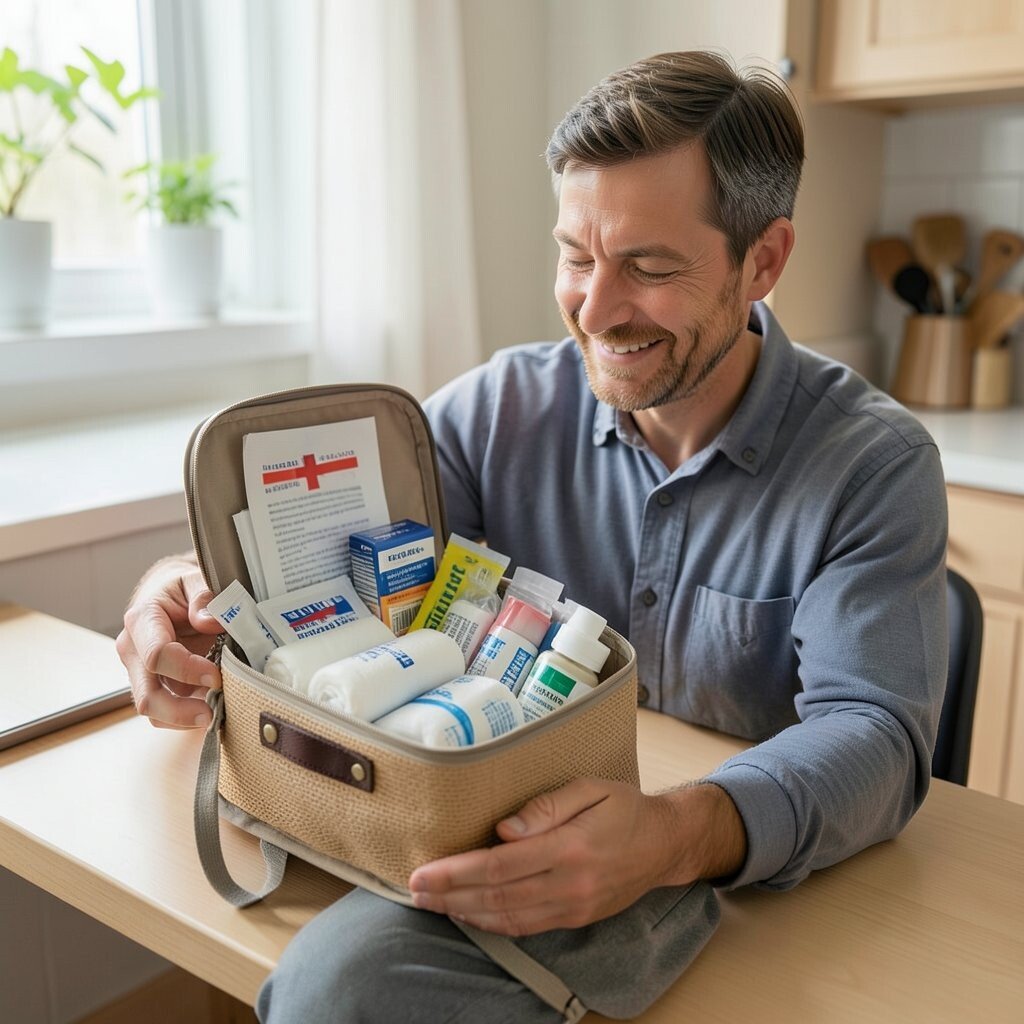
A small first aid kit can help you act fast when someone gets hurt. It can include bandages, gauze, tape, wipes, and a basic pain reliever if the label says it is safe. Keep it in an easy place like a hallway shelf or kitchen drawer.
When you can find items quickly, you waste less time. You also feel calmer, and that helps others feel safer. This idea is unique because it is ready before an emergency starts, not after.
For cost, you can shop for basics at a local store and add items step by step. For personalization, add items for your home needs, like kid bandages or extra allergy medicine if your doctor says it is okay. A simple trend right now is small kits that fit in bags, cars, and backpacks.
2. Learn the Basics of CPR and Use a Practice Dummy
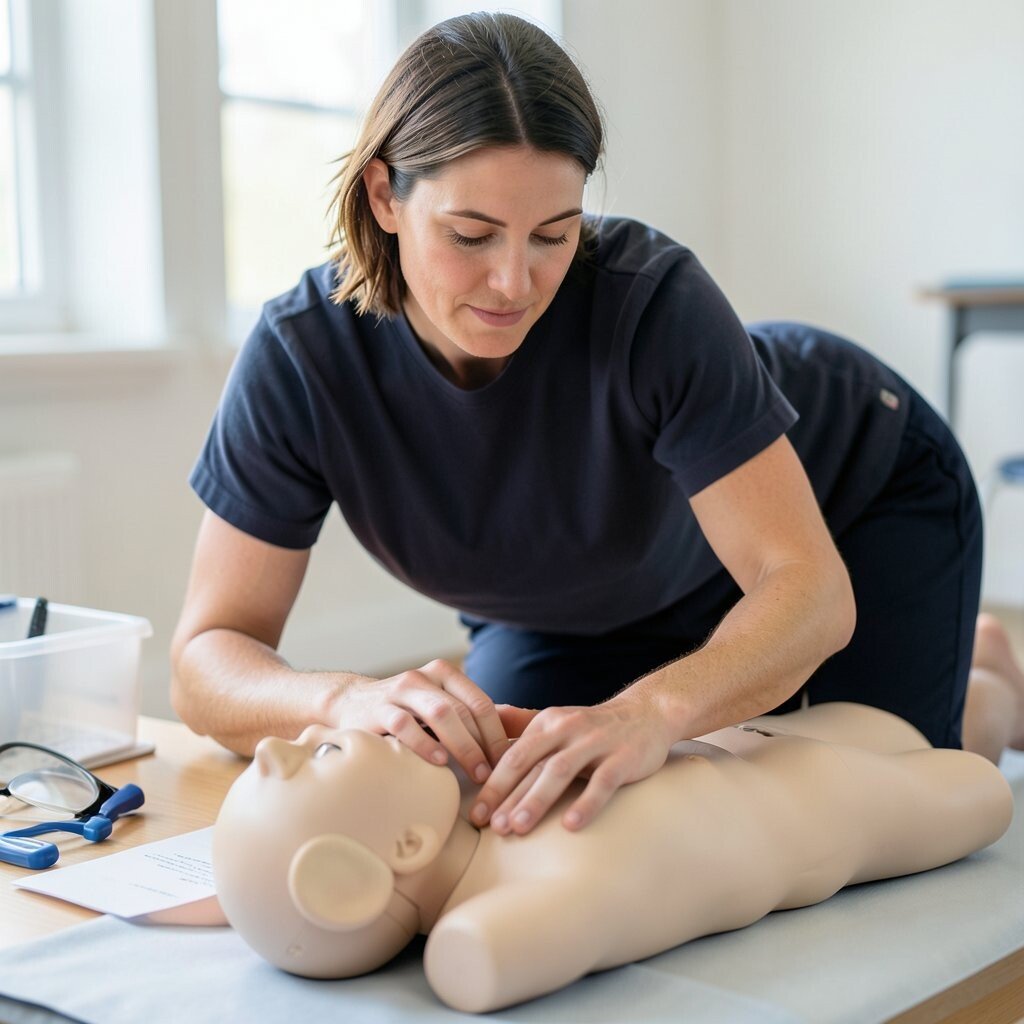
CPR is a key skill for rescue situations. You can learn it through a local class or a safe online course, then practice. A practice dummy helps you feel the movement and timing.
This skill has clear benefits because it can keep blood flow going until help arrives. It also gives you confidence when you see someone collapse. Many people feel stuck because they fear doing it wrong, but practice reduces that fear.
For tips, take notes and keep them in your bag or phone notes. For personalization, pick a class that fits your area and your schedule. The current trend is more community training sessions and shorter refresher workshops.
3. Create a “Go Bag” for Your Car or Apartment
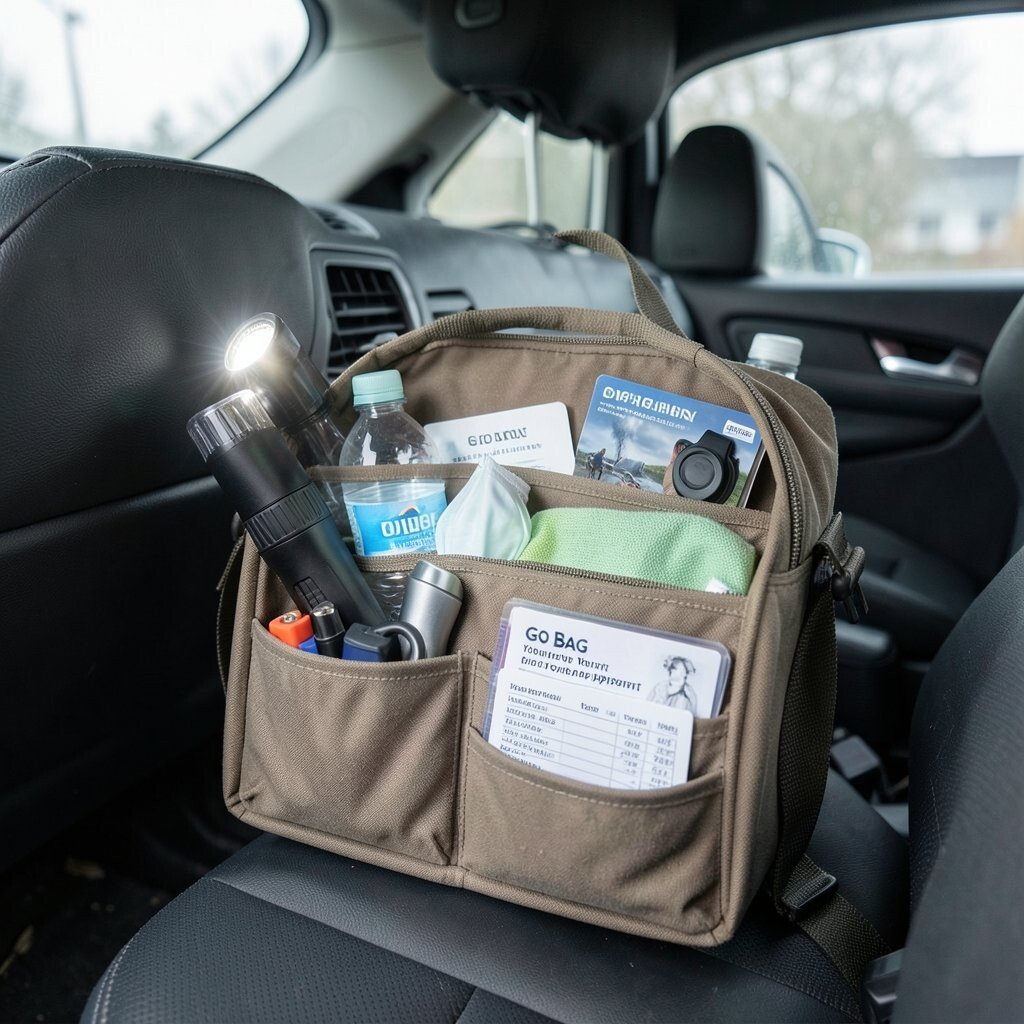
A go bag is a bag you can grab fast if you must leave or if help is needed nearby. It can include a flashlight, extra batteries, a small first aid kit, bottled water, gloves, a whistle, and a charger. You can also add a small blanket and a list of key phone numbers.
Having this bag helps you move quickly and helps you give basic help without waiting. It is useful for storms, power outages, and other sudden events. This idea is unique because it is for both rescue and daily safety.
For cost, start with what you already have, then buy the missing items. For personalization, add items for your family like diapers, a spare mask pack, or a medical card. A trend is compact bags that fit under seats and stay ready.
4. Set Up a Neighborhood Check-In Plan
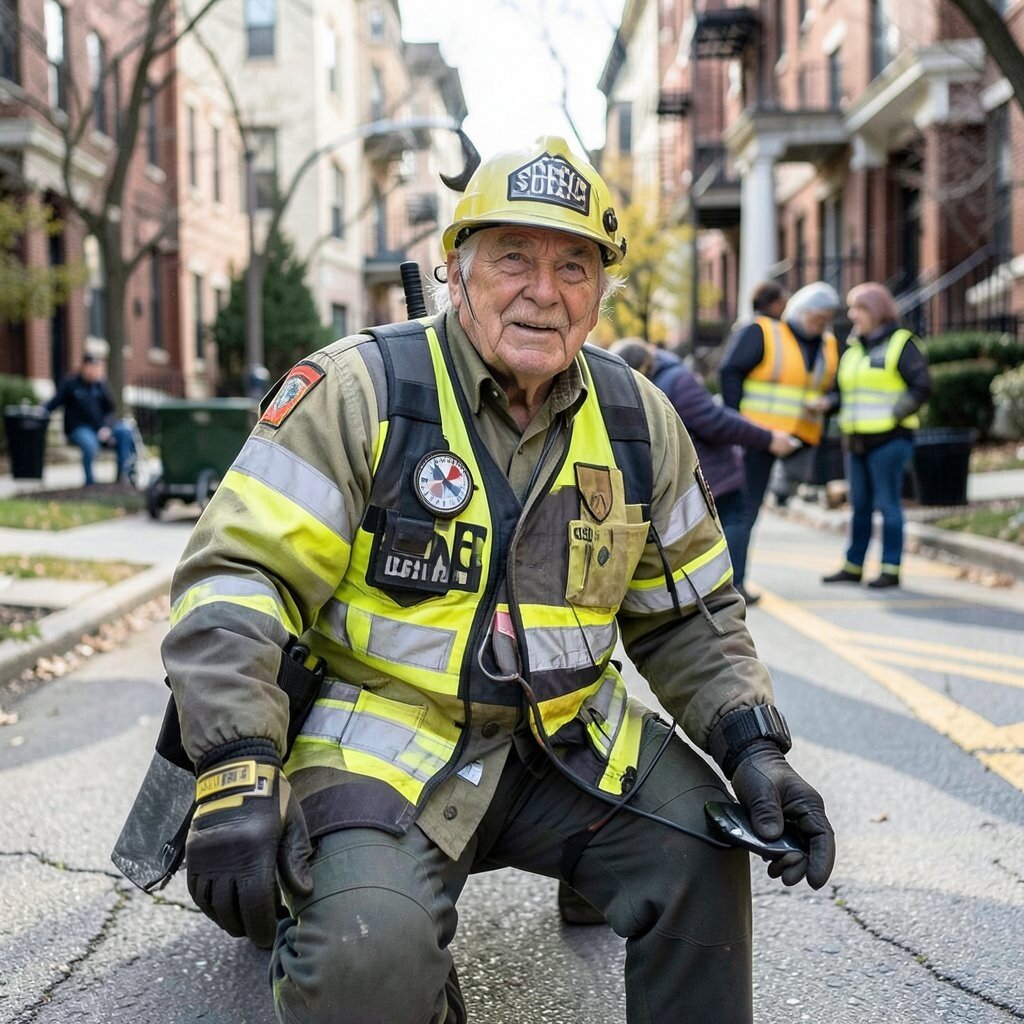
You can help others by making a simple check-in plan in your area. Pick a few neighbors and decide on a way to reach them, like a group text or phone tree. Agree on a time to check in, such as after storms or when heat is high.
This can help you catch problems early, like a missed delivery, a long silence, or a person who needs help. It also builds trust, which makes rescue easier when time is short. The uniqueness here is that prevention is part of rescue.
For tips, keep a short list of who needs extra help, like older adults or people with limited mobility. For personalization, adjust the plan for your building or street. A trend is more community groups that share safety tips and local alerts.
5. Practice Safe Water Help Without Risking Your Own Safety
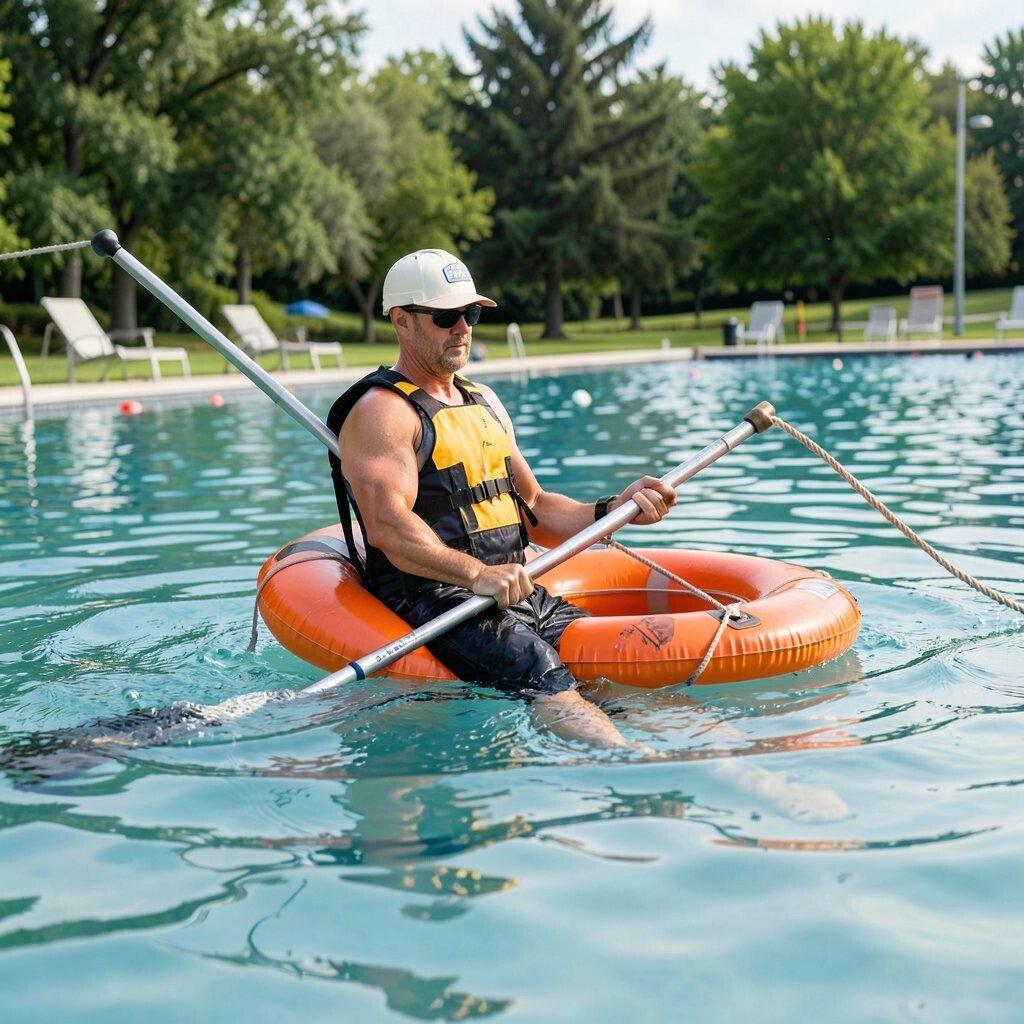
Water rescue can be dangerous, so your first goal is to keep your own safety. If someone is in trouble, use a safe tool like a long pole, life ring, or a rope from a stable spot. Call emergency services right away and guide the person to float if you can.
This approach has benefits because it reduces the risk of adding more victims. It also helps you act with clear steps instead of panic. It is unique because it focuses on safe actions that do not put you in the water.
For cost, you can buy a basic life ring or keep a rope where it can be reached quickly. For personalization, check what is allowed and safe in your area, like pool rules or waterfront rules. A trend is more safety stations and public rescue tools at parks and pools.
6. Offer “Quiet Help” for Someone Who Looks Overwhelmed
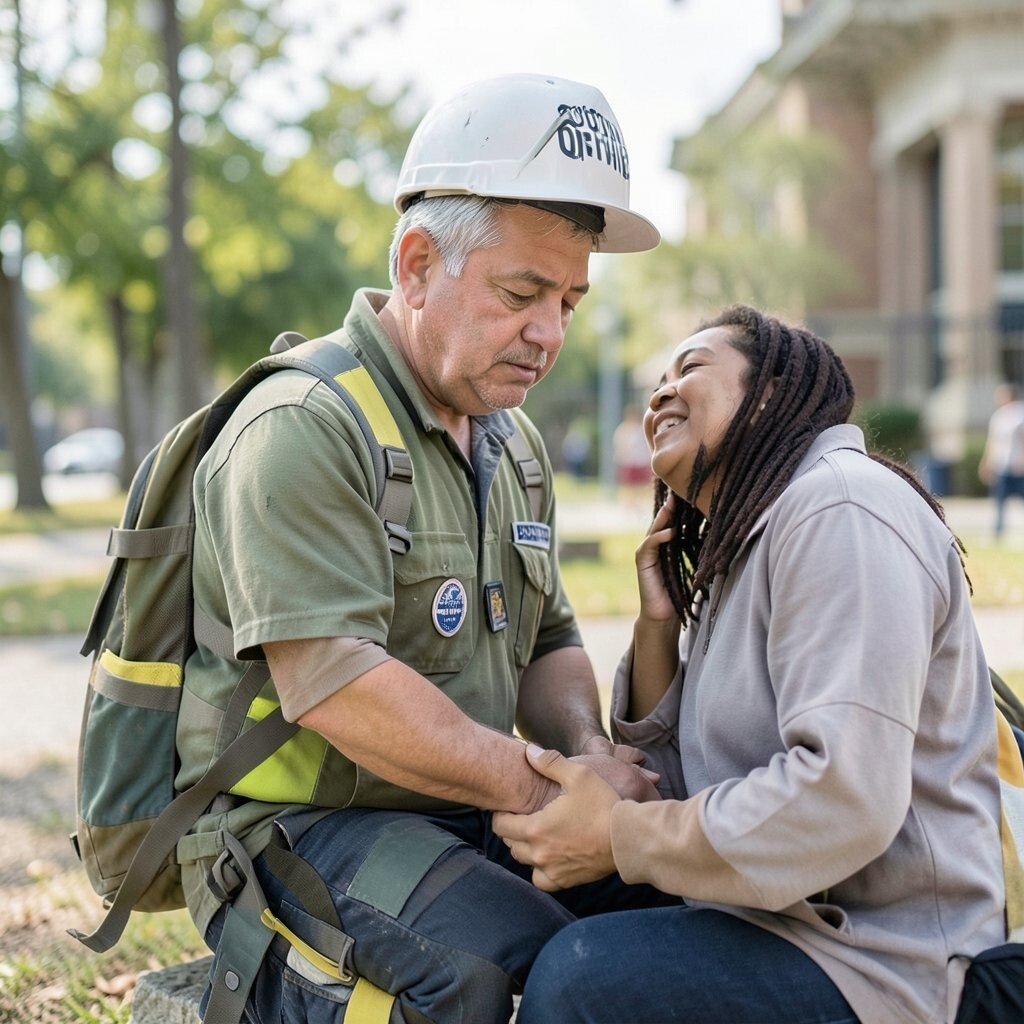
Not every rescue looks like a big emergency. Sometimes someone needs calm support when they look stuck, upset, or lost. You can offer quiet help like asking, “Do you want to sit,” or “Do you need water,” in a kind tone.
These small actions help people feel less alone and can lower stress fast. You do not need special skills to be kind and careful. This idea is unique because it treats everyday distress as something you can help with.
For tips, keep your words simple and avoid arguing. For personalization, learn what helps in your setting, like school, work, or community events. A trend is more focus on mental health first aid in schools and workplaces.
7. Help a Lost Person Reach Safety Without Taking Over
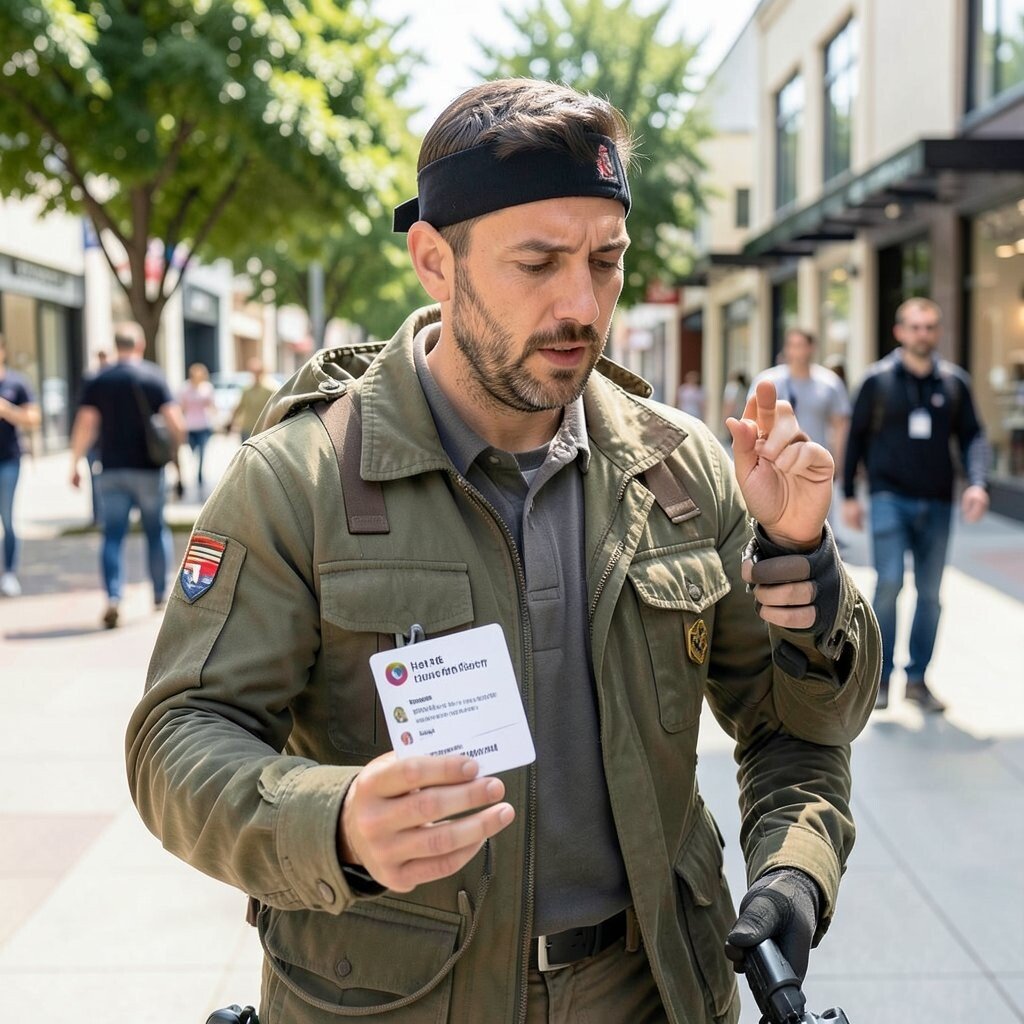
If you see someone who looks lost, you can help them find a safe place. Ask gentle questions like where they meant to go and whether they have a phone. If they do not, you can offer to call a trusted person or staff member.
This helps because it gives the person direction and keeps things calm. It also avoids risky behavior, like trying to move them fast without a plan. The uniqueness is in your role: guide them, but do not force control.
For cost, you can carry a small card with local phone numbers and a short plan for help. For personalization, set up your phone with emergency contacts and the local non-emergency number. A trend is more public signage and safer meeting points in malls and parks.
8. Keep a “Thermal Comfort” Plan for Heat and Cold
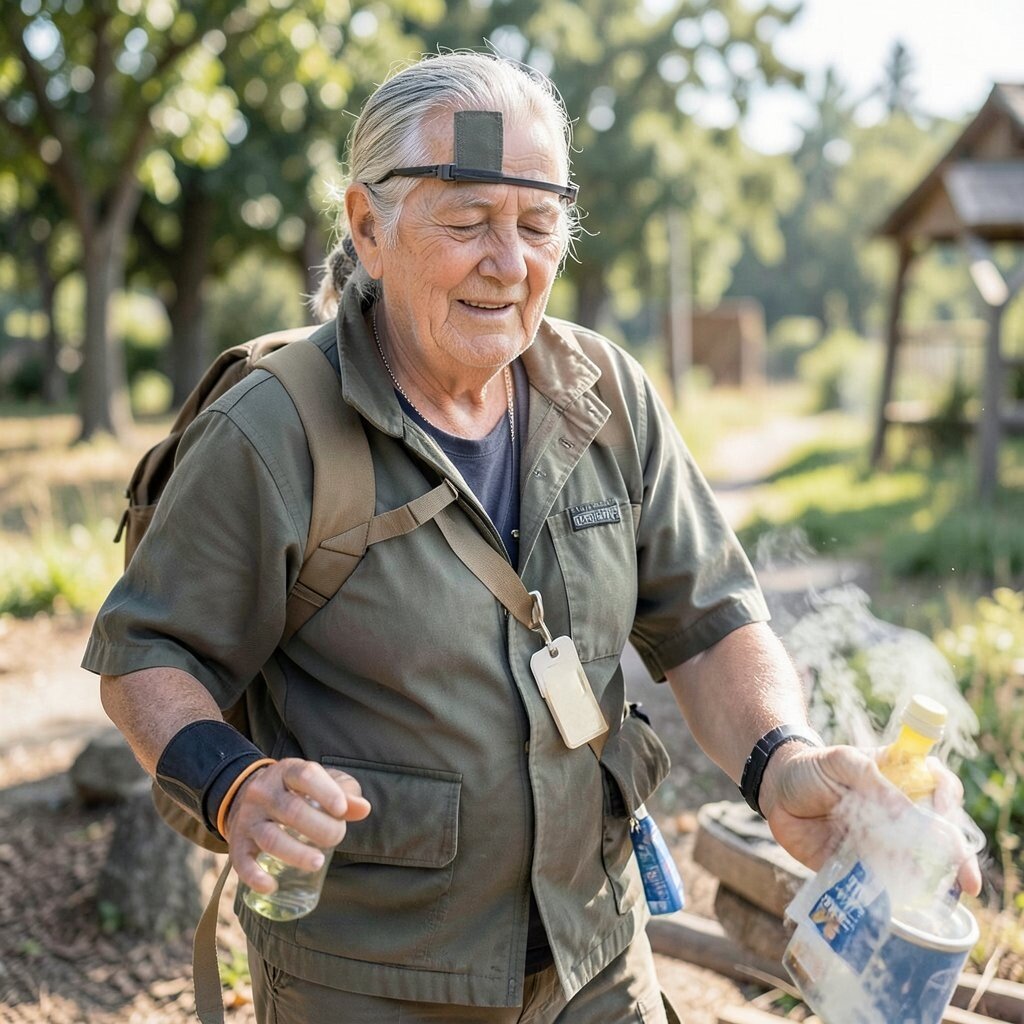
Heat and cold can harm people, especially kids, older adults, and those with health issues. You can help by learning signs like dizziness, confusion, or shivering that will not stop. Then you can offer shade, a cool or warm drink, or a safe place to rest.
This has clear benefits because quick help can prevent health problems from getting worse. It also helps people feel cared for. This idea is unique because it focuses on comfort needs that are often missed.
For tips, pack a small water bottle or electrolyte packets for your family and keep extra in your go bag. For personalization, think about your climate and your local risks. A trend is more community cooling and warming sites during hot and cold seasons.
9. Build a Family Emergency Contact Card With Clear Steps
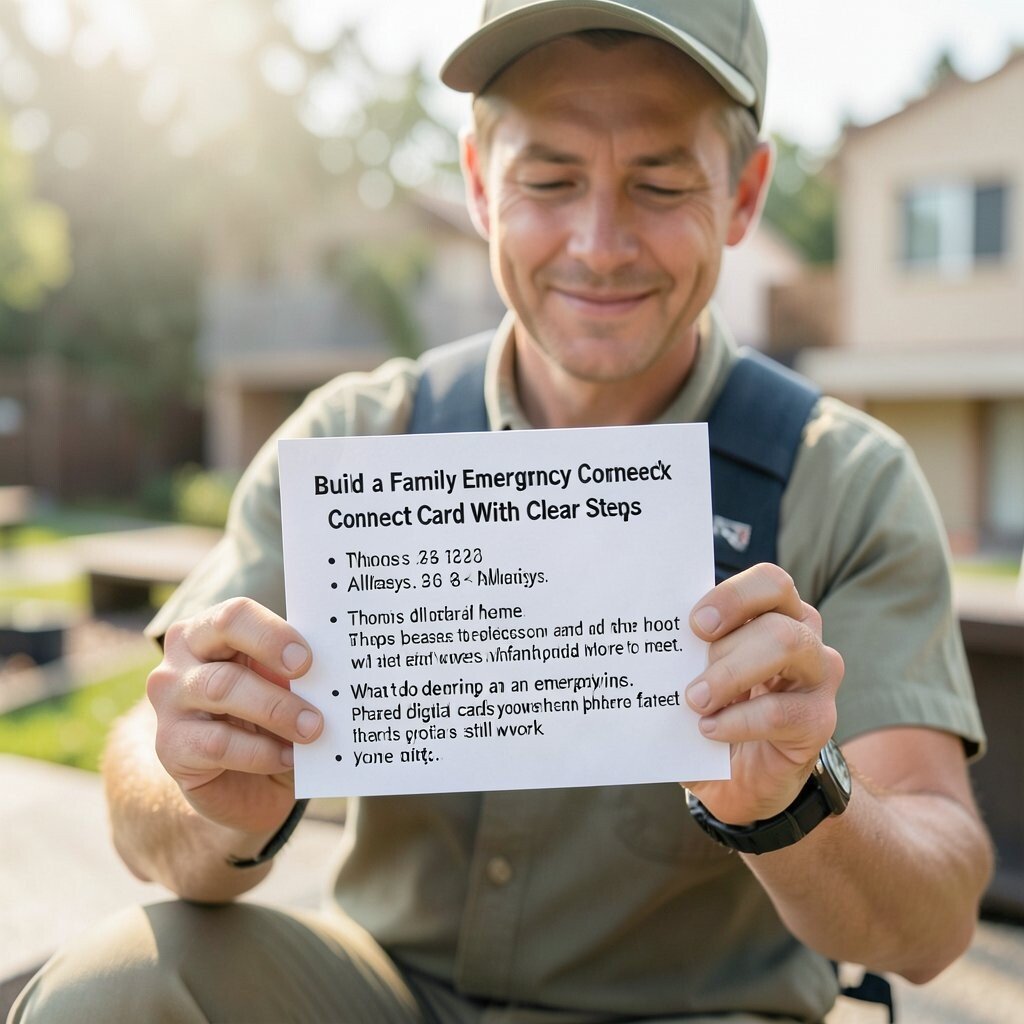
A contact card is a small paper or card that lists key info in one place. Include important names, phone numbers, allergies, and medical notes if needed. Also add a simple list of what to do during an emergency.
This helps because it reduces confusion when people are stressed. It also helps rescue workers and family members respond faster. The uniqueness is that it turns important info into a quick tool, not a long story.
For cost, you can print cards at home and put them in wallets or phone cases. For personalization, write steps for your home, like who picks up kids and where to meet. A trend is shared digital cards, but paper copies still work when phones die.
10. Volunteer for Public Safety Events Like Health Fairs
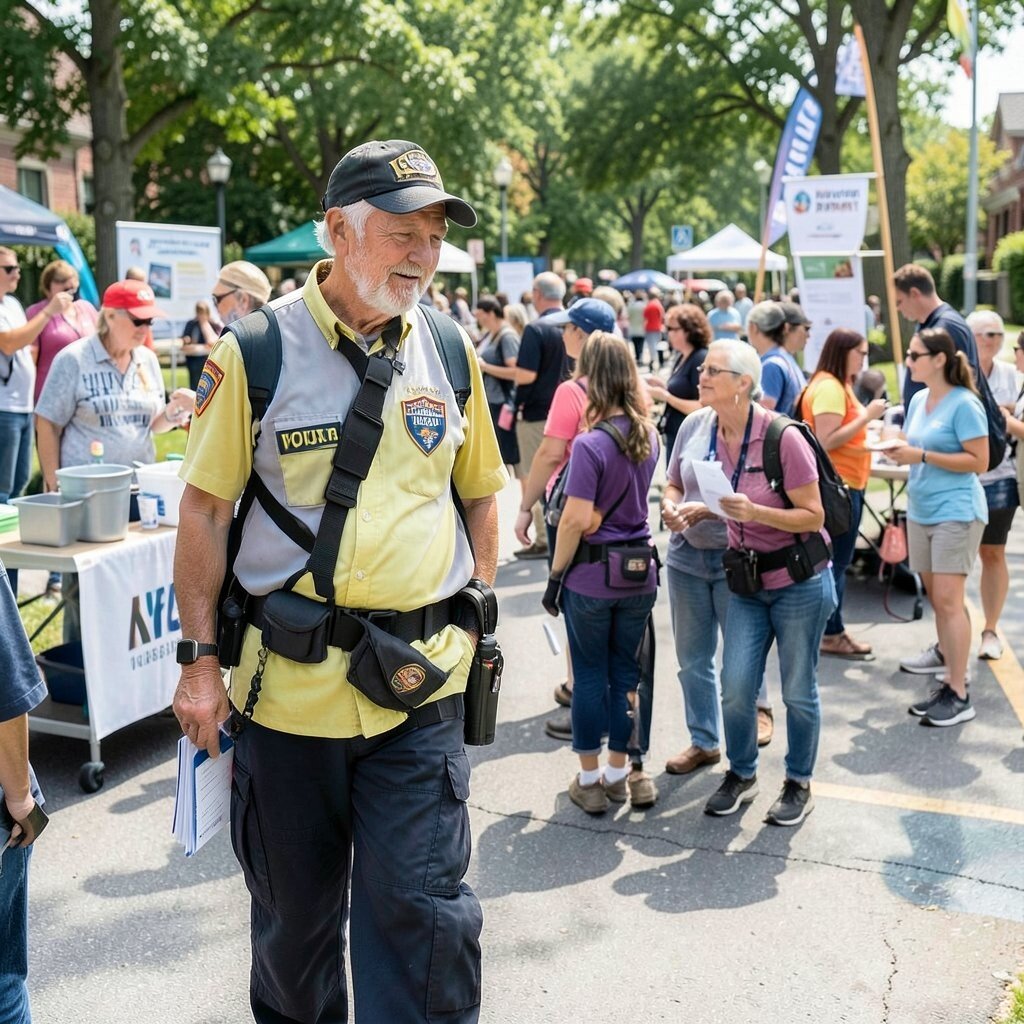
You can help others at public safety events in ways that do not require medical training. You can guide people to the right station, help with sign-in, hand out simple tips, and keep the line moving. You can also help set up water stations and rest areas.
These actions have benefits because they reduce crowd stress and help people get help faster. They also build skills like clear communication and calm teamwork. This idea is unique because it makes rescue support part of normal community life.
For tips, show up early, wear a badge if allowed, and bring a small notebook for questions. For personalization, choose events that match your interests, like health, seniors, or school support. A trend is more community-led events that mix safety education with fun activities.
11. Create a “Report and Support” Routine for Bullying or Risk
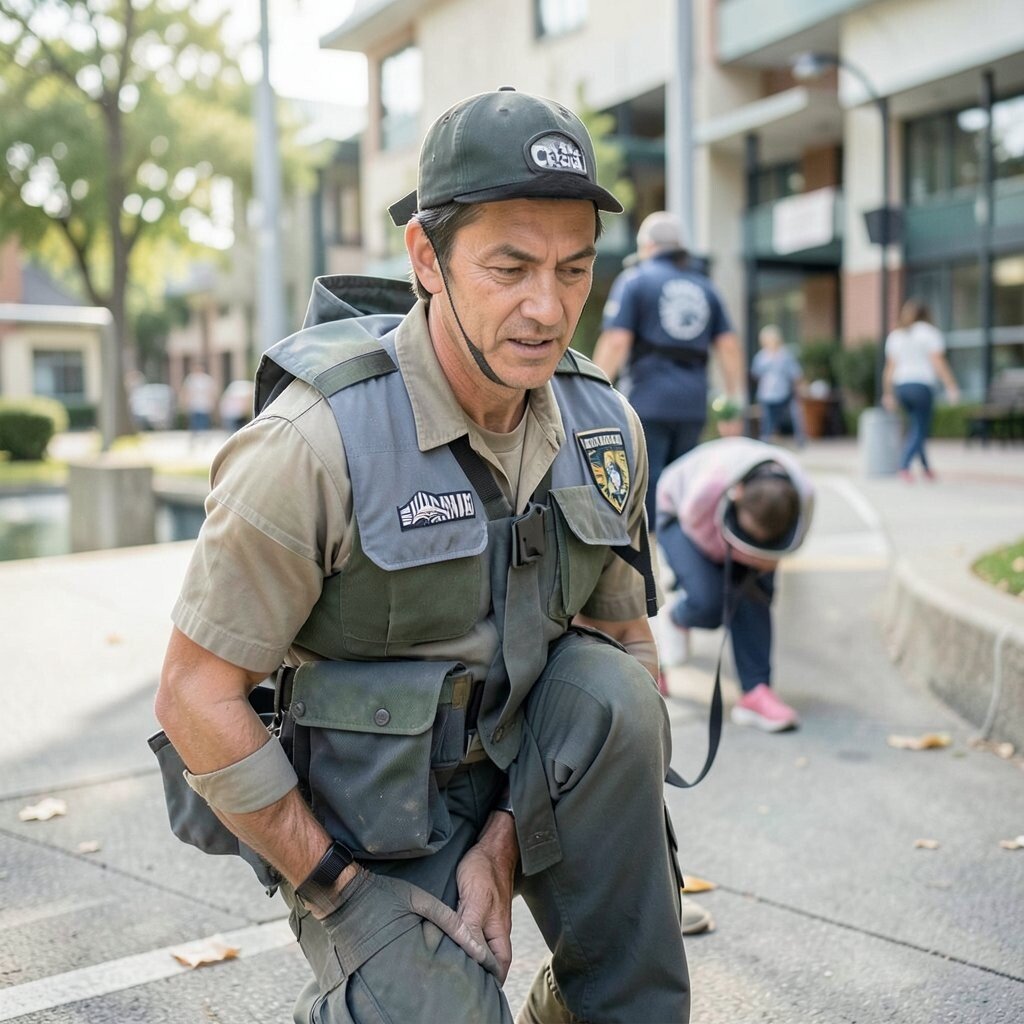
When you see bullying or a risky situation, you can help by using a clear routine. Tell a trusted adult, school staff, or site manager, and share only the facts you saw. Then offer support to the person being harmed by checking in later.
This helps because it protects people and reduces the chance that the harm keeps going. It also shows the person they are not alone. The uniqueness is that you pair reporting with steady support, not just one quick action.
For tips, write down dates, places, and what was said or done, if that is safe. For personalization, learn the rules in your school or workplace so you follow the right steps. A trend is more training on safe reporting and trauma-informed support.
12. Learn How to Help Someone Choking With Simple Steps

Choking can happen fast, so learning the basics is important. You can take a class or read a trusted guide from a health agency, then practice with correct technique. Focus on learning what to do for adults and what changes for kids.
This has strong benefits because it can save a life before help arrives. It also helps you act with focus instead of panic. This idea is unique because it mixes skill learning with clear planning for a high-stress moment.
For cost, many classes are low cost, and you can reuse learning materials each year. For personalization, practice for the age group you are most around, like family or daycare settings. A trend is more CPR and first aid combo classes that include choking response.
13. Set Up a Local “Buddy System” for Walking or Public Places
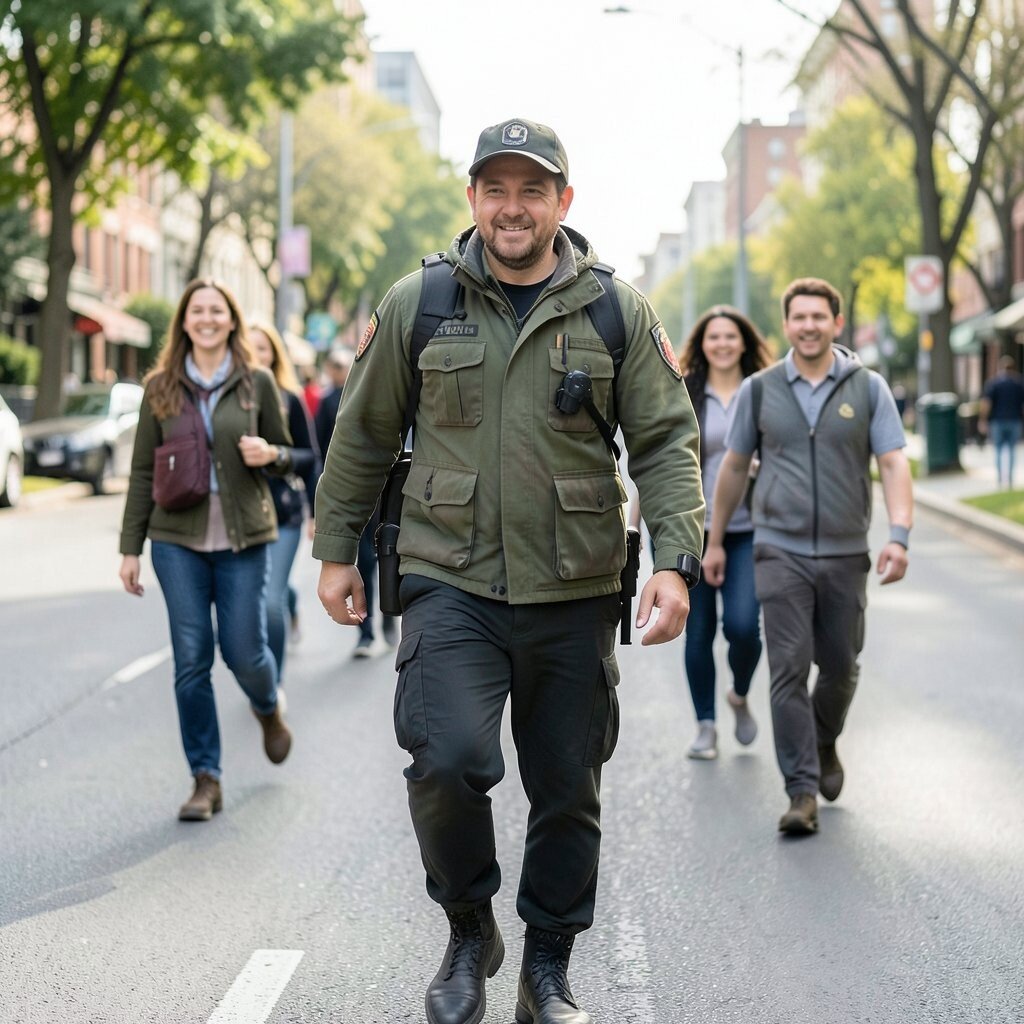
A buddy system means you do not move alone in places where safety matters. You can pair up with a friend, neighbor, or co-worker for walks, late returns, or public errands. You can also set a simple check-in time, like texting when you arrive.
This helps because it lowers the chance of getting stuck or hurt. It also makes it easier to get help if something feels wrong. The uniqueness is that this rescue idea is built into daily habits.
For tips, agree on a clear meet-up spot and a short plan if one person is late. For personalization, choose buddies who share your route and your pace. A trend is more safety apps and check-in features, but a human buddy still matters.