Some animals act brave in ways we can copy in real life. These stories show small choices that help people stay calm, speak up, and keep going.
1. The Small Bird That Defends Its Nest
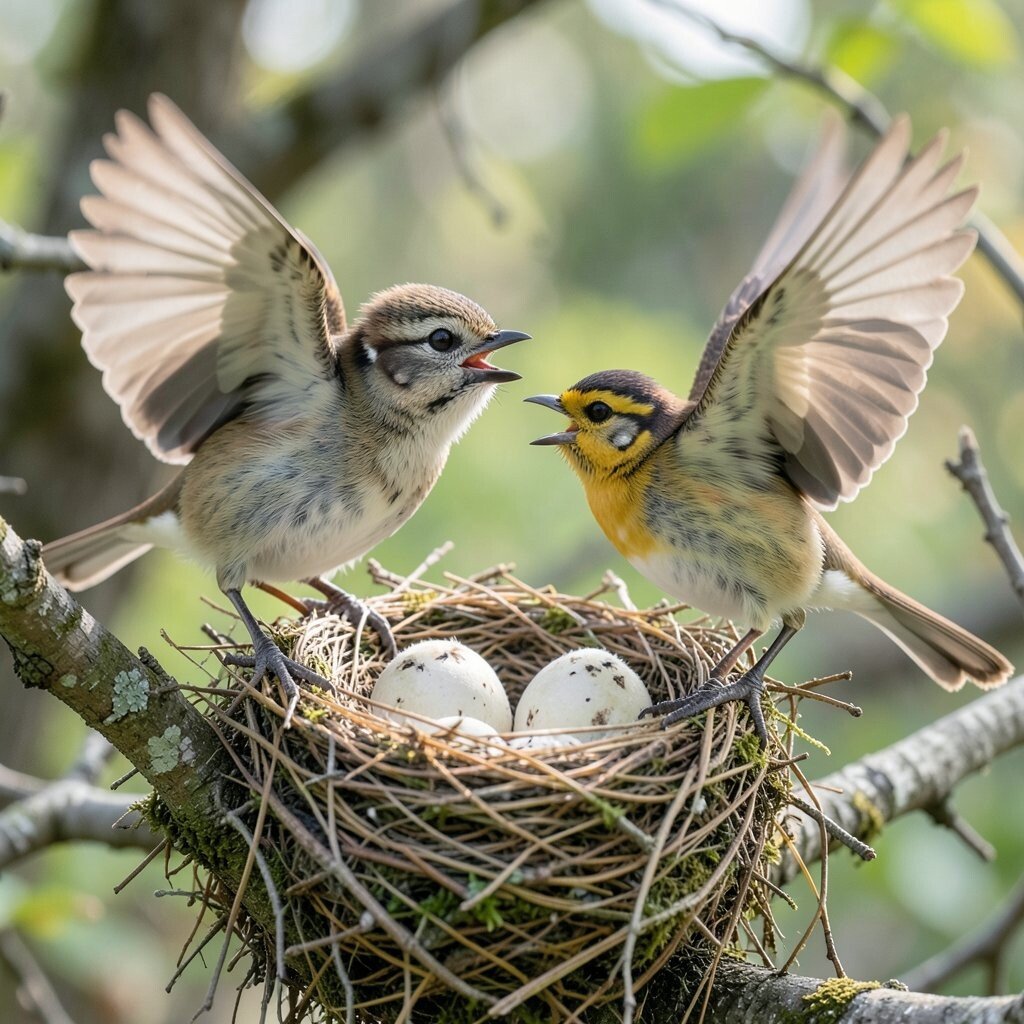
A little bird may face a bigger animal to protect its eggs. You might see it flap its wings fast and call out from a nearby branch. The scene can look tense, but the bird stays close to the nest.
This kind of courage helps the young ones have a safer start. It also teaches us to protect what matters to us, even when we feel nervous. If you feel stressed, try to do one clear action instead of worrying all at once.
2. The Elephant That Helps a Hurt Friend
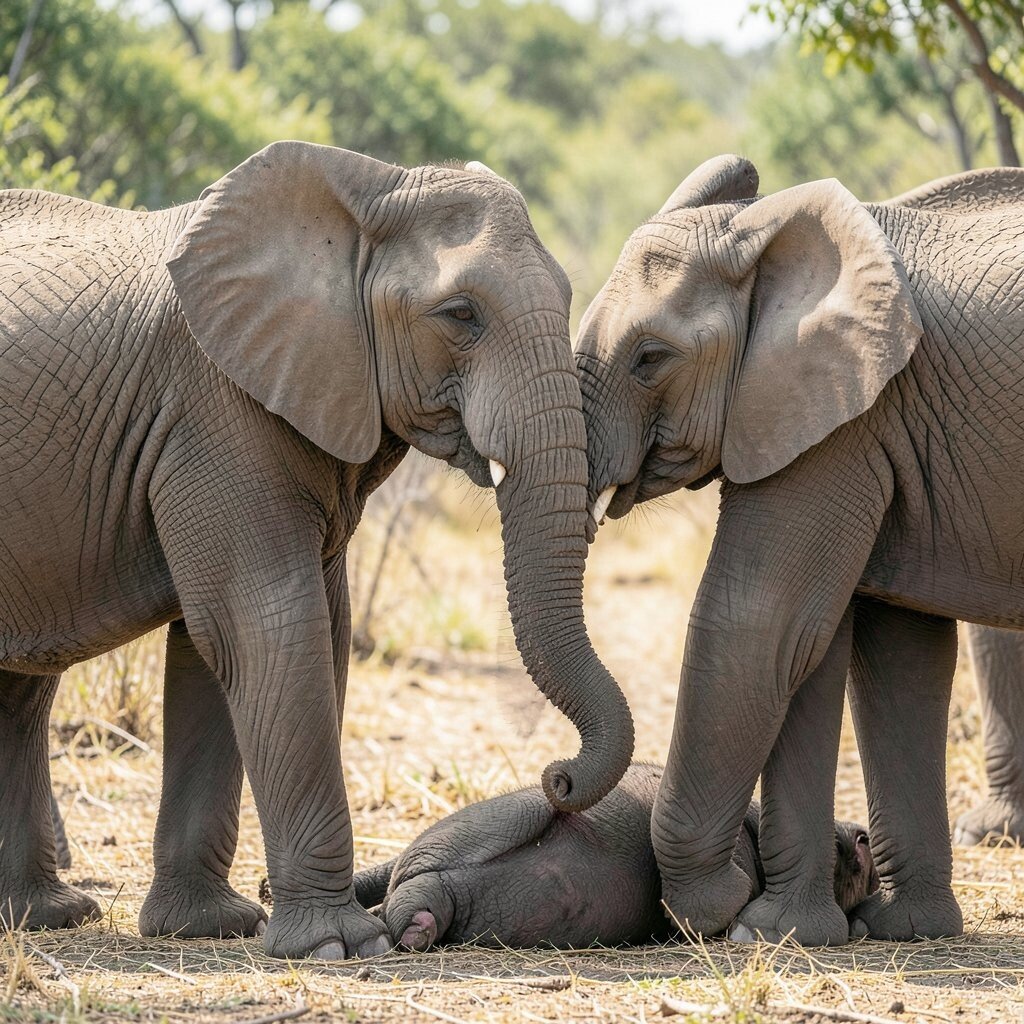
You may picture an elephant using its trunk to touch a worried member of the herd. Often it stays near the hurt animal and watches what it needs. This can look slow and careful, not rushed.
Helping this way can reduce fear and make the injured one feel less alone. It also shows that strength can mean being gentle. A simple tip is to ask, “What can I do now?” when someone needs help.
You can bring this story into your life by setting up a small plan for support at home. Cost can be low, like making a list of who to call or what supplies to keep. A trend now is keeping care items in one place so help is quicker.
3. The Dolphin That Guides Others Through Danger

A dolphin may move close to a group and steer them away from a risk. In clear water, you can see the shapes of bodies moving as a unit. It can look like smooth teamwork, with quick turns and steady pace.
This helps the group stay safer and reduces panic. It also shows that courage can be about guiding others, not just running fast. When your friends or family feel scared, you can use a calm voice and clear steps.
4. The Ant That Builds a Better Path After Rain
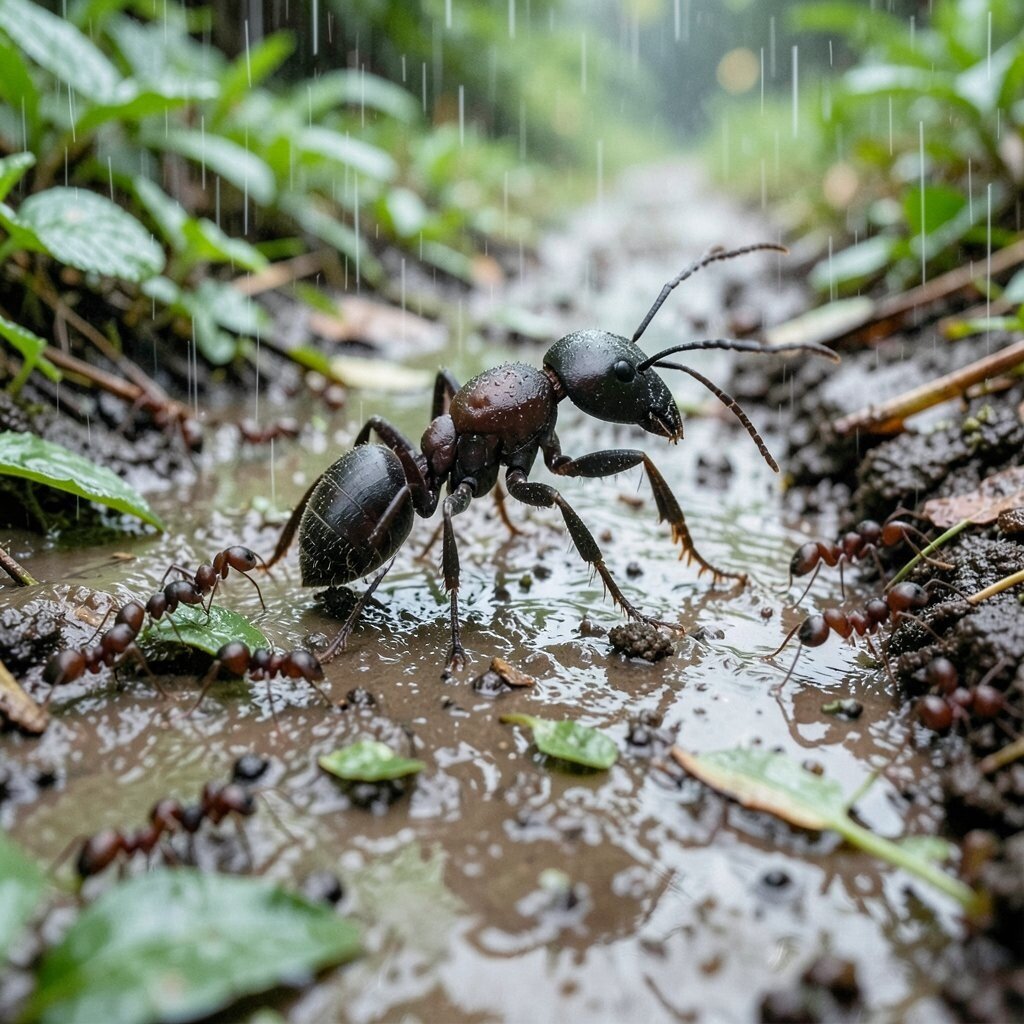
After heavy rain, ants may work right away to fix tunnels and trails. You might see tiny lines of workers carrying bits of soil and small leaves. The picture often shows chaos at first, then steady order.
This effort shows courage in small steps. It teaches us to keep working even when plans get messy. Try it in your own day by setting a short goal, like “tidy one area,” instead of giving up.
For personalization, you can make a “rain plan” for chores. Write down what you can do indoors so you still feel in control. The cost is usually low, like using a small box to hold tools and gloves.
5. The Turtle That Walks On After a Setback
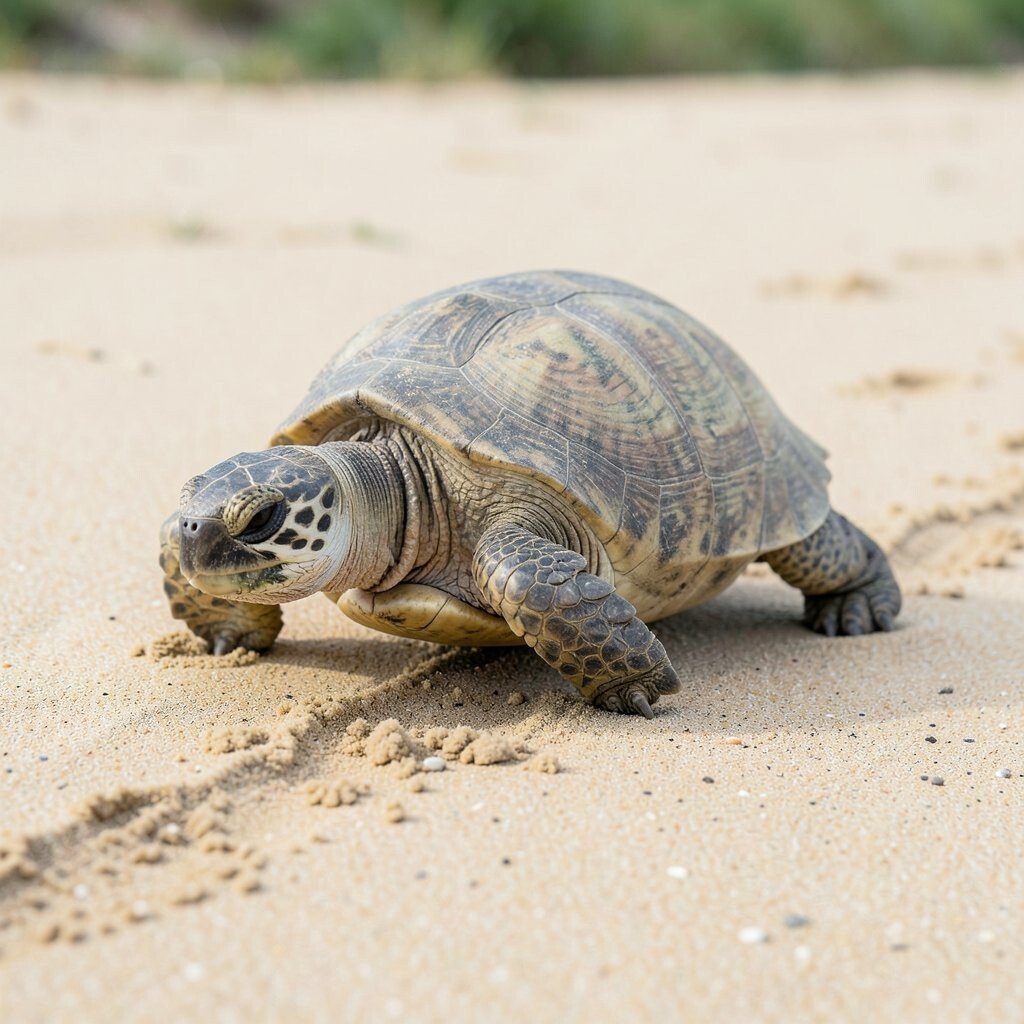
You may see a turtle reach for the same route again after being stopped. It can be slow, but it does not quit. The view often shows a steady body moving along sand, with small tracks behind.
This is a kind of courage that stays through time. It also helps you remember that progress can be steady, not fast. When you miss a goal, try again with a small change, like a shorter time plan or a new spot to practice.
6. The Lioness That Shares Food With Cubs
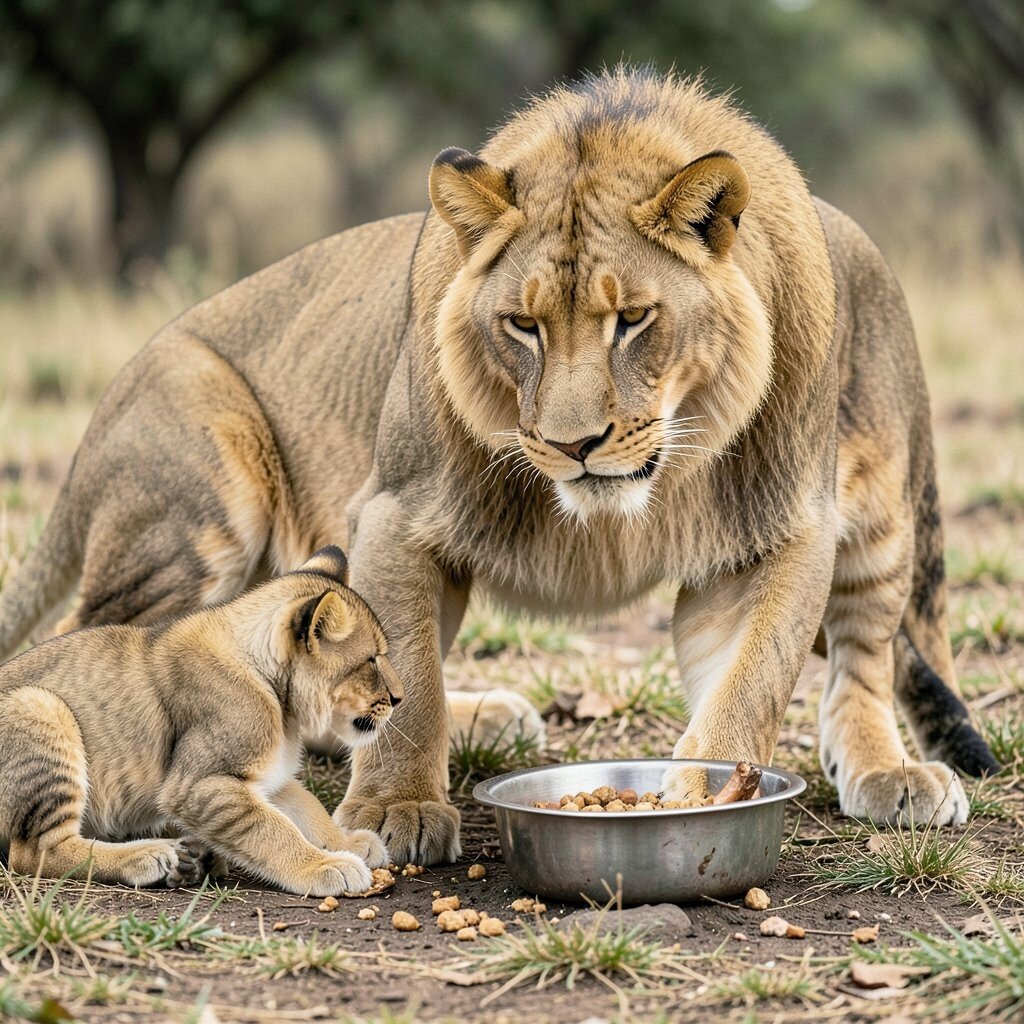
A lioness may bring food back and help her cubs eat first. The scene can look careful, with her watching the area as she lets the young ones feed. You may notice calm movement even during a busy moment.
This shows courage through protection and good choices. It teaches us that caring for others is a brave kind of strength. A tip is to share what you can, even if it is something small like time, water, or a listening ear.
7. The Otter That Stays Calm During Rough Water
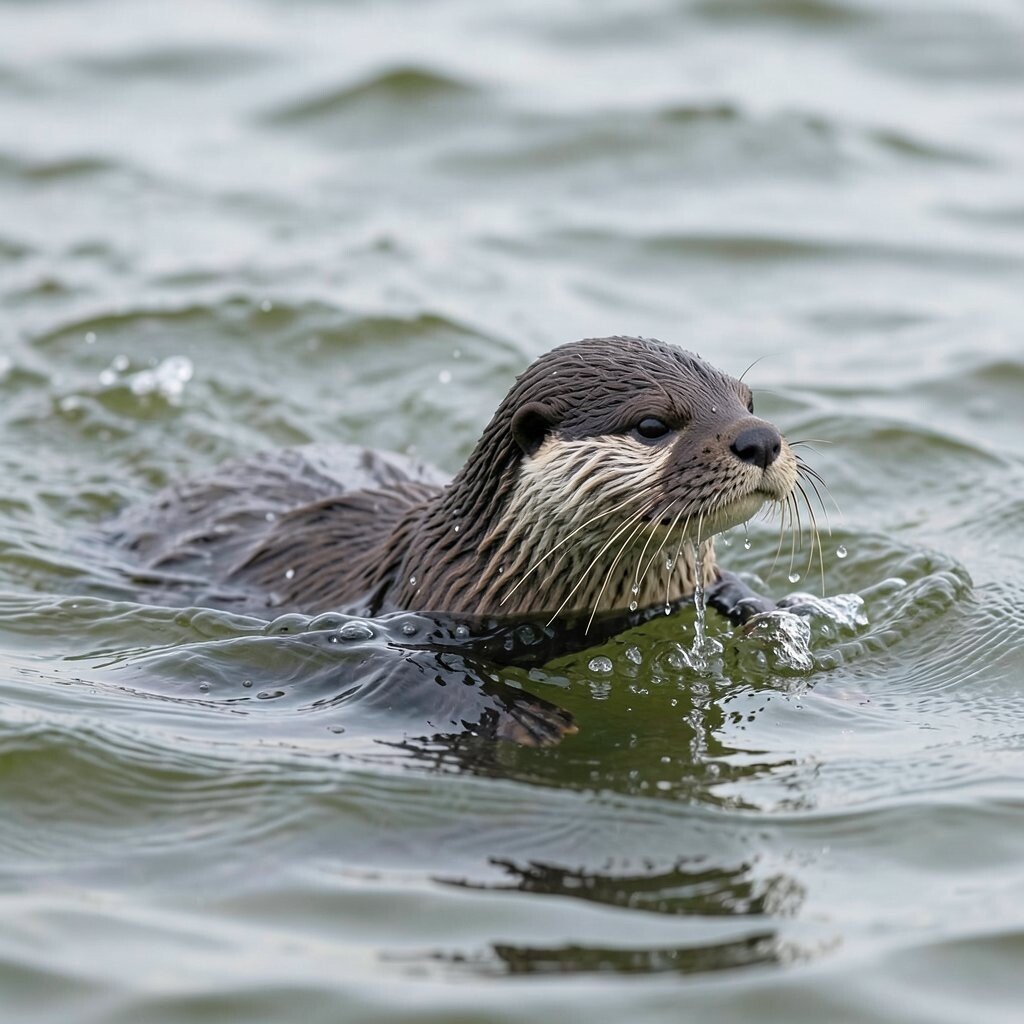
An otter may swim in choppy water and keep its head above the waves. You can picture it using its body to adjust quickly, while still staying close to its group. The look is focused, like it is paying attention to every move.
Staying calm can help it avoid danger and keep moving. It also shows courage as control of fear. When you feel overwhelmed, try slow breathing for a few seconds and then pick one next step.
8. The Wolf That Uses Team Work to Protect the Pack
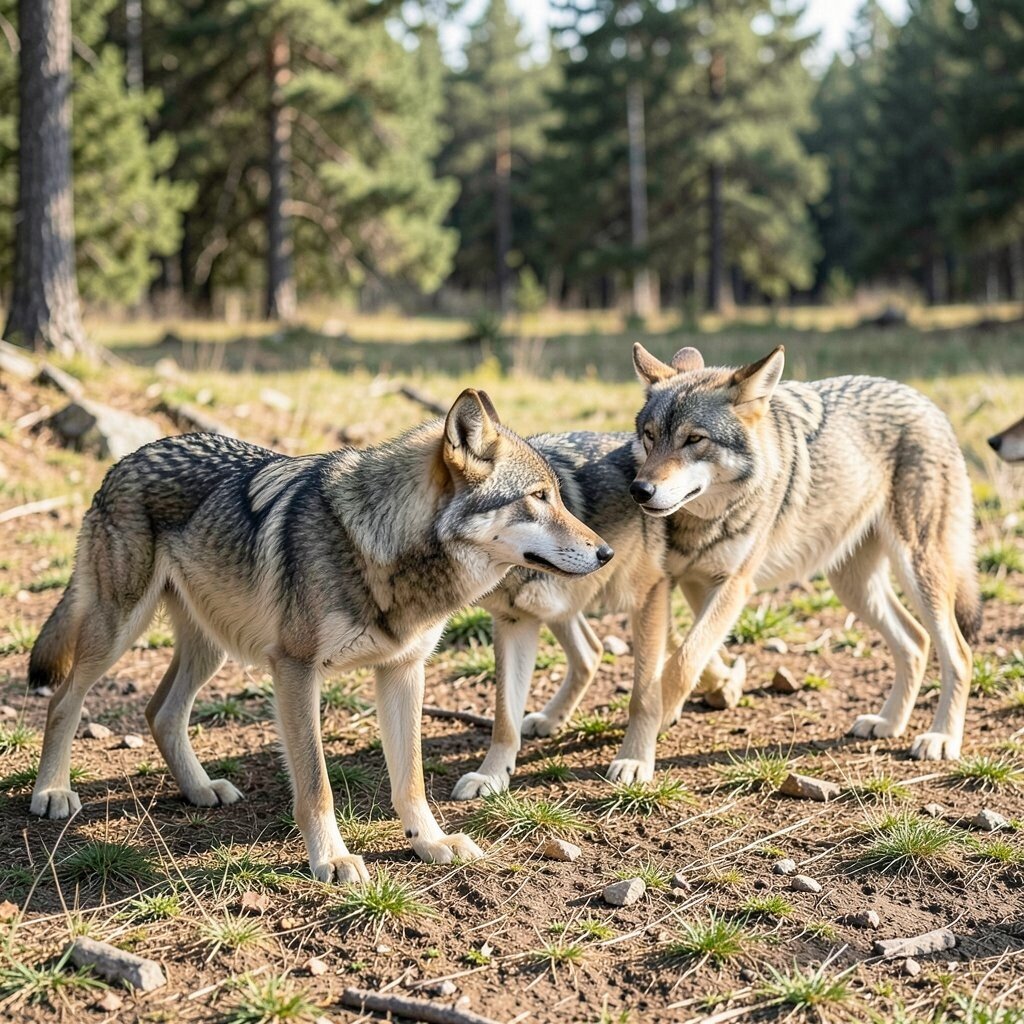
Wolves can work together to guard their pack and find safety. If you watch from a distance, you may see them spread out in a wide shape. The body language can look alert, with heads up and ears ready.
This teamwork can lower risk for the whole group. It also teaches us to ask for help instead of trying to handle everything alone. Personalization tip: make a “buddy system” for tasks, like study time or cleanup at school.
Costs can be low since it can be done with phones or simple notes. A trend in many places is using shared calendars and group chat plans. Using those tools can make help feel quick and normal.
9. The Penguin That Stands Firm in Cold Wind
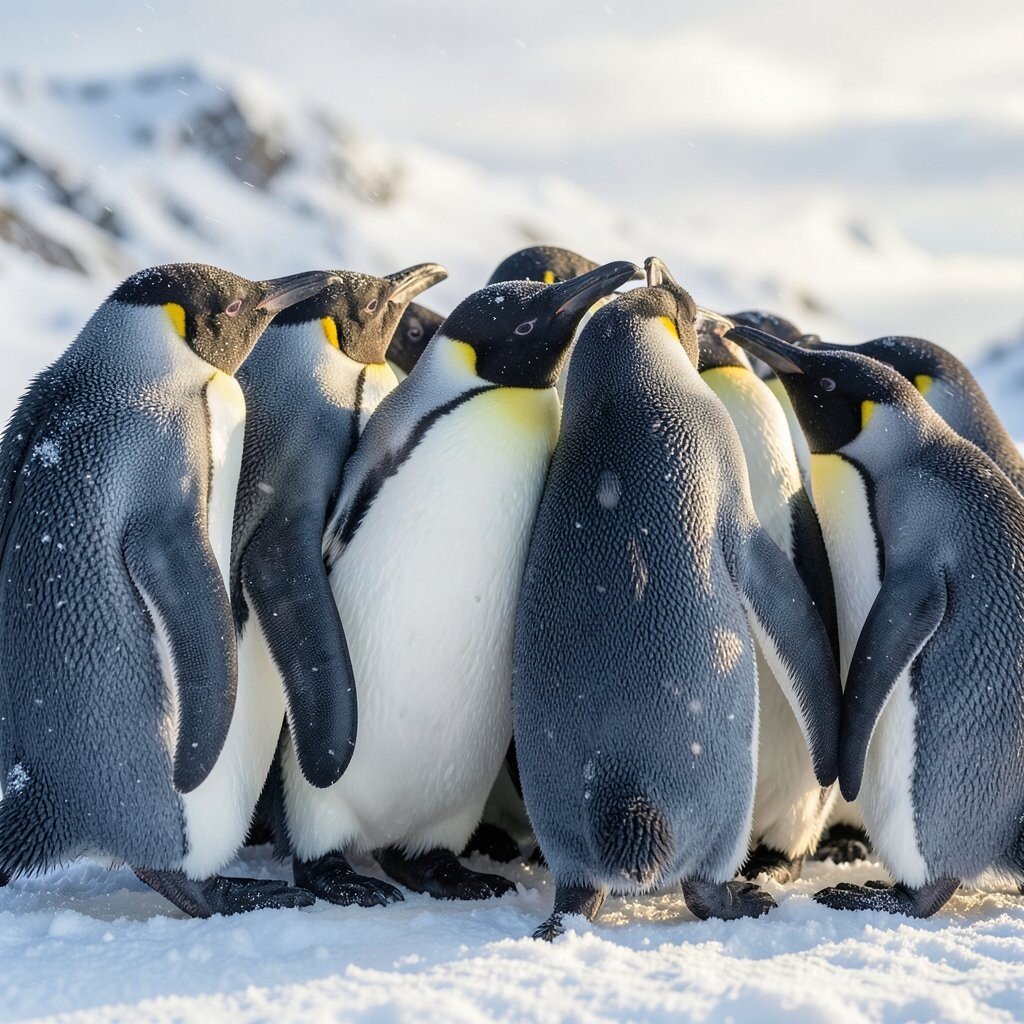
You might see a group of penguins huddle together as wind hits hard. Their bodies face close to the group, with heads up and steady steps. The image can look warm in a harsh place.
This courage helps them handle cold and keeps the group alive. It also teaches us that staying close to others can help us last through hard times. If you feel down, try to spend time with one trusted person or join a steady group activity.
10. The Raccoon That Finds a Safe Solution Without Fighting
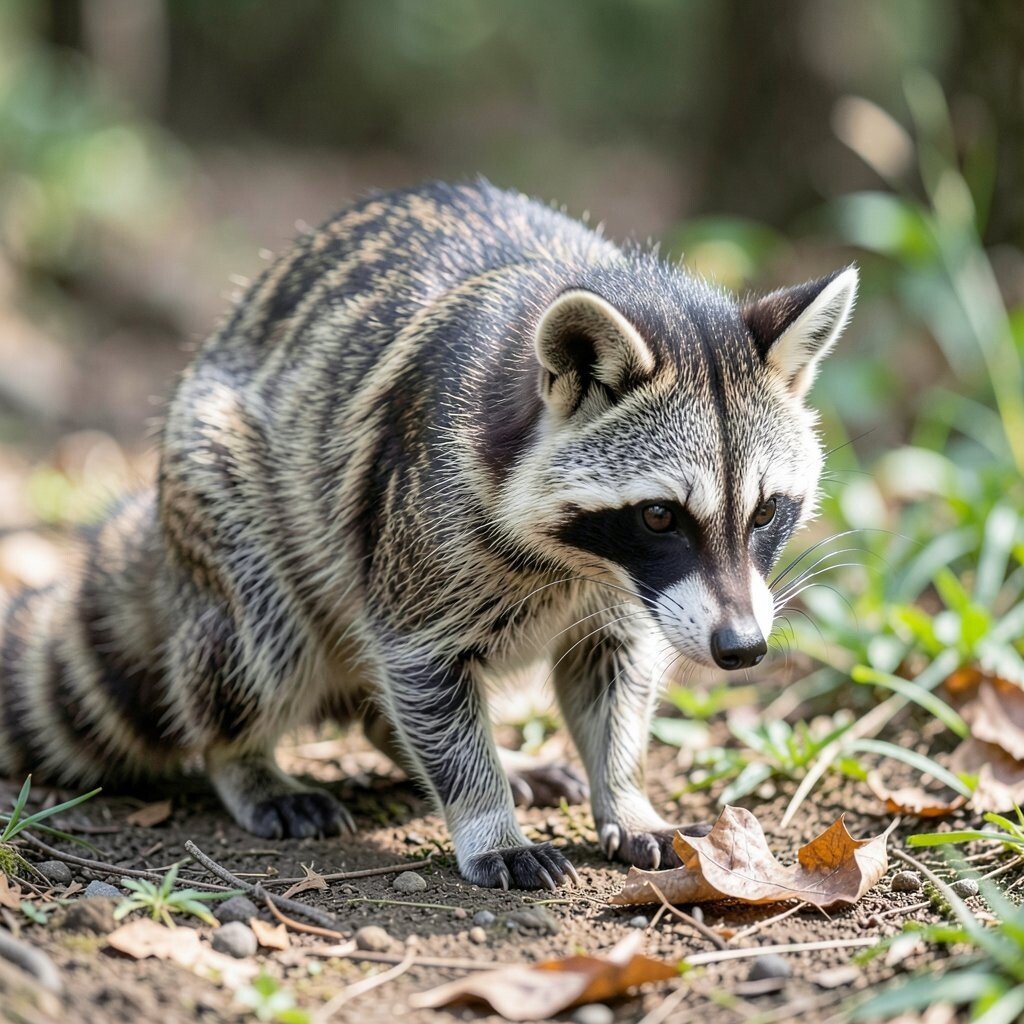
A raccoon can look curious as it searches for food, but it may avoid a real fight when possible. You may see it pause, scan the area, and then take a safer route. The behavior can look smart and cautious, not loud.
Choosing a safer way is a good form of courage. It helps you solve problems without making things worse. Try a “pause” habit: stop, think for a moment, then choose the least harmful option.
For personalization, you can write down a few calming steps for tough moments. Cost is usually small, like using a notebook or phone notes. A trend is using short habit trackers to remind people to pause before reacting.
11. The Hummingbird That Keeps Moving Through Small Changes
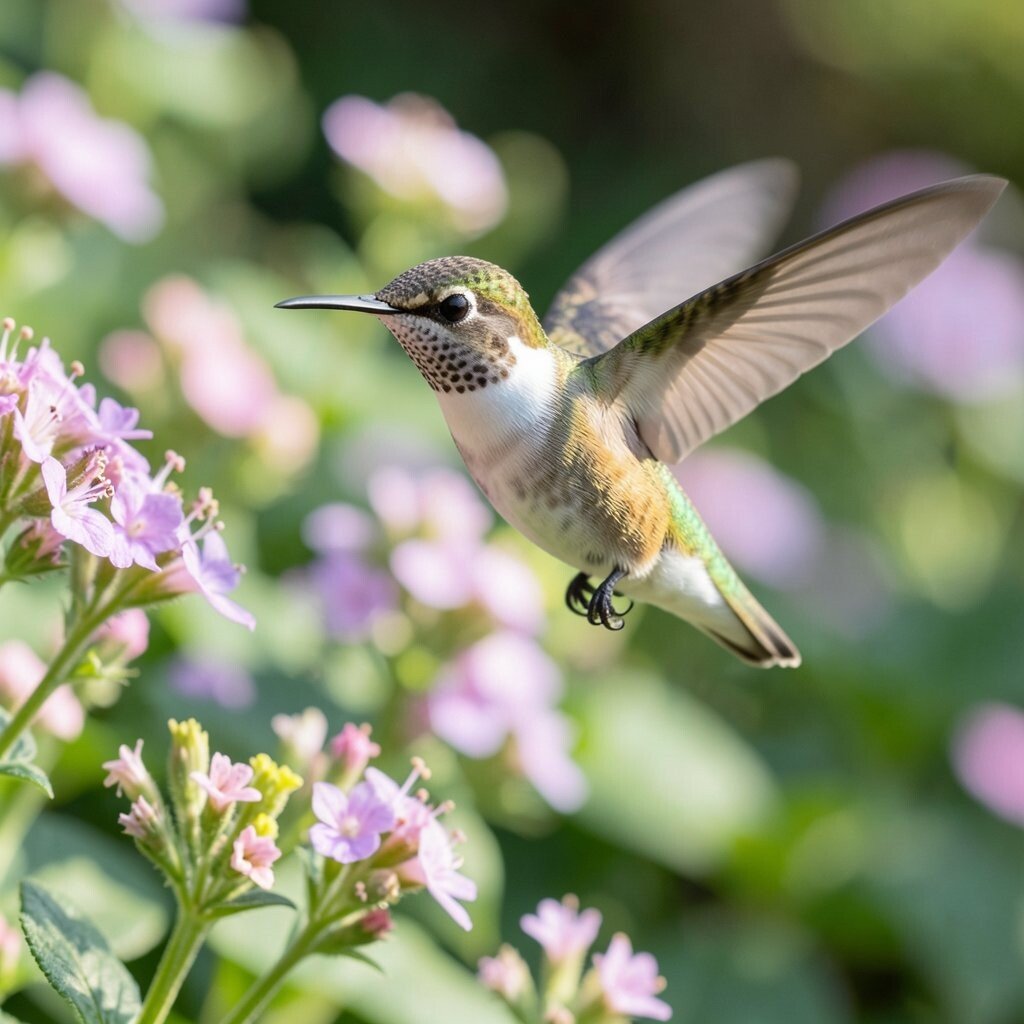
A hummingbird can hover near flowers and move fast even when the air shifts. You may see it stop, adjust, and try again right away. The sight can look busy, but it stays focused on what it needs.
This shows courage as steady effort in small moments. It also teaches us to respond to change instead of freezing. A tip is to break a big task into quick parts so you can keep going with less stress.
You can personalize this by making a “tiny steps” list for your own routine. Cost can stay low, like using sticky notes on your desk. A trend is using short checklists on a phone to keep momentum during the day.
12. The Cat That Protects Its Home With Quiet Watchfulness
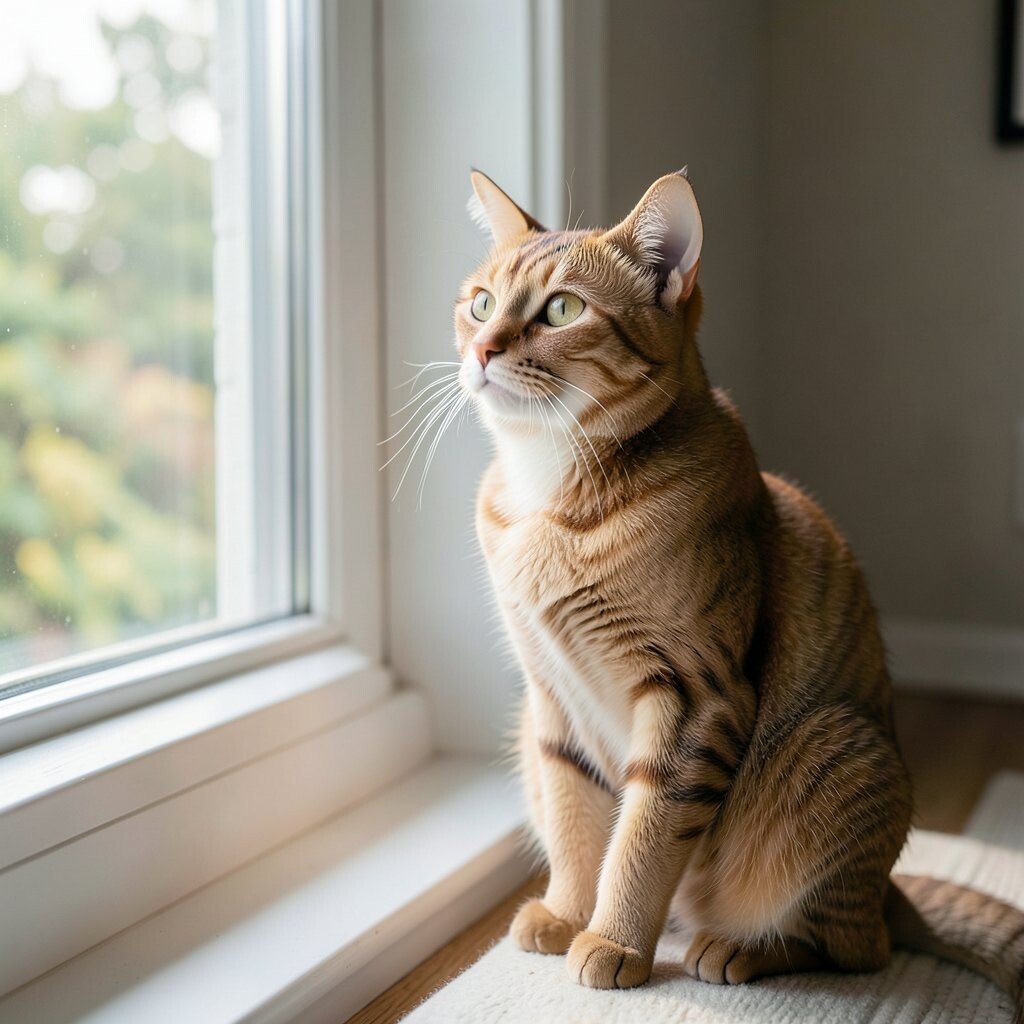
A cat may sit by a window and watch without making a sound. When a new sound appears, it lifts its head and checks the room. The look is alert, with ears turned toward the source.
This kind of courage is quiet and careful. It teaches us that we can stay aware and act at the right time. When you need to feel safer at home, try to keep your space clear and know where help is.
For personalization, you can make a small “safe spot” in your room. Use a flashlight, phone charger, and a list of emergency contacts if needed. The cost can be small, and it can make you feel more ready.
13. The Horse That Helps Others After a Scare
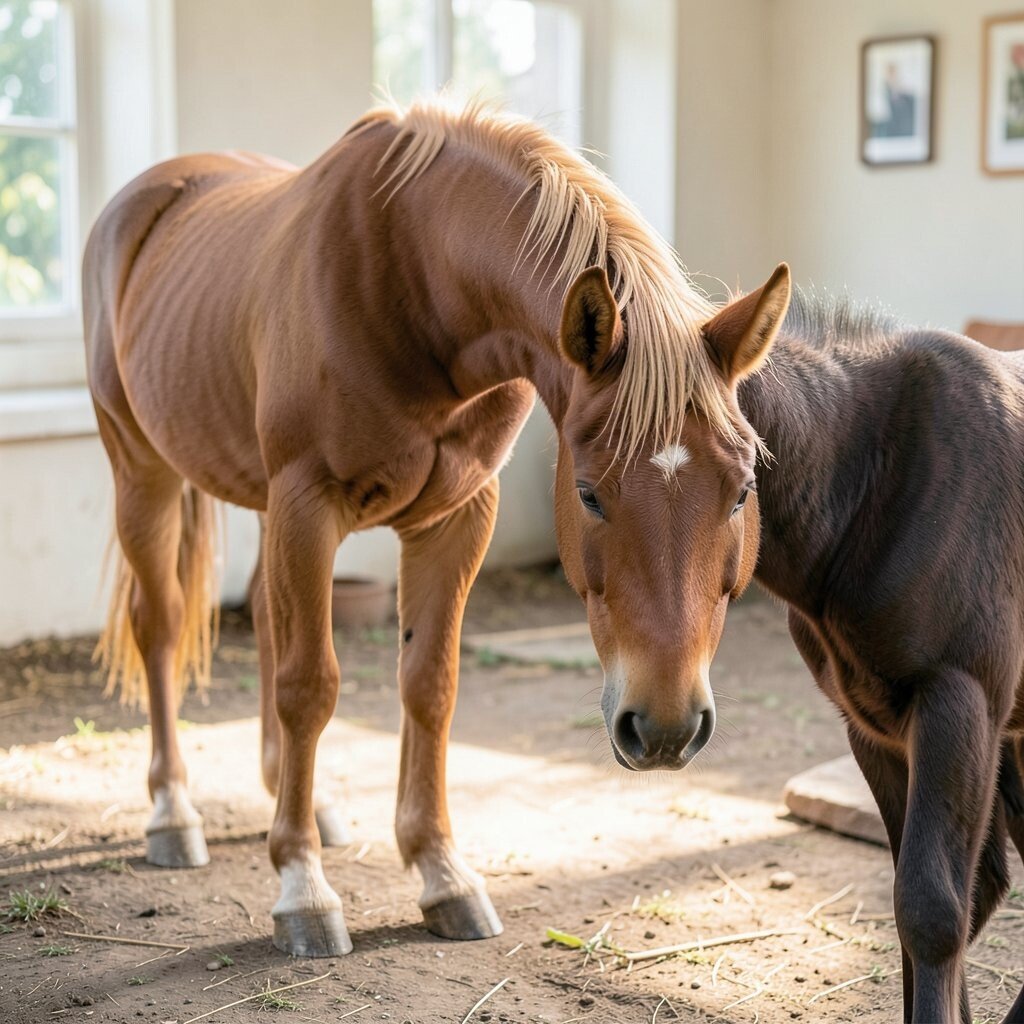
A horse may stand close to another animal after a scary moment and calm it down. You might see it slow its steps and lower its head in a gentle way. The picture can feel steady, like it offers a safe pause.
This shows courage as patience and support. It also tells us that calm actions can help others feel less afraid. Try it by using a soft tone and giving clear comfort, like, “I am here. We can handle this.”
You can add a cost-friendly habit by making a simple comfort kit for family stress, like water, a blanket, and a quiet playlist. Personalization can be easy: choose items your household likes. A trend is making “comfort corners” at home so people can reset fast.