Police dogs help in many tough jobs that keep people safe. They work with handlers in ways that can find danger fast and help when every minute counts.
1. Patrol and Suspect Tracking
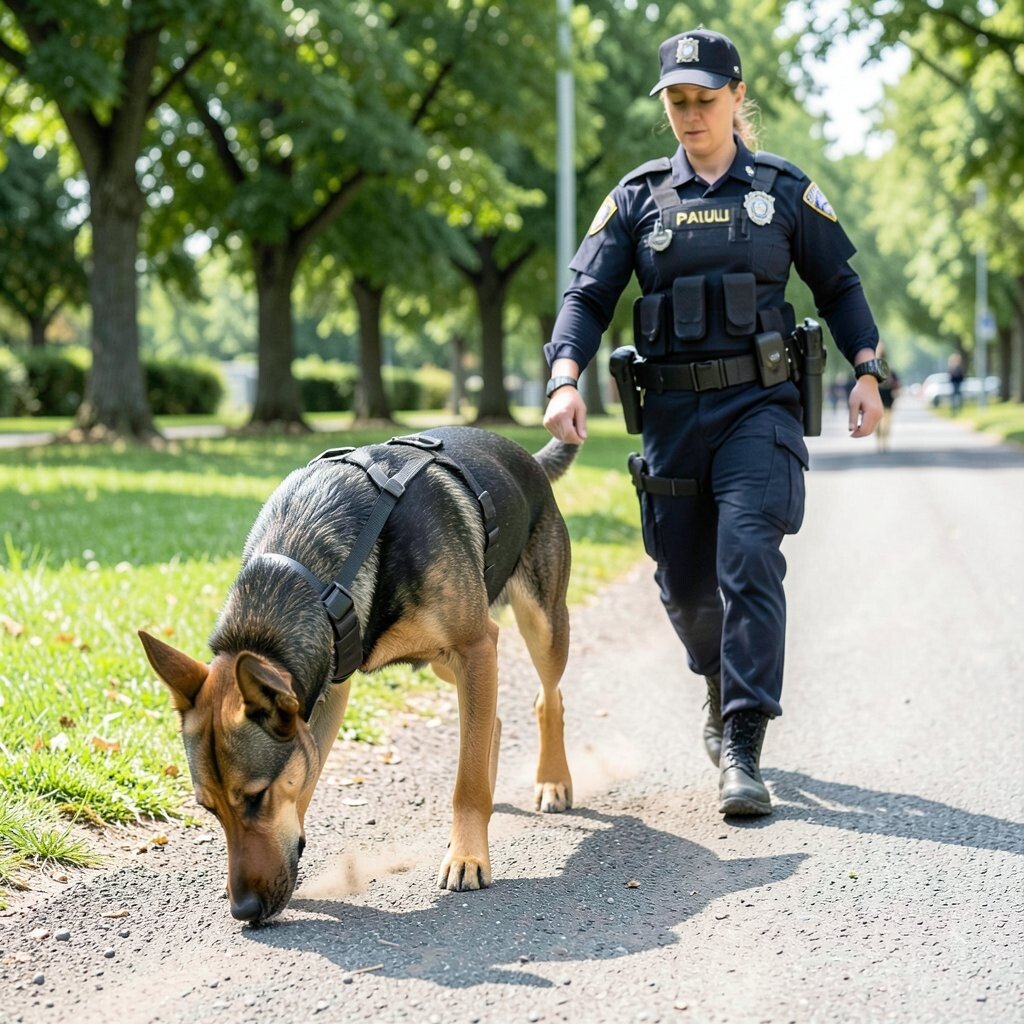
Police dogs help officers by tracking a suspect after a call comes in. You may see a handler walk a dog along a route while the dog sniffs the ground and moves with steady focus. The dog can use scent to follow a path even when the person tries to hide.
This job can save time in a search and reduce risk to bystanders. Dogs often reach spots faster than a foot search alone, which can lead to quick stops when needed. Many teams also use this skill in areas like parks, streets, and parking lots.
For training, handlers use clear signals and short practice sessions. Start with simple scent runs and reward calm behavior, then slowly add harder turns and longer distances. If you are planning a similar program, ask for advice from a local K-9 unit and check local rules.
2. Missing Person Searches
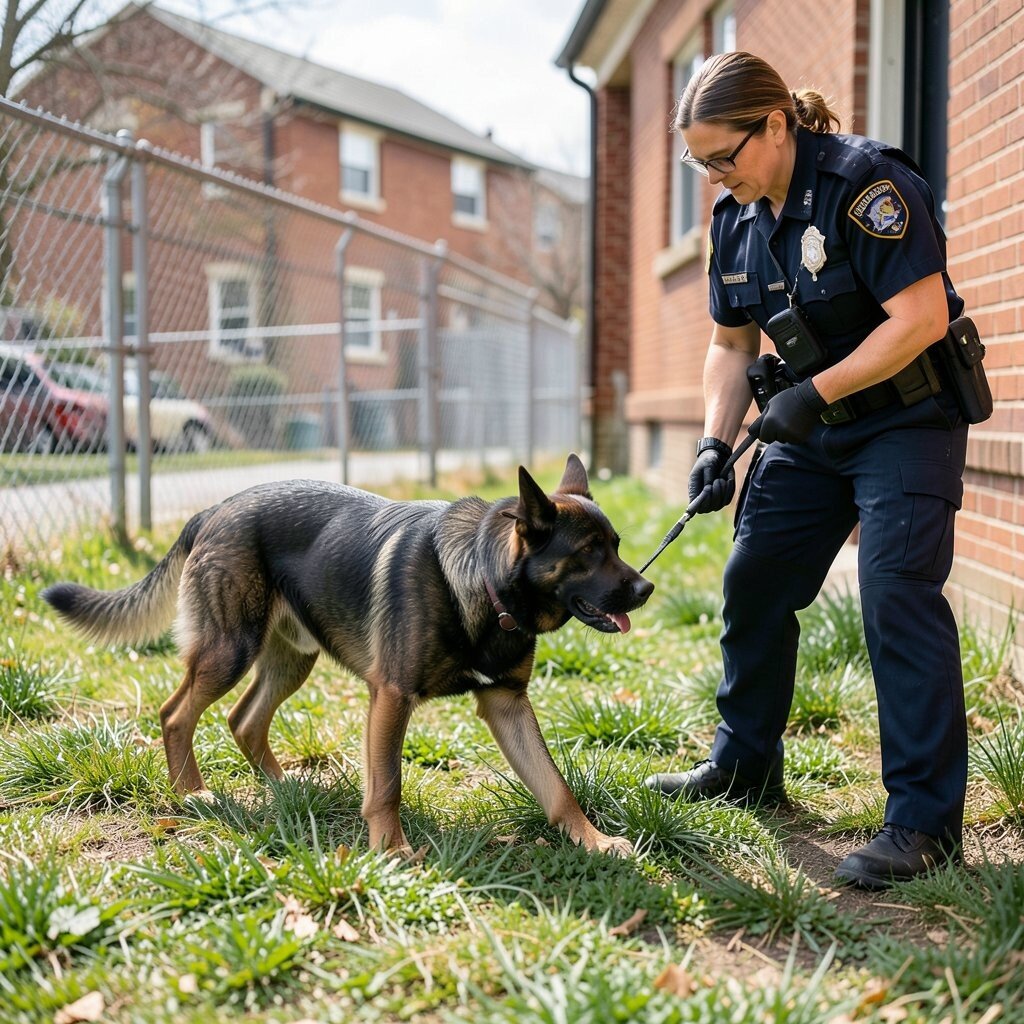
When someone is missing, police dogs can help find the person by scent. You might picture the dog moving through grass, near fences, or around buildings while the handler watches for small changes in focus. The dog can show interest when it reaches a clue, like a scent spot or a doorway.
This work can help families and officers get answers sooner. It can also reduce the stress of long searches by giving a clear direction. In many scenes, the dog helps narrow the search area so people do not cover every block at random.
Good results need strong routines and a safe setup. If the case allows, teams collect scent items from the missing person, like worn clothing. Costs for gear like leashes, scent kits, and safety pads add up, so departments often budget for yearly training, vet care, and equipment.
3. Evidence Search and Crime Scene Support
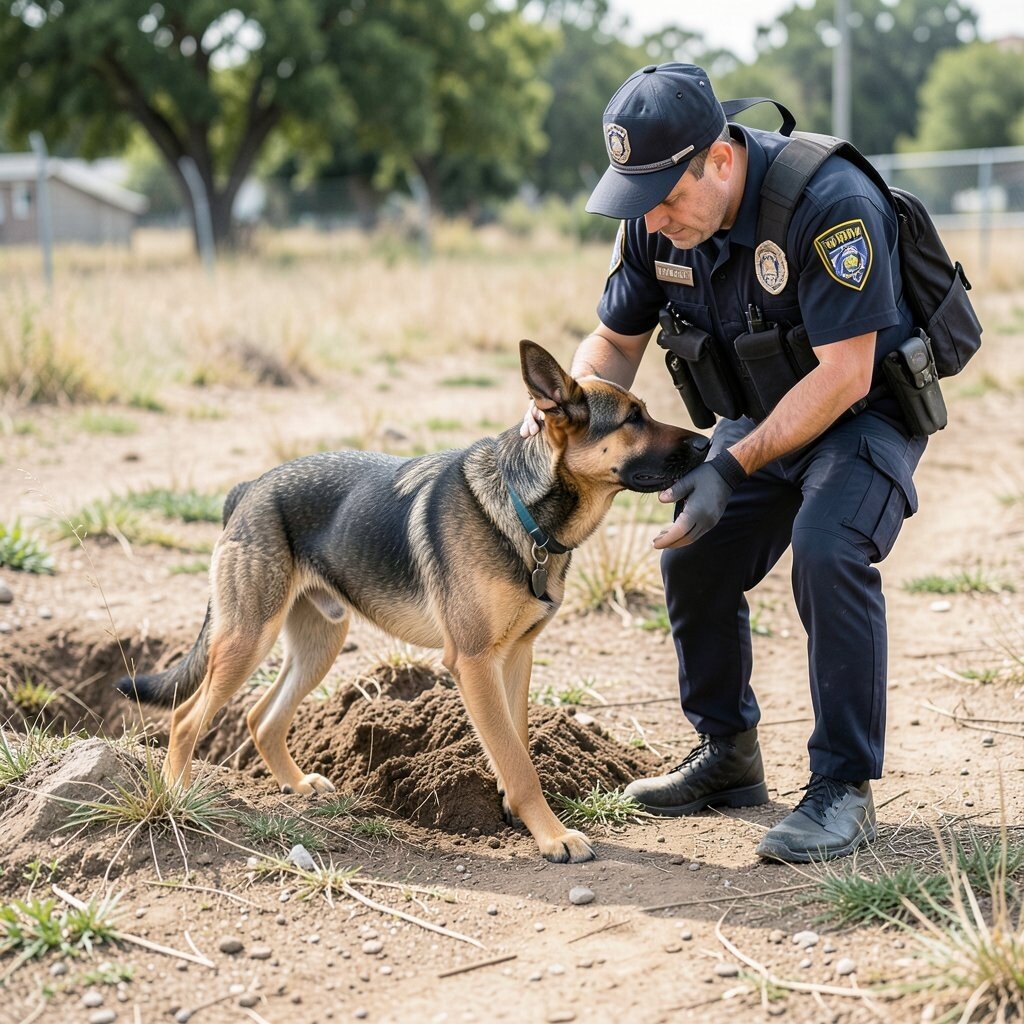
Police dogs can help find items at a crime scene, like drugs or hidden objects. In a visual scene, you might see a handler guide the dog in slow lines while the dog checks corners and ground edges. The dog can stay calm and still when it finds an area that matters.
This job can support fair and careful work by helping teams collect evidence faster. It also helps avoid some heavy digging or random searching. When used well, it can support safer scenes for officers and civilians.
Handlers train with clear targets and strict rules for when to alert. A dog should not act on guesswork, and the handler should not push the dog too hard. For cost, training time is a big factor, and some departments also pay for test sites and added safety gear.
4. Narcotics Detection
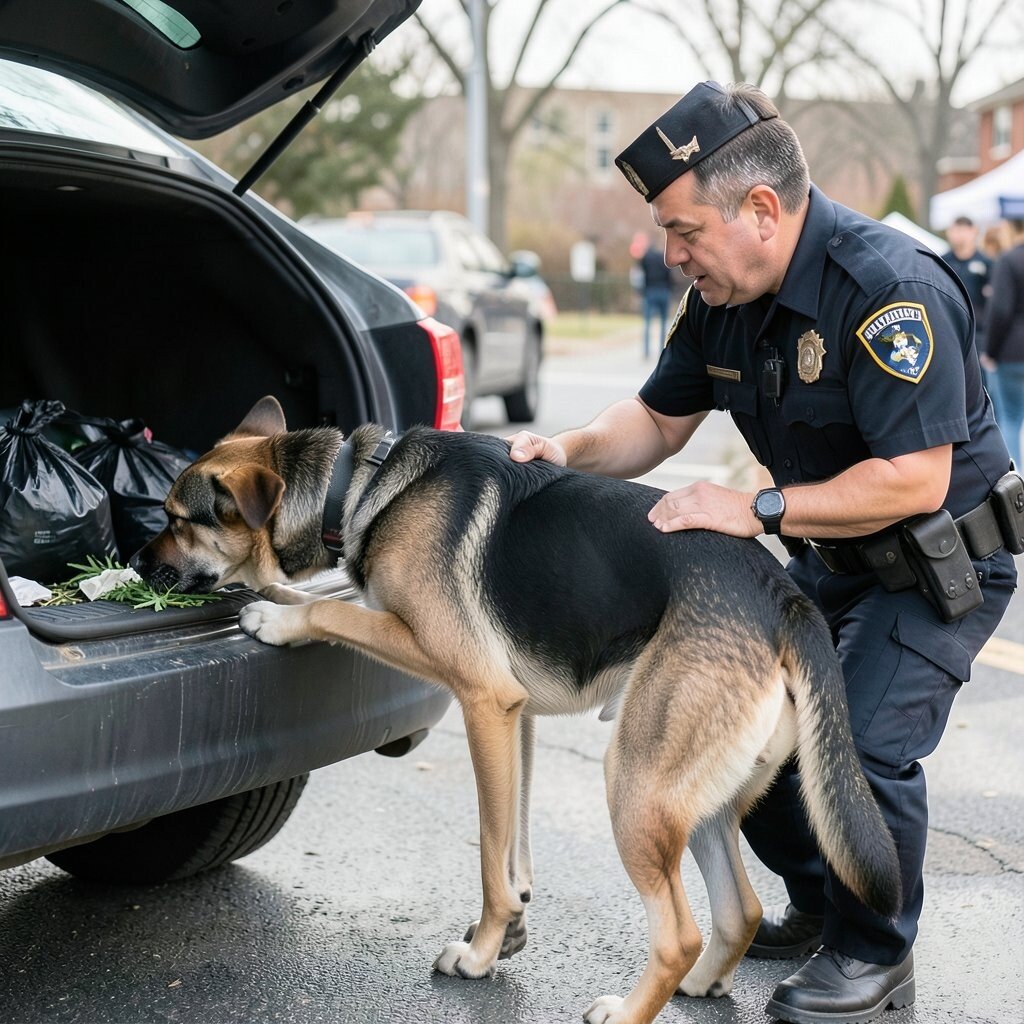
Some police dogs are trained to smell drugs like cannabis, meth, or other illegal items. You may see the dog sniff a car trunk, a bag, or a room while the handler gives simple cues. The dog can also alert without jumping, which keeps the scene more controlled.
This job can help stop illegal trade and keep communities safer. It can also help officers make safer choices during stops by spotting items early. Many teams use these dogs at events, traffic checkpoints, and schools when rules allow.
For training, handlers often do reward-based work and keep sessions short. Add variety over time so the dog can handle different smells and spaces. Trends show more use of canine teams for targeted work, but departments still need clear rules, good tracking records, and steady vet checks.
5. Bomb and Explosive Detection
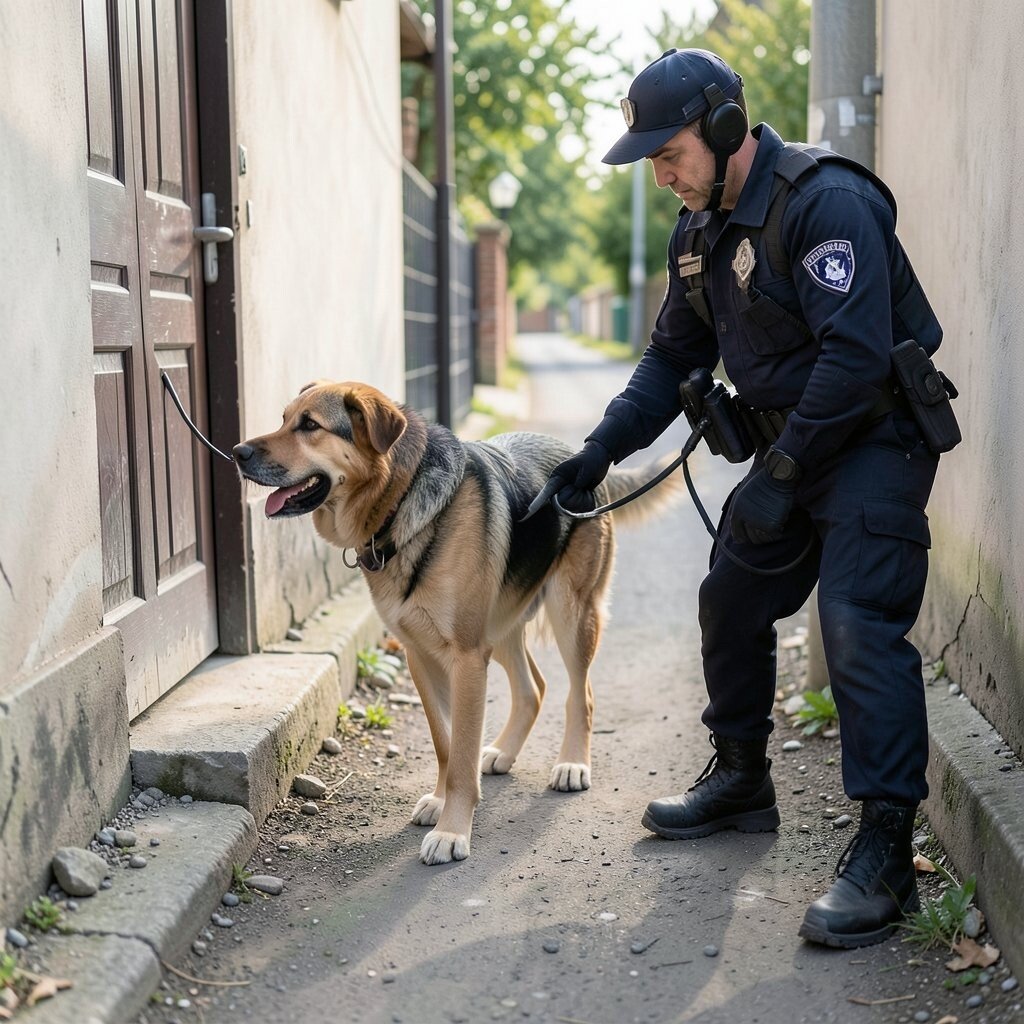
Explosive detection is one of the most serious police dog jobs. In real scenes, the handler guides the dog along a path while the dog carefully checks doors, steps, and corners. When the dog alerts, it can help point to places that need a safer review.
This job can protect people by helping teams find risky items without as much guessing. It also helps officers avoid mistakes that could lead to harm. Often, the dog alert supports a plan for road closures, safe exits, and the next step for specialists.
Training here is strict and follows safety rules closely. Teams practice with controlled materials and keep logs of results so they can track skill and alert accuracy. The cost can be high because training tools, safety checks, and expert guidance take time and money.
6. Building Search for Officers and Civilians
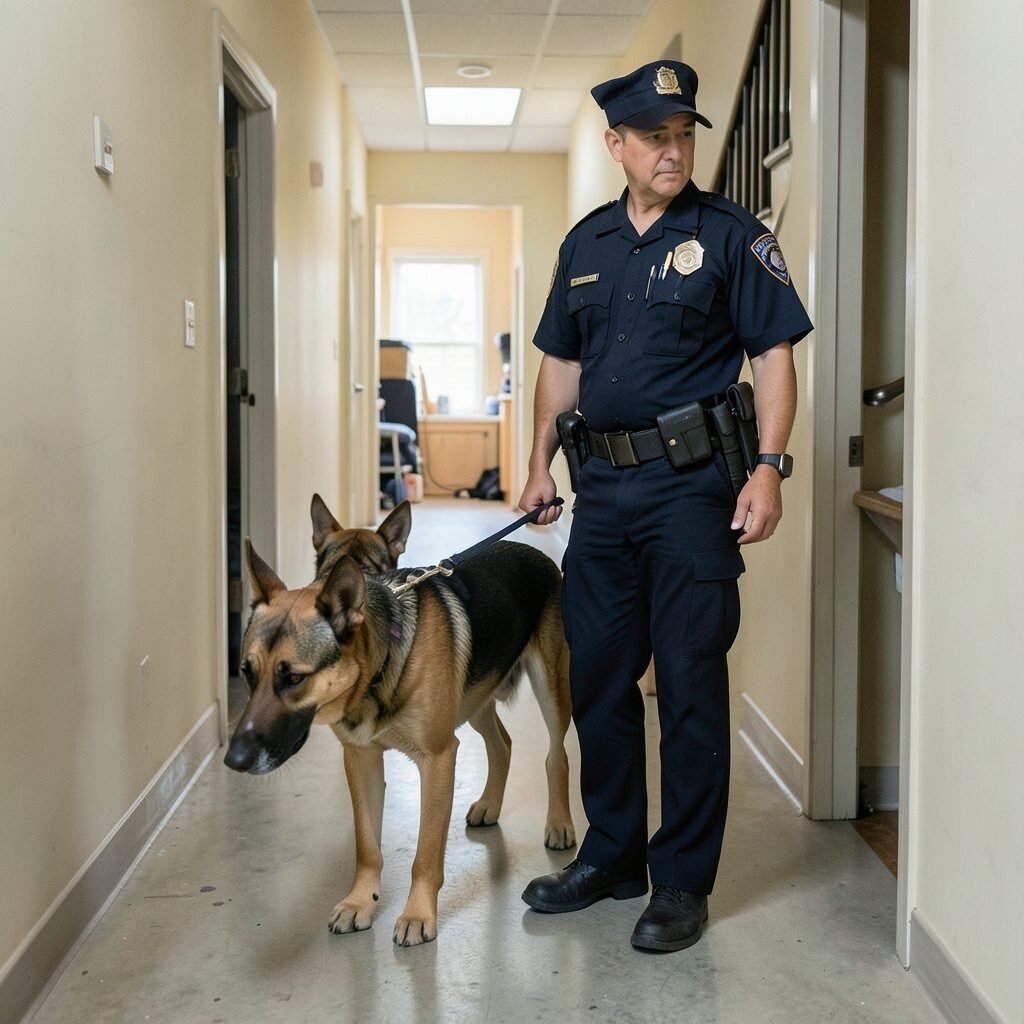
Police dogs can search inside buildings for people and for hidden threats. You might see the handler hold a calm leash while the dog checks hallways, stairways, and storage rooms. The dog’s nose can find clues when sight is limited by smoke, darkness, or clutter.
This job helps officers find missing people and also helps reduce danger during home calls. It can also support safer entry because the dog may spot issues before humans rush in. In some cases, the dog can also help confirm that an area is clear enough to move on.
To do this job well, handlers use careful risk planning and set search rules. Dogs train with many building setups so they learn to stay focused. Personal needs matter too, since each dog has its own comfort level and stress signs, so handlers should adjust pace and time.
7. Track and Find Evidence in Outdoor Areas
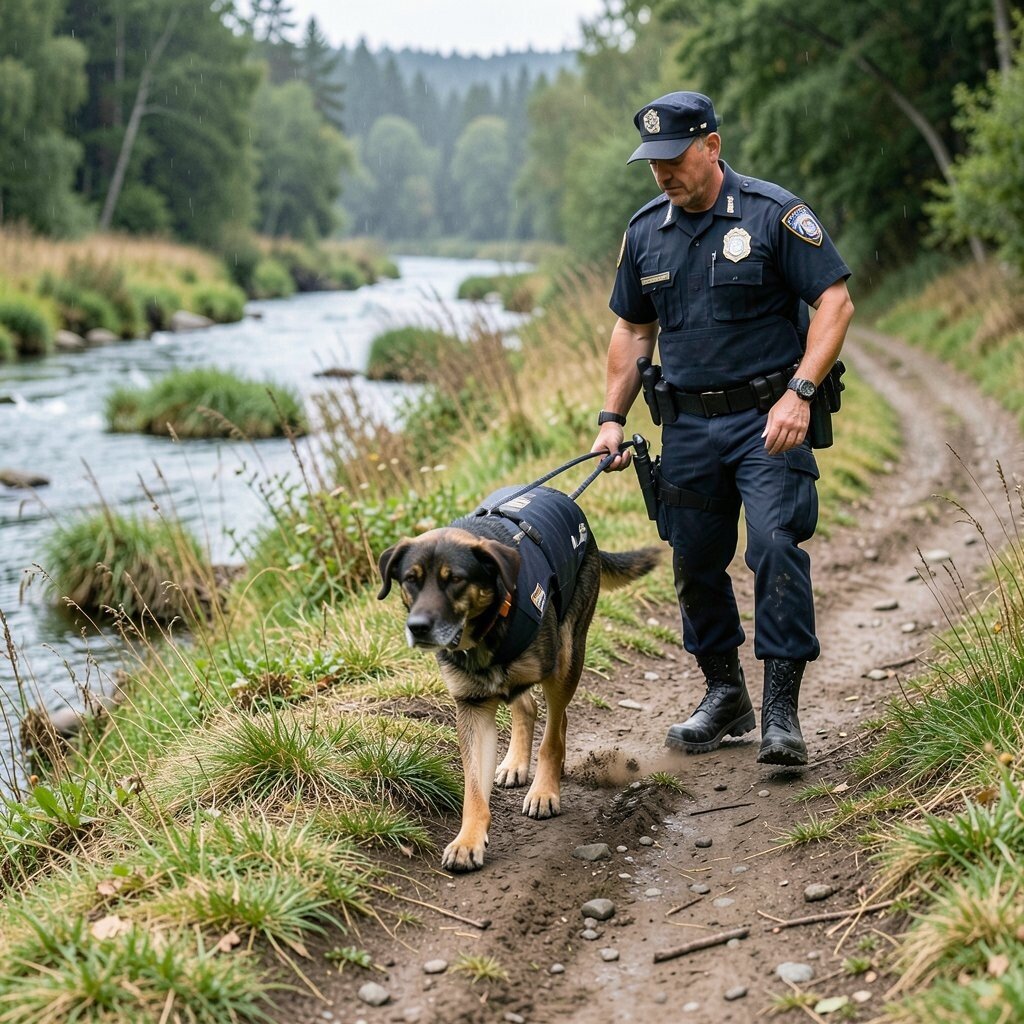
Outdoor tracking is a core police dog skill that helps find a path from a scene. In a simple picture, the dog follows scent trails in fields, along river banks, or through wooded paths while the handler watches for steady direction. The dog can often keep working even when the ground is uneven.
This work can help link a suspect to a place and help teams find key evidence. It can also help in active cases where timing matters, such as recent breaks or fast-moving searches. When used early, tracking can guide officers to the next step with less wasted time.
Handlers often plan for heat, wind, and rain because weather can change scent. A tip for training is to practice in different weather on set days, but never skip safety checks. Costs can include transport to outdoor sites and extra gear for rough ground, like boots for the handler and protective covers for the dog.
8. Crowd and Event Support

Police dogs can help during large events by adding another layer of safety checks. You may see the dog and handler walking near lines, entrances, and open areas while the dog stays calm. The team can watch for certain smells or changes that need follow-up.
This job can help lower risk and give officers more information quickly. It can also help with safety planning, since the dog can check areas that people cannot cover well. For many communities, this support can help events run smoother and calmer.
For good results, handlers train around crowds and learn how to manage noise and fast movement. Personalization matters because some dogs handle noise better than others. If a department plans to use dogs at events, they should set rules for where the dog can go, how long it works, and when it rests.
9. Search for Gun and Weapon Items
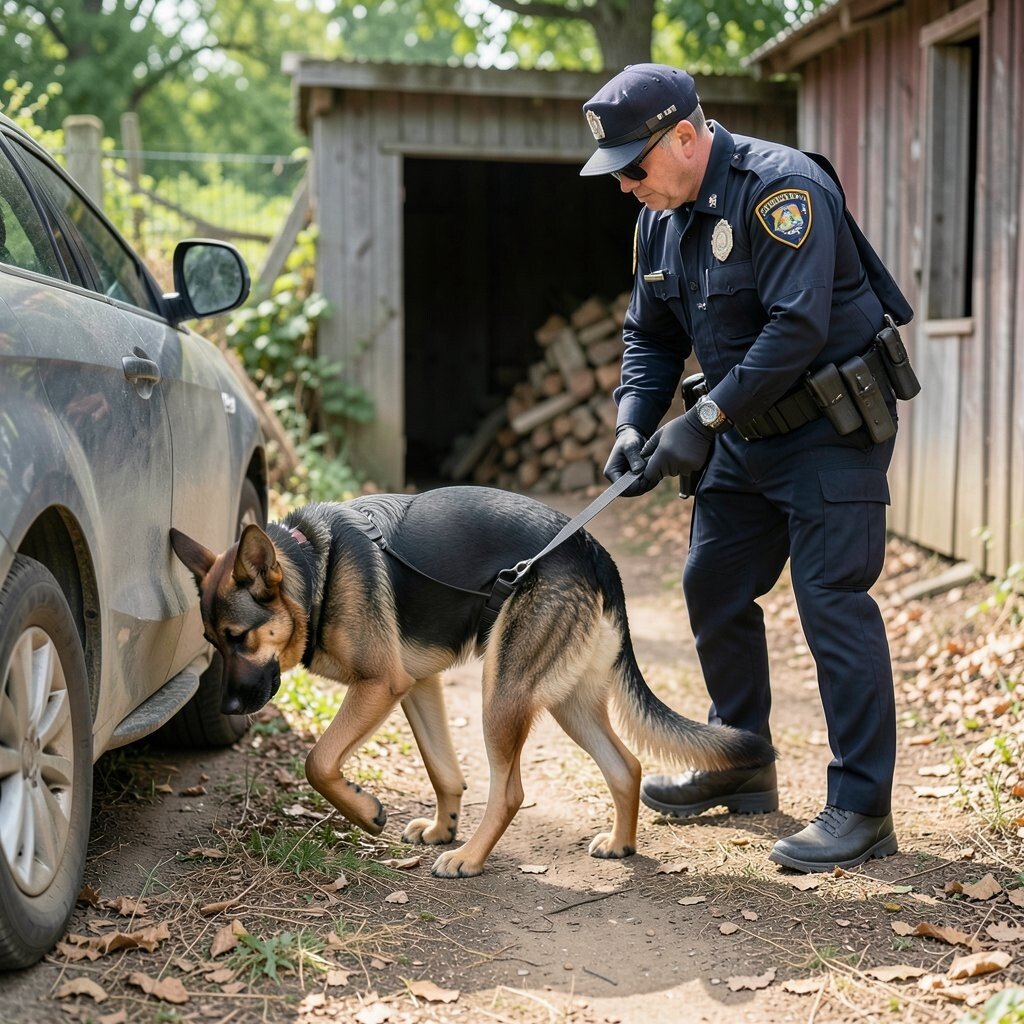
Some police dogs are trained to find firearms or weapon items by scent. You might picture the dog sniffing around a vehicle, a shed, or a pile near a scene while the handler keeps the dog on a clear path. The dog can help narrow down where a weapon may be hidden.
This can help protect officers and bystanders by finding dangerous items early. It can also support safer searches because the team may focus on the most likely spots. In some cases, the dog can reduce the need for risky handling of unknown items.
Training needs careful setup so the dog learns to alert on the right scent and not random smells. Handlers should use clear target cues and practice with different settings to reduce false alerts. In terms of cost, departments may pay for training aids, secure storage, and added time with experts.
10. Water Rescue and Recovery Support

Some police dog teams work with water rescue skills, especially for recovery in rivers or flood zones. You may see the handler and dog near a safe edge while the dog is trained to approach and return to a target area. A strong dog can help locate a person’s scent near water, even when the scene is hard to read.
This kind of help can support faster recovery and can aid families during hard times. It may also reduce how long teams spend searching in risky water spots. The main goal is still safety, with the handler following rescue plans and water rules.
Training for water is not casual and needs close supervision. The dog must be comfortable with gear, sounds, and cold conditions, and the handler must know safe entry steps. Trends show more teams adding water skills to some K-9 programs, but every area has different laws and training standards, so departments should check local needs.
11. Court Test Support and Handler Credibility
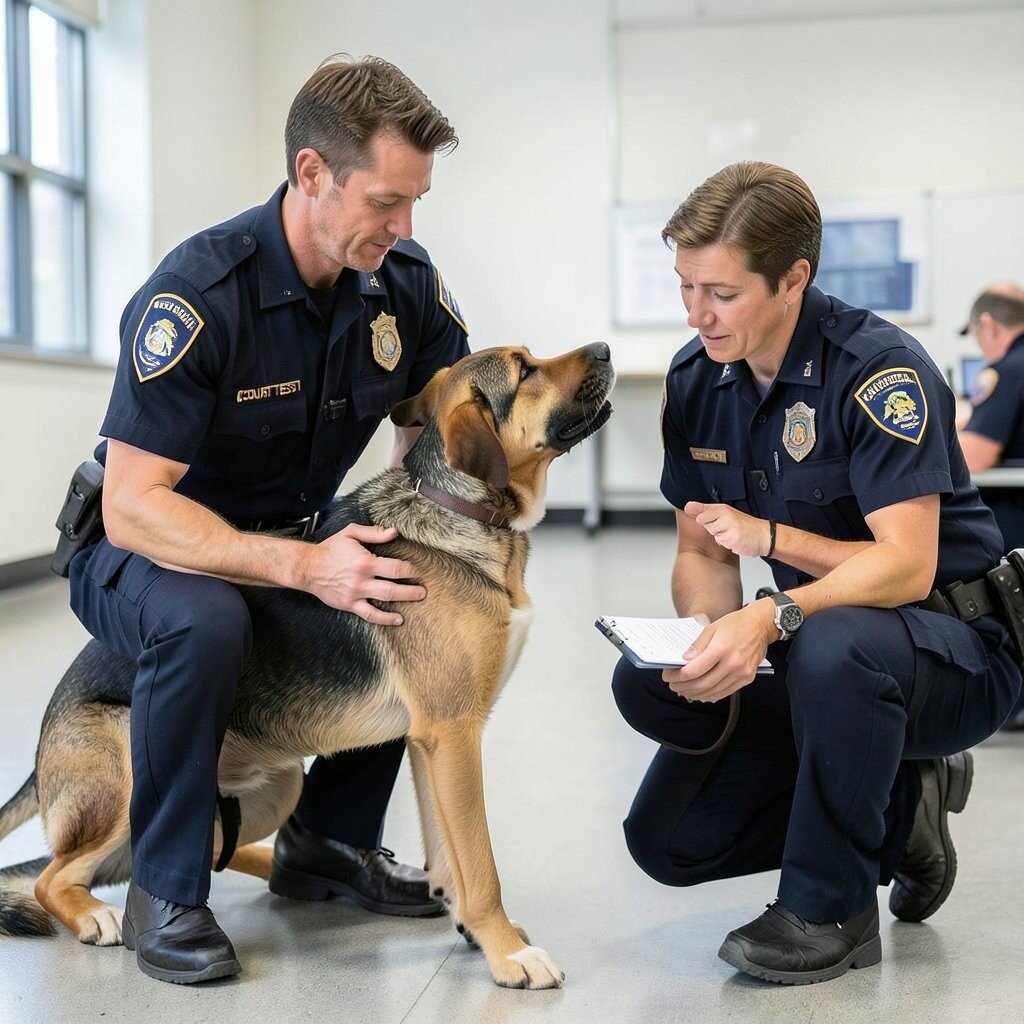
Police dogs also support cases by helping handlers provide clear results in court. You might picture a handler describing the dog’s work steps and the alert moments during the event. Strong records and careful notes can help show what happened.
This job helps the legal process by keeping work documented and clear. When teams follow good procedures, it can improve trust in the work. It also helps protect the public by making sure the evidence process stays careful and fair.
For best results, handlers keep logs and follow the same testing style each time. Personalization helps too, since each dog has its own alert style and comfort level. Costs include time spent on testing, record keeping tools, and ongoing training to keep skills up over the years.