
Cat sitting can feel hard at first, but it gets easier with clear steps. You can help your cat feel safe, eat well, and stay calm while you are away.
1. Meet the Cat Before the First Day
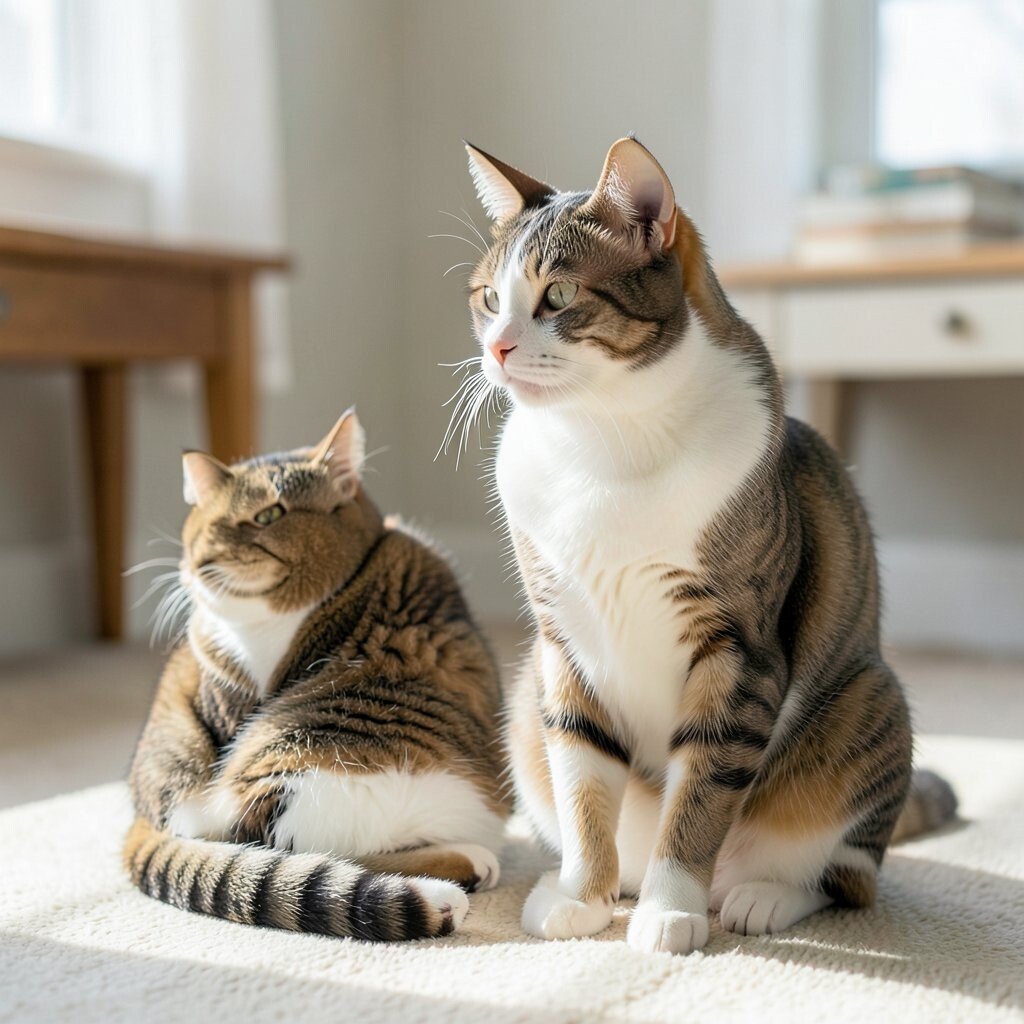
Try to visit and meet your cat before you start. Bring a calm voice and sit quietly so the cat can watch you. If the cat hides, that is fine. Give it time and do not rush closeness.
During this visit, learn where the cat likes to rest. Check which rooms it uses most and which spots it avoids. This helps you plan a good setup for sitting day. It also helps you spot any shy or nervous signs early.
2. Do a Quick Home Walk-Through
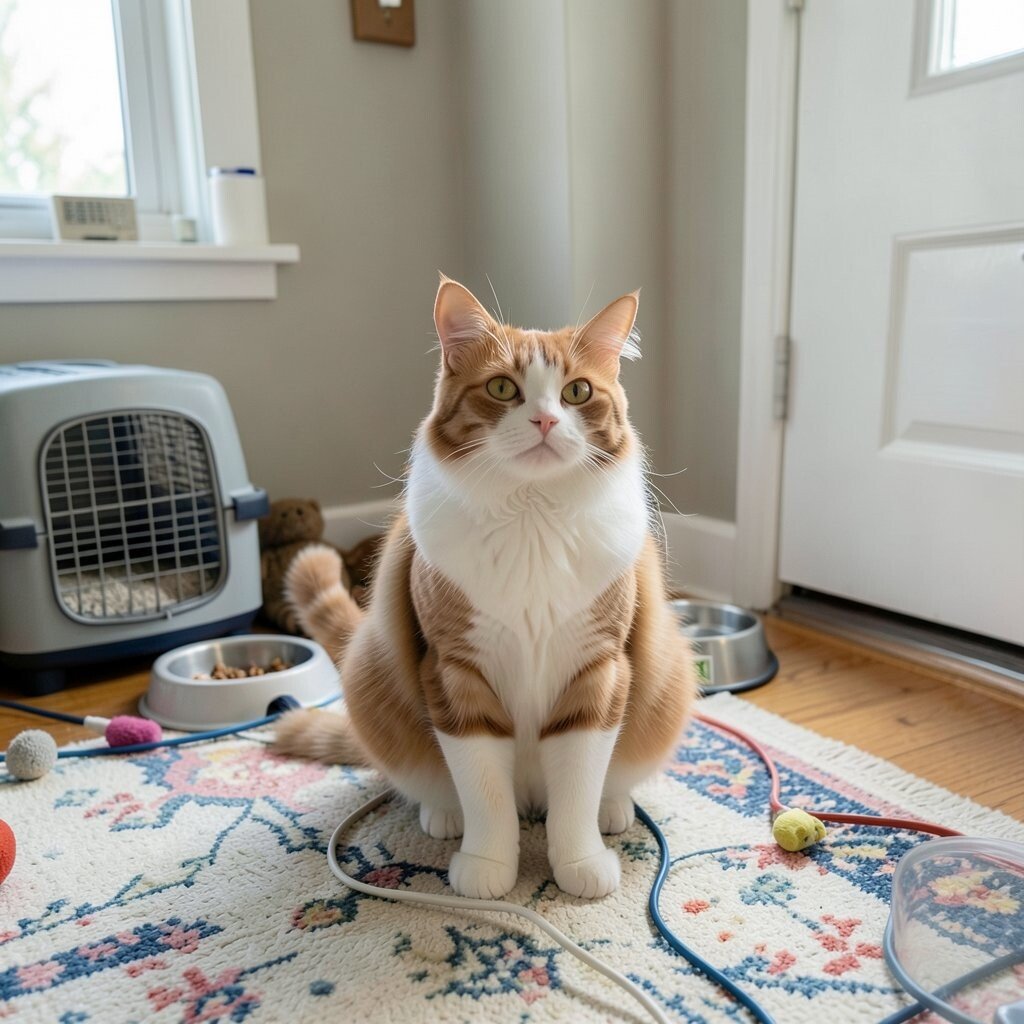
Look around like a helper, not like a guest. Find the litter box, food area, and water bowl right away. Note the best place to keep a carrier, if you need it. Also look for cords, small toys, and open windows.
Make a simple list on your phone. Write down safe spots, hiding spots, and door rules. For example, some cats like the door closed, while others do not care. This small plan can cut down on stress.
It also helps you check any new items since the last time you visited. A new chair, new rug, or new smell can change how a cat acts. When you know what is normal, you can spot what is not.
3. Keep Meals Close to the Usual Routine

Use the same food brand and type that the cat already eats. If the cat eats wet food, keep the same schedule and portion size. Cats can get upset when meals change a lot. Try to follow the same times as usual.
Visual signs help here. If bowls look untouched, the cat may be sick, scared, or unsure. If food is pushed aside, the cat may not like the temp or texture. You can try a small change like offering it at room temp, but keep the same food.
For dry food, check the level each visit. For wet food, check how much is eaten and how fast it dries. If you can, use measured scoops and store food the right way. This helps keep waste low and cost more steady.
4. Use Plenty of Fresh Water and Easy Access
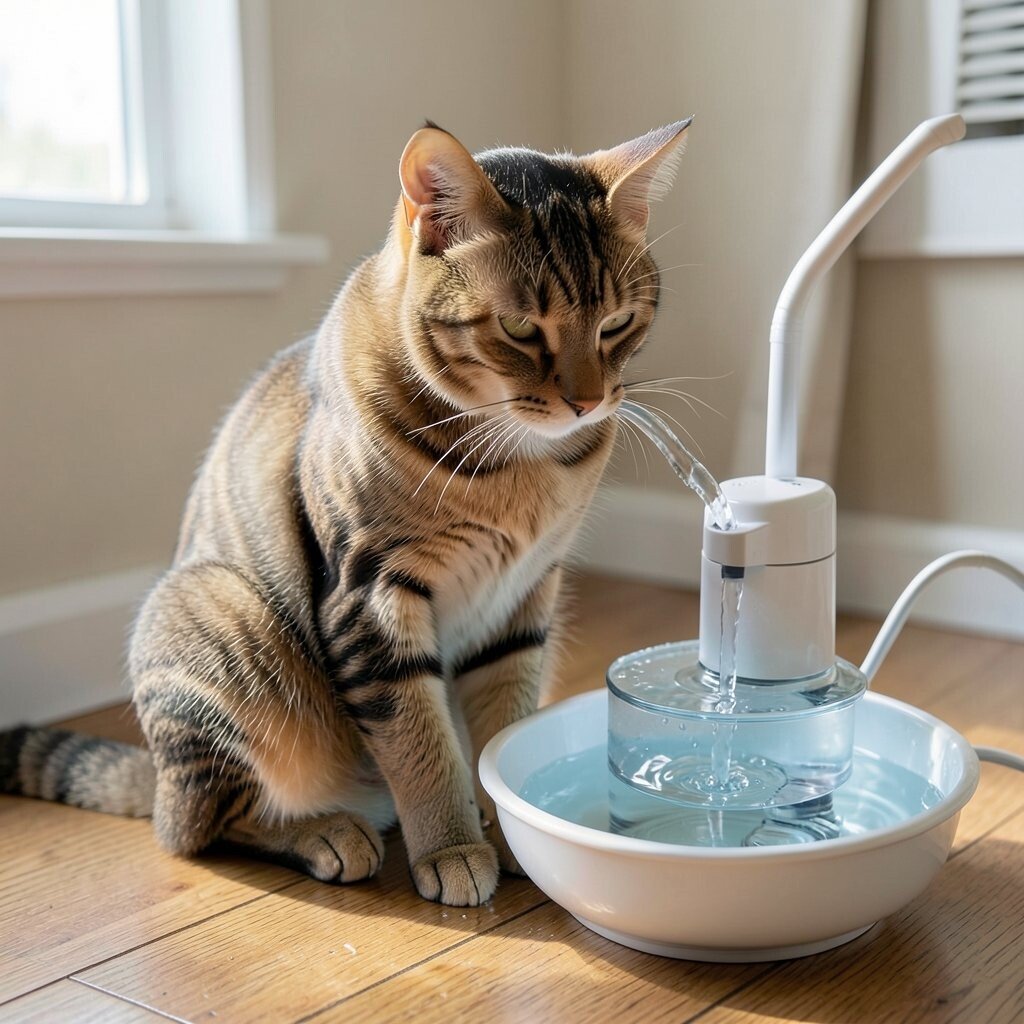
Water should be clean and easy to reach. Wash the bowl with mild soap and rinse well. Replace water if it looks cloudy or smells off. Many cats prefer water in a quiet spot, not near loud machines.
If the cat uses a water fountain, follow that plan. Check the pump and make sure water flows. A fountain can be a nice setup because it moves water and may help some cats drink more. Still, some cats want a simple bowl, so stick to what works.
Also check the room heat. If it is hot, water may need more frequent checks. If it is cool, water may last longer, but still check for fresh smell and clean look.
5. Keep the Litter Box Clean and in the Right Spot
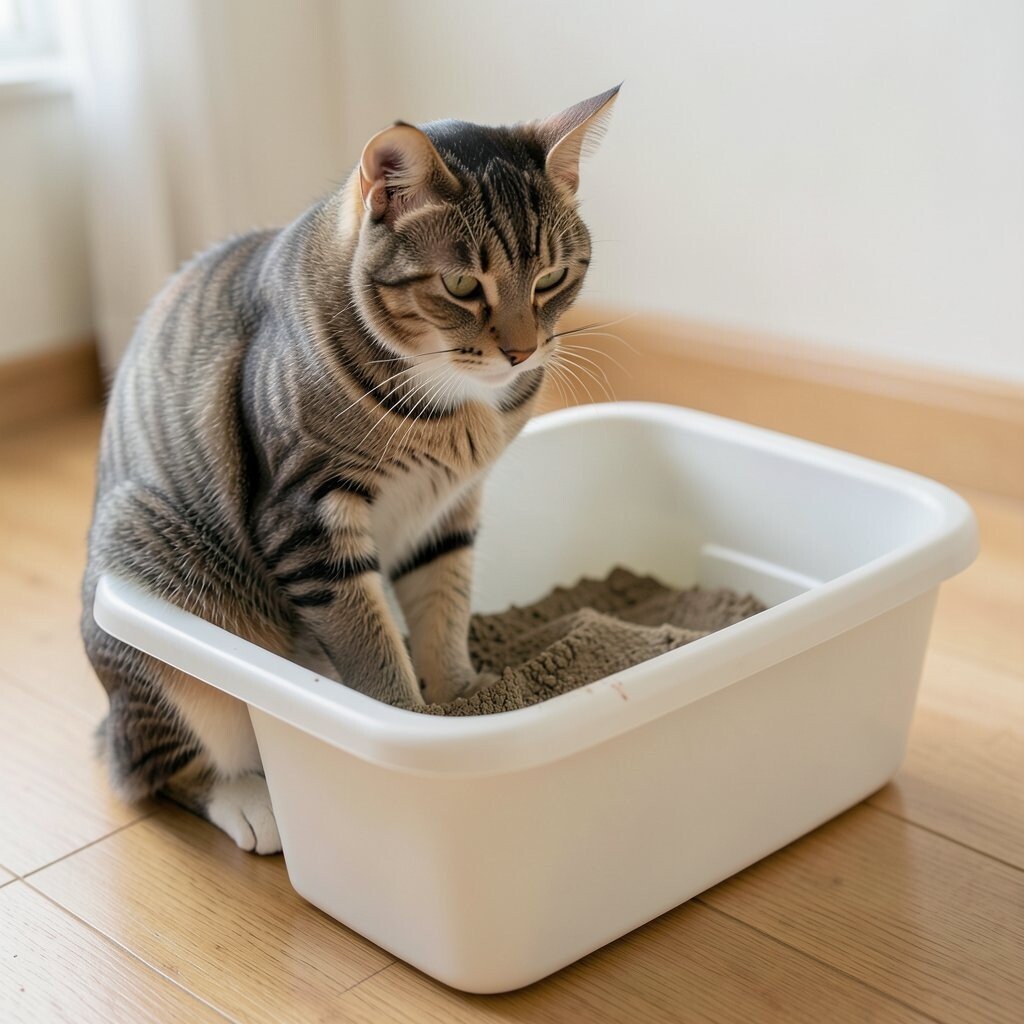
The litter box is a key part of cat comfort. Scoop it at each visit and replace litter only if the owner asks. Never move the box without a clear reason. Cats often return to the same spot, and a change can cause accidents.
Look closely at the box use. If the cat starts going less often, it may feel tense or have pain. If you see blood, strange smells, or strong changes, note it and tell the owner right away. This is one of the best health checks you can do.
Use simple, safe steps for cleaning. Use tools the owner recommends and avoid strong cleaners. Cats can smell many things, and harsh scents can turn them off the box.
6. Give Quiet Playtime With Simple Tools
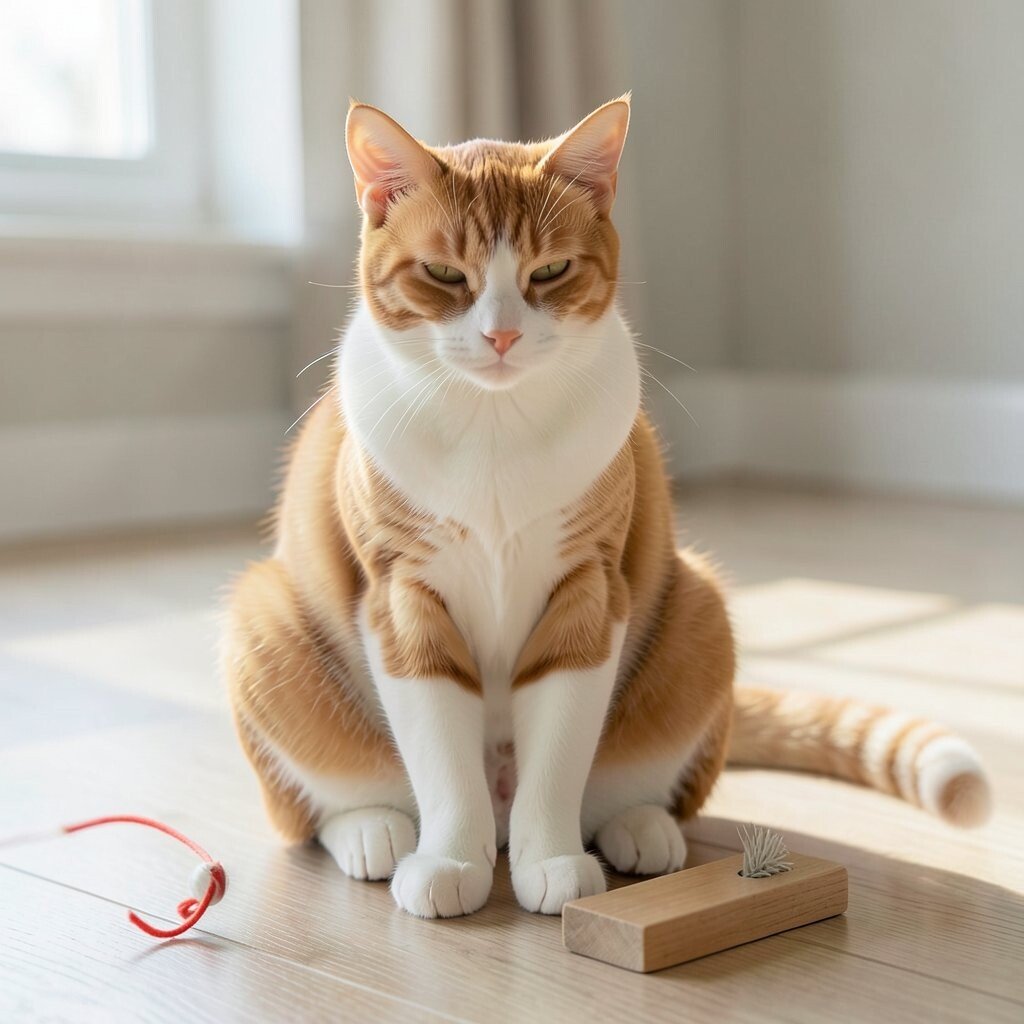
Play helps cats stay calm and use energy in a safe way. Use toys the cat already likes, like a wand toy or a small ball. Start with short play sessions so the cat does not get too worked up. Many cats like a quick burst, then a nap.
Watch how the cat reacts. If the cat swats, pounces, or runs in fast loops, it is engaged. If the cat freezes or backs away, stop and give more space. This is a good chance to see personality too. Some cats like fun, and others prefer slow, gentle play.
You can also add a simple scratch tool if the owner allows it. Place it where the cat already sits or walks. That small move can help the cat scratch in the right area. It also can save furniture.
7. Offer Safe Space for Rest and Hiding
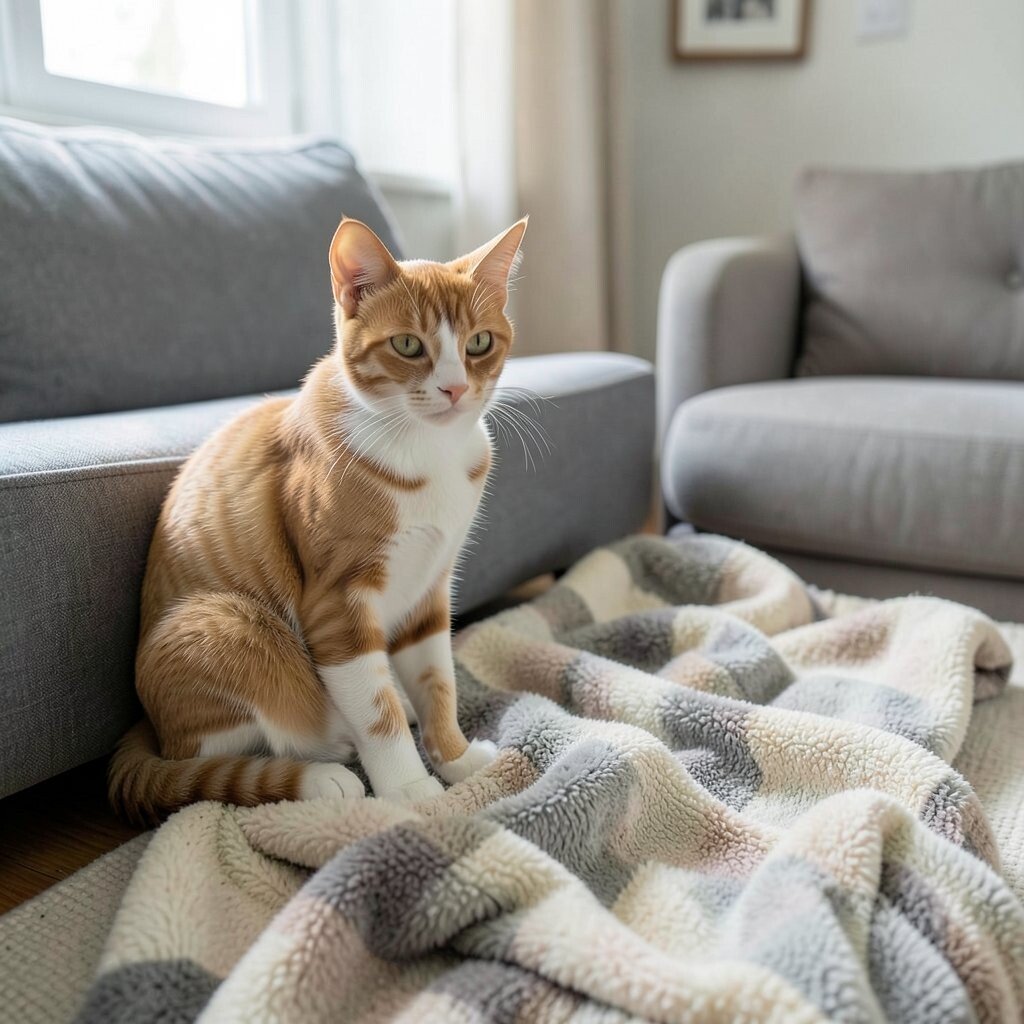
Not every cat wants full attention all day. Set up a safe rest space in a calm room. It can be a bed, a blanket, or a favorite chair spot. Add the cat’s familiar items if you have permission.
Visual cues matter. If you see the cat hiding under a couch, that is a choice. Let it be. Avoid trying to pull the cat out for photos or quick hugs. Instead, sit nearby and talk in a soft tone.
When cats have a safe space, stress drops. That can mean better eating, more normal litter use, and less hiding. It also helps you spot illness because the cat can move and rest comfortably.
8. Use Gentle Touch and Learn the Cat’s Limits
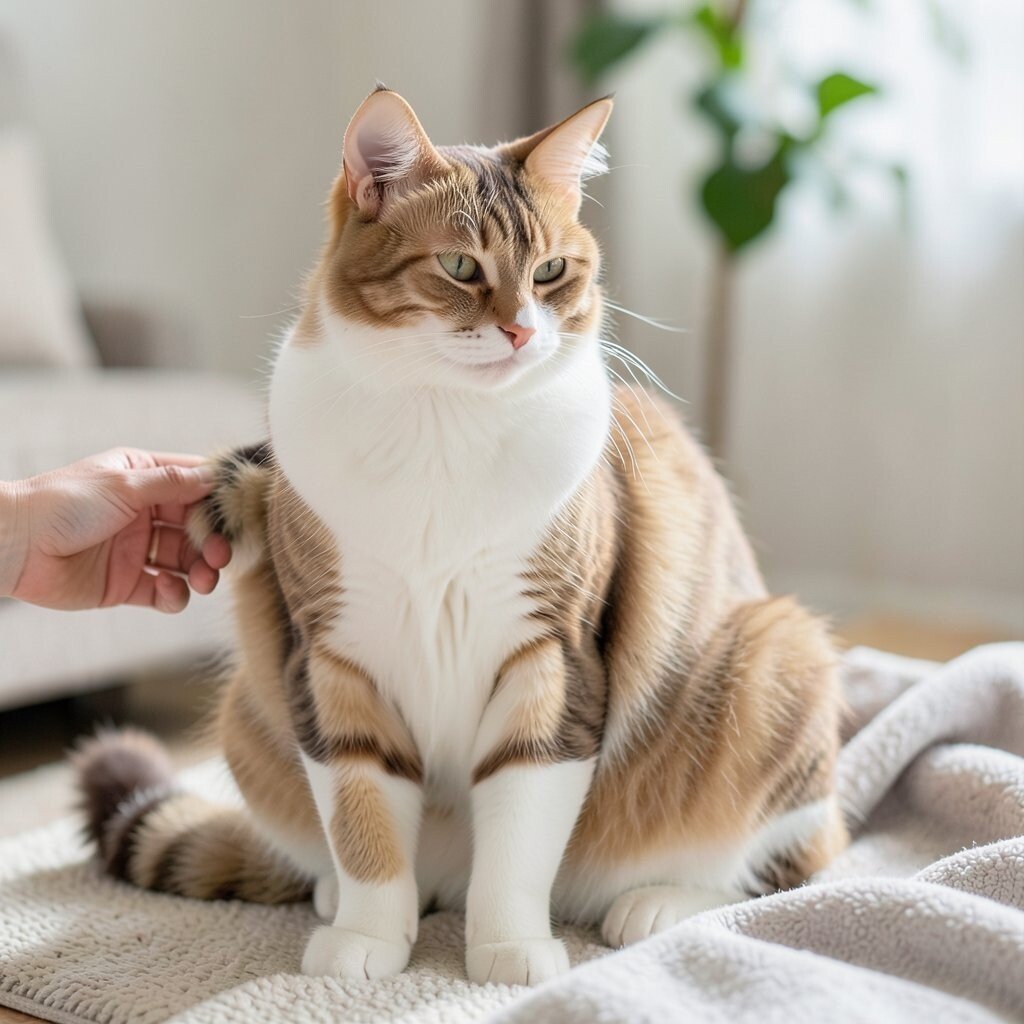
Some cats like petting, while others do not. Start by letting the cat come to you. Offer a slow hand and watch the tail, ears, and body stance. If the tail moves fast, ears angle back, or the cat swats, stop.
Pick the areas that the cat seems to like. Many cats enjoy chin rubs, cheek pets, and gentle strokes on the back. If the cat turns away, give it space right away. This makes the cat feel in control, which is a big comfort.
Also plan for nails and carriers. If the cat needs a carrier for a vet trip, use slow steps. Put a soft blanket inside and let the cat sniff it first. This can reduce fear and help lower stress.
9. Watch Health Signs and Write Simple Notes
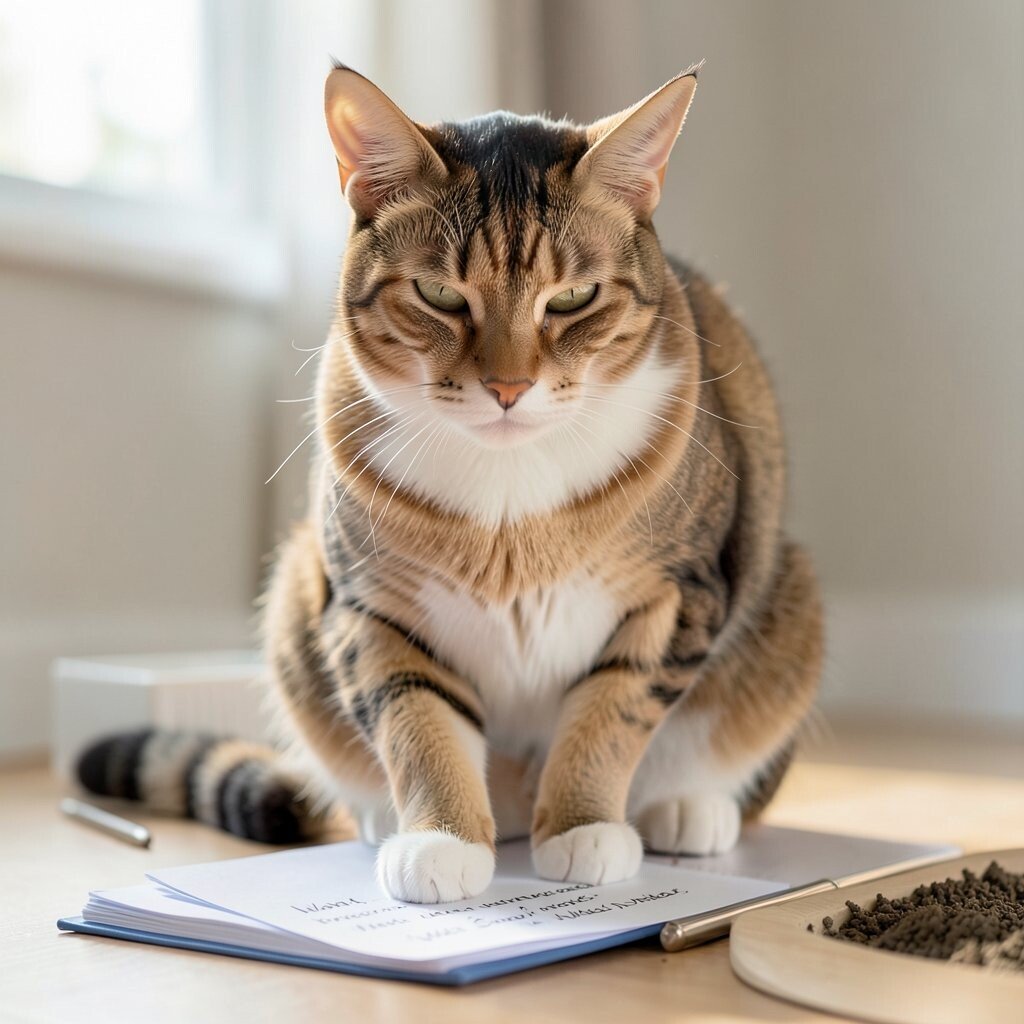
Cat sitting is not only about feeding and cleaning. You should watch the cat’s body and actions each visit. Note appetite, water use, litter box use, and energy level. Keep track of how the cat looks and acts.
If you spot a change, write it down fast. For example, the cat may eat less, hide more, or act slow. It may also vomit, drool, or avoid the litter box. Small notes help the owner make good choices and may save time later.
You can also do quick visual checks. Look at coat shine, eye clarity, and breathing. Do not handle the cat too much, but a calm look is helpful. This kind of care can be a real benefit for the cat and peace of mind for the owner.
10. Adjust for Cat Preferences and Personal Triggers
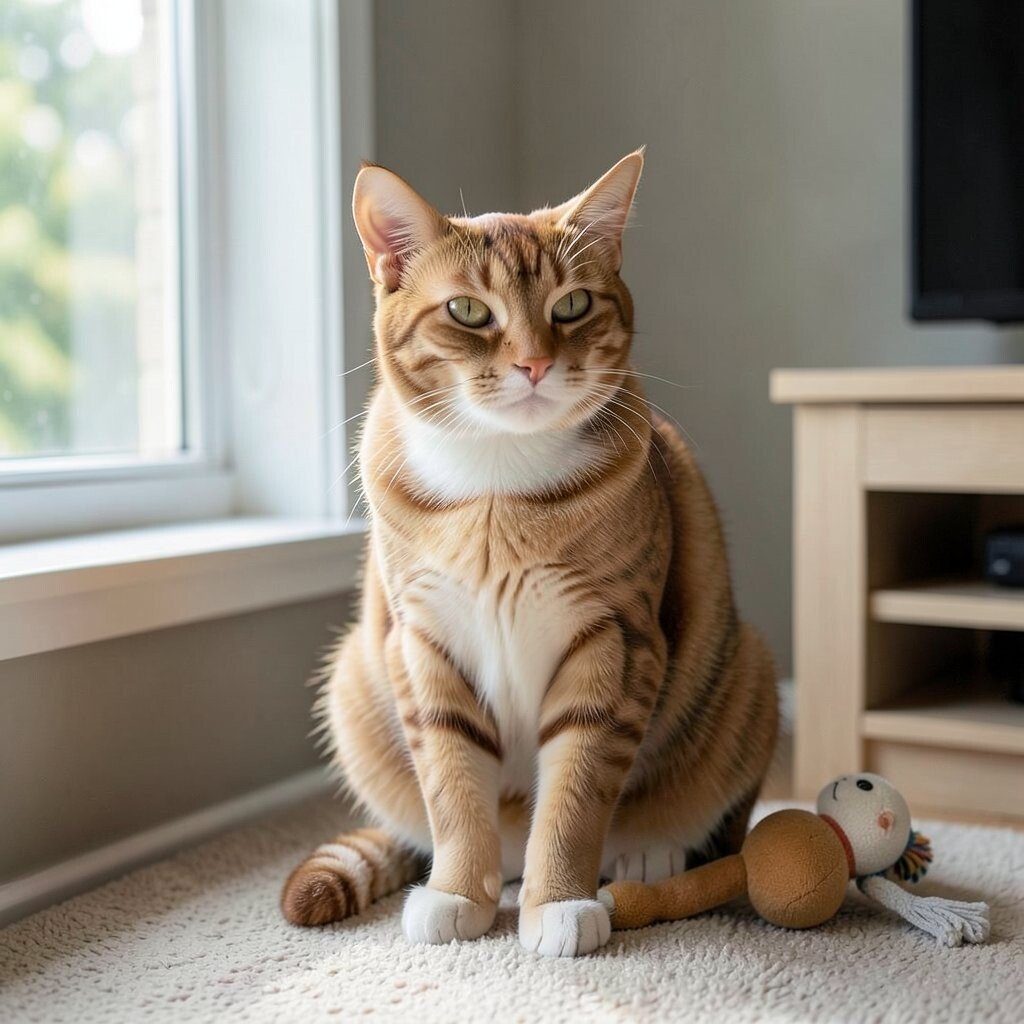
Each cat has its own likes and dislikes. Some cats like treats, and others do not care. Some cats prefer the TV off, and others like it on low. Ask the owner for details and use them as your plan.
Personalize the sit with small choices. If the cat likes a certain toy, use it first. If it likes a certain spot near the window, keep lights and noise low around that area. If the cat gets upset by vacuum sounds, avoid any loud cleaning while you are there.
You can also match the cat’s pace. If it takes a long time to warm up, keep visits calm and let it move at its own speed. This may feel slow, but it often works best.
11. Plan Safety for Windows, Doors, and Other Risks
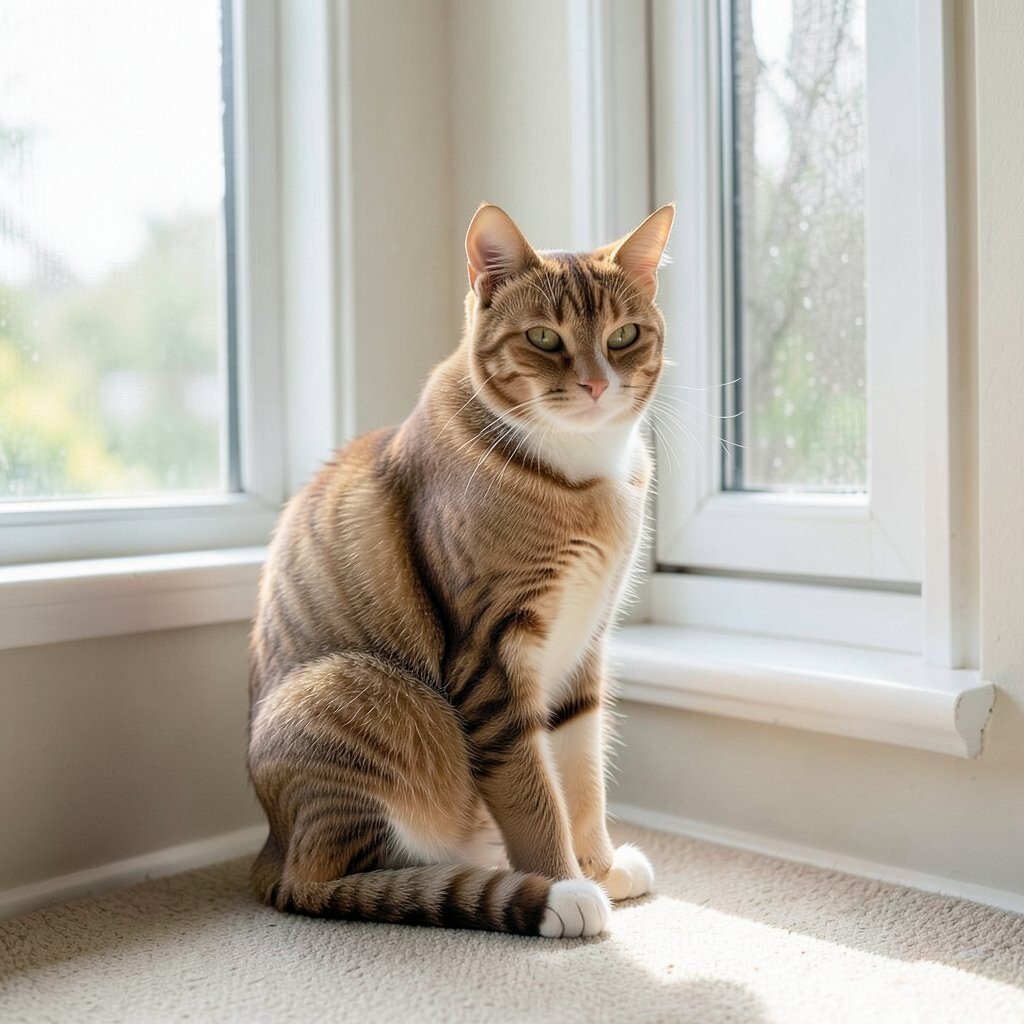
Safety checks are part of the job. Make sure doors are closed and screens are secure. If the cat can reach a window, confirm it cannot fall or escape. Also check for open gaps near balcony doors or back stairs.
Look for small dangers. Keep string, rubber bands, and small parts out of reach. Move toxic plants or chemicals to a safe area if the owner asks you to. Also watch for house pests or bugs, since cats may chase them.
It is also smart to plan for emergencies. Save the owner’s vet contact and local emergency clinic in your phone. If the owner shares a plan for medical steps, follow it. This helps you act fast without guessing.
12. Match Trends Like Smart Cameras, But Use Trust

Many cat owners use new tools like pet cameras or smart feeders. A camera can help you see if the cat is moving, eating, or hiding. It also gives the owner a calm view while they are away. If the owner uses these tools, learn how to use them the right way.
Smart feeders can help with portion control. They can also cut down on food waste. But some cats dislike change, so follow the setup the owner uses. Do not switch products or add new features unless you get clear okay first.
Use tech to support care, not to replace it. Sit with the cat, play when it wants, and keep routines steady. The best fit is where the tool helps you deliver the same calm care the cat is used to.