Laser pointers can help people learn in small and fun ways at home or in class. With care and simple rules, you can use light to make ideas easier to see.
1. Shadow And Light Tracing
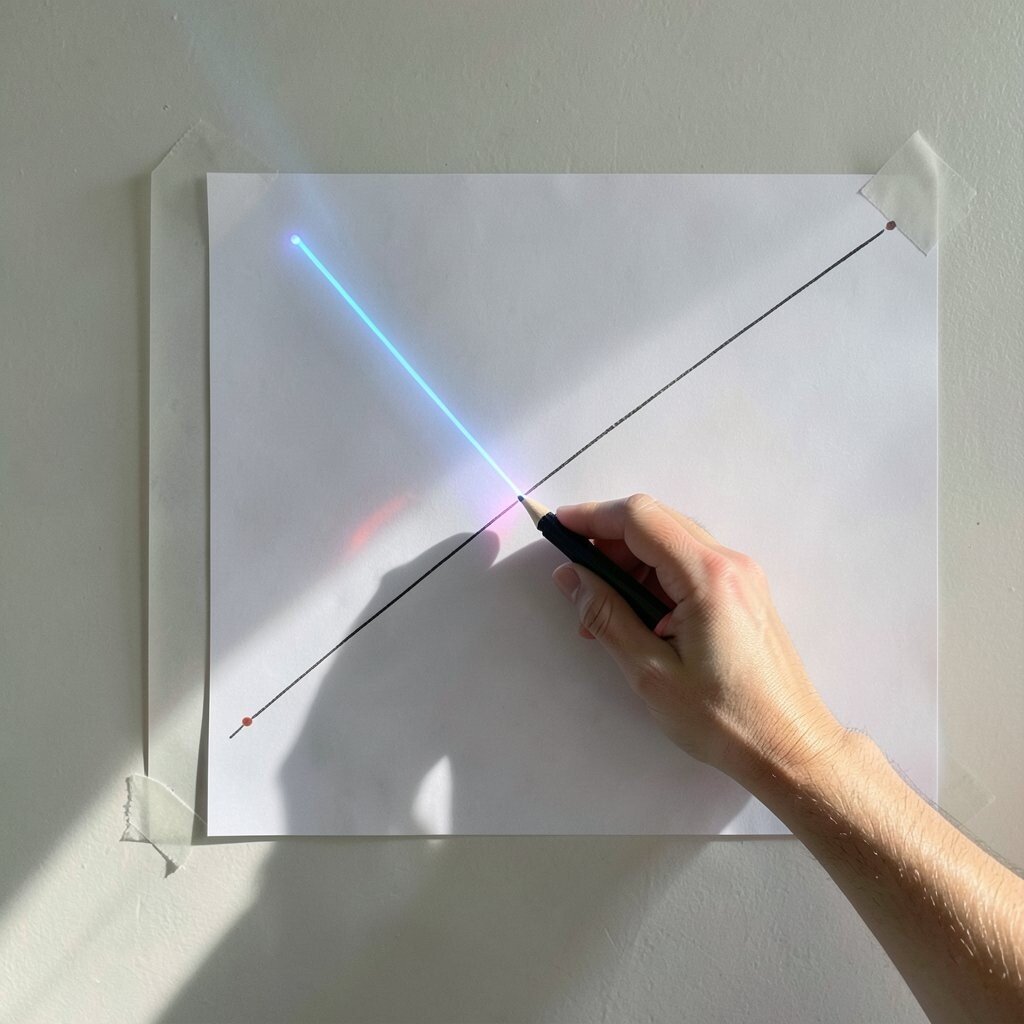
Turn off some lights in a room and shine the laser on a wall or paper. Move your hand slowly so the dot makes clear paths. You can trace the path with a pencil on the paper and compare it to what you saw.
This helps you learn how light moves and how angles work. You can also see changes in brightness when you move farther away. A simple tip is to use a sheet of white paper taped to the wall for easy tracing.
2. Shape Practice With A Dot Grid
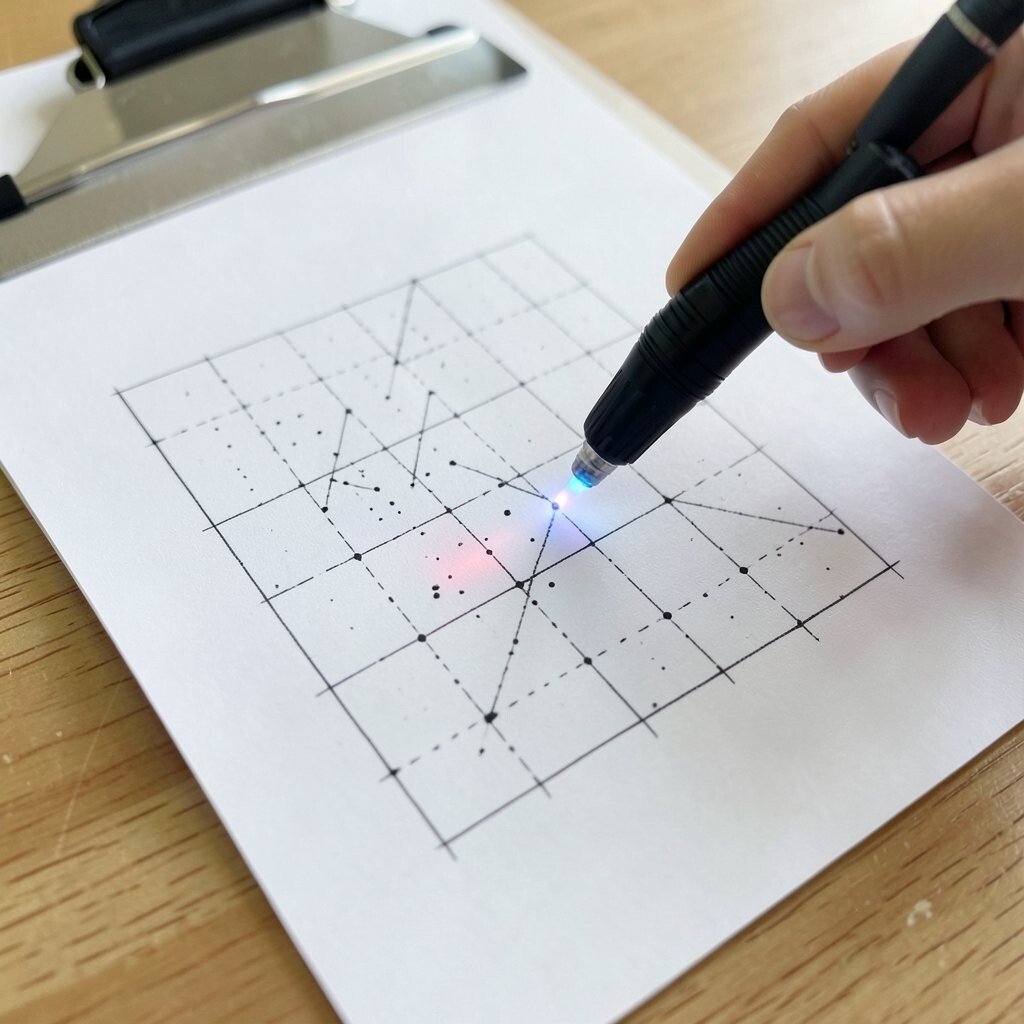
Draw a light grid on paper, like a few lines across and a few down. Aim the laser dot at different grid points and try to “draw” shapes by hopping point to point. Start with squares and circles, then try triangles.
This is good for eye-hand focus and basic math ideas. It also teaches steady control because the dot shows every small mistake. To personalize it, draw the grid with your own size, like a smaller grid for tiny targets.
Cost can stay very low if you use printer paper and a basic laser. A trend is using simple maker tools for grids, like cheap clipboards and paper stands.
3. Letters And Spelling On A Wall
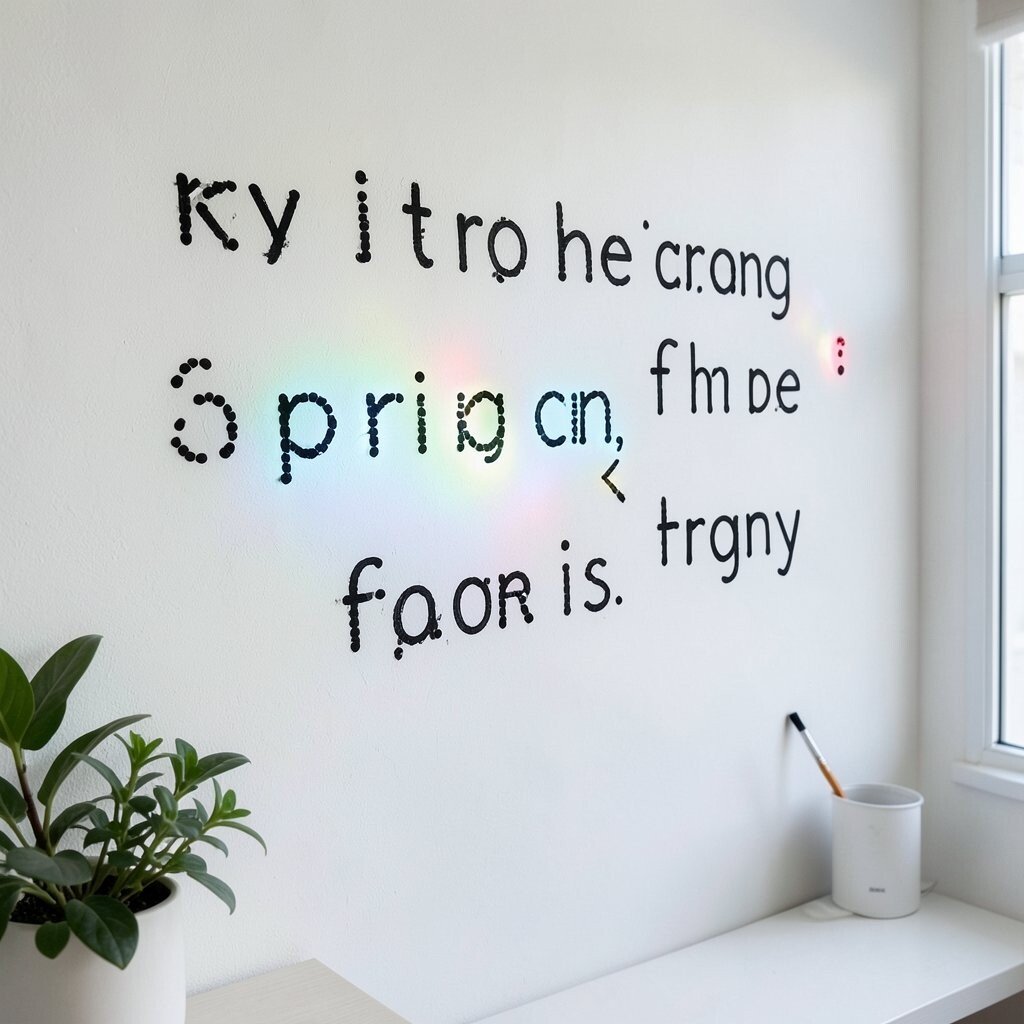
Write letters in your mind and then “write” them with the laser dot on a wall. Pick one letter and try to form it again and again until it looks right. You can also label objects in the room by spelling their names.
This helps reading, spelling, and fine motor practice. It is also a good way to check how well someone knows letter shapes. For tips, use a quiet room and keep the dot steady for each stroke.
4. Color Mixing With Clear Tape Or Plastic
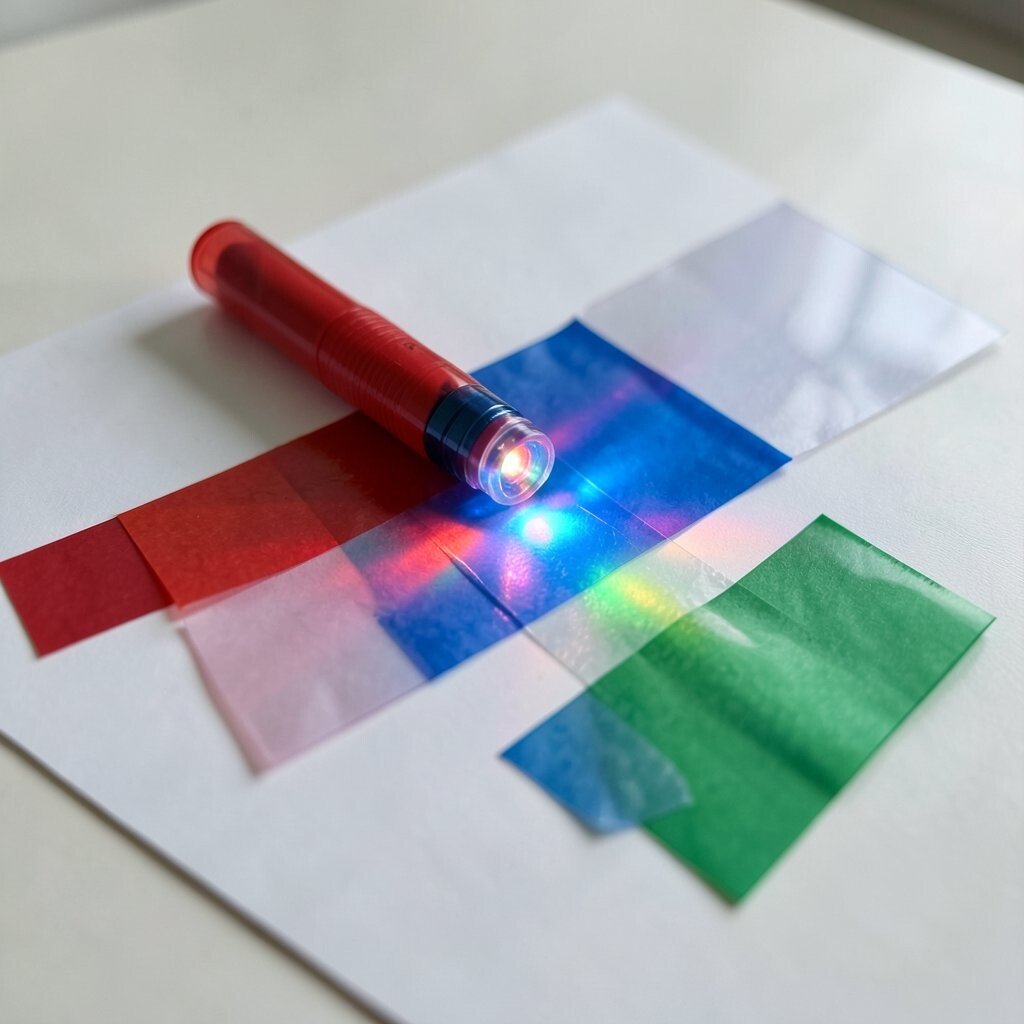
Place small pieces of colored transparent tape over paper or use thin plastic sheets in front of the laser. Shine the laser through one color then through another, and watch how the dot changes. You can test red, blue, and green tapes if you have them.
This helps you learn about light and how colors can change. It also makes lessons feel more hands-on and real. To keep it safe and clear, use low power and aim at a flat surface with nothing reflective behind it.
5. Mirror Maze For Simple Thinking
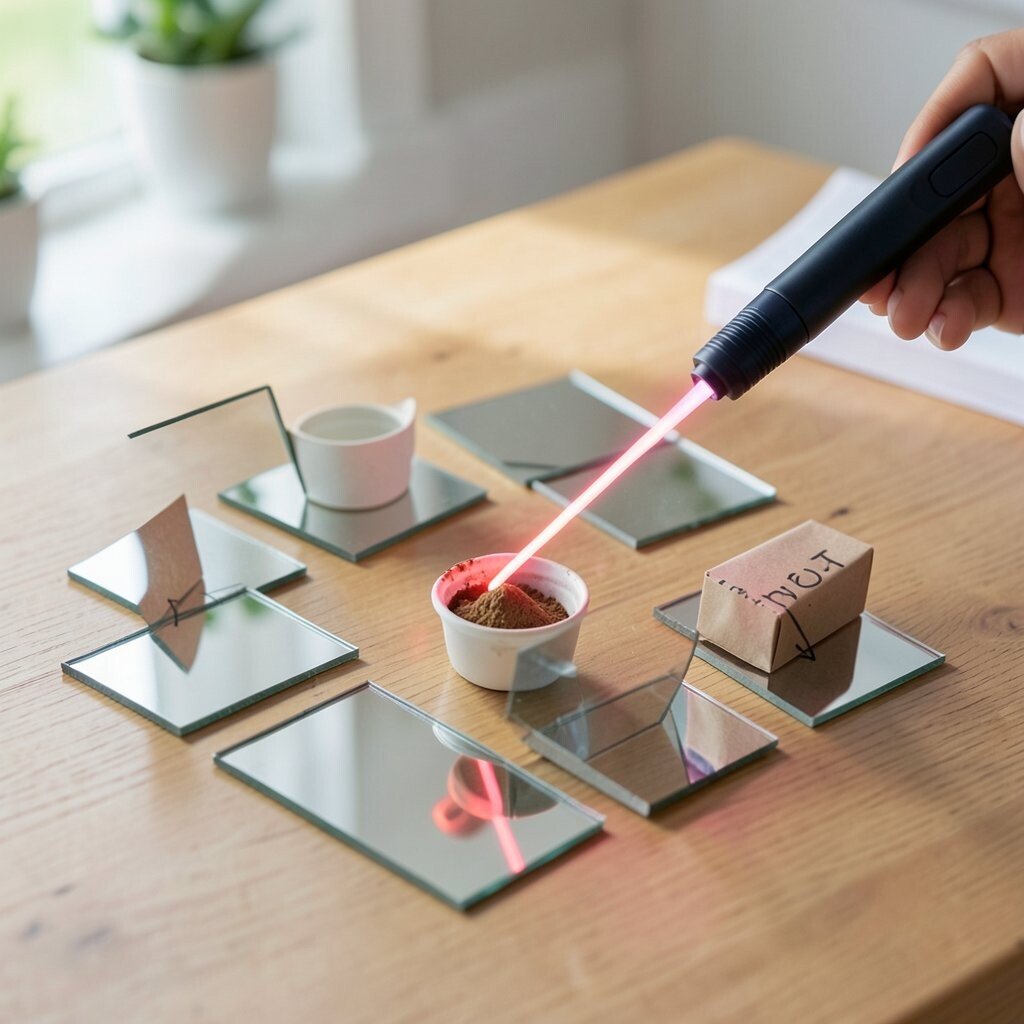
Use small mirrors, like craft mirrors, and place them on a table to make a path. Aim the laser at the first mirror and try to get the dot to land on a target cup or box. Move mirrors one at a time and test the result.
This is great for logic and problem solving. It helps you understand reflection, which is the way light bounces. A useful tip is to mark the mirror angles with a marker so you can repeat what worked.
For cost, you can start with a few basic mirrors and a paper target. For personalization, make different levels with targets in different spots.
6. Star Map With Night Sky Planning
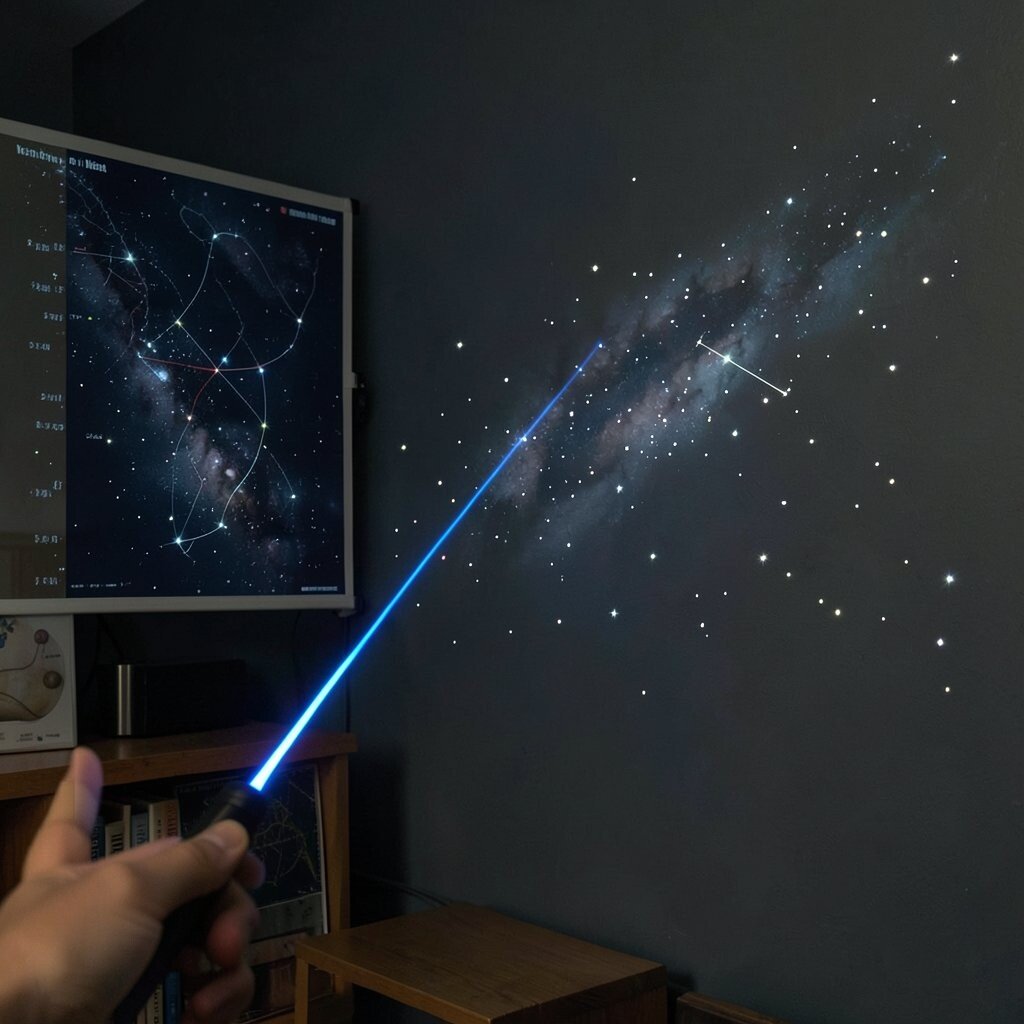
In a dim room, aim the laser at a wall and place small dots where “stars” should be. Use a simple star chart to copy the pattern, then move the laser dot to match positions. If you have a projector, you can compare the patterns too.
This helps with space learning and basic mapping skills. It can also help with patience because the patterns take time. A tip is to use a darker wall and reduce room light so the dot is easy to see.
Some people follow trends by using free sky apps on phones, then copying the view onto paper. You can keep it simple by only picking a few bright points.
7. Distance And Beam Spread Check
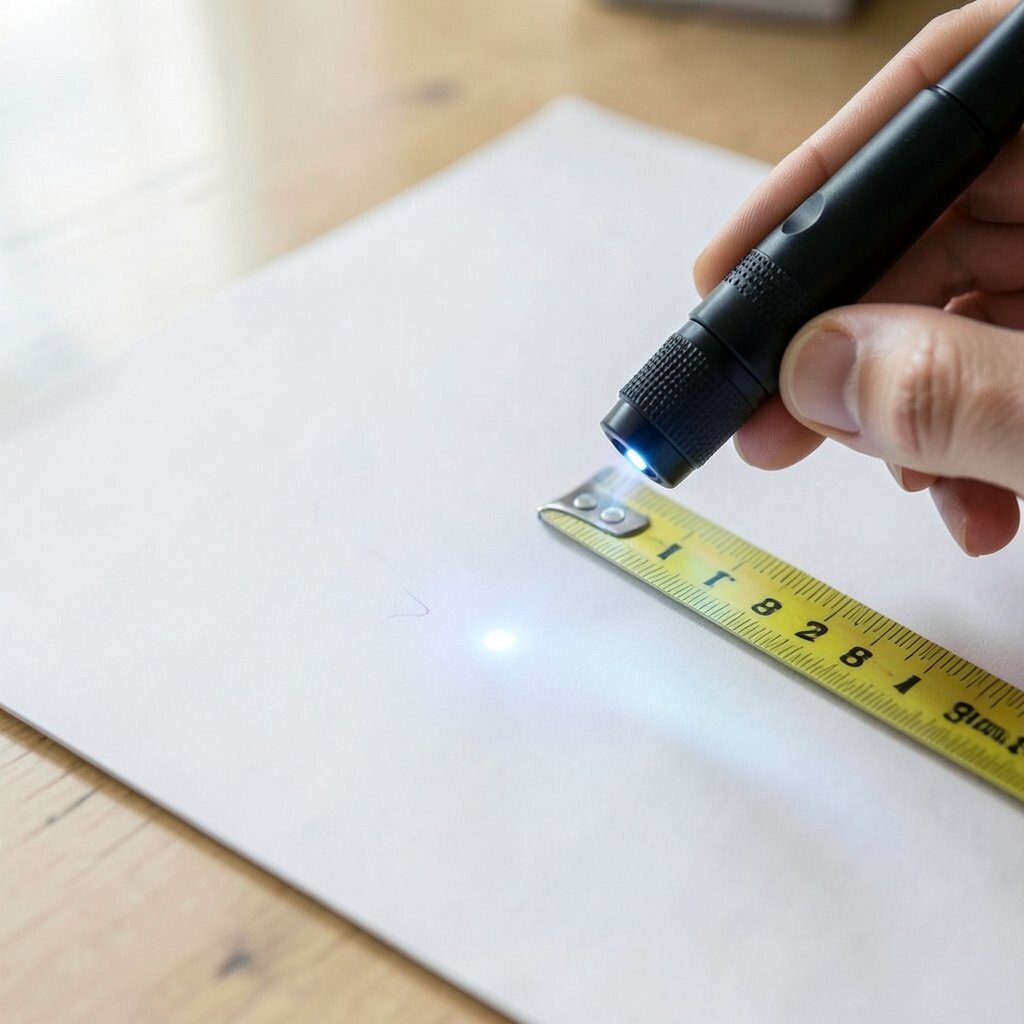
Set up a ruler or measuring tape and shine the laser on a sheet at different distances. Look at how small or large the dot looks at each distance. Write down what you see for each spot.
This helps you learn about focus and how light changes with distance. It also teaches basic science habits like careful notes. To personalize, use your own room space, like a hallway, a desk area, or a backyard.
8. DIY “Touchless” Reaction Game
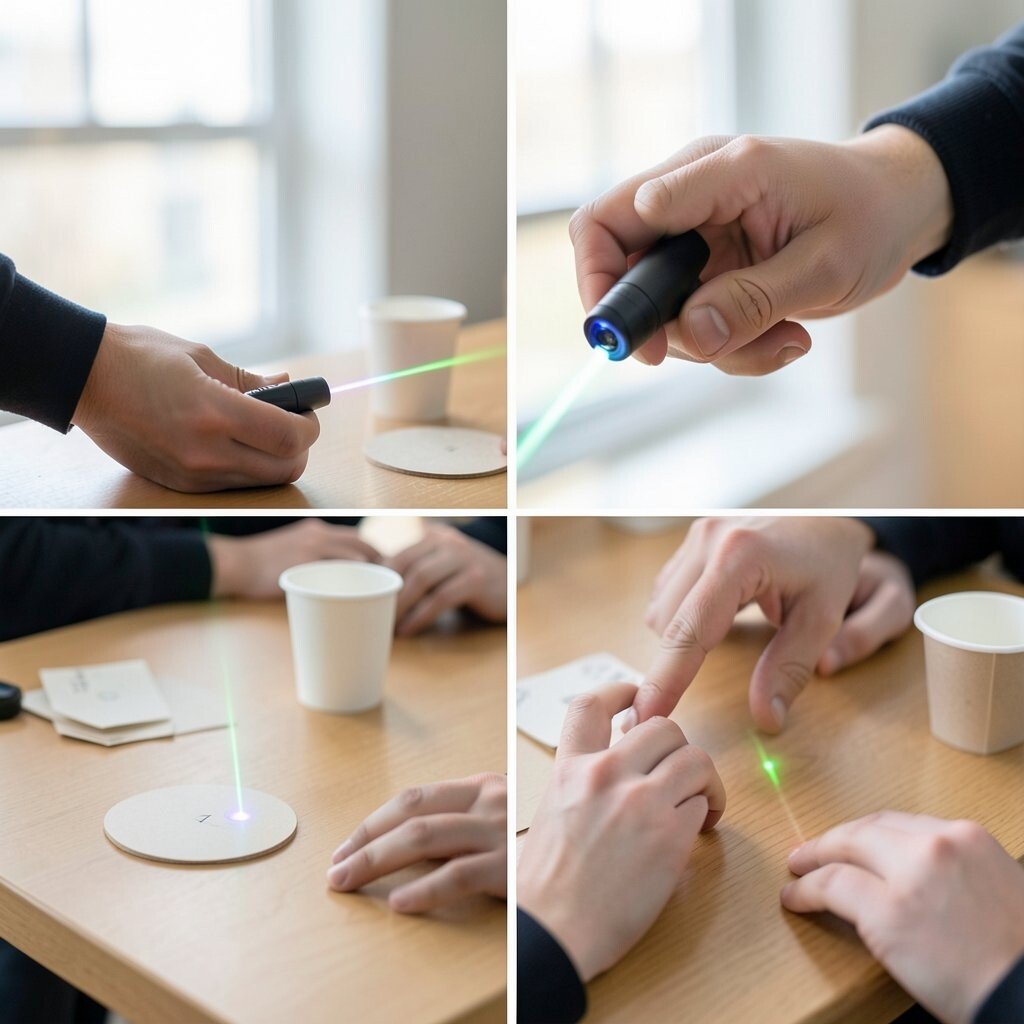
Place a few objects on a table and try to hit them with the laser dot by moving it fast and steady. Set a simple rule like “tap the cup top” by aiming the dot on it. Then try to do it in a short set of turns.
This builds hand control and quick thinking. It can also be a fun group activity with friendly scoring. A safety tip is to keep the laser at a distance from faces and never point it at eyes.
For cost, you can use simple items like cups and small paper targets. A trend is using light games for quick learning breaks after school or work.
9. Geometry Lesson With Lines And Angles
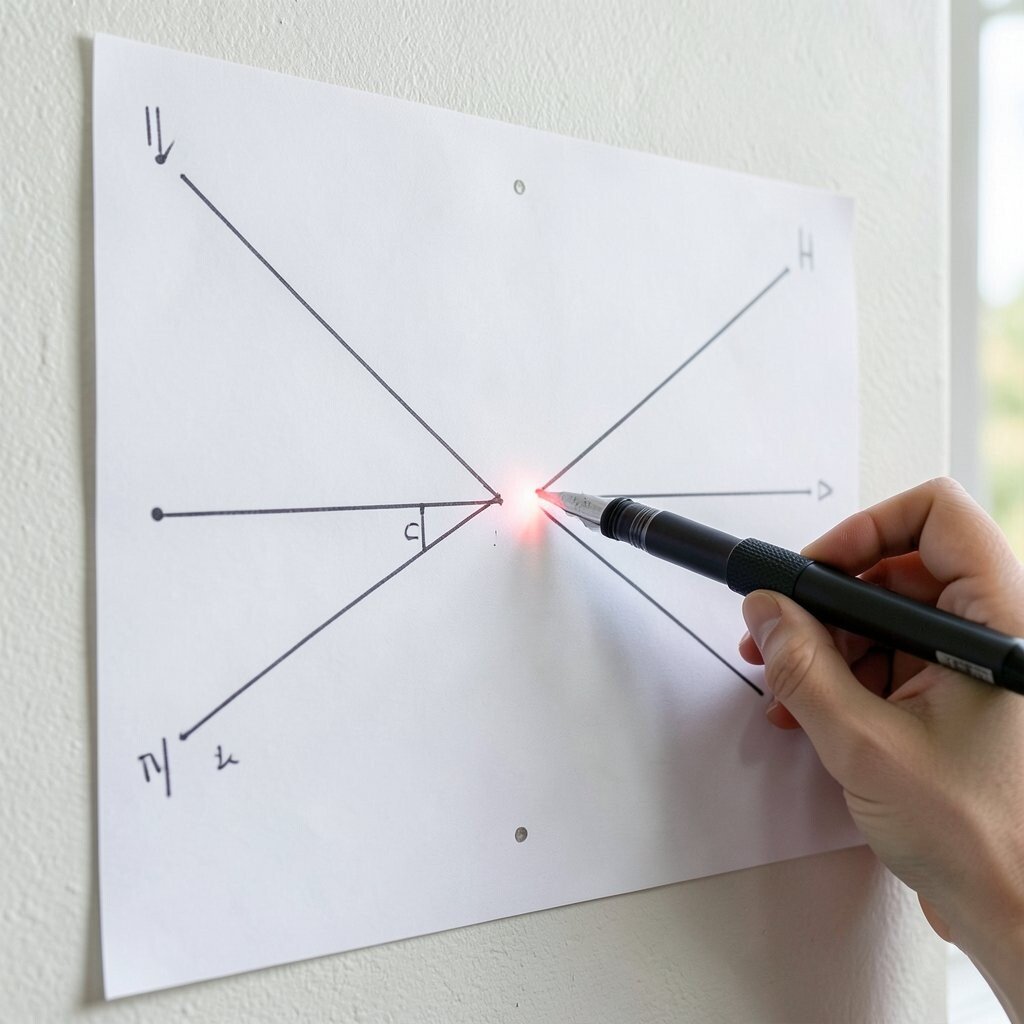
Use a wall with a big sheet of paper and draw two dots where lines should start. Aim the laser dot between them and then shift to make new lines. Try common angles, like straight lines and right angles.
This supports learning shapes, angles, and measurement ideas. You can also use the laser as a guide while you draw and label. For tips, use a big target area so it is easy to see and easier to correct.
10. Contour Drawing With A “Light Pointer” Guide
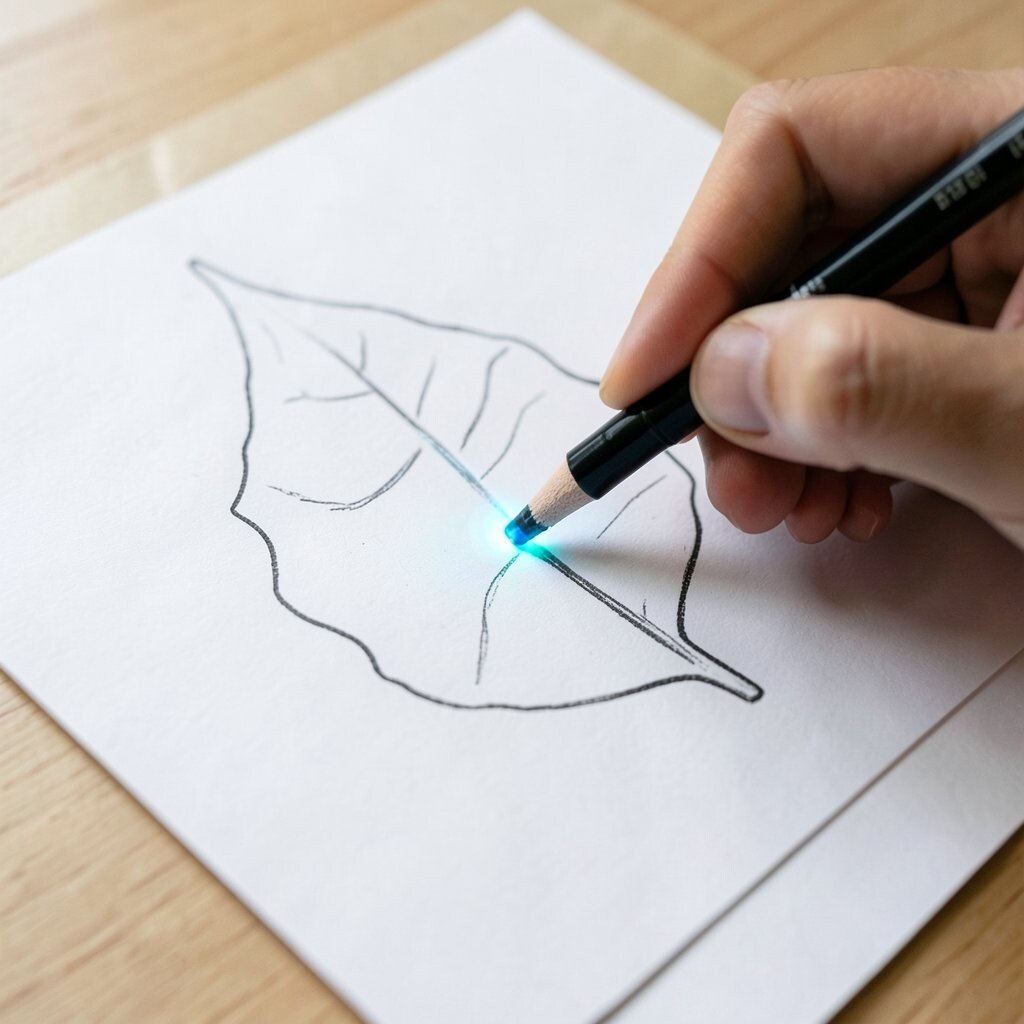
Pick a simple picture or shape, like a leaf or a cup. Shine the laser dot along the outline on the paper and guide your pencil to match those lines. Keep the dot moving smoothly as you draw.
This helps with observation and drawing skills. It can also help you learn how edges look and where lines start and stop. To personalize, pick images that match your interests, like sports shapes, animals, or your own doodles.
Cost stays low because you need paper and a pencil. A helpful tip is to tape the image so it does not slip while you draw.
11. Letter Tracing For Early Learning
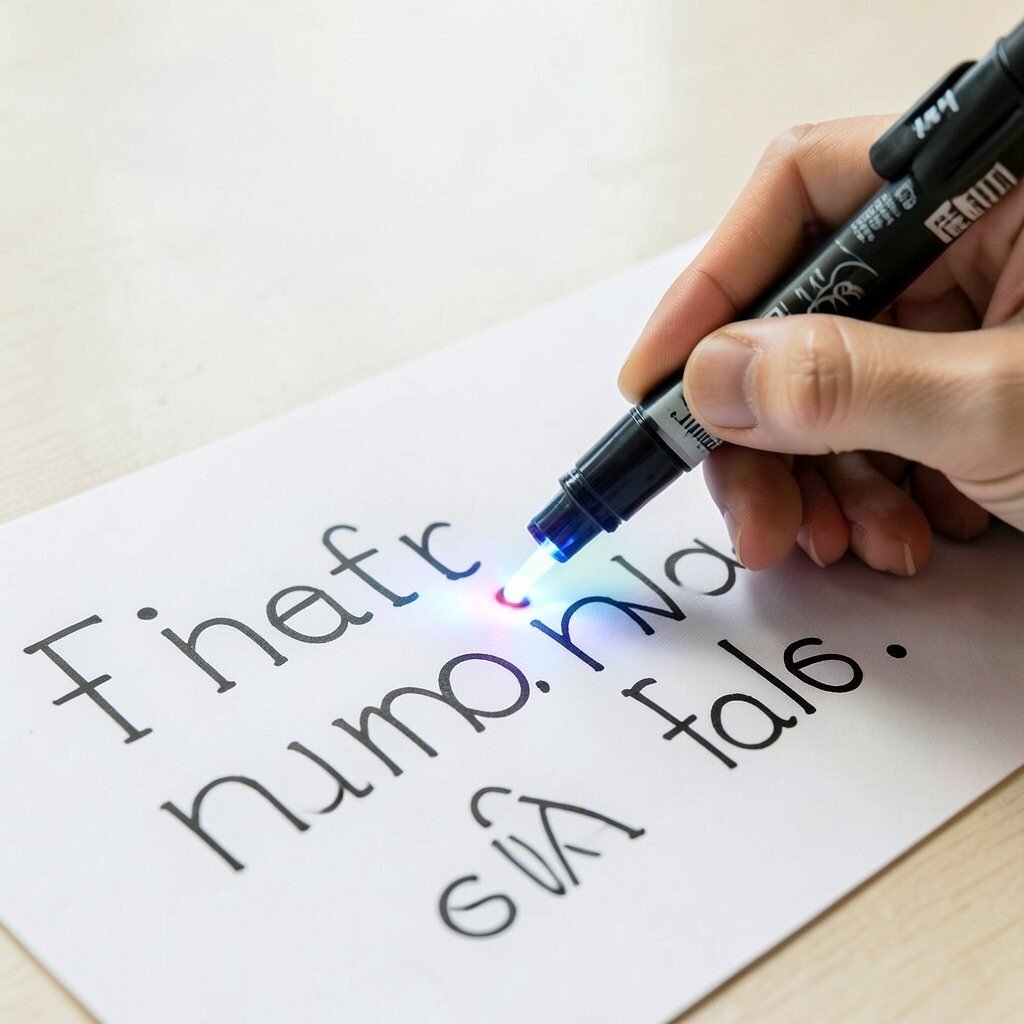
Make thick lines for letters using marker on paper. Shine the laser dot and guide the learner to follow each line. Go slowly and let the learner say the letter name out loud.
This helps with early reading and hand movement. It also makes practice easier because the dot shows exactly where to go. For tips, use a dark pen outline and a bright wall so the dot stands out.
You can personalize the letters by using the learner’s name or favorite words. This often leads to more practice because it feels personal.
12. Plant Growth Time Notes With Light Hours
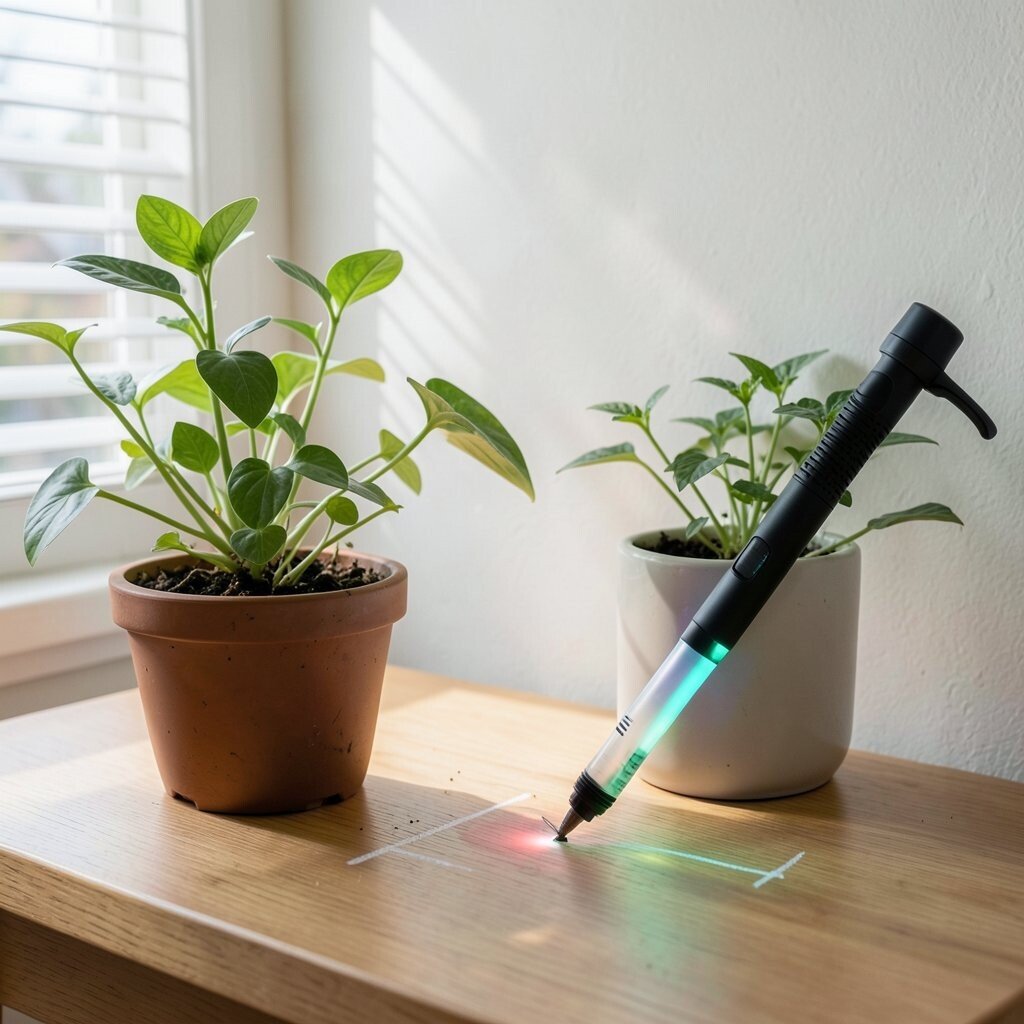
Use the laser dot to check how far sunlight moves across a plant setup. Each day, aim at a mark on the table and note where the dot lands at a set time. If you have blinds, you can test how opening them changes the light spot.
This supports science thinking about light and daily patterns. It also helps you connect what you see now to what the plant does later. A tip is to use the same wall or surface each time for fair comparisons.
Cost is low because you use simple marks and a basic laser. This also fits current home learning trends like easy nature logs and small home experiments.
13. “Spot The Pattern” For Math Skills
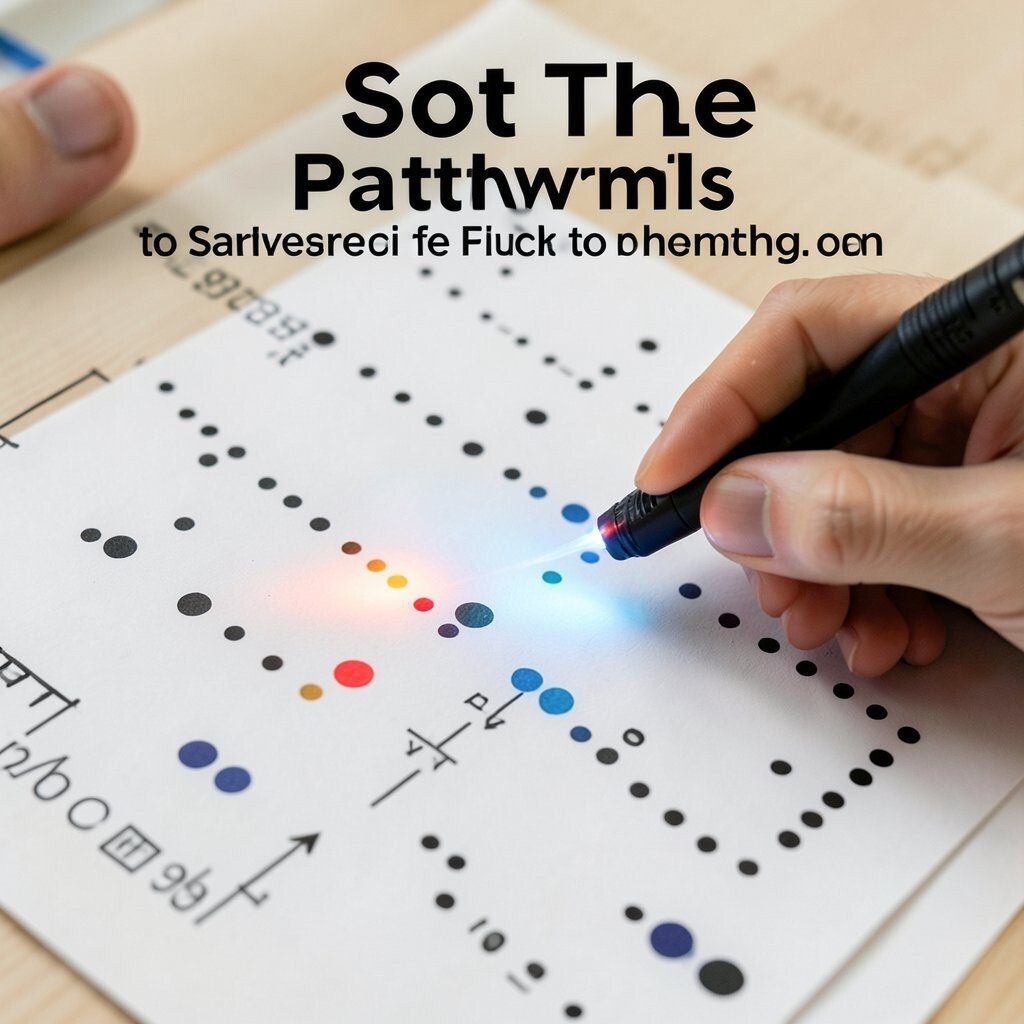
Make a pattern on paper, like dot points in a line, then aim the laser to match the pattern. After that, change one part and ask someone to spot what changed. You can also make patterns with steps, like every other spot.
This helps with math thinking and pattern recognition. It also supports memory because you must keep track of what came next. For tips, start with simple patterns and then make them harder as skills grow.
To personalize, use patterns based on things you like, like team colors or favorite shapes. It can make the practice feel more fun.
14. Safe Safety Training With Clear Rules
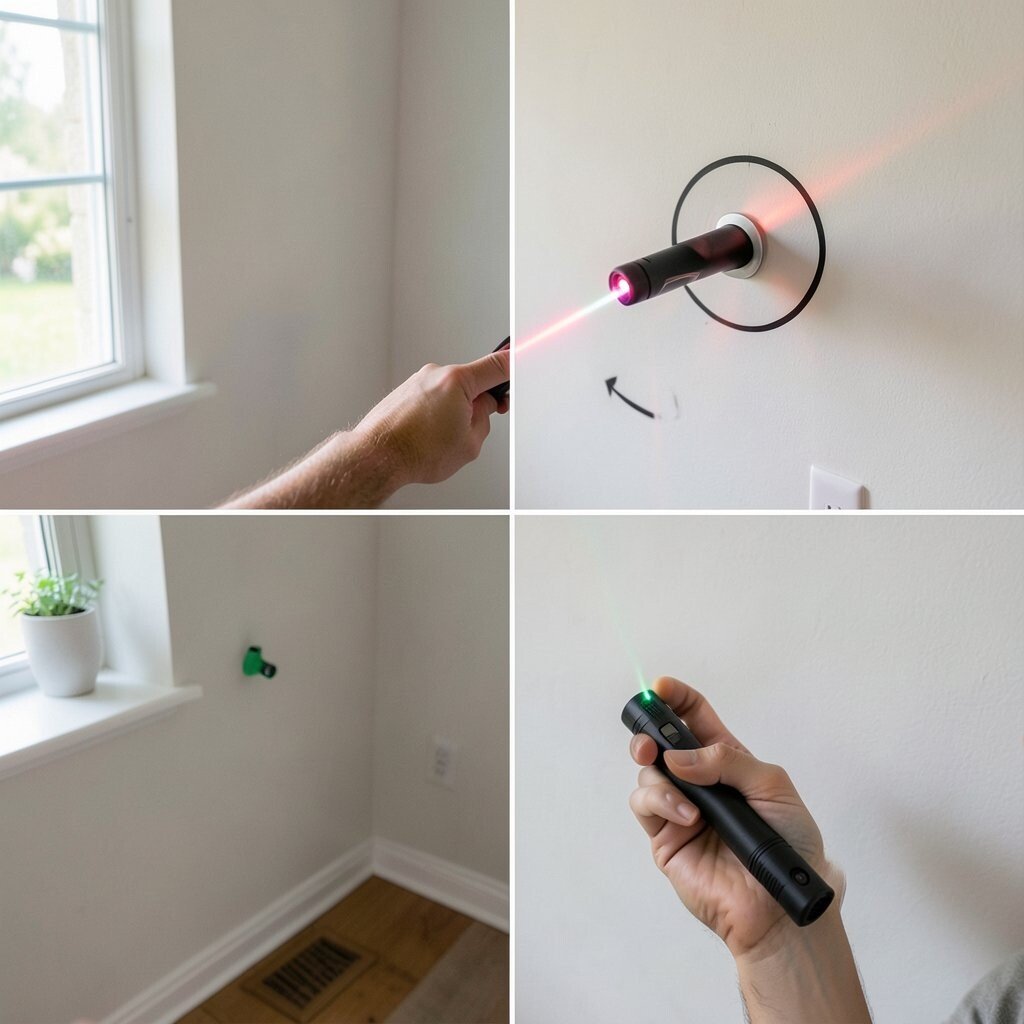
Make a short practice session that teaches how to use the laser safely. Mark a “no aim” zone on a wall and practice aiming only at the target spot. Practice turning it off quickly and storing it away when done.
This teaches responsibility and safe habits. It also helps new users learn that bright light should be handled with care. A tip is to agree on rules before anyone plays, so everyone feels calm and safe.
For personalization, use household rules that match your space, like who holds the laser and where it can point. This is a good first step before any games.
15. Laser Dot “Ticket” Art For Custom Designs
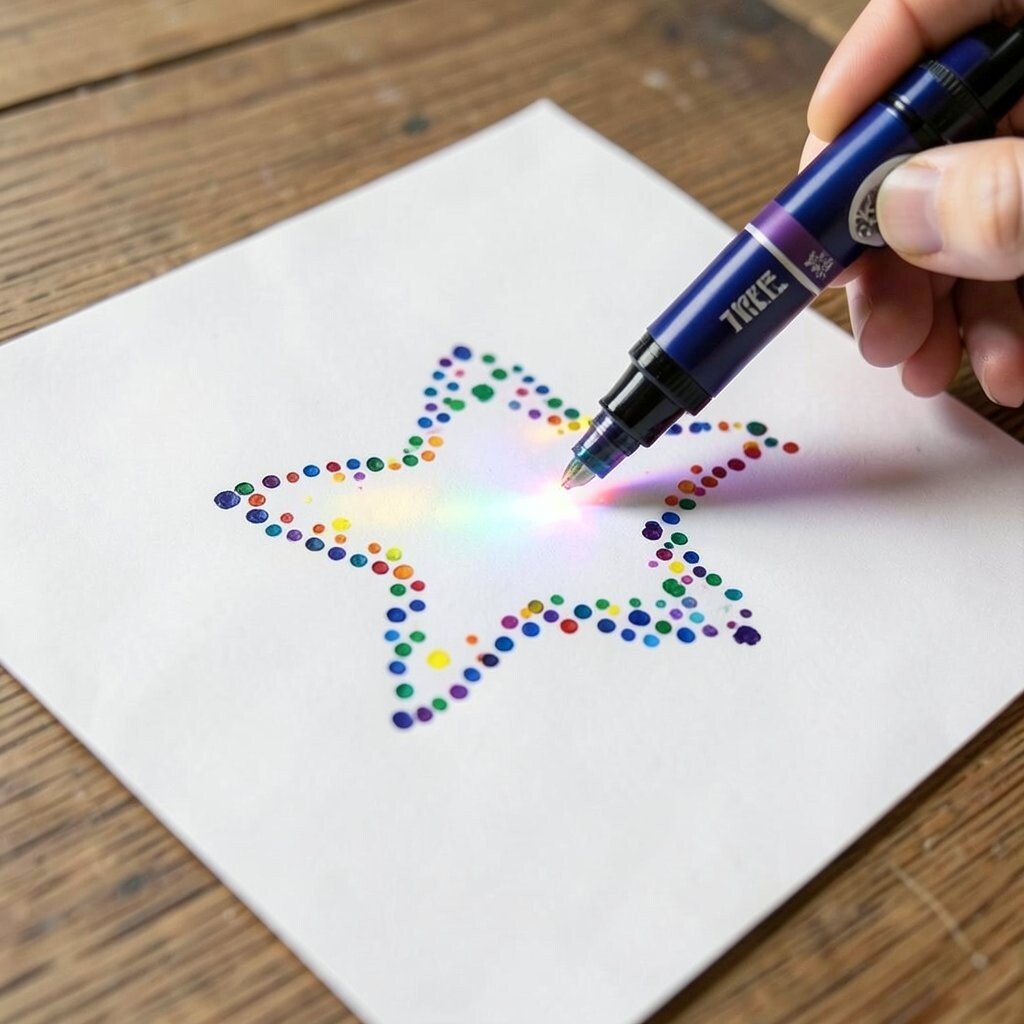
Create a card or sheet with a simple drawing you want, like a star or a smile. Then aim the laser at key spots and trace them with a marker. Repeat to build a set of dots, then fill in colors after.
This helps you make custom art while practicing control and planning. It also gives a clear final result, which can motivate you to try again. To personalize, choose your own themes, like holidays, sports, or your favorite animals.
Cost can stay small because you only need paper, tape if needed, and basic art supplies. A trend is mixing light with simple crafts to make learning look more creative.