Clicker training helps you teach new behaviors in a clear way. You mark the exact moment your pet does the right thing, and that makes learning feel simple.
1. Pick a Simple Clicker
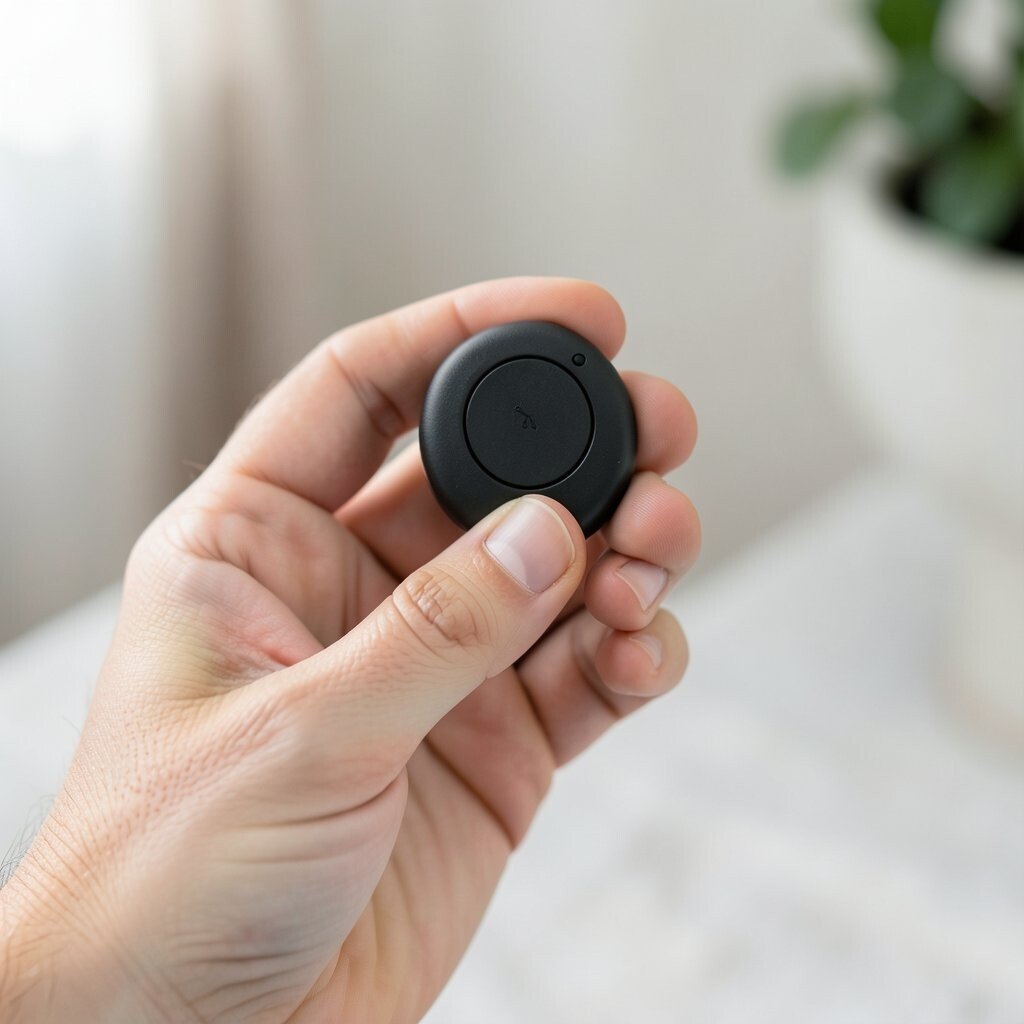
Start with a clicker that feels easy to hold. Some are small and round, and some fit like a pen. Pick one that you can press quickly and without fumbling.
Try it for a few days before you use it with your pet. The sound should be steady, not weak or loud. If the click feels too sharp for your pet, test a softer option.
Cost can be low for basic clickers. Many pet stores sell them, and online shops usually have options too. You do not need a fancy one to get good results.
2. Choose a Quiet Place to Start
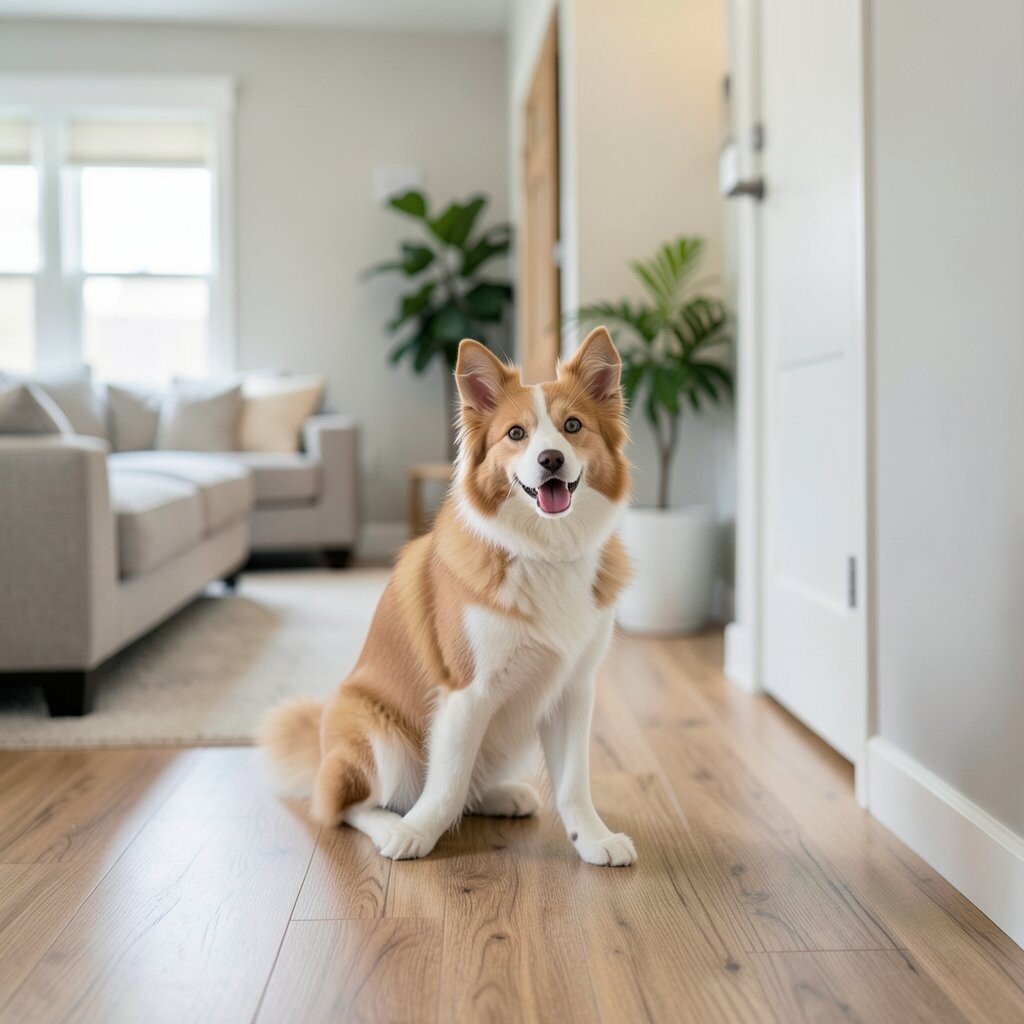
Pick a room with less noise at first. A quiet living room or hallway can work well. When your pet can focus, the learning is faster.
Keep other people and pets away for the first sessions. If you have a busy home, do short training times when things are calm. You want your pet to hear the click and see you clearly.
As your pet gets better, you can train in new spots. This helps with real life, like walking near the door. Use small steps so your pet does not get lost.
3. Charge the Clicker With Treats

Before you ask for a skill, connect the click to good food. Click once, then give a treat right away. Do this again and again until your pet looks for the next treat.
Many people see quick changes here. Your pet may start to watch you as soon as the click happens. That is a good sign and it shows the sound means something good.
Use small treats that your pet can eat fast. Training is easier when treats do not take long to chew. This also helps keep your timing accurate.
4. Practice Timing Like a Clock
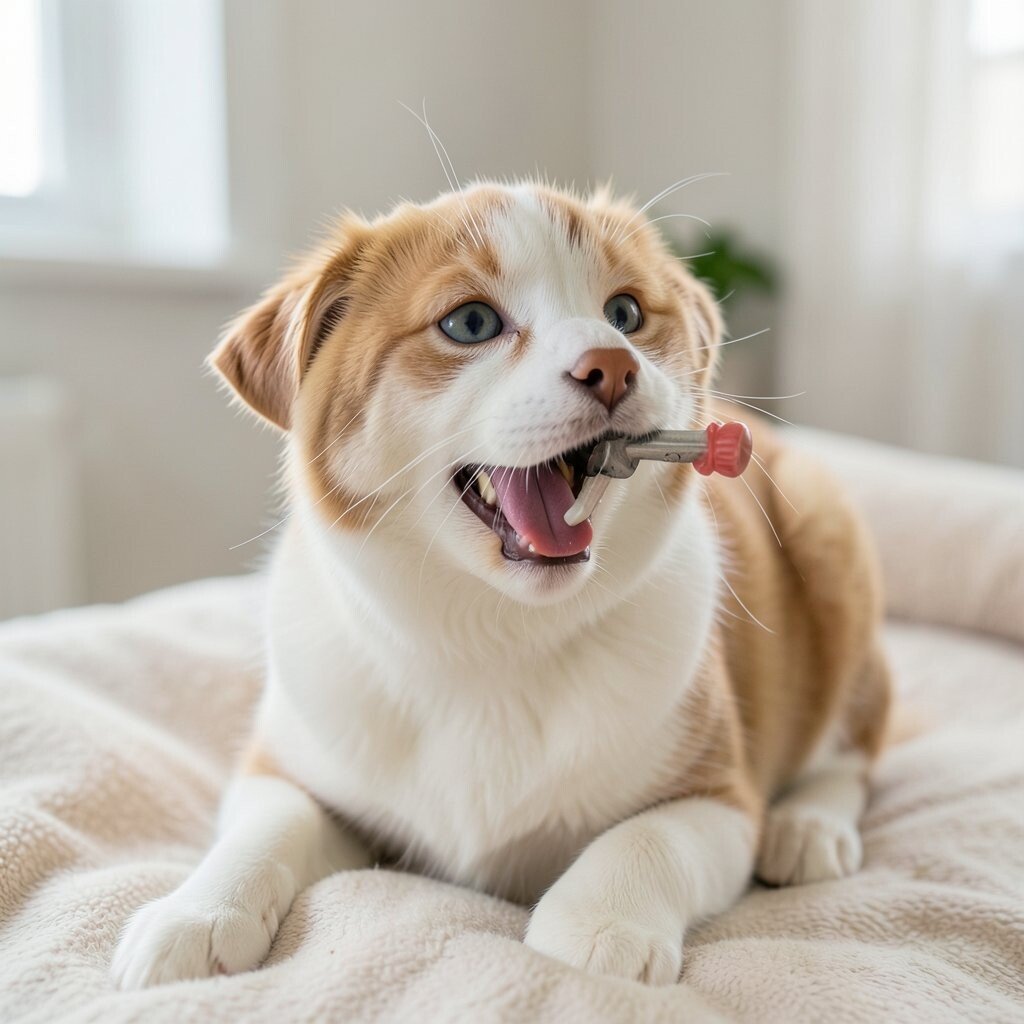
Click at the exact moment your pet does the right action. If you click a second late, your pet may learn the wrong thing. Your goal is clean timing, not perfect speed.
Use slow movement at first so you can match the click. For example, wait for a small behavior you want, then click. After that, reward right away.
Video can help you check timing. If you record a short session, you can watch the action and the click. This is a simple way to spot mistakes.
5. Use Clear Targets and Simple Cues
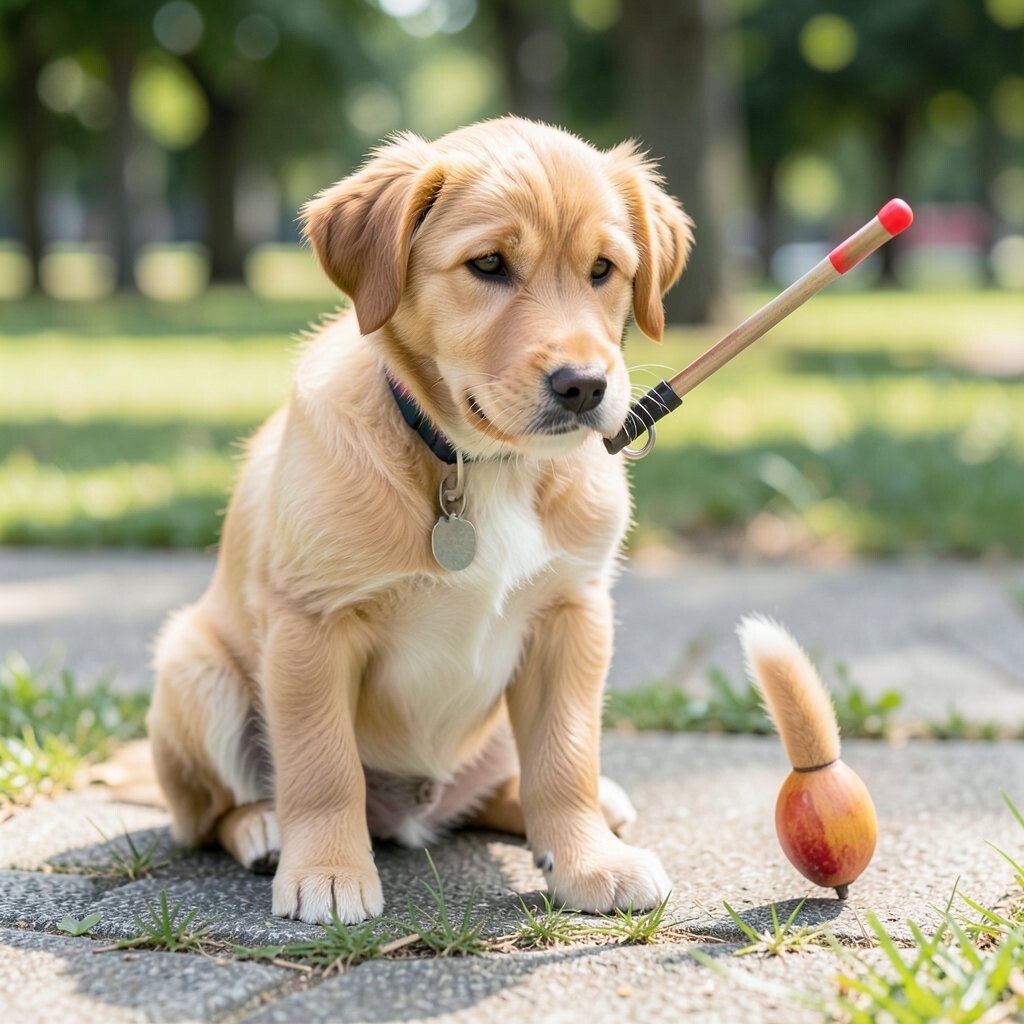
Some pets learn faster when you use targets. A target can be a hand touch, a stick, or a mat. You can show the pet where to put their nose or feet.
Keep cues short and steady. Use the same word each time, and do not change it often. For instance, use one word for sit and one for down.
Targets also help with focus. Visual targets are easy for your pet to spot, even on busy days. This adds a clear path to learning.
6. Build Skills in Small Steps

Do not ask for the full behavior right away. Break the task into tiny parts your pet can do. Then you build each part on top of the last one.
For example, if you want “stay,” first reward a short pause. Then ask for a slightly longer pause next time. Each session adds a bit of skill.
This method helps because your pet gets many wins. More wins make training feel fun and calm. It also keeps frustration low for both of you.
7. Keep Sessions Short and End on a Good Note
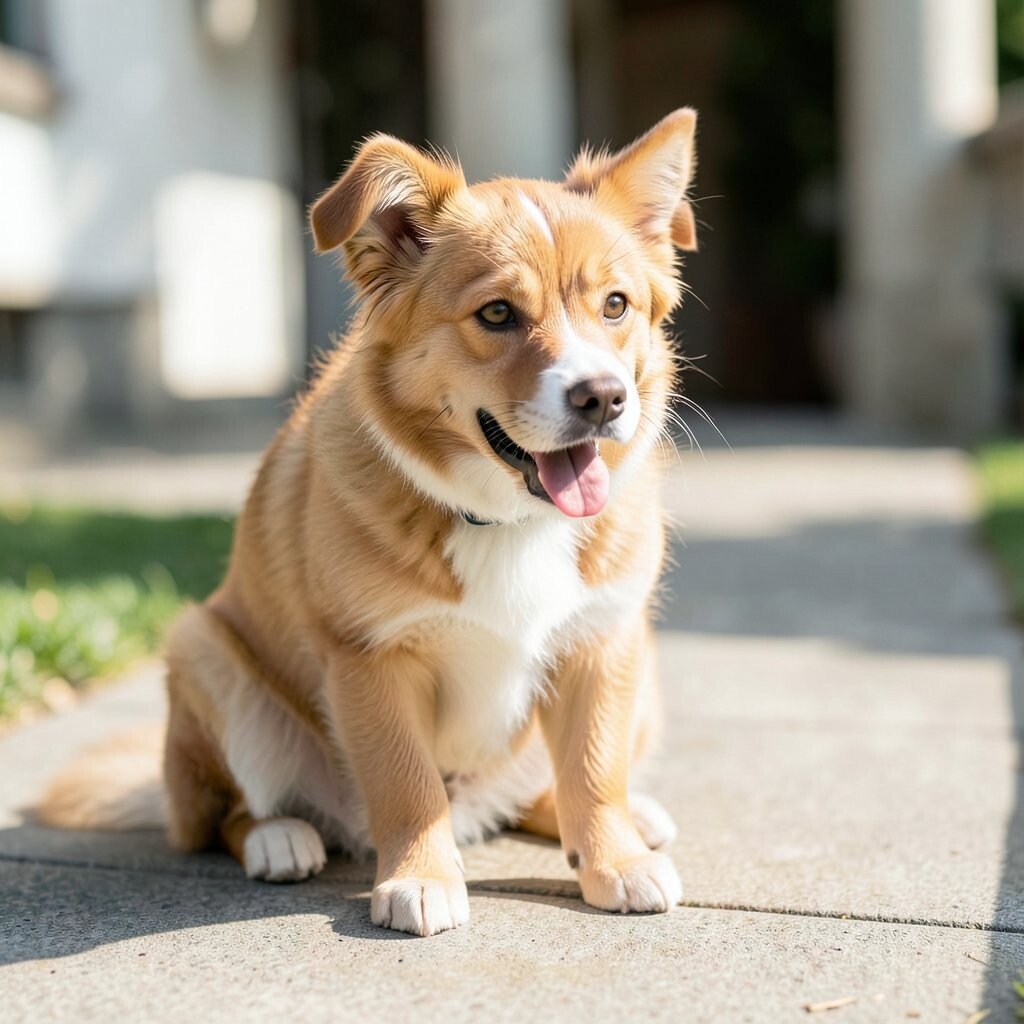
Short sessions help your pet keep interest. You can do a few minutes and still make progress. When attention drops, stop and try again later.
Always end right after your pet does well. If you stop during a hard moment, you may slow learning. Ending on a win helps your pet stay willing to work.
This also saves time and money on treats. You use fewer treats when sessions are planned. It helps you stick with training as part of your routine.
8. Use the Click to Shape New Behaviors

Clicker training is great for “shaping,” which means you shape the behavior step by step. You watch for tiny signs of what you want and click those. Over time, the pet learns the full behavior.
For instance, if you want “roll over,” you start by clicking when your pet turns a bit. Then you click for more of the roll each time. Your pet learns the chain without harsh corrections.
This is unique because it focuses on what your pet can offer. You guide with small rewards instead of pushing too hard. It also helps pets that get nervous with strong commands.
9. Match Food Size and Reward Variety
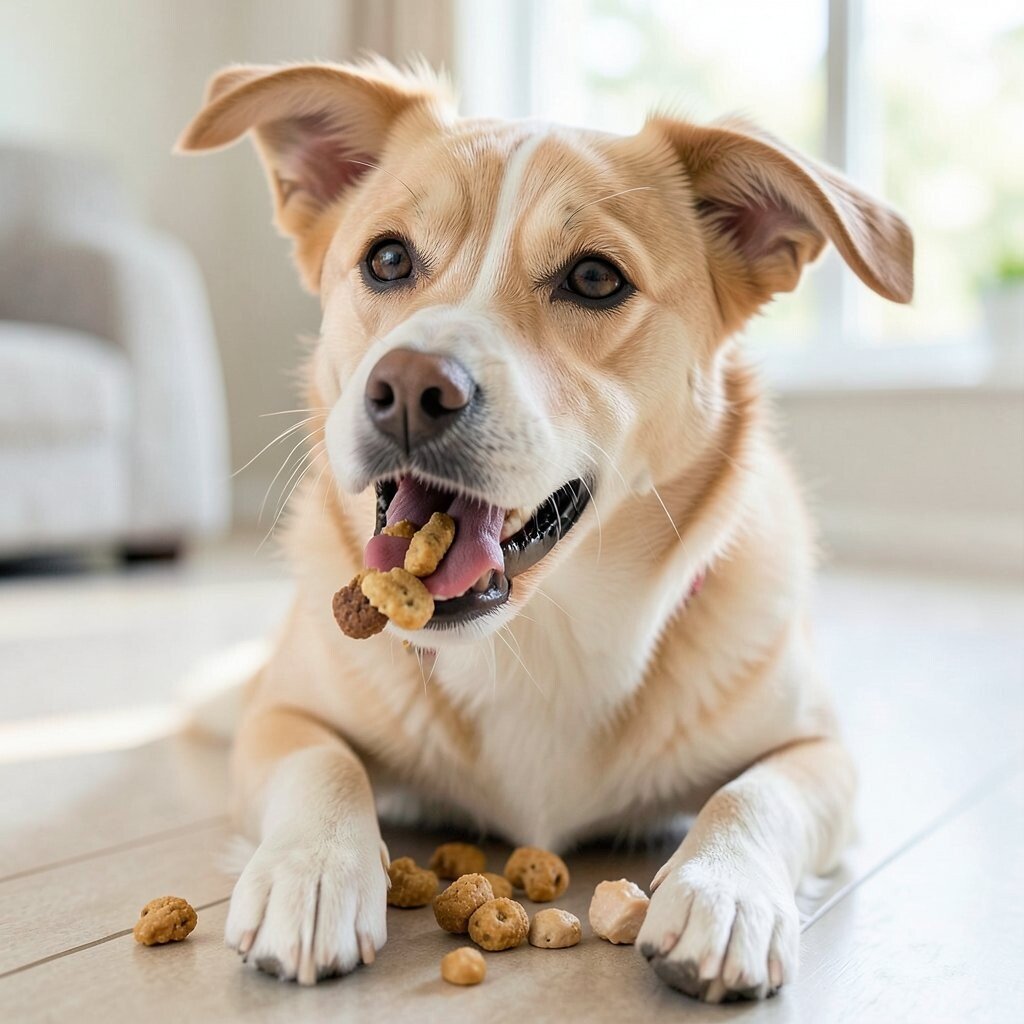
Pick treats that fit your pet’s size. Small bites work best during fast practice. For bigger pets, you can use slightly larger bites if they eat quickly.
Try a few food types so your pet stays interested. Some pets like soft treats, while others do well with crunchy bites. You can use boiled chicken bits, store treats, or special training treats.
Watch cost too. If you use premium treats, the cost can add up. Choose a mix that keeps your budget safe and your pet happy.
10. Add Personality With Your Own Training Style
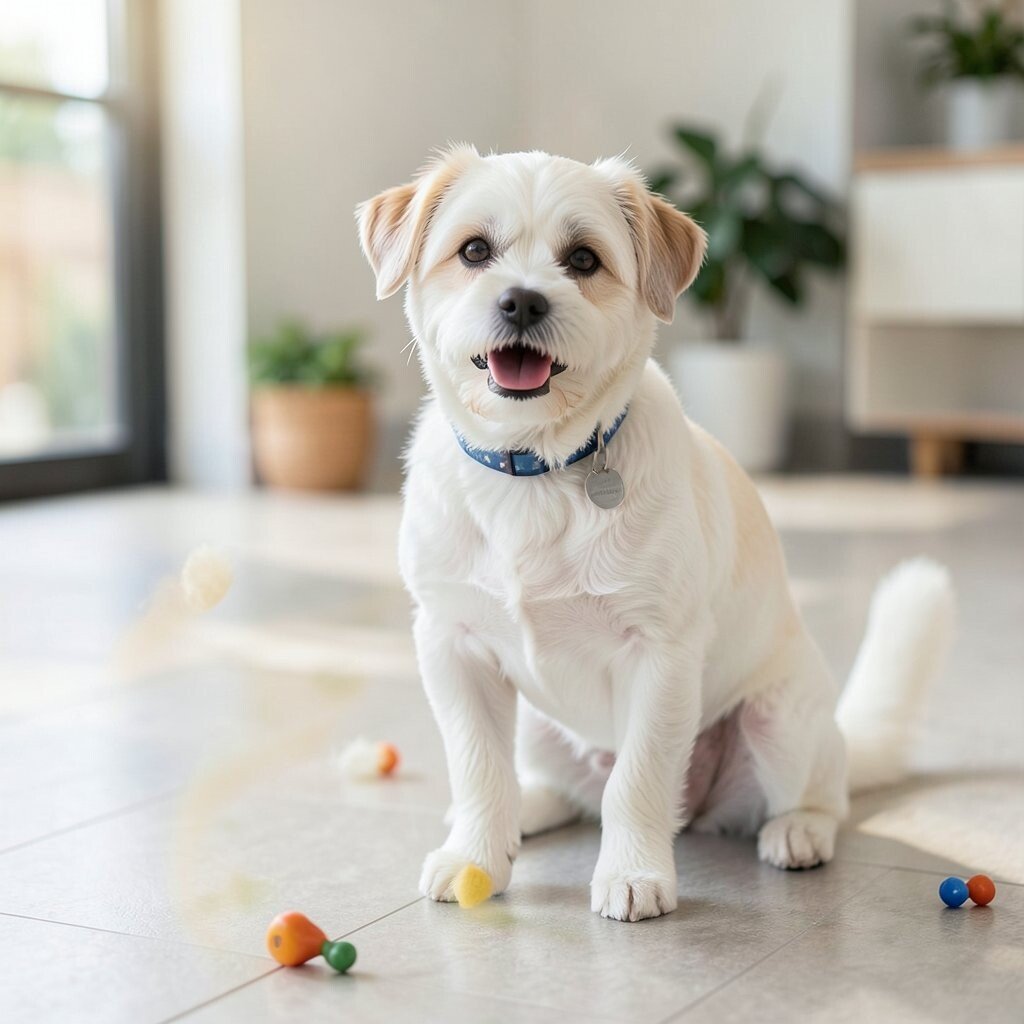
You do not have to copy one strict method. Use your natural way of talking and moving. Your pet learns better when you feel calm and steady.
Some people like gentle praise and simple games. Others focus on quick work and clear rewards. Both can work if your timing and steps stay clear.
You can also adjust the pace based on your pet. If your pet learns fast, move up faster. If your pet needs more time, slow down and keep the steps smaller.
11. Use Visual Cues for Better Focus

Visual cues help many pets, especially those that like to watch hands. You can point to a mat, hold a target, or show where to stand. Your pet can see the goal more clearly.
You can even use simple markers like tape on the floor. This gives your pet a “place” to check. Then you click when your pet touches or stands near the spot.
This adds uniqueness because it mixes sound and sight. The click gives exact timing, while the visual cue gives direction. Together, they can speed up learning.
12. Try Hand Signals Along With Words
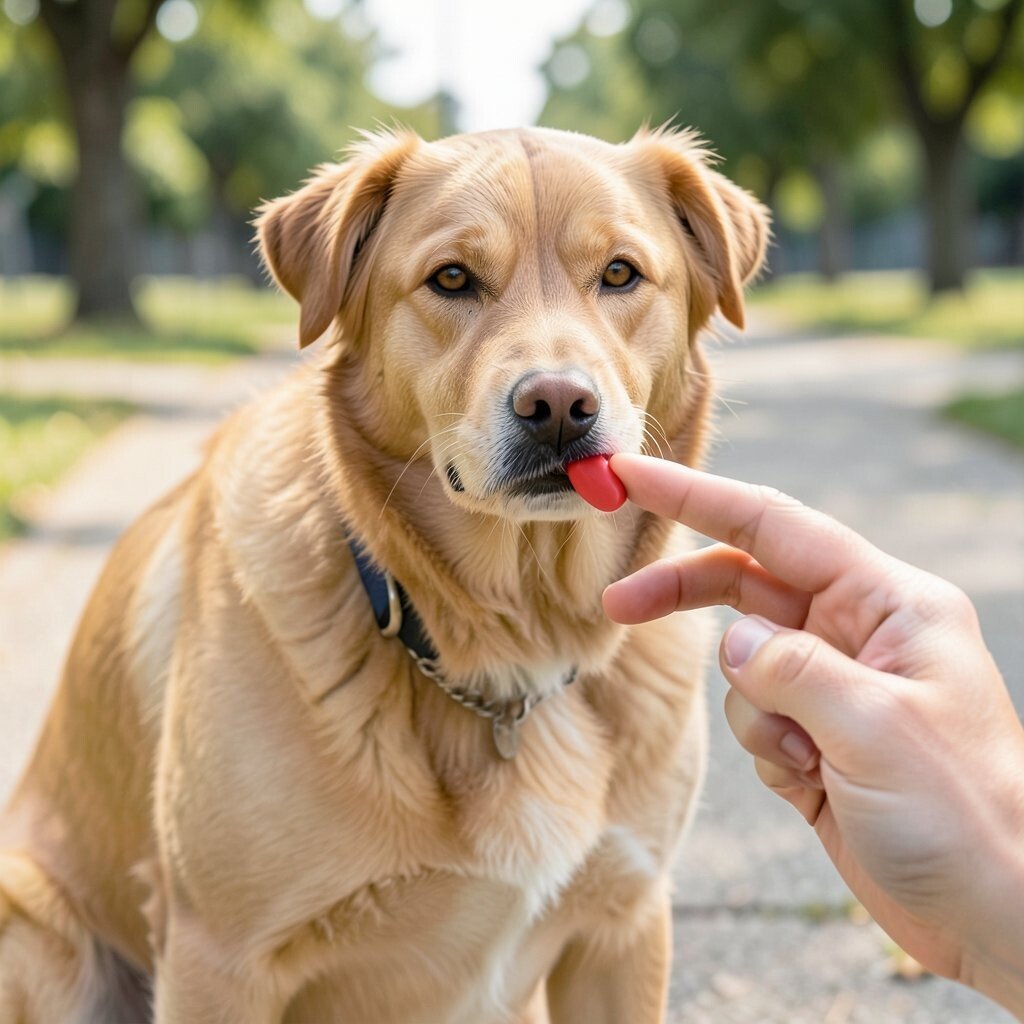
Many pets respond well to hand signals. You can pair a gesture with your spoken cue. Then you can use both when needed.
Start by clicking right after your pet responds to the signal. Then slowly fade the need for the word if your pet can follow the hand. This is helpful if your voice is not always easy to use.
Hand signals can also help in noisy spots. The click stays the same, but your main cue can be seen. This matches how training is used in real life.
13. Make Corrections Without Blame

Clicker training does not need scolding. If your pet does not do the action you want, you just wait and try again. You can reset and make the steps easier.
For example, if your pet misses the target, use a closer target next time. Or reduce the distance so success is easier. This keeps training kind and clear.
This style helps pets feel safe. When pets feel safe, they learn more and stress less. It also helps you stay patient during harder days.
14. Track Progress With Small Notes
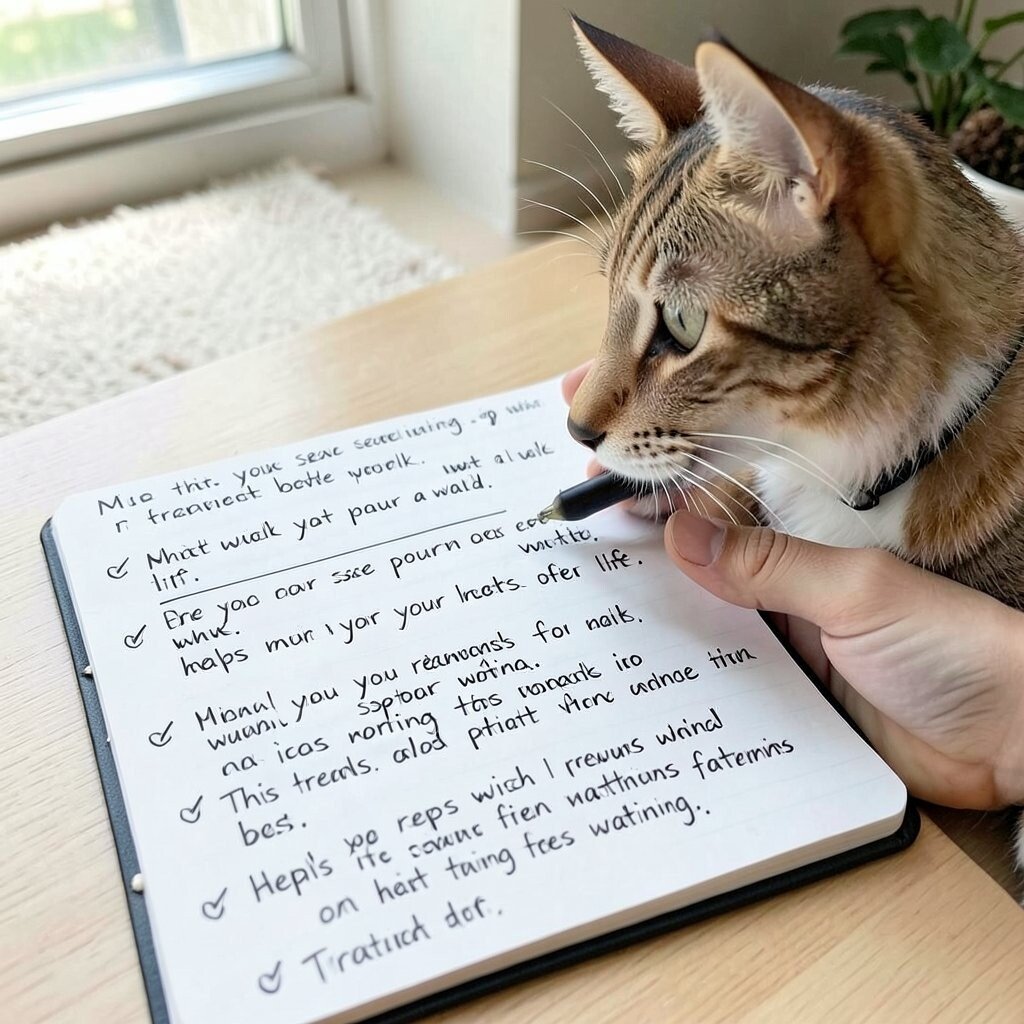
You can keep simple notes in a phone or notebook. Write what you practiced, what worked, and what felt hard. This helps you see patterns over time.
Look for trends in your pet’s focus. Maybe morning sessions go well, or maybe your pet learns better after a walk. Notes help you plan based on your real life.
You can also mark which rewards worked best. If one treat stops working, swap it for a new option. This keeps training fresh without wasting time.
15. Stay Current With Modern Training Ideas
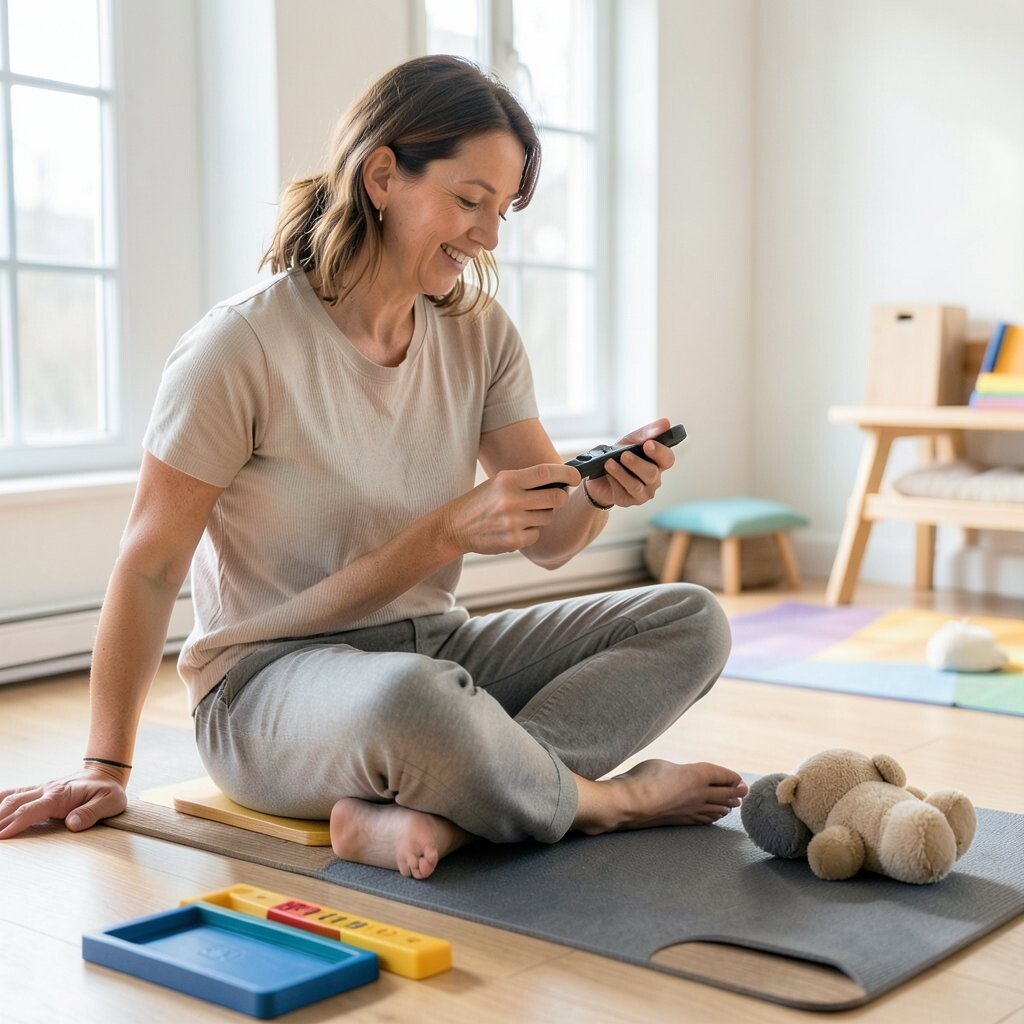
Training trends change, and you can use new ideas without losing the basics. Many people now use short video checks, better treat plans, and safe recall games. You can borrow those ideas and still keep clicker timing clear.
You may also see more focus on low stress methods. This means fewer harsh tools and more step-by-step practice. Clicker training fits this trend because it uses choice and rewards.
Try new setups in a safe way, like new rooms or new mats. Keep sessions short when you test something new. When you blend trends with your own calm pace, learning usually stays steady.