Packing for a trip can feel big, but a checklist helps a lot. This list gives clear ideas you can use for your next trip, from short trips to longer ones.
1. Start With a Simple Master List
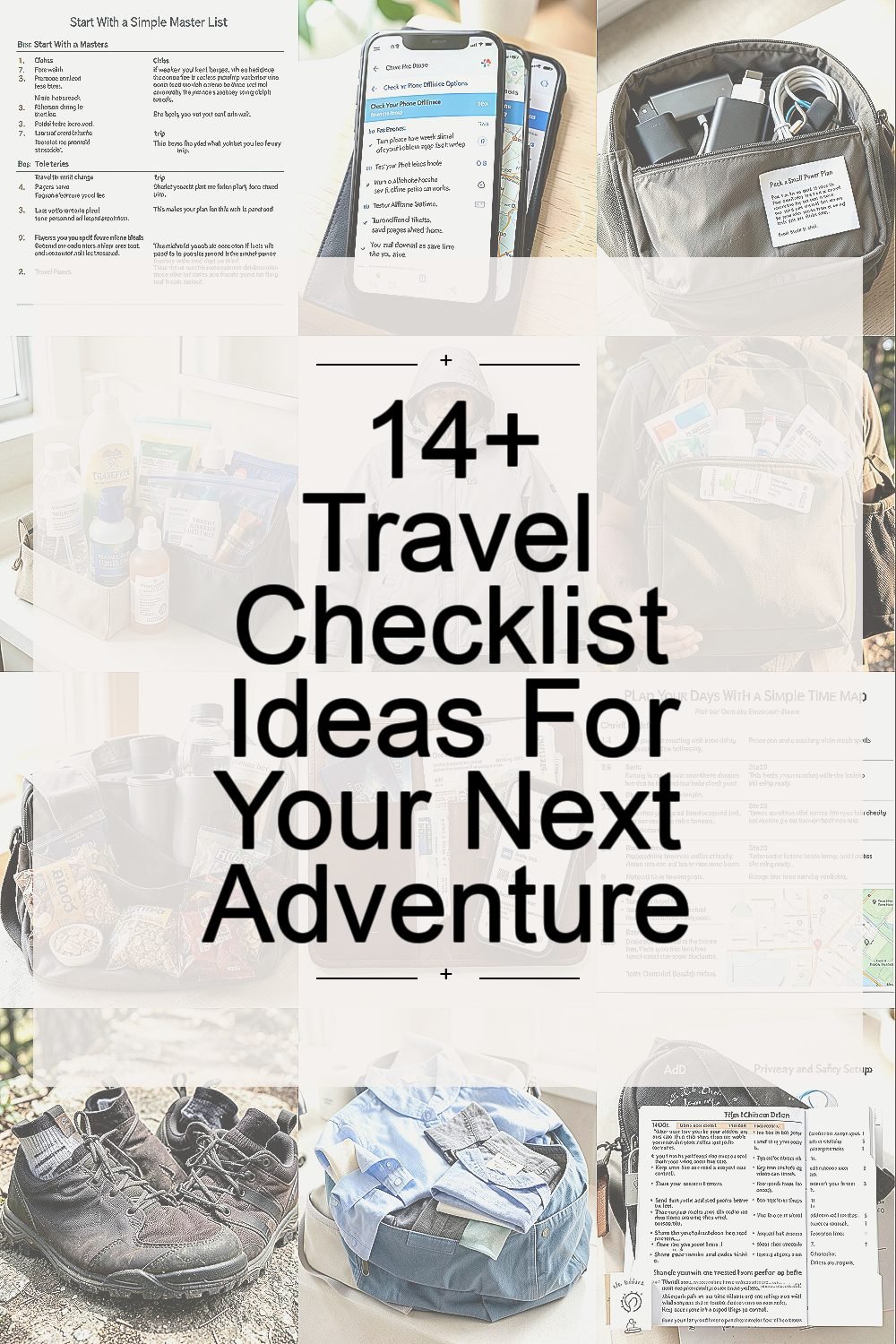
Write one list that you can keep using for every trip. Use sections like clothes, toiletries, and travel papers. Keeping one page helps you spot what you forgot before you leave.
Add a few notes for each trip. For example, if the weather might change, note layers you can wear. This makes your plan feel more personal and less stressful.
2. Check Your Phone Offline Options
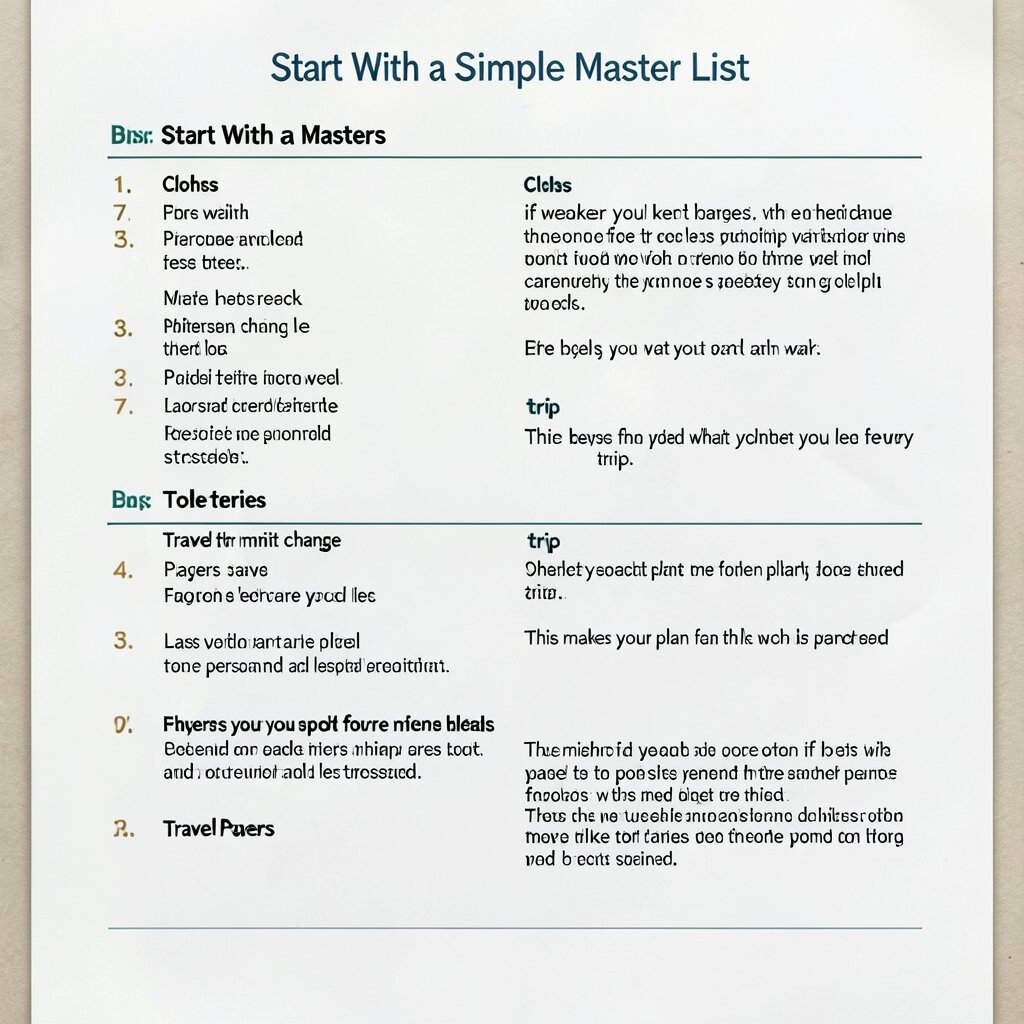
Save key maps and travel apps before you go. Many places have weak signal, so offline options can help. You can also download tickets or saved pages ahead of time.
Test your phone settings once you leave home. Turn on airplane mode and see if your offline map still works. This small check can save time when you arrive.
3. Pack a Small Power Plan
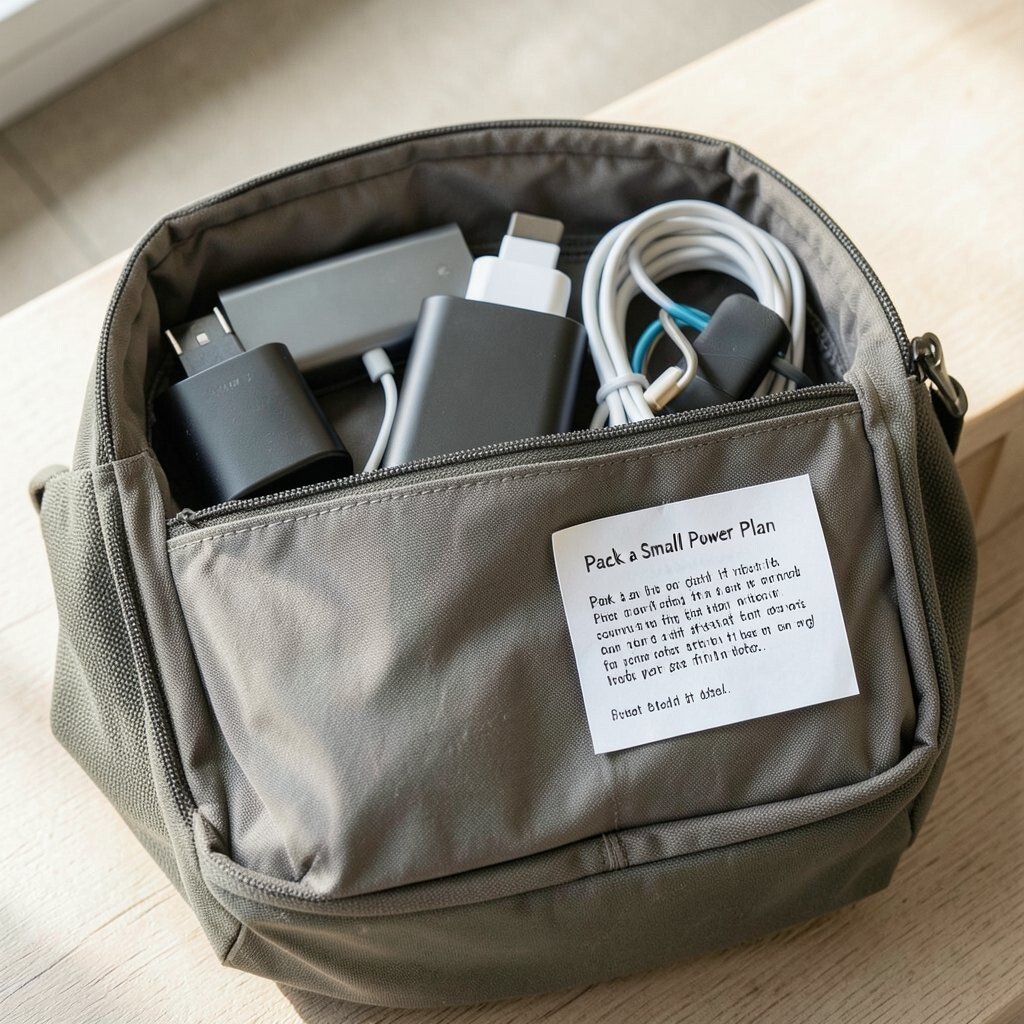
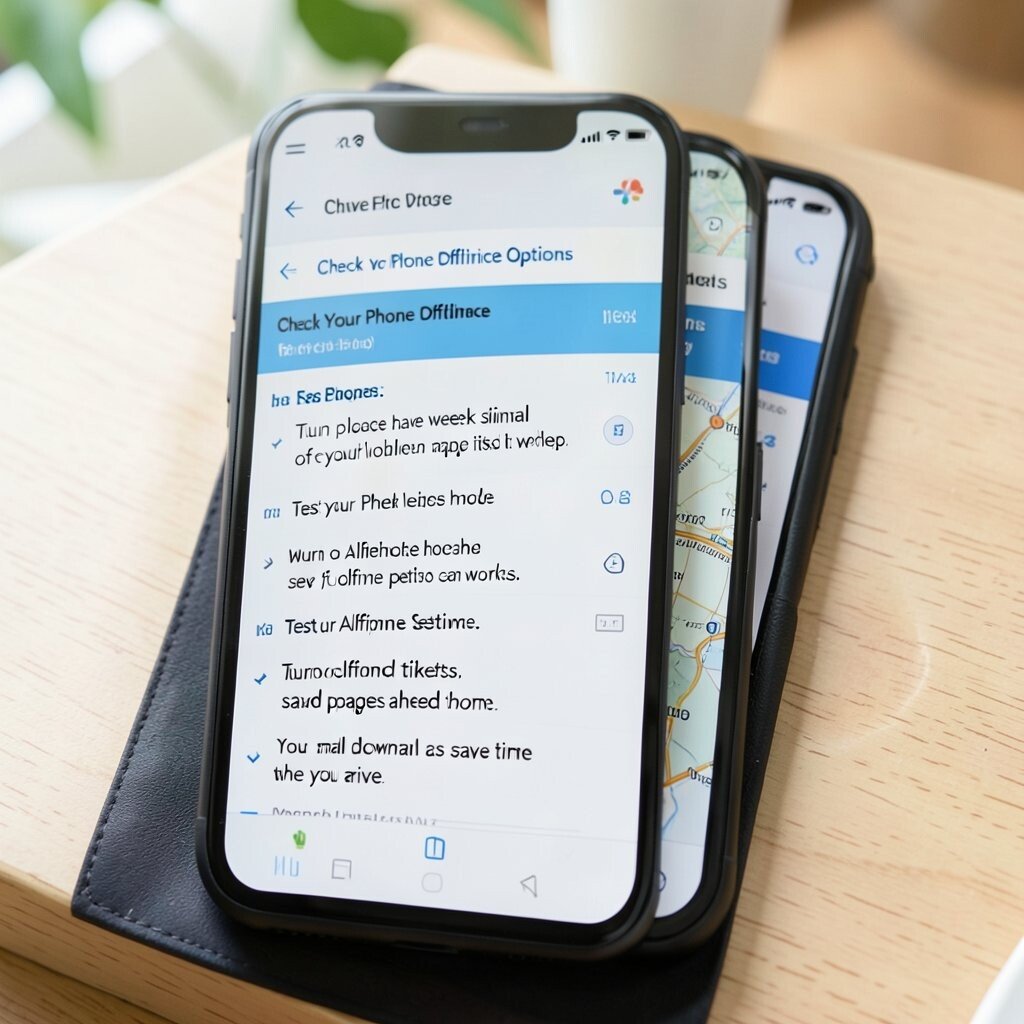
Bring a charger, a spare cable, and maybe a small power bank. A dead phone can slow down finding your way or booking a ride. Pick items that fit in a day bag, not just a big suitcase.
Use a simple pouch to keep cables neat. Label it with a note so you can grab it fast at the hotel. This also helps you avoid tangled cords.
4. Use Travel-Sized Toiletries the Right Way
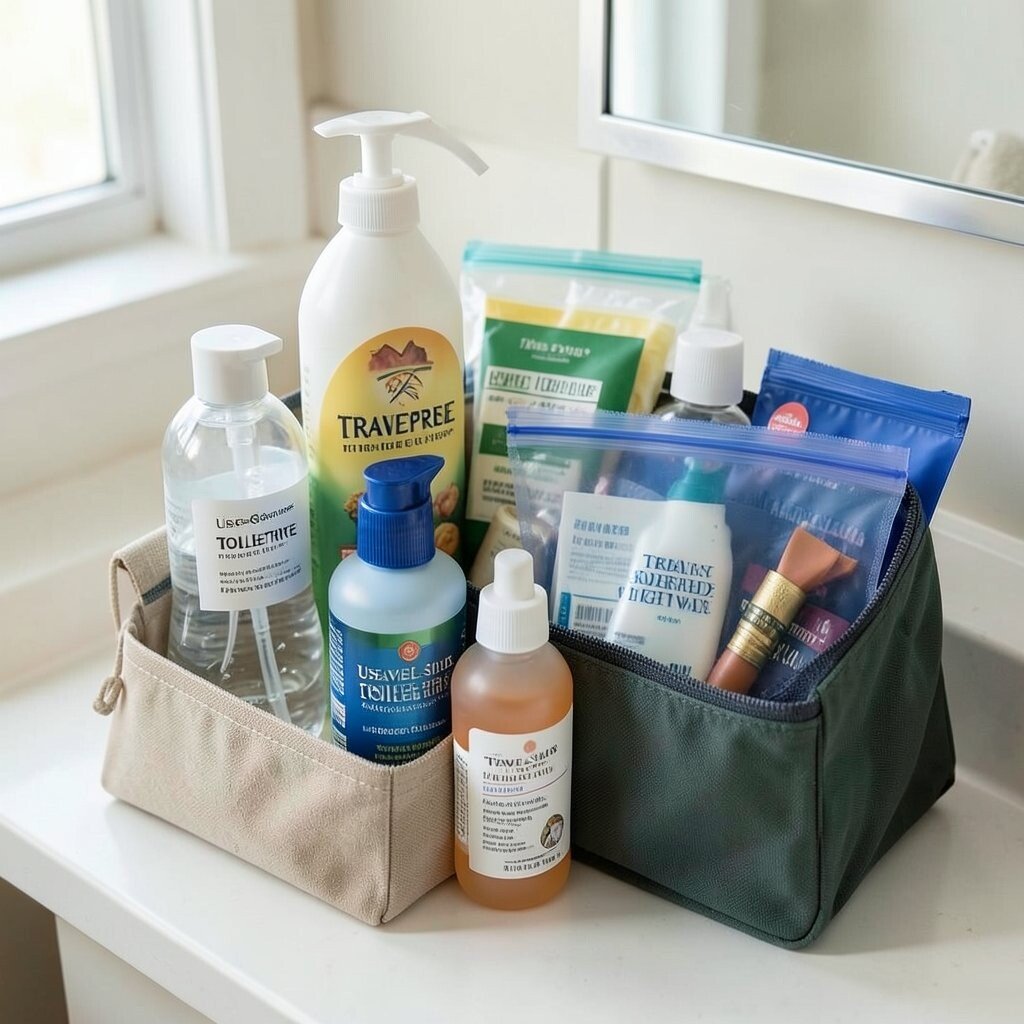
Choose travel bottles you can refill. This cuts cost and helps you avoid buying new small items each time. If you use a certain soap or lotion at home, pack that in a small size.
Use zip bags for liquids and keep them easy to reach. Put the most used items on top of your toiletry kit. Many people like a separate bag that stays in the bathroom area.
5. Add a Weather Layer You Can Wear Anywhere

Bring one light layer that works in many places. A thin jacket, a packable rain layer, or a warm hat can help with wind and cool nights. You do not need to pack heavy things if you plan for small changes.
Look up typical weather for your dates, not just the month. Then pick one layer that matches the range. This keeps your bag lighter and still ready for surprises.
6. Carry a Compact First Aid Kit
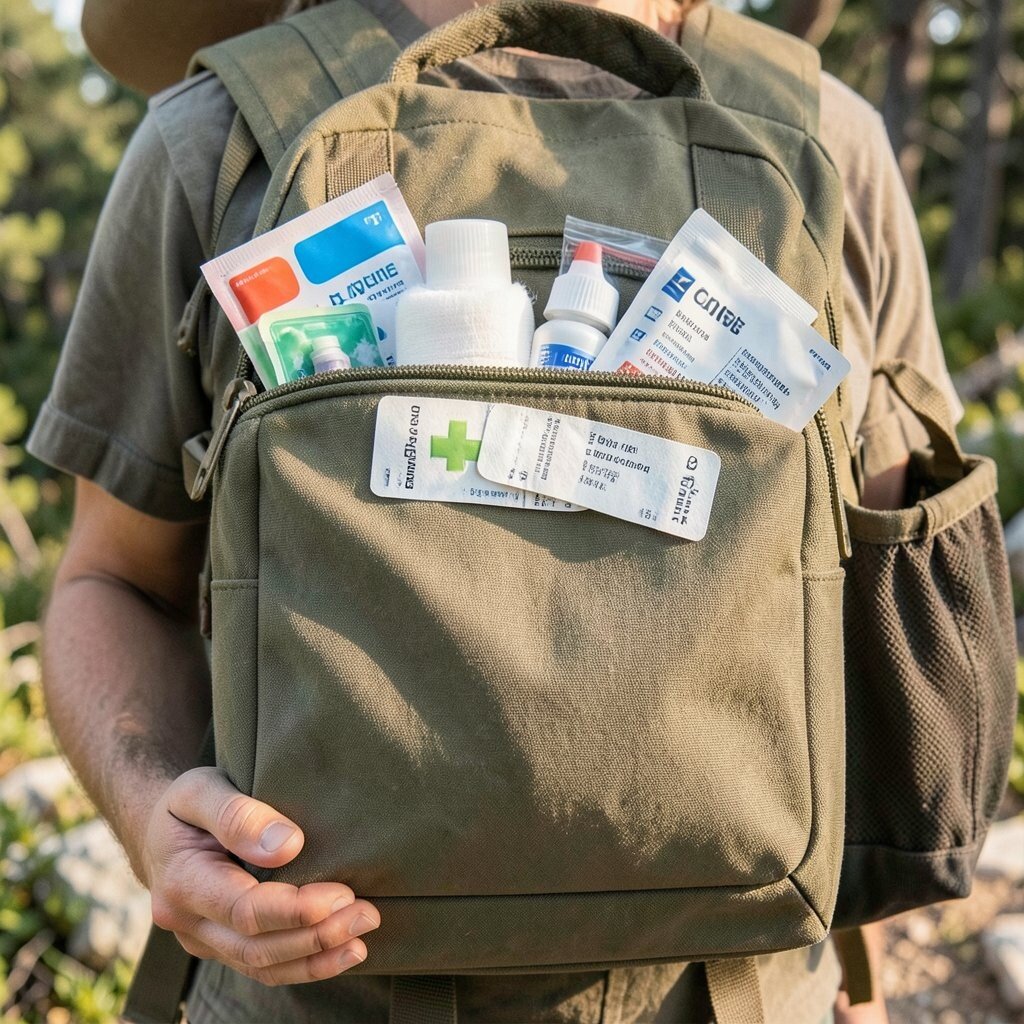
A small first aid kit can be very useful on a trip. Include bandages, pain relief, and any basics you already use. Add blister pads if you plan to walk a lot.
Store it where you can reach it quickly. Many travelers keep it in a side pocket of a day bag. This saves time if something small happens during the day.
7. Bring a Reusable Water Bottle and Snacks

A reusable water bottle helps you stay hydrated without always buying drinks. Find a bottle that fits your hand bag or cup holder. It can also help you save money over time.
Pack a few easy snacks like nuts, granola bars, or dried fruit. Food lines can be long, and snacks keep energy steady. Choose items that do not melt and that travel well.
8. Organize Documents in One Folder
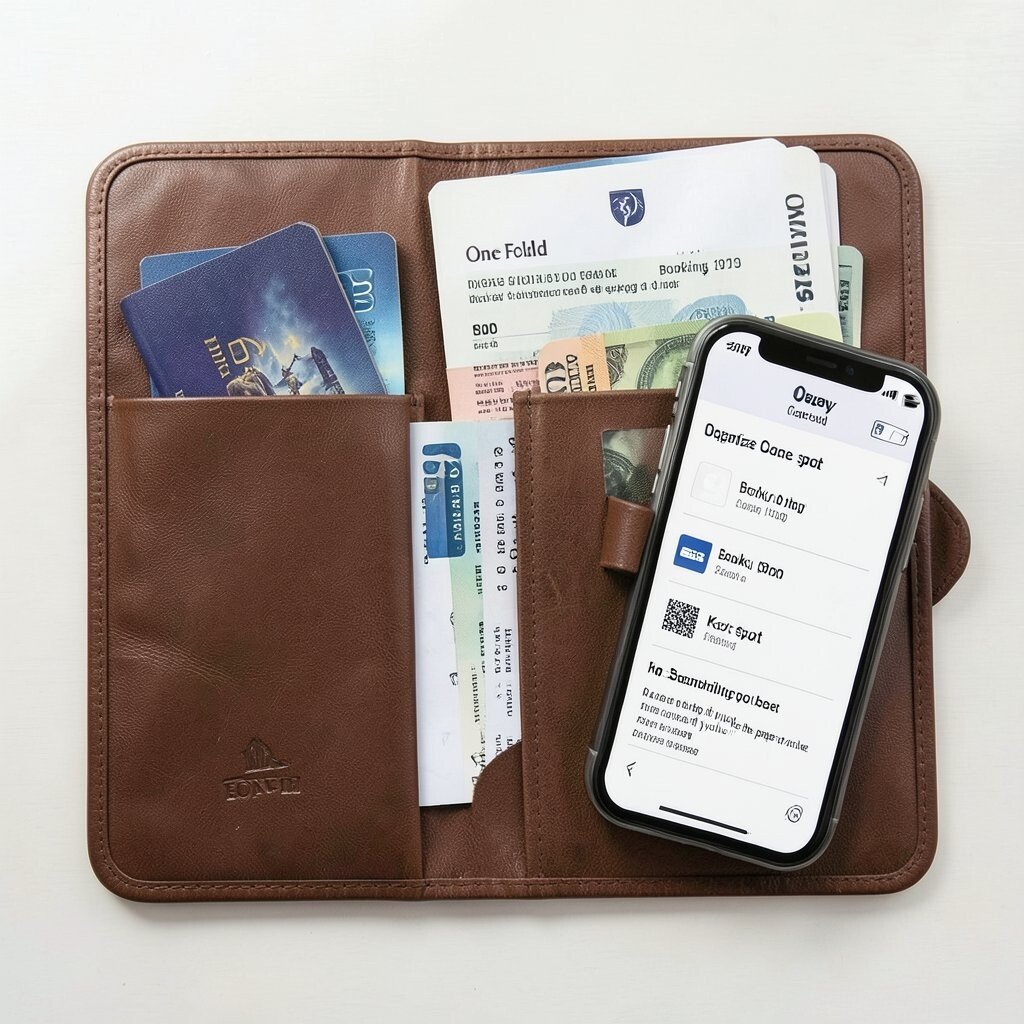
Keep your passport, ID, booking info, and some cash in one place. Use a folder or zip case with clear pockets. This way you can grab everything at once.
Also add a copy of key pages on your phone. Keep it in a secure spot and label it clearly. This can help if you lose the paper version.
9. Plan Your Days With a Simple Time Map

Write a rough plan for each day with a start time and end time. You can set one main plan and leave room for breaks. This helps you avoid rushing while still feeling ready.
Include time for meals and travel between spots. A simple map in your notes app works well. You can also add backup ideas in case of rain.
10. Pack Shoes for Real Walking
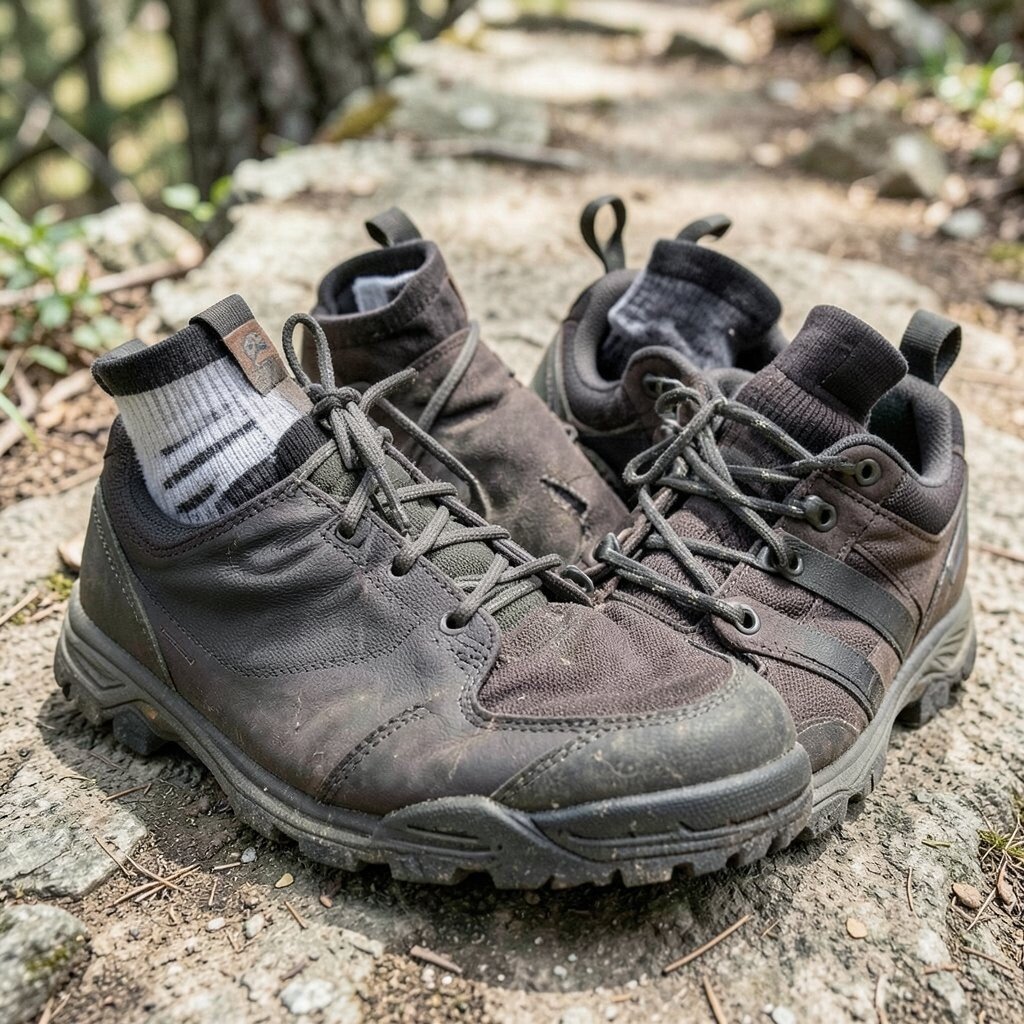
Pick shoes you already wear and feel good in. New shoes can cause blisters when you walk a lot. If you plan to hike or tour, choose something with good grip.
Bring one pair of socks that you trust. Add blister tape or an extra pair if you can. This helps you enjoy the trip instead of dealing with sore feet.
11. Include a Small Laundry Plan
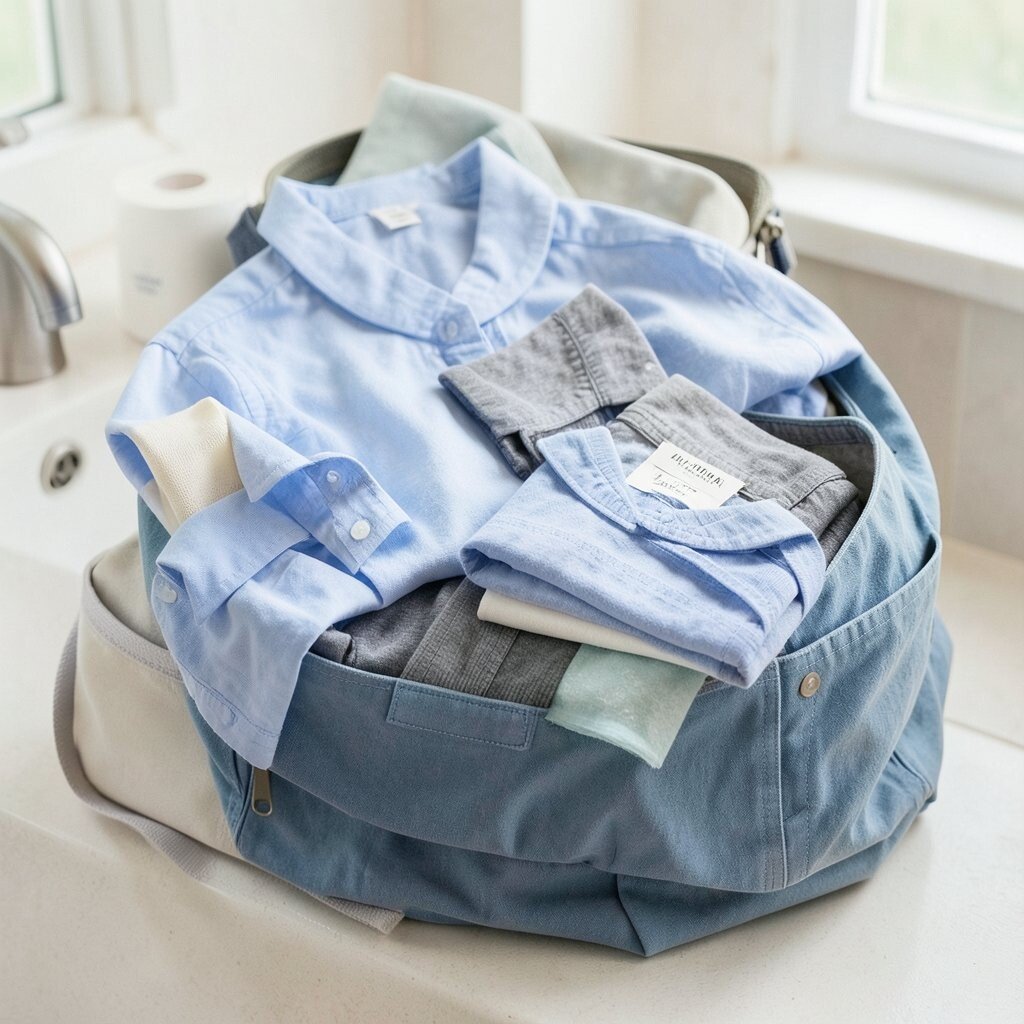
If your trip is more than a few days, think about laundry. Pack a small laundry bag and one sink-wash soap sheet if you like. This makes it easier to reuse some clothes.
Plan which items can be worn more than once. Choose shirts and layers that dry fast. This can cut packing size and help you fit more in your bag.
12. Add a Privacy and Safety Setup

Bring a lock for your bag if you use hostels or shared rooms. Use a crossbody bag that stays closed when you walk. Keep small money and cards in a spot you can control.
Share your plan with one trusted person before you leave. Send them your hotel address and main travel times. This adds peace of mind without making things too complex.
13. Use a Day Bag That Fits Your Style
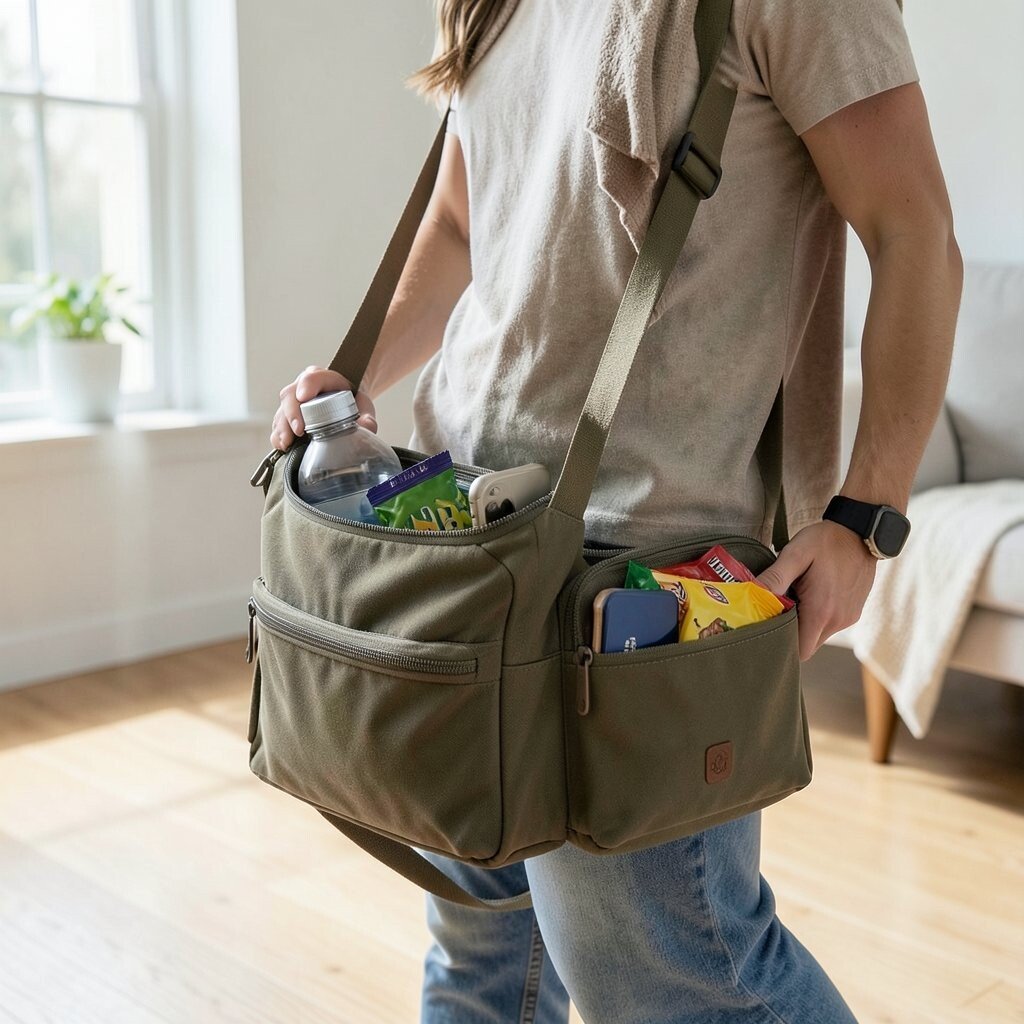
Pick a day bag that matches how you move around. Some people like small packs, while others prefer a crossbody bag. Make sure it can hold your water bottle, phone, and a light layer.
Test your bag at home with a few items. Put in your phone, wallet, and snacks and carry it around. This quick test shows if it feels too heavy or awkward.
14. Keep Money Easy to Manage

Plan how you will pay each day before you step out. Many places still need cash, so carry a small amount. Also bring at least one card you can use if a card fails.
Use a simple method for spending. For example, keep cash for daily needs in one place and move the rest back. This helps you avoid overspending while still staying flexible.
15. Try One Local Trend for Your Trip
Pick one local trend you can fit into your schedule. It could be a popular food spot, a common market time, or a street tour style. This gives your trip a real feel and helps you connect to the area.
Check social posts and local guides for simple tips. Save a few options so you have choices. Then pick the one that fits your budget and pace.