Your day can start better when you use small steps you can repeat. These routine ideas help you feel more ready for school, work, and life.
1. Drink Water First

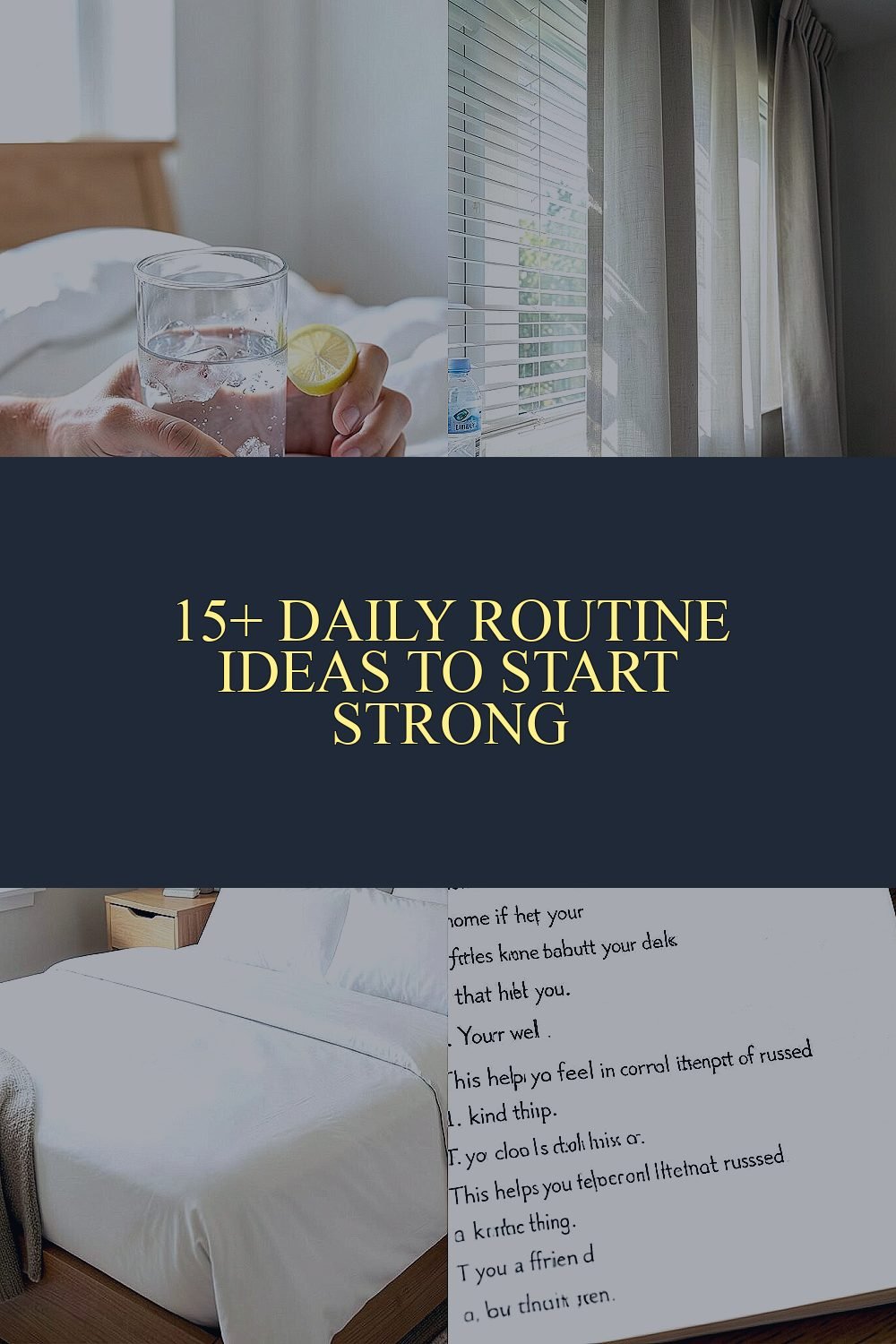
When you wake up, take a glass of water before you do much else. You might notice your mouth feels less dry and your body feels more awake. Keep the glass near your bed so it is easy to grab.
Try cold water if you like that feeling, or use room temperature if cold water upsets your stomach. You can add a slice of lemon if you enjoy the taste. This is a low-cost habit and it fits almost any schedule.
2. Open the Curtains and Get Light
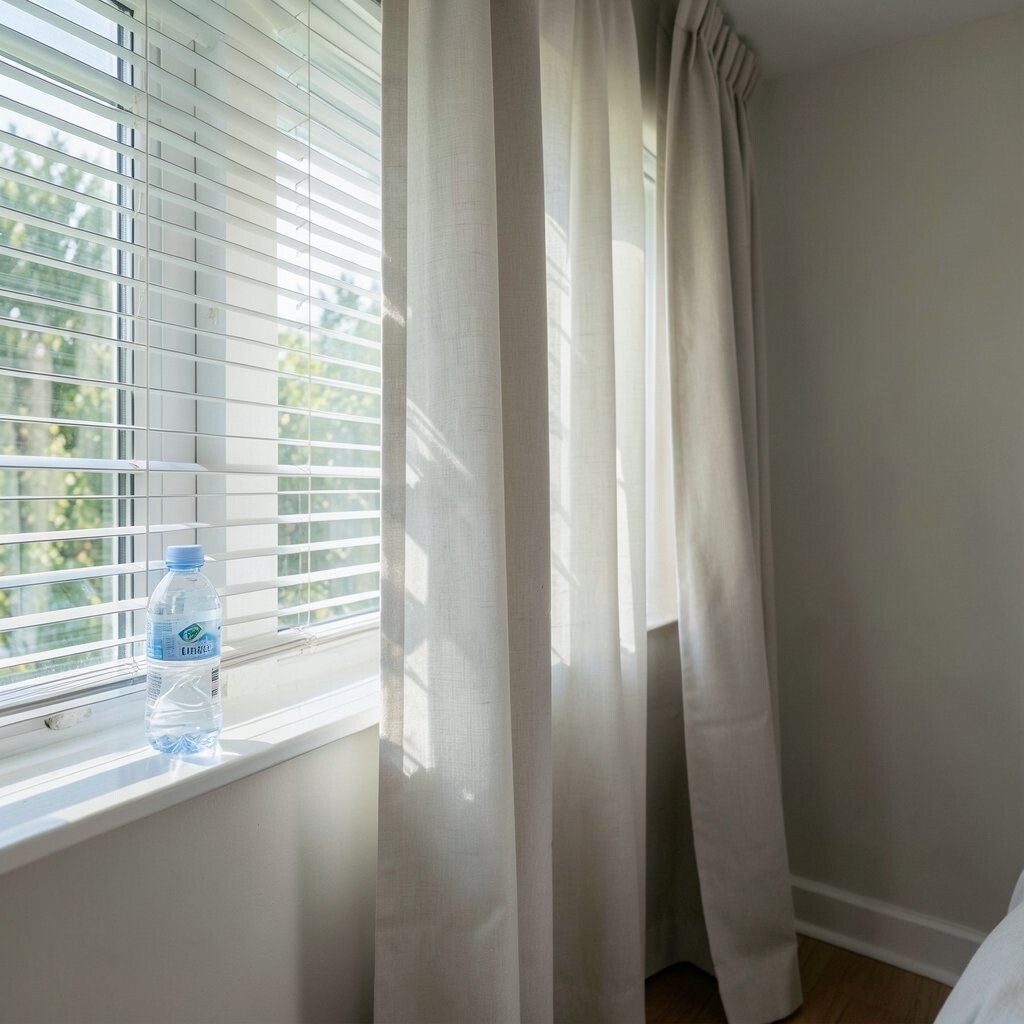
In the morning, open curtains or blinds and let in natural light. Even a few minutes can help your eyes feel less tired. If it is cloudy outside, the bright indoor light still helps.
Stand near a window and look outside for a short time. You can also take your water to the window. This routine can help with focus later, especially if you feel groggy in the first part of the day.
3. Make Your Bed Right Away
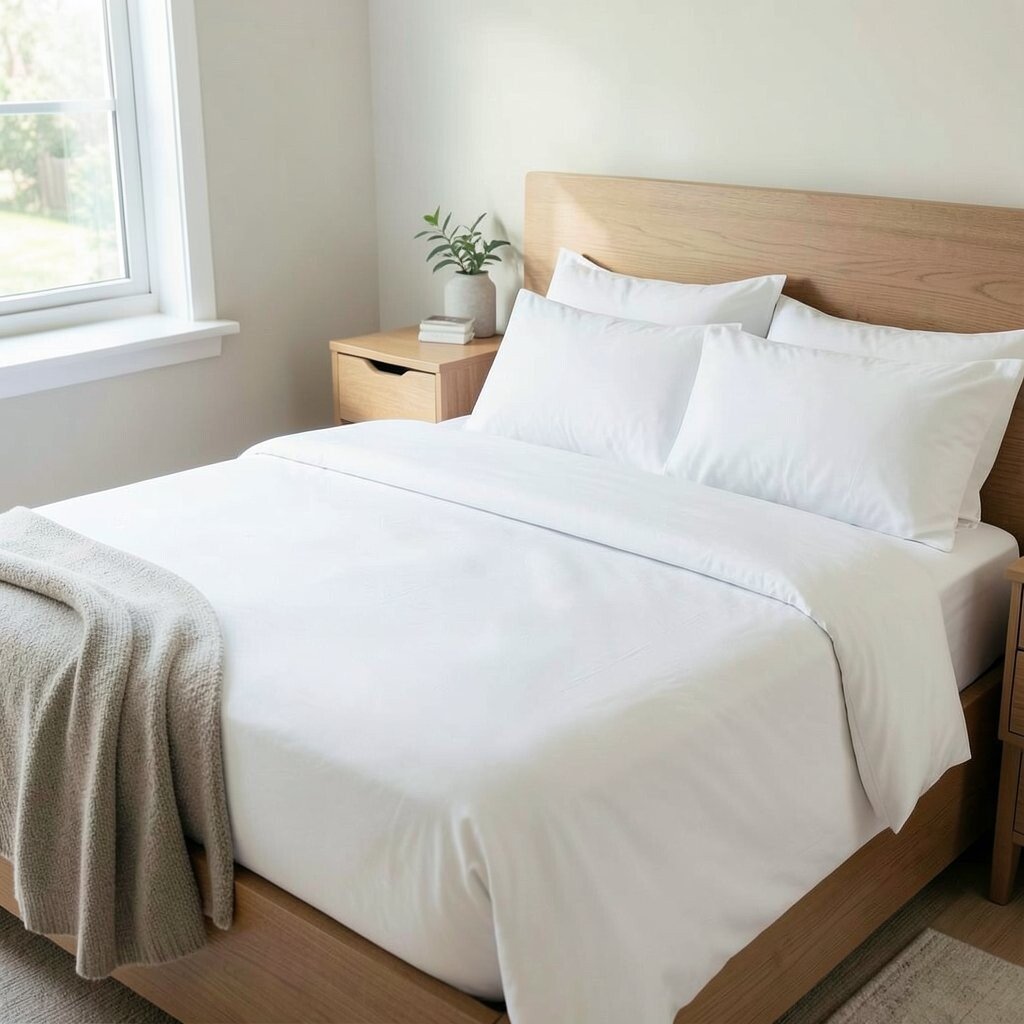
Try making your bed as soon as you get up. A neat bed can give you a small win for the day. You do not have to do anything fancy, just straighten it and smooth the sheet.
Make it personal with a style you like, like a simple blanket or a clean pillow setup. If you live in a small space, this can also make your room feel calmer. It costs nothing and takes only a few minutes.
If you share a room, this habit can help others feel organized too. Over time, you may find it easier to keep other things in order. This is a simple routine that many people use.
4. Write a Short Daily Plan
Grab a notebook or a notes app and write a short plan for the day. Keep it small, like a few tasks you want to finish. Writing helps your brain remember what matters.
Use one list for work and one list for home, if that helps you. You can also add one kind thing, like calling a friend or doing a quick tidy. This helps you feel in control instead of rushed.
Try to be honest about your time. If you know you will be busy, pick fewer tasks and do them well. This is a low-cost habit, and it can reduce stress.
5. Do a Quick Stretch Routine
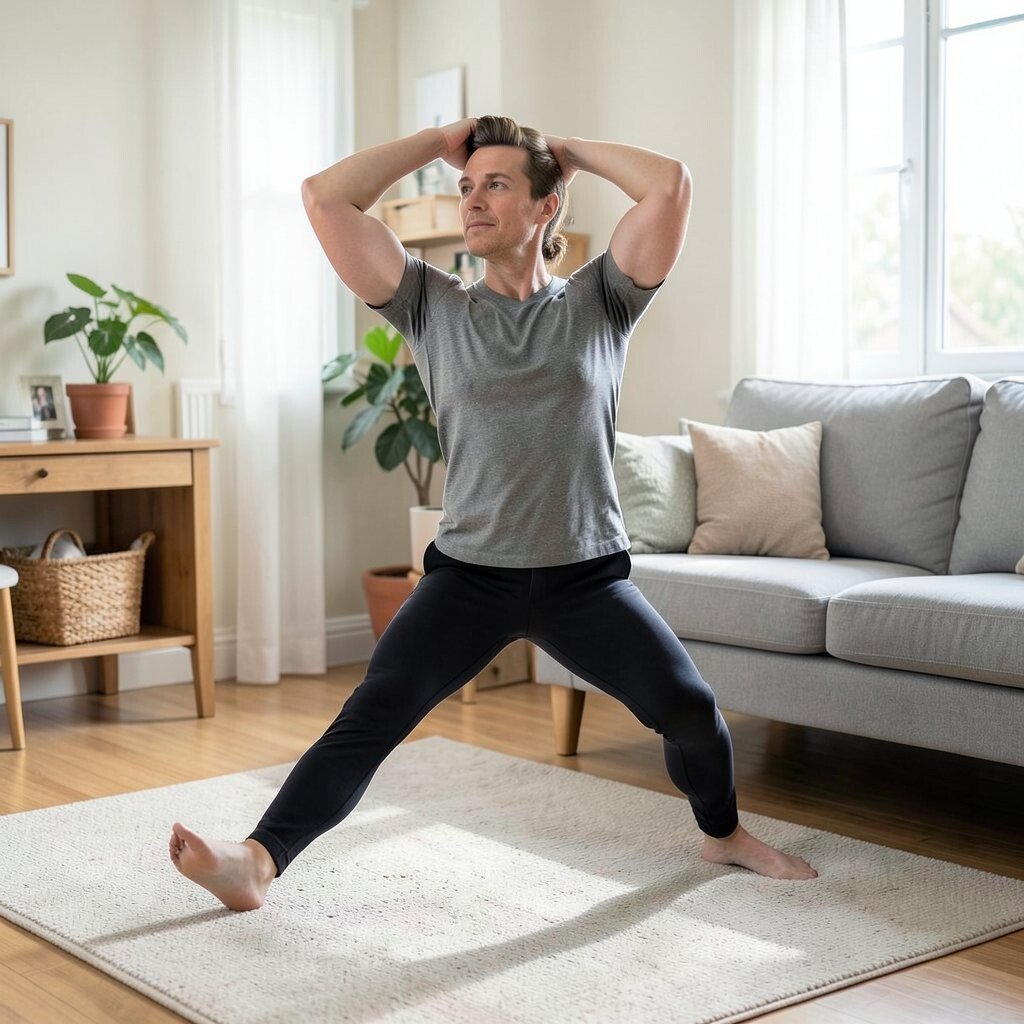
Spend a few minutes stretching your neck, shoulders, and legs. You can do it right in your living room, with no special gear. Notice how your body feels after, like less tightness.
Move slowly and stop if something hurts. You can use a simple routine you learned before, or search for a short guided stretch video. Many people like this because it feels good and does not take long.
Personal tip: pick stretches that match your day. If you sit at a desk, add hip stretches and gentle back moves. If you walk a lot, focus on calves and hamstrings.
6. Take a Short Walk Outside

If you can, take a walk outside in the morning. Even a quick walk helps you move your body and clear your head. You might notice the air feels cooler and more fresh at that time.
Keep it simple and safe. Walk near your home, follow sidewalks, and wear shoes that feel good. This is cost-free and it can help with mood.
If you cannot go outside, try a hallway walk at home. You can also do a short loop in your apartment building. The key is to keep it easy and doable most days.
7. Eat Something With Protein
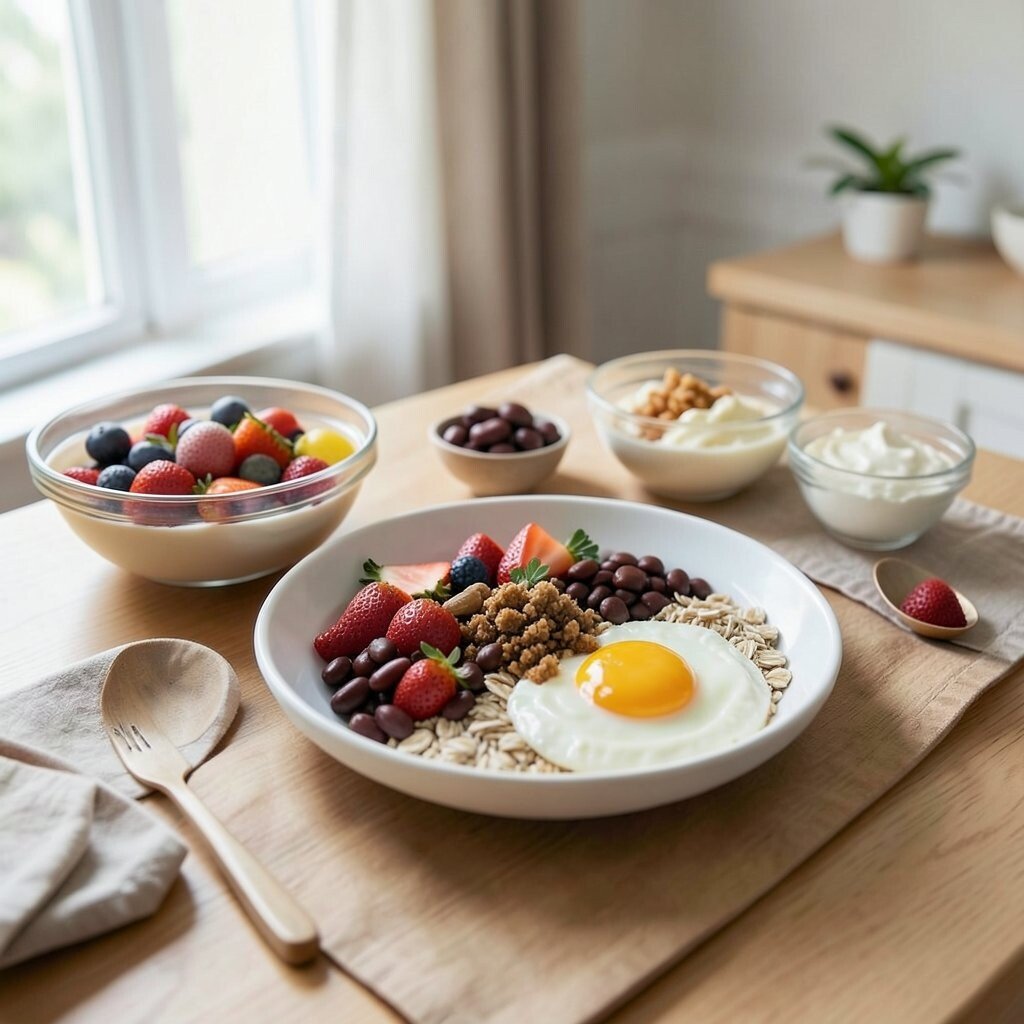
Try to add protein to your breakfast, like eggs, yogurt, beans, or peanut butter. Protein can help you stay full longer than a sweet snack alone. You may also feel steadier energy for the morning.
Choose what fits your life and food budget. Frozen fruit, oats, and yogurt can be affordable and fast. If you are busy, prep options the night before.
Personal idea: make one breakfast that you repeat for a while. Then swap in new flavors slowly. This makes it easier to stick to the routine without extra effort.
8. Limit Phone Time in the First Minutes
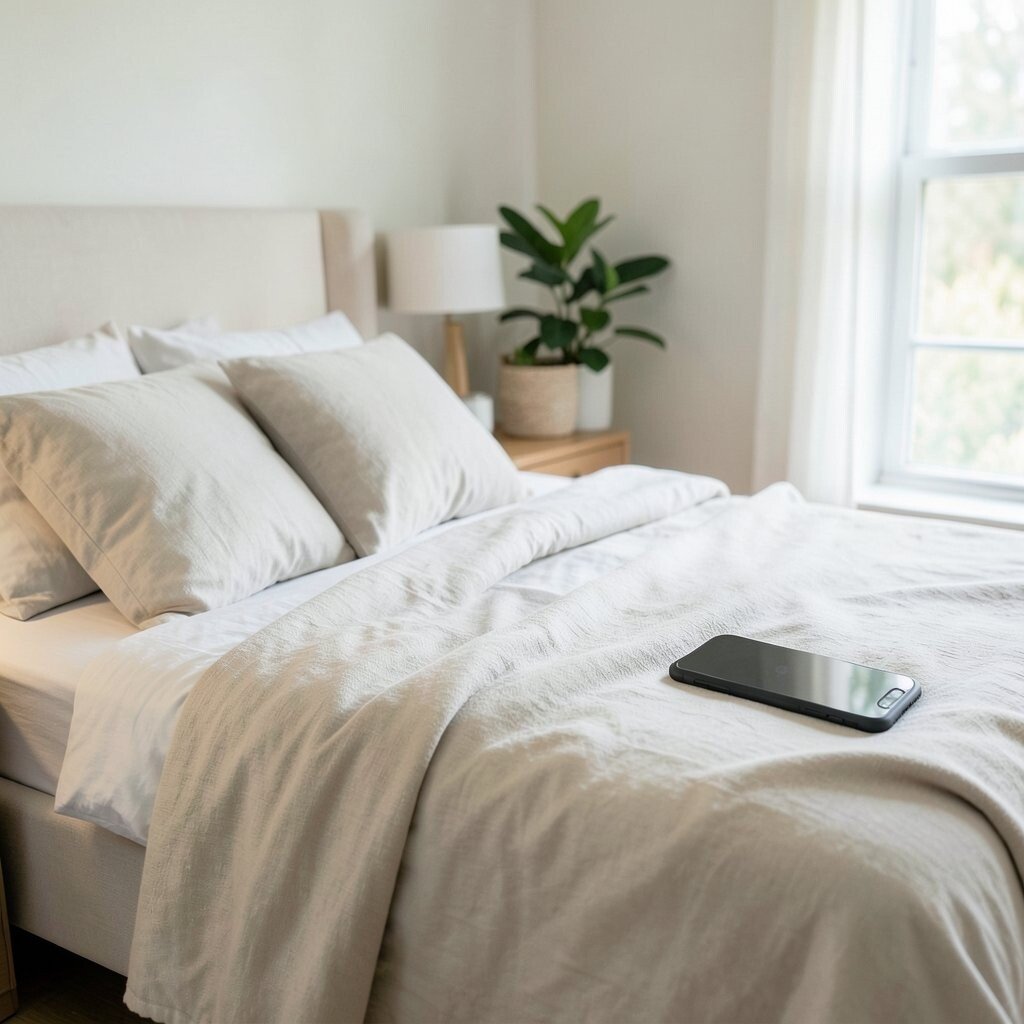
When you wake up, try not to open your phone right away. If you start with messages or videos, it can be hard to focus on your plan. Put your phone face down or in another room for a short time.
If you need your phone for an alarm or schedule, set it first and then keep it away. Many people use a timer for this habit. It helps you start the day with your own pace.
This is a trend now, and it fits well with many routines. You can also use an old-school alarm clock if that helps. The cost is zero, and the benefit is more calm.
9. Do One Small Clean-Up Task
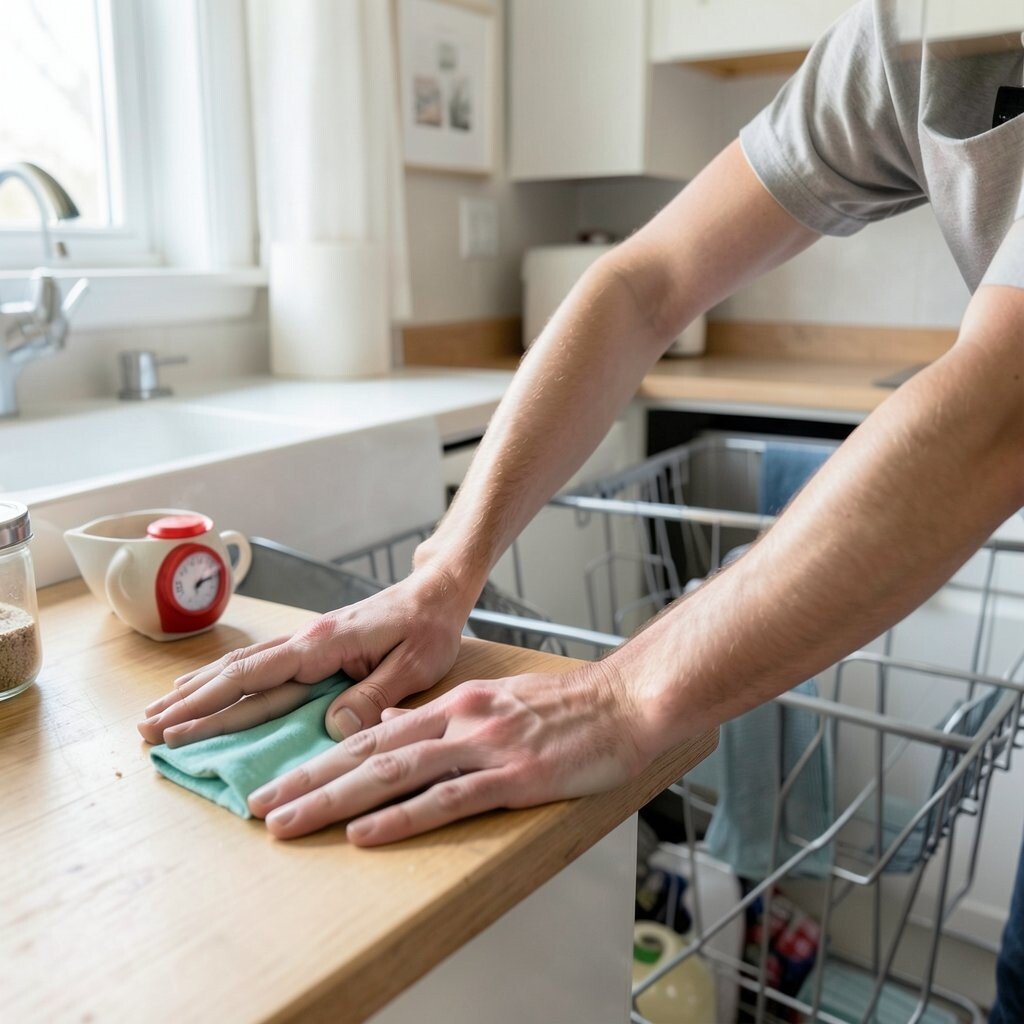
Pick one area and do a small clean-up task. It can be wiping a table, loading the dishwasher, or sorting your bag. Small actions make the home feel ready, not messy.
Try using a five-minute timer. When the timer ends, stop even if you want to keep going. This keeps the habit from feeling too big and helps you stay consistent.
You can personalize it by choosing tasks that match your day. If you cook at night, set out your items in the morning. If you rush in the evening, do quick prep earlier.
10. Plan Your Outfit the Night Before

Choose your clothes the night before so mornings feel easier. Lay them out or hang them where you can see them. This helps you avoid last-minute stress and rushing.
You can also check the weather and pick layers. If you wear shoes often, keep your shoe choice near the door. This is a simple habit that costs nothing and saves time.
Personal touch: pick a color that makes you feel good. It can help you start the day with confidence. Use small choices you will enjoy wearing.
11. Make a Morning Playlist or Quiet Time
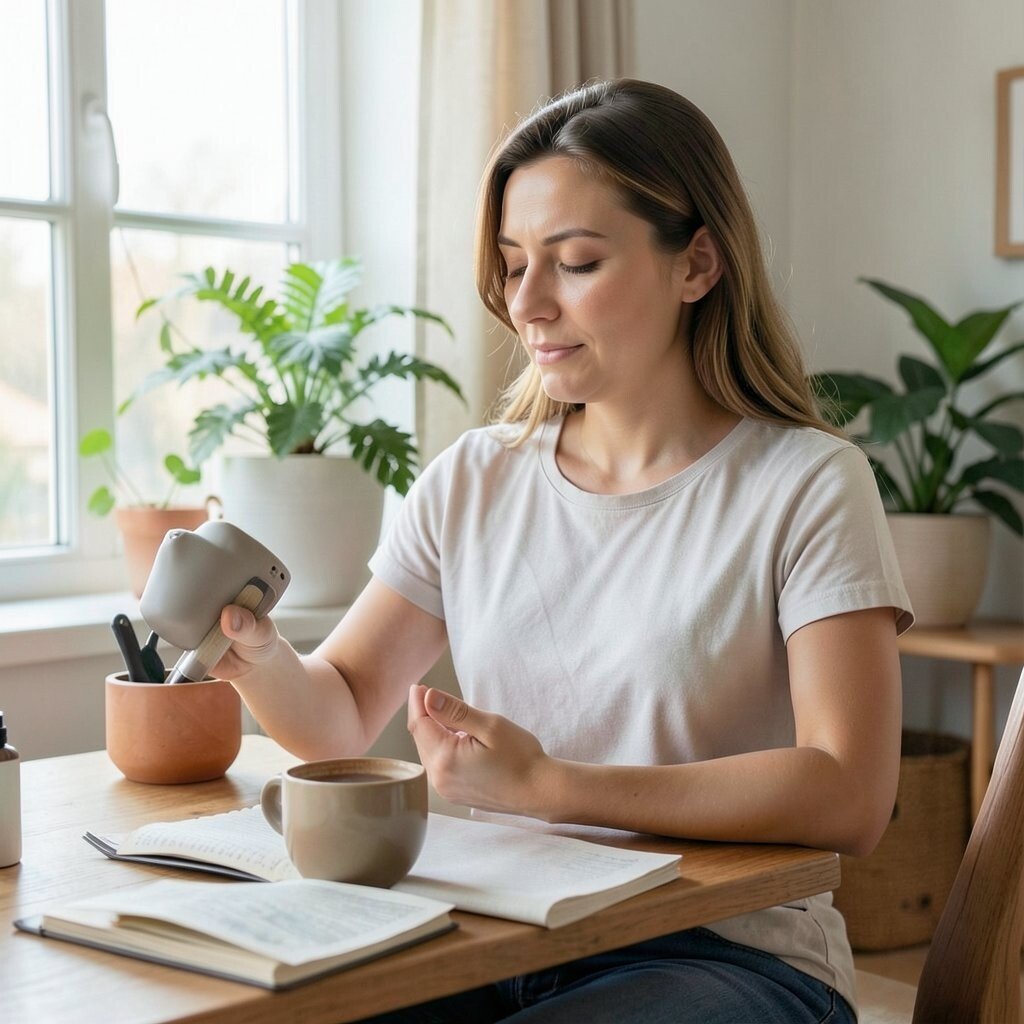
Decide if you want quiet time or music while you start your day. Some people like calm sounds, and others like upbeat tracks. Either way, it can help you feel set for the day.
If you choose music, keep the volume at a safe level. Create a short playlist that matches your energy, like calm songs for mornings and brighter songs after you eat. This is a fun way to personalize your routine.
If you choose quiet time, try a simple breathing routine and no talking. You can focus on the day ahead without noise. This can help your mind feel less scattered.
12. Write One Positive Note to Yourself
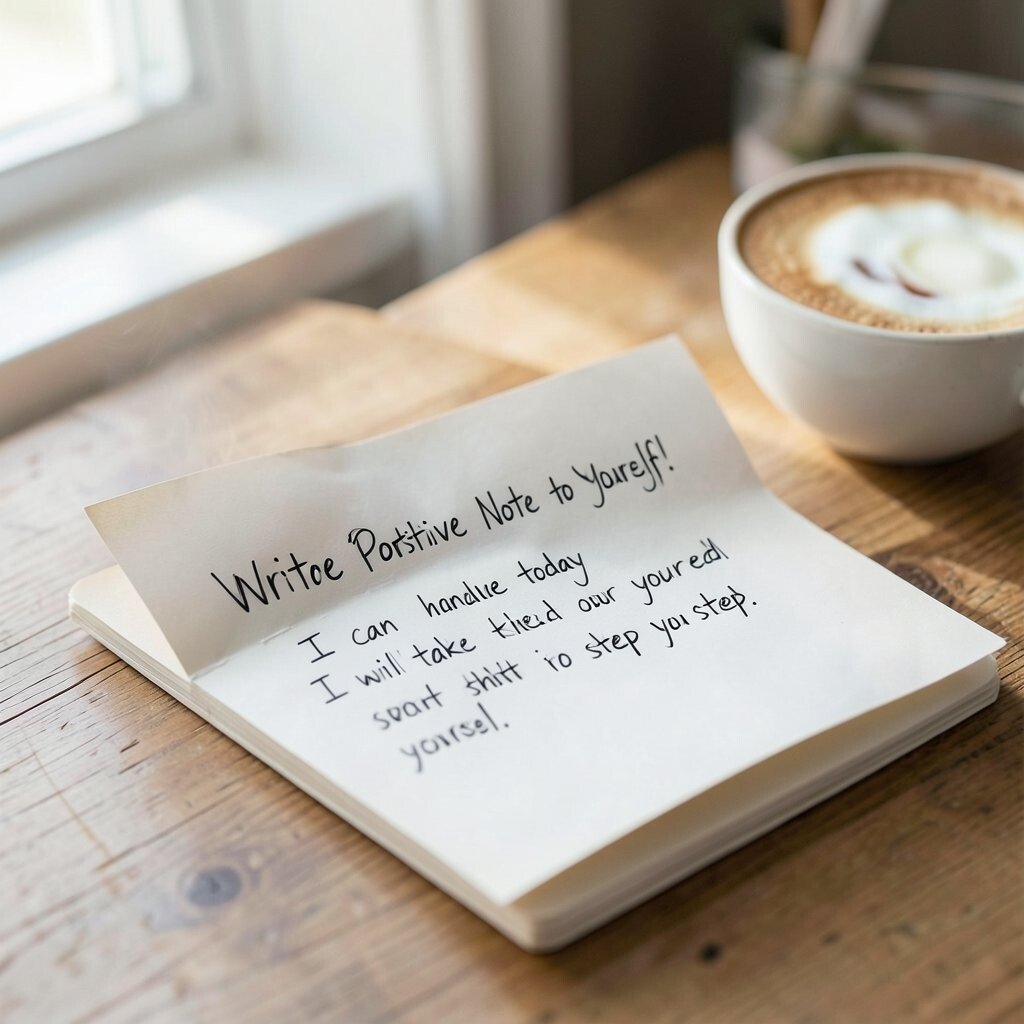
Take a moment to write one short note to yourself. It can be as simple as “I can handle today” or “I will take it step by step.” Writing it down can help you stay kind to your own mind.
Keep it real and easy to believe. If big words feel fake, use plain words. This habit is personal, and it can be private.
Try reading the note after you eat breakfast. Pairing it with food can make the routine stick. It costs nothing and can support your mood.
13. Practice a Skill for Ten Minutes

Spend a short time learning a useful skill. It can be reading a few pages, practicing math, or writing a few lines. Ten minutes can feel small, but it still moves you forward.
Choose a skill that fits your goals. If you want to improve at work, practice a tool or review a simple task you do often. If you want to grow as a person, read something helpful or practice a hobby.
Personal tip: track it in a simple way, like a checkmark on a calendar. This can be motivating without being complicated. It also fits new trends like micro-learning and short practice sessions.
14. Eat a Fruit or Veg Snack
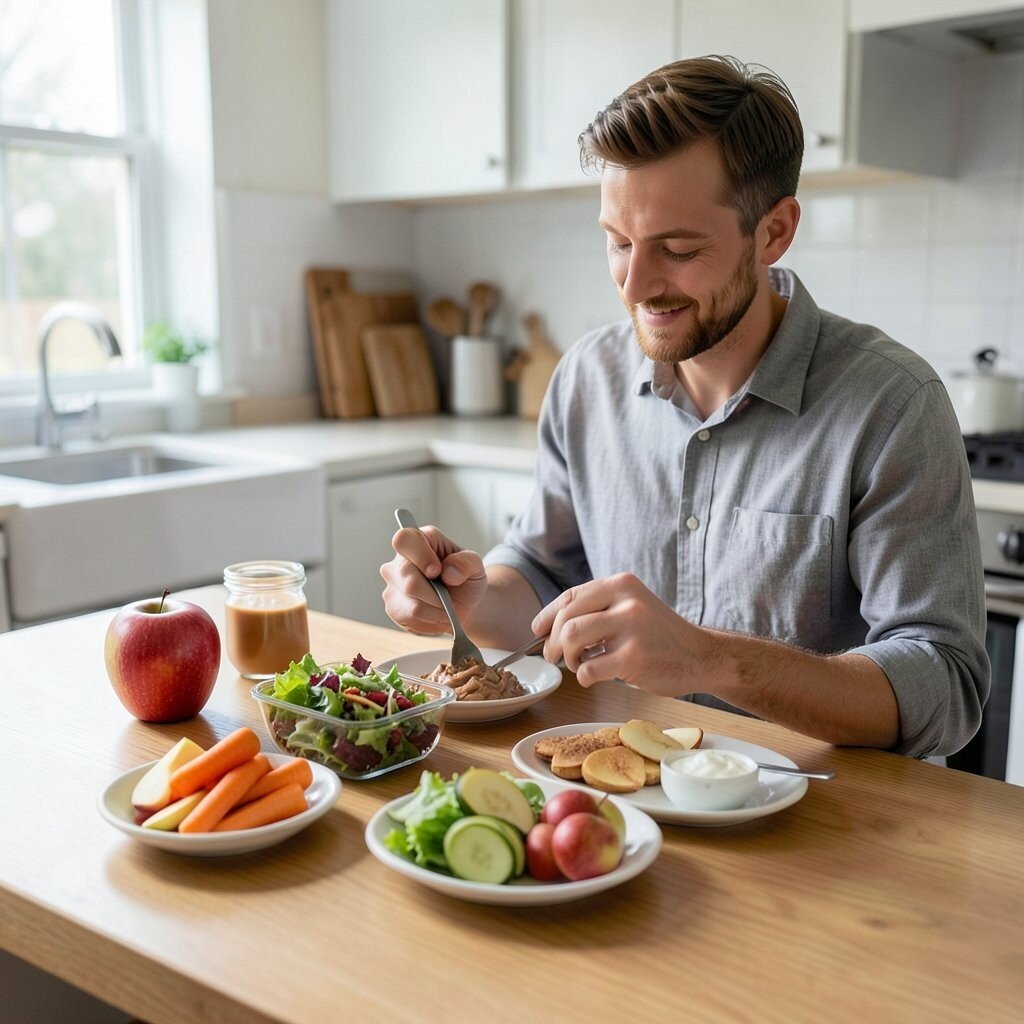
If your breakfast is small, add a fruit or veggie snack after you get going. Options like an apple, banana, carrots, or a small salad can help. It is an easy way to add fiber and vitamins.
You can pack it in advance if you tend to forget. Keep a stash in your kitchen so grabbing it feels natural. This can fit any budget, especially if you buy what is on sale.
Personal idea: pair it with something you like. For example, apple slices with peanut butter or carrots with yogurt dip. This keeps the snack from feeling boring.
15. Do a Two-Minute Breathing Check

Take two minutes to breathe slowly and check in with your body. Notice your chest and stomach as you breathe in and out. This can help if you feel tense or rushed.
You do not need a special app. Try counting breaths, like in for a few counts and out for the same counts. If counting feels weird, just slow your breathing and keep it steady.
This habit can help you respond better when the day gets busy. It costs nothing and can fit into any routine. People often use this type of pause in modern stress routines.
16. Set Up Your Space for the Next Step
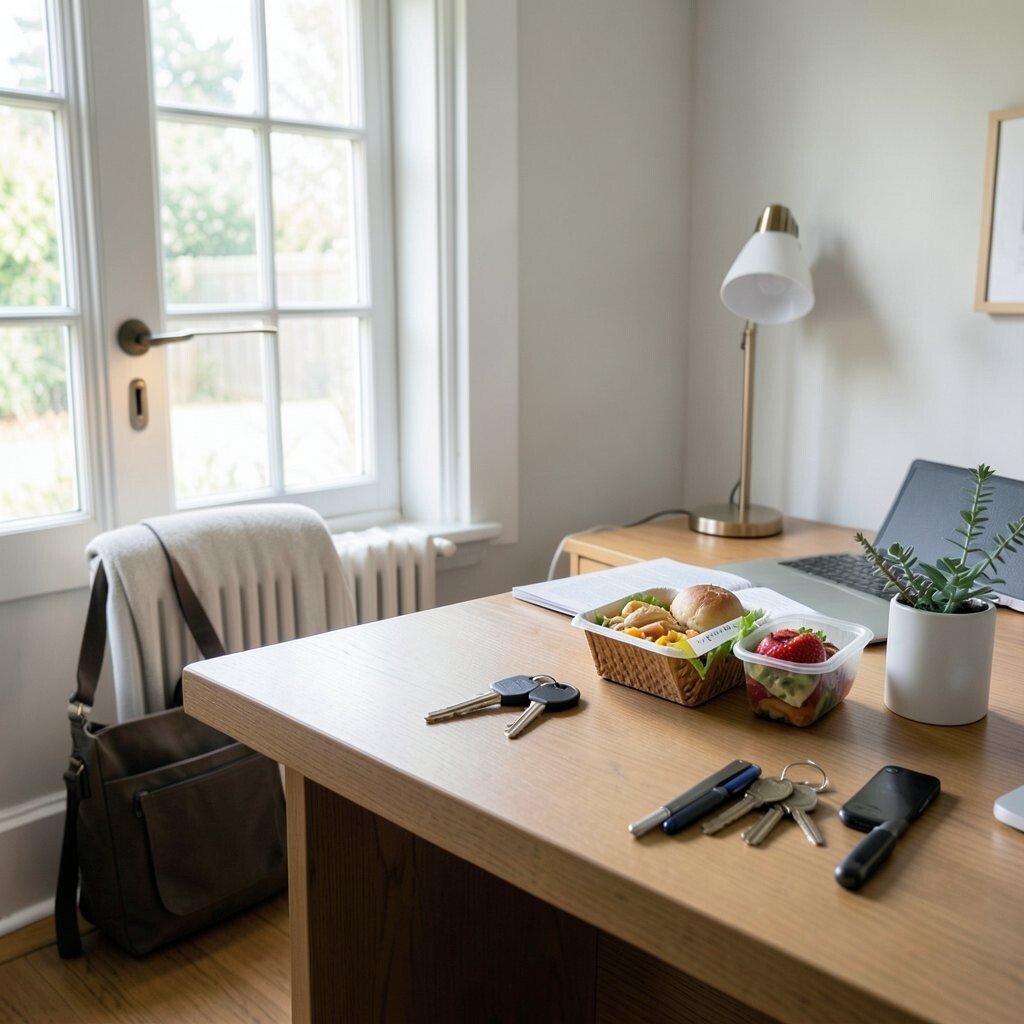
Get your space ready for what comes next in your day. Put your bag by the door, set out keys, or place your work items on a desk. This reduces the chance you will search for things later.
You can also clear your desk for the first task you will do. A clean start helps your mind focus on the work instead of clutter. It is a simple habit with a strong payoff.
Personalize it based on your day. If you take lunch, pack it the night before and label it if needed. If you carry tech, charge it before you sleep.