Stains can look scary, but you can fix most of them at home. You just need the right steps and a little patience.
1. Cold Water First
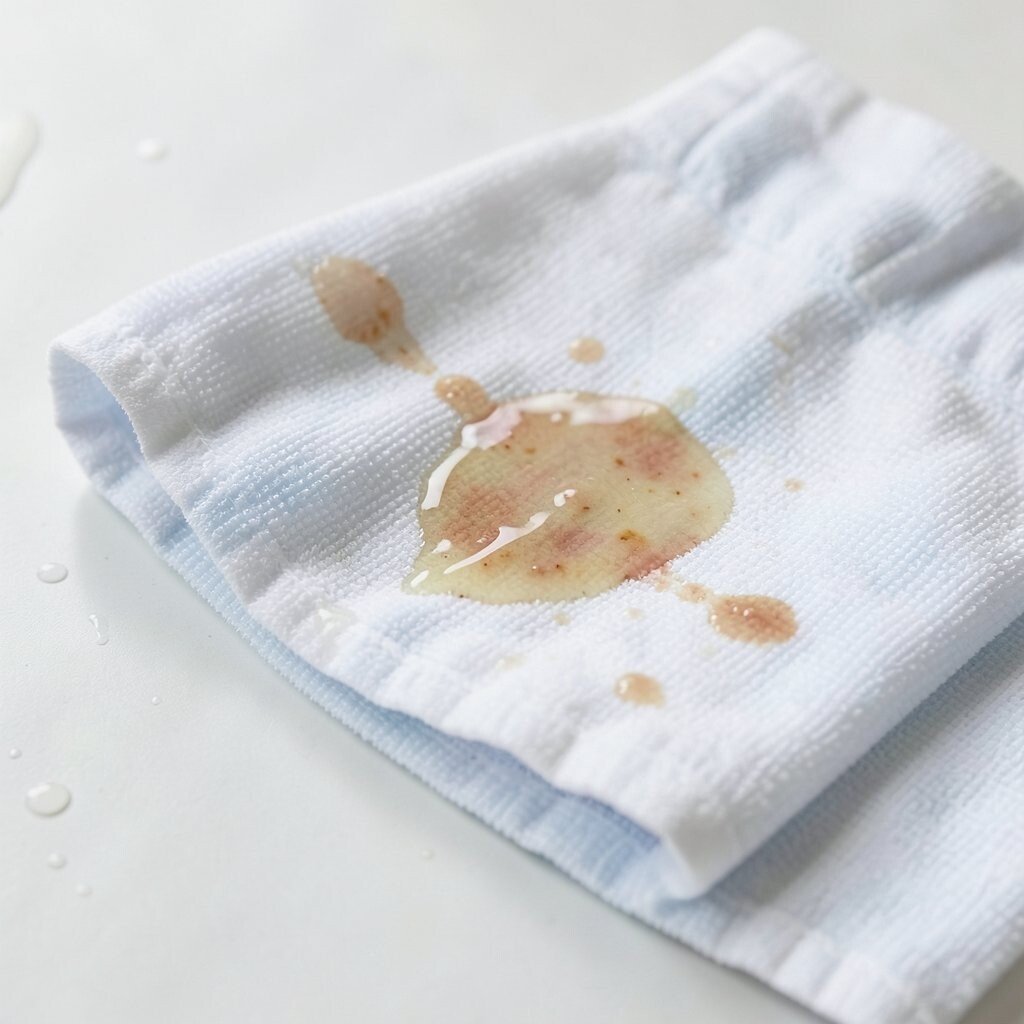
When you see a fresh stain, rinse it with cold water right away. Cold water can help keep many stains from setting. You may see the color loosen on the fabric.
Press the cloth under the water, then lift and repeat. This simple step is useful for juice, sweat, and some food marks. It also costs almost nothing since you only use water.
If the stain is big, try to work from the edge toward the center. This helps stop the stain from spreading. After rinsing, wash the item as you normally would.
2. Quick Blot, Not Rub
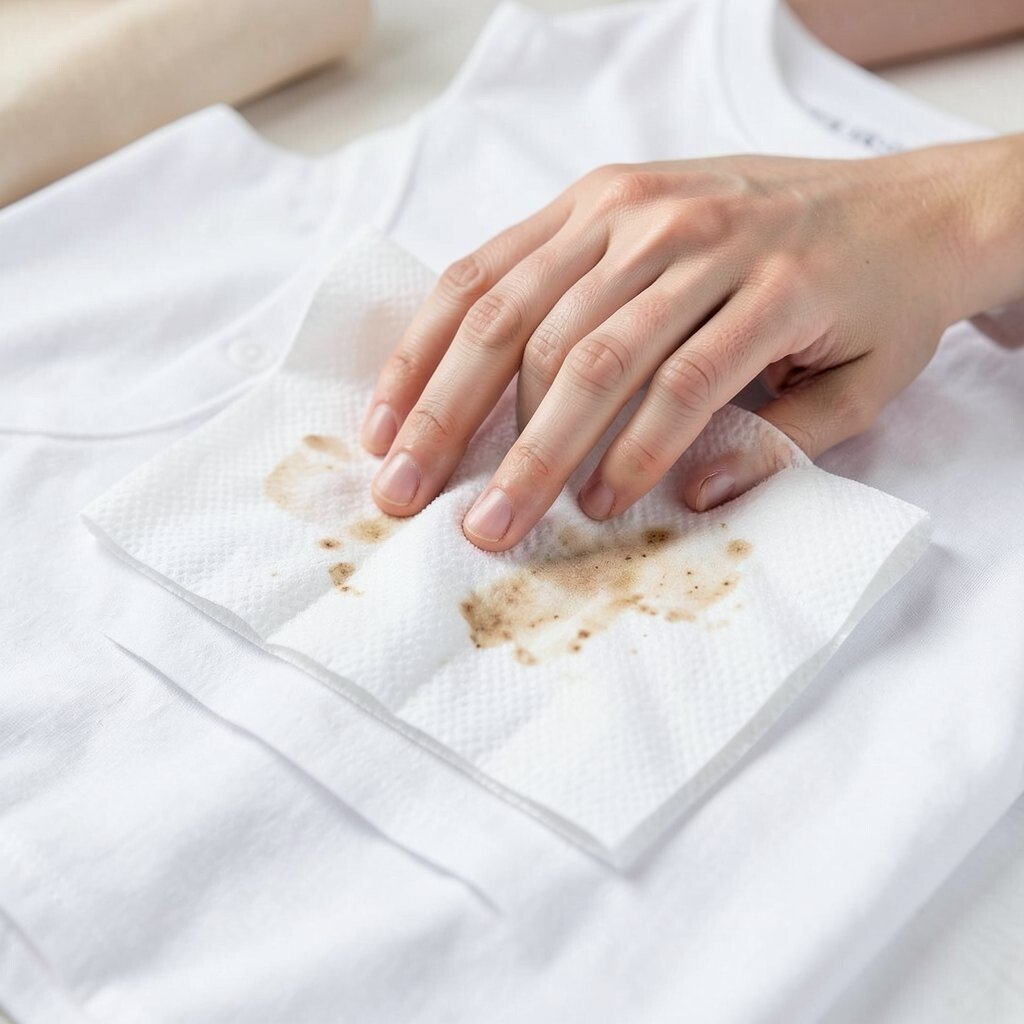
Blotting means you press and lift, instead of scrubbing. A rub can push the stain deeper into the fibers. You can picture a stain like ink that spreads when you move it.
Use a clean white cloth or a paper towel for blotting. If you have a few towels, rotate them as they get damp. This keeps you from moving the stain back onto the shirt.
Try this step before you use any cleaner. It often makes later steps work better and quicker. You can also see less color on the towel after a few presses.
3. Dish Soap for Grease
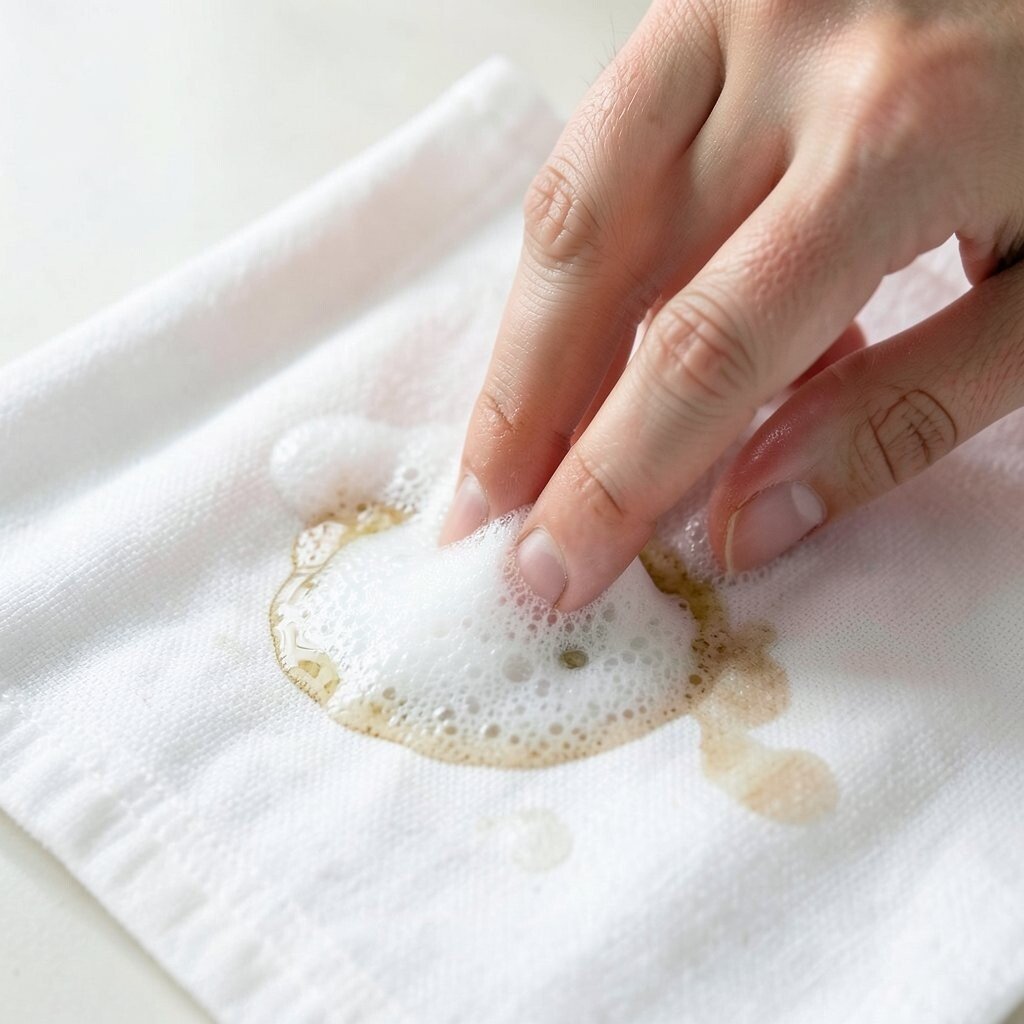
Dish soap works well for oily marks like salad dressing or butter. Put a small drop on the stain and add a little warm water. Then gently work it with your fingers.
You will often see a light, foamy layer form on top of the stain. That foam helps lift oils out of the cloth. This is a good choice for kitchen clothes and greasy collars.
Let it sit for a short time, then wash as usual. This method is usually cheap because dish soap is easy to find. For best results, rinse and check the fabric before you dry it.
4. Baking Soda Paste for Odor and Marks
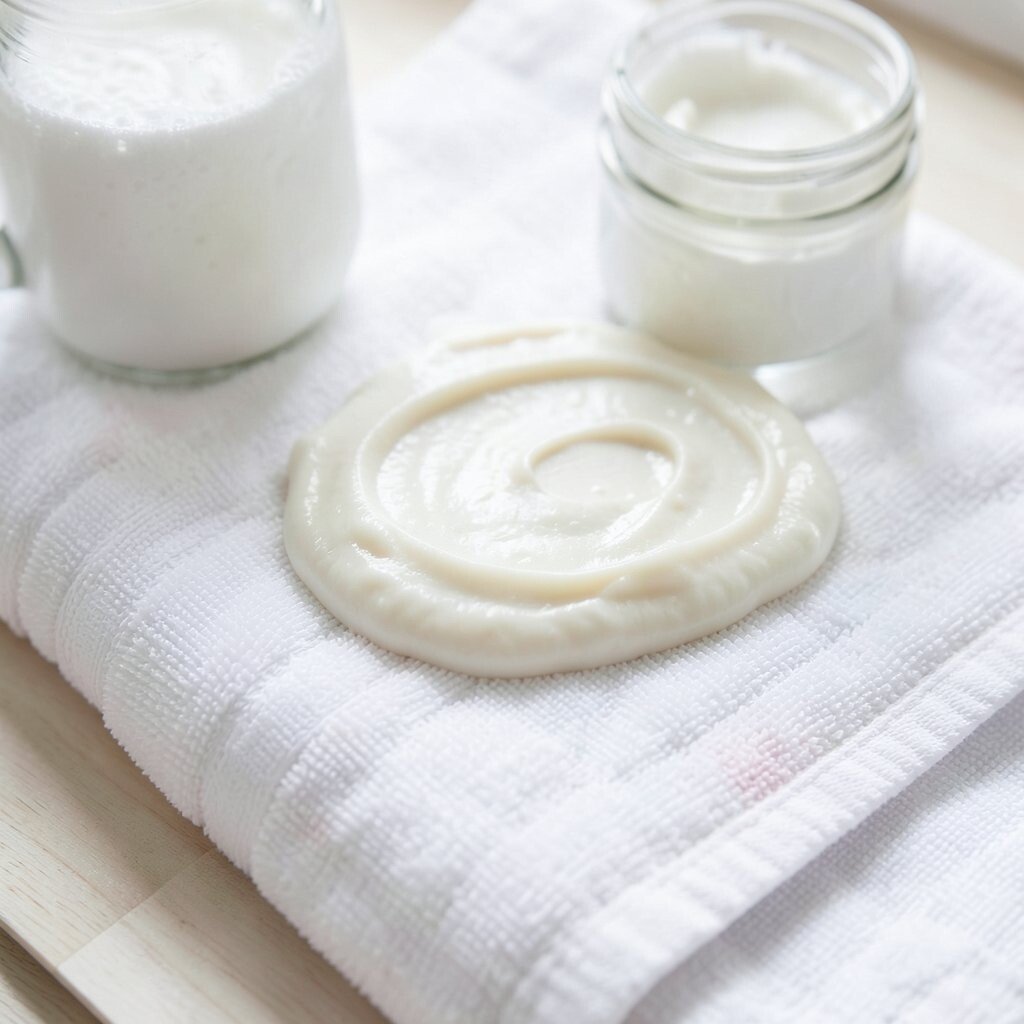
Baking soda can help with stuck smells and some stain spots. Mix baking soda with a little water to make a paste. The paste looks thick and creamy, like a simple spread.
Rub the paste lightly on the stain and let it rest. After a bit, wash the item. You may notice the fabric looks cleaner and smells fresher too.
This tip is great for towels, socks, and everyday shirts. It is also low cost and easy to store. For personal use, you can make a small batch and keep it in a jar.
5. White Vinegar for Bright Whites
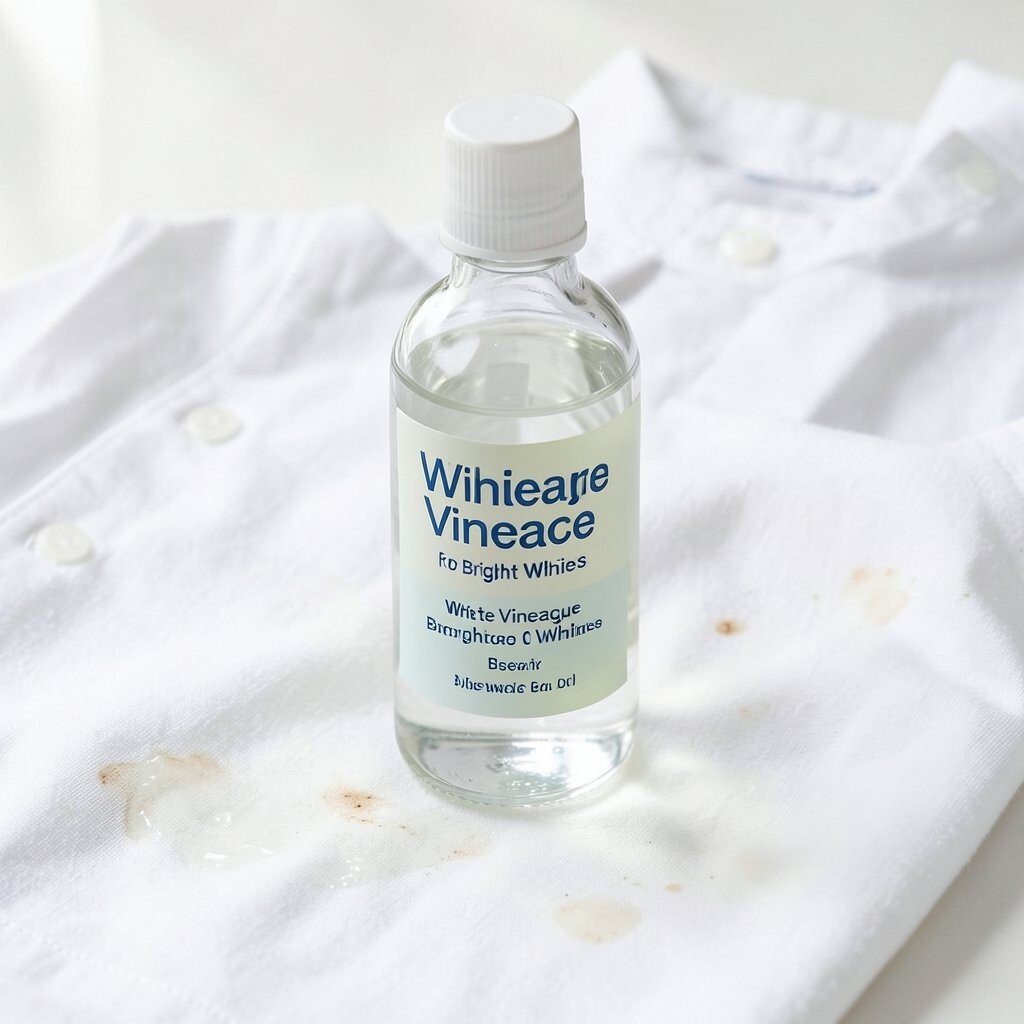
White vinegar can help brighten clothes that look dull. Mix it with water and soak the stained area for a while. You may see the color look more even as you rinse it out.
This works well for sweat stains and some ring marks under collars. Vinegar is a common household item, so cost stays low. It also fits many kinds of washing routines.
Use it with care on delicate fabrics. If you are not sure, try it on a small hidden spot first. Then wash normally and check the result before drying.
6. Hydrogen Peroxide for Tough Spots
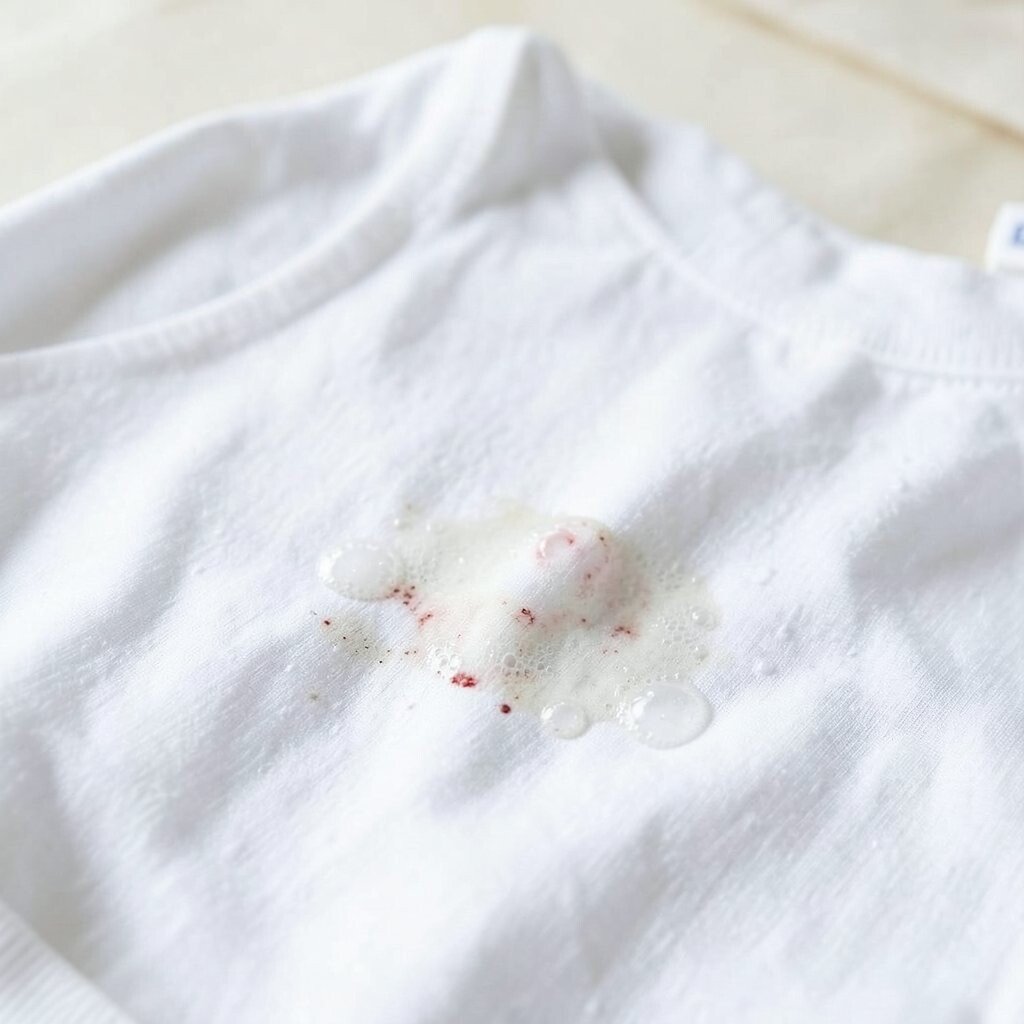
Hydrogen peroxide can help with stubborn stains like blood or some dark spots. Use a small amount on the stain and let it sit briefly. You may see bubbles or a slight fizz, which is normal.
Always test on a hidden area first, since it can be too strong for some colors. Then wash the item right after. This step can be a big help for white cotton items.
Use gloves if you can, and keep it away from kids and pets. Cost is usually fair, and you do not need much for spot cleaning. If the stain stays, repeat once more before you move to a new method.
7. Lemon Juice for Sun Help
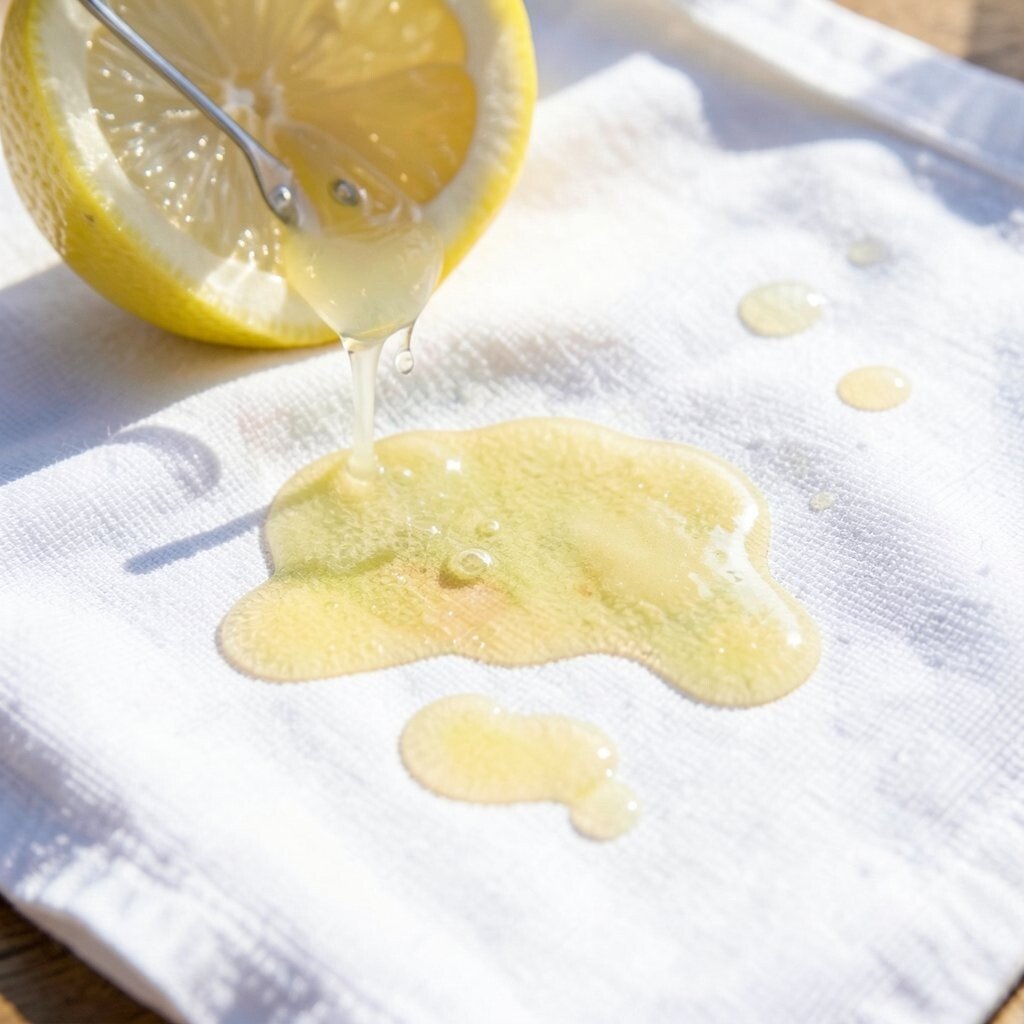
Lemon juice can help with light stains, especially on white fabrics. Put lemon juice on the stain and let it sit for a short time. Then rinse and wash.
For extra help, you can place the item in sunlight for a bit. The warm sun can help the stain fade. You may see a lighter spot after drying.
This method feels easy and natural, and it fits seasonal habits. Still, it can be risky for bright colors, so test first. If you want personalization, mix lemon juice with a little water for gentler use.
8. Oxi-Type Powder for Many Fabrics
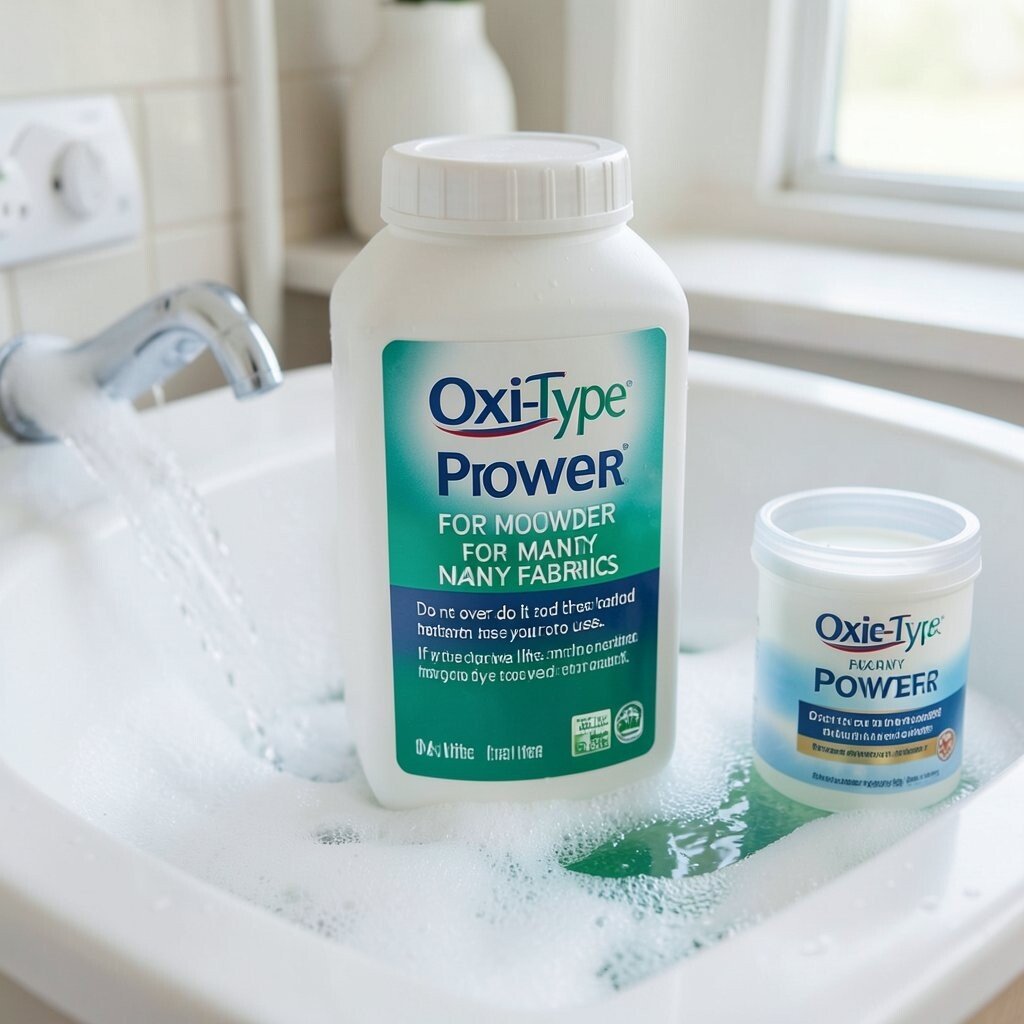
Oxi-type powders are made for stain removal in many wash loads. You can add it to the wash water as the label says. The result is often a clear, clean look with less stain left behind.
This option is useful when you have mixed stains in one hamper. It is also a good fit for white and colorfast items. Many people like it because it is easy to use.
Do not overdo it, and follow the instructions for your machine. If you have hard water, you may need to adjust a bit. For trends, many households now keep a small tub of oxygen cleaner on hand.
9. Enzyme Cleaner for Food and Sweat
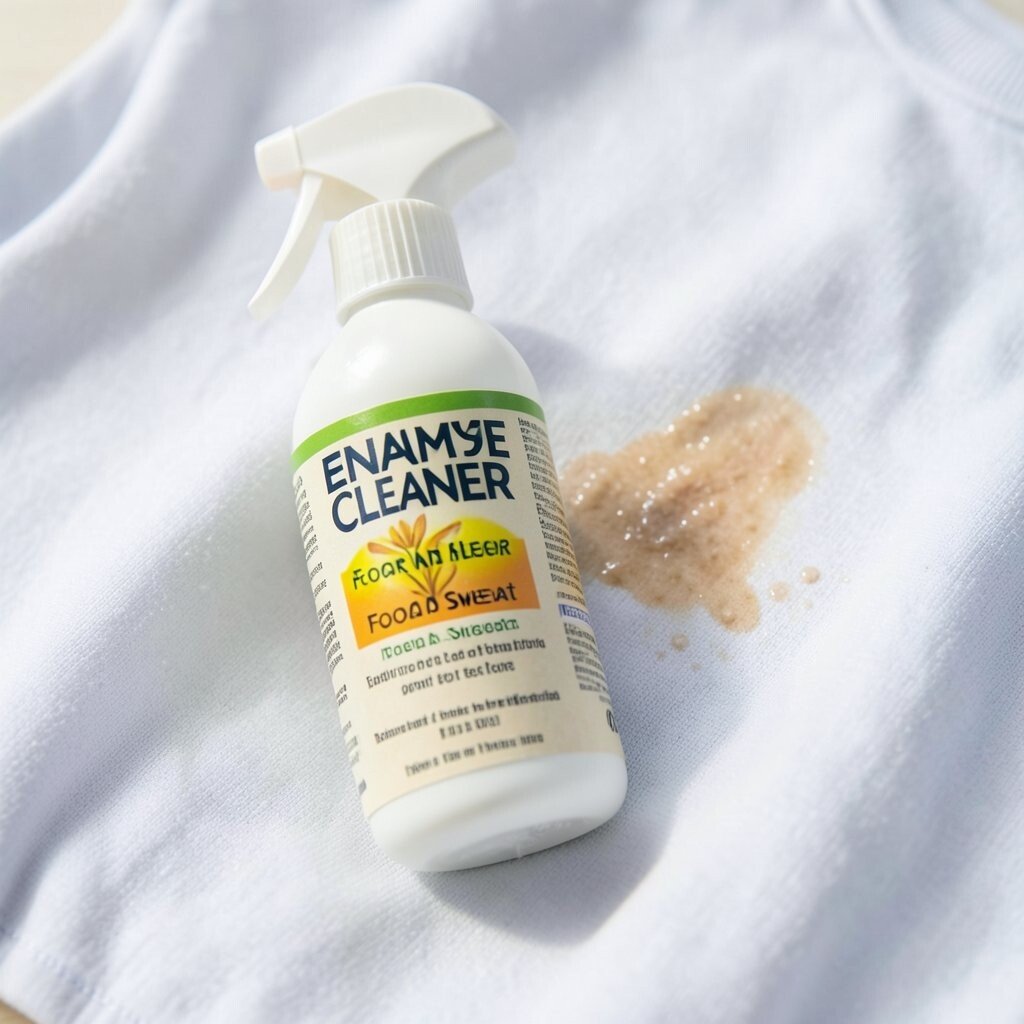
Enzyme cleaners break down stain bits like food, grass, and sweat. Spray or rub it on the spot, then wait a short time. After that, wash the fabric and check the area.
You may notice the stain looks lighter before the wash even starts. That can be a sign the cleaner is working. Enzymes are a good choice for active wear and daily shirts.
This tip is great for parents and anyone who deals with messy meals. It usually costs a bit more than basic soap, but it can save time. Try it on a small spot first if your fabric is delicate or dark.
10. Alcohol for Ink and Marker
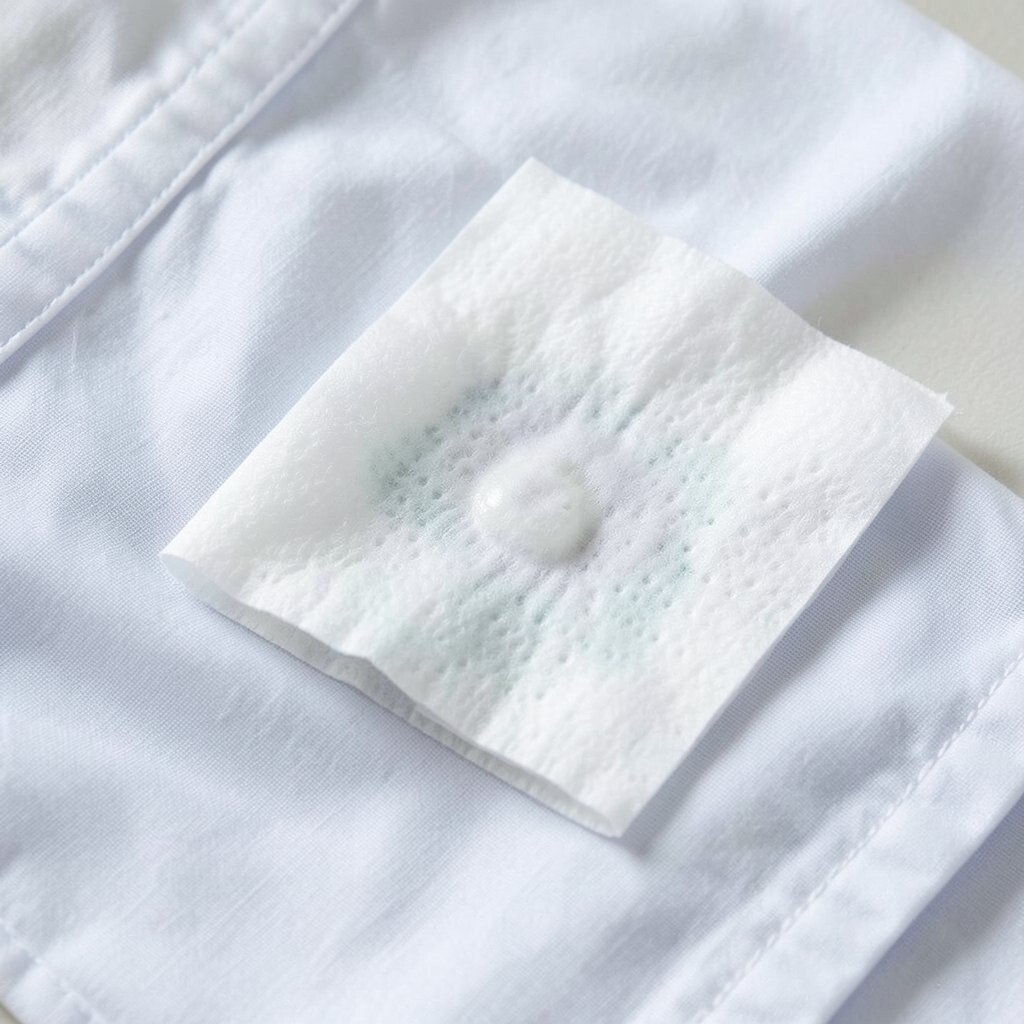
Rubbing alcohol can help remove some ink and marker stains. Dab a small amount on a cotton pad or cloth, then blot the stain. You will often see the ink lift onto the pad.
Work slowly and keep swapping to a clean part of the pad. This avoids spreading the stain. Then rinse and wash right away so the fabric stays fresh.
This method is unique because it targets pigment like ink. It can be handy for school art clothes and desk stains. For personalization, try it on a hidden seam first to check color safety.
11. Salt for Fresh Red Wine
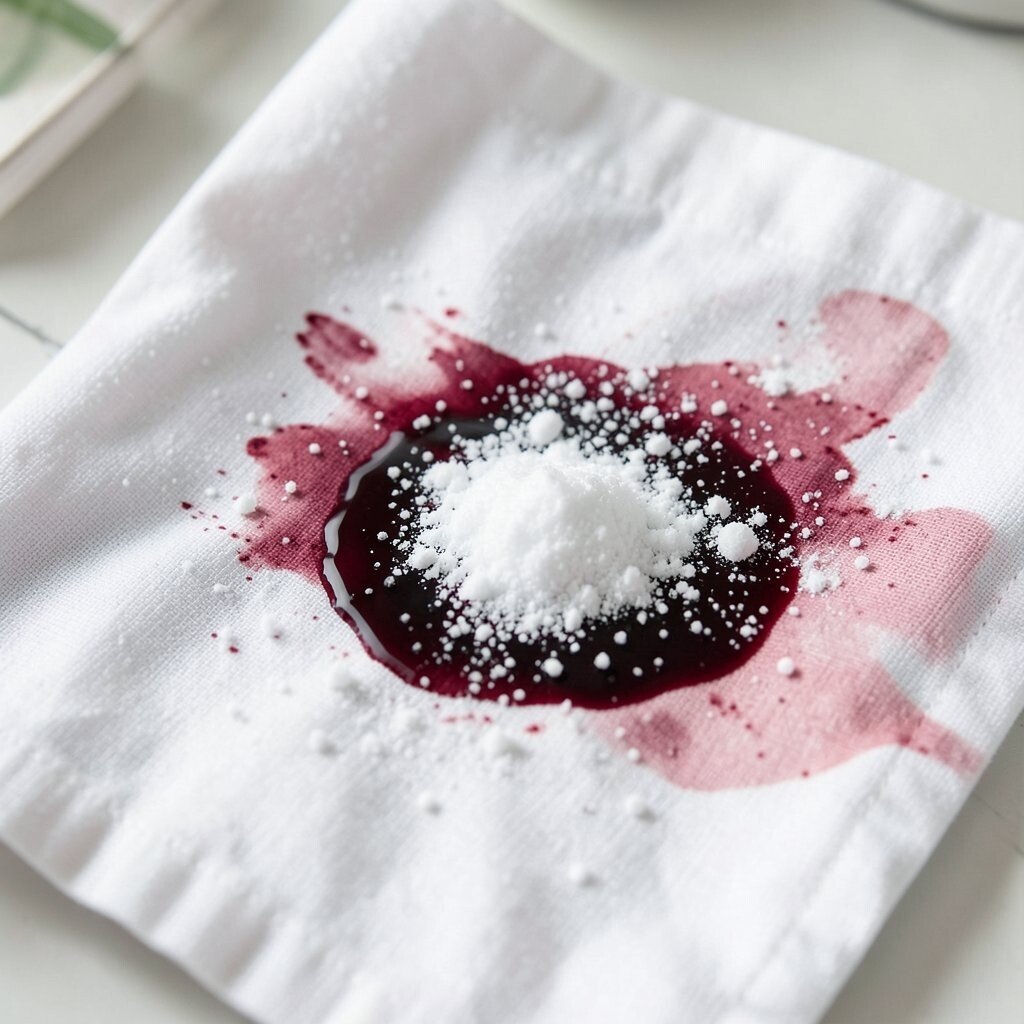
Red wine stains can leave a dark mark fast. Sprinkle salt on the wet spot and let it sit for a bit. The salt can pull some of the liquid out of the fabric.
After you wait, brush off the salt and rinse with cold water. Then wash the item with your usual detergent. You may see the stain turn lighter and look less bold.
This tip is good because it uses a kitchen item you likely already own. It also feels quick in the moment. If the stain is still there, try a second round before drying.
12. Cream of Tartar for Rust-Like Marks
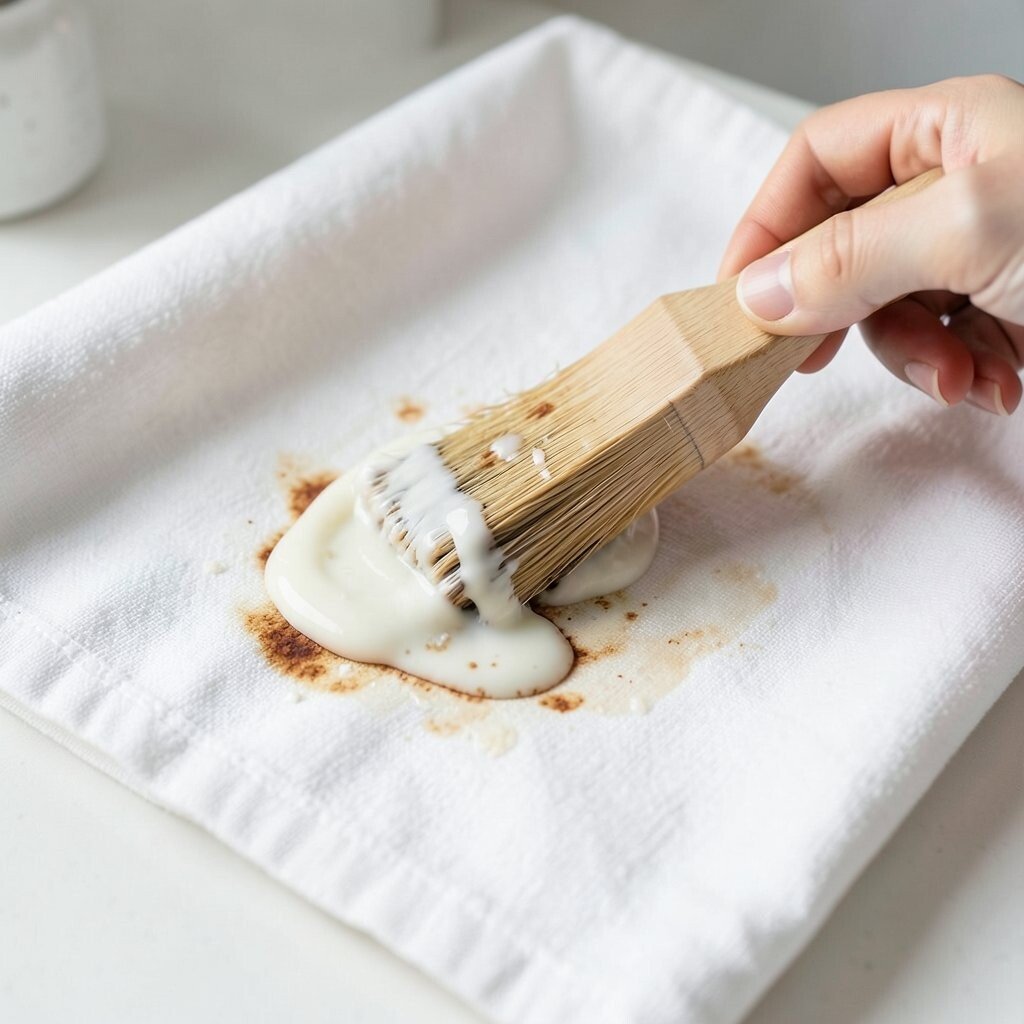
Cream of tartar can help with some rust-like stains. Mix it with a little water to make a paste. Spread the paste on the stain and let it sit for a short time.
After the wait, scrub gently with a soft brush. Then rinse and wash. You may see the spot fade and the cloth look more even.
This method is not for every fabric, so test first. It can be a great cost choice if you already have it in the kitchen. For personalization, adjust the paste thickness so it stays on the spot.
13. Hair Spray for Some Stains
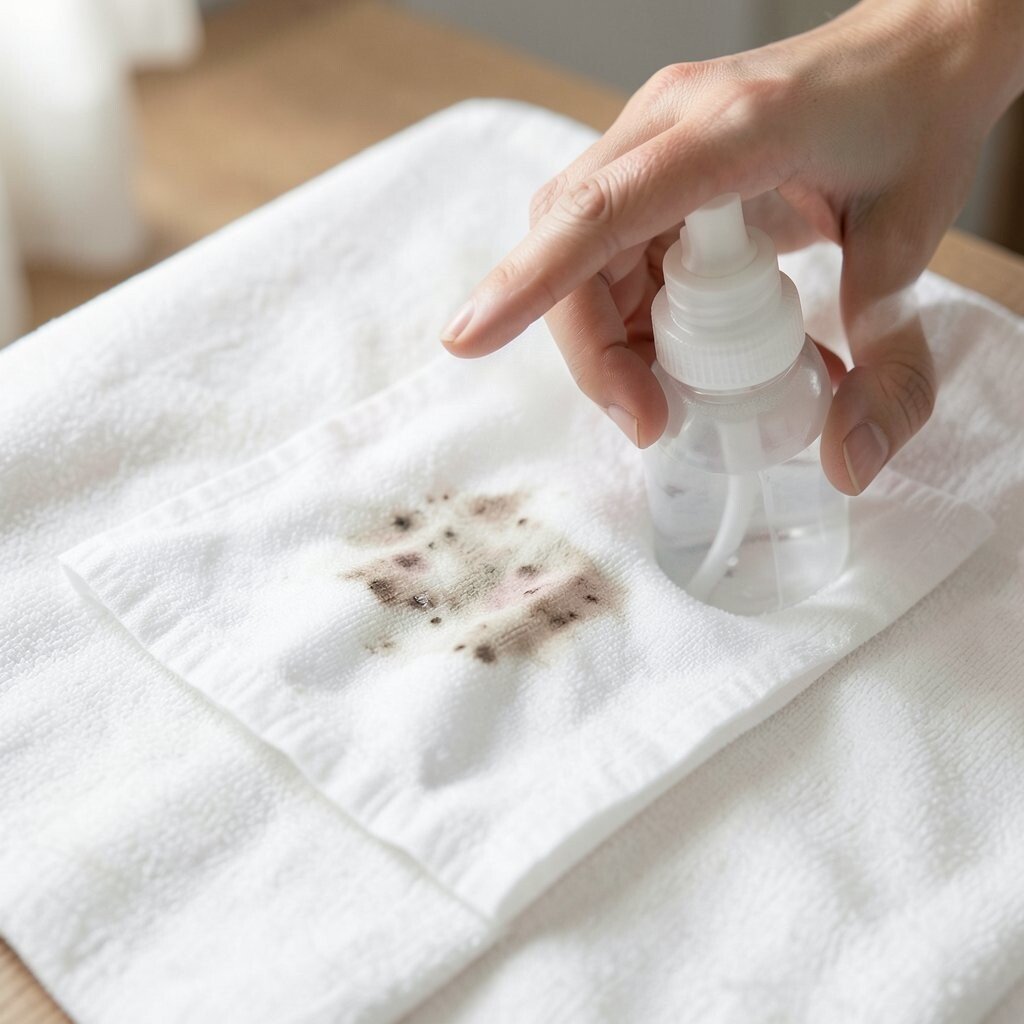
Some people use hair spray to help with ink and certain sticky marks. Spray a small amount on the stain, then blot with a clean cloth. The stain may break up and lift as you press.
This tip can feel surprising, but it can work for certain types of marks. Always test on a hidden area, since sprays can affect fabric feel. Then wash the item right away.
Keep in mind that not all hair sprays work the same way. Choose a simple, clear spray if you can. This is a low-cost try for small spots when you do not have other tools.
14. Clean Toothbrush for Detail Work
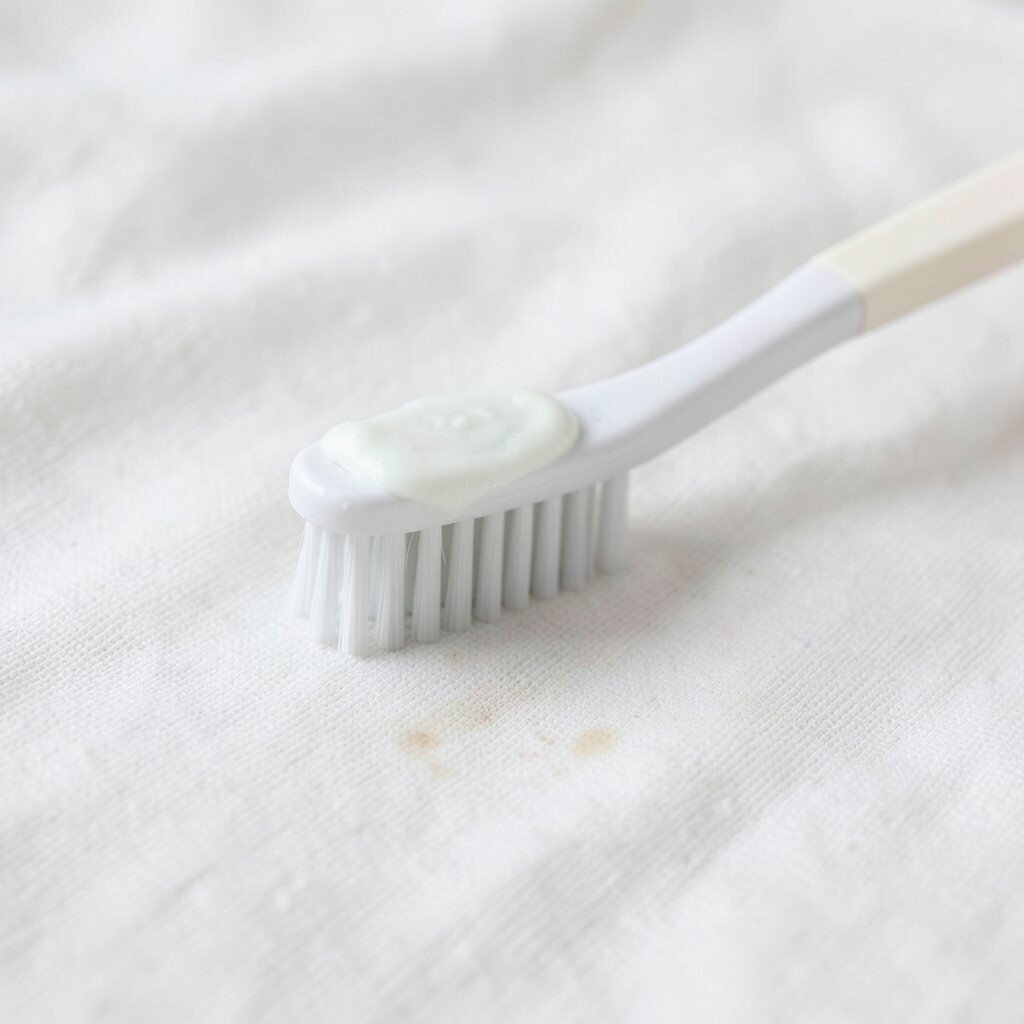
A clean toothbrush can help you treat a stain in tight areas. Use it with detergent, paste, or cleaner to work the spot. The bristles can reach seams, cuffs, and small corners.
Brush gently in small circles, then rinse and wash. You will often see a more even clean look in places hands cannot reach. This can help with small dye, dirt, or grime spots.
This tip is unique because it targets details without big scrubbing. It also costs almost nothing if you keep an old brush just for cleaning. For personalization, pick a brush with soft bristles for delicate fabric.
15. Check Before Drying and Repeat
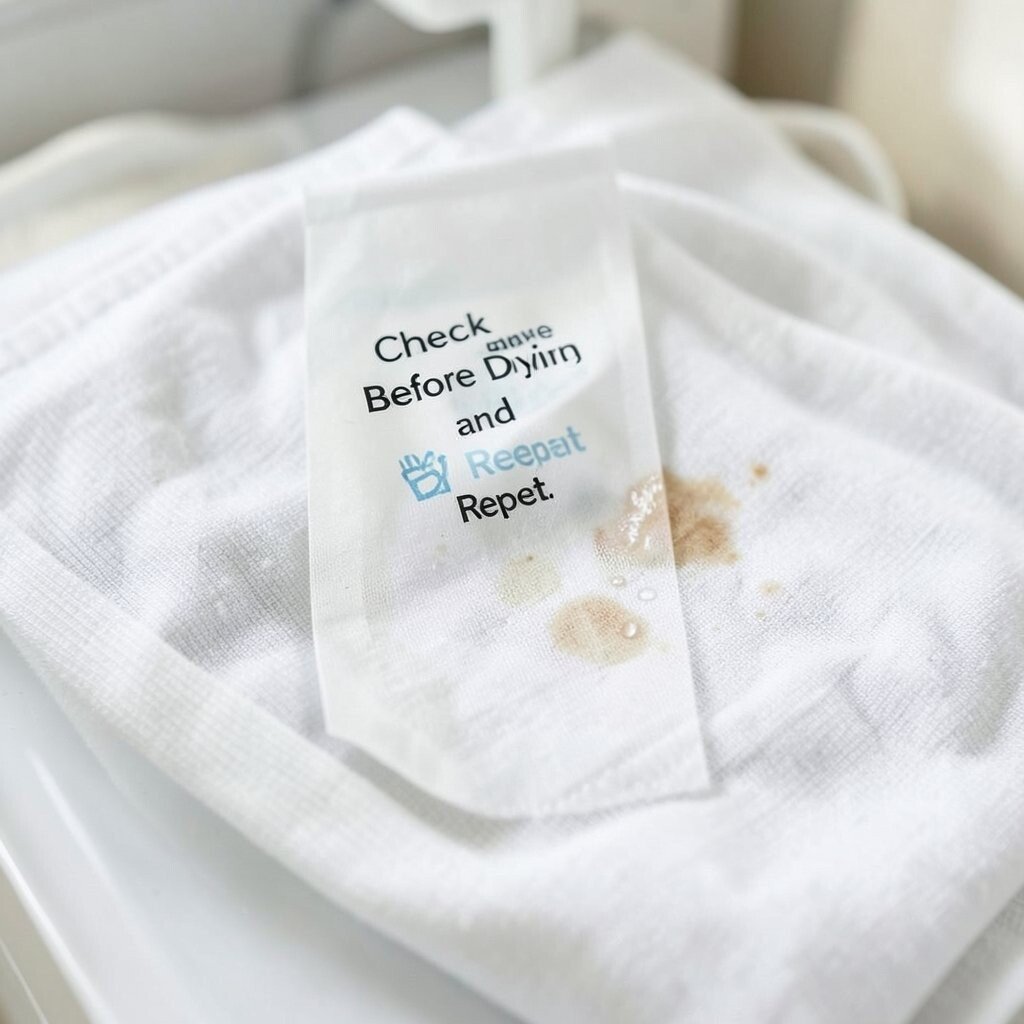
Drying can set many stains, so always check the fabric first. Look closely under bright light before you put it in the dryer. If you still see a spot, treat it again.
Try one step at a time and give it enough time to work. You can use cold water, a soap spot, or an enzyme cleaner depending on the stain. This careful routine often saves money and keeps clothes longer.
This final habit is simple and helpful, especially for daily life. It also fits trends toward less waste and more reuse of clothing. If you are not sure, keep notes on what worked for your favorite items.