Good dental care can help your dog feel better and keep their teeth cleaner. Dental chews are an easy way to add this care to daily life.
1. Regular Dental Chews With Plaque Control
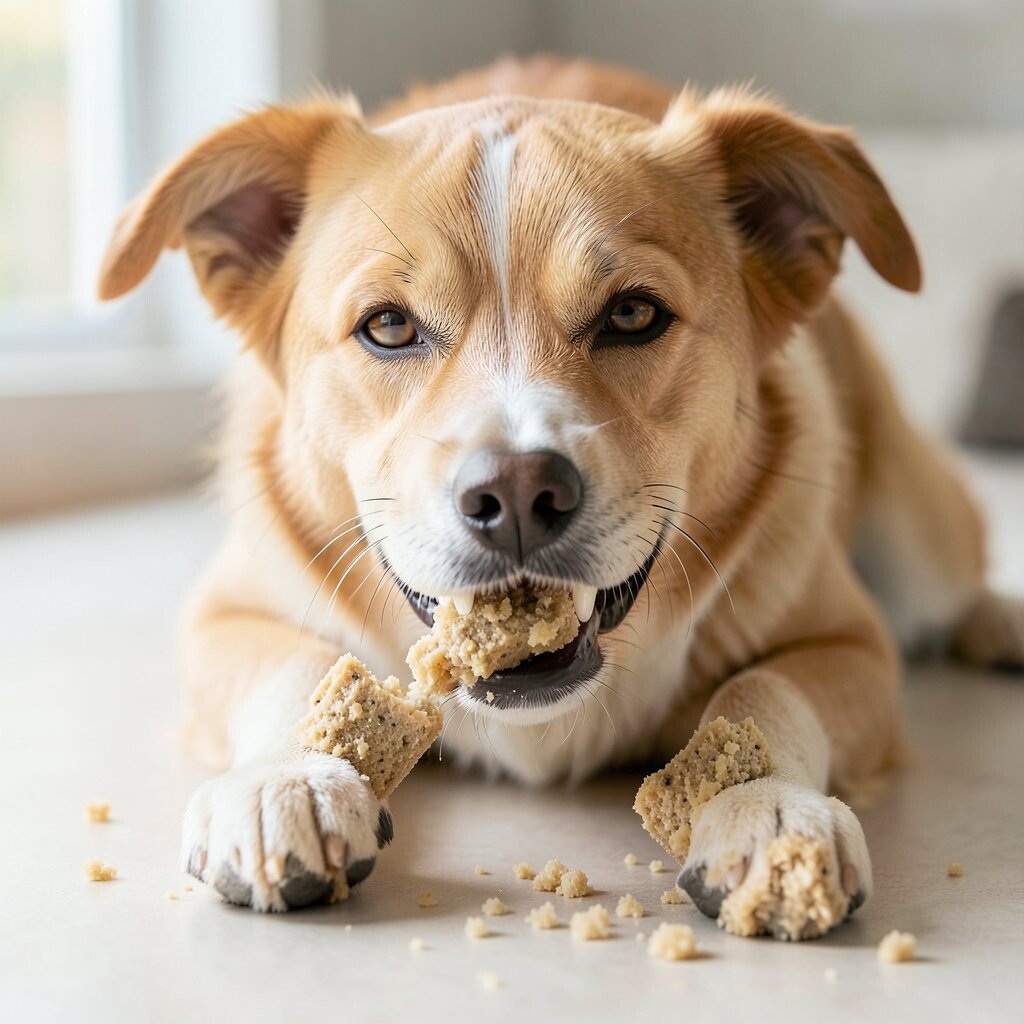
These chews are made to help with daily gum and tooth care. You can see a firmer chew texture that helps your dog work on it in a steady way. Many dogs like the taste, so it is easier to use at the same time each day.
One benefit is that regular chewing can help slow down plaque buildup. Over time, you may notice less bad breath after chew days. Keep the size right for your dog so they can chew safely.
For personalization, pick a chew that fits your dog’s age and bite size. If your dog is new to chews, start with a smaller piece or a softer option. Cost can vary a lot, so compare the price per chew and not just the box price.
2. Enzyme-Based Chews for Cleaner Teeth
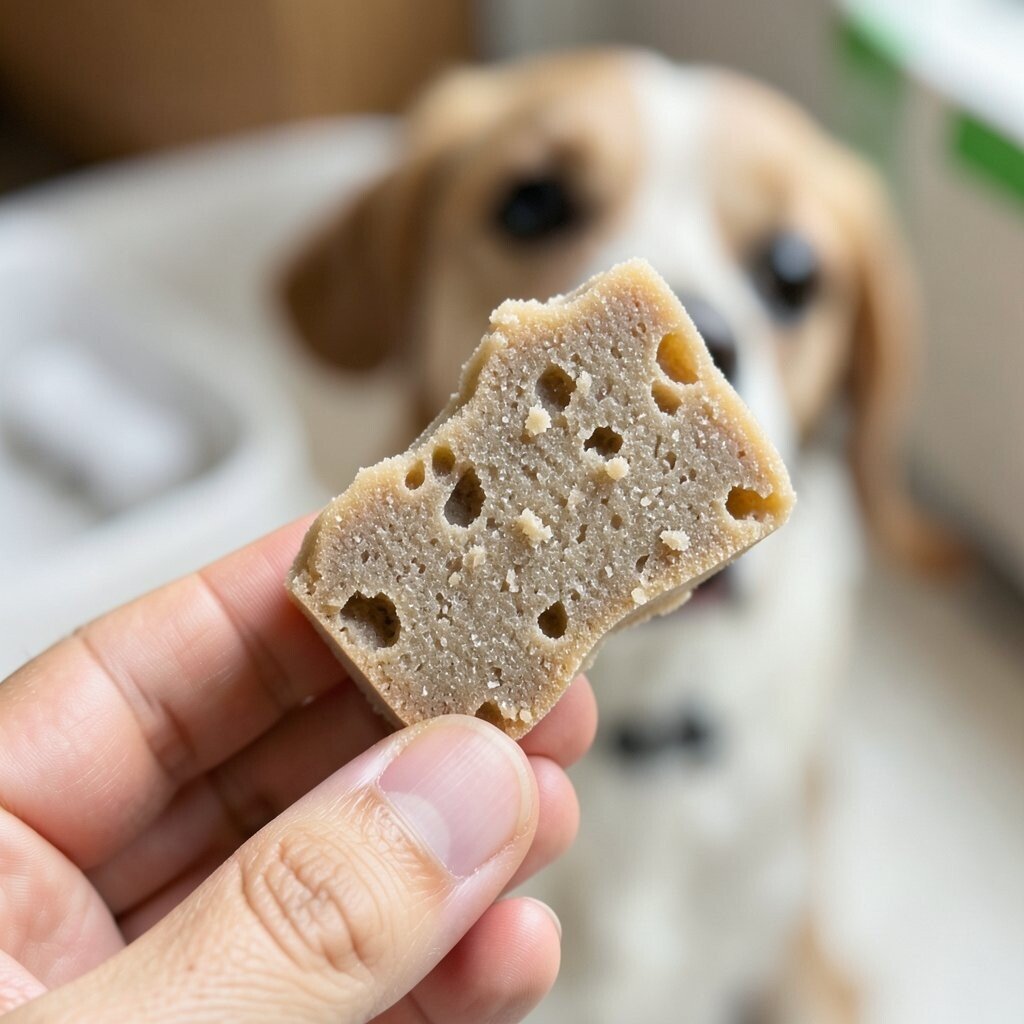
Enzyme-based chews focus on the idea that the ingredients help with mouth bacteria. When you hold one, you can often see small shapes and a dry, dense surface. The chew is not just for taste; it is made for daily use.
These chews can help reduce the smell that comes from germs in the mouth. They may also help keep gums feeling less sore. This can be a good choice for dogs who have mild plaque but still need steady care.
Try using them on the same schedule as your brushing routine, even if you brush only sometimes. Talk to your vet if your dog has gum disease or mouth pain. Many enzyme chews cost a bit more, but some pet owners find they work well with less extra product.
3. Water-Softening Dental Chews for Sensitive Dogs
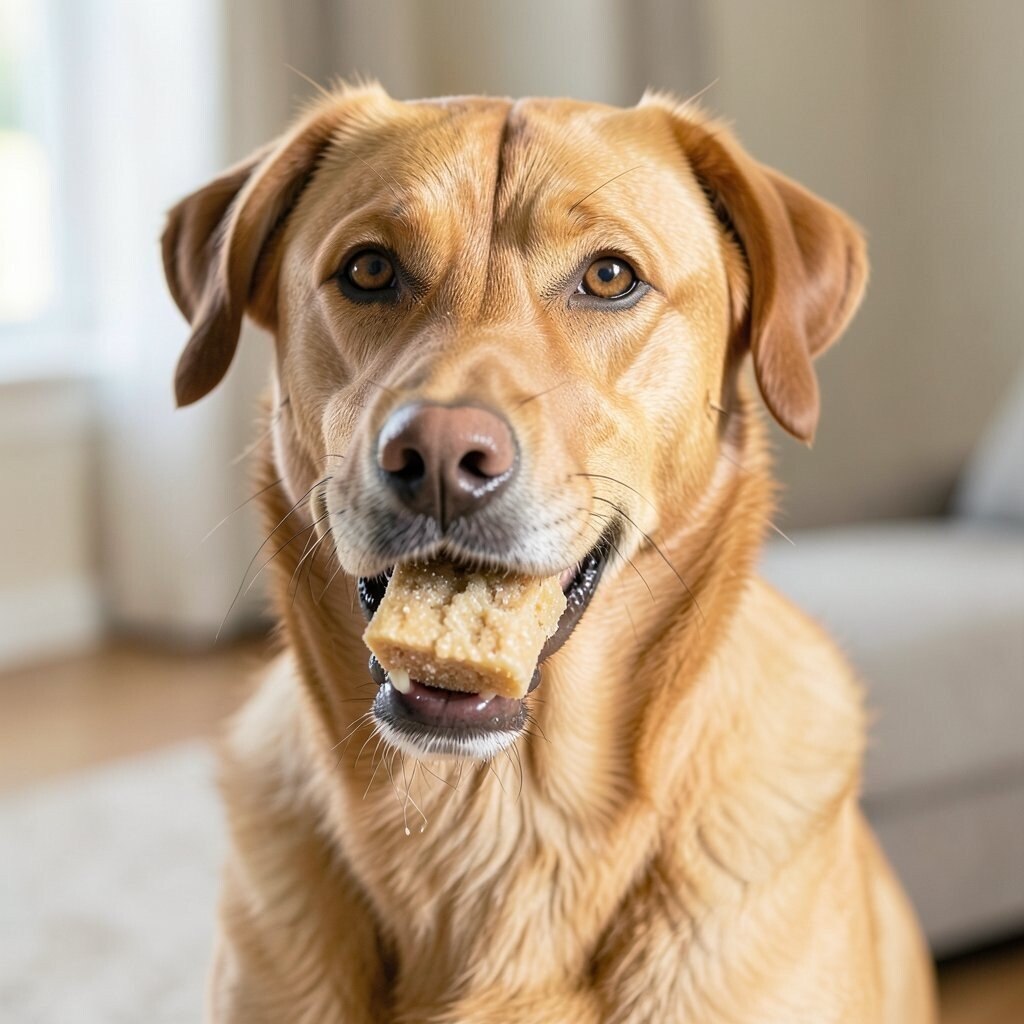
Some dental chews are made to soften a bit in the mouth. You may notice they look more flexible or less hard than other options. This can help if your dog has sensitive gums or does not like very firm chews.
A main benefit is that your dog can chew longer without strain. Chewing more calmly can help you avoid rushed bites. You also may see less drool from stress if your dog finds the chew easier to work with.
For tips, watch your dog’s comfort the first few times. Offer the chew after a meal, not on an empty stomach, if your dog gets upset. Cost is often similar, but some brands are cheaper when bought in larger packs.
4. Veggie Chews With a Crunchy Texture
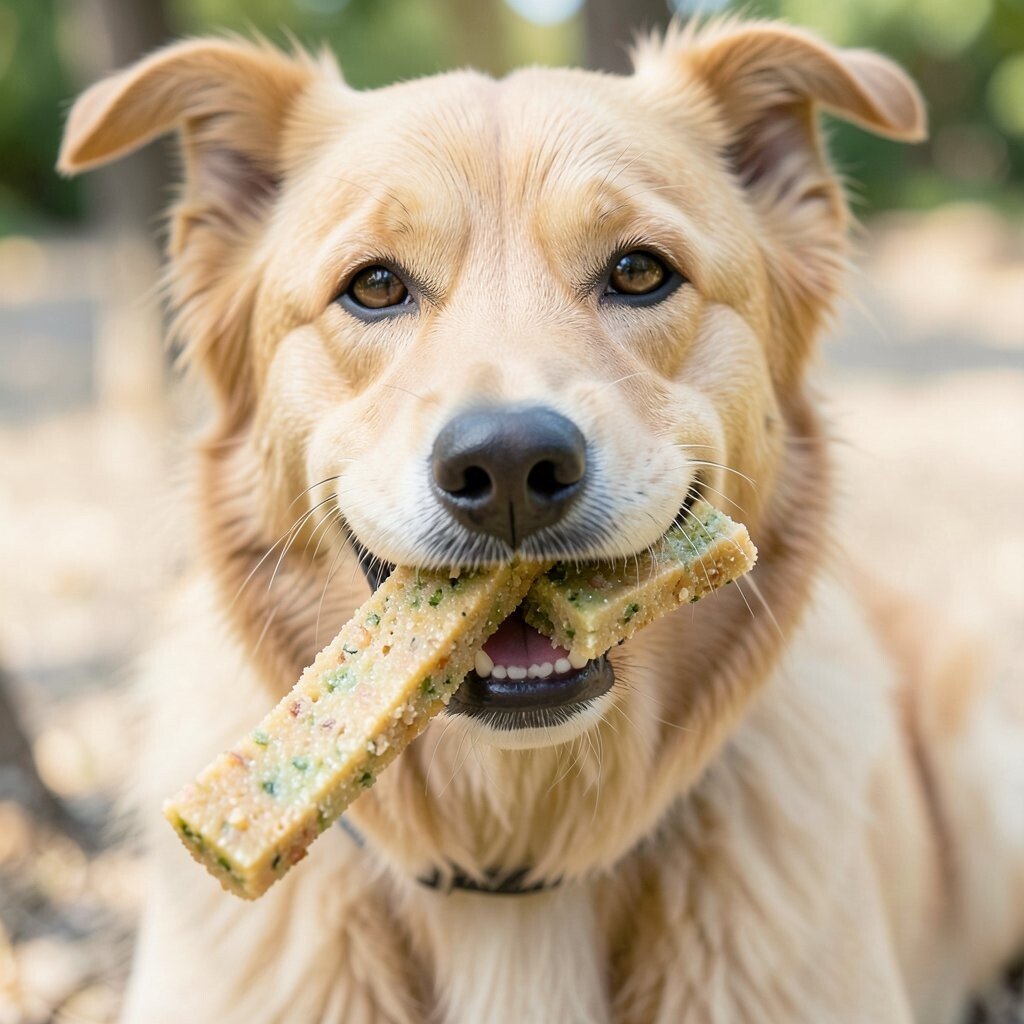
Veggie dental chews use plant-based ingredients and a crunchy bite. Visually, they may look like flat shapes or small sticks with a rough outer layer. The crunch can give your dog a clear chewing task that feels satisfying.
Chewing a crunchy chew can help scrub teeth in a gentle way. Some dogs also enjoy the sound and the steady back-and-forth chewing. This can be a good option if your dog likes snacks but still needs mouth care.
Personalize by choosing flavors your dog likes, like mild mint or veggie blends. If your dog gets stomach upset, start with a smaller chew and see how they react. For budget, compare store brands and watch for sales, since veggie chews can be priced close to other types.
5. Dental Chews for Small Dogs and Small Jaws
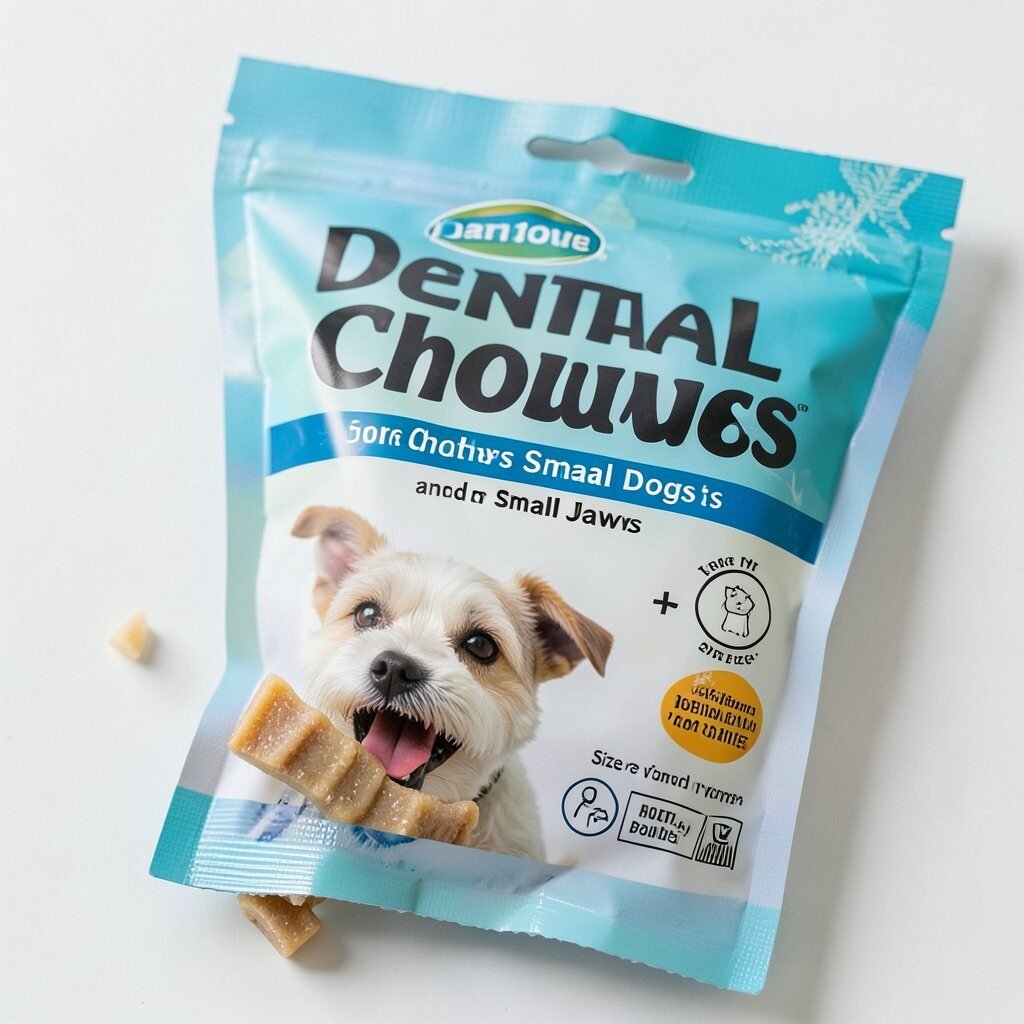
Small-dog chews are shaped for tiny mouths. You will often see smaller pieces and softer chewing time compared to big-dog options. This helps prevent choking and makes the chew easier to hold.
One benefit is safer chewing, which matters for teeth too. When the chew fits your dog, they can chew in a normal rhythm. Over time, that can help with plaque control and calmer gum care.
Use a size guide on the pack and check your dog’s body type, not just their weight. If your dog finishes it in seconds, you may need a larger chew size. Cost can be higher per chew for small packs, so look for multi-pack deals.
6. Dental Chews for Large Dogs With Strong Bites
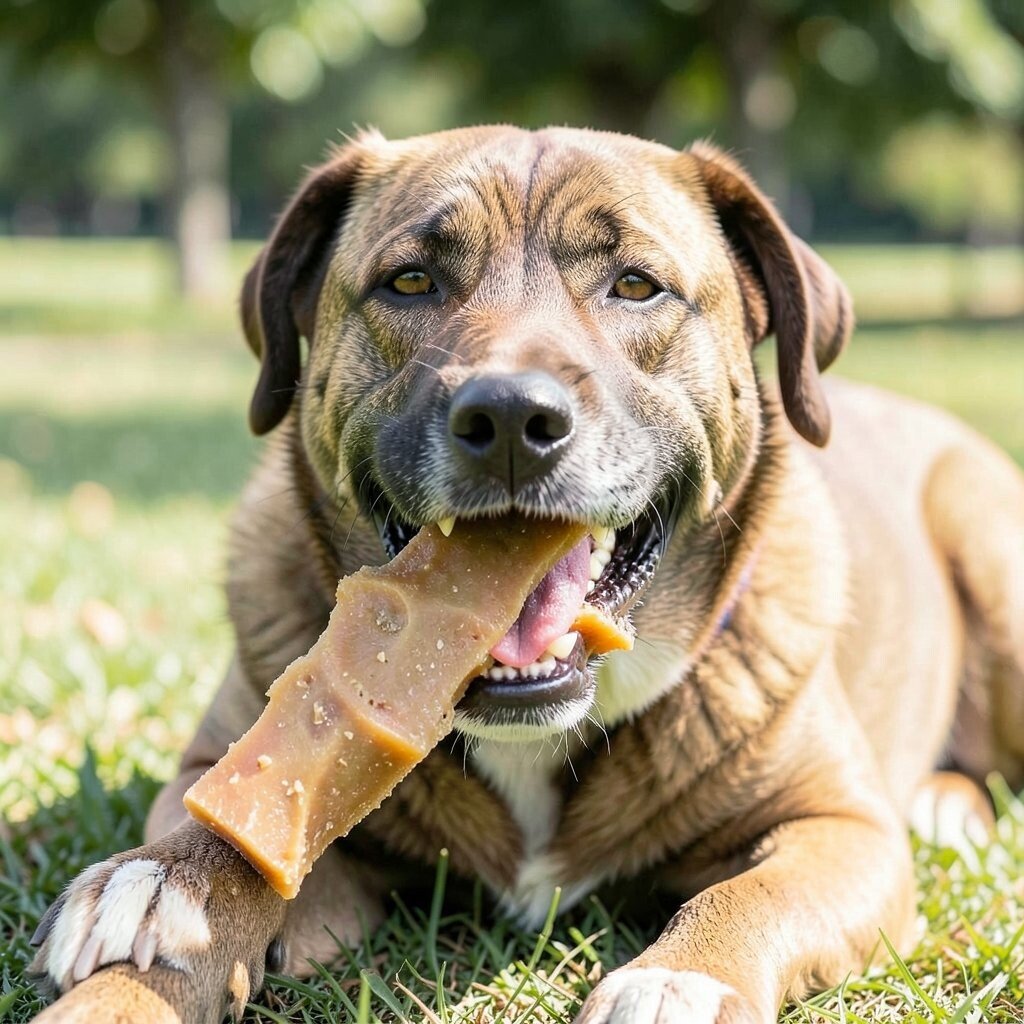
Large-dog chews are built to last longer during chewing. You can see thicker shapes and a tougher outer layer. Many brands also design them so they hold up to strong chewing pressure.
A key benefit is that a longer chew time gives more tooth contact. More chewing can mean better help with debris removal. This can also be a good way to slow down dogs that chew too fast when you only give small treats.
Try breaking the routine into a set time window, like after you get home or after a walk. If your dog is an aggressive chewer, watch them closely the first few times. Costs often rise with large chews, but buying larger packs can lower the price per chew.
7. Dual-Action Chews for Teeth and Breath
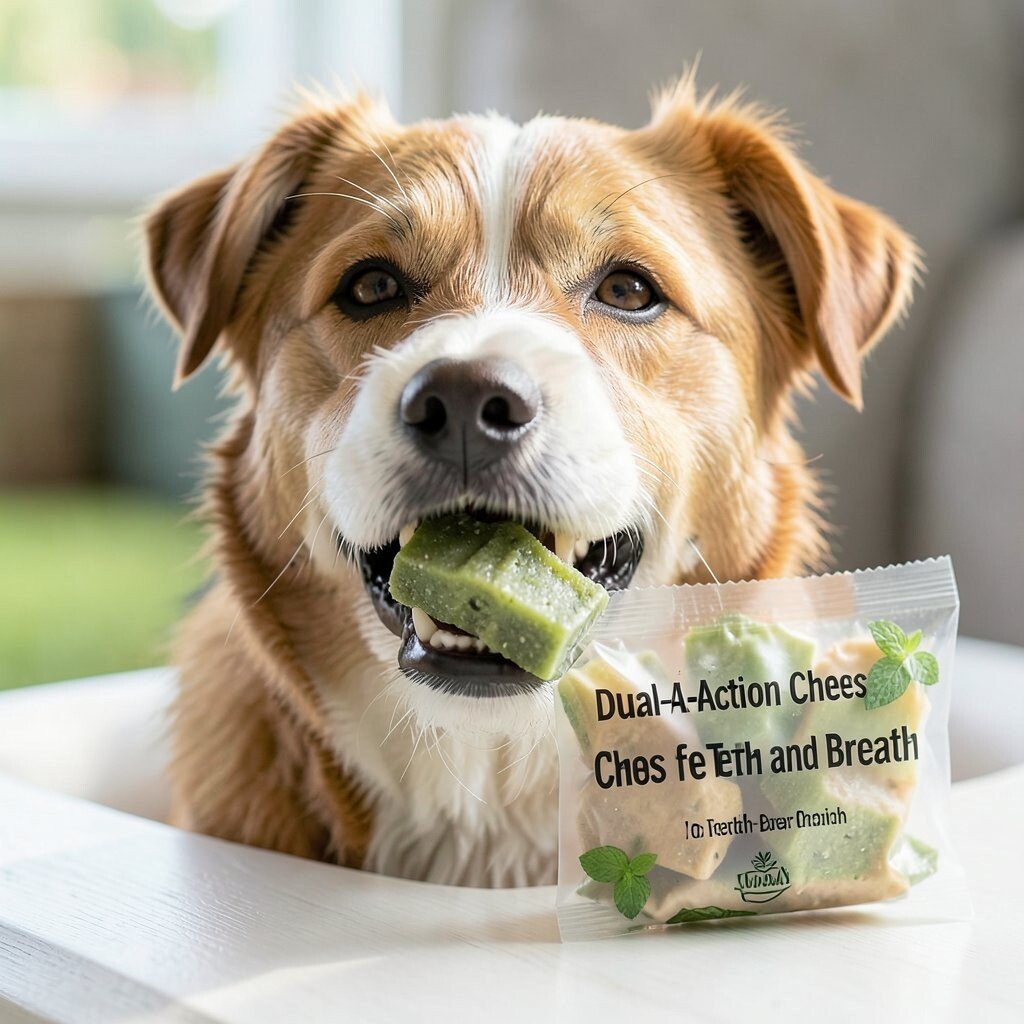
Dual-action chews are made to work on both teeth cleaning and breath smell. These chews may have a strong minty or fresh smell when you open the bag. You can also spot texture changes on the surface that help with chewing.
One benefit is that you may notice fresher breath after your dog chews. Many pet owners like this because mouth care feels like it gives quick comfort. It is also useful if your dog has a lot of morning breath.
For personalization, pick a flavor that your dog enjoys but that does not make them gag. Use the chew consistently for best results, not only on bad-breath days. Cost can be a bit higher because these chews are made for more than one job.
8. Chews With Gentle Flavor for Picky Dogs
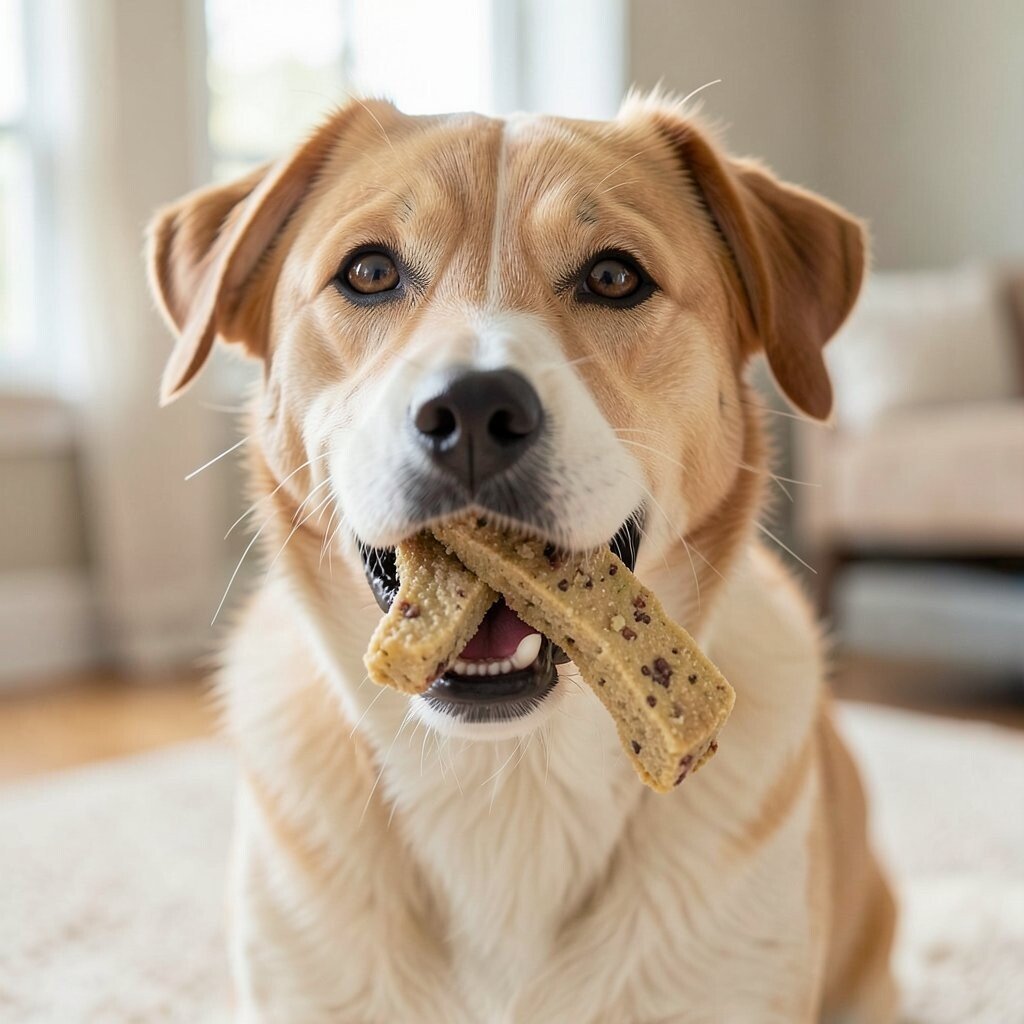
Some dental chews use mild flavors for dogs that do not like strong tastes. These chews may look plain or less coated than bright flavored options. The texture still helps with chewing, even when the flavor is not loud.
A benefit is that picky dogs may accept these chews more easily. When your dog actually eats the chew, you get more value from the product. You can also help your dog form a calm routine around mouth care.
Try offering it in a quiet room so your dog is not rushed by other pets. If your dog skips the chew, switch flavors before you give up. For budget, start with a small pack and then move to a larger size if your dog likes it.
9. Chews With “Brushing” Texture Patterns
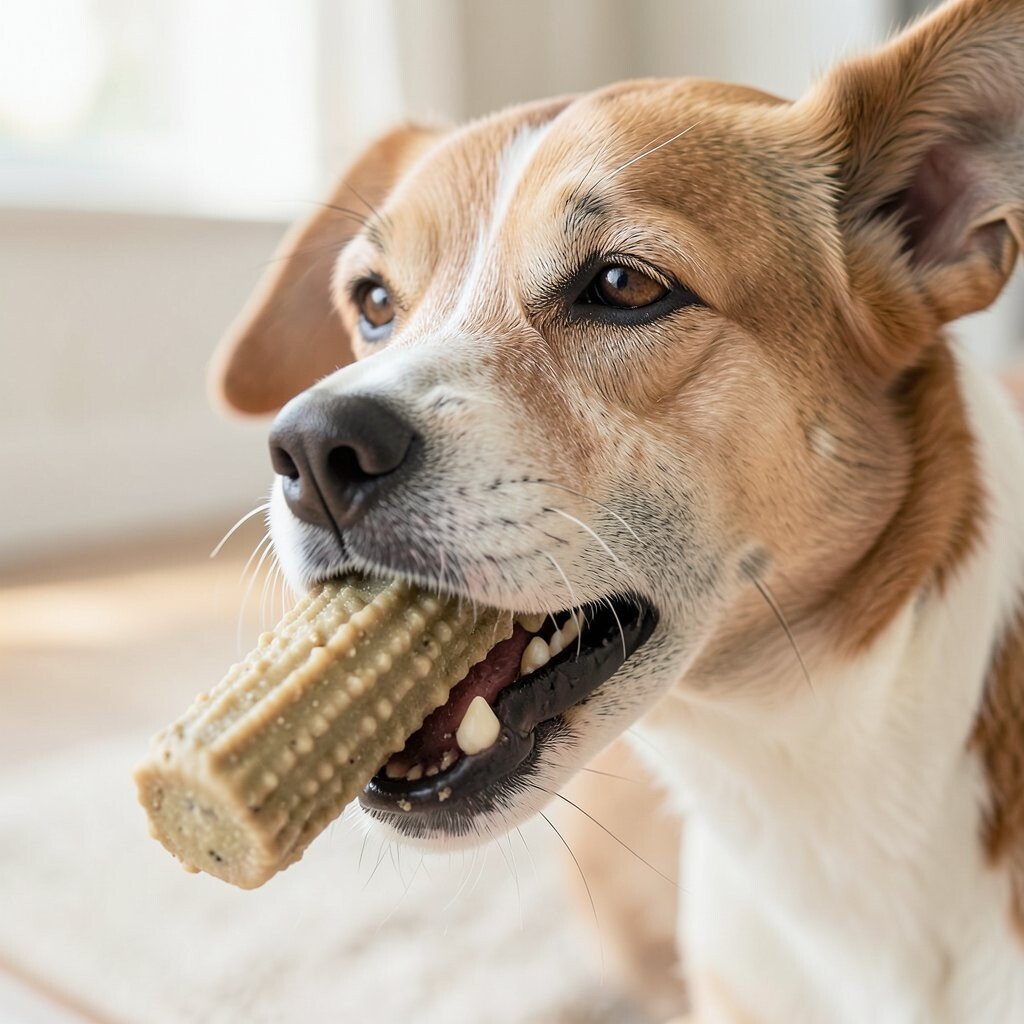
Some dental chews have ridges or small bumps on the surface. When you look closely, you may see grooves that look like they can scrub as the dog chews. This design can add extra help beyond simple chewing.
The benefit is more tooth contact during chewing. Those patterns can help move debris as your dog works the chew. If your dog likes to chew slowly, this can fit well with their chewing style.
Personalize by matching the pattern size to your dog’s mouth. If your dog is older and chews slower, these ridges can be a good fit. Cost may be higher for “special shape” chews, so compare a few brands to find the best price.
10. Long-Lasting Chews for Calm Chewing Time
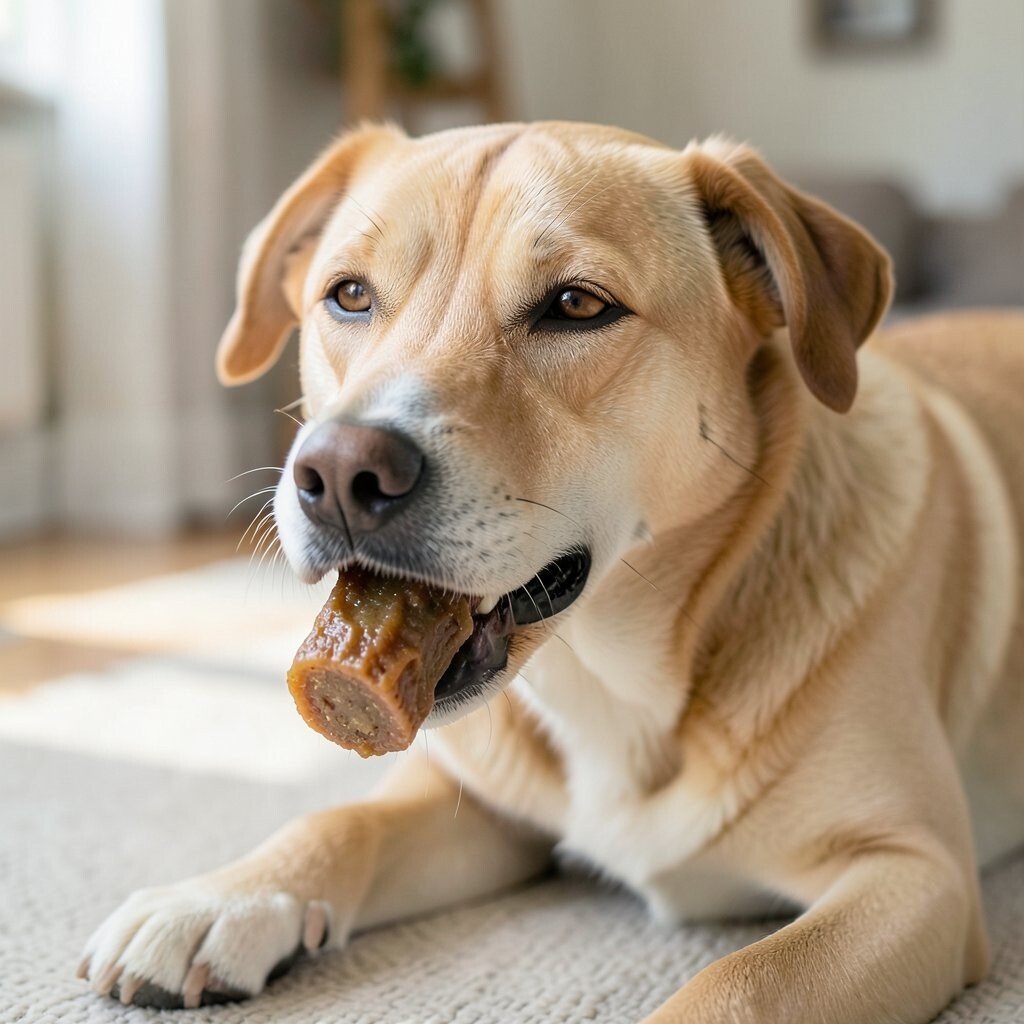
Long-lasting chews are made to stretch out the chewing time. You will often see a thicker chew with a dense center and a tough outer layer. These can help keep your dog busy for longer without fast finishing.
A main benefit is less boredom and less frantic chewing. When your dog has a calm task, their mouth work can be steady. That steadiness can support better cleaning in a real daily routine.
Try giving the chew when your dog is most calm, like after a walk or after you settle down. Always watch your dog, especially at first. Long-lasting chews can cost more, but many owners feel it is worth it because they last longer.
11. Sugar-Free Dental Chews for Daily Safety
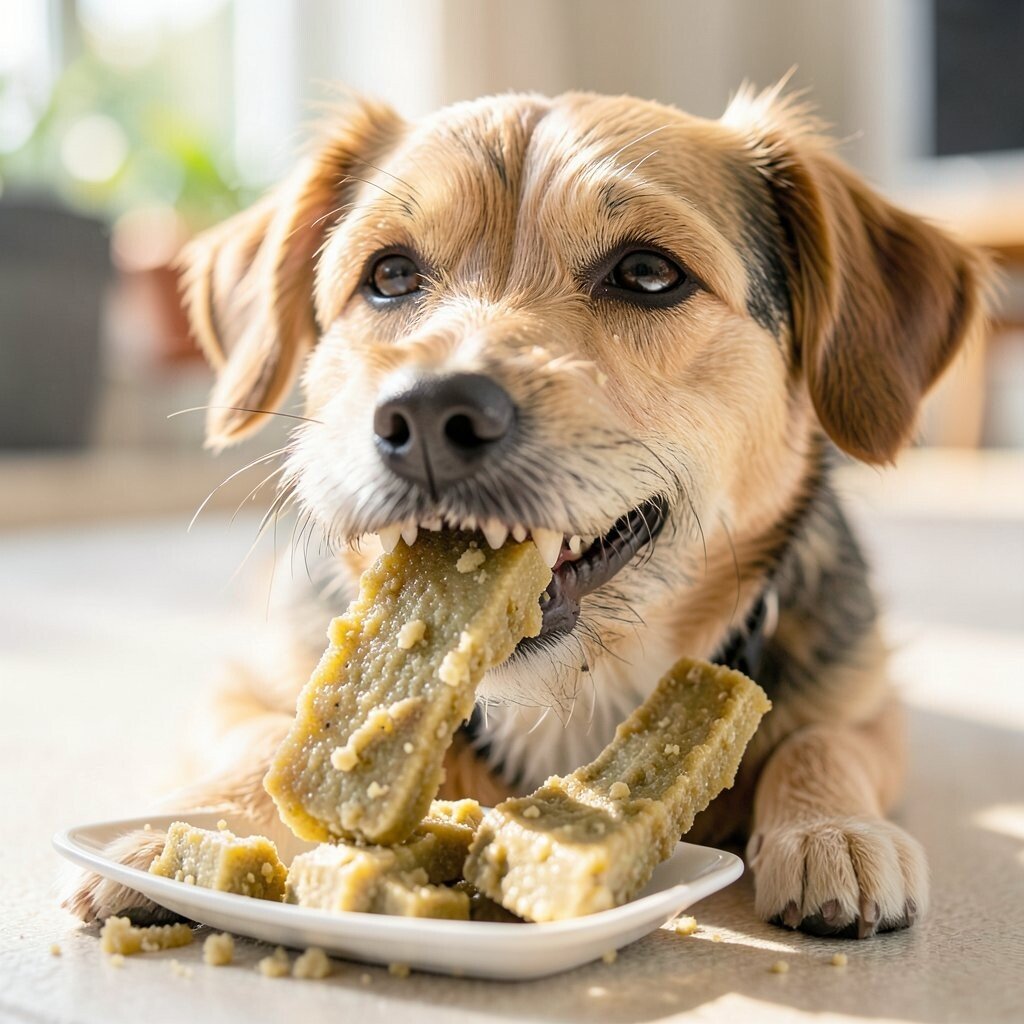
Sugar-free dental chews aim to keep mouth care simple and less sweet. You may notice the ingredients list looks more focused on chew texture and flavor rather than sugar. Many owners like these options because they feel like a safer daily treat.
One benefit is a lower chance of sugar-related mouth issues. Chewing still helps with debris and plaque, even without sugar. This can be a good pick for dogs that need dental care every day.
Personalize by checking your dog’s health history with your vet. If your dog has allergies, read labels for common triggers. Cost can be similar to other chews, but sugar-free lines may cost a bit more, so watch for coupon deals.
12. Chews for Senior Dogs With Softer Chew Options
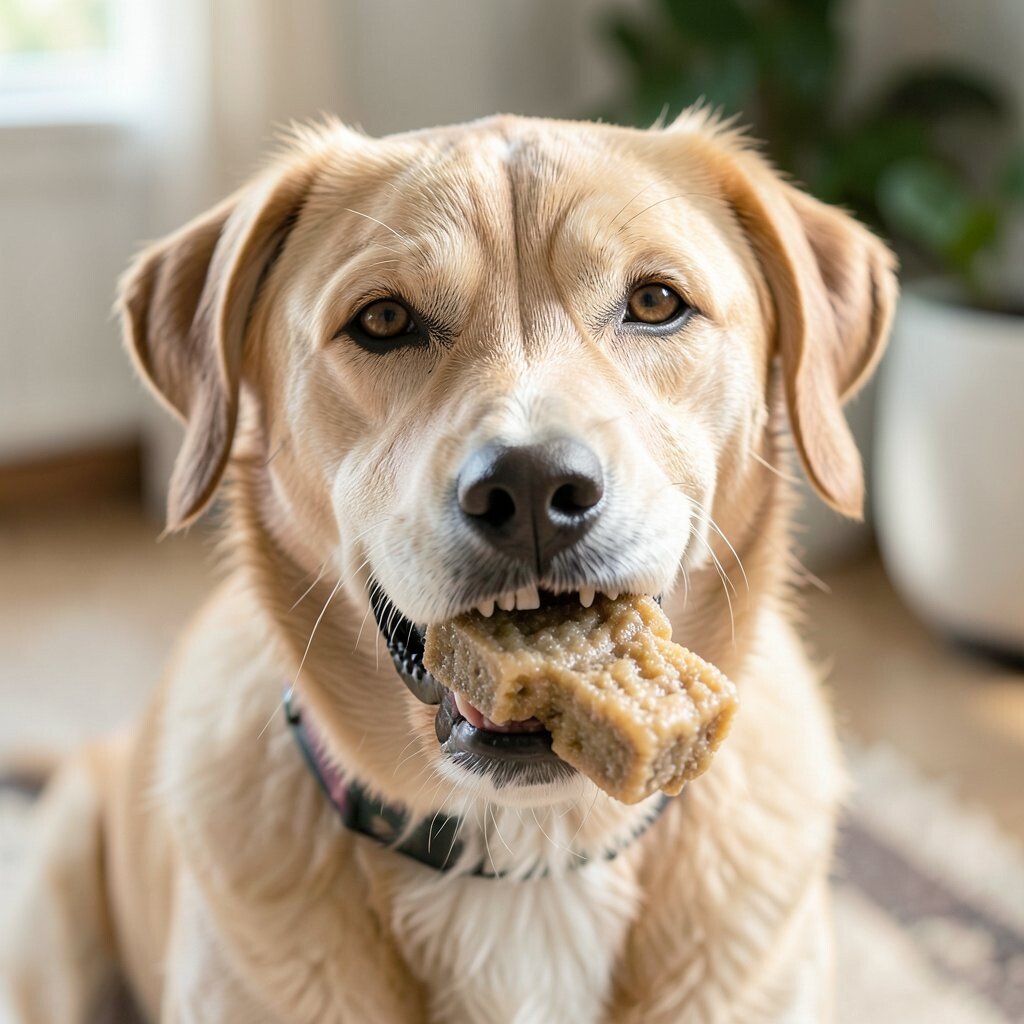
Senior-friendly dental chews are made for easier chewing. You may see a softer look or a texture that breaks down more easily. These chews can help older dogs keep up with mouth care as their teeth change.
A benefit is less jaw strain while still offering some help for plaque. Many senior dogs do best with chews that do not require heavy force. You may also notice your dog keeps more interest because the chew feels more manageable.
Try using a gentle schedule, like smaller chews more often instead of one big chew. If your senior dog has loose teeth or pain, ask your vet before using chews. Cost can run wide, so compare offers for senior lines and check the size that fits your dog.
13. New-Style Dental Chews With Modern Ingredients
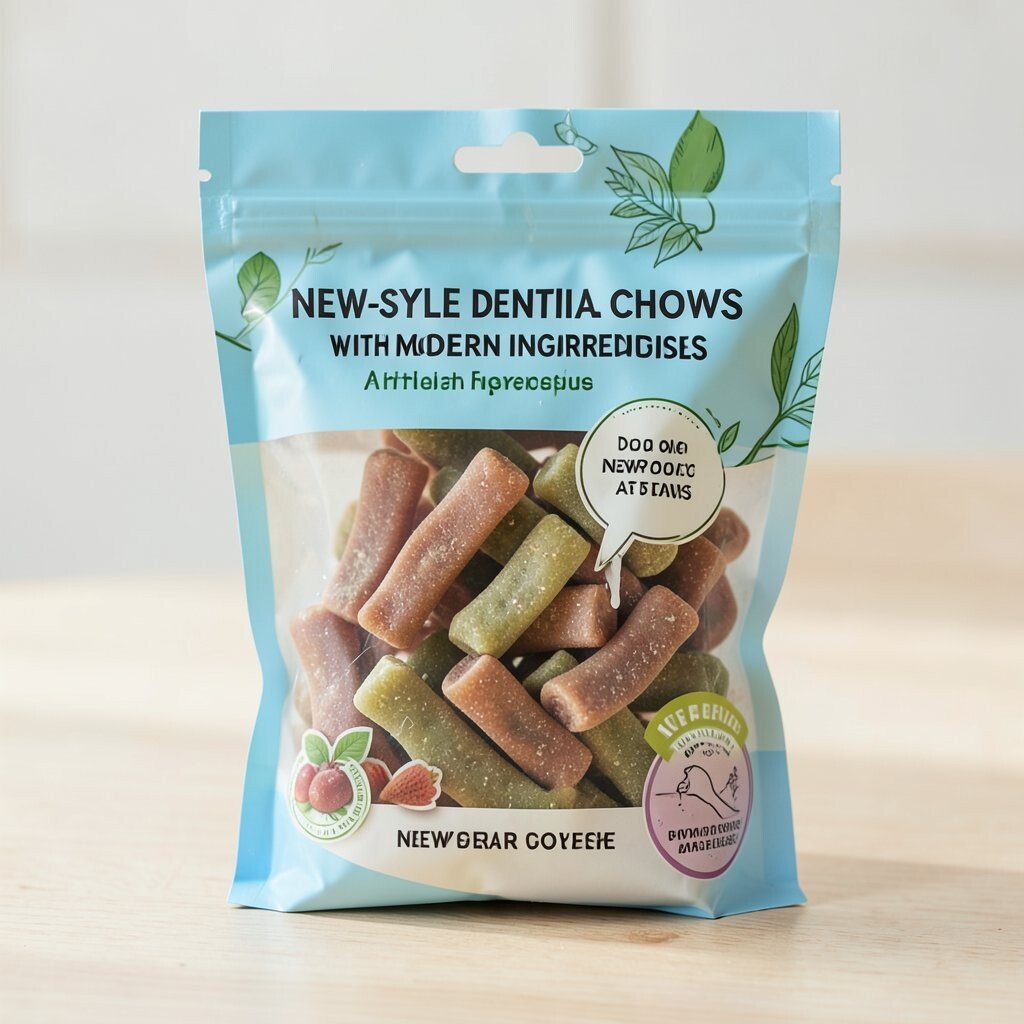
Trends in dental chews often show up as new ingredient blends and new chew formats. Some brands use newer shapes, different textures, or added plant extracts. When you open the bag, the chews may look more unique than basic sticks.
A benefit of these new-style chews can be better fit for different dogs. For example, some modern chews aim to be easier to digest or more liked in flavor. Still, the best choice is the one your dog chews well and safely.
To personalize, try one new product at a time and watch your dog’s stomach and energy. If you see any upset, stop and switch back to a product that works. Cost is often higher for trend items, so start with a small pack before buying a large supply.