Pet rabbits can be calm pets when they have the right care. This list gives easy ideas for setting up a happy home that fits your space and your rabbit’s needs.
1. Pick a Cozy Setup With a Two-Zone Space
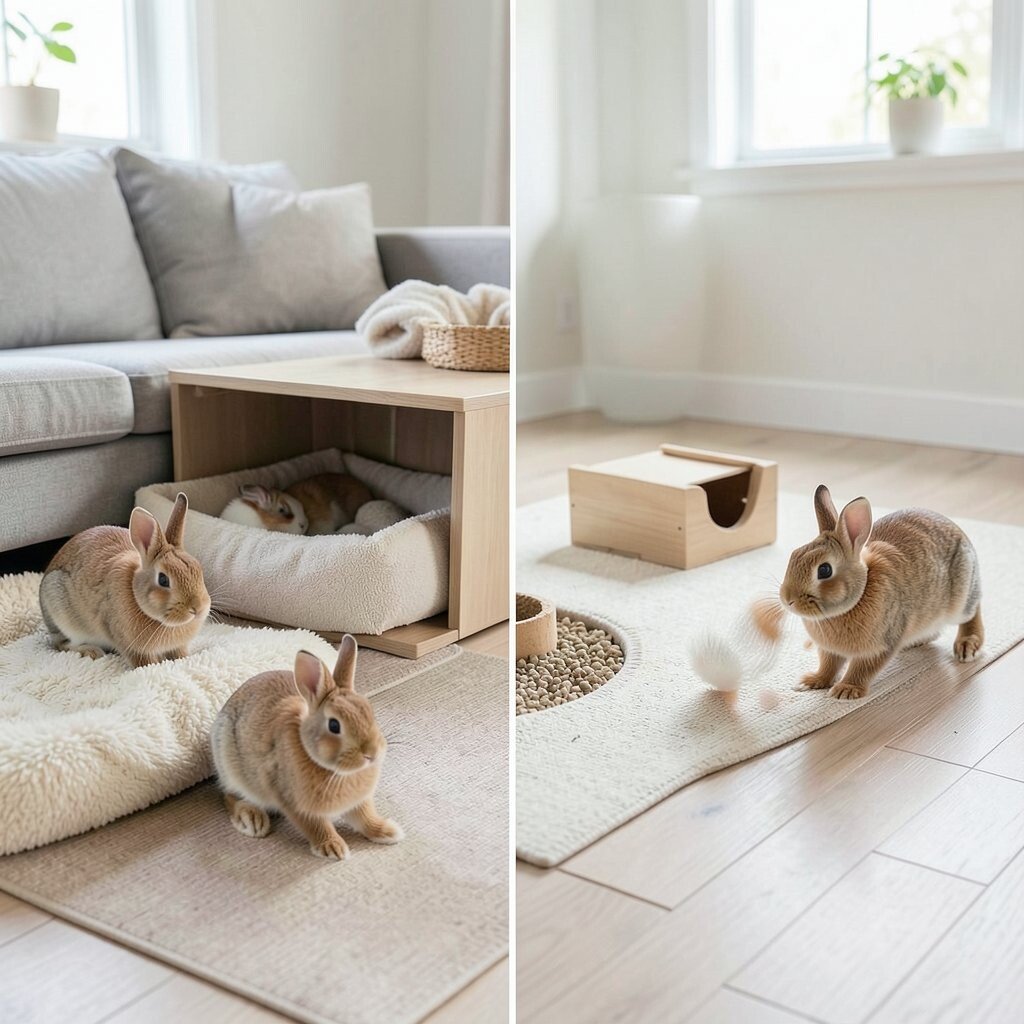
Give your rabbit a home with two main zones: a quiet rest spot and an active play area. You can use a small enclosed bed area for rest and a wider area for moving around. A clear view and simple layout help many rabbits feel safe.
For visuals, think of soft bedding in one corner and a clean open area near the living space. Add a flat hide box and a chew spot so your rabbit can choose what feels right. This choice is helpful when your rabbit gets curious but also needs a calm break.
This idea is great for well-being because rabbits like to move and also like to hide. A two-zone setup can also make daily cleaning easier since you can focus on the litter area. Cost can stay low if you use safe storage bins and simple mats instead of fancy furniture.
2. Offer a Safe Chew Station in Every Room
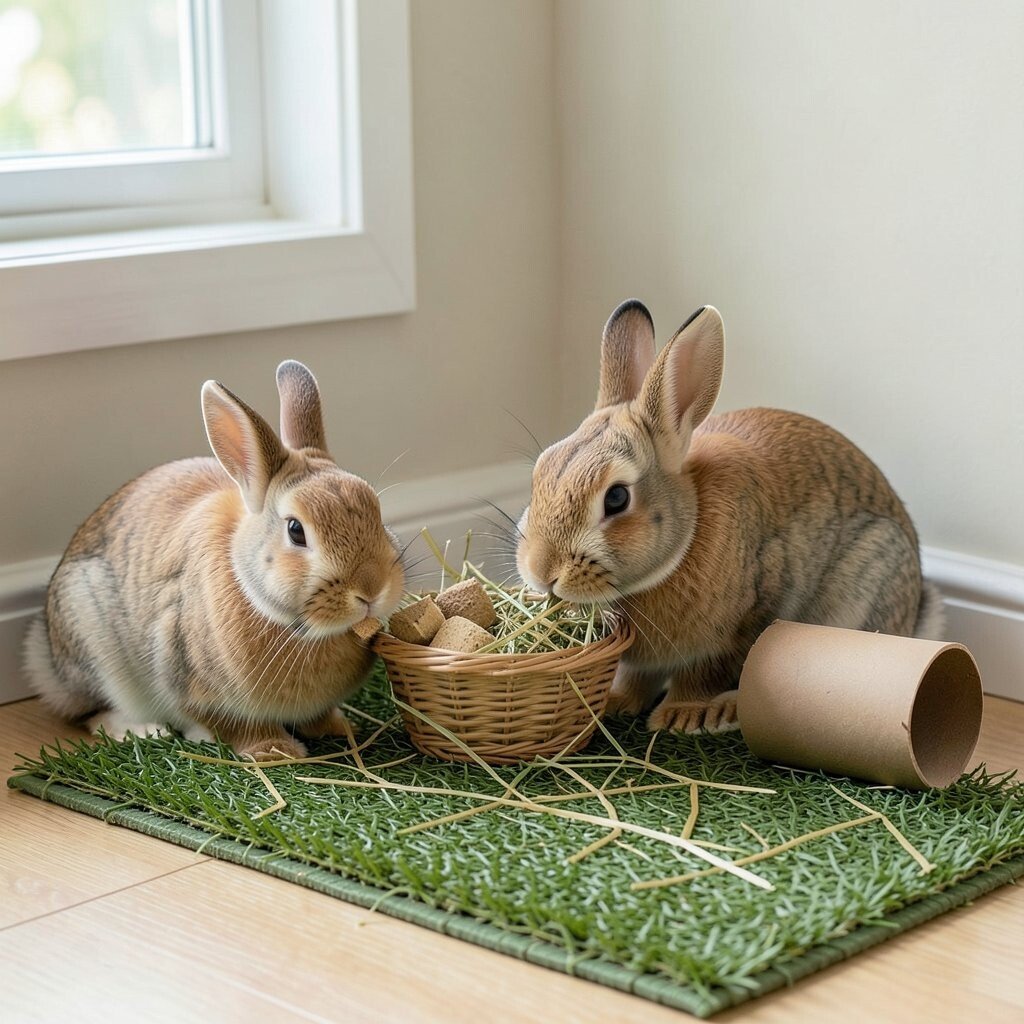
Rabbits need to chew, and they do it to keep teeth in good shape. Set up a chew station with hay and safe chew items where your rabbit spends time. This can be as simple as a small basket with dried grass hay and paper-based chew options.
Visually, picture a small corner with a chew basket, a grass mat, and a cardboard tube nearby. You can place it near the play area so your rabbit does not have to search. When the station is easy to reach, many rabbits chew more and chew less on unwanted items.
For benefits, chewing support can reduce stress and help your rabbit stay busy. Try swapping chew types each week so your rabbit does not get bored. Costs vary, but cardboard tubes and plain hay are usually budget-friendly.
3. Use a High-Quality Hay Routine as the Main Food
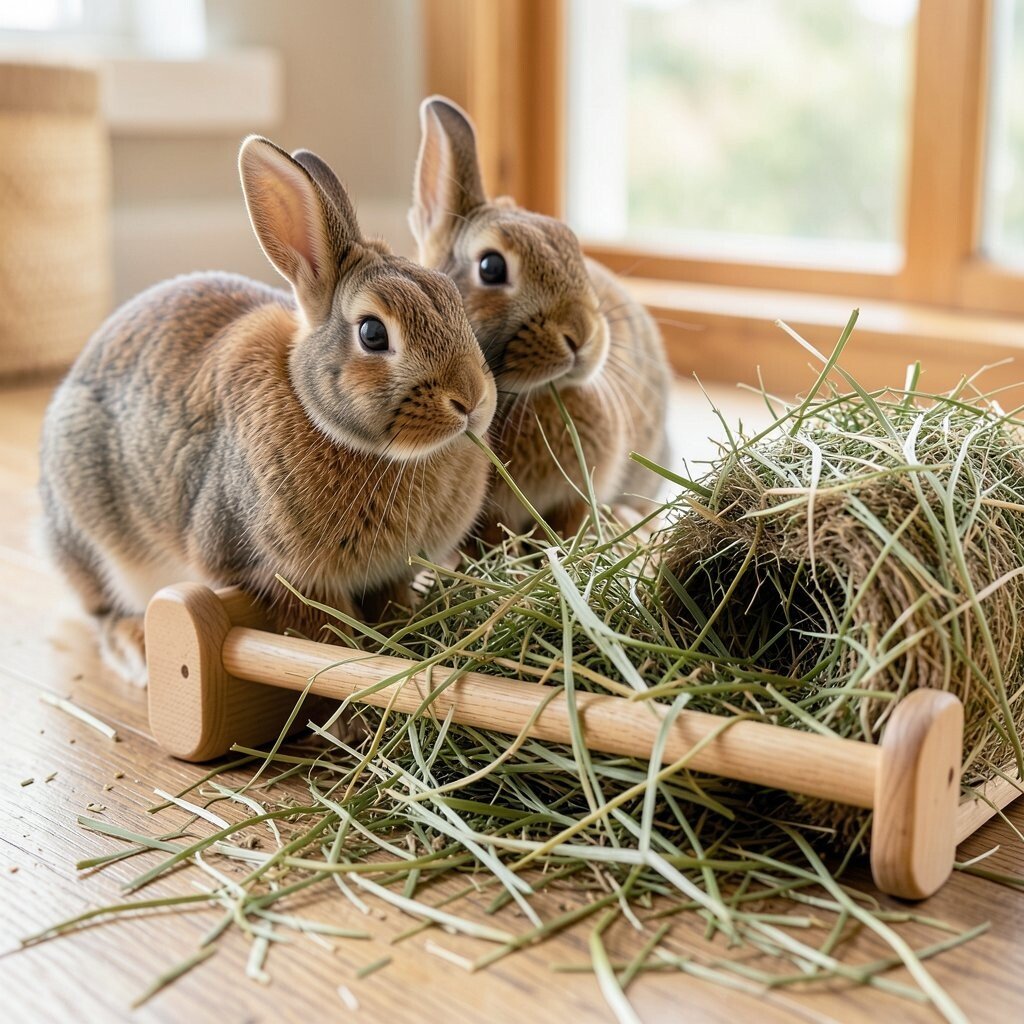
Hay should be a big part of most rabbit diets, and it supports digestion. Keep hay fresh and place it in a holder or a low rack. Many rabbits eat hay more when it is easy to reach and always available.
For a clear look, keep hay in a tidy pile near the same spot each day. Use a simple hay rack made for rabbits so the hay stays off the floor. If you see a lot of waste, adjust the rack height or use a holder that reduces loose hay.
The benefit is simple: steady hay support helps your rabbit feel good and stay active. This plan also makes feeding more predictable for you. Hay is usually not the most expensive item, but you may buy more when your rabbit gets used to eating more.
4. Add Play Time Tiles for Jumping and Stretching
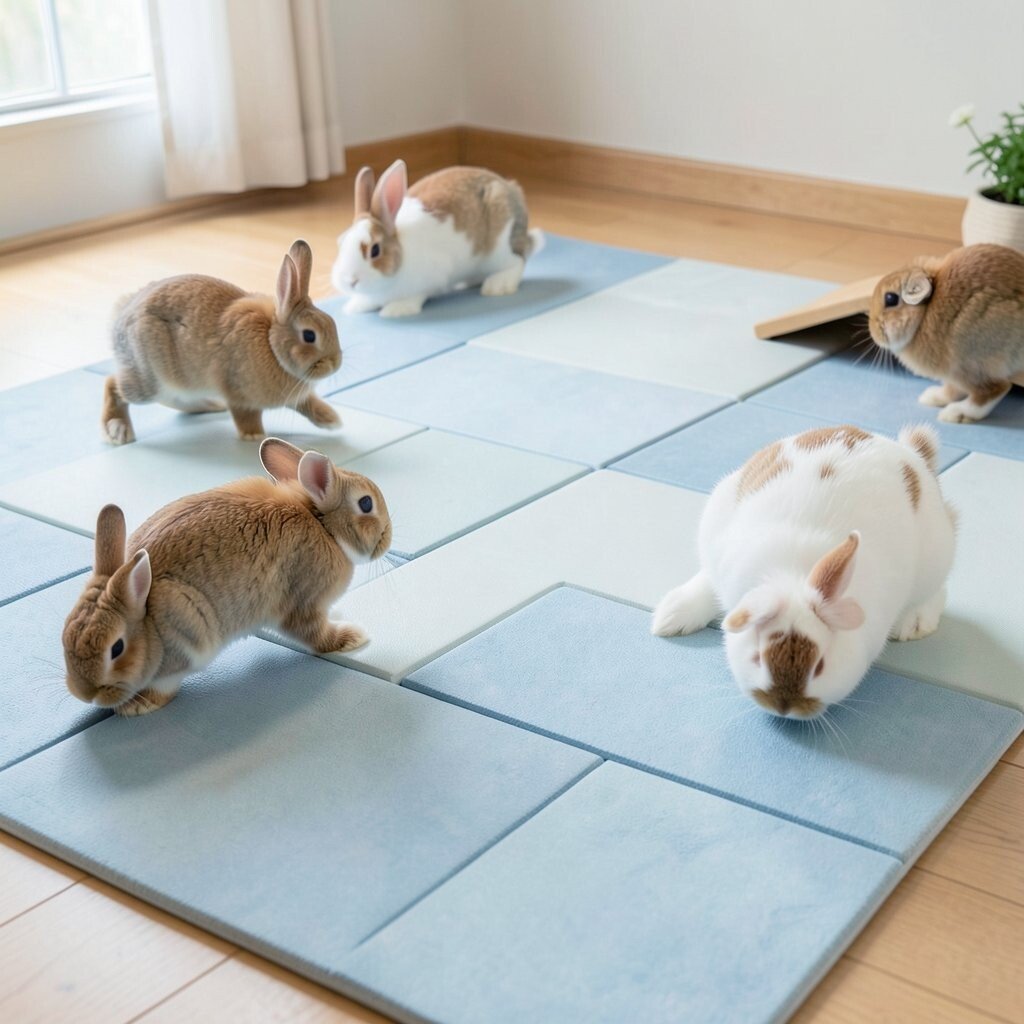
Some rabbits like to hop and stretch, and a good floor can help. Use soft, safe floor tiles or washable mats in the play zone. Choose materials that do not slip and that are easy to wipe.
Visually, imagine a neat grid of mats that make a clear “run area.” Your rabbit can zoom along the tiles and hop from one mat to another. Add a few safe obstacles like low ramps to make the space feel fun without being risky.
This idea helps with comfort and can reduce sore spots if your rabbit spends a lot of time on hard floors. It also gives you a simple cleanup routine. Tile mats cost more at first, but you can reuse them for a long time.
5. Make a Hideout With Different Shapes
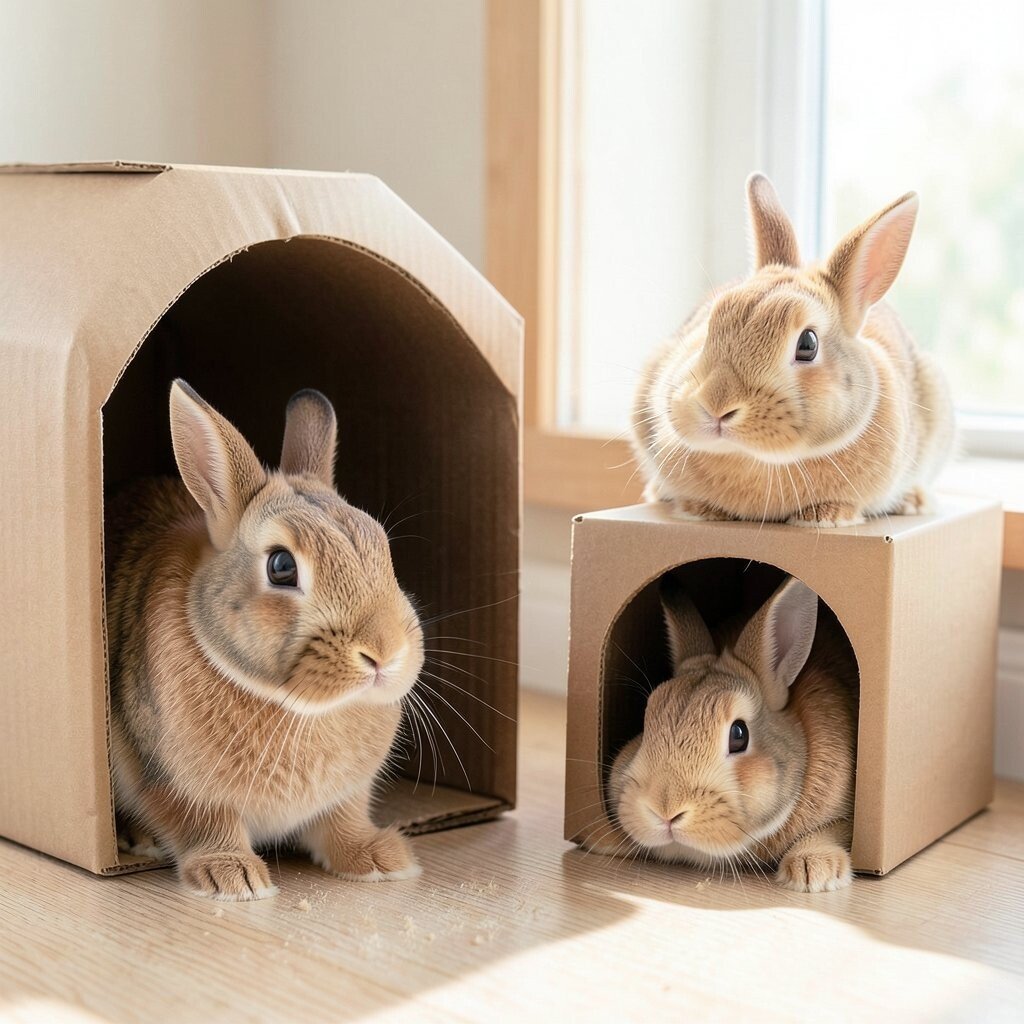
Rabbits feel safer when they can hide, so add at least one hideout. Use a small box, a tunnel, or a dome style shelter, depending on your rabbit’s size. Some rabbits like open front spaces, and others like a more enclosed feel.
For visuals, think of a tunnel made from cardboard or safe wood in one corner and a small box in another. If your rabbit likes to stretch, add a hideout that is longer so it can rest with space. You can also make a “stack” style with two hides, so your rabbit can choose.
Hideouts help reduce stress and can support calm time. This is also a good way to personalize the home since each rabbit likes different shapes. You can keep costs low with safe cardboard, but always replace items that get wet or chewed down.
6. Add a Water Plan With a Stable Bowl or Bottle
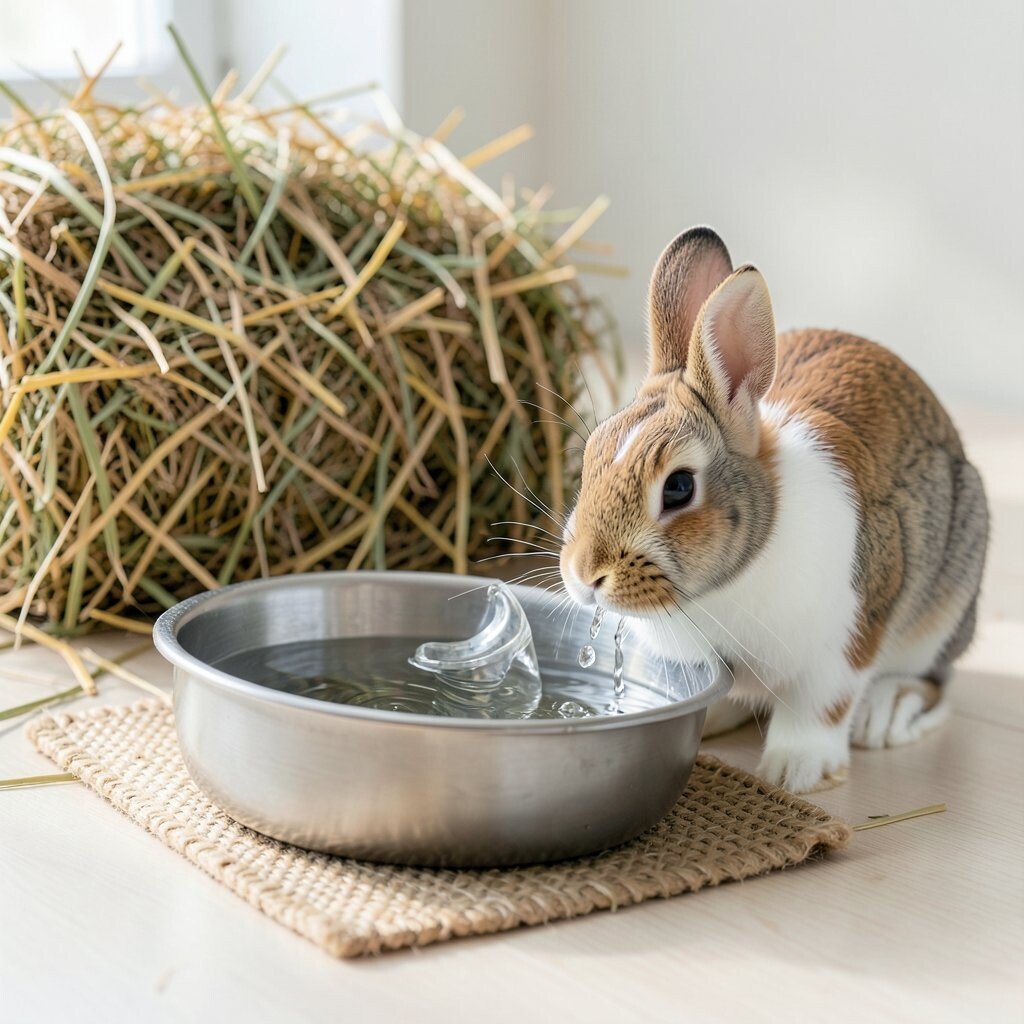
Water should be easy to get, and the setup should stay steady. Use a heavy bowl that will not tip, or a bottle that is easy to drink from. Many rabbits do best with a bowl if it is placed on a flat surface.
Visually, picture a small bowl on a mat near the hay, with a clean area around it. If you use a bottle, place it so the rabbit does not have to reach too high. Check the setup often to make sure the rabbit can drink without trouble.
The benefit is simple: better drinking can mean better daily health. This plan also helps you spot issues fast since a clean bowl is easy to monitor. Cost is usually low, and you may spend more only if you buy a heavy, high-quality bowl.
7. Keep Litter Training Simple With a Clear Litter Box
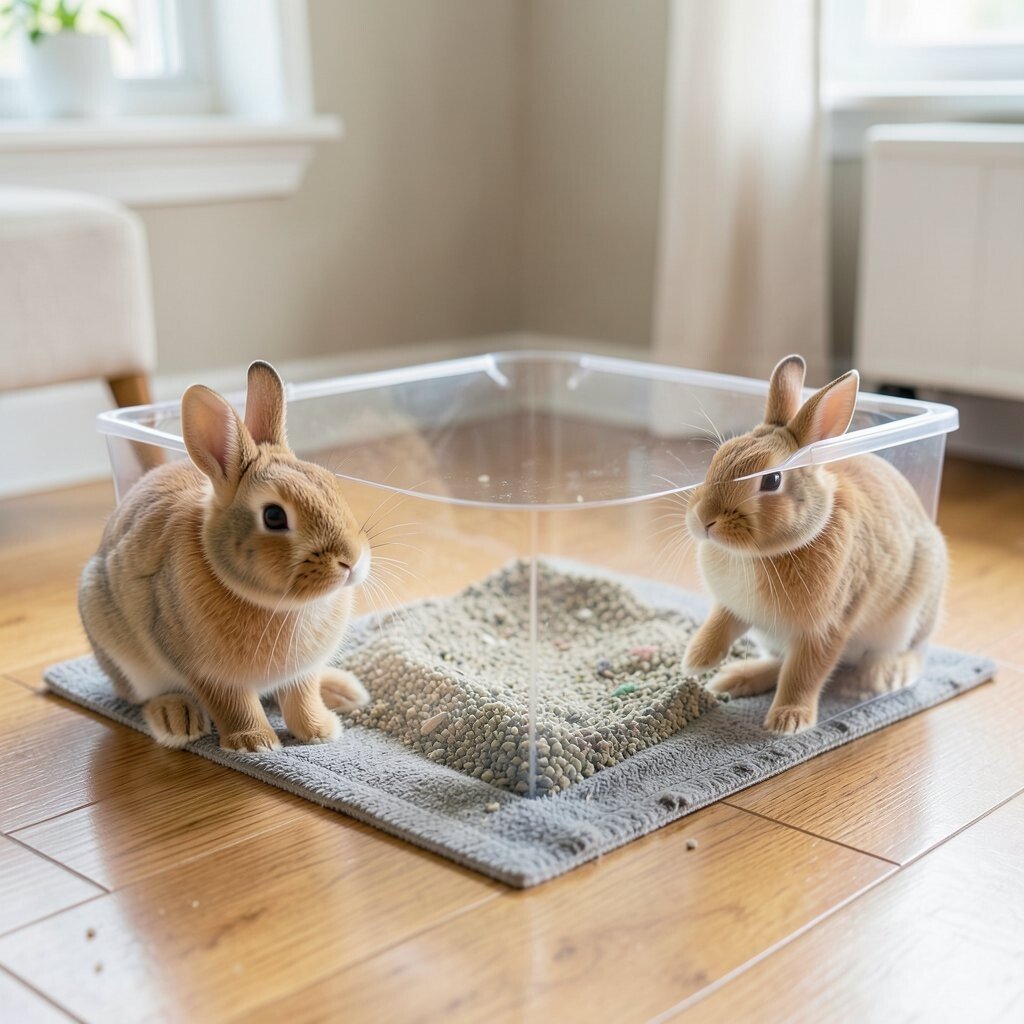
Many rabbits learn to use a litter box when you keep the area consistent. Pick a box size that fits your rabbit and place it near where it already goes. Use rabbit-safe litter and keep the box clean each day.
For a visual, imagine one corner box set inside the main play zone. Place a small mat under it if your floor gets wet easily. If your rabbit hops in and out, try to keep the box entrance smooth and not blocked.
This helps you keep the home tidy and reduces stress for you and your rabbit. Try moving the box a little at a time if your rabbit keeps using a nearby spot. The cost is steady over time, based on litter and simple box replacements.
8. Choose a Quiet Location Away From Loud Noise
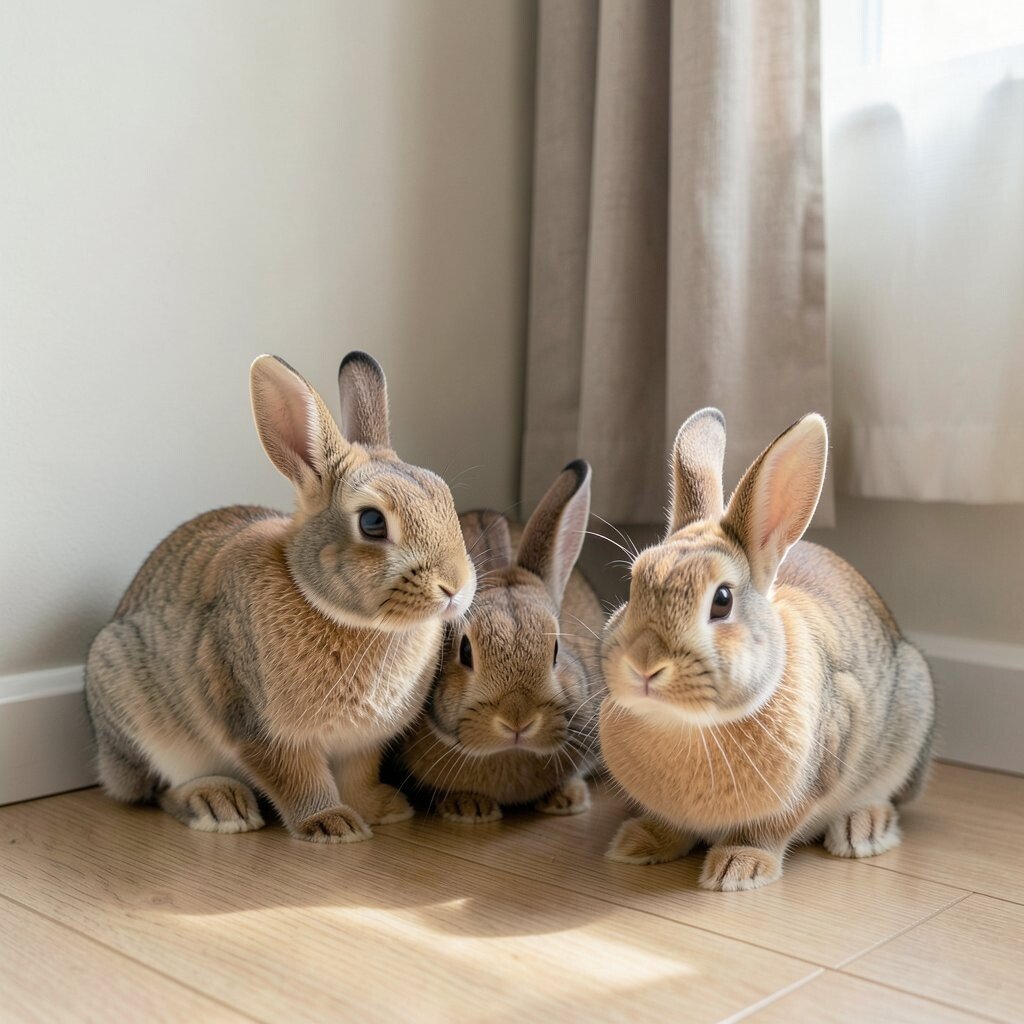
Rabbits can get scared by loud sounds and busy spaces, so pick a calm area for the home. Put the setup away from loud TV, loud doorways, and busy traffic in your home. A steady routine helps many rabbits settle faster.
Visually, think of a corner in a room where light is not harsh and movement is not constant. You can add a small screen or a soft curtain to cut down on drafts and busy views. Make sure the area still has good airflow.
The benefit is better rest and less stress-related chewing or hiding. This is also a kind way to help your rabbit enjoy daily life. Cost is low since you mainly adjust placement and add basic barriers.
9. Use a Gentle Grooming Plan With a Soft Brush
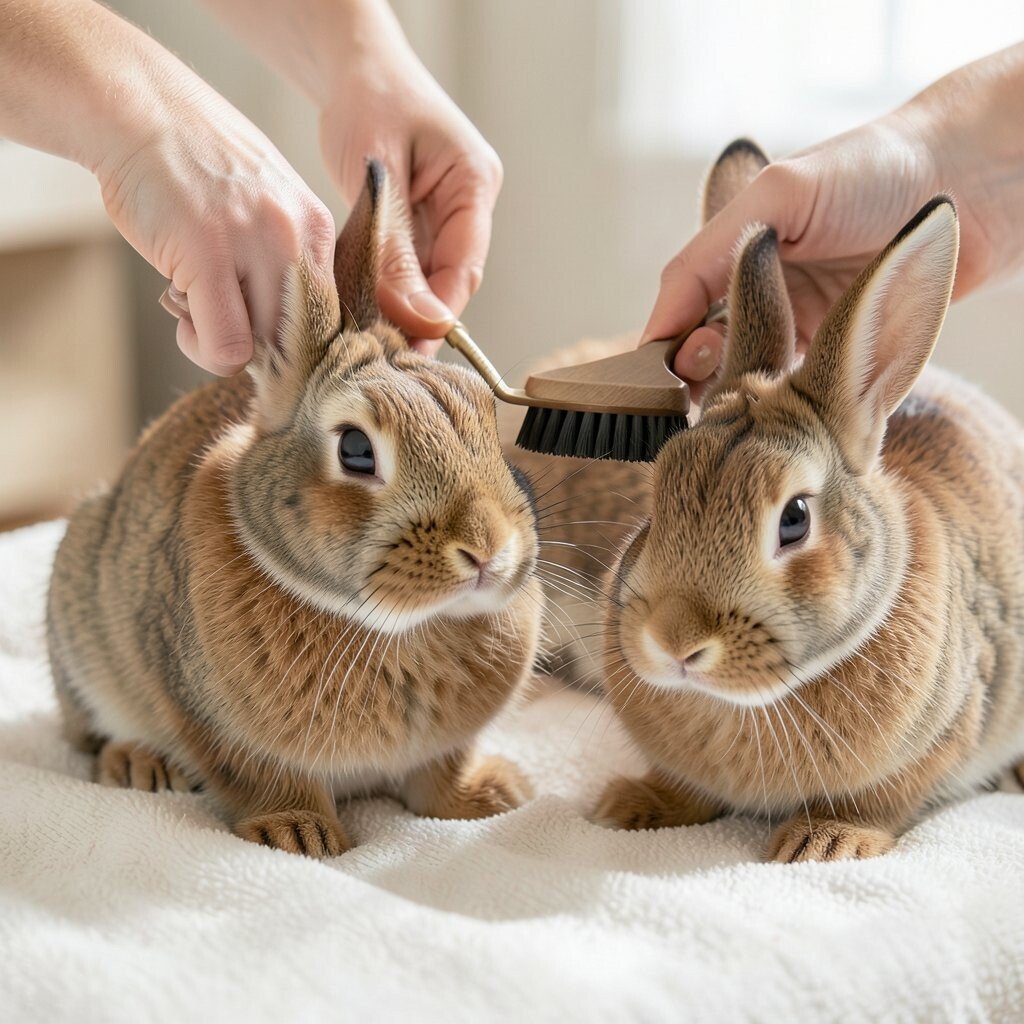
Grooming helps rabbits stay clean and can prevent matting in some coats. Use a soft brush made for rabbits and brush gently a few times a week. Many rabbits calm down when you keep the routine short and steady.
For visuals, imagine a quiet session on a soft towel, with the brush moving in small strokes. Watch your rabbit’s body language and stop if it seems tense. If your rabbit has longer fur, you may need more time and careful checking.
The benefit is comfort and fewer hair issues, especially in coat types that shed more. This also helps you notice changes early, like skin irritation. Costs can be low since a good brush is a one-time buy for many owners.
10. Set Up a Digging Spot With Safe Paper and Soil-Free Mix
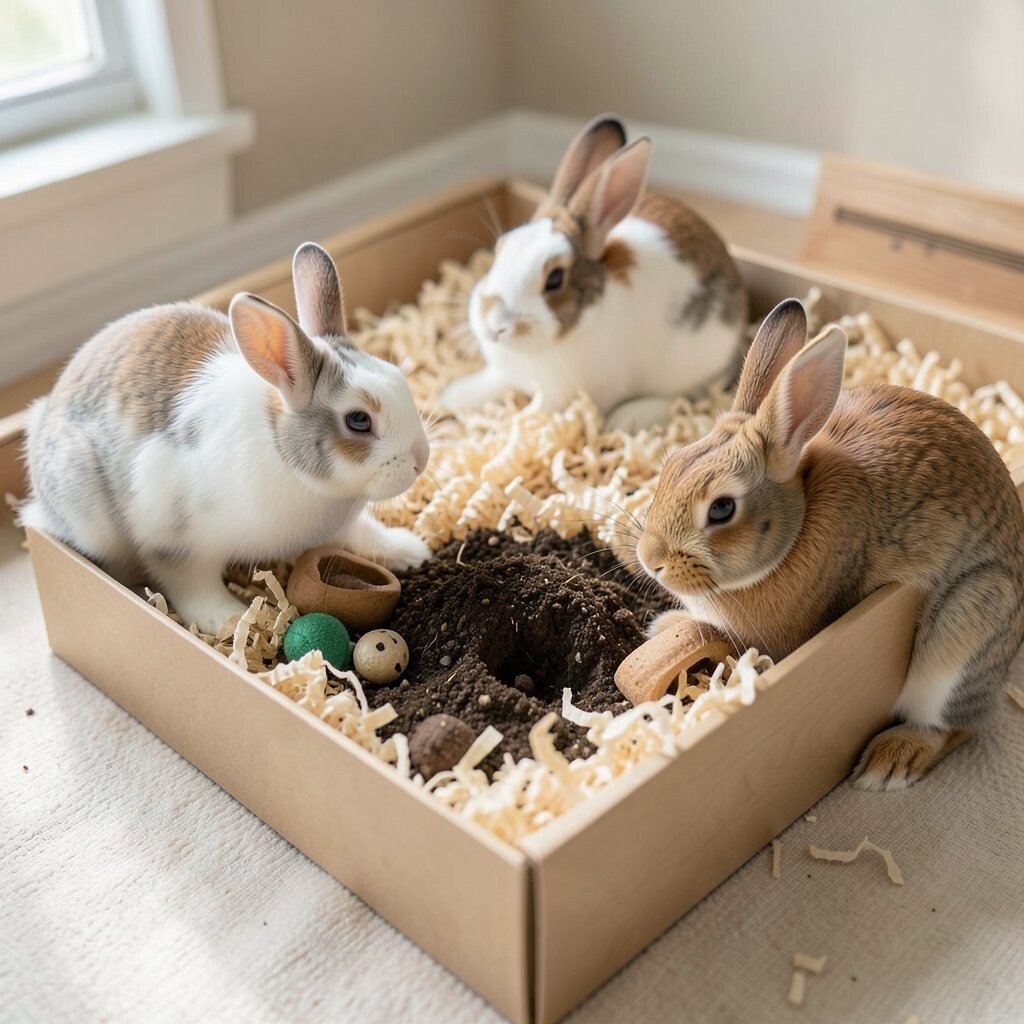
Some rabbits like to dig, and you can give them a safe place to do it. Use a digging box filled with safe paper bedding or a soil-free mix made for small animals. Keep the material dry and replace it if it gets too messy.
Visually, picture a low bin with fluffy paper bedding and a few safe toys inside. Add a small hide or a chew item so digging brings reward. Your rabbit can explore without digging into your carpet or garden beds.
This helps with natural behavior and can reduce stress or boredom. It also gives a fun outlet if your rabbit is active during the day. Cost can be controlled by using paper bedding and reusing the box.
11. Offer Simple Enrichment Toys With Rotating Themes
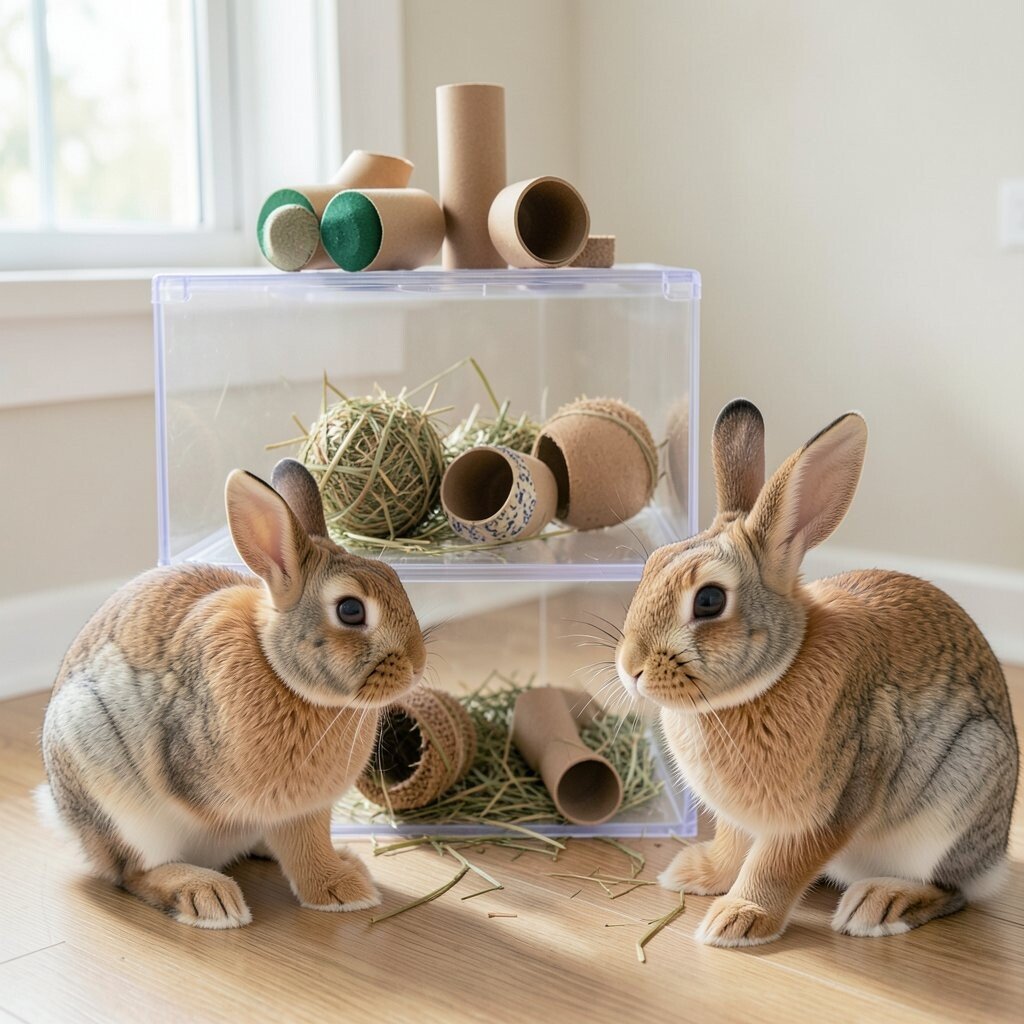
Enrichment is about giving things to do, not about using many expensive toys. Use safe items like cardboard tubes, hay-filled balls, and simple foraging cups. Rotate items every few days so your rabbit has new choices.
For a visual, think of a clear “toy shelf” where you store a few items and swap them in the play zone. When a toy comes back later, many rabbits act like it is new. Keep toy sizes right for your rabbit so it cannot get stuck.
The benefit is less boredom and more time spent moving and chewing. This also helps you see what your rabbit likes best so you can personalize the plan. Cost can stay low because cardboard and hay toys are usually cheaper than many plastic sets.
12. Personalize With a Named Routine and Small Training Sessions
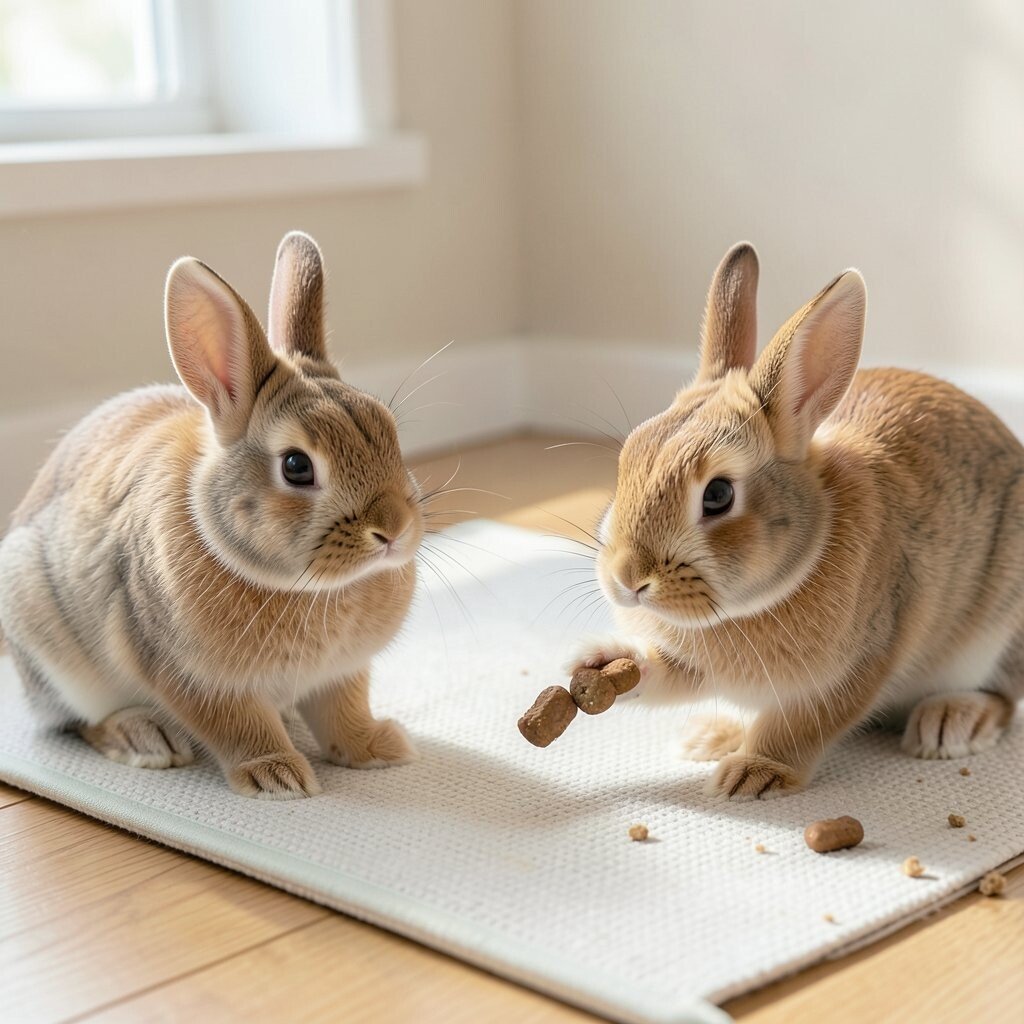
Rabbits can learn routines, and simple training can help daily life. Try short sessions where you reward calm behavior with small safe treats. Keep it gentle and stop before your rabbit seems tired.
Visually, imagine a small mat in the play area where you do the same steps each time. You can place the treat near your hand and wait for your rabbit to come closer. A named routine can make your rabbit feel sure of what happens next.
This helps with trust and can improve handling for things like nail checks. It also gives your rabbit mental work, which can lead to calmer days. Costs are low since you can use small treat portions and simple mats.
13. Plan Safe Outdoor Time With a Leash or Pen Setup
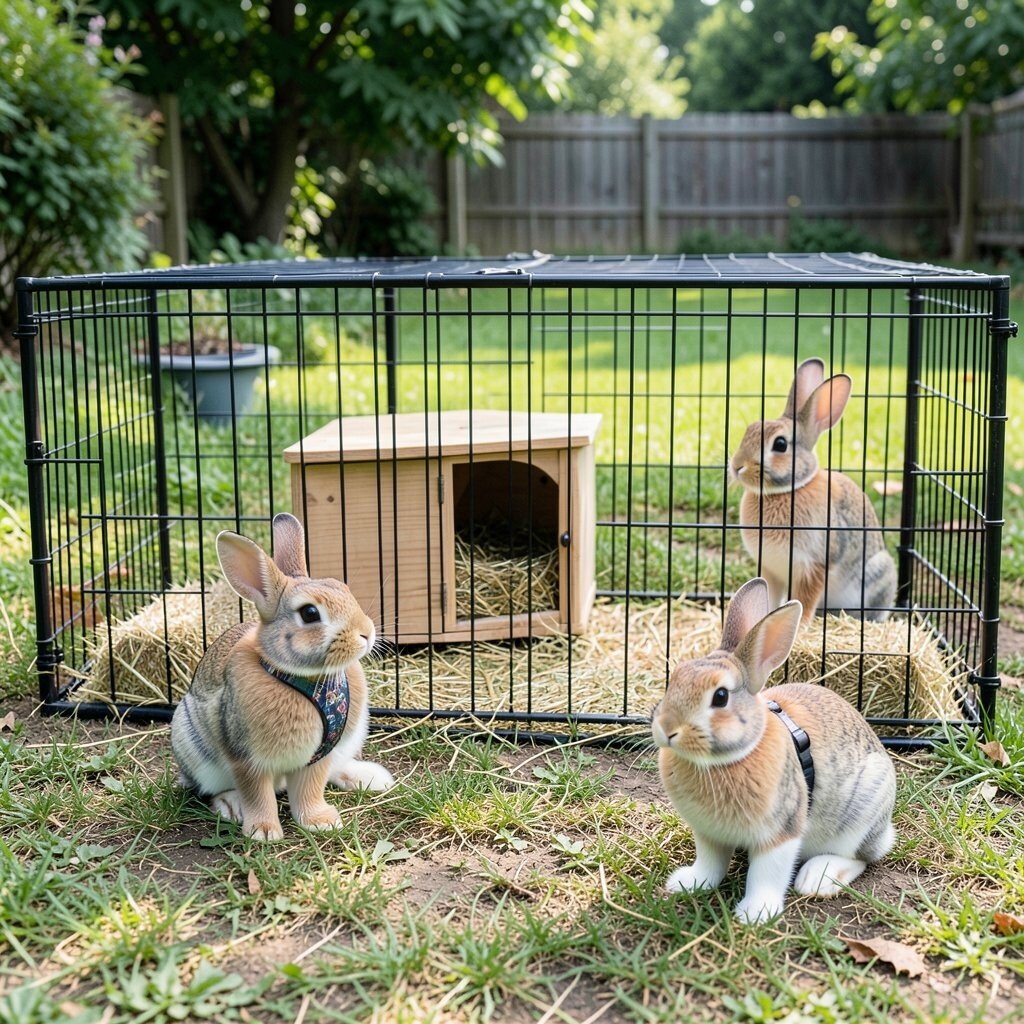
Outdoor time can be fun, but it should be safe and controlled. Use a rabbit pen in a quiet yard area or a harness designed for rabbits. Avoid places with tall grass that may hide holes, sharp plants, or bugs.
For visuals, picture a fenced pen with a hide box and a small hay holder inside. You can add a shaded area so your rabbit stays cool. Keep the ground soft and check often for anything that could hurt your rabbit.
This idea has clear benefits for fresh air and new sights, which many rabbits enjoy. It also gives you a safe way to watch how your rabbit reacts to the outdoors. Costs depend on the pen or harness, but you can start small with a basic pen.
14. Track Health With Simple Notes and Easy Cost Control
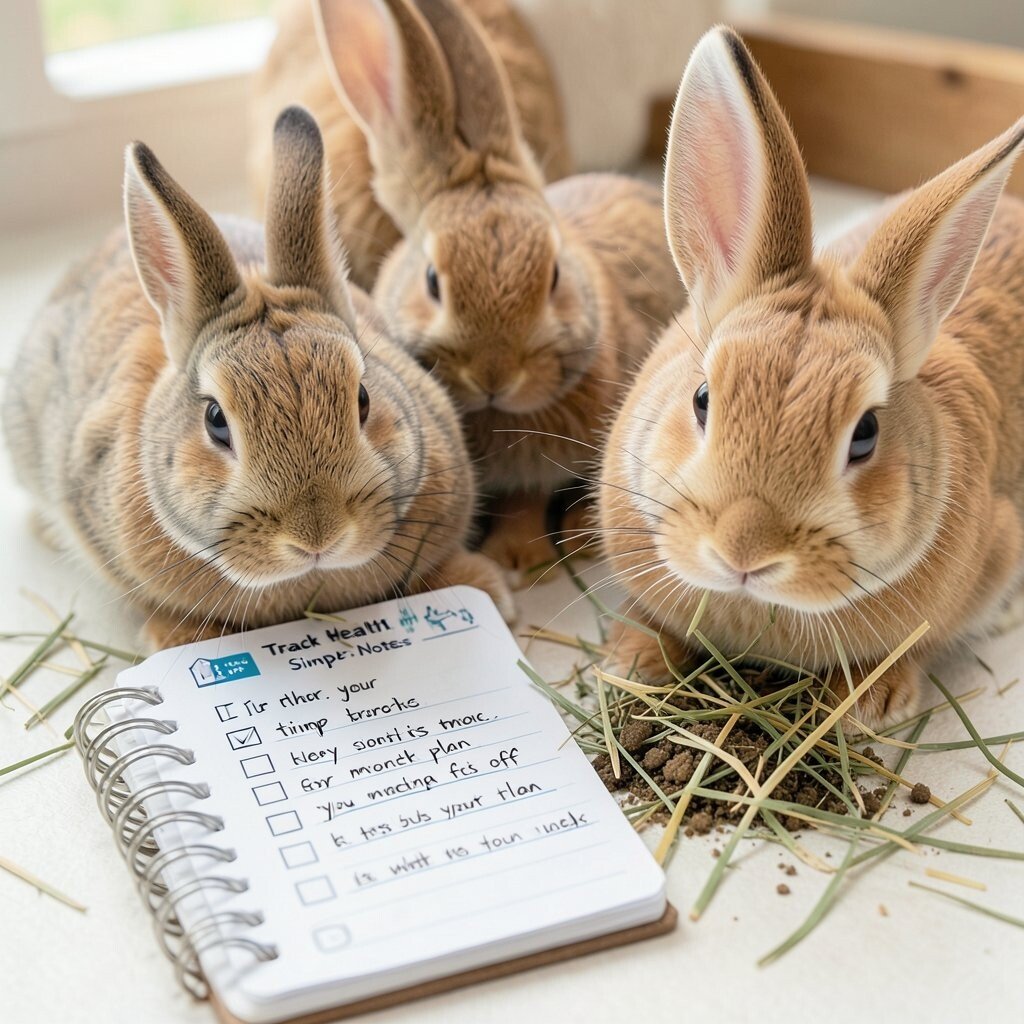
Good care often means noticing changes early, so keep simple notes about eating, poops, and energy. Write down when your rabbit eats more hay, drinks more, or seems less active. If you track this, you can plan better for vet visits if needed.
For visuals, imagine a small notebook or note app with daily check boxes. You can also track costs like hay, litter, and grooming tools so you know your monthly plan. Seeing the pattern can help you choose budget options without missing care.
The benefit is quick help if something feels off, and it can also make planning costs easier. This section also supports personalization because each rabbit has its own habits. Costs vary, but a simple tracking routine can reduce waste and help you buy what you truly use.