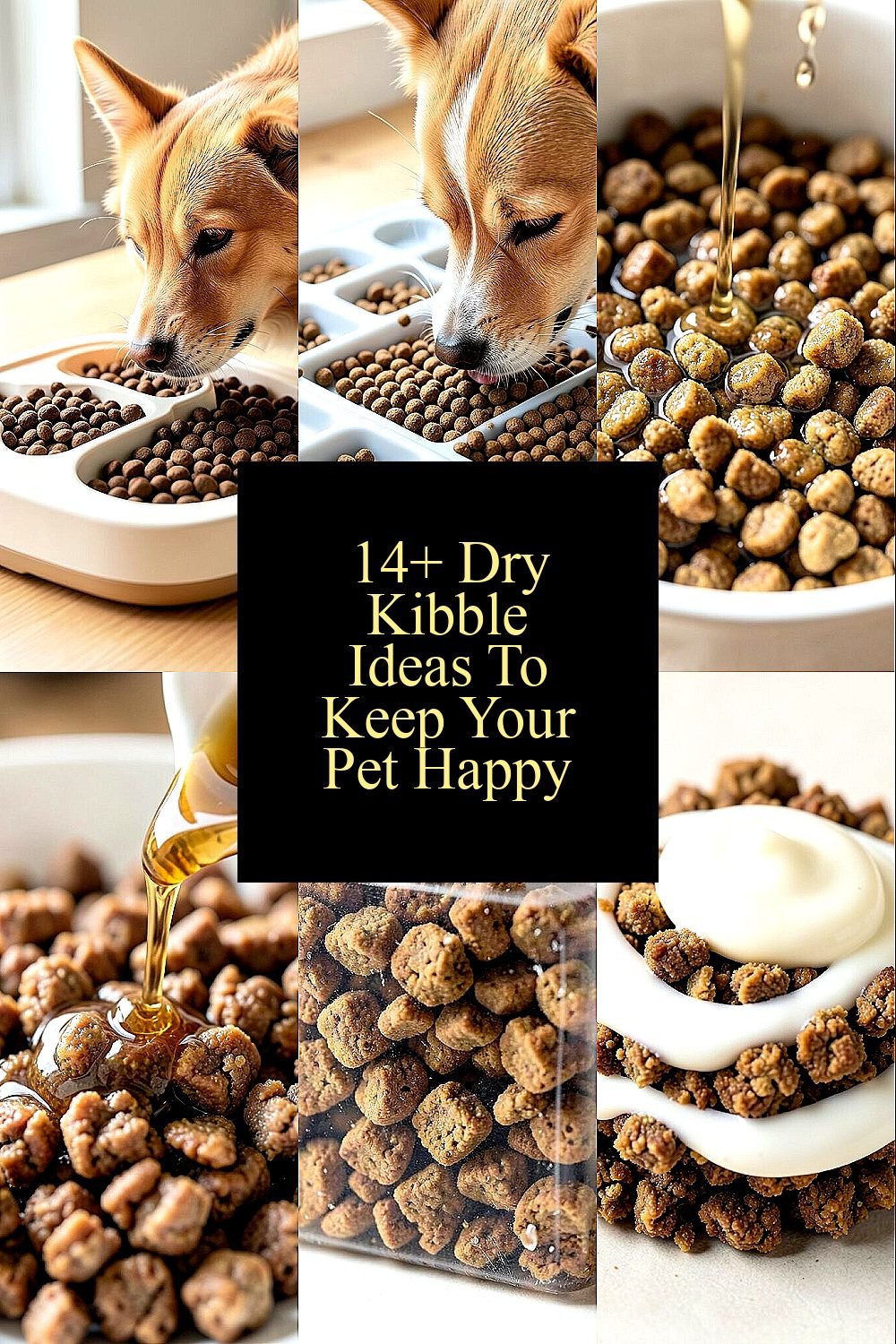
Your pet needs more than just dry kibble in a bowl. These ideas can help your pet feel full, calm, and busy, using simple changes you can try at home.
1. Use a puzzle feeder
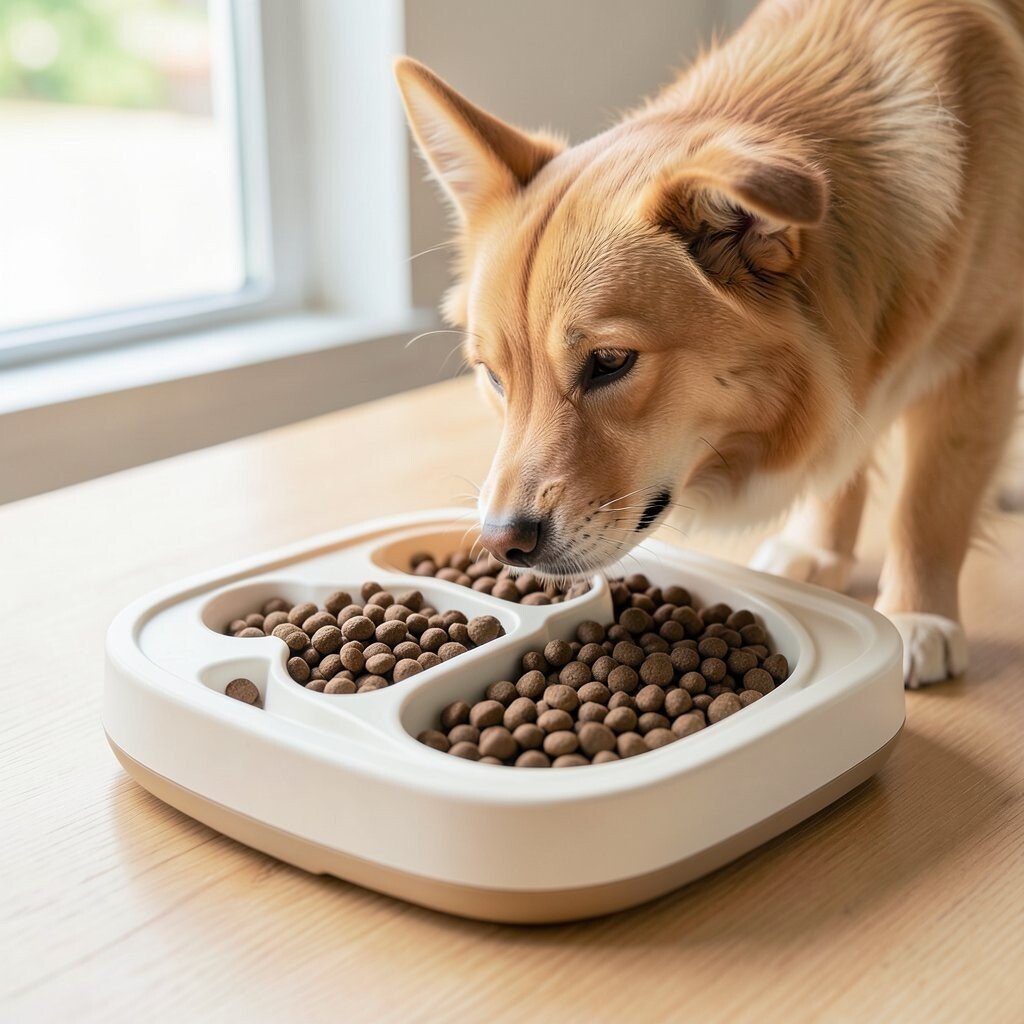
A puzzle feeder is a toy dish with parts your pet has to move. You can see kibble pieces in different spots, so your pet has to sniff and work. This can slow down fast eating and keep your pet busy for a bit longer.
Many pets seem more relaxed after they get to “hunt” for food. Try it at mealtime and watch how your pet does for the first few days. If your pet gets stuck, adjust the pieces or try a simpler puzzle.
Cost can vary a lot, from basic plastic to higher end sets. Look for something easy to wash and sturdy enough for your pet’s chewing strength. A trend right now is puzzle feeders with different difficulty levels, so you can change it as your pet learns.
2. Make a slow feeding maze
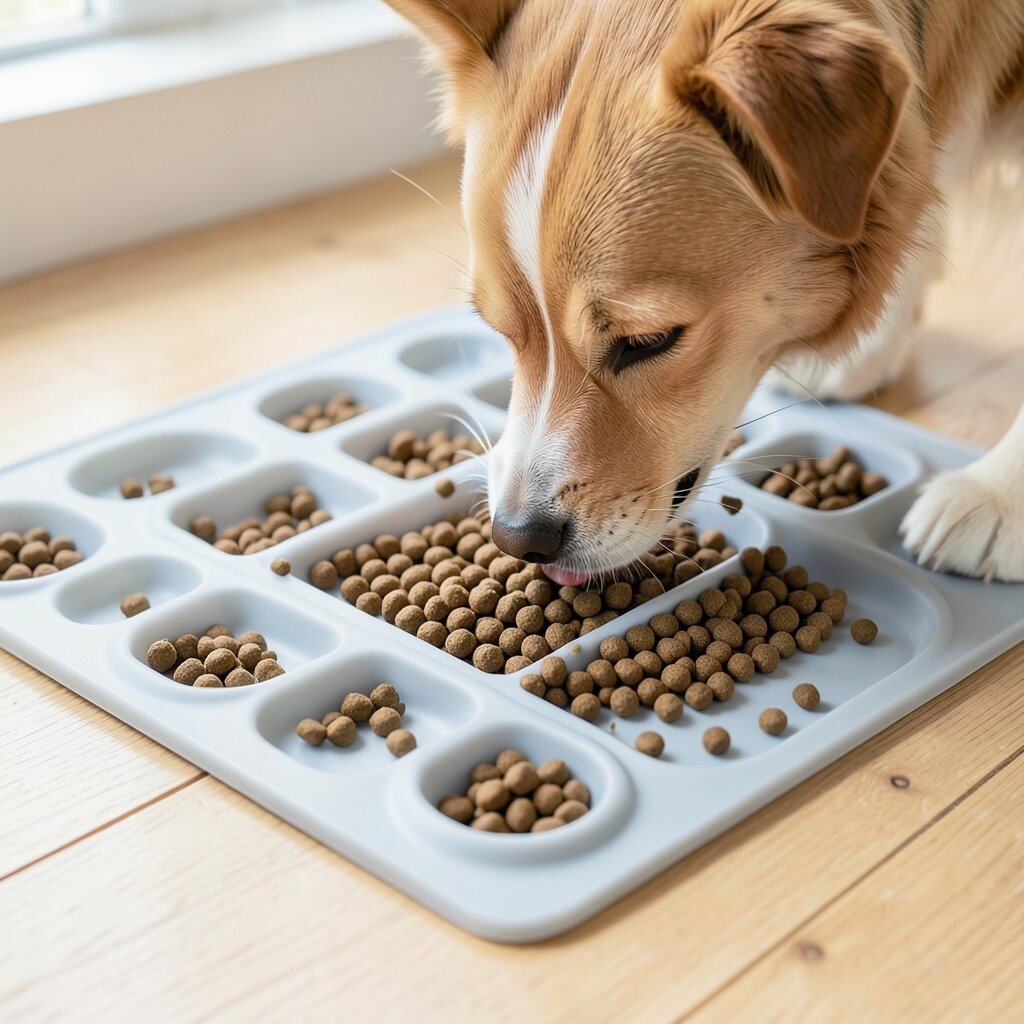
You can create a slow maze using a shallow silicone mat with raised parts. Pour a small amount of dry kibble on top so it spreads out in small pockets. Your pet has to lick and push the kibble with their nose and paws.
This can help some pets that gulp food too fast. It may also help with digestion by making meals less rushed. Start with a small amount, then add a little more after your pet gets used to it.
If you want a low-cost option, use a simple mat and cut the kibble amount down. For personalization, you can make a new pattern each day so it feels new. Many people like these mats because they are easy to store and clean.
3. Add warm water to soften kibble
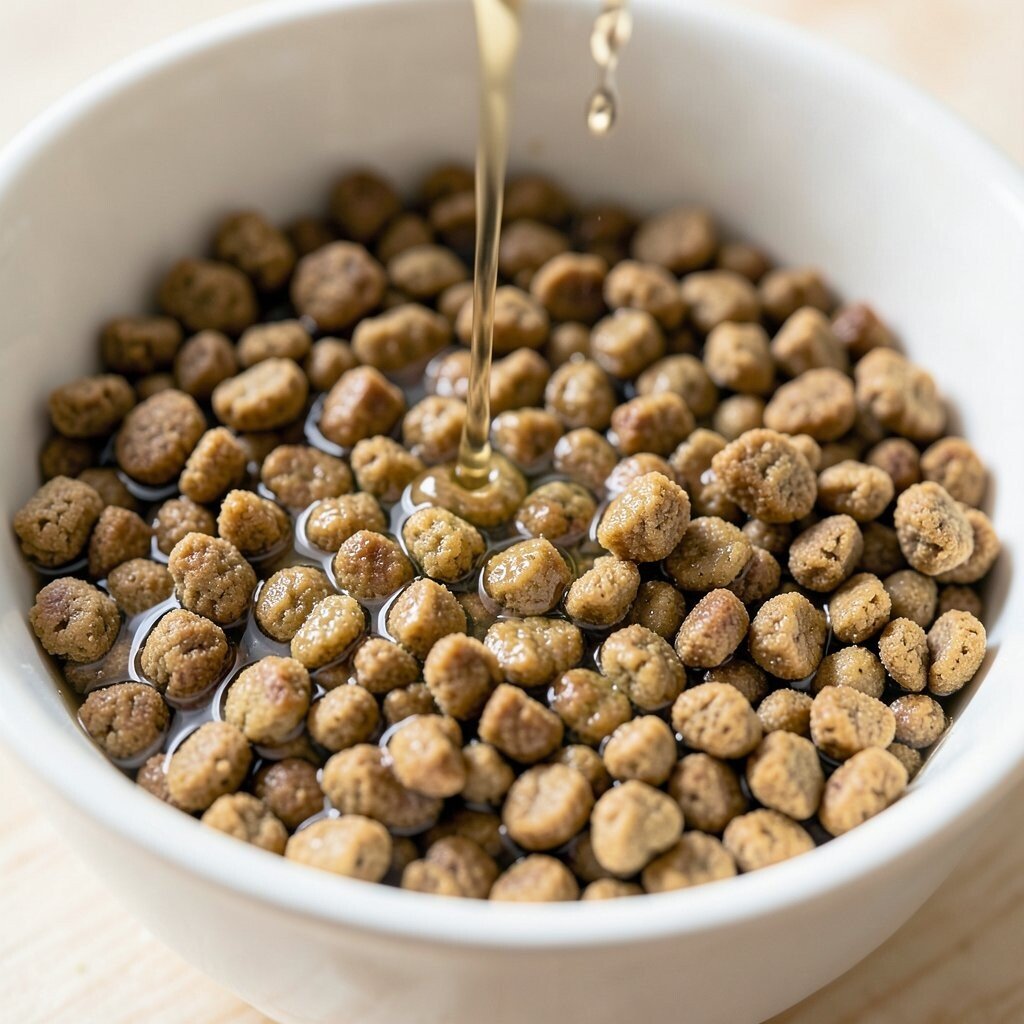
Some pets do better when dry kibble is slightly softer. Add warm water to the kibble and let it sit for a few minutes until it looks damp, not mushy. You can see the kibble soak up the water and smell stronger.
This can be helpful for pets with dental pain or picky eating habits. It may also help your pet chew more easily. Keep the amount small so the food is still safe and not left out too long.
Cost stays low because you use your regular kibble. This method can also fit different pet needs since you can adjust the water amount. A trend is “toppers” and soft meals, even when the base food is dry.
4. Use a low-sugar broth topper
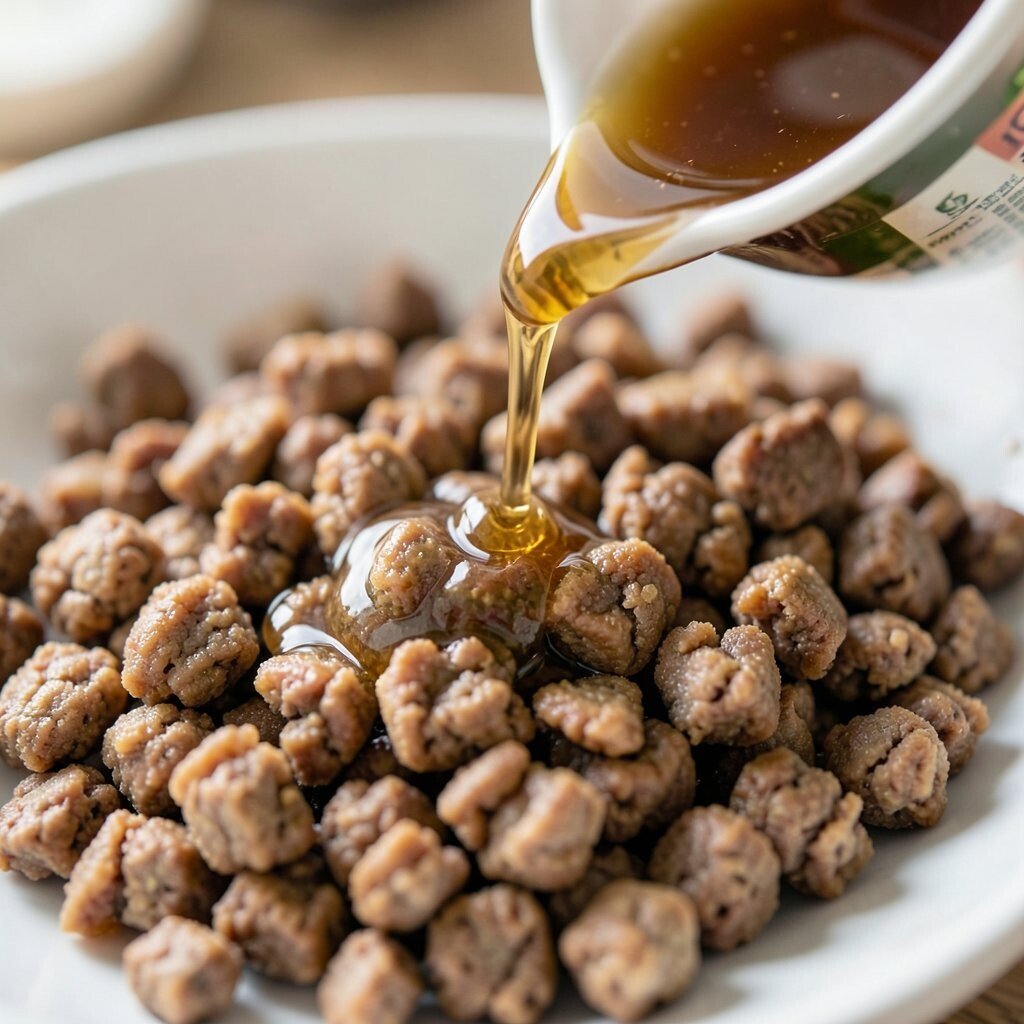
You can pour a small amount of warm, low-sugar broth over the kibble. Make sure it has no onion or garlic and check the label for safety. Your pet may enjoy the smell, and you will see the kibble glisten as it absorbs the liquid.
This can add flavor without adding a lot of extra treats. It can also help when your pet’s appetite is low for a short time. Use a light hand, and keep the topper separate from any medicine instructions from your vet.
Cost can be moderate if you buy broth in small packs. For personalization, choose a broth style that matches your pet’s likes, like chicken or beef. Many people now pick simple ingredient broths as a safer topping option.
5. Freeze kibble in a safe treat block
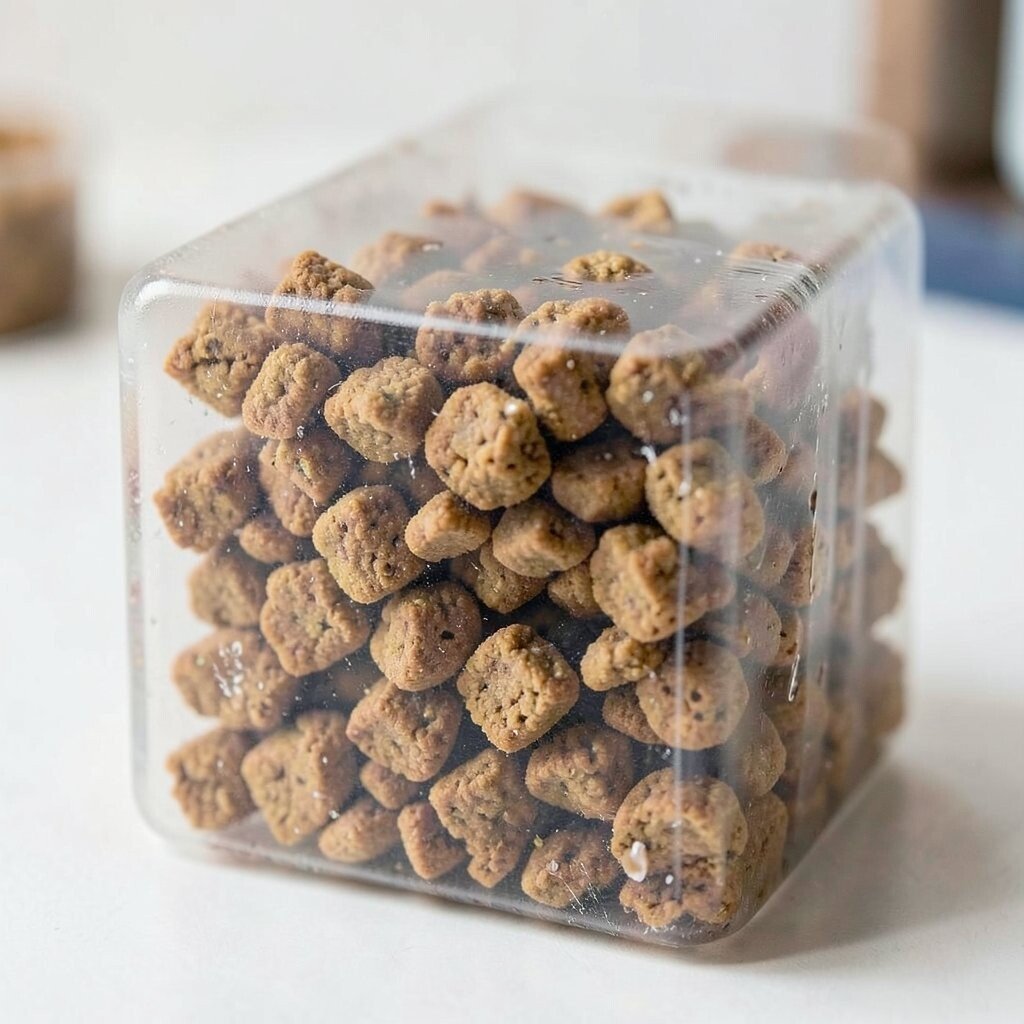
Another idea is to mix a small amount of kibble with safe water and freeze it in a block. You can use an ice tray or silicone mold so the pieces stay in neat shapes. When it freezes, the food looks like small cubes your pet can lick.
This can keep pets busy and cool, especially during warm months. It may also reduce boredom because the pet has to wait for the ice to melt. Give it during supervised time and take it away if it becomes too small to chew.
This method can be very cost-friendly since you use your regular kibble. It also helps with portion control because you set the amount in each block. A growing trend is “DIY enrichment” with simple freezing tools.
6. Layer kibble with a plain yogurt swirl
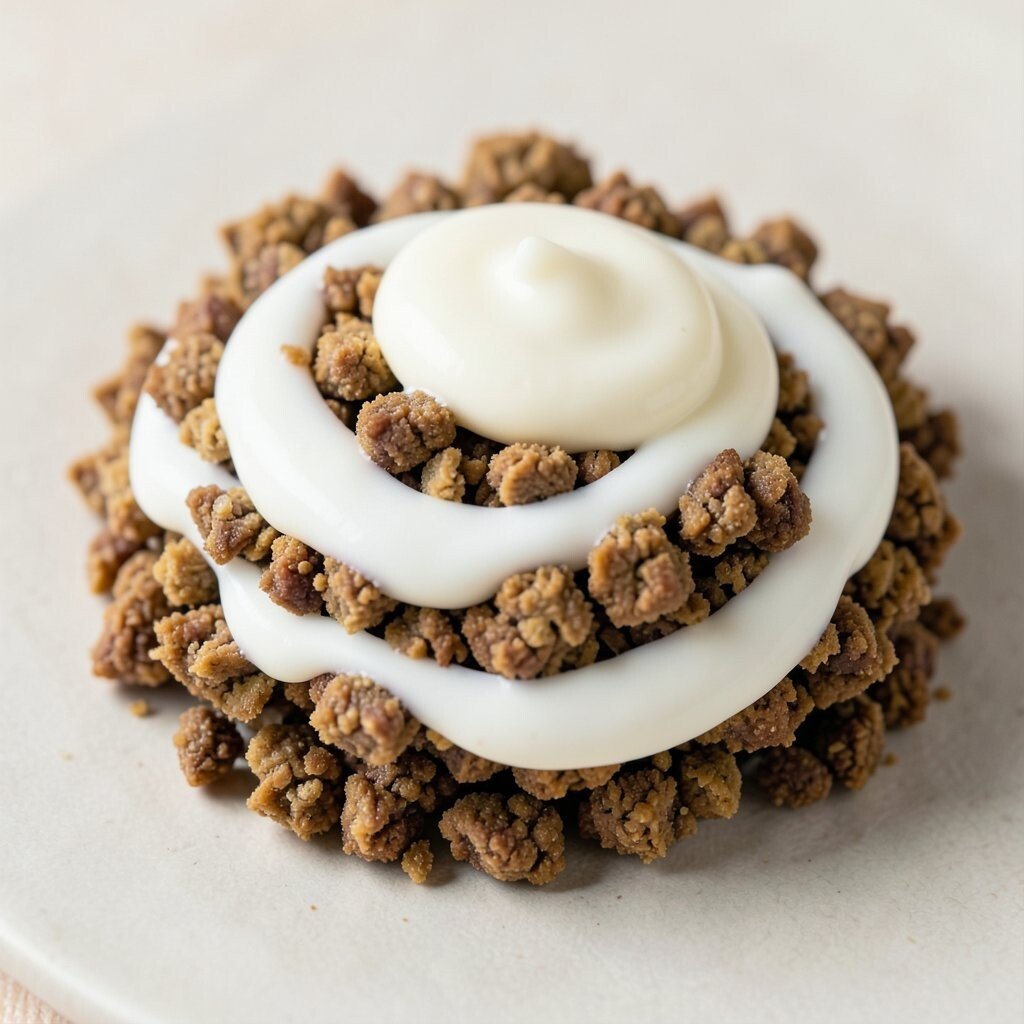
You can add a small swirl of plain, plain yogurt on top of dry kibble if your pet tolerates it. Make sure it has no xylitol and no added sweeteners. You will see a creamy white line on the kibble, which can catch your pet’s attention.
This can help with picky eating and adds a gentle taste. It may also help some pets feel more satisfied at mealtime. Start with a small amount to see how your pet reacts.
Cost is usually low to medium based on the yogurt brand. For personalization, you can adjust the amount by your pet’s size and stomach comfort. Many pet owners follow a trend toward simple dairy add-ons, but portion and safety matter.
7. Scatter feed in a safe spot
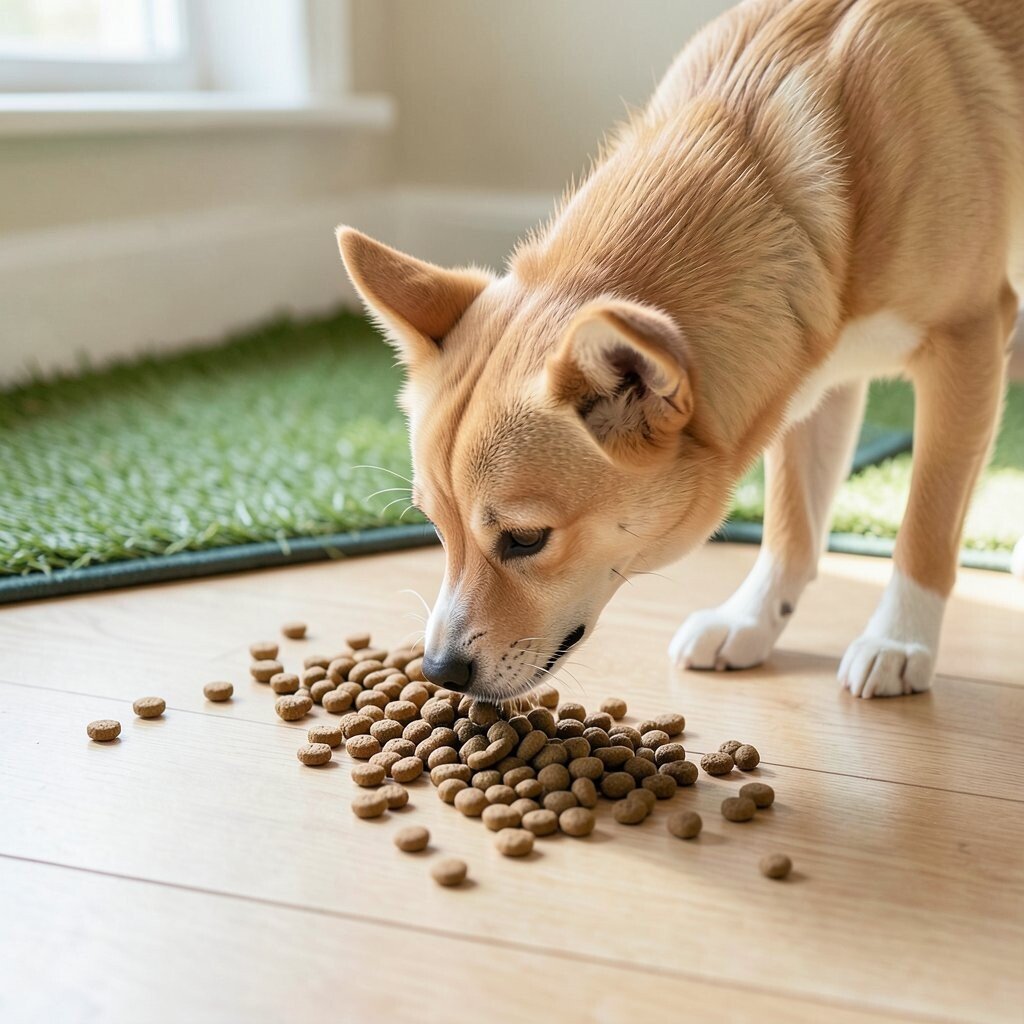
Instead of one bowl, you can scatter a small handful of kibble on a clean mat or safe floor area. Your pet can sniff and move from piece to piece. You will notice a calm “search” look, like your pet is enjoying a small scavenger game.
Scatter feeding can help pets that get bored fast. It also helps some shy pets feel less pressure because they can eat in small bits. Use a covered area so kibble does not roll into places you do not want.
This is a very low-cost method because it uses no extra tools. For personalization, you can use different mats, like grass-like indoor mats or washable rugs. A trend in pet care is using simple games to add mental work, not just physical treats.
8. Use a slow topple feeder in steps
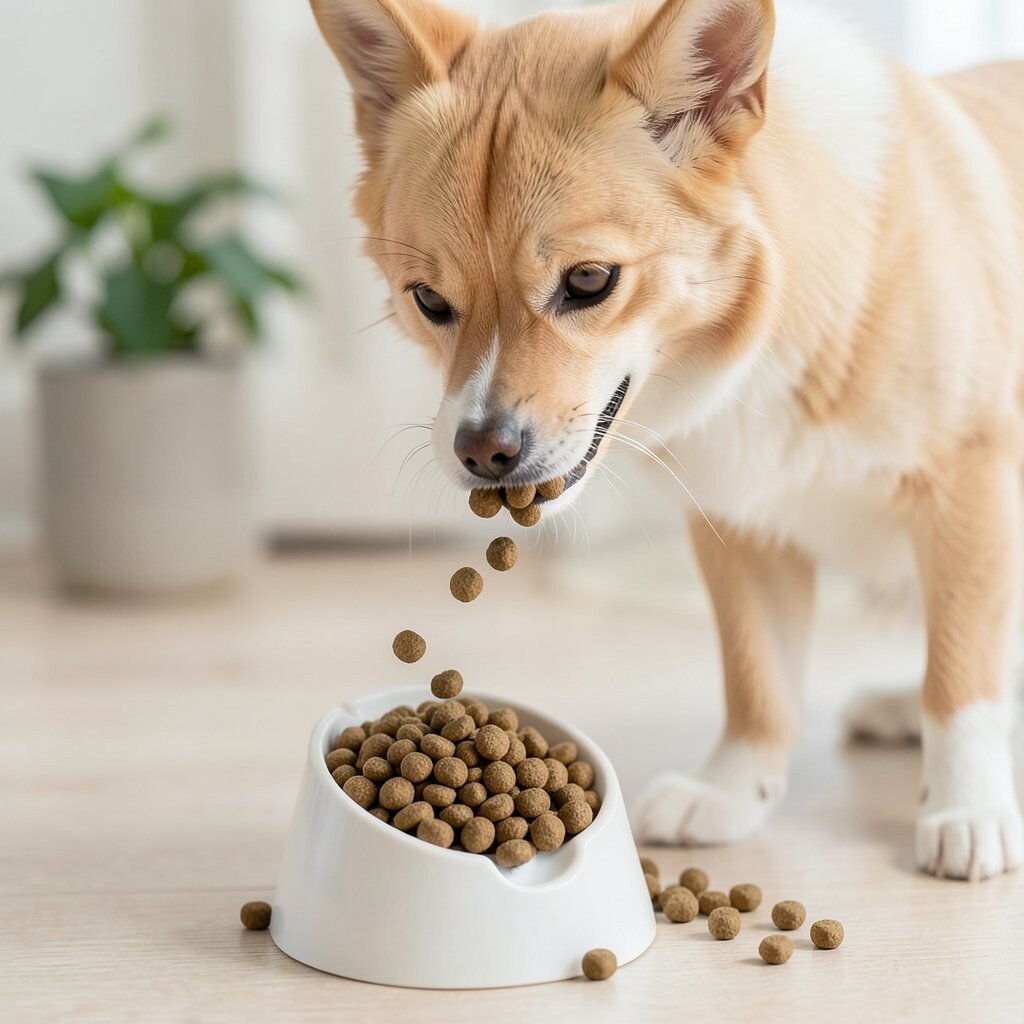
A slow topple feeder is a cone or stand that drops kibble little by little. You can fill it with dry kibble and let your pet work for each bite. The visual part is clear: kibble falls in small amounts, not all at once.
This can help pets that want to rush, because food is earned. It may also make mealtime longer, which some pets enjoy. Start with a setting that drops a bit more, then adjust as your pet learns.
Cost can be mid-range depending on the size and material. For personalization, you can choose a feeder height that is easy for your pet to reach. Many people like these because they look simple and work with regular dry food.
9. Choose small meal portions across the day
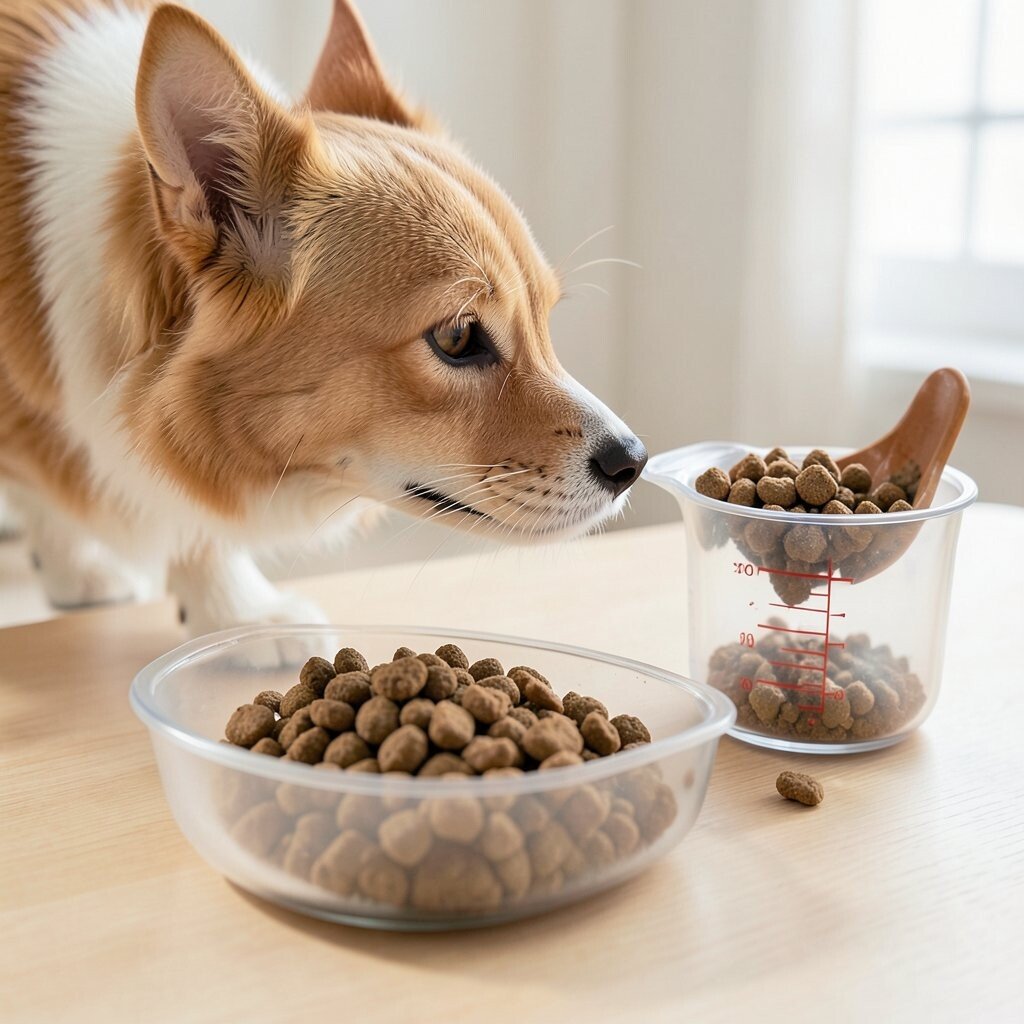
Instead of one large bowl, you can split the kibble into smaller meals. You can use a measuring cup to keep the total daily amount the same. Your pet will see food in smaller parts and may feel more steady hunger.
Small meals can help pets that get stomach upset when fed too much at once. It can also support pets that stay active during the day. Talk to your vet if you need help with a safe schedule for your pet.
This can cost the same as your normal feeding plan since it uses the same kibble. For personalization, set meal times that match your routine, like morning and evening. A trend is “more consistent feeding,” especially for pets with busy home schedules.
10. Mix kibble with a safe crunchy add-in
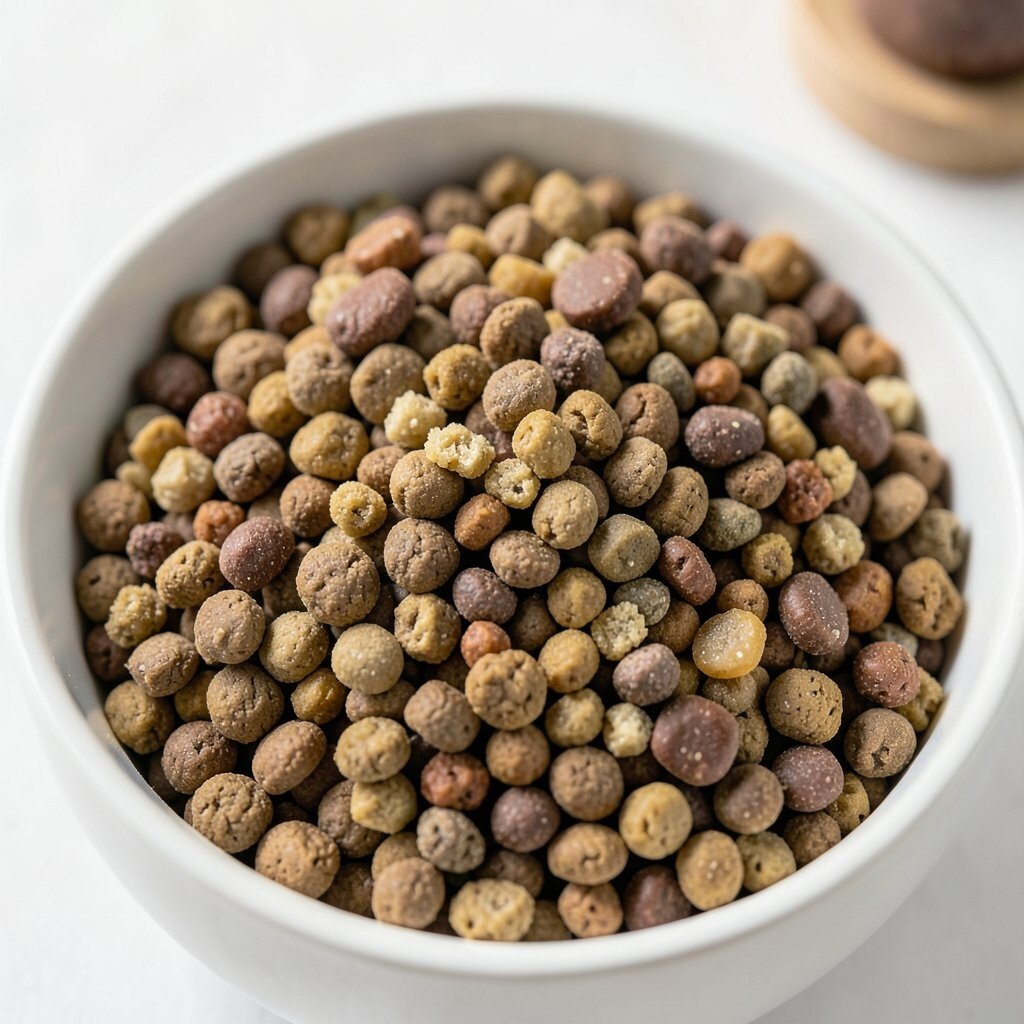
You can mix a small amount of safe crunchy add-ins with dry kibble. Pick plain items that fit your pet’s needs, like certain dental treats or approved dry toppers. Your pet may enjoy the mix because it looks different and sounds crisp.
This can add interest without turning the whole meal into treats. It may also help some pets chew more slowly. Keep the add-in amount small so the full meal still meets a balanced diet.
Cost depends on the add-in you choose, but you can keep it low by using small amounts. For personalization, select add-ins based on your pet’s age and any diet needs. Many pet owners follow the trend of “textured kibble mixes” to keep meals fun.
11. Try a new kibble shape or texture
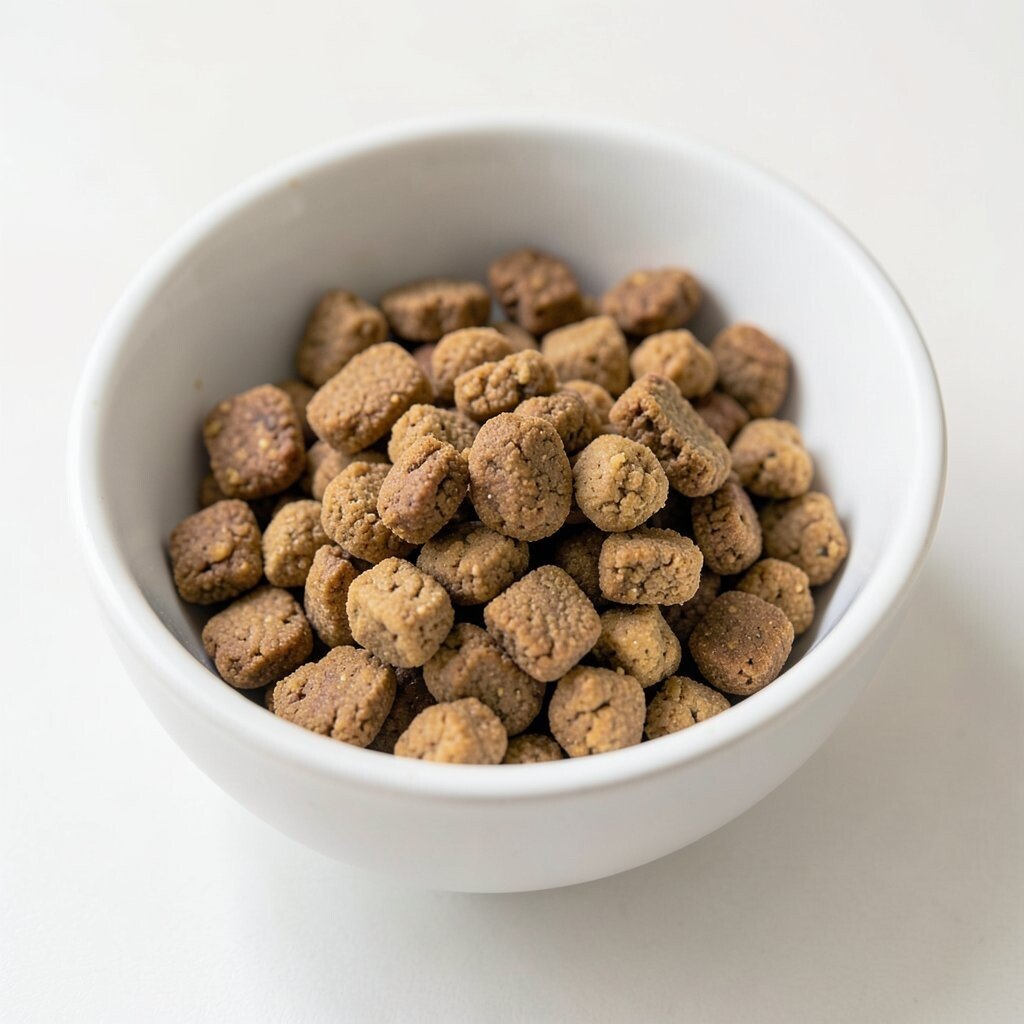
If your pet gets bored, try a kibble with a different shape or crunch. You can switch within the same brand line or look for a similar nutrient profile. You will notice the kibble looks different in size and how it sits in the bowl.
Some pets respond well to a new texture and eat with more interest. This can also help when your pet is picky about the usual bowl. Make changes slowly over days to help avoid stomach upset.
Cost may go up if you pick a specialty kibble, but you can test with a small bag. For personalization, match the kibble to your pet’s age and chewing ability. A trend is more kibble varieties made for specific needs like coat, weight, or sensitive stomach.
12. Use a mat with a “sniff trail”
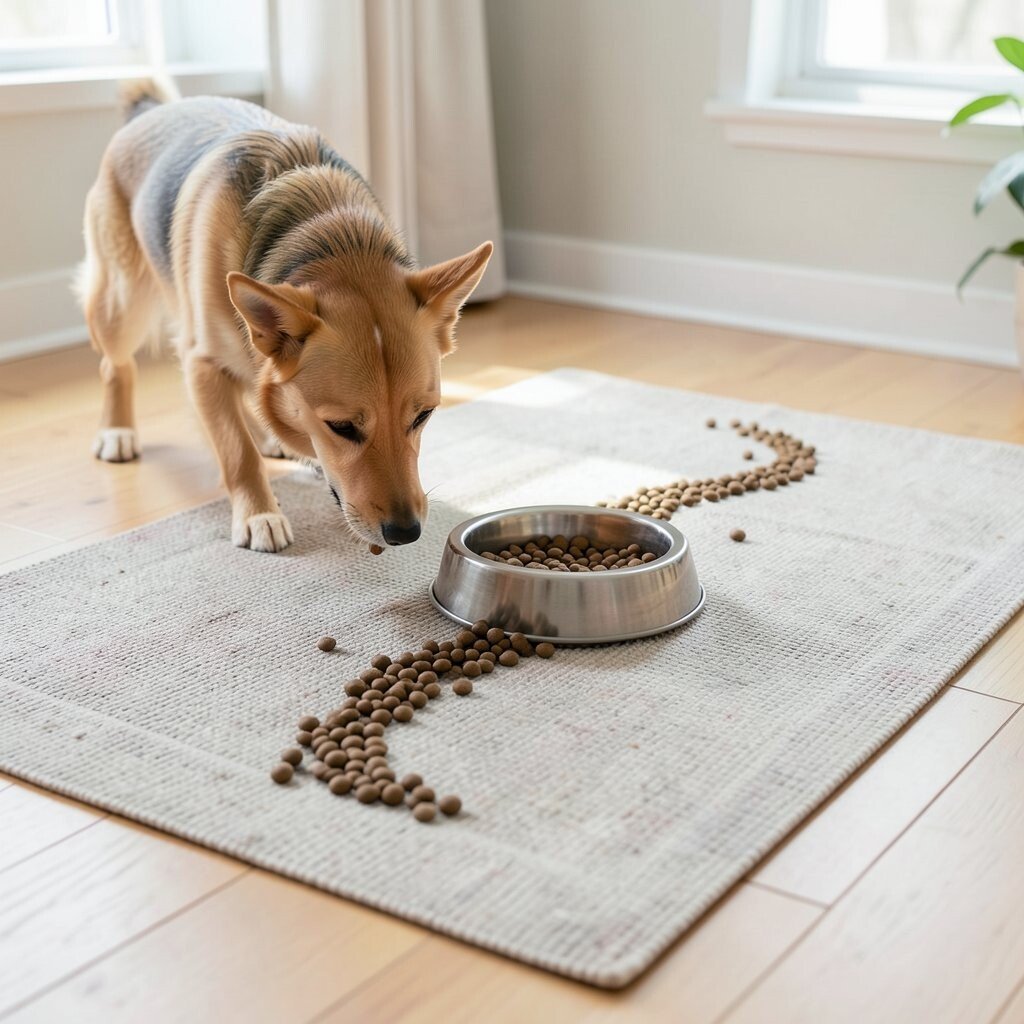
You can make a sniff trail using a long food mat and a few small lines of kibble. Place kibble in a path that leads your pet toward a main bowl or a puzzle spot. Your pet will follow the scent and move along the trail.
This adds mental work and can help with boredom. It also gives your pet a clear goal, which many pets enjoy. Try this in a quiet room so your pet can focus.
The cost is low if you already have a mat or rug you can wash. For personalization, change the trail shape each day so it does not feel the same. Many people call this a “foraging” trick, and it is a popular trend in home enrichment.
13. Create a rotating enrichment plan
Instead of doing the same thing every day, rotate between a few methods. For example, you can do a puzzle feeder some days, scatter feeding on other days, and a slow maze on the rest. You will notice your pet stays interested because the plan changes.
This helps prevent routine boredom. It can also let you see what works best for your pet’s body and mood. Keep notes for a week so you remember what your pet likes most.
Cost stays controlled because you can reuse tools and stick to one or two extra items. For personalization, choose methods that match your pet’s speed, chew strength, and energy level. A trend right now is tracking enrichment like a small weekly routine.
14. Adjust for your pet’s age and health
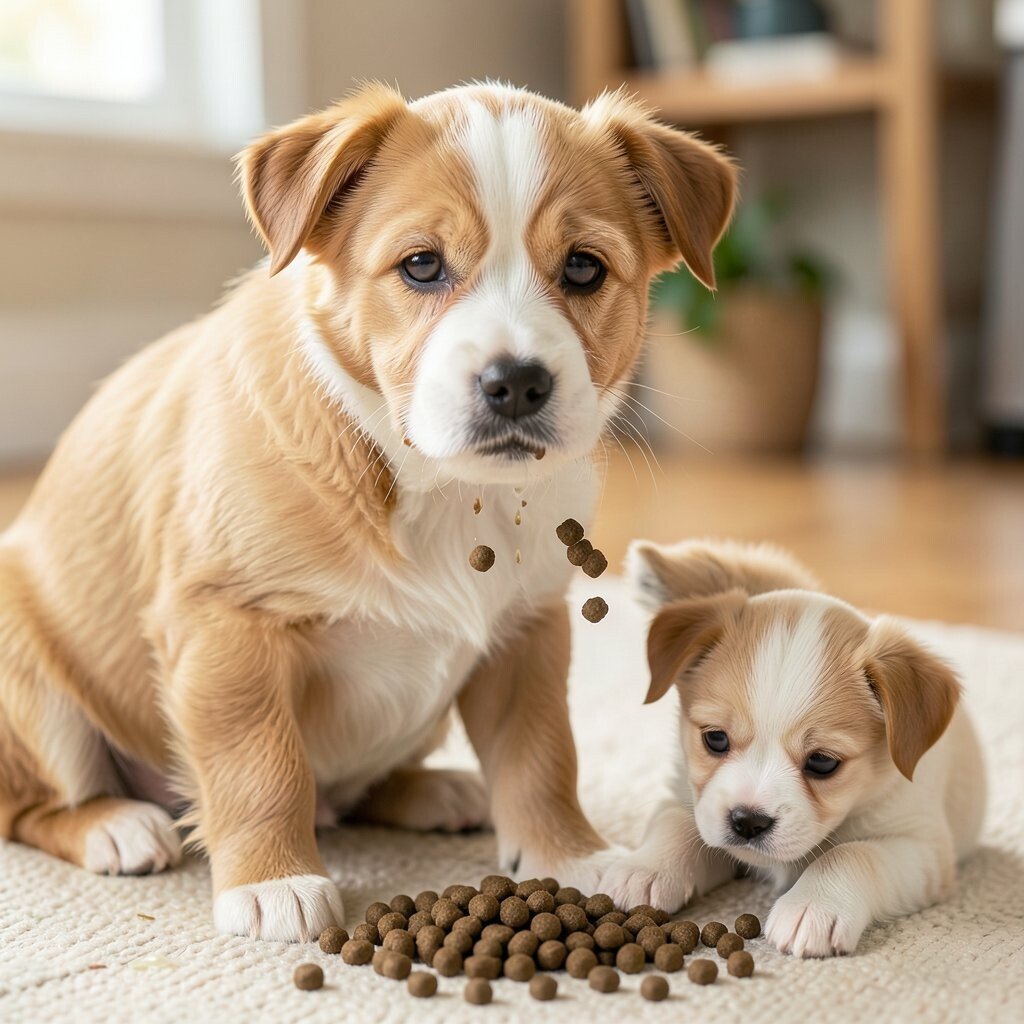
Different pets need different kibble handling. Older pets may do better with softer kibble, like warm water or small water mixing. Puppies may do better with smaller, easy to pick up portions.
If your pet has a health issue, ask your vet about food texture and feeding style. Some pets need slow feeding to reduce choking risk. Others may need careful topping choices based on diet rules.
Cost is about planning, not just buying new things. For personalization, you can use your pet’s needs to choose the best method, like softer meals or careful portion splits. Many owners follow a trend toward “pet stage care,” which means matching food habits to life changes.
15. Make feeding match your daily routine
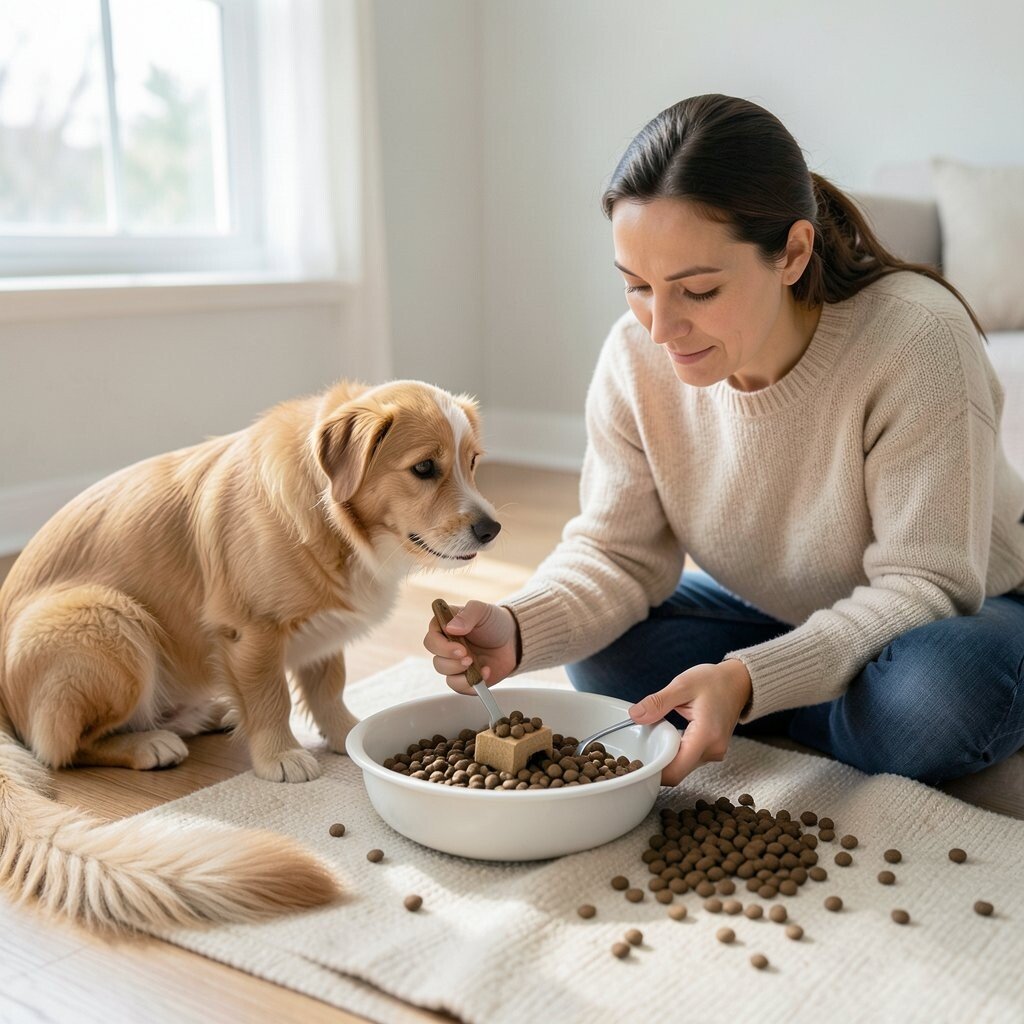
Try feeding at times when your pet is calm and ready. If your pet is most active in the morning, do enrichment then, like puzzle feeding or a sniff trail. If your pet gets tired after work time, use a slower method like a maze.
When feeding fits your routine, it can feel easier for both you and your pet. It may also help your pet learn faster because the pattern is steady. Keep the room quiet and reduce other distractions during mealtime.
This can cost nothing extra, since it is mostly about timing. For personalization, adjust based on your pet’s sleep schedule and your household noise level. A trend is building small daily habits that reduce stress and help pets stay on a steady routine.