
Feeling upset can make the day feel heavy. Small support steps can help you feel steady and a bit safer in your own mind.
1. Text One Safe Person
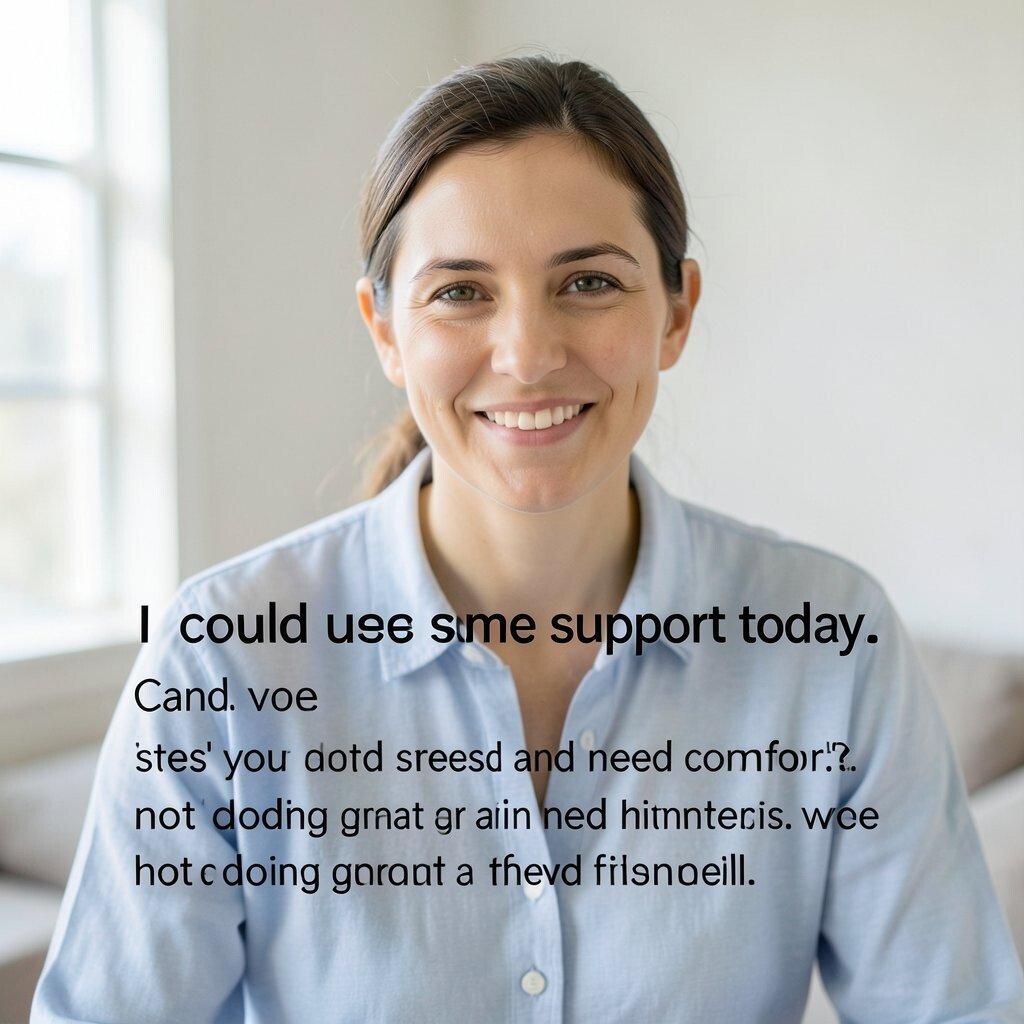
Pick one person you trust, like a friend or family member. Send a short message like “I could use some support today.” This can help you feel less alone. It also gives you a clear next step when your thoughts feel noisy.
Keep it simple and honest, without big details. If you want, add a small request such as “Can you chat for a few minutes?” A quick reply can calm your body and make your mind slow down. Try to pick someone who usually listens well.
You can personalize the message to match your mood. For example, if you feel anxious, you can say you are “stressed and need comfort.” If you feel sad, you can say you are “not doing great and need kindness.” Cost is low because it just uses your phone plan or Wi-Fi. A current trend is short “check-in” texts that do not ask for long conversations.
2. Try a Calm Breathing Pause

Take a slow breath in through your nose and breathe out slowly. Do this for a few rounds while you sit or stand still. You may notice your chest feels less tight. This is a simple way to help your body settle when you feel overwhelmed.
Visualize the air like a soft wave moving in and out. Put one hand on your chest or belly to feel the rise and fall. That touch can make it easier to focus. It can also help you notice your feelings without getting pulled too far into them.
You can personalize this with a short count that feels right for you. For example, count “one to four” on the inhale and “one to six” on the exhale. The cost is free. Many people also use phone apps for breathing tracks, which is a popular trend for support at home.
3. Use a Grounding Object
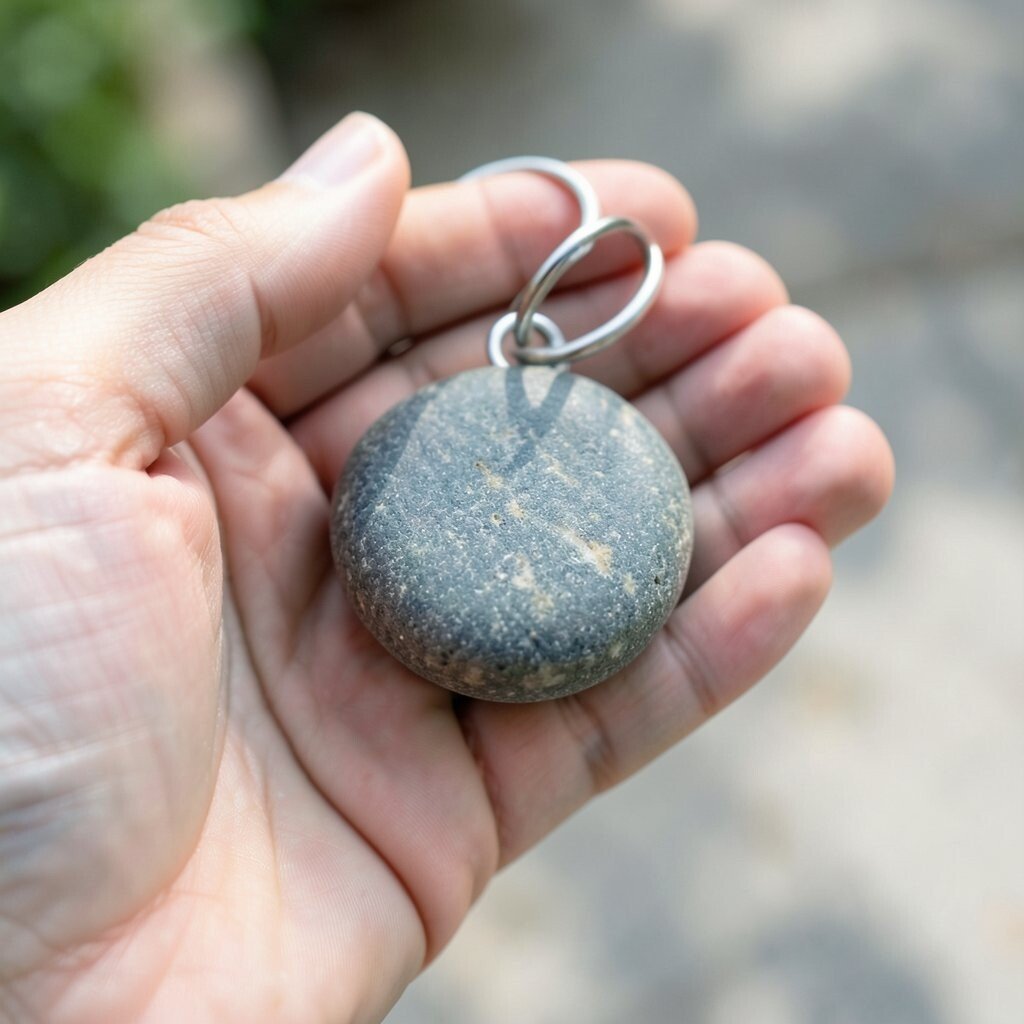
Choose a small item you can hold, like a smooth stone, a worry bead, or a soft keychain. Look at it closely and notice its color, shape, and texture. When you focus on one thing, it can help pull your attention away from scary thoughts.
Try a quick set of senses: name five things you see, four you feel, three you hear, two you smell, and one you taste. This may feel like a lot, but you can do it slowly. It helps your mind come back to the present moment. You also get a clear action you can use fast.
Personalize by picking an object with meaning to you. Some people choose gifts from a trip or a token from a friend. That can make the support feel more personal. Cost is low, and you can often find items at low prices or online. A trend is “sensory kits” that people keep in bags for tough days.
4. Write a Short “How I Feel” Note
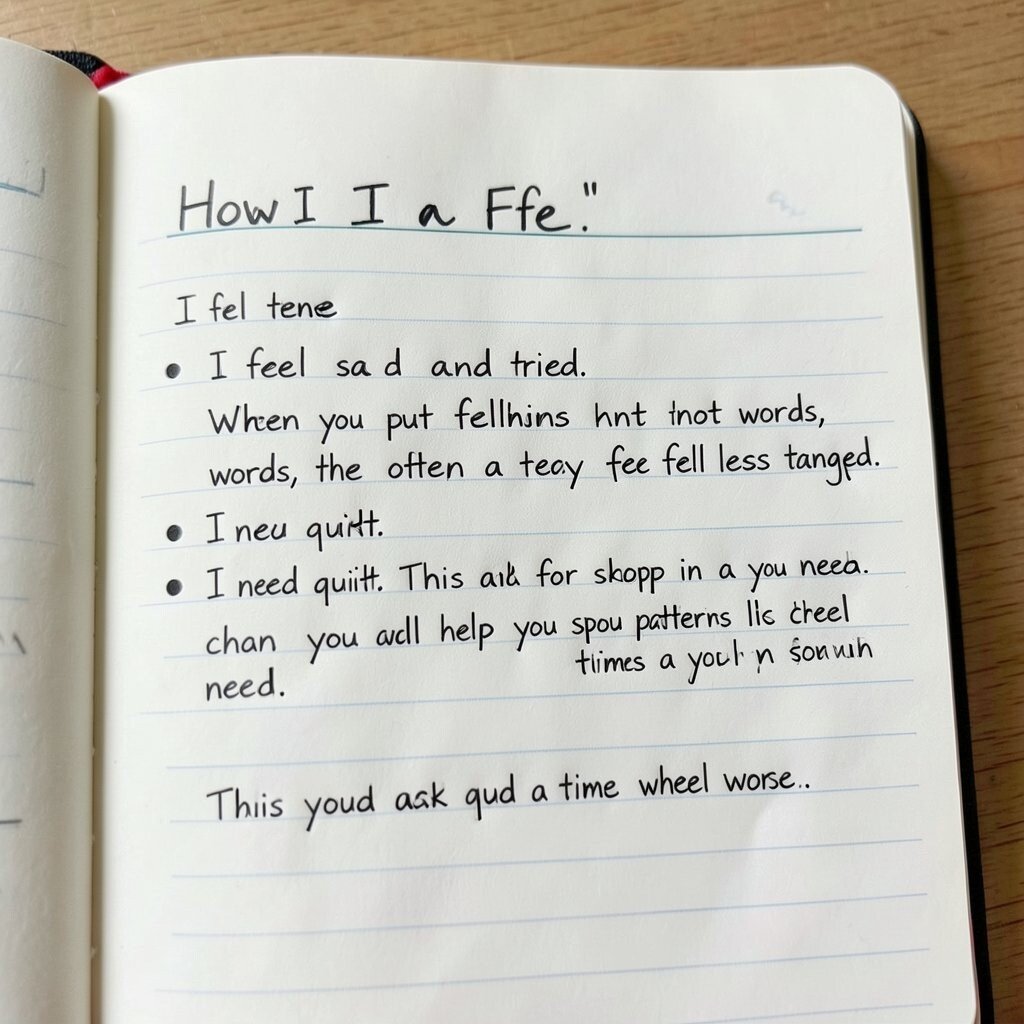
Grab a notebook or open a notes app and write what you feel right now. Keep it short, like “I feel tense” or “I feel sad and tired.” When you put feelings into words, they often feel less tangled.
You can also add one sentence about what you need. For example, “I need quiet” or “I need a kind voice.” This helps you ask for support in a clear way. It can also help you spot patterns, like times when you feel worse.
Personalize with your own style, like bullet points or messy words. Some people like to date the note so they can look back later. This cost is mostly free. A growing trend is “mood journaling” that is more about quick check-ins than long entries.
5. Make a Simple Comfort Routine
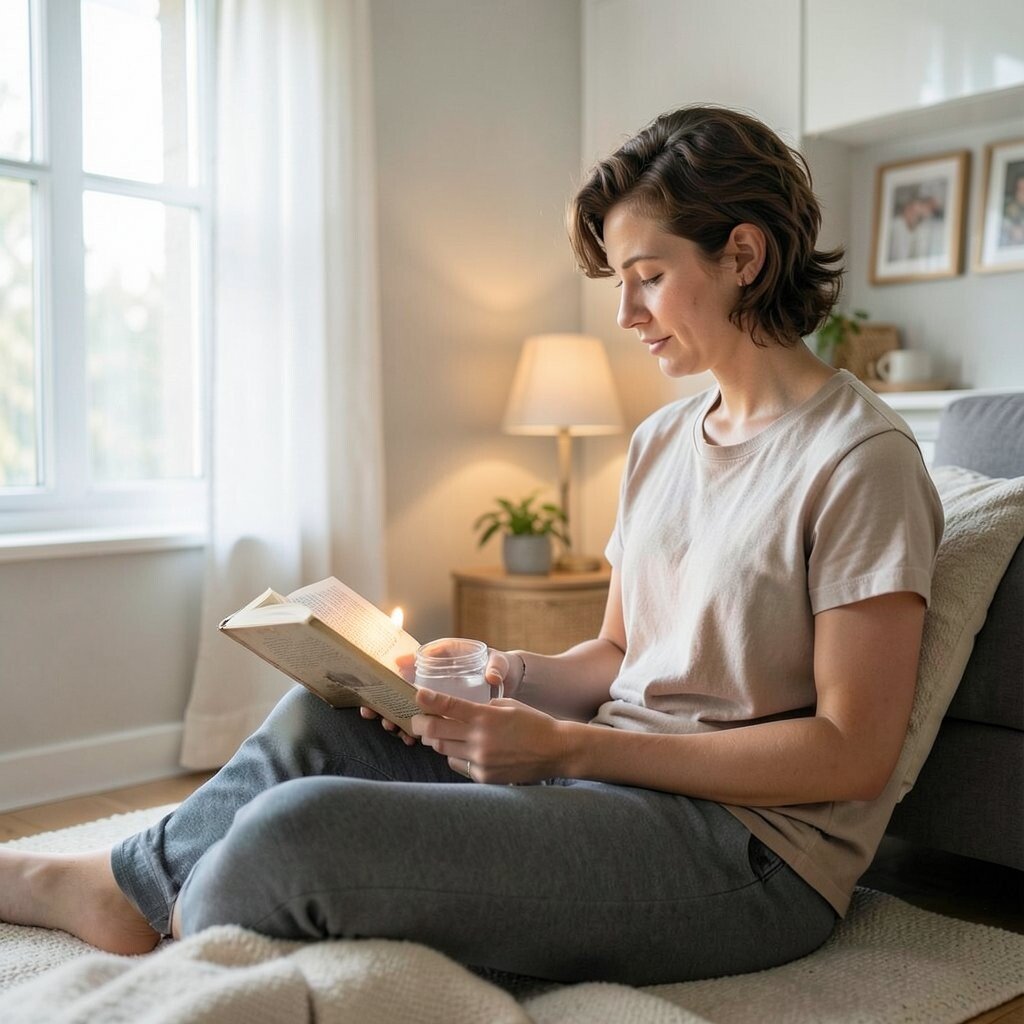
Pick a small set of comfort steps you can do in a short time. For example, drink water, wash your face, and put on clean clothes. When you repeat the same steps, your body learns what to expect. This can help you feel safer and less thrown off by your mood.
Use easy cues like a warm drink or a certain song that you like. A visual cue helps too, like lighting a small lamp in your space. Your routine can be short and still work. The key is doing it even when motivation is low.
Personalize it to fit your day and your home. If you like movement, add a short stretch. If you prefer stillness, add a short reading time. Cost depends on choices, but many people use items they already have. A trend is “micro routines” that focus on tiny steps rather than big plans.
6. Do One Small Kind Task

Choose one small task that helps you feel cared for. It can be making your bed, washing one dish, or taking out trash. Small tasks can give your brain a win. They also show you that you can still help yourself.
Keep the task small enough that you can do it even on bad days. You do not need to finish a lot. You can also set a timer and stop when it ends. This helps you avoid the trap of doing too much when you are low.
Personalize the task to your needs, like choosing something that reduces stress. For example, cleaning your desk for ten minutes can help your mind feel more clear. Cost is free. A current trend is “low effort self-care,” where people focus on practical support rather than big treats.
7. Spend Time with a Cozy Visual Space

Make one small area in your home feel calm. You can add a soft blanket, a warm light, or a picture that makes you feel safe. Visual comfort can help your mind settle when you sit down. Even a small corner can make a difference.
Try sitting there for a few minutes with no pressure to feel better right away. You can look at your items and notice how they feel in the room. This builds a safe place in your head. It also gives you a place to go when emotions rise.
Personalize with your style, like colors you like or items that feel familiar. Cost can be low if you use things you already own. If you need a light or plant, you can look for low price options. A trend is using “comfort corners” on social media and in home setups.
8. Listen to Music You Know Helps

Pick songs that have helped you before, not just random new music. Make a short playlist for sad times or nervous times. Put it on and listen with a relaxed focus. Music can help control your mood and slow down stress.
Try to notice the parts that feel steady, like a slow beat or calm vocals. If lyrics bother you, choose songs with fewer words. This can help you avoid extra triggers. You can also use headphones if you want a private space.
Personalize by matching the music to your body needs. If you feel restless, choose calmer sounds. If you feel heavy, choose something gentle but uplifting. Cost is low if you use free music platforms or songs you already have. A trend is “mood playlists” built for specific feelings.
9. Practice Self-Talk Like a Friendly Coach

When you notice harsh thoughts, answer them with kinder words. You can say, “This is hard, but I can handle one step.” Imagine a coach voice that wants you to do your best. This can help reduce shame and fear.
Use short lines that feel real to you. For example, “I am not behind,” or “I can take a break.” If it sounds fake at first, try softer words like “I hope this gets easier.” Self-talk can feel awkward at first, but it gets easier with practice.
Personalize by using phrases from people who support you. If a friend says “You can do it,” you can use that line. Cost is free. A trend is writing supportive scripts in notes apps to read during tough moments.
10. Ask for a Small Adjustment at Work or School

If you can, ask for one small change that lowers stress. This could be a later start, a shorter task list, or a break between duties. When your needs are heard, you may feel less pressure. This also helps your brain trust that support is possible.
Keep your message simple and clear. You can say, “I am having a tough day and need a small adjustment.” Then name the adjustment you want, like extra time or a calm space. People often respond best to direct requests.
Personalize by thinking about what makes you feel overloaded. Maybe you need fewer meetings or less noise. Cost is usually none, though it can depend on your job rules. A trend is more flexible work practices, including short break rooms and quiet time options.
11. Use a “Feel Better Food” Plan
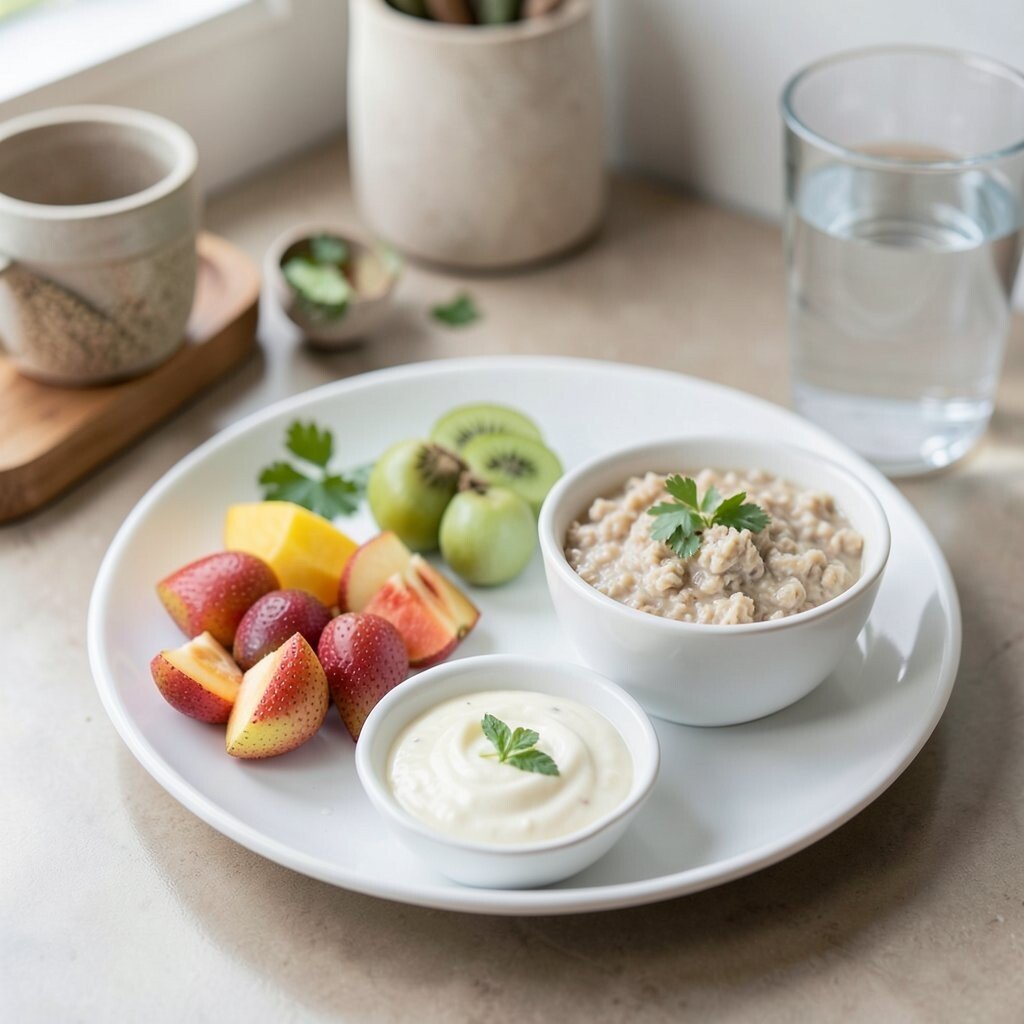
Food can affect your mood, even if it is not the only thing. Make a small plan for what to eat when you feel low. Choose simple foods you can digest easily, like fruit, yogurt, soup, or oatmeal. This helps your body get steady energy.
Visualize a plate with balanced choices, like something you can taste, something warm, and something filling. Also drink water, even if you do not feel like it. When your body feels supported, it can be easier to handle feelings.
Personalize based on your diet needs, allergies, and budget. You can plan one comfort meal for the days you struggle. Cost depends, but many options are cheap at home. A trend is “simple meal support” and snack boards that make it easier to eat when you feel stuck.
12. Try a Gentle Body Movement
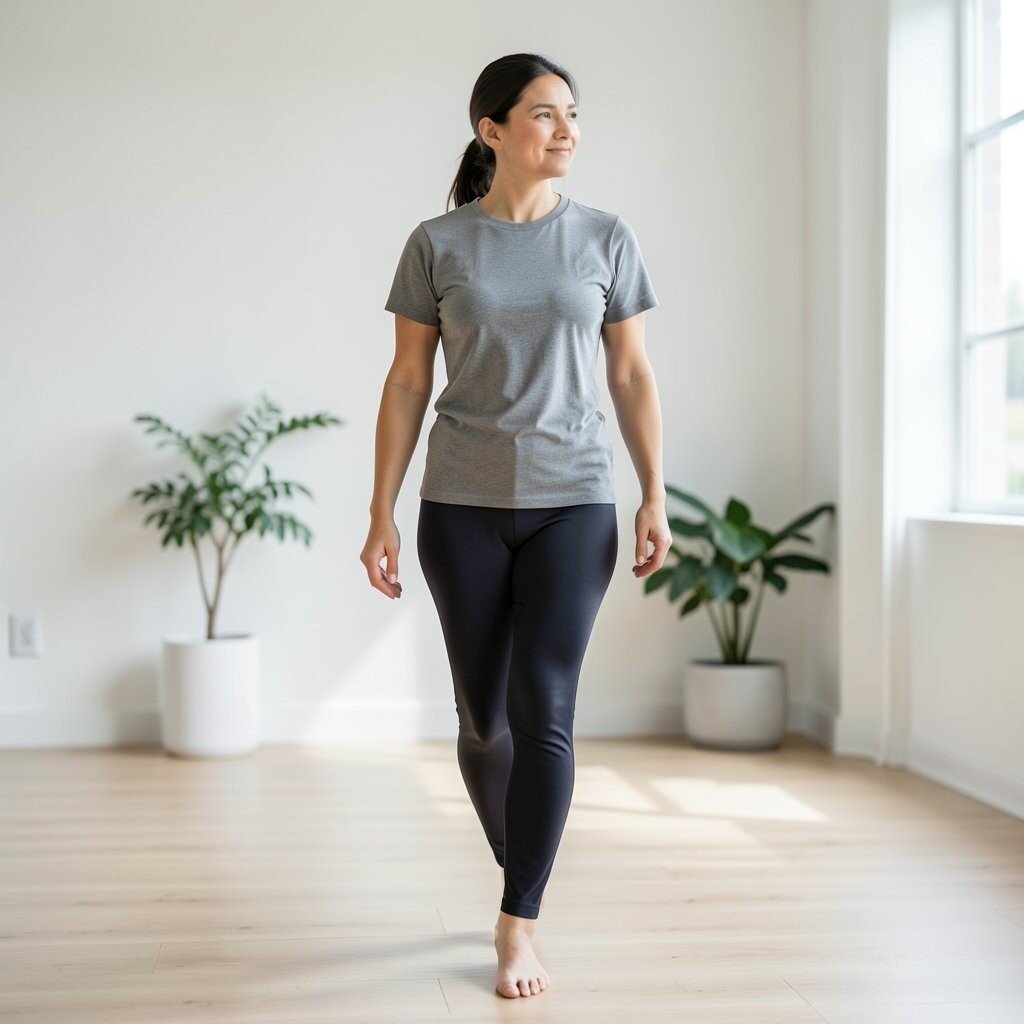
Move your body in a gentle way, like slow walking or light stretching. You can also do simple shoulder rolls or a short yoga routine. Movement helps some people lower stress in their muscles. It can also help your mind feel less stuck.
Do it at a pace that feels safe. If you feel tired, choose a very short movement session. If you feel tense, focus on slow stretches. The goal is comfort, not hard work.
Personalize with what your body likes, like music while you walk or a quiet room for stretching. Cost is free if you use floor space. If you want, you can buy a yoga mat, which can be a low cost option. A trend is “desk stretches” and short movement breaks during stressful days.
13. Watch a Short Educational Video or Read a Guide

Choose one helpful topic that matches what you are feeling. It could be anxiety basics, stress skills, or sleep tips. When you learn simple facts, your mind may feel less confused. It can also help you find steps you can try right away.
Pick content from a reliable source. You do not need to watch for long. Try taking notes on one or two ideas you want to use. That way, the info becomes a tool, not just extra noise.
Personalize by choosing topics that fit your life, like tips for school stress or work burnout. Cost is low because many guides are free. A trend is “bite-sized learning” where people use short videos and quick reading in between busy days.
14. Plan a “Bad Day” Support Map
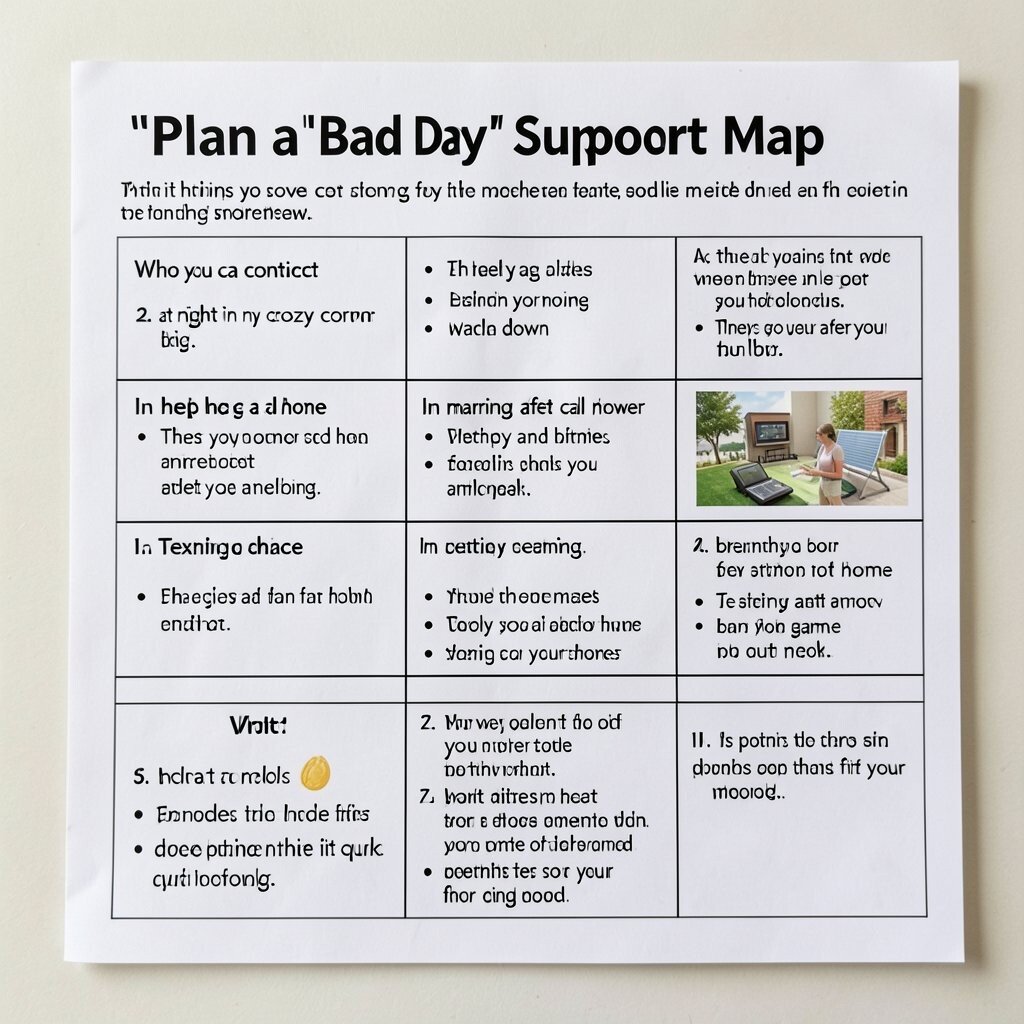
Make a plan for when things get rough. Write down who you can contact, what helps you calm down, and what you can do at home. This can include steps like breathing, texting someone, and eating a simple meal. A plan helps you move faster when emotions feel big.
Include time and place ideas, like “at night in my cozy corner” or “in the morning after a shower.” You can also add ideas for distractions that do not harm you, like a short game, a calm show, or a walk. The point is to have options that fit your mood.
Personalize the map for your needs, using your own words and routines. Keep it on your phone so it is easy to find. Cost is low because it is mostly writing. A trend is using phone notes and printed cards for quick coping plans.