
Your kitten needs food that helps them grow strong and stay active. Small changes in what you feed can make a real difference in how your cat feels day to day.
1. Wet Kitten Food With Real Meat
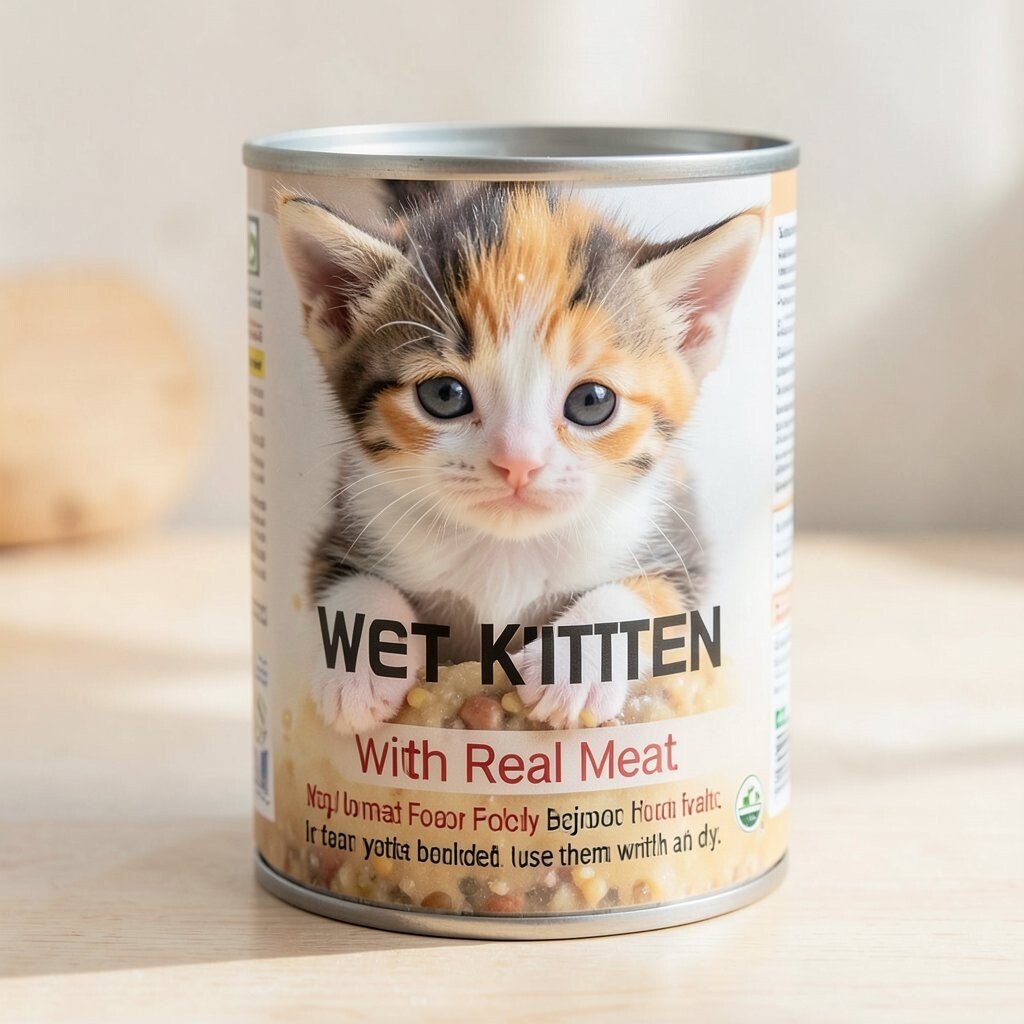
Pick a wet kitten food that lists real meat first, like chicken or turkey. You can see small bits in the can, with a soft, moist texture that looks easy to chew. This is a good choice for kittens that may not drink enough water.
Wet food can help with hydration, which supports healthy digestion. It also often has a strong smell, so many kittens start to eat it faster. To keep it fresh, store any leftovers in the fridge and use them within a day.
For personalization, watch your kitten’s body and stool. If they seem to do well, keep the same style, but you can rotate between two flavors. Cost can vary by brand, so compare per can and try store brands if they meet kitten needs.
2. Dry Kitten Kibble For Crunch and Ease
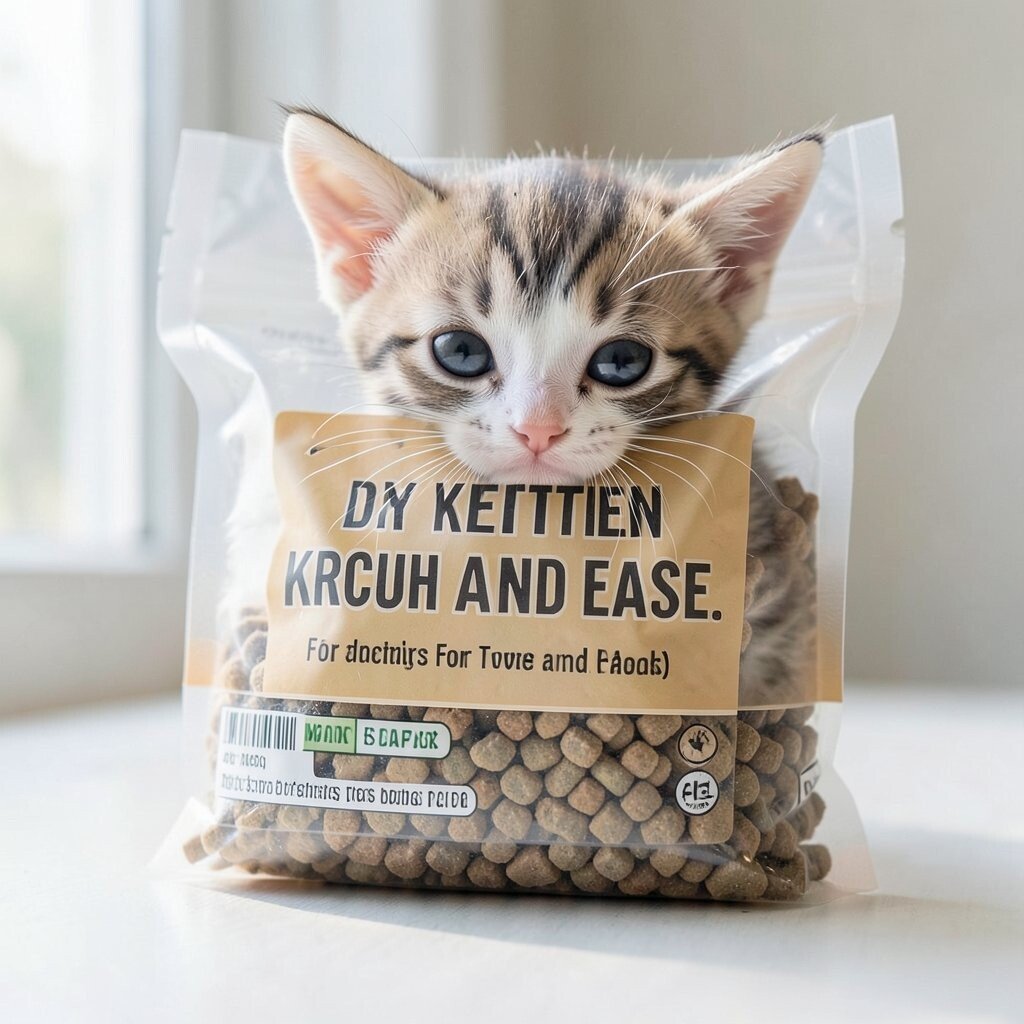
Dry kitten kibble has a firm crunch and usually comes in easy-to-pour bags. The small pieces are simple to measure, and you can leave a little for your kitten during the day. Many homes like dry food because it stays good at room temperature for a short time.
Kibble helps with portion control, which can help prevent overfeeding. It can also support teeth for some kittens, since chewing is part of eating dry food. Still, always add fresh water so your kitten stays well hydrated.
For tips, choose a kibble made for kittens, not just adult cats. If your kitten is picky, try mixing a small amount of kibble with wet food for a few meals. Trends show more people trying high-protein kitten blends, so check labels and choose foods with clear ingredients.
3. Warm Wet Food For Better Smell
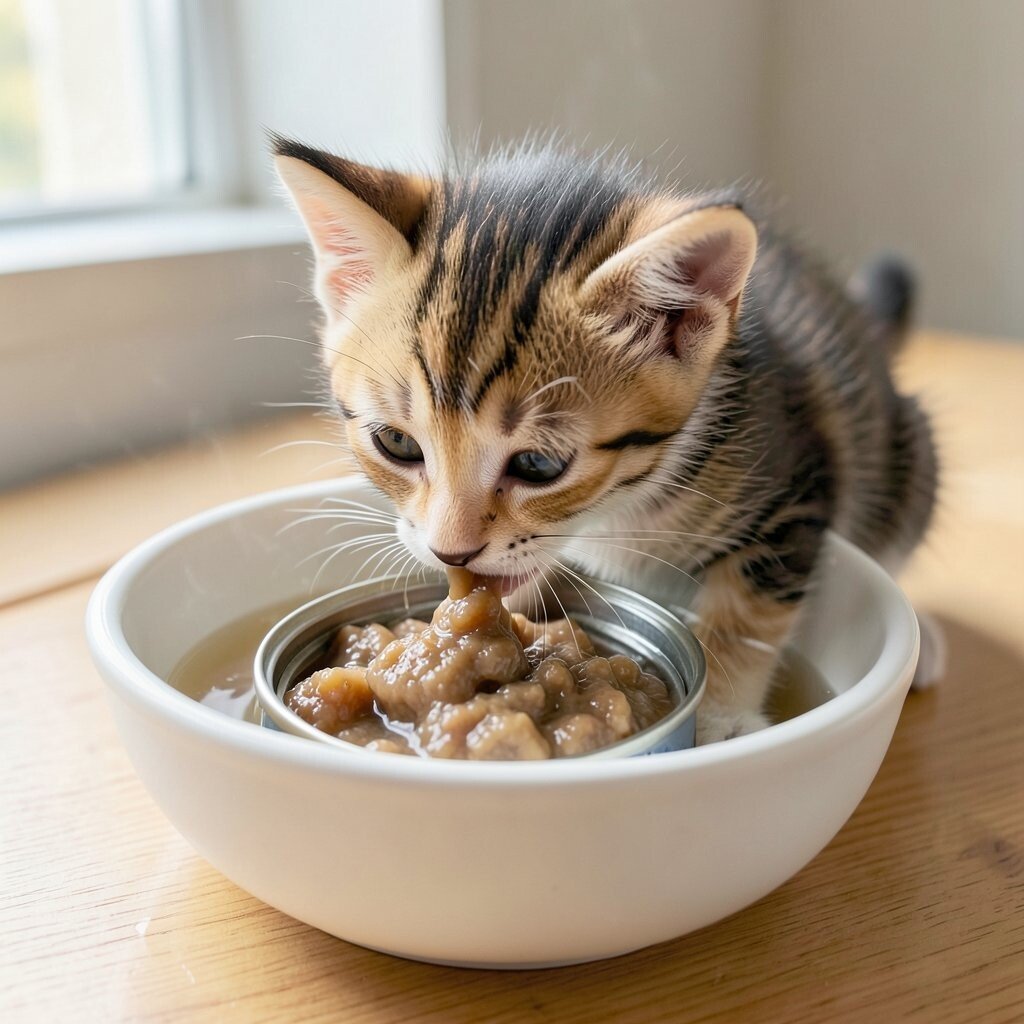
Some kittens eat faster when wet food is slightly warm, not hot. You can warm the can by placing it in a bowl of warm water for a few minutes. The food will look softer and smell stronger in a good way.
Warm food can help your kitten feel more at ease, especially if they seem unsure at first. Better smell can bring them back to the bowl, and that can be helpful during stressful days. It may also help a tired kitten who needs a little extra comfort.
Make it personal by checking the temperature with your finger. If it feels warm like room temperature to you, it is usually safe. Cost stays about the same, but you add a small step to your routine.
4. Slow Mix of Wet and Dry For a Balanced Bowl
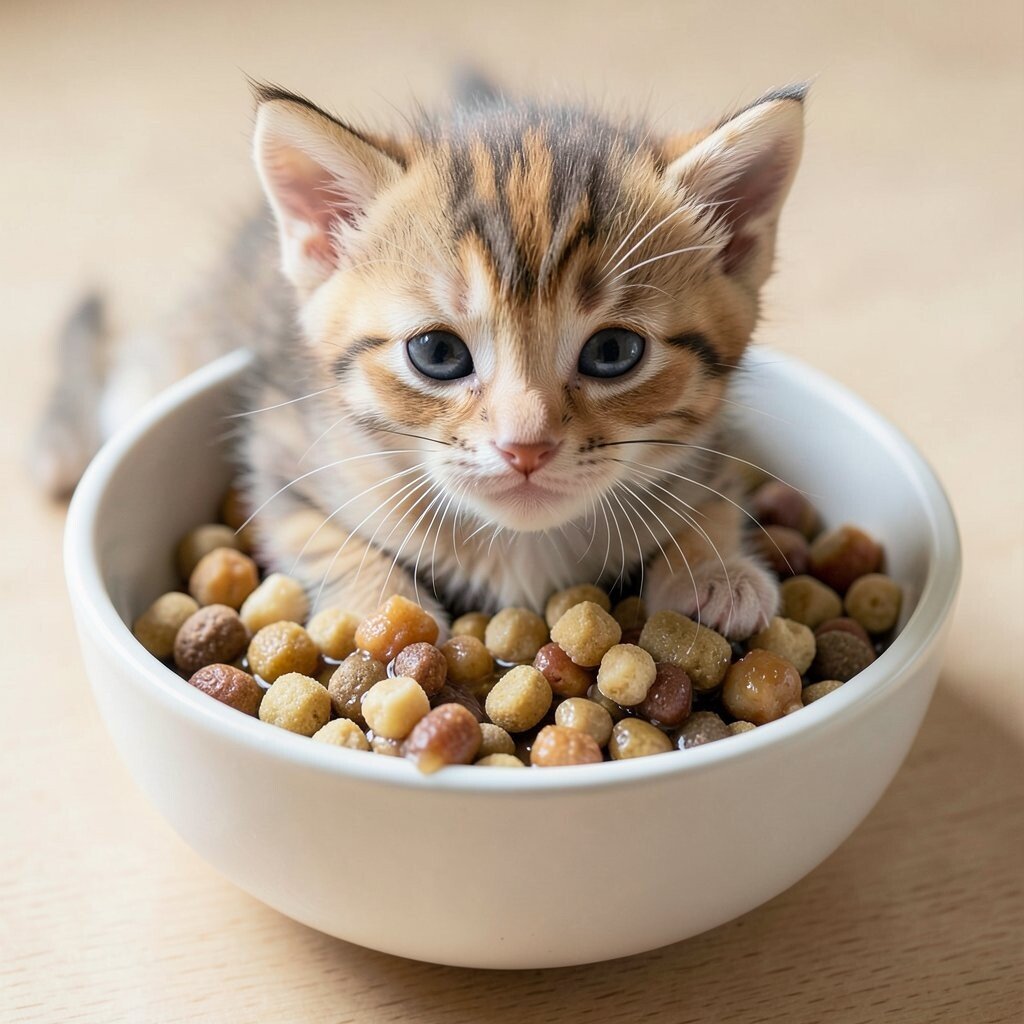
A mixed bowl gives your kitten both soft texture and crunchy bites. You may see wet food clinging to kibble pieces, which can make each bite more interesting. This can help if your kitten likes one type more than the other.
Mixing can also help with steady eating, since you can keep a usual amount and adjust the mix. If your kitten is gaining weight well, you can keep it steady for a while. If not, you can talk to your vet for a clear plan.
For trends, many owners now blend foods to fit their kitten’s taste and health needs. To personalize, start with a small mix ratio and watch the next stool and energy level. This method can cost a bit more if you use more wet food, so measure carefully.
5. Kitten Food With Omega-3 For Coat Care

Look for kitten foods that include omega-3 fats, often listed as fish oil or DHA. You might notice a smoother look to the fur over time, with less dullness. A shiny coat can show that your kitten is getting what they need.
Omega-3 can support skin and may help with normal growth as your kitten grows. Some kittens also seem less itchy when diet matches their needs. Keep in mind that results can take time, so give it a few weeks.
To make it personal, check for signs like flaky skin or extra scratching. If you see skin issues, ask your vet before changing too many things at once. Cost can rise with foods that list DHA, so compare options and consider larger bags if you find a good deal.
6. Protein-Rich Recipes For Growing Muscles
Choose kitten foods with protein near the top of the ingredient list. You will often see ingredients like chicken, turkey, or fish right up front. These foods usually look like a meaty mix, not just grain.
Protein helps kittens build muscles and keep strong bodies as they grow. Many owners notice their kittens feel more playful and steady after they eat good protein. Still, watch your kitten’s weight, since extra calories can cause problems too.
For personalization, compare two brands with similar protein levels and see which one your kitten eats with less stress. If your kitten gets bored, rotate flavors but keep the same protein range. Cost can change by brand, so find a product you can keep up with each month.
7. Grain-Inclusive Or Grain-Free Based on Your Kitten
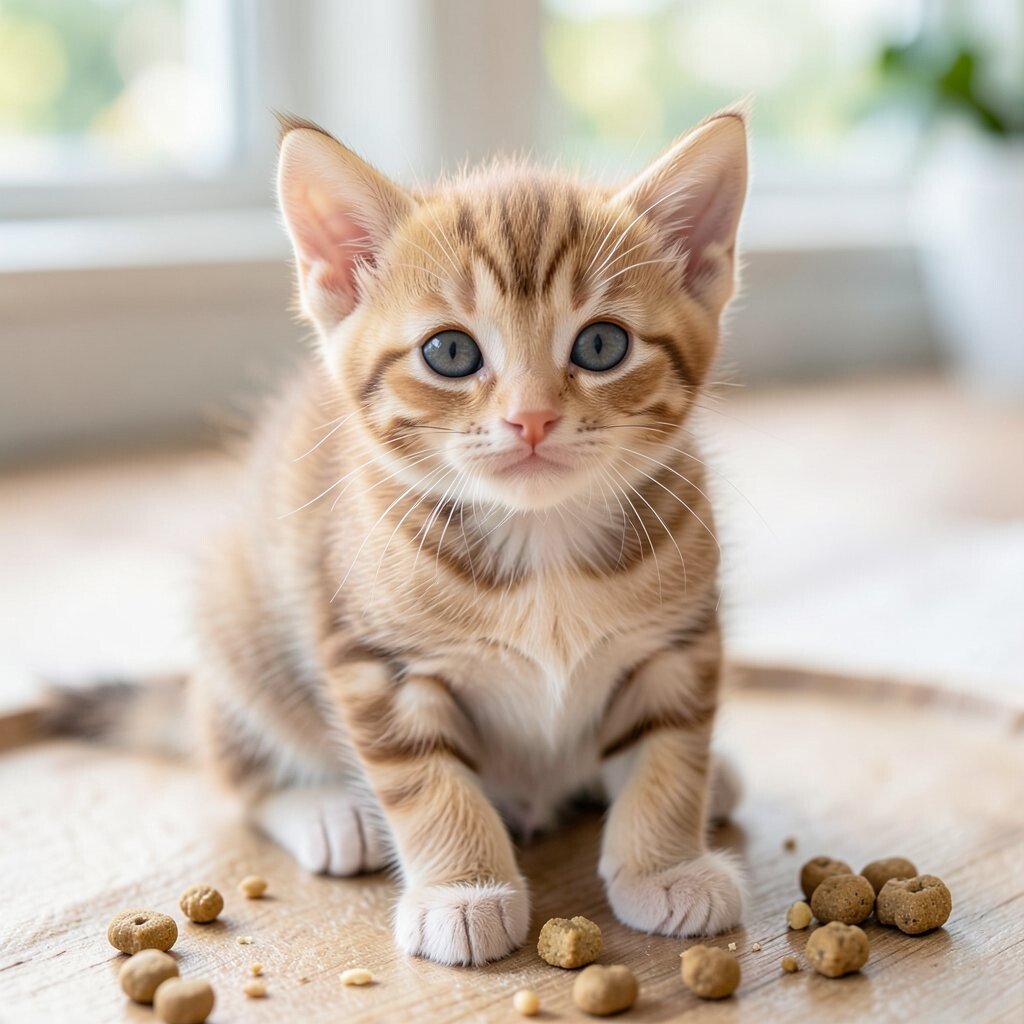
Some kitten foods include grains like rice or oats, and others are grain-free. Grain-inclusive foods may look more like a typical kibble shape, while grain-free can still look similar in size. The key is to match your kitten’s needs, not just follow a trend.
If your kitten has normal digestion and good stool, staying with what works can be best. If you notice tummy upset after a certain food, that is a reason to check ingredients. Avoid big swaps on the same day, since sudden changes can lead to gas or loose stools.
Make it personal by trying a slow change over several days, mixing more of the new food each day. Cost can be higher for some grain-free brands, so think about your budget. Trends swing fast, but your kitten’s health should guide your choice.
8. Simple Homemade Add-Ons With Vet Guidance
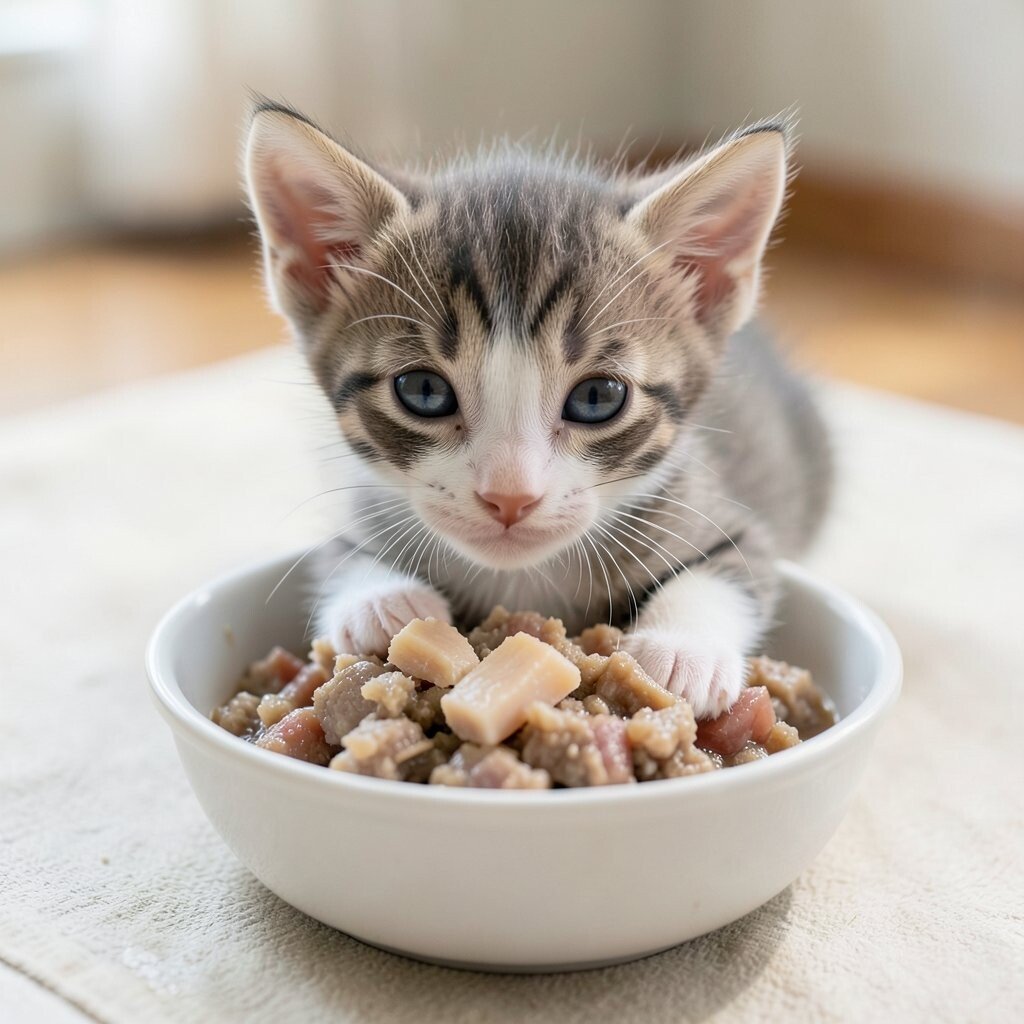
Many people want to add something at home, like a little cooked chicken, to make food feel fresh. The chicken should be plain, without salt, onion, garlic, or sauces. You can see small shreds mixed into wet food, which can help a picky kitten eat.
Homemade add-ons can help if your kitten needs a boost when they are not eating well. Still, kittens need balanced nutrients, so homemade pieces should be small and guided by a vet or a trusted plan. This keeps the diet from missing key vitamins and minerals.
For personalization, ask your vet what amount is safe for your kitten’s size. Cost can be lower when you use simple meats, but you must still buy quality kitten food for full nutrition. This is a good choice for some families, but it needs care.
9. Treats That Still Count as Kitten Nutrition
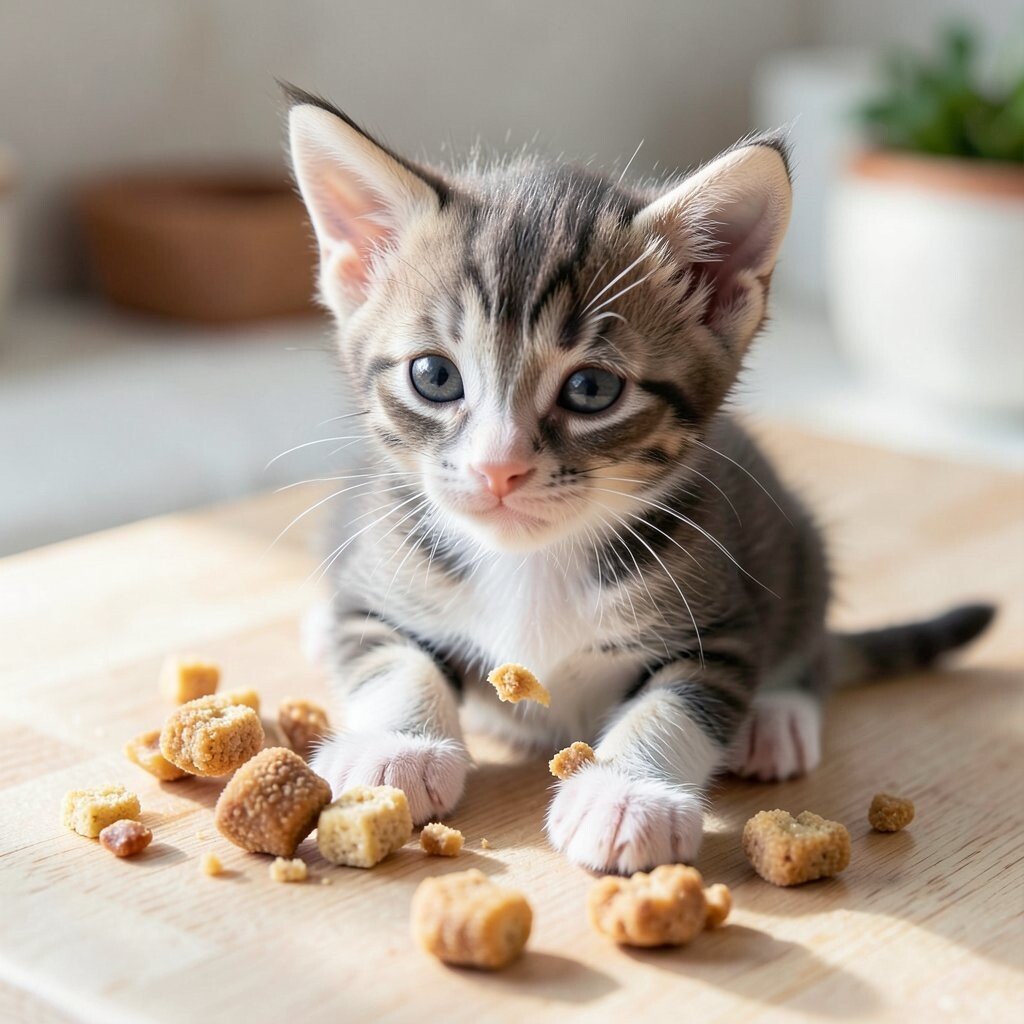
Kitten treats come in soft bites, crunchy bits, or lickable shapes. You may see tiny pieces that look like snack food, but they should still be made for kittens. Treats should feel like a small part of the day, not the main meal.
Using treats can help with training, like getting your kitten used to a carrier or a new routine. They can also make mealtime feel fun when your kitten is shy. To keep health in mind, pick treats with clear kitten labeling.
Personalize by choosing treats your kitten enjoys and stop if you see loose stool or vomiting. Cost is often higher per treat, so use fewer and be sure they are safe. A trend is more “functional” treats, but always check ingredients and not just marketing claims.
10. Food That Fits a Sensitive Tummy
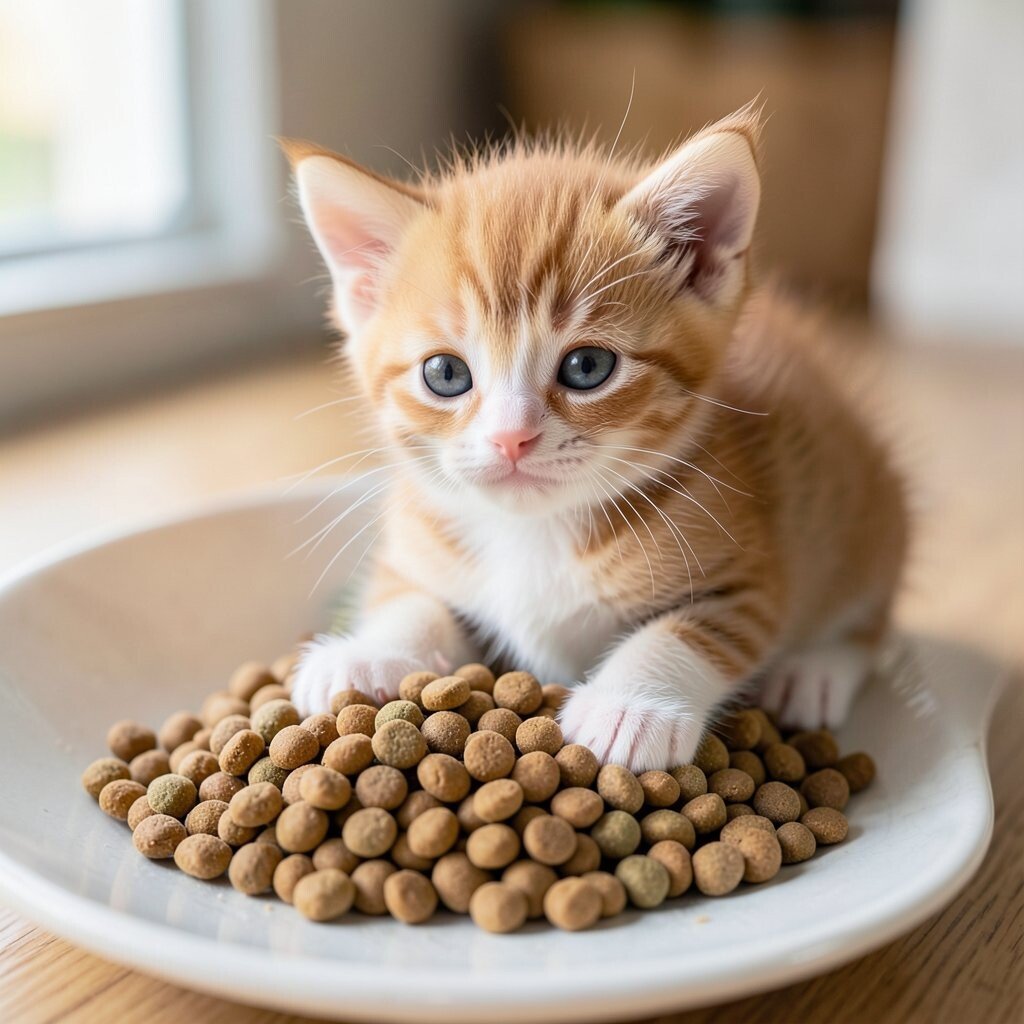
Some kittens have sensitive digestion, and their food choices need to match. Look for foods that say “for sensitive stomach” or use gentle protein sources. The kibble may look the same, but the ingredient list will focus on easier-to-handle items.
For these kittens, slow meals and steady food brands can make a big difference. When digestion is calmer, kittens often act more like themselves, with more play and less whining. If you see ongoing diarrhea or bad vomiting, call your vet instead of guessing.
For tips, keep feeding times the same and avoid many flavor changes at once. Cost can be higher for sensitive formulas, but it may save money later if it helps prevent issues. Personalization is key, since one kitten’s “sensitive” food may not match another’s body.
11. Fresh Water Plus Food Choices That Support Hydration
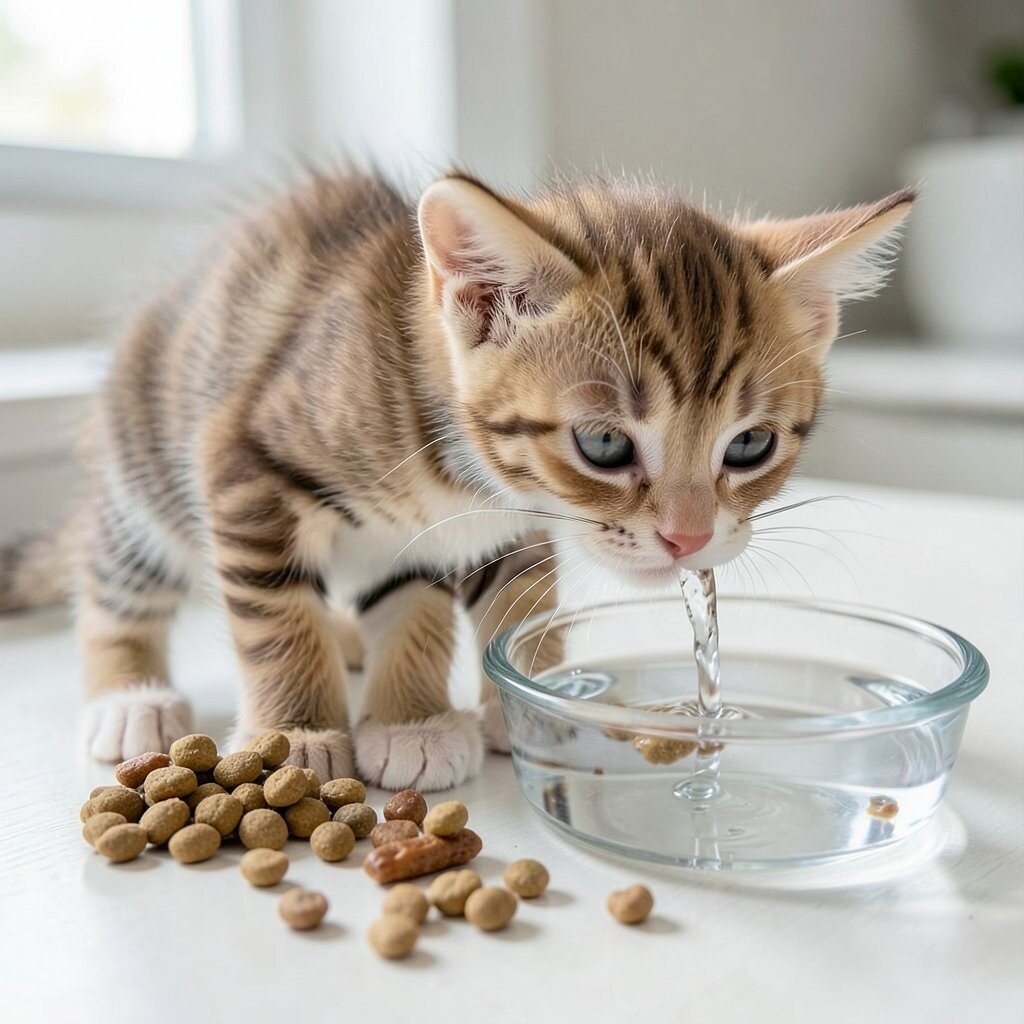
Feeding is not just about the bowl, it is also about water. Place a clean water bowl where your kitten drinks often, like near their food area. If you use a fountain, you may see your kitten drink more because the water moves.
Good hydration can support normal kidney function and help digestion work better. Some kittens do better with wet food more often, since wet food adds moisture. If you mostly use dry kibble, you can still support hydration by offering wet meals too.
For personalization, check how your kitten drinks during the day. If your kitten drinks a lot less, watch for signs like dry gums or less energy and talk to your vet. Cost varies with fountains, but a simple water schedule is usually low cost.
12. Follow a Consistent Routine With Small Flavor Changes

Even the best food can fail if it comes with constant changes. Set set meal times, keep bowls clean, and choose a main food that your kitten eats well. Over time, you can try one new flavor in small amounts to see how your kitten reacts.
This approach helps your kitten learn what to expect and can lower stress around meals. When a kitten eats well and stays calm, they often grow with more steady energy. It also makes it easier to spot what might cause stool issues, since you change one thing at a time.
For tips, do not switch food in the same day unless your vet says to. Start by mixing a small part of the new food with the old one, then slowly increase it. Cost stays controlled because you avoid wasting big bags of food on trial runs that do not work.