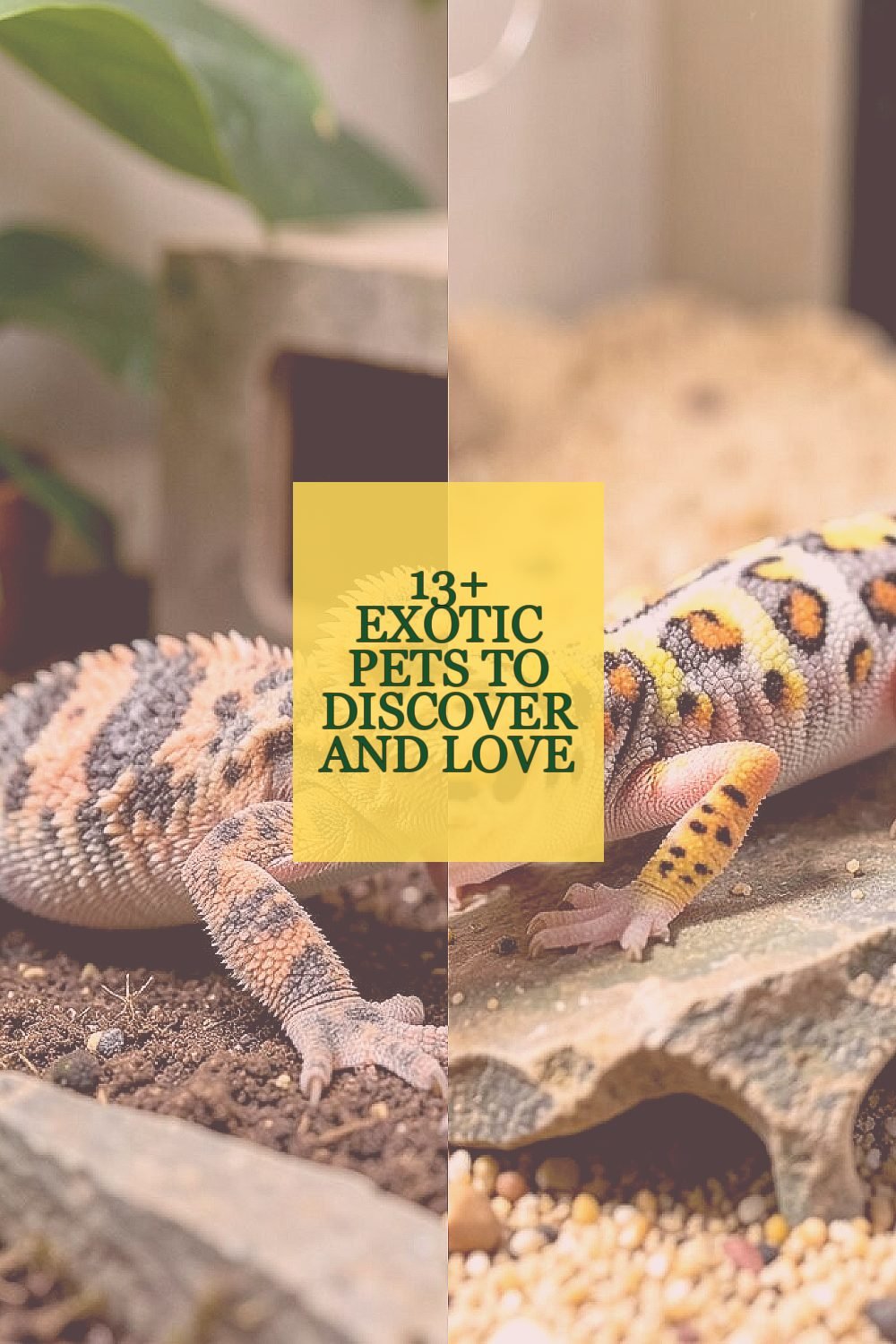
Exotic pets can be fun and teach you a lot about care. If you pick the right one for your home, you can enjoy a calm bond.
1. Crested Gecko

The crested gecko is a small lizard with a soft, fuzzy look. It often has a peach, gray, or brown body with darker spots. Many people like it because it stays active in the evening, so it can fit many home schedules.
This pet is unique because it does not need bright light like some reptiles. You can use a simple setup with a heat source and plants. It also helps kids and adults learn routine care, like misting and feeding on time. A common tip is to keep the tank clean and to use food that matches its needs.
In most places, the start cost is moderate, but you will also pay for the tank, a heat setup, and supplies. Prices can change by color and age. A helpful trend is that more keepers are sharing care tips online, so you can find better feeding ideas and setup plans. Personalize the space by adding safe leaves and a hide box for shade.
2. Leopard Gecko
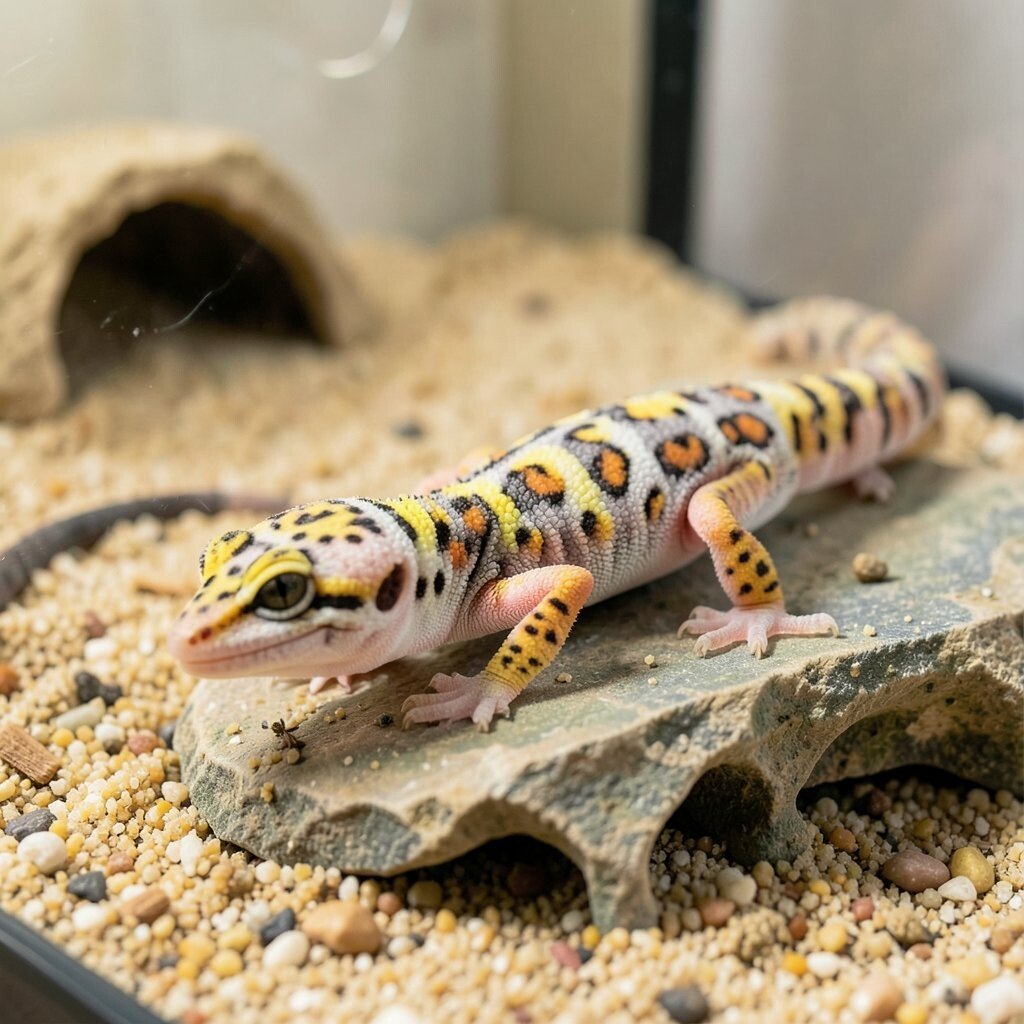
The leopard gecko has a gentle face and a spotted coat that looks like a tiny map. Its colors can be yellow, cream, gray, or orange with black patterns. Many owners enjoy how calm it can be when handled with care.
This pet is good for beginners because the care steps are clear and steady. You will need a warm side and a cooler side so it can move to what feels best. A key tip is to set up a dry area and to avoid high humidity. With the right feeding, it can live a long time.
Costs can include a glass tank, heating parts, and a light timer. You may also spend on calcium powder and gut-loaded food. Uniqueness comes from the way it hunts small insects and watches the room from its hide. For personalization, try adding a flat rock for basking and a few small caves for different moods.
3. Sugar Glider
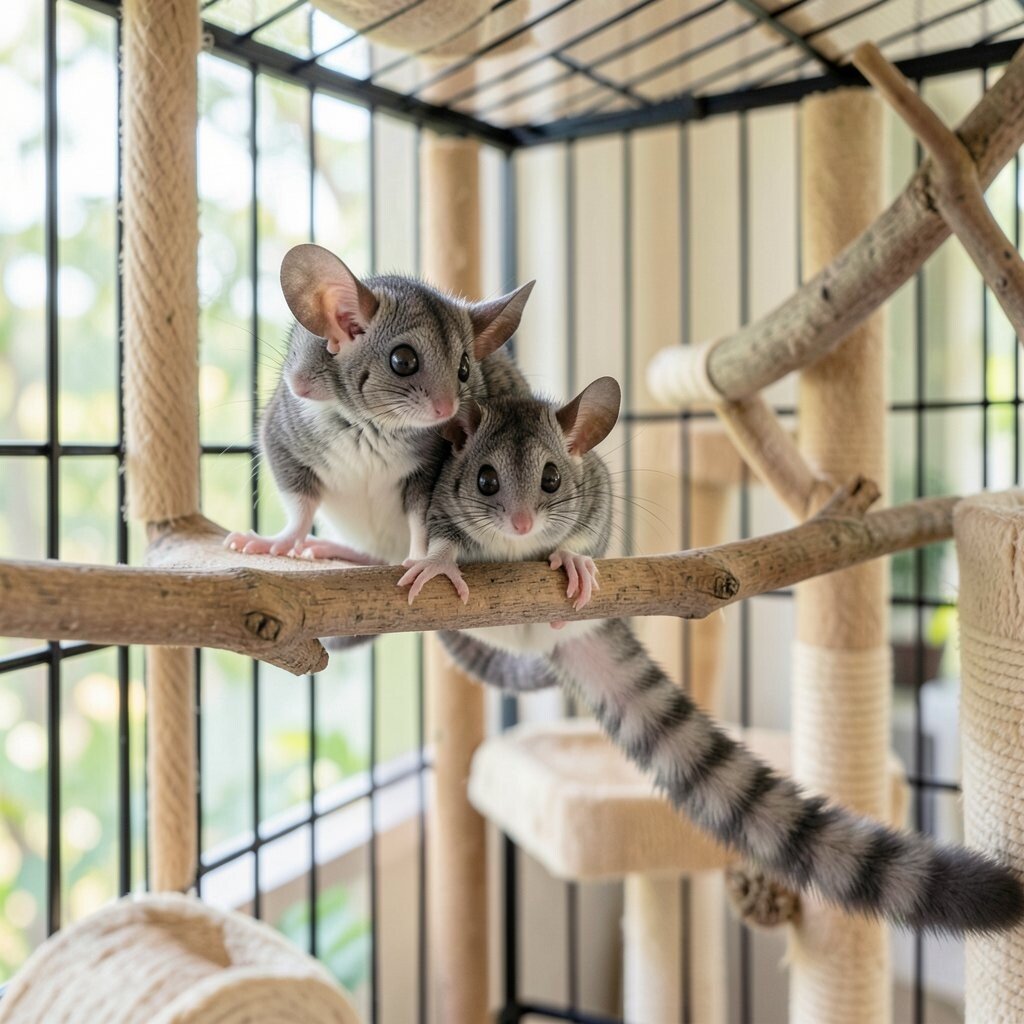
Sugar gliders are small, wide-eyed animals that can look like they are always curious. They have gray fur with a pale belly and a tail that helps them balance. Many people like their social behavior when they have steady care and safe daily time.
They are unique because they often need a partner or close social time to stay calm. A safe cage with room to move is a big part of good care. Tip: use a wheel that fits the right size and check it often for wear. You will also need a plan for fruit, food mix, and protein items.
The cost can be higher than some other pets because the cage and supplies add up. Ongoing food needs can also cost more over time. A trend in pet care is better meal planning and safer treat amounts, shared by many owners online. Personalize the setup with different climbing toys and branches that are safe and smooth.
4. Hedgehog
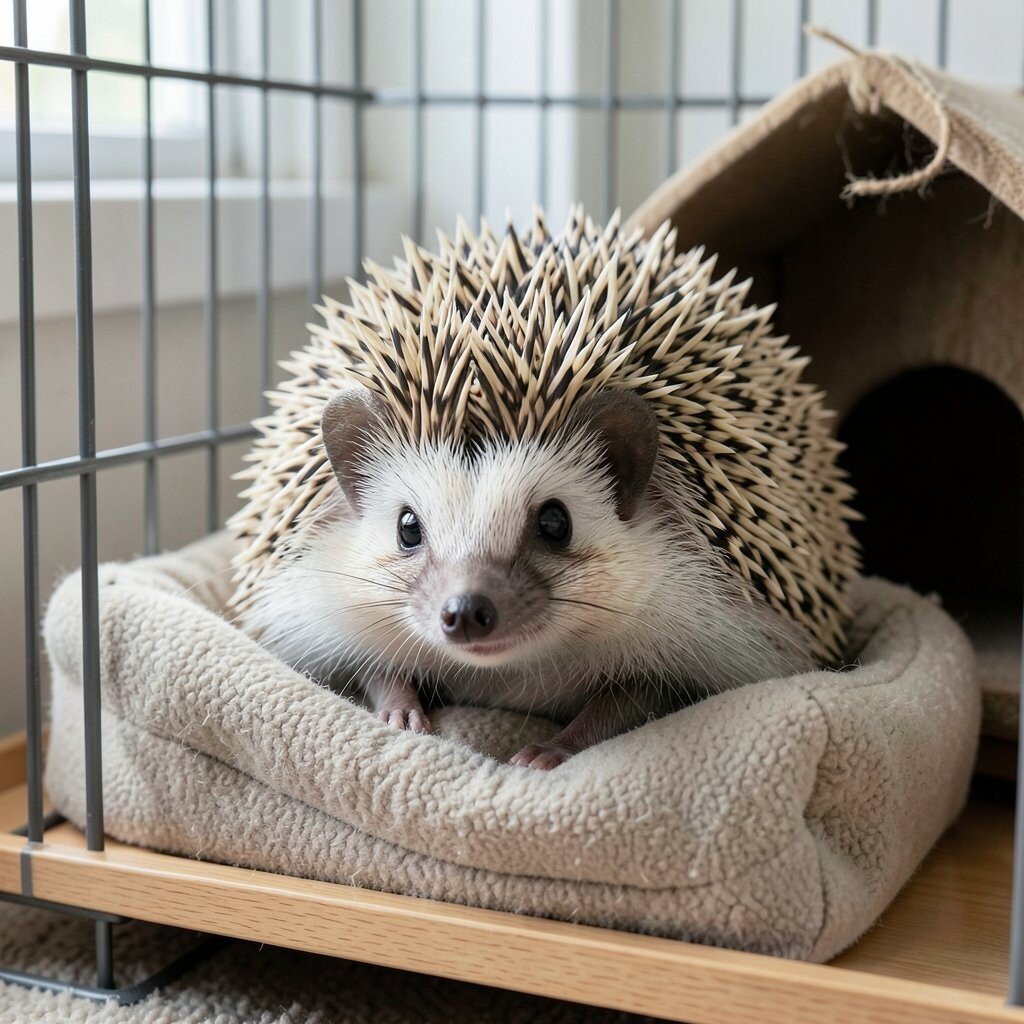
Hedgehogs have a round body covered in small spines. Their face looks sweet and simple, and their noses often twitch as they sniff. Many owners enjoy how they can be curious at night and how they like a steady routine.
This pet can be unique because it may act shy at first but learns your scent over time. You can use a small house inside the cage and add safe bedding for comfort. Tip: keep the room not too cold, since they can get stressed by low heat. Also, learn gentle handling so they do not curl up in fear.
Costs depend on the cage size, bedding, and a heat plan. Some people also spend on vet visits for small mammal care. A trend is more focus on safe diets and skin-friendly care products. You can personalize the night area with a hide box that matches your home style while still staying safe.
5. Capybara
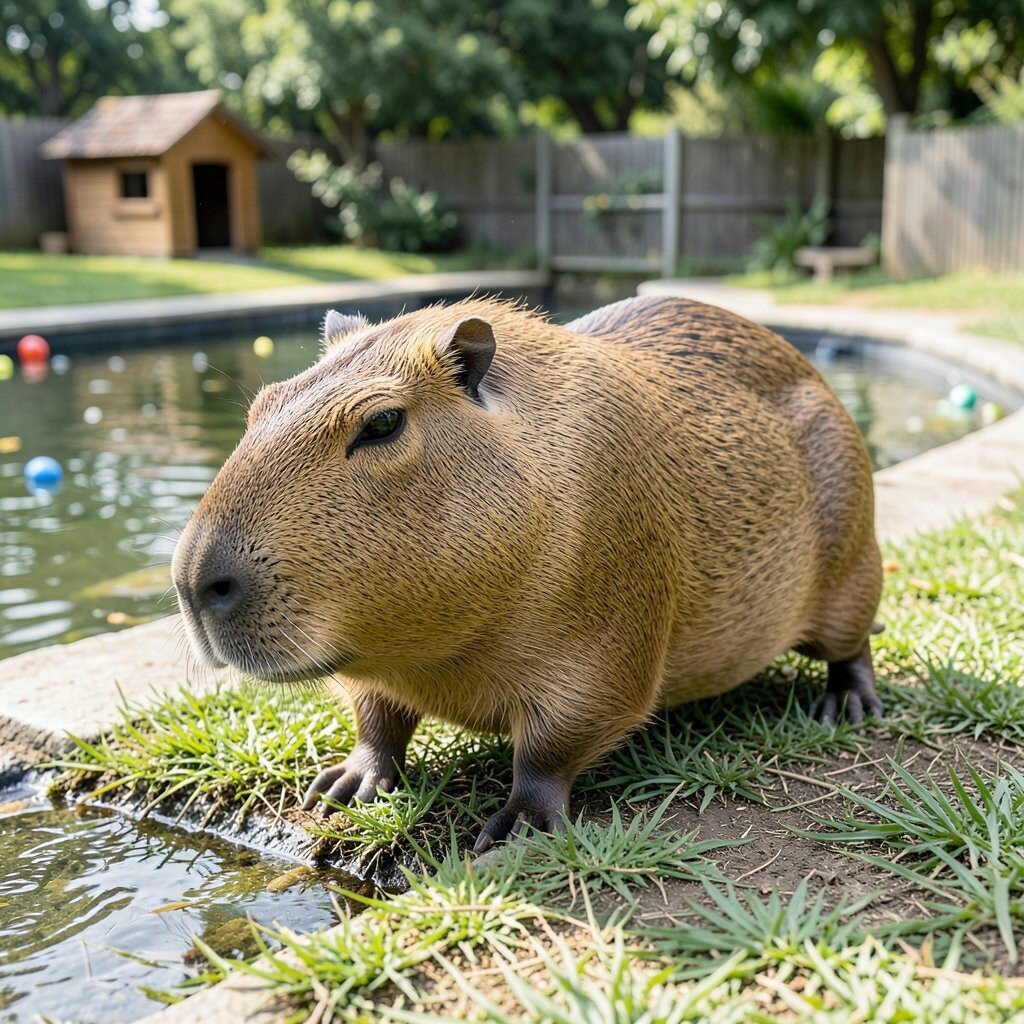
Capybaras are large, relaxed animals that look like a mix of a guinea pig and a small deer. They have a smooth, sandy coat and a calm face. Many people are drawn to their slow way of moving near water.
They are unique because they need a lot of space and a steady water setup. You will also need safe grass-like forage and a diet that fits their gut needs. Tip: check local rules and land needs first, since this pet is not a fit for most homes. A good care plan includes shade, clean water, and safe areas to move.
The cost can be very high because the space, fences, and feed are ongoing. You may also need help from a vet with proper experience. Trends show more people talk about animal welfare and proper legal care for large pets. If you have land and proper setup, personalization can mean safe pools, chew toys, and shaded rest areas made for their comfort.
6. Axolotl
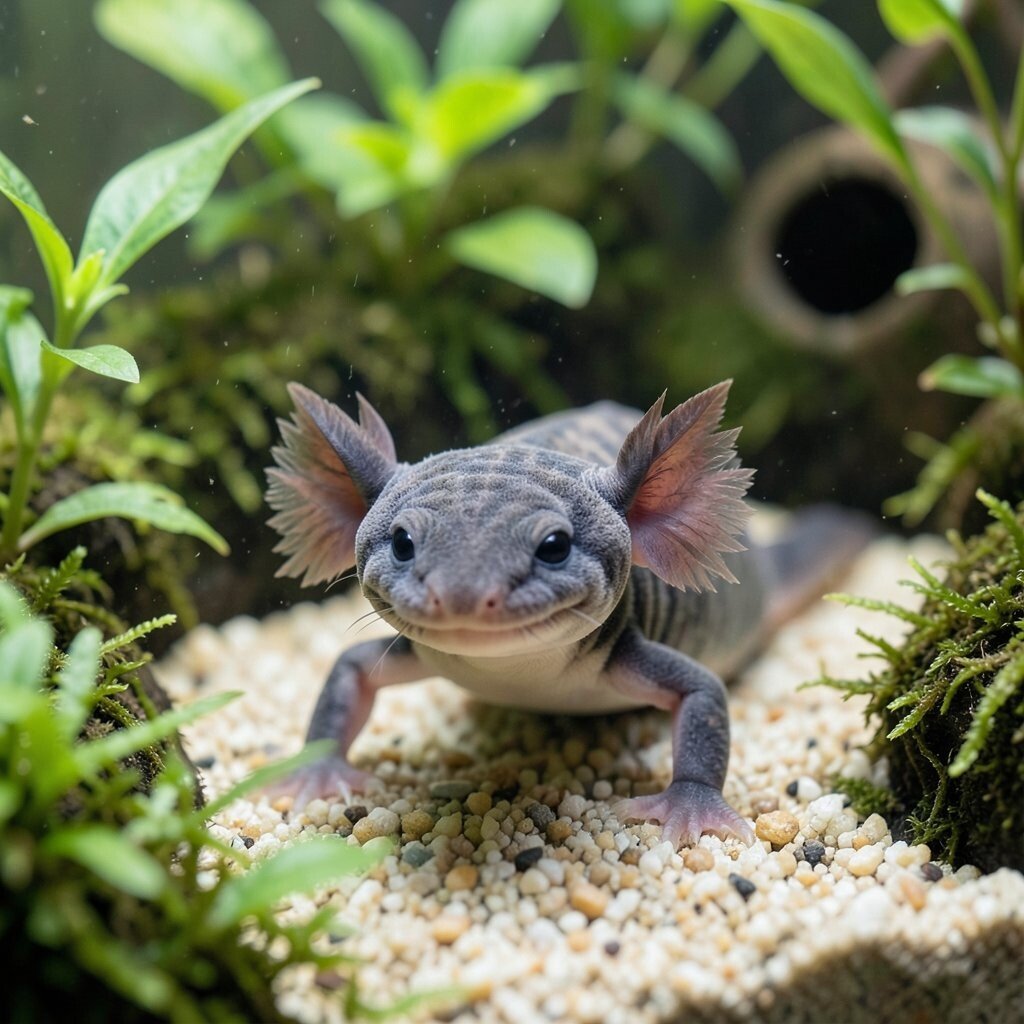
The axolotl looks like a small, friendly salamander with feathery gills on the sides of its head. It can be white, gray, or dark, and it often moves in a slow, easy way. Many owners like its plain face and how it reacts to gentle changes.
This pet is unique because it lives fully in water and usually does not need to leave it. You will need a tank with good water care, a filter, and steady temperature control. Tip: test water often and avoid sudden changes, since stress can affect health. It also helps to provide a soft bottom so it does not scratch itself.
Costs are often split between tank setup and water testing supplies. You may also spend on replacement parts for filters. A trend is more people using careful water routines to keep axolotls healthy. Personalize by adding plants and hides, then keeping the tank calm so it can rest.
7. African Pygmy Hedgehog
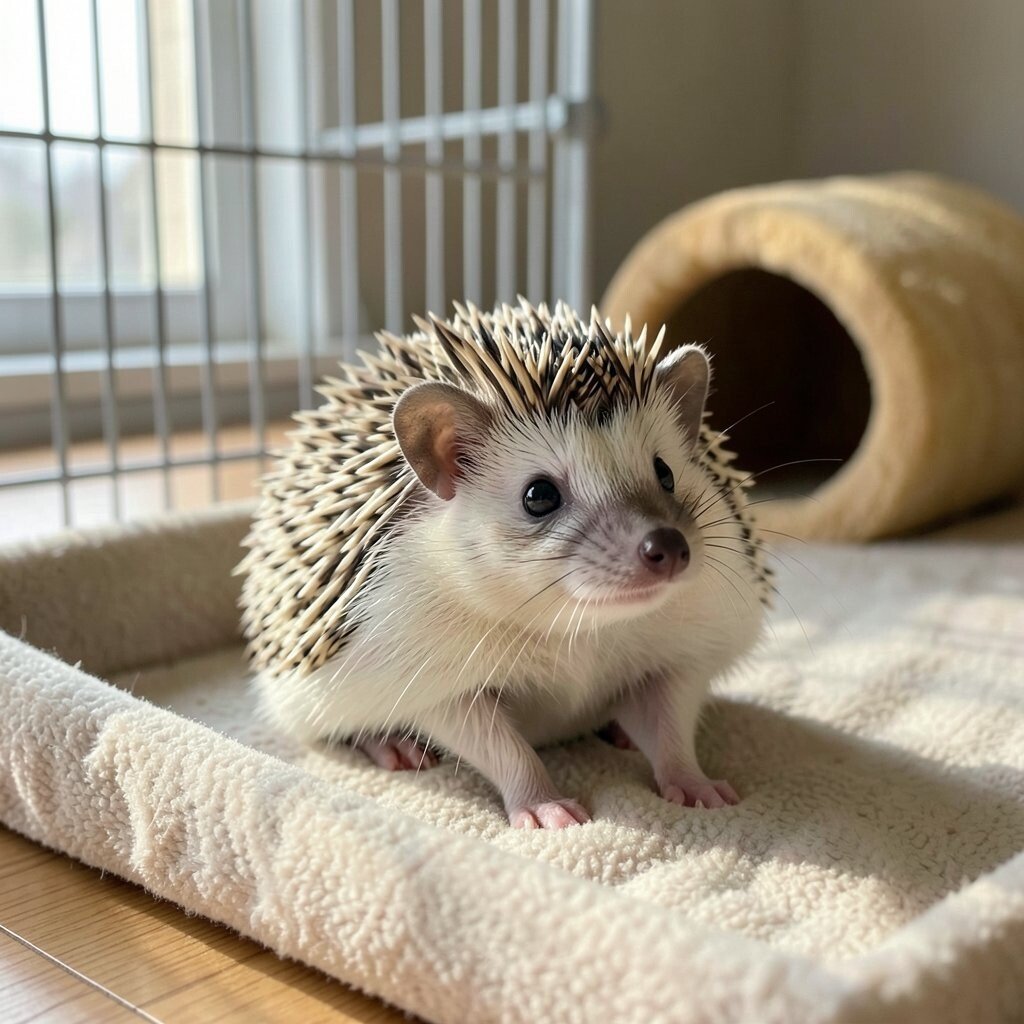
The African pygmy hedgehog is smaller than some other hedgehogs and has a neat, compact look. Its fur can show light and dark bands, and its face stays alert. Many owners like how it can learn simple routines with patient handling.
This pet is unique because it may be more active during evening hours. You will need a safe cage with a wheel if it fits and a hide where it can feel safe. Tip: use bedding that is soft and not too dusty. Also, keep food fresh and give the right mix for insect and plant needs.
Costs are usually moderate, with steady spending on food and bedding. Vet care for small animals can add up too, so plan ahead. A trend is the use of careful diets and better cleaning routines to avoid skin issues. Personalize the home with small safe tunnels and a warm corner where it can rest.
8. Chinchilla
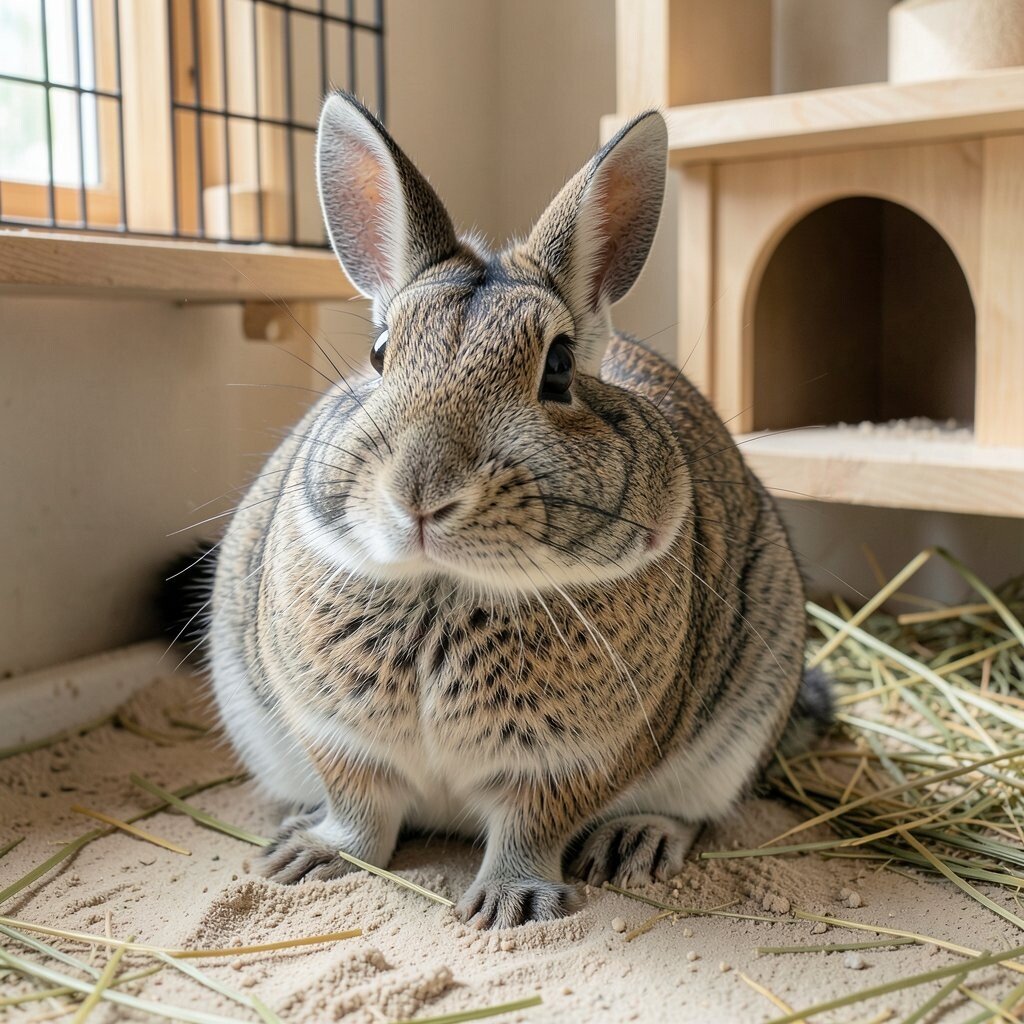
Chinchillas have thick fur that can look like it is made for softness. They have big ears and a tail that helps them move well. Many owners like their quiet habits by day and their active play at night.
This pet is unique because it needs dust baths, not water baths, to keep fur clean. You will need a dry dust box and a safe way to keep dust off the floor. Tip: use the right dust made for chinchillas, since normal products can cause harm. Also, give them chew items so their teeth stay in good shape.
Costs can be high because their cage and dust bath setup must be safe and strong. Ongoing costs include dust refills and good hay. Trends in care include better cage layouts and more talk about dental health. Personalize by adding shelves at safe heights and a few hiding spots so they can feel secure.
9. Red-Eyed Crocodile Skink

The red-eyed crocodile skink has a strong, built look and can have bright colors along the body. It may show greenish or dark tones and a long tail that moves with care. People often enjoy how it acts steady and focused.
This pet is unique because it needs a setup with both heat and a moist area. You can use a warm basking spot and a humid hide to help it shed well. Tip: watch your humidity levels and keep the enclosure clean to prevent skin problems. Handling should be gentle, since some skinks can get stressed if grabbed too fast.
Costs can be moderate to high due to a larger enclosure and proper heating gear. You may also spend on substrate and misting tools. A trend is more keepers using better lighting and humidity control for more stable health. Personalize the tank with safe logs and climbing spots, plus hides that match the skink’s comfort needs.
10. Parrotlet

A parrotlet is a small bird with a bright face and a bold personality. It has a short body, strong feet, and a curious stare. Many people like how it can learn a few simple steps with regular training.
This pet is unique because it can be social and can enjoy time with you if you set a routine. You will need a cage big enough for movement and safe perches. Tip: offer fresh foods and remove old food to keep the cage clean. Also, give it time outside the cage in a safe room.
Costs include a cage, toys, and daily food. Vet care for birds can also add to the yearly plan. A trend is more owners choosing safe chew toys and making gentle training plans. Personalize the bird’s day by rotating toys and setting a calm schedule for play and rest.
11. African Grey Parrot

African greys are known for smart behavior and strong talking ability. They have gray feathers with pale eyes that look very focused. Many owners like how these birds can seem to “listen” and respond to daily life.
This pet is unique because it can learn patterns and use sounds in ways that feel personal. It also needs mental work, like training games and safe puzzle toys. Tip: avoid leaving it alone for long hours each day, since it can get stressed. A stable routine for feeding and play helps a lot.
Costs can be high because smart birds need good toys, big cages, and regular vet care. Food and toy replacement add up over time. Trends show more people plan enrichment that fits a bird’s learning style. Personalize by adding a mix of chew toys, safe branches, and simple training goals you can keep up with.
12. Red Tailed Boa (Proper Setup Focus)
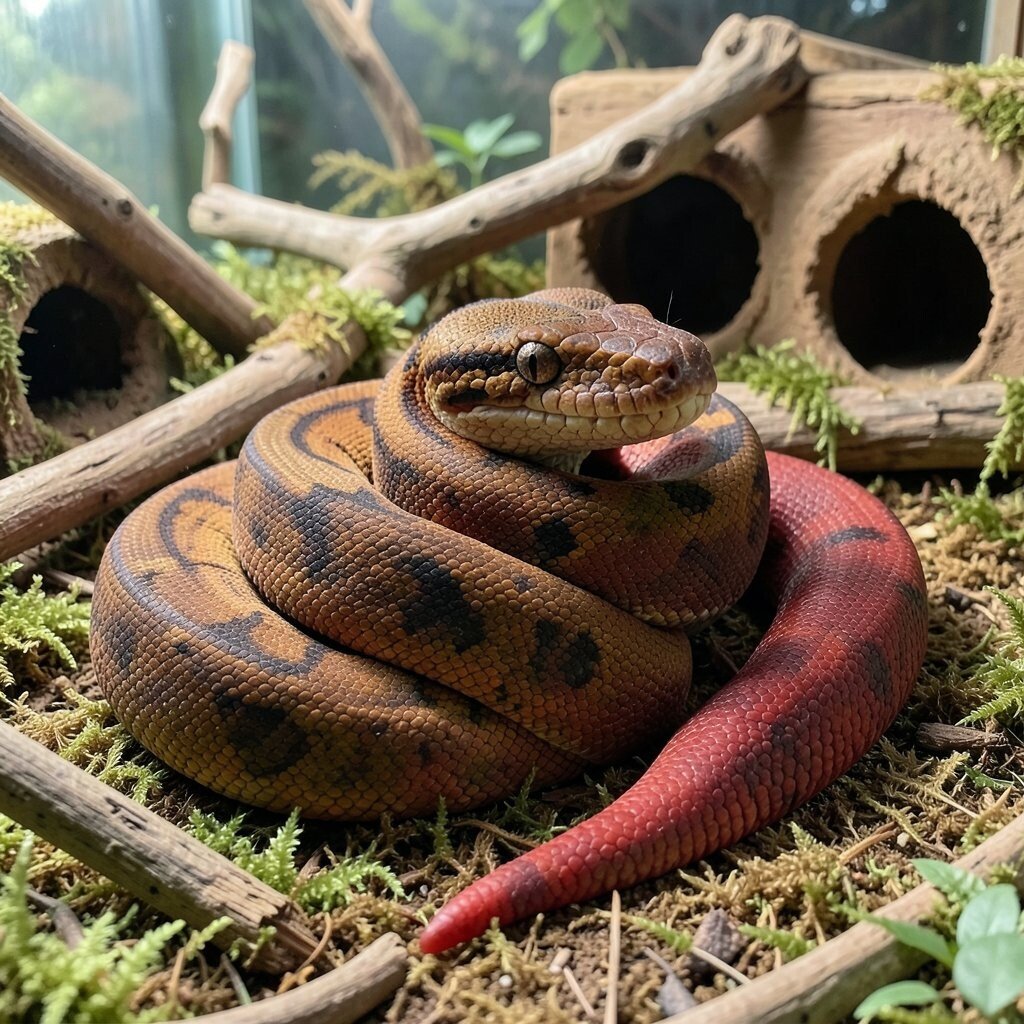
A red tailed boa can have a thick body and a calm, heavy look. Its colors can range from warm brown to deep red tones near the tail. Many keepers like its steady nature when it feels secure.
This pet is unique because it grows in size, so you must plan for the long term from the start. You will need a strong enclosure with good heat control and a hide on each side if possible. Tip: make sure the size fits the snake’s needs, since an overly large space can add stress. Also, use safe handling and wash hands after feeding tasks.
Costs can be moderate at first but rise as the snake grows and needs a larger enclosure. Feeding costs depend on prey size and schedule. A trend is more careful care plans that focus on stable temperature and clean hides. Personalize with safe décor like smooth branches and extra hides that keep the snake calm.
13. Chameleon
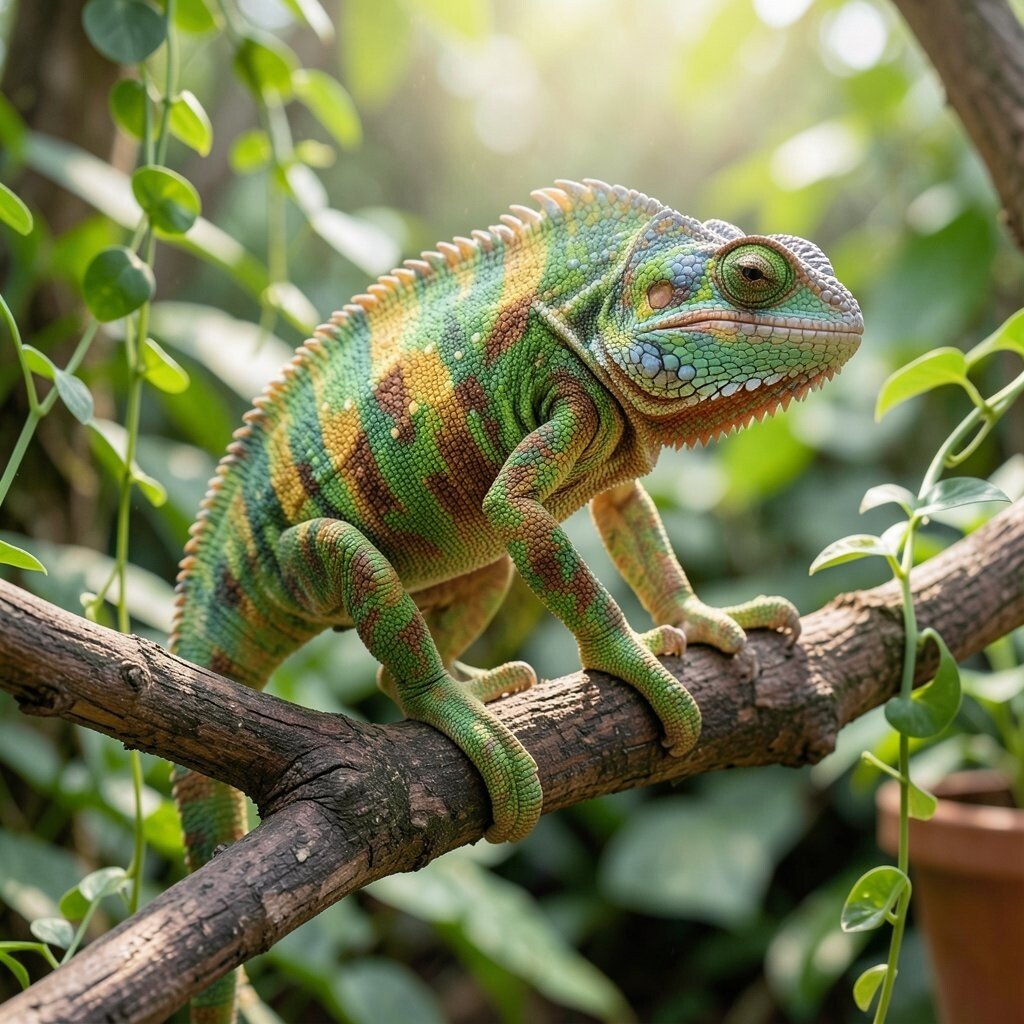
A chameleon can look like a small green or brown forest helper with a slow, watchful gaze. Many have a curled tail and feet built for gripping. Owners often enjoy how it changes color a bit and how it watches your movements.
This pet is unique because it needs the right balance of light, heat, and humidity. You will need live plants or safe climbing areas so it can feel at home. Tip: learn the species needs, since not all chameleons need the same setup. Also, misting and water checks should be done the same way each day.
Costs can be high because the enclosure and lighting parts are not cheap. You may also spend on plants and replacement bulbs. A trend is more care guides that focus on safe hydration methods and correct light setups. Personalize by choosing climbing vines and sturdy branches that let it move without slipping.
14. Small Aquatic Turtle
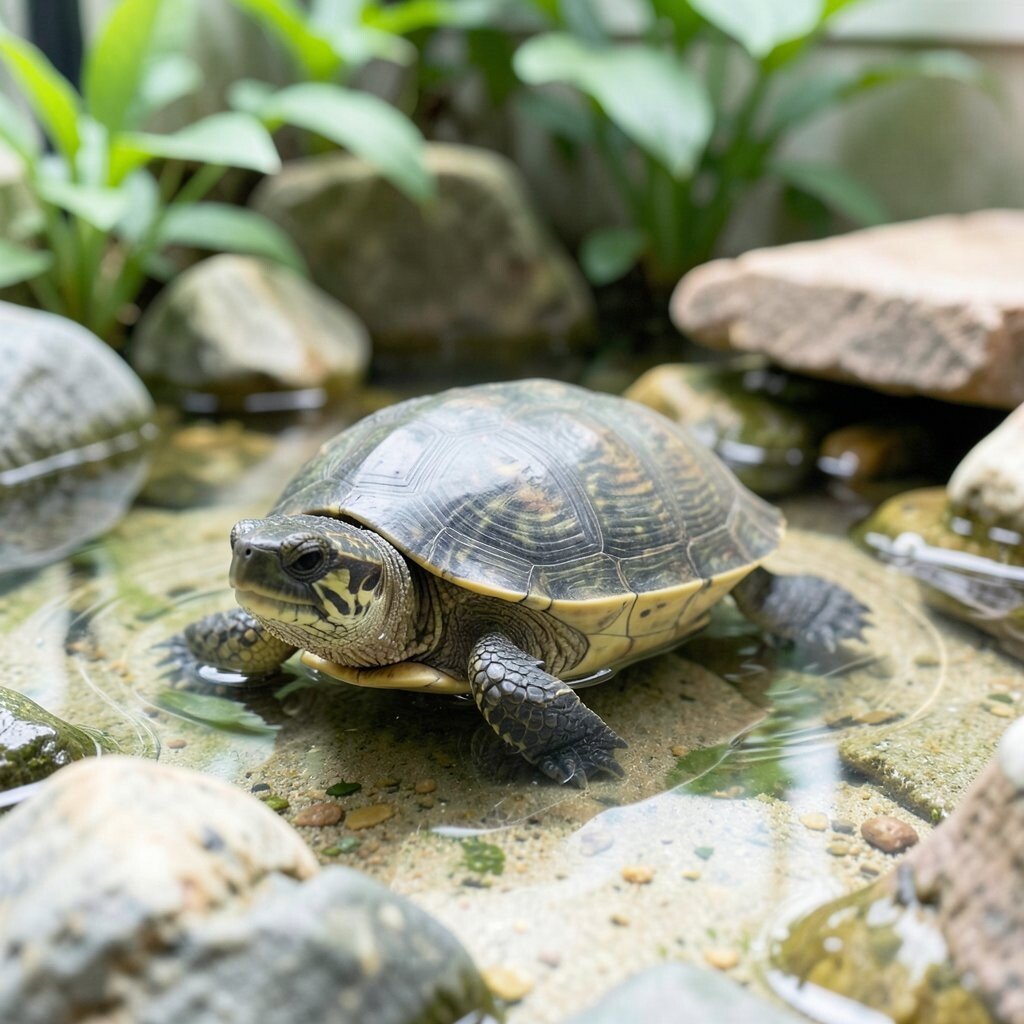
A small aquatic turtle can be fun to watch as it swims and rests. It often has a shell that looks smooth, and it pops its head up like it is checking the room. Many owners like that it can be calm while still being active in water.
This pet is unique because it needs both clean water and a dry basking area. You will need a tank filter, a heat lamp, and a safe place to climb out. Tip: keep the water clean and test it on a steady schedule. Also, feed it balanced foods made for turtles so growth stays healthy.
Costs include a tank, filter, heat lamp, and water care supplies. Vet care can be needed if a turtle shows signs of poor eating or shell issues. A trend is better water filtration and more talk about correct basking temps. Personalize with gentle tank décor, safe rocks, and a basking platform that gives stable footing.