Gerbils do best when their cage feels safe and fun to use every day. With small changes, you can make a home that fits their habits and also fits your space.
1. Big Glass Tank With a Secure Lid
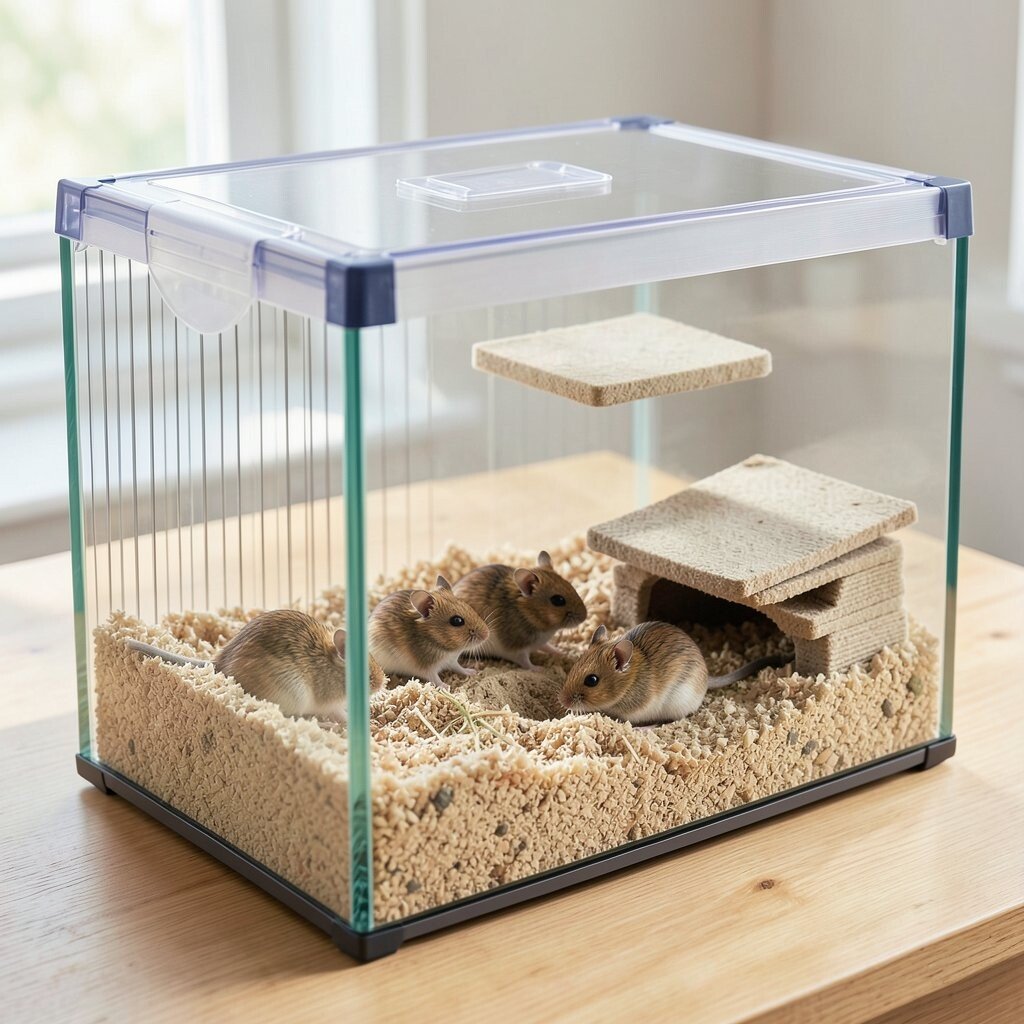
A glass tank can help you see your gerbils as they move. Pick one with good airflow and a lid that locks tight so they cannot push it open. Many owners like the clear walls because it makes watching easier.
Better space often means less stress. Gerbils need room to run on bedding, dig, and set up their burrows. If you keep things calm and steady, you may notice less noise and calmer behavior.
For cost, you can find used tanks online or at yard sales. Before you buy, check the lid and the corners for strong parts. Add a small stack of flat hide spots on one side so they can rest in different spots.
2. Deep Bedding for Digging
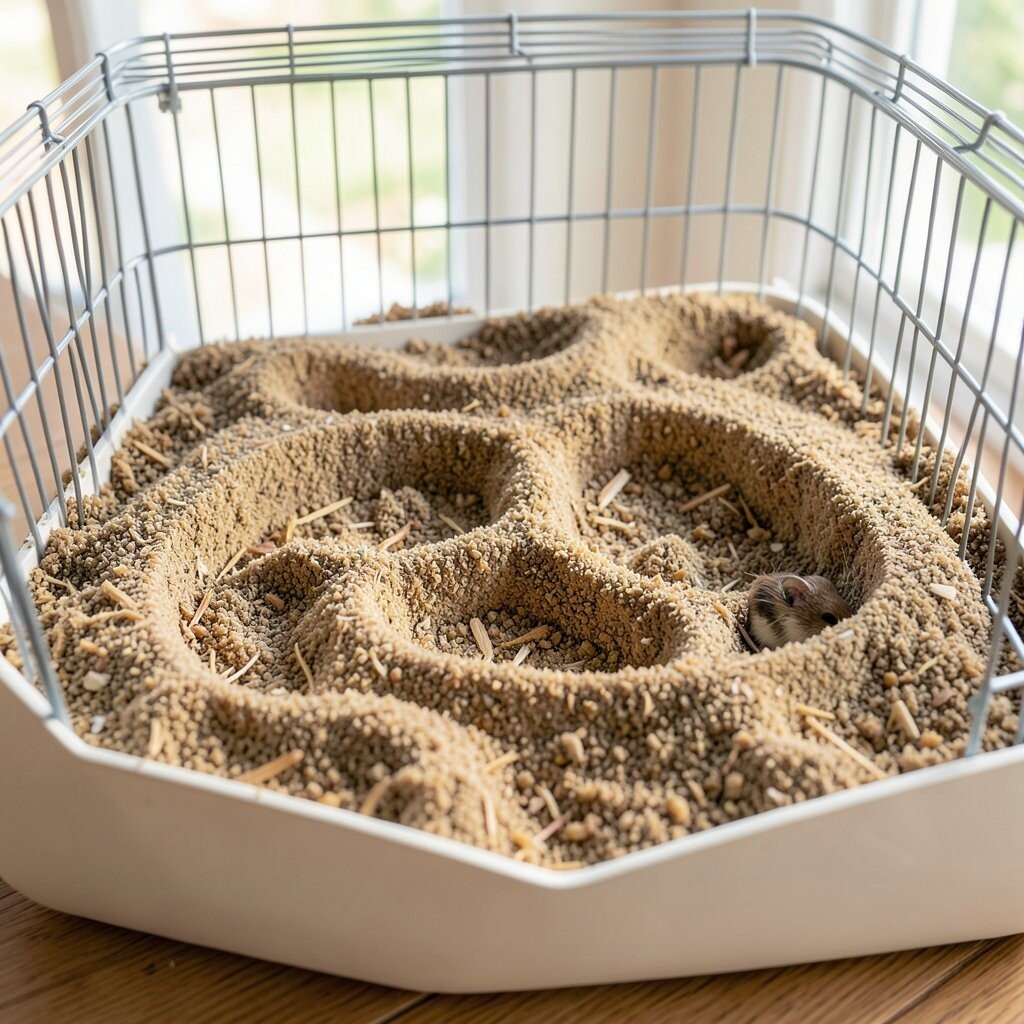
Digging is a big part of gerbil life, so deeper bedding can matter. Use a safe bedding mix and fill the cage higher than you would for many other pets. When the bedding is deep, you may see tunnels and neat burrow lines.
This helps their body and mind work in a good way. They stay busy and they can chew and move without getting bored. It can also help with smells if you keep a good cleaning routine.
Try a bedding that is soft and easy to shape. Add a thin layer on top so the surface looks tidy, then keep more depth under it. If you want a simple start, aim for a steady depth across the full floor.
3. Wooden Hide Houses With Flat Entrances
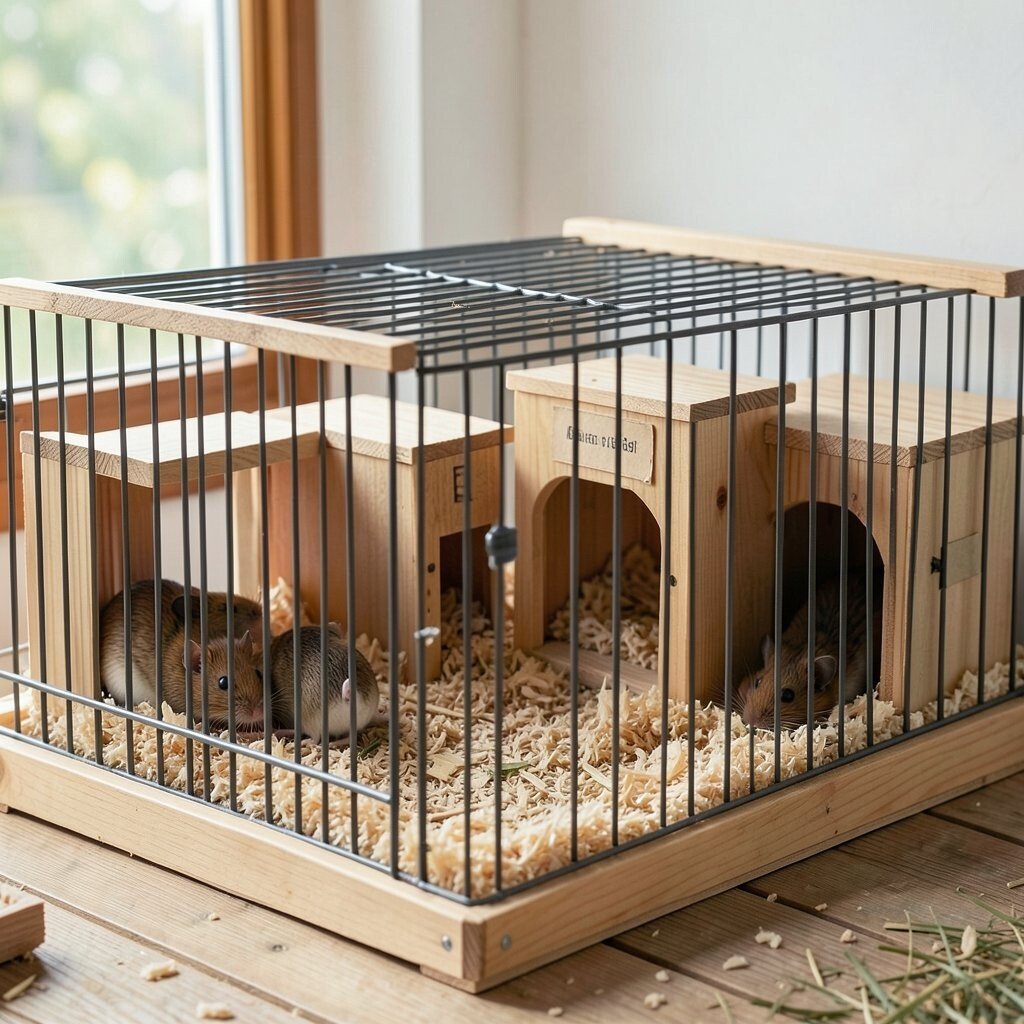
A hide house gives gerbils a quiet place to sleep. Look for wood hides with a flat entry so it is easy for them to go in and out. You can picture two small doors, one near the middle and one on the side.
More hide spots can help when there are new changes. If one gerbil feels uneasy, it can move to another spot instead of staying on the open floor. This can make the cage feel less rushed and more calm.
Choose untreated wood that is made for small pets. For personalization, add a small paper label on the outside so you can tell which hide is which. For cost control, you can start with one hide and add more later.
4. Wide Running Wheel With Solid Backing
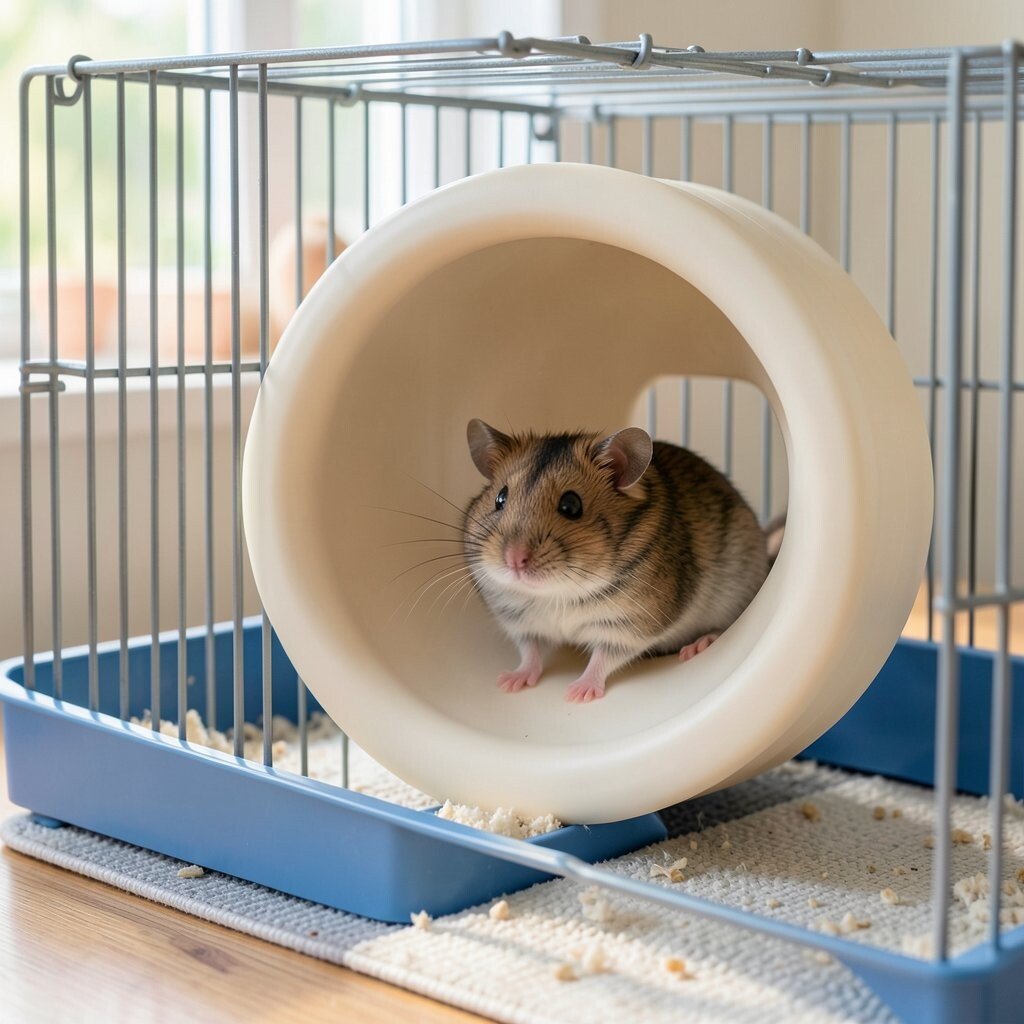
A running wheel is one of the most used parts of a gerbil cage. Choose a wheel with a wide base so their back stays level while they run. In a cage, it often looks like a smooth circle with little steps inside.
This gives them a daily way to burn energy. When they run, they are often less likely to chew on cage bars or pace. It can also help them build better daily habits.
Watch for a quiet wheel since loud squeaks can upset you and your pets. If you want to check fit, test the wheel spin by hand before you place it in the cage. You can also add a small bedding mat under it to reduce noise.
5. Safe Cardboard Tunnels and Chew Toys
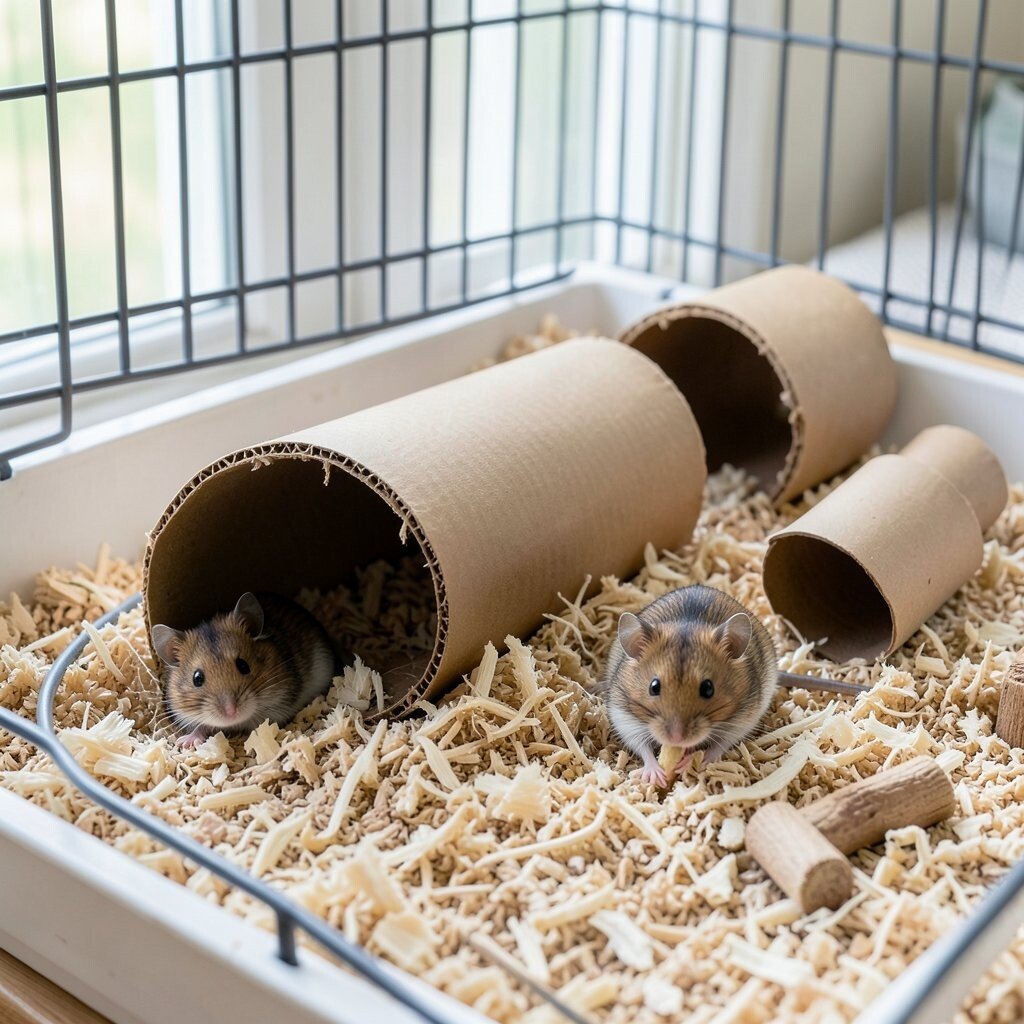
Cardboard tunnels make a simple setup that looks fun. You might see a tunnel line that runs across the bedding, with bits of chewed edges around the entrance. They are easy to swap when they get worn.
Chewing helps keep teeth in good shape. It also gives your gerbil something to do during quiet hours. When there are chew items in the open, many gerbils use them right away.
Use plain, unprinted cardboard, and keep it dry. Replace it often so it does not soak up moisture. For a low-cost trend, many owners mix in paper tubes and swap them on a schedule.
6. Water Bottle Mounted Low and Easy to Reach
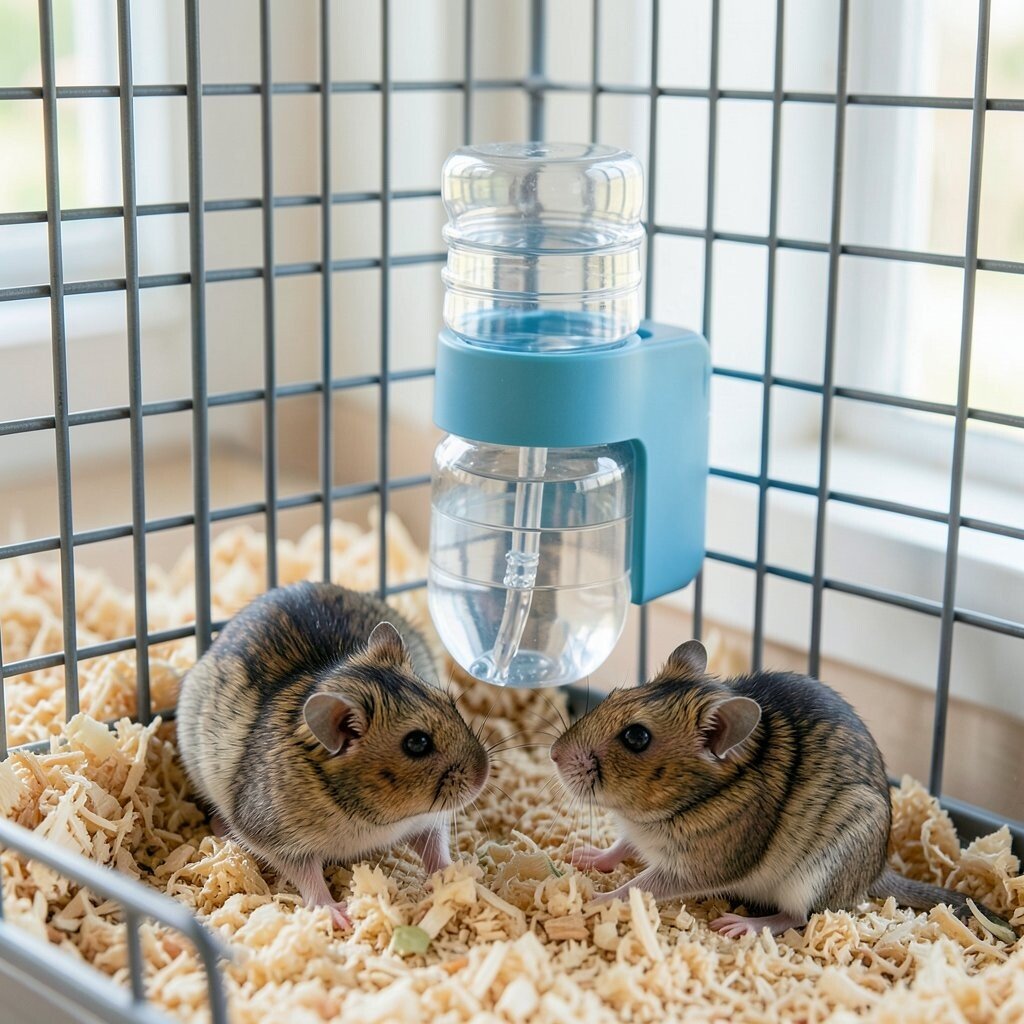
A water bottle helps keep drinking clean and steady. Mount it low enough that both gerbils can reach it without stretching. When it sits at the same height as the bedding, you can picture it like a small clear tube on the side wall.
Easy access can reduce stress, especially during a new home move. If a gerbil has to climb too high, it may avoid drinking. Better drinking can also help keep their daily routine calm.
Check the tip for smooth flow and replace worn parts. Some bottles have a leak guard, which can help with mess. For personalization, you can use a bottle holder that matches the color of the cage or bedding.
7. Food Dishes That Stay Stable on Uneven Bedding
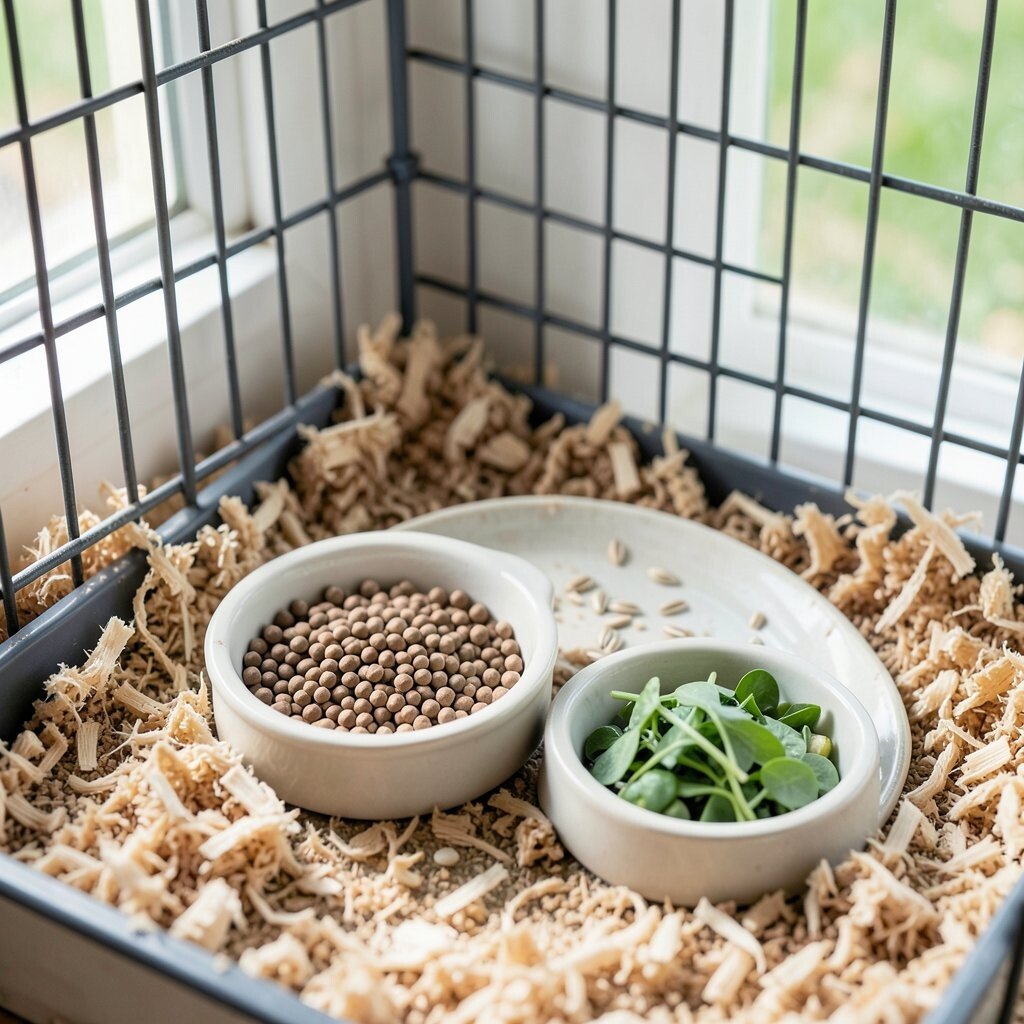
Food dishes need to sit well even when bedding shifts. A heavy ceramic dish can stay in place and not tip as easily. In the cage, it looks like a small plate near a corner, close to a hide.
Stable dishes help keep feeding simple. If the dish moves, your gerbils may scatter seeds and make a bigger mess. A steady dish can also make it easier for you to spot leftover food.
Pick dishes that are not too deep so gerbils can reach the food. You can set one dish for pellets and another for fresh bits like safe greens. For cost, a basic ceramic dish is often enough.
8. Multiple Levels Using Platforms and Steps
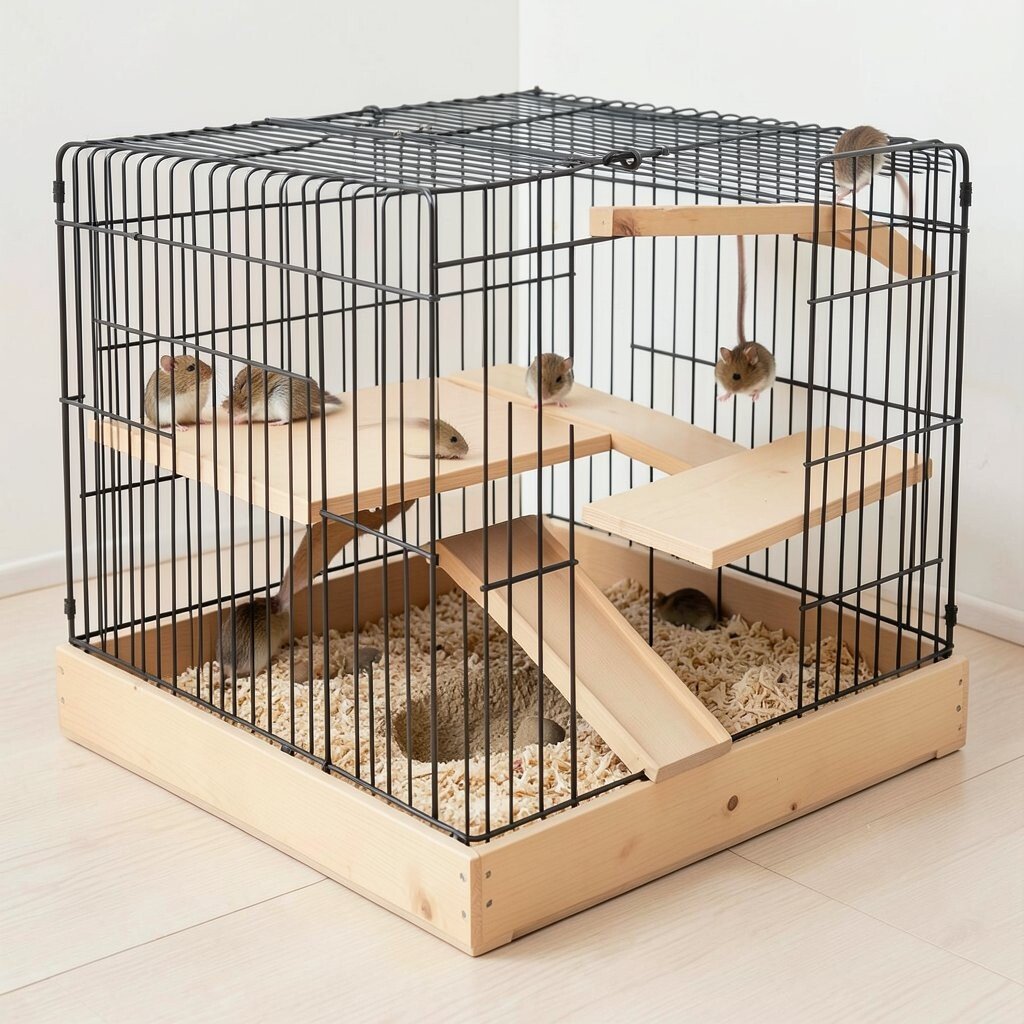
Adding levels can make the cage feel more like a small playground. Use flat platforms and simple steps that are wide and safe. You may picture a shelf above the bedding with a ramp down to the ground area.
More climbing routes can give gerbils extra ways to move. This can help them stay busy and curious. It also lets you place more items without crowding the main digging area.
Make sure steps do not wobble and ramps have grip. Avoid tall jumps that feel risky, especially for younger or smaller gerbils. If you want to keep it simple, start with one platform near the side.
9. Branch Perches for Light Climbing
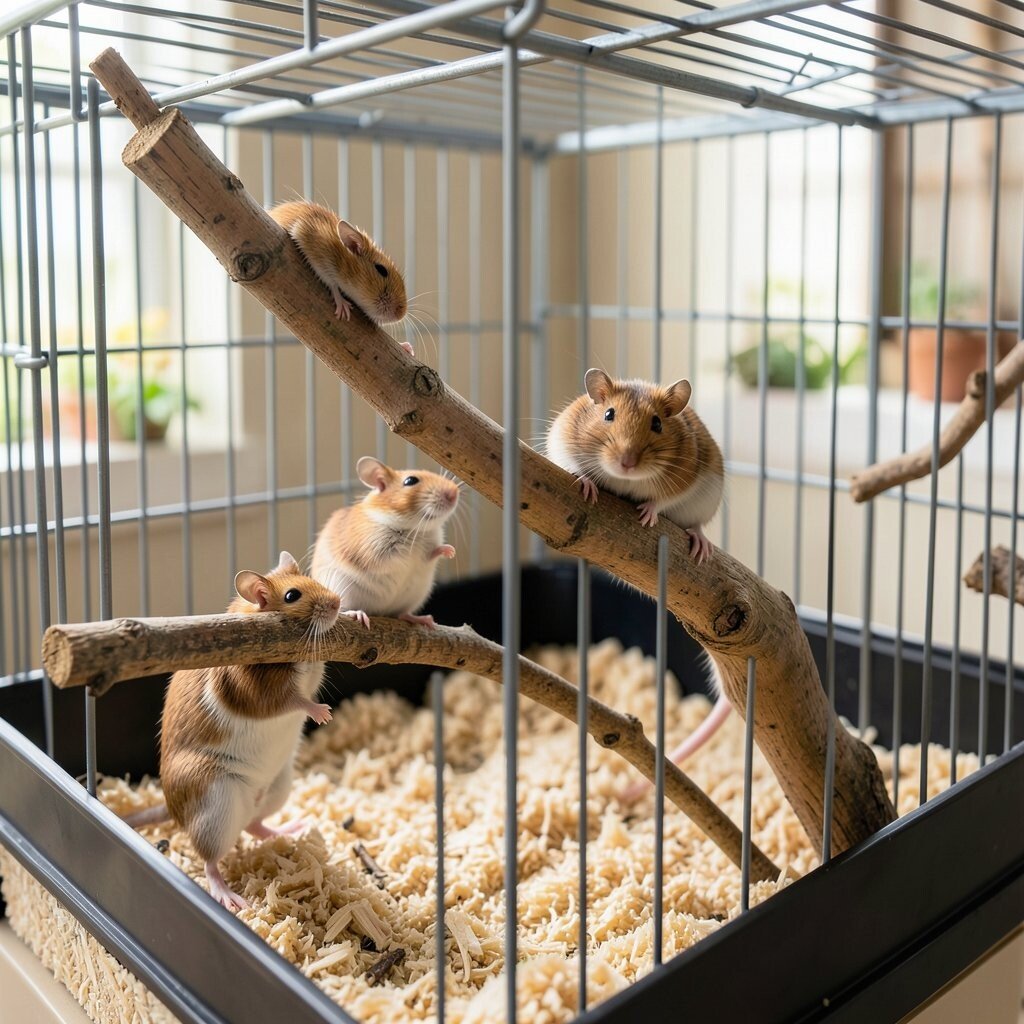
Wood branches can act like perches for quick climbs. Look for smooth branches that are not sharp and fit the cage size. In your setup, it may look like a small branch that sits over a bedding zone so they can reach it easily.
Perches give a new view of the cage. Many gerbils use them to stretch and check what is going on. This can help them feel calm during daily routines like feeding and cleaning.
Choose branches from safe sources meant for small pets. Sand rough spots if you notice splinters, and check often for chew wear. For personalization, you can pick a natural branch shape that matches your tank layout.
10. Litter Corners for Easier Cleaning
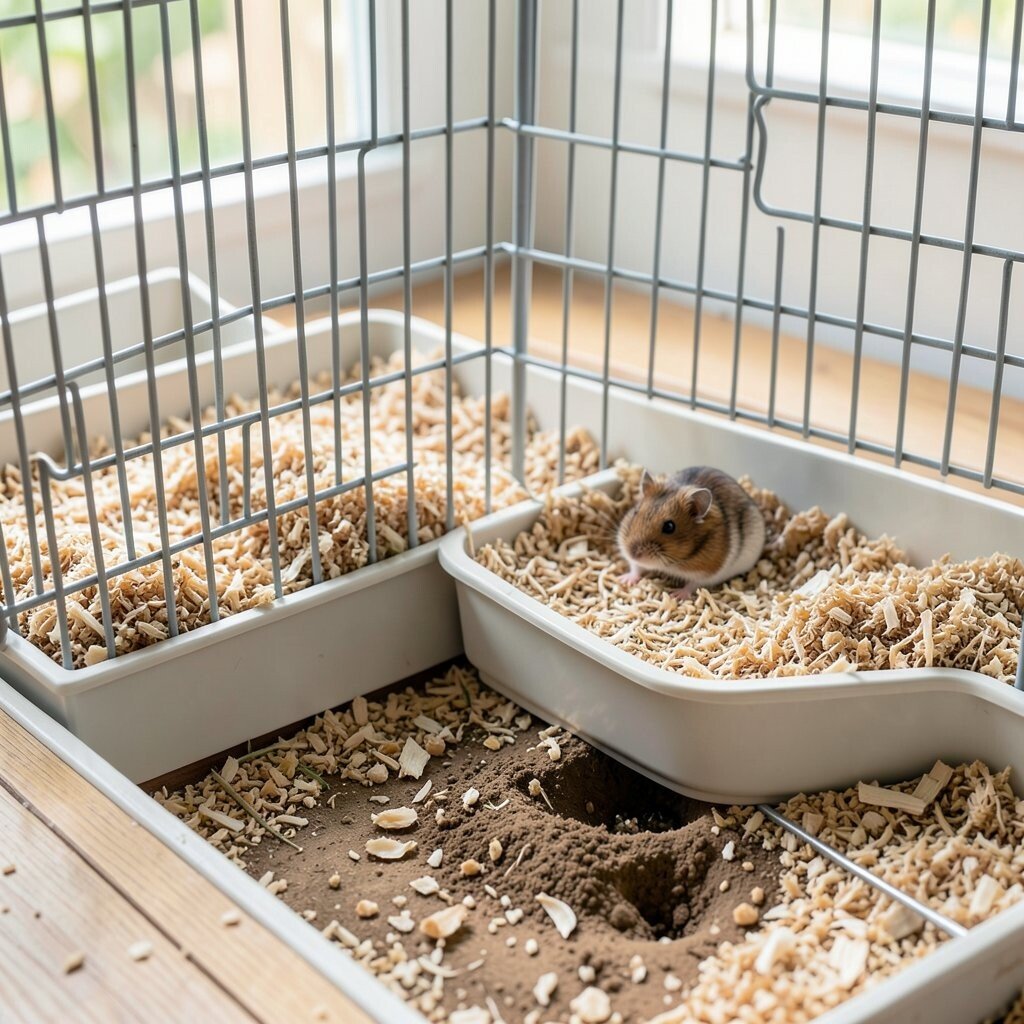
Gerbils often pick one area for waste, so you can work with that habit. Use a small litter corner that fits one side of the cage. It may look like a low tray placed near a corner under a digging path.
This can help you clean faster and keep the cage tidy. If waste stays in one spot, the bedding stays cleaner in other areas. Many owners find this saves time during weekly care.
Use safe litter that matches your bedding routine. Do not place the tray where you see heavy digging, since it may get covered. Start with one tray and adjust if your gerbils use it right away.
11. Cozy Bedding Nests for Calm Sleep
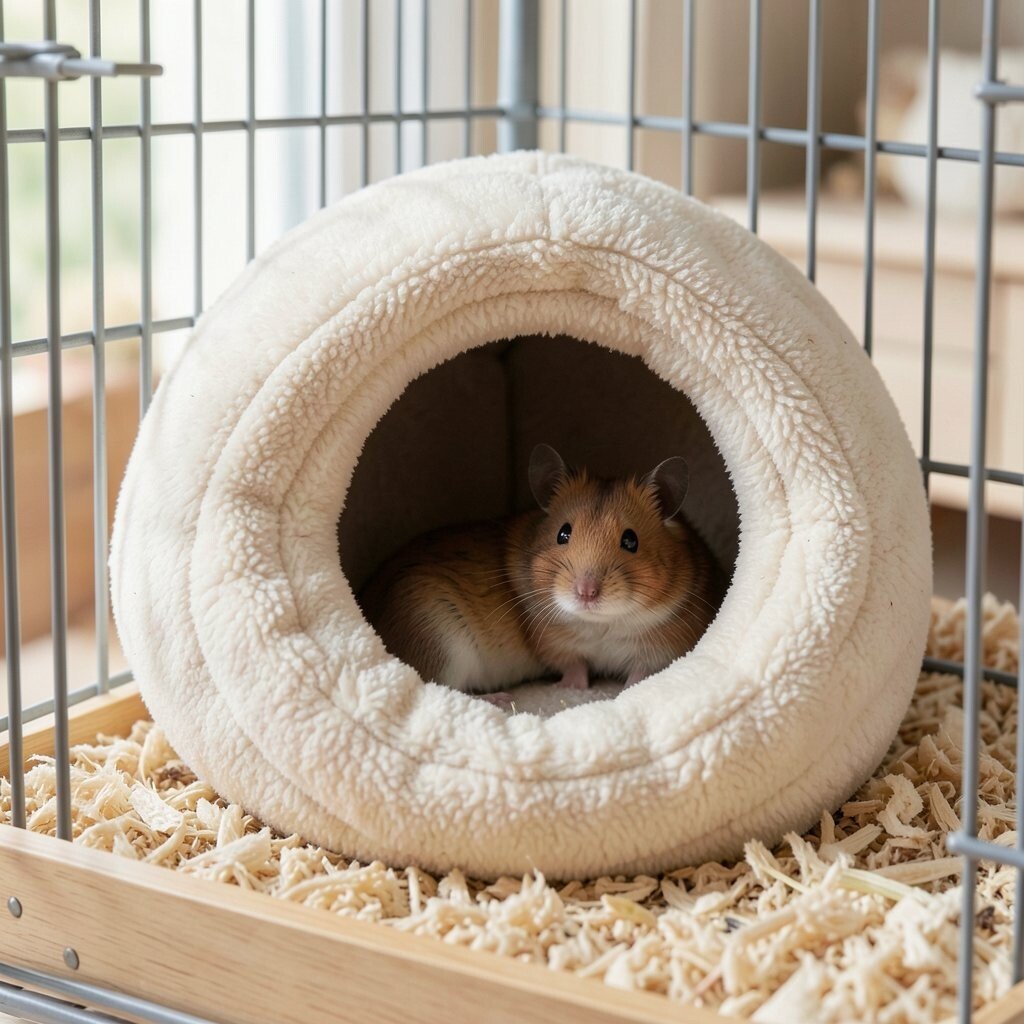
Nests can make sleep more comfortable. Use soft bedding or safe nesting material and place it in a small corner hide. You might picture a rounded nest that sits under a hide roof, with bedding that looks clean and soft.
Comfort helps gerbils rest well. When they feel safe, they may show more steady behavior during the day. Better sleep can also mean less pacing at night.
Keep nesting items fresh and dry to avoid smells. Remove old bits during cleaning and replace with new material. For cost, you can build nests from the same bedding you already use in the cage.
12. Chew-Safe Baskets and Hanging Items
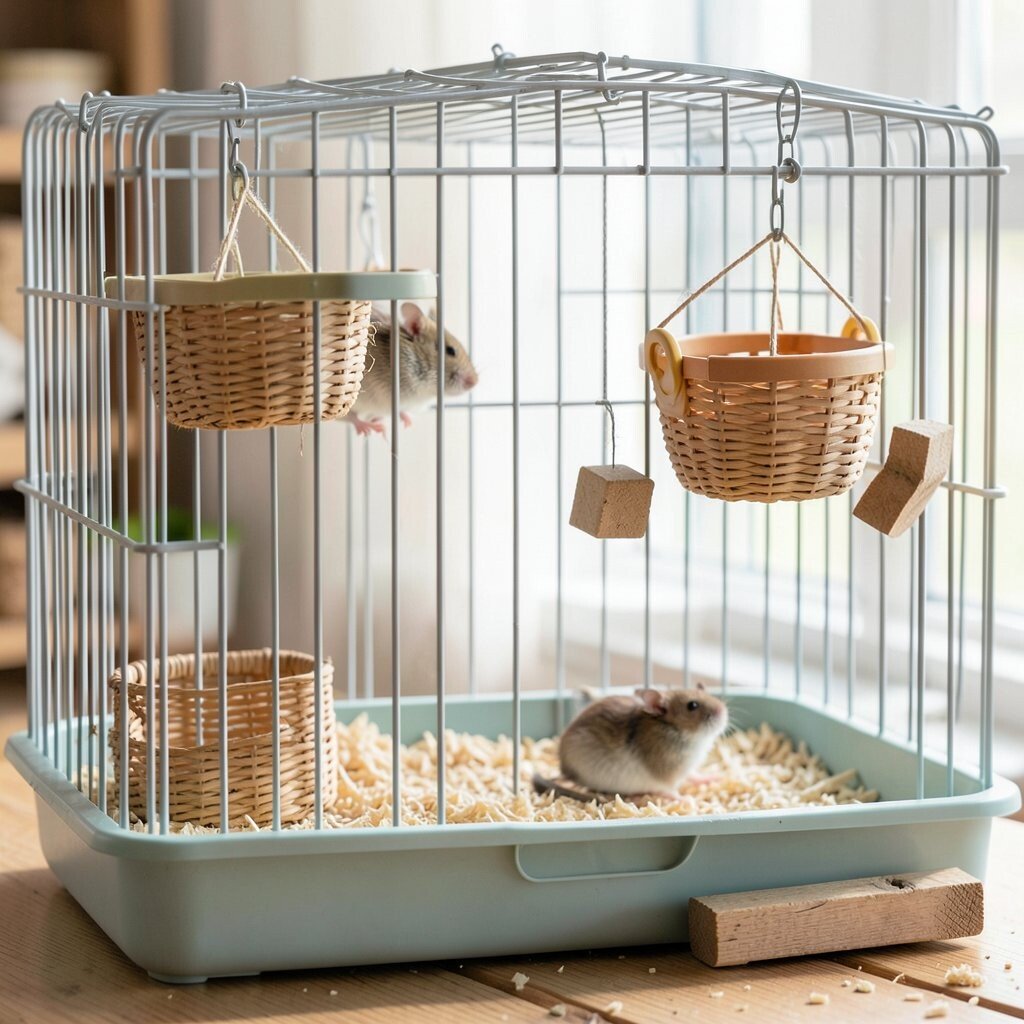
Some cages do well with small baskets or hanging chew items. Choose options that are safe for small pets and do not have loose wires. In the cage, it looks like a basket with holes or a small chew hook under a platform.
Hanging items can add variety when the ground space is full. This can help gerbils keep interest and stay active. When they have more choices, they may be less likely to focus on cage parts you do not want them to chew.
Check the item often for wear and loose parts. If a chew piece looks frayed, swap it right away. For trends, many owners now use small, simple hanging chew blocks instead of complex setups.
13. Clear Placement Plan for Less Mess
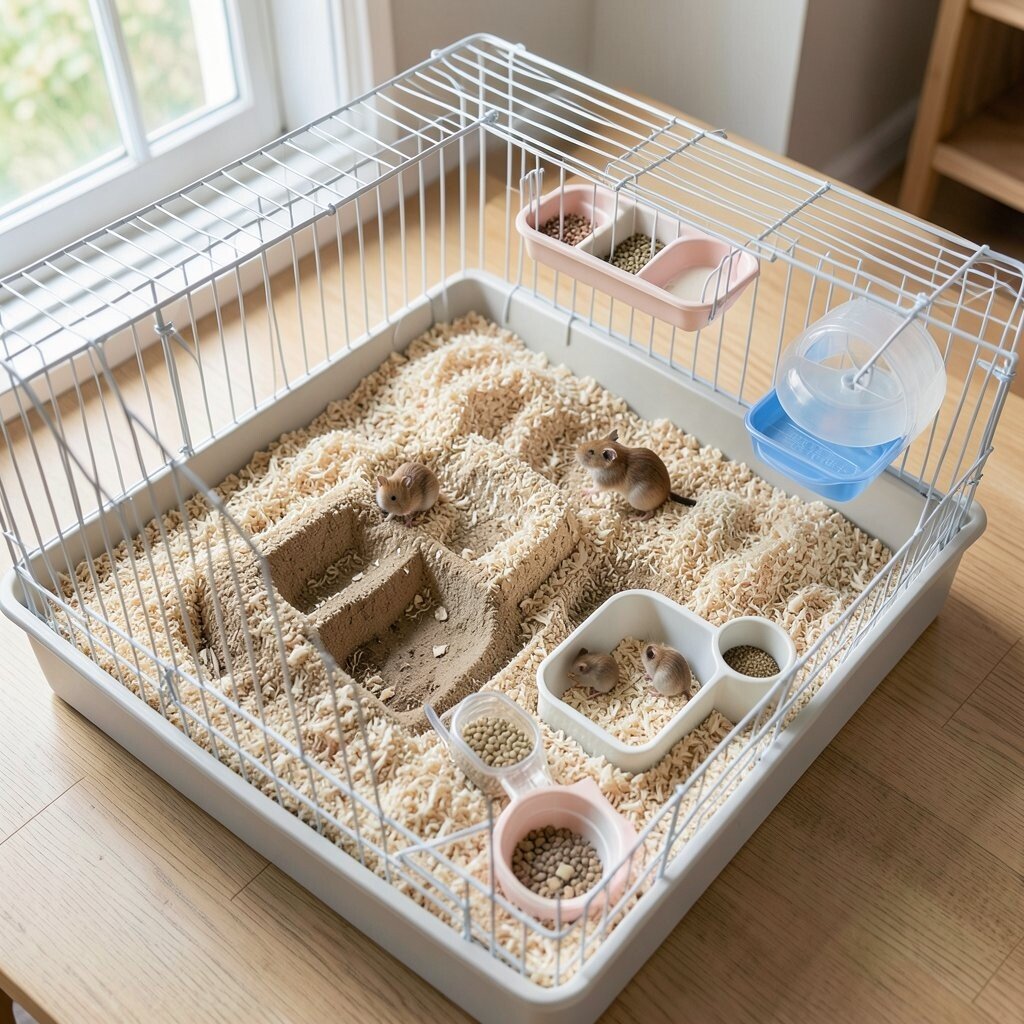
A good layout can cut down on scattered bedding. Place digging depth in one main area, then add food dishes and wheel in clear zones. You can imagine a map: one zone for tunnels, one zone for running, and one zone for eating.
This helps your gerbils use the cage in a tidy way. It can also make cleaning easier because you can reach key spots faster. When each item has a home, bedding stays where it belongs more often.
Keep heavy items away from the deepest digging spots. Start with a simple plan, then adjust after you watch how they move. For personalization, you can set the most used zone near the side you clean from.
14. Room Lighting and Quiet Corner Placement
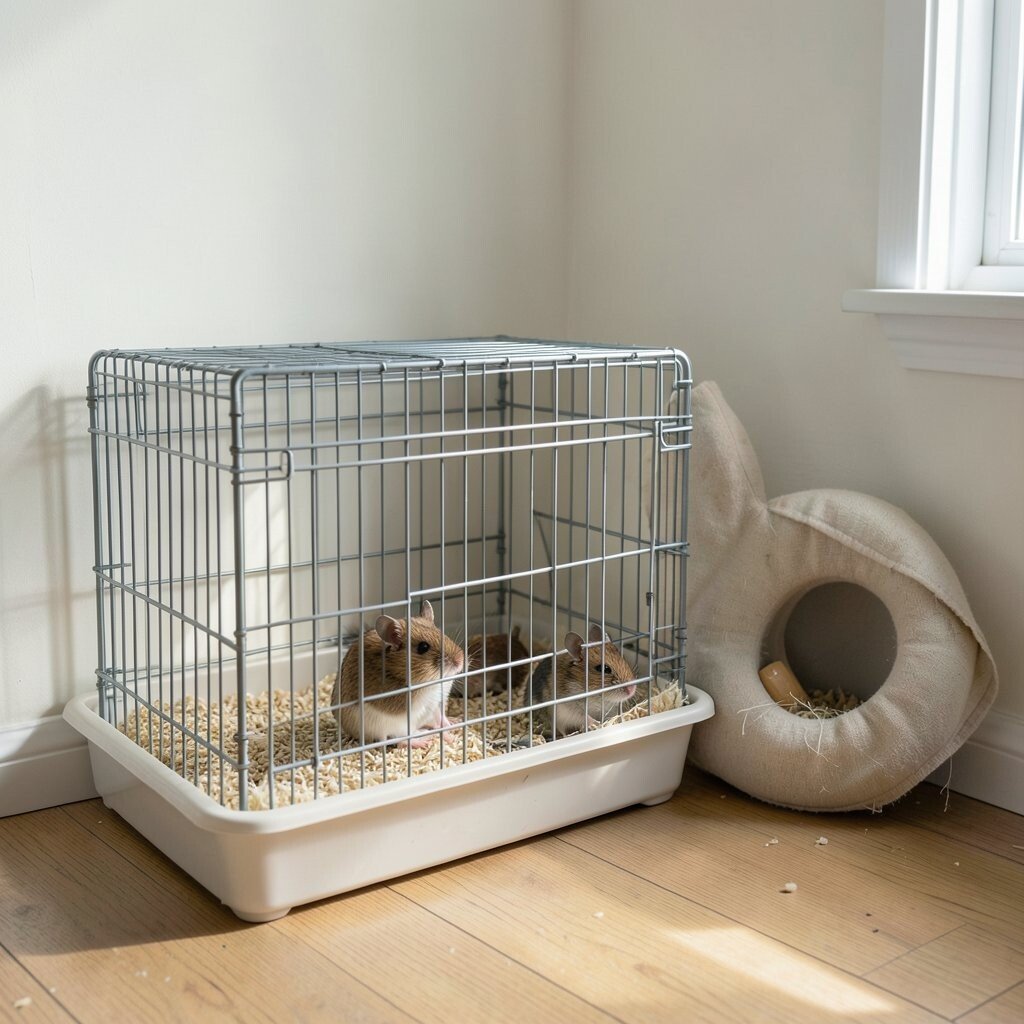
Where you put the cage matters as much as what is inside. Choose a spot with steady light and less loud noise. Many people place the cage in a calmer room corner, not near a door or busy TV area.
Quiet helps gerbils stay relaxed. Strong light and constant noise can make them hide more or act jumpy. A steady home spot can also support better daily routines like eating and using the wheel.
A simple tip is to keep the cage away from direct sun. You can also use a light cloth cover at night if the room gets bright. For personalization, make sure it fits your daily life so you can care for them easily.
15. Seasonal Swaps and Small Upgrades
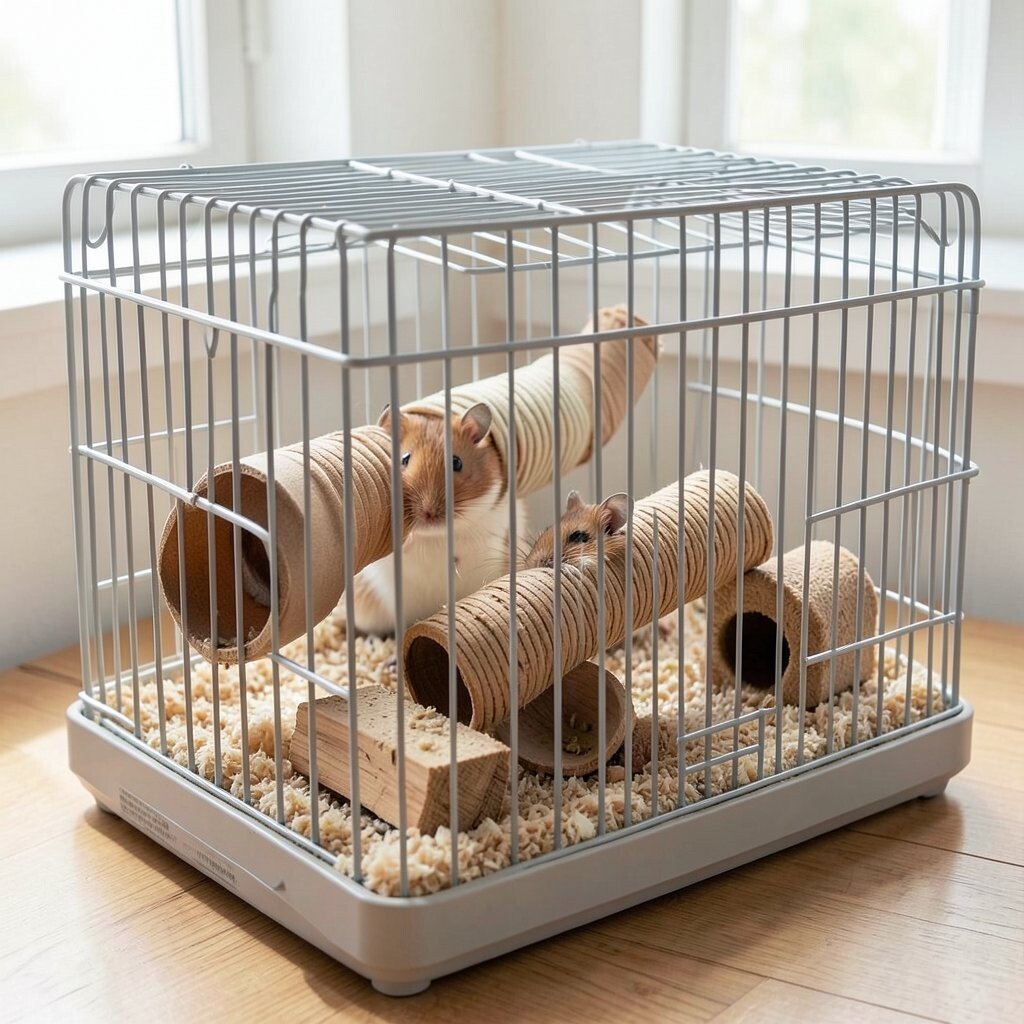
Small swaps can keep the cage feeling fresh without huge changes. Try adding a new tunnel, a fresh chew block, or a new hide shape each season. You may notice different tunnel routes after a change, with new chew marks near the new item.
This can help prevent boredom and support natural habits. It also gives you a chance to check what your gerbils like most. When you learn their favorites, you can plan upgrades that match their style.
Keep changes slow so they do not feel rushed. Add one new item at a time and watch for a full day or two. For cost, you can use simple items like cardboard tubes and wood hides made for small pets.