A good feeding schedule helps pets and kids feel calm and safe. It also makes daily life easier for you because you know what comes next.
1. Pick a simple meal plan

Start with a basic plan you can keep doing every day. Many people choose two meals, then a small snack time later if it fits the pet’s needs. Keep it the same so your pet can learn the pattern.
A simple plan is easier to track and cheaper to manage. You can shop in one or two trips and use the same type of food. This helps you avoid last-minute buys that cost more.
2. Use set times, not random times

Try to feed at the same times each day. For example, feed in the morning and again in the evening, then keep snack time close to that routine. Even a little change can make a pet ask for food sooner.
When meals are steady, you often see less begging and less stress. Your pet may settle down after eating because they know food will come again. That calm routine can also help with sleep.
3. Measure food with a cup or scale
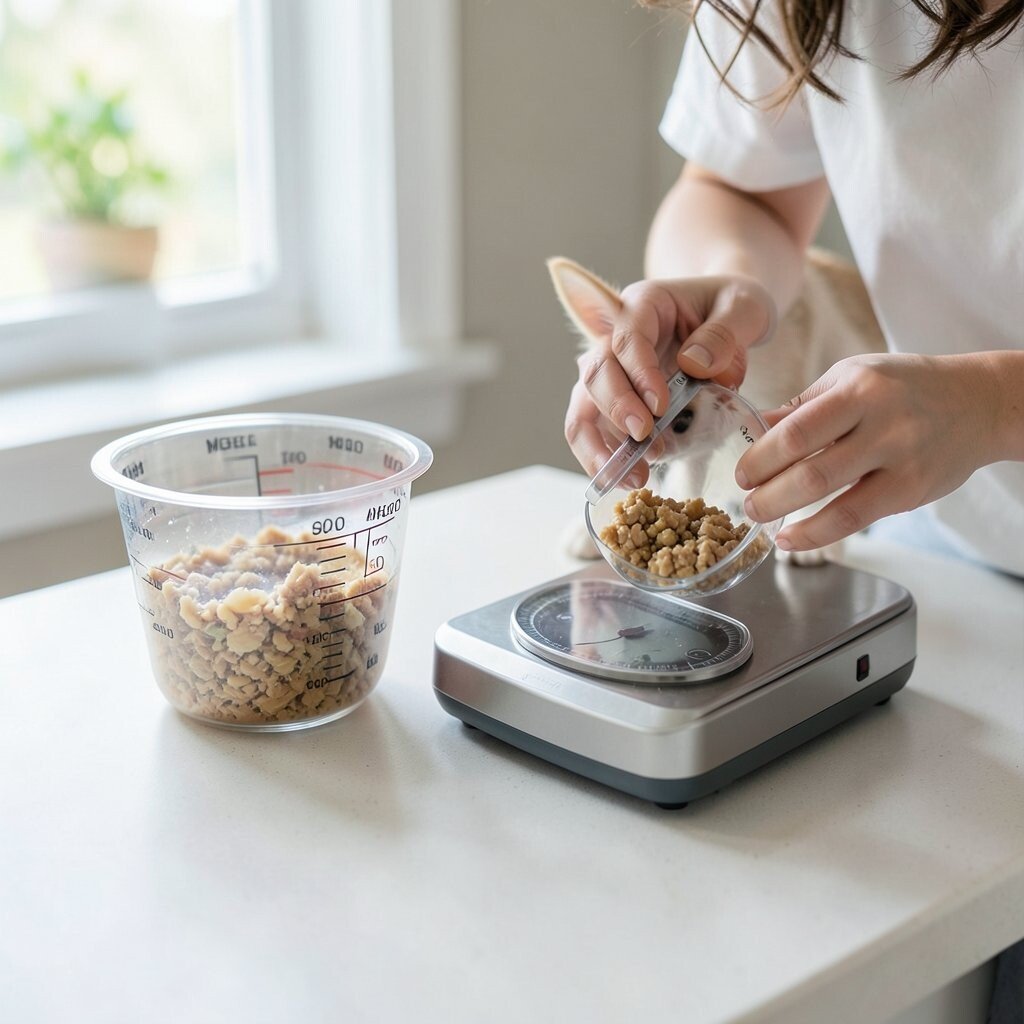
Use a measuring cup or a kitchen scale to portion food. Eyeballing portions can lead to slow weight gain over time. A clear measure helps you stay consistent even when days feel busy.
Overfeeding can cost more because you use more food than you need. It can also mean extra vet visits if weight issues start. Measuring is a small step that protects your budget and your pet’s health.
4. Watch your pet’s body, not just the clock

Times matter, but your pet’s body also gives useful signs. Check how the ribs feel and how the waist looks. If your pet is getting too heavy or too thin, adjust with your vet’s advice.
Visual signs can guide you when life changes. If you add more walks, your pet may need a bit less food. If activity drops, you may need to change the amount.
5. Plan for growth and life changes

Feeding needs change as pets grow and as health changes. Puppies and kittens often need more frequent meals, while older pets may need a different schedule. If you notice chewing trouble, slow eating, or low energy, it is time to review the plan.
Life changes like moving, new work hours, or travel can shift routines. Instead of changing everything at once, shift times in small steps. This can help your pet adjust with less stress.
6. Add water in a steady way
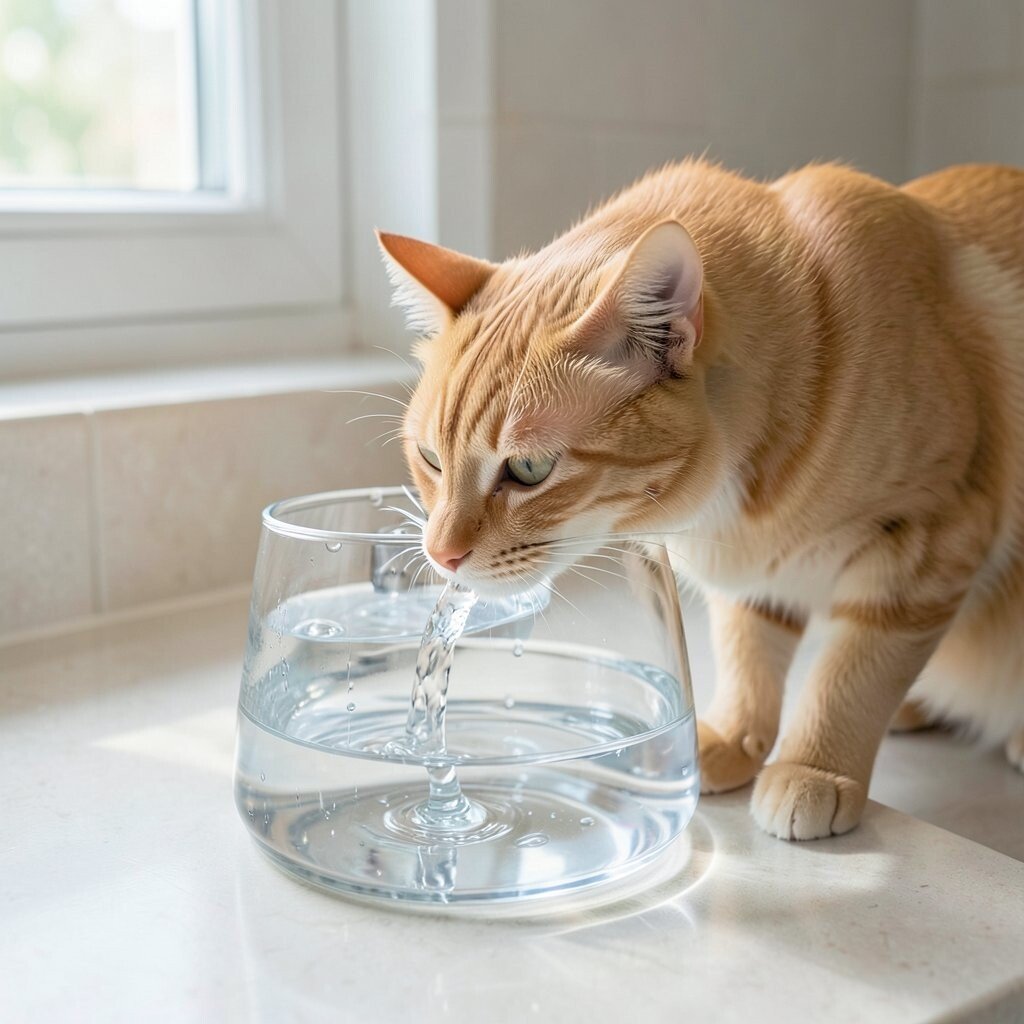
Food is only part of the routine. Offer fresh water before and after meals so your pet can drink without rushing. Many pets drink more after eating, which is normal.
If you use a bowl or water fountain, keep it in the same spot. A clear setup helps you remember to refill it. It also helps you spot if your pet is drinking less than usual.
7. Keep treats small and scheduled
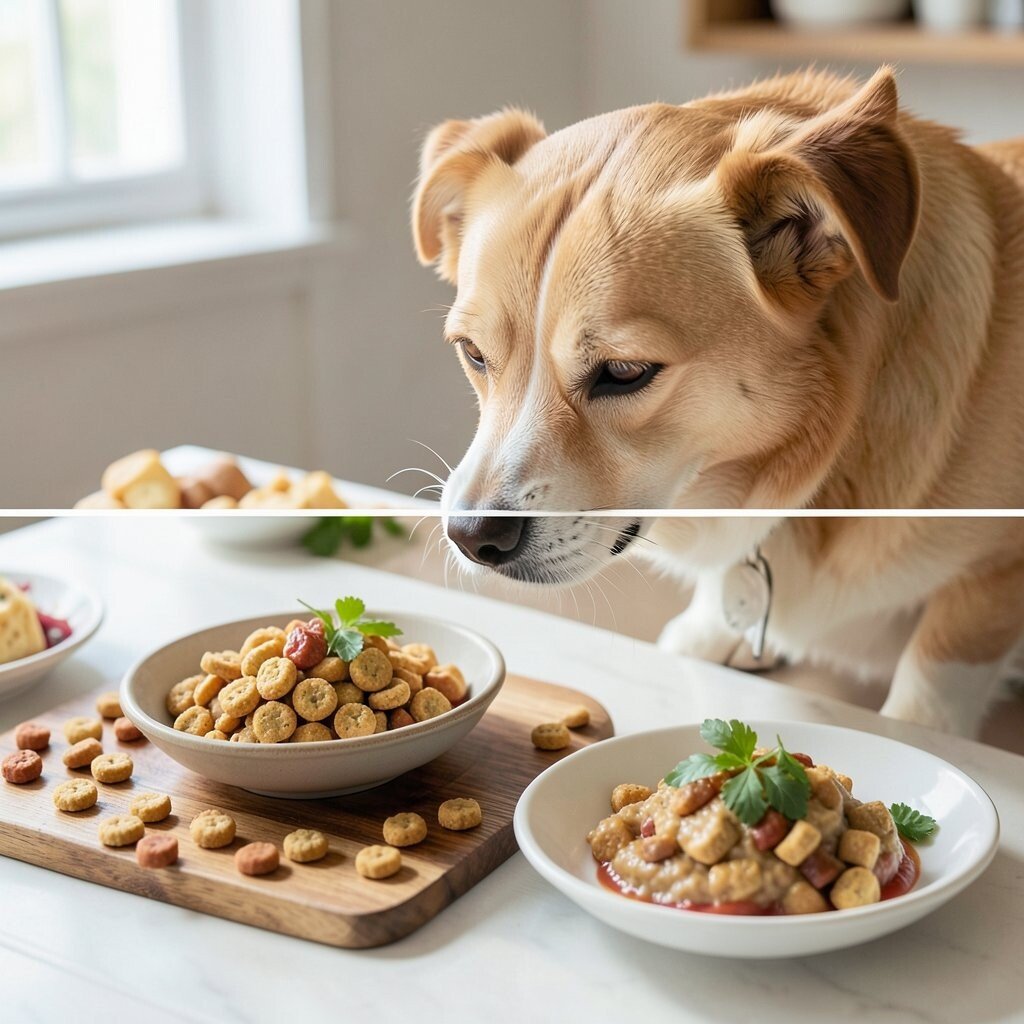
Treats can fit into a feeding schedule, but they should not take over. Set a treat time close to meals, not all day long. This helps your pet keep a clear idea of what food time means.
Small treats help with training without big changes to the diet. They can also be cheaper if you use simple options like small pieces of safe food. New trends include portion-controlled treat sizes, and they can be helpful for busy homes.
8. Try slow-feeding tools if your pet eats fast
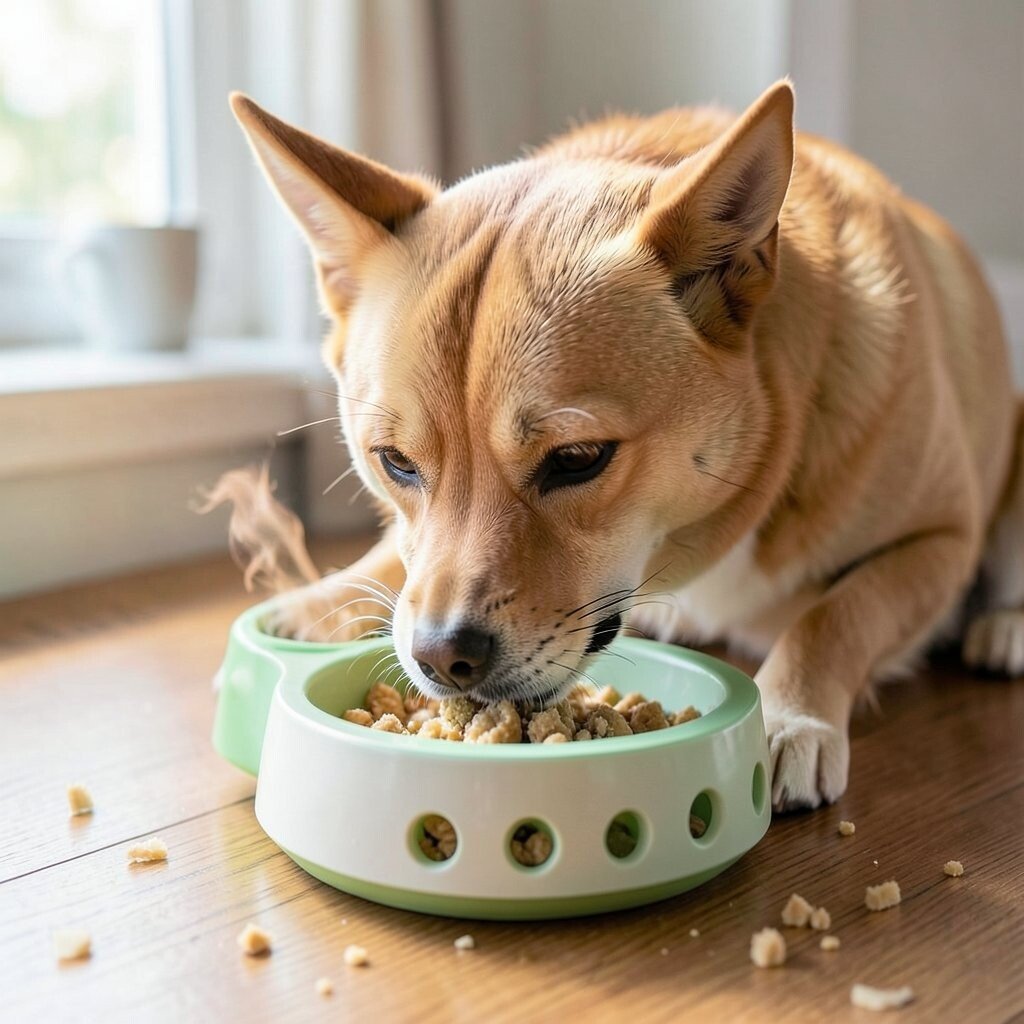
Some pets gulp their food, then rush to play or act restless. A slow-feeding bowl or a puzzle feeder can slow down eating in a fun way. You can see the change right away when your pet has to work a little for each bite.
The benefit is often better digestion and less upset stomach. Slow feeding can also reduce quick overeating. Many owners like these tools because they add interest without adding more food.
9. Match portion size to activity level

Activity affects how much energy your pet needs. If your pet gets more walks or playtime, you may need a bit more food. If you have a calm week, you may need less.
This is a good place for personalization. Keep notes for a few days so you can spot patterns. It is also a practical way to manage cost, since you can avoid waste when you adjust carefully.
10. Choose a feeding routine that fits your home
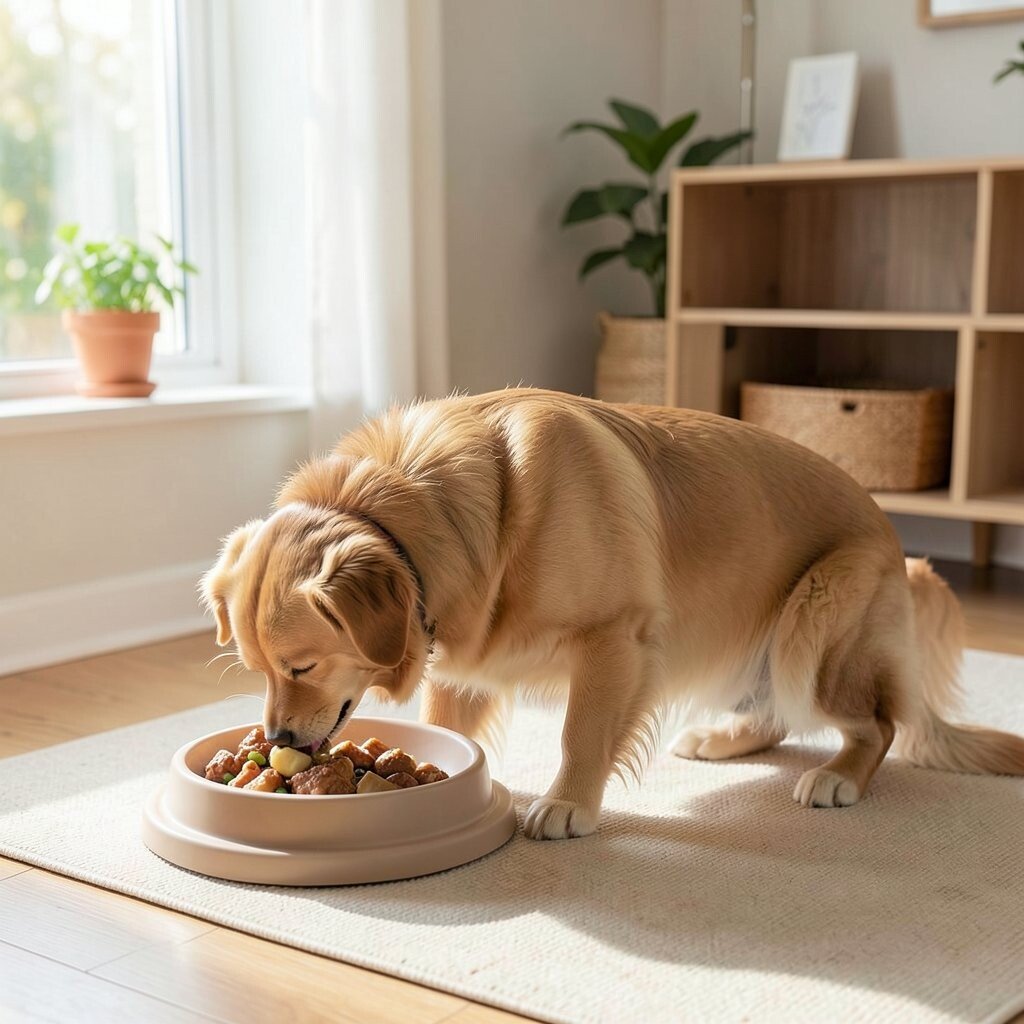
Think about your day and your space. If your mornings are hectic, pick a time that is stable for you, even if it is not the “perfect” time. Place the food in a quiet spot where your pet can eat without loud noise.
Some homes do well with a raised stand, while others do better with a simple floor bowl. You can also use feeding mats to keep the area neat. These small choices help the routine feel easier and less messy.
11. Use consistent food types and change slowly
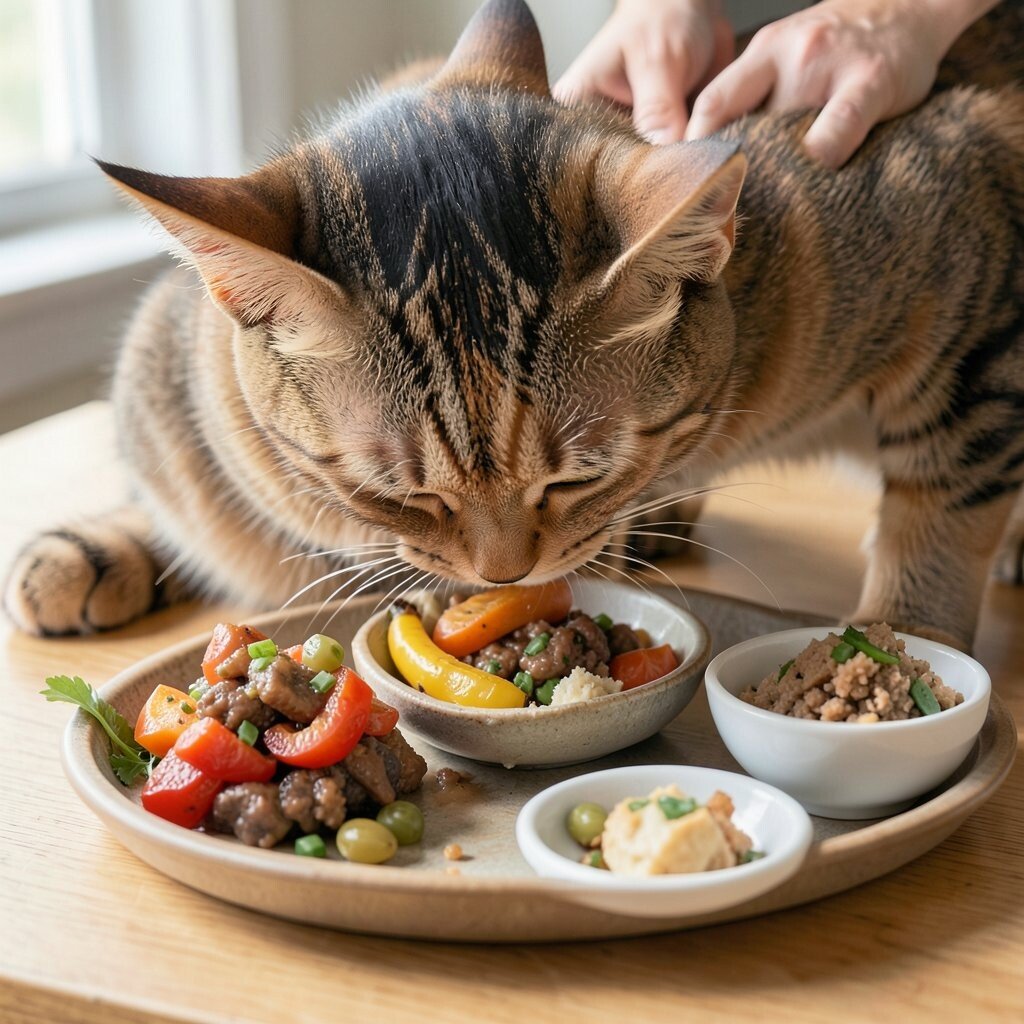
Changing food too fast can cause stomach upset. If you want a new brand, mix the new food with the old food over time. This helps your pet get used to the new taste and smell.
Slow changes also make it easier to spot what does and does not work. If you try a new food and your pet has loose stool, you can adjust sooner. This is a safer approach that many owners follow today.
12. Keep feeding separate for multi-pet homes
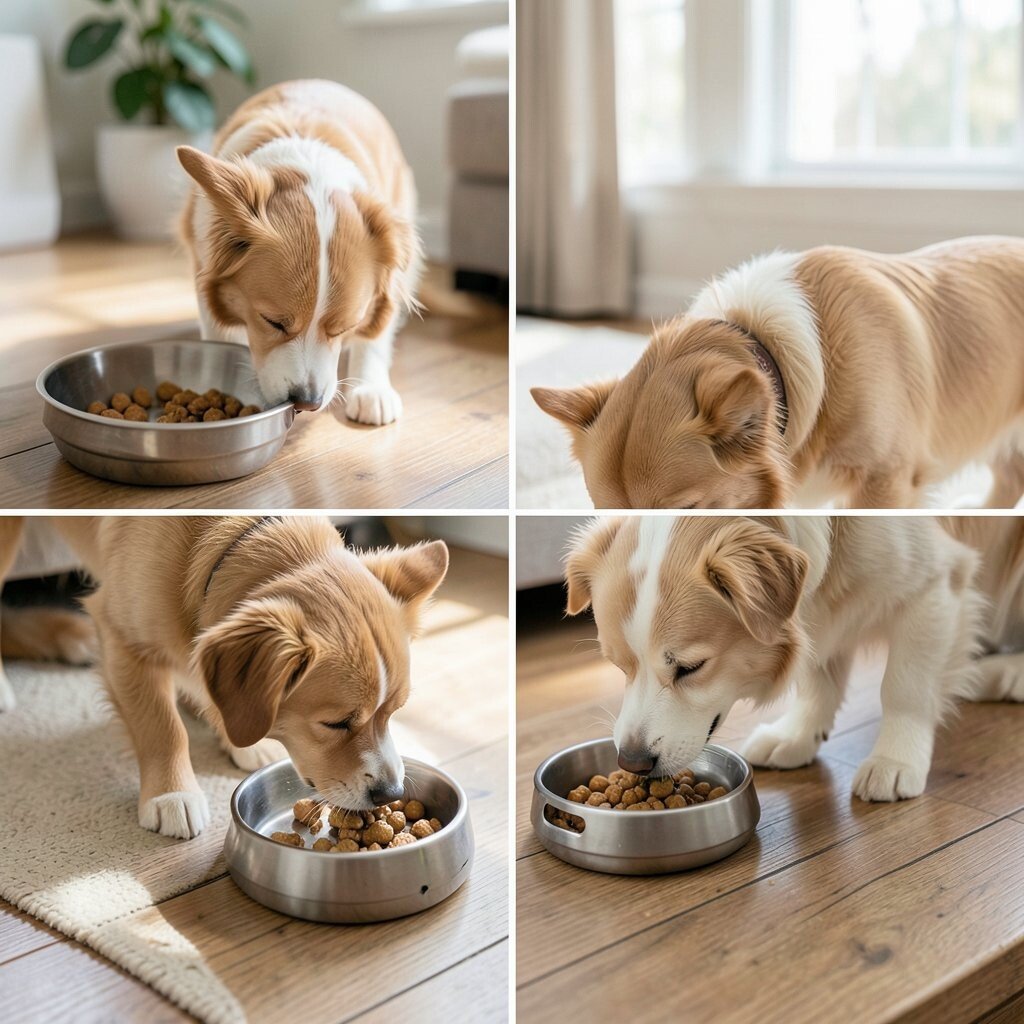
If you have more than one pet, feeding time needs clear rules. Some pets eat each other’s food if they can reach it, which can lead to uneven weight. Use separate areas or timed feeding so each pet gets the right amount.
This can also reduce stress. Visual separation helps pets calm down because they can focus on their own bowl. Many people find this is one of the best ways to make a schedule truly work.
13. Plan for busy days with a backup system

Work days and travel happen, so you need a simple plan. You can set up a feeder that releases food on a timer, or ask a helper to follow the same routine. Keep clear steps written down so your plan is easy to repeat.
A backup system can save money too. It can prevent overeating when you miss a meal, and it can help avoid food waste from poor timing. New smart feeders are a trend, but even a basic setup can help a lot.
14. Talk to a vet when you see real issues

If your pet vomits often, has diarrhea, seems very hungry, or refuses food, do not just change the schedule and hope it helps. A vet can check the cause and suggest a safe feeding plan. This keeps the routine useful instead of confusing.
Cost can also be part of the plan, since vet checks can point to the right food and portion size faster. When you work with a pro, you can avoid repeated trial and error. Personalization is best done with correct guidance, especially for health needs.