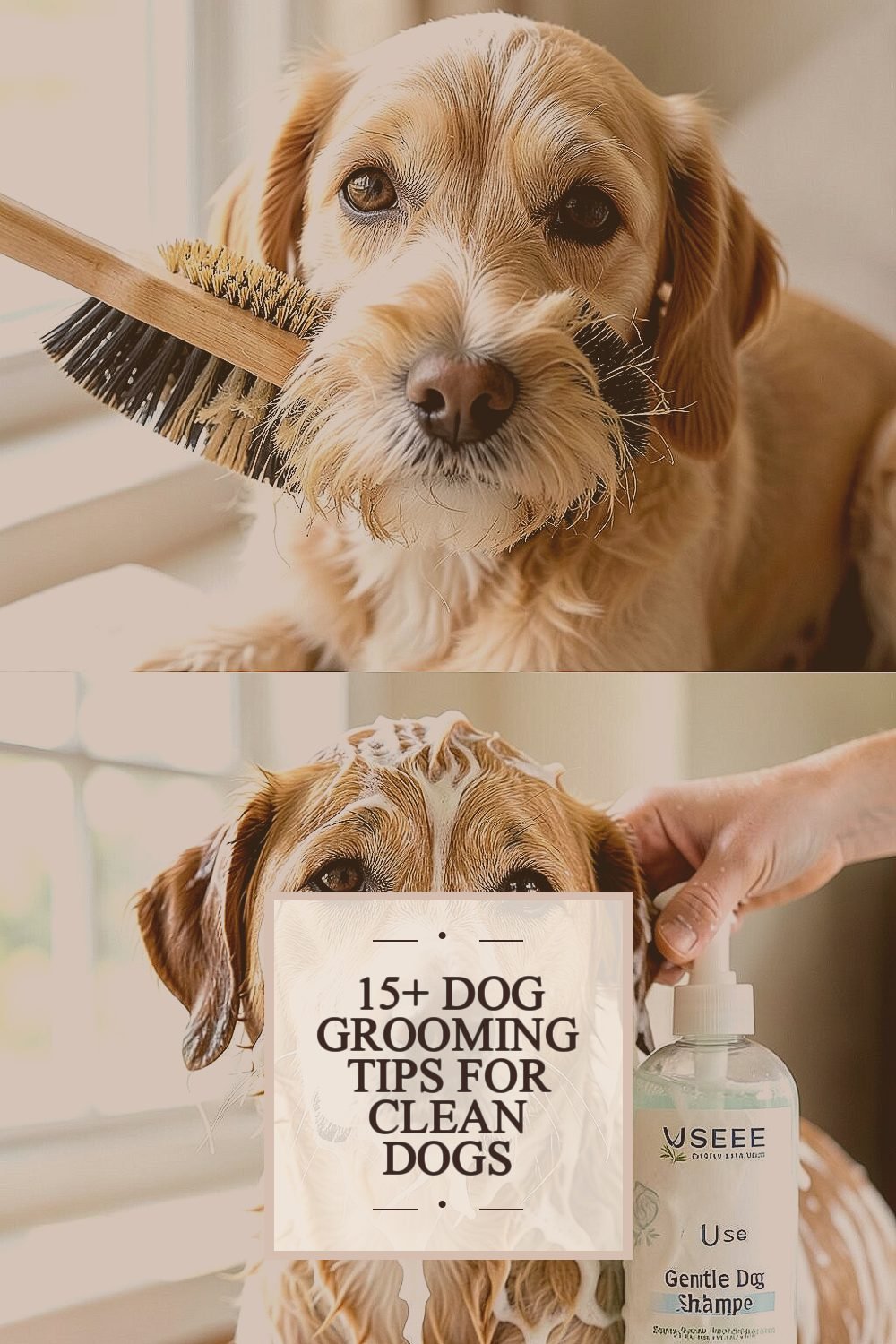
A clean dog feels good and looks good at home. Small grooming steps can help keep your dog comfy, safe, and healthy.
1. Brush Based on Coat Type
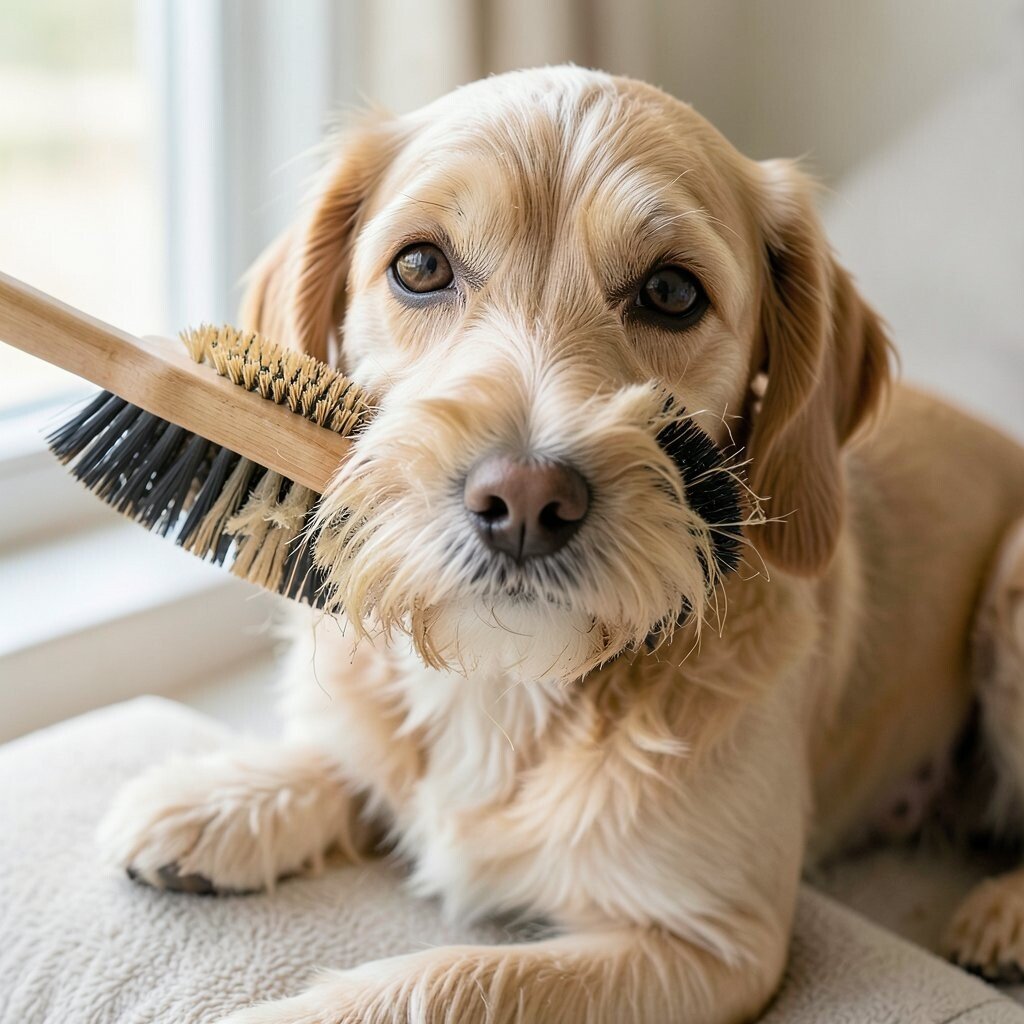
First, look at your dog’s coat. A short coat may need less brushing, while a long coat needs more care to stop tangles.
Use a brush that matches your dog, like a slicker brush for fluffy fur or a bristle brush for smooth fur. You will see loose hair on the brush, and your dog’s coat will look neat and shiny.
Try a short routine, like a few minutes each day, so it feels normal for your dog. This can lower shedding and help you notice skin bumps early. The cost is usually low, since many brushes last a long time.
2. Use a Gentle Dog Shampoo
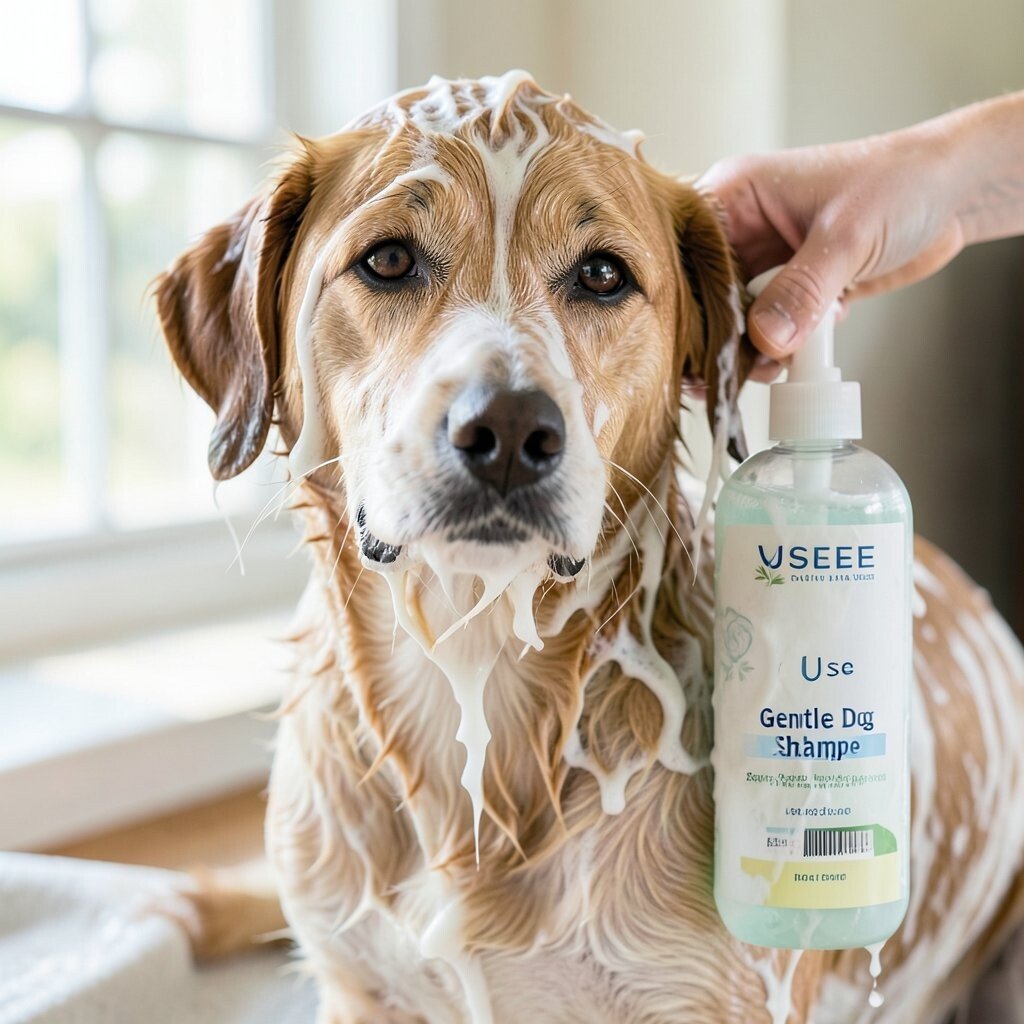
Pick a dog shampoo made for their skin, not human soap. Human products can be too harsh and may cause dry skin or itching.
When you wash, make sure you wet the coat well and work the shampoo in slowly. Rinse for a good amount of time, since leftover shampoo can make your dog scratch.
For personal care, choose a scent-free or mild option if your dog has sensitive skin. Bathing too often can dry out fur, so aim for a schedule that fits your dog’s lifestyle. A bottle of shampoo is a common cost, but it also lasts through many baths.
3. Choose the Right Bath Water Temperature
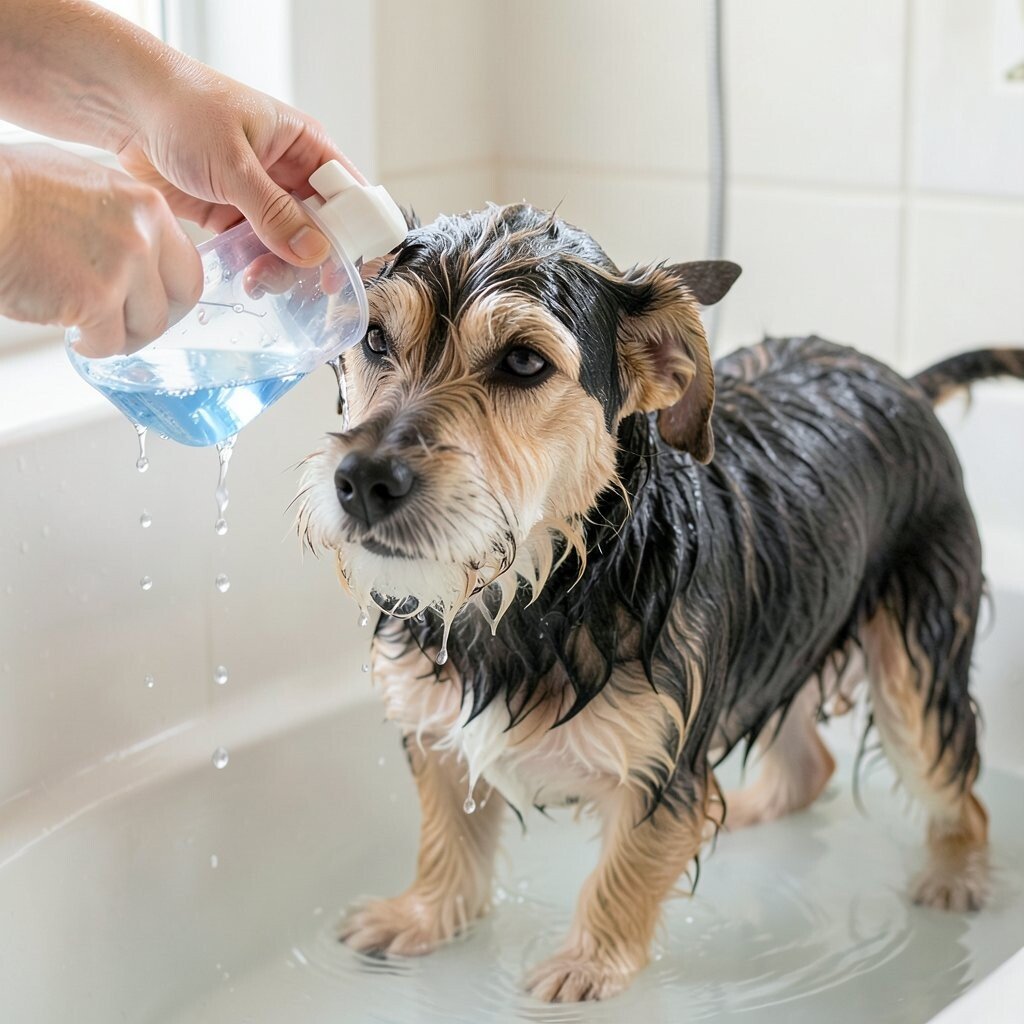
Your dog will be calmer if the water feels warm, not hot. Aim for water that feels comfortable on your own wrist.
Use a cup or handheld sprayer to pour water gently over the body. You can see your dog’s fur darken when it gets wet, and then lighten as it dries.
Warm water can help your dog relax during bath time, which makes grooming safer for both of you. If your dog is nervous, start with a quick rinse first, then add shampoo later. This idea is low cost since you only need a safe water mix and good rinsing habits.
4. Towel Dry and Air Dry Carefully
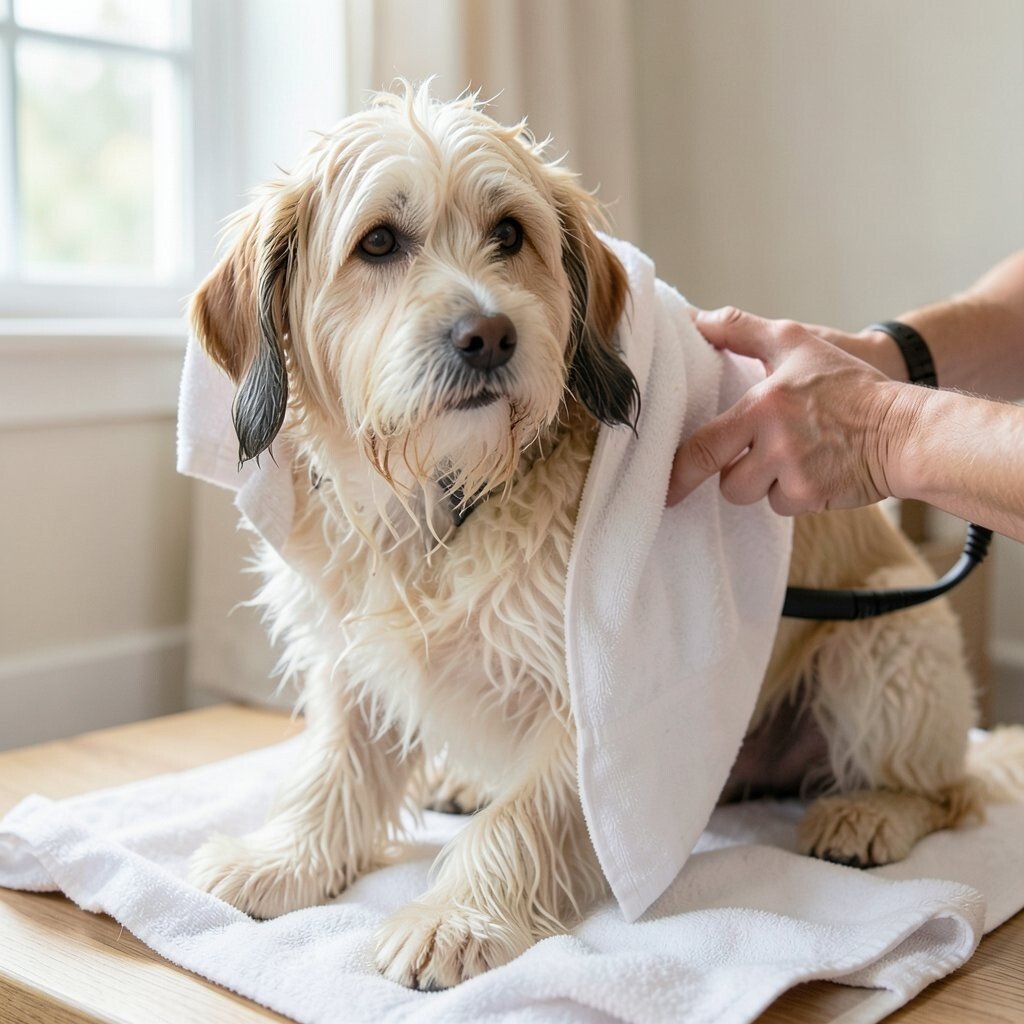
After a bath, press the coat with a clean towel instead of rubbing hard. Rubbing can tangle longer fur and can make short fur look rough.
Then let your dog air dry in a warm, draft-free spot. You may notice the fur gets fluffy as it dries, and that is a good sign.
If your dog gets cold easily, use a second towel and keep the room warm. For dogs with long hair, a slow blow dryer on low heat can help, but only if your dog stays calm. Drying well also helps prevent wet-dog smell and can reduce skin issues.
5. Clean the Ears With a Dog-Safe Method
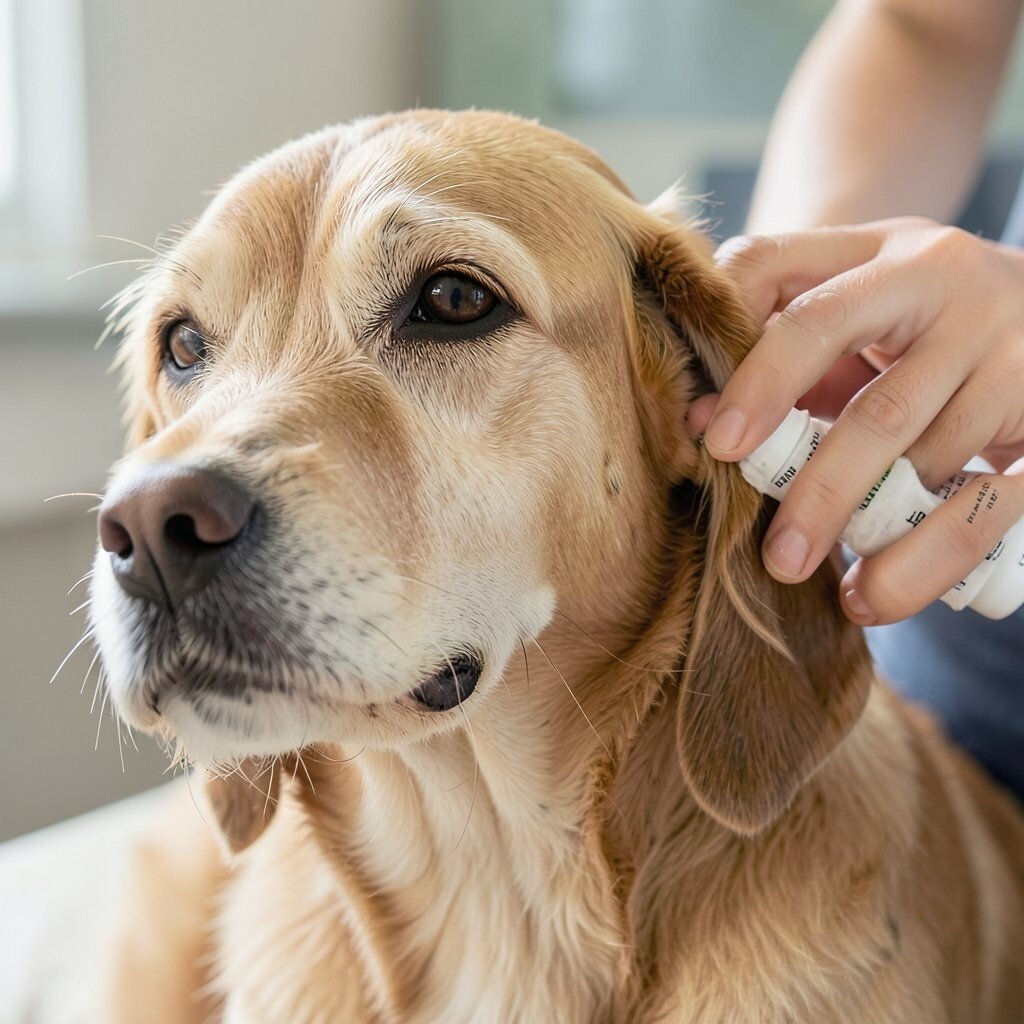
Check your dog’s ears often, especially if they have floppy ears or lots of hair inside. If you see smell, redness, or dark wax, it may be time to clean.
Use a dog ear cleaner and apply it the way the bottle says. You can use cotton pads to wipe what comes out, but avoid pushing tools deep inside.
Cleaning the ears can help prevent itch and infections. This step is unique because it targets a part many people forget, and it can make your dog feel more comfy. Cost depends on the cleaner, but it is usually a small bottle used over time.
6. Trim Nails Gradually
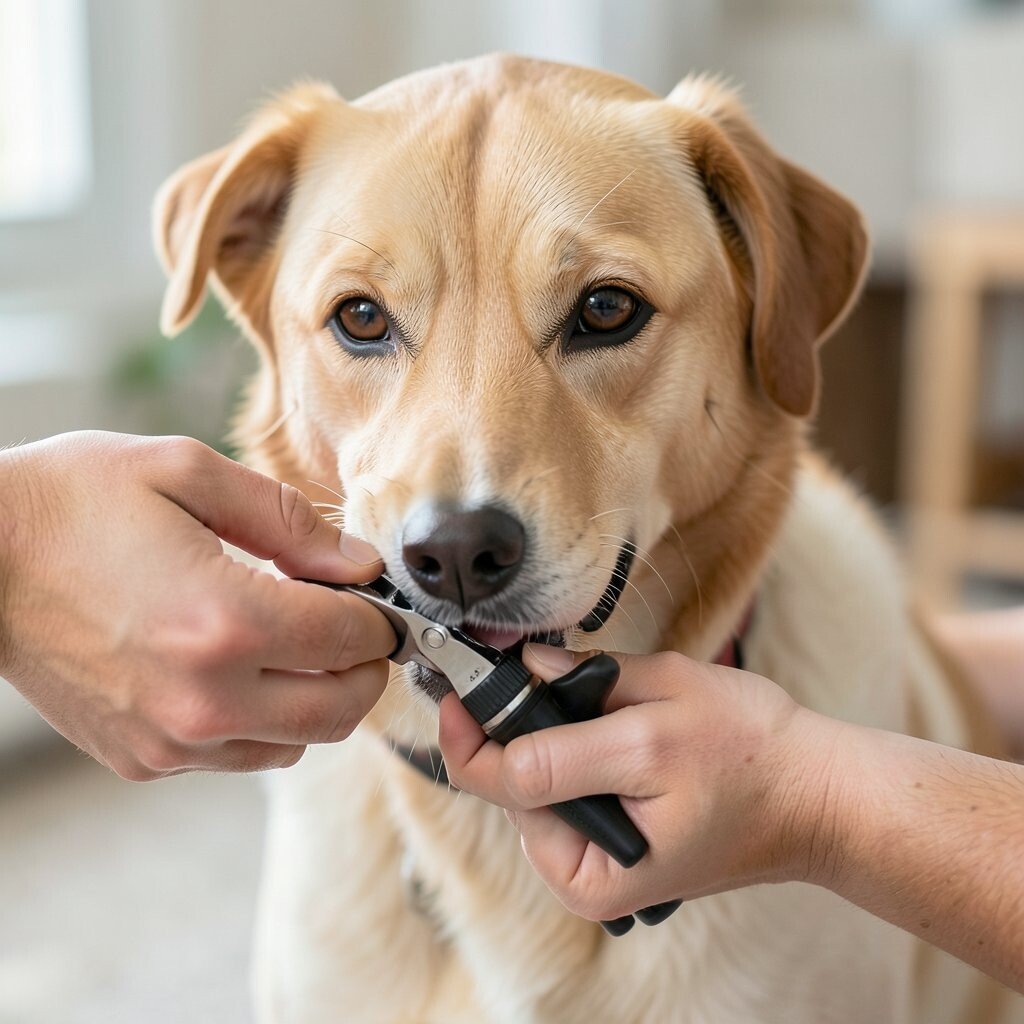
Nail trimming can look scary, but it gets easier with practice. Use dog nail clippers or a nail grinder made for pets.
Trim a little at a time and check the nail shape often. You should aim to avoid cutting too close to the quick, and you can see the line inside the nail change as you cut.
Try a “slow and steady” plan by doing short sessions and rewarding your dog. Personalize this by matching the tools to your dog, like clippers for thick nails or a grinder for gentle shaping. Nail tools can cost more at first, but they last a long time.
7. Brush Teeth for Fresh Breath
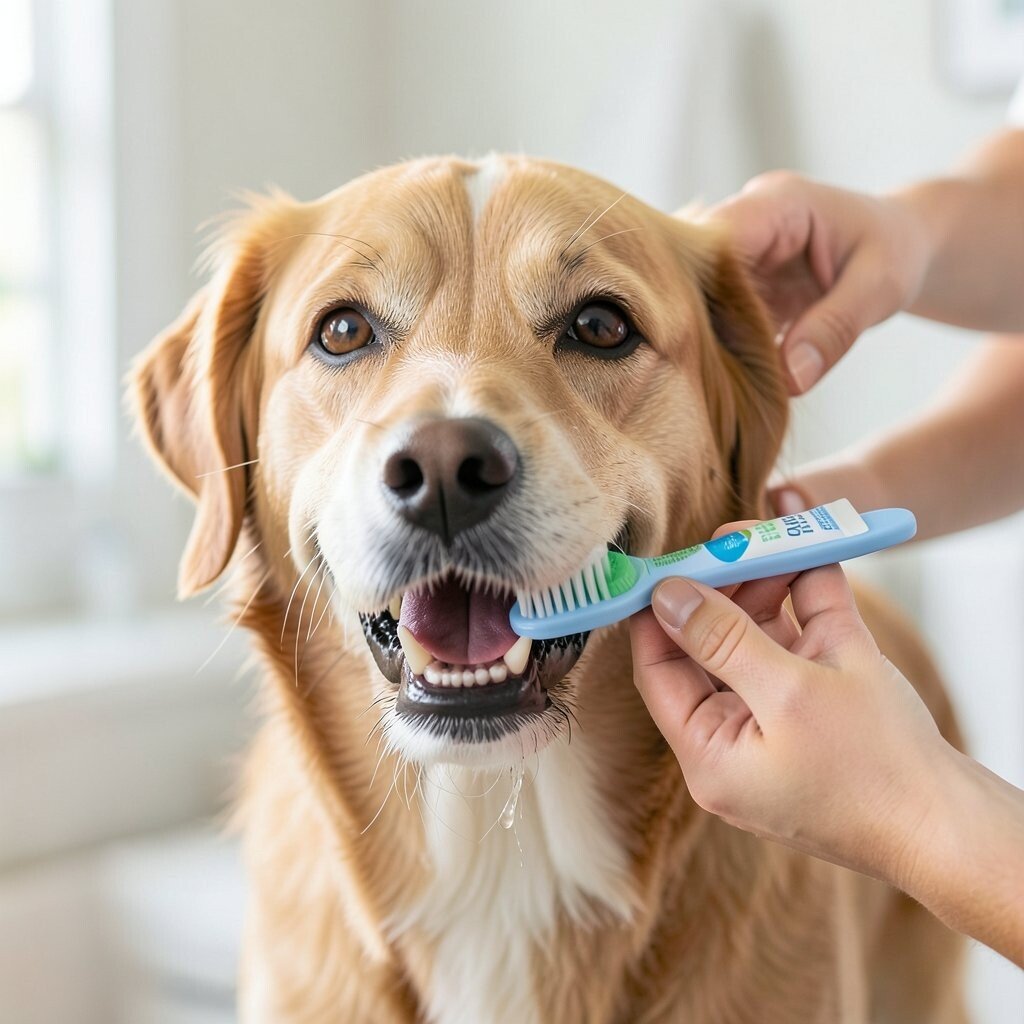
Bad breath is common, and it can get better with brushing. Use a dog toothbrush and dog toothpaste, since human paste is not safe for pets.
Start with a small amount on the brush and touch the gums gently. Over time, your dog may allow more brushing, and you can see less film on the teeth.
This is a simple step that helps the whole body, not just the mouth. You can personalize by choosing a flavor your dog likes, like poultry or mint-style flavors made for dogs. Toothpaste and brushes have a steady cost, but a small tube can last for months.
8. Wipe Paws After Walks
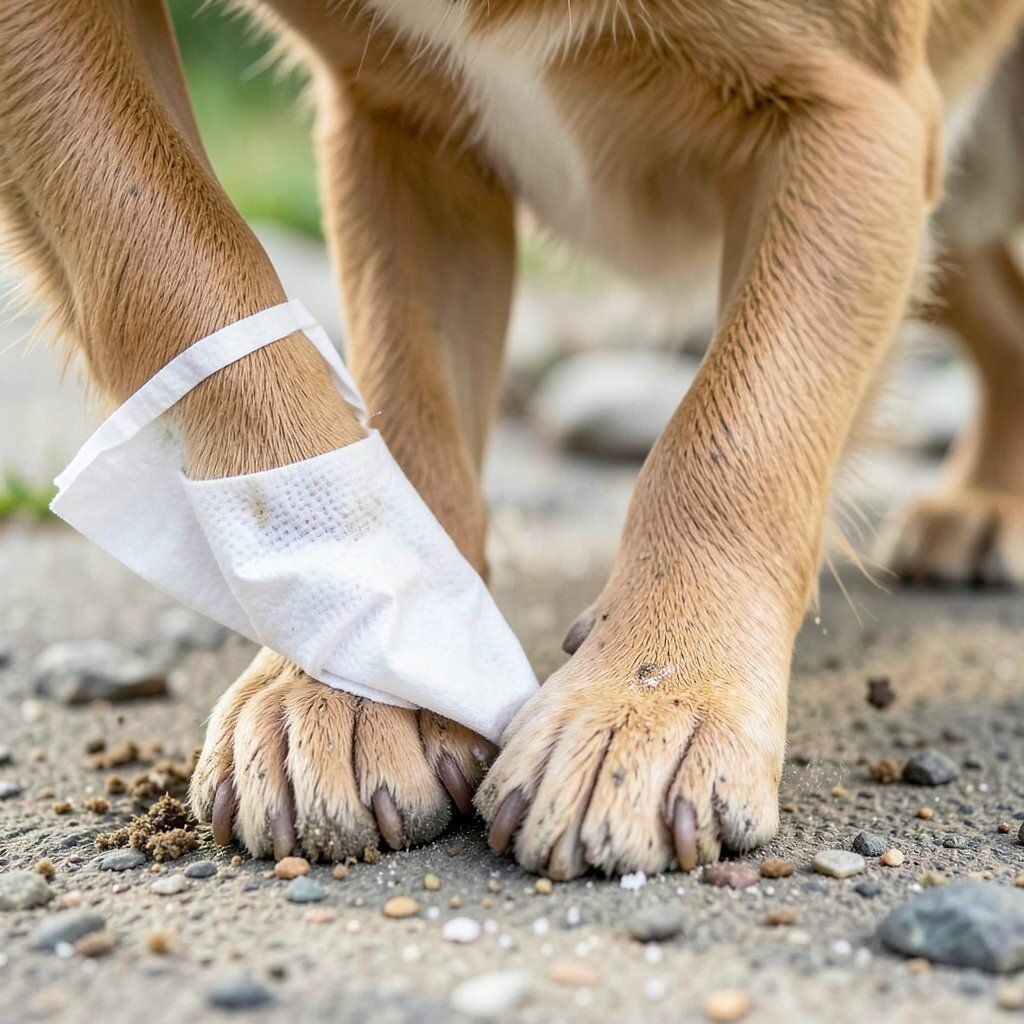
After a walk, check your dog’s paws for dirt, small stones, and sticky stuff. Paws can also pick up salt in cold months, which can irritate skin.
Use a damp cloth or pet wipes to clean between toes. You will often see a cleaner paw look less dusty and feel softer.
Wiping paws can reduce mess at home and help your dog stay comfy. This idea is great for personalization since you can use thicker wipes for winter or lighter ones in summer. Cost is usually low because wipes and cloths are easy to get.
9. Use a Deshedding Tool in Shedding Seasons
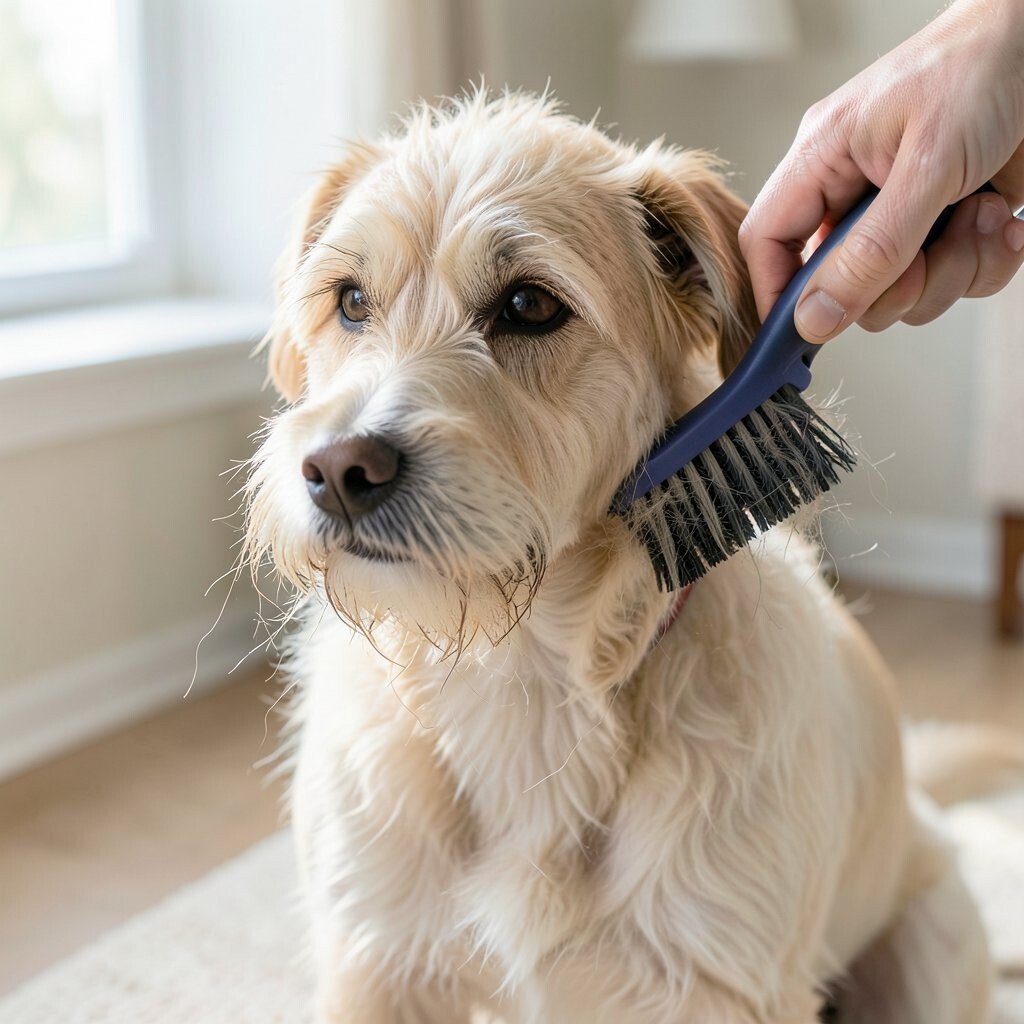
When hair falls more than usual, your dog may need extra help. A deshedding tool can grab loose hair without pulling hard.
Brush in the direction of hair growth and stop if your dog seems bothered. You can see a lot of loose fur gather on the tool, which often makes the coat feel lighter.
Deshedding can reduce the amount of hair around your home. Many people love this step because it helps big changes during seasonal shedding. The cost is higher than a basic brush, but it can save time during peak shedding.
10. Add Conditioner for Dry Fur
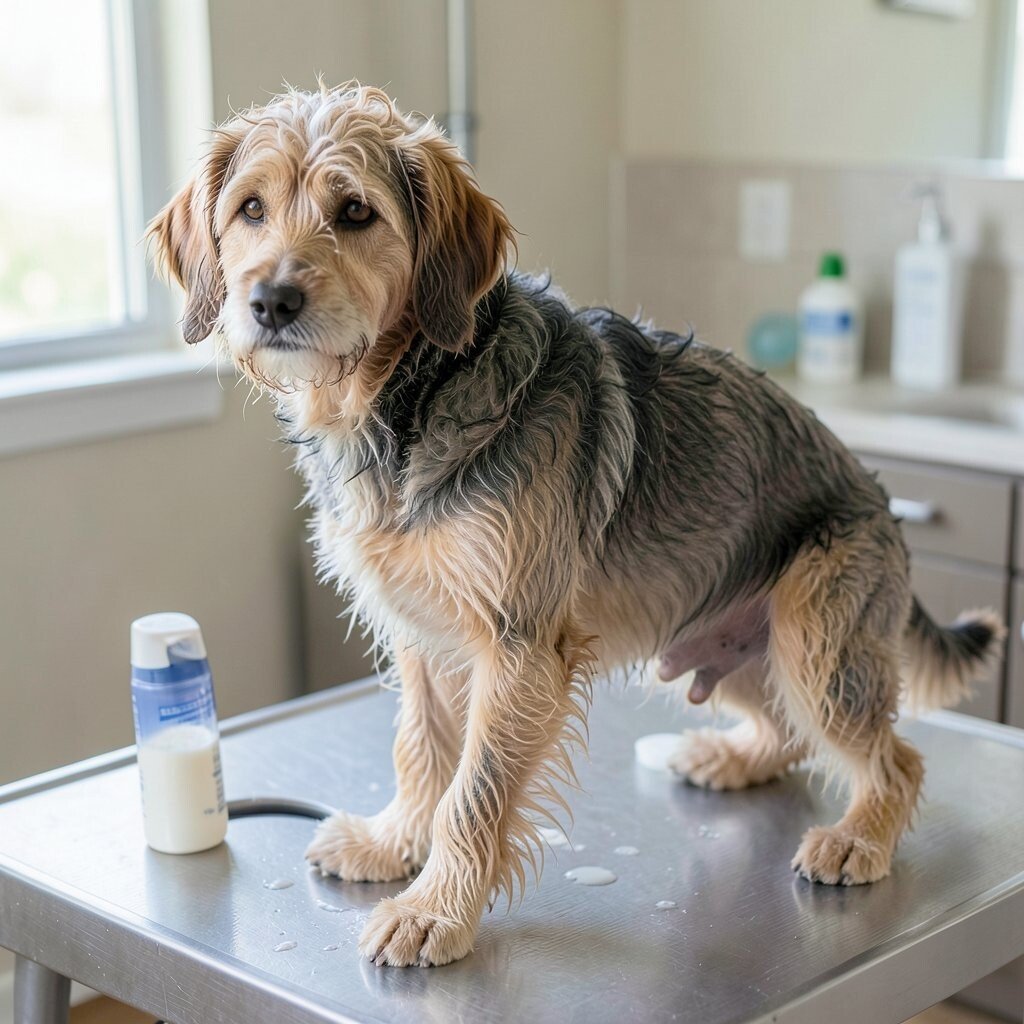
If your dog’s coat looks dull or rough, a light conditioner may help. Choose a conditioner made for dogs and follow the label.
Apply it from mid-body to the ends, then rinse well. You may notice the coat feels softer to the touch and looks smoother in pictures.
This grooming idea is helpful for dogs with dry skin, curly fur, or tangles. Personalize by using a small amount and adjusting based on how your dog reacts. Cost can be a bit more since conditioner is a separate product, but it can stretch with correct use.
11. Trim Face Fur for Better Eye Comfort
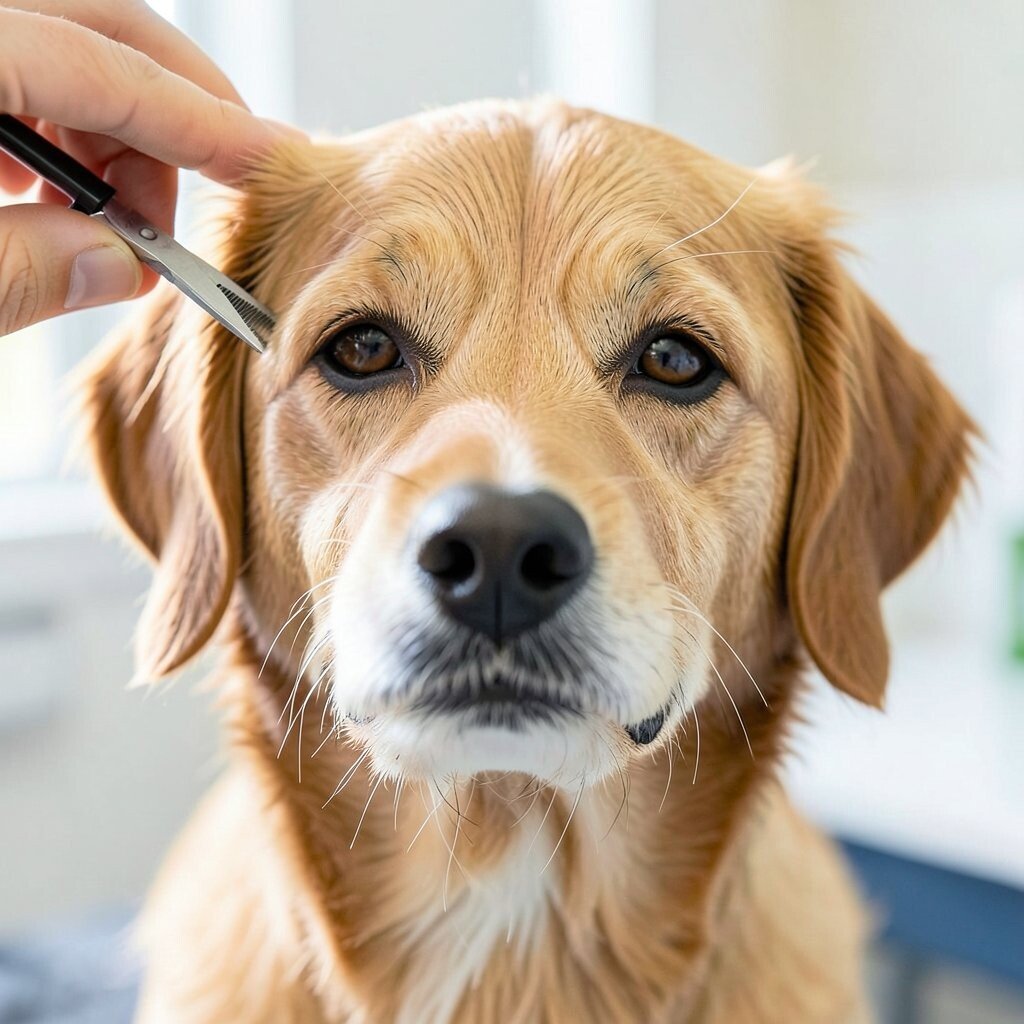
Some dogs get hair that pokes the eyes or falls into the face. This can cause watery eyes or constant blinking.
Use small grooming scissors or a pet trimmer, and be careful around the face. You can see the hair sit back and out of the eyes after a neat trim.
This step can make your dog look sharp and also help them feel more comfortable. If you are not sure, ask a groomer for a quick demo and then copy their steps. Cost varies by tool, but many face trims can be done with basic grooming kits.
12. Shape the Fur With a Simple Hairline Trim
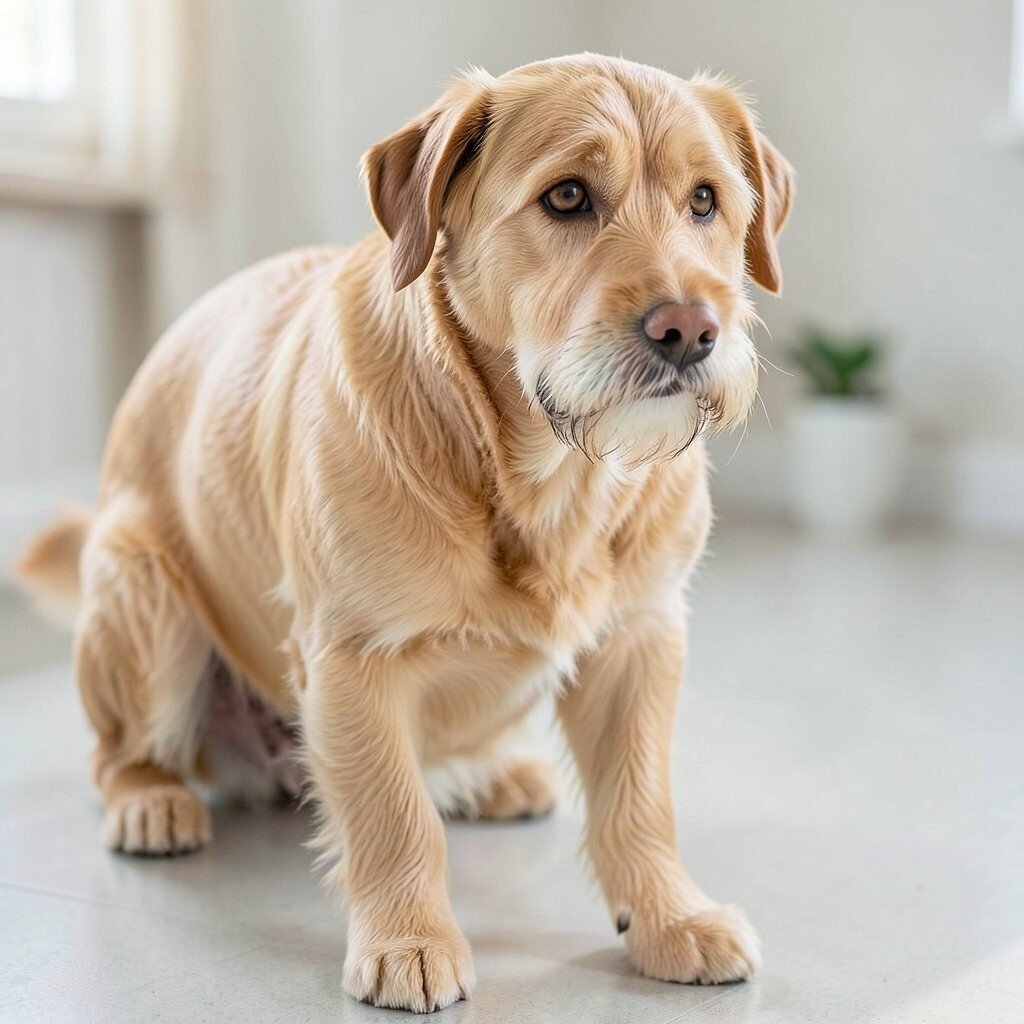
You can keep your dog looking tidy by trimming around the body edges. A clean hairline on paws, legs, and belly areas can make the coat look neat.
Start with small cuts and comb the fur between trims. You will see a smoother shape when the fur lines up after brushing.
Personalize the look based on your comfort level and your dog’s needs. For example, keep more length if your dog gets cold, or trim shorter if your dog lives in hot weather. This can be cheaper than frequent full grooms, since you can do it at home.
13. Try a Calm Blow Dry With Low Heat
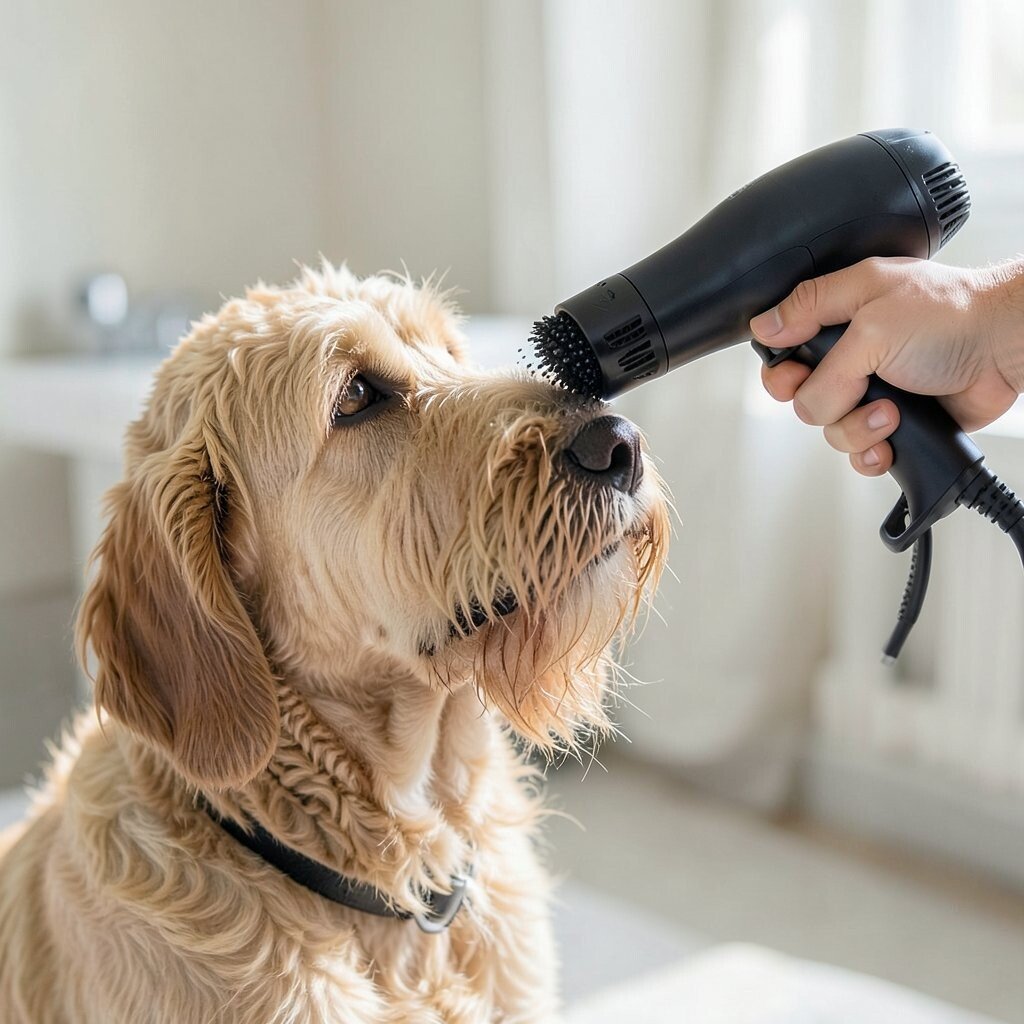
Some dogs do not like dryers, so this should be done gently. If your dog tolerates it, use low heat and keep the dryer moving.
Hold the dryer at a safe distance and watch your dog’s body language. If your dog leans back or looks stressed, stop right away and switch to towel drying.
A calm blow dry helps fur dry faster and can stop tangles. This is unique because it mixes comfort checks with drying, so you do not rush. Cost depends on whether you already own a dryer, but pet-safe models can be found in many places.
14. Use a Mat Comb for Long Hair Tangles
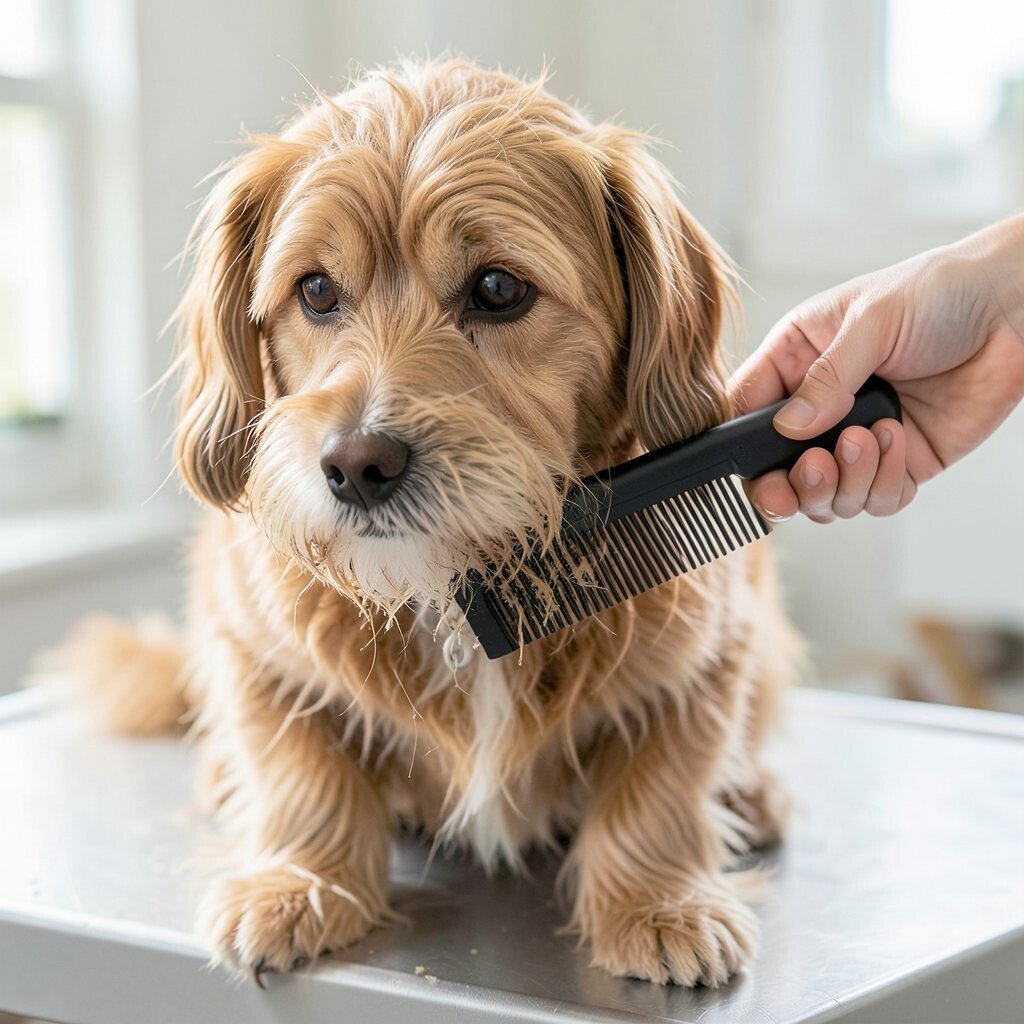
Long hair can tangle even with regular brushing. Mats can pull on skin and feel painful, so it helps to catch them early.
Use a mat comb or comb made for tough tangles, and work slowly from the ends. You can feel the tug ease as the mat breaks apart.
This step is important for comfort, not just looks. Personalize your routine by using more gentle comb passes on days when your dog is extra sensitive. A mat comb is often a good one-time buy, and it can help you avoid costly grooming fixes later.
15. Keep Fur Around the Tail and Belly Extra Clean
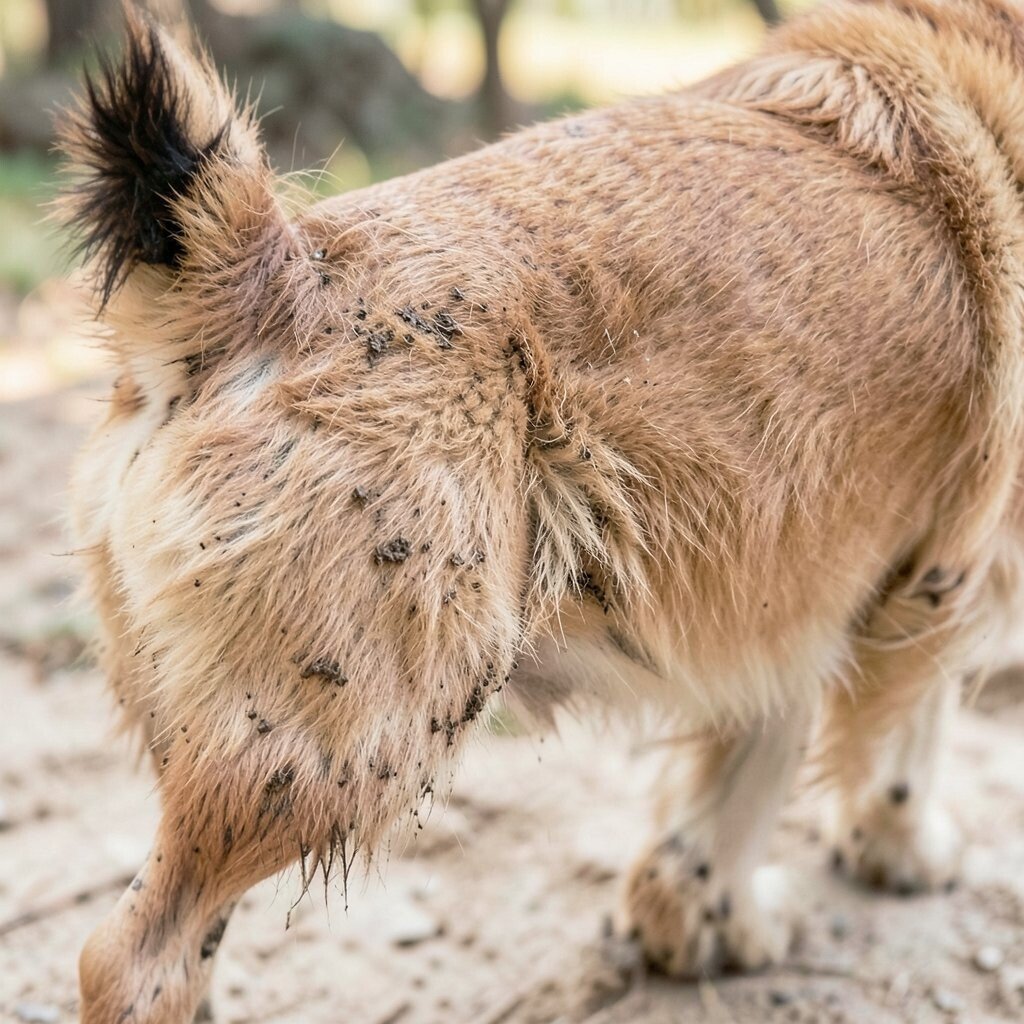
Some areas get dirty faster, like around the tail and belly. These spots can pick up mud, water, and small debris.
After walks, check the areas and wipe with a damp cloth. You may notice less odor and less sticky fur when you keep up with this habit.
This is a useful idea because it focuses on the spots people miss. Personalize by using a gentle rinse for muddy areas and a lighter wipe for dry days. Cost stays low since a cloth and water are simple tools.
16. Make Grooming a Treat and Routine Time
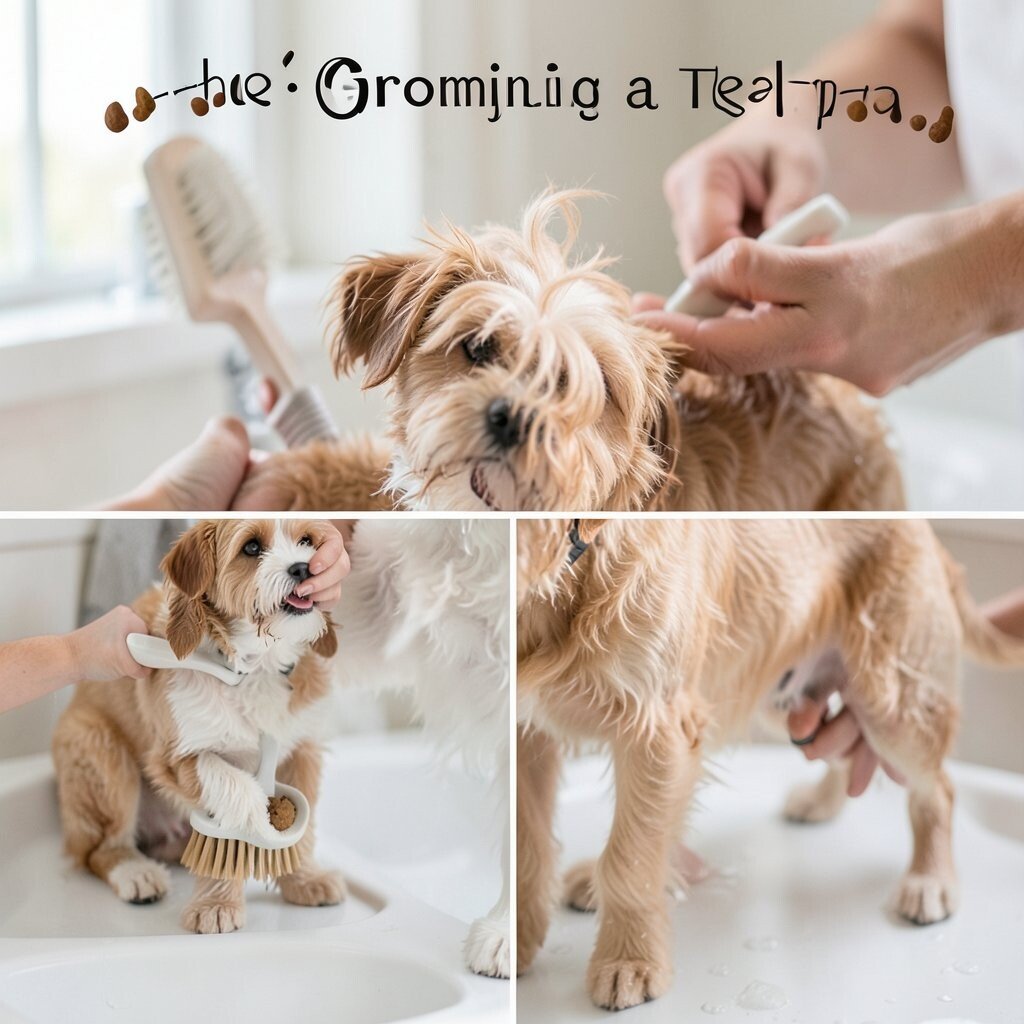
Dogs often do better when grooming is part of a daily plan. Use calm words, start with easy steps, and give small treats.
Set a simple schedule, like brushing on certain days and a bath only when needed. Over time, your dog learns the pattern, and the grooming time feels less stressful.
This idea is unique because it focuses on training your dog to stay steady. Personalize by choosing treats your dog likes and keeping sessions short at first. The cost is usually mainly for treats, and you may also save money by reducing the need for extra emergency grooming.