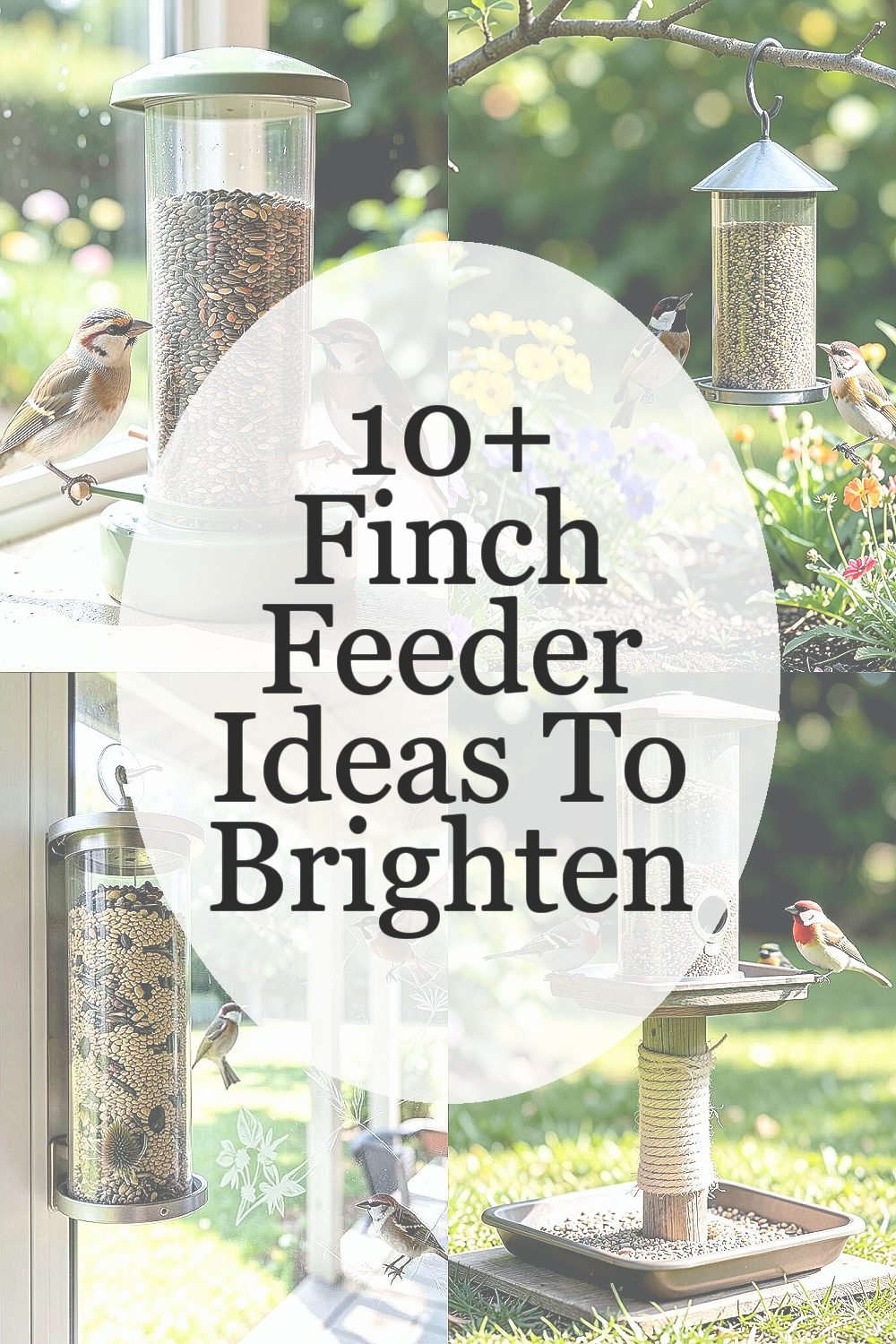
A finch feeder can make your yard feel lively and calm. With small changes you can help more birds visit and stay longer.
1. Classic Tube Feeder With Seed Mix
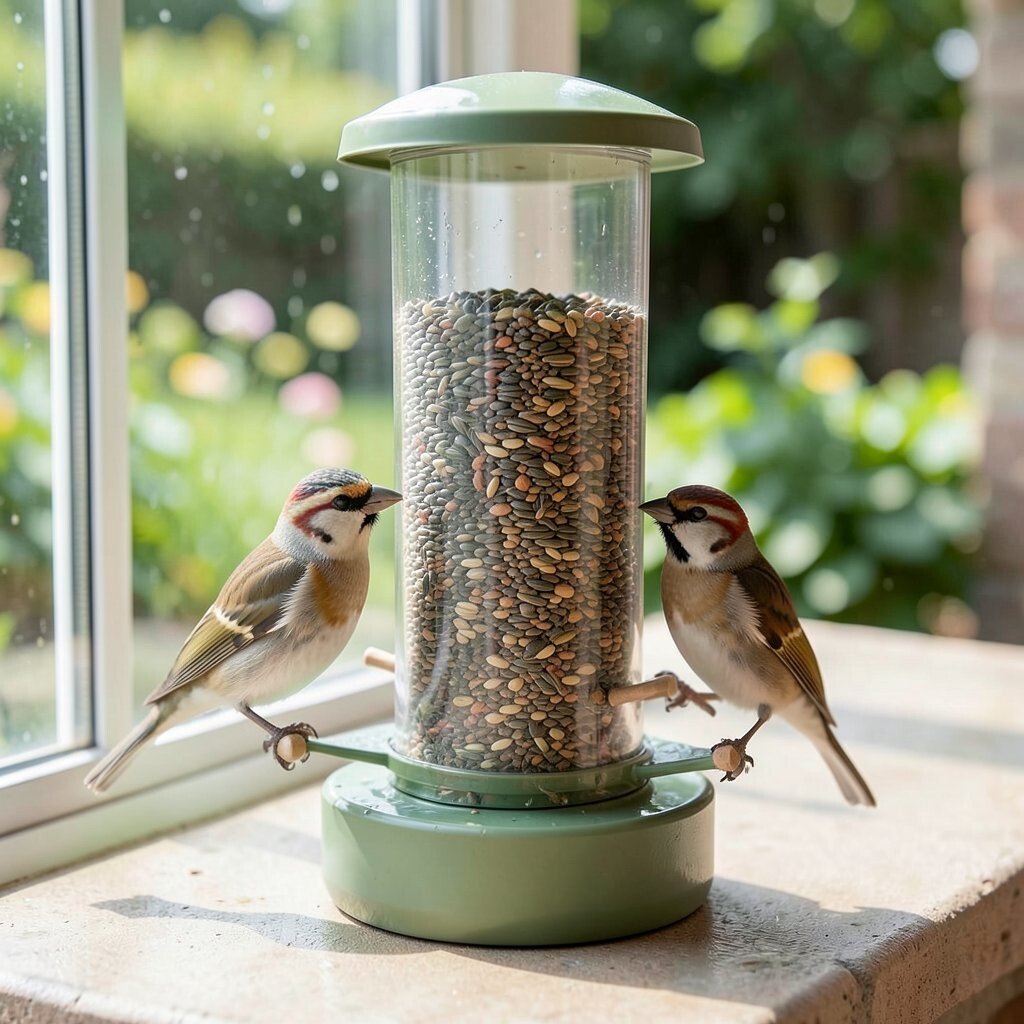
A tube feeder is a simple start for finches. You can see the seed through the clear sides, and the birds can land on the small perches. Place it where you can watch, like near a window or a patio.
Use a seed mix that fits small finches, such as thistle or nyjer. This helps the birds spend time feeding instead of looking around. Keep the feeder clean so the seed does not get wet or moldy.
For personalization, paint the base a plain green or a soft tan. You can also choose a model with a cover to keep rain off. This idea usually costs less than fancy setups, and it is easy to find in many stores.
2. Hanging Feeder Beside Flowers
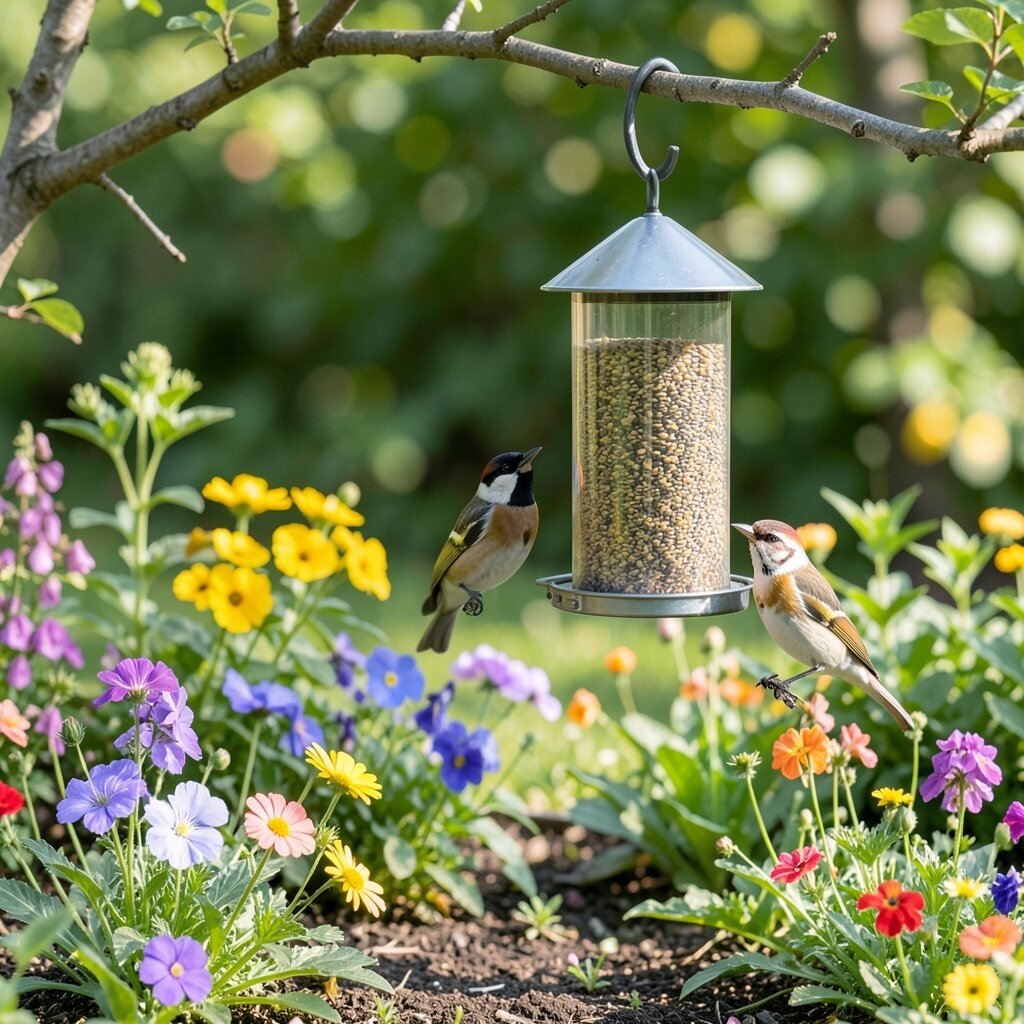
Hang a finch feeder from a sturdy hook or from a small tree branch. When it hangs at the right height, you will often see quick visits. A spot near flowers makes it feel natural for the birds.
Add flower types that support insects, since birds look for both seeds and food. You might also add a small patch of native plants for more cover. Finches often like places where they can pause and look for safe openings.
To keep costs down, start with one hanging feeder and one small flower bed. Choose a feeder that is easy to remove for cleaning. Watch for how fast the birds find it, then adjust the height as needed.
3. Window Feeder With Suction Cups
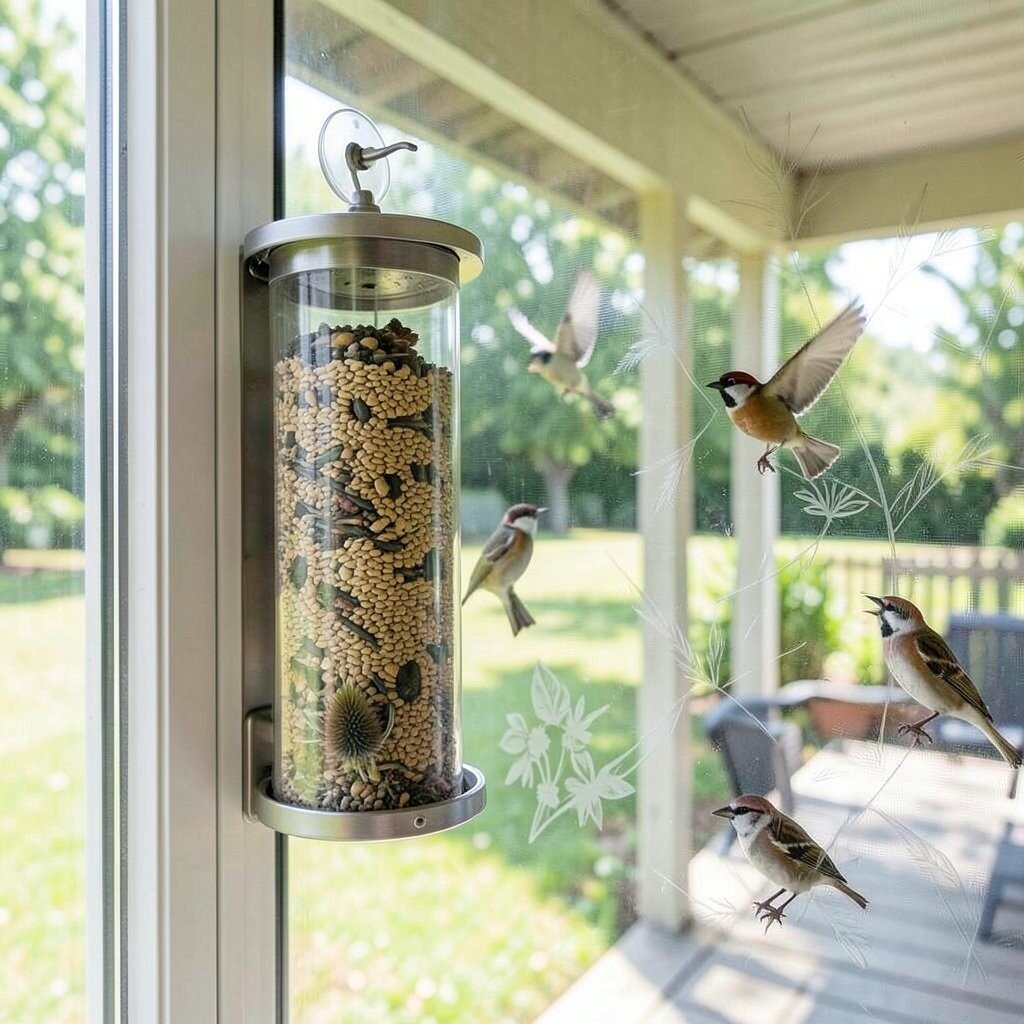
A window feeder can be fun if you like close views. It sticks to a window with suction and lets you watch finches from inside. You can see the birds clearly, and kids or guests will enjoy it too.
Pick one made for small birds so the holes match seed size. Use a thistle or fine seed mix that fits the feeder. Put it in a spot with less glare, and avoid placing it right where birds might fly into glass.
For tips, set it near a safe outdoor area, like a covered porch. You can also add a simple window film pattern to help birds see the glass. This option can be mid cost, but it saves you steps because you can refill it quickly.
4. Elevated Feeder on a Simple Stand
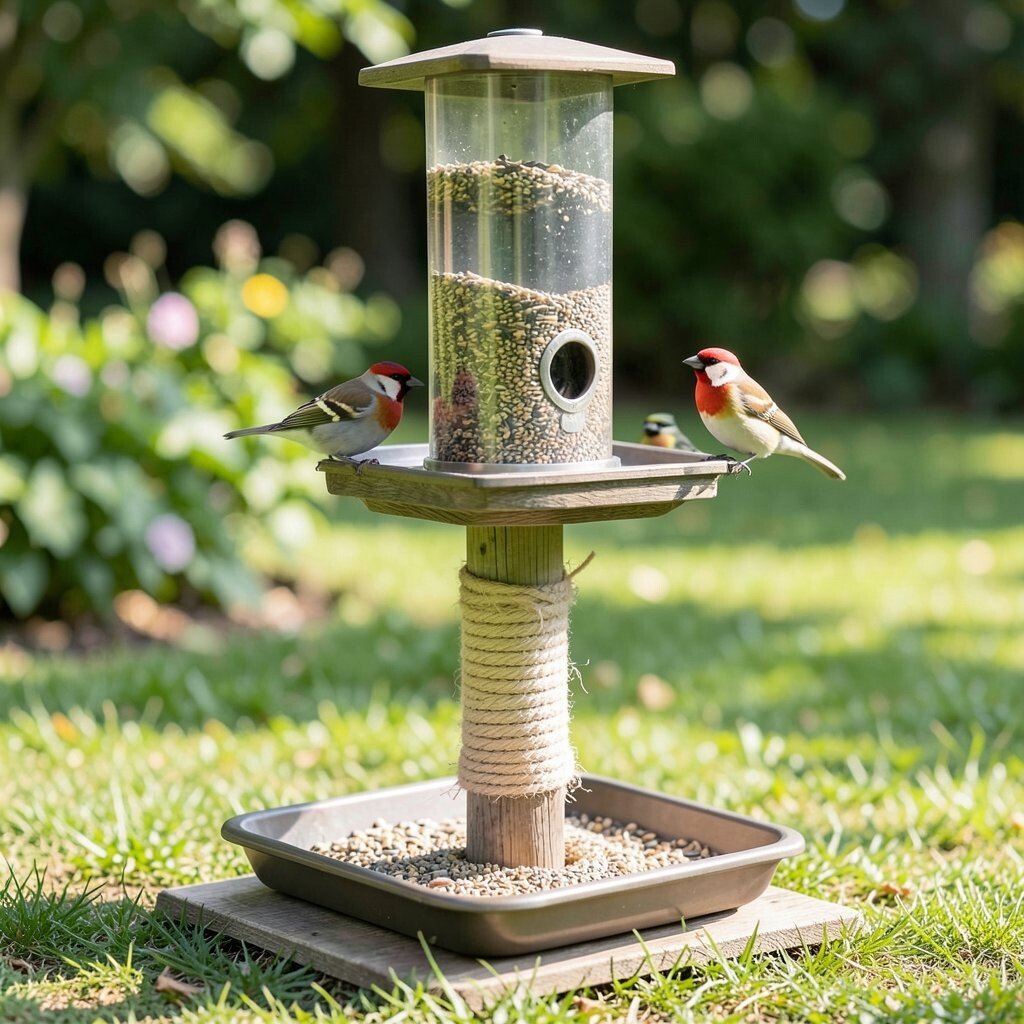
Some finches do better when the feeder is raised. A stand keeps the feeder steady and makes it easier to reach for cleaning. You can set the height so the birds feel open but not exposed.
Choose a stand that does not wobble. If it sways, birds may avoid it, especially in windy weather. Add a small tray under the feeder to catch spilled seed, and sweep it often.
For personalization, wrap the stand with plain outdoor rope or use a color that fits your yard. This idea can fit most budgets since stands come in many prices. It also supports trends like neat yard setups that look tidy from the street.
5. Multiple Small Stations Instead of One Big Feeder
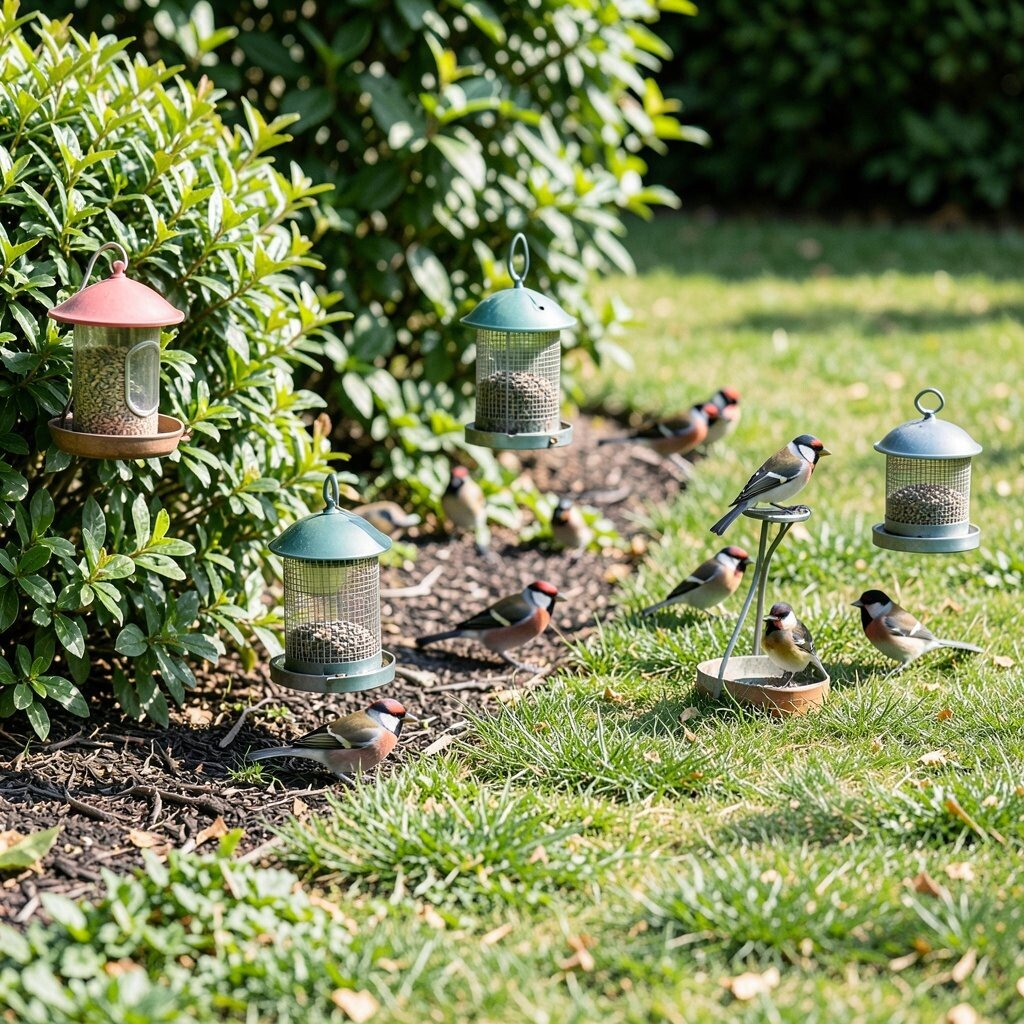
Instead of one feeder, try more small feeding spots. This can spread out the birds so one group does not push others away. You may also see different finches pick different stations.
Use small feeders with different styles, like a tube near a bush and a small mesh feeder near open space. Keep the distances short so the birds do not have to travel far. This can help you spot which location they prefer.
To keep it from getting messy, place feeders with some space between them and clean seed drops often. The cost can be fair since you can pick smaller feeders at different times. This setup is unique because you get a yard that feels active in more than one corner.
6. DIY Feeder From a Clean Upcycled Container
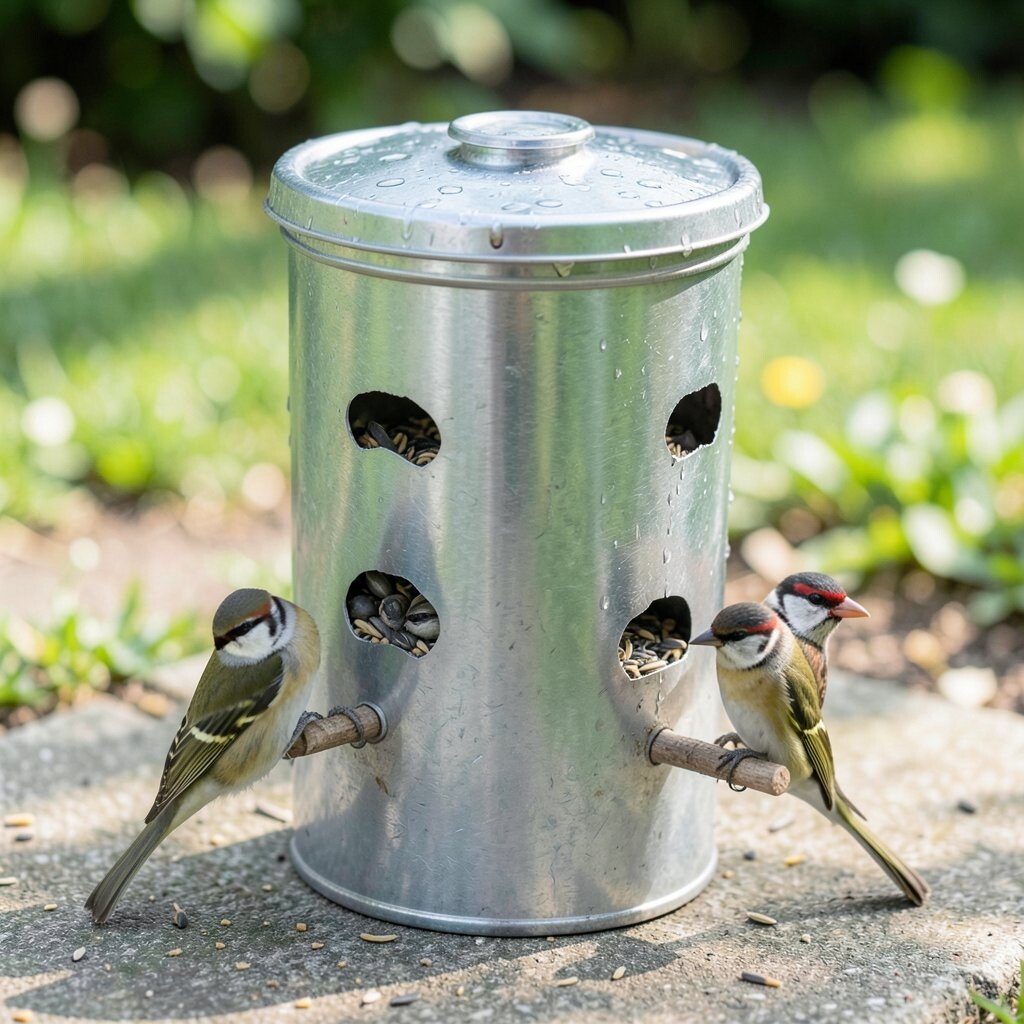
You can make a feeder using a container you already have. Some people use a clean metal or thick plastic container with holes made for small birds. Add perches or small landing spots so finches can grip comfortably.
Only use food-safe items that you can clean well. Sand sharp edges and check that there are no rough spots. Add a way to keep rain off the seed, like a small lid or a cover.
This idea is budget friendly, but you need time and care. It is also personal since your yard can show your style. The trend of upcycling keeps growing, and bird feeding can fit that theme nicely.
7. Covered Feeder With Easy Rain Protection
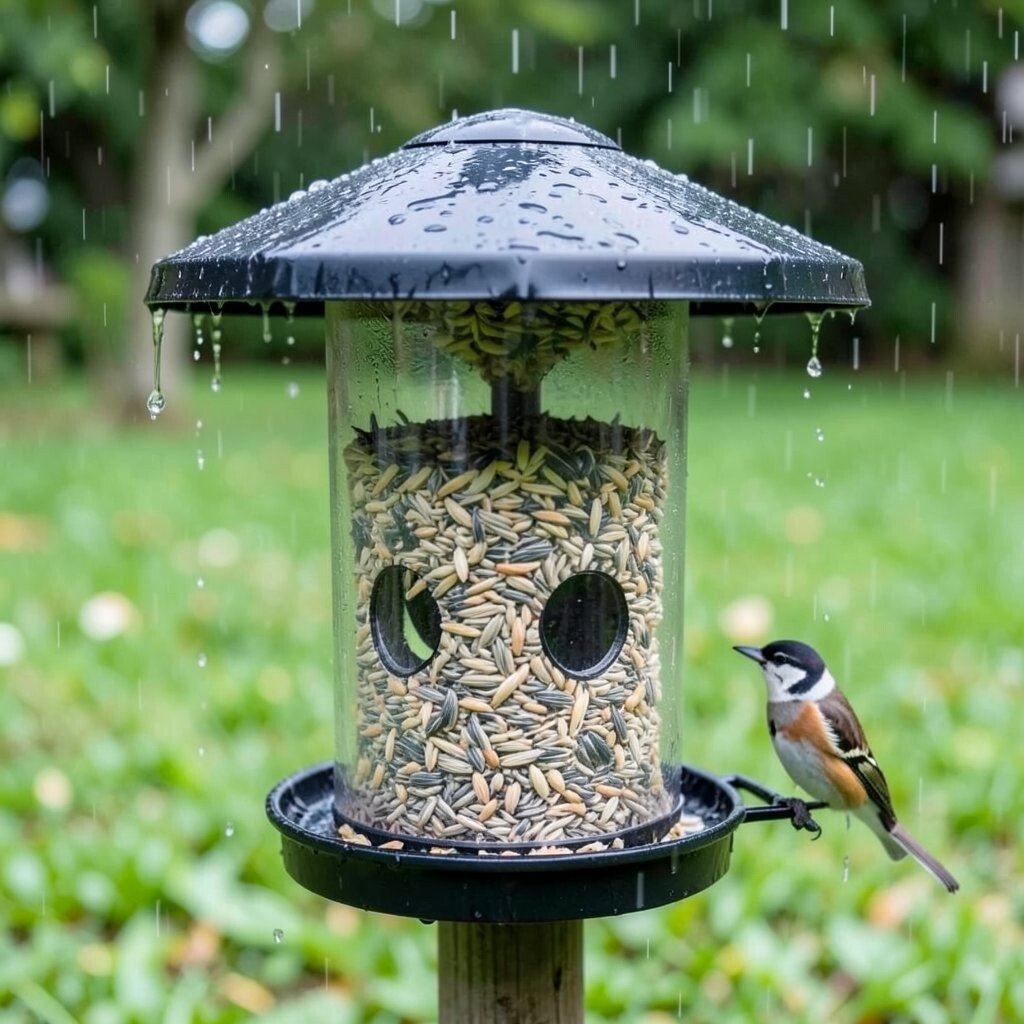
A covered feeder helps when the weather turns wet. Rain can spoil seed, and spoiled seed can make birds skip a spot. A cover also helps keep the feeder cleaner between refills.
Look for a design with a roof or a top that blocks rain from most sides. Make sure air can still move so the seed does not stay damp. Check it often so water does not pool inside.
For tips, place the covered feeder where you can still see birds clearly. Choose a cover style that matches your yard, like a simple dark cap. This can cost a bit more than an open feeder, but it may save seed and time.
8. Finch-Friendly Platform Feeder With Seed Trays
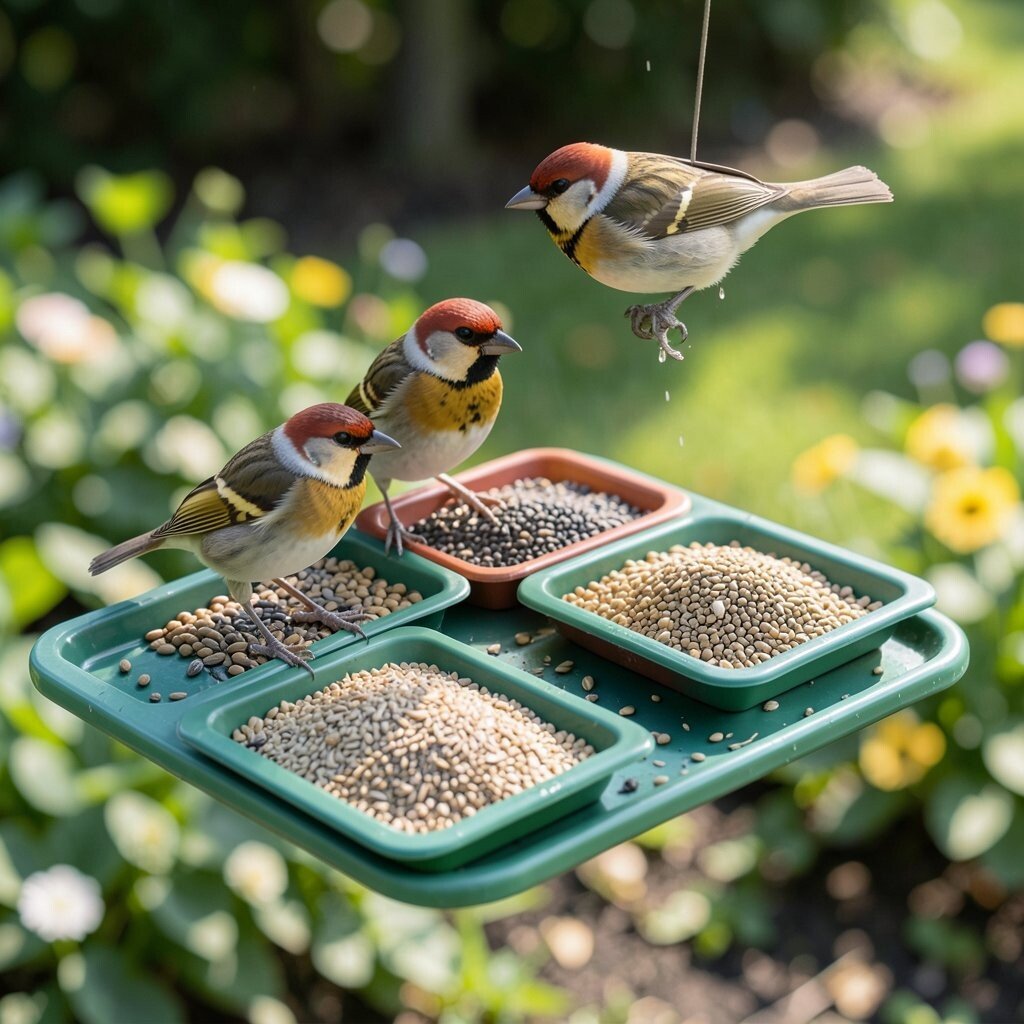
A platform feeder can work if it uses seed trays made for small birds. The flat space lets finches land and feed in short visits. Some platforms also let you add different food types in separate trays.
Use small, dry seeds that fit finches, and keep the tray thin and fresh. If the tray is too deep, seeds may clump and birds may avoid it. Wash the tray often and let it dry fully.
This feeder style is unique because it looks like a small feeding area, not just a hanging tool. You can personalize it with a tray color that fits your yard theme. Costs can vary, but many platform feeders are not too expensive.
9. Feeder Setup Near Safe Shelter Like Shrubs
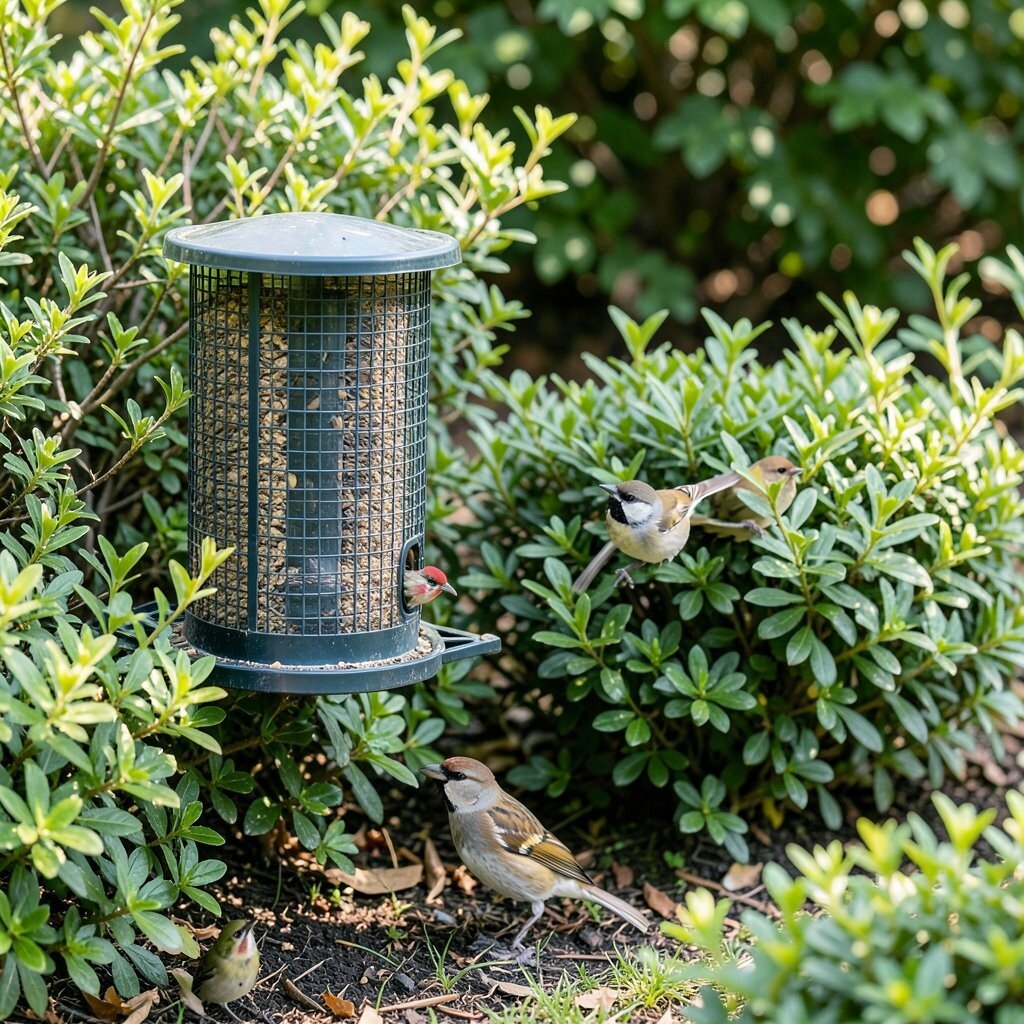
Finches feel safer when they have cover nearby. Place your feeder close to shrubs or a small hedge. When birds see cover, they may land faster and stay longer.
Choose plants that give quick hiding spots, but do not block the feeder too much. Keep the feeding area open enough for easy landing. Trim plants as needed so branches do not trap birds.
For tips, watch the birds for a few days and note where they fly in from. Move the feeder a little if you notice they pass by. This approach is helpful because it supports the birds’ daily routine, not just feeding.
10. Bird Bath Station With Gentle Water
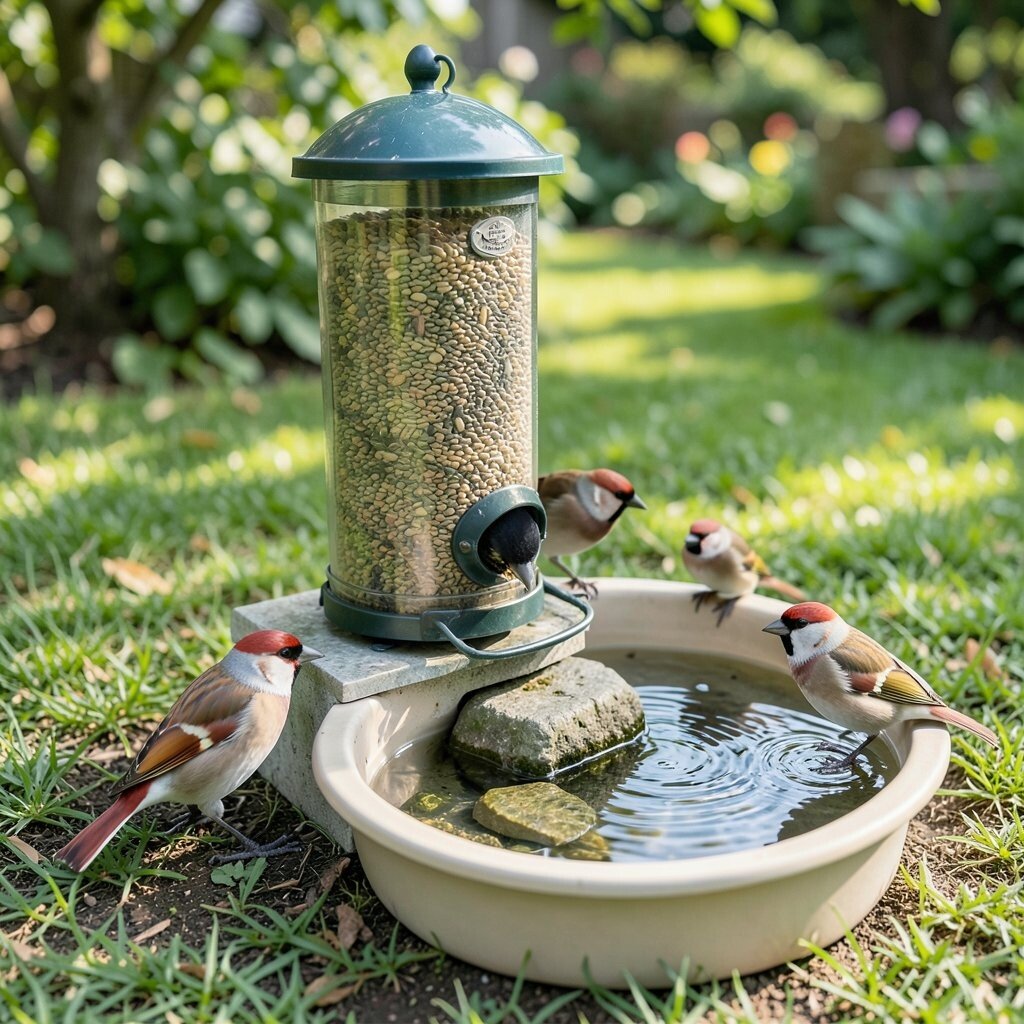
Some finches will visit a yard that also has clean water. A bird bath can bring more activity, even if your main goal is feeding. Choose a bath that is shallow so small birds can stand and sip.
Keep the water fresh and change it often. In hot weather, check daily. Add a small stone in the bath so birds can step up and feel safe.
For personalization, use a simple basin style that fits your yard colors. You can place it a short distance from the feeder so birds can feed and then drink. This idea can cost less if you use something you already have, but you still need regular cleaning.
11. Smart Feeder Placement With Light, Wind, and Flow
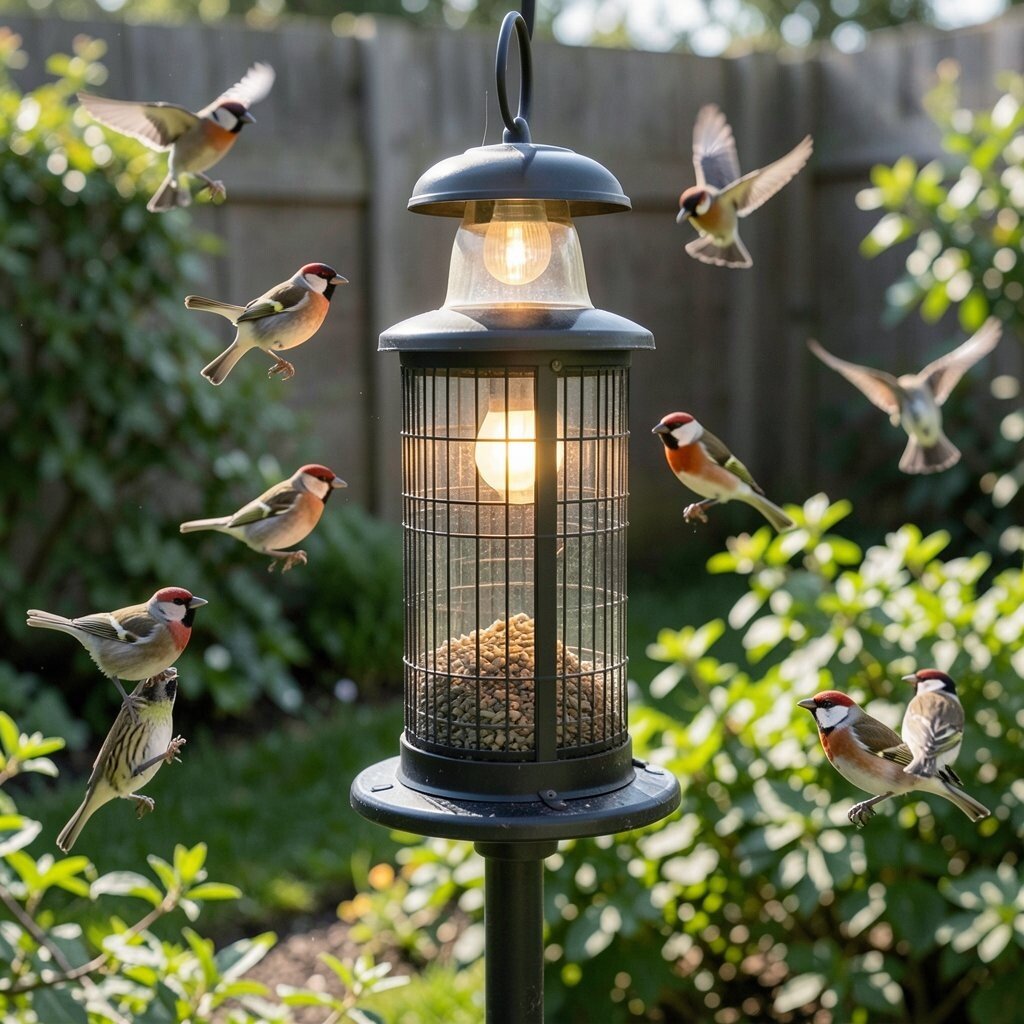
Placement can matter as much as the feeder itself. Finches may prefer spots that have steady light and less strong wind. Try a place that gets morning sun but has some shade later in the day.
Also think about how birds fly around your yard. If you have tall walls, use them as a background so birds can see the feeder clearly. Avoid placing it right near thick branches where birds might get stuck.
To personalize, test a couple of spots with the same feeder. Keep notes on what you see, like which time birds show up most. This fits current trends about smarter yard setups, and it can cost nothing extra once you choose the right spot.